Dracaena Draco

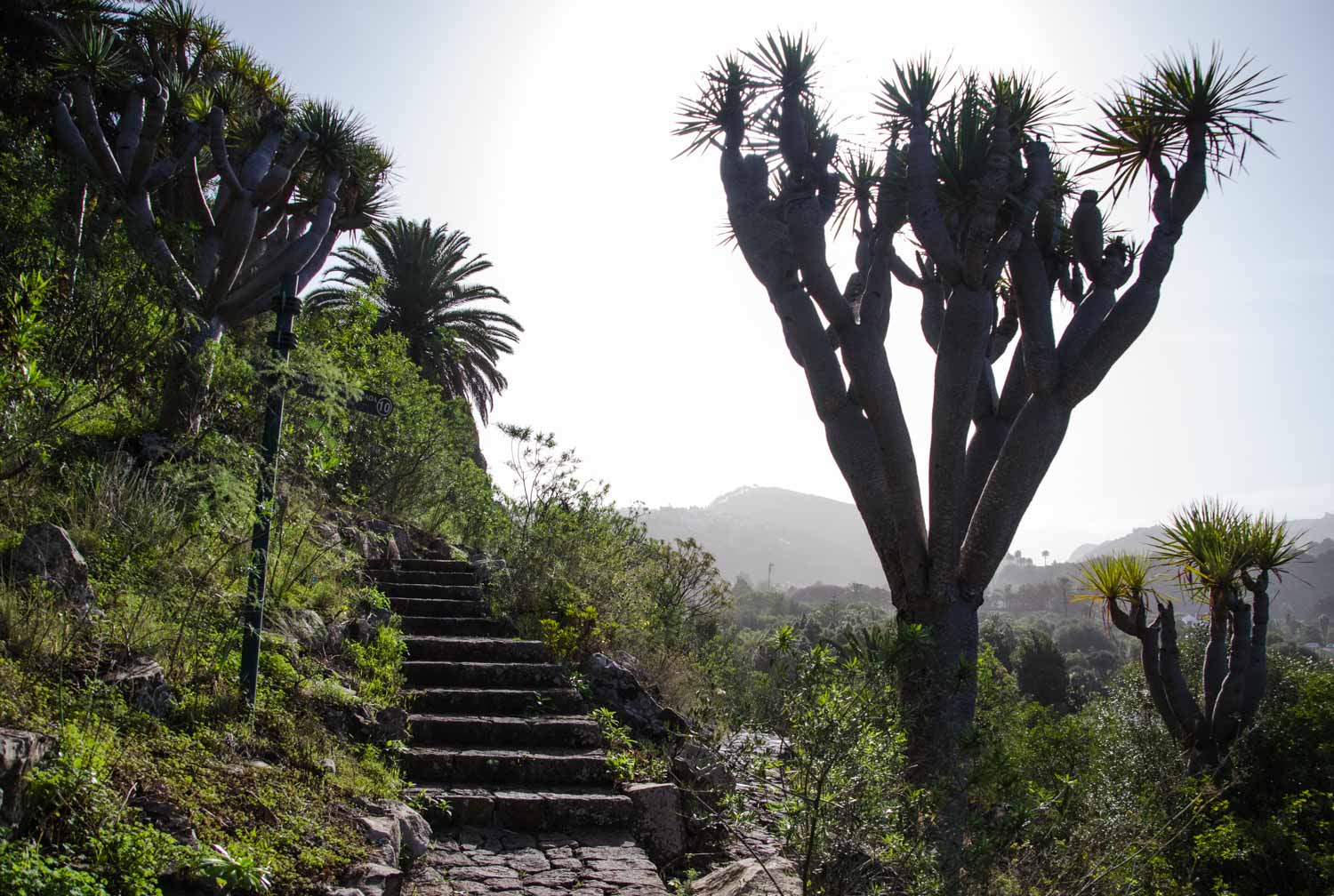
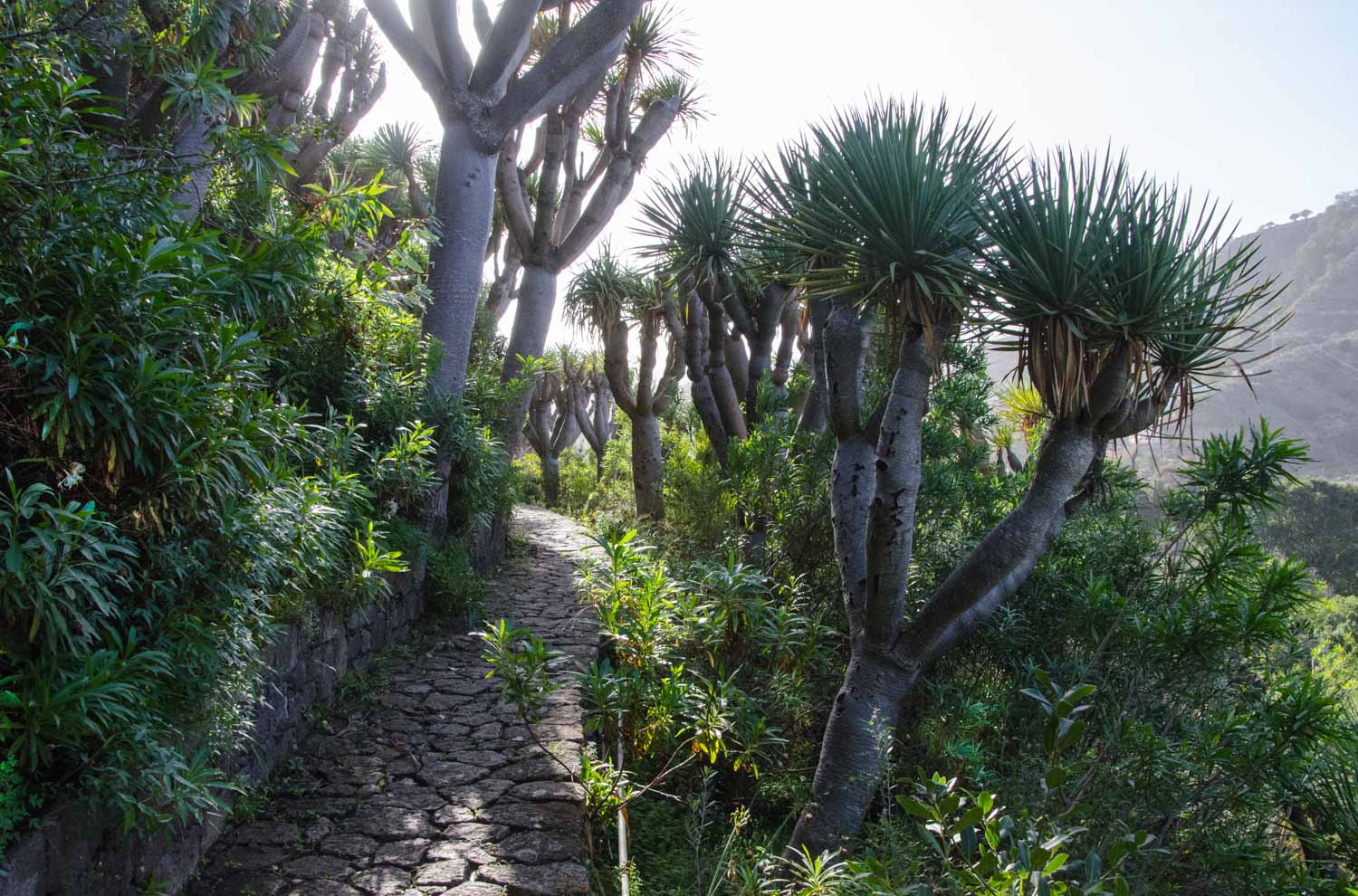
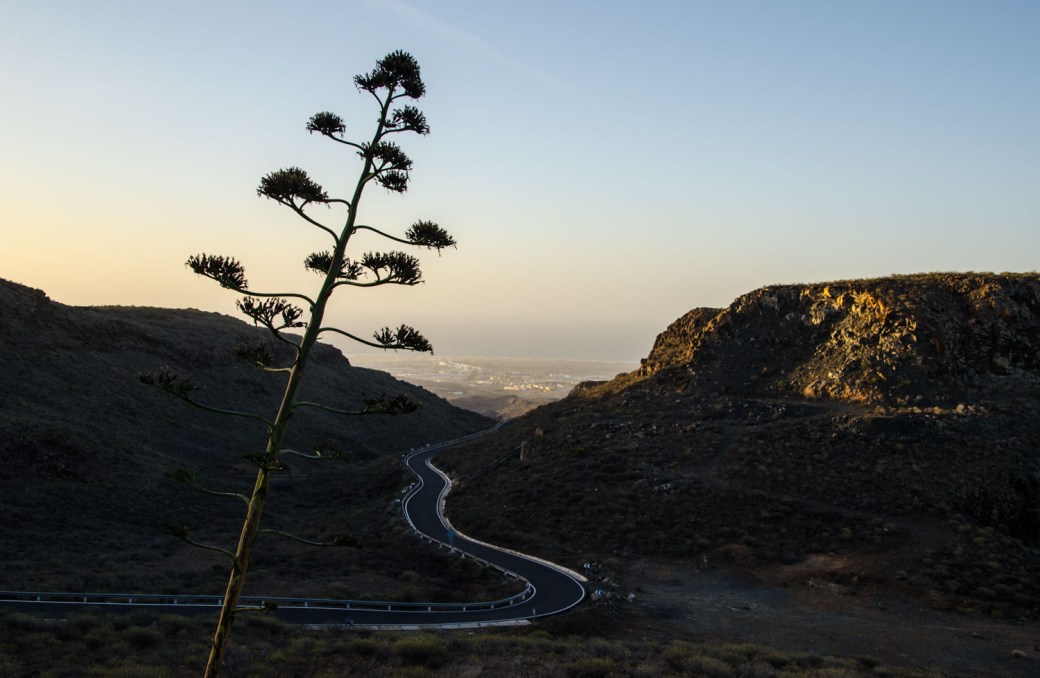
As we did not manage to walk the whole garden before dark, we returned the next day. I knew there was a Dracaena Draco path on the steep slopes – I just had to walk it!

I have always been fascinated by the Dragon tree, and many  years ago I went to Icod de los Vinos, Tenerife, to see the ancient Draco, 22 meters high and trunk diameter 10meters. The inhabitants here call it El Drago Milenario: the Thousand-Year-Old Dragon.

On the ground, under Draco’s canopy, I picked 5 possible new trees…planted them at home, and – they grew up to beautiful little trees all of them. I gave away all except one. I cared for it lovingly for many years, but when it was about 1.50 meters high, a Swedish summer killed it. Too much rain made the top fall off, rotten. The tree never  recovered.

So, in the the botanical garden, on the steep slopes of the Barranco de Guiniguada, Gran Canaria, I picked another 7 possible Dracaena draco. Hopefully some of them will start growing…and I will keep them away from the Swedish summer rains…

Detta bildspel kräver JavaScript.

And the reward for returning here this day was…

…all I could ask for!


Hiking the Roque Nublo Area

We went for the light – and a week of hiking joy. The Canary Islands still have a lot to offer even if you are not a beach person.

I have been to this volcano island once before, and fell in love with the Roque Nublo area in the middle of Gran Canaria. The highest peak is almost 2000 metres, and sometimes there is even snow here.

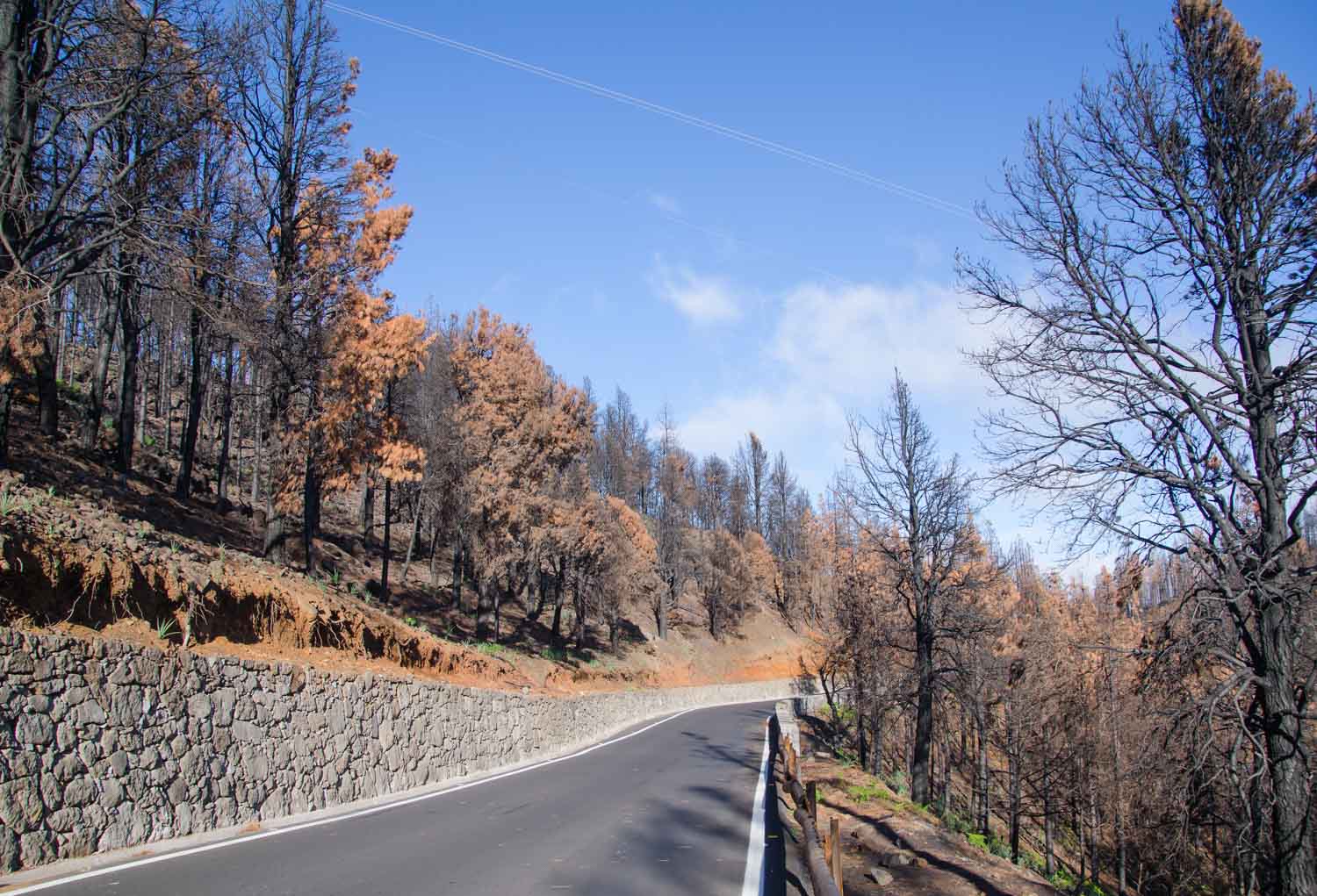
Driving through scorched areas on our way up, we wondered how much of the island had been taken by the big fires. Spain’s mainland was also much burnt this year. Much of this particular area was destroyed in September this autumn.

Those who never have experienced a Swedish November, cannot imagine the joy of this light and this blue sky!

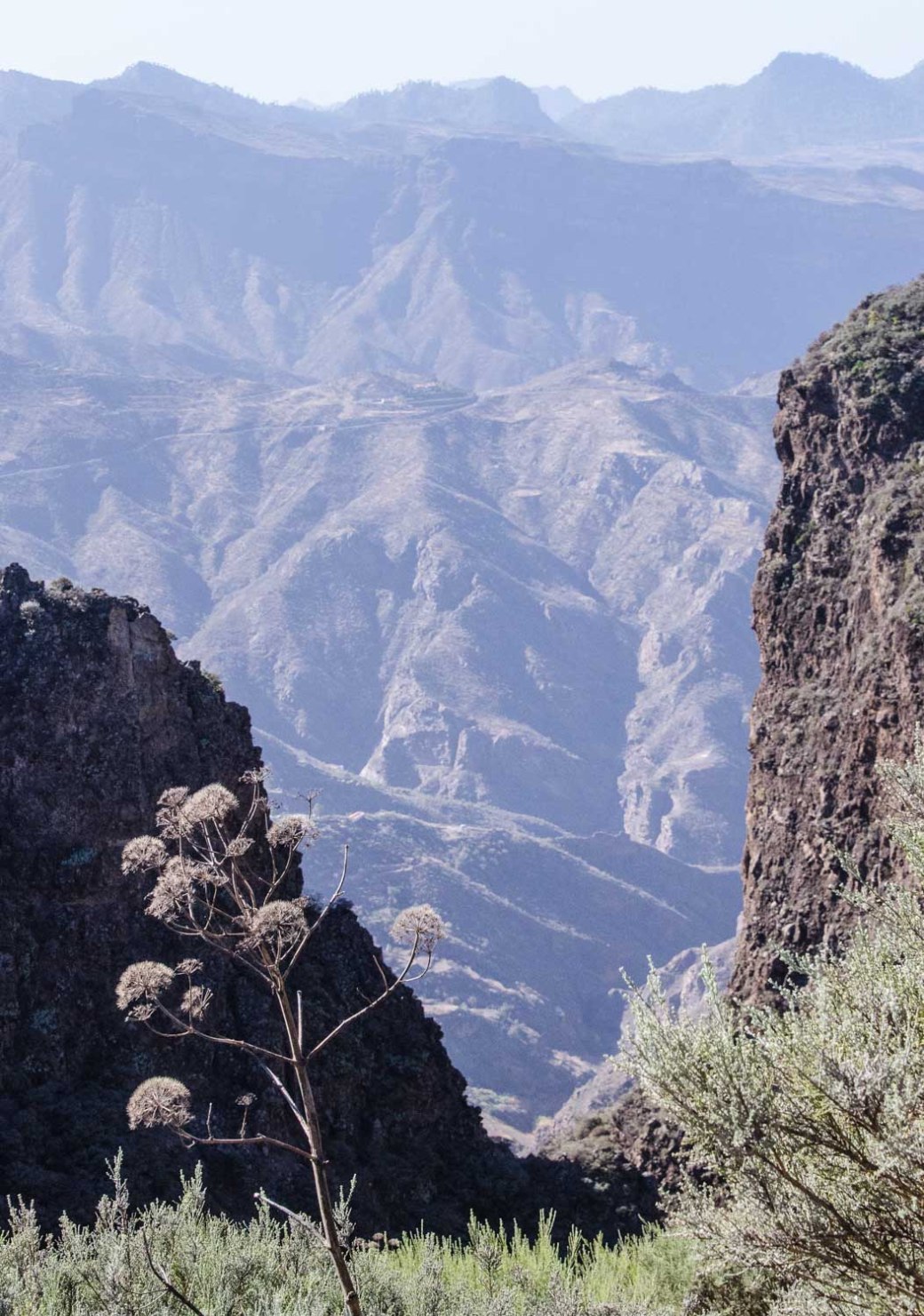
I love the look of those distant mountains…

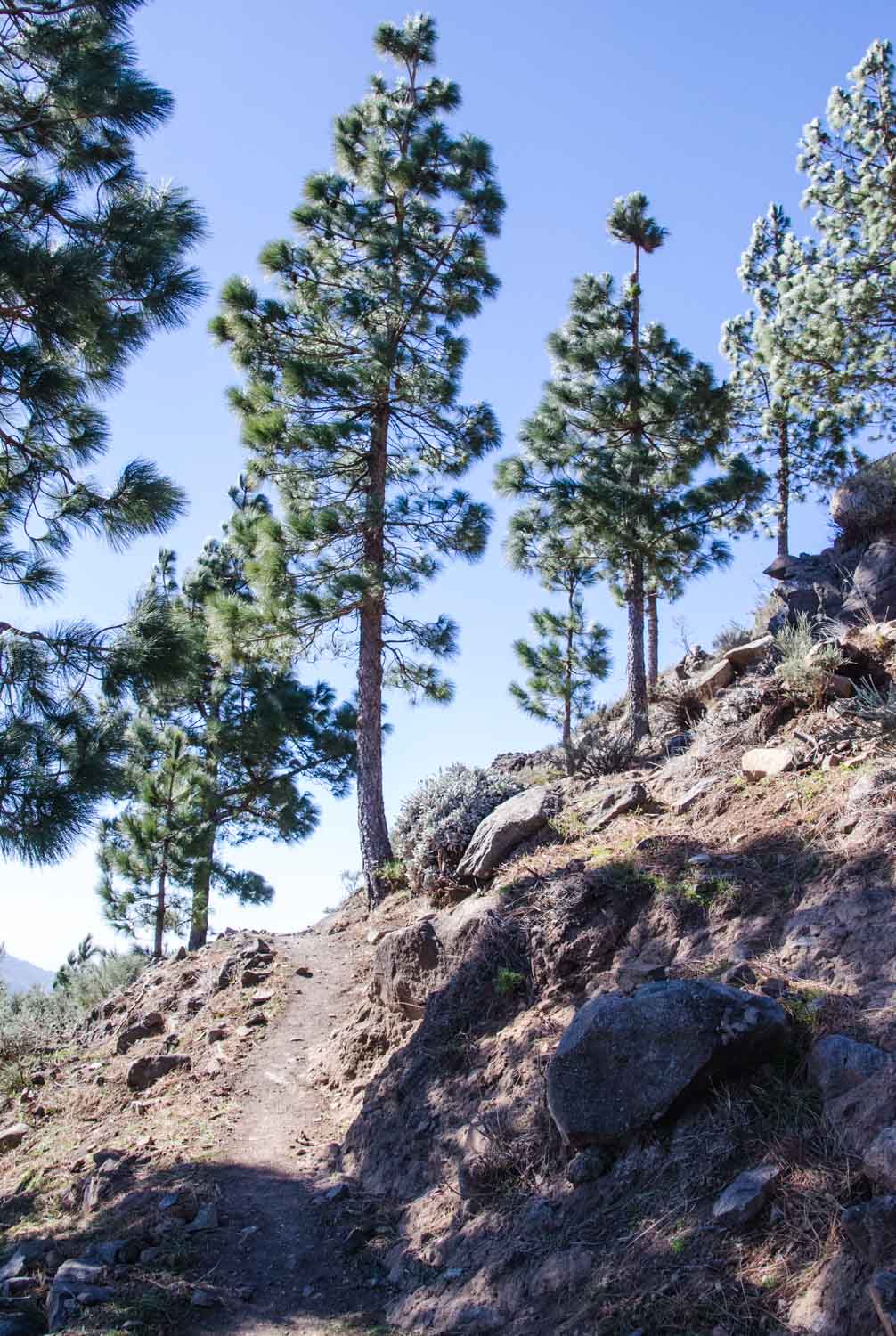
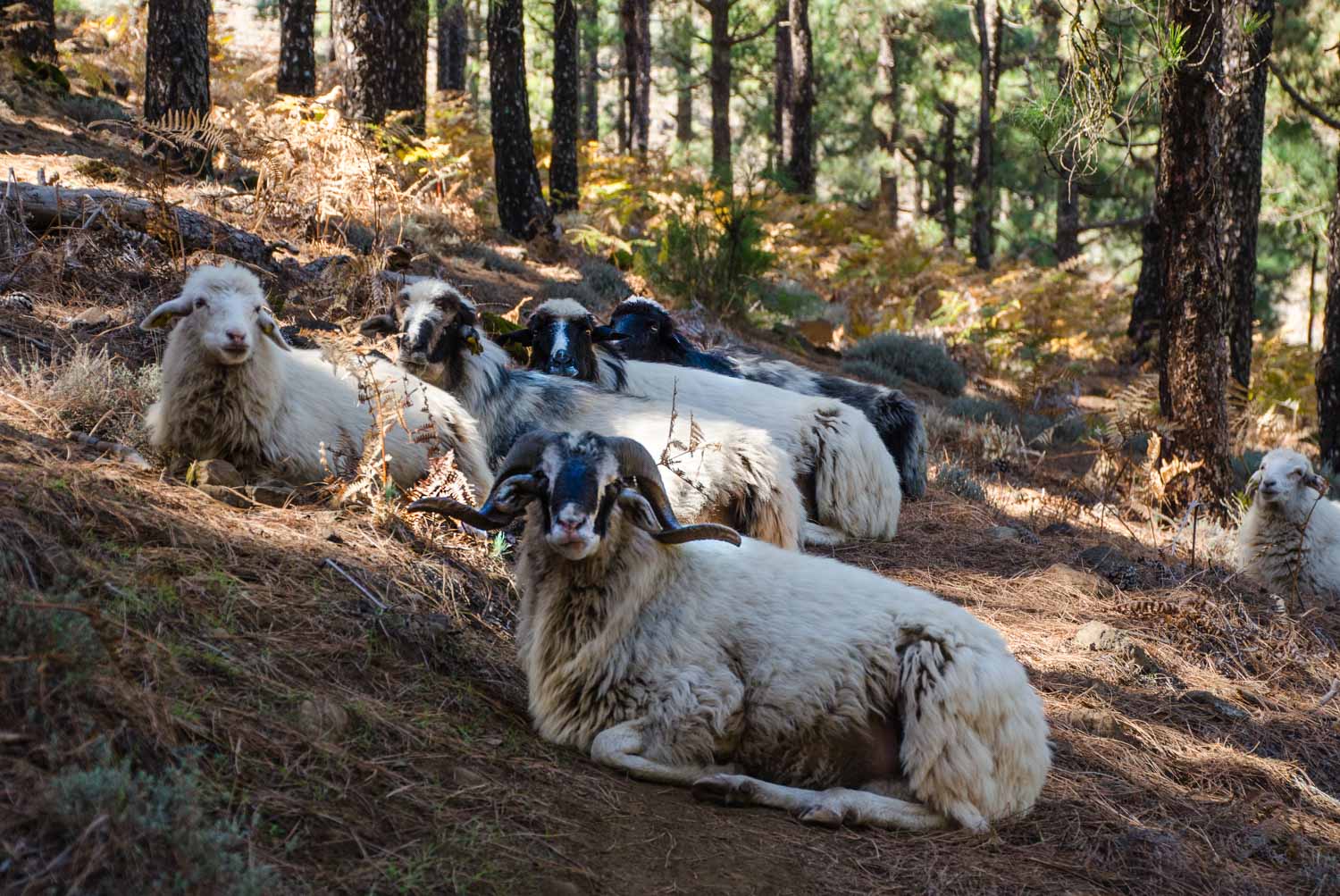
… and in the forest – some quiet companions don’t mind you coming close.

Because, we are all hiking here together, aren’t we?

Still Flowing Free…

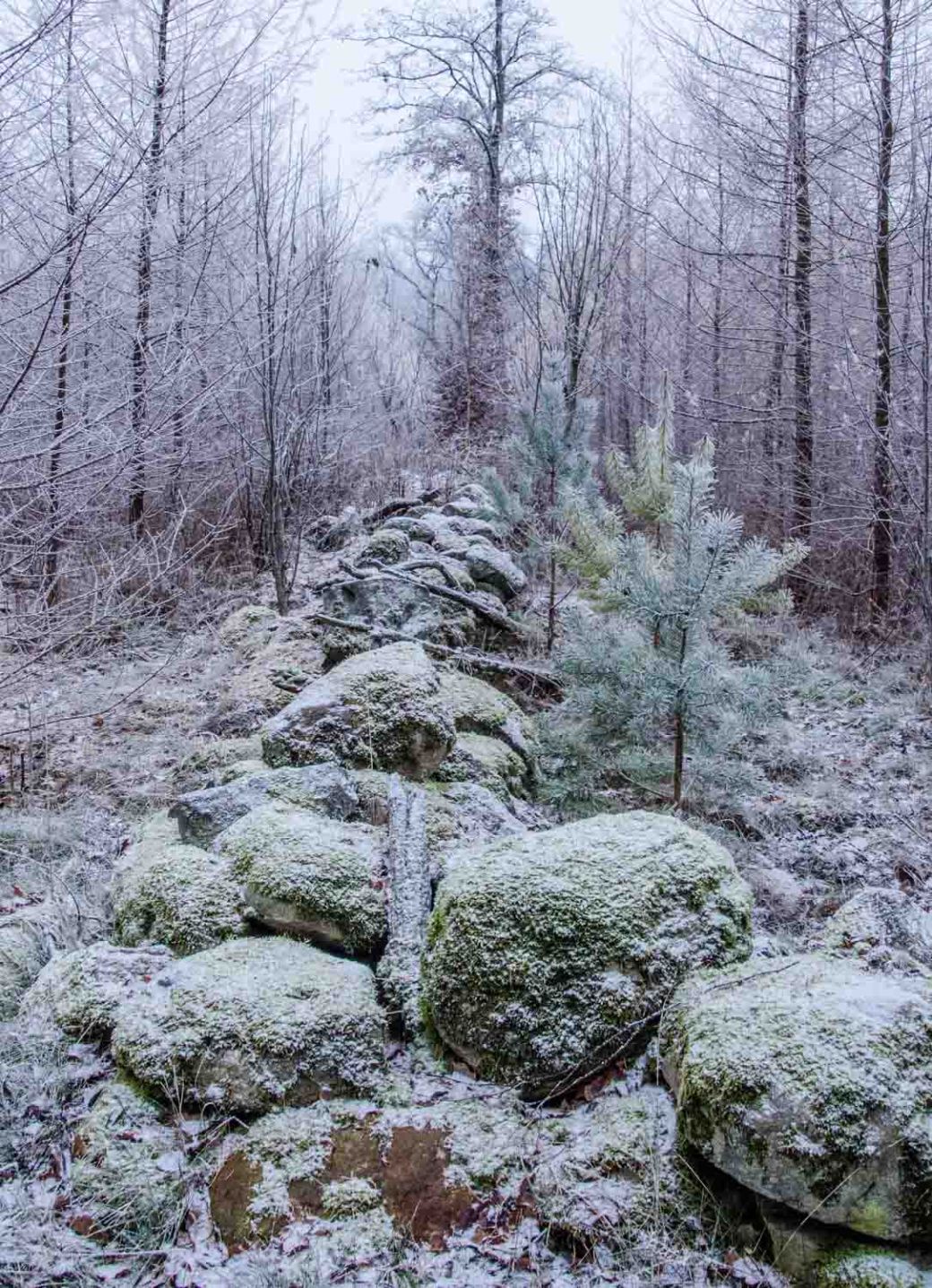
The stone fence is as stone cold as it looks, dividing the larch fields that now have lost their soft needles.

But, it is not yet cold enough to stop the flowing water, and turning it into ice –

We are Waiting…

Thursday Thoughts – Being Grateful

Thursday again. The days and weeks and years rush by – and I am still here. I am very grateful for that.  Today is Thanksgiving in the US – and we have much to be thankful and grateful for, even if we do not celebrate this special day in Sweden.

I am grateful for so many wonders in the world.

Being able to walk in the forest, in Nature, which means so much to me.

Being able to see and enjoy our world. From the great panoramas down to spiders’ webs.


I can feel, I can write, I can speak…I can even take pictures of the wonders that surround us…just to keep them with me a little bit longer.

And I can share some of them with great blogging friends, readers and followers – I am so grateful to all of you!

I still have my family, loving parents, and many of my best friends from my childhood…

…even if I know the path is narrowing.

So, Thank you for letting me be born in a free country, with loving parents and good friends. Surrounded by deep forests and open meadows.

I will try my best to be an open-minded,  loving and caring person – always.

An Ordinary Tuesday…in Another Voice

…in autumn, winter light. Some days the light is so special that the landscape speaks to you in another voice.

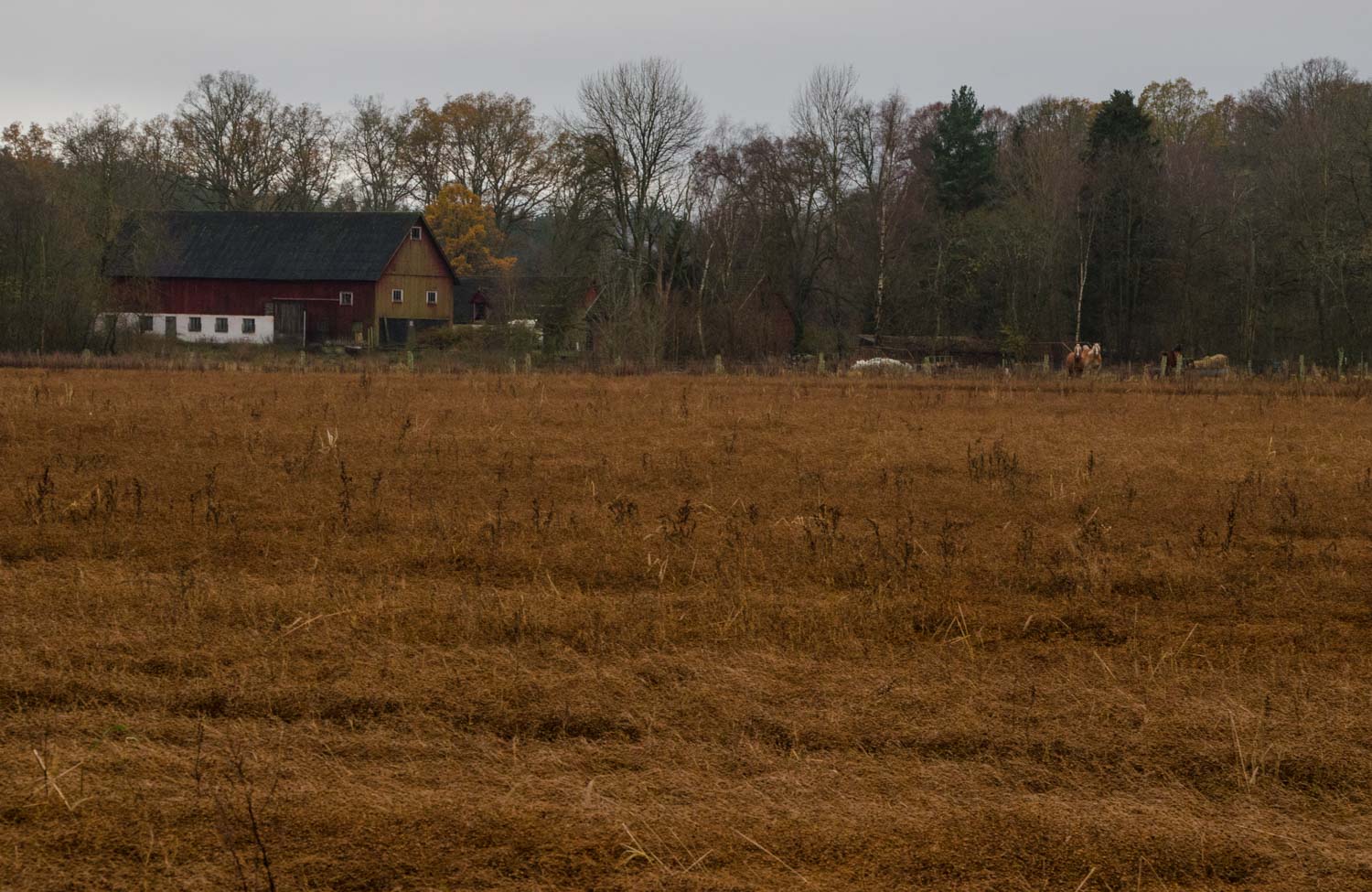
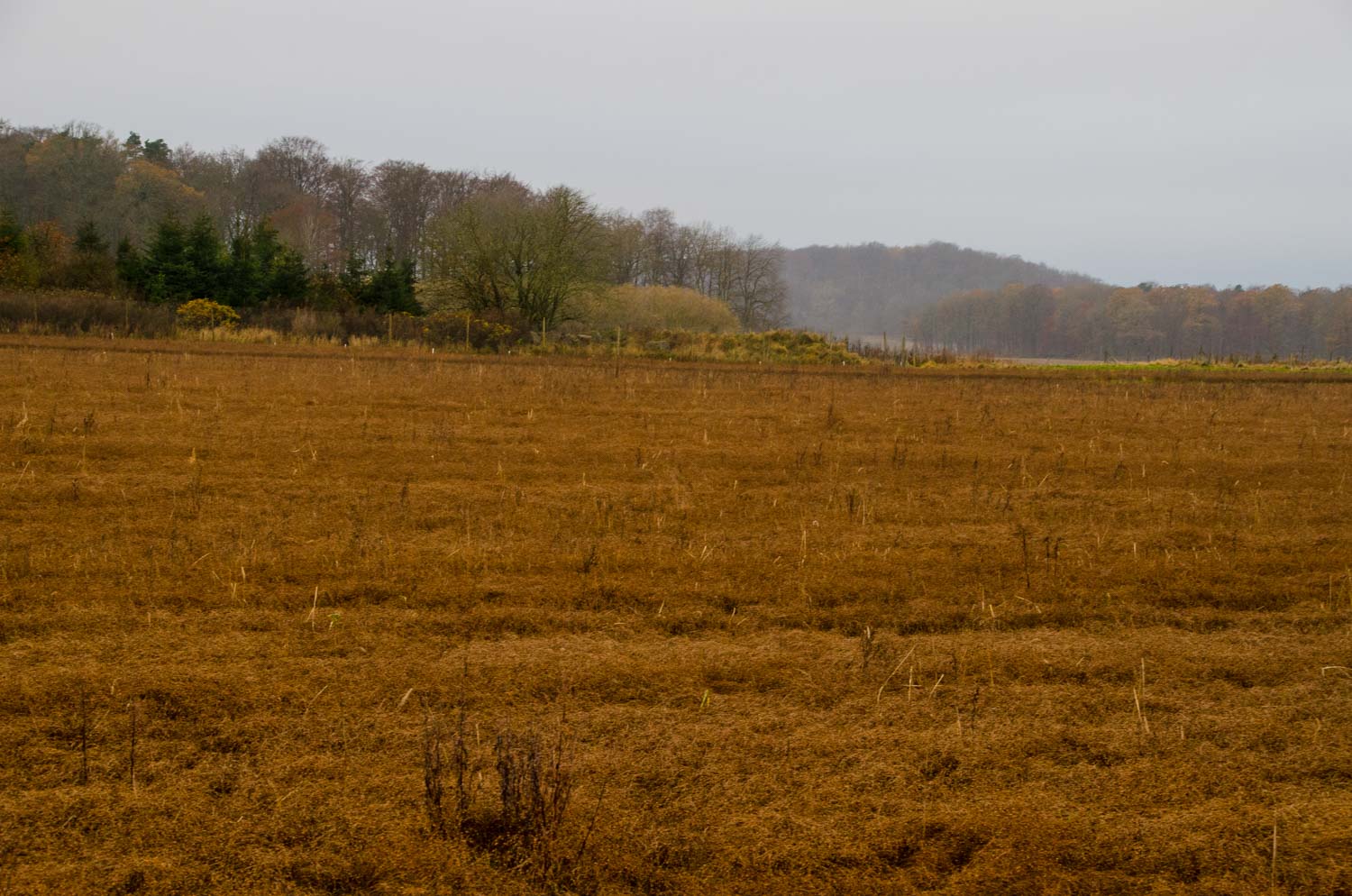
I was driving home, and when turning left over the familiar meadow landscape, the light changed. I stopped the car and went out to enjoy the short play of light. Intensity, softness, strong brown and orange.

The familiar houses, trees, barns, animals – everything seem to lift from the ground and soar towards you.

Looking back from where I came, the view included one of the oldest churches in the Nordic countries, Gumlösa Church, from the 12th century.

Maybe you think it is all very ordinary, but to me it is not. Living close to an open landscape is almost like living by the sea. The light changes every hour, and so does your view and interpretation of the landscape.

Soon the frost will cover these rich brown meadows, and give me another interpretation…but today I enjoy just This magic light.

In the header picture, I feel the sky almost mirrors the ground and the grass. I waited some ten minutes, silent and quiet, in the middle of the landscape.

Cee’s B&W Photo Challenge: Weather

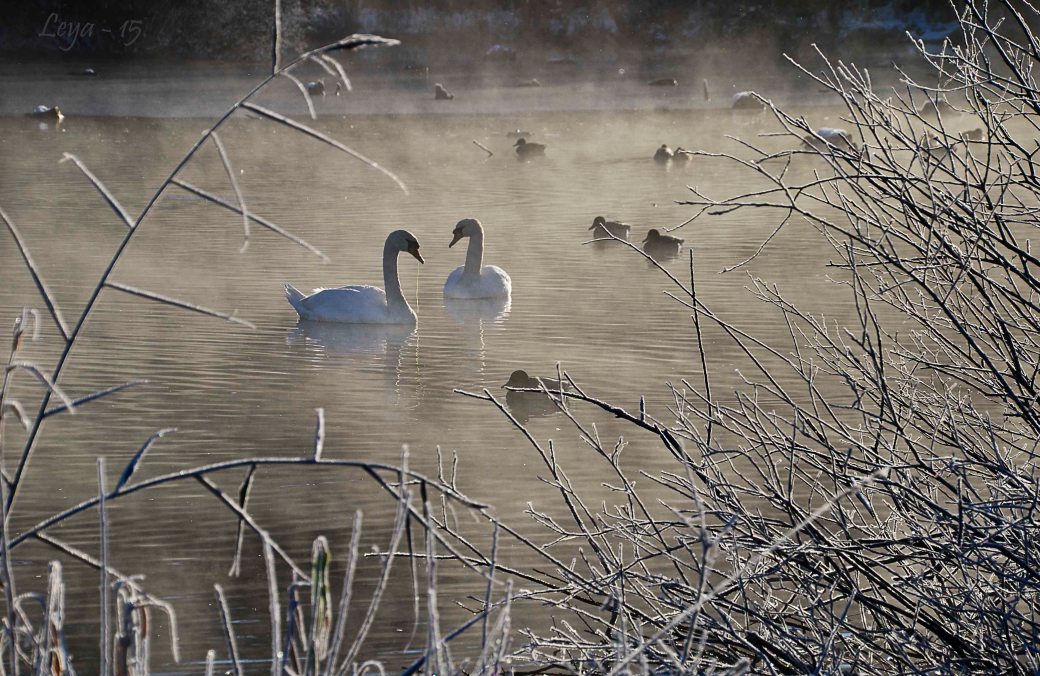
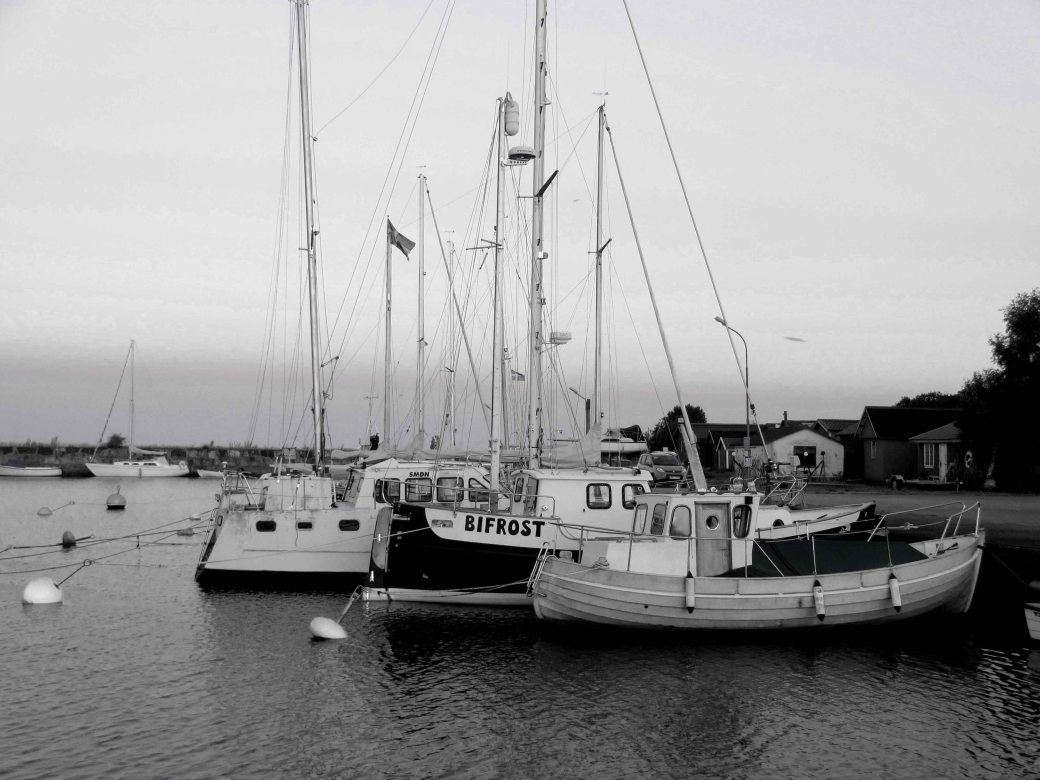
Weather –  very much talked about in Sweden… Maybe our favorite subject!

Still summer night

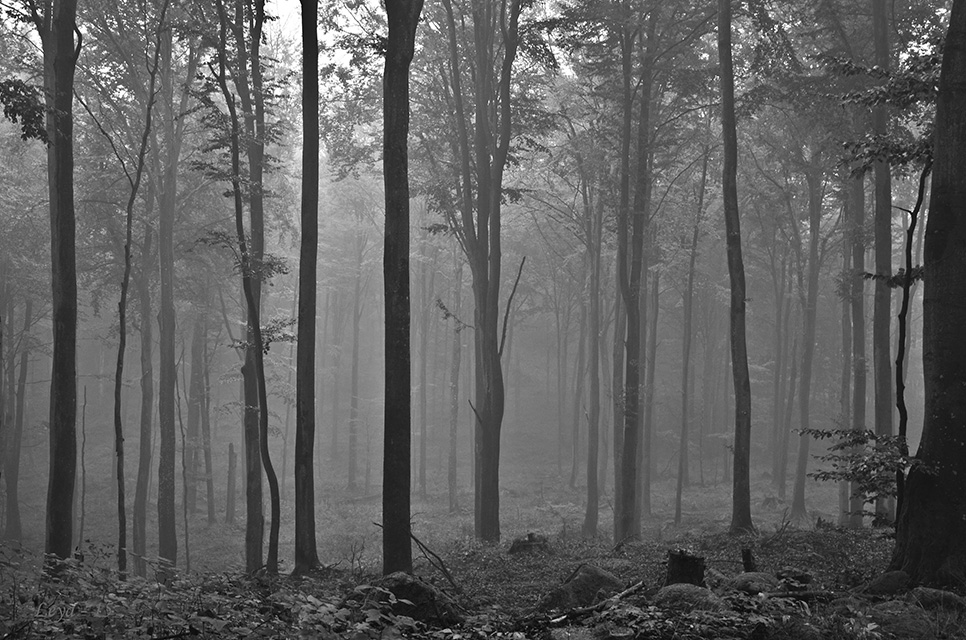
Forest – drizzle


WPC: Temporary

Everything in life is temporary. I know. But sometimes, we would just give anything to keep that precious moment alive… and we know that we cannot… make it stay. No photos, no written words…nothing is in our power to hold on to it. In our hearts we can keep this moment, maybe, but soon time will change our memories of it… until we do not know what truly happened or what we truly felt.

Ben asks us for a photo that says temporary. Of course our children are the ones who make us feel this ”temporary” the hardest way. But also the seasons do. I go to the forest to make the best of my days, and yesterday, I went just before sunset. A beautiful autumn day had come to an end, and the leaves will all soon fall to the ground, adorning the forest floor. All the beauty made a sadness come over me, and I lay down beneath the thin canopy to think, and to take a photo – this photo. A futile try to make the moment stay, but I believe we both felt the same, my best friend, Totti, and I. Everything is temporary – enjoy every day if you can.

Plovdiv – Old Town, 6th Millenium BC

Plovdiv is the second largest city in Bulgaria, with a population of about 342 000 inhabitants. Plovdiv has evidence of habitation since the 6th millennium BC, and is said to be one of the oldest cities in Europe.

The city of Plovdiv has a long history – and almost as many names as rulers – best known for Philippopolis, ”Philip’s Town”, as Philip II of Macedon conquered it in the 4th century BC and gave his name to it. The city was originally a Thracian settlement, later being invaded by Persians, Greeks, Celts, Romans, Goths, Huns, Bulgarians, Slav-Vikings, Crusaders and Turks.  On 4 January 1878, Plovdiv was liberated from Ottoman rule by the Russian army. It remained within the borders of Bulgaria until July of the same year, when it became the capital of the autonomous Ottoman region of Eastern Rumelia. In 1885, Plovdiv and Eastern Rumelia joined Bulgaria.

Having read this…and more – we just had to go there. What would a city like this look like? So many conquerors and rulers, so many different ideas, art and architecture.

So, contemplating this on the bus, the beauty of the landscape and the snow capped mountains kept our eyes open.


The old town in Plovdiv is located on three of Plovdiv’s (originally seven) hills: Nebet Tepe, Dzhambaz Tepe and Taksim Tepe. Today there are only six hills left, because the seventh one was taken down to become cobble stones for the streets.  The old town in Plovdiv is included in UNESCO World Heritage tentative list since 2004.

At first we could walk peacefully in the quiet streets…but then it seemed every school in the neighborhood flooded the alleyways.

Our main goal was the ancient theatre – with seats today for 3500 people. (Originally for 5000-7000 people).

The Roman theatre of Plovdiv is one of the world’s best-preserved ancient theatres. It was constructed during Roman Emperor Trajan (reigned 98–117 AD), and it is currently in use for operas, concerts, plays and more. The theatre was restored in the 1960’s, and is one of the most valuable monuments from the ancient city of Philippopolis.


The house of Argir Hristov Kuyumdzhioglu, a merchant from Plovdiv, was built in 1847, and has been described as a prime example of Plovdiv’s mid-19th century Baroque architecture. The house has a symmetric facade; it is two stories tall on its west side and four stories tall on its east side. The Kuyumdzhioglu House spreads over 570 square metres and has 12 rooms and airy salons (where each room has a carved wood ceiling)- and 130 windows. Both the house’s interior and exterior boast sophisticated floral motives. The municipality bought the house in 1838, carried out renovations, and organized it as an ethnographic museum.

The lonely tree might not be very old, but it stands overlooking the remains of the olden days as well as the newer city. I wonder what he/she is thinking?