Plovdiv – Old Town, 6th Millenium BC

Plovdiv is the second largest city in Bulgaria, with a population of about 342 000 inhabitants. Plovdiv has evidence of habitation since the 6th millennium BC, and is said to be one of the oldest cities in Europe.

The city of Plovdiv has a long history – and almost as many names as rulers – best known for Philippopolis, ”Philip’s Town”, as Philip II of Macedon conquered it in the 4th century BC and gave his name to it. The city was originally a Thracian settlement, later being invaded by Persians, Greeks, Celts, Romans, Goths, Huns, Bulgarians, Slav-Vikings, Crusaders and Turks.  On 4 January 1878, Plovdiv was liberated from Ottoman rule by the Russian army. It remained within the borders of Bulgaria until July of the same year, when it became the capital of the autonomous Ottoman region of Eastern Rumelia. In 1885, Plovdiv and Eastern Rumelia joined Bulgaria.

Having read this…and more – we just had to go there. What would a city like this look like? So many conquerors and rulers, so many different ideas, art and architecture.

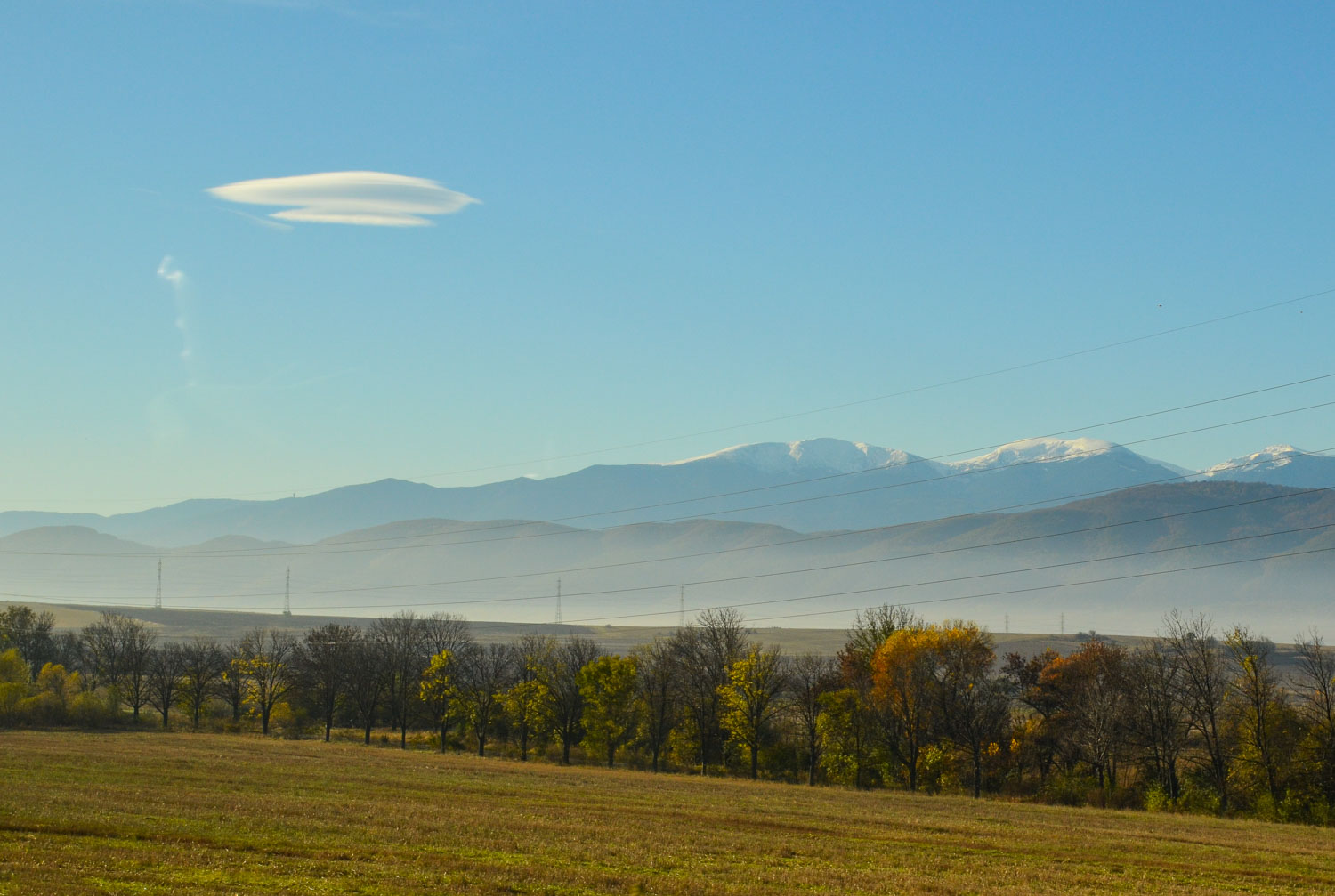
So, contemplating this on the bus, the beauty of the landscape and the snow capped mountains kept our eyes open.
 

The old town in Plovdiv is located on three of Plovdiv’s (originally seven) hills: Nebet Tepe, Dzhambaz Tepe and Taksim Tepe. Today there are only six hills left, because the seventh one was taken down to become cobble stones for the streets.  The old town in Plovdiv is included in UNESCO World Heritage tentative list since 2004.

At first we could walk peacefully in the quiet streets…but then it seemed every school in the neighborhood flooded the alleyways.

Our main goal was the ancient theatre – with seats today for 3500 people. (Originally for 5000-7000 people).

The Roman theatre of Plovdiv is one of the world’s best-preserved ancient theatres. It was constructed during Roman Emperor Trajan (reigned 98–117 AD), and it is currently in use for operas, concerts, plays and more. The theatre was restored in the 1960’s, and is one of the most valuable monuments from the ancient city of Philippopolis.


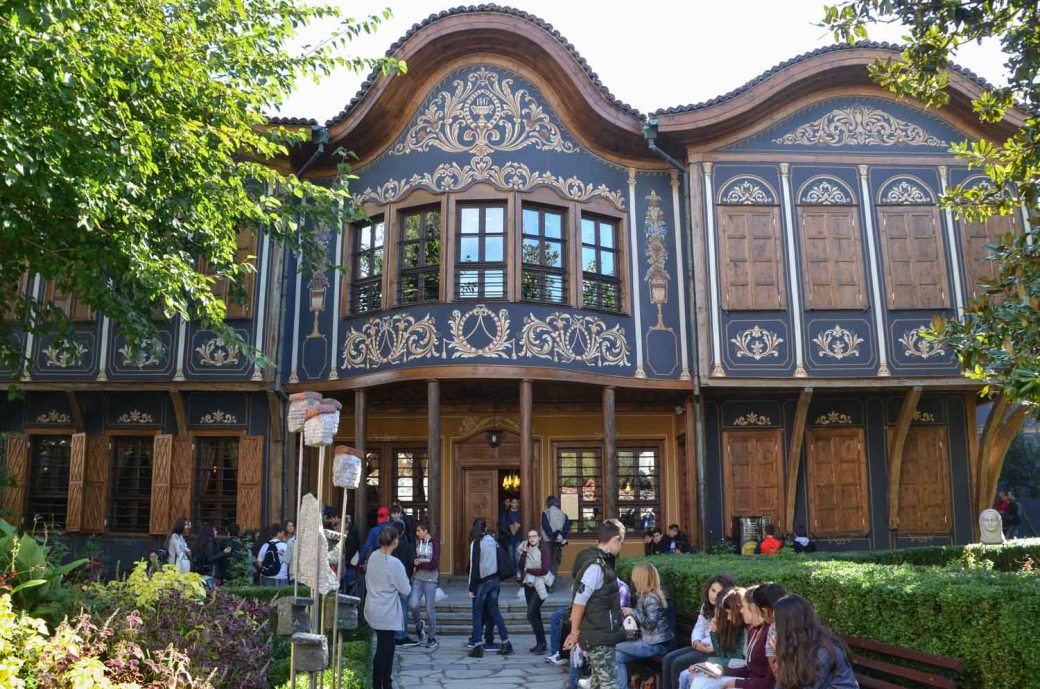
The house of Argir Hristov Kuyumdzhioglu, a merchant from Plovdiv, was built in 1847, and has been described as a prime example of Plovdiv’s mid-19th century Baroque architecture. The house has a symmetric facade; it is two stories tall on its west side and four stories tall on its east side. The Kuyumdzhioglu House spreads over 570 square metres and has 12 rooms and airy salons (where each room has a carved wood ceiling)- and 130 windows. Both the house’s interior and exterior boast sophisticated floral motives. The municipality bought the house in 1838, carried out renovations, and organized it as an ethnographic museum.
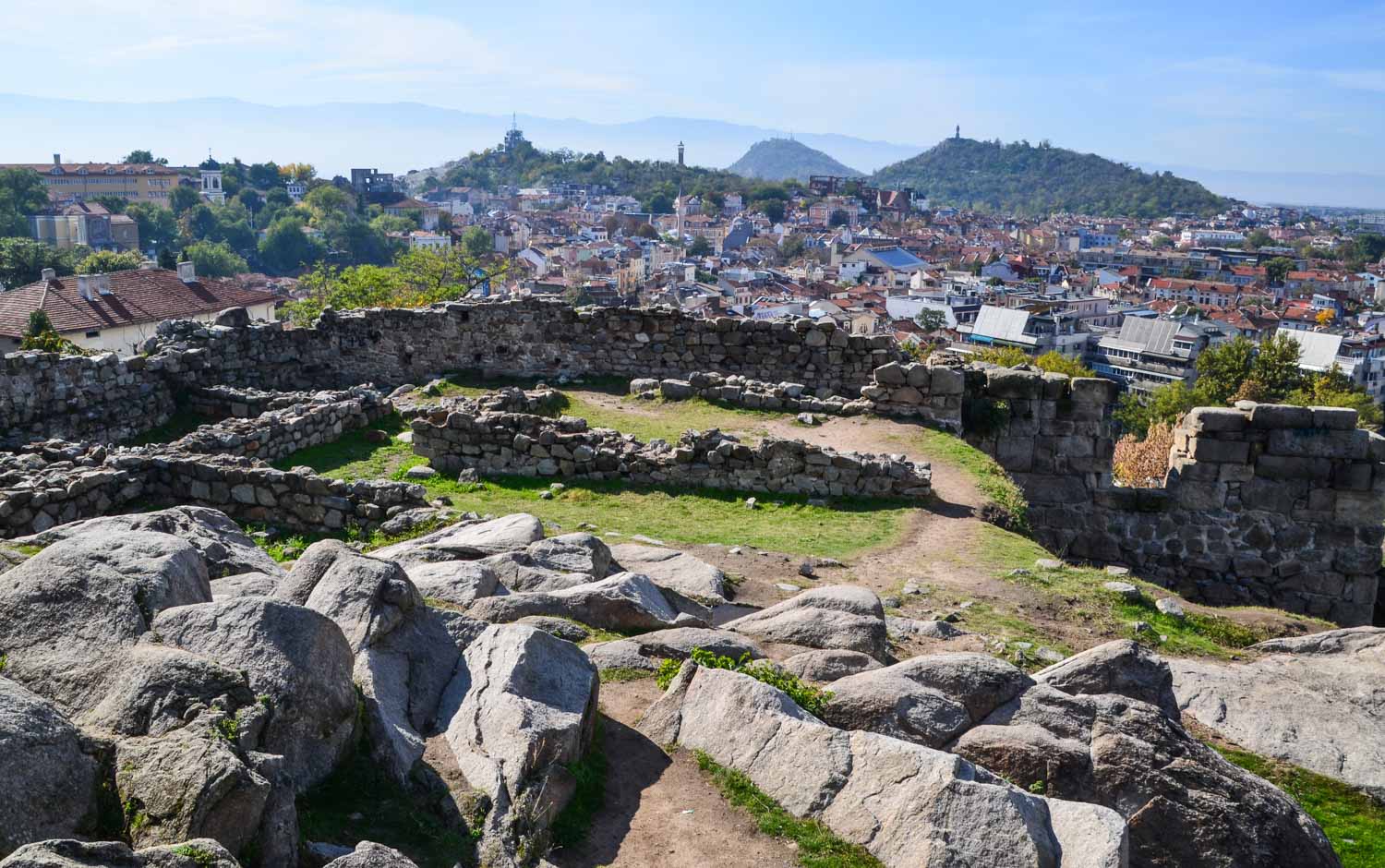
The lonely tree might not be very old, but it stands overlooking the remains of the olden days as well as the newer city. I wonder what he/she is thinking?


The Prettiest Town in Ireland

According to the tourist information, the small town of Adare (/æˈdr/; Irish: Áth Dara, meaning ”ford of [the] oak”) in County Limerick, Ireland, is one of Ireland’s prettiest towns.

When we visited, the weather was, as I guess the weather is most here, rainy with short glimpses of sun. And the village is pretty – with thatched roofs and brightly coloured houses. About 3000 inhabitants, so I felt rather at home – the same size as the village I live in. Above is the main street.

Despite the rain, we ventured out towards Desmond Castle, on the north bank of the river Maigue. And we were lucky – the sun came through!

 I will be away for a couple of days – see you soon!

Back to Ireland – Ruins and Cows

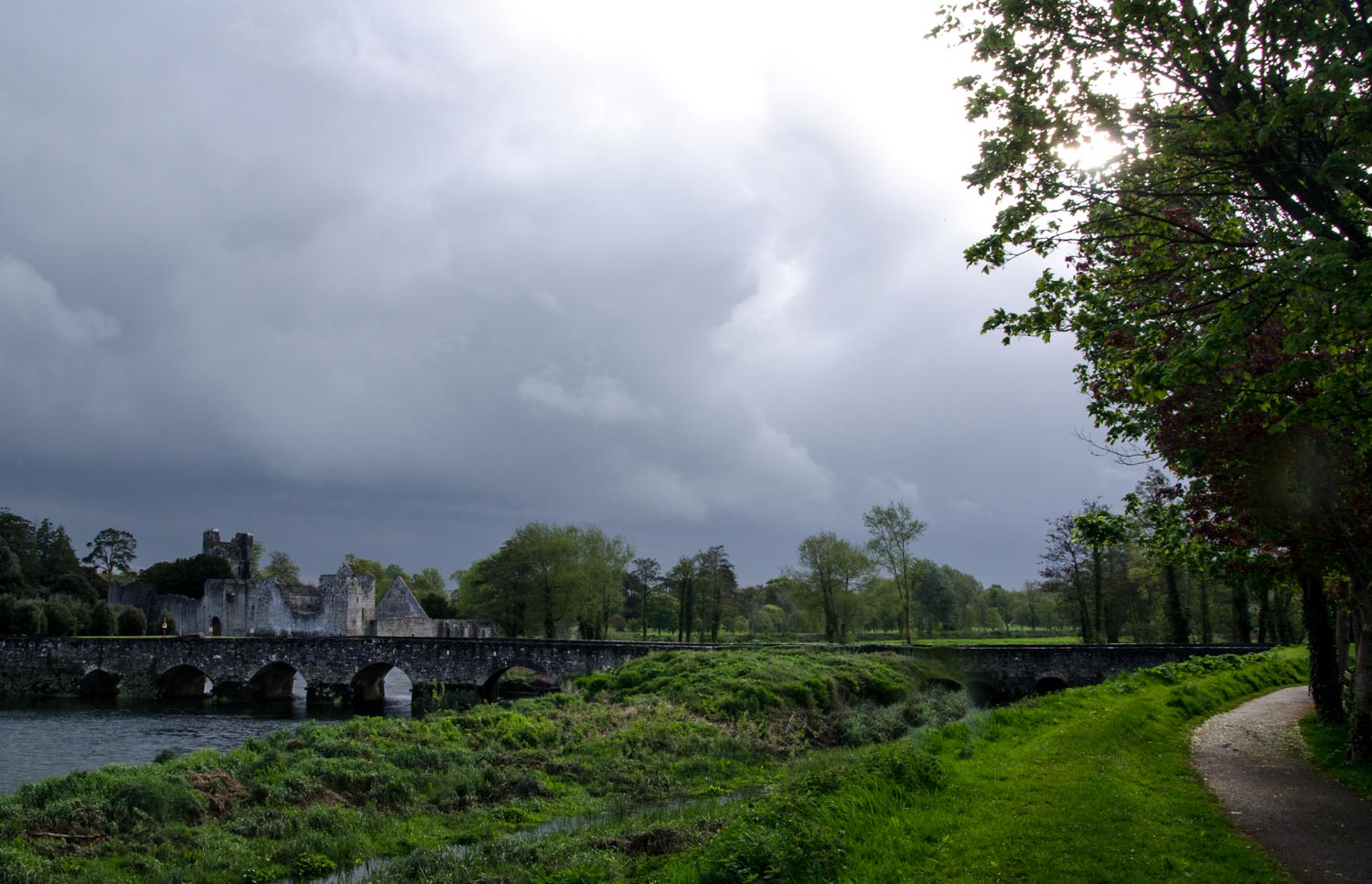
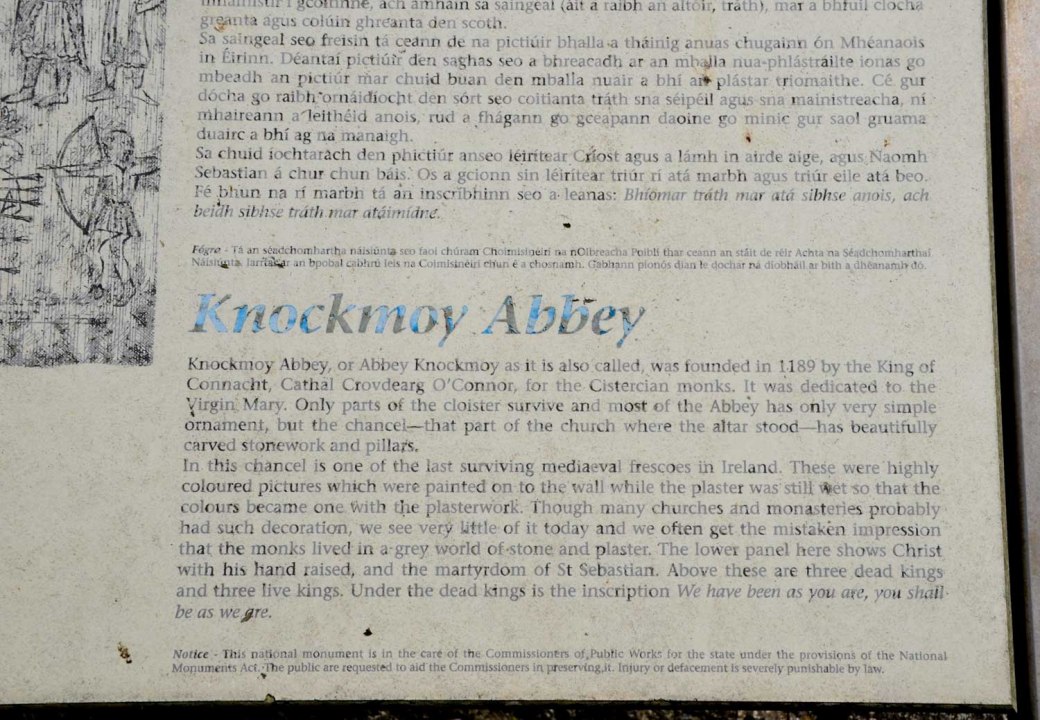
Looking through my photos from Ireland – I found an old abbey I had not posted on. I am convinced there were not many visitors, as we only saw it from the car. We were looking for a nice place to have our evening picnic – I wanted cows and my husband wanted ruins – and we found the perfect place!

To get there, we had to park at the church, climb some fences and walk a straight gravel road over the meadows with grazing cows. Just my thing.

I wondered how this abbey had looked when new – it was still impressive out there in the middle of all the green. Not much sun, but we had our fruit and sandwiches sitting on the ground against the wall. The Irish landscape offers never-ending glory.

The farewell was accompanied by the most gracious crowd (in the header), and lastly by a lone beauty standing by the road. I really have to go back to Ireland – soon.


Cee’s B&W Photo Challenge: In the Distance

I guess Cee’s In the Distance also applies to a less open landscape. A glimpse of …something at the end of the path.


Fire and Sand

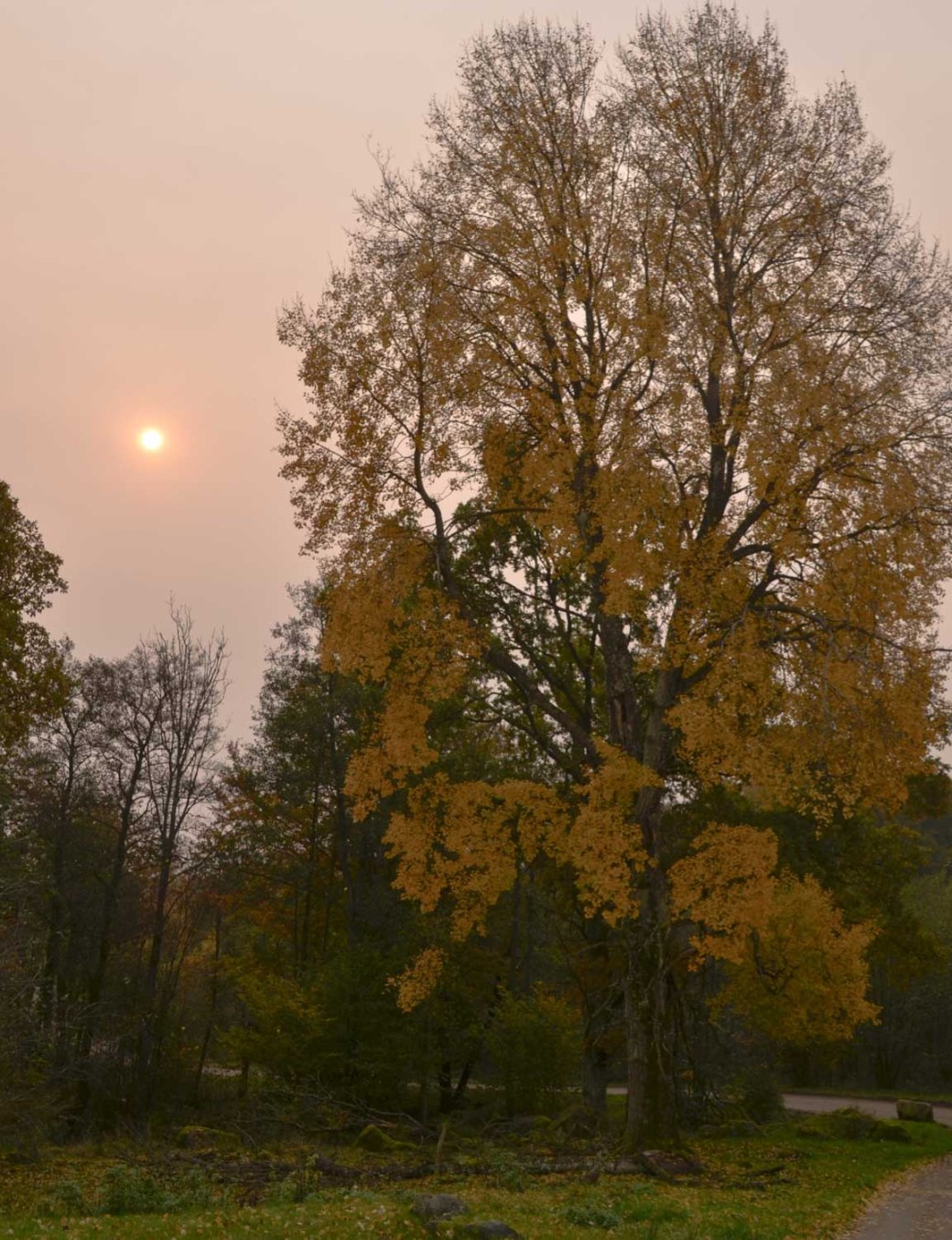
Tonight I learned that the special light today – the sun never came through and it had a strange orange shine – originated from the effects of the fires in Spain/Portugal, like sand from Northern Africa.

I had brought my camera, heading for the forest, for some last shots of the autumn leaves – but the morning resulted in these shots of the unusual phenomenon. Not very clear or bright, but you can even see orange glittering water!


CFFC: Letter I – Needs to start with the letter I

Cee’s Fun Foto Challenge: Letter I – Needs to start with the letter I

The letter I, from Cee’s challenge,  meant some memorable moments – In the header: Icehotel, Jukkasjärvi, Sweden.

Ice cold Iceland

Icelandic horses

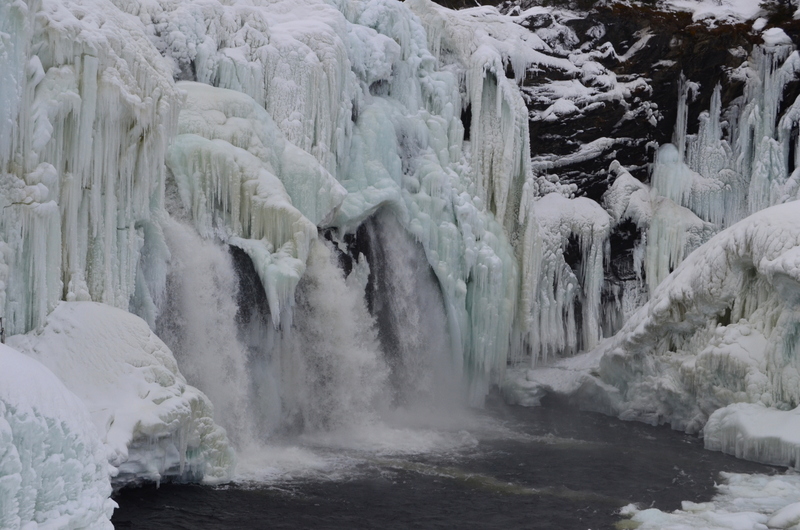
Icy Tännforsen, Sweden

Dewy Morning Walk

The urge to rise early grows with the intensifying of autumn colours. This morning I had my share of beauty and tranquility, quietness and delightful dew. If you love nature like I do, I hope you will enjoy this 2 1/2 hours walk – shortened to some minutes only…

…and back homewards again, following this country road of oaken sentinels. A better start of a new day is not easily found!

Thursday Thoughts – Avenues

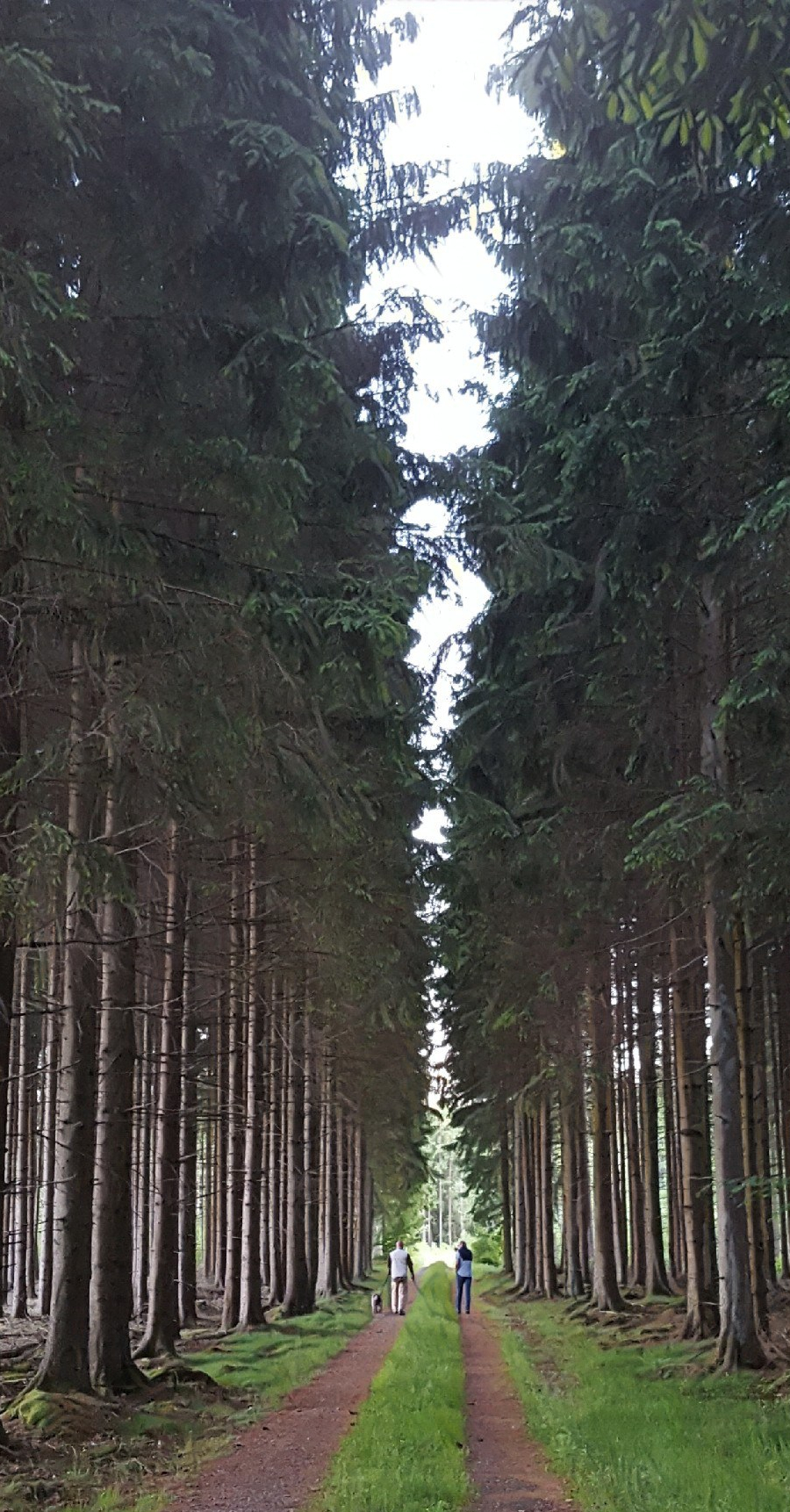
Avenues…trees. In spring, summer, autumn or winter… They inspire and give comfort. The closeness, the narrow path or road in between…

IMG_20170122_163759_processed

They make me – they force me – to stop and feel the athmosphere, take a photo, enjoy.

I love all constellations. firs, pine trees, birches, aspen, oak trees… I do not have to walk in there, I am completely satisfied with standing still, breathing the air and the feeling…

IMG_20170105_153159_processed…letting my imagination run free. How do you feel?
Giant’s Causeway – The Loveliest Day

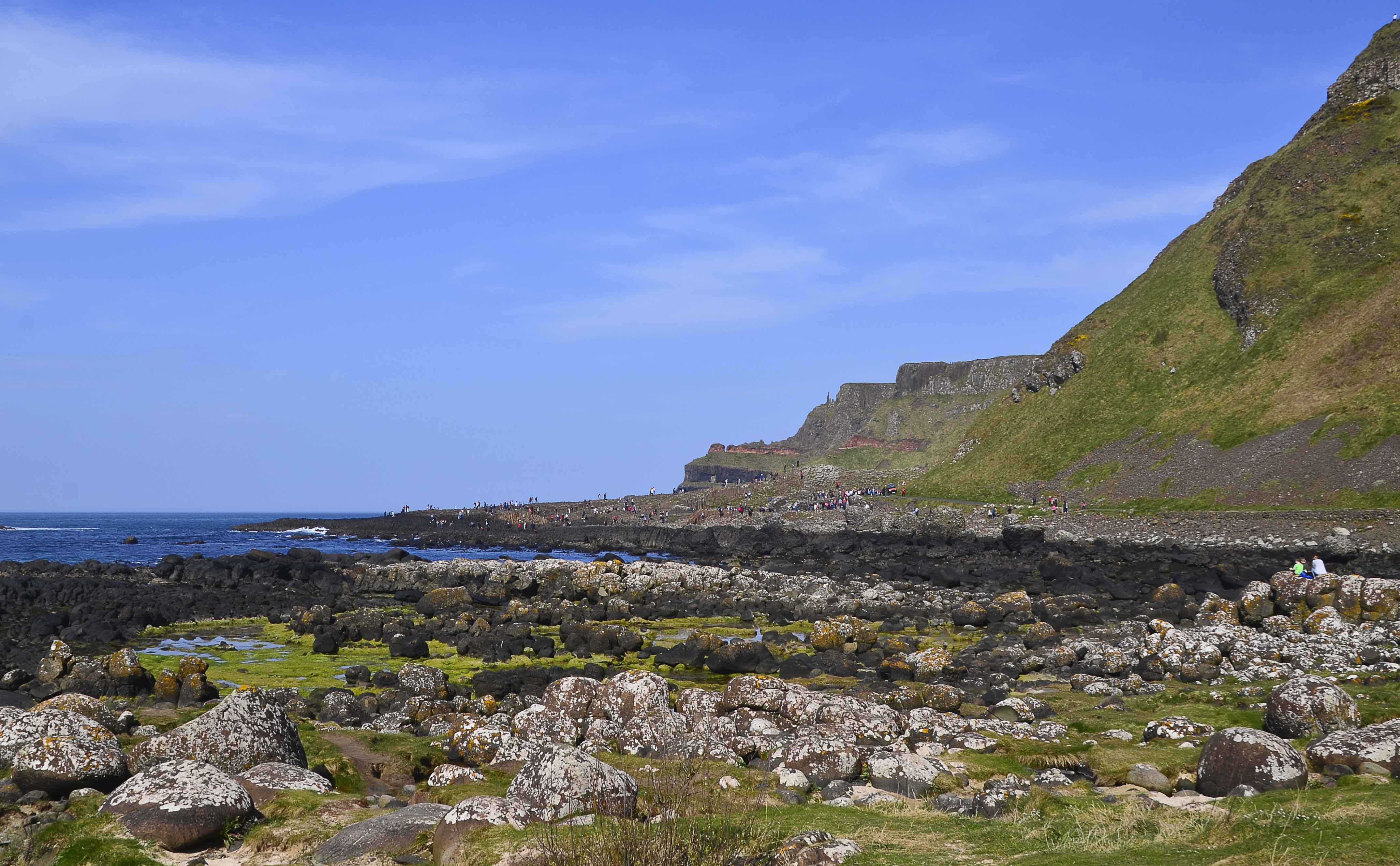
Soaking wet after the dog walk tonight, I desperately long for a lost summer. When in Ireland (a rainy country they say…) this May,  we had sunshine, 20 degrees C and no wind on the north coast. I just have to go back for the photos…think I will show you just How…lucky we were, and what a glorious day we had at Giant’s Causeway. Our landlord told us the weather had not been this beautiful any day this year, 2017.

The walking distance makes this trip a half day tour, but in full sun, everything is just amazing and you can walk any distance… There was even the possibility, for elderly or disabled people, of using a van.

The Giant’s Causeway is an area of about 40,000 interlocking basalt columns, the result of an ancient volcanic eruption. (Although legend has it built by the Irish Giant Fionn…)It is located in County Antrim on the north coast of Northern Ireland.

The area was declared a World heritage Site by UNESCO in 1986. According to Wikipedia, there was a poll in 2005, where Radio Times’ readers voted the Giant’s Causeway as the fourth greatest natural wonder in UK.


The Giant’s Causeway and Causeway Coast World Heritage Site is today one of the most popular tourist attractions in Northern Ireland. Read about the legend of the two fighting giants from Ireland and Scotland, and the building of the Causeway, here.