Thursday’s Special: Darkness and Light

“They say there is no light without dark, no good without evil, no male without female, no right without wrong. That nothing can exist if it’s direct opposite does not also exist.”

Laurell K. Hamilton, Incubus Dreams

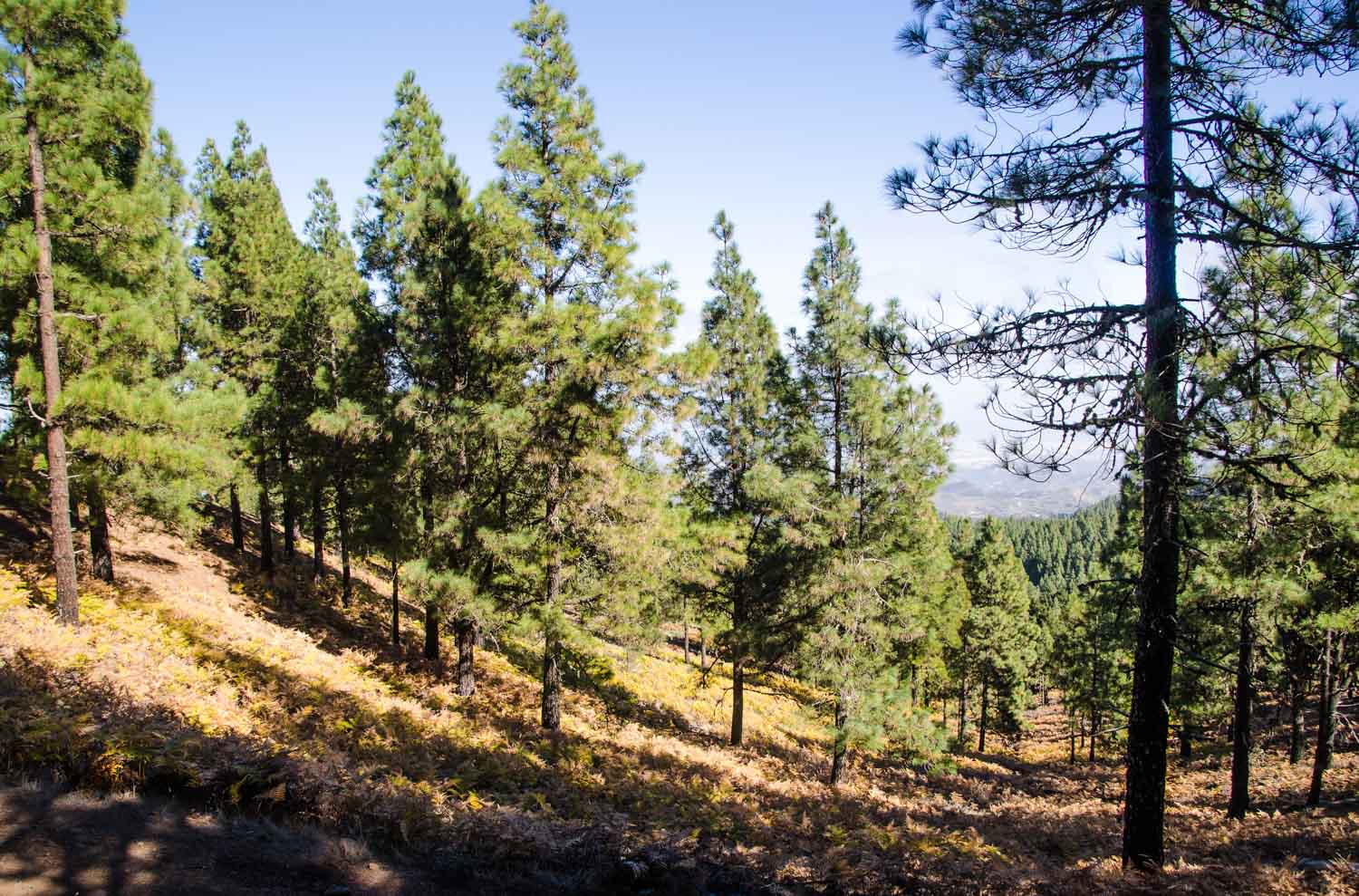
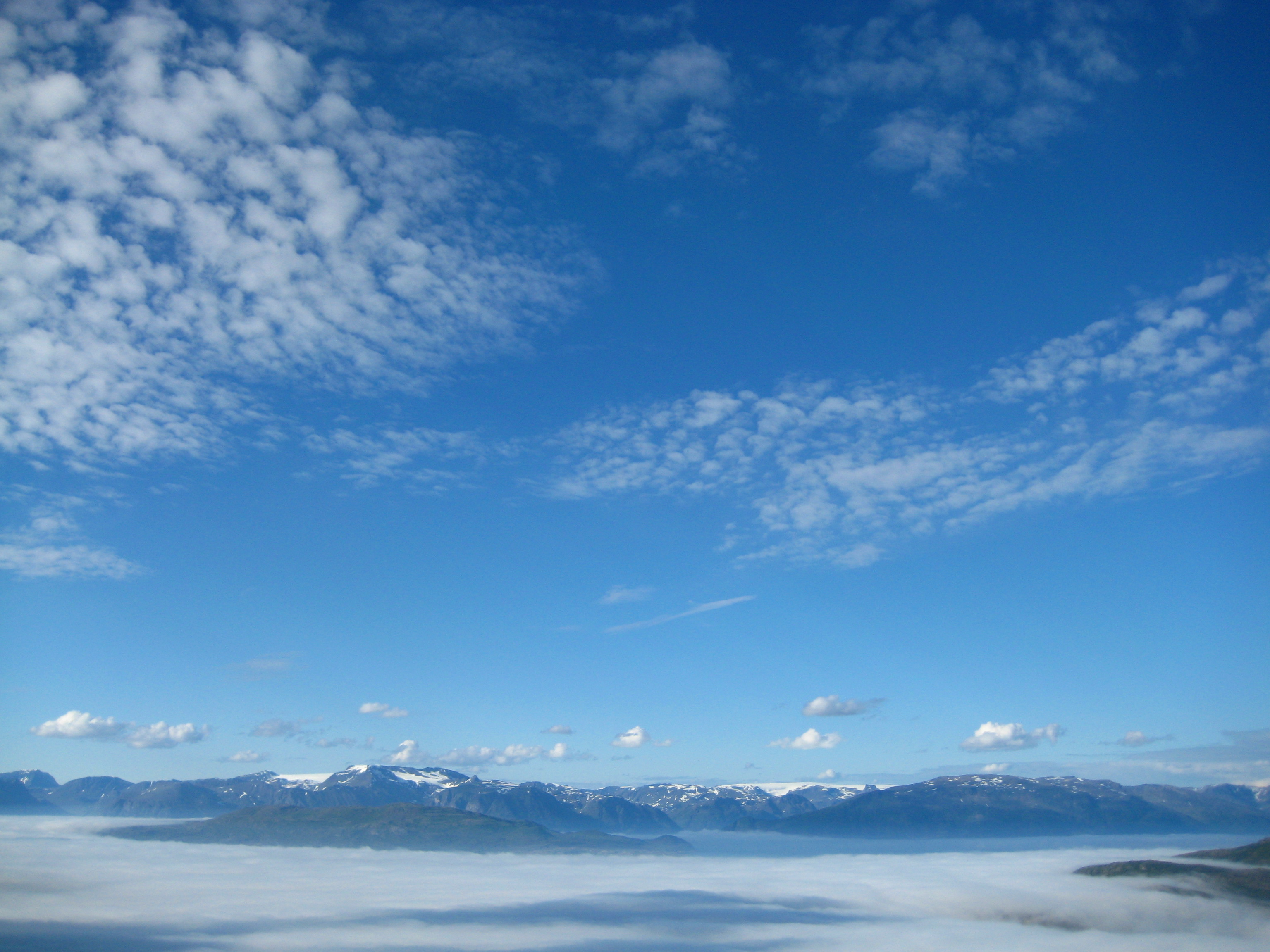
For Paula, an early morning, driving up the mountains of Gran Canaria.

Cee’s B&W Photo Challenge: Arches, Domes, Half Circles

Cee’s Black & White Photo Challenge: Arches, Domes, Half Circles

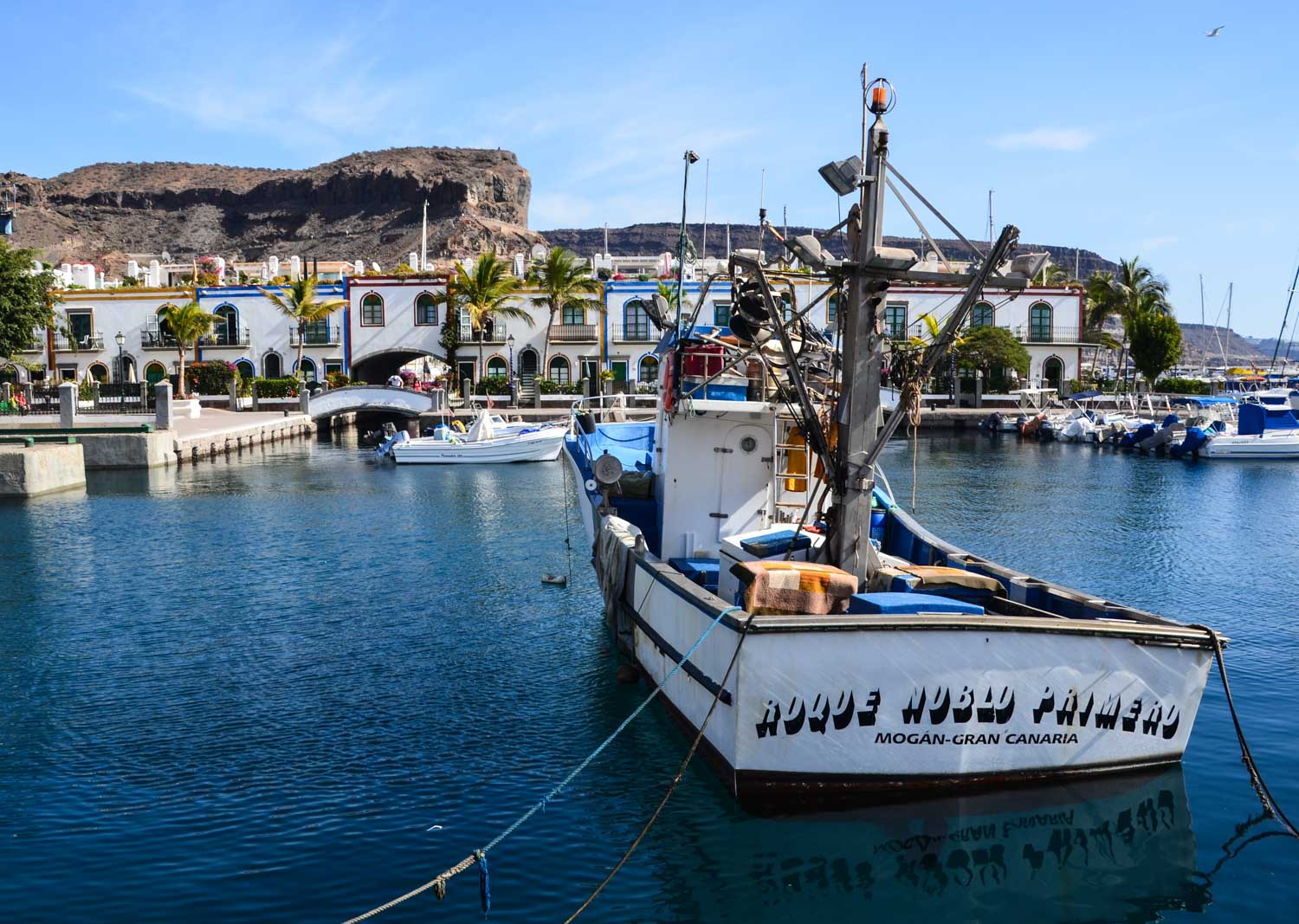
For Cee – both man made and natural. In both cases, these shapes are pleasant to the eye.


What I Came to This Island For

Roque Nublo (Clouded Rock, Rock in the Clouds) is the famous volcanic rock on Gran Canaria. It is 80 m (262 ft) tall, and its top is 1,813 m (5,948 ft) above sea level. It is the second highest peak of the island after Pico de las Nieves, and a famous landmark.

This is a glorious hiking area (as you could see from earlier posts, we made a couple of walks here), and several years ago we did the main trail up to the peak. I totally fell in love with the nature here, so we saved this hike for the last day.

The pictures speak for themselves – but we took the car very early in the morning, before sunrise, because the narrow, winding roads will have you driving for a couple of hours to get to the starting point.

We were among the first to start walking, and that was the idea. Later in the day there will be more people coming. And…what do you think they do, the first thing… when they have reached the top…?

The island in the ocean behind is Tenerife with the majestic volcano Teide on display.

This year we made the trek around Roque Nublo as well – to see its beauty from every direction. Look closely at the first pictures, and you will see a person in red standing in the sun below the peak.


Is he not beautiful! Worth visiting – and returning to.


Lost – and Found

On our way in the early morning for another mountain hike – we suddenly came upon this strange settlement. A set of caves with real doors and windows. Dogs barking and people up and on the move.

Guanches? Strictly speaking, the Guanches were the indigenous peoples of Tenerife, but  the name came to be applied to the indigenous populations of all the seven Canary Islands, those of Tenerife being the most important or powerful.

Guanches refer to the aboriginal Berber inhabitants of the Canary Islands, and it is believed that they migrated to the archipelago around 1000 BC or perhaps earlier.

The population probably lived in relative isolation up to the 14th century, but after the Spanish conquest of the Canaries they were (almost totally) ethnically and culturally absorbed by Spanish settlers.

A bit touristy this settlement…and yes, soon a bus arrived with camera people swarming out…But, on the other side of the road, people were, for real, living in caves. Nobody looked that way…And if you look closely at the header picture, you will find the dog standing there – the one I used for Abandoned or Alone in Cee’s B&W challenge.

Detta bildspel kräver JavaScript.

Well, when we continued driving towards the mountains, we realized we were lost – this was a dead end road –  and not at all the road leading to our planned hike….But, instead we had found these interesting caves!

They day was turning into evening, so we had to return to our apartment. Again passing this strange wind mill. Why do you build one right in the factory- and shopping ghetto?


Dracaena Draco

As we did not manage to walk the whole garden before dark, we returned the next day. I knew there was a Dracaena Draco path on the steep slopes – I just had to walk it!

I have always been fascinated by the Dragon tree, and many  years ago I went to Icod de los Vinos, Tenerife, to see the ancient Draco, 22 meters high and trunk diameter 10meters. The inhabitants here call it El Drago Milenario: the Thousand-Year-Old Dragon.

On the ground, under Draco’s canopy, I picked 5 possible new trees…planted them at home, and – they grew up to beautiful little trees all of them. I gave away all except one. I cared for it lovingly for many years, but when it was about 1.50 meters high, a Swedish summer killed it. Too much rain made the top fall off, rotten. The tree never  recovered.

So, in the the botanical garden, on the steep slopes of the Barranco de Guiniguada, Gran Canaria, I picked another 7 possible Dracaena draco. Hopefully some of them will start growing…and I will keep them away from the Swedish summer rains…

Detta bildspel kräver JavaScript.

And the reward for returning here this day was…

…all I could ask for!


Jardin Canario

Establishing this botanical garden was the life work of the Swedish-Spanish botanist Erik Ragnar Svensson (1910–1973), who searched – and found – the optimal site for this garden, one that could successfully accommodate many of the diverse plant species of the Canary Islands. The garden was layed out in Tafira Alta, near Las Palmas, and the Jardín Botánico Canario Viera y Clavijo was officially opened in 1959. Svensson (Sventenius) served as its first director. When he died in a traffic accident in 1973, David Bramwell was appointed his successor in 1974.


According to Wikipedia, the garden comprises approximately 27 acres (10 hectares), on which approximately 500 plant species endemic to the Canary Islands are cultivated. Important divisions are the ”Garden of the Islands” (Jardín de las Islas), the ”Garden of Cacti and Succulents” (Jardín de Cactus y Suculentas), where approximately 10,000 cultivars of succulents are on display, the ”Macaronesian Ornamental Garden” (Jardín Macaronésico Ornamental), and the “Hidden Garden” (El Jardín Escondido) with greenhouse. Also worthy of mention are the pinetum (El Pínar) and the ”Laurel-leaved Forests” (Bosque de Laurísílva), featuring trees which once covered most of Macaronesia prior to Spanish settlement. At the ”Fountain of the Wisemen” (La Fuente de Los Sabios), botanists who discovered and described the flora of the Canary Islands are honored.

But we will remain in the impressive garden of cacti and succulents. I hope you will enjoy it as much as I did! The last tree in this gallery is a gigantic ficus.


A Walk In the Cactus Garden

In fact maybe the most astonishing one I have ever seen – and I visit in every country and every city I go…But this particular garden is very well thought through, which shows in its architecture and its natural environment. (It was a Swede that started it, Sventonius.)

So, the Canary Islands’ Botanical Garden, situated just west of Las Palmas, in Tafira Baja, is well worth a visit – and not just because of its cactus garden. Let us go, tomorrow!


Cee’s B&W Photo Challenge: Abandoned or Alone

Cee’s Black & White Photo Challenge: Abandoned or Alone

Hiking the mountains of Gran Canaria, I saw this dog standing in an old shed. He sounded abandoned, but I guess he was only left alone there while his master was working elsewhere.

The sound of a raven echoes – and there he was, high up on a rock, with a splendid view of his domains. I tried to zoom him in, but he was perched very high up.


Hiking the Roque Nublo Area

We went for the light – and a week of hiking joy. The Canary Islands still have a lot to offer even if you are not a beach person.

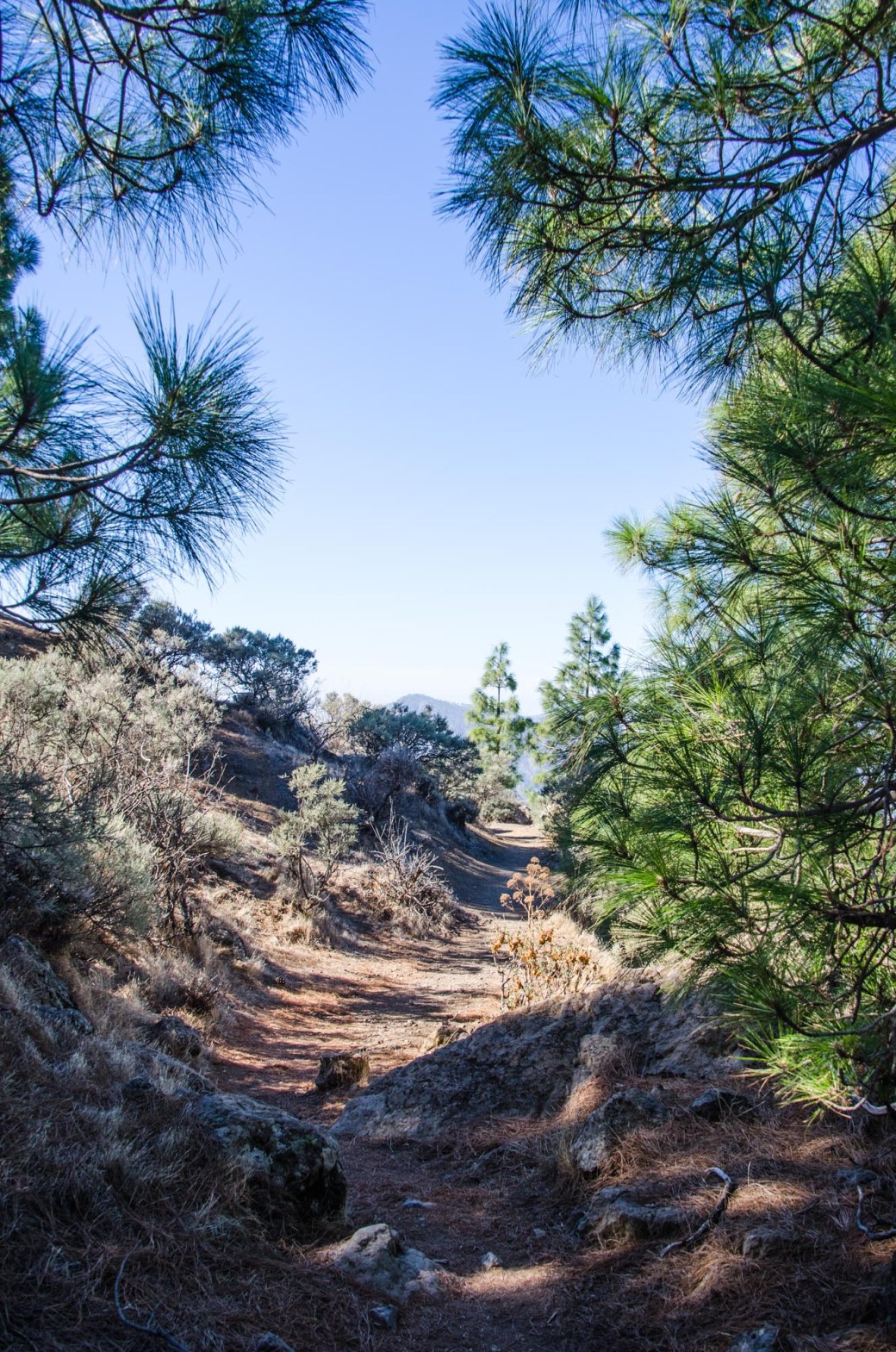
I have been to this volcano island once before, and fell in love with the Roque Nublo area in the middle of Gran Canaria. The highest peak is almost 2000 metres, and sometimes there is even snow here.

Driving through scorched areas on our way up, we wondered how much of the island had been taken by the big fires. Spain’s mainland was also much burnt this year. Much of this particular area was destroyed in September this autumn.

Those who never have experienced a Swedish November, cannot imagine the joy of this light and this blue sky!

I love the look of those distant mountains…

… and in the forest – some quiet companions don’t mind you coming close.

Because, we are all hiking here together, aren’t we?