Take out the warmer jacket and jeans, and don’t forget the wool shirt. The air is fresh and clear, and Milo shows his love and joy by throwing himself on the wet morning grass. Rolling happily. I wish I could feel some of that happiness about Autumn too!
Egidio has for this week chosen our destination: Fun! In fact I just returned from one of those – namely fantastic gardens. Please go to his beautiful site for more inspiration.
He asks ”What is your fun destination? What are some fun things you do? Some prefer seeing action and crowds, such as sporting events or concerts. Others prefer quiet moments with a book in hand.” I guess my answer could be: Travel and quiet moments alone. Those two can be opposites, but maybe not always…With a camera in hand, I can lose myself in photographing and shut out the world. I do need them both to feel good.
I love watching my dogs having fun – what could be better than that? And, when the children were small, we had entertainment all day from the whole family.
This is an old favourite photo of Mille and Totti, my first lagottos. They brought so much warmth, laughter, tears and joy. Talking about destination Fun! I still miss them, both had their own charming peculiarities, just like children have.
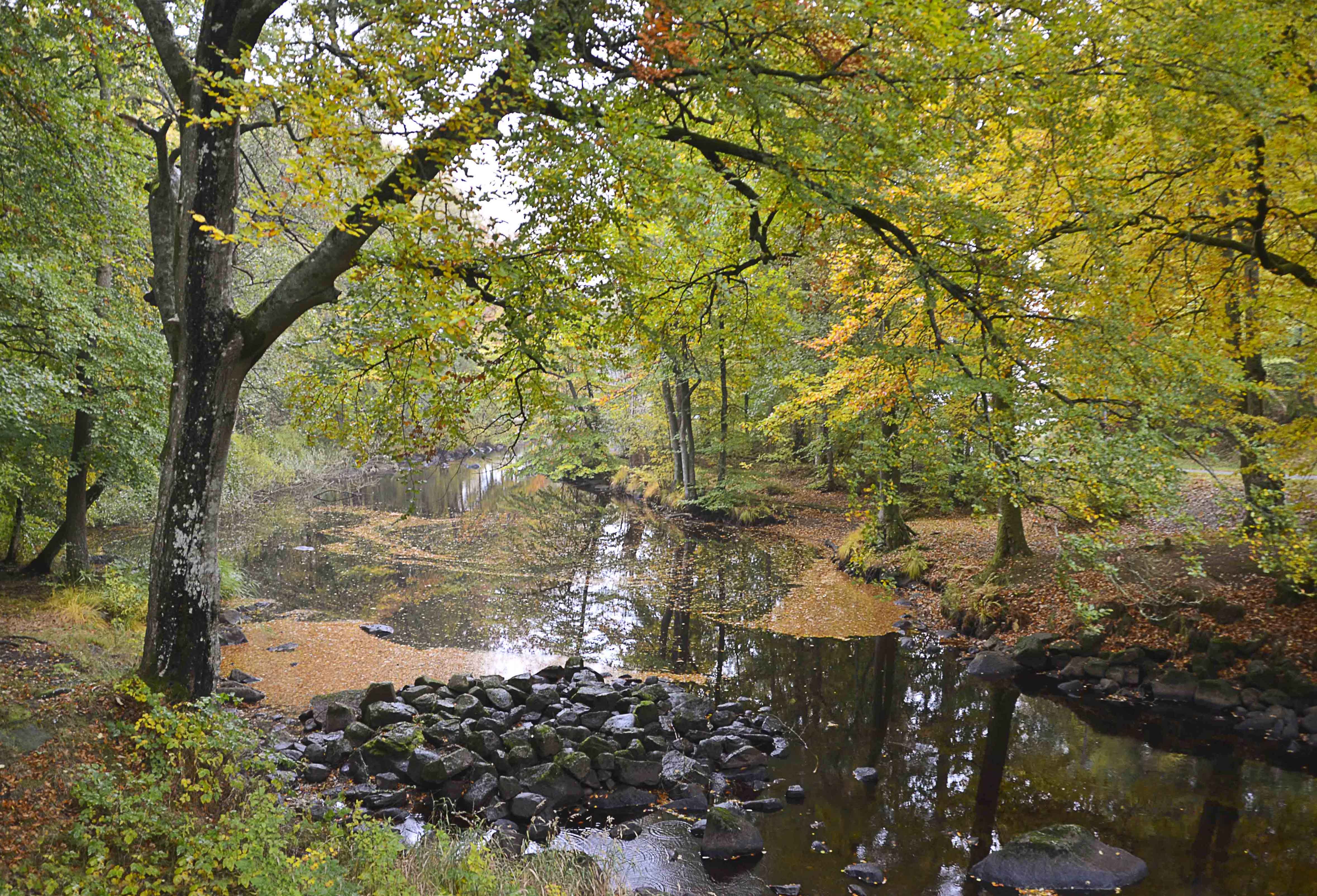
A great joy has always been hiking beautiful landscapes, especially in the delicateness of Spring and the colours of October. I am always excited to head out there for new adventures. Open landscapes and forests – they let my heart and soul breathe and my spirit soar.
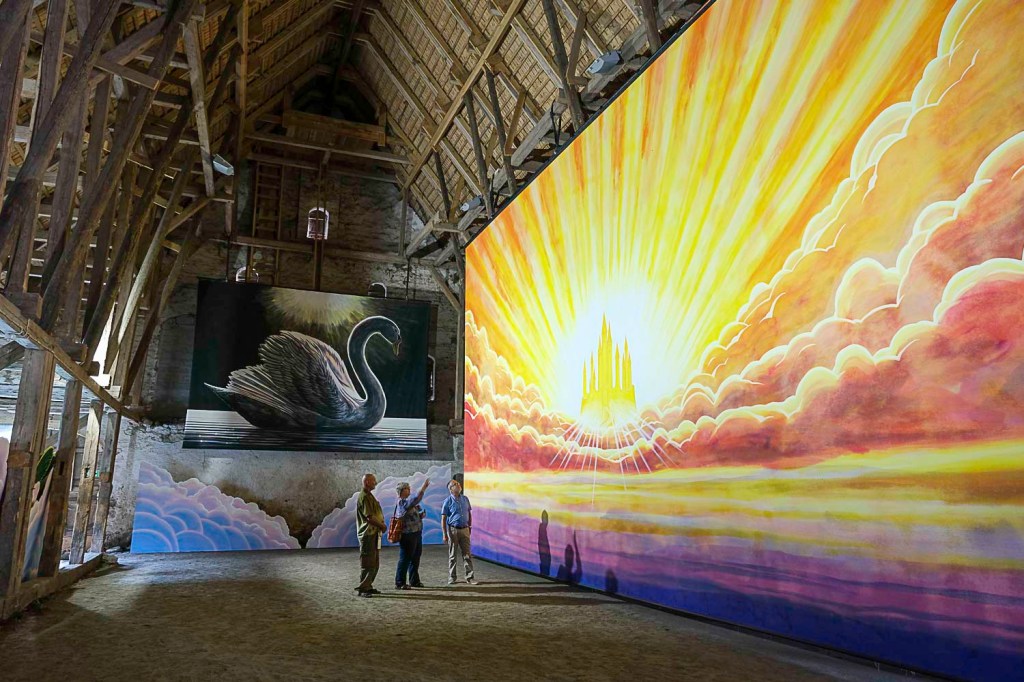
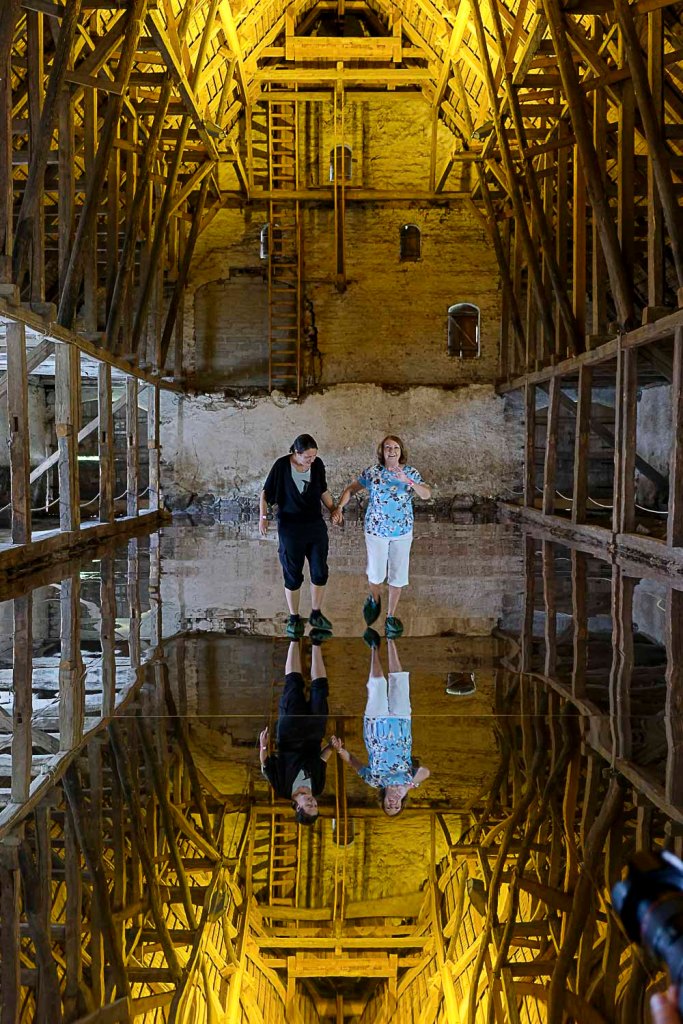
Nothing beats the art of Mother Nature – but much fun is to be had at museums and exhibitions as well. I don’t have to go far away for interesting art…there is a great exhibition site just 10 kilometers away.
Being a teacher for many years, I have a natural interest in young people, their education and upbringing. I still have some students that stay in contact with me. In fact yesterday one of my students had his dissertation and is today a professor in mathematics. He contacted me, so I could follow it on zoom.
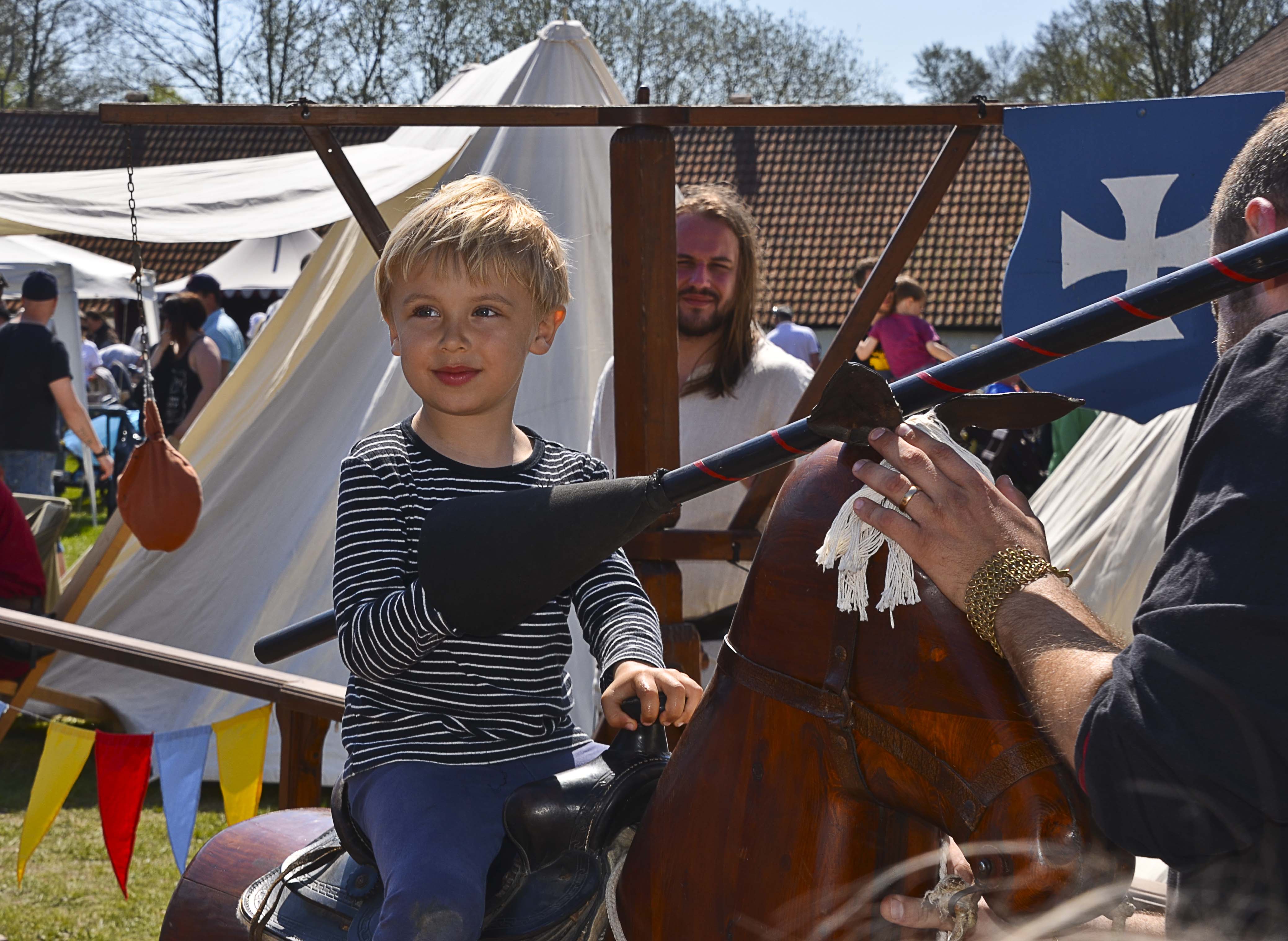
Many of our castles have jousting games with knights and horses. During my last years before retirement, I had a student who now is so skilled he won the Swedish championship several times in these games.
I often go to the nearest castle, Hovdala, that hosts these games – not just to see my old students but also to see the youngsters having fun. This sweet young man with shining eyes……might one day grow into a handsome and chevaleresque knight!
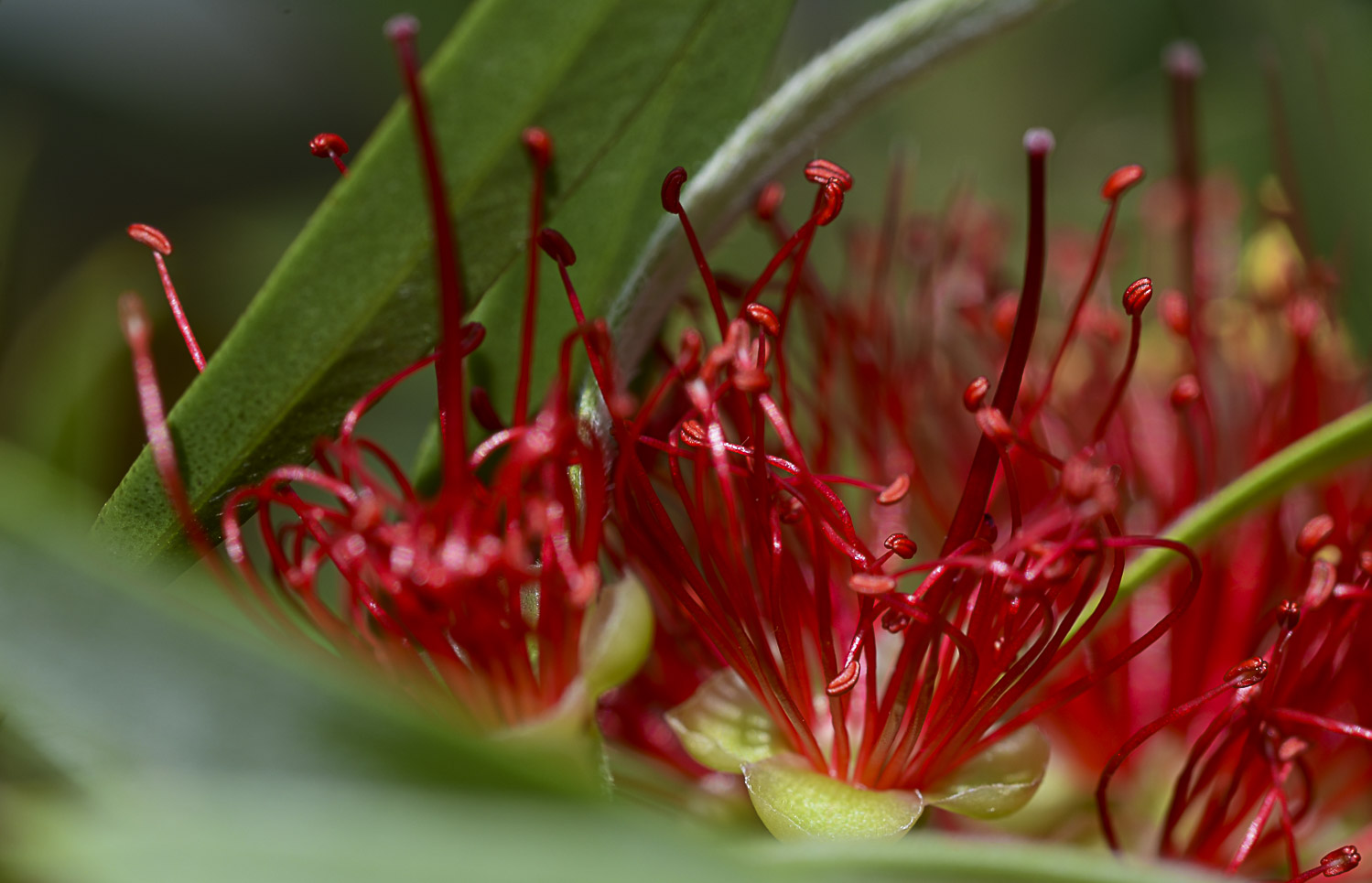
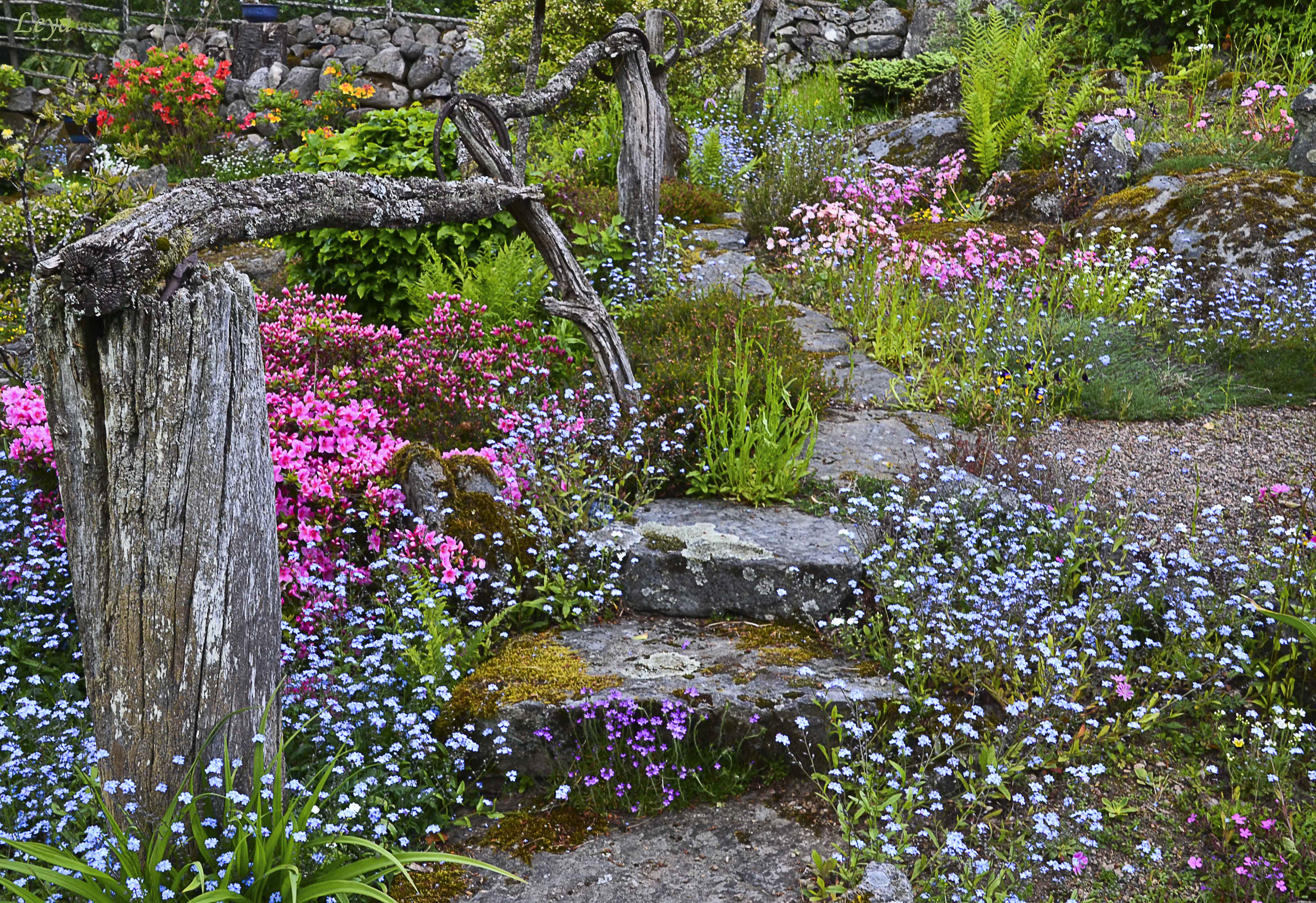
My most frequented destination is my garden – and it is always fun to see things grow, be it children or plants. Right now the grapes are ripening and soon the glass house will leave its last cucumbers and tomatoes, chili, paprika and physalis for letting my Mediterranean plants glow. I am immensely grateful for being able to enjoy the beauty and scent of acacia, jasmin, bottlebrush and camellias – despite our cold climate.
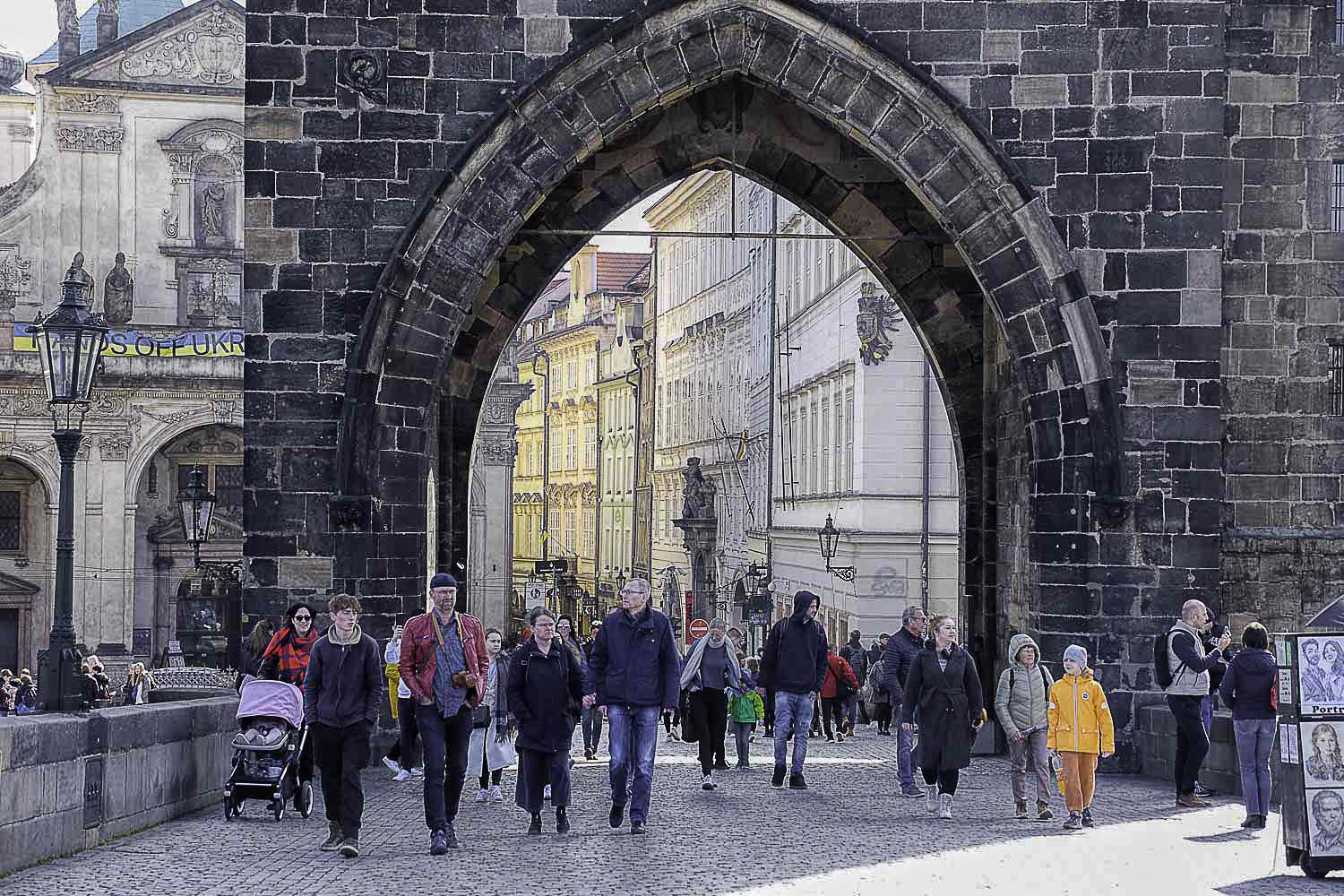
Travel, yes, that has been my way since I was 16. Destinations chosen because of architectural marvels in beautiful cities like Prague…
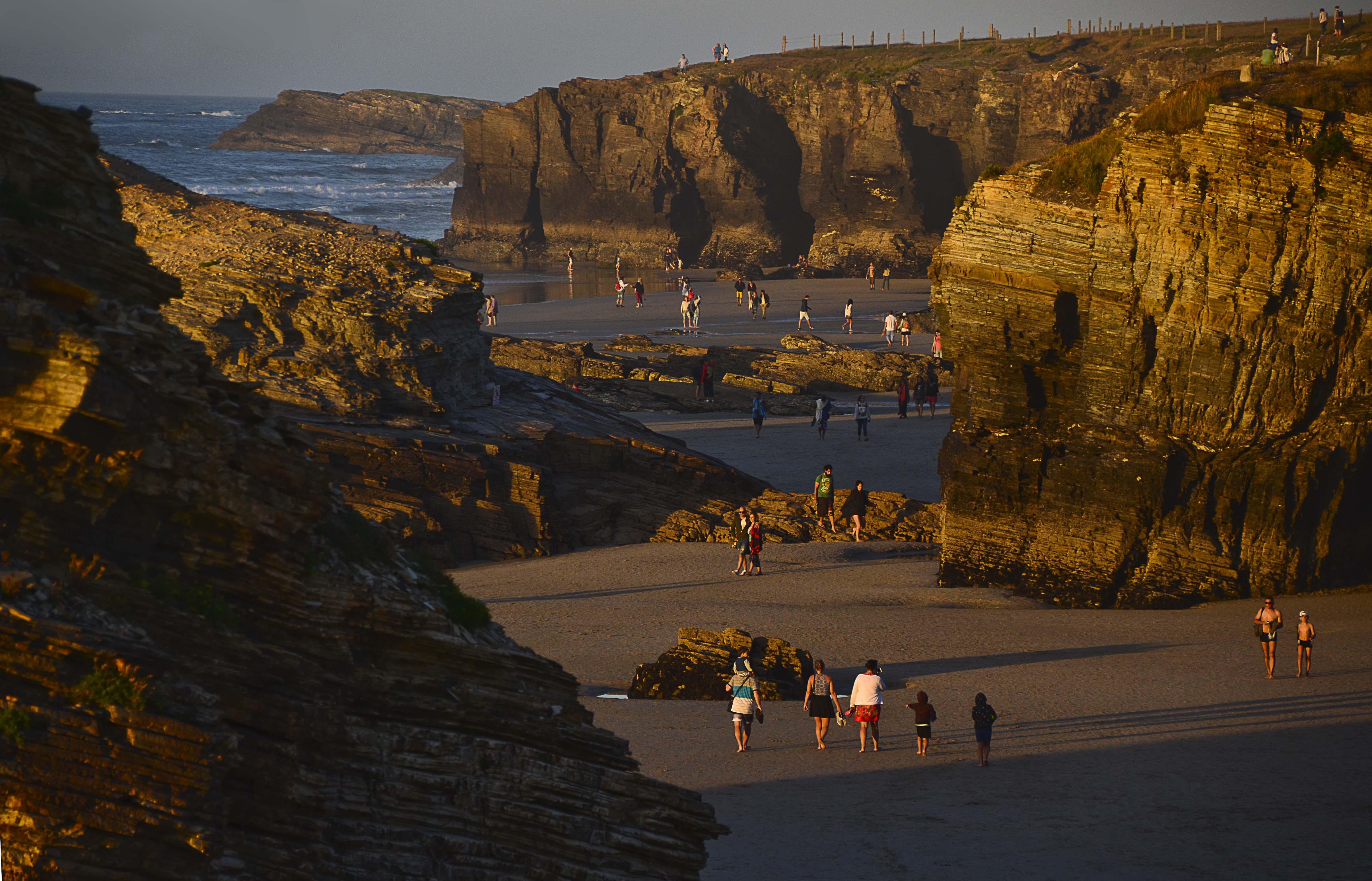
…for natural wonders as Catedrales in Spain
…for hiking among the glaciers in Greenland,
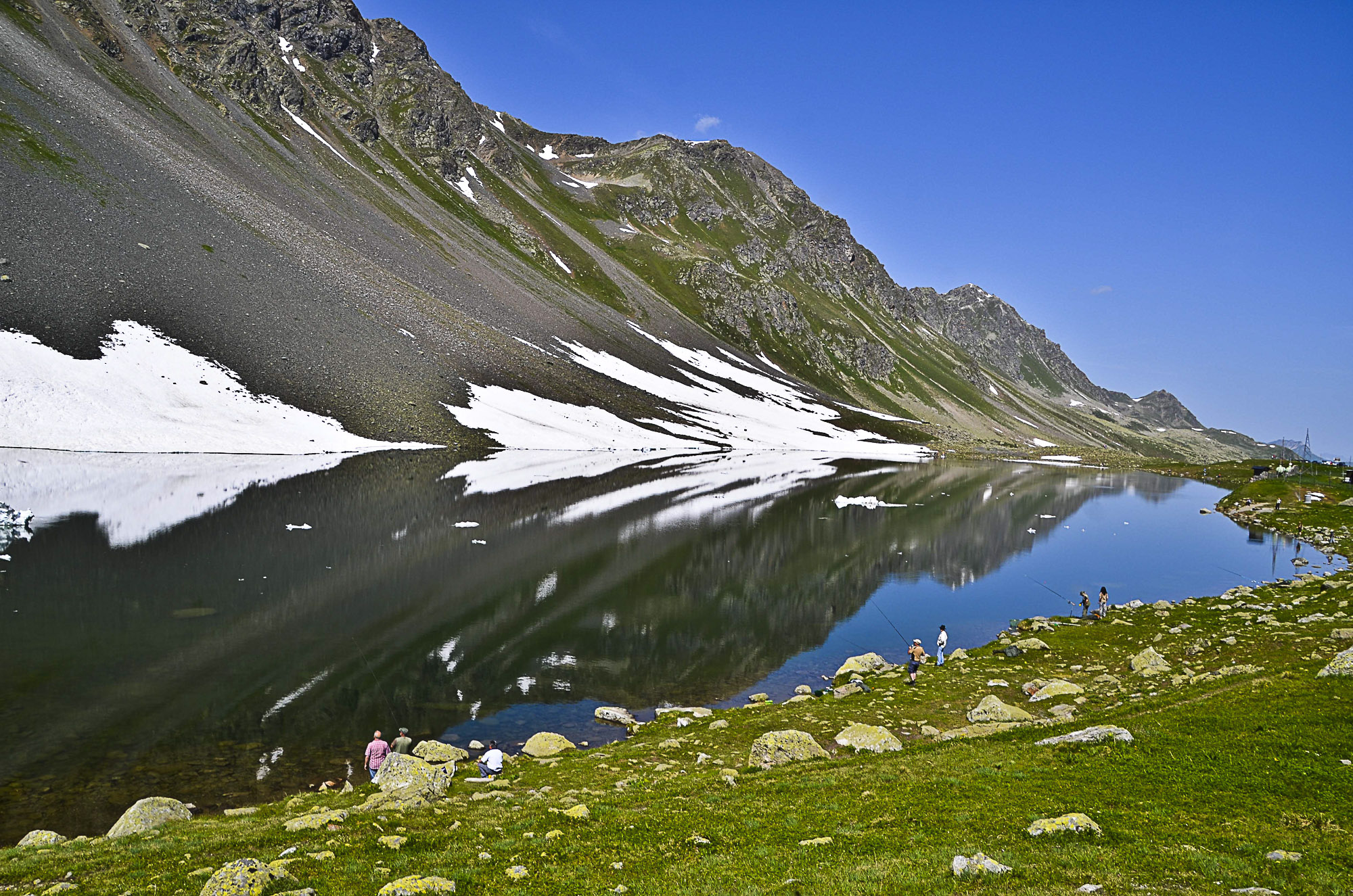
Iceland and Norway … and the majestic mountains of middle Europe.
But also for the opportunity to meet people of different origin and with different customs.
Back home again, there is another spot I always return to – for continuing the fun – my computer. All those photos have to be taken care of. Blogging, writing messages, making cards for birthdays, Christmas and other festivities.
To sum up my fun destinations, they are: hiking in gorgeous nature at home or abroad, visiting cities with great art and architecture, spending time with my family, working and enjoying my garden – and photographing it all. Finally – it is fun to upload and try to make the best out of my photos at the computer…
We look forward to seeing your responses and having us all share in the fun. Don’t forget to use the “lens-artists” hashtag when responding to Egidio, so we can easily find it in the Reader. Egidio is happy to say that pingbacks are finally working on his site too.
Last week, Ritva had us working on common objects. The response was terrific, and your posts were great. Creativity shines!
Tina will host a new challenge next Saturday at noon EDT in the USA. Stay tuned. Please see this page to learn more about the Lens-Artists Challenge and its history.
John is our host this week, and he wants us to concentrate on Cool Colours. Please visit his inspirational site for more about the challenge!
Cool colors have shorter wavelengths than warm colors (red, orange, yellow) and Merriam-Webster’s online dictionary defines ”cool” in seven ways. For this challenge, John has concentrated on hues in the range violet through blue to green, and I decided to stay with those hues too.
Going through my archives, I found an all time favourite image that has it all – cool colours from violet through blue and green. It is photographed in Lofoten, Norway. A magical place on this planet that has it all, in every respect.
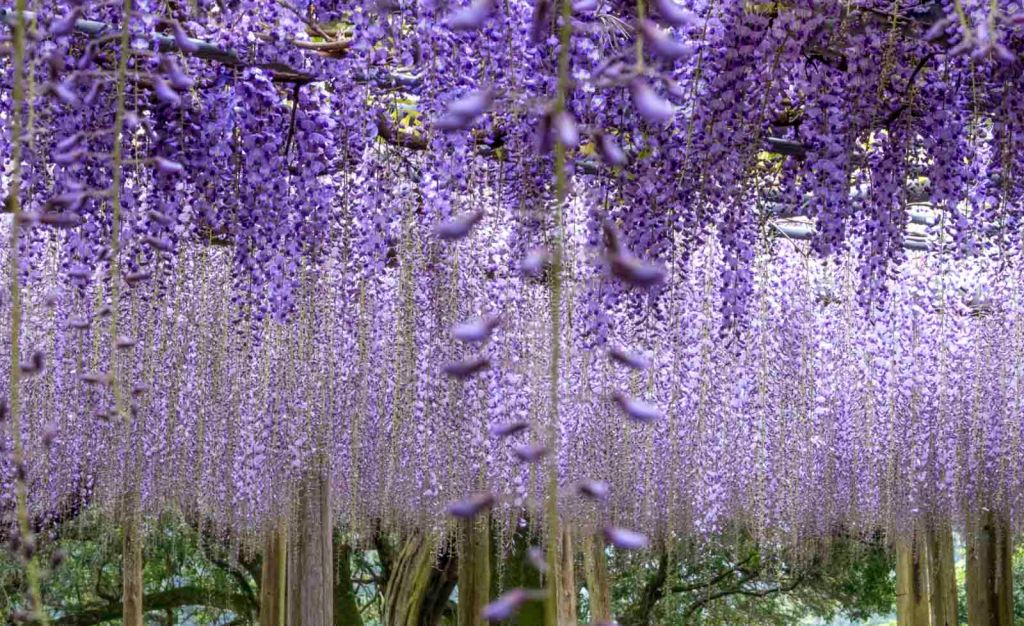
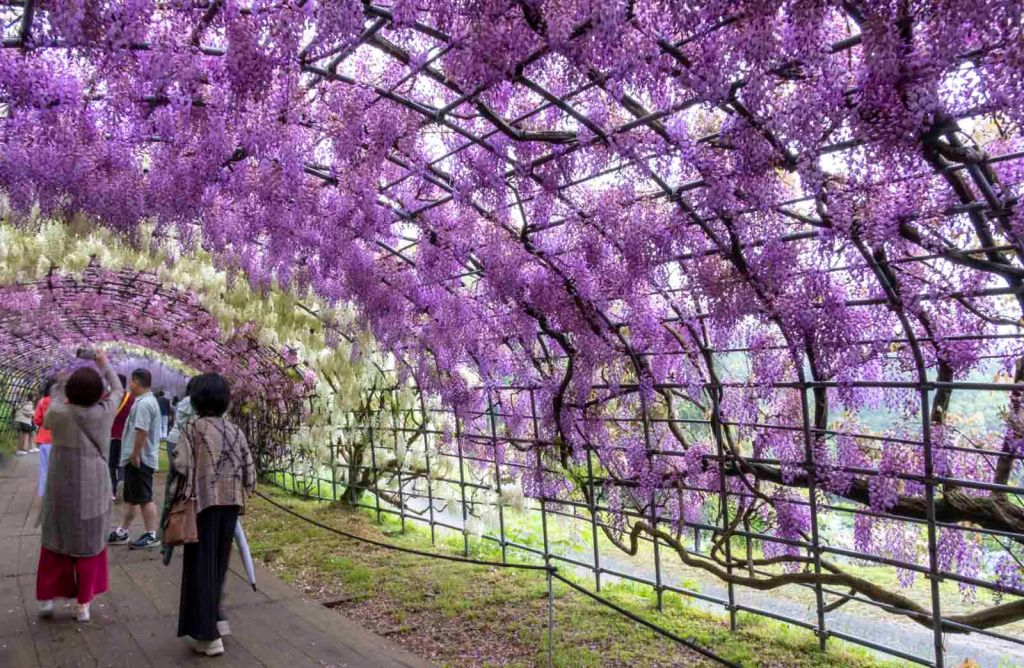
A violet evening in Nice is indeed a soft and velvety dream. A gallery from Japan and the Wistera bloom in April adds to the fact that violet is named after the flower with the same name.
Violet is considered a creative colour and associated with energies and mindfulness, it represents the future, imagination and dreams. It is also one of my favourite colours.
Blue usually stands for serenity, stability, inspiration and wisdom – a calming colour. Personally, I never wear blue – except for jeans. But I love it in nature – the sky and the sea. Especially in summer mornings and late evenings.
I often walk along the sea at our summer house – and this was a magical night in June some years ago. A warm breeze and slow waves aganst the shore.
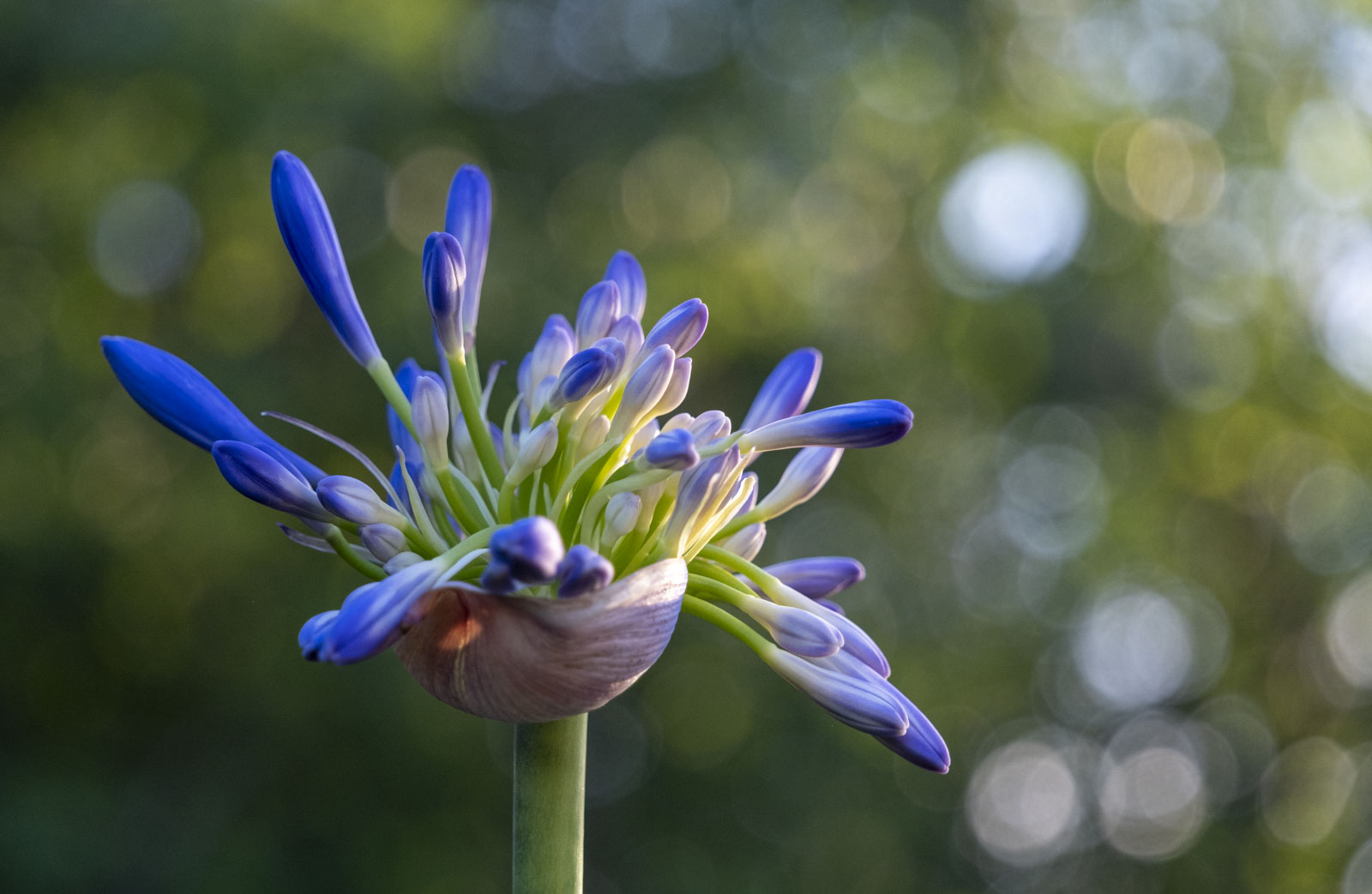
Of course we must have some flowers too – and this Agapanthus is from my own garden. Blue and green in the setting sun made the flower glow a bit warmer, leaning towards the last rays.
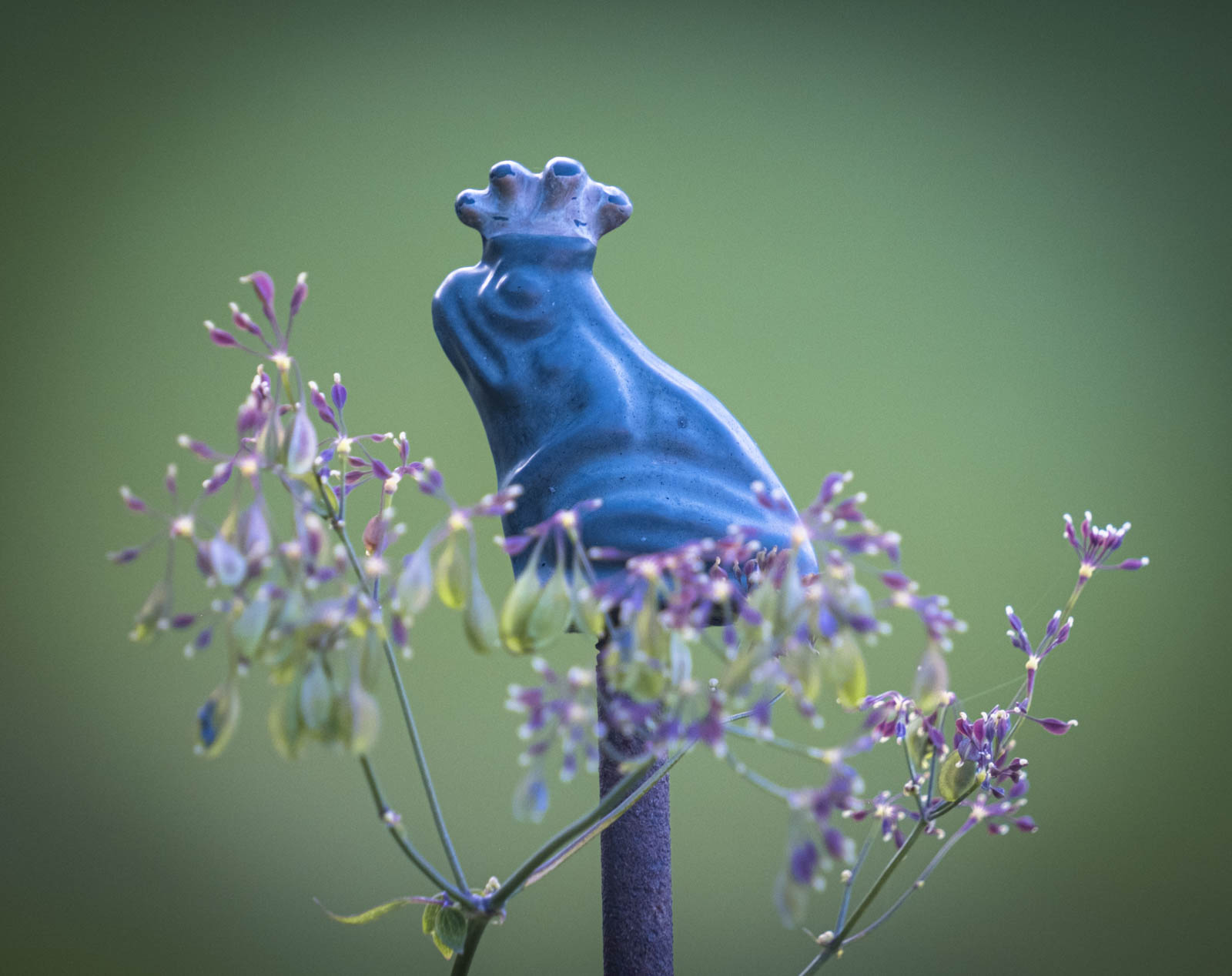
Finally, peeping over my neighbours fence, I see the blue King Frog sitting in his violet flower parasol, enveloped in a green cloak. Now we have all the cool colours in one single picture again.
Green was my last colour, and a favourite one as well. It represents growth, harmony, fertility and freshness. It is restful and relaxing to the eye – cool – due to its spectral wavelength. I sleep in a green bedroom because of this – and it works well.
A big thank you to Sofia, for hosting last week’s Sense of Scale – an interesting and eye opening challenge. So many great examples that never had crossed my mind! Next week, Anne will be our host. Be sure to follow her here so you don’t miss out on it.
Want to join in and don’t know how? Here are the details.
We are back again – and a big thank you to all our guest hosts! Patti is hosting this week, and the topic is Zigzag. Let’s start with my favourite – Danish architecture – and more.
If you go looking for it, natural zigzag can also be interesting…
Beautiful European adder met on the path some years ago while hiking. I have never seen it rise like this one did – and we backed off…
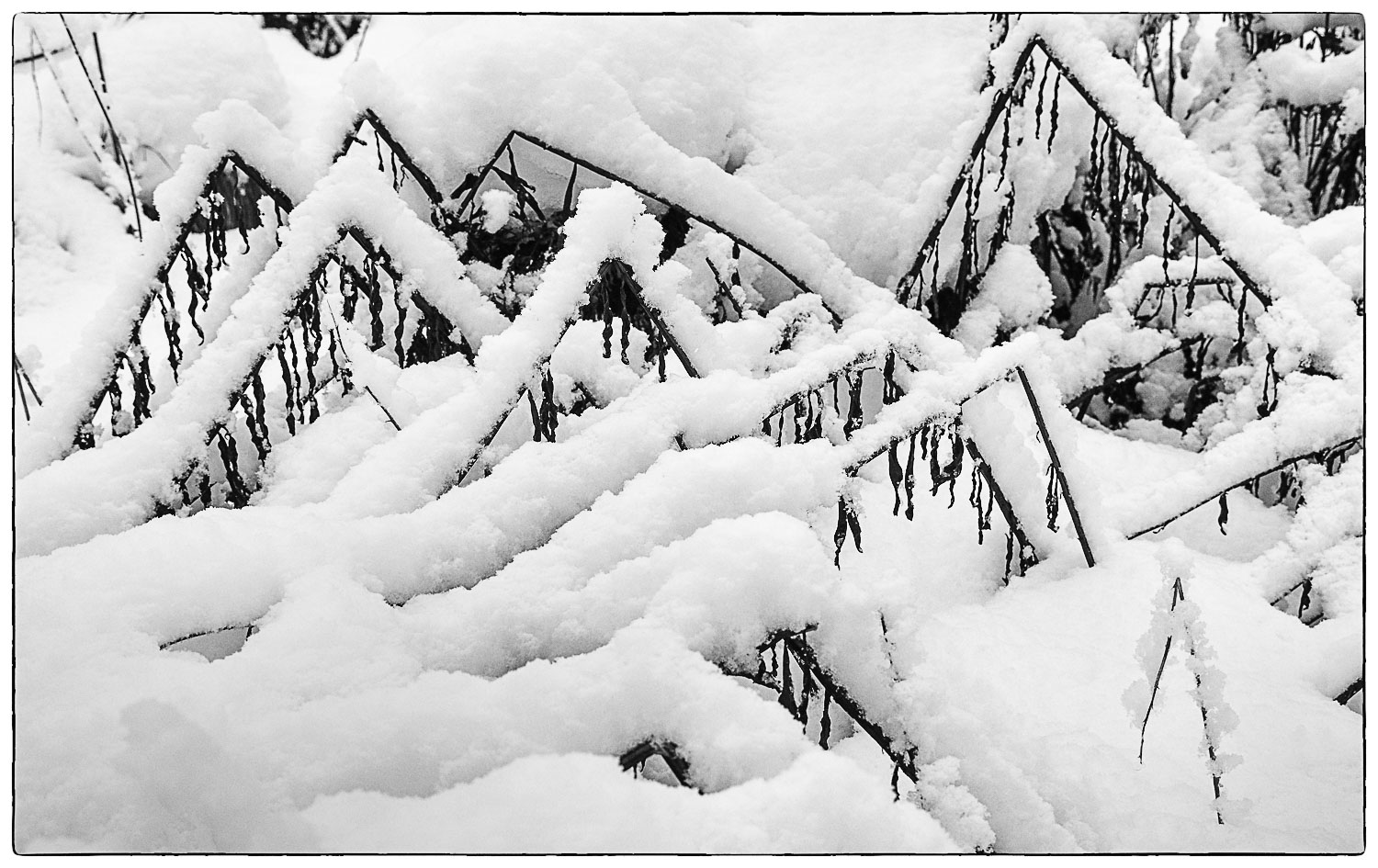
Winter snow bending the straws in elegant zigzag.
In a Narnia Park, we found the broken stone table from the story of Narnia and Aslan by C.S.Lewis.
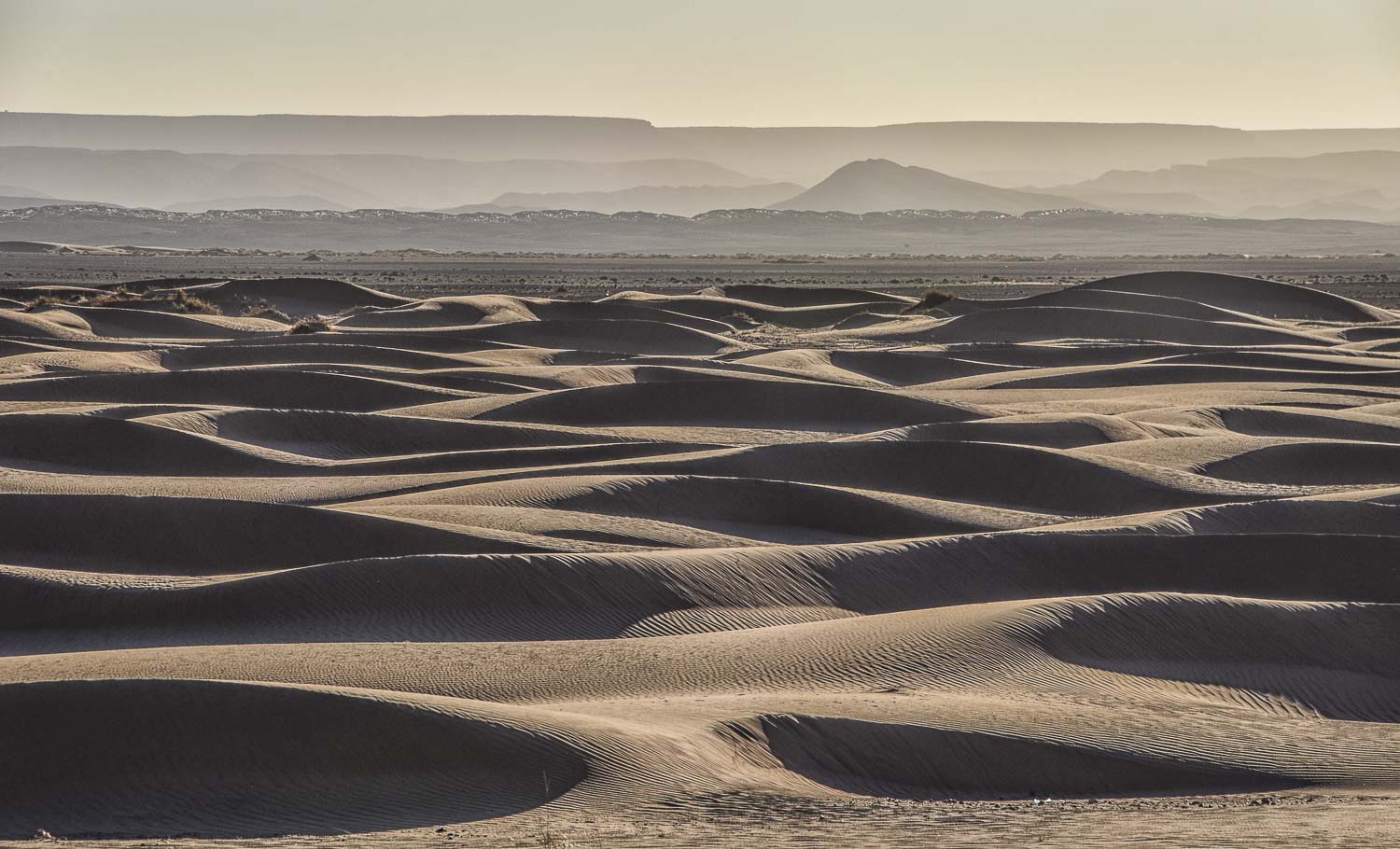
The sand dunes of the Sahara desert made me think of a soft zigzag pattern.
A walk in Porto is a great joy!
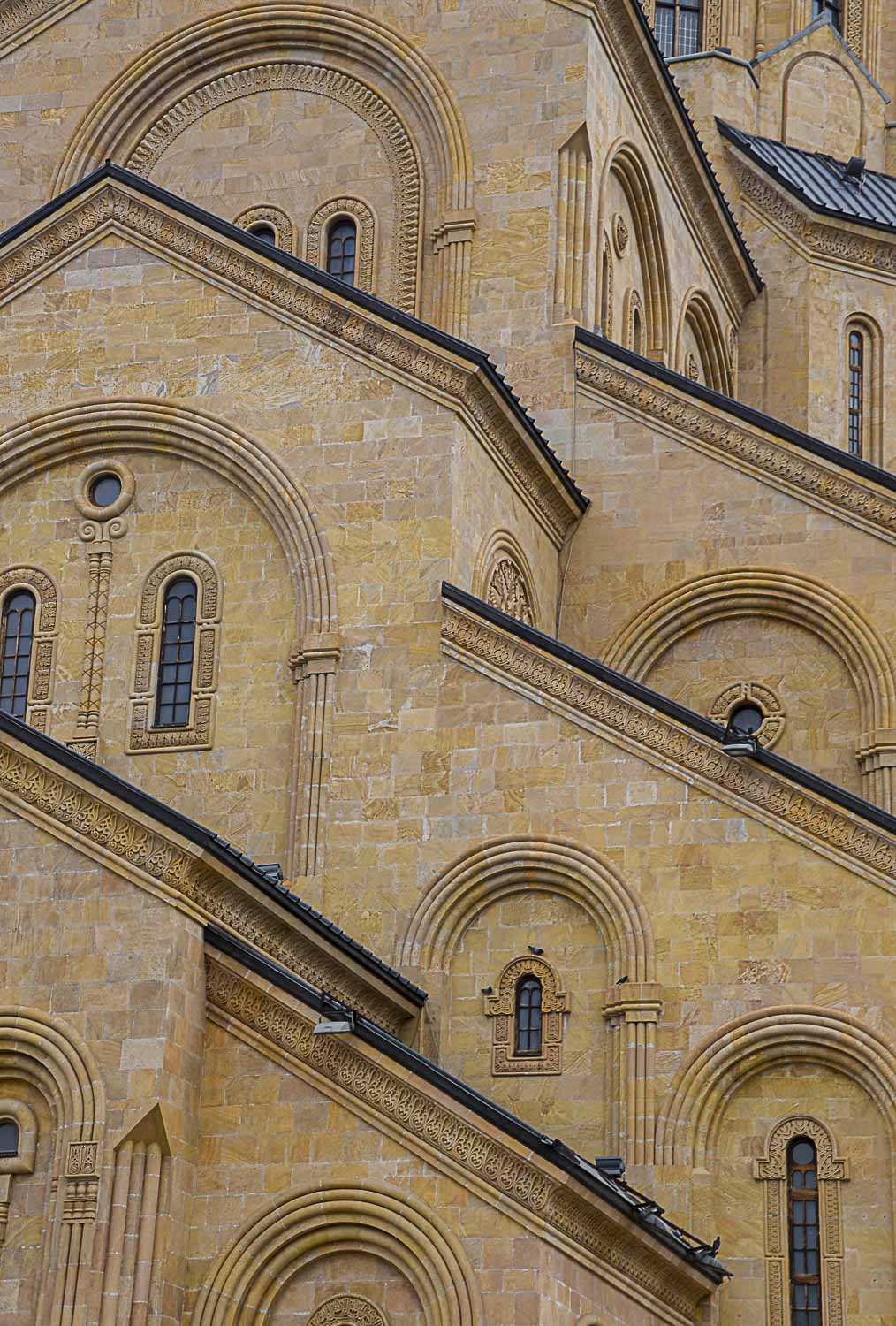
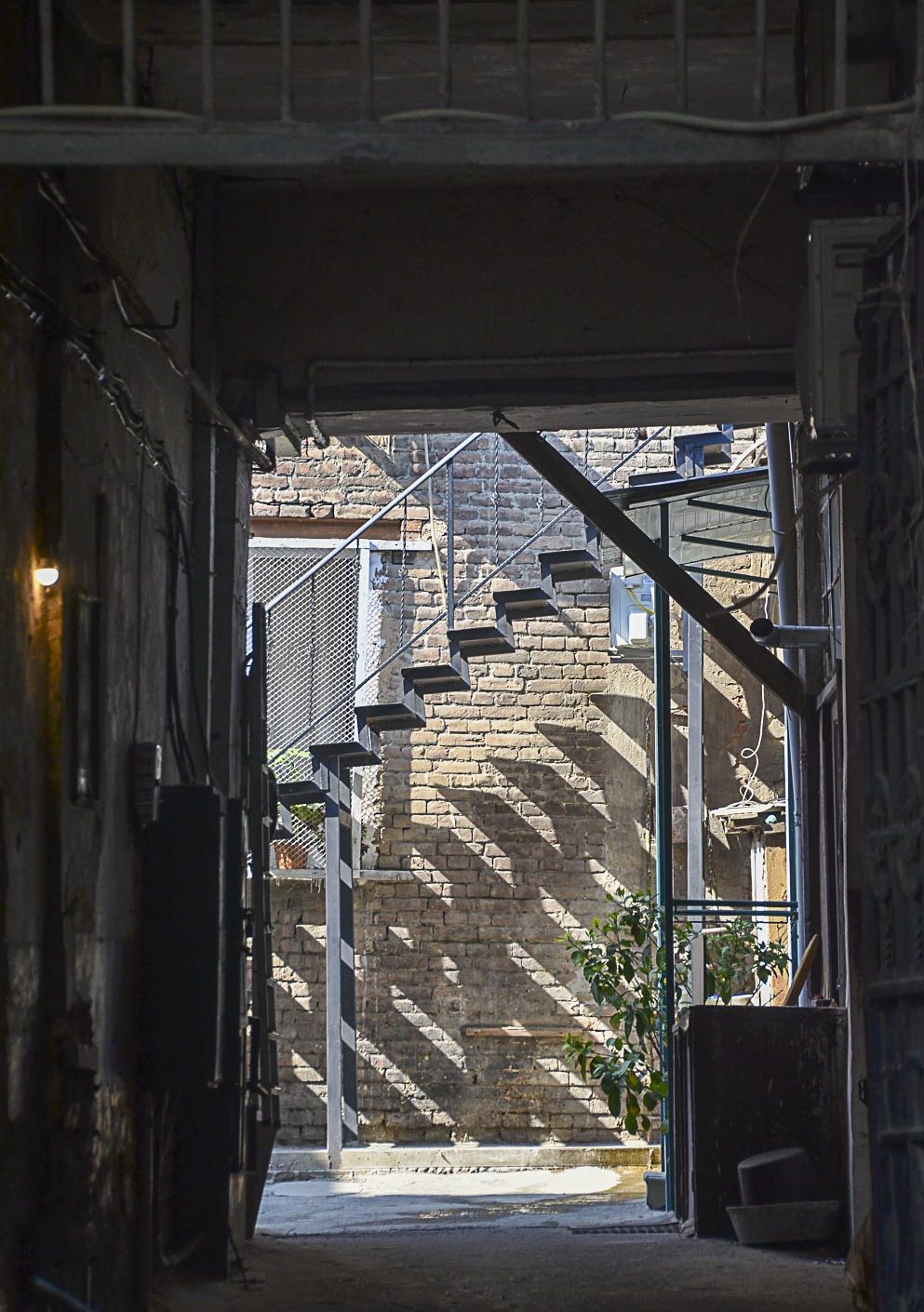
These are all from Tblisi, Georgia – a lot of zigzaging there. Buildings, construction sites and staircases. And fountains!
Have fun with the challenge and we are so looking forward to seeing your choices. Be sure your post includes the “Lens-Artists” tag and a link to Patti’s challenge post.
Next week, I, Ann-Christine, will take the lead for LAC #311, so be sure to visit next Saturday. Until then, stay safe, be curious, and be inspired!
The reality today is that we are all interdependent and have to co-exist on this small planet.
– The Dalai Lama
Tina is our host this week, and she has chosen the theme Habitat. A theme close to my heart. Without habitat, there is no wildlife, and in fact, no real life. What affects a habitat are mainly two factors: biotic and abiotic factors. Biotic factors are living things within an ecosystem, (and how different species interact and work together, which decides the number of each species) and abiotic are non-living components (mainly geology and climate).
We all know what is happening to our planet and to us and our fellow inhabitants. So, What can we do…what Do we do?
The one process now going on that will take millions of years to correct is the loss of genetic and species diversity by the destruction of natural habitats. This is the folly our descendants are least likely to forgive us.
– E. O. Wilson
As ordinary humans, we might think we cannot do much, but personally I support several nature organisations, and I try to keep my footprint as small as possible. (With a bad conscience everytime I fly…) Our pollinators are crucial to our planet, and the bee is considered our most valuable species. In my little world, I strive to plant only bee and pollinator – friendly plants in the garden. About half of it is never cut down and left wild. It thrives.
Dead trees are left were they fall – and I plant climbers for them.
This is my small contribution for increasing the habitats for insects and birds. A great outcome was my find of a leopard moth here. Dead, but a rare species with gardens and orchards as their habitats. Dead trees are home to many insects.
The only way we can reduce the number of these endangered species is to improve and provide additional habitat where they can live and reproduce.
– Lorne Greene
I hope my garden will steadily become an even better habitat for many plants, insects and birds. I believe we all can do something – following the old saying ”Small streams make great rivers”. To me, this thinking makes my habitat in this world much more alive and useful.
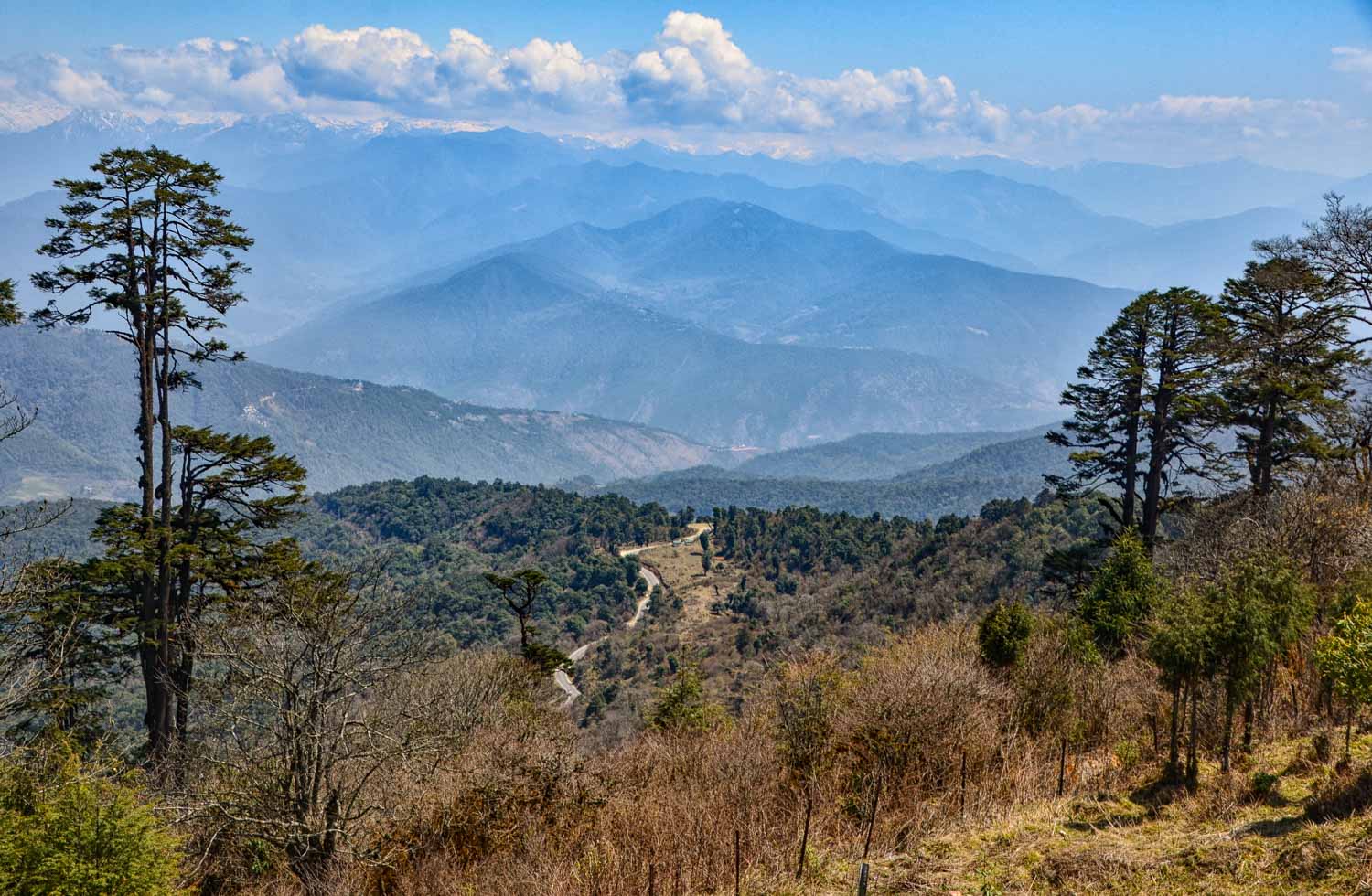
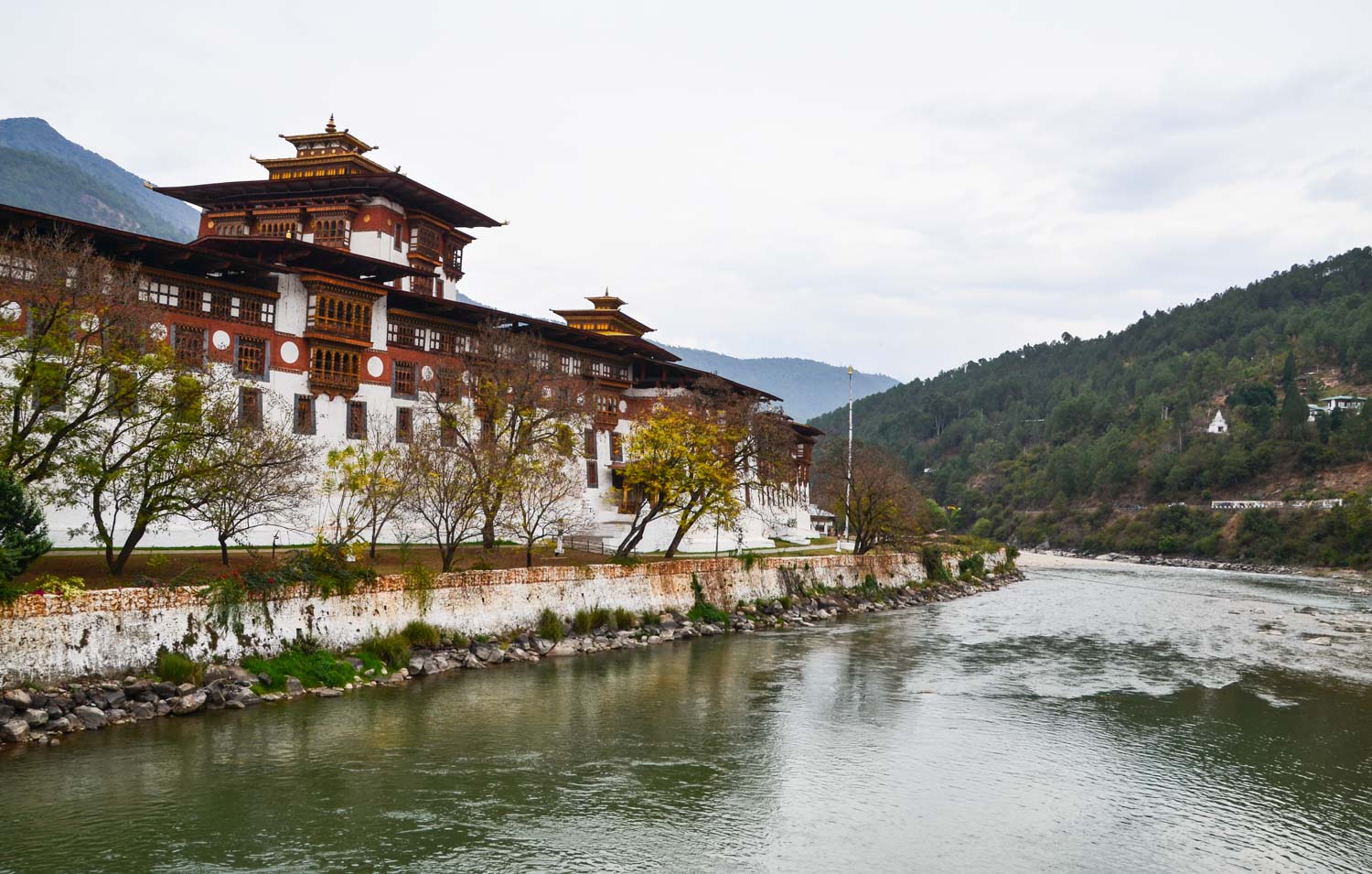
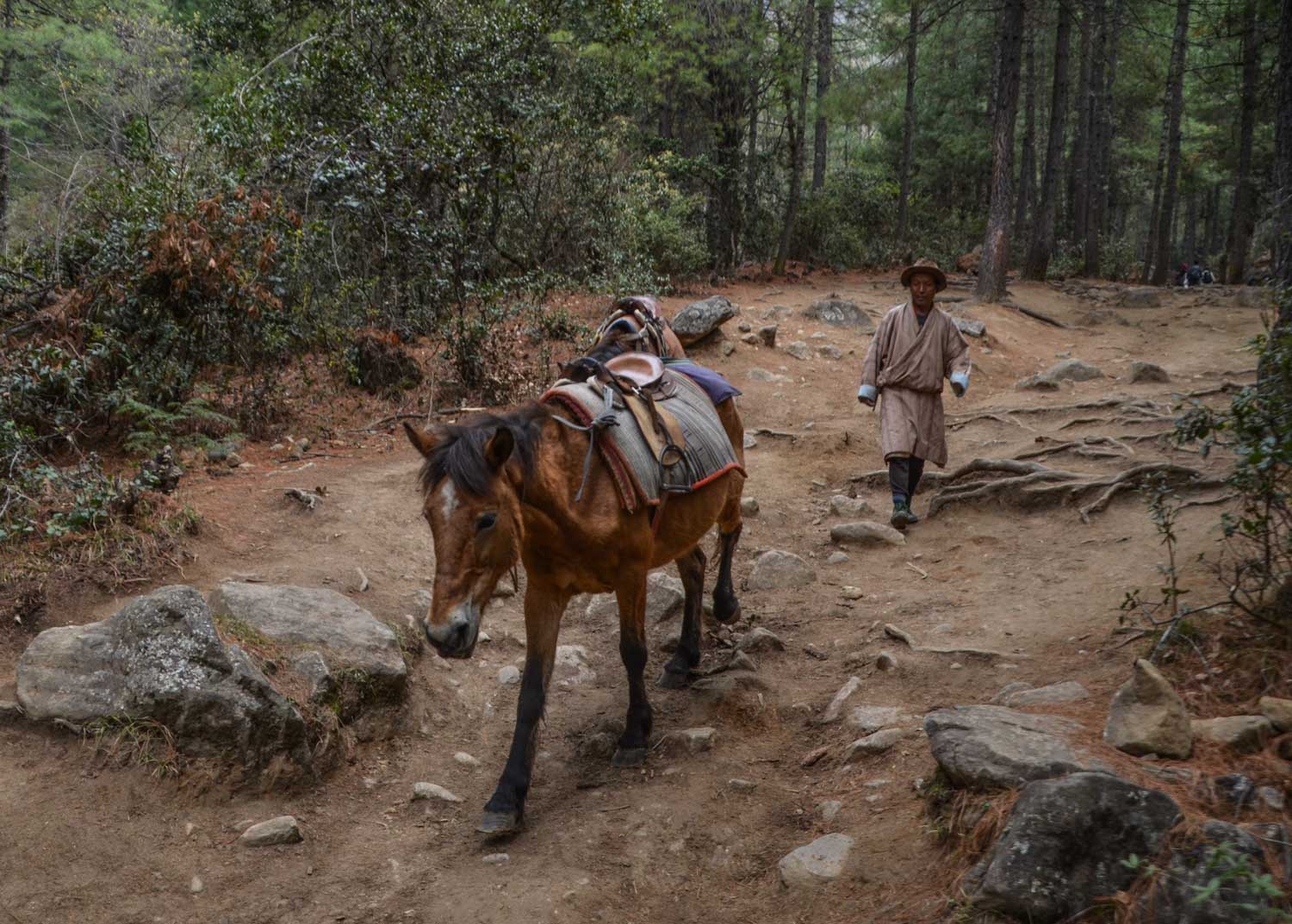
Outside my own garden, a country that comes to mind for having sustainable habitats, is Bhutan. Bhutan is the world’s first carbon negative country. Mainly because of its extensive forests, covering 70% of the land, the Kingdom is able to absorb more carbon dioxide than it produces. How did Bhutan get here and how can the country be an example for the rest of the world? Listen to Bhutan’s Prime Minister in a TED talk on youtube .
In Bhutan, the forest is protected by law, they use their rivers to get clean energy and they subsidise the more eco-friendly LED lamps. To me maybe the most impressive thing is their biological corridors connecting protected areas with each other. Thus, the vast diversity of animals is free to roam around the country. It helps them better adapt to climate change and increase their population naturally. When we were there, we were informed that some tigers were tagged and could be followed from the south part bordering to India, and through corridors up to the snowy Himalayas. In only a few days.
It seems in Bhutan everything living coexist in a smoother way – maybe because of their faith and because of their government’s decisions on the importance of biodiversity. In the cities too, we found space was gladly shared among different species. A comfortable, common habitat.
I hope you’ll join us this week to explore the habitats of both human and animal ”residents”. Be sure to link to Tina’s post, and to use the Lens-Artists Tag to help us find you. Also, our big thanks to Egidio whose 2 Rectangles challenge gave us a chance to learn something new, and proved that many of us did not know about this, but were often using it anyway.
As in previous years, the Lens-Artists team will be on hiatus for the month of July. There will be no challenge on the 6th, but the rest of the month will be led by several amazing Guest Hosts. They include:
July 13: Leanne of Leanne Cole explores TOURIST ATTRACTIONS
The Lens-Artist team will be back on August 3 when Patti once again leads us on her Pilotfish Blog. Until then as always please stay safe, be kind and enjoy the adventure.
Looking for more information on joining our challenge? Click here.
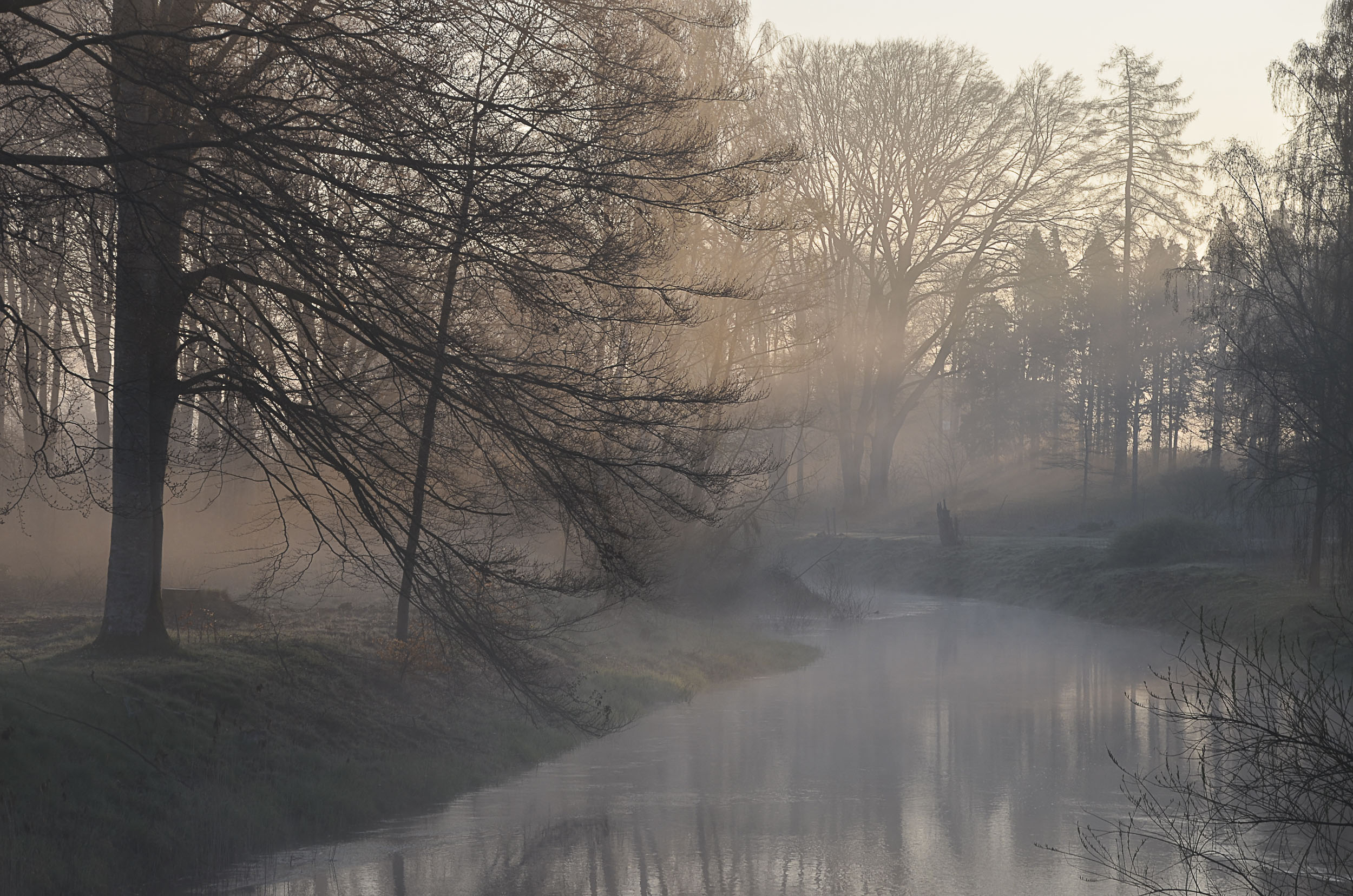
Egidio is leading a challenge made for real music lovers this week – and I have chosen two of the most loved songs in my book, Morning Has Broken and What a Wonderful World. Be sure to visit his beautiful site for more inspiration. And, if you are participating, please link to the original post and add the Lens-Artist tag.
Morning Has Broken – is a Christian hymn first published in 1931. It has words by English author Eleanor Farjeon and was inspired by the village of Alfriston in East Sussex, then set to a traditional Scottish Gaelic tune, ”Bunessan”. Cat Stevens made it popular all over the world. This song I consider to be one of the most beautiful ones ever written. My children know I want it for my funeral. In Cat Steven’s interpretation.
What a Wonderful World – was written by Bob Thiele and George David Weiss. It was first recorded by Louis Armstrong and released in 1967 as a single. In April 1968, it topped the pop chart in the United Kingdom, but in the United States the president of ABC Records disliked the song and refused to promote it.
After it was heard in the film Good Morning, Vietnam, it rose to number 32 on the Billboard Hot 100. Armstrong’s recording was inducted to the Grammy Hall of Fame in 1999.
Louis Armstrong – I always hear his grainy, harsh voice whenever I feel overwhelmed by nature, grand landscapes and its beauty, silence and serenity. His voice is the perfect choice for every moment…
It is a wonderful world in every detail…
big or small…
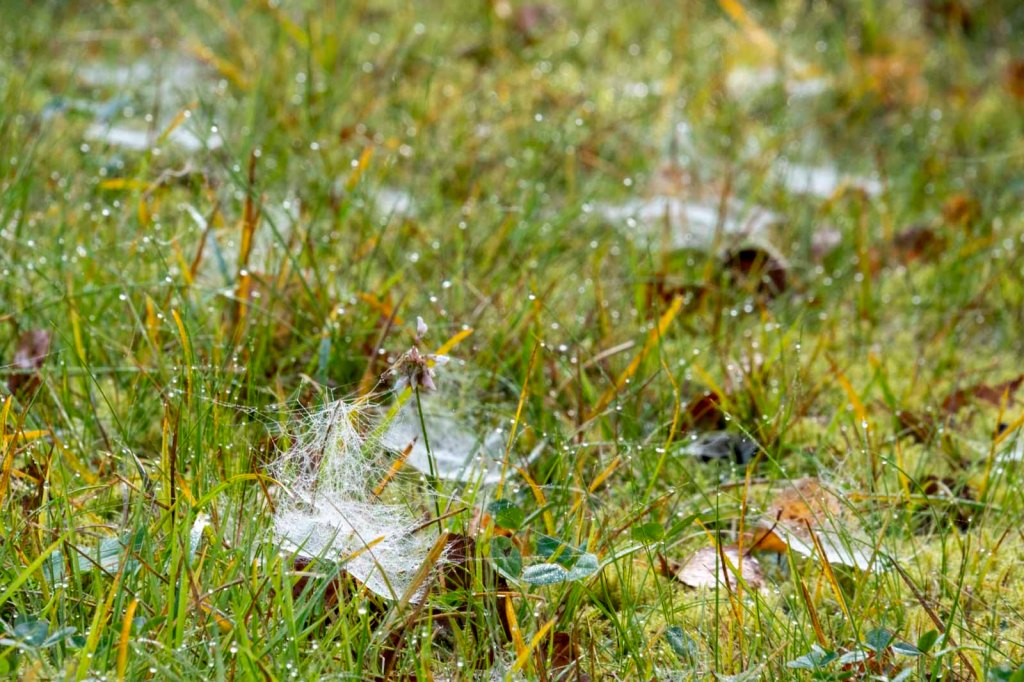
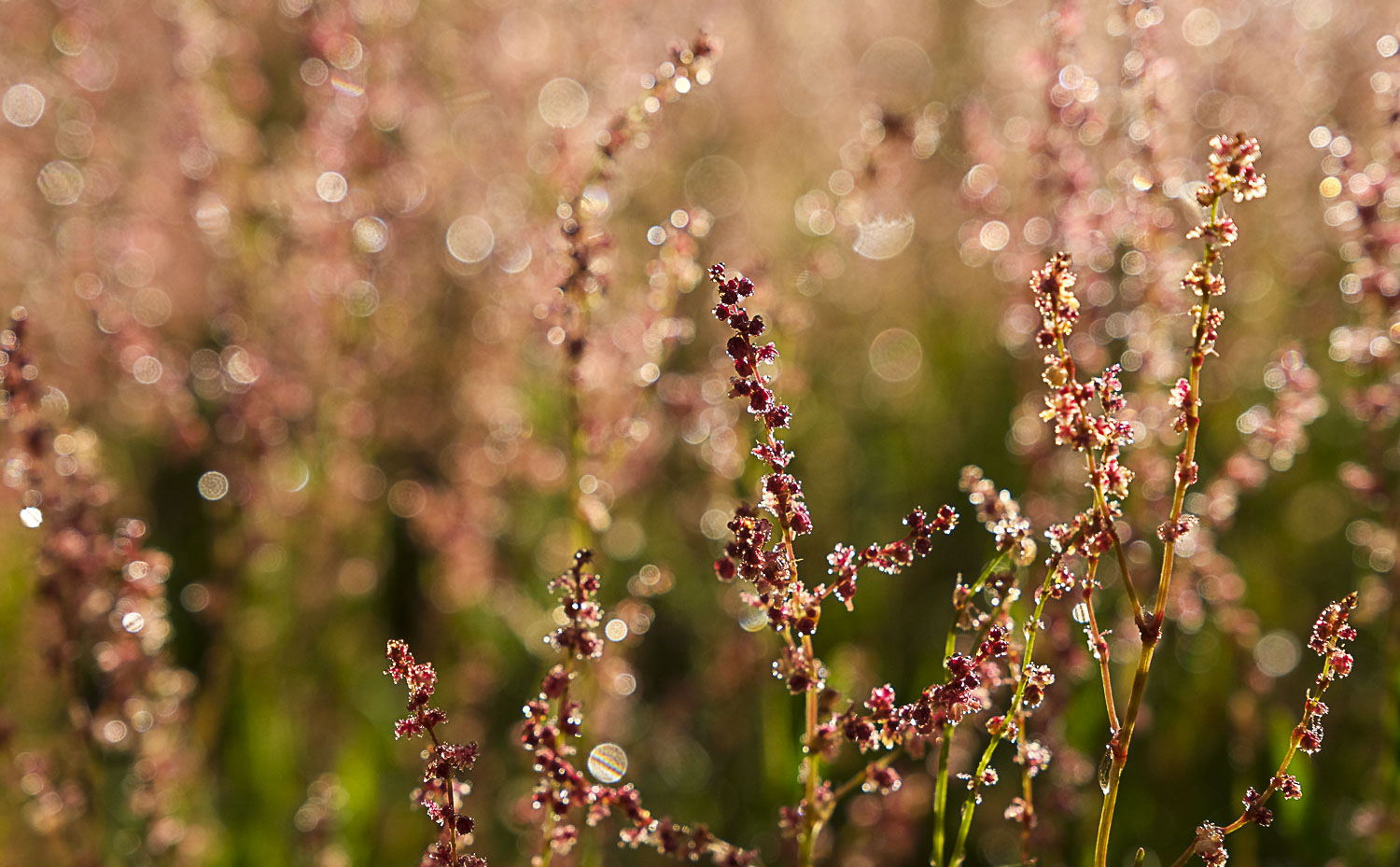
from the tiniest dew drop …
to the abundance in flowers…
colours…
and animals. And everything and everyone new to the world is soft…
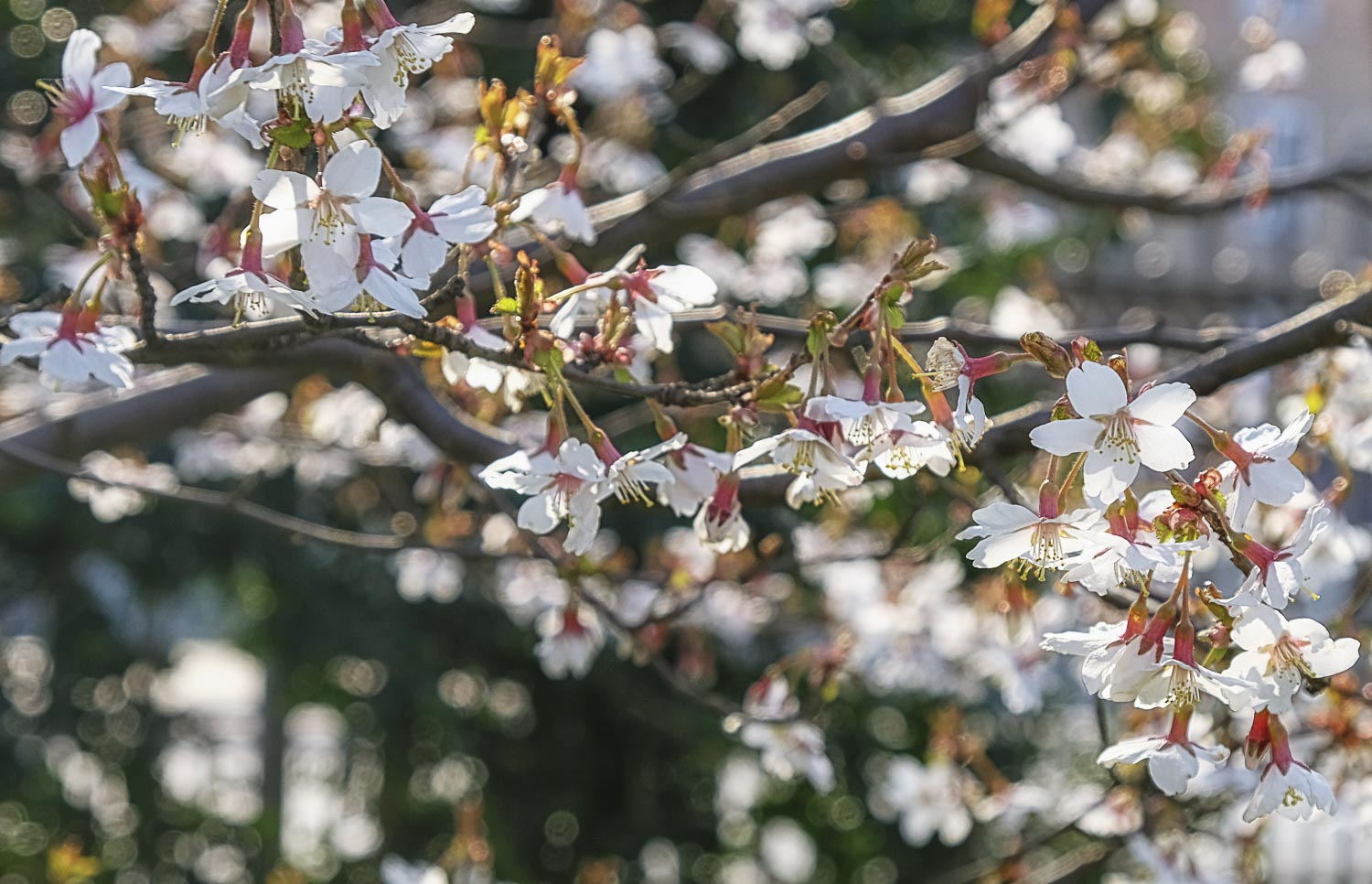
fragrant…
and wonderfully fresh.
My Swedish favourites I had to leave out…but I have some there too of course. Songs from our own language are special, and like all other lyrical texts, cannot be translated properly with their original feeling. In the Scandinavian countries you often find a melancholical touch with music written in a minor key. Music for magical summer nights and autumn colours.
Last week we had Ritva making us post abstract photos – and it was really an eye-opener on how many abstracts we really make! Thank you for a great challenge!
Next week it is Tina’s turn to host, be sure to visit her magical site for more inspiration. Until then – stay calm and be kind.
































 Leya
Leya 
Du måste vara inloggad för att kunna skicka en kommentar.