Wordless Wednesday
Beth is looking back this week. Originally it was John´s post, and now Beth hands it over to us – please take a look at both posts!
I am just back from a trip to Croatia, a trip I have wanted to make for some years now, but life got in between. I hope you will enjoy following me along to some of its highlights!
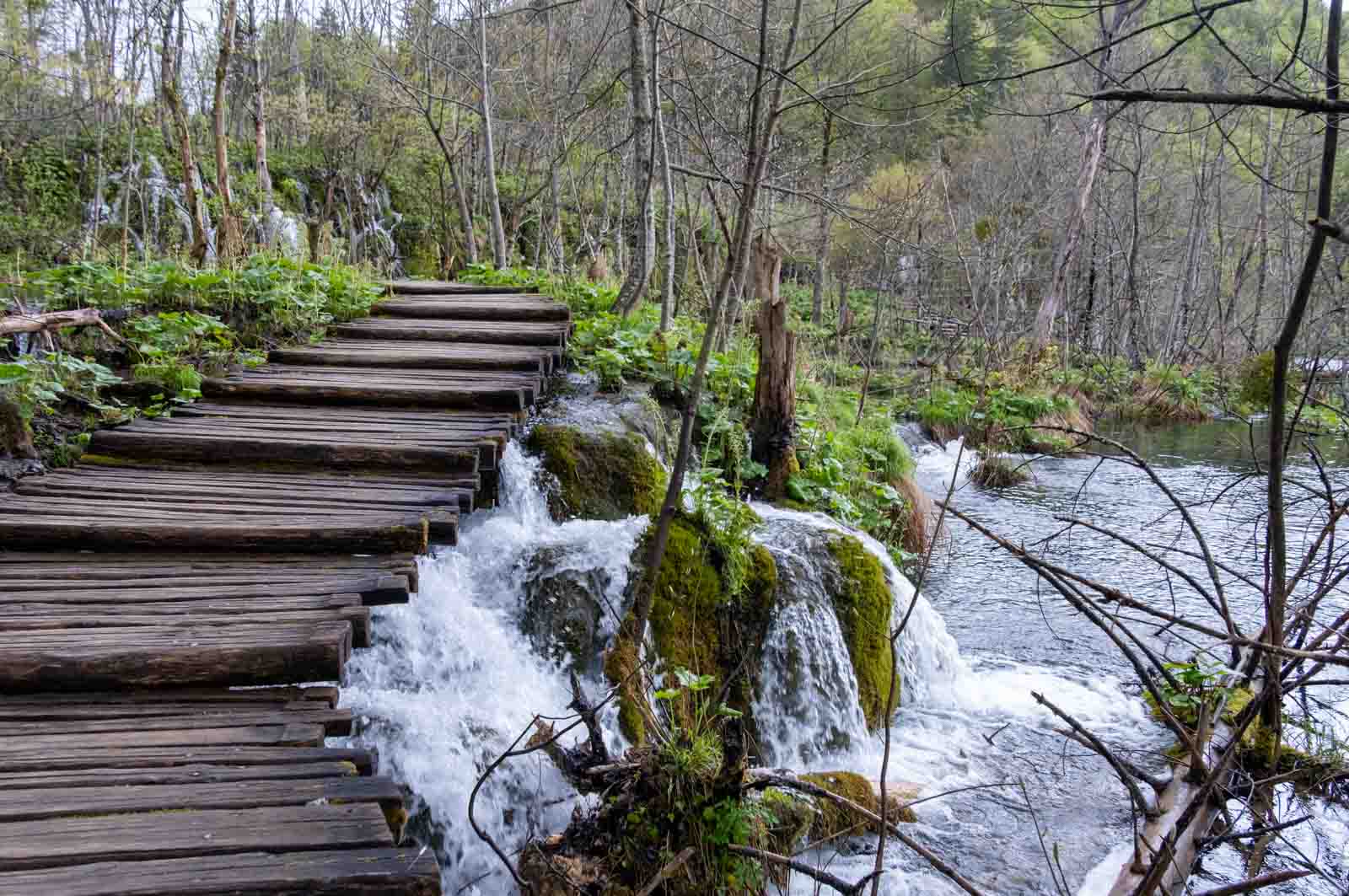
I have never seen so many waterfalls in one day, or even a year – or maybe in my whole life. And they were all different, and all magnificent. The Plitvice Lakes National Park is the oldest and the largest national park in Croatia, and a UNESCO World Heritage. It covers an area of just under 300 km2 and the lake system is comprised of 16 named and several smaller unnamed lakes, cascading one into the next. There are twelve lakes in the Upper system and four in the Lower system.
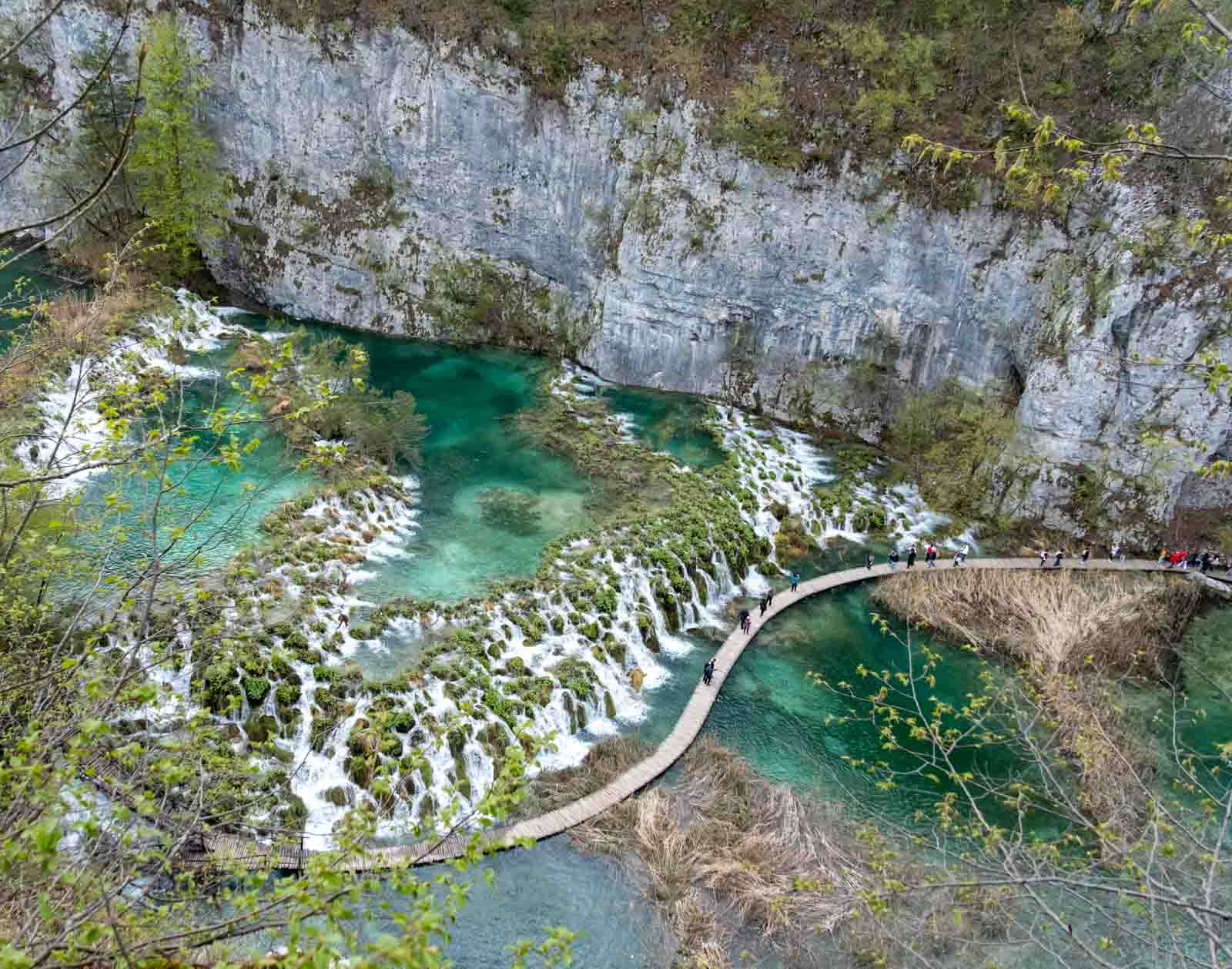
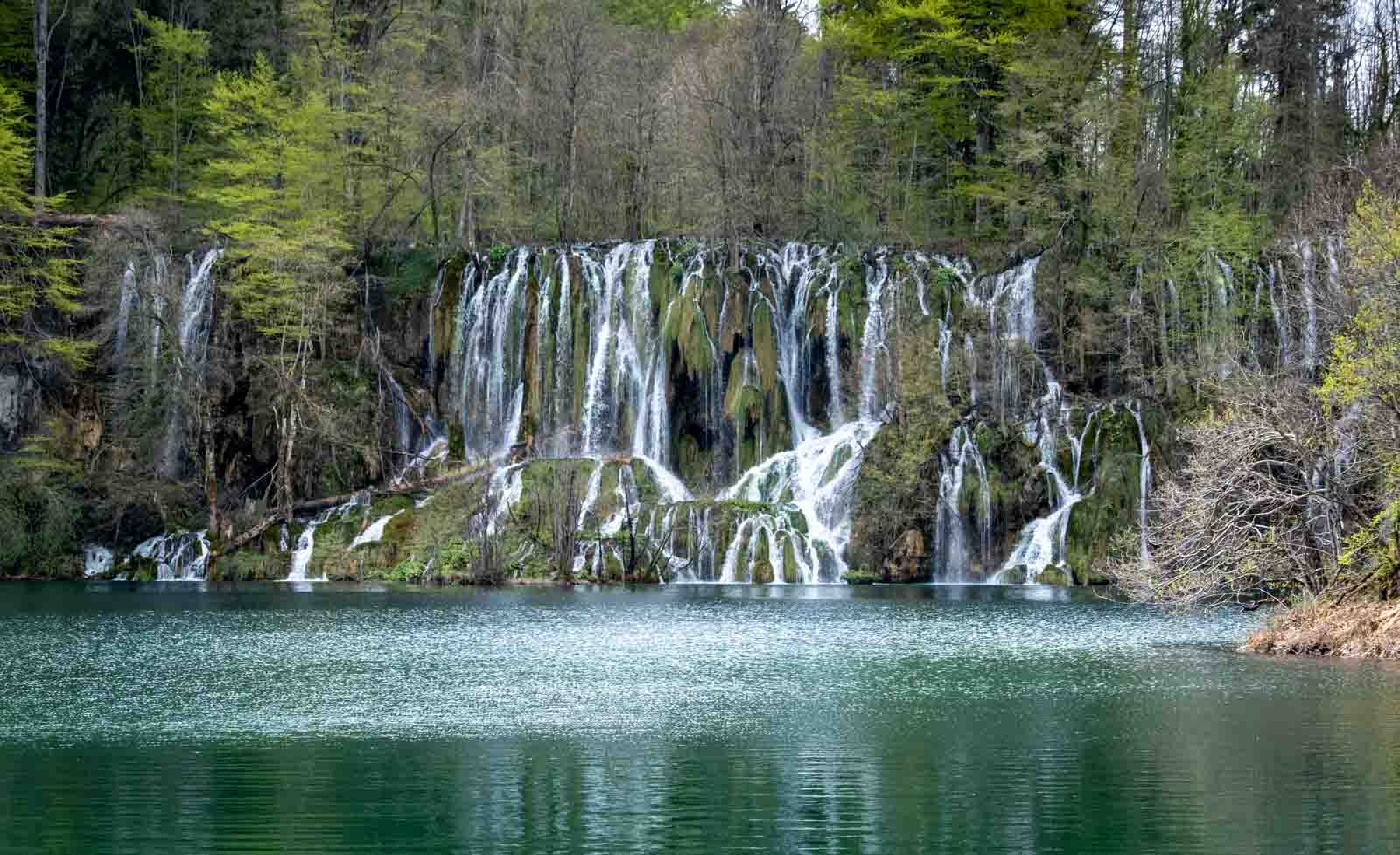
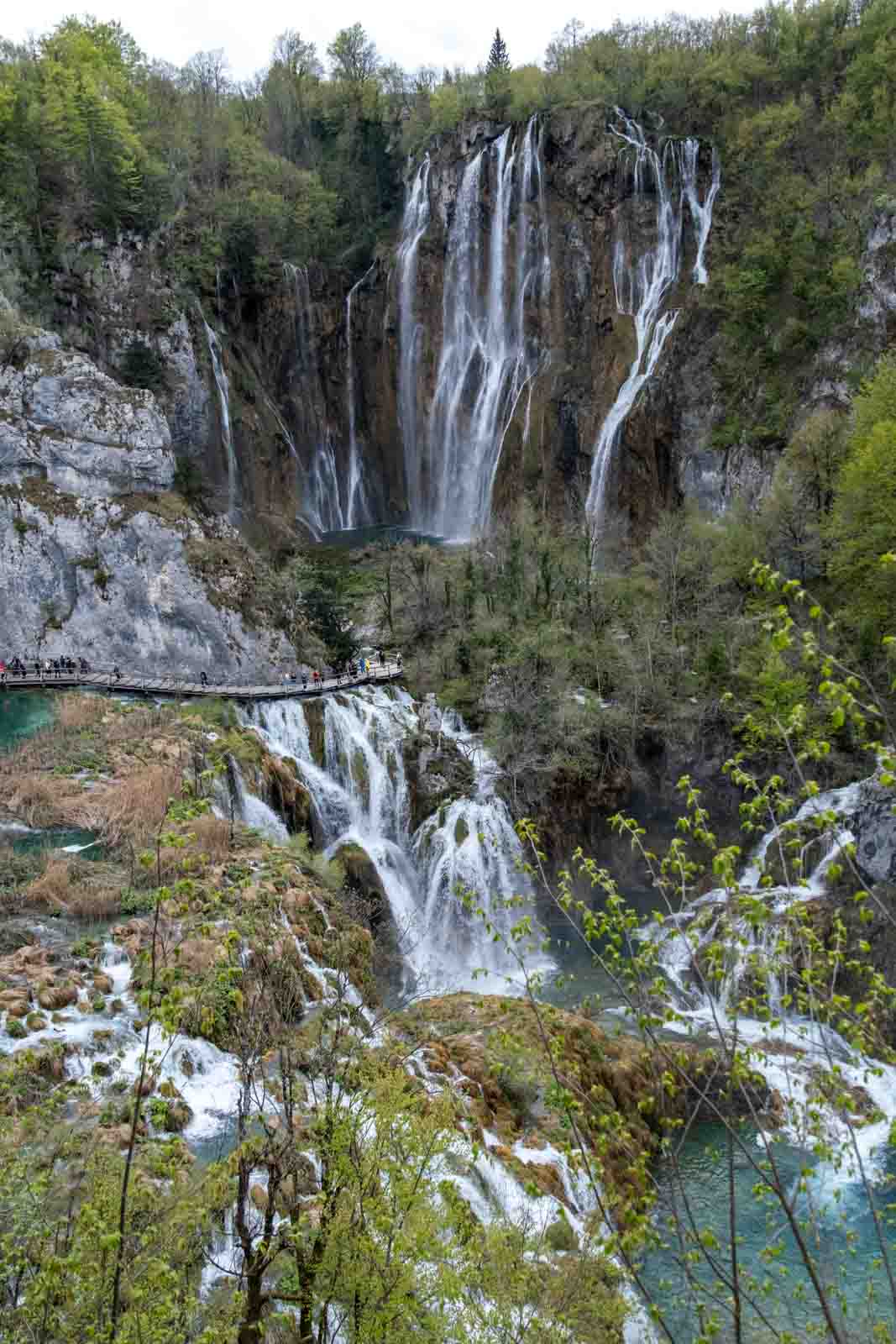
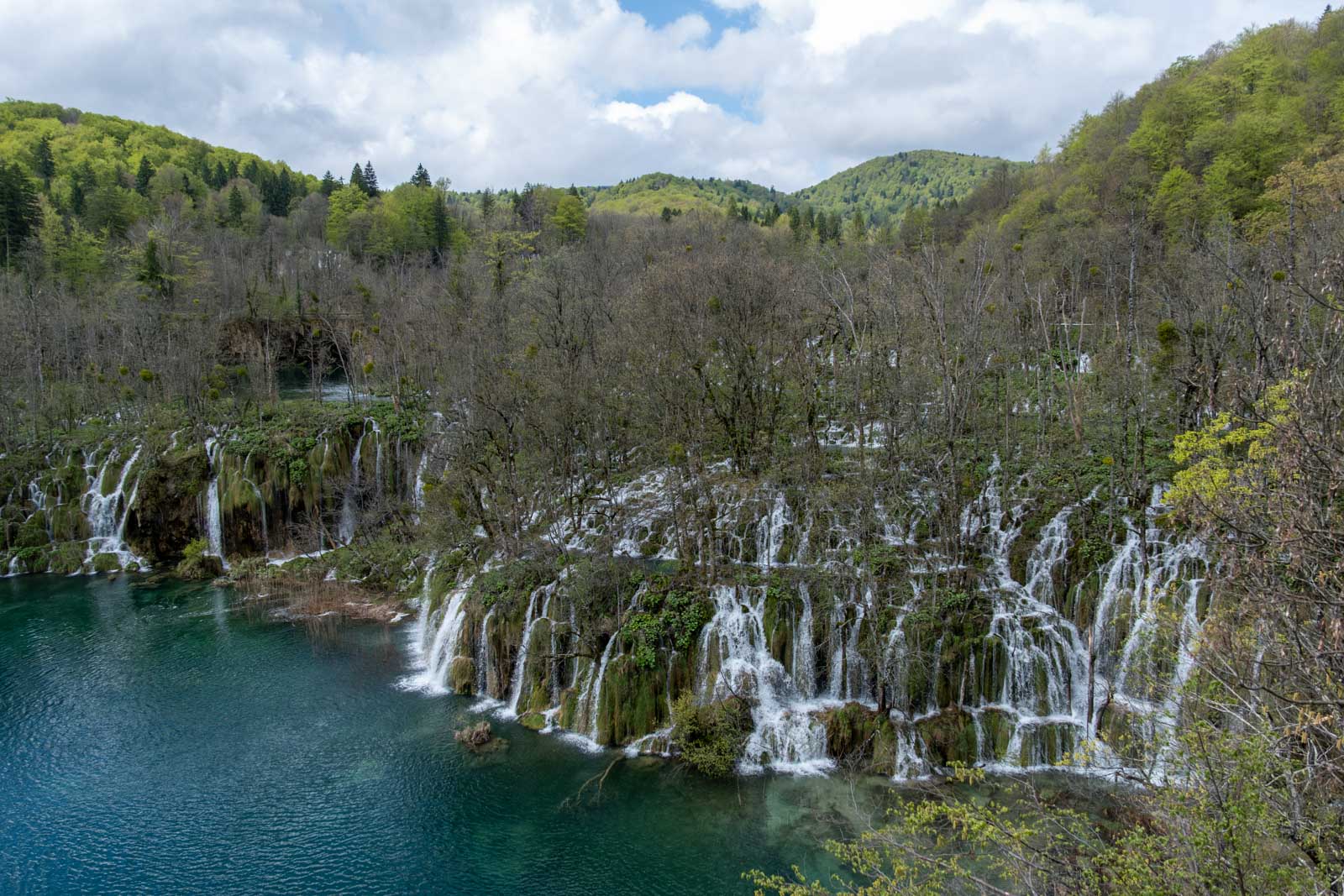
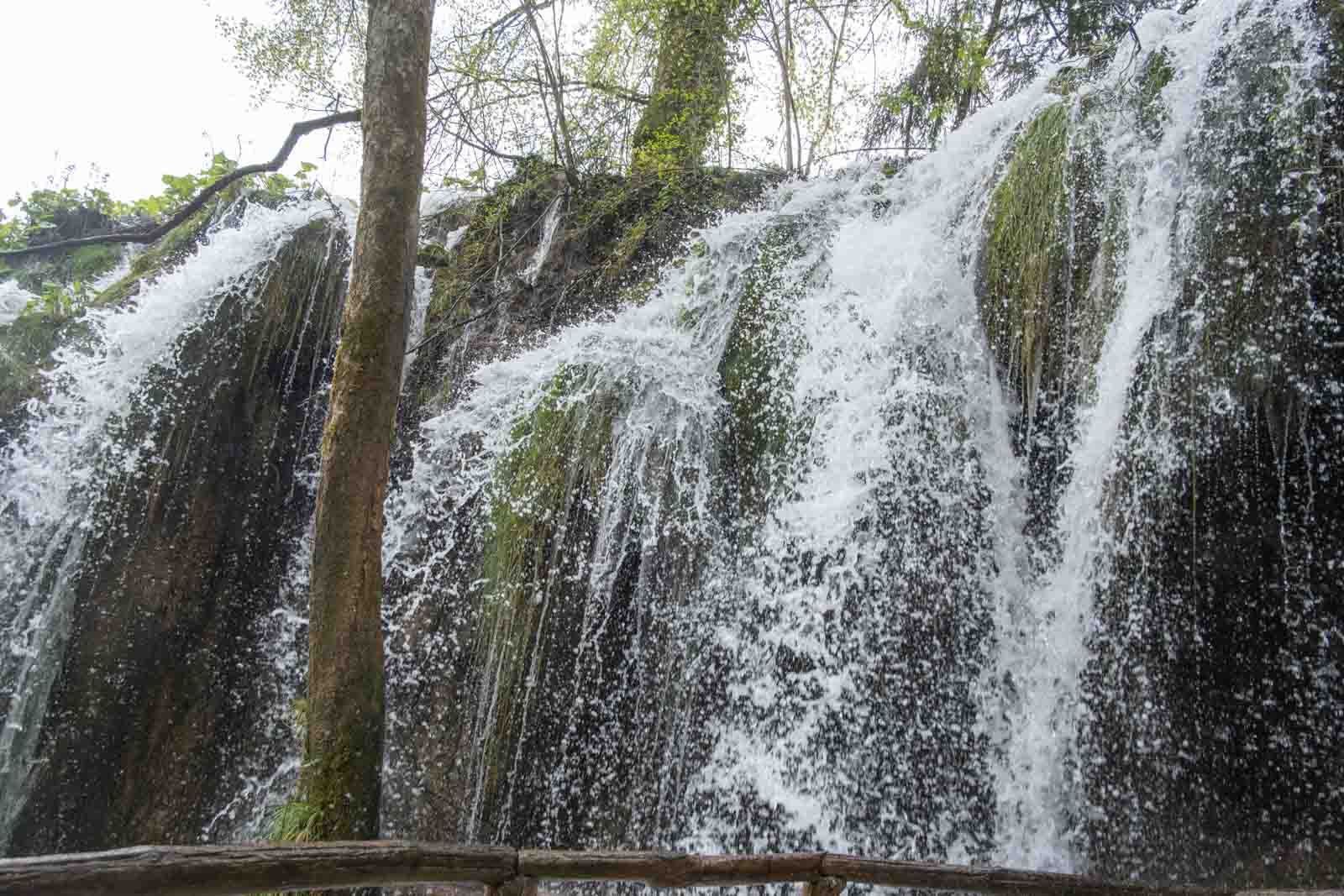
Walking through a forest where water surrounds you – and every tree – imagine the sound! The biggest waterfall, Veliki Slap, is a wonder where you walk across the lower part and can truly enjoy its beauty, all the way from the top and down. You also walk on boardwalks, to come closer to the falls in every lake. So much magic. The exceptional beauty of this park makes it outstanding and something to put on your bucket list – if it is not already there.
I hope the pictures speak for themselves. The walk took 7 hours with photo stops and food. So be sure to give it a whole day. And if you can – go in low season, we had read about the masses of tourists during the high season and did not want that stress.
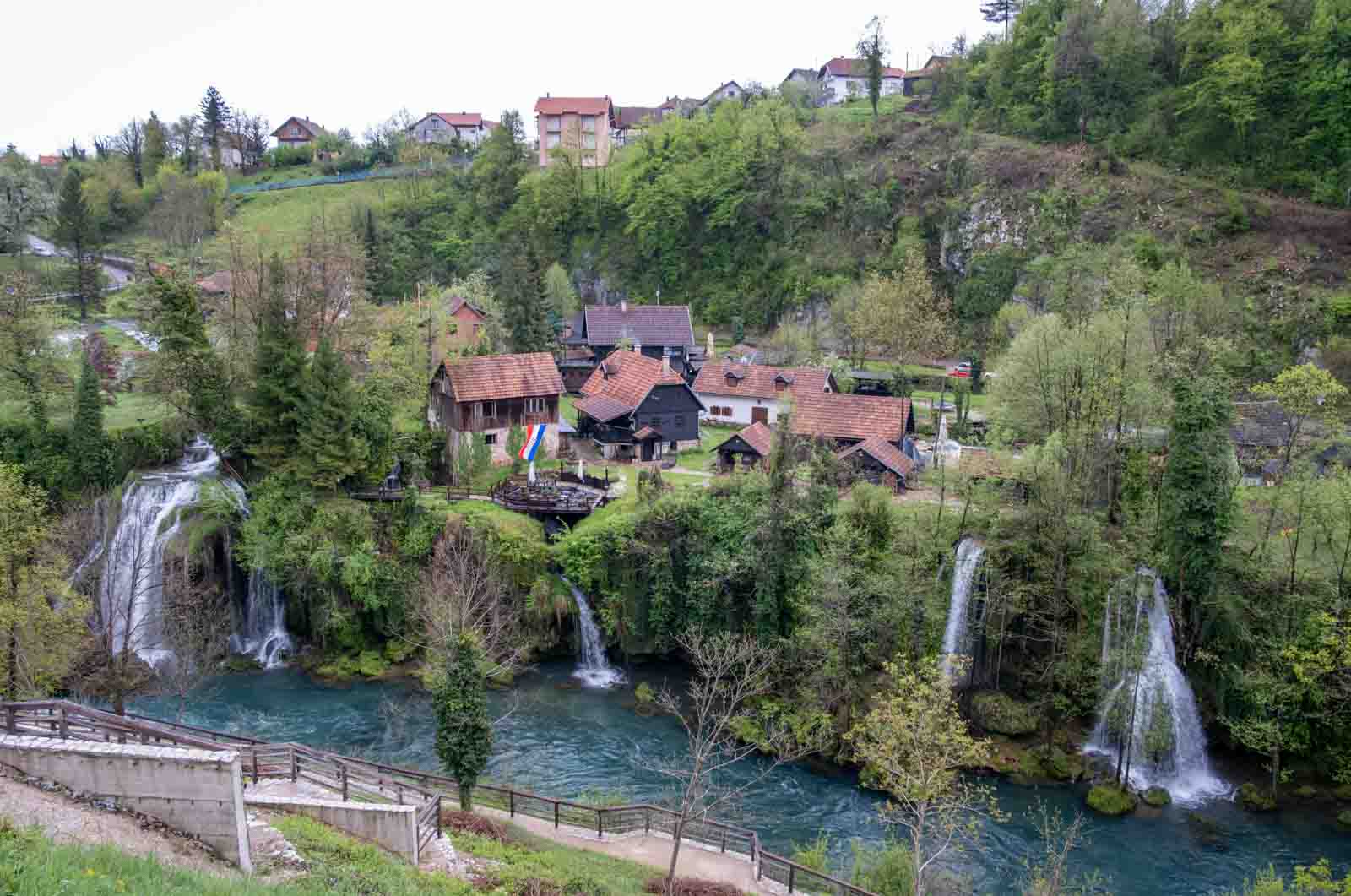
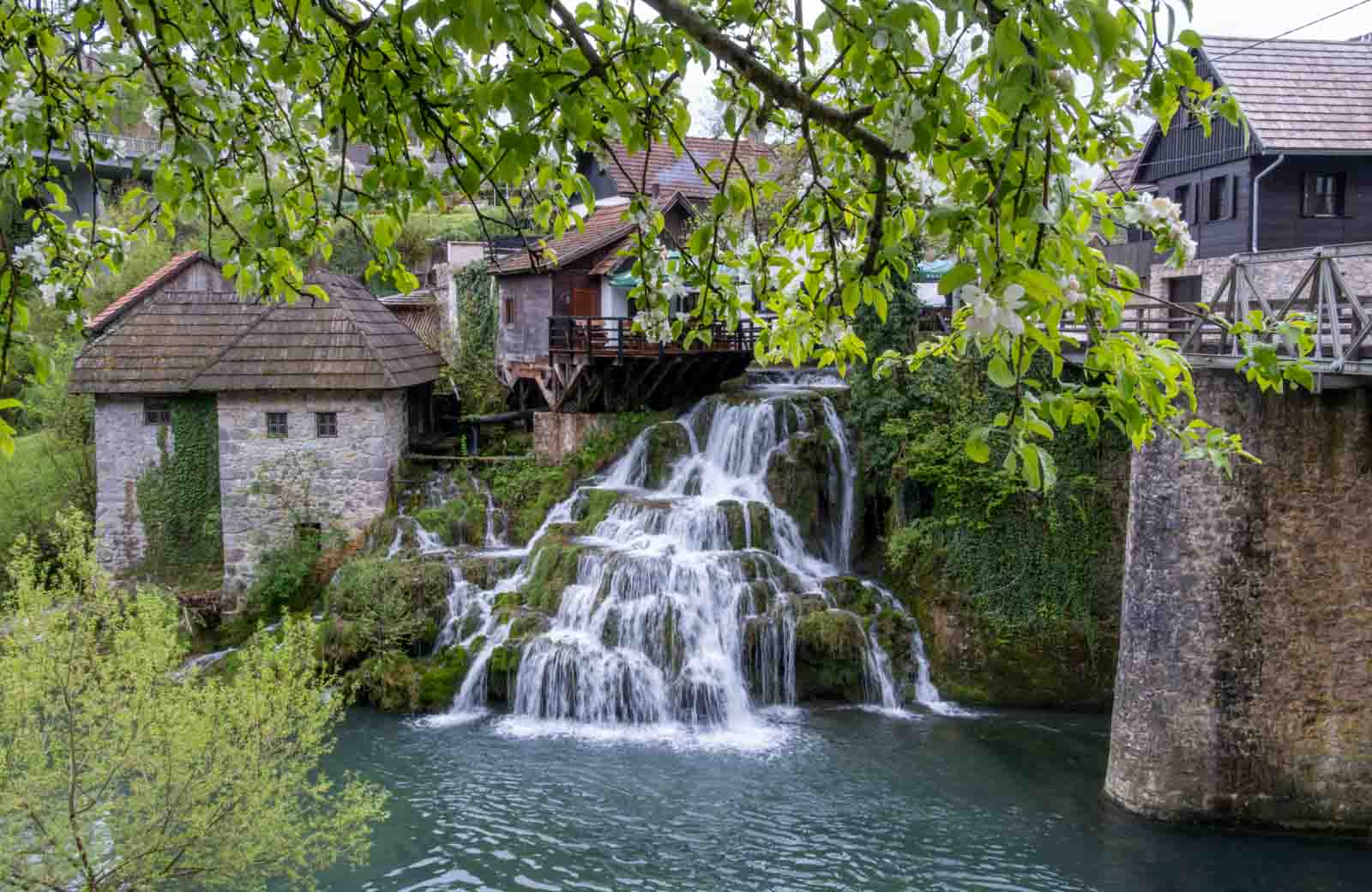
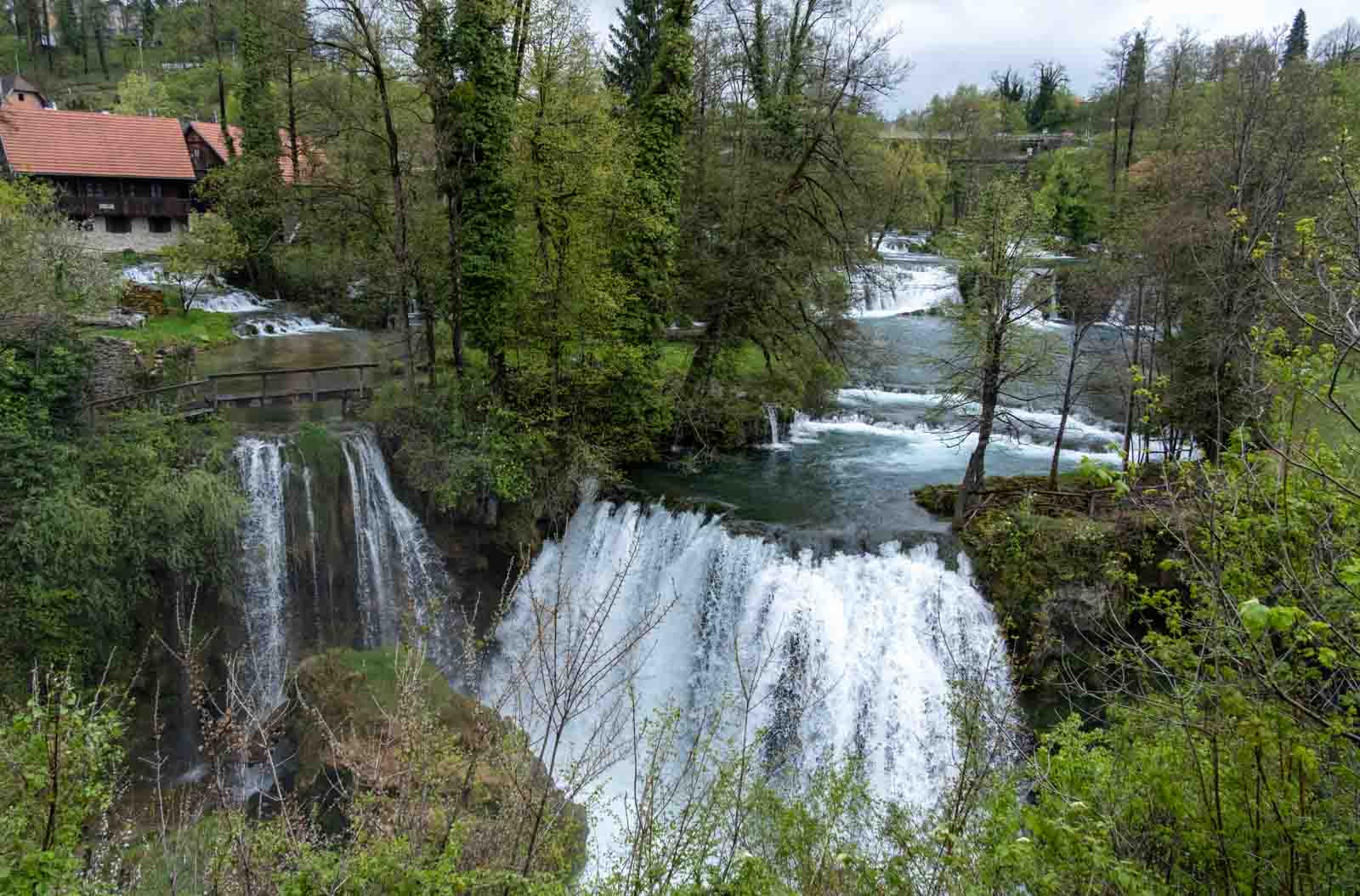
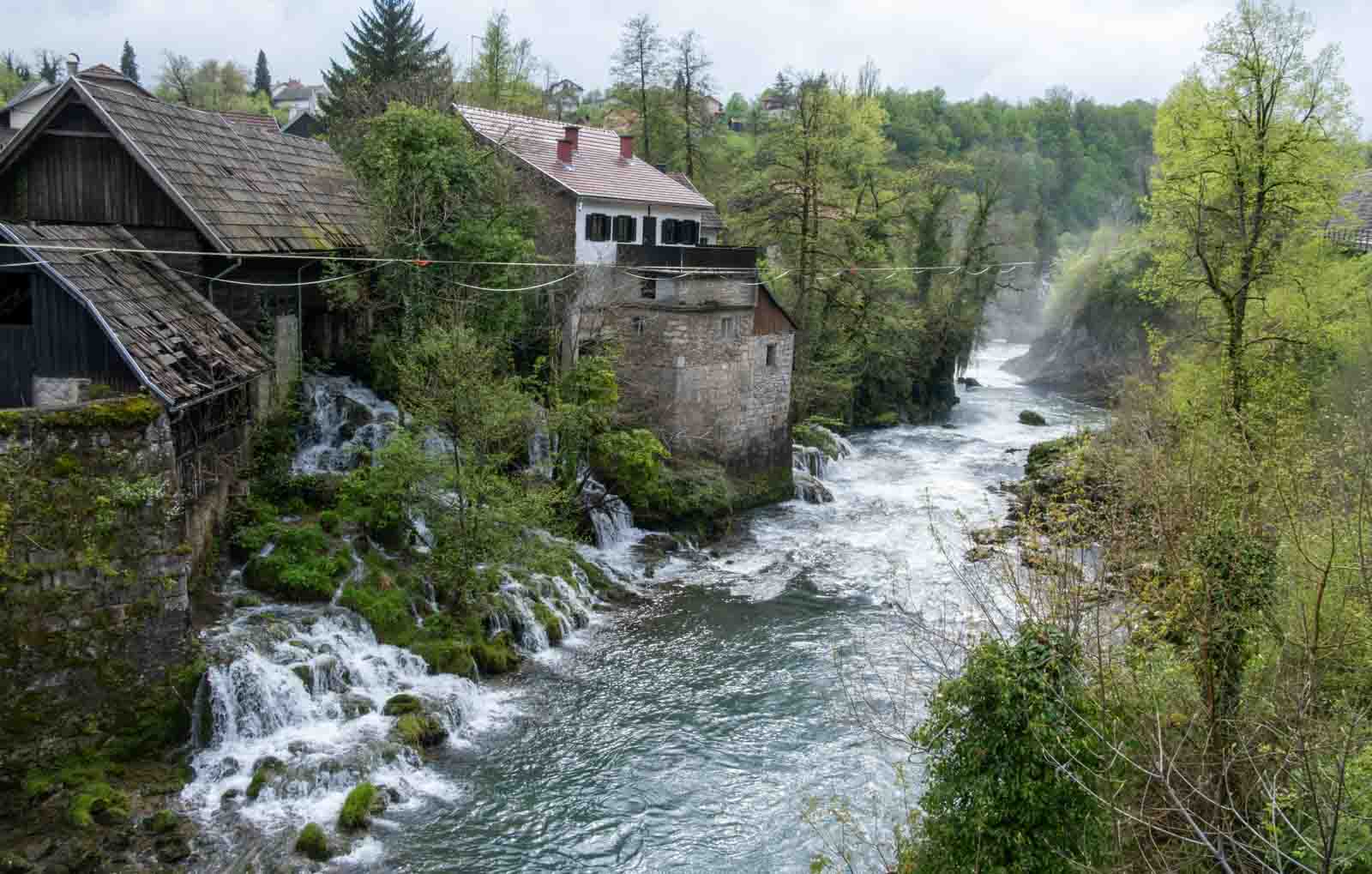
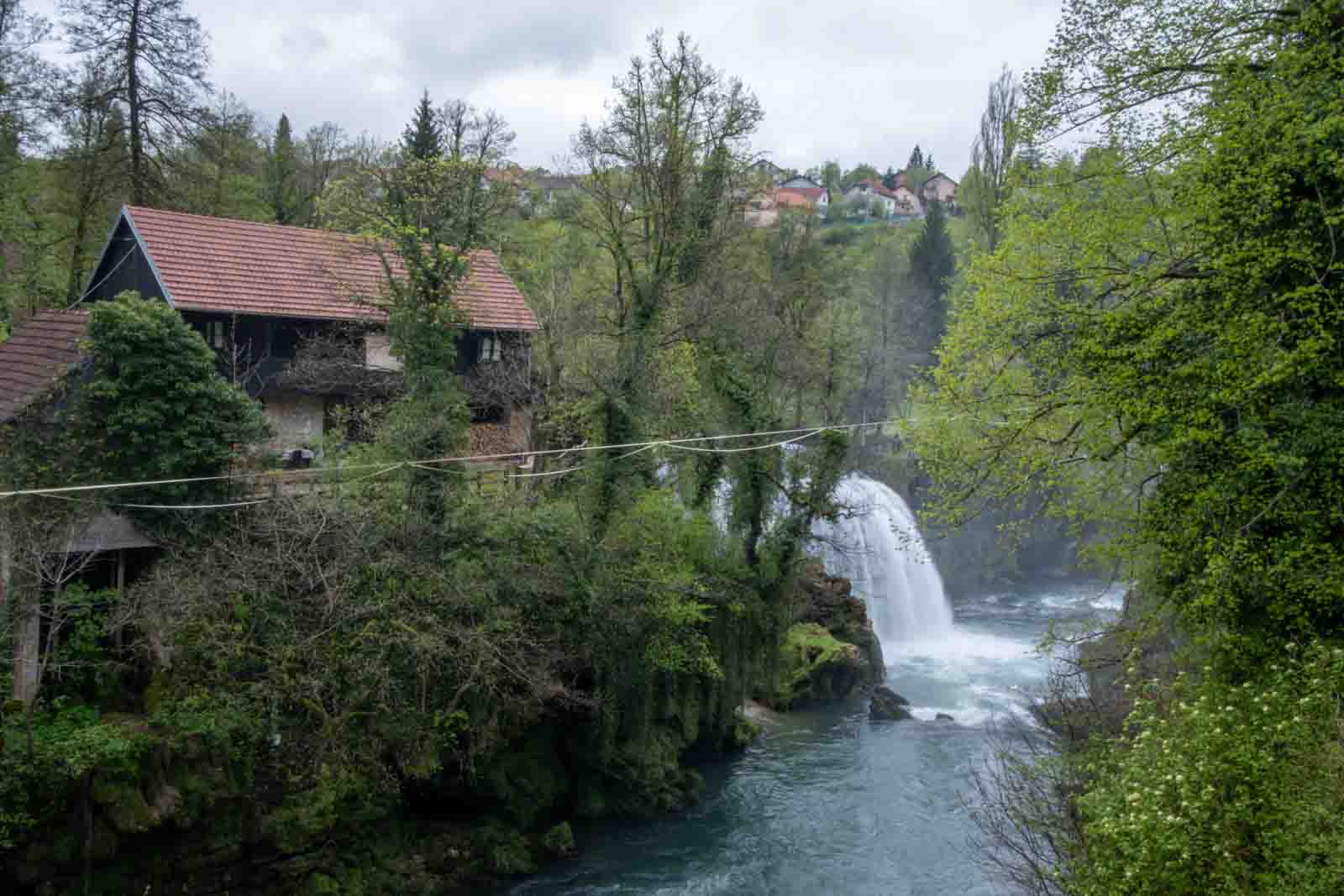
As we were driving from Zagreb to Plitvice, we happened upon a village we had never heard of before, Rastoke, on the Korana River. On the water! The houses were literally situated on the water and the village is renowned for its mills and waterfalls. A wonderful surprise!
Thank you, Beth, for a wonderful challenge – just right for me this week! Show anything on the water. You can choose to show watercraft, things floating, closeups of water, scenic water landscapes, or anything else you can think of. Be sure to tag your post with Lens-Artists and include a link back to her original post.
Last week your responses to John’s “History Through the Lens” challenge were all inspiring. I enjoyed all of the images and learned a lot from your posts. Thank you to everyone who joined the challenge..
On Saturday, May 2 at noon eastern time it’s my turn to be your host – Ann-Christine/Leya.
“What’s in a name? That which we call a rose by any other name would smell just as sweet.”
– William Shakespeare
The quote is used to state that the names of things do not affect what they really are. There are so many ways to look at a garden, so, my idea is to see what You have found, what You see – at home or anywhere in the world. Everything from your window sill to a big park – to me they are all gardens. And what we have in them, is all up to us! I guess something that brings you harmony, makes you smile, makes your world a bit easier to live in. So – What’s in a Garden? Feel free to use any meaning of the word – or create your own!

You who follow me surely know, and will not be surprised, that I am a romantic and thus English gardens have got all the ingredients I dream of. Everything from lush flowers, plants, trees and hedges, to walled gardens, ponds, statues, old stones and ruins.


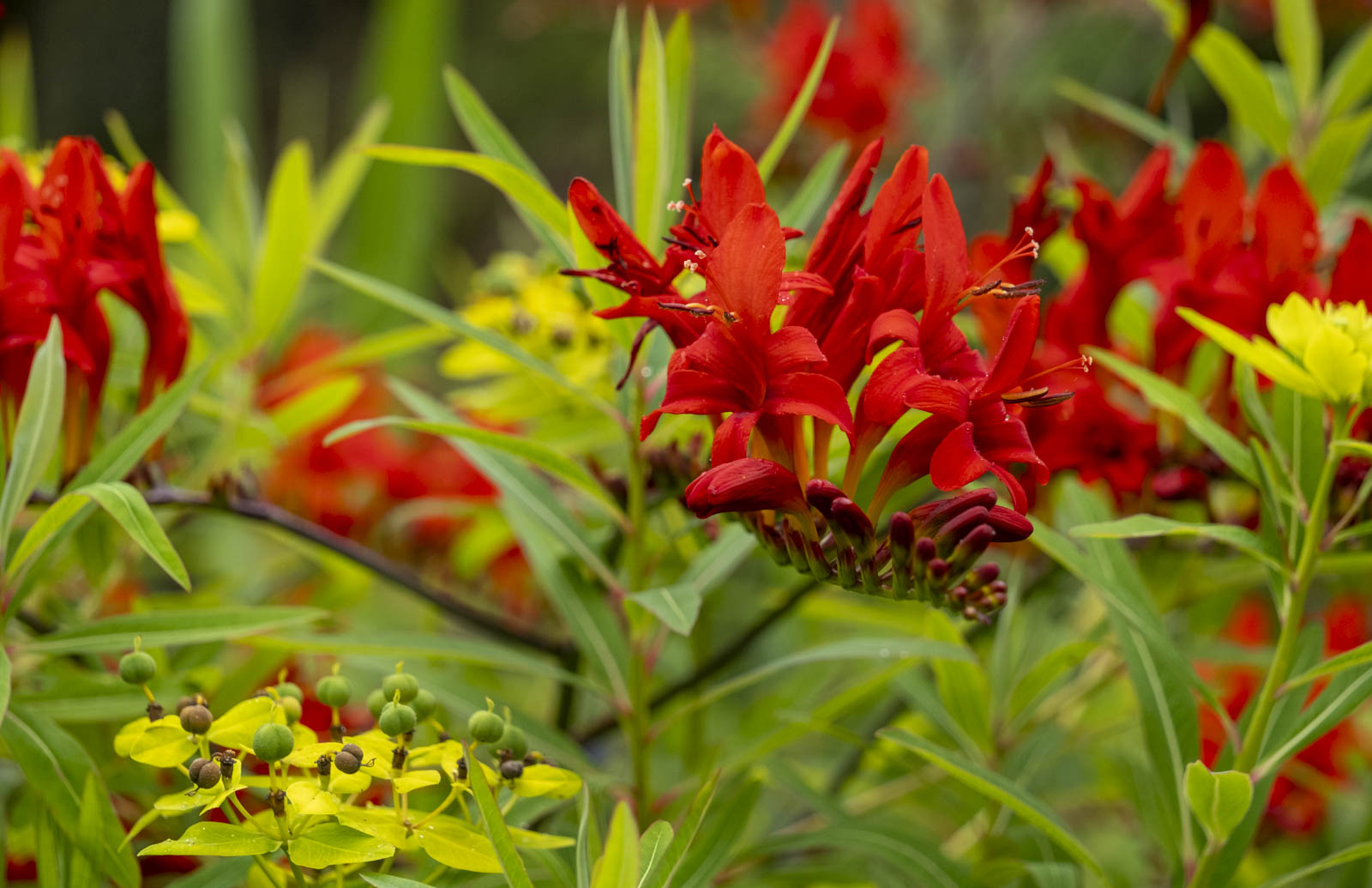
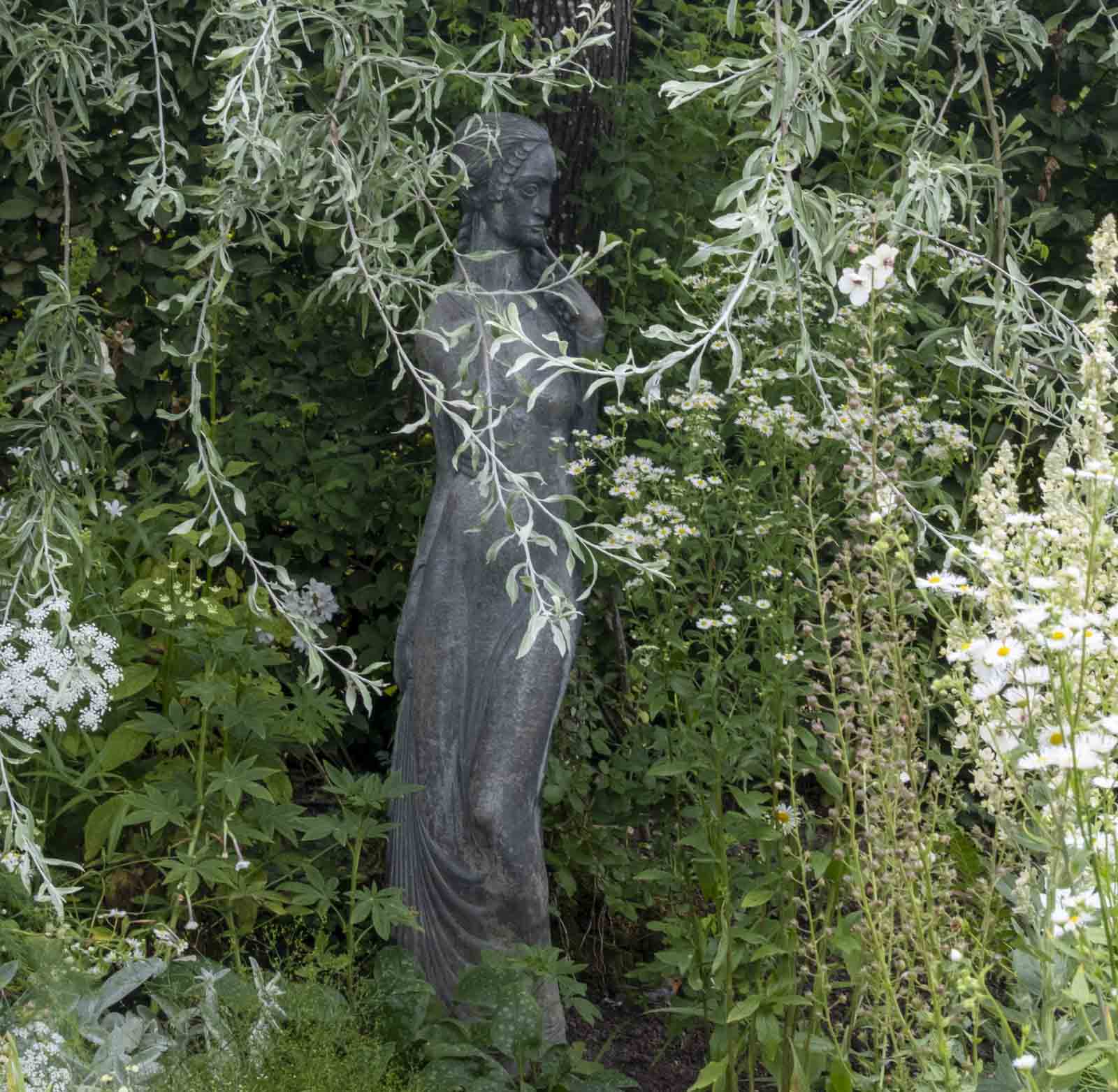

Much gardening to do in these, but tiny gardens like the next three ones are easily managed and still bringing much joy!
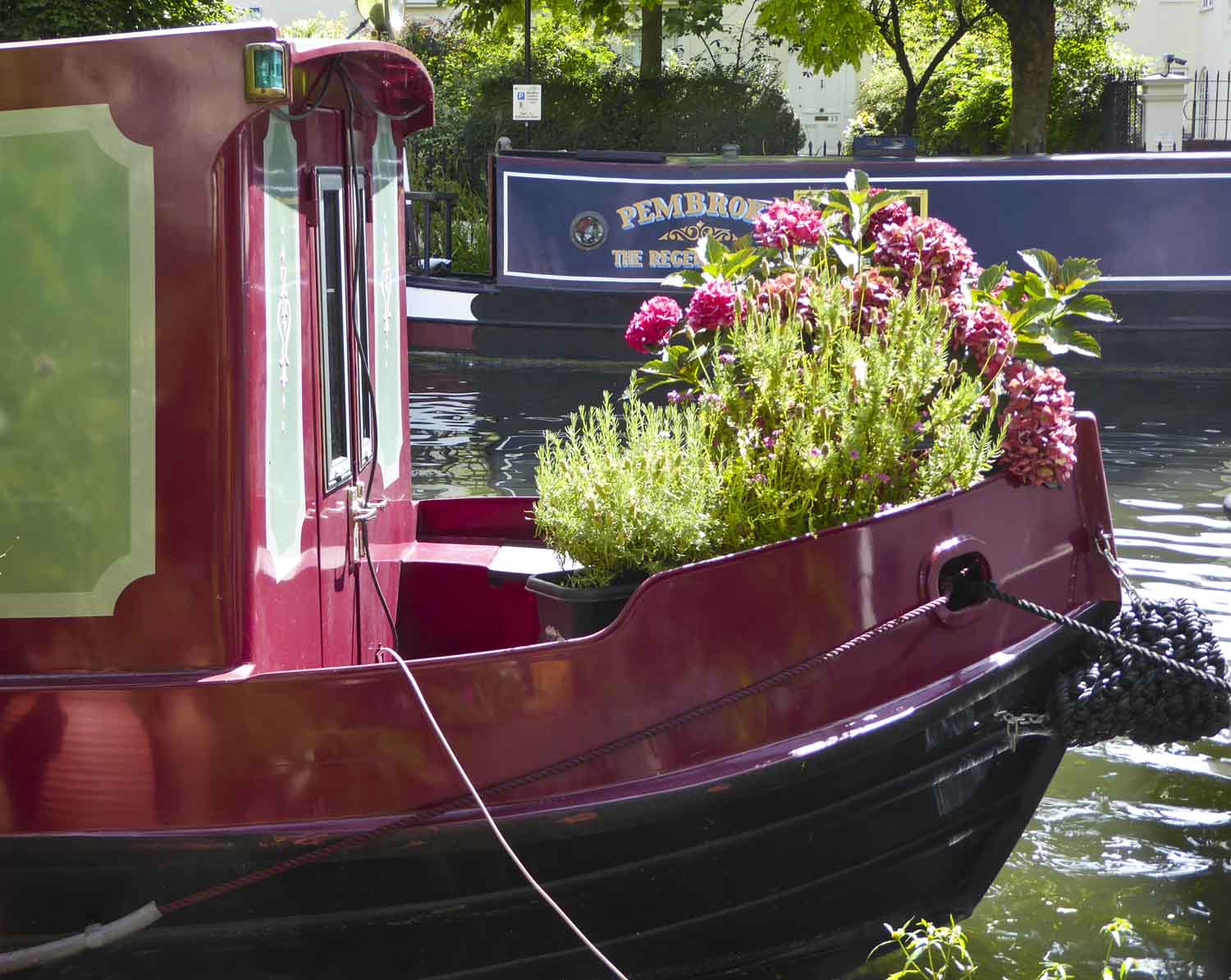


A canal boat and an atrium found in England, and a Hobbit house with a tiny garden found in New Zealand.
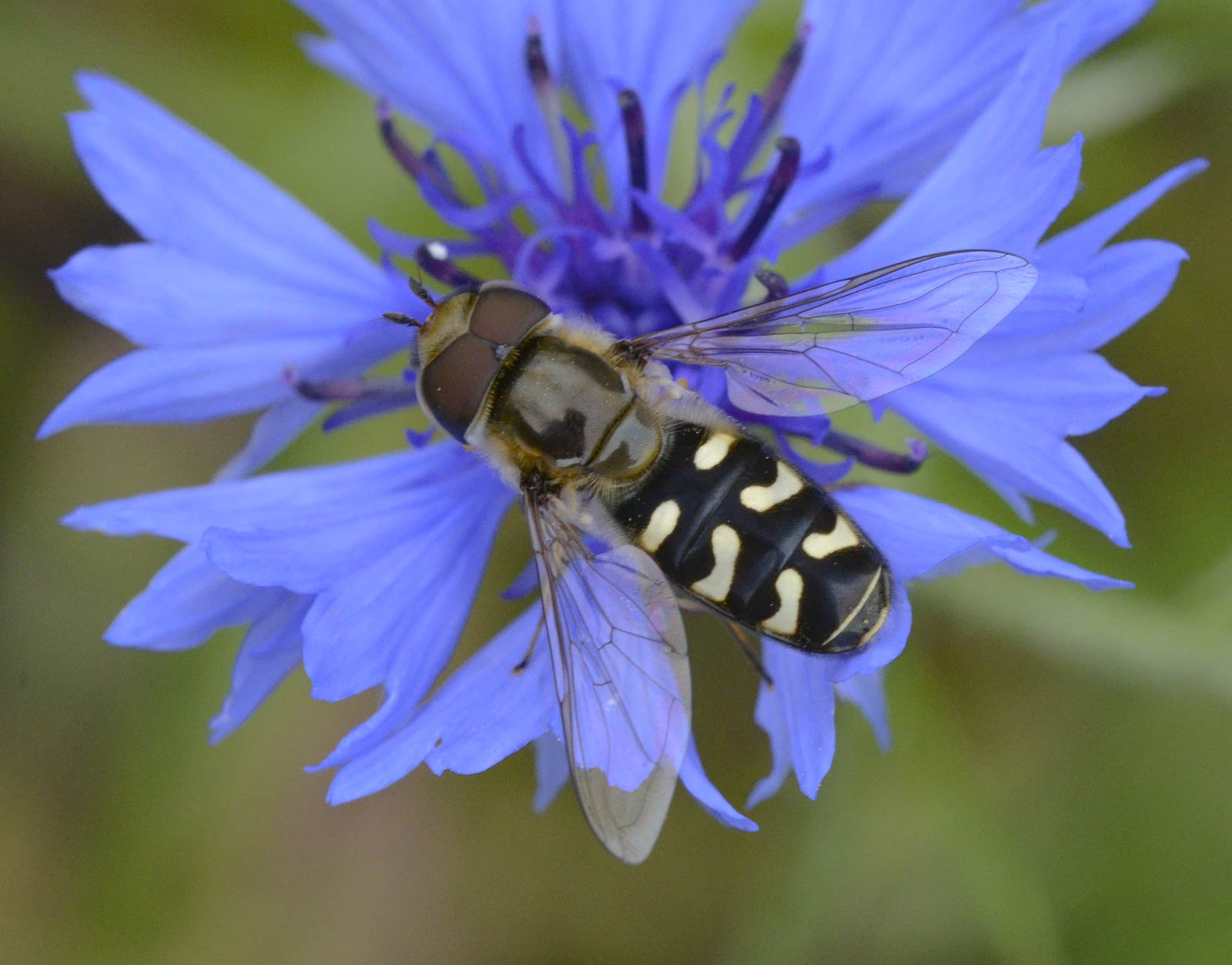
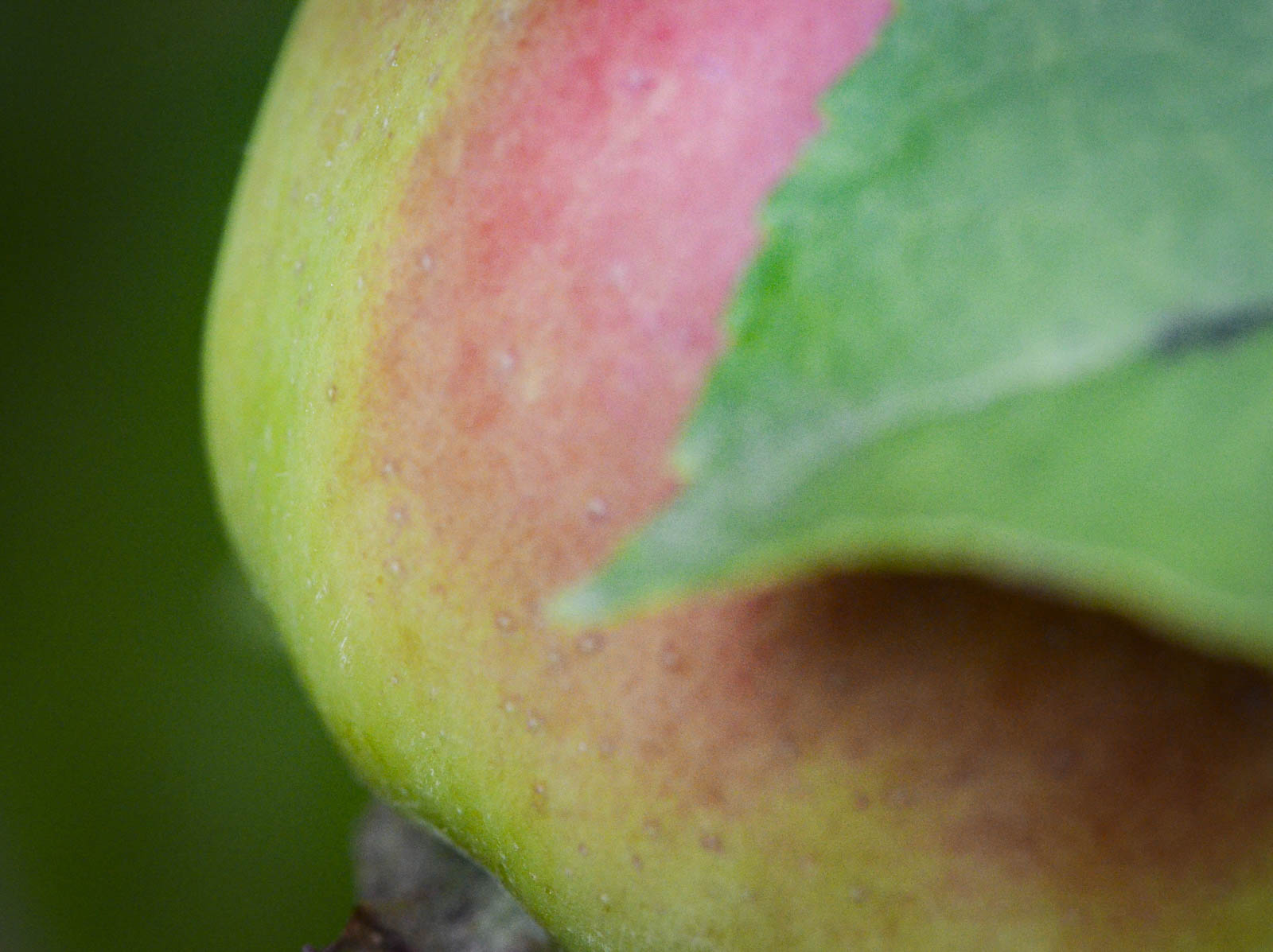

Fruit and insects are essential to a sustainable garden.
As I visited Japan earlier this year, I know they have many kinds of gardens. Some of them are minimalist dry gardens – Zen gardens (with open areas of gravel and stones) -, others are walking gardens, flower gardens, bamboo gardens, bonsai gardens…All of them meticulously well kept. Their aesthetics are comprised of a set of ancient ideals (wabi sabi is one of them) and considered as an integral part of daily life.


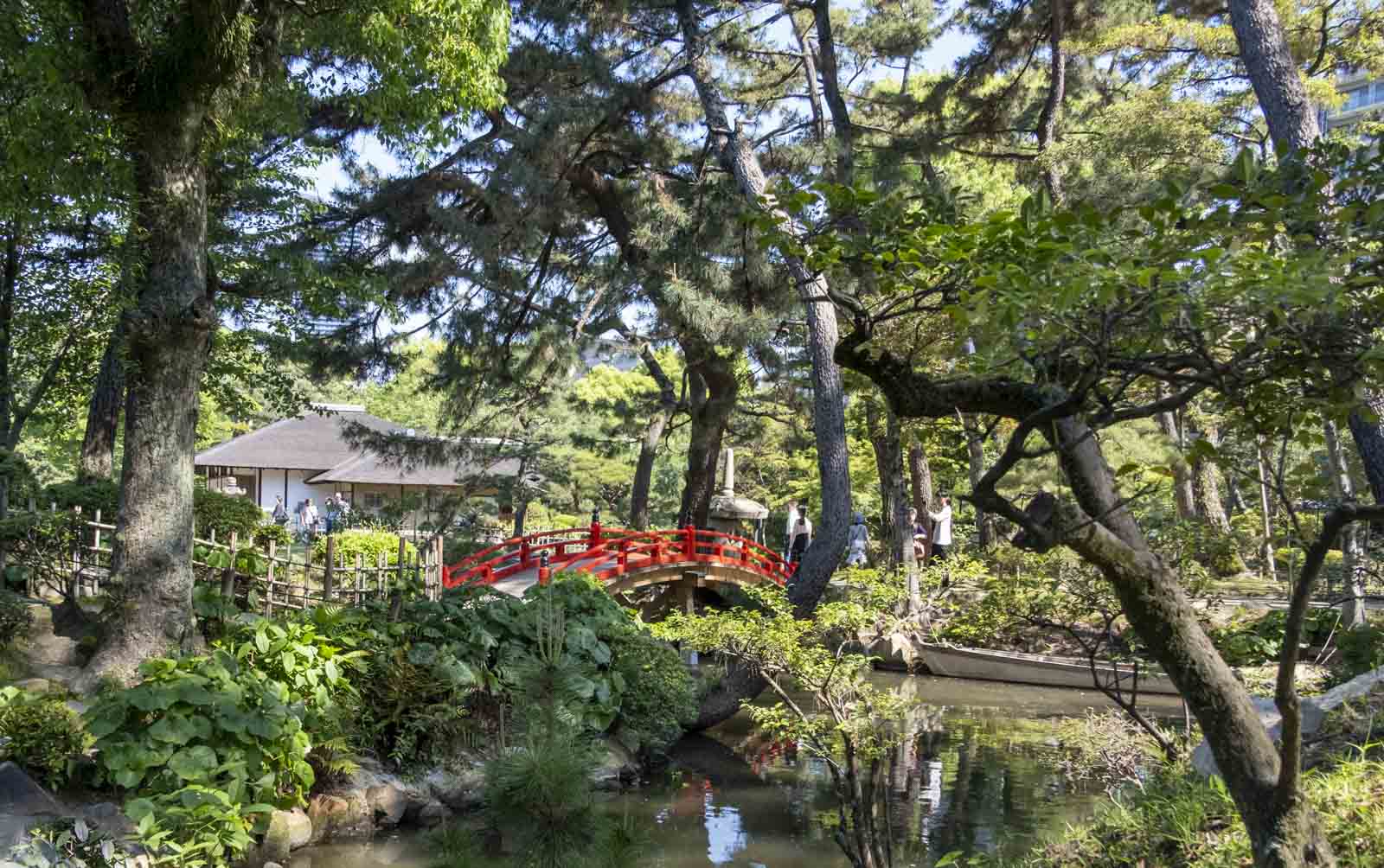
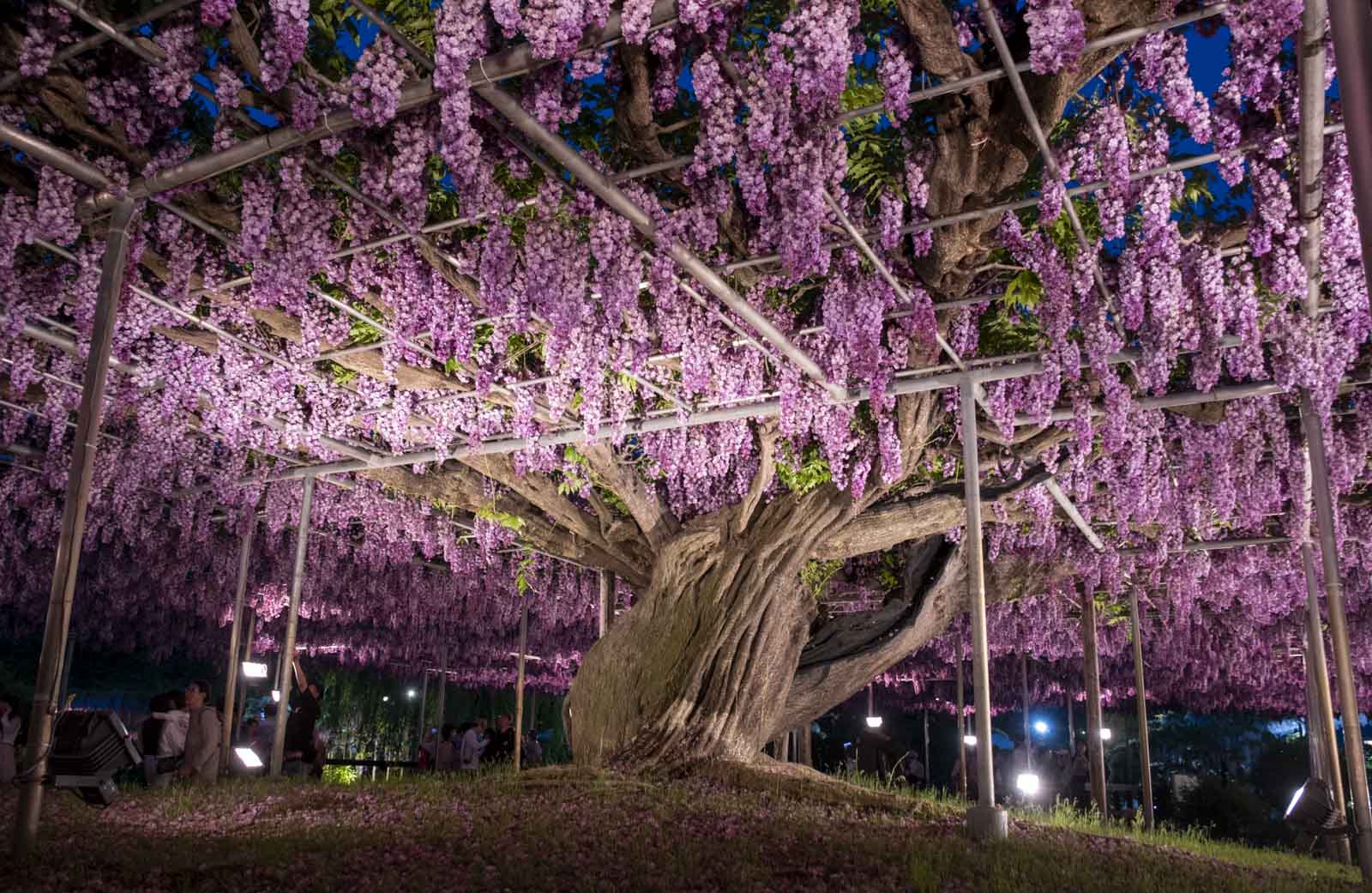
Three of the essential elements used to create a Japanese garden, (and many of our western gardens too) are stone, which form the structure of the landscape; water, representing life-giving force; and plants, which provide the color and changes throughout the seasons. You also often find bridges, water falls and stepping stones.
We are looking forward to seeing what You have found, and don’t forget to tag your post Lens-Artists when you link to my original post.
Thank you to Patti for her wisely Zigzaging us through last week, and next week again, Sofia will be our host. Please visit her inspirational site for more!


Who can resist waterlilies? I can’t. If I had a pond in my garden, I would try growing them. Their beauty is irresistible. Alnarp had a very tiny pond but it was well kept.

Gunnera is a fascinating species, and I can never resist taking photos of this gigantic plant. Natural umbrellas a rainy day?
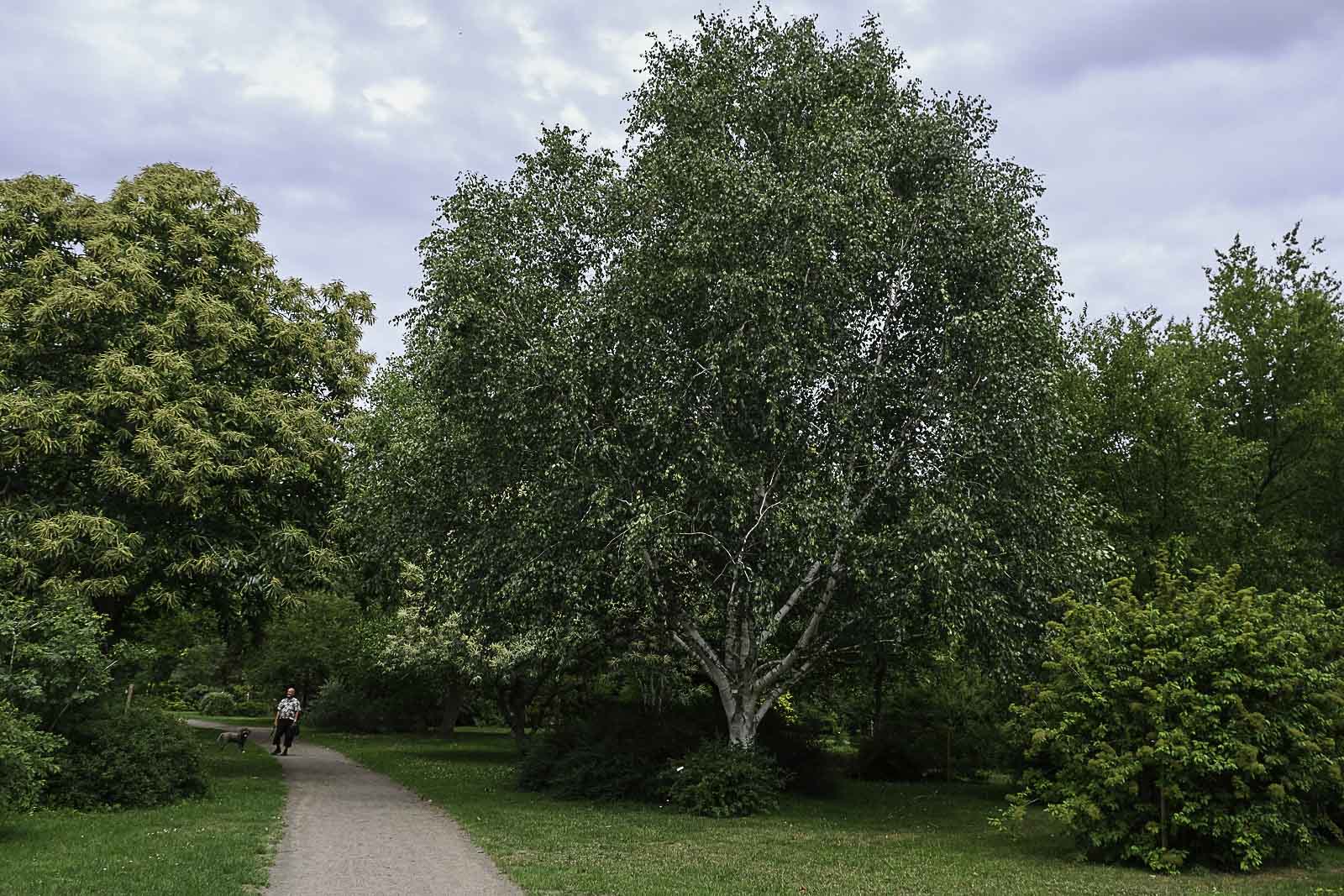
There were several Himalayan birchtrees, very white and stately. Betula utilis, the Himalayan birch is native to the Western Himalayas, growing at elevations up to 4,500 m (14,800 ft). Utilis means ”useful”, and refers to the many uses of the different parts of the tree.
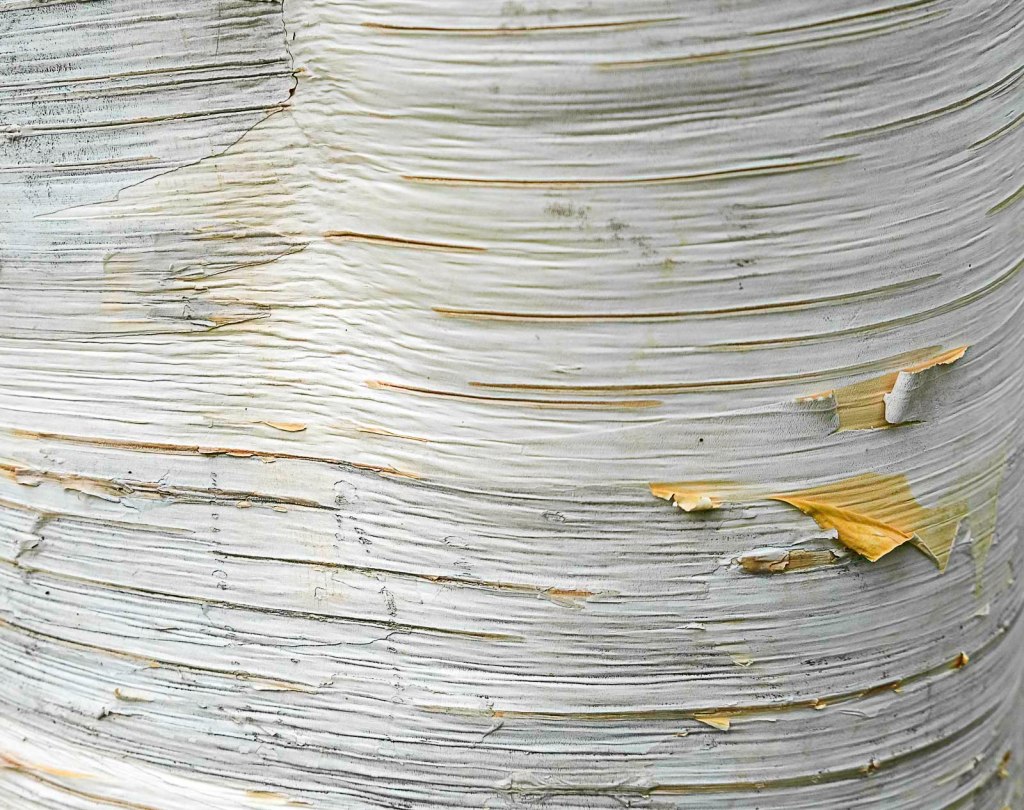
The white, paper-like bark was used in ancient times for writing Sanskrit scriptures and texts. In fact it is still used as paper for the writing of sacred mantras, with the bark placed in an amulet and worn for protection. Some areas of its native habitat are being lost due to overuse of the tree for firewood.
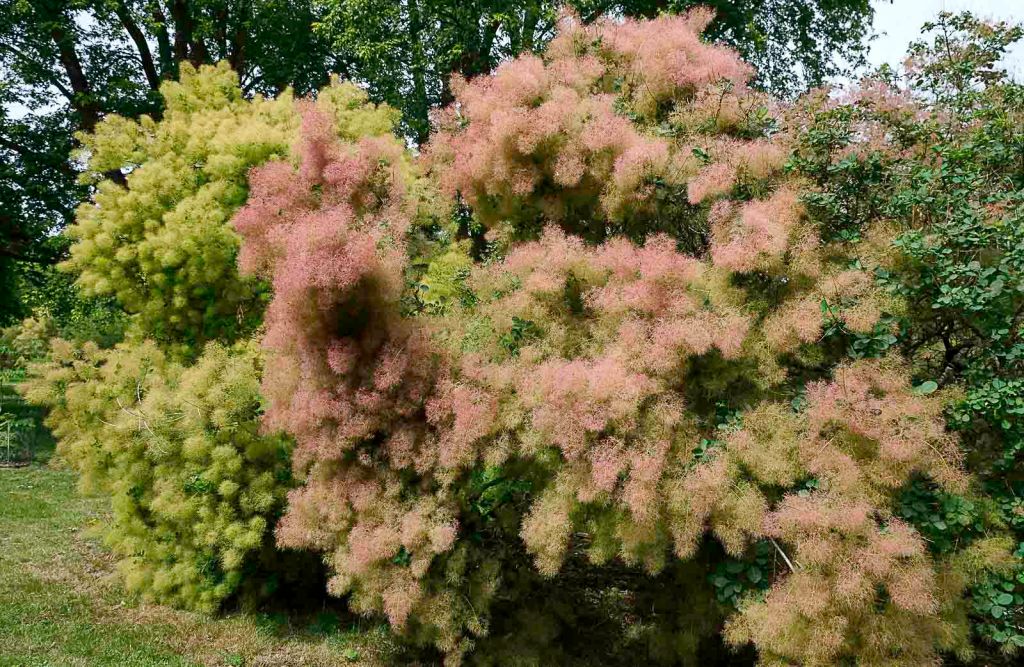
(European) Smoke trees are interesting things…I first saw one in New Zealand many years ago. It looked something out of this world, I thought – and I still think so!

I guess this stump once was an oak tree. Still impressive though, and left as a monument at the back of the castle.
After our stroll in the arboretum, we sat down to admire the castle and its grand wisteria on the front facade (in the opener). That will be something to return to next spring!
Summertime we visit this park often – not just because of the closeness to our summer house, but also because of its outstanding beauty. Please enjoy a short Thursday walk with me for some summer glory!

The beauty is there even if there are no flowers. Only silence and soothing greeeeeeen.
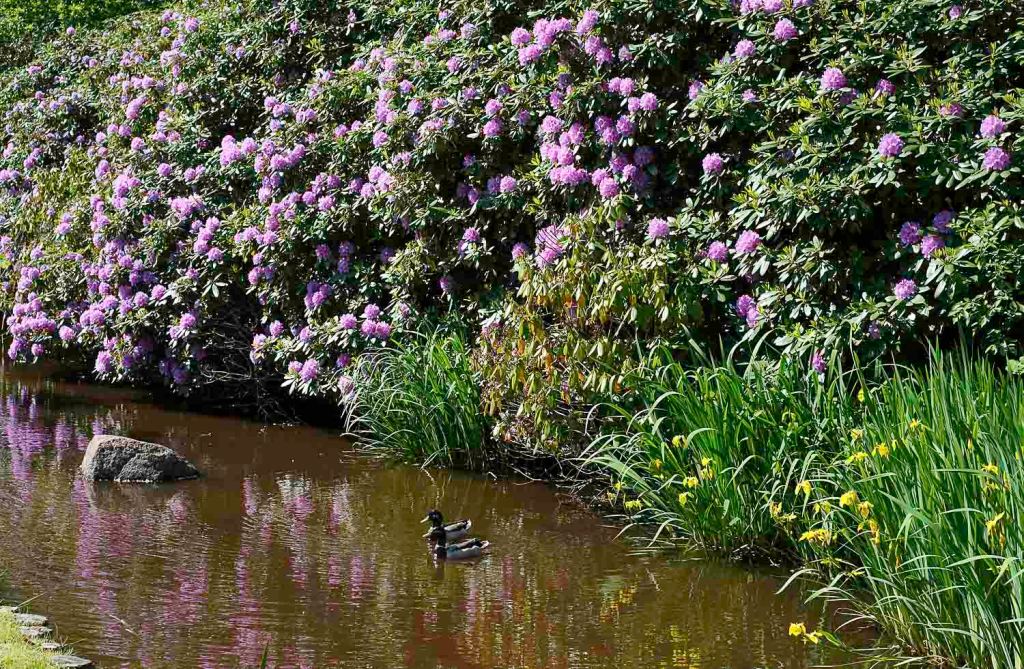
But the waters are alive, and
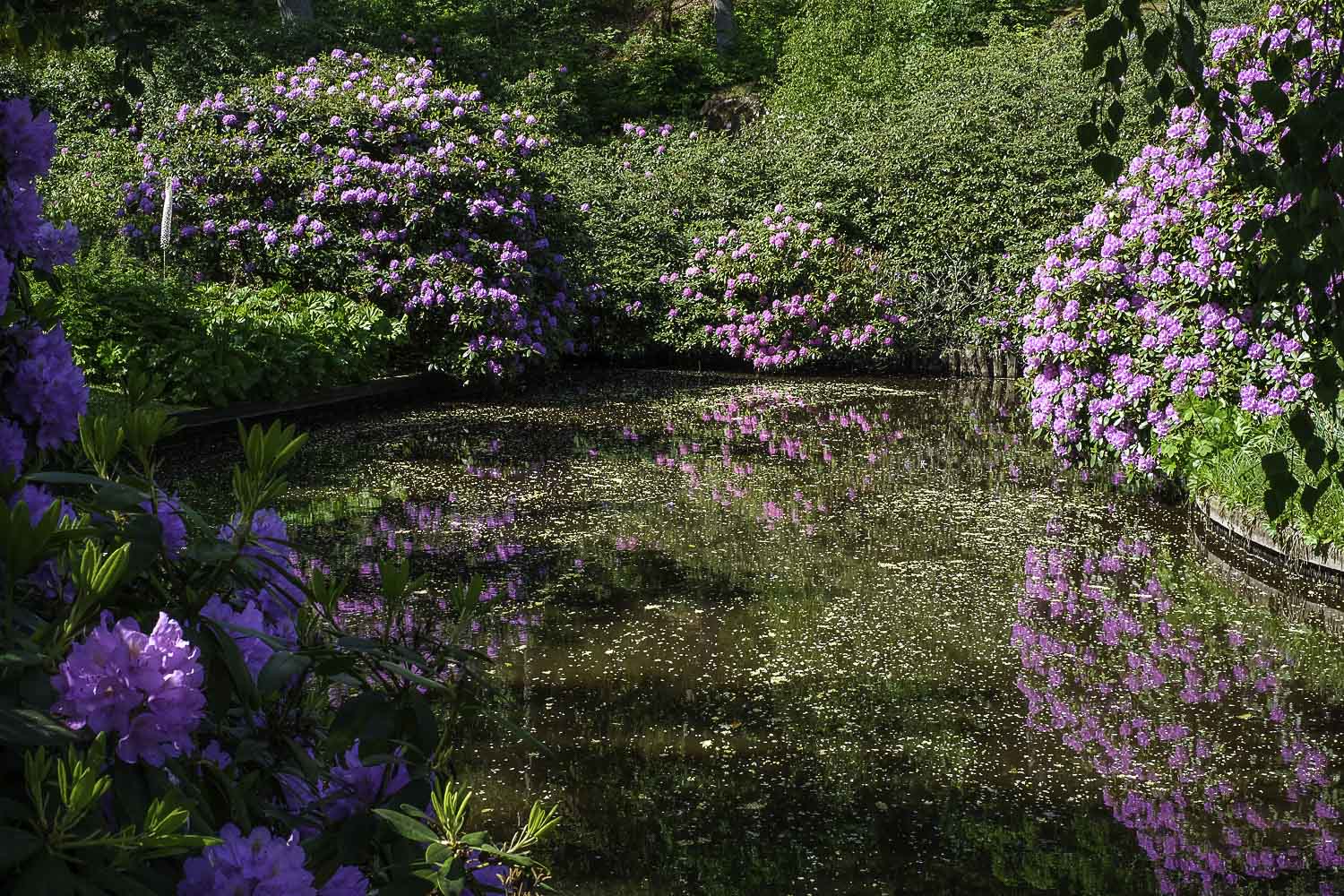
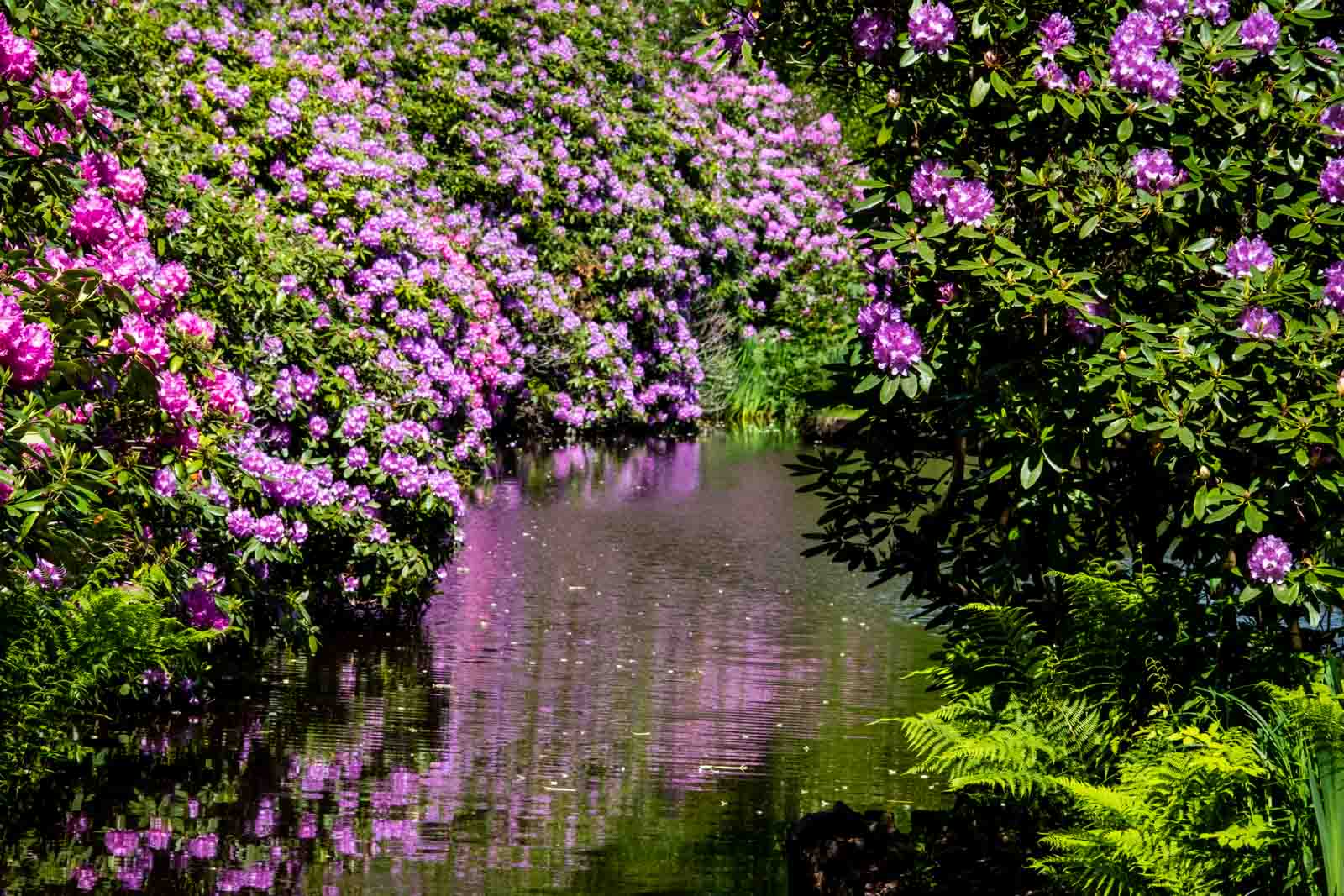
the rhododendrons magnificent.

The laburnum was past its best,

but still quite lovely. At least the bumble bees thought so!
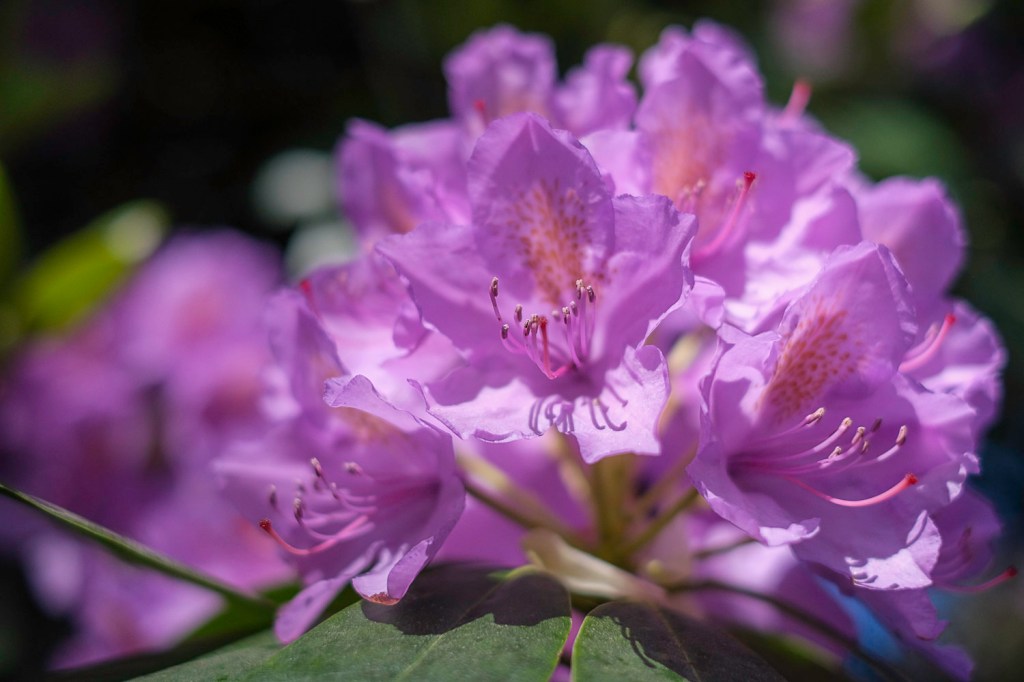
And well, who can resist this colour? I can’t.
Thank you for walking with me!
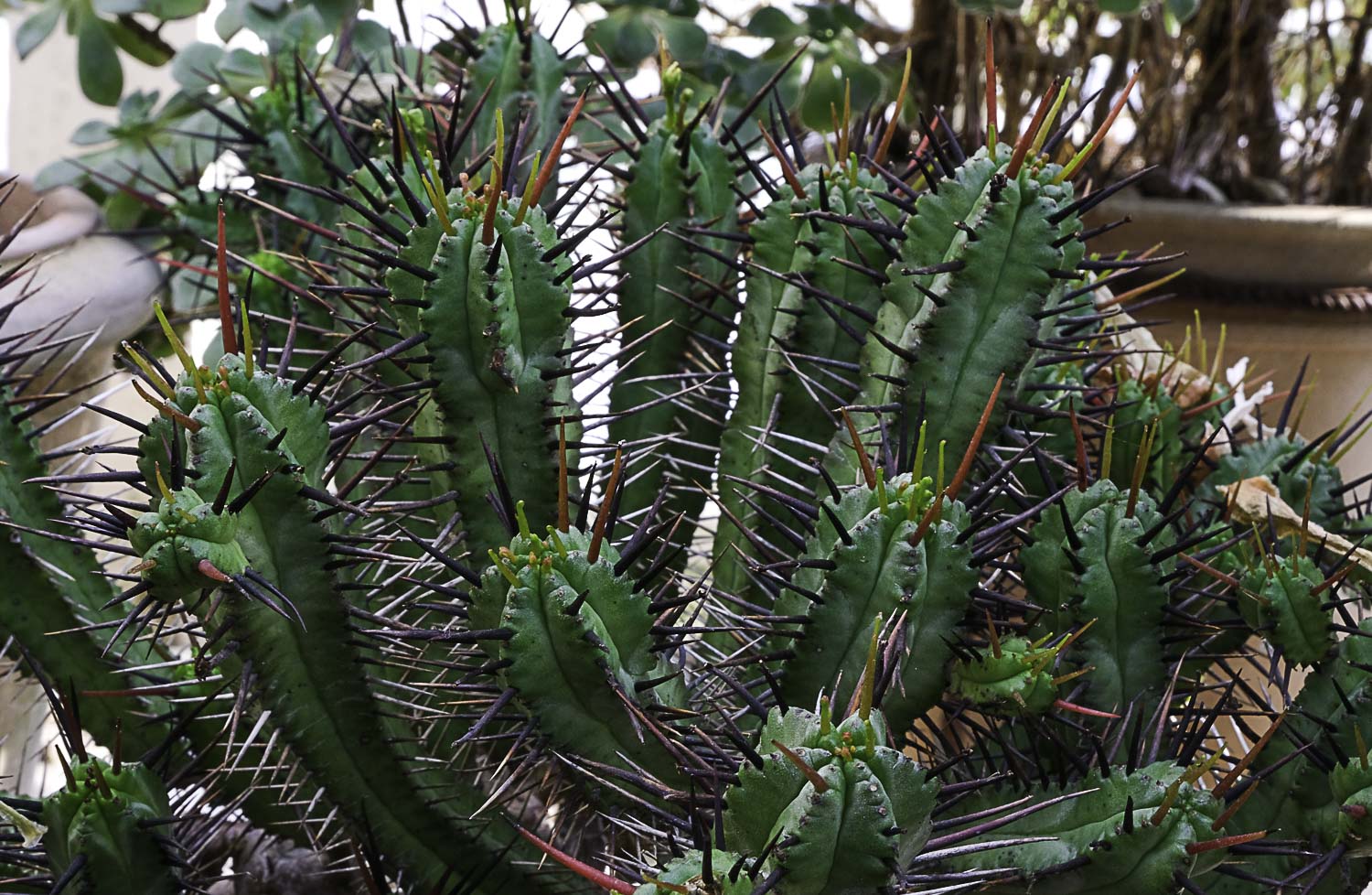
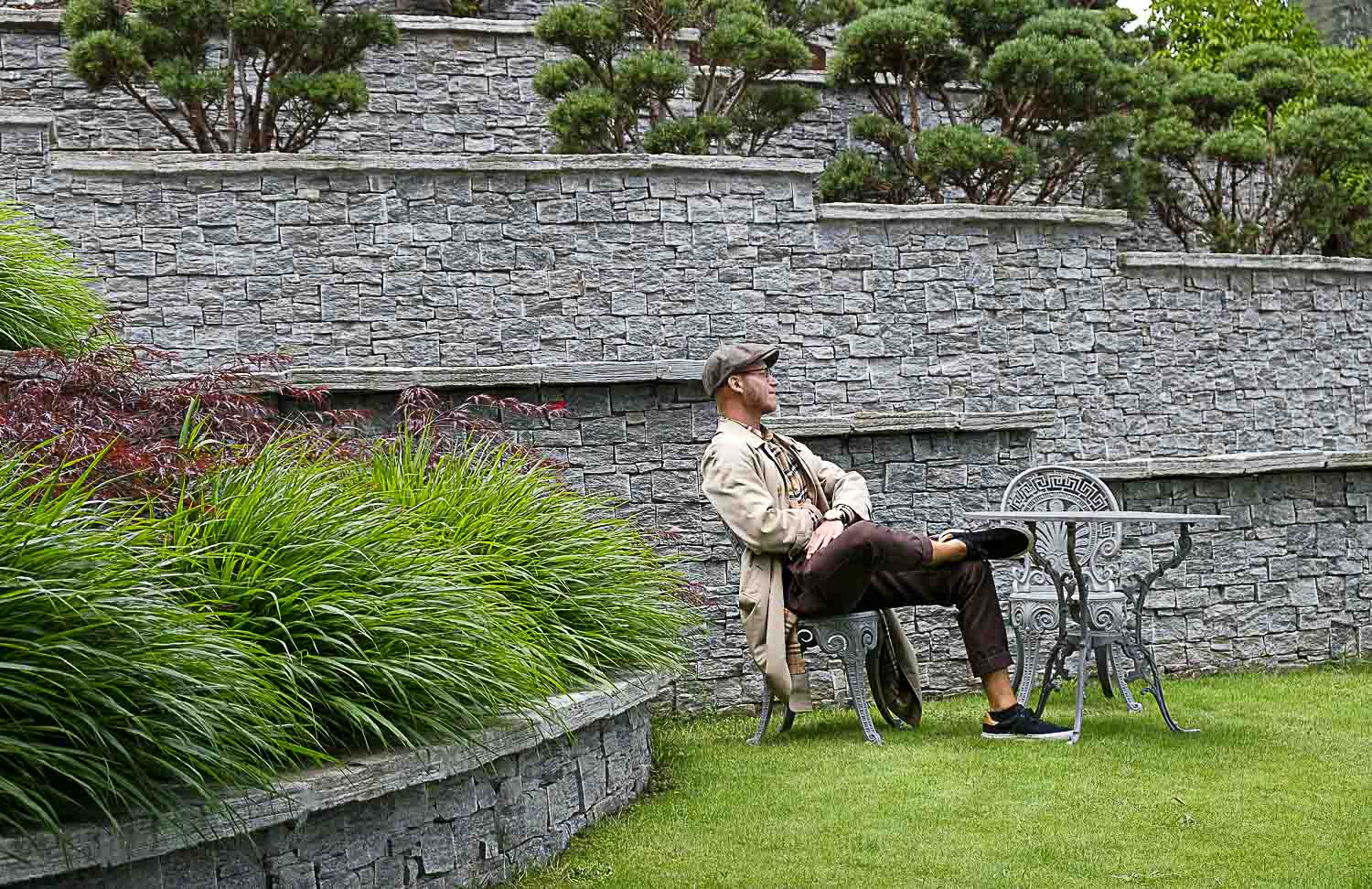
We had our yearly outing at Wanås castle, Viveka and I. Finally. This is something we look forward to every year – and even this ”lost” year, 2020, we made it happen.


Much of the art work and installations are the same, but each year there are new interesting artists and art on display. The forest linen and the mirror barn 2020.
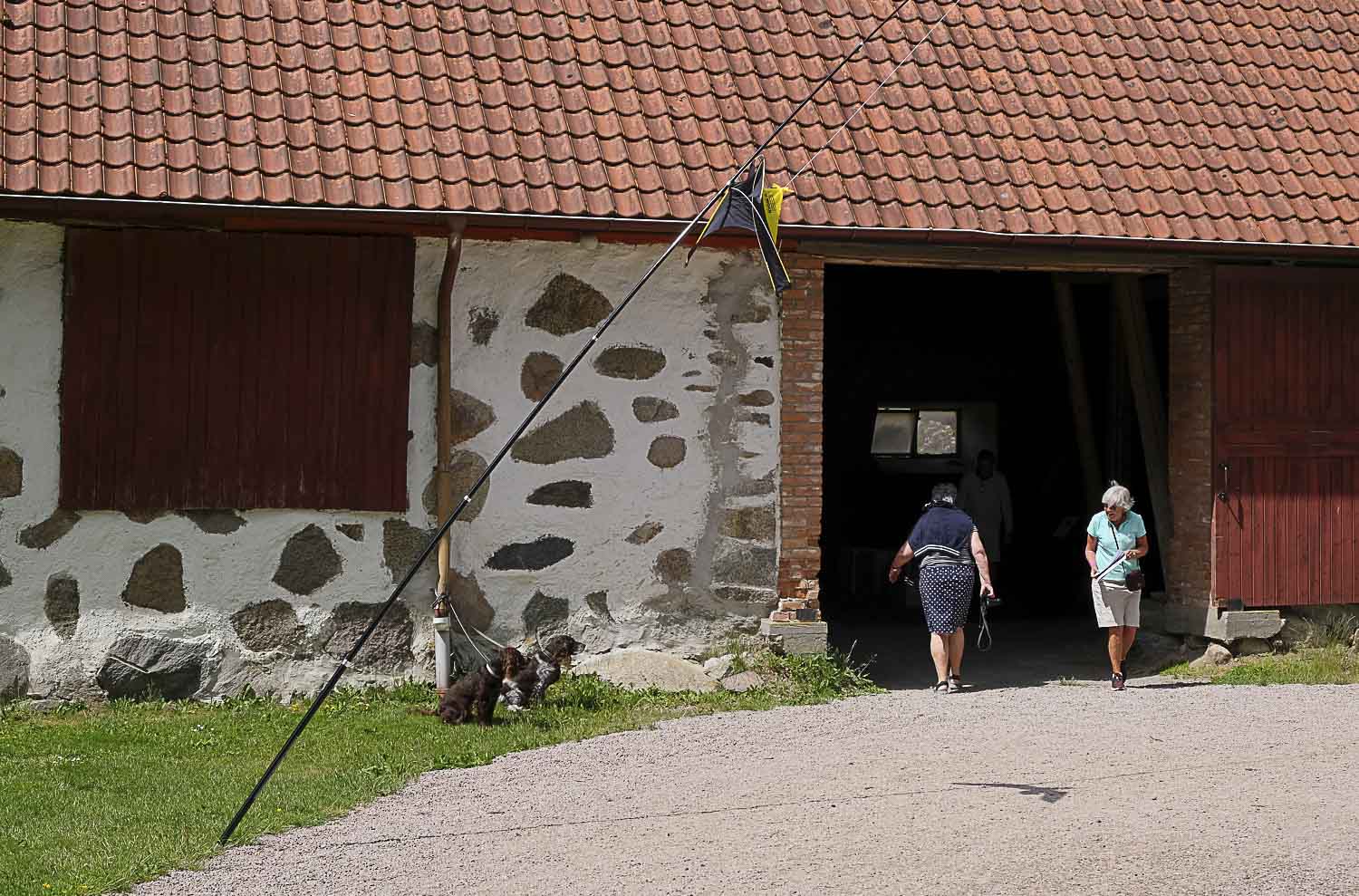
These days the importance of friends is even more highlighted. What would our distanced lives be without them? And we can still visit exhibitions that are mostly outdoors.
Viveka (of Myguiltypleasures) is an inspirational and avid photographer, and her Oscar is always going warm when we are out. So, what is she photographing now?
Laetiporus sulphureus – or sulphur shelf. A very beautiful species of fungus growing on tree trunks and branches.
You can easily lose sight of Viveka as she often gets lost in her photography – but there is one unmistakable sign that helps me finding her again…her bag. Her striped bag. Whose bowels contain anything needed for a day out…including Oscar.
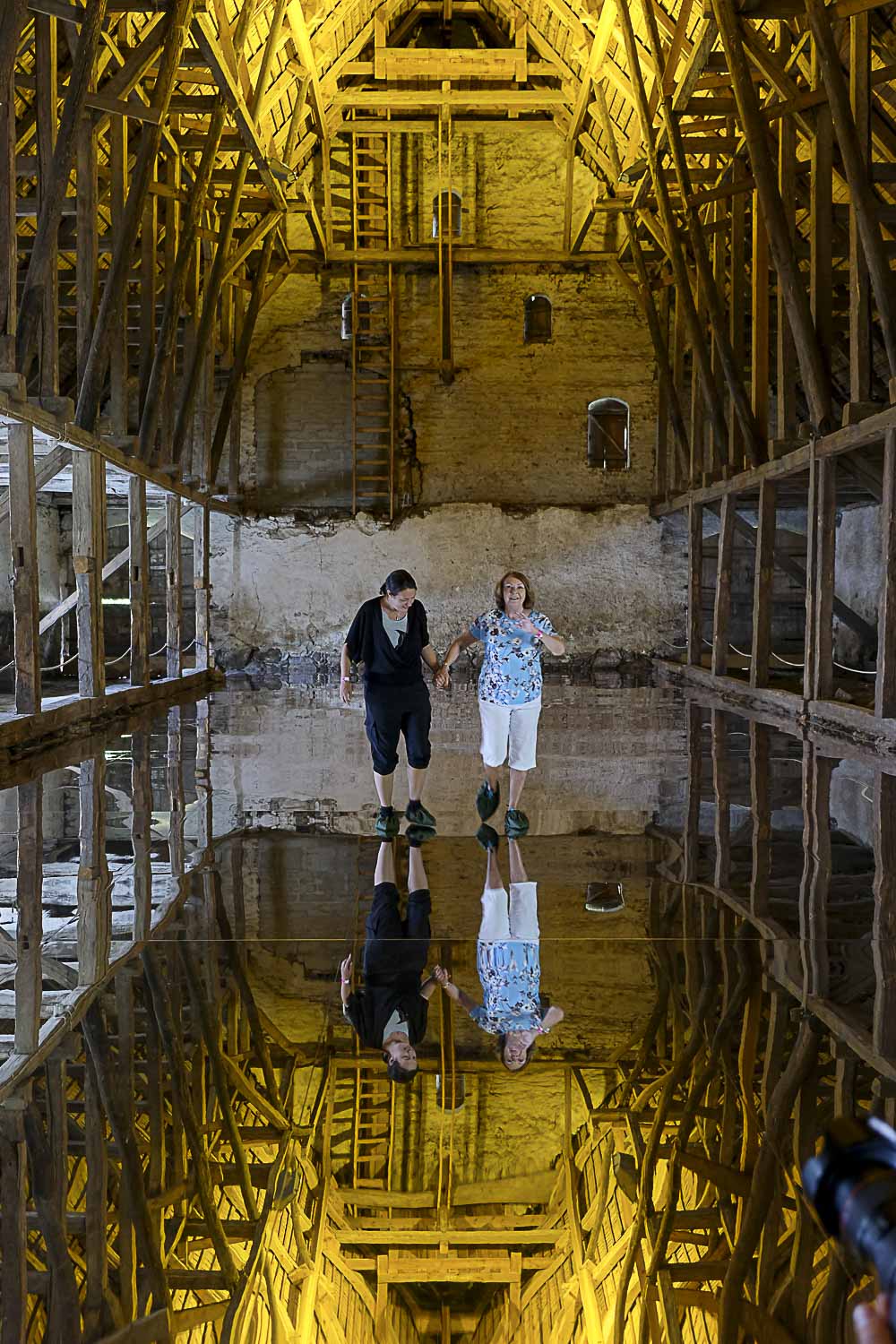
https://www.wanaskonst.se/sv-se/ Artist: Kimsooja, South Korea
A friend to go on adventures with, a friend to chat with, and to share your thoughts with, a friend to hold your hand when you need it. Even virtually.
Thank you, Viveka, for being my friend – and Cheers – for future adventures together!


Du måste vara inloggad för att kunna skicka en kommentar.