Lens-Artists Challenge #306 – Habitats

The reality today is that we are all interdependent and have to co-exist on this small planet.

– The Dalai Lama

Tina is our host this week, and she has chosen the theme Habitat. A theme close to my heart. Without habitat, there is no wildlife, and in fact, no real life. What affects a habitat are mainly two factors: biotic and abiotic factors. Biotic factors are living things within an ecosystem, (and how different species interact and work together, which decides the number of each species) and abiotic are non-living components (mainly geology and climate).

We all know what is happening to our planet and to us and our fellow inhabitants. So, What can we do…what Do we do?

The one process now going on that will take millions of years to correct is the loss of genetic and species diversity by the destruction of natural habitats. This is the folly our descendants are least likely to forgive us.

– E. O. Wilson

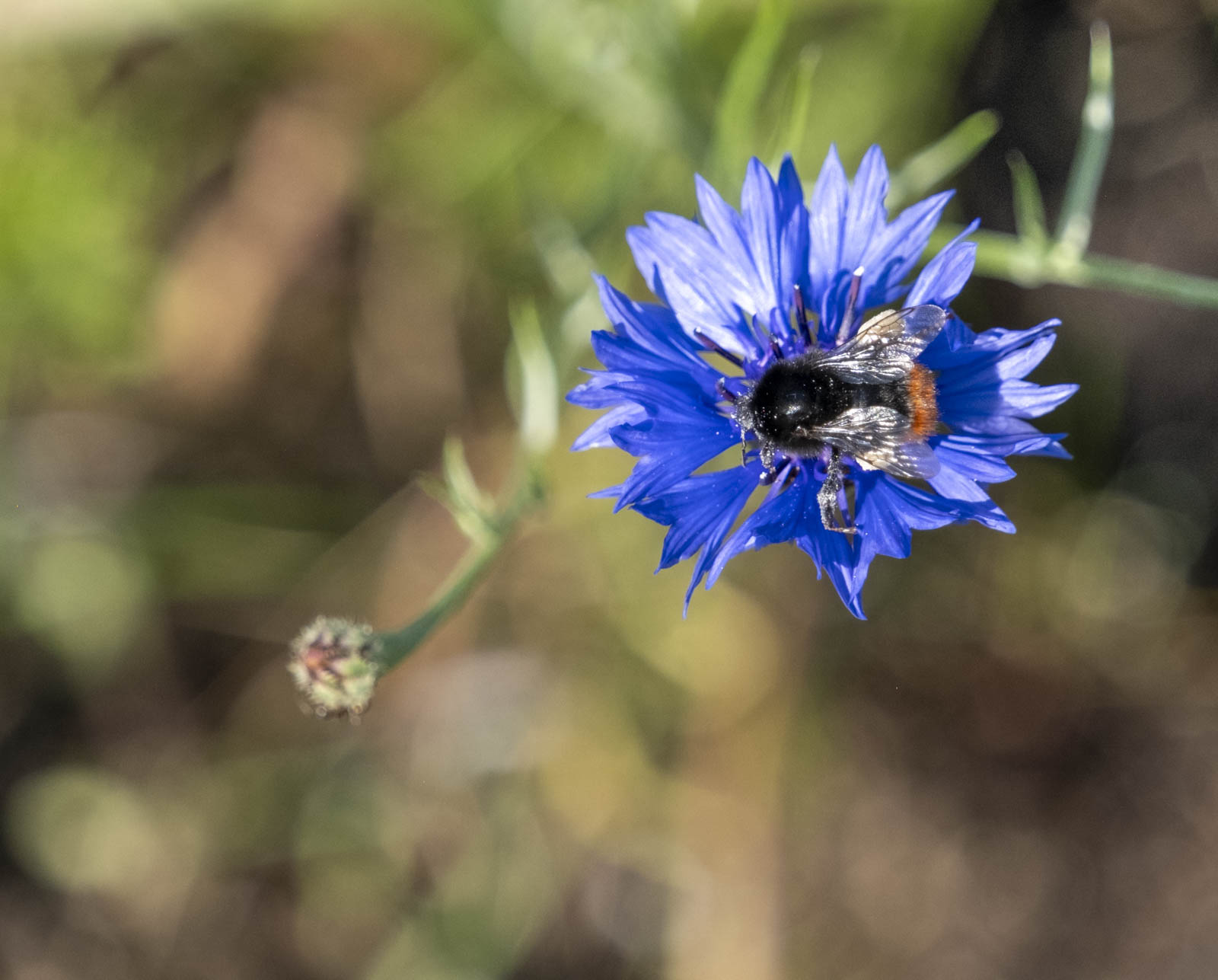
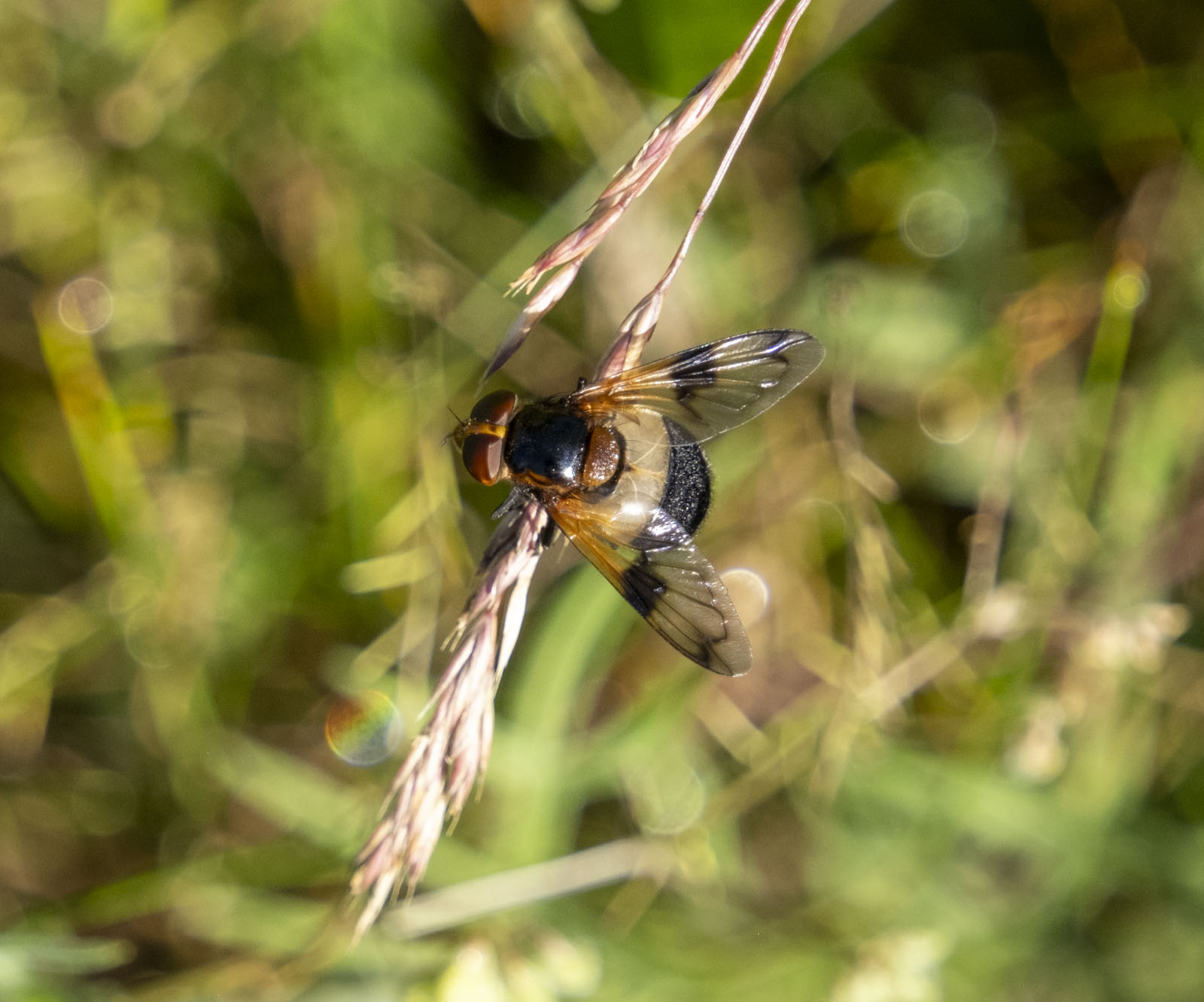
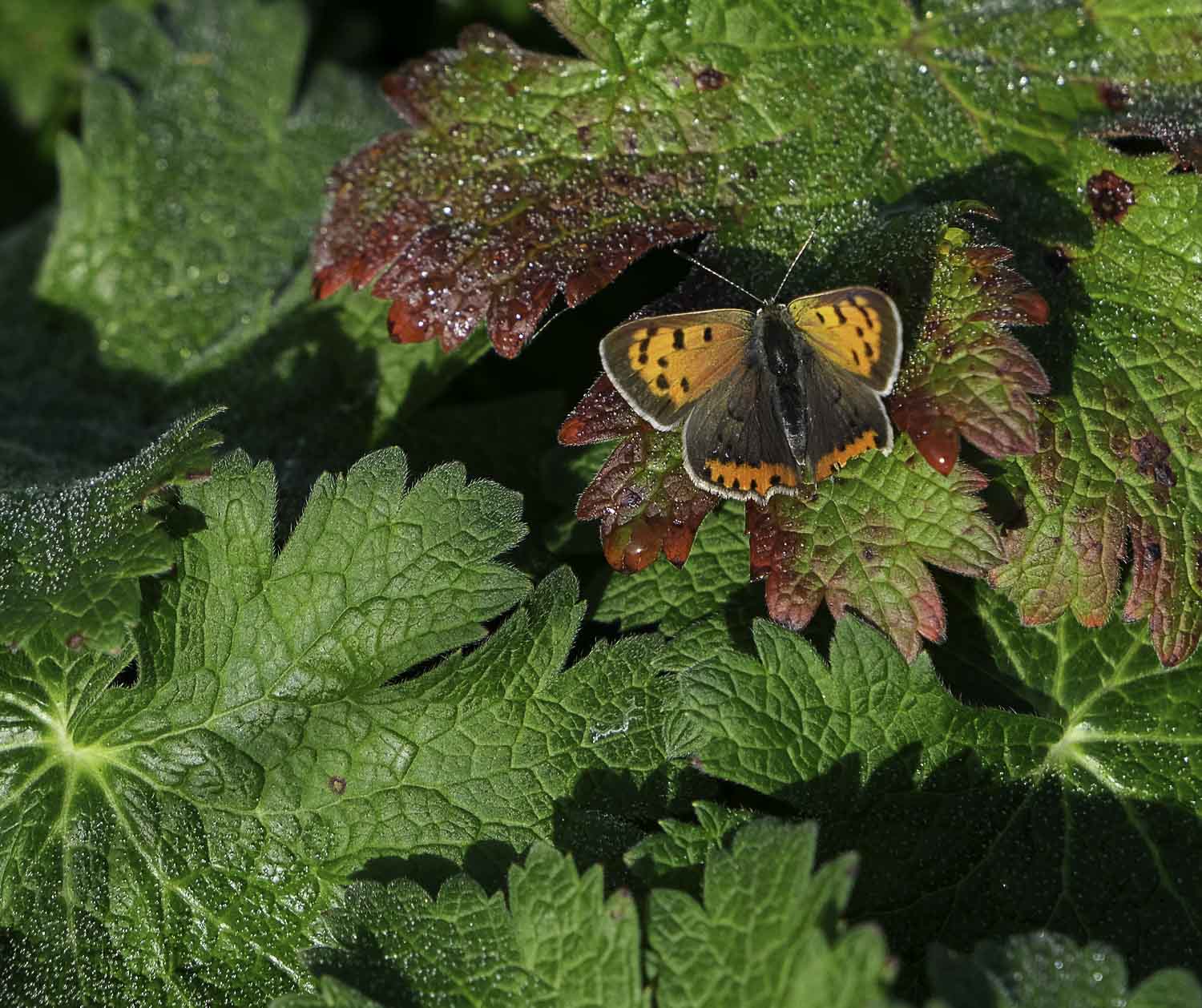
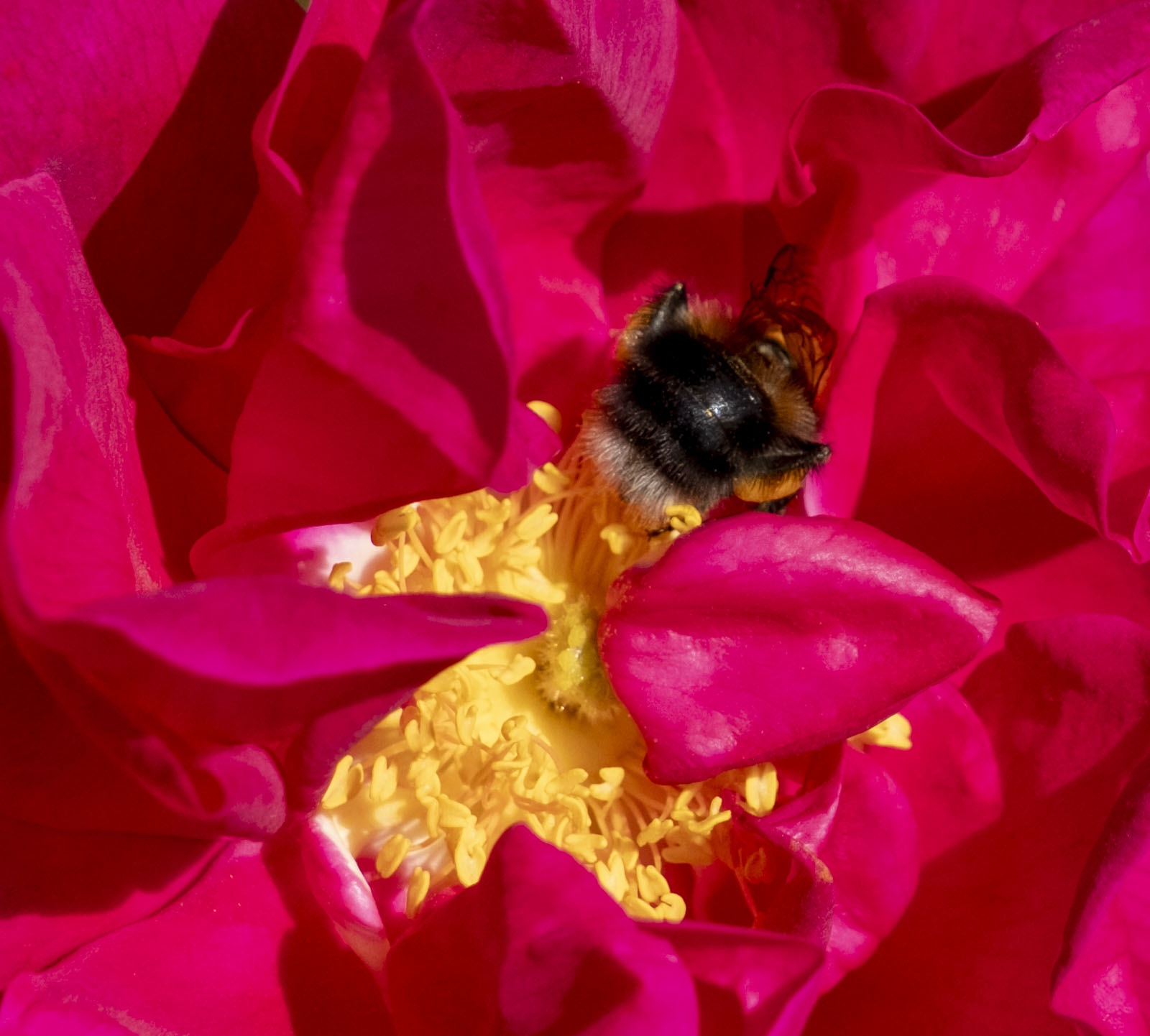
As ordinary humans, we might think we cannot do much, but personally I support several nature organisations, and I try to keep my footprint as small as possible. (With a bad conscience everytime I fly…) Our pollinators are crucial to our planet, and the bee is considered our most valuable species. In my little world, I strive to plant only bee and pollinator – friendly plants in the garden. About half of it is never cut down and left wild. It thrives.

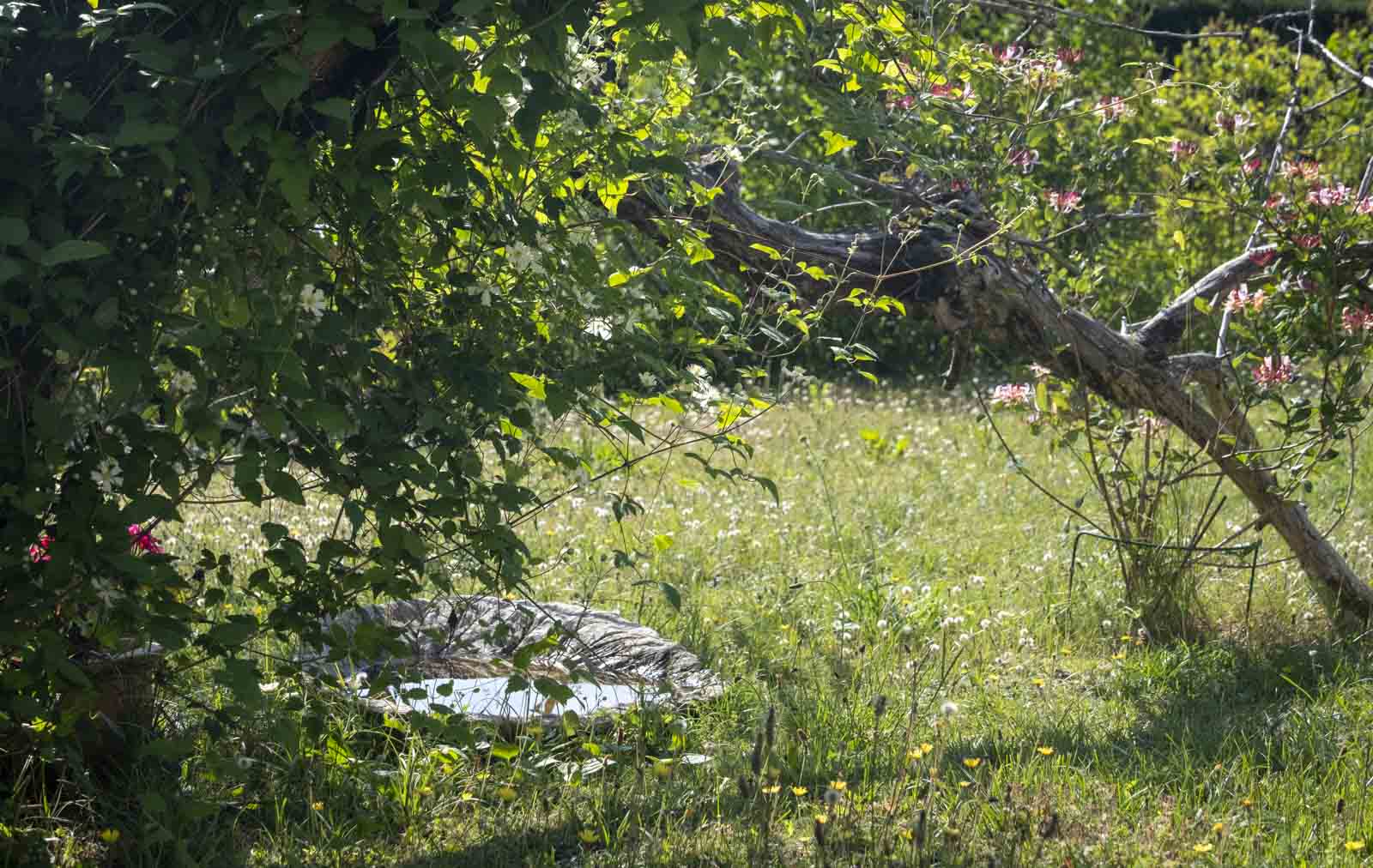
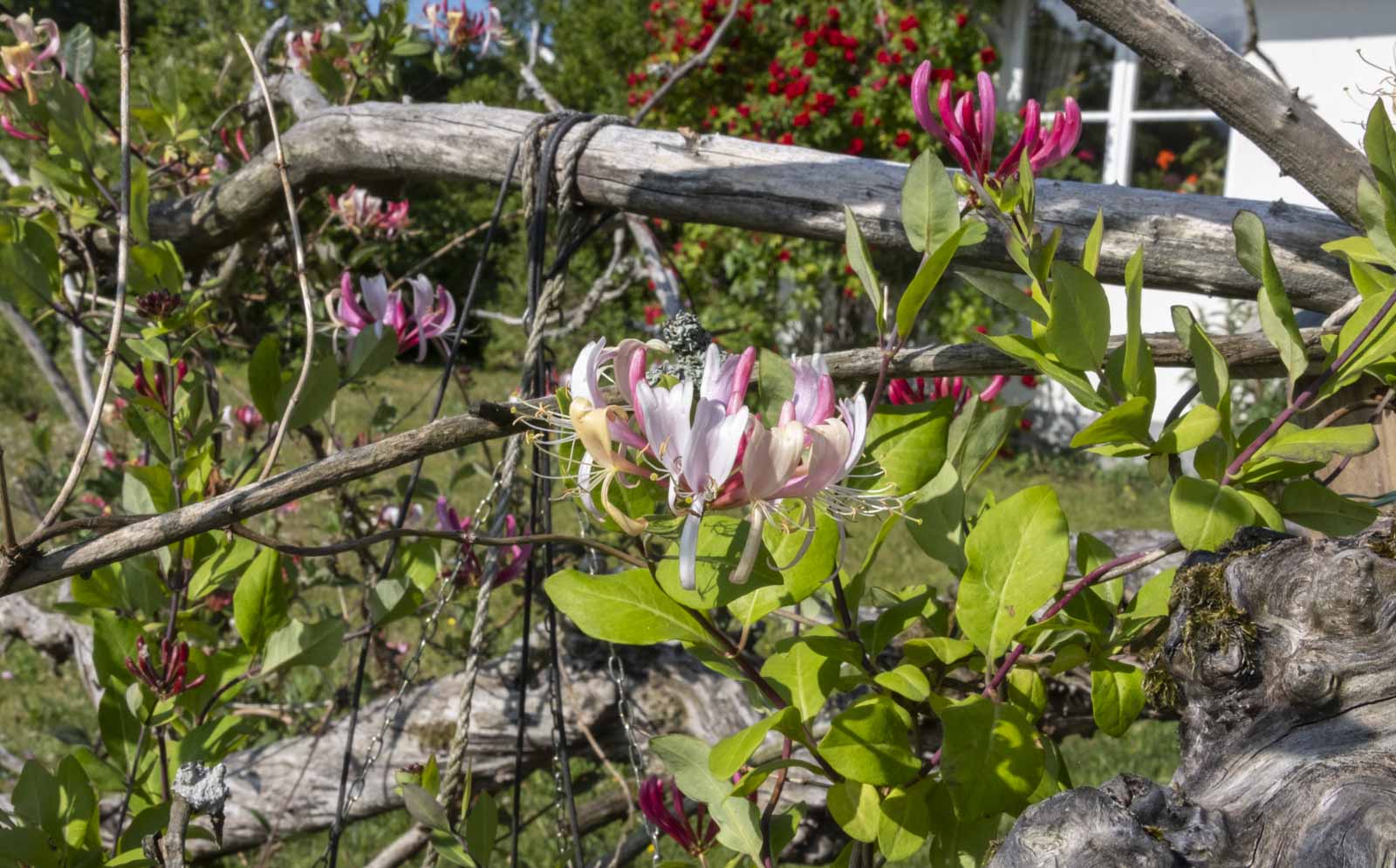
Dead trees are left were they fall – and I plant climbers for them.

This is my small contribution for increasing the habitats for insects and birds. A great outcome was my find of a leopard moth here. Dead, but a rare species with gardens and orchards as their habitats. Dead trees are home to many insects.

The only way we can reduce the number of these endangered species is to improve and provide additional habitat where they can live and reproduce.

– Lorne Greene

I hope my garden will steadily become an even better habitat for many plants, insects and birds. I believe we all can do something – following the old saying ”Small streams make great rivers”. To me, this thinking makes my habitat in this world much more alive and useful.

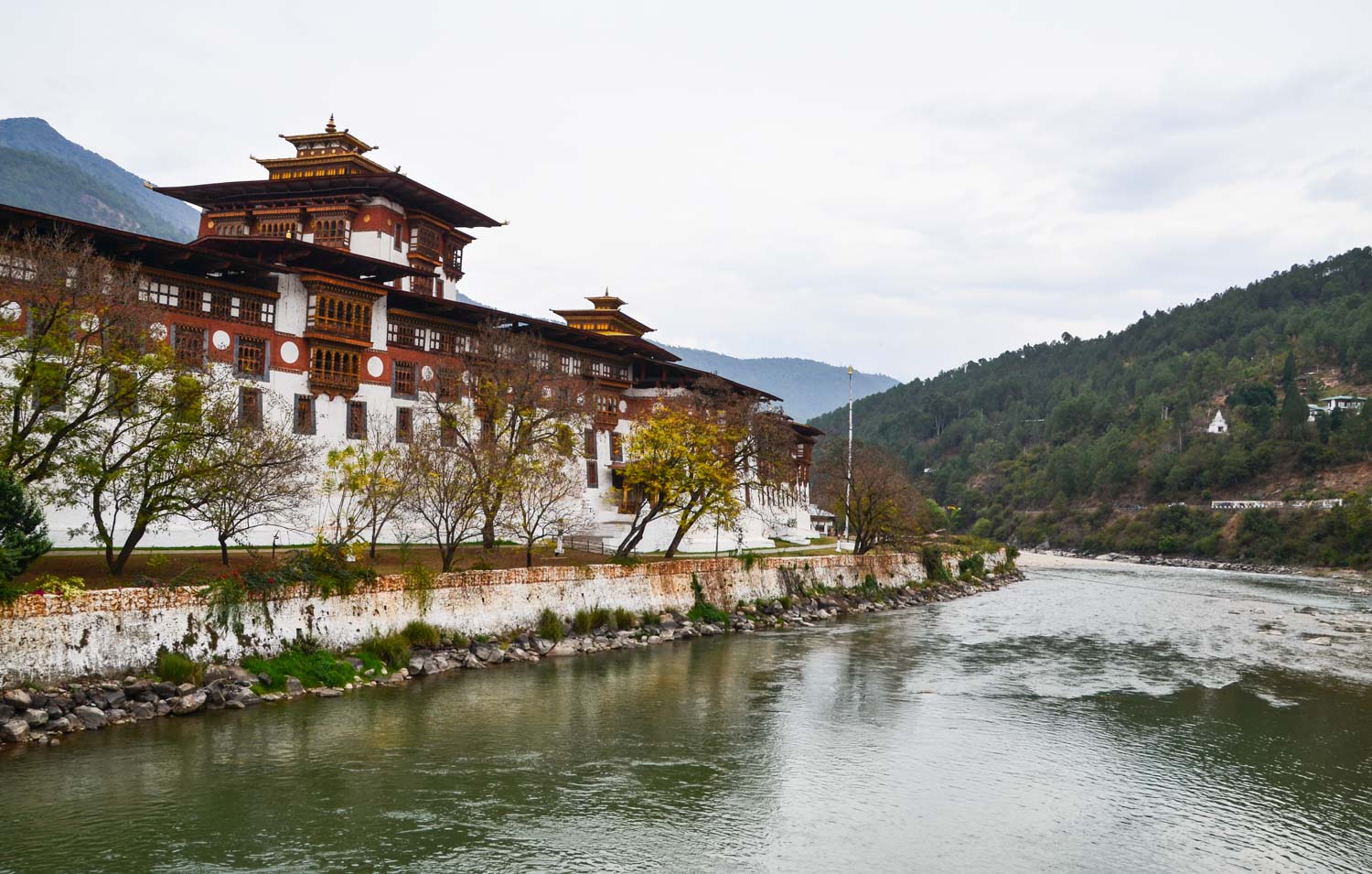
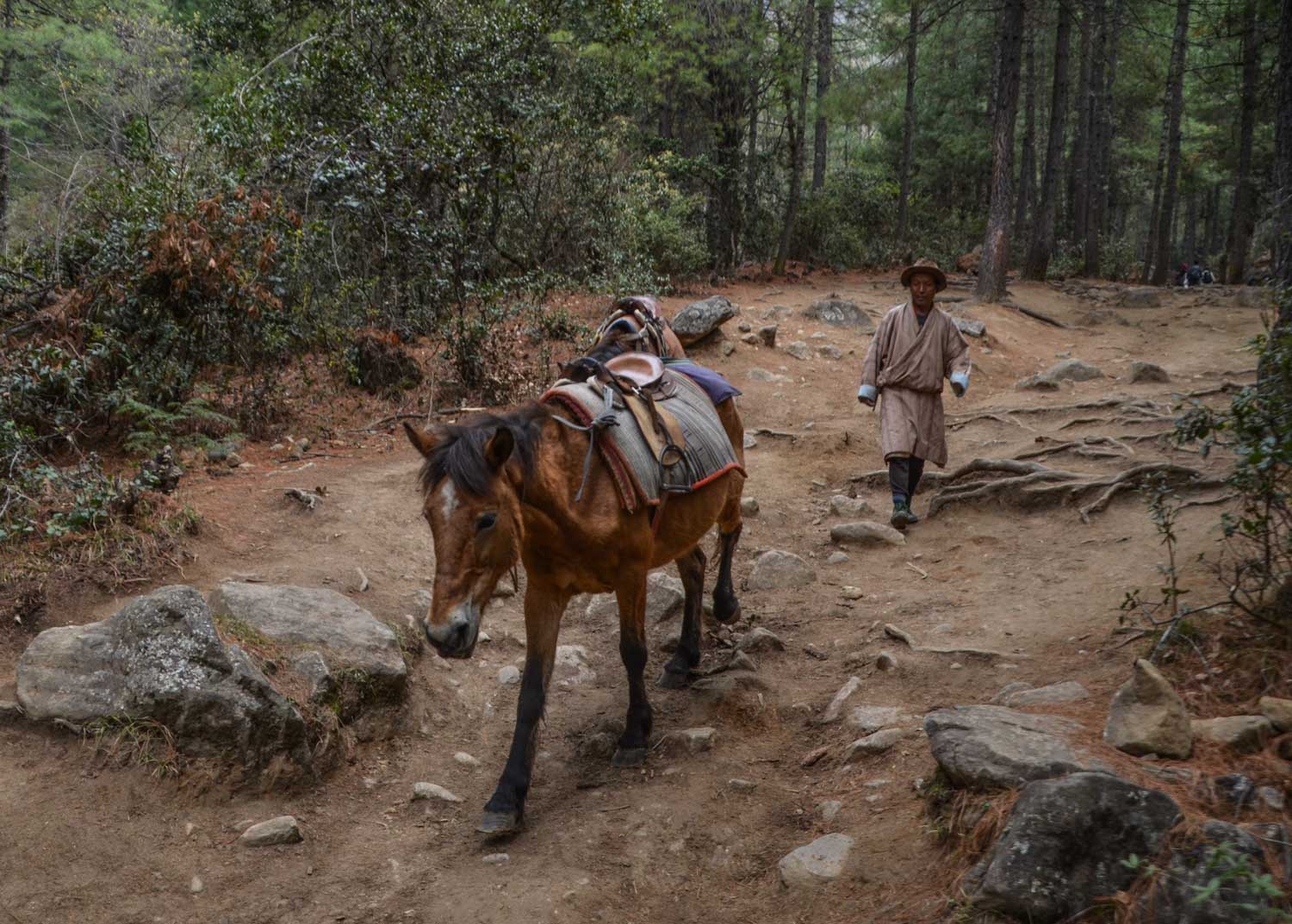
Outside my own garden, a country that comes to mind for having sustainable habitats, is Bhutan. Bhutan is the world’s first carbon negative country. Mainly because of its extensive forests, covering 70% of the land, the Kingdom is able to absorb more carbon dioxide than it produces. How did Bhutan get here and how can the country be an example for the rest of the world? Listen to Bhutan’s Prime Minister in a TED talk on youtube .

In Bhutan, the forest is protected by law, they use their rivers to get clean energy and they subsidise the more eco-friendly LED lamps. To me maybe the most impressive thing is their biological corridors connecting protected areas with each other. Thus, the vast diversity of animals is free to roam around the country. It helps them better adapt to climate change and increase their population naturally. When we were there, we were informed that some tigers were tagged and could be followed from the south part bordering to India, and through corridors up to the snowy Himalayas. In only a few days.
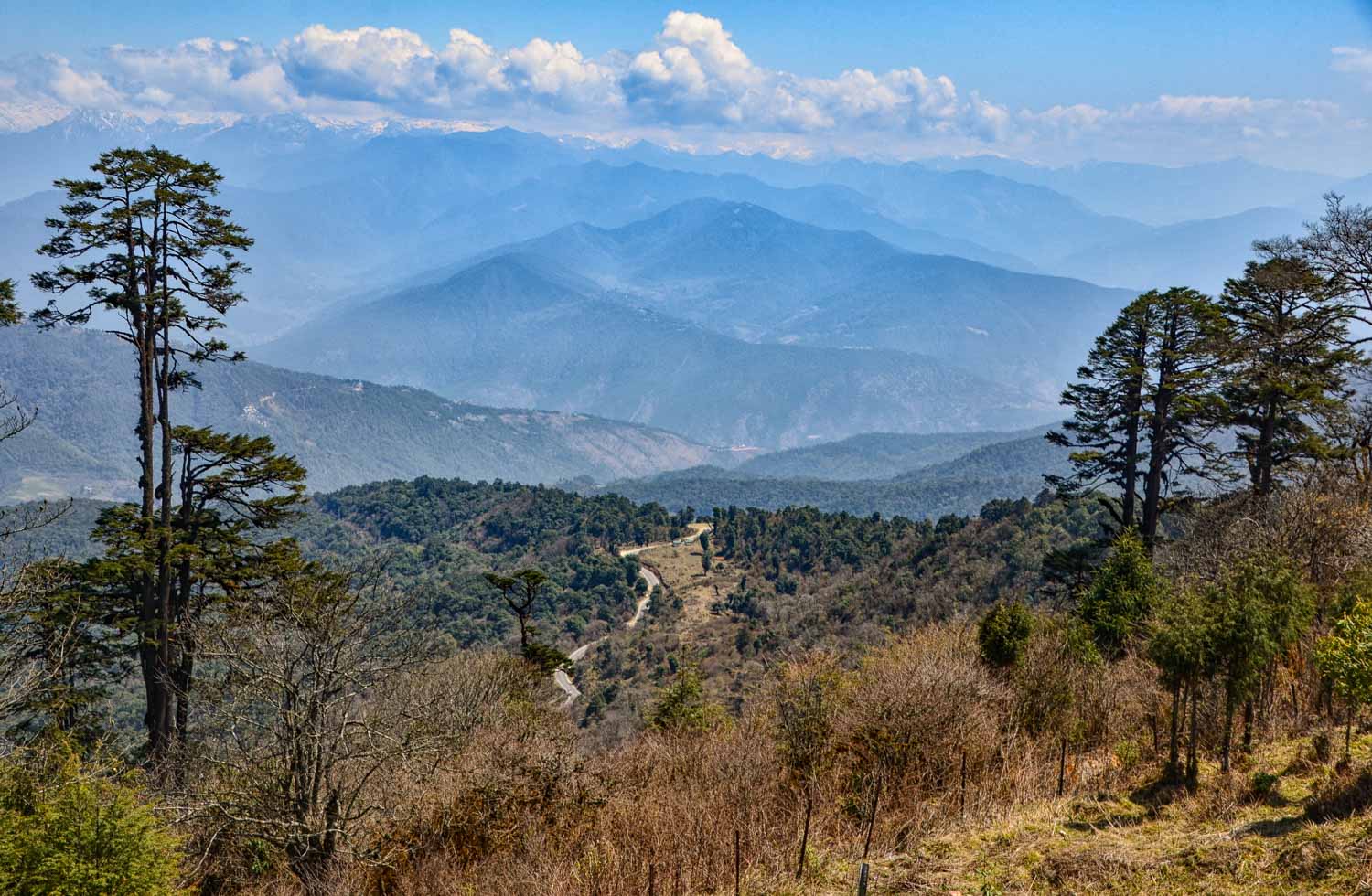
It seems in Bhutan everything living coexist in a smoother way – maybe because of their faith and because of their government’s decisions on the importance of biodiversity. In the cities too, we found space was gladly shared among different species. A comfortable, common habitat.

I hope you’ll join us this week to explore the habitats of both human and animal ”residents”. Be sure to link to Tina’s post, and to use the Lens-Artists Tag to help us find you. Also, our big thanks to Egidio whose 2 Rectangles challenge gave us a chance to learn something new, and proved that many of us did not know about this, but were often using it anyway.

As in previous years, the Lens-Artists team will be on hiatus for the month of July. There will be no challenge on the 6th, but the rest of the month will be led by several amazing Guest Hosts. They include:

July 13: Leanne of Leanne Cole explores TOURIST ATTRACTIONS 

July 20: Elizabeth of Albatz Travel Adventures leads us with PAIRS

July 27: PR of Flights of the Soul presents BALCONIES

The Lens-Artist team will be back on August 3 when Patti once again leads us on her Pilotfish Blog. Until then as always please stay safe, be kind and enjoy the adventure.

Looking for more information on joining our challenge? Click here.

Thursday Thoughts – Hachikō

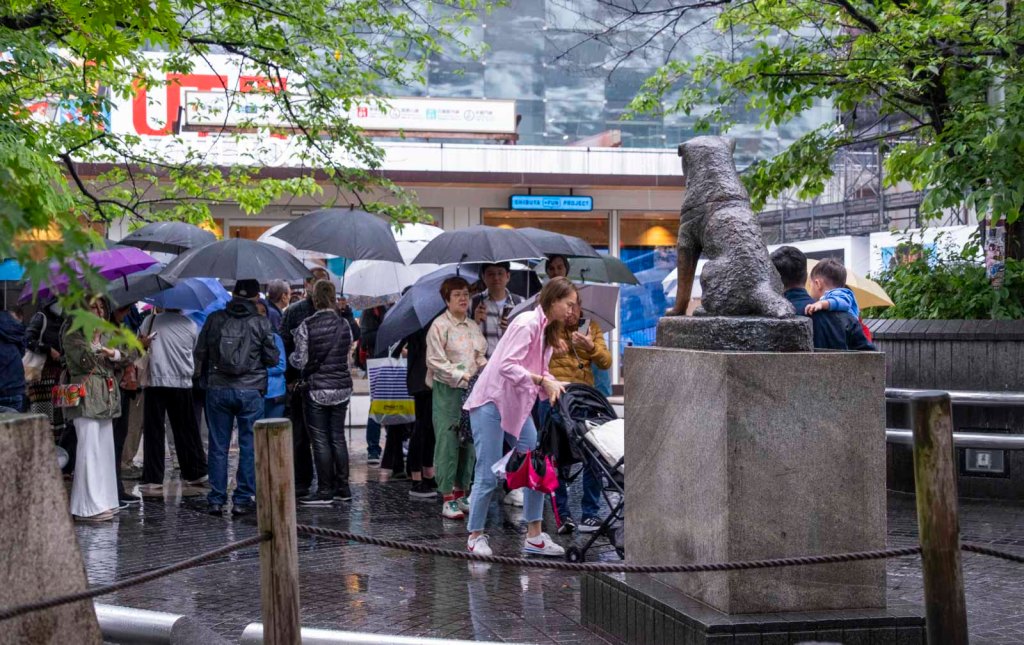
Everyone who once has owned the friendship of a dog, will love the story of Hachikō – Japan’s most famous dog.

Hachikō was an Akita-inu, born in 1923. He followed his master to the Shibuya station in Tokyo every day and met him there every night when he returned.

But one day, professor Ueno suddenly died and never came back. Hachikō waited for almost ten years for his master, sitting at the same place outside the station. Many people cared for him and helped him, so…

…his story got wings and travelled around the world, even to Sweden. As a child I read about him and was very moved by his faithfulness. At home we always had both cats and dogs, so my heart was aching for his fate.

In 1934, his statue was unveiled, and Hachikō himself was present too. Today there is always a long queue to his statue – young and old – everyone wants a photo with him by their side. Even if it is heavily raining…The station gate and exit wear his name and on the wall there are several Akita-inu dogs portrayed.

This was one of my must-see places in Tokyo.

The whole story of the faithful Hachikō is here.

Lens-Artists Challenge #305 – Two Rectangles

Egidio goes for rectangles, and once again I’m finding I’m following a compositional rule without knowing it! He challenges us to show how we use rectangles in our photographs and how they help our composition.

This is an image from Cisternerne in Denmark, an underground water reserve.

It is somewhat similar too these beautiful Tori’s in Japan.

I don’t know if you can say these are rectangular – because they end up in a curve – but, yes, I think they are.
Back home, these are strawberry tents, covering up the plants to make them grow faster.

And there are loads of rectangles in this one, caught at Kyoto Railway Station, Japan.

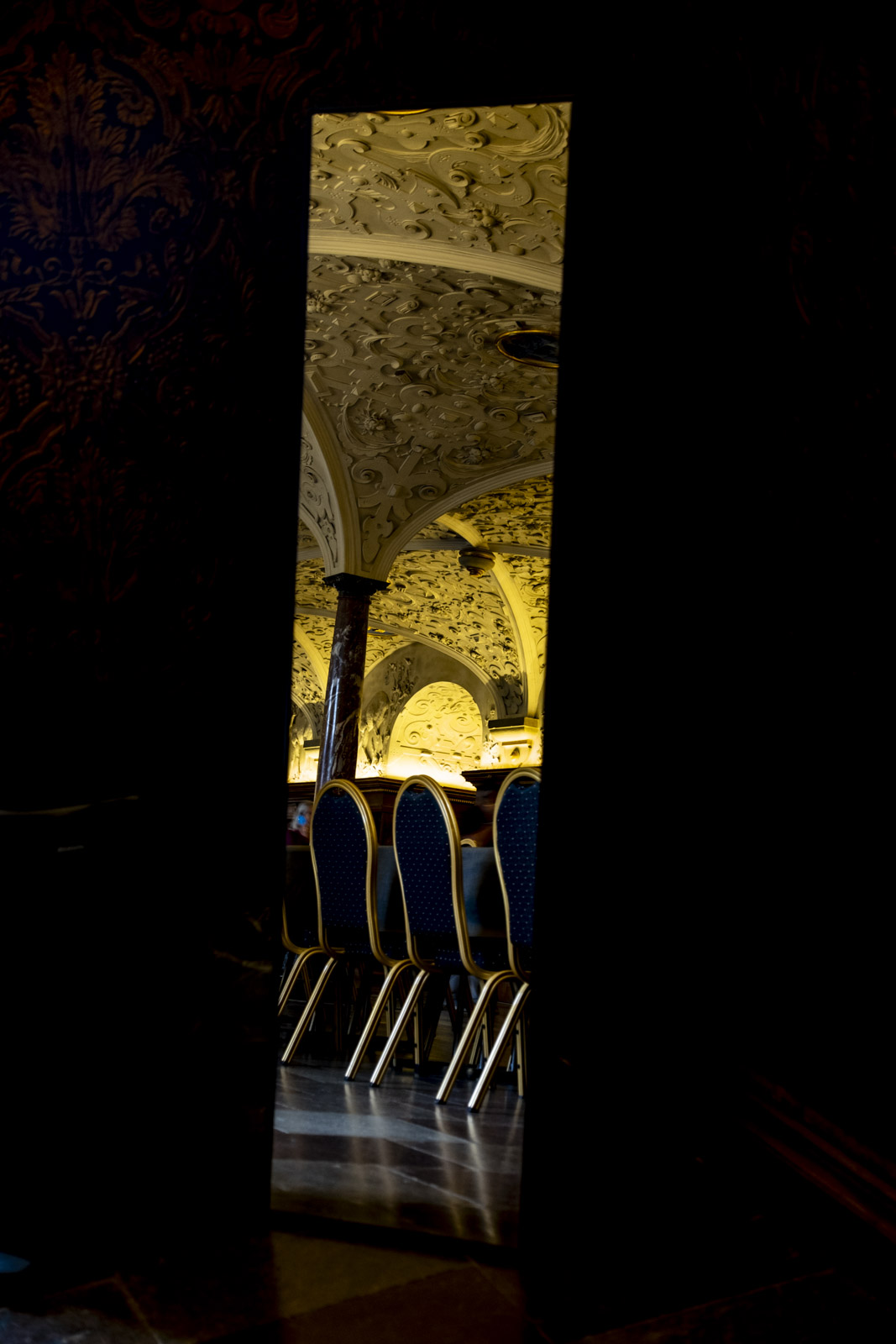
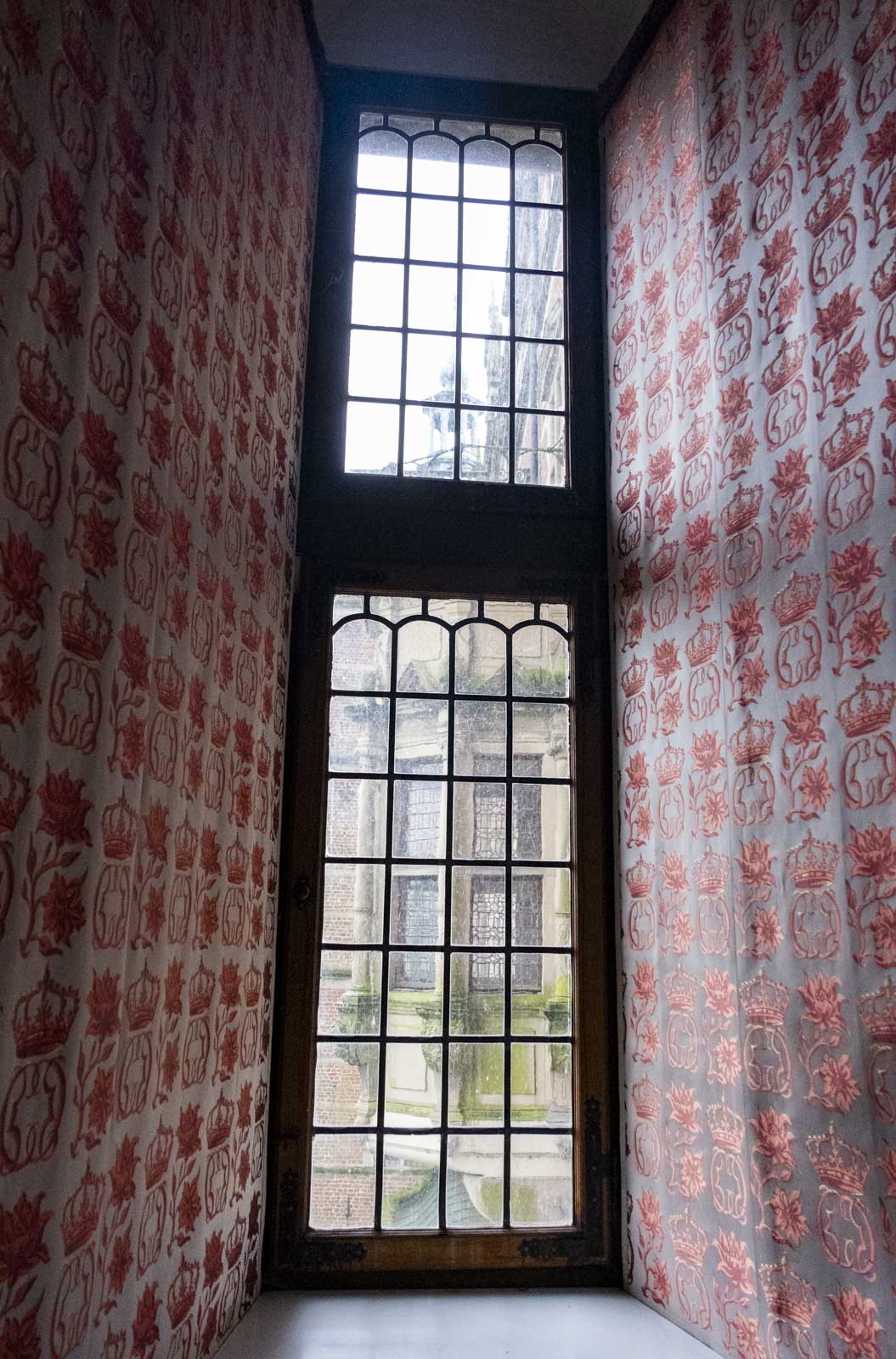
These three images are from Fredriksborg Castle in Denmark. The left one is a mirror in a dark room, in the middle is the fantastic Chapel and the last one is a narrow alcove in the same castle.
These two reflections stand out to me.

The garden is Ashikaga Wisteria Garden. We went in the evening to see it lit up.

Some favourites from that night in the wisteria garden.

So, we would love to see your photos with two rectangles. Let your creativity flow. And please remember that pingbacks do not work on Egidio’s site. You need to put your link in the comments. The “lens-artists” hashtag makes it easier for others to find your post too.

Last week, Ritva focused on backgrounds and how they affect our composition. What beautiful images you shared! Excellent and creative. Next week, Tina will share another fascinating challenge on Saturday, 12 noon (EDT in the USA). Stay tuned. Please see this page to learn more about the Lens-Artists Challenge and its history.

As those who follow her know, Lens-Artists team member Donna of Wind Kisses is taking a break from blogging for personal reasons. She will be very much missed but, hopefully be with us again before too long. We wish Donna and her family only the best, as our thoughts are with all of them.

Midsummer in My Garden

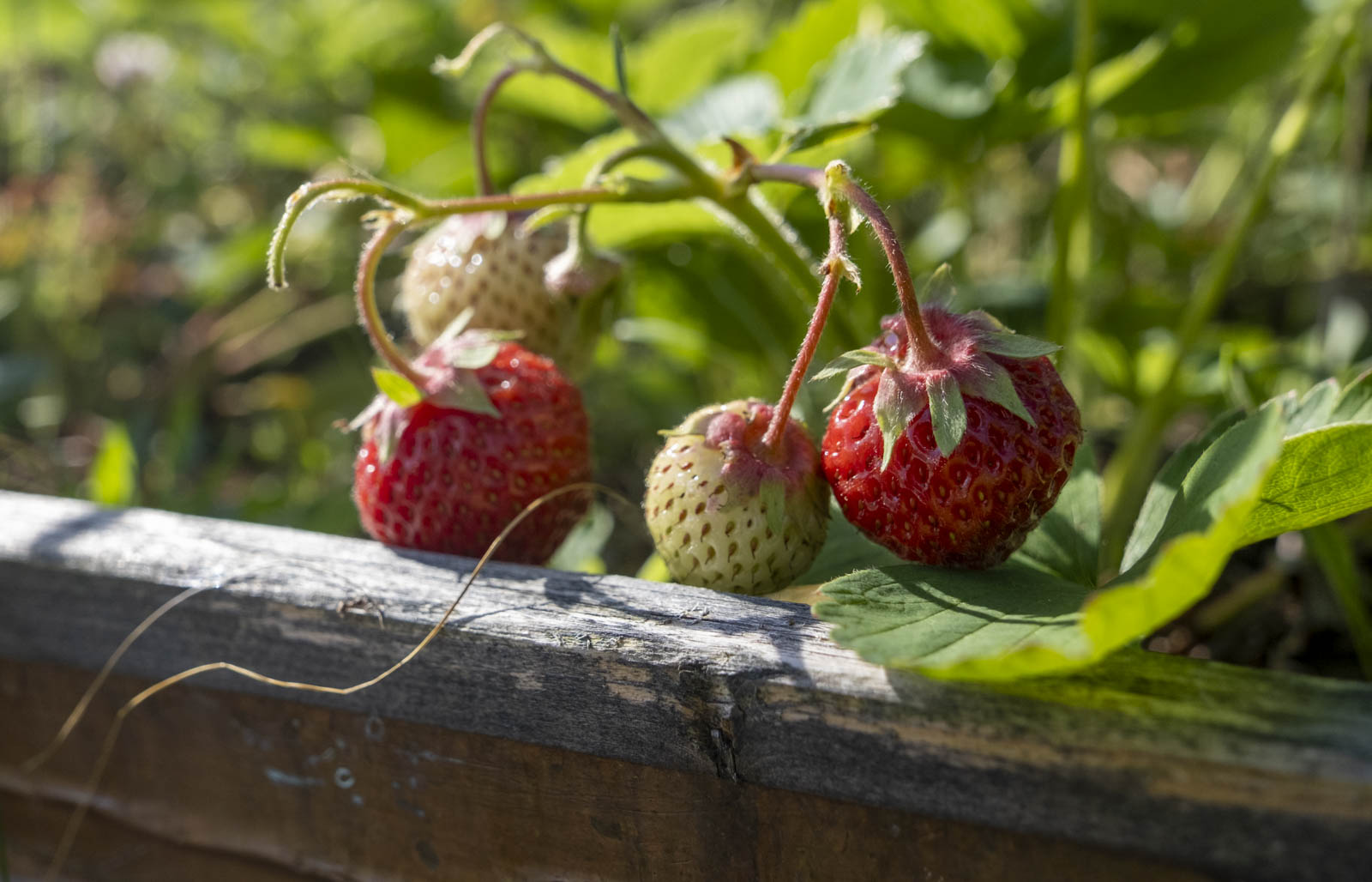
The old apple tree is now covered in wild honeysuckle and clematis Paul Farges. Finally we have reached 21 C after having a very chilly start to June. Which also means the strawberries are awake and we eat some every day! It is the old Sengana from my grandmother’s plants.

Wishing you all a wonderful Midsummer – if you celebrate it or not! In the Scandinavian countries it is a major feast with dancing and singing, good food and good friends gathering.

We celebrate the light and Mother Nature thriving – once more. A beautiful time of the year.

Thursday Thoughts – He’s got the look

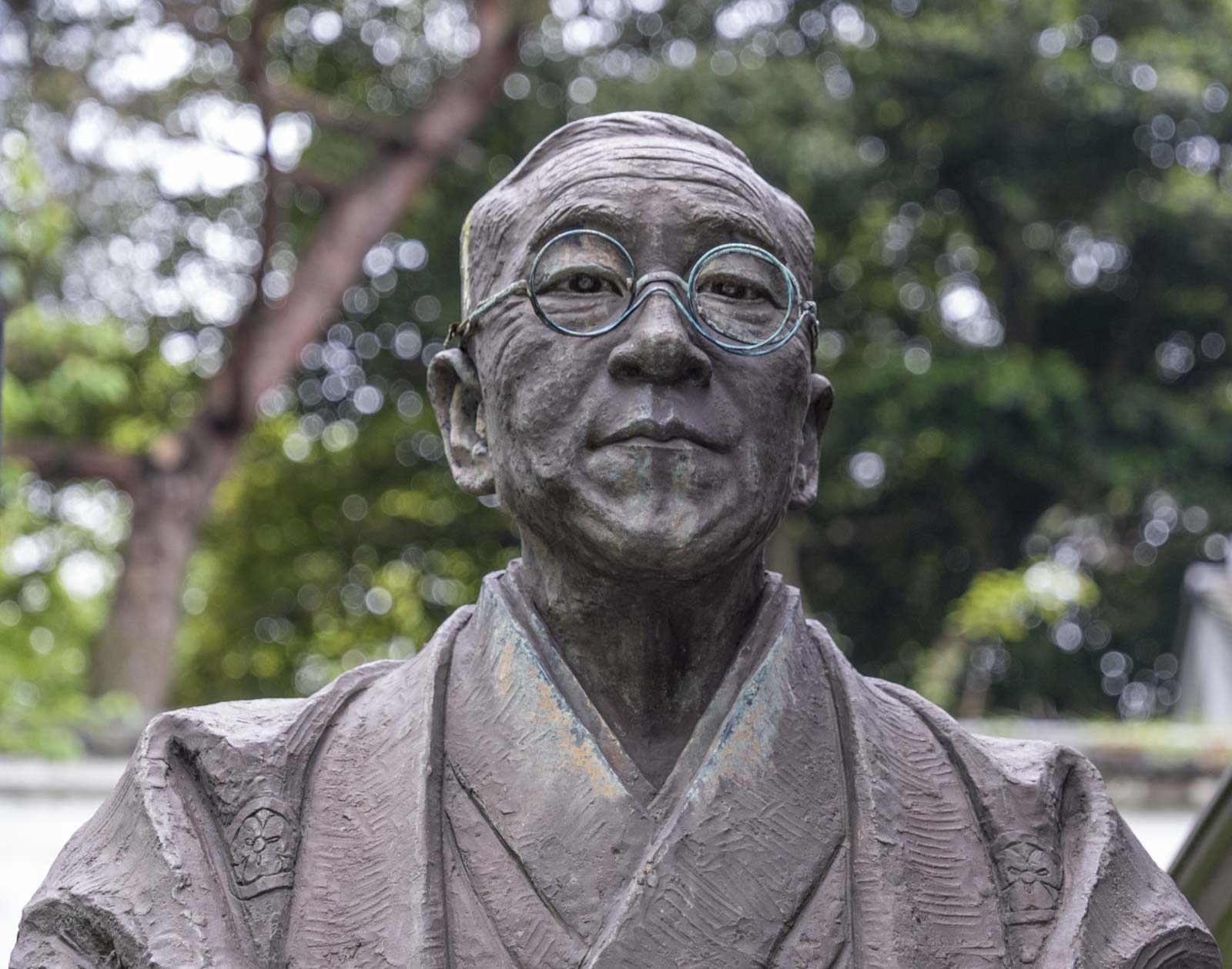
This bust in Kokura Castle intrigued me. The man’s name was not possible to read, neither was the artist’s name. They were only written in Japanese, and there was nobody to ask about it.

I walked past him several times, as he was standing (if a bust can stand?) close to the entrance gate. Each time I felt someone was watching me. It was something with his eyes.

I know about (and have seen such paintings) Renaissance painters who could paint eyes that seemingly followed you, but sculptures? They say it is about how the iris is placed against the white part of the eye. Anyhow, he was creepy. And in my picture, the surrounding photographic blur mirrors the look in his eyes.

What are your thoughts? Have you experienced something similar? Has someone got a further explanation to the phenomenon?

Lens-Artists Challenge #304 – Behind

Ritva is giving us a real treat this week – showing how to use the background to enhance our compositions. What makes your subject shine? A good background is essential to any picture.

Please visit Ritva’s beautiful site for more inspiration and examples!

I will choose some of my favourite techniques for the background to enhance the subject. Backlit late evening poppies create a positive, soft blur around the flowers. This is clearly one of my favourites as I often photograph insects and flowers.

Using negative space is efficient to highlight your subject against a minimal background. How lucky was I to see a woman in RED walking down the stairs when I had my camera ready?

We can harmonize or contrast colours for visual impact. Here I wanted to enhance the filmish feeling by using B&W.

Colour harmony again –

– to the left a totally green picture with an interesting, overgrown branch, and to the right the old red train running in the contrasting green surroundings.

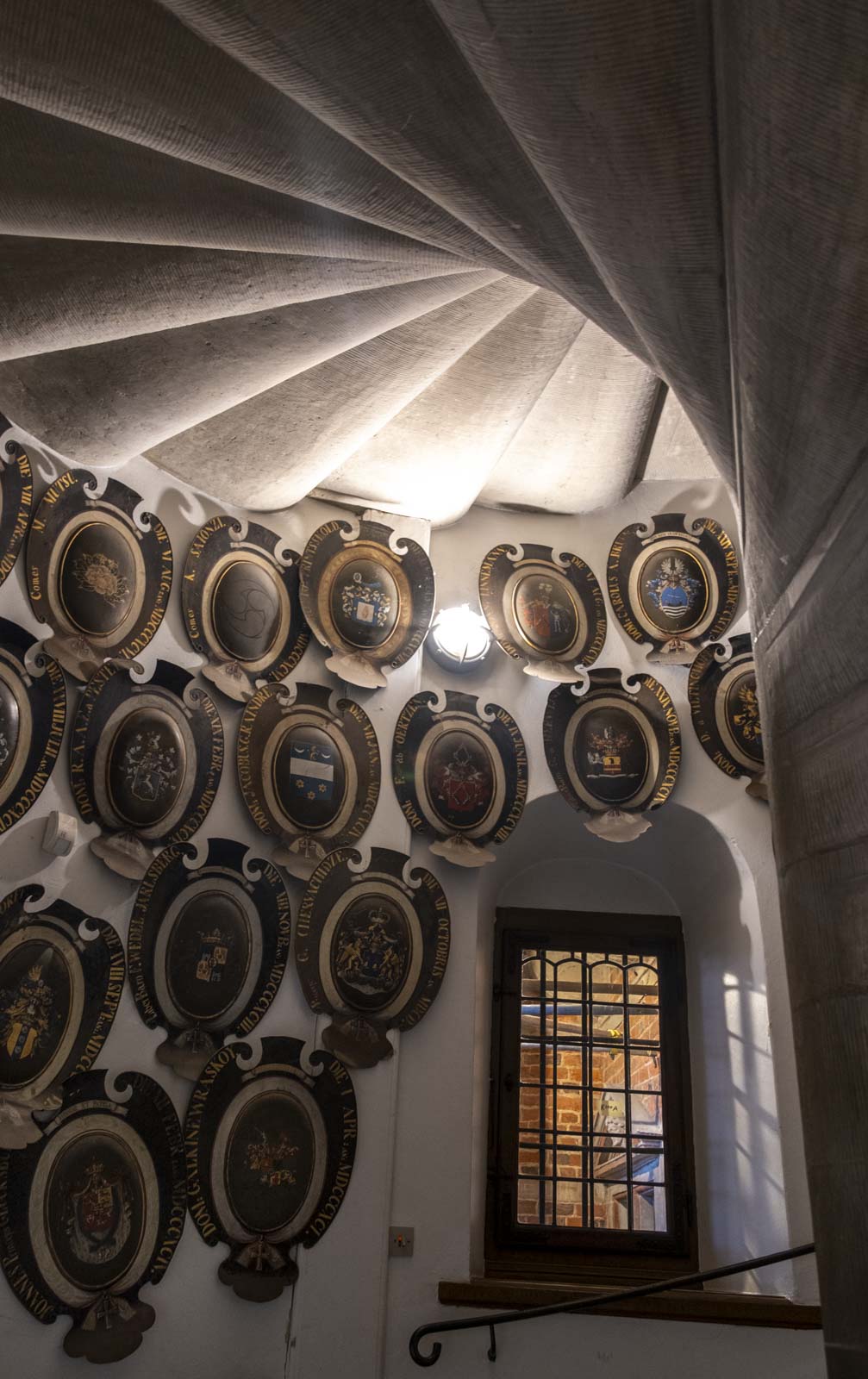
A picture within a picture is something I really like. There are two from Japan, the first one in the header and on the left side here another one. We see a gardener talking to a young woman about ”his” garden while admiring it from the terrace. The picture filled staircase was photographed in a Danish castle, where you also can see another room through the window. There is much going on in this scene, but I decided to use it all in my image.

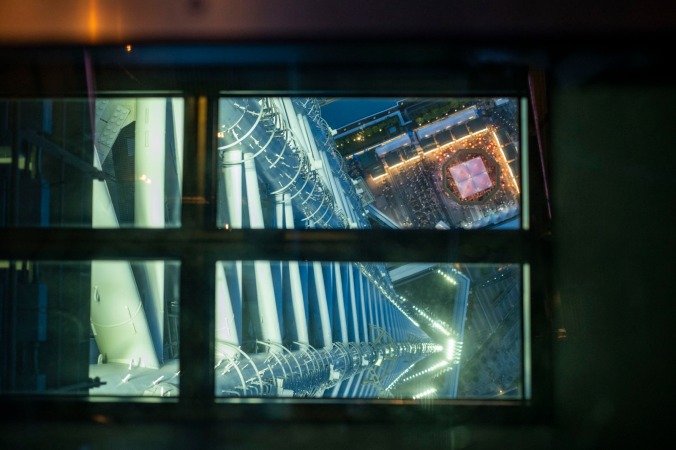
Lastly, two pictures from Tokyo Sky Tree, the first one taken through the framed glass floor and the second one where the city is set between window frames. In both cases, the subject is shining because of its dark surroundings. This applies to the header image too.

As I started with poppies, I will leave you with a poppy too – an enchanting flower. For this one, I was down on the ground and getting close. Deapth of field and back light make it stand out.

Last week we dwelled in the world of connections with Donna as our guide. We got lovely interpretations of connection, and many of them I had never even thought about!

A big thank you to Ritva for an innovative and excellent challenge, and be sure to link to her original post and use our tag. I am already looking forward to next week’s challenge with Egídio. Join him Saturday 12:00 EST to enjoy his beautiful photography, through Brazilian eyes.