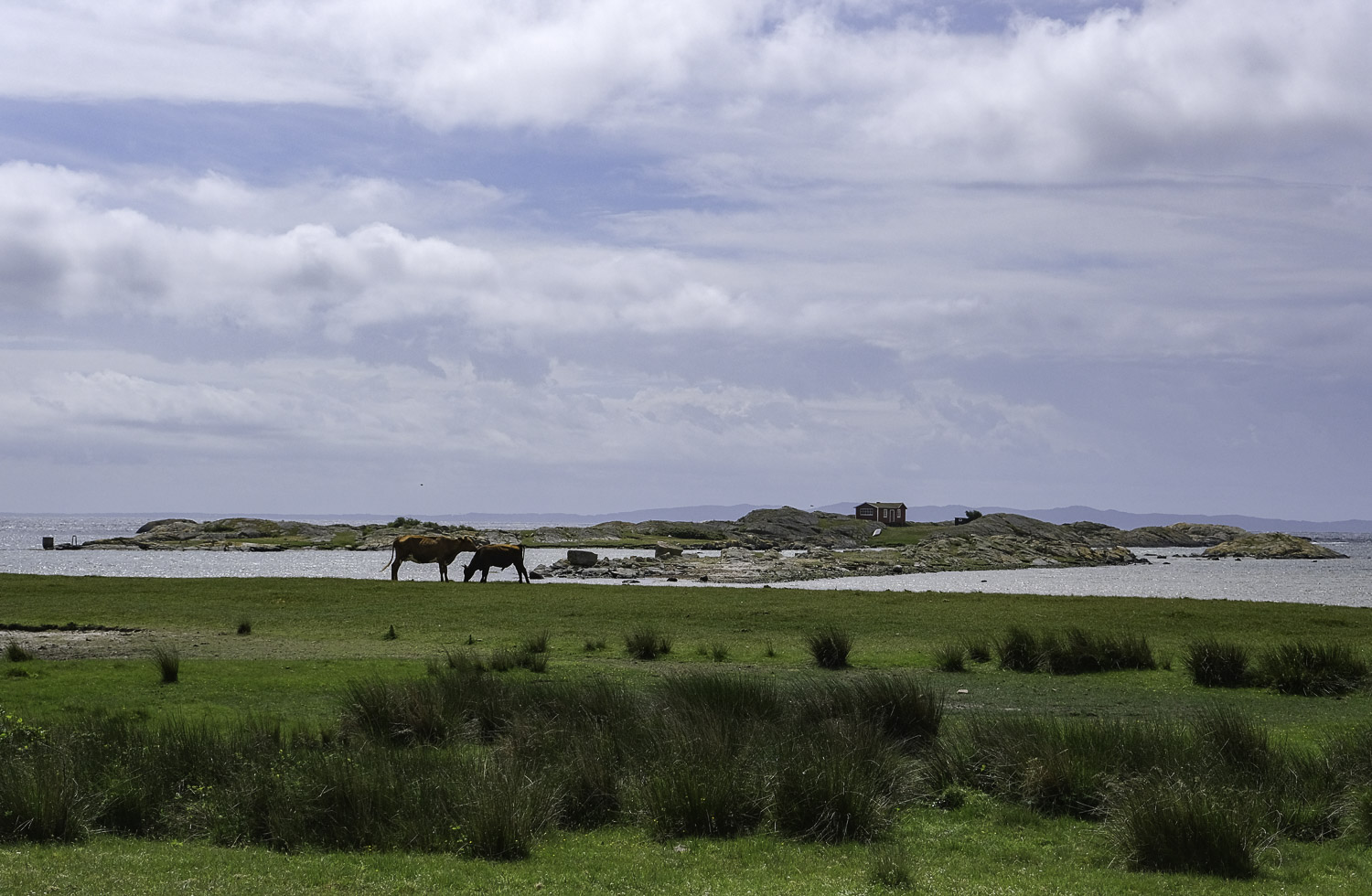
Silent Sunday
Tracy of Reflections of An Untidy Mind, is leading us this week into the Surreal world. Because that is what our world seems to have turned into, even more so the last few years…
About a century ago, at another time of great societal upheaval, surrealism as an artistic and intellectual movement emerged. Tracy reminds us that modern surrealistic art strives to unite fantasy and reality, and emphasises the juxtaposition of the rational and the irrational. She mentions old techniques like motion blur, unusual camera angles and rotation; double-exposure; playing with light and colour. With Photoshop photo montages and collages have become easier to do. No photoshop? – just cut some pictures and put them together as you like! Please visit Tracy’s site for excellent inspiration!
Personally, I find reality to be surreal even without photoshop…


In my garden I have a couple of dead trees that I want to keep for their special beauty and for all the insects living there. Autumn mornings the dew reveals just how many spiders there are…this is enhanced by the monochrome process.
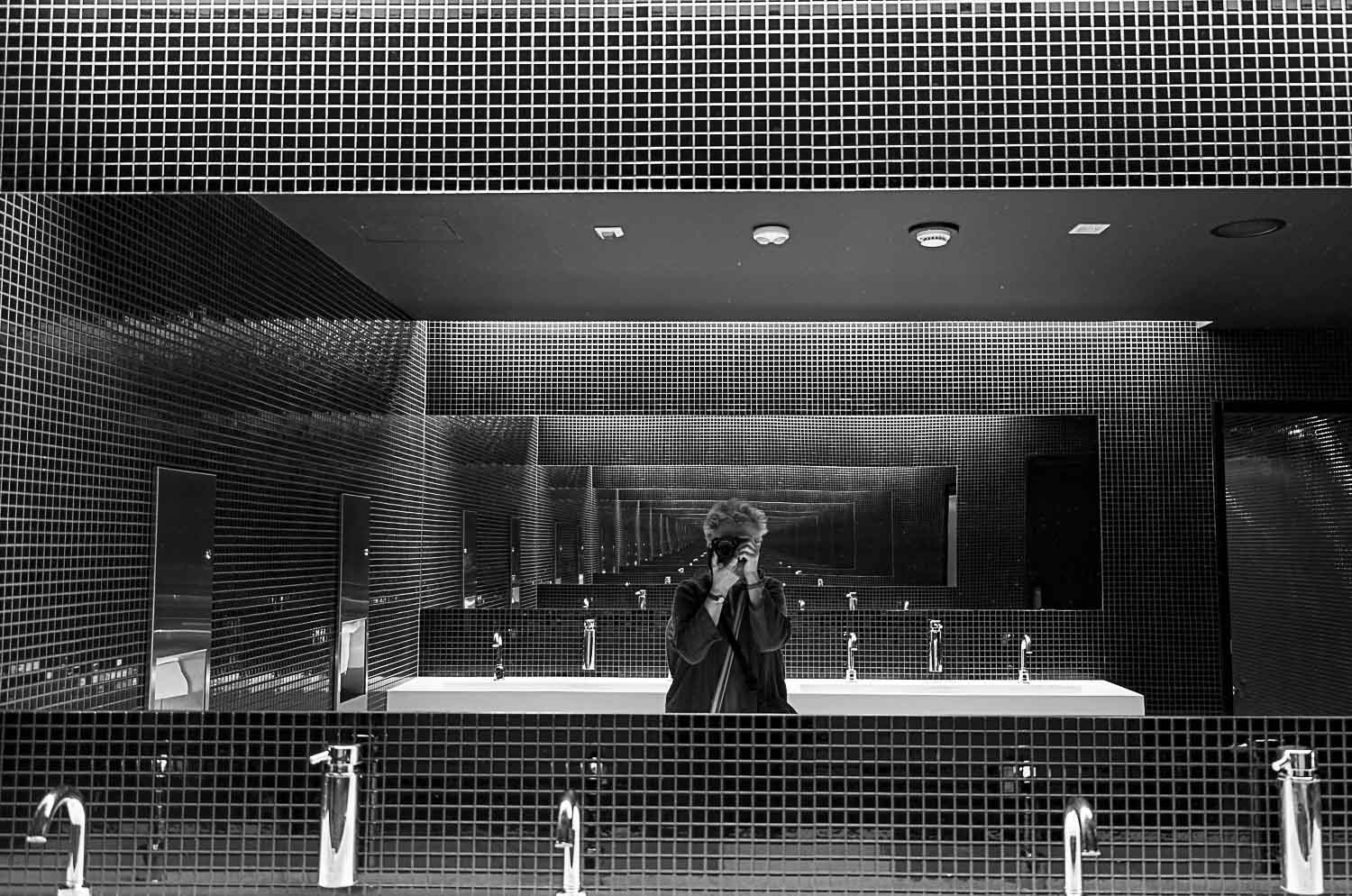
A bathroom in Stettin – playing with mirrors and reflections.
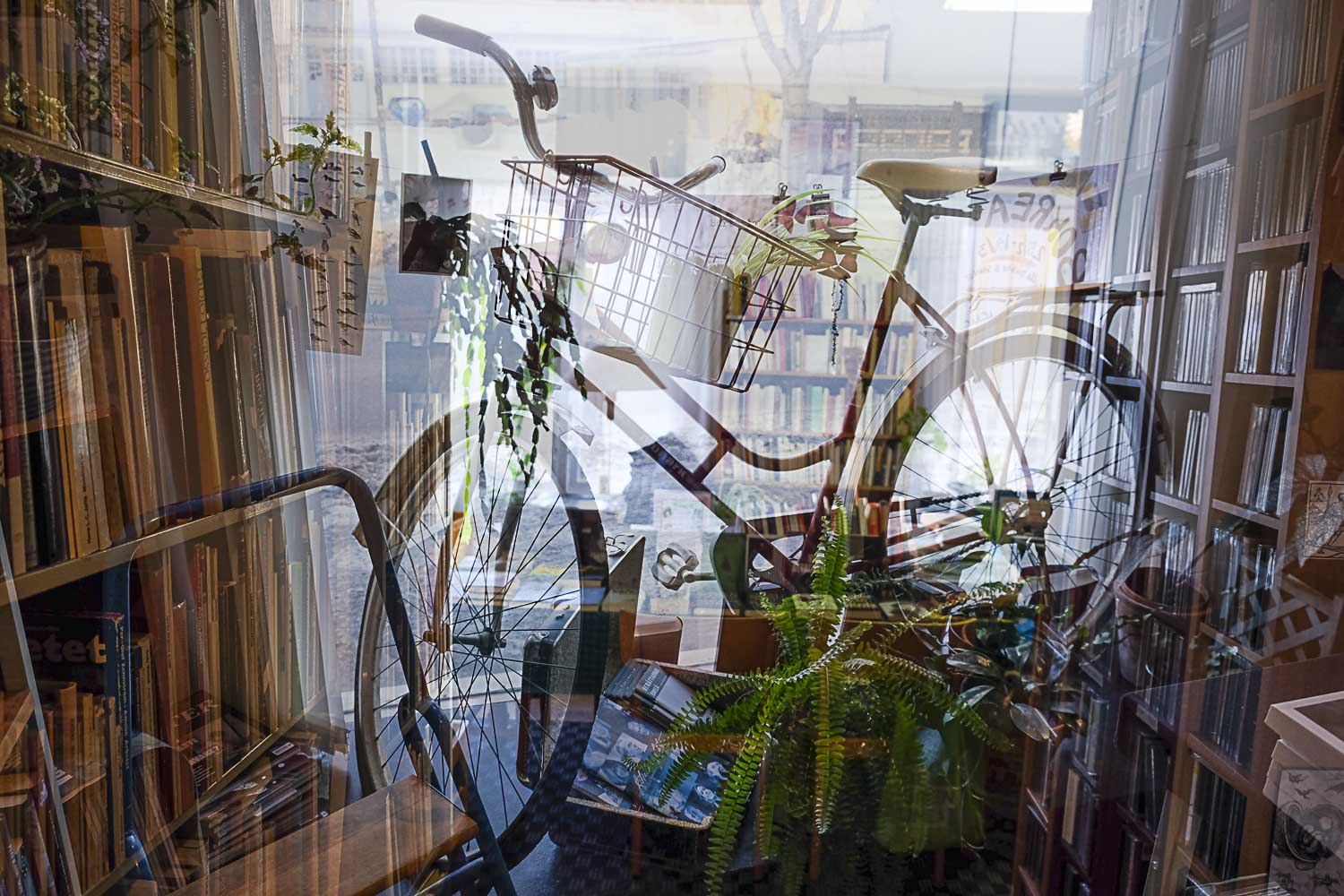
My camera has got a button for double exposure – maybe yours too? And I love playing around with it at times. When I have taken a photo I can take another one afterwards and dimly see the first photo while positioning the lens for a fun result.
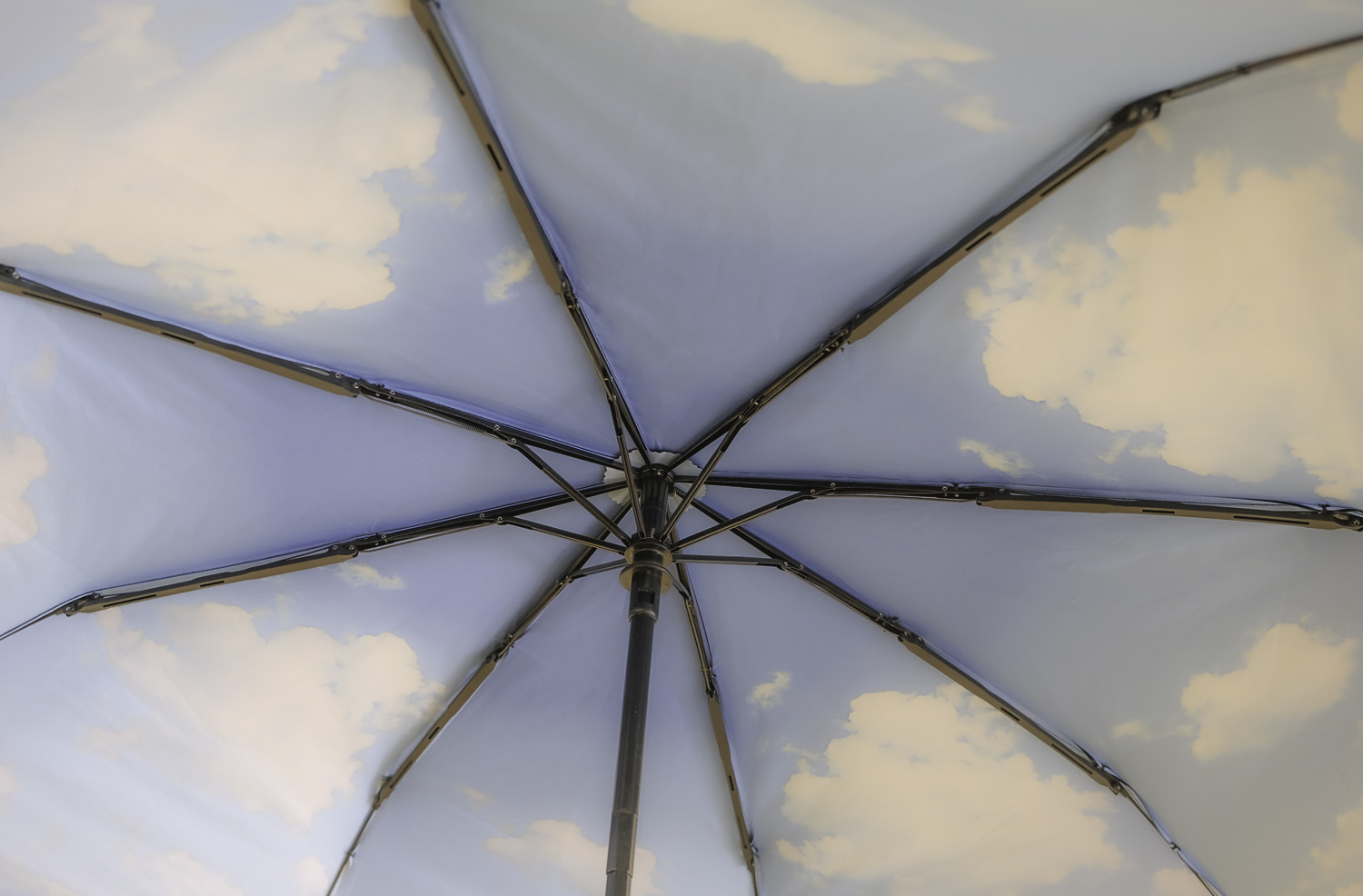
Surreal? Simply an umbrella with inside pattern!

At Wanås this art installation does not need any extra tweaks…this is the way it looks. Simply surreal!

And why not go close-up? This is a begonia stem and a christmas tree candle.
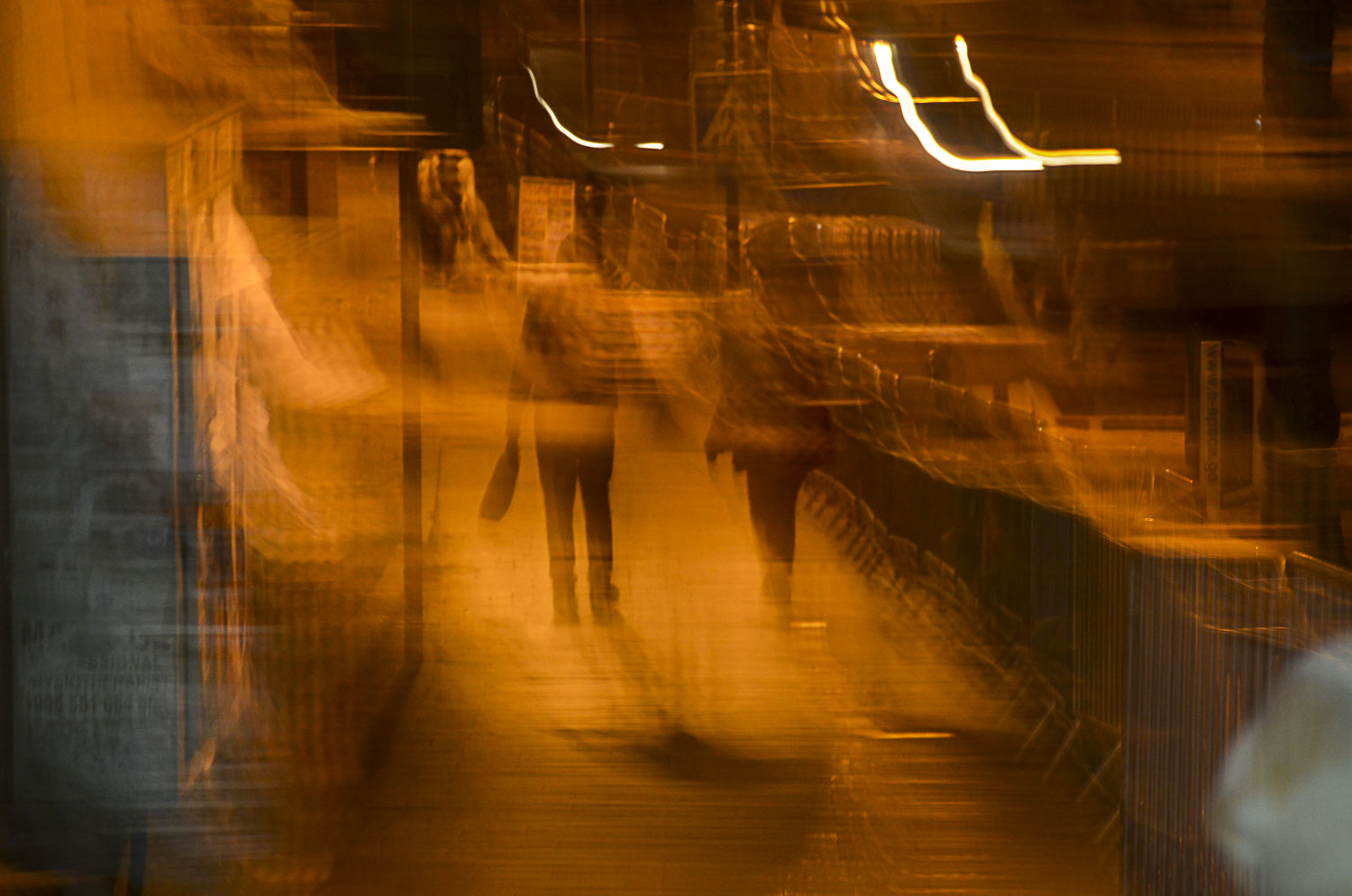
Or just…late evening blur.
In the header is a blurred cow parsley in front of the trees. Aliens landing or leaving?
Special thanks to Andre of My Blog-Solaner and to all of those who responded to his Summer Vibes challenge last week. What a summery riot of colour, blue skies and seas we had! Next week, Sarah Wilkie, blogging at Travel with Me, will be our guest host. Sarah’s theme is Three Favorite Images.
”It is time now to create some marvellous surrealism mayhem with photos that we can all enjoy no matter what sort of day we might be having.” (Tracy says) We look forward to seeing your responses. Please remember to link them to Tracy’s original post, and to use the Lens-Artists tag to help us find you. Until then, please stay safe and be kind.


So, I started out in the early morning, to dive into the fresh dew.
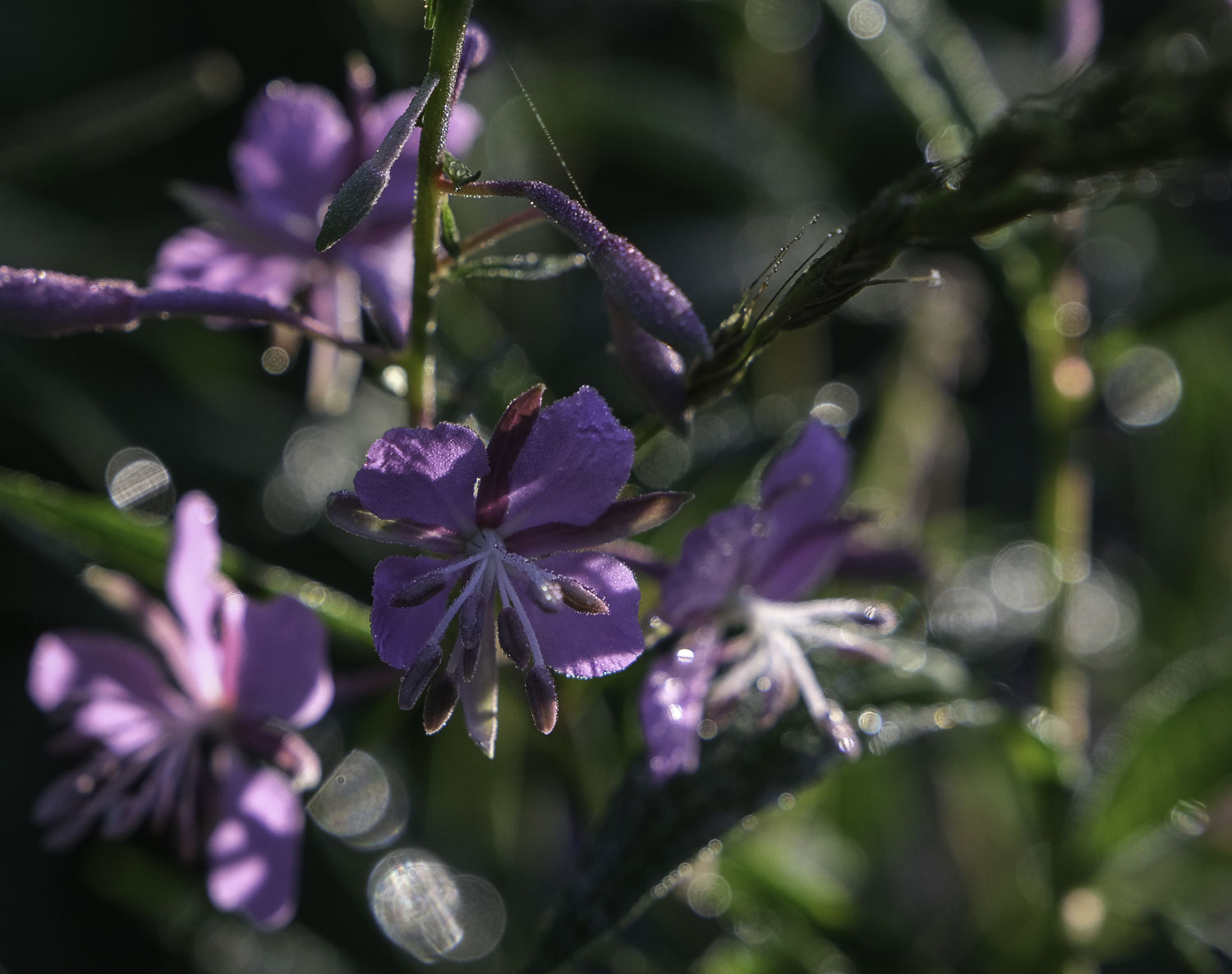
To lose myself in the silent meadow beauties.
Andre’ of Solander is our guest host, and wants us to show our favorite activity (yes, chilling is also accepted as an activity in this context) in summer. Please visit his blog for more inspiration!
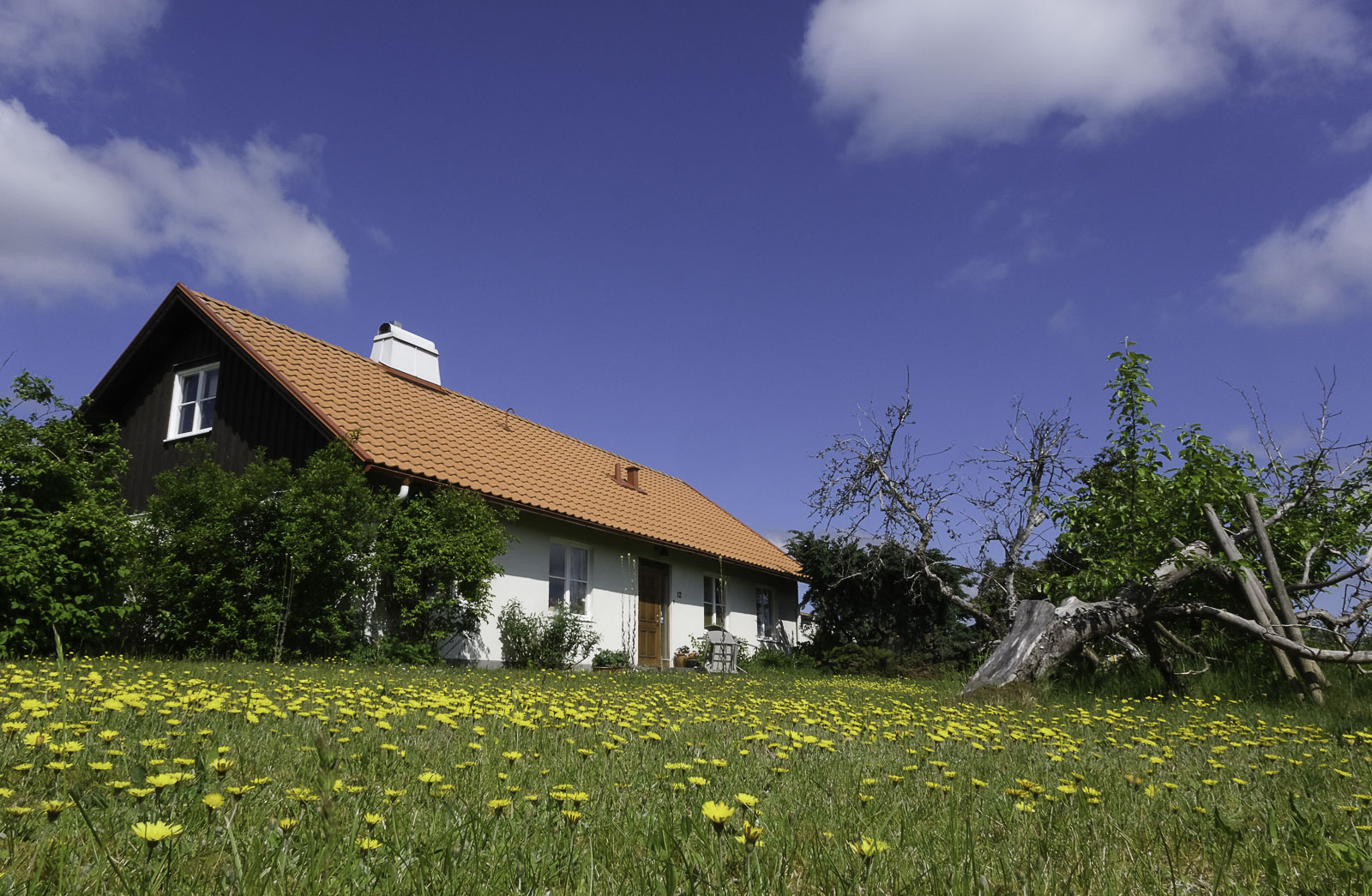
Summer vibes starts in my own garden – where the little yellow flowers make a golden carpet to the tunes of humming bees. We never cut the grass until the flowers are ready to go.
The vacation we often need is freedom from our own mind.
– Jack Adam Weber
And they stay for weeks, I am sure it’s just to make my heart jump with joy!

Summer’s lease hath all too short a date.
– William Shakespeare
Early mornings and late evenings are alive with summer vibes – the backlit geraniums’ gracefully dance for my camera eye. Flower photography is a passion with me.
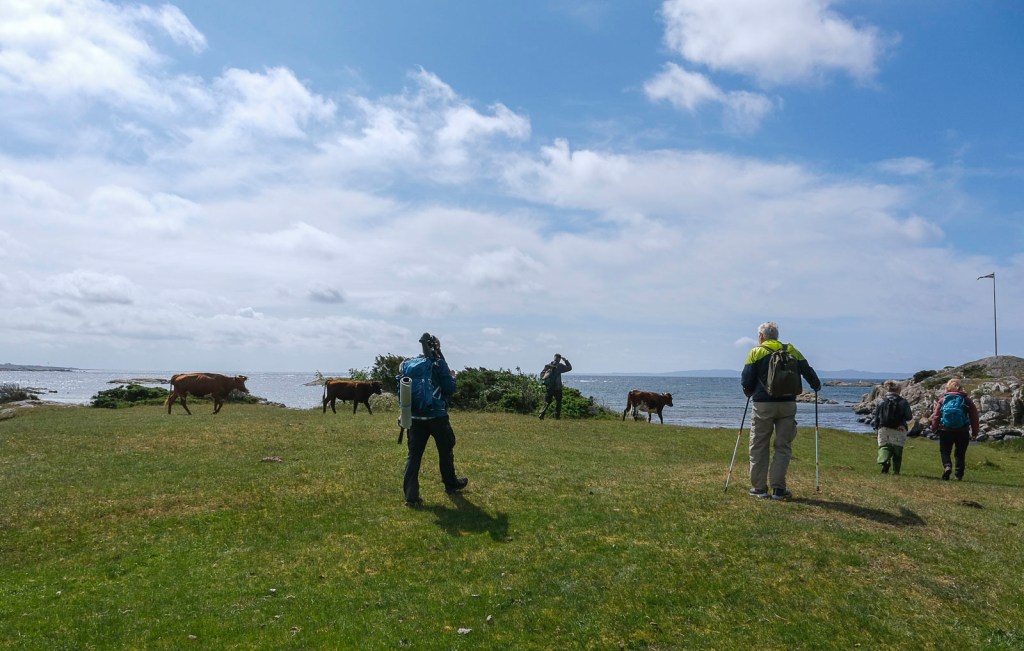
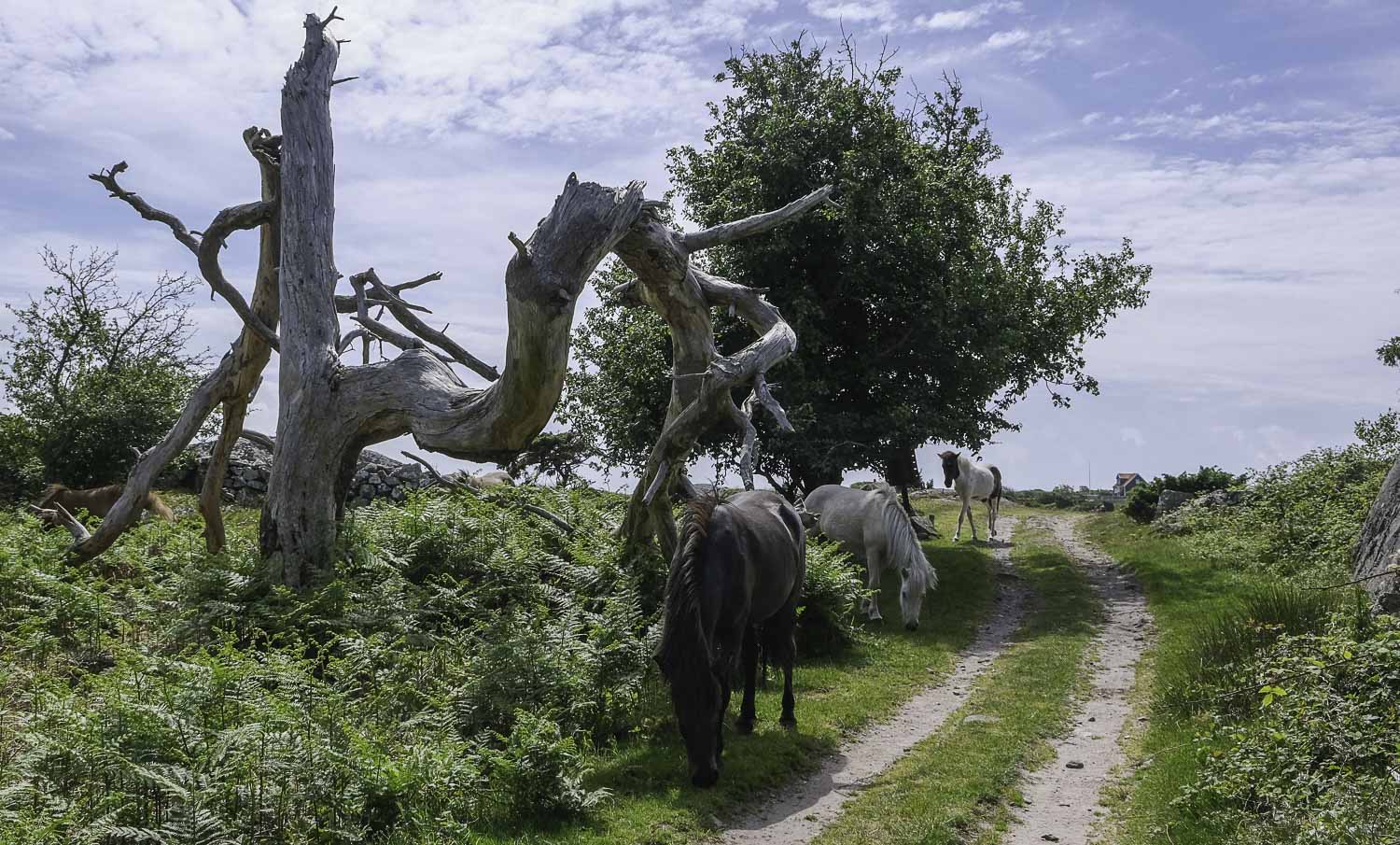
I always make sure to choose good company. If I feel I need any company at all…
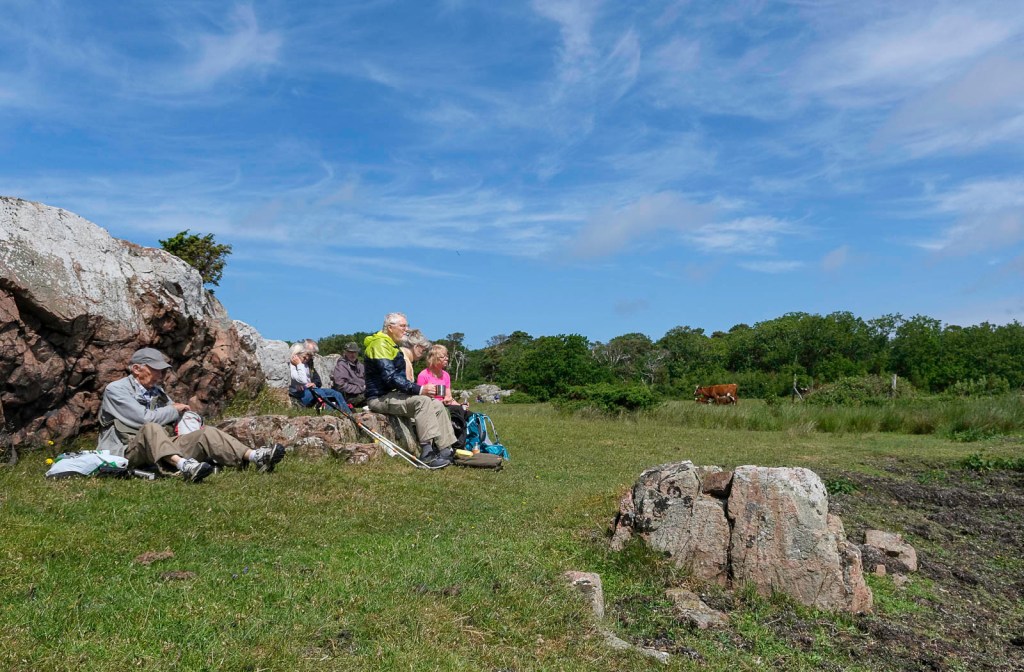
Swedish ”fika” is a must. And outdoors a summer privilege. My mother and I always had one on our long walks. And the children loved it.


But tomorrow may rain, so I’ll follow the sun.
– The Beatles
The lady flowers unfold and shine again with the warming sun…
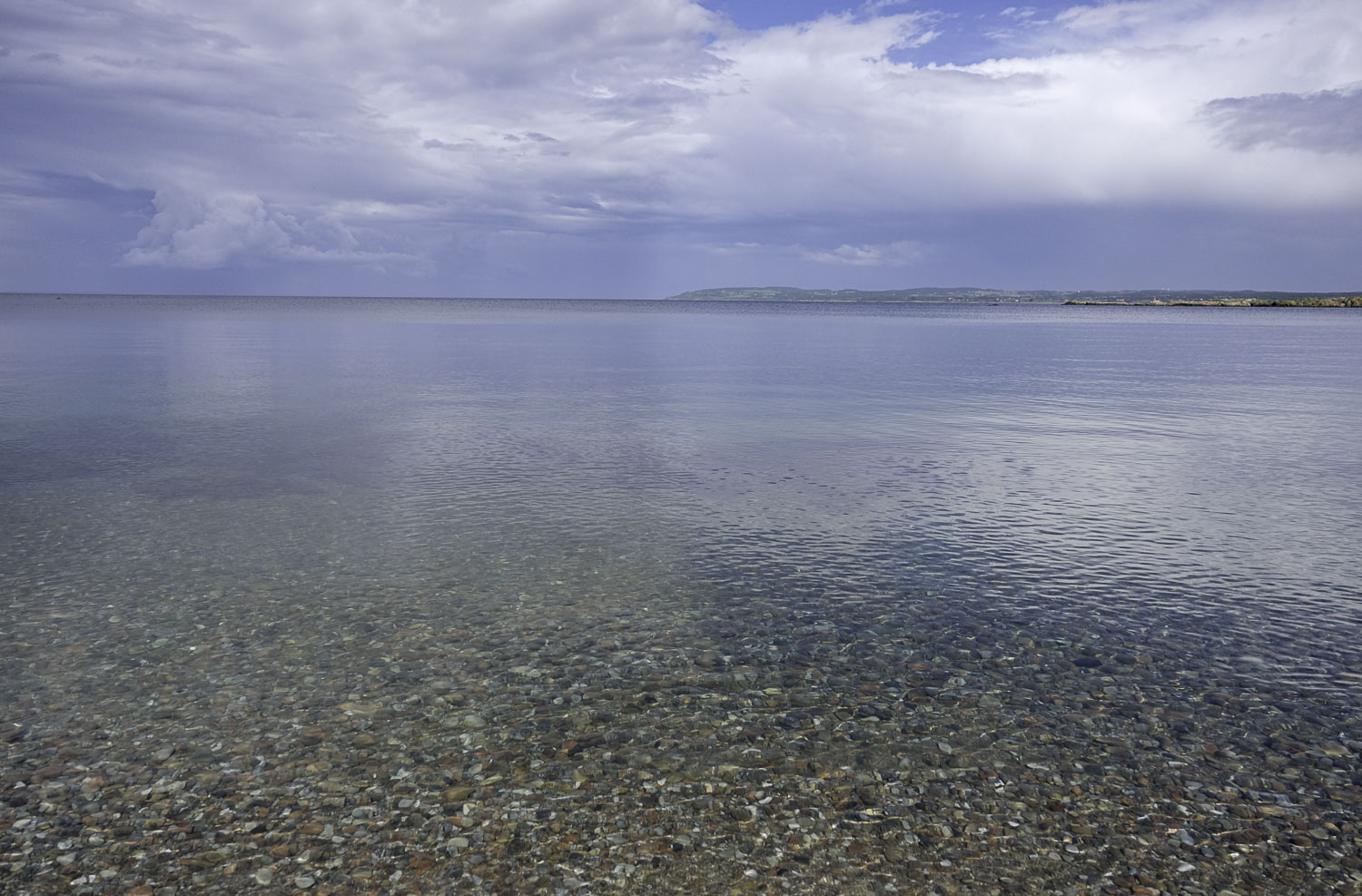
And the sea – knows how to rest.
Summer vibes in short would be, flowers, photography, hiking, fika – and spending time by the sea.
Many thanks to Andre for guest hosting this week and for giving us the opportunity to share some “summer vibes”. Please link your response to his original here and to use the Lens-Artists Tag to help us find you. Thanks also to Jez for last week’s Seeing Double challenge. Your responses included wonderful moments captured forever. We hope you’ll join us again next week when Tracy challenges us with “Surrealism” on “Reflections of an Untidy Mind”. She’ll be followed by the last of our July Guest Hosts, Sarah of “Travel With Me” who will invite us to share three favorite images. Finally, the Lens-Artists team will return in August, when Anne will lead us with her “What’s Your Photography Groove” challenge. Until then, as always please stay safe and be kind.
Interested in joining the Lens-Artists challenge? Click here for more information.

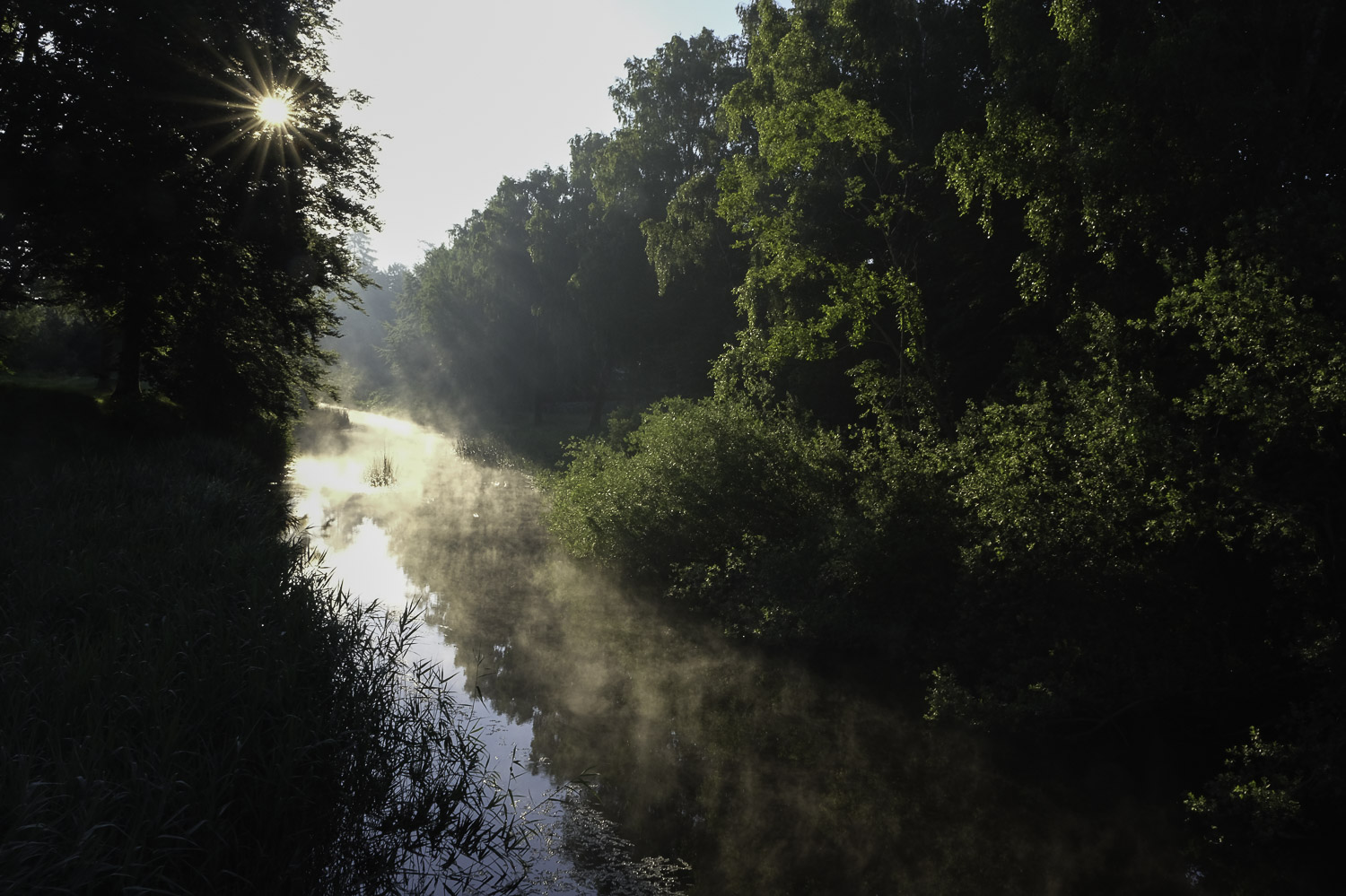
My grandmother would have been 111 years old today. She loved morning fields just as much as I do.


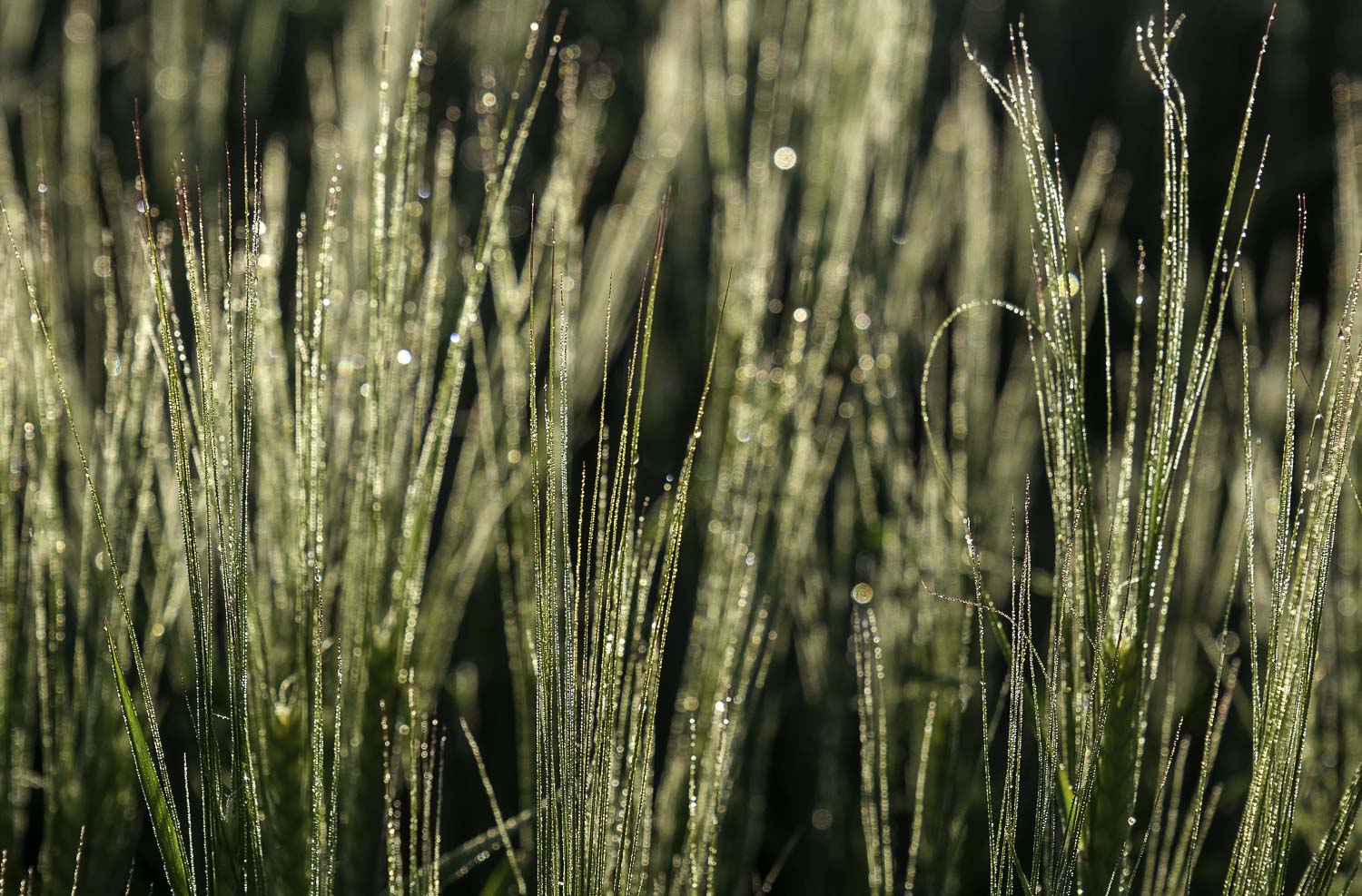
Driving through the misty morning of Wordless Wednesday to reach these dewy fields. What compares to a summer morning?

– Nothing
Sunday morning will see the last photo of this tour in search of summer silence. I finally reached the river.
Welcome Jez, our guest host this week – and the theme is all about reflections. Please go to his site for marvelous inspiration – and Lensy of course…

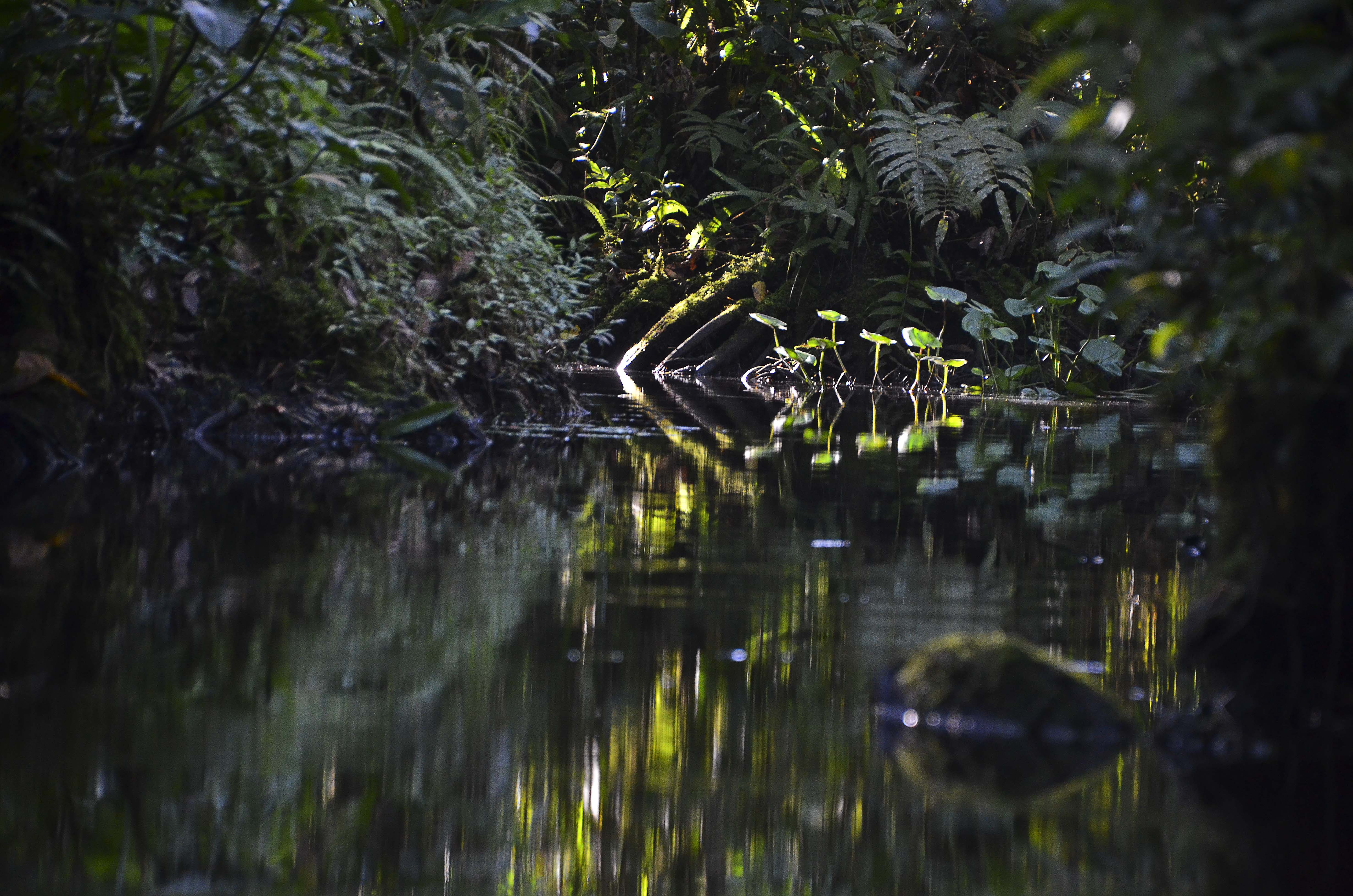
The first thing I thought about, was reflections from the Amazon basin. Our canoeing through the djungle every day, searching for anacondas, cajmans, lizards, sloths, monkeys and birds. The silence and the dense forest with all its sounds (!) was an unforgettable experience.
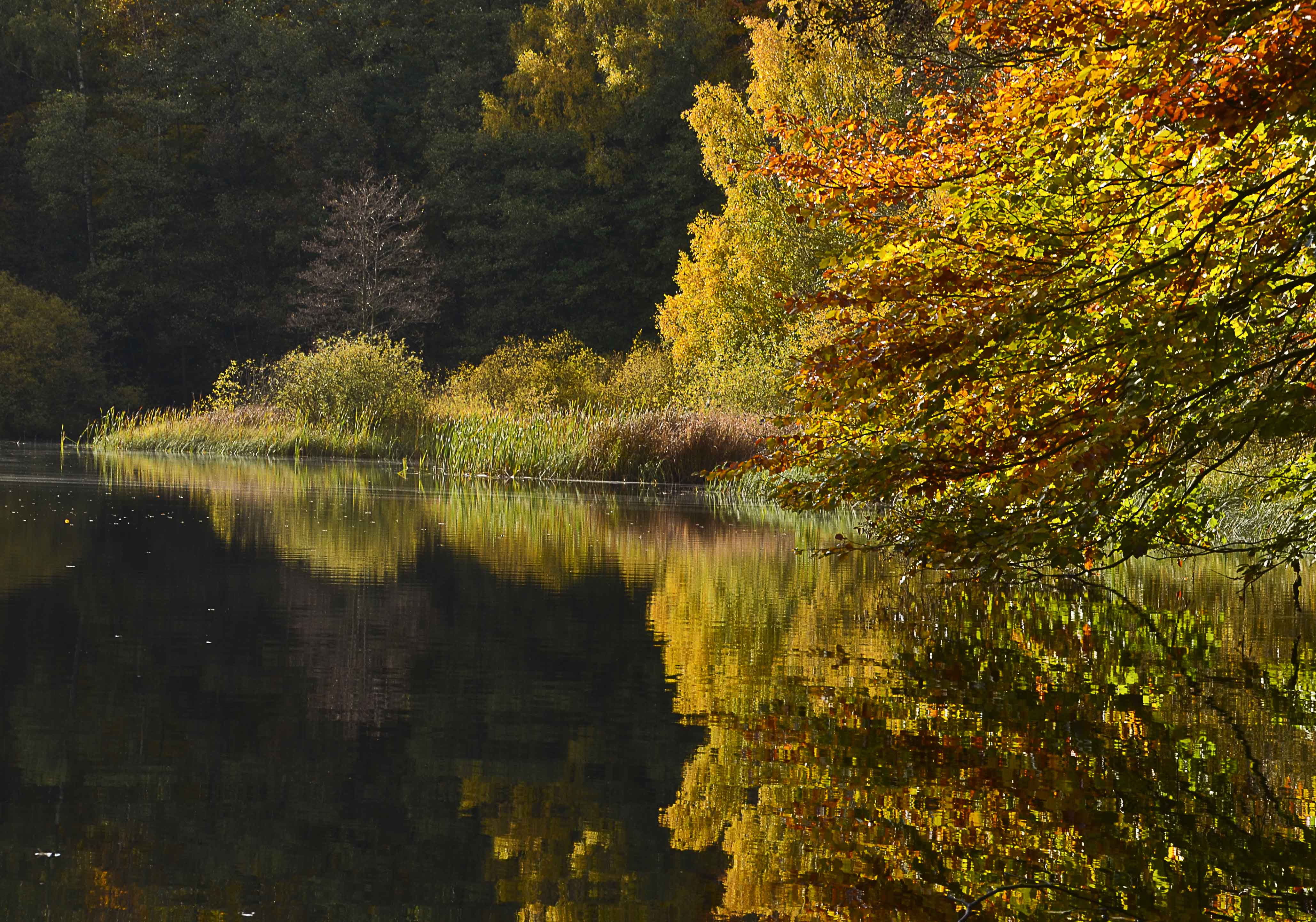
Autumn in Sweden also makes for canoeing and colourful experiences. Sometimes so intense for short glimpses, that you just have to photograph it even if you don’t have a managable angle. Incredible light.

Then again, days of mist make beautiful, dreamy images. I used to pass this old mill every day on my way to work – but often I stopped to walk for some minutes, contemplating the beauty of this worn building. I know she is an old lady, ageing beautifully and admiring her reflection in the water.
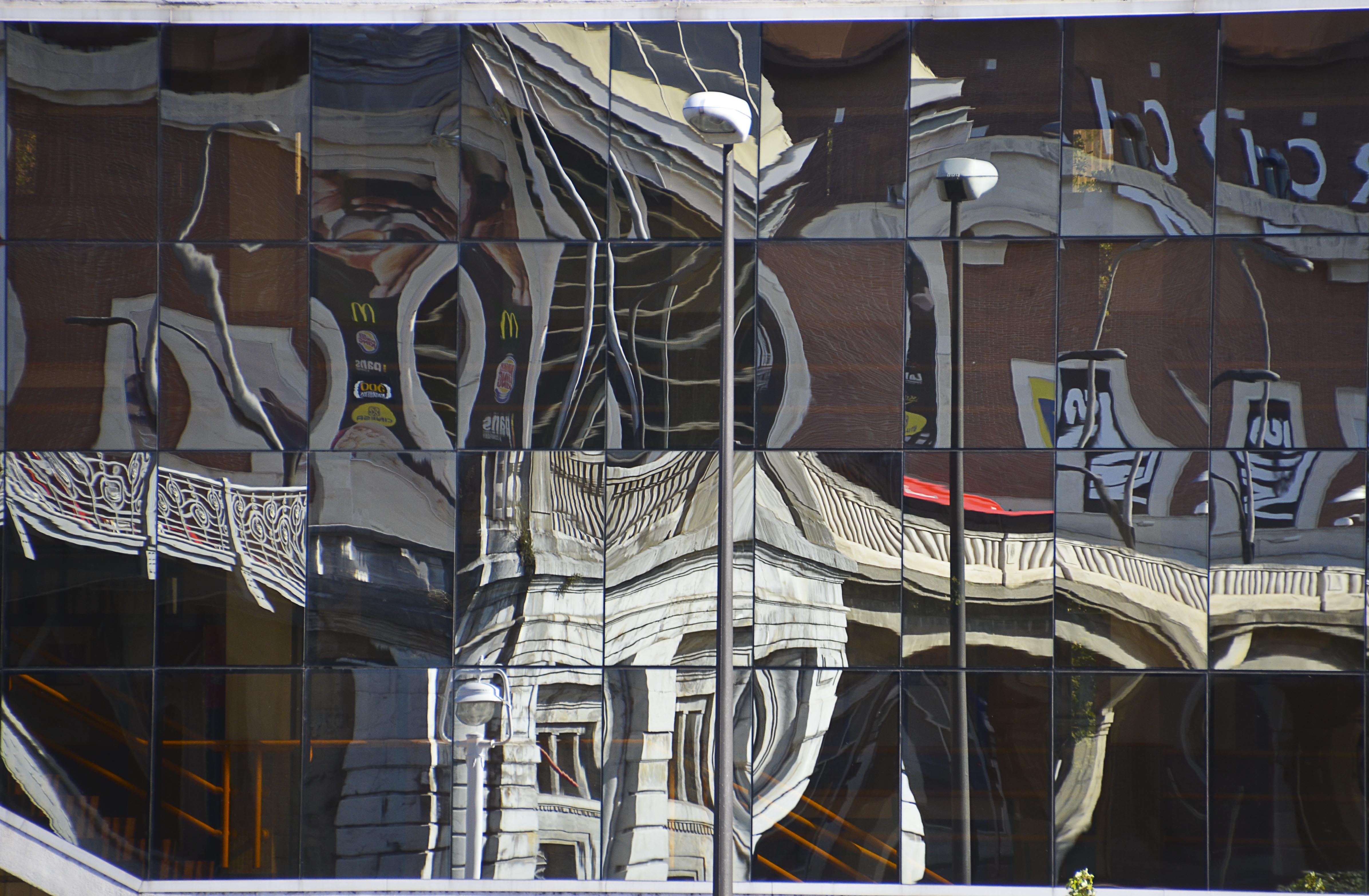
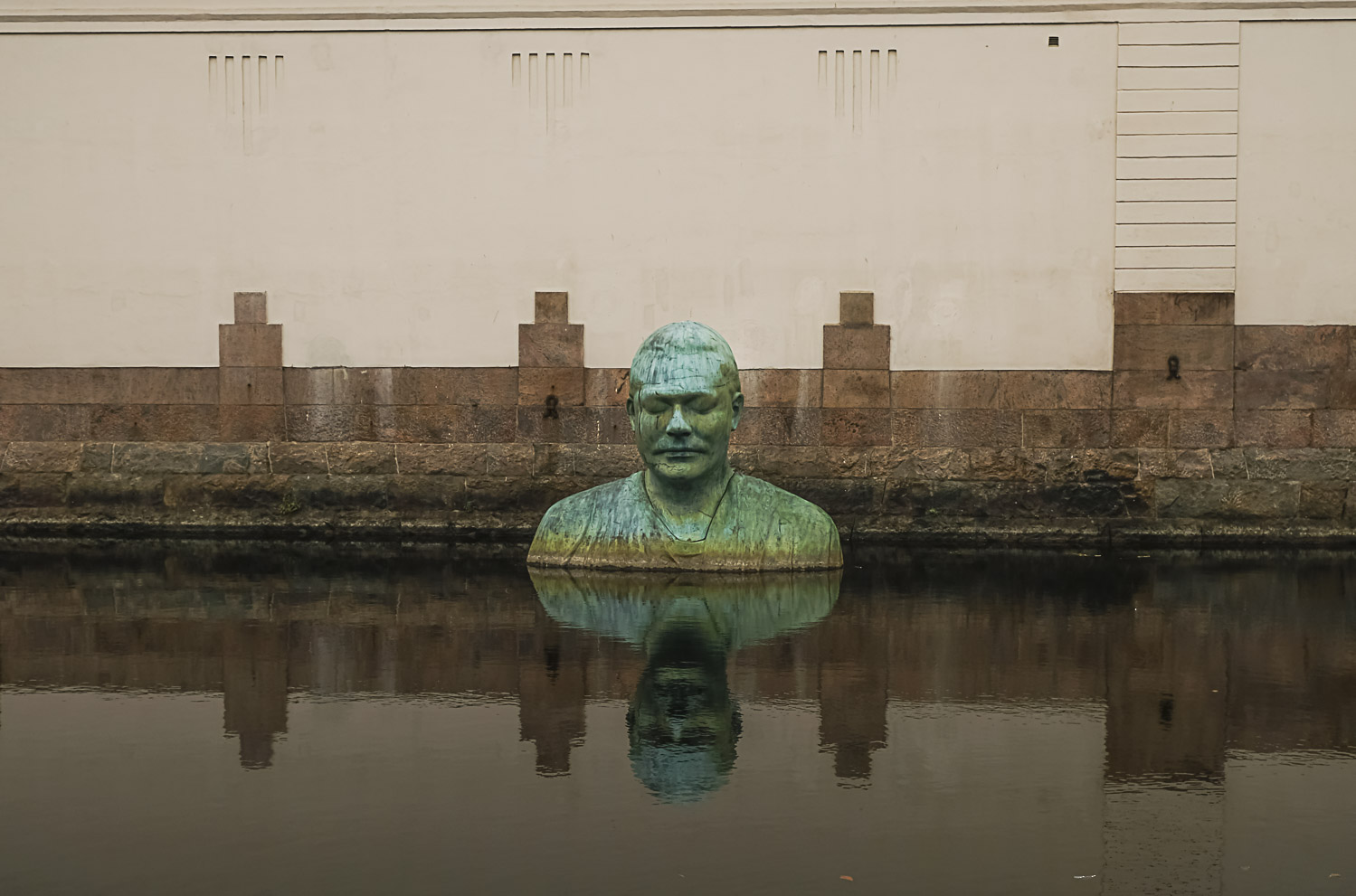
Art is of course a great possibility for seeing double – a contemplating man and…

Yayoi Kusama in Denmark

More of Denmark – a new complex built with different reflections…even the sky fits in.

Seeing double is all about reflections – easily made into a photographic obsession. Jez wants any reflections we come across; landscapes, cityscapes or chance ones in a puddle. We are looking forward to seeing all your entries!
Last week’s responses to Aletta, Now At Home, with her challenge of Treasures, were fantastic. So many amazing and varied examples. Next week it’ll be Andre of My Blog–Solaner, thinking about Summer Vibes, so make sure you get over to his site for inpiration.
The rest of July:
July 23 – Tracy, who posts at Reflections of an Untidy Mind, has chosen Surrealism.
July 30 – Sarah Wilkie, who hosts Travel with Me, asks you to share Three Favorite Images.
A new challenge prompt is posted each Saturday at noon EST. If you’re new to the challenge, click here for more info.
Please link to the original post and use the Lens-Artists tag. And, as always – stay safe and kind.
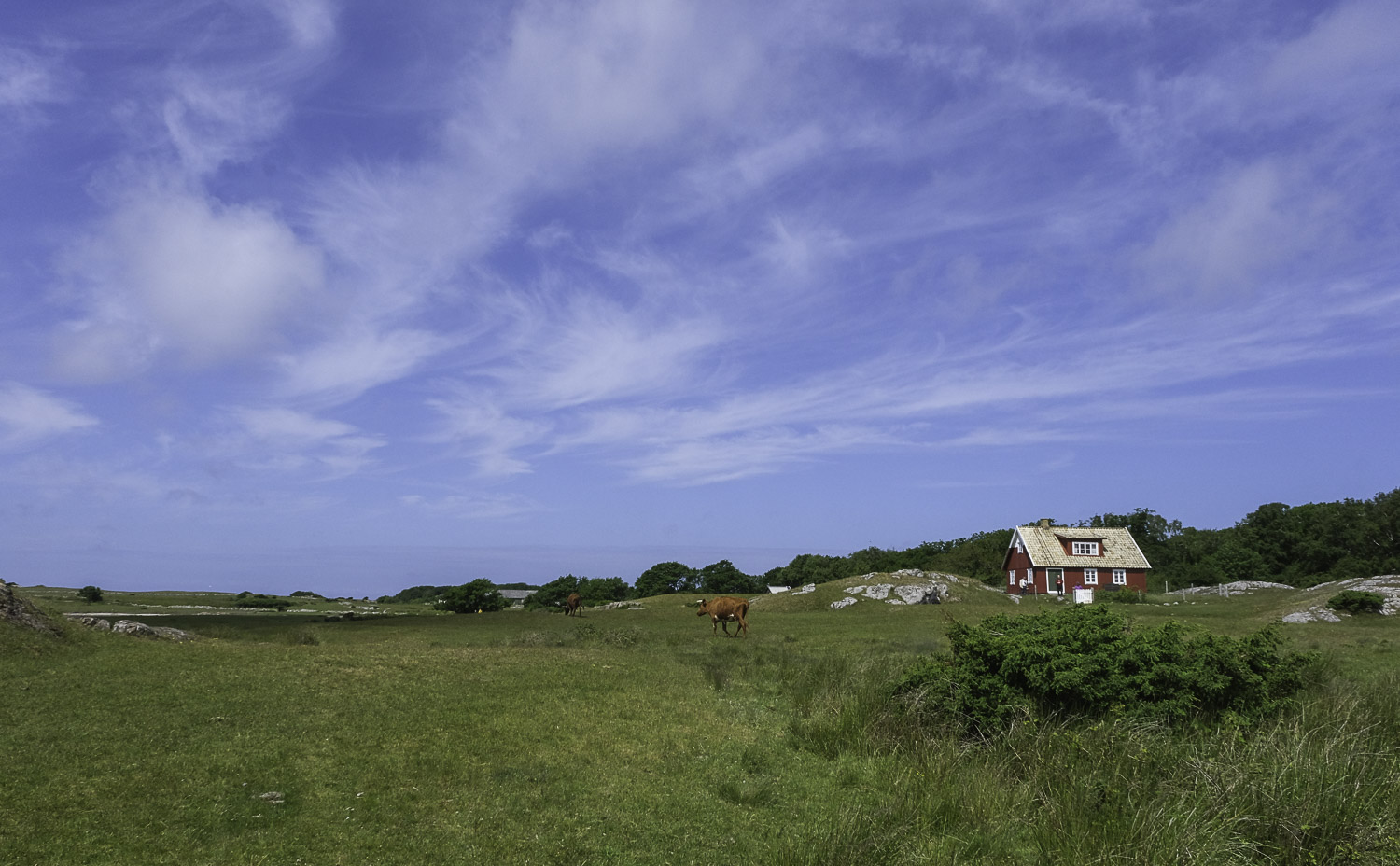

Some mornings are made for wandering

Contemplation
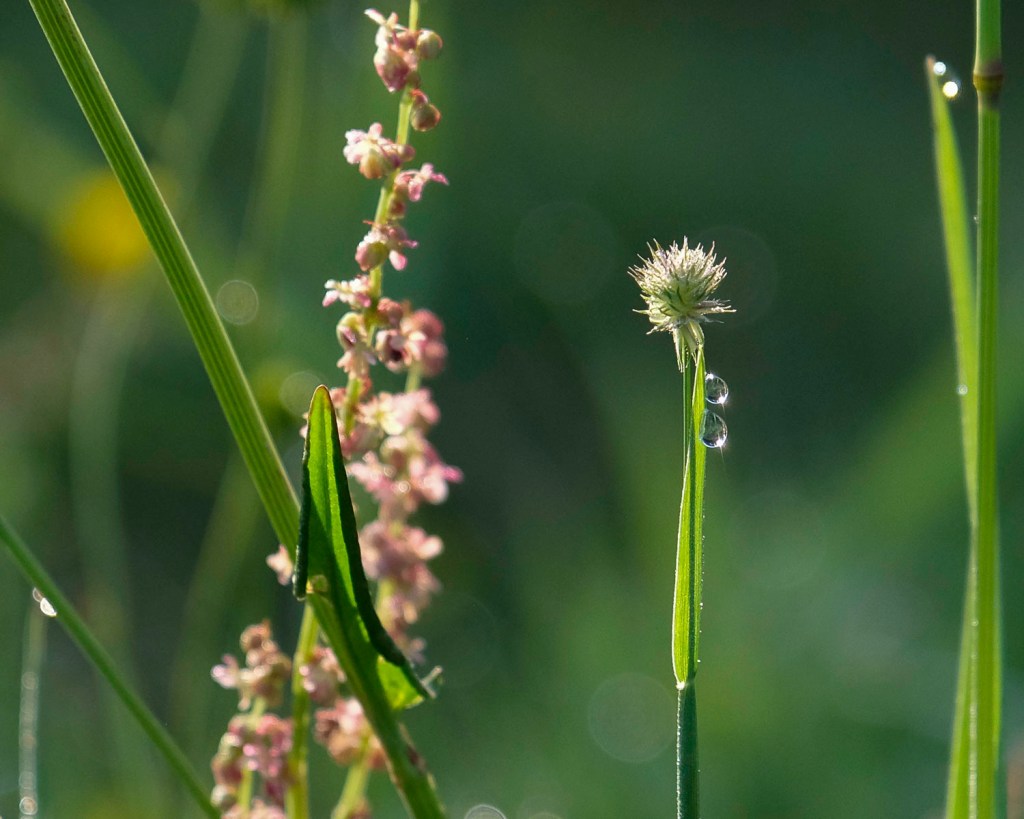
And Wonder

Walking through the forest
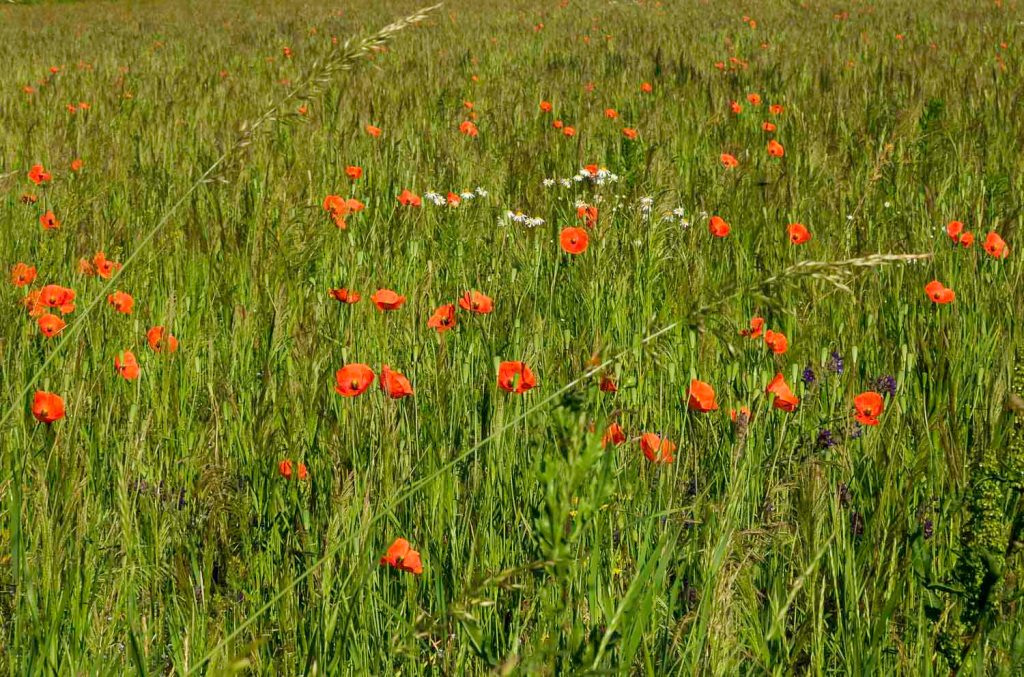
And out in the sunshine
I wonder at the glorious gifts we have been given on this earth. We should treasure it to the full and keep it safe…for coming generations.
 Leya
Leya 
Du måste vara inloggad för att kunna skicka en kommentar.