This week, Patti invites us to have fun with motion. Please visit her site and get inspiration and great examples on how to go about the challenge!
Personally I will tweak it a bit…letting me do the motion while the object is standing still.
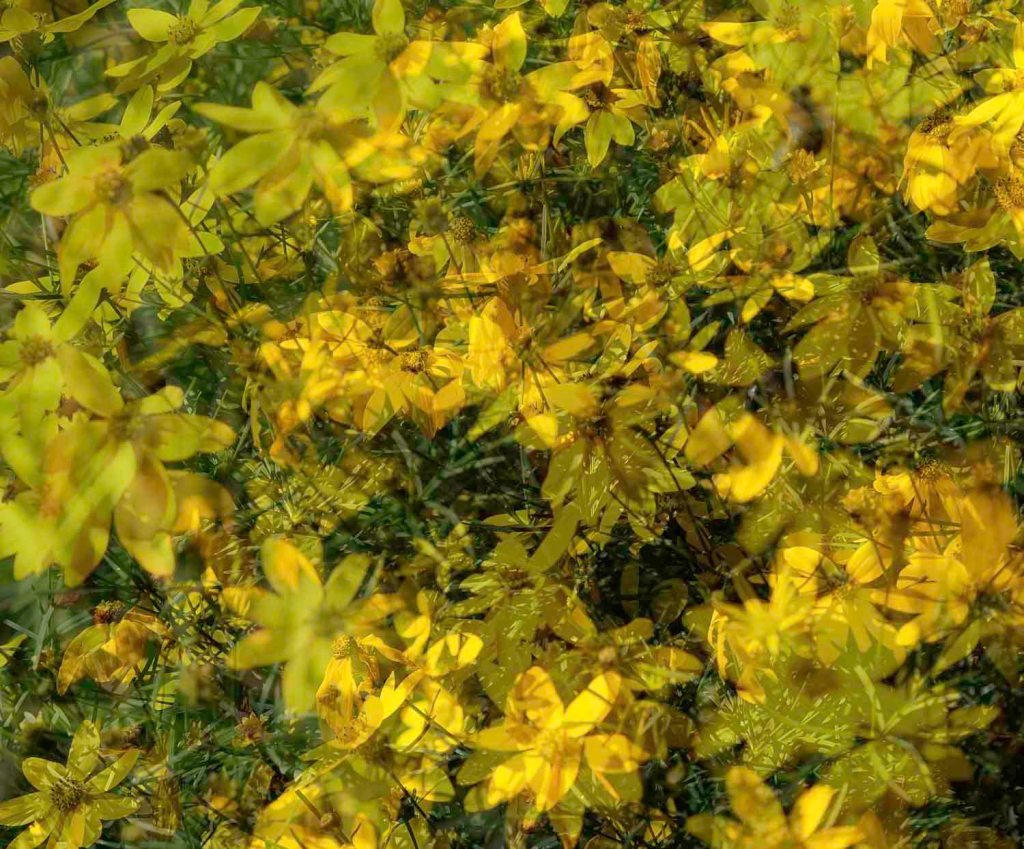
In this first yellow one I have used a favourite technique – double exposure. The gentle flowers seem to be dancing a wild, energetic dance.
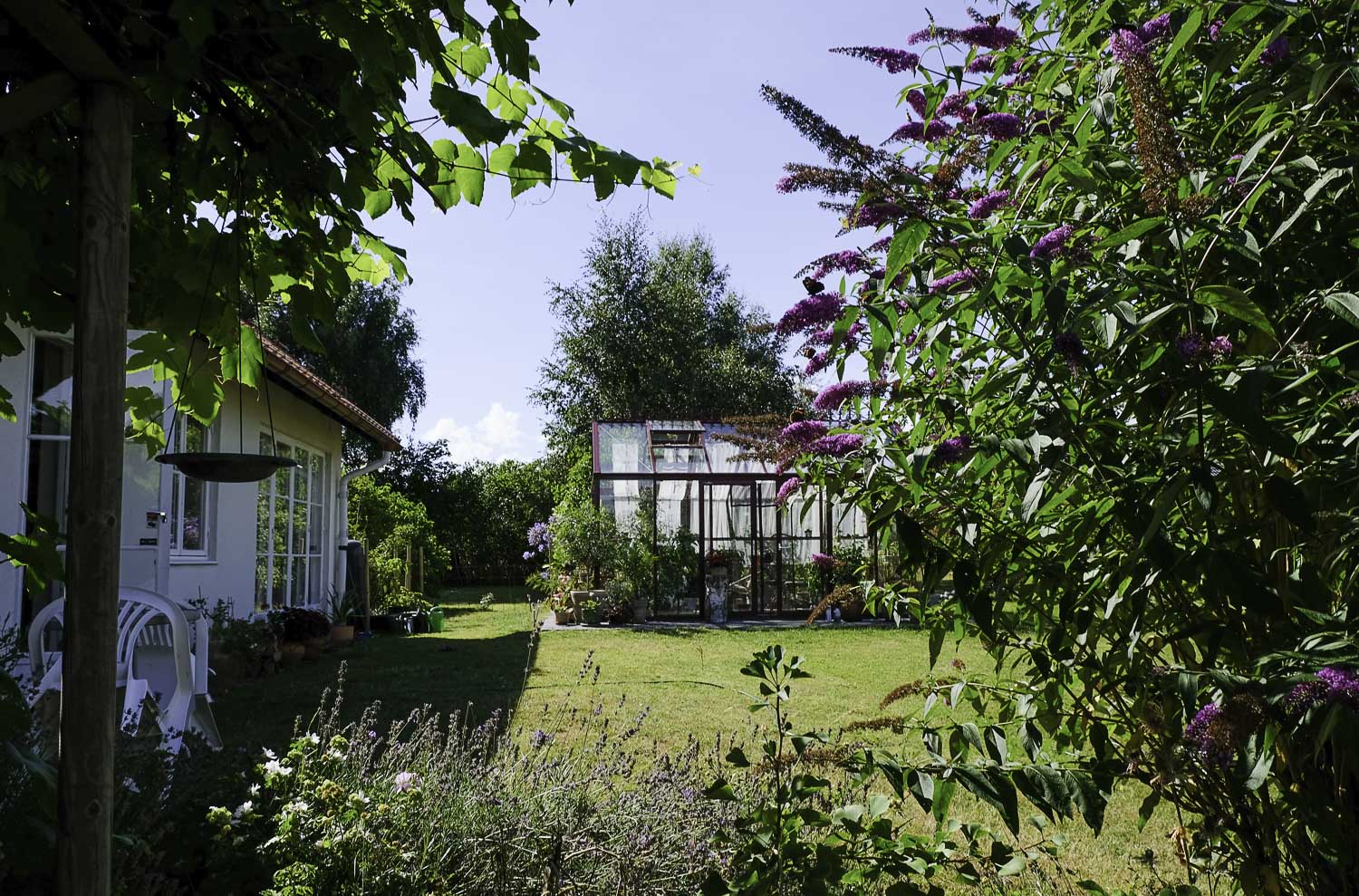
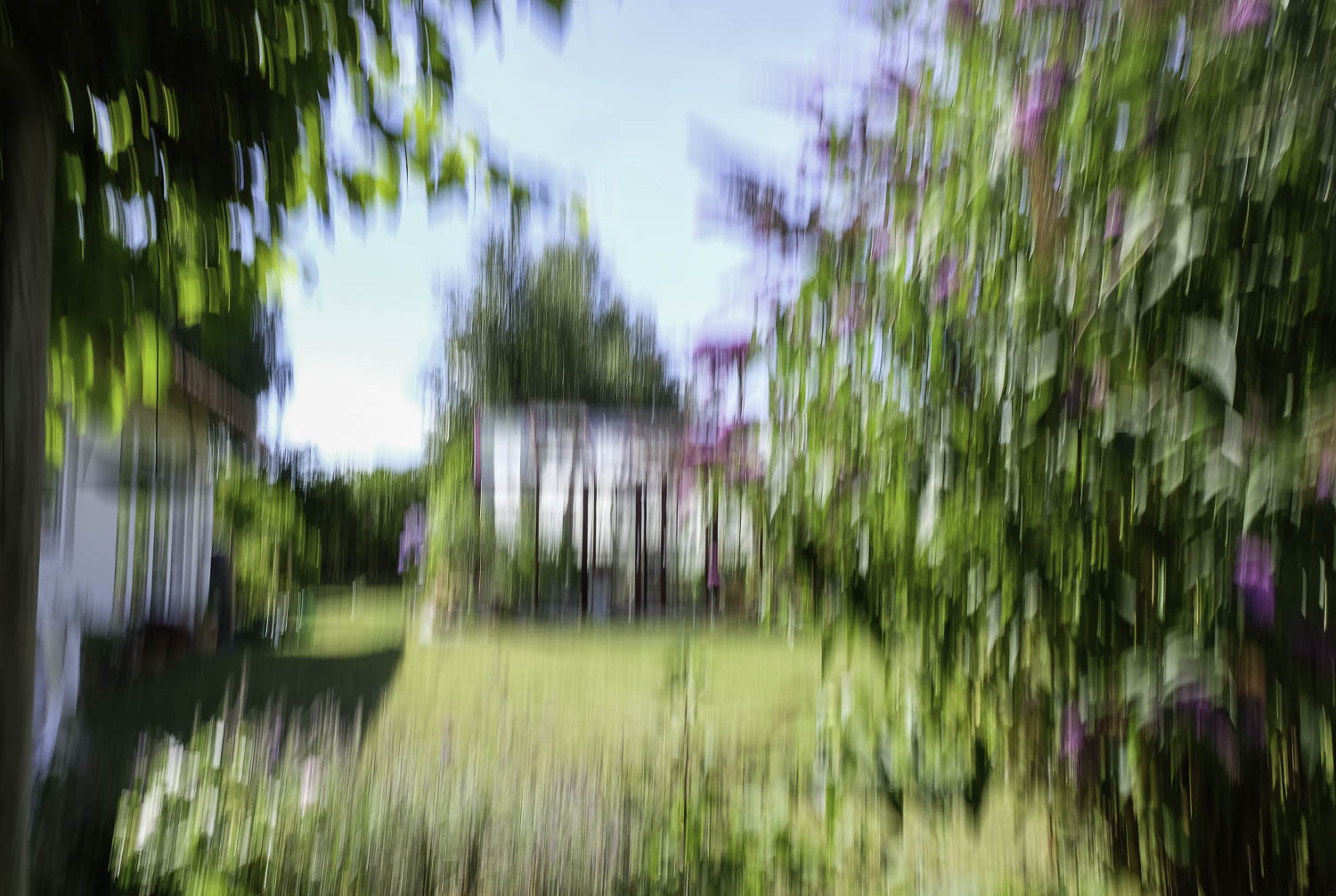
In these two slider pairs, I have used ICM – intentional camera movements. In a sense, ICM gives the same effect as (intentional) single-exposition motion blur: in the former the camera moves during exposure, in the second the target moves, but they have in common that there is relative motion between camera and target, resulting in streaking in the image.

In the first pair, I have moved my camera from an upward point downwards, rather fast, trying to create as straight lines as possible while the motif gets blurred. In the second pair, I have tried to move the camera faster still, making the image even more blurred, giving the sense of fast movement.
Generally exposures of 1/20 to 1/2 second give the best results and an optimum seems to be 1/8 of a second to retain the shape of the subject, but strip away surface detail. But much is trial and error!
Another motion effect can be achieved by changing the focal length of a zoom lens during the exposure. I find this even more difficult to get a satisfying result. But fun it is and the results surprising!

As I don’t use filters, I tried these effects in the late evening to get softer light.

Last week Anne Sandler challenged us to explore our photographic groove. A great challenge, Anne, and we found many interesting grooves to explore! Next week, Amy will lead the challenge. Visit her beautiful site next Saturday at noon EST to join the fun.
Just remember to link your post to Patti’s original post and use the Lens-Artists tag to help us find you in the Reader.
Until next time…, stay safe and be kind.



















Du måste vara inloggad för att kunna skicka en kommentar.