I want to paint the rest of my days with the best colors.
― Debasish Mridha
Ritva asks us to select one color (excluding black and white), and share a maximum of 6 photos where our chosen color is the prominent hue, or alternatively, you may share one photo featuring each of the following captivating colors in their various shades: red, blue, green, purple, orange, and yellow.
I am cheating…I hope Ritva forgives me for choosing my favourite colours only – but in 6 photos!
Green is the prime color of the world, and that from which its loveliness arises.
– Pedro Calderón de la Barca
There is no doubt that green is my favourite colour. To me, spring brings life back to us, revitalising, we are bathing in Mother Nature’s lush greenery. I am surrounded by green in my garden, in my home, in my daily forest walks.
In fact, I am beginning to wonder how I will survive a move to a place without a garden…Hopefully in the far future.
”How lovely yellow is! It stands for the sun.”
– Vincent van Gogh
Yellow and orange are lively and uplifting colours. If I tweak it a bit, there is a hint of red here as well. This yellow foxtail lily shines intensely in the shadow of a tree.
A certain blue enters your soul
– Henri Matisse
We have blue all around us on this planet Earth…every season has its own shade or tint. Ice on my glass house windows shows spectacular patterns.
All the other colors are just colors, but purple seems to have a soul—when you look at it, it’s looking back at you.
— Uniek Swain
Purple – irresistible Wisteria! Our visit to Japan made me plant four new Wisterias in my garden.
A big thank you to Anne for the Texture challenge last week! The diversity in your posts provided us with both inspiration and awe – I felt like going out with my camera for even more textures… Next week, it will be Egídio’s turn to lead us, so be sure to visit his beautiful site for more creative ideas.
We had read much about Rovos Rail, and dreamt of making this trip as a once in a lifetime event. In February this year, 2026, we finally did. We are not getting younger – so, we are happy we made it.
Founded in 1989 by Rohan Vos, Rovos Rail began as a hobby-turned-business, transforming antique carriages into a premier luxury train experience, the ”Pride of Africa.” The company, based in Pretoria, restores historic coaches to operate opulent, vintage, and multi-day journeys across Southern Africa, serving destinations like Cape Town, Victoria Falls, and Dar es Salaam.
We were lucky to pull into his private station – and get a guided tour- from Mr. Rohan Vos himself! (He turned 80 this March )We learned that he is usually greeting his travellers with a handshake, every one of them, when they step off the train in Pretoria. And he did this time as well. It was an honour to meet this gentleman.
When reading the history of the company, I wasn’t surprised that it was a combination of influences and events that led to the purchase of the first coach, the start of what would become Rovos Rail. A Wilbur Smith heroine with her own private railway coach, a man called Phil Acutt with a passion for trains and the presence of the Witbank Steam Railway in the coal-mining town where Rohan Vos ran his successful auto spares business, all played a part.
According to his wife, Anthea Vos, Rohan had always been obsessed with things mechanical. “In fact, he started his first business with the capital derived from the sale of a 1940 Packard and a 1928 Austin that he had rebuilt. Rohan was involved in so many ventures, but I didn’t see this one coming.”
The train is a dream from days gone by, an era well restored – no phones, wifi, radio or TV. Meticulously handmade details for every coach. Rohan pointed out that of all the things he had done, he was most proud of the workers who made every piece in his Pretoria factory. He had picked them out himself ”from the street” and taught them how to restore and build the trains.
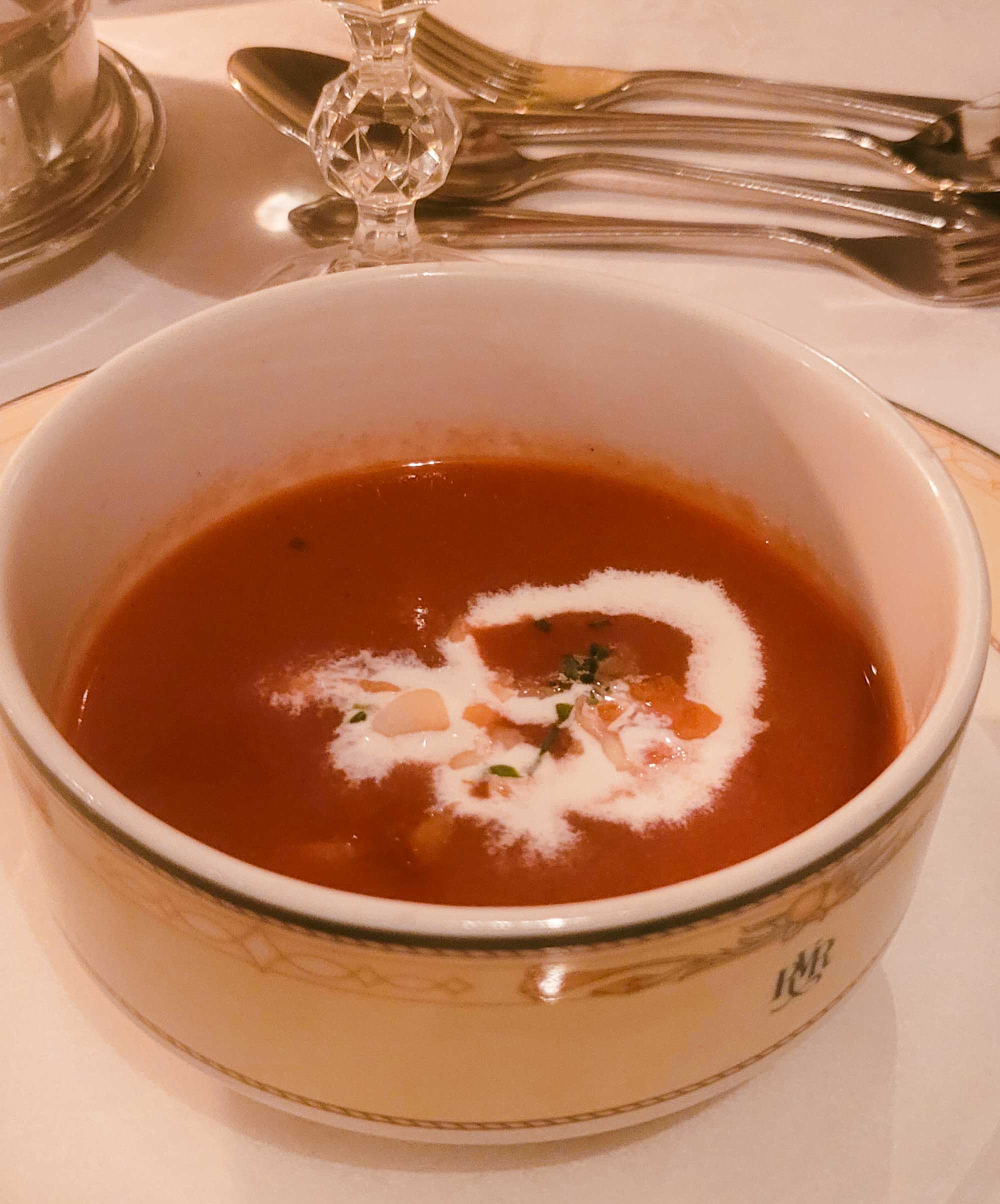
We were served delicious food every meal, every day – I hadn’t thought of the problem of not getting any walks or excercise…but we struggled along the narrow corridors through 17 coaches twice a day. Getting bruised arms against the handrails as the train was moving.
The observation car and its outdoor ”deck”.
The farewell gifts in our suite.
To understand this kind of man, we should listen to his wife! (As always,,,) In 1985, Rohan and Anthea took up a last-minute invitation on a Magaliesberg train trip for business suppliers. “I became a train widow on that day,” said Anthea. “I sat all dressed up by myself; Rohan spent most of the time in the engine with the driver. The irony was that we should have seen then how difficult it would be – the train broke down and we were bussed back to town.”
Despite all the obstacles and difficulties: “Consisting of a locomotive and seven carriages, the train was launched on 29 April 1989, and with four paying passengers, friends and press we set off for the Eastern Transvaal. So, with a four-night Lowveld experience and in 1991 the Pretoria to Cape Town run, the business began to find direction.
1985–1986 (The Idea): Rohan Vos, a car spares businessman, conceived of restoring a private train carriage for family holidays with his wife, Anthea.
1987–1989 (Development): The hobby grew into a business, acquiring old SAR coaches and steam locomotives, notably naming them after their children: Brenda, Bianca, Tiffany, and Shaun.
1989 (Launch): On April 29, 1989, the first train, with seven carriages and four paying passengers, was launched to the Eastern Transvaal.
1990s (Growth): Despite early financial struggles, the company expanded. The iconic Pretoria-to-Cape Town trip was established in 1991.
2000s–Present: The company added Rovos Air (2001) for fly-safaris, acquired the Shongololo Express (2016), and continues to operate as a premier, family-owned luxury train company.
Key Facts & Operations:
The Fleet: Rovos Rail owns steam locos dating back to 1893, alongside diesel/electric engines for longer trips, maintaining a strict, pre-war, and colonial-era aesthetic.
The Experience: Trains carry a maximum of 72 passengers in fully restored wood-paneled suites and feature a signature observation car at the rear.
Base: The company runs its own workshops and station at Capital Park in Pretoria, which serves as the hub of operations.
Anne leads us this week, with an interesting challenge: Texture. She says texture gives us the visual quality of a surface — how rough, smooth, gritty, or soft it appears in a two-dimensional image. Please go to her beautiful site for brilliant guidance!
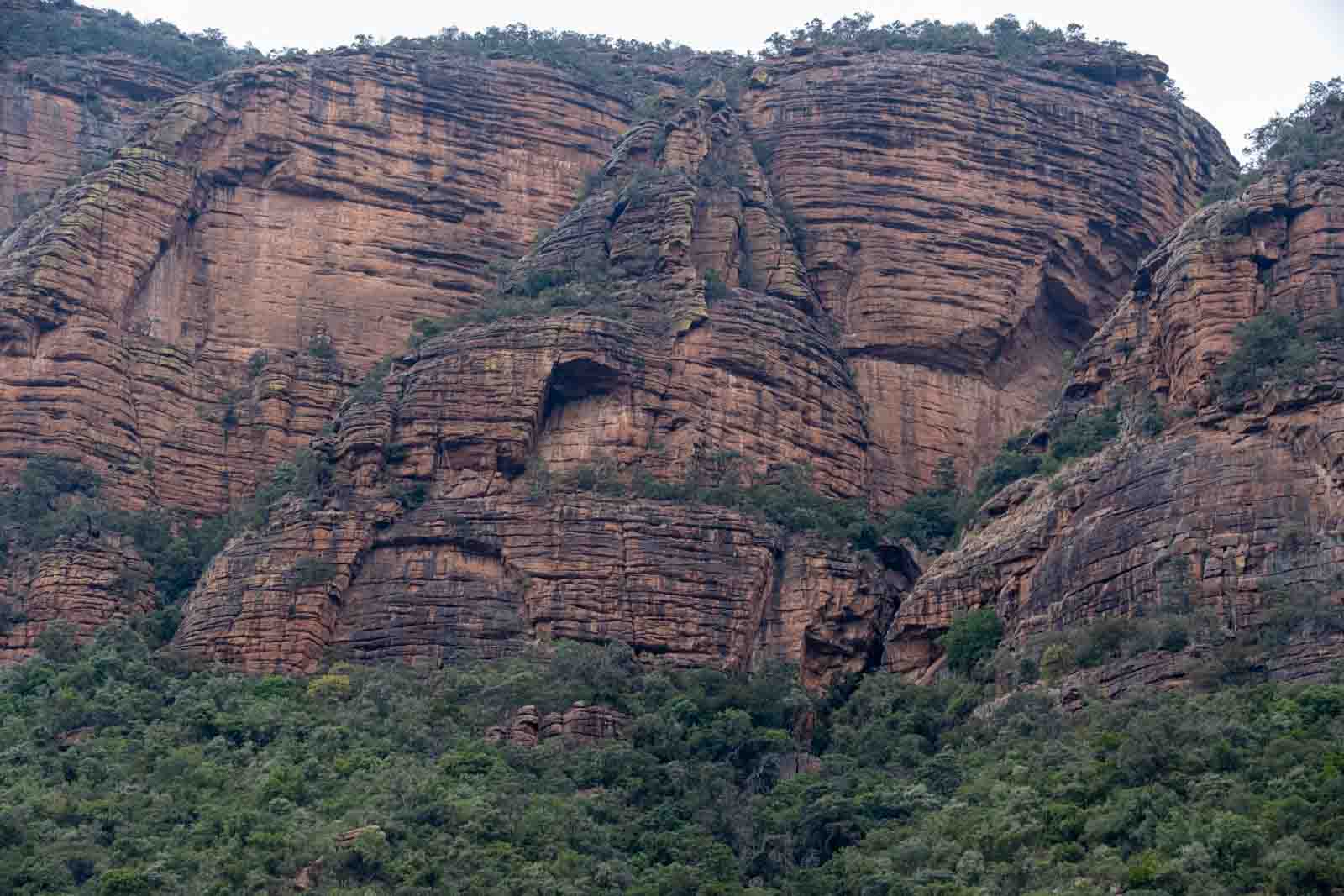
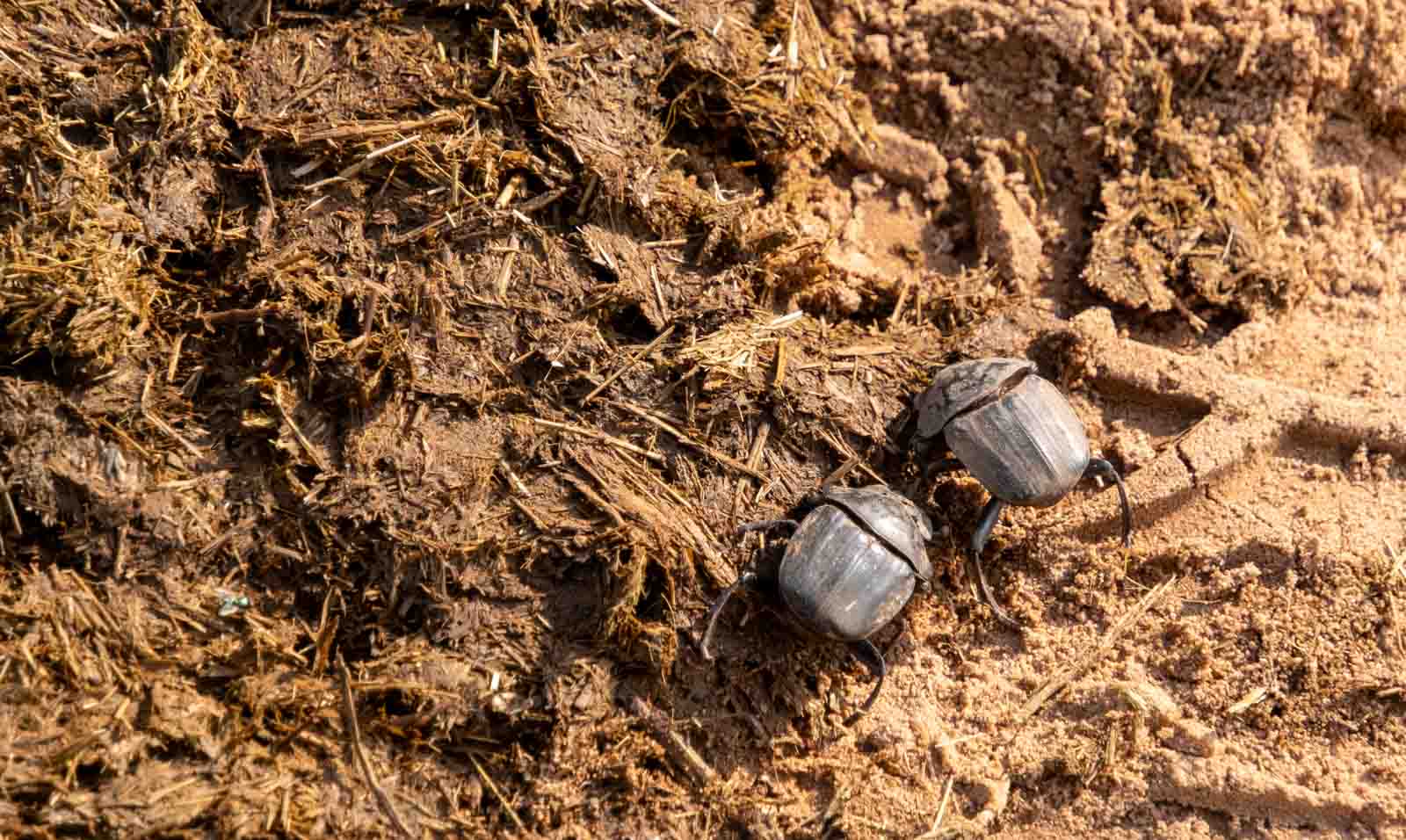
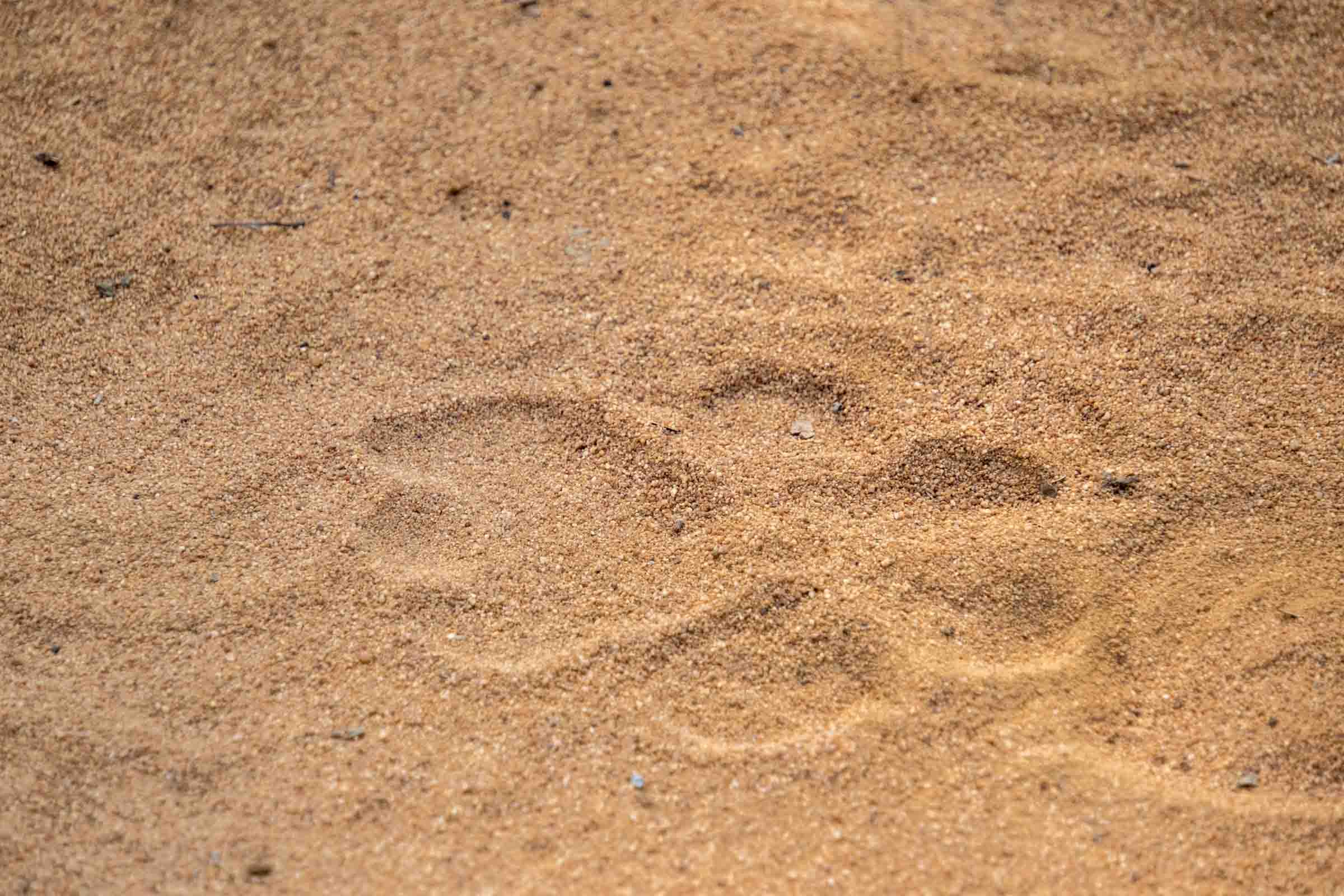
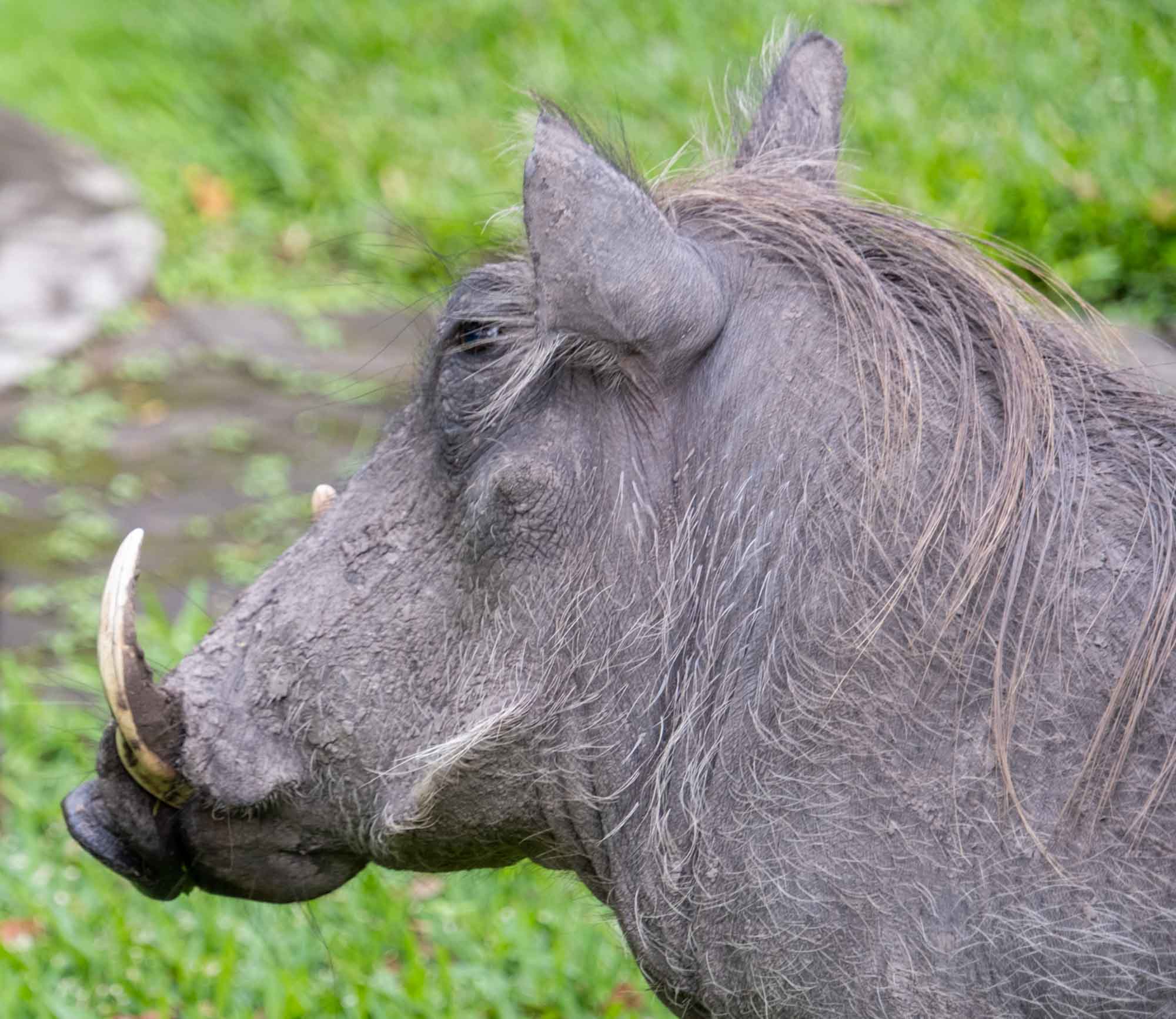
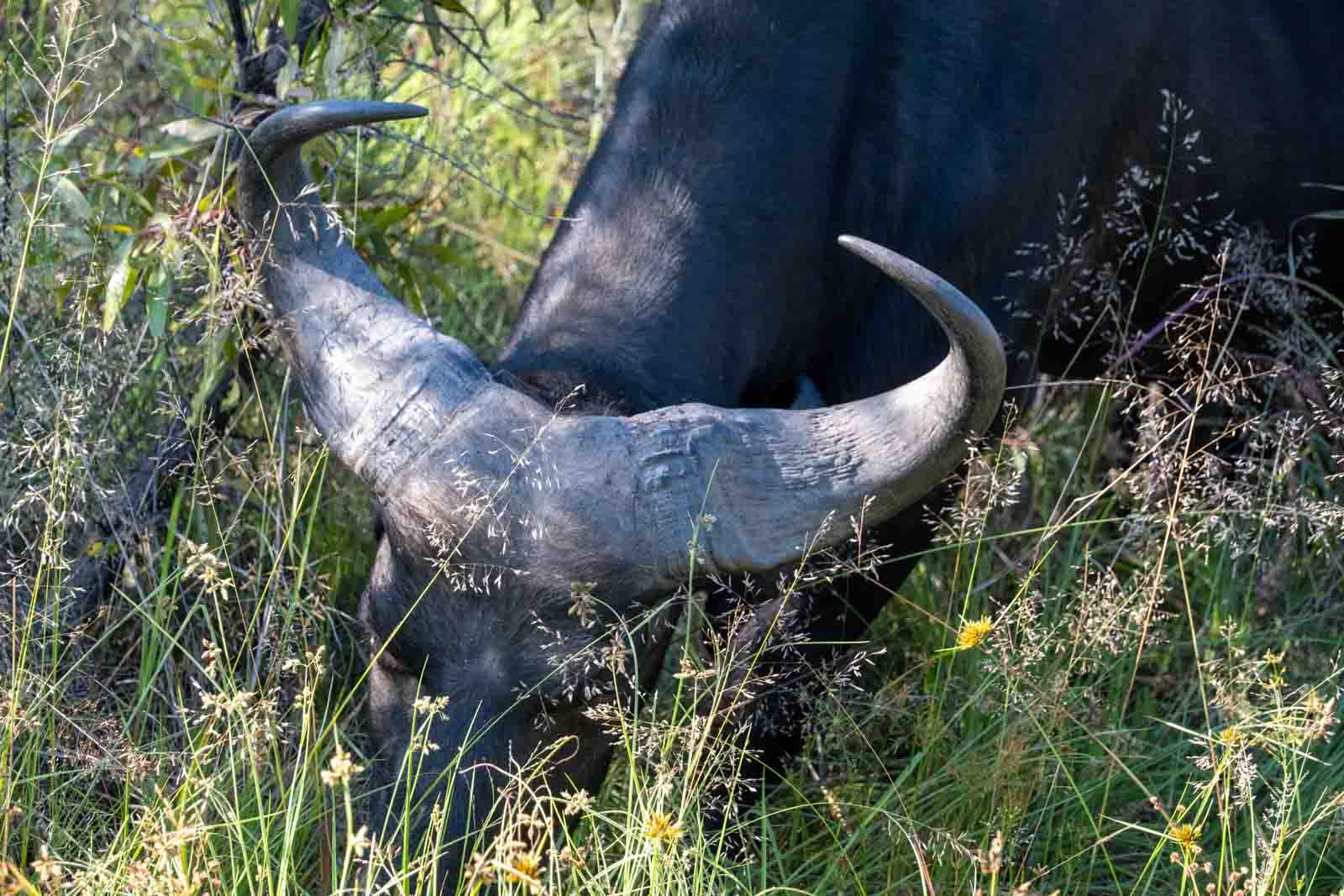
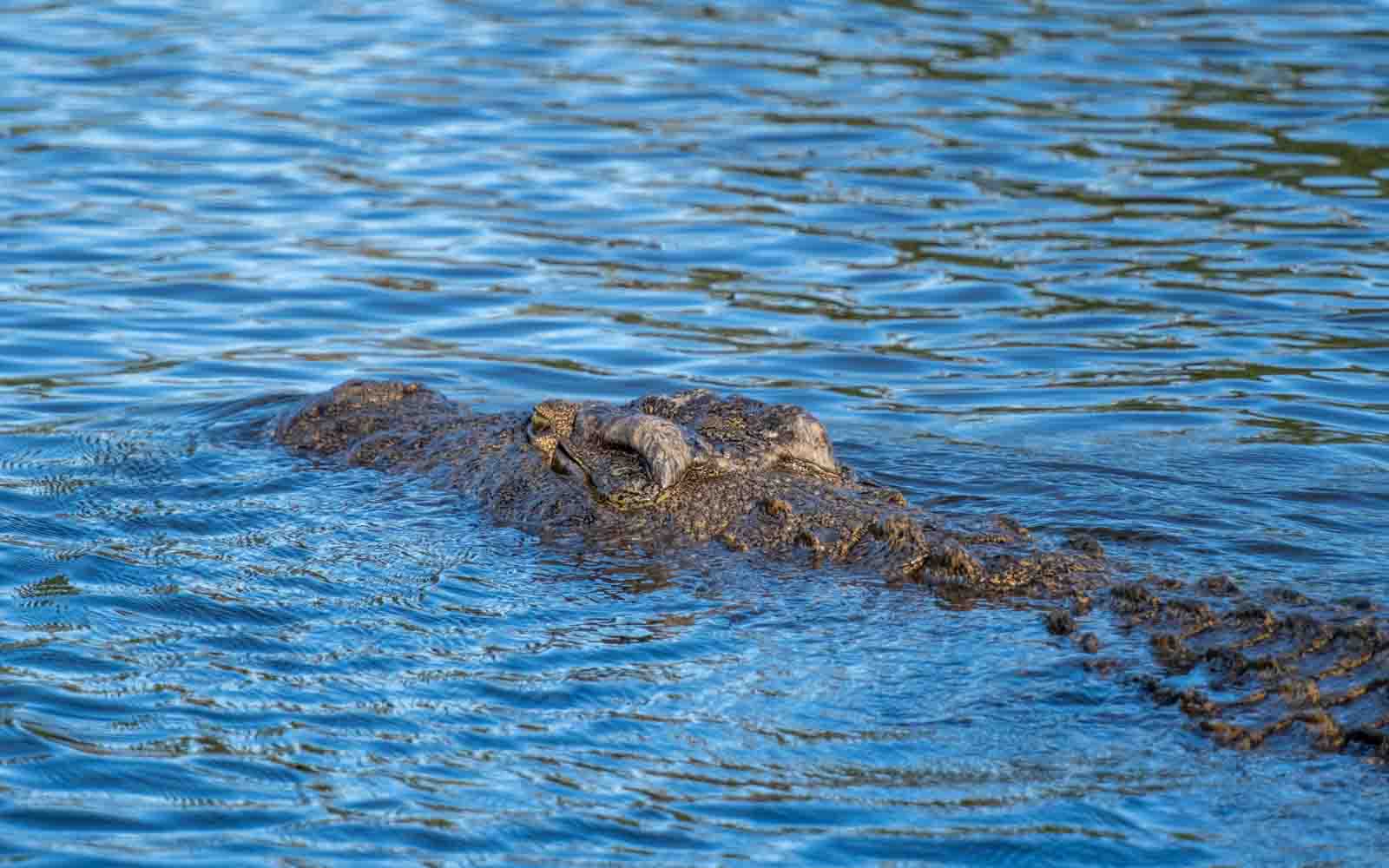
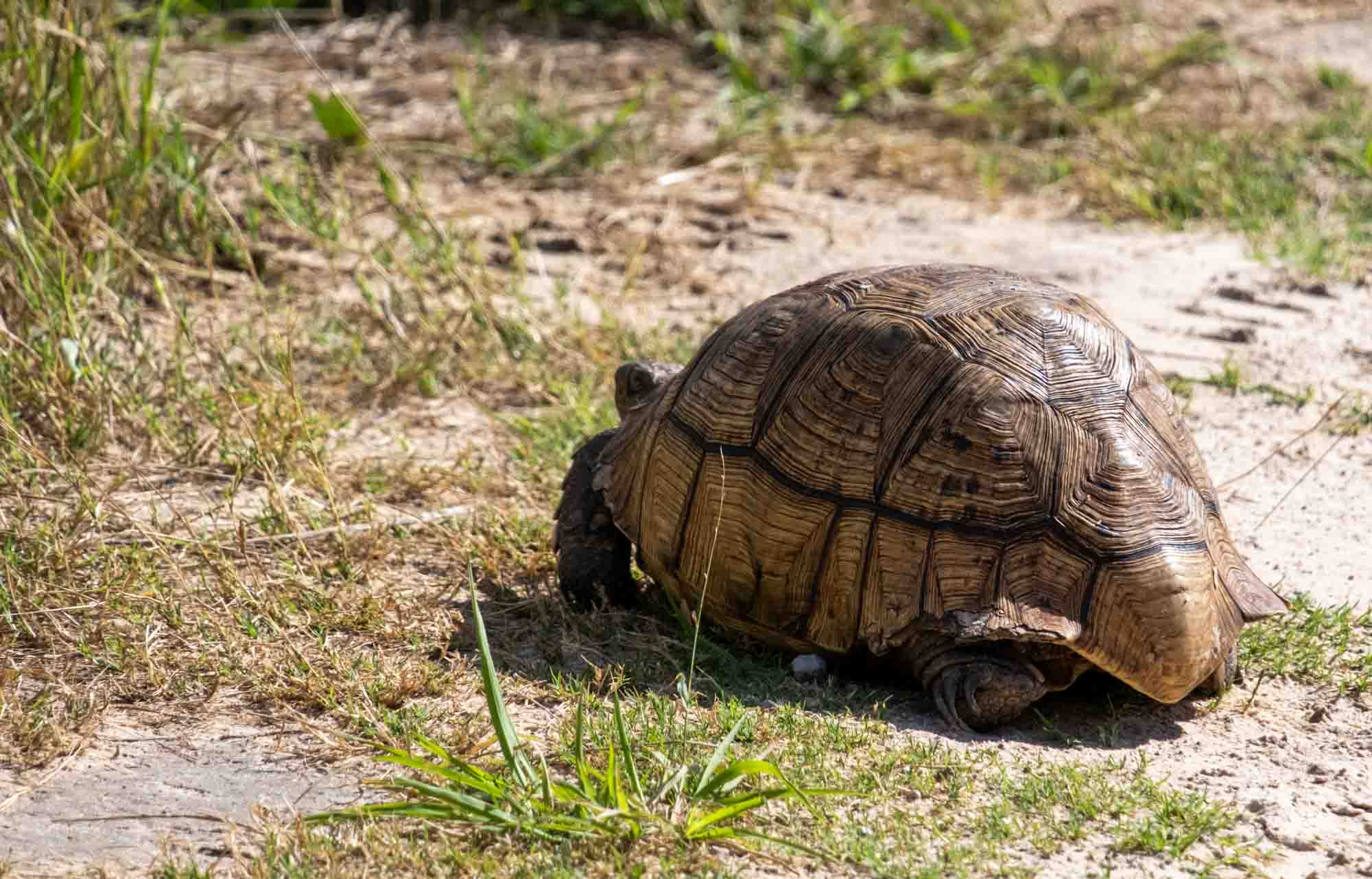
I decided to use photos from our trip to Africa this February – a continent of many textures, both in animals, plants and landscape.
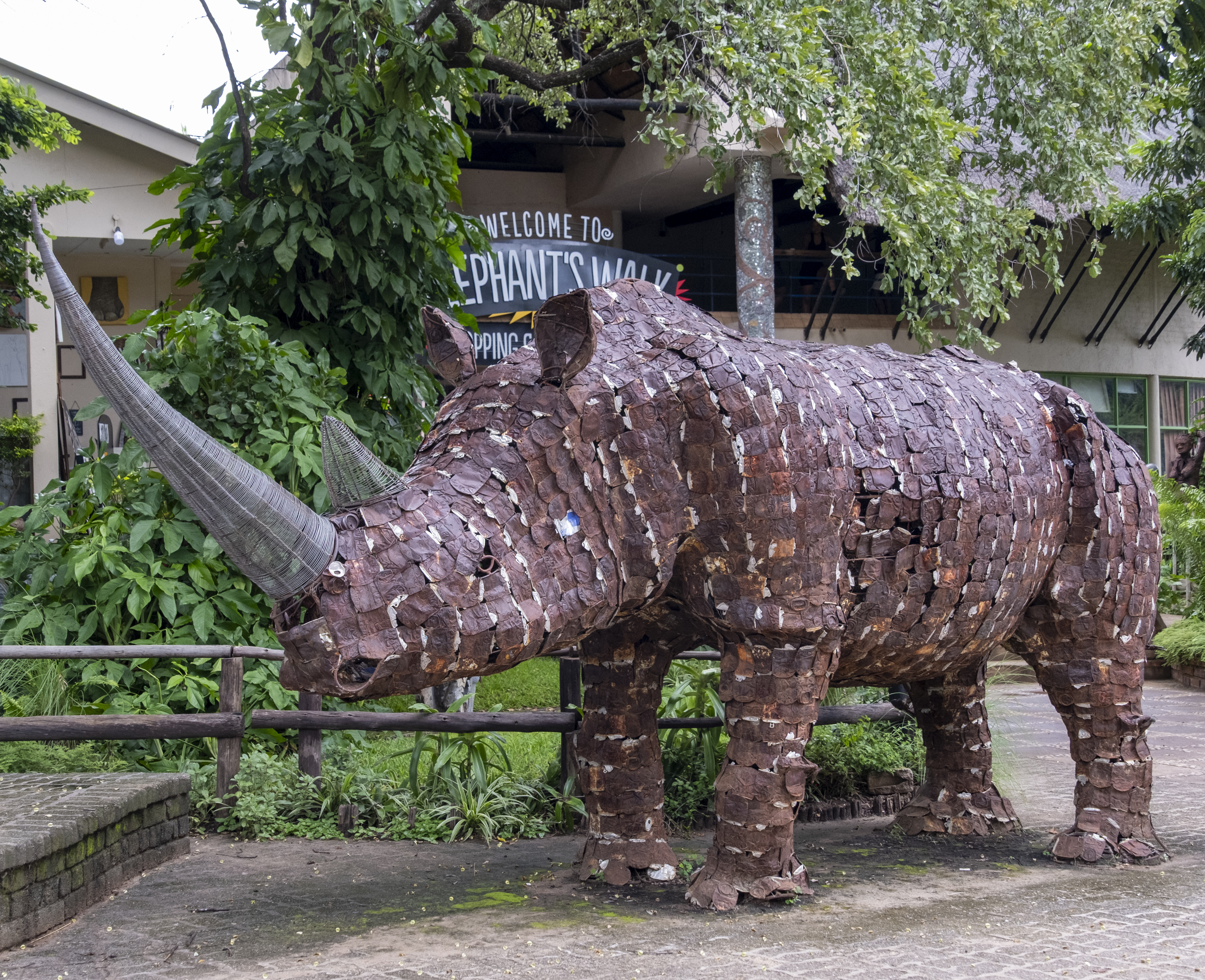
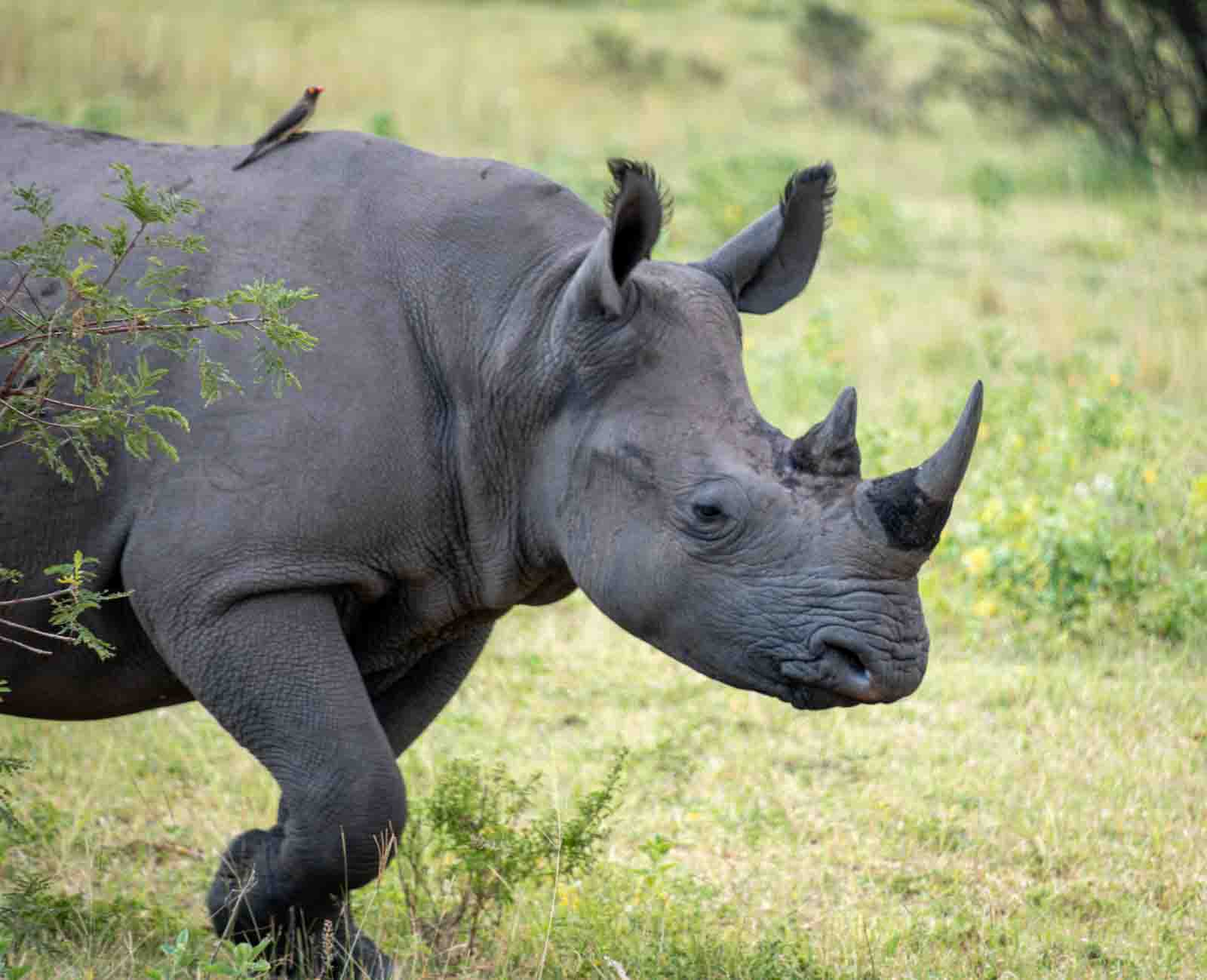
In this gallery I hope to have gathered a variey of African textures, mainly in animals. I hope you can ”feel” them! (Even if you may not really want to…)
Show us your images where texture plays an integral part. I think you will find they are more frequent than you thought! When you share your post, please remember to link it to Anne’s original post and use the Lens-Artists tag.
Last week I had great fun seeing your pairings with pictures and quotes! Many I had never seen before and many recognized but with new surprising combos. Thanks you to all who participated! Next week Ritva will be presenting the challenge. A visit to her site is always rewarding – In the meantime, stay safe and be kind!
I have no siblings, but as a child and young woman, this didn’t bother me. I loved being on my own – whether it was reading, sketching, painting, writing, collecting stones or walking in the forest or in my grandmother’s garden. But as a grown up, and now aging – I would have loved to have a sister or brother to share memories with and consult about our old parents.
So, where am I going with this? Well…in South Africa we met two beautiful brothers, cheetas, where the first photo is from our first meeting, the day we arrived.
The second meeting was three days later, and luckily we found them resting in the same place again.
Our ranger, Charles, told us their story, how they had lost two partners and also their cubs, to lion attacks.
This led to them being monitored – and the pack of lions as well, in an attempt to protect them. I read that 90% of all newborn cheetas are killed by other predators, such as lions. If they survive the first critical months, they can reach 15 years of age.
I wondered if the reserve was going to find new mates for these two and give breeding another try. Charles had no answer to that, and stated that nature works things in its own way.
In my opinion these cats are one of the most beautiful creations in nature – their agility, their speed, their beauty. They hunt daytime and cheetas are the fastest, now living land mammals, with a short distance record of 104.4km/h in 200m.
Charles clearly spoke with affection when he told us their story, because he had been following them since their first day. And, it was not only Charles who had tears in his eyes when we left them resting in the evening sun. Their story touched my heart, and I felt some comfort in knowing they at least had each other. I wish them good luck in the future – may they be lucky in hunting and may they find new mates and be blessed with little ones.
This week I have chosen for us to illustrate favourite quotes. Personally, I love quotes, and I believe many of us do – some maybe even collect memorable quotes in a book or a file on the computer or phone. There is much to learn from old wisdom – and wit…that speaks to us.This week you can choose one quote accompanied with a maximum of five pictures or a maximum of five quotes illustrated with one picture each. Make us ”feel”your quote(s) in pictures!
These are my choices!
“You’re only here for a short visit. Don’t hurry. Don’t worry. And be sure to smell the flowers along the way.”
— Walter Hagen
“Stay close to anything that makes you glad you are alive.”
– Hafez
“Each time you read a book, a tree smiles knowing there’s life after death”
– Unknown
“The happiest people don’t have the best of everything, they make the best of everything.”
– Unknown
“Just living is not enough … one must have sunshine, freedom, and a little flower.”
— Hans Christian Andersen
I am very much looking forward to seeing what you have chosen and how you have illustrated your quote(s)! Please use the Lens-Artists tag and link to my original post.
A huge thank you to Beth for last week’s looking back challenge. I was lucky to just have returned from mountains of water and I believe all of us really love water … the diversity and beauty of your posts gave us many tips for the future! Next week it is Annes turn to lead us, be sure to visit her beautiful site for inspiration. Until then, keep well, be nice and enjoy your days.
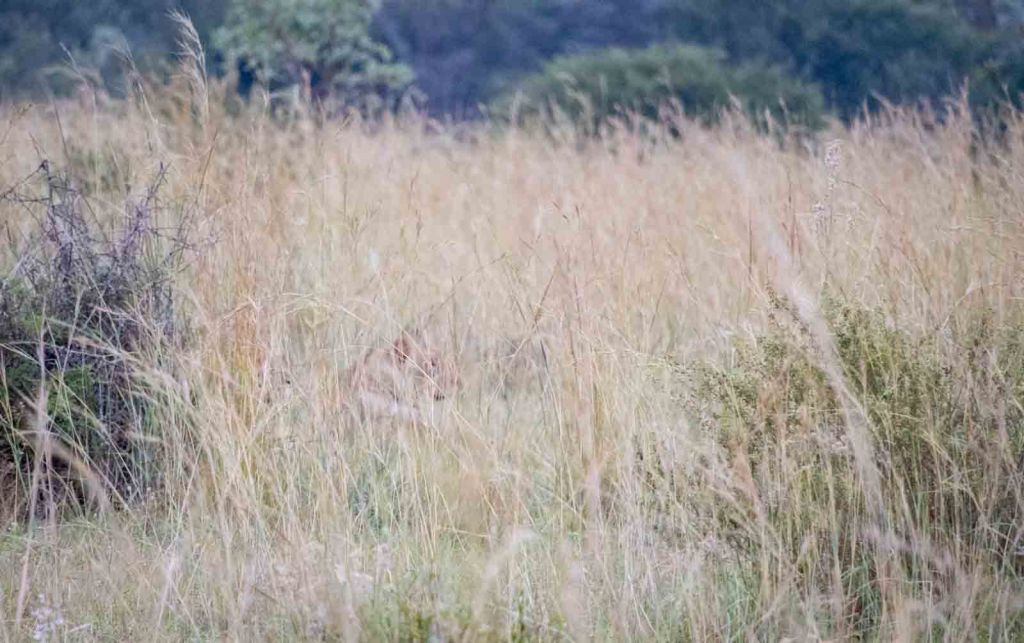
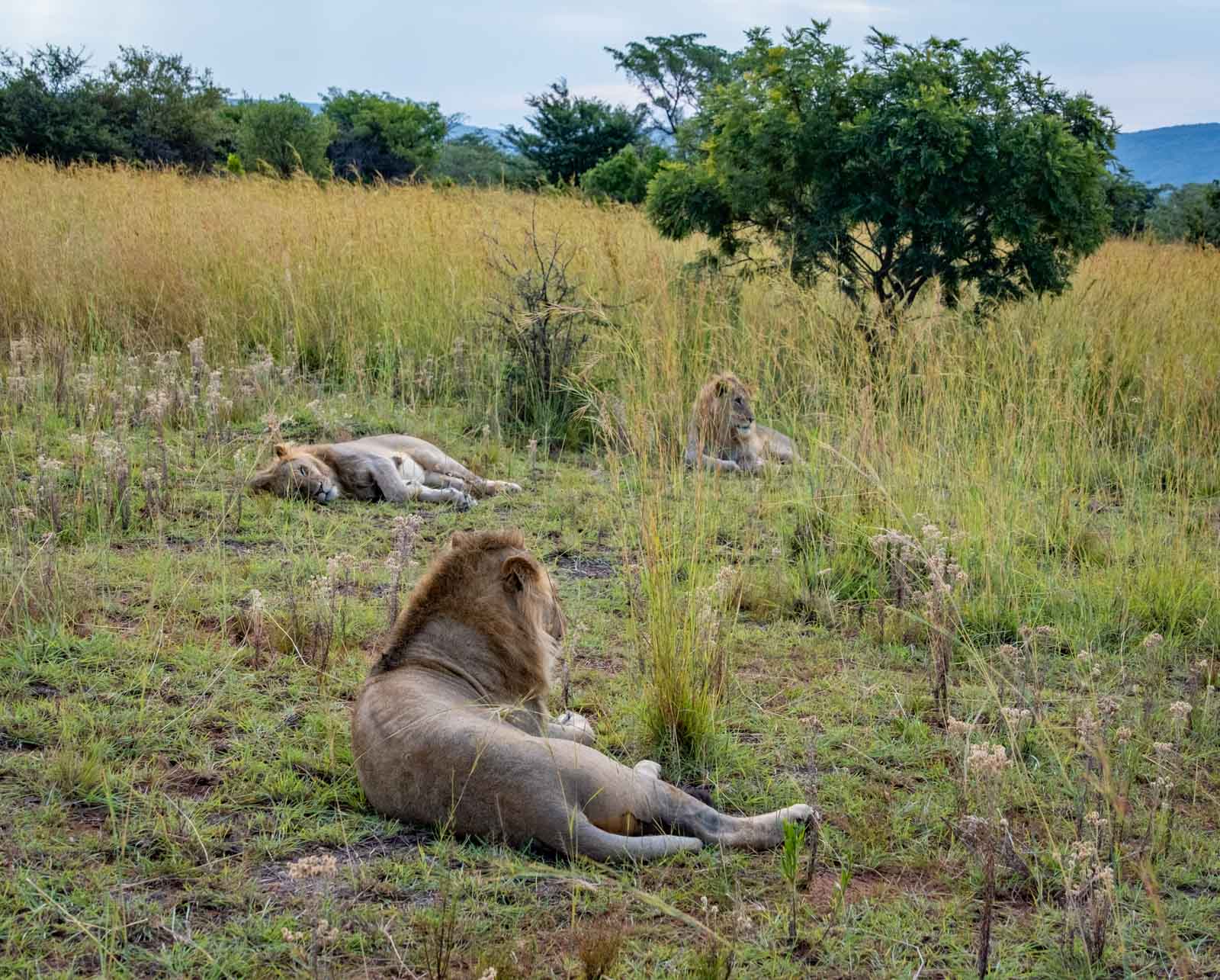
We had been waiting for the lions for several days-
– and finally, they unveiled themselves. The wheat coloured high grass offered a perfect place to hide.
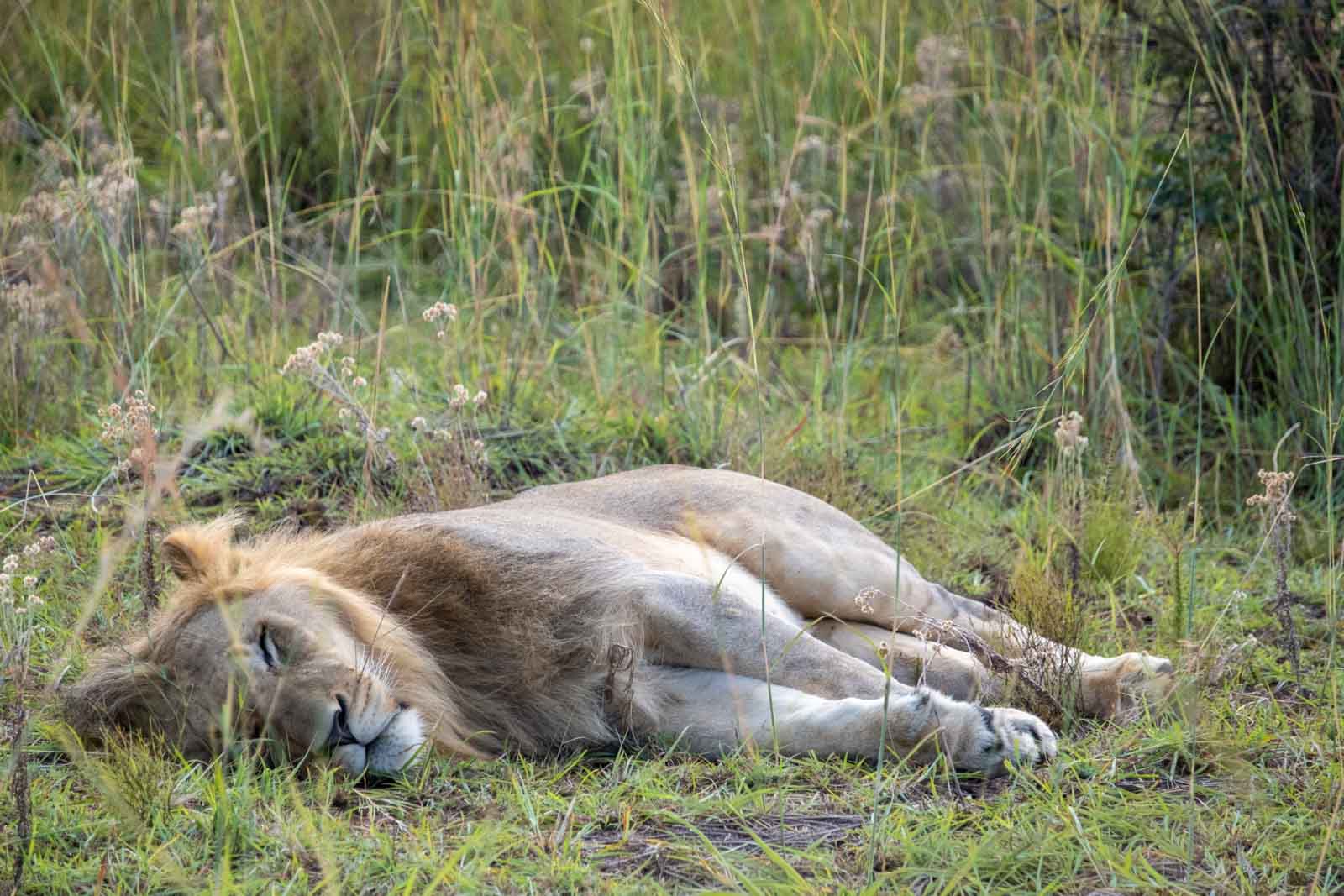
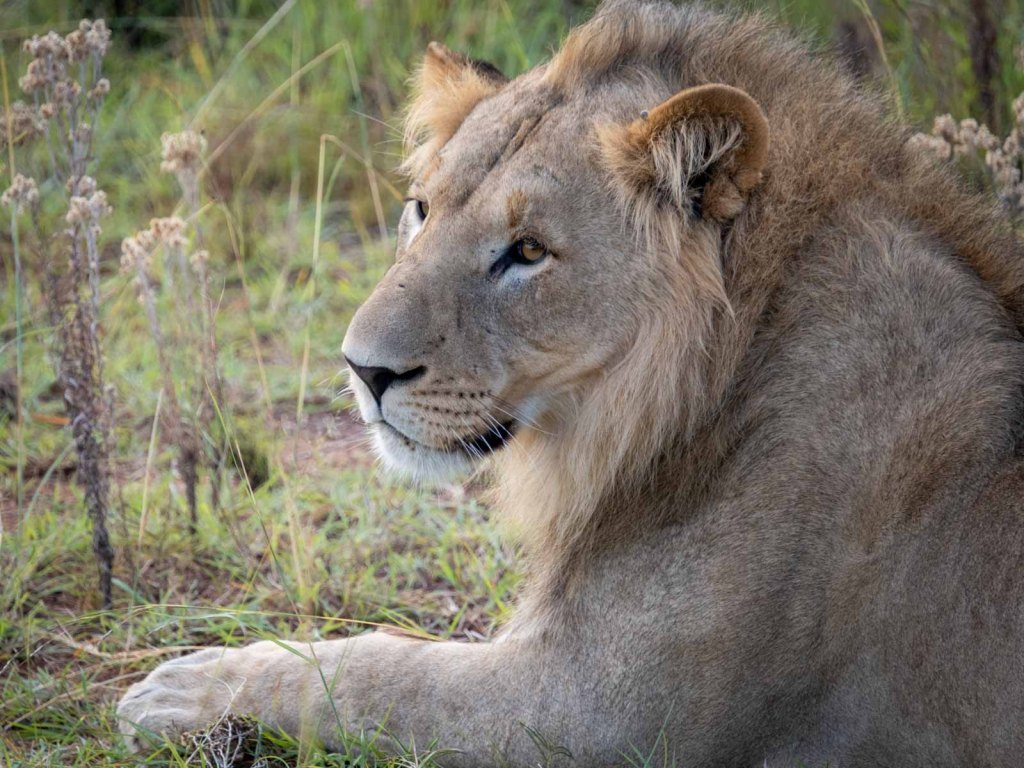
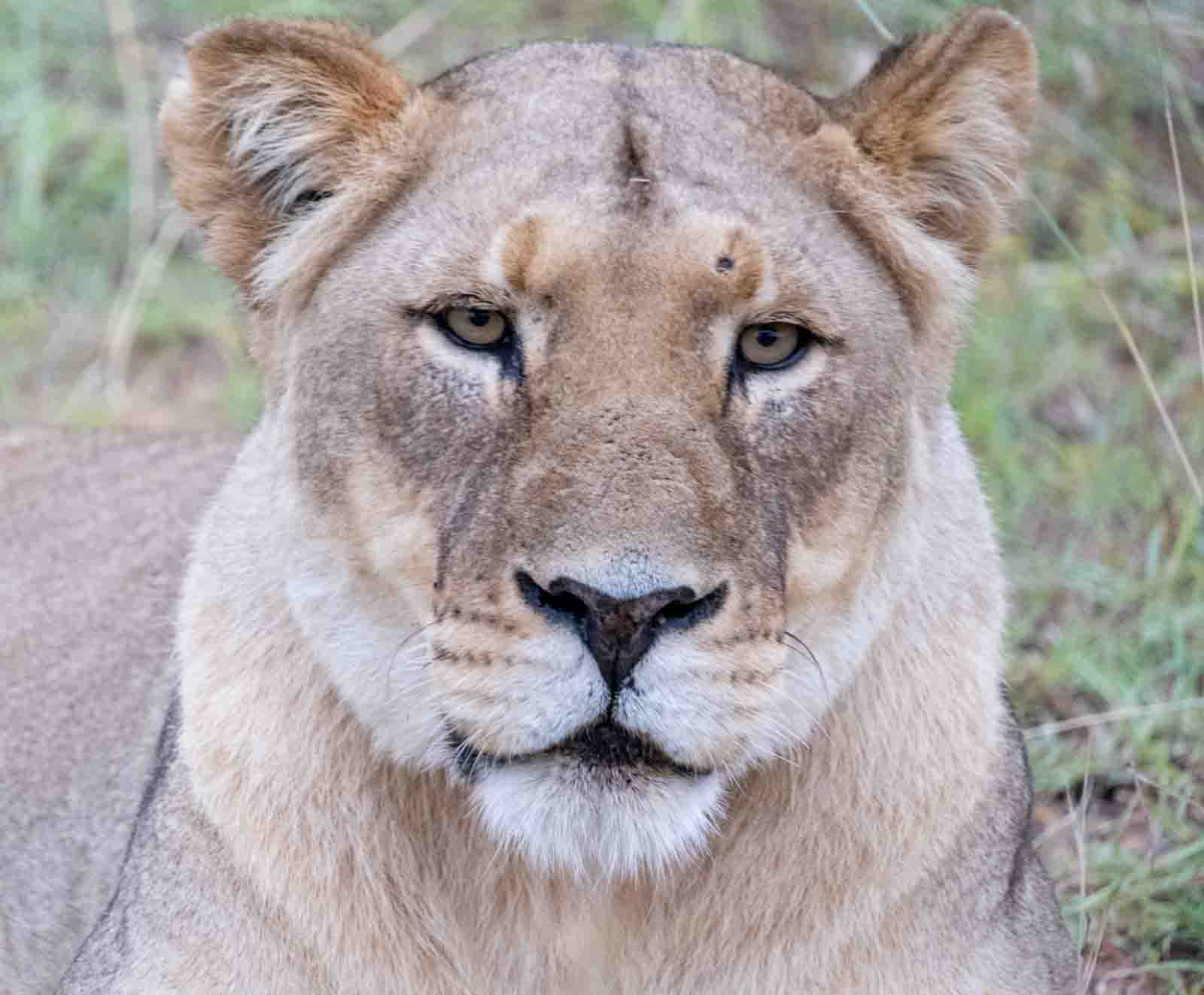
They were resting together in a group of five, and we were allowed to see them close-up. Beautiful, majestic animals. They did not seem to notice us at all, only the male in the header – who leaned his head backwards to look at our jeep. A rare meeting for me.
There were two females and three males. They looked young all of them.
Lions don’t have many enemies, but they too are afflicted by ticks, and we were warned before we did the savanna walk. In Sweden many of us are vaccinated, as the TBE is a widely spread tick-borne disease and can severely afflict your brain. You can even die from it.
Lions are such beautiful big cats, our respect for them is great. They looked so calm and relaxed lying there together in the grass,
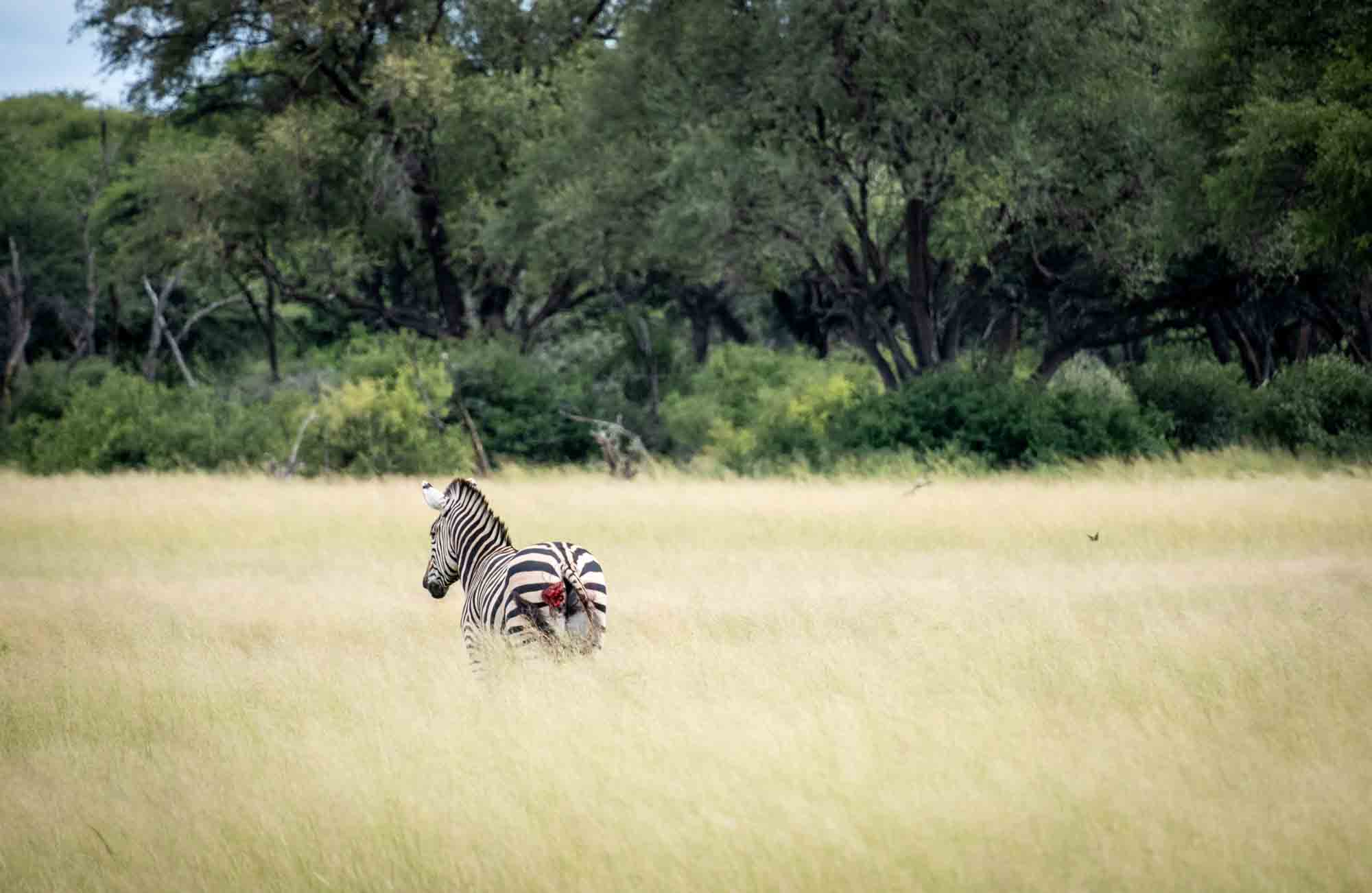
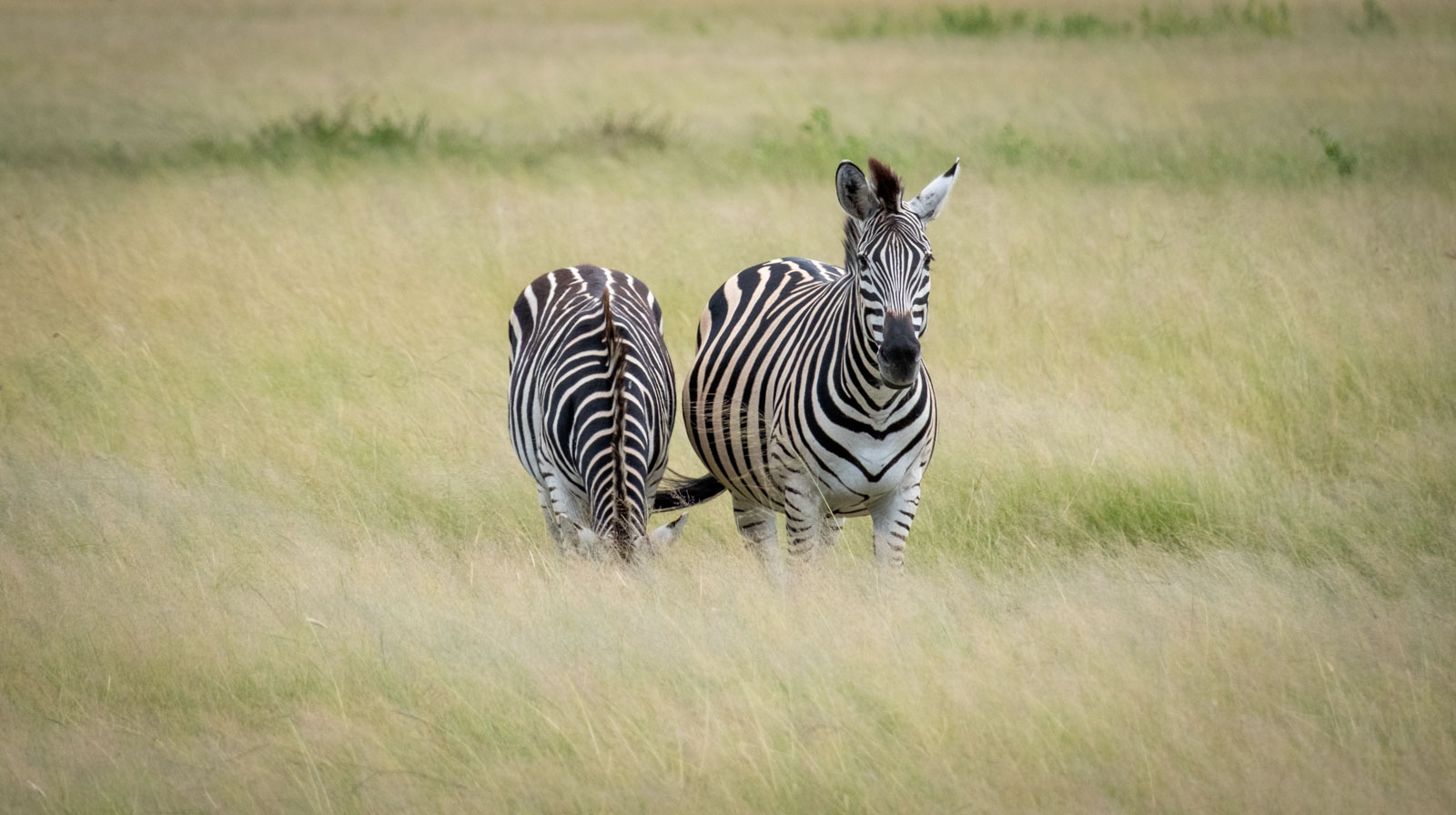
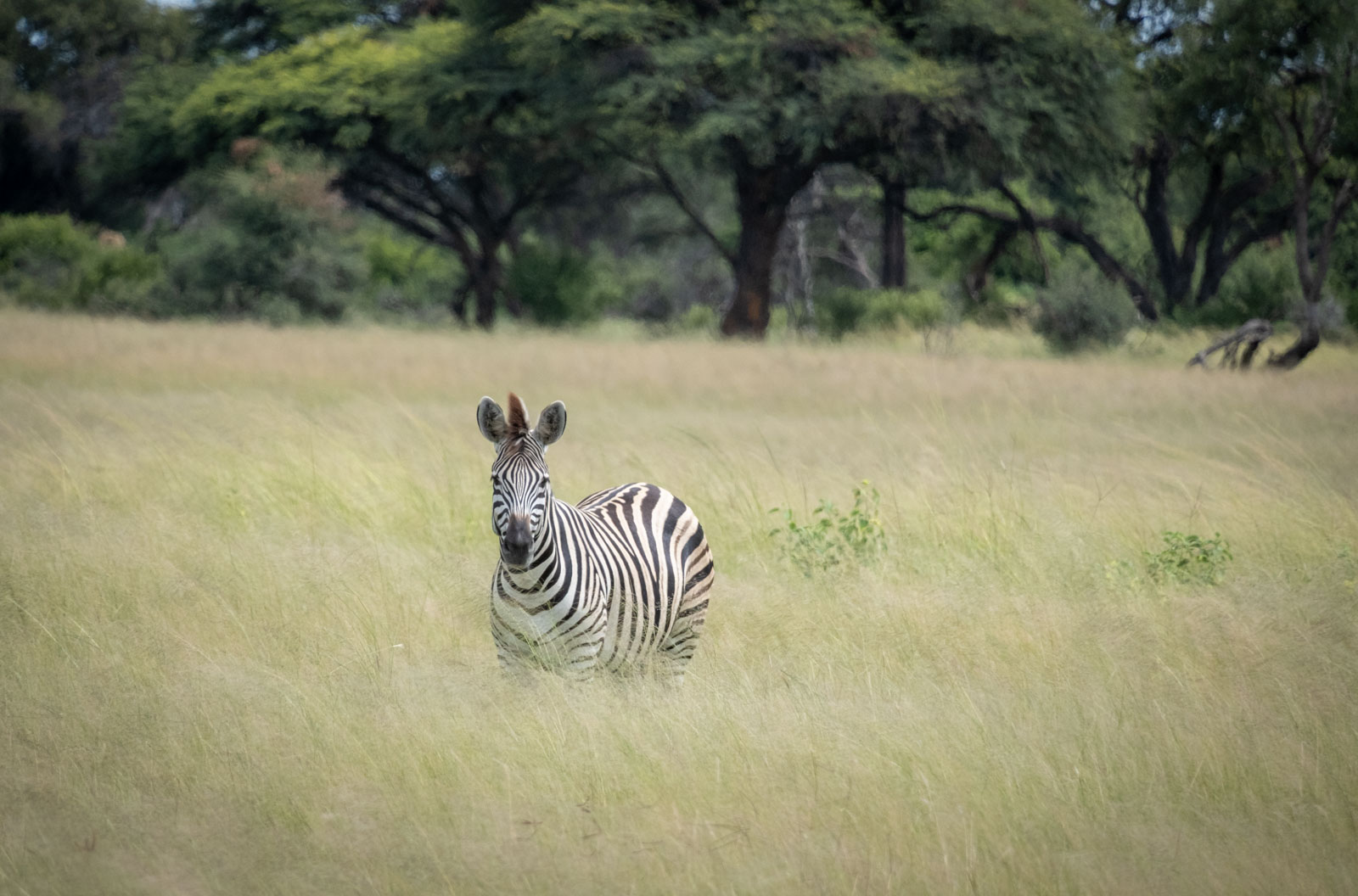
…but only some days before, this zebra must have had a narrow escape, maybe from a lion. I guess he had defended his heard. Successfully…I hope.
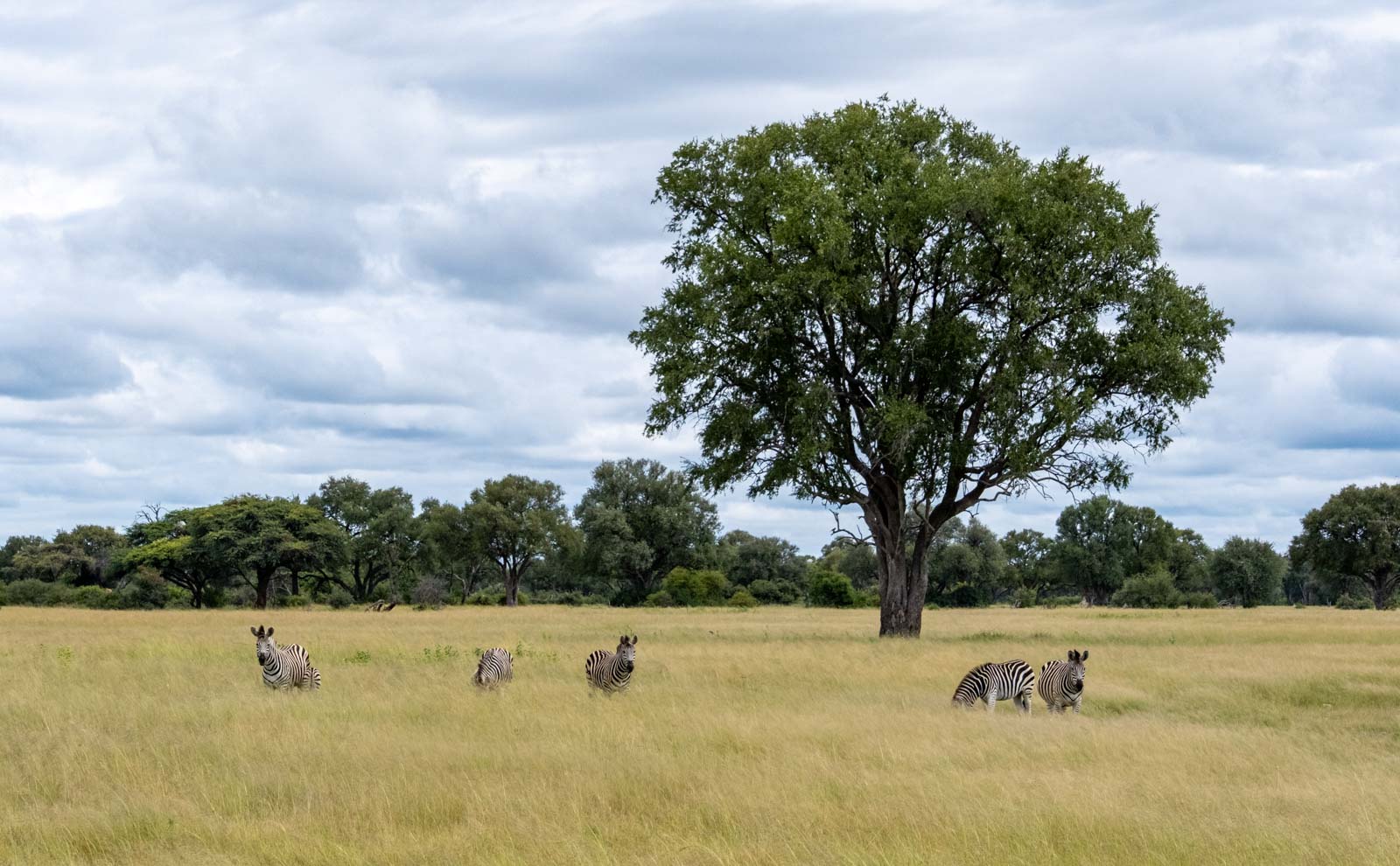
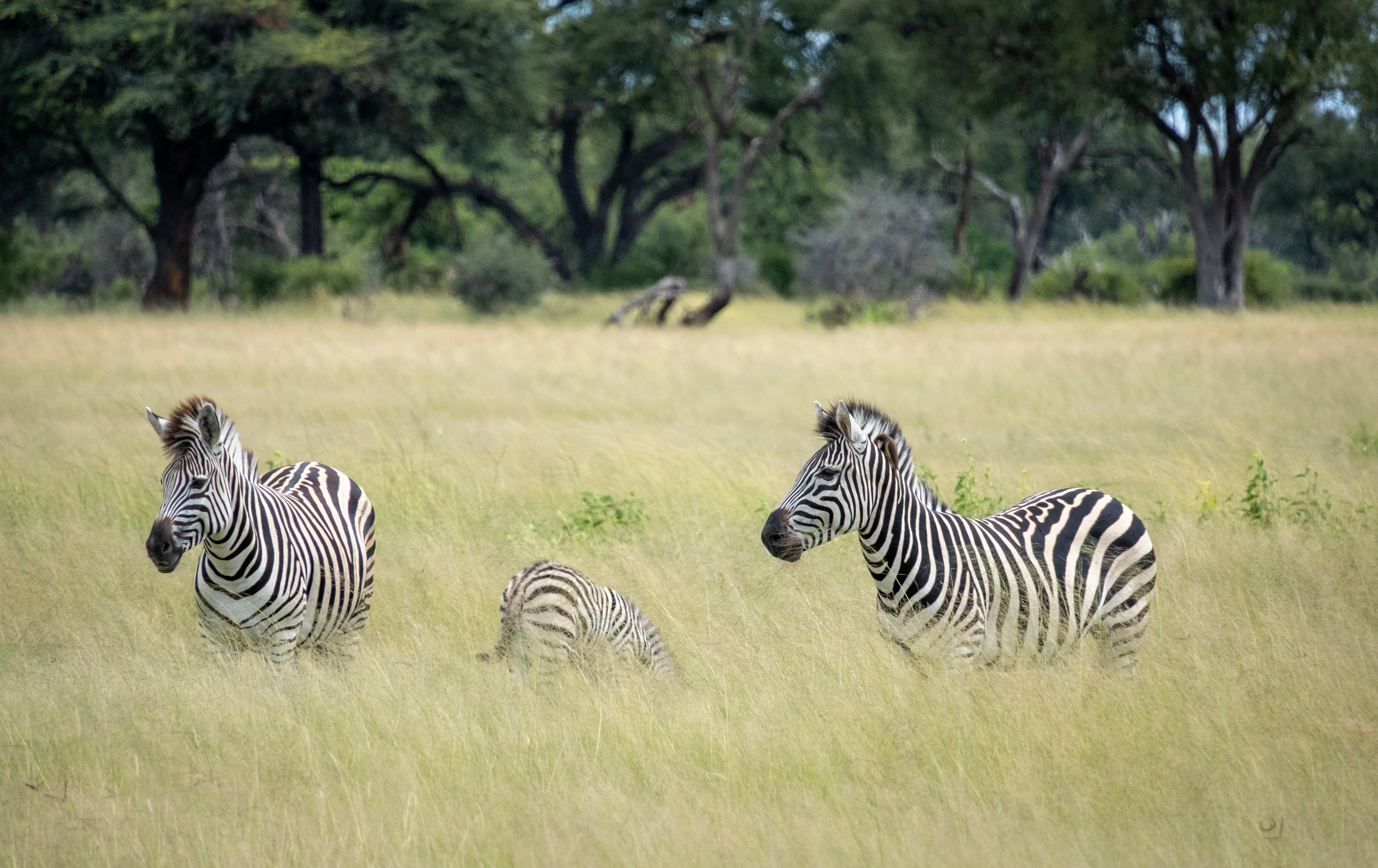
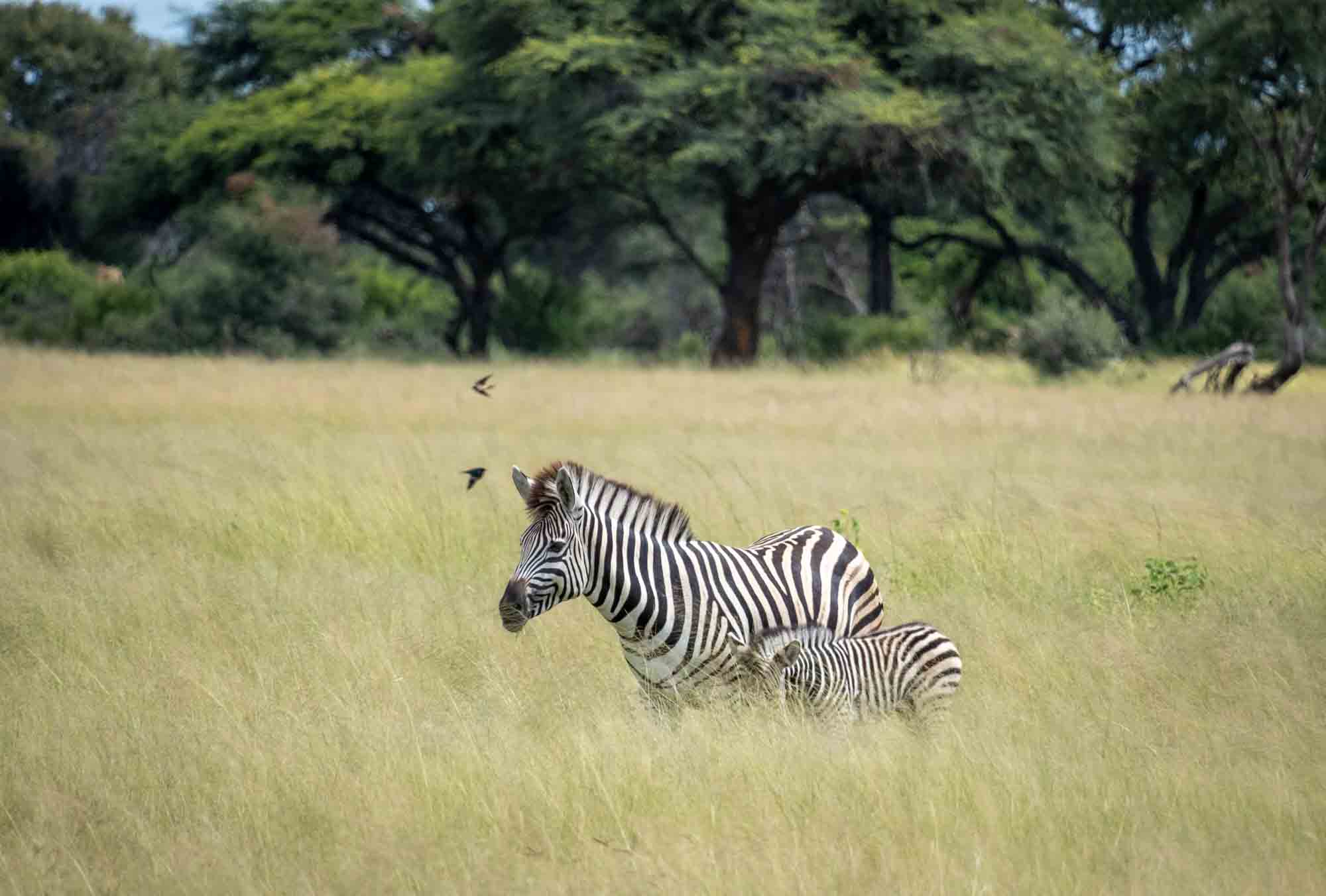
Living on the savanna is not easy. For us, short visitors, it is an adventure. Thank you for coming along today, meeting the big cats – and their prey. I find zebras mezmerisingly beautiful, like pieces of art, and I think scientists still don’t exactly know why they have their stripes or how they use them.The leading theory seems to be Biting Fly Repellent. Flies cannot easily land on striped things as the pattern disturbes their ability to navigate properly.
Next week I will tell you about the two cheetah brothers. We met them twice.
Beth is looking back this week. Originally it was John´s post, and now Beth hands it over to us – please take a look at both posts!
I am just back from a trip to Croatia, a trip I have wanted to make for some years now, but life got in between. I hope you will enjoy following me along to some of its highlights!
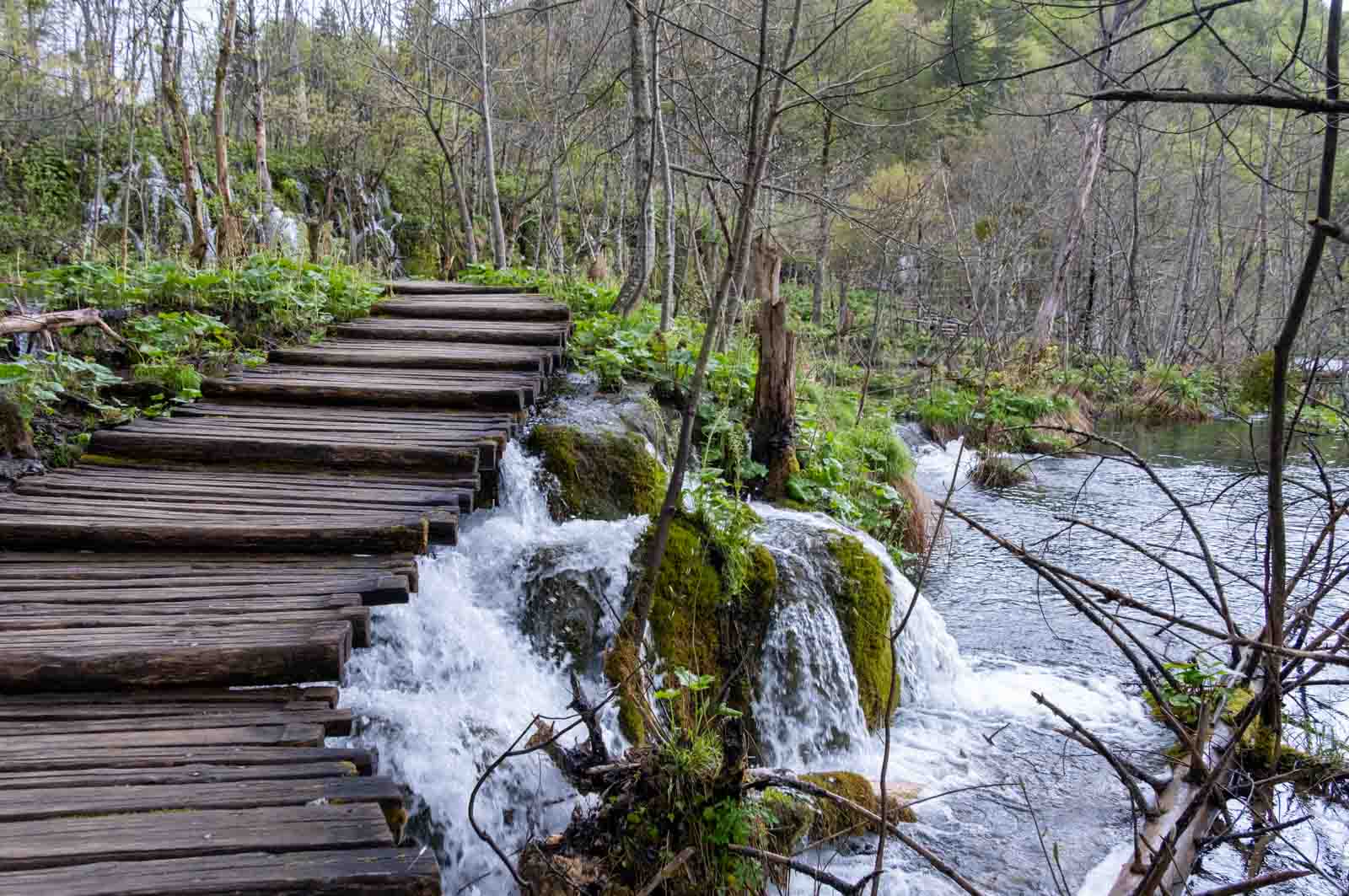
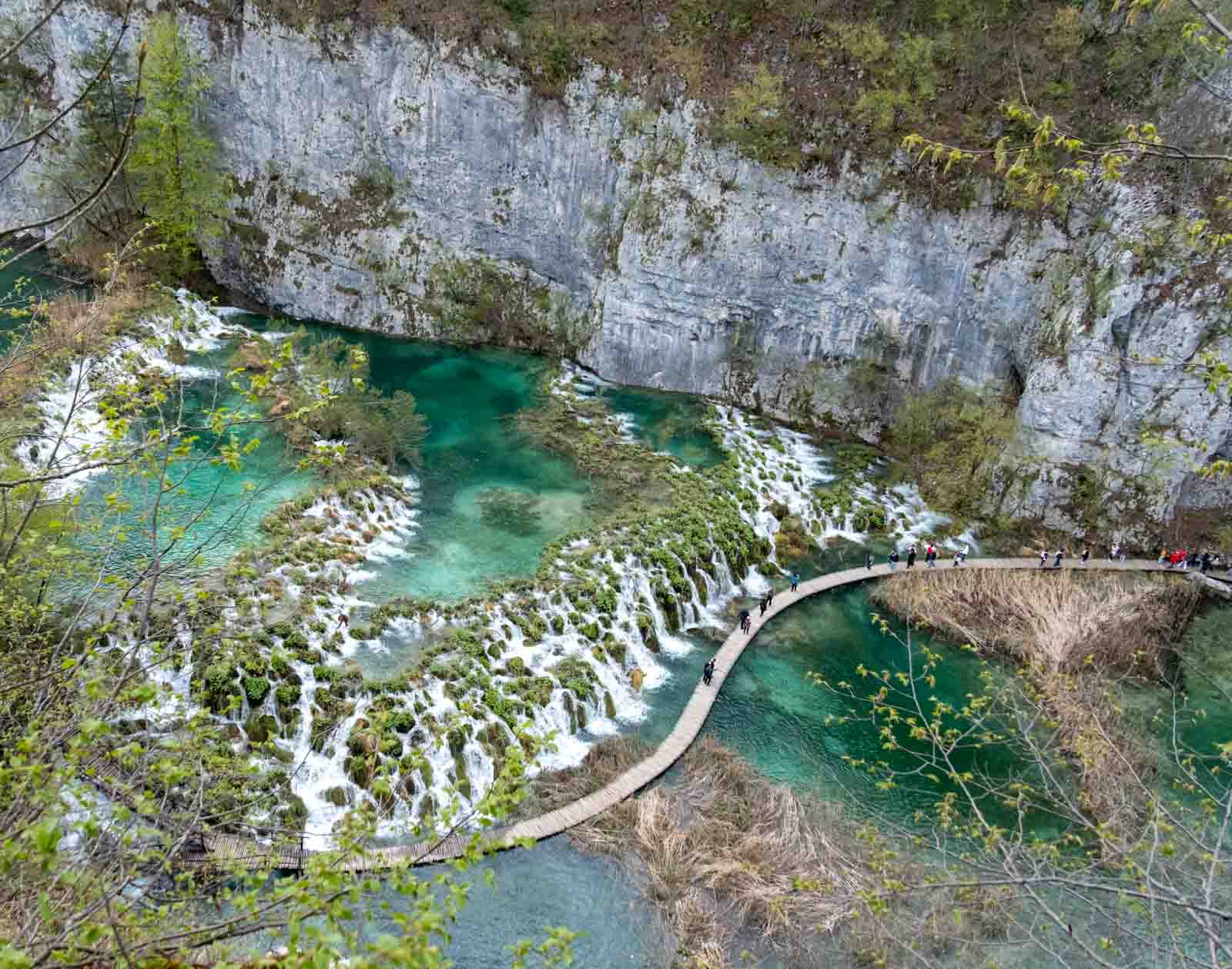
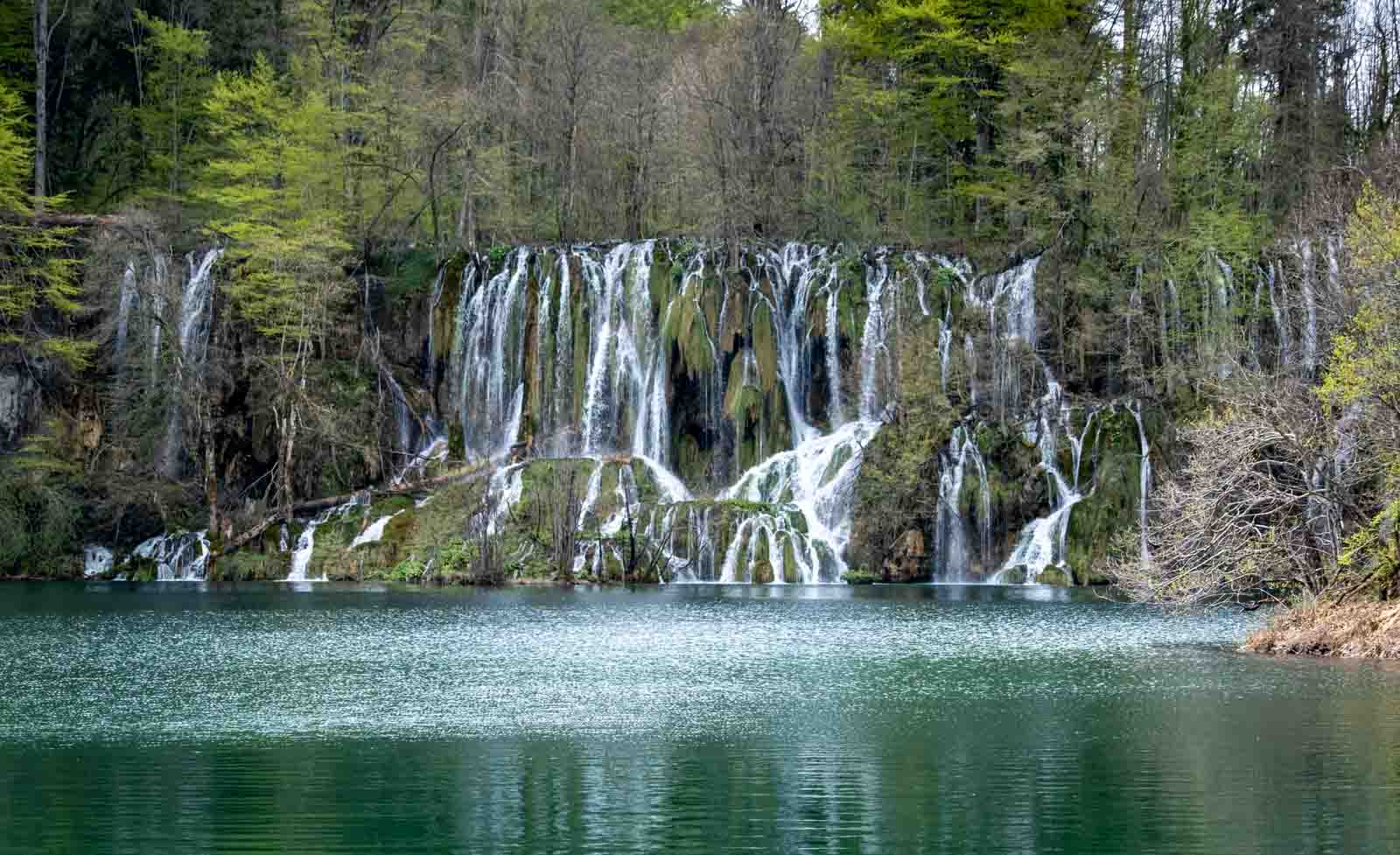
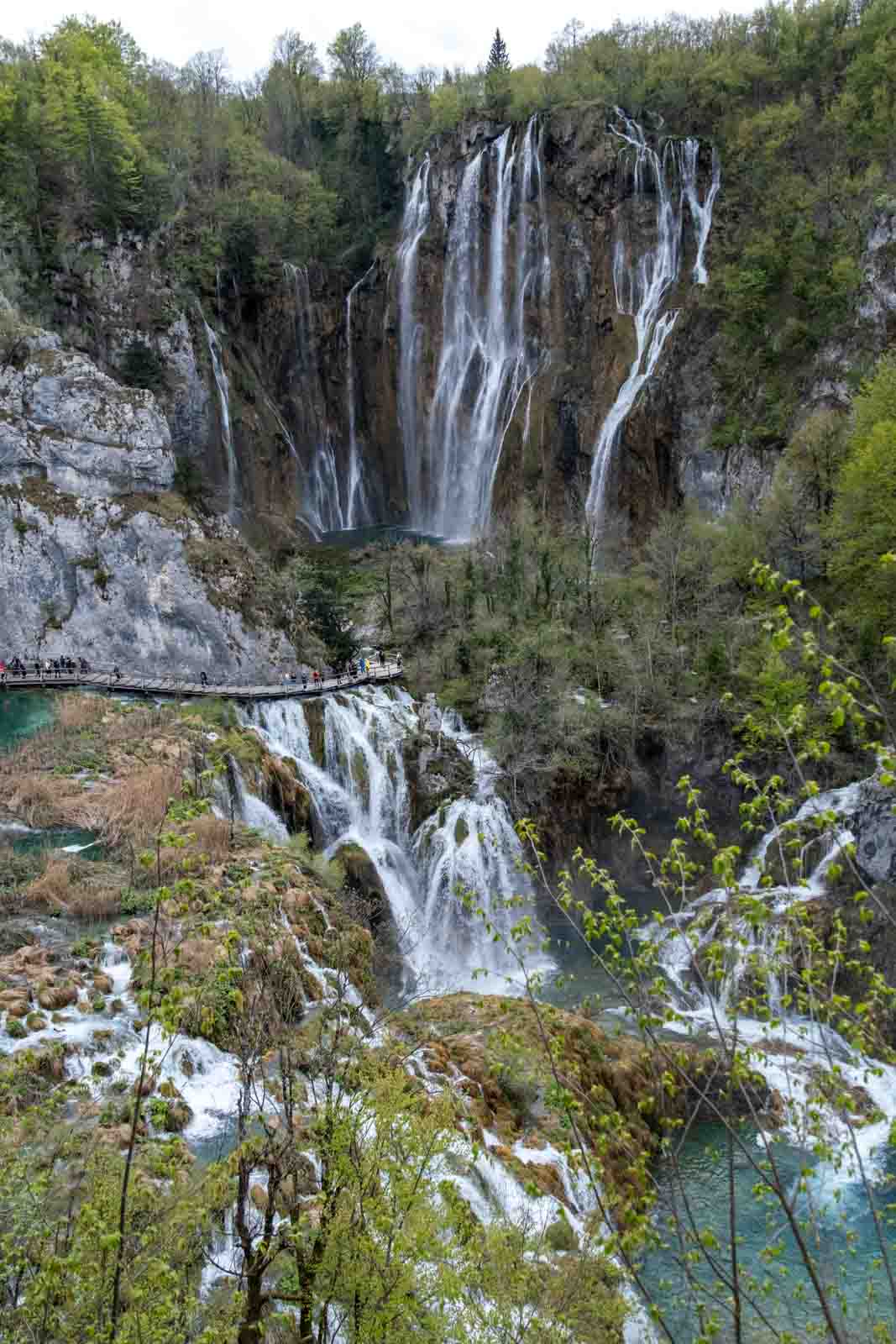
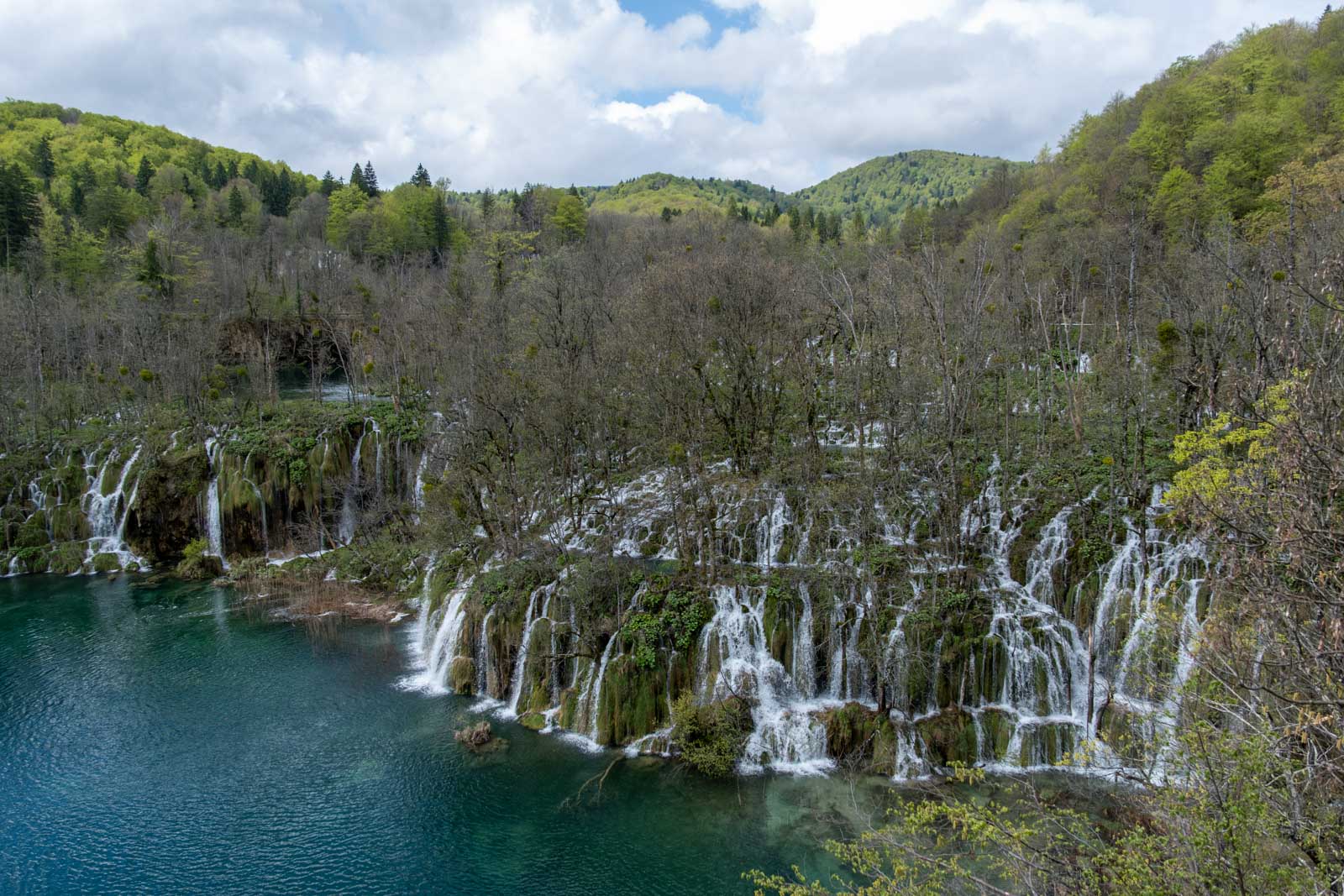
I have never seen so many waterfalls in one day, or even a year – or maybe in my whole life. And they were all different, and all magnificent. The Plitvice Lakes National Park is the oldest and the largest national park in Croatia, and a UNESCO World Heritage. It covers an area of just under 300 km2 and the lake system is comprised of 16 named and several smaller unnamed lakes, cascading one into the next. There are twelve lakes in the Upper system and four in the Lower system.
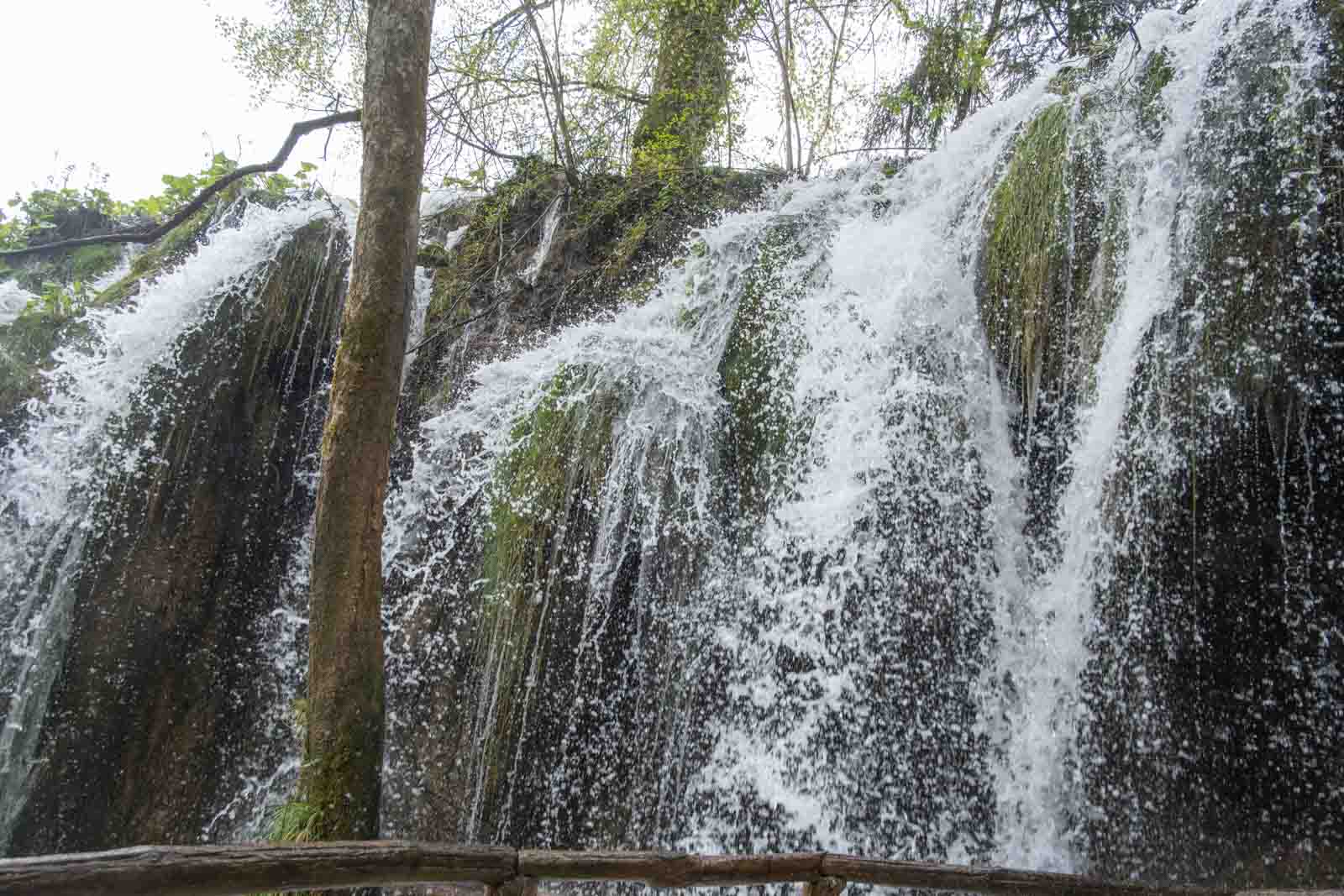
Walking through a forest where water surrounds you – and every tree – imagine the sound! The biggest waterfall, Veliki Slap, is a wonder where you walk across the lower part and can truly enjoy its beauty, all the way from the top and down. You also walk on boardwalks, to come closer to the falls in every lake. So much magic. The exceptional beauty of this park makes it outstanding and something to put on your bucket list – if it is not already there.
I hope the pictures speak for themselves. The walk took 7 hours with photo stops and food. So be sure to give it a whole day. And if you can – go in low season, we had read about the masses of tourists during the high season and did not want that stress.
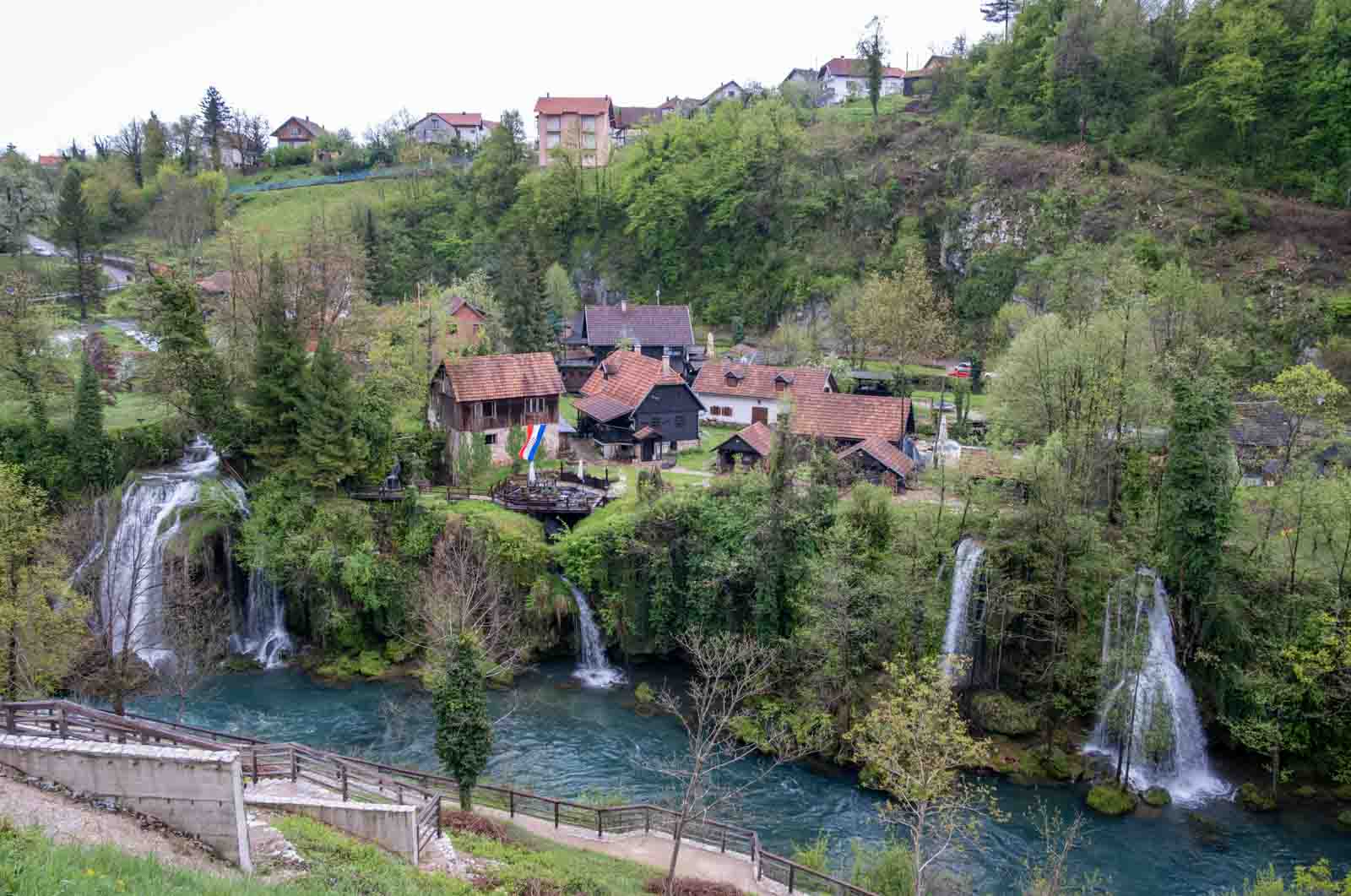
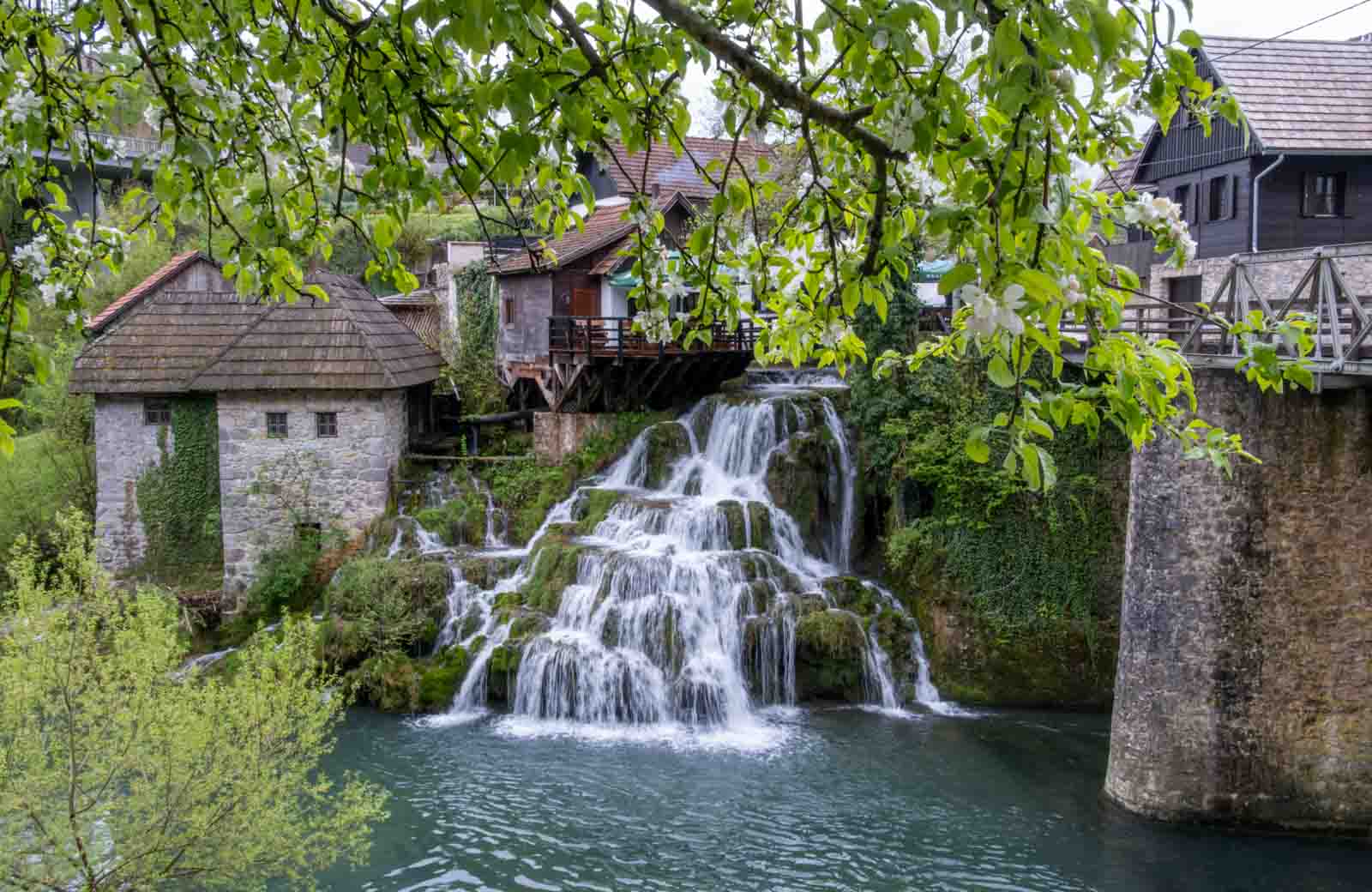
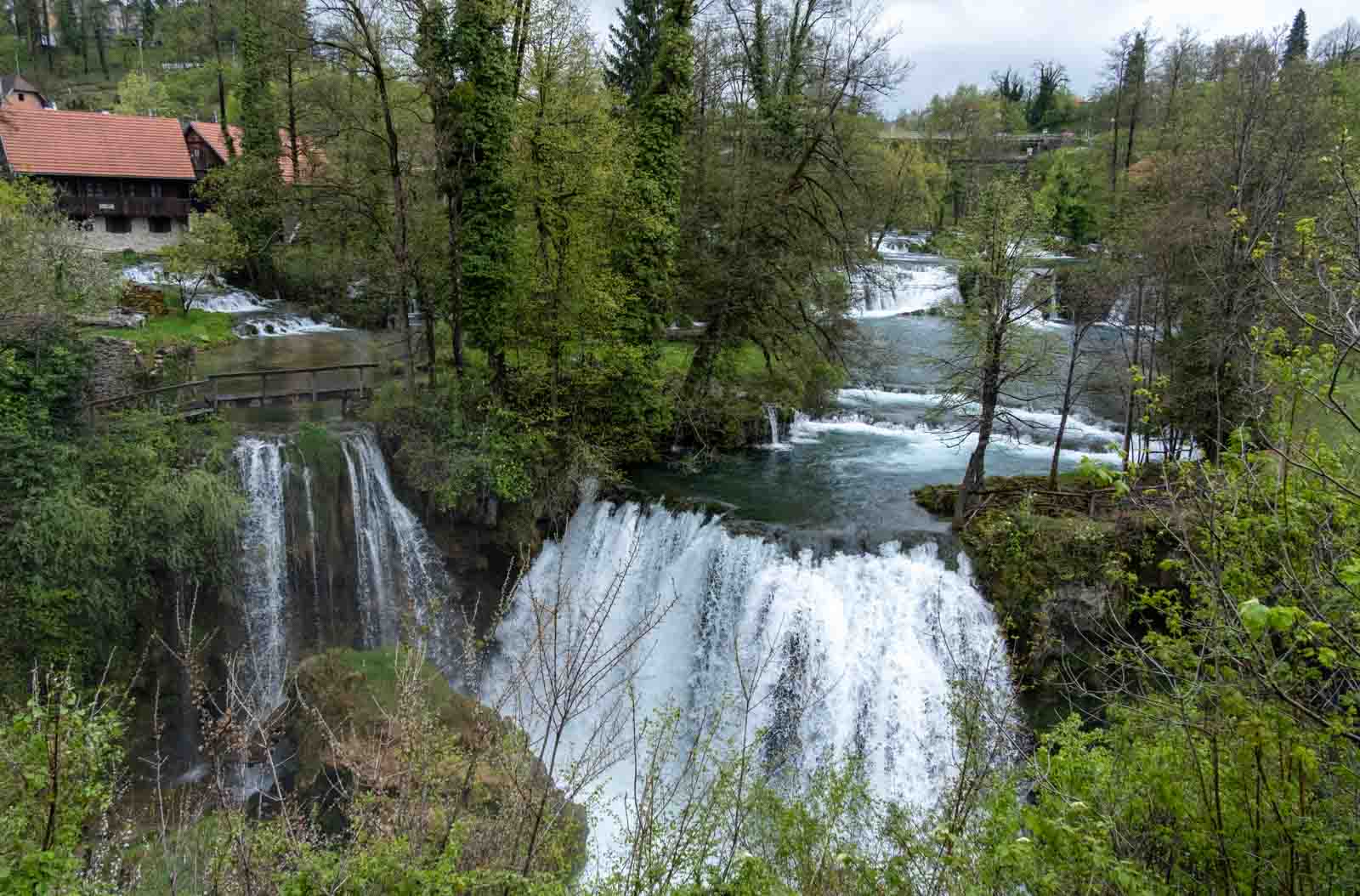
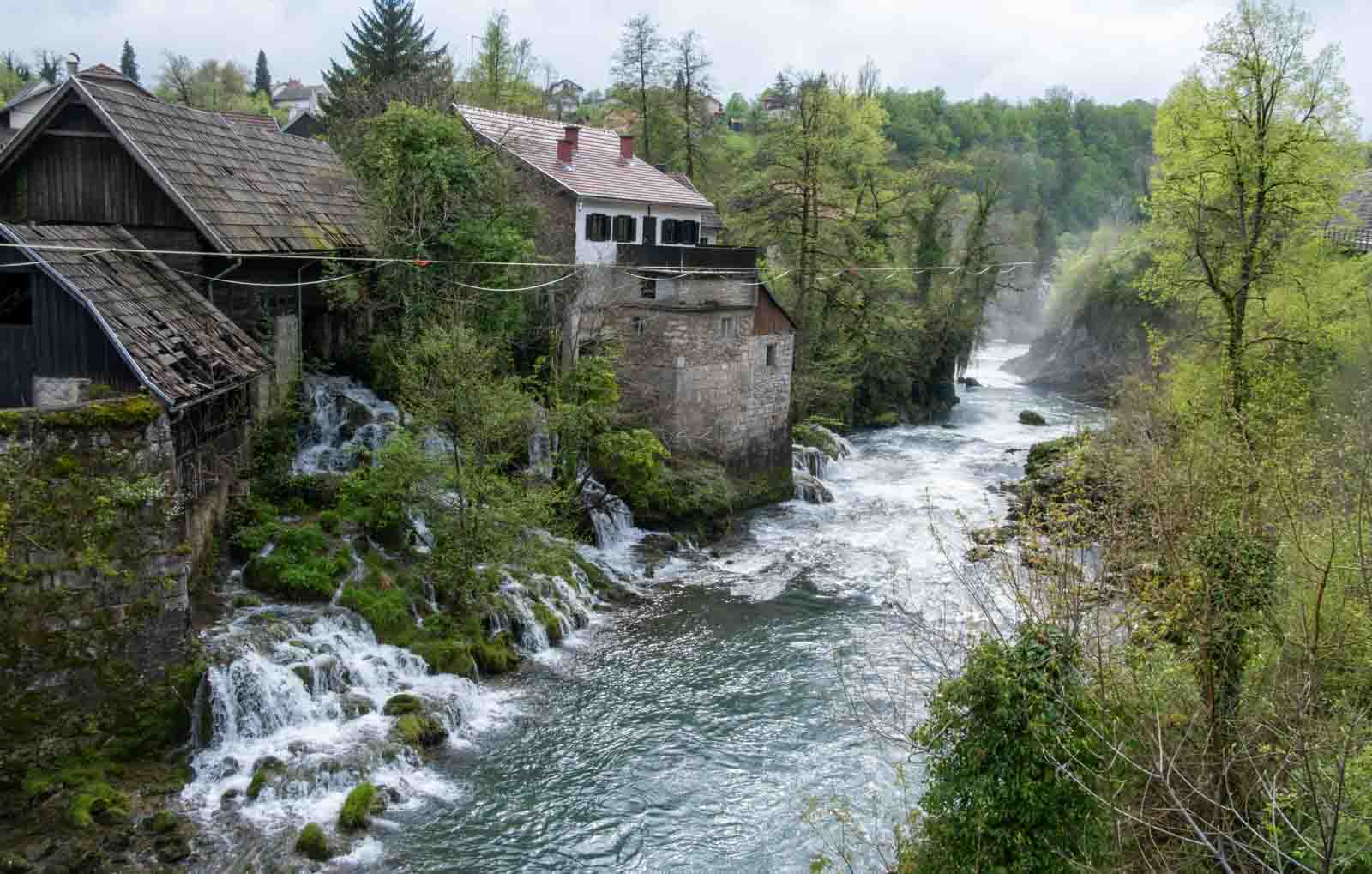
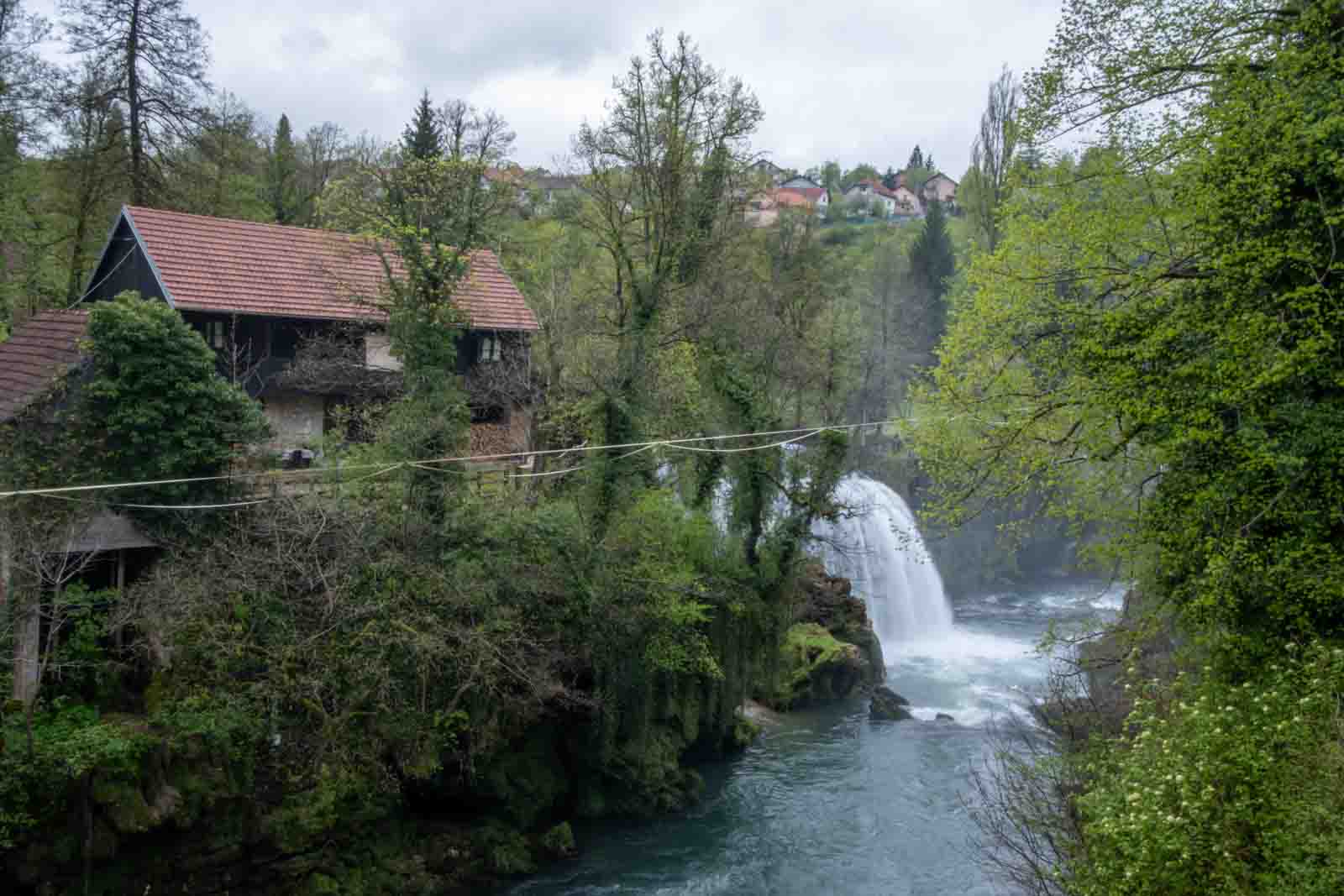
As we were driving from Zagreb to Plitvice, we happened upon a village we had never heard of before, Rastoke, on the Korana River. On the water! The houses were literally situated on the water and the village is renowned for its mills and waterfalls. A wonderful surprise!
Thank you, Beth, for a wonderful challenge – just right for me this week! Show anything on the water. You can choose to show watercraft, things floating, closeups of water, scenic water landscapes, or anything else you can think of. Be sure to tag your post with Lens-Artists and include a link back to her original post.
Last week your responses to John’s “History Through the Lens” challenge were all inspiring. I enjoyed all of the images and learned a lot from your posts. Thank you to everyone who joined the challenge..
On Saturday, May 2 at noon eastern time it’s my turn to be your host – Ann-Christine/Leya.







Du måste vara inloggad för att kunna skicka en kommentar.