Early morning in Thimpu, Bhutan – Awakening

We arrived in Bhutan during Paro Tsechu – one of the many colourful dance festivals in honour of Guru Rinpoche, one of Bhutan’s most important historical and religious figures. He visited Bumthang in AD 746, and is said to then have introduced Buddhism to Bhutan. Read more about Tsechus here.
 Rinpung Dzong is beautifully situated in the valley. It was built in 1644 to defend the Paro valley from invasions by Tibet. Like most dzongs, it houses the monastic body, district government offices and the local courts.

During the Tsechu festivals, people come from near and far, all wearing their most beautiful kira (women) and gho (men). It is compulsory for all Bhutanese to wear national dress in schools, government offices and on formal occasions.


The cloth is made from cotton or silk and the patterns are very colourful. The only patterns forbidden are flowered ones, but solid reds and yellow colours are also avoided, because these are colours worn by monks.


When we arrived, there was not much room for sitting close to the dancers…but some shots are acceptable. I spent most of the time helping little old ladies and children to a better view. And taking in the atmosphere!

There are many kinds of mask dances, but I remember clearest the one preparing you for the meeting with fearful creatures the first 49 days after you die. This dance will help you facing them without fear.
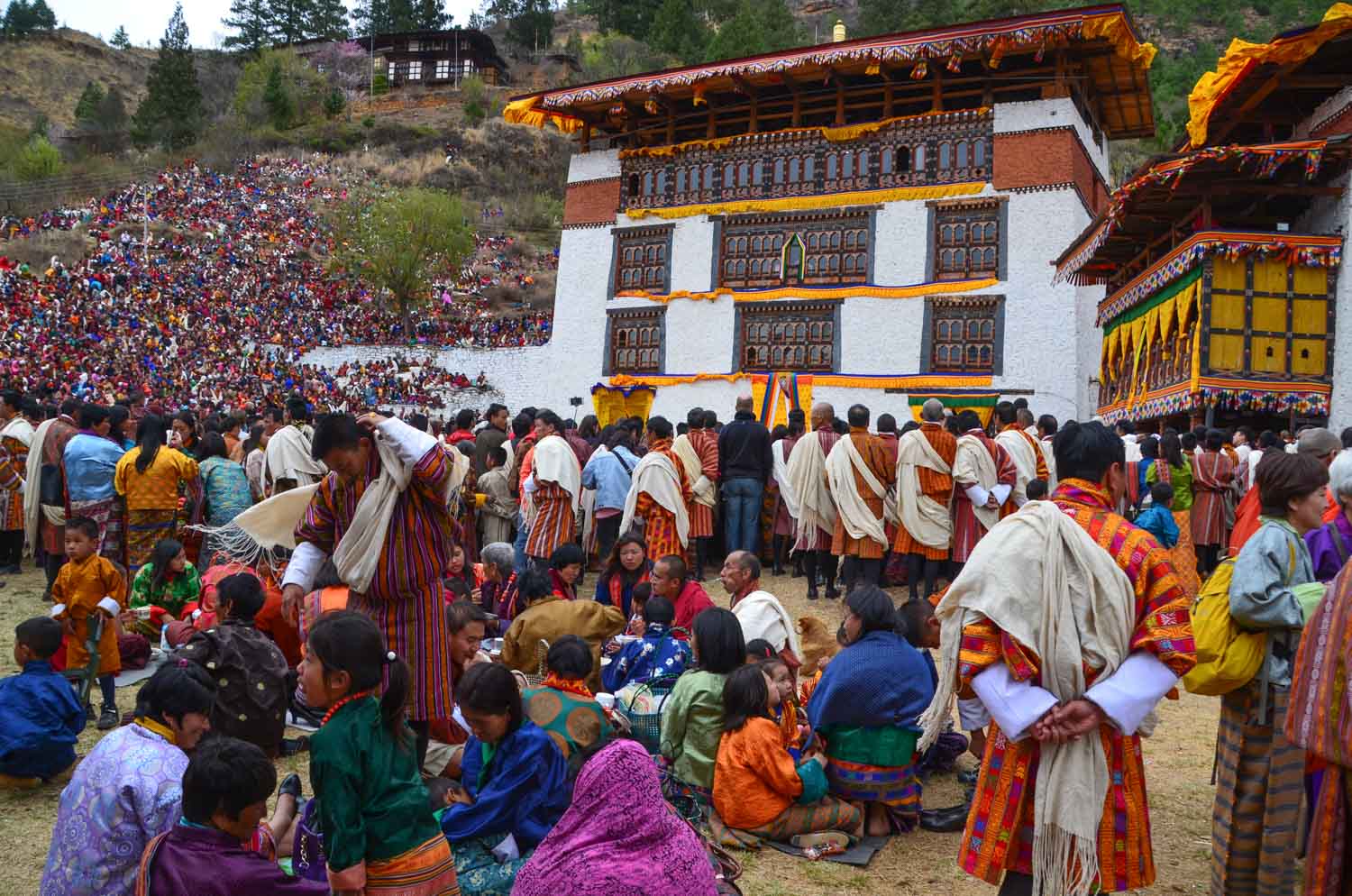
There are many pieces included in the dress code, but a very significant part is the scarf: Ordinary male citizens wear a kabney of unbleached white silk, but there are different colours for different ranks. The king, for example, wears saffron. The women wear a cloth sash called a rachu over their left shoulder.


If you look closely, you will see that it is very often the men who are taking care of the little children, carrying them or holding them. Bhutan is very particular about equality.
The Buthanese believe they will create merit by attending the tsechus and watching the ritualized dances. They share their food, exchange news and are surrounded by Buddhist teachings. The highlight is the unfurling of the thondrol, a giant thangka, before sunrise the last day. It is believed that your sins are washed away upon viewing this.

The monks have their own seats, close to the dancers.
Unfortunately we were not at the festival on its last day – so my sins are still with me…
Wishing you all the best for Easter and Spring


I will take a break for a week or two – may the snow melt and the sun shine on you!

Cee’s Fun Foto Challenge: Alone
Being alone or wanting to be left alone – that is Me. Essentially.
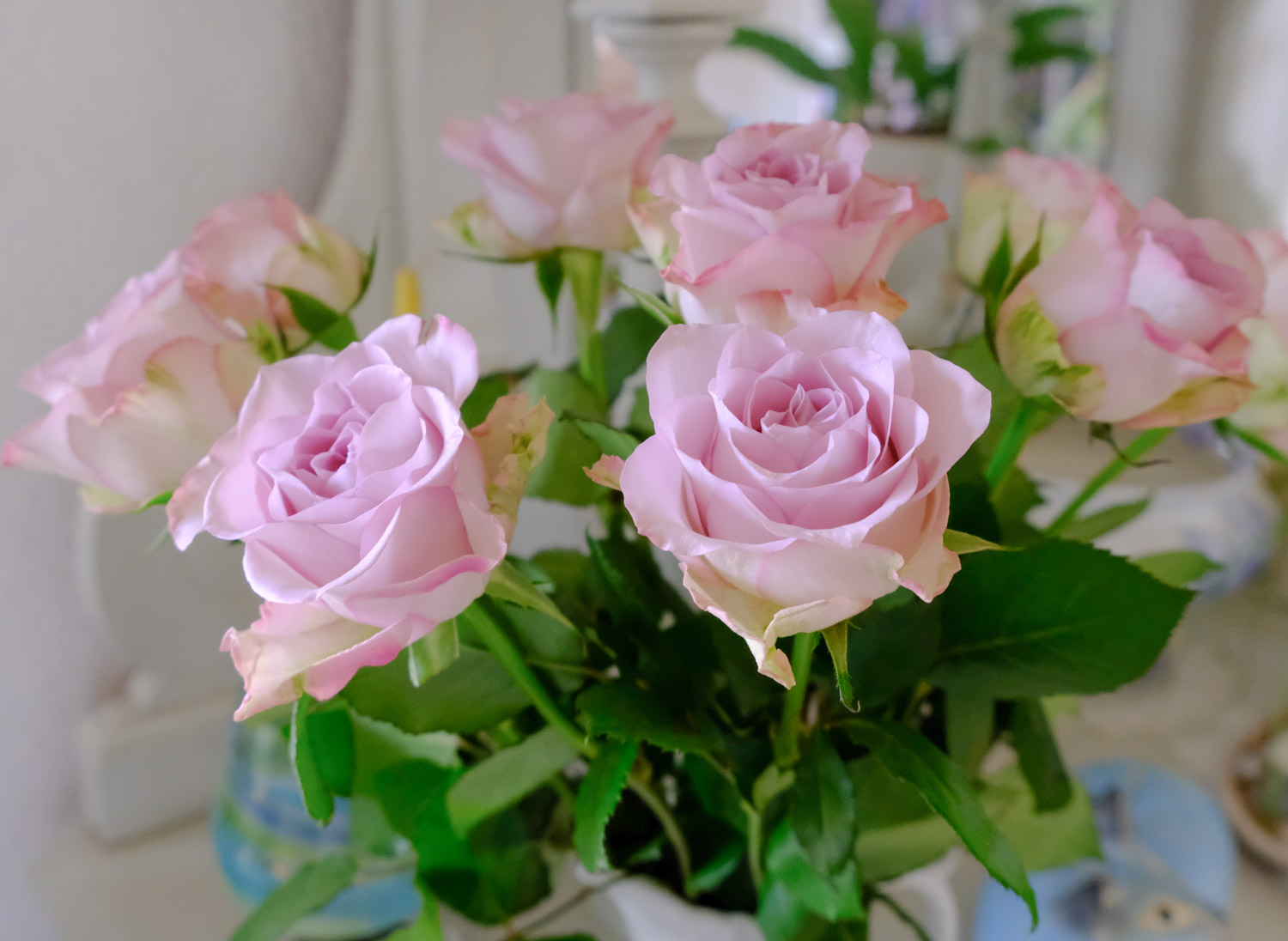
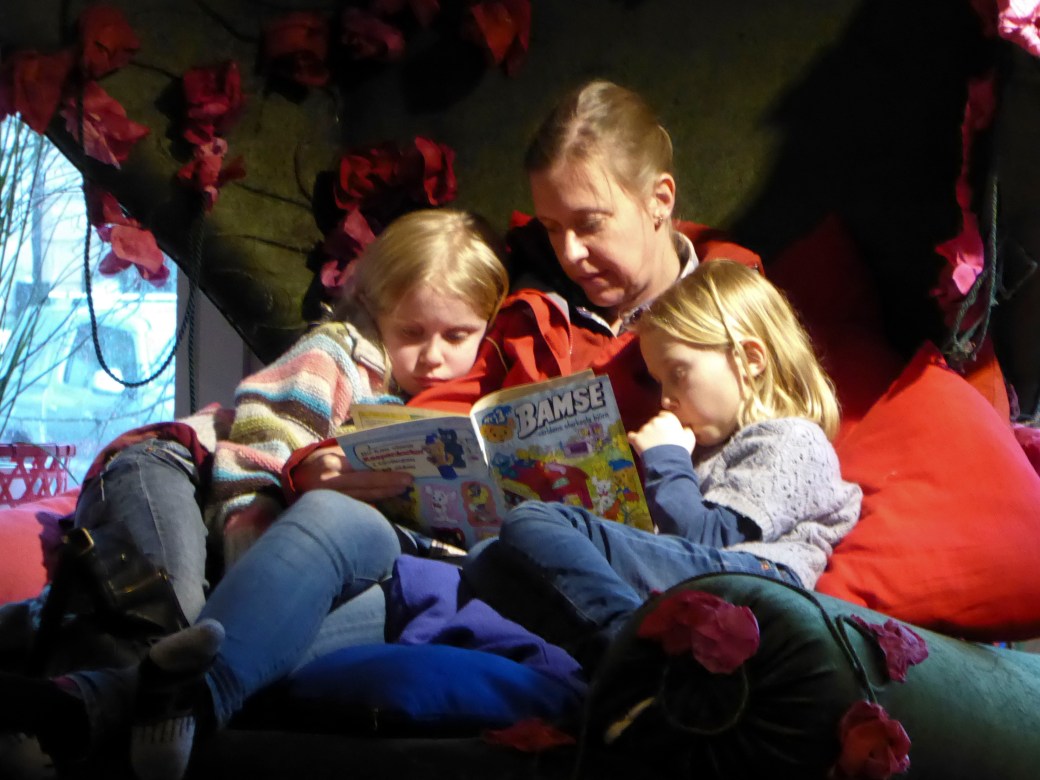
Spring Equinox started off with more snow during the early morning hours.
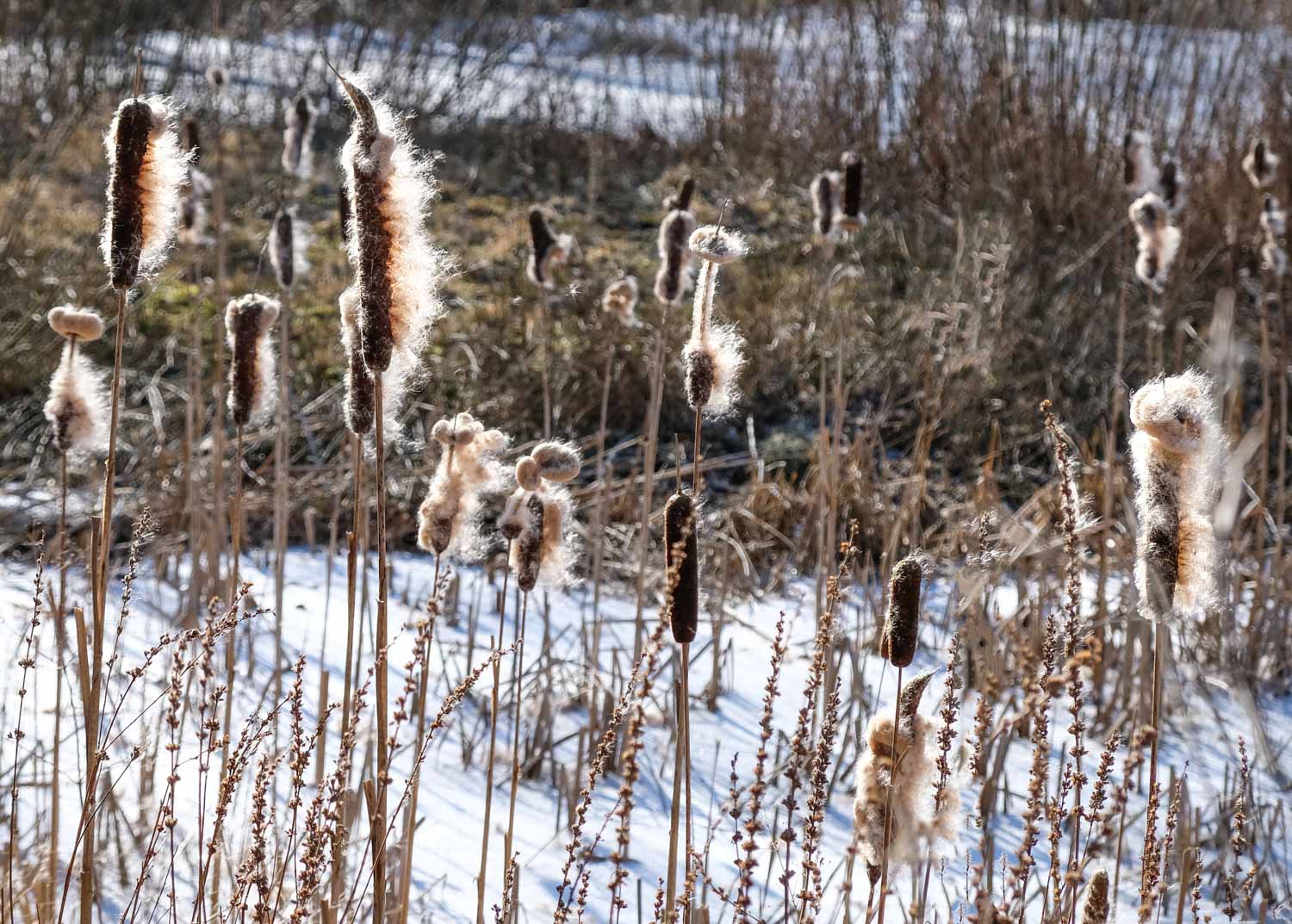
Later in the day, sun and a couple of degrees above zero. Cold wind, but birds singing – not very convincingly though. A tiny wren ventured out of the heap of last years’ lavender, when the shadow of a kite swooping down made me let Totti out – to save the smaller birds from this giant.
Winter, ”Kung Bore” we call him in Sweden, hasn’t lost his grip yet.
Morning walk – and these tents contain –


As I found the magpies are energetically building their nest even if it is snowing, I remembered a series I took when the neighbours’ cat ventured up to supervise…
Wishing you all a lovely Sunday!


As the morning dog walk was finished and we were warming up in the kitchen, I began to think about why I keep the things I keep on the old sideboard …and maybe they are not as beautiful as they once were…Why don’t I throw away faded roses…or faded twigs from an asparagus? And why do I keep a ceramic owl that cannot stand on its own feet?

Memories. Memories of a dear friend who gave me the loveliest roses – 10 years ago. Now they are resting in an beautiful bowl inherited from one of my oldest friends.
The owl is leaning against a ceramic bottle (from my grandmother). A gift from someone who listened to a lecture about some faraway country.
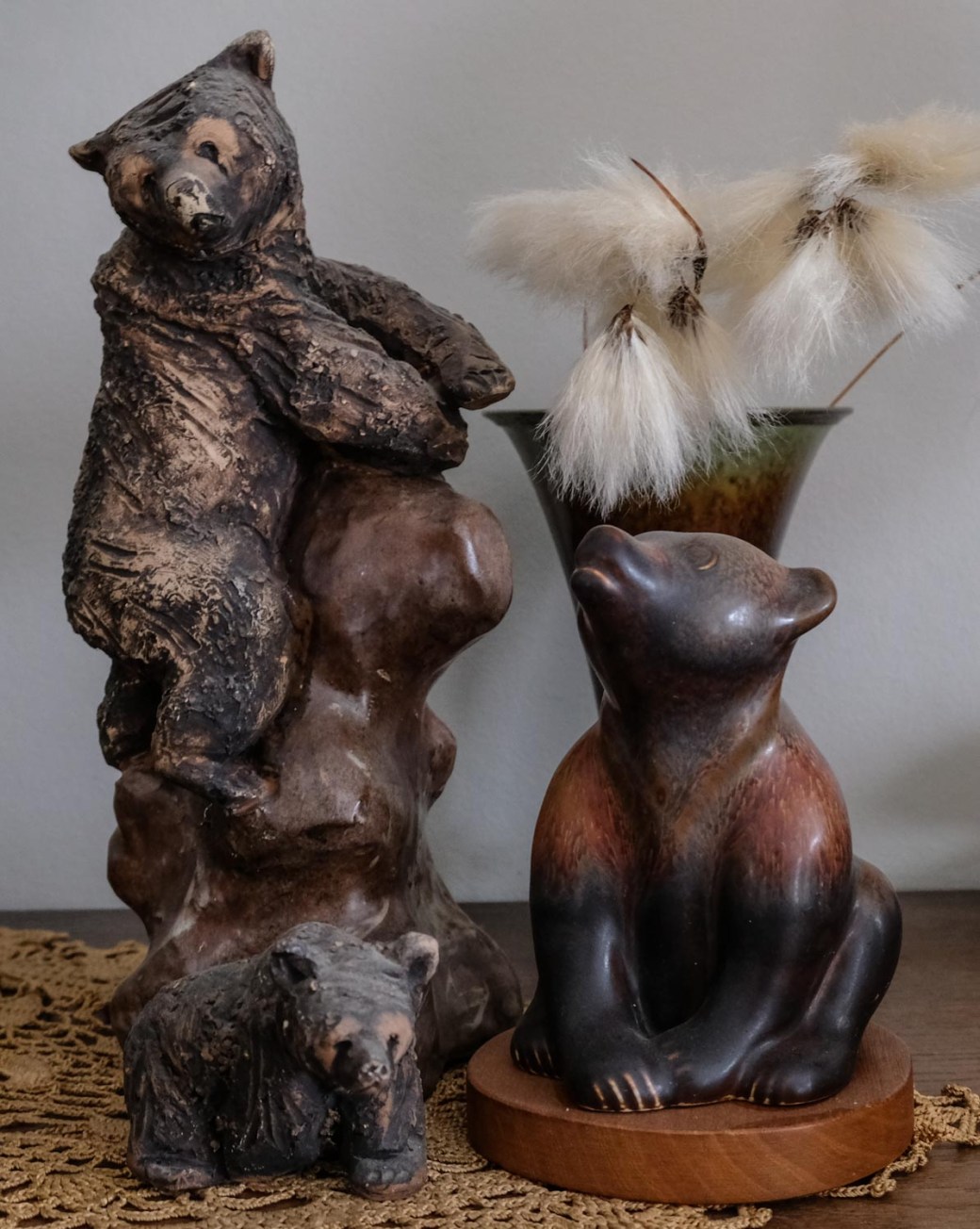
The three old bears were inherited from my mother-in-law. Somehow I love their expressions and I remember exactly where they were placed in her home. Now I let them sit together, contemplating life, on the golden crocheted tablecloths made by my husband’s grandmother, Anna.
The vase was a gift from another old friend, and the flowers – common cotton grass – were picked on my second trip to Iceland in 2006. They are still just as beautiful!
Things may fade, but memories don’t. They may change…but they will never leave you.

So, tell me – what do you keep on your sideboard, and what are their stories?
 Leya
Leya 
Du måste vara inloggad för att kunna skicka en kommentar.