So, we finally went to Porto, a trip cancelled two times due to covid. I must admit it felt strange to travel again…boarding a plane, walking in the sun, taking photos, eating out… My guess is I took more photos than I usually do.
I will share my first impressions of this friendly city today.
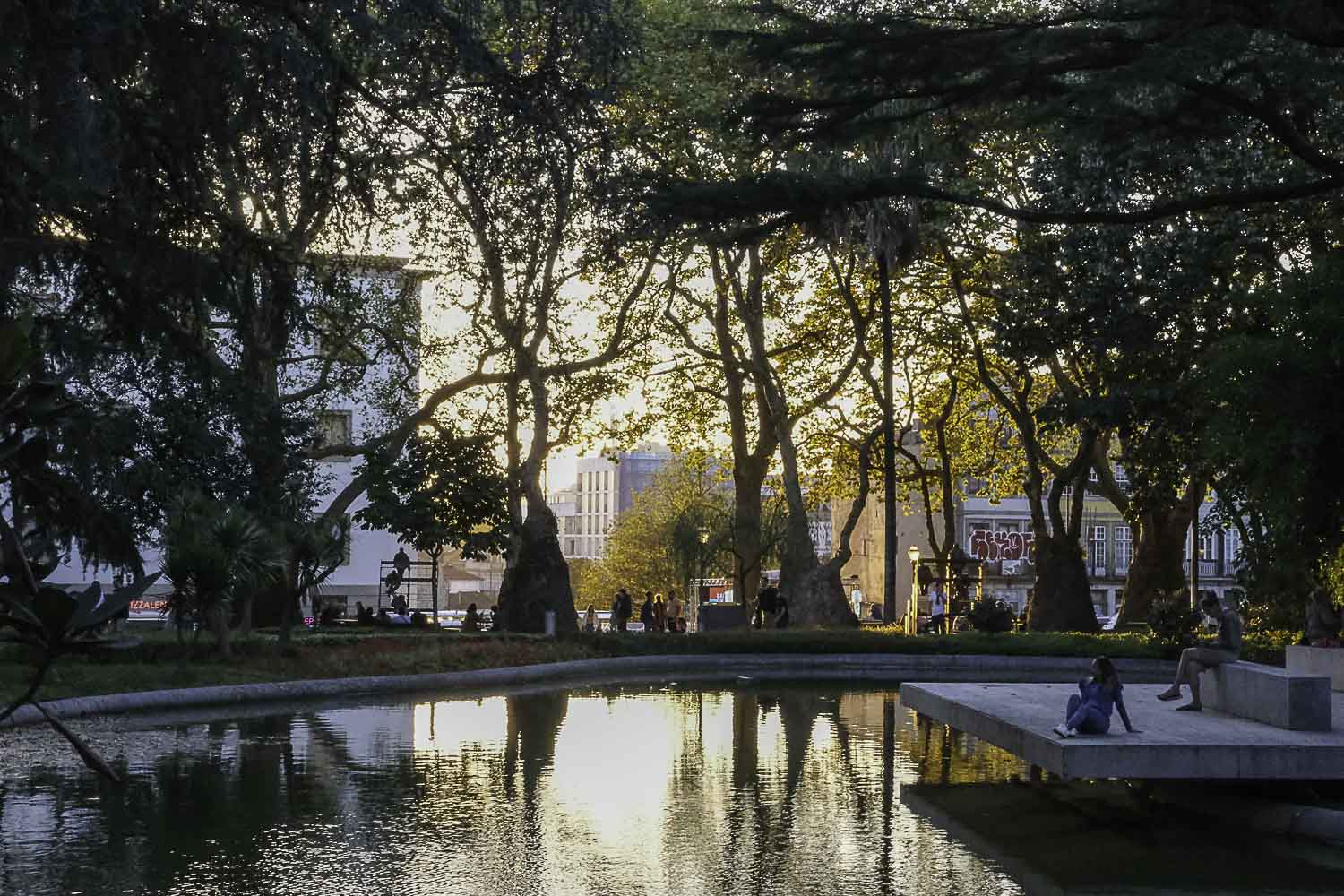
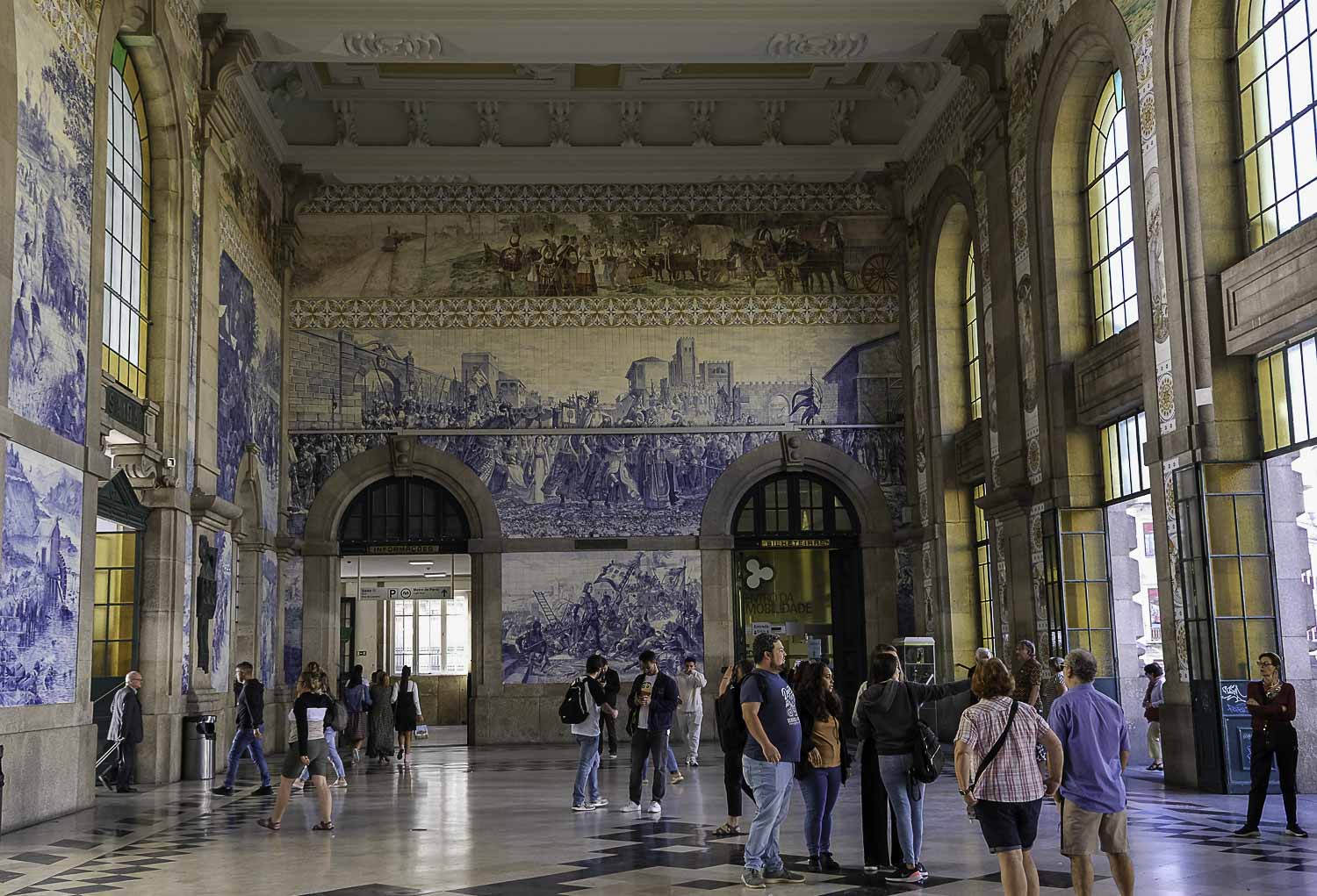
We arrived in beautiful evening light, and it felt so good to finally be there. A stroll in the park, and then a good night’s sleep before next day’s adventures.Early in the morning we realised people were absolutely right about the steep streets, mostly cobblestones too. Big parts of the city were under reconstruction as they were enlarging their metro system. Taking photos in the central parts were quite impossible.The beautiful azulejos were everywhere. This church and the trainstation were especially amazing.
But, the azulejos were not the reason why we went to Porto. I knew from my blogging friend Viveka (Myguiltypleasures), that the narrow streets and alleyways, the old houses and the charm of the river Douro – and good food – was THE reason.
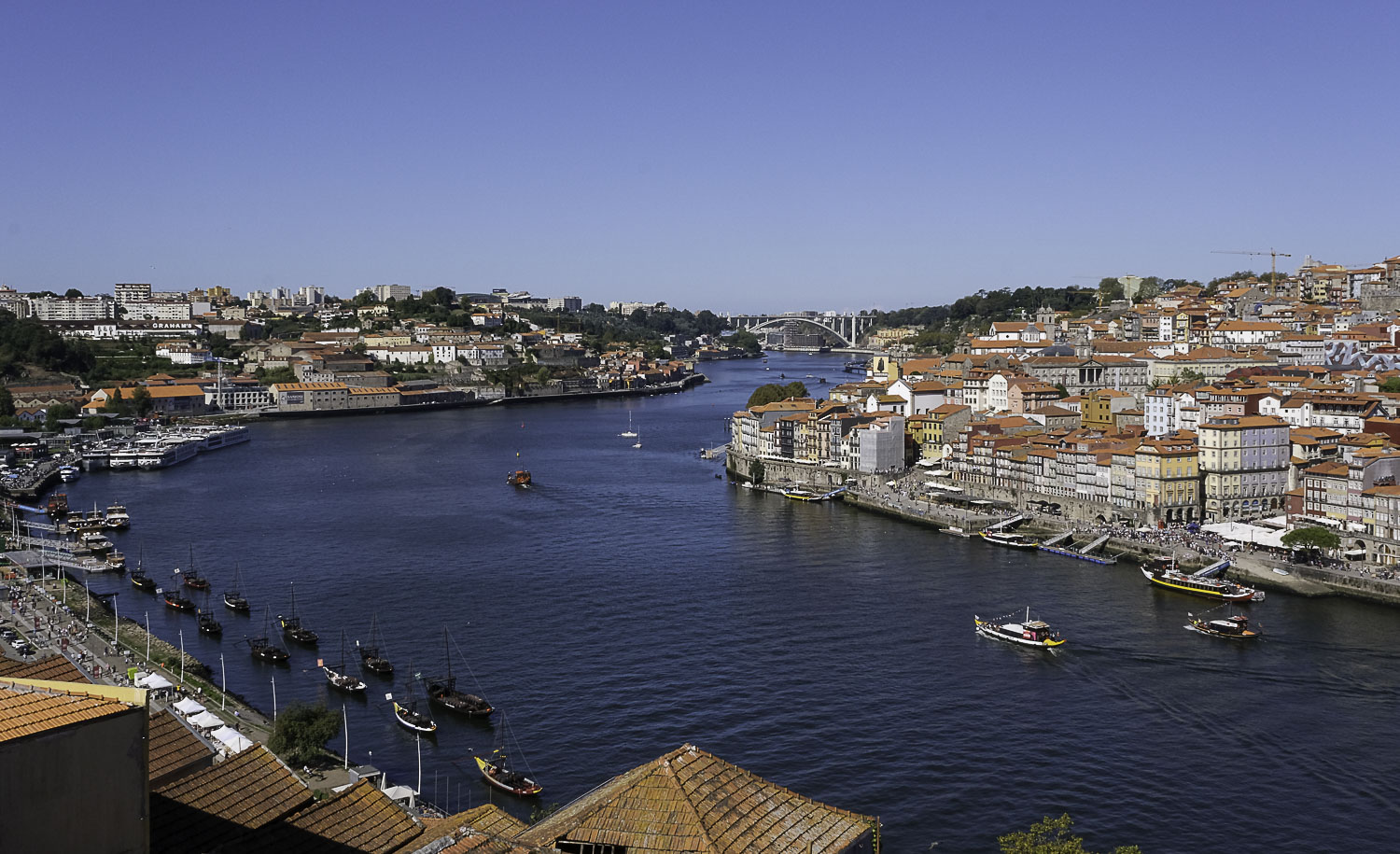
View from the upper part of the bridge between Porto and Gaia.
Stairs and steps…but worth the trouble!
This old man watering his flowers had a grand view of the Sé Cathedral from his balcony.
No words for this path – it was just my kind of path…
More of Porto later on – hope you enjoyed the first piece. We also went to the wine district in the Douro valley. I hope you will enjoy more of Porto later!
You know, I don’t really understand a suburban environment. I want to be out in the woods, I want to be where it’s wild, I want to wake up and hear birds, I want to walk outside and see a gaggle of turkeys bouncing across my lawn – I want to be someplace like that – or I want to be right in the middle of an urban environment. – Karen Allen
This week Sofia asks us about urban environments – I used to love visiting big cities now and then, for a week or two. But, due to covid, the last three years we have stayed at home. I must admit I miss those adventures…
I will tell you something of why I liked visiting the cities chosen.
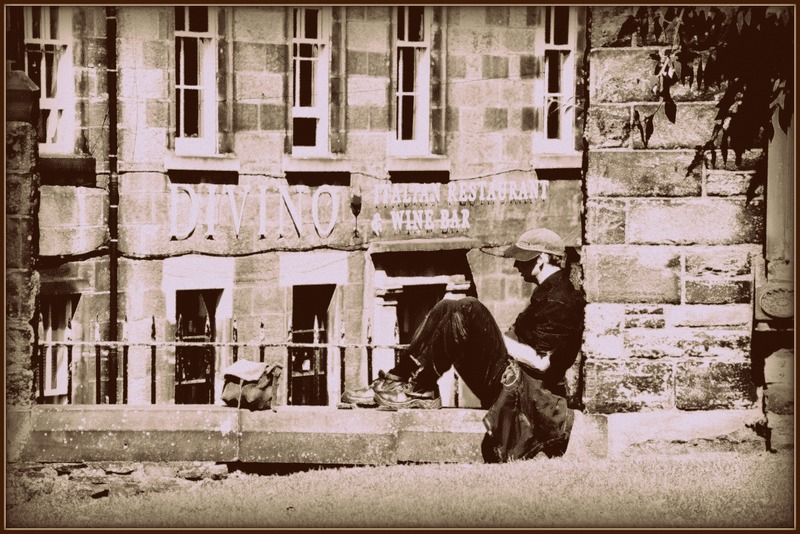
Edinburgh is an absolutely lovely city with castle and all, but Greyfriars Kirkyard offers both silence and contemplation when needed. One day I saw this young man sitting alone, quietly reading his book. I had to have his portrait. And I love the way they speak, the Scots.
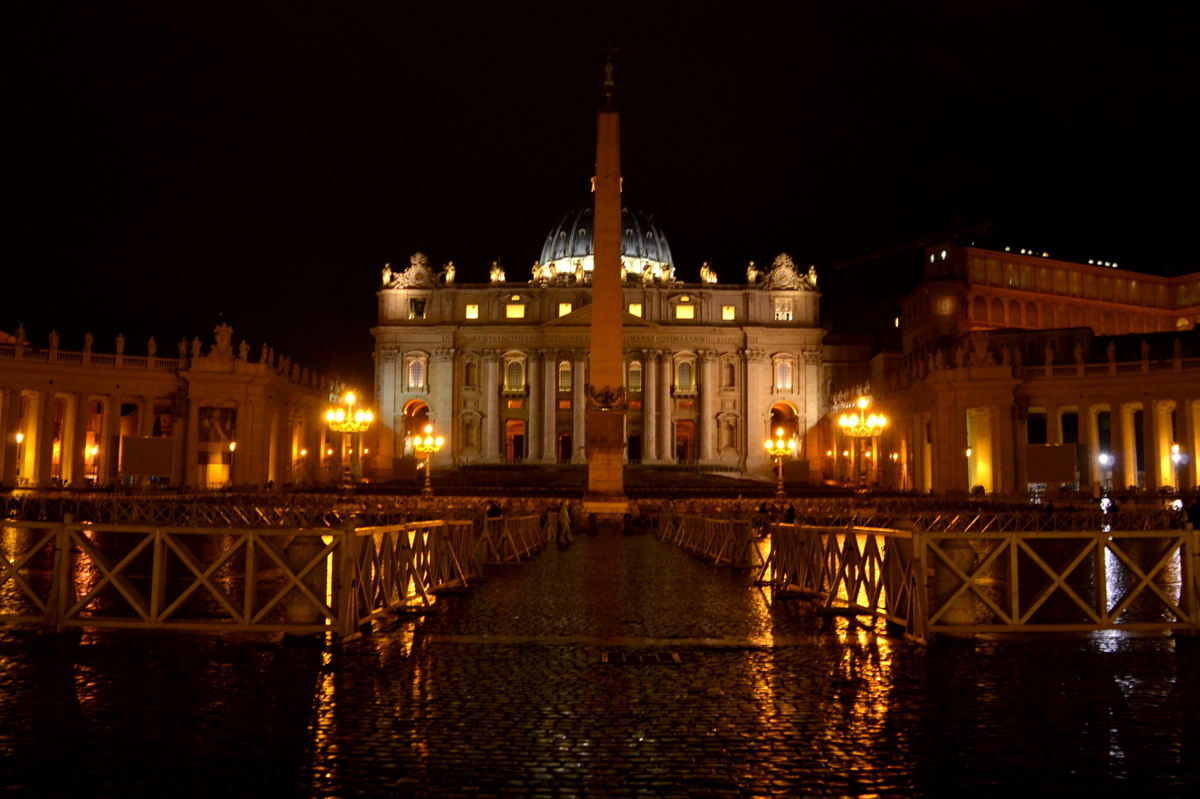
Rome is a city to return to again and again… Mezmerising. But on my first visit I was only16, and the young ladies laughed at my ”childish” sandals – they all wore high heels…
But you can find anything in Rome…
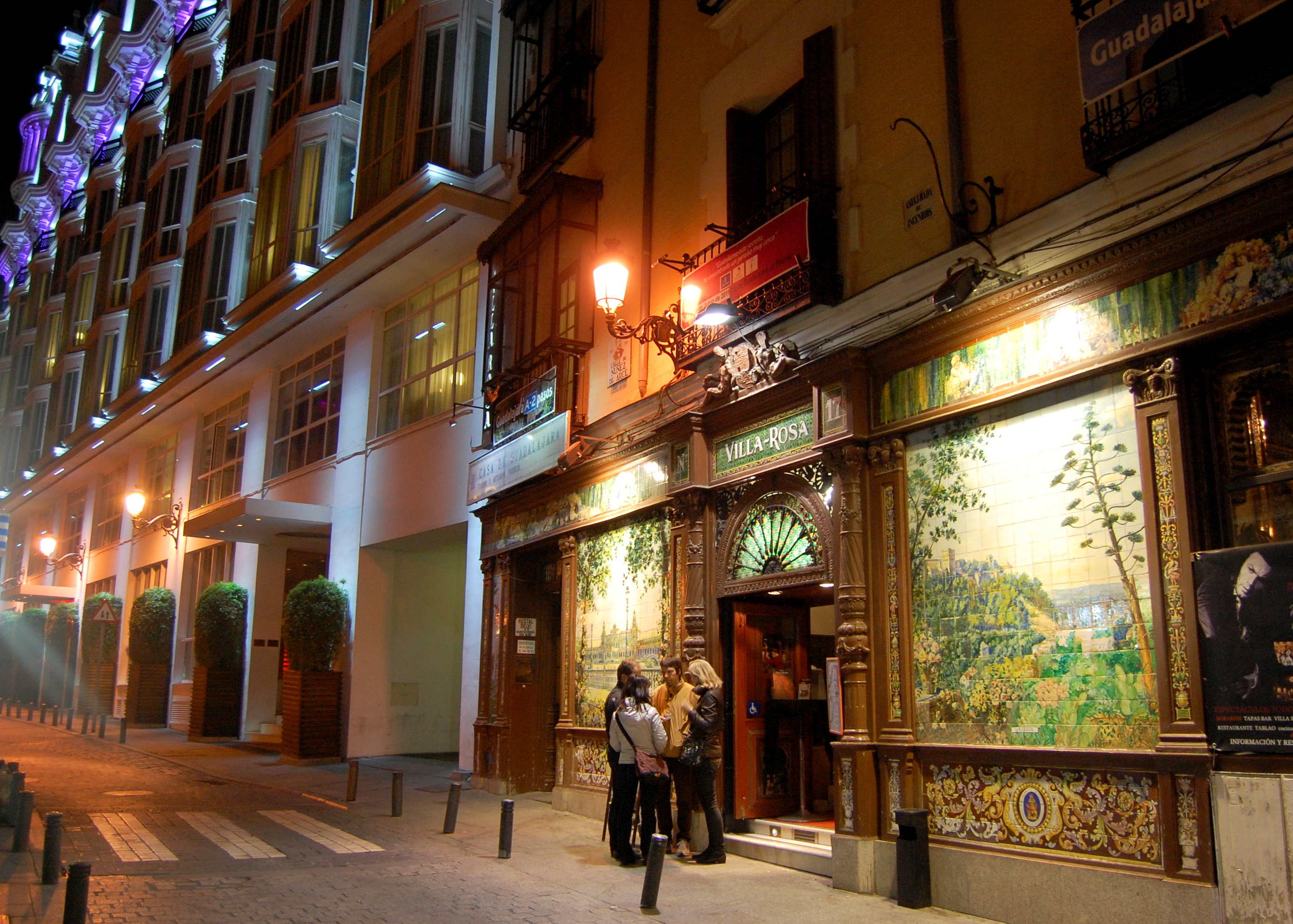
I have always loved London – the ”gentlemen”, the musik and the theaters. And of course the language…a visit to Foyles was always a great pleasure. I used to buy loads of books, for my students too.Warsaw was a very positive experience. I loved the newer architecture, and the people was good-humoured and generous. And the food! Delicious!I never dreamed of going to Madrid…but I went with my classes a couple of times. For its history, literature and architecture, fantastic museums (Museo del Prado and Museo Reina Sofia), good food and animated people – and Madrid did not disappoint!
Århus, Denmark – the new, spectacular area was a dream walking through. Innovative and beautiful in Nordic light colours. Expensive living…but very nice people all we met. Mostly young people in fact – who had made their fortune in IT or business.
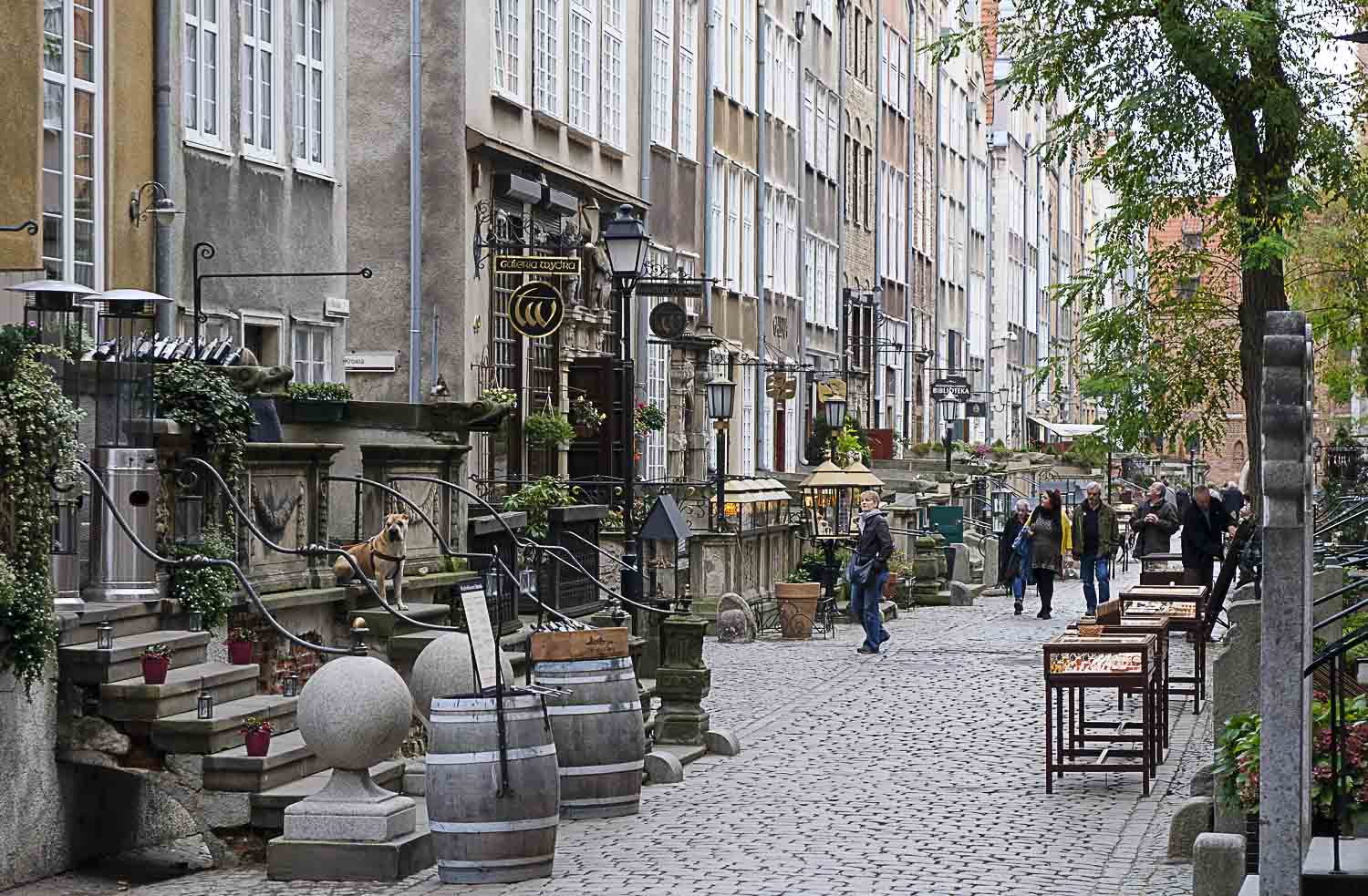
A gallery of the kind of urban environments that I love the most. Narrow alleyways and old buildings. But as Sofia says, new architecture can also be interesting. Like Bilbao in the header and Århus in Denmark.
Finally, my nearest big city, Malmoe – the photo taken from a plane flying in from somewhere in the world. Santiago Calatrava’s Turning Torso shining in the evening sun.
”This week’s challenge is about how you view any urban environments you came across, either by visiting as a tourist or the place you live in or commute to every day. What makes that city or town special and how do you capture it.” Please link to Sofia’s marvelous original post and tag with Lens-Artists so we can easily find you.
Last week John emphasized the way of transport to your destination. An inspirational challenge where the different interpretations were varied and interesting.
Next week is Tina’s turn to host, please have a look at her wonderful site and join us if you can.
For more information on how Lens-Artists Challenge work, please click here.
Planes, Trains, and Automobiles…and the places they take us . Visit John for more inspiration!
I must admit I am not an avid photographer of any of these transportation machines…I prefer walking and hiking. But, I did find some that I really liked. Hopefully these will fit the bill, John.
This pretty thing was found at a car show in Ronneby, Sweden. It is not a really old car, but I like the style.
A steam ship took us over to an island near Queenstown, NZ.
There we watched skilled guys shearing sheep and clever dogs herding.
Cachalote was our sailing boat in the Galapagos Islands. I think she had the tiniest cabin I have ever slept in…but the food and the people around her were just amazing. Going on a small boat also meant we could go closer to the islands and comfortably reach any nook.
A different way to promote your company – Keukkenhof, NL.
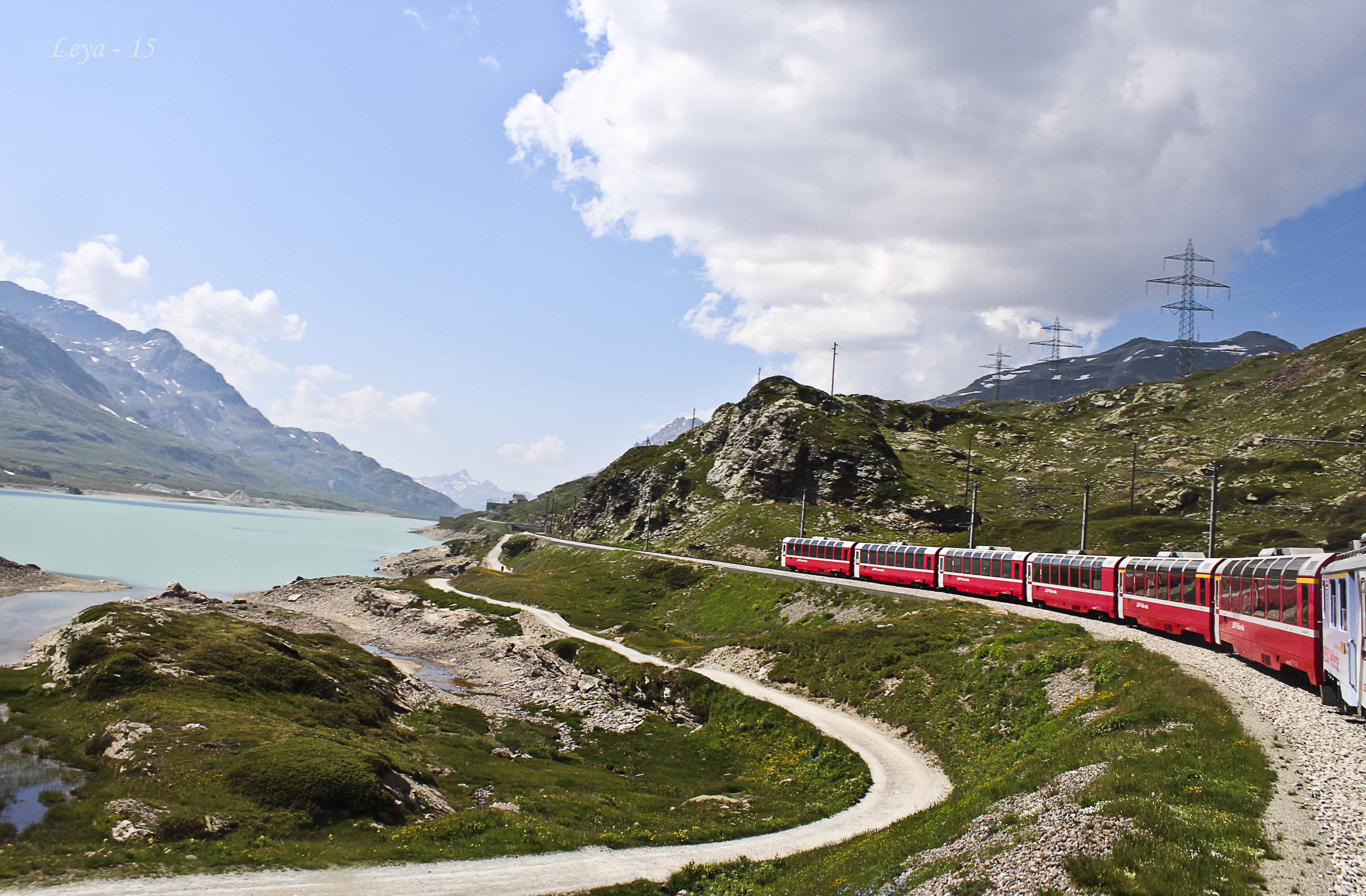
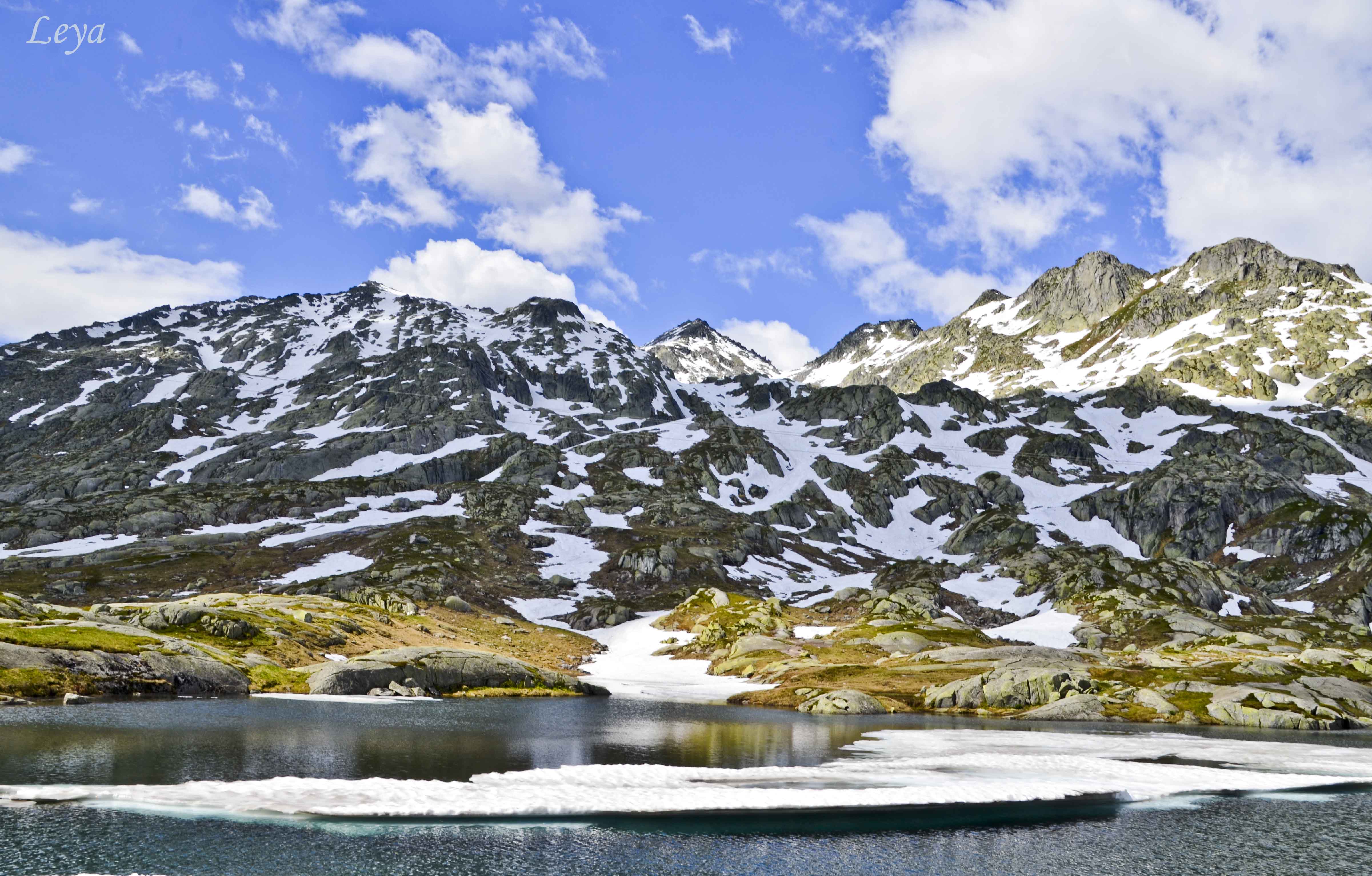
The mountain train in Switzerland, Bernina Express, took us to stunning sights. A trip warmly recommended if you happen to stay for a while in this country!
Ice melting in lovely colours
Adventure making for everyone
No planes…but still a means of transport! Maybe not for everyone?
My favourite planes are from Druk Air, Bhutan. They are beautifully decorated with dragons, and their pilots are trained to land in narrow valleys between high mountains. To land a plane here, they have to make a U-turn with the wings close to both mountain sides – and we had a perfect landing.
One more plane story: Going to the little island of Madeira also takes special pilots to land safely. We have been to Madeira five times, and the last one was a nightmare. We landed in a storm, and we knew four planes ahead of us had continued to the next island for a safe landing. We had to try twice before touching ground. Everyone on the plane cried…
Going to Bhutan was an old dream of mine, and yes, every expectation was fulfilled.
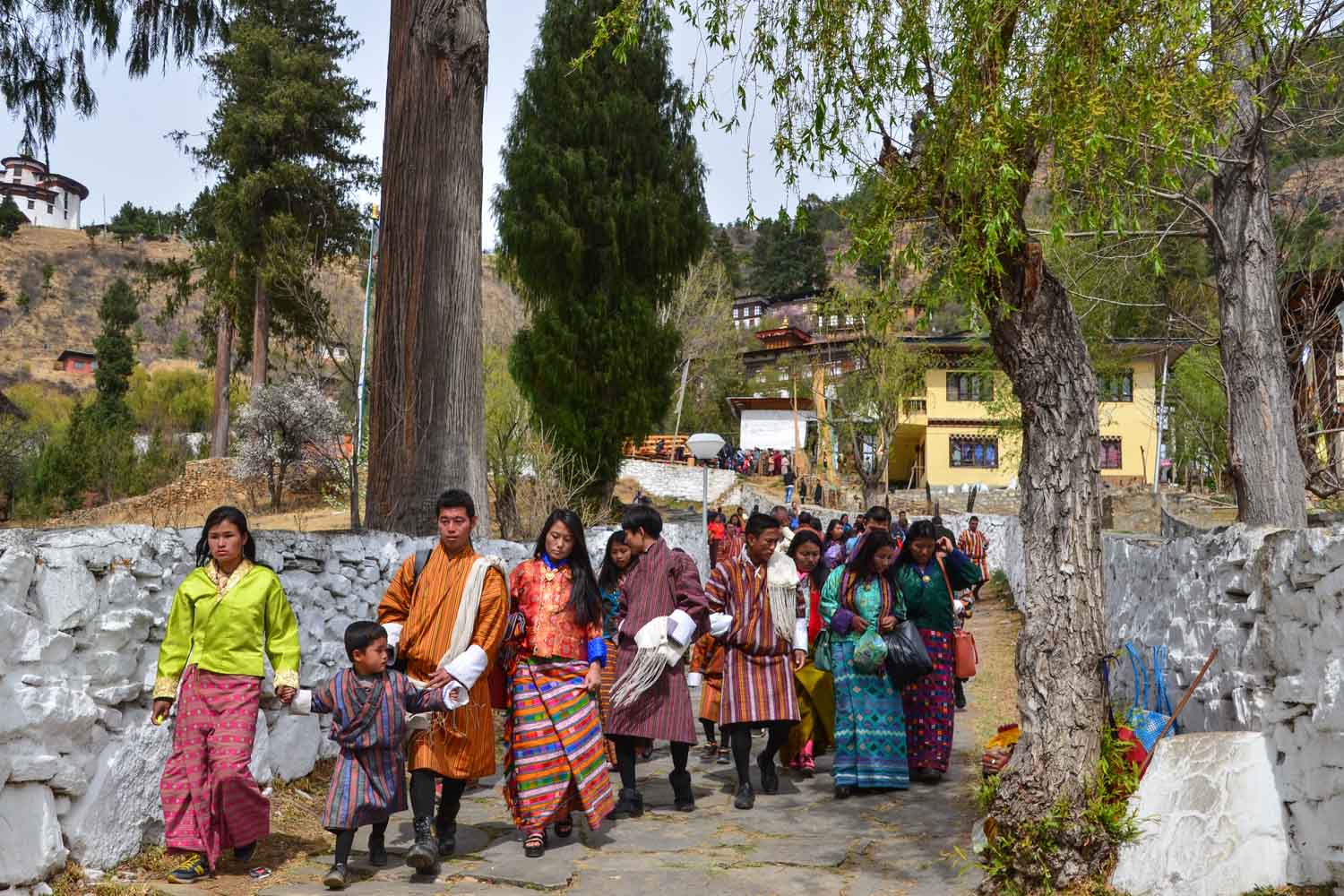
We arrived just in time for the big festival, Paro Tsechu, and the people all wore their best clothes. Dancing and celebrations were spectacular.
Bhutan is a stunning gem in the Himalayas. It was an unforgettable visit in every way. People, culture, landscape, architecture – and the fact that they are carbon neutral.
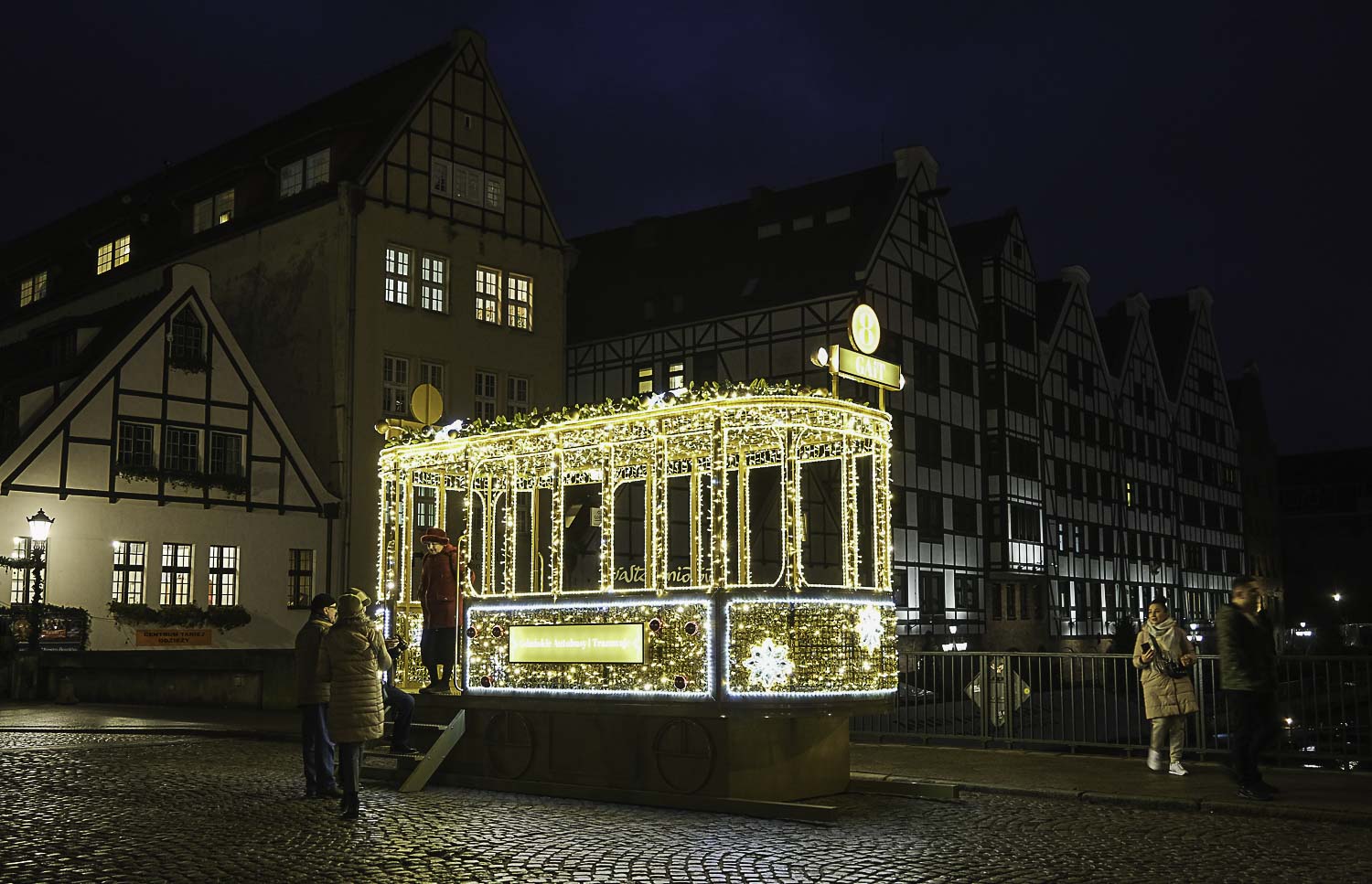
As winter is approaching here in the northern hemisphere, I thought I would finish with a bright and shining tram! I love trams, but of course this one was not in traffic. Warming my eyes though!
Thank you all for sharing your interesting finds with us last week! Very inspiring and diverse – just what we hoped for!
For the challenge this week, John is asking us to share images that focus on our journeys. ”Consider examples of historical modes of transportation if you happen to have some in your gallery, a horse-drawn wagon in Pennsylvania, or maybe an abandoned boat along the seashore.”
”Consider images of places you’ve traveled if you’re not into capturing those modes of transportation that got you there. It’s all about the journey for this week’s challenge.”
Next week’s challenge will be hosted by Sofia. If you’d like to join in the fun but aren’t quite sure how to begin, look here.
Amy says: This week we hope you’ll share some of your travel experiences through our theme “Travel has taught me”. And her opening quote says it so well:
Travel changes you. As you move through this life and this world you change things slightly, you leave marks behind, however small. And in return, life — and travel — leaves marks on you.
~Anthony Bourdain
What is hiding out there, beyond the mountains…?
I have been traveling since I was 16, so, I guess that question wanted some answers… Some of the answers, and something of what travel taught me, I have tried to show in this gallery from our antipodes in New Zealand. Swedish people cannot travel more far away.
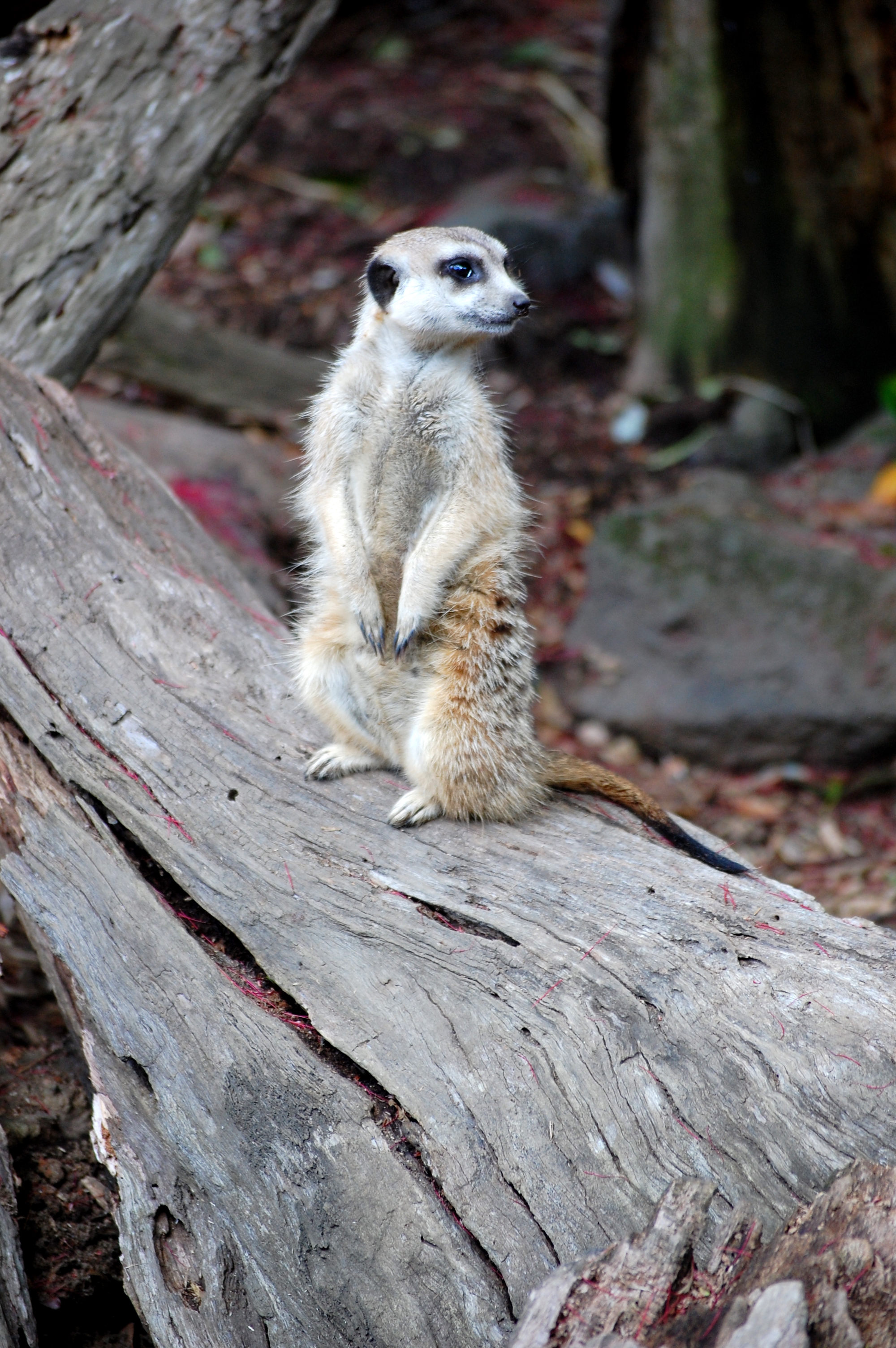
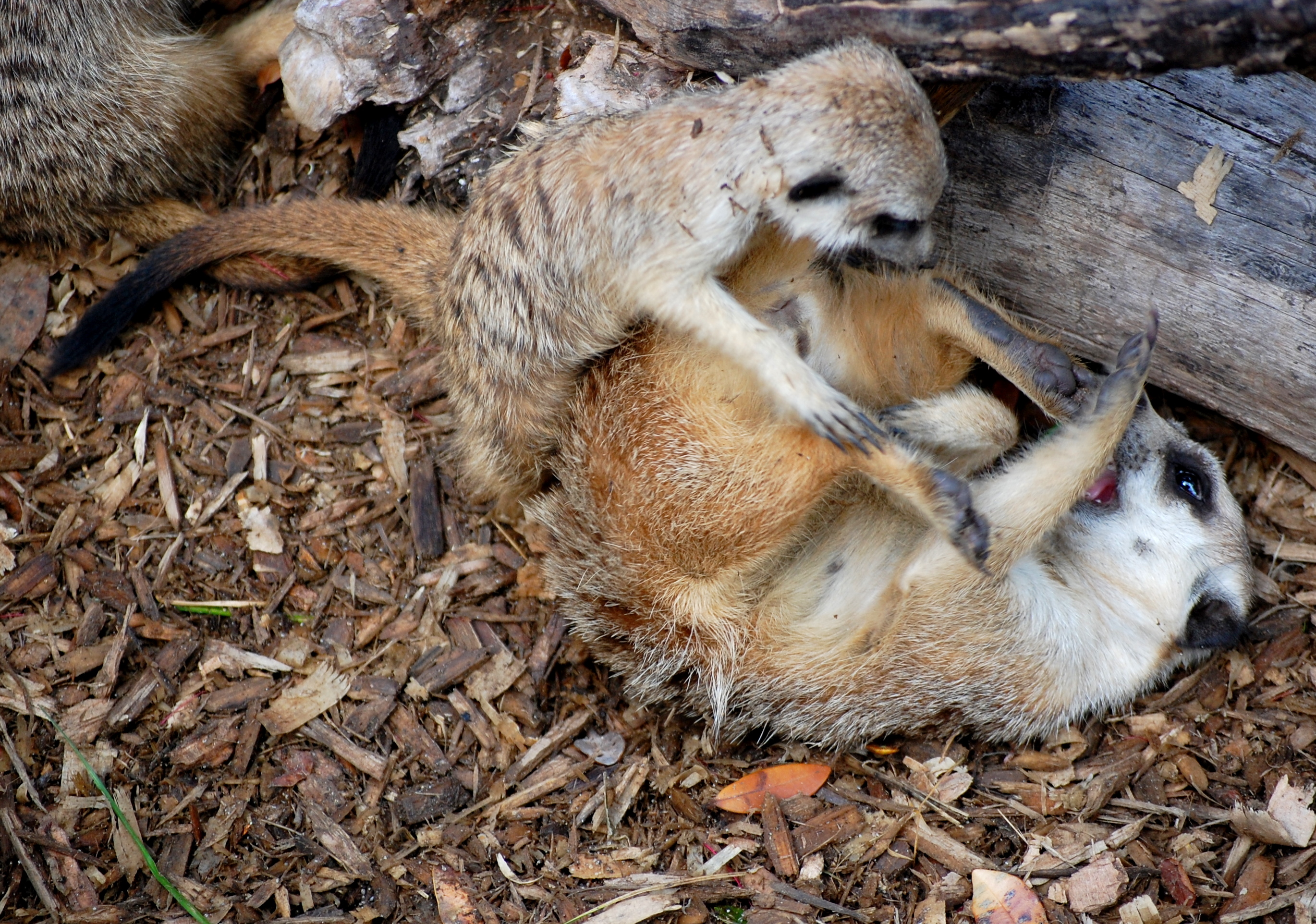
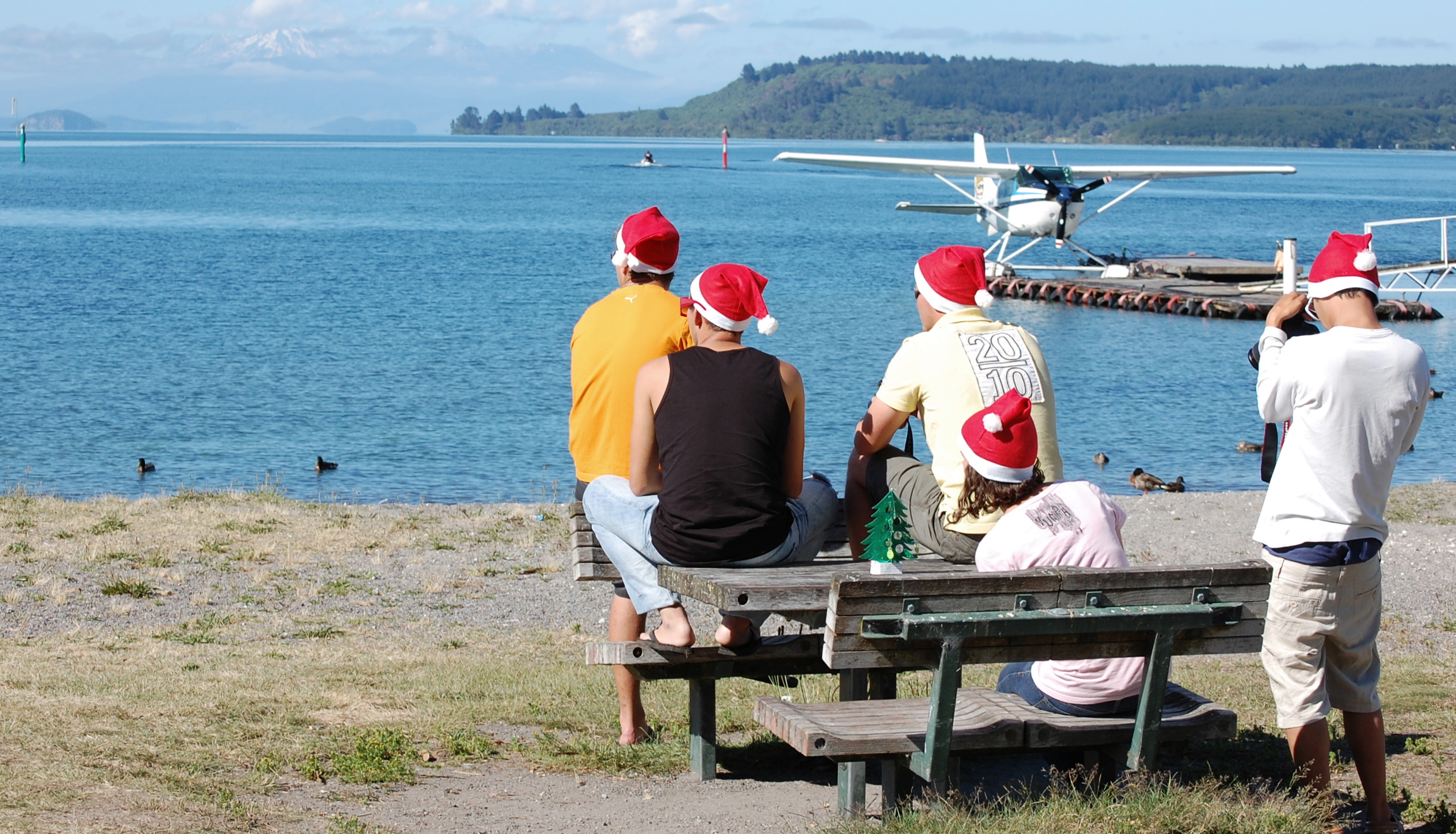
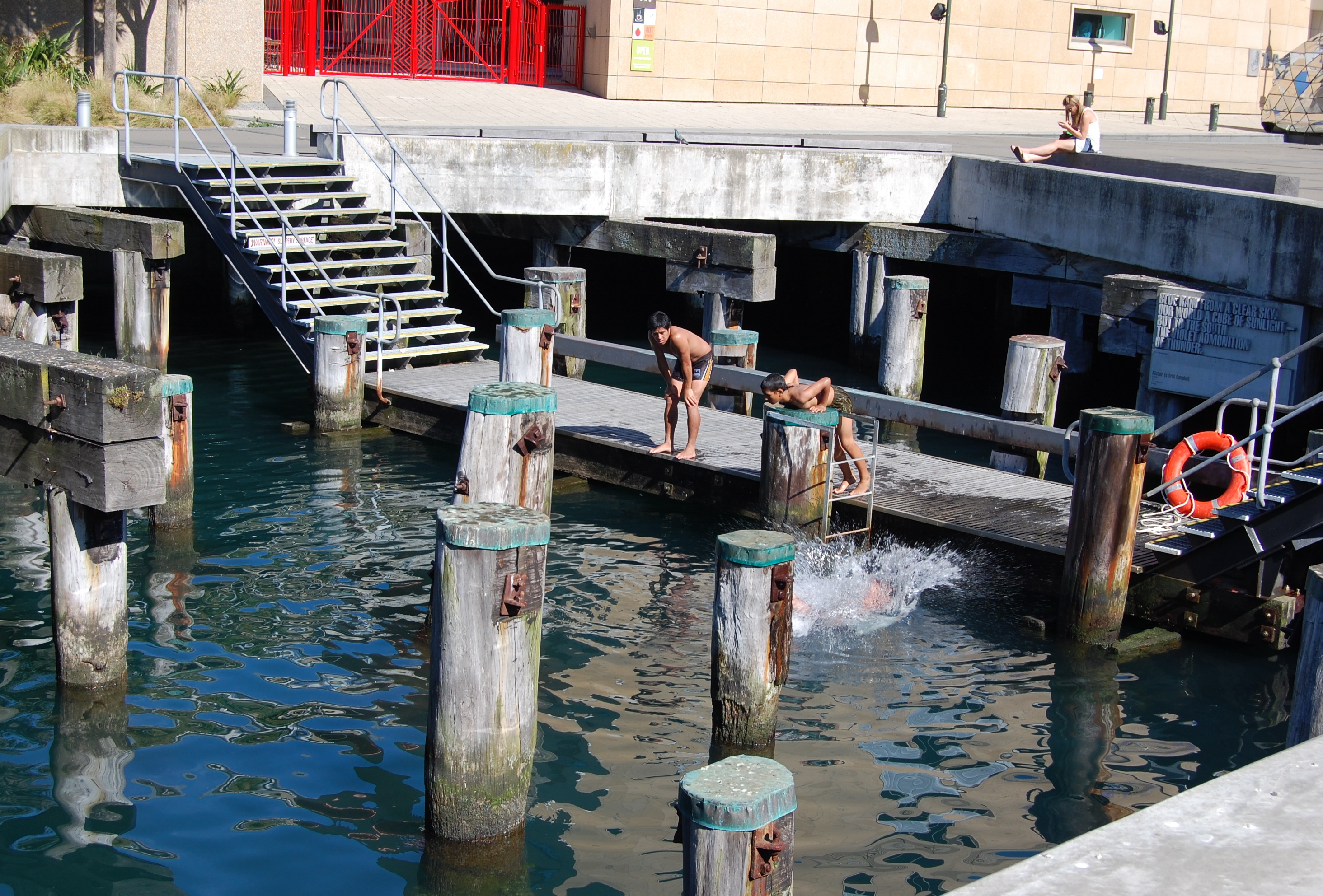
Travel taught me that, despite the many differences, there are more likenesses between living beings and cultures, all over the world. We look much the same, we love doing the same things…sunbathing, playing, swimming…and the animals are just like us! Our traditions and religions vary, but at the core, many of them show great likenesses and some have much the same origin. And Love. We love art in all its shapes and form – our species crave it – and fun art too…a good laugh now and then is essential for our wellbeing. Through traveling, we also celebrate our differences – the spice that fuels our sometimes dreary lives!
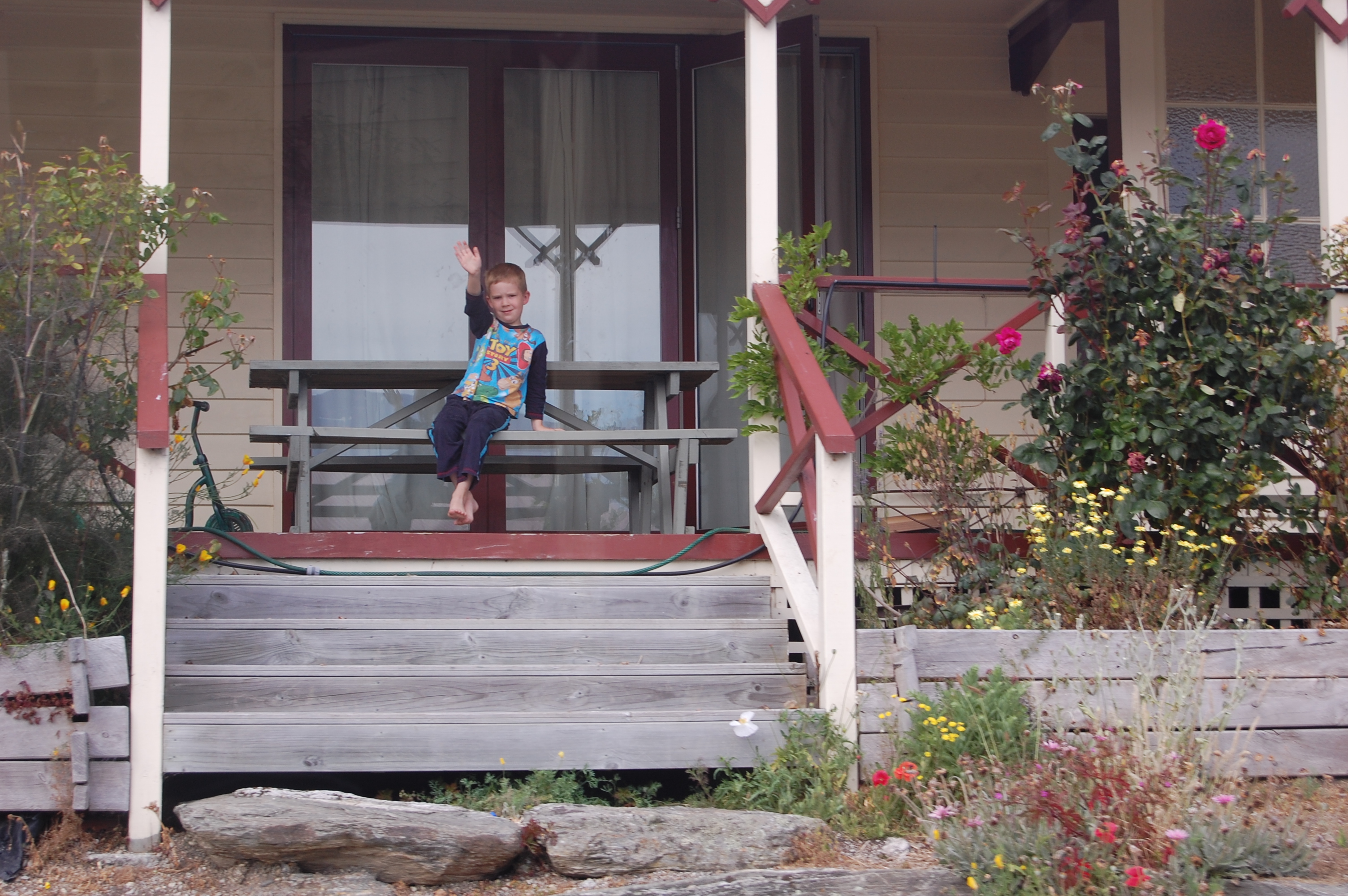
And small children still like to wave at the train passing, as well as they like to dress up for a masquerade or a Medieval feast.
Above all, travel taught me tolerance and an open mind. That things can be done differently… and still be good. Even if we are good at many things in my own country, there are countries that are much better in several respects and areas – for example New Zealand, with its long standing environmental priorities. A role model for us all.
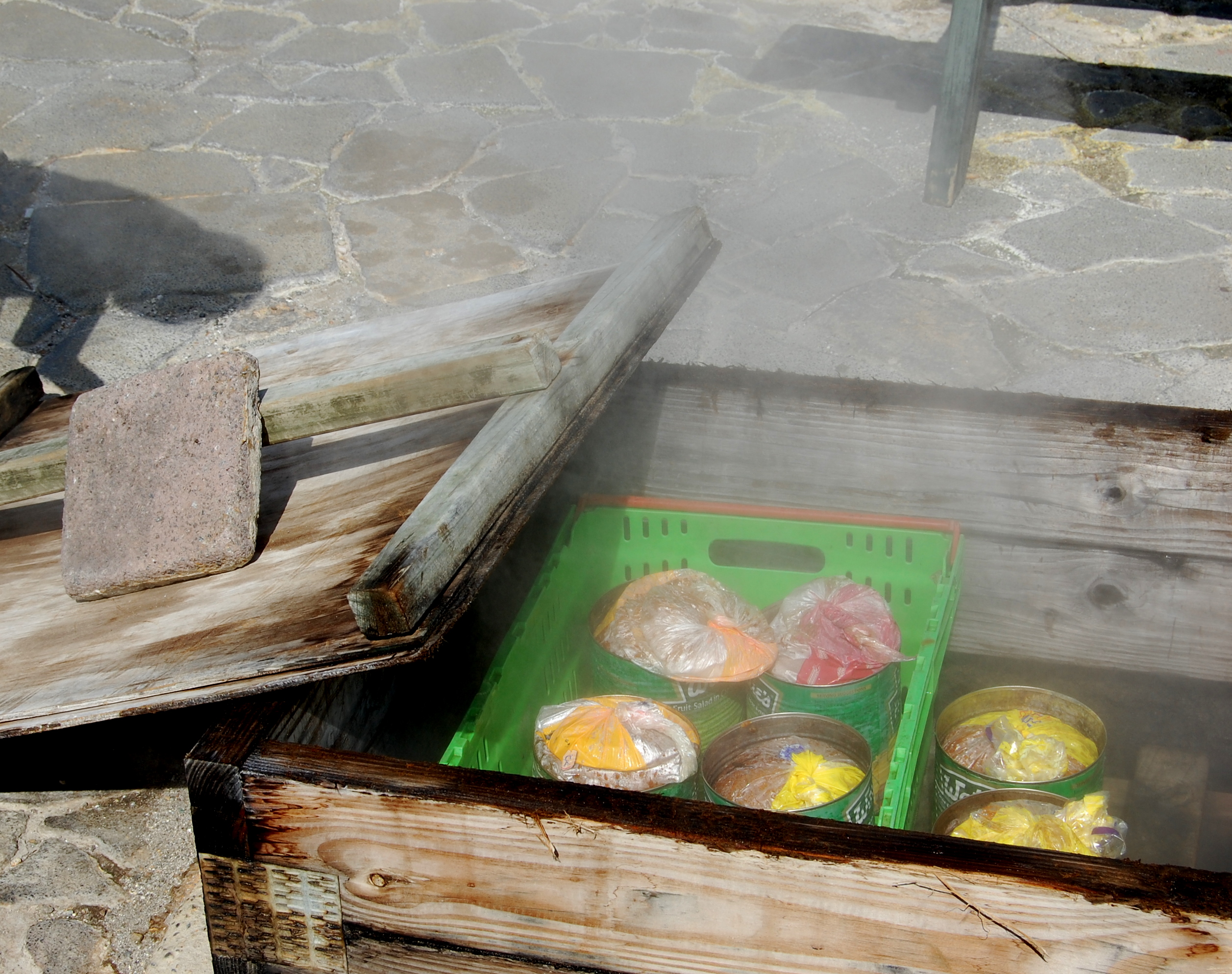
We must not forget the food – essential to all living beings. Despite all differencies in ingredients, spices and ways of cooking, we love the variety of it. Steam cooking like this I have met in many countries. New Zealand, Iceland, the Azores, the Canary Islands…across the planet we find Mother Earth willing to give us natural ovens and heat to help us making food ready to eat. Be it buried in the ground or in water, volcanic areas usually have both methods. Our Mother is loving and giving…I wish we humans were more loving and giving too – not only taking. Let us leave our marks in good footprints, and learn from life and travel how we can help instead of use, misuse or abuse.
Many thanks to all of you who joined in and shared your beautiful Memorable Events! This way, we were all connected and could feel the magic of everyone’s events. To me, this meant a great deal – there really haven’t been many fun events during the last two years.
This week we are looking forward to seeing your travel experiences, whether to a faraway place or on a local day trip. We also hope you’ll share what you’ve learned along the way. Please link to Amy’s blogpost here and use the Lens-Artists tag to help us find you.
Next week, John (photobyjohnbo) will lead LAPC #185. The theme is Change – ‘Given that change is inevitable, for this week’s challenge consider change as it applies to you. Maybe it’s the changes in your family over the years, the change of seasons in your favorite park, or even the change in the technology of your camera equipment. In short, what does “change” mean to you? ‘ Be sure to visit John’s site for more.
Guest host this week, and our natural guide through the wilderness is Dianne Millard of Rambling ranger – ”I don’t want to see groomed gardens or animals in the zoo. No people or signs of people. I want to see and revel in the natural world in your posts. Where’s the wildest place you’ve ever been? Where do you go to let Mother Nature regenerate your spirit?”
Most of you know I am a great nature lover and I always do my best to protect her and … taking only photographs, leaving nothing but footprints.
But love of the wilderness is more than a hunger for what is always beyond reach; it is also an expression of loyalty to the earth which bore us and sustains us, the only home we shall ever know, the only paradise we ever need – if only we had eyes to see.
Edward Abbey
Seeing how Dianne lives her life, I can only admire and love her for what she is doing. I share her love of the wilderness, but I guess I was not made for such a tough life that she is living in Alaska… Go see her amazing adventures and photography!
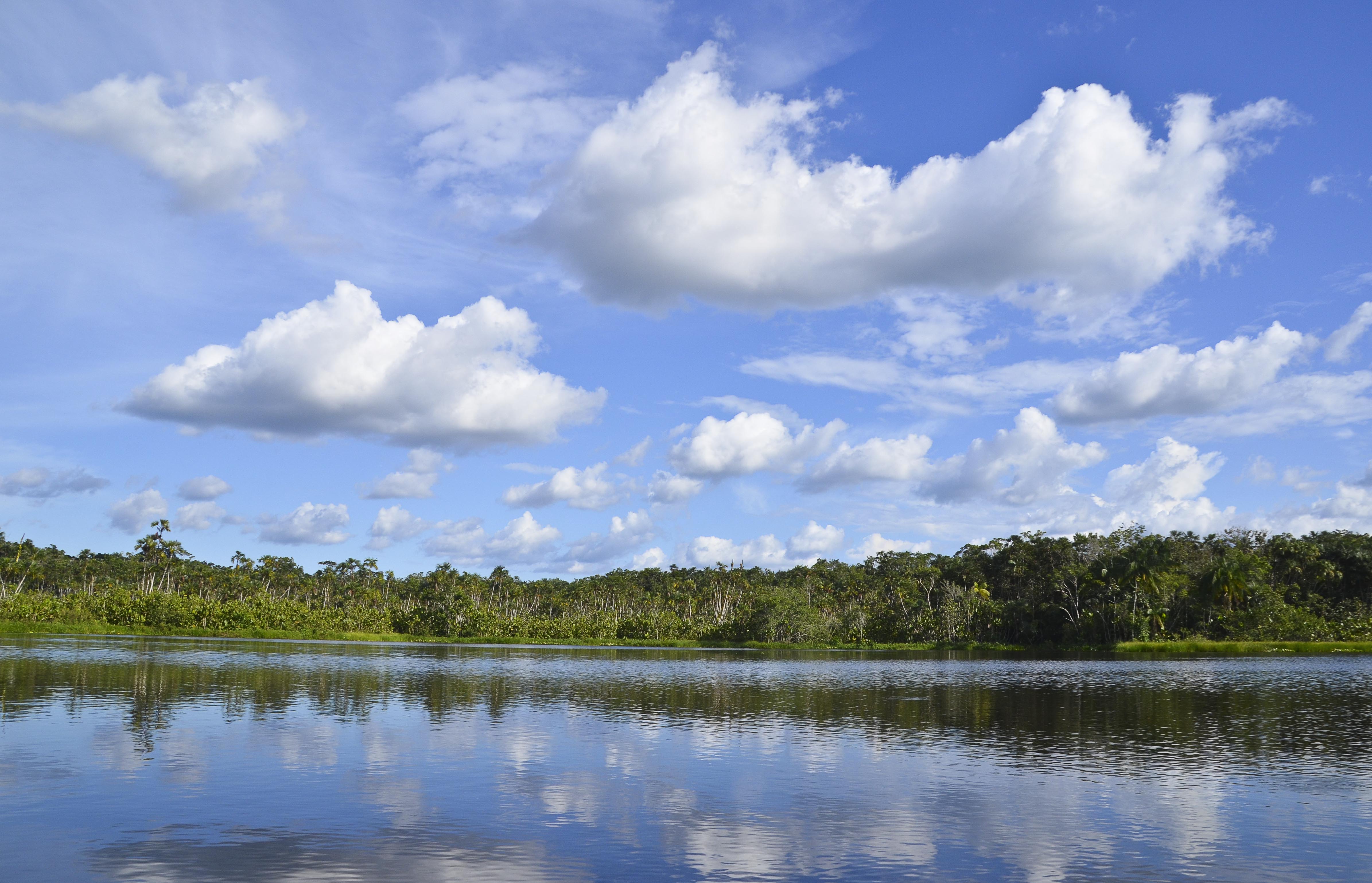
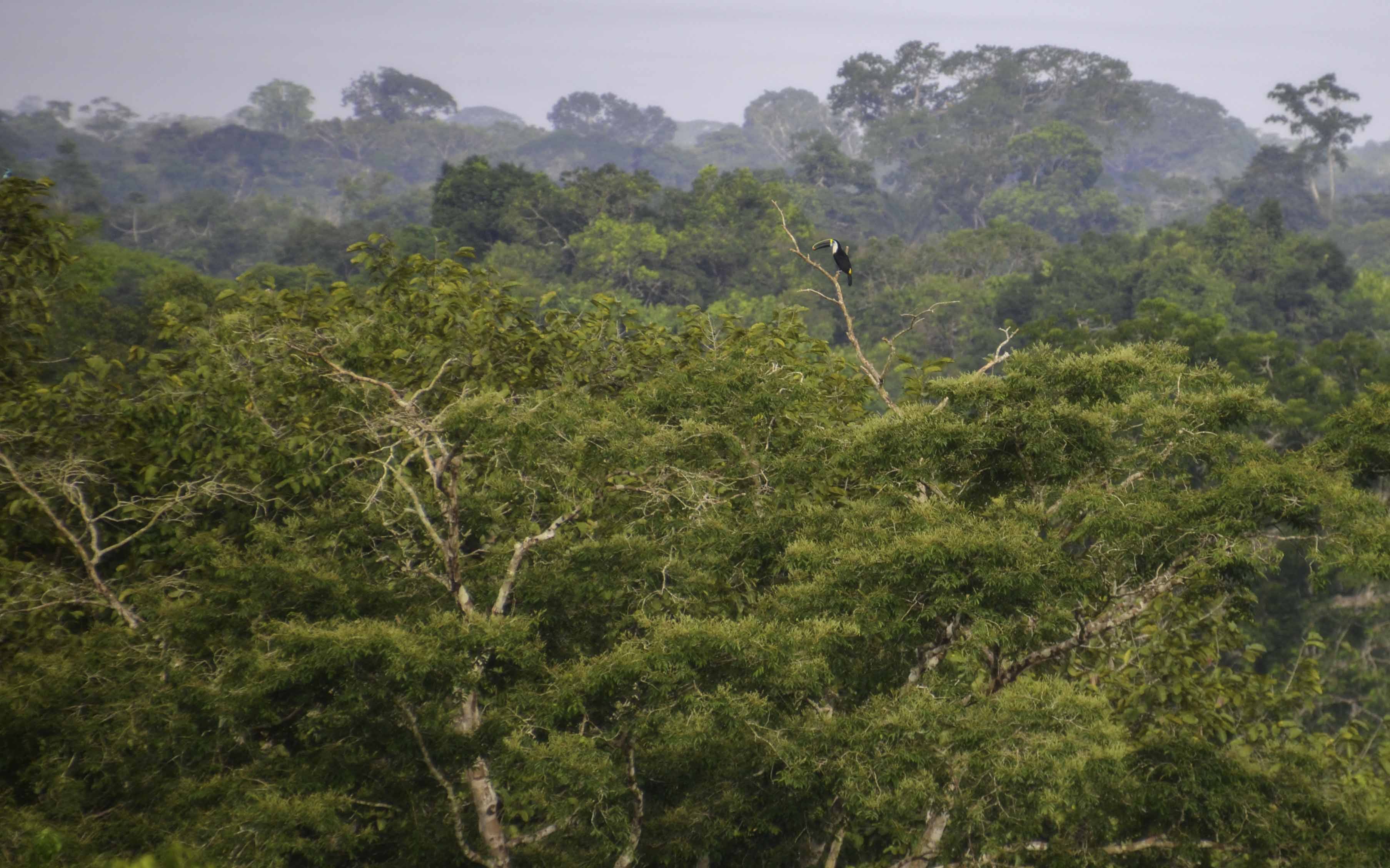
We can all find and love pieces of wilderness at home – but this time I went back to one of my wildest and most loved adventures. Ecuador, the Amazon and Galapagos. I will start like Dianne – with my morning view, of the Napo river.
Every morning after breakfast we went by canoe into the jungle – for a new adventure.
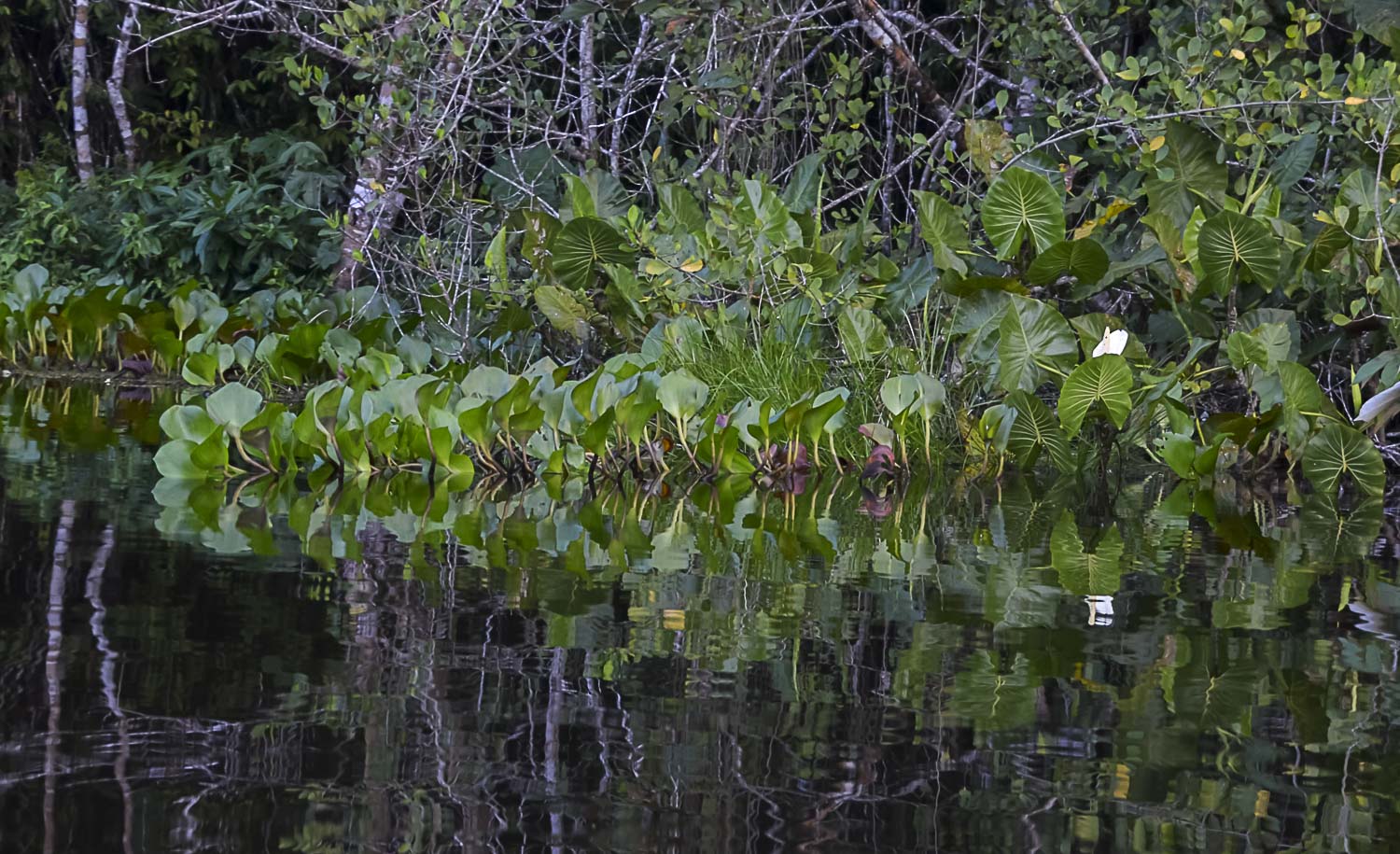
Most significant were the playful monkeys – jumping in the canopy above, curiously swinging down to watch us marvel.The silence of the gliding canoe, and then all the sounds of the jungle. The diversity in tangled plants and the absolute love and gratefulness of being there… It’s really impossible to describe in words or images, and the feeling impossible to imagine if you haven’t been there yourself.The light in the darkness under the trees – and us waiting for an anaconda to swim up beside the canoe… (Luckily?) No anaconda appeared during these days, but every detail was a beautiful gem. Only occasionally it was possible to take decent photos. Low light, no open landscapes, only dense jungle.
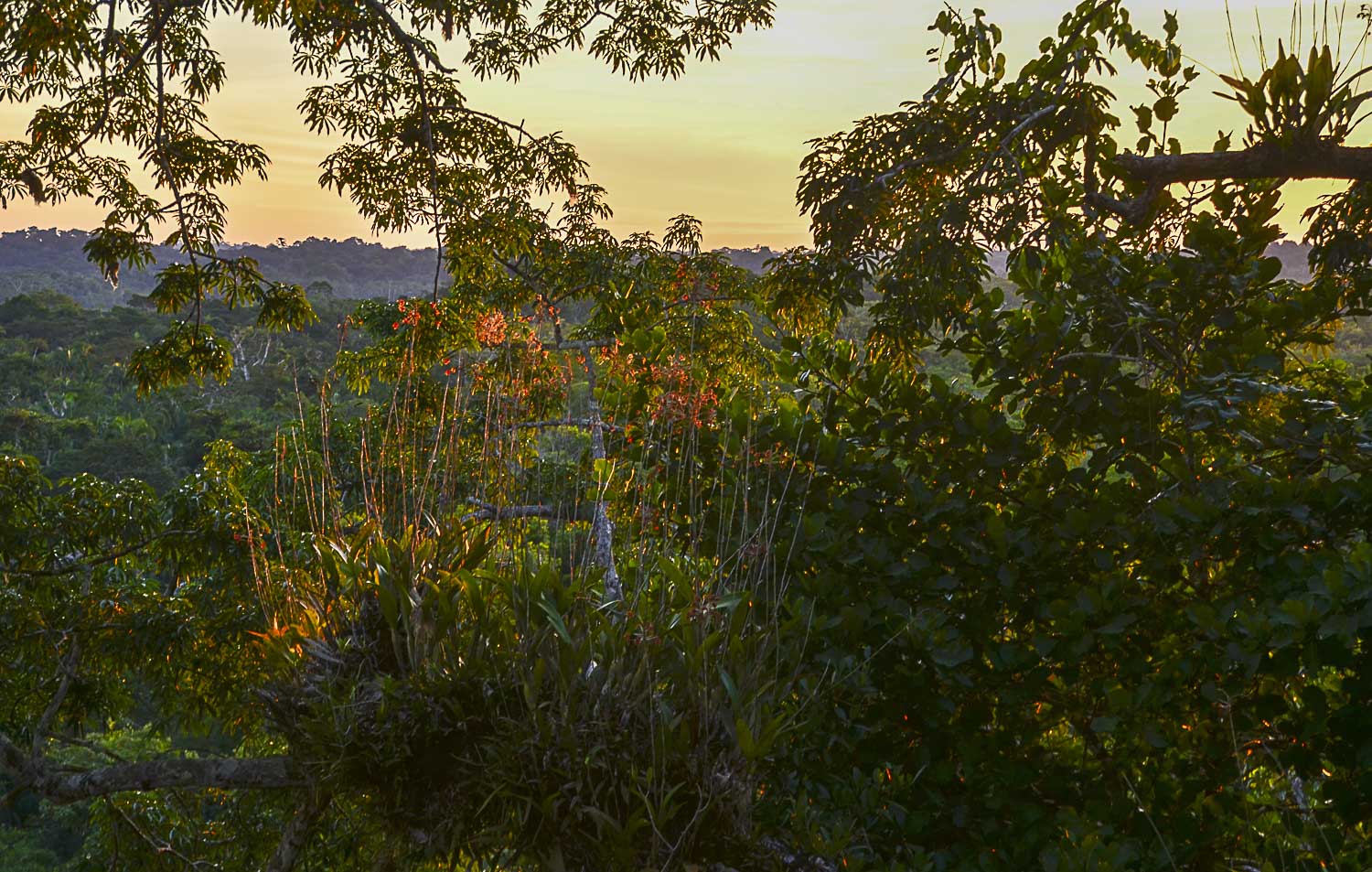
Climbing to the top of the canopy, we could hear and see many birds – but from a distance only. We spent our last night high up in a Kapok tree, watching the sunset over the Amazon basin. And I was also enchanted by all the glorious wild orchids residing in the trees.
To really get close encounters with the wild life – we then went for almost a week on a sailing boat to the Galapagos islands.
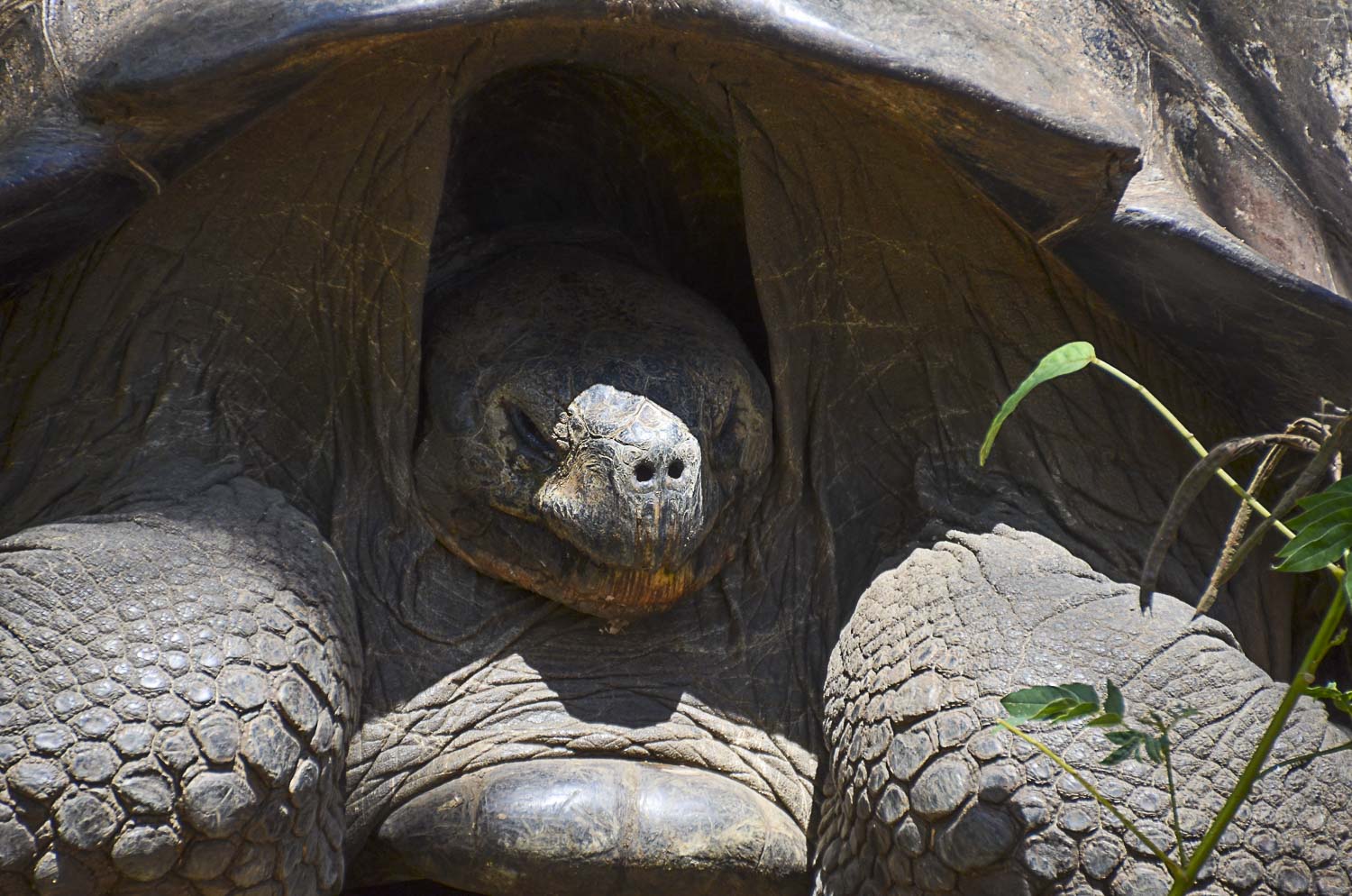
Here a close-up with one of the most special animals connected to these islands – a giant!
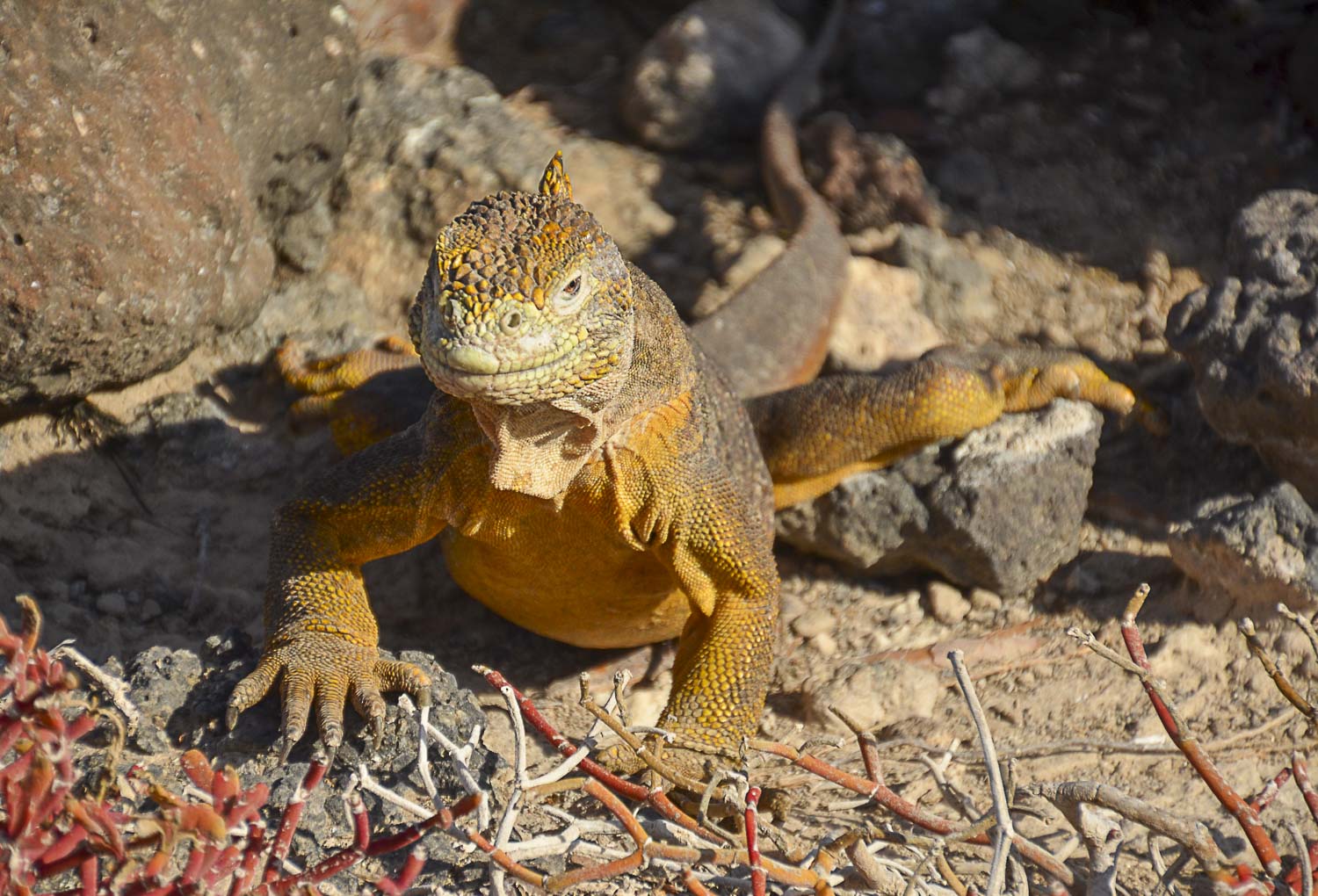
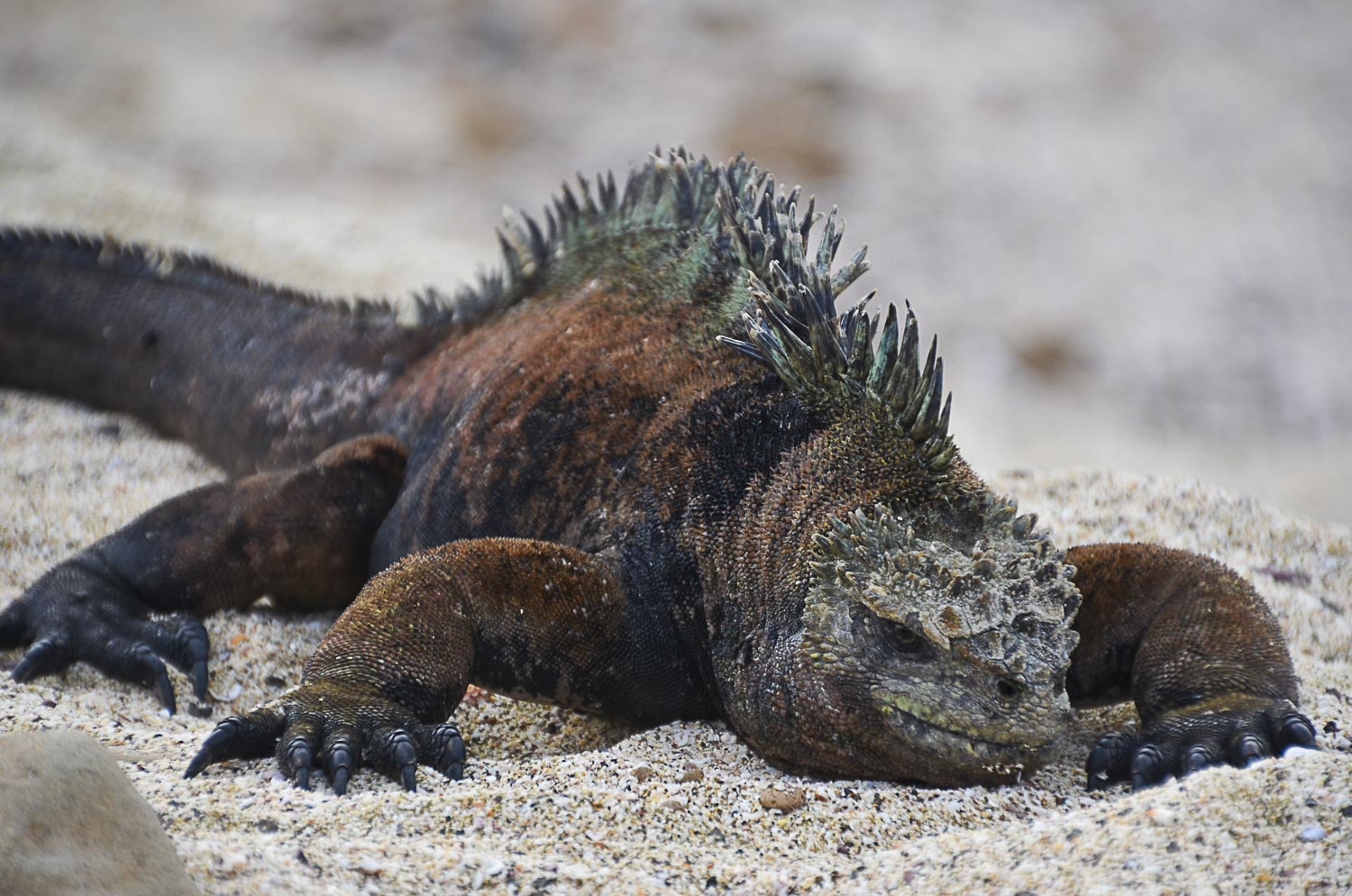
Other special, endemic wildlife here are the Land iguanas – – and the Marine iguanas. You never forget their faces once you have seen them…Seals were everywhere of course. This male had a big harem, and he kept a close watch on all the females…
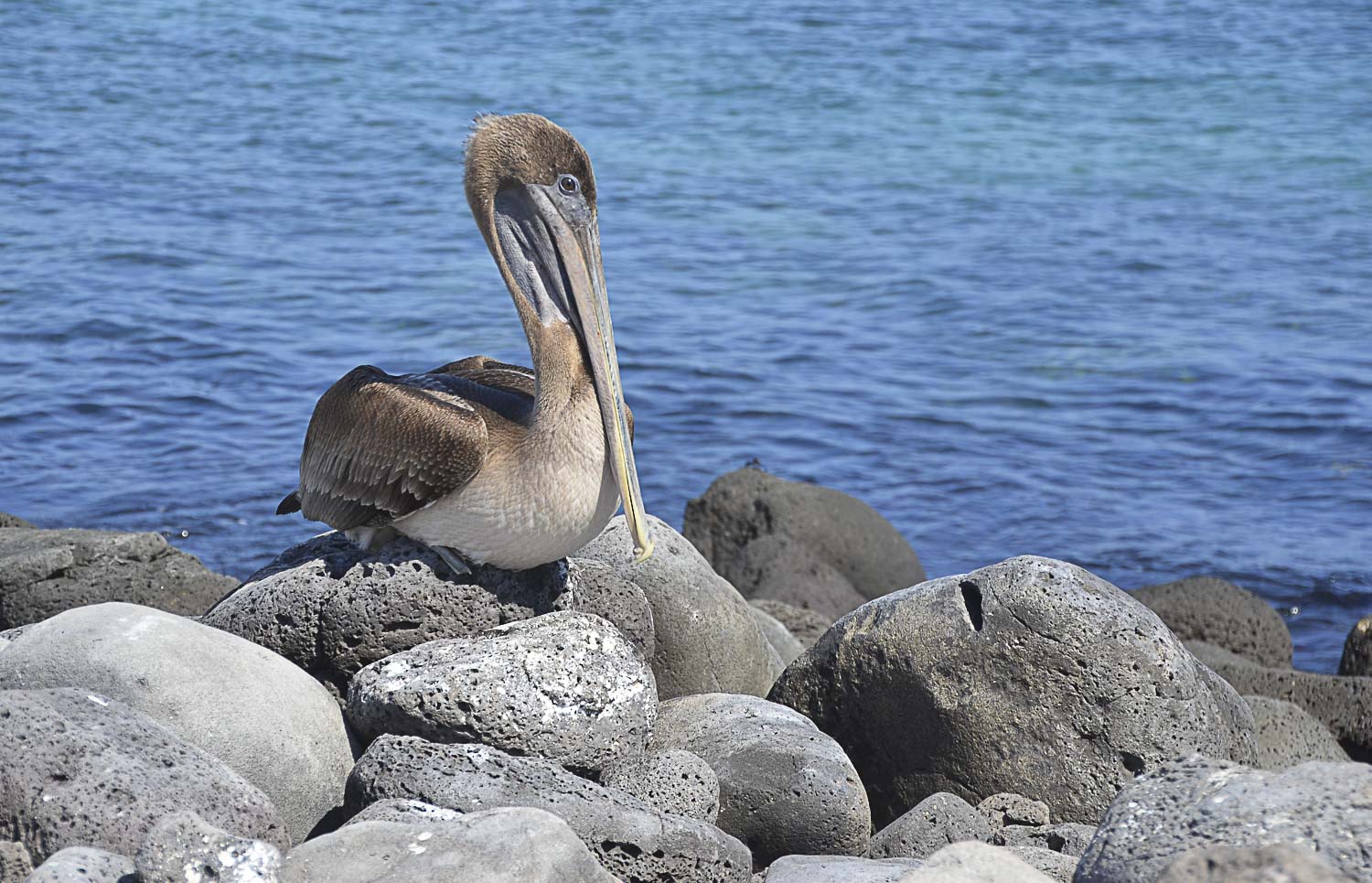
So many adventures we had together, mostly on the water, and incredible close contact with the animals! We met so many lovely faces, and if we only kept a two meter distance, everything was OK. My favourites here are the little yellow warbler and the Mocking bird…they used to come up to me and look me in the eye. The mocking birds tried to steal things from my bag. Paradise is not having to be afraid of one another ♥. We spoke softly together.
Late evening, and both the iguanas and the boobies seemed to love the last rays of sun – just as much as we did.
Every island has its special landscape. Grey, dead trees? Take a closer look…
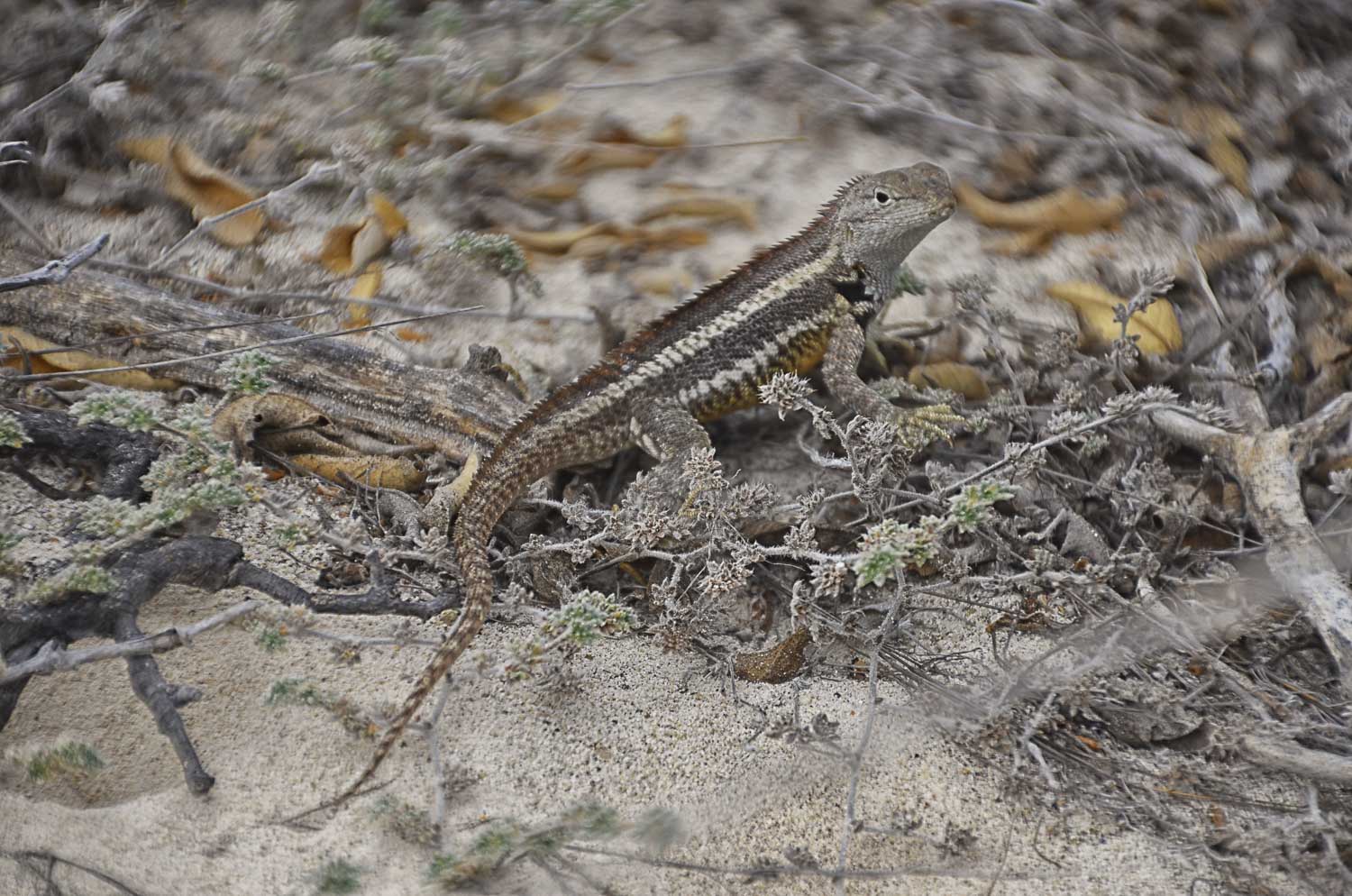
And every island has its own endemic inhabitants – blending in perfectly. A survival kit we all need.
Thank you so much for sharing last week’s wonderful colours with Tina and the rest of us! And thank you Dianne, for letting me return to another wonderfully wild place on planet Earth. We are looking forward to seeing more wild things, from home or on travels, linked to Diannes original post.
Next week, Patti will be offering LAPC #151, so be sure to check out her site then! Her theme is From Large to Small. Pick a colour and take several photos that feature that colour. Start with a photo of a big subject in that colour (for example, a wall) and move all the way down to a small subject in that same colour (for example, an earring).
An Alphabet challenge! This week Patti invites us to share images that feature a subject on the letter A. We can also include signs and graffiti with the letter A. For an added challenge, Patti suggests capturing an image that illustrates a concept with the letter A, such as alone, abstract, or afraid.
I have chosen Art, Arch, Architecture and Abstract.
The Rila Monastery in Bulgaria had me enchanted for many hours – and every time I look at the photos from that day…I remember the surprise that hit me when we entered the courtyard. Silence, and unbelievable beauty in the elaborately handpainted arches.
When it comes to impressive new artwork, one of my greatest favorites are The Kelpies in Scotland. We visited in 2014 when they were just put in place. The Kelpies are 30-metre-high horse-head sculptures depicting kelpies (shape-shifting water spirits), located near Falkirk, standing next to a new extension to the Forth and Clyde Canal. The Kelpies were designed by sculptor Andy Scott as a monument to horse-powered heritage across Scotland.
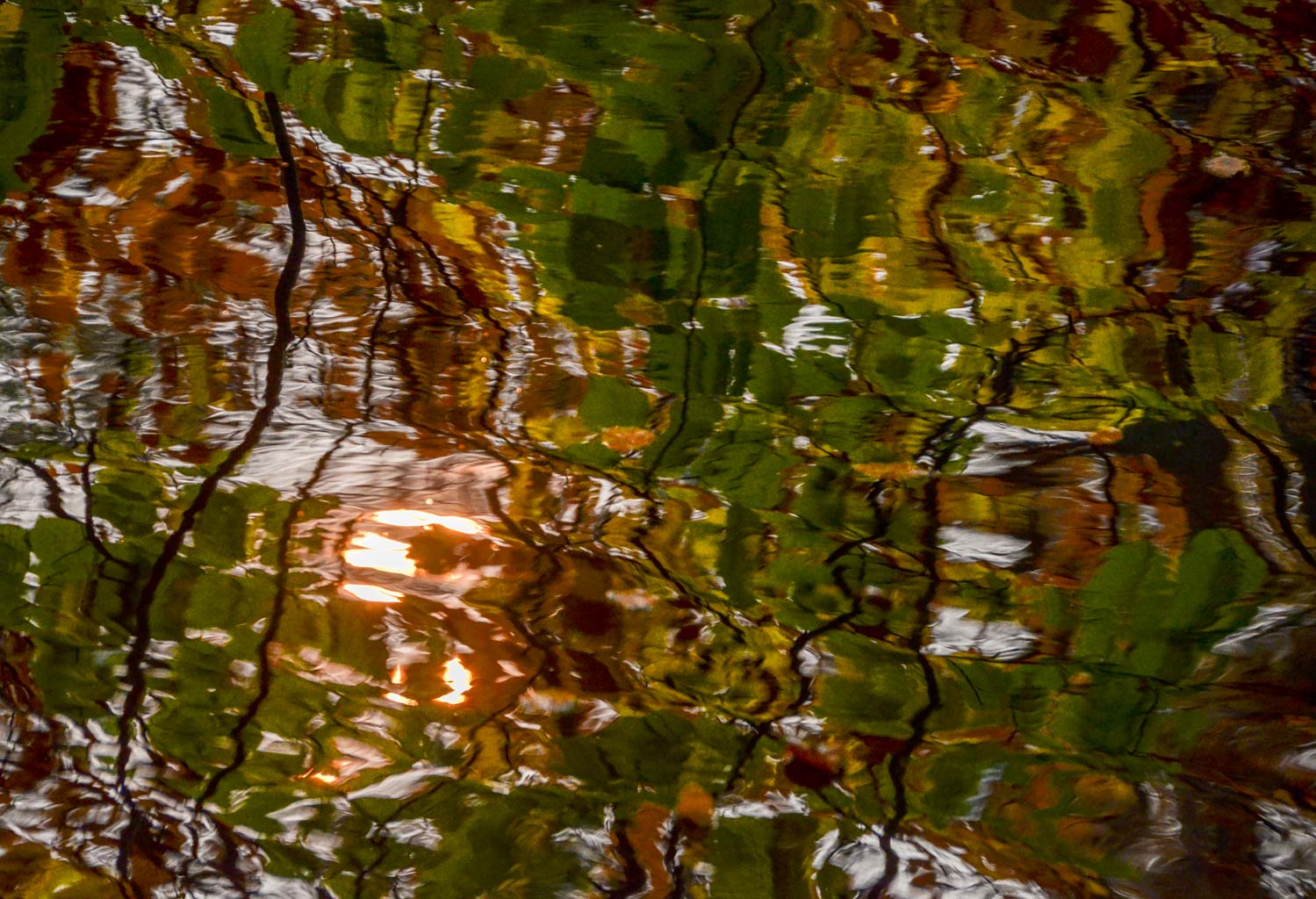
Abstraction indicates ”a departure from reality in depiction of imagery in art”. This departure from accurate representation can be slight, partial, or complete. Many abstract sceneries are absolutely natural…while others are manmade. A frosty car mirror in the header and an autumnal lake with reflected leaves above.David Hockney – ”Me draw on iPad”, Louisiana, Denmark.
Thank you for all your inspirational entries for Tina’s challenge last week! A beautiful highlighting of the Japanese concept of wabi-sabi.
We are looking forward to seeing your new choices – please include a link to Patti’s original post and use the Lens-Artists tag so that everyone can find your post in the WP Reader. We hope you will join the fun!
Finally, stay tuned for Amy’s challenge next week – and until then, stay safe and well.
This week, Amy is our host, and she wants us to show the importance of negative space in our photography. Negative space is the area around the main subject of your photograph. (Which means that your main subject is the positive space) Check out her post, see brilliant examples and learn more about this!
Positive and negative space are two important tools for us to give an enhanced emotional feel to our images, which is essential in photography. Looking forward to seeing your choices!
Negative space is there to give your photos a sense of calmness…and subtlety. Well used, negative space provides a natural balance against the positive space in a scene.But, images can also appear lonely..or solemn (or funny…)Most of all, I would say negative space often gives a contemplative beauty to the image, a unique possibility for us to declutter, relax and recover in this jumbled and unruly world.
Our special thanks to Rusha Sams for hosting last week’s Labor of Love. We had so many positive and uplifting experiences of genuine love and care!
Be sure to check out Tina’s Travels and Trifles post next week as she hosts Challenge #115.
And, as always – may you stay safe and well. Our thoughts these days go especially to all of you out there fighting the wild fires.
While in Stockholm for a couple of hours between trains, I had to make the most of it…merging some of the famous buildings together in one image .
Fotografiska is a great place to be – this time exhibiting my favorite Erik Johansson again! As you are not allowed to take any photos, or at least not sending them via internet…
I decided to have some fun outside while walking. How about two amusements parks instead of one? I guess Gröna Lund fans wouldn’t mind!
In ”Chaos” I used one of my best attempts from Stockholm railway station – here is another one. A multitasking transport system?
Anyway I had great fun…but I can assure you I went by a single, ordinary train home to Skåne again.
Kotor has got one of the best preserved medieval Old Towns in the Adriatic and is a double Unesco World Heritage Site. No sun when we visited, but still beautiful –
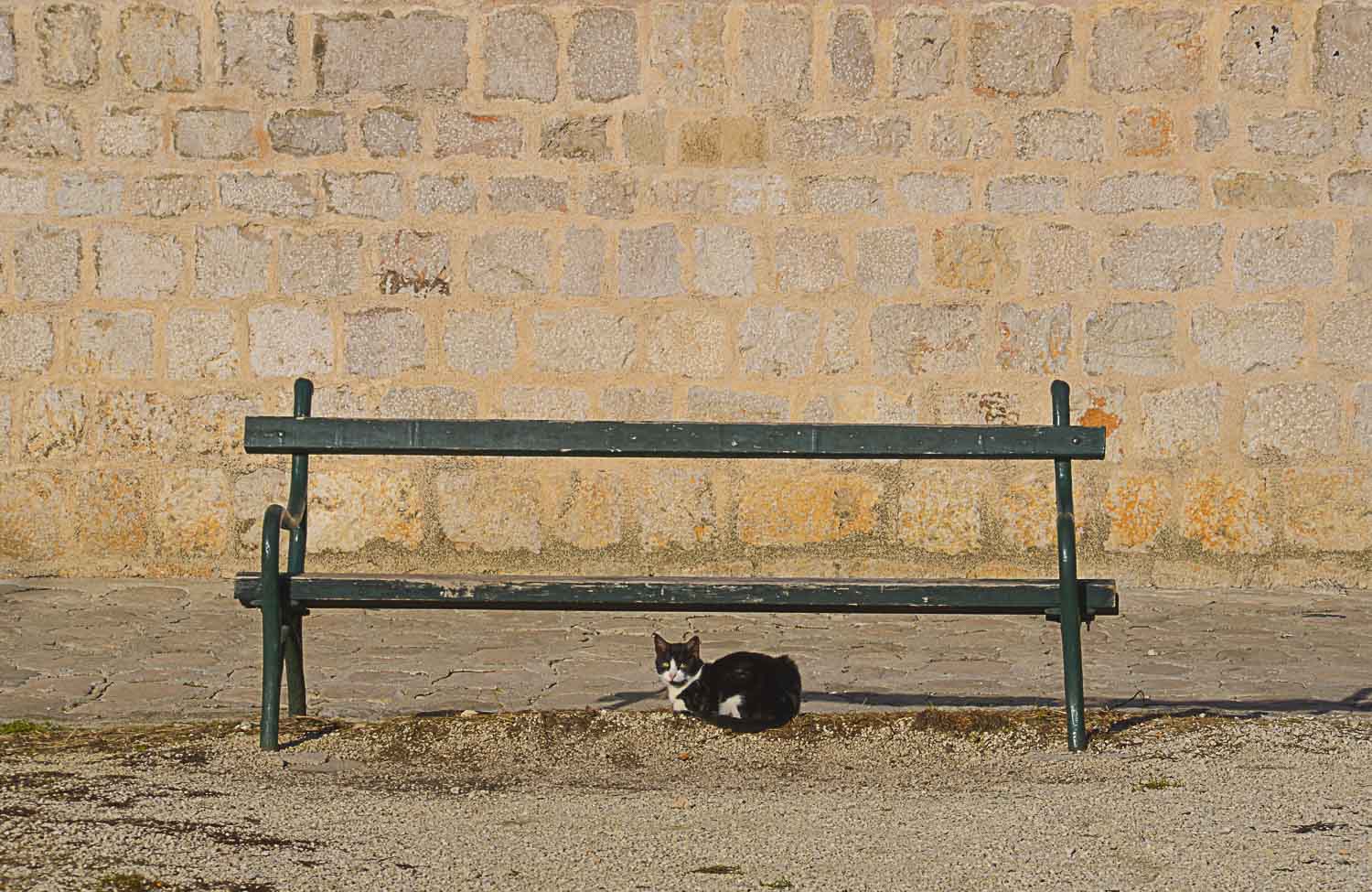
When you visit this old town, you will immediately notice how many cats there are… Lonely Planet even goes so far as featuring Kotor in their Top 10 destinations for cat lovers! So, the Venetian Lion, symbol of the city, has more or less been replaced by a smaller variety – a stray cat.
Today they have dedicated an open square to the cats, and made small houses for them to stay in the park. Even with free WiFi…
The attitude towards cats is said to have developed from folklore, with the Montenegrin people holding the belief that cats saved the town of Kotor. It is reported that in 1918, during the revolt from the Austro-Hungarian navy, the Slav sailors would bring their ships into The Bay of Kotor, and with them, also their cats.
Kotor in those days was plagued by lots of mice, rats and snakes, and the various diseases those animals brought. Thus it became a blessing to have the cats there, to protect the town. And that is why cats have become a symbol of good luck for Montenegro.
Walking through the narrow lanes, I did try to find a dog or two…but the only sign (!) of one was – MILO. My own dog – it’s just that this Milo was a restaurant…




































Du måste vara inloggad för att kunna skicka en kommentar.