
Macro Monday
A levada is an irrigation channel or aqueduct specific to the Portuguese Atlantic region of Madeira. In the 16th century the Portuguese started building levadas to carry water to the agricultural regions in the south. Over 2,170 km (1,350 mi) of levadas were built and later provided a network of walking paths.
Due to the dangerously mountainous landscape, building levadas was often tasked to criminals and convicts from continental Portugal. Today levadas supply water and also provide hydro-electric power.
These are some scenes from a lovely levada along the south coast of Madeira. We walked this city border levada first, and later in the week returned to our favourite mountain levada. They are totally different. Ready? Let’s go!
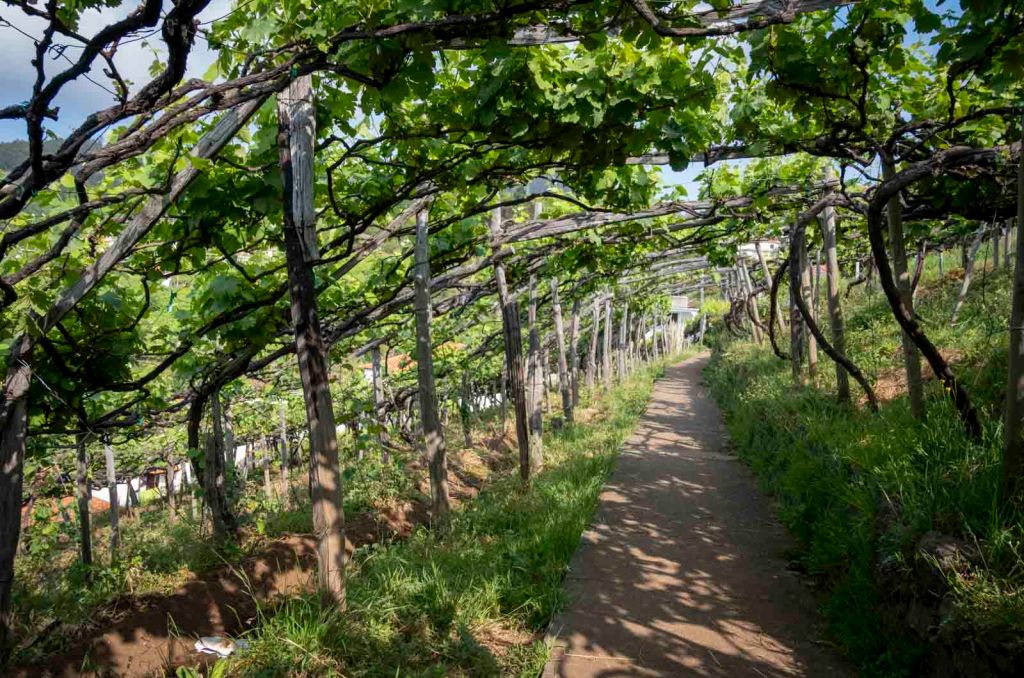
We jumped off the local bus at Estreito de Camara de Lobos. The walk starts in a vineyard. We were grateful for the shadow!
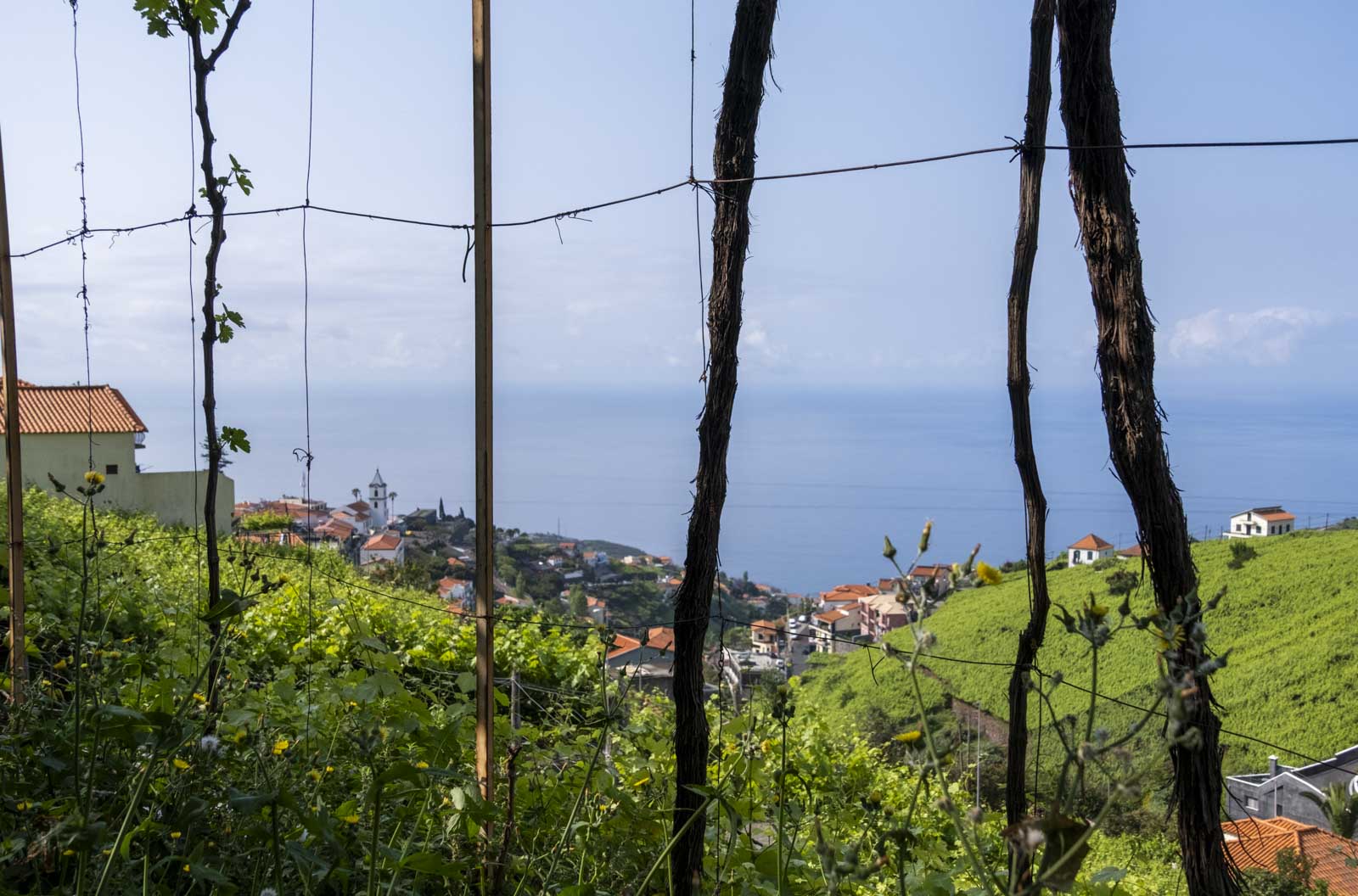
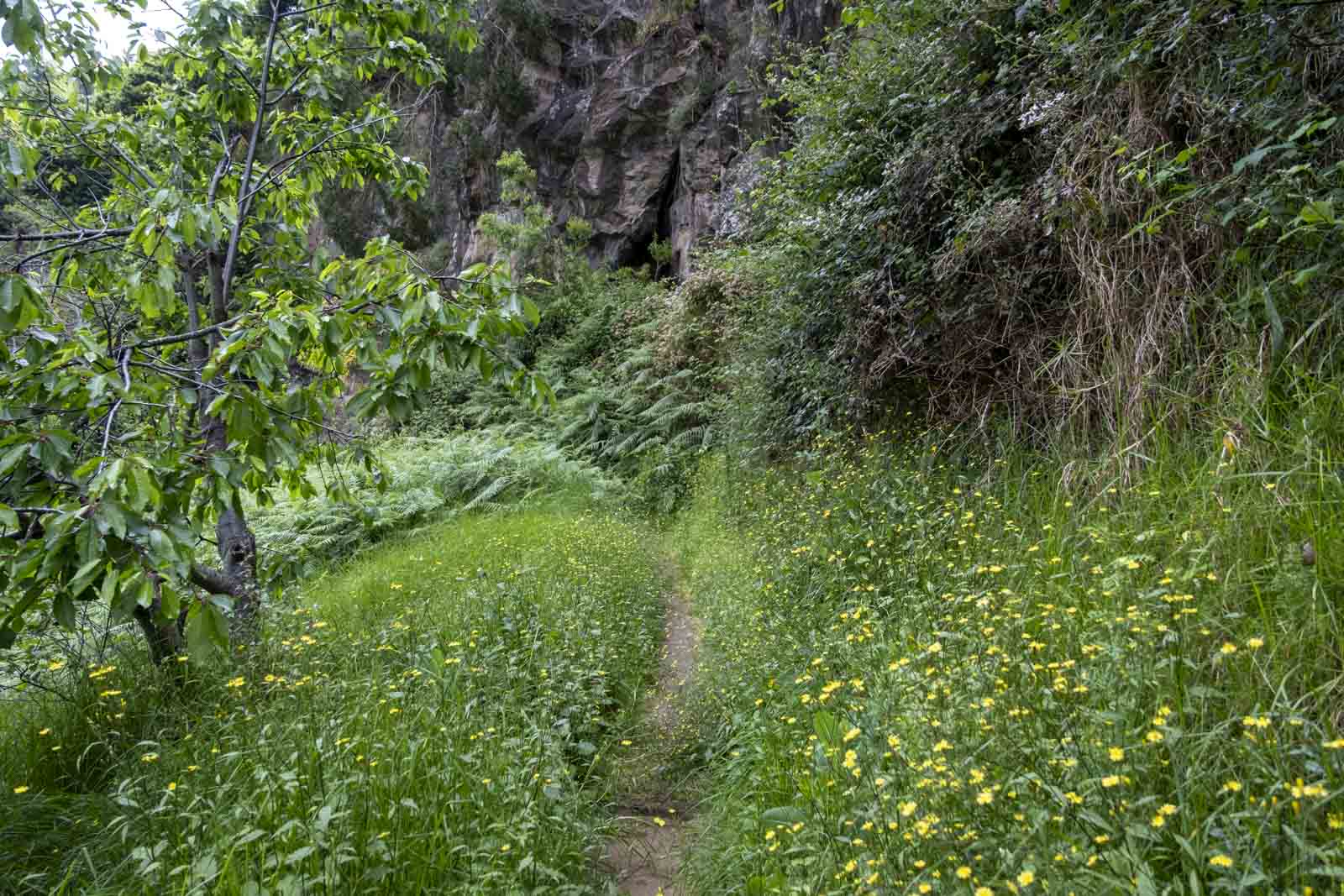
The whole walk presented splendid views over the landscapes and the ocean.
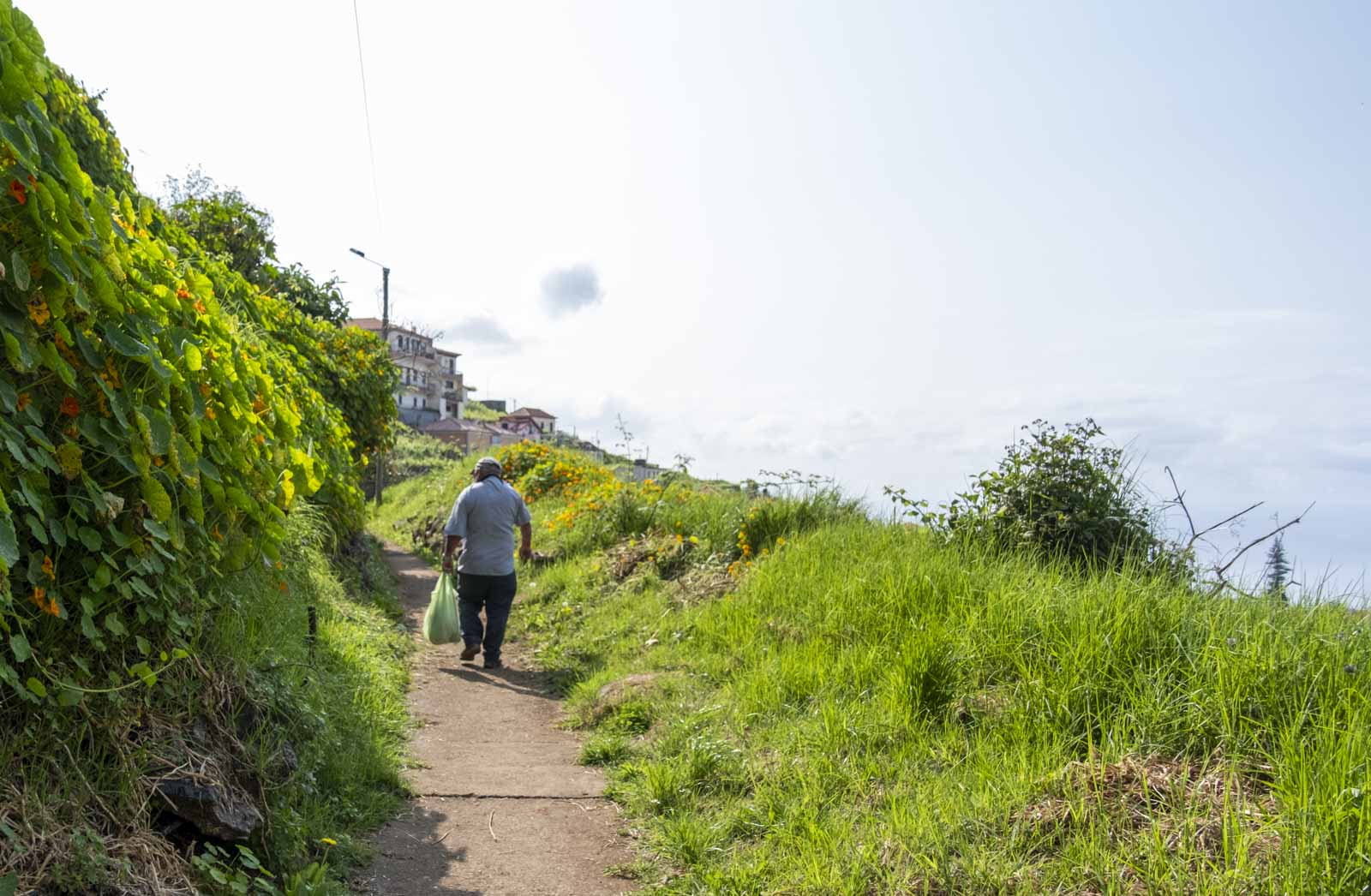
Every now and then we met a local farmer on the path.

And – curious little friends peeping out for a closer look at us.

This is a very mountainous landscape, and the levada was sometimes redirected to another path because of overhanging cliffs and stones.


Workers in the heat of the day, a singing levada, fruits and berries among the flowers. And…lizards en masse!

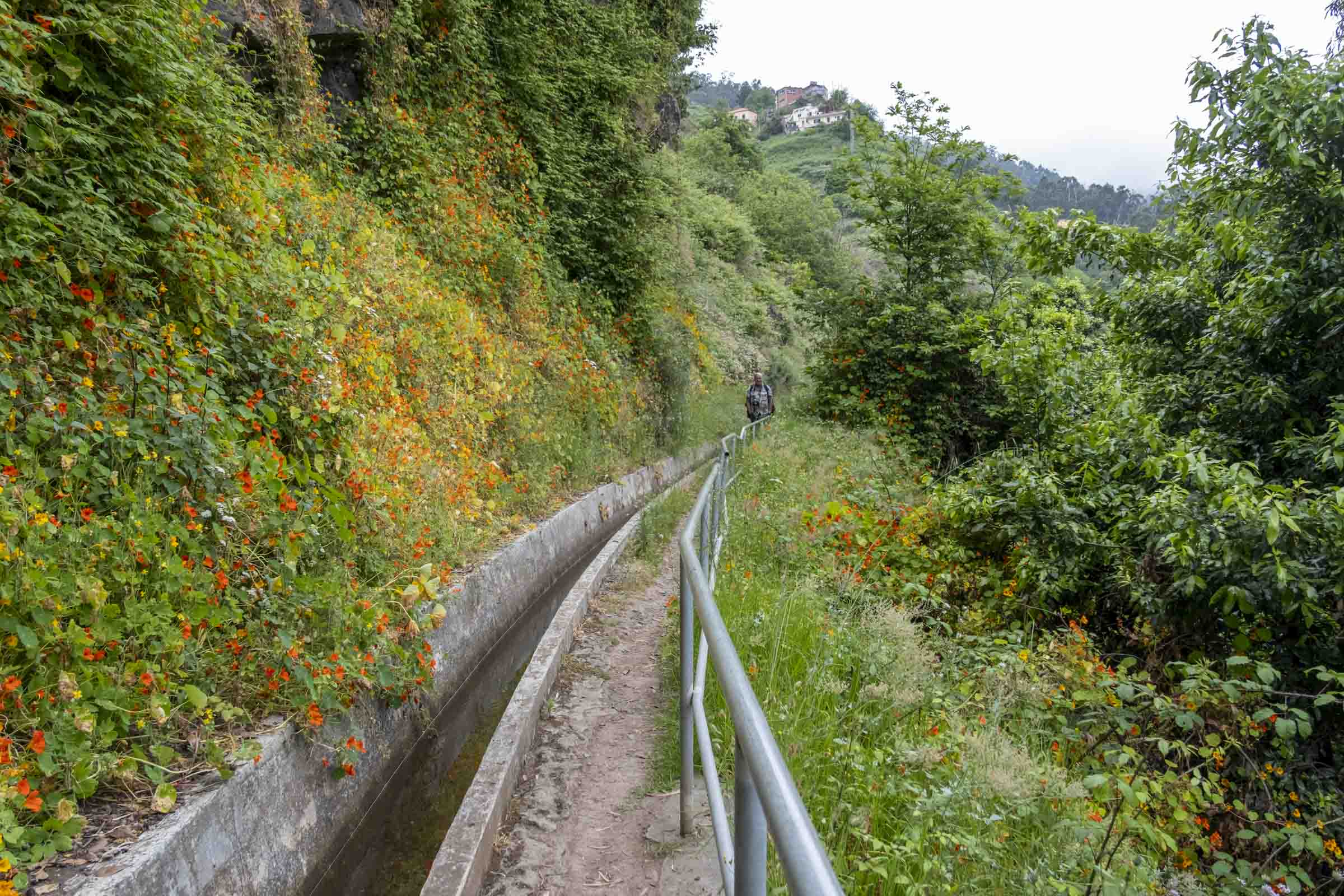

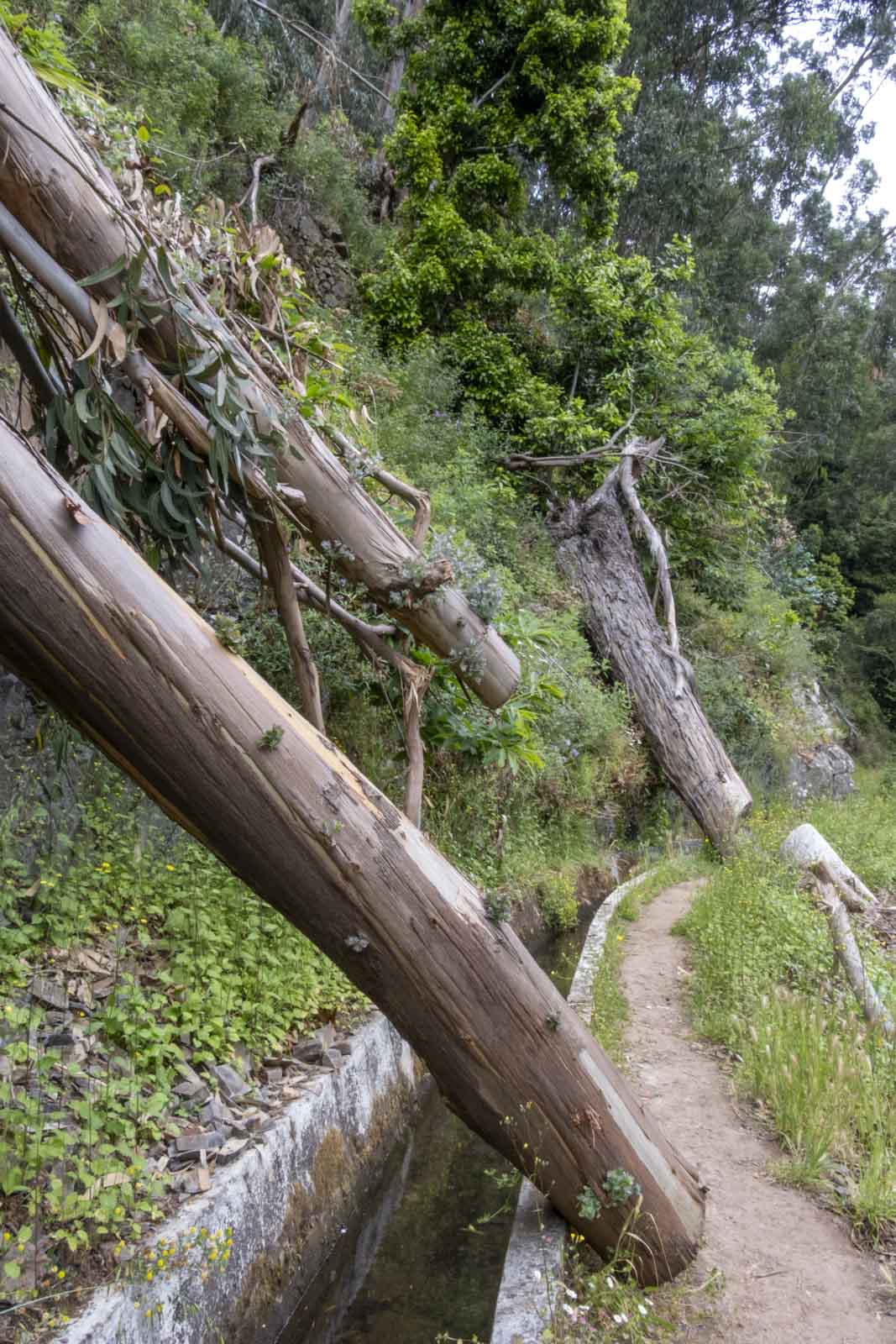
Paths can provide easy and relaxing walks through the countryside, while others are narrow, crumbling ledges where a slip could result in injury or death. We walked the most dangerous ones in the 1980’s – today we would not take the risk.


Children played with the water of course – this little guy had built a boat for the levada – and as we passed him, we found his shoes too.
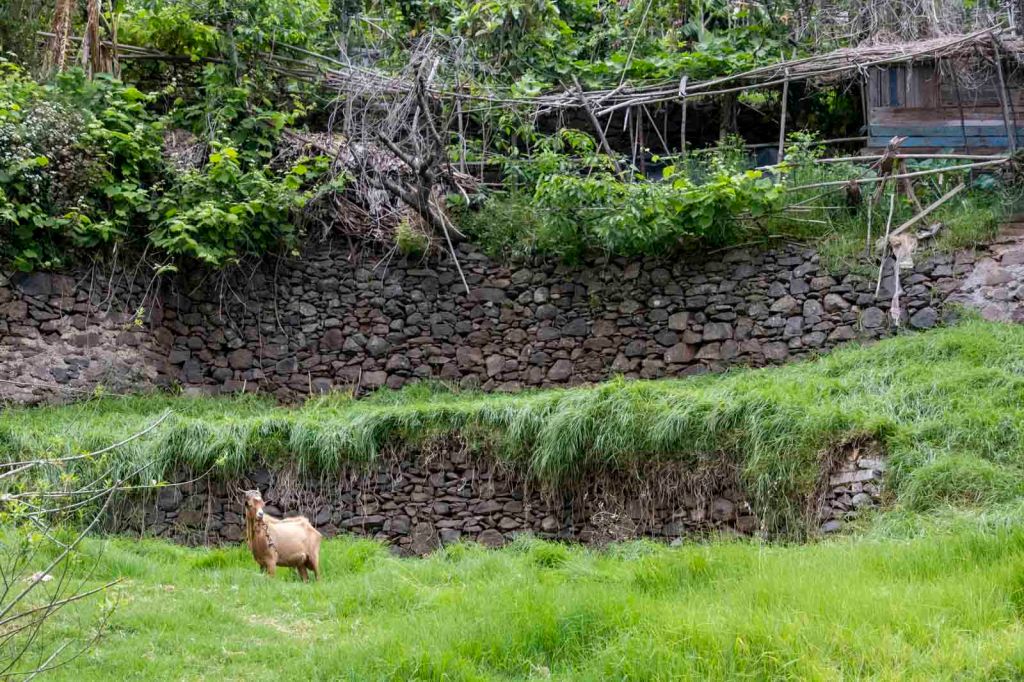
Animals are kept in little sheds – palheiros – I feel so sorry for them. Living in the mountains means not many places for grazing, and they could also slip and fall. I was so happy to find this beautiful goat in a massive field of lush grass! But, look closely at his horns – they are tied together.
Welcome back to Madeira, and something new to us – a rundown area had been neatly decorated by talented local artists. Rua de Santa Maria in downtown Funchal. We had walked here before, but this year we did with open eyes, savouring the varied door paintings.

They made the area shine! The street came alive with tourists visiting the galleries, the little restaurants and cafees. No tourists in my pictures though…

Colourful,

scary or fun – we found all sorts of painted doors. And sometimes we got a glimpse of the inside too –

– or what might be on the inside…

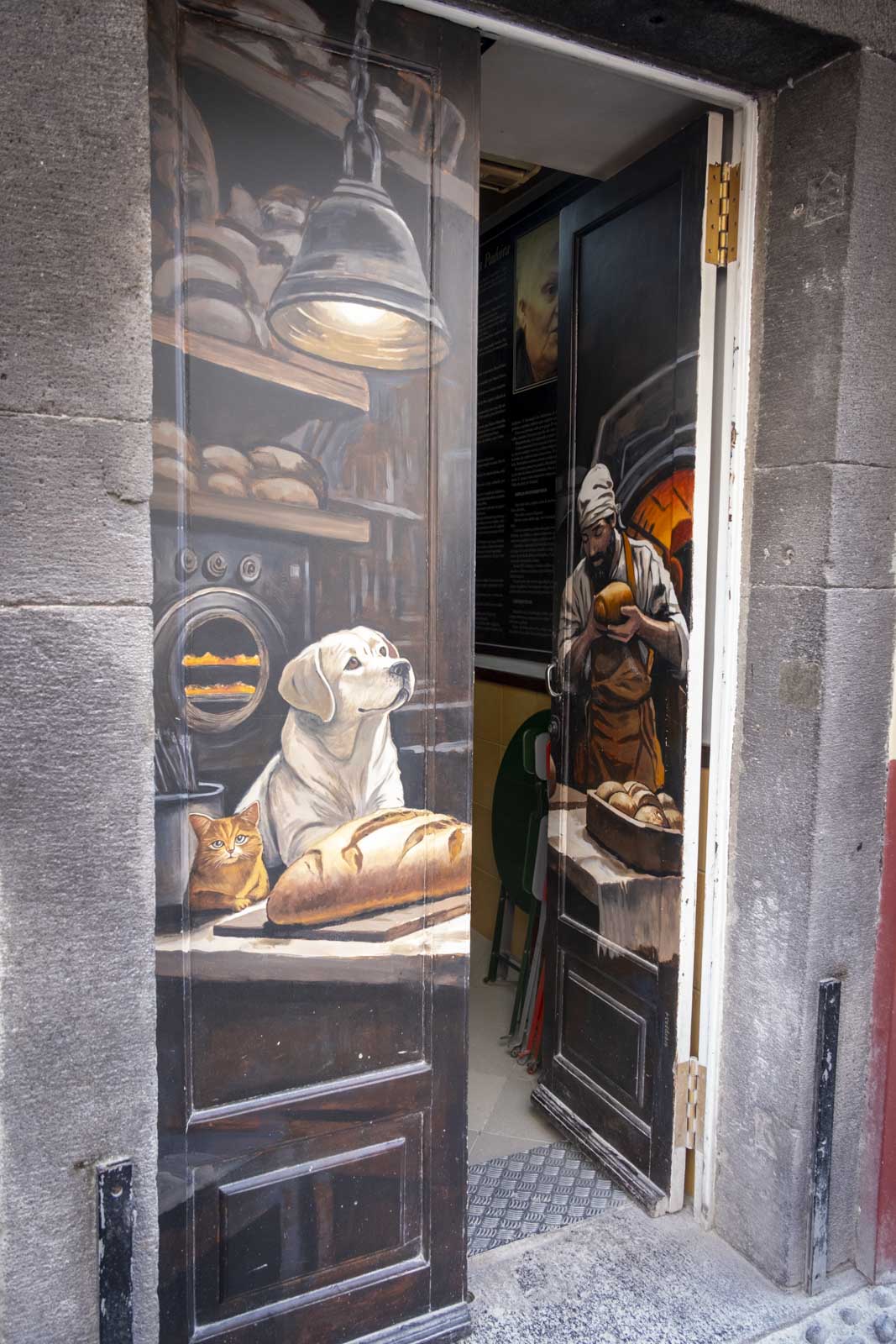
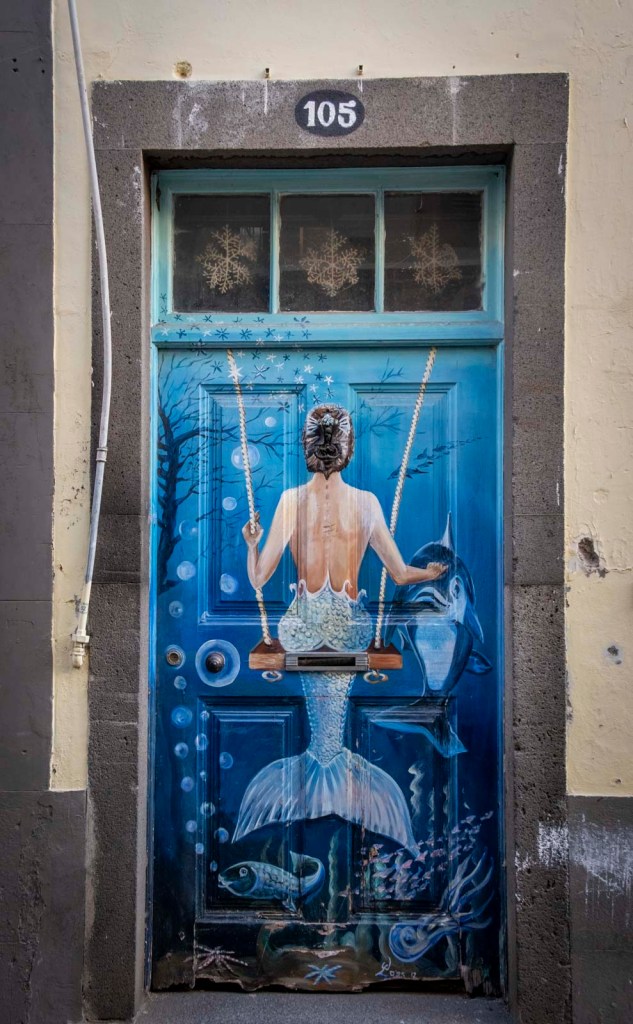

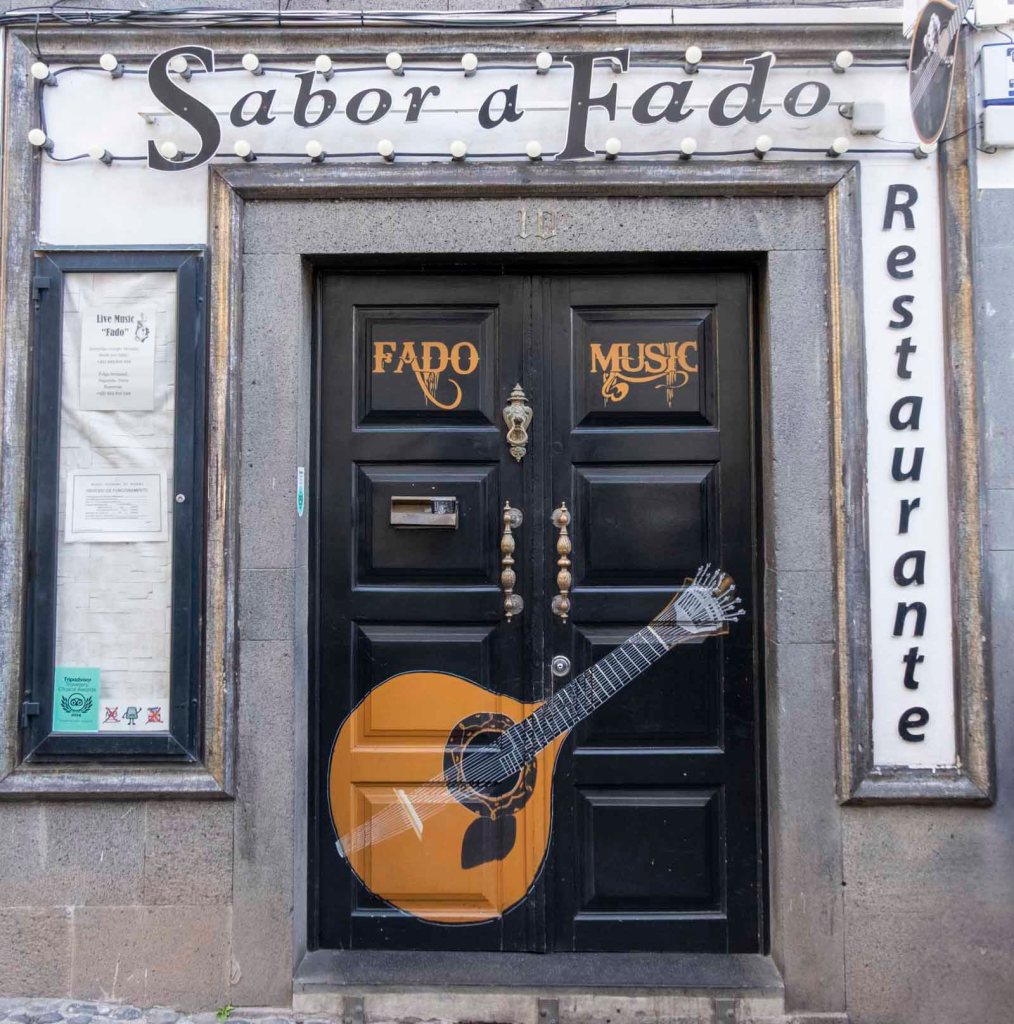
A walk to be recommended if you ever visit Funchal. There were many more doors than these, and I saw the whole menue vividly painted on one restaurant door!
Lovely Madeira to be continued next week!
We welcome Beth to her first Stormy session with Lens-Artists!
What does stormy look like to you? For stormy weather, Beth wants us to think about rain, blizzards, sleet, snow, hail, wind, dark clouds, angry seas, lightening, a storm rolling in, or people out in the weather. Another option would be to show stormy feelings or stormy situations. Be sure to tag your post with Lens-Artists and include a link back to her original post. We’re looking forward to seeing what you come up with.
This is a tricky challenge for me – living in the southernmost part of Sweden we seldom see really stormy weather. So, here’s my take:

Seeing storms from afar, slowly sailing up, that is the closest I can come to this challenge. In heavy rain I seldom go out, only watch from my window. And I like watching it – Mother Nature rules.

I can also watch storms unfolding from my house or my car – and still stay dry.

Alaska cruising – in really unhappy conditions – but dry and happy on the boat!
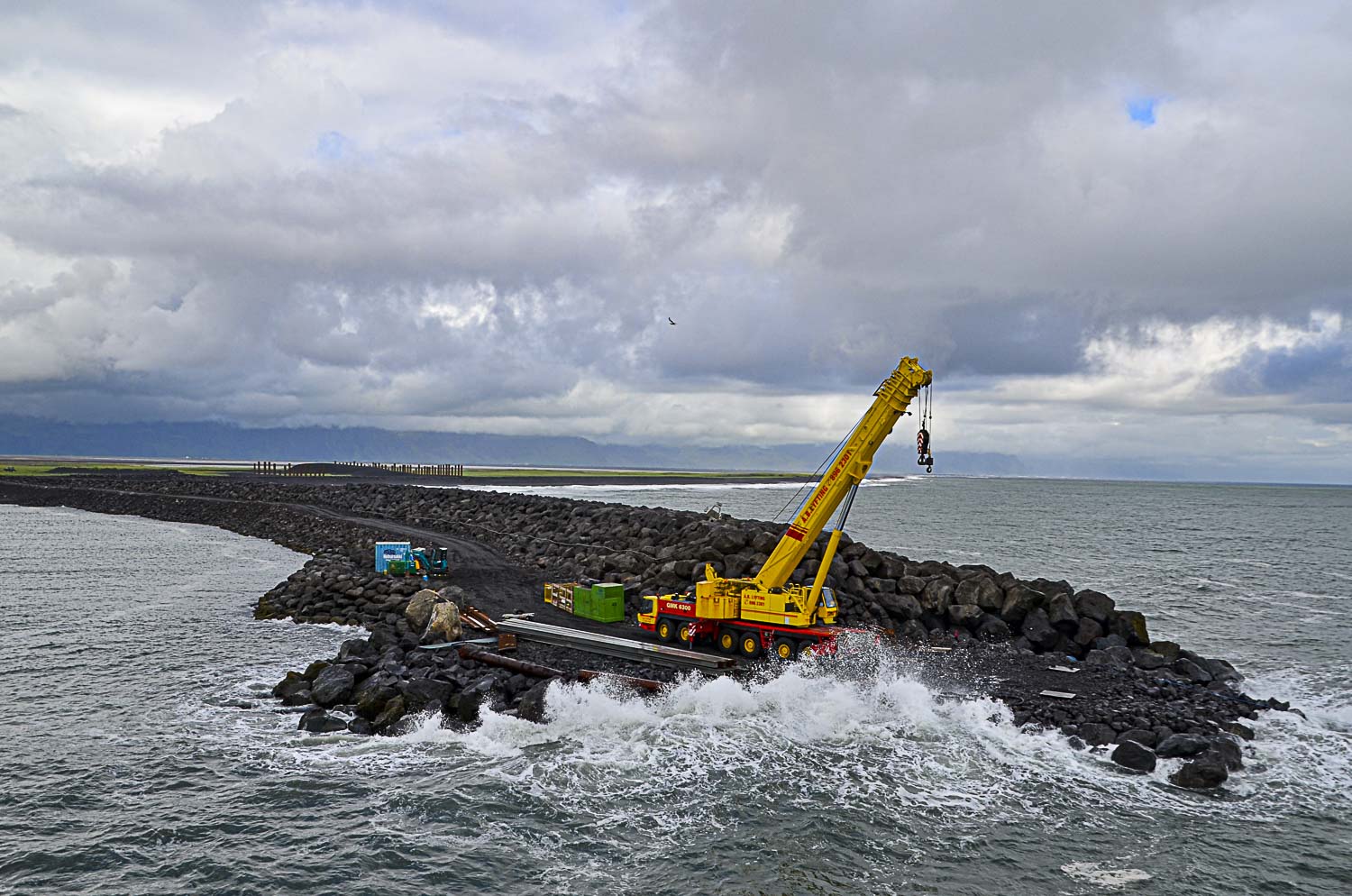
Iceland is much more weather beaten than Sweden, being an island and situated further north.
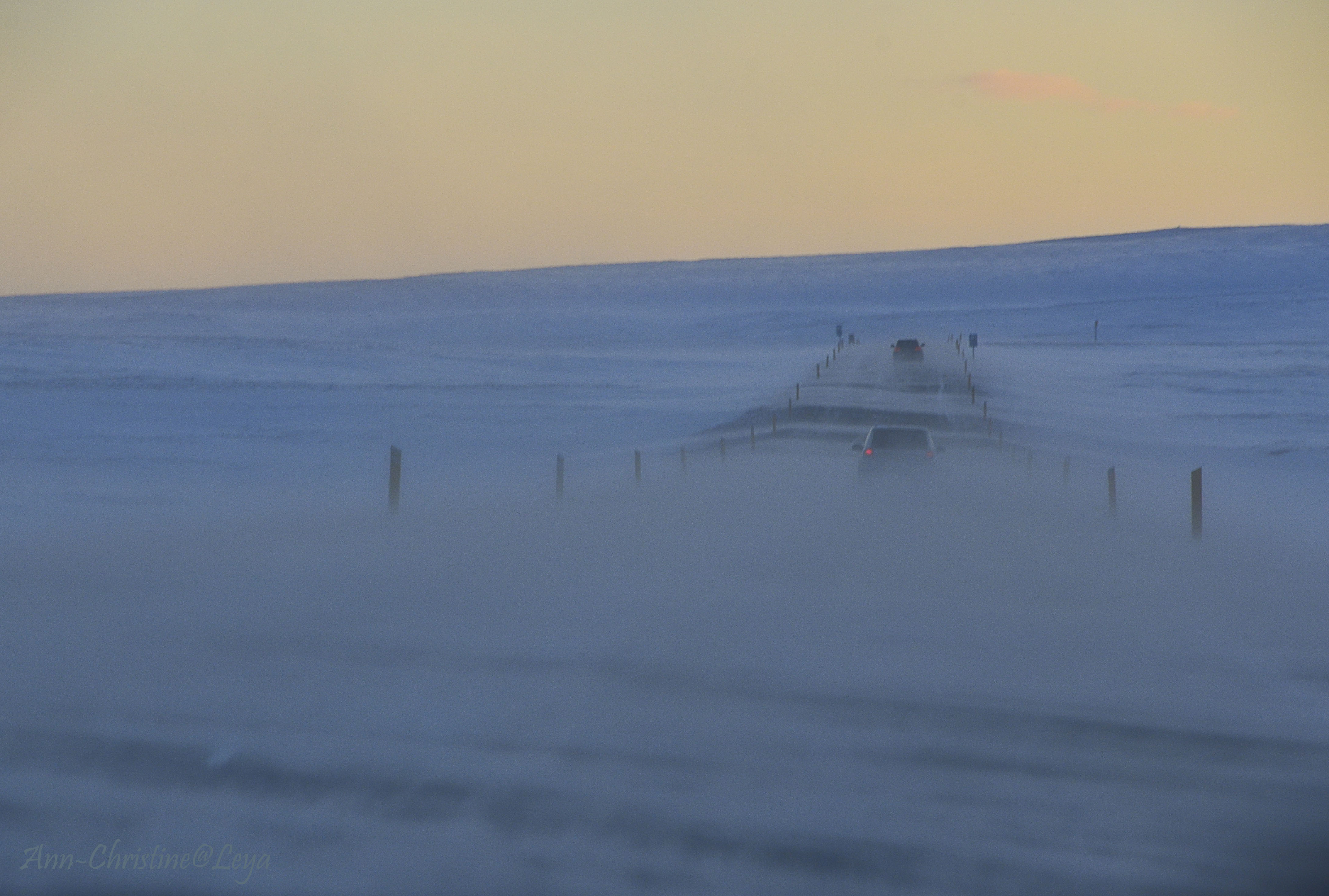
Iceland again – I don’t remember the year, but I do remember that fast disappearing road. Icy, windy and cold. It took us some time to drive through to the other side of the island.
Last week I really enjoyed your beautiful responses to Sofia’s Mellow challenge. I learned that the the word could be used in so many ways I had never heard of before.
Hope to see you – and be sure to look for Anne’s challenge next Saturday, June 21 at noon Eastern Time.

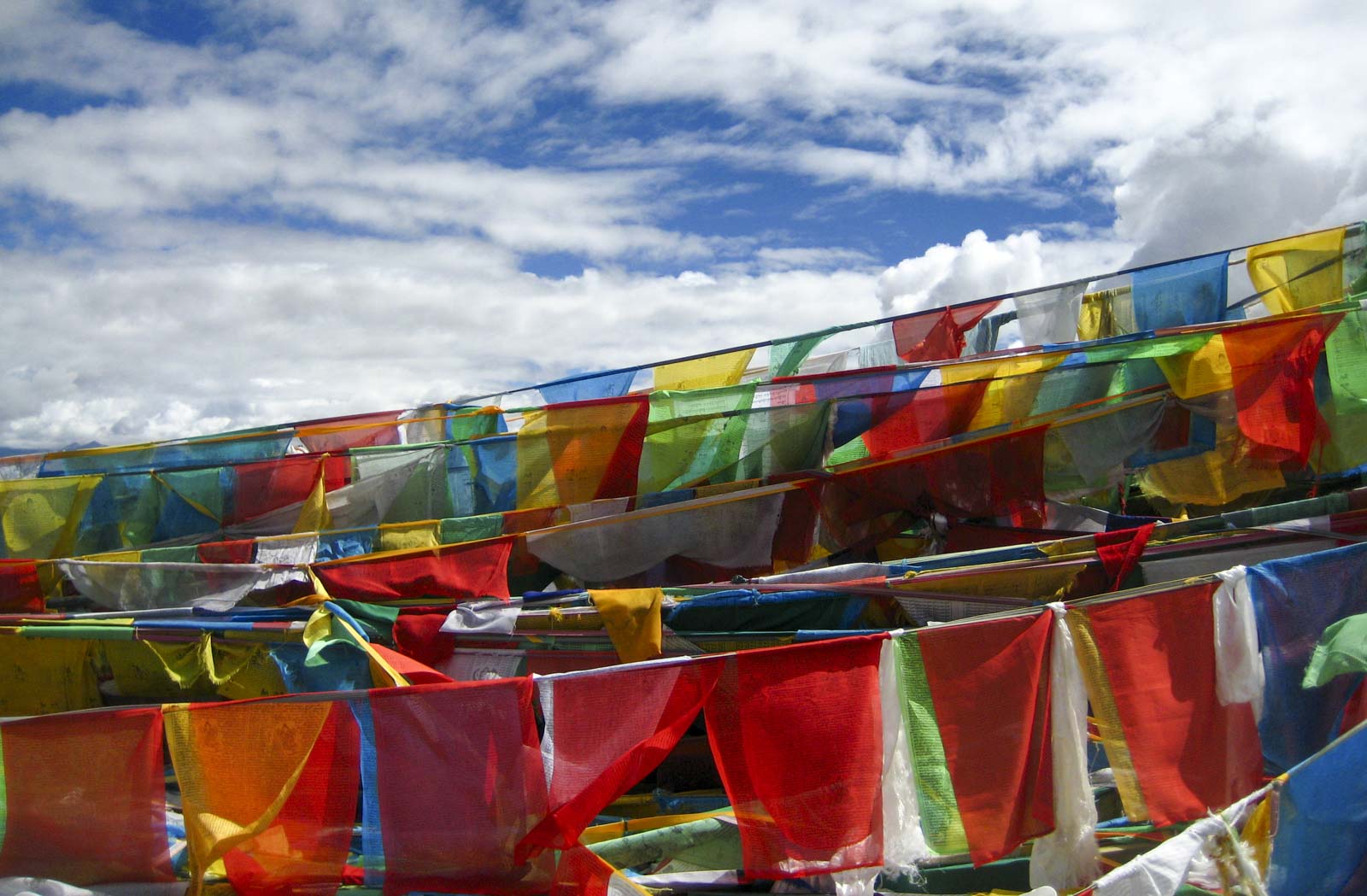
I am revisiting the trainride to Tibet in 2009 – and sending some pictures from the train for Thursday Thoughts.
Mezmerising landscapes every day – and – going to bed for the night? We didn’t want to miss a single thing. Today I found some pictures with human connection. Nomads with Jaks grazing the slopes. A peaceful sight.

The Chinese built the railway on the permafrost, and also the existing roads. We saw mostly trucks in endless lines on those roads.

Something that maybe was built to stop snow and sand blowing onto the railway?
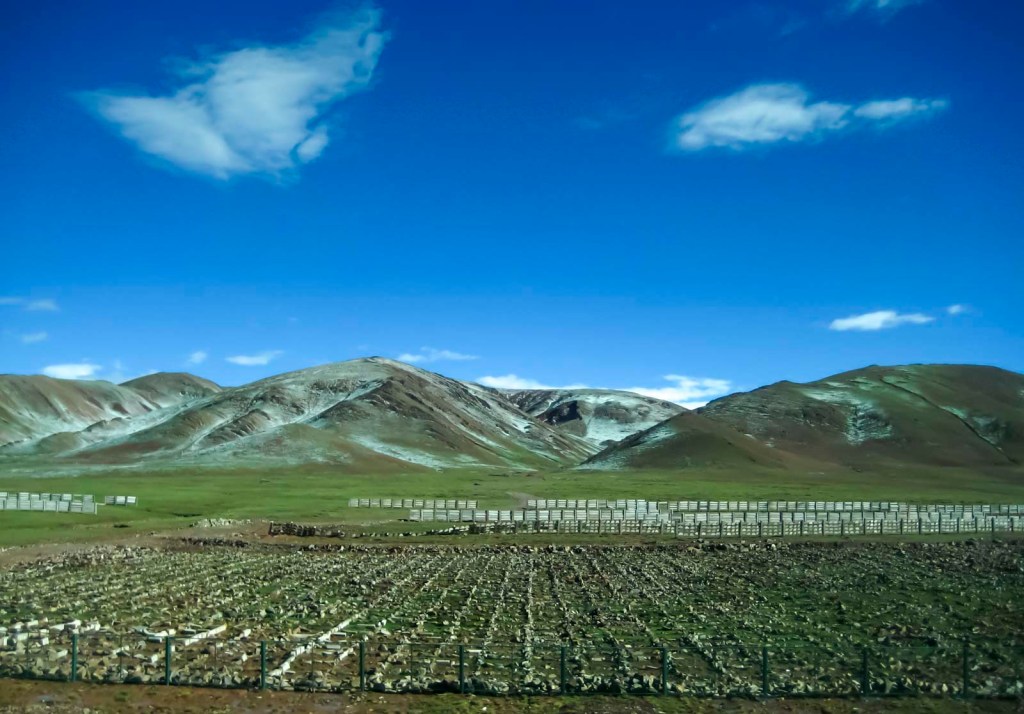
Meandering rivers and roads, and everywhere that enigmatic light,
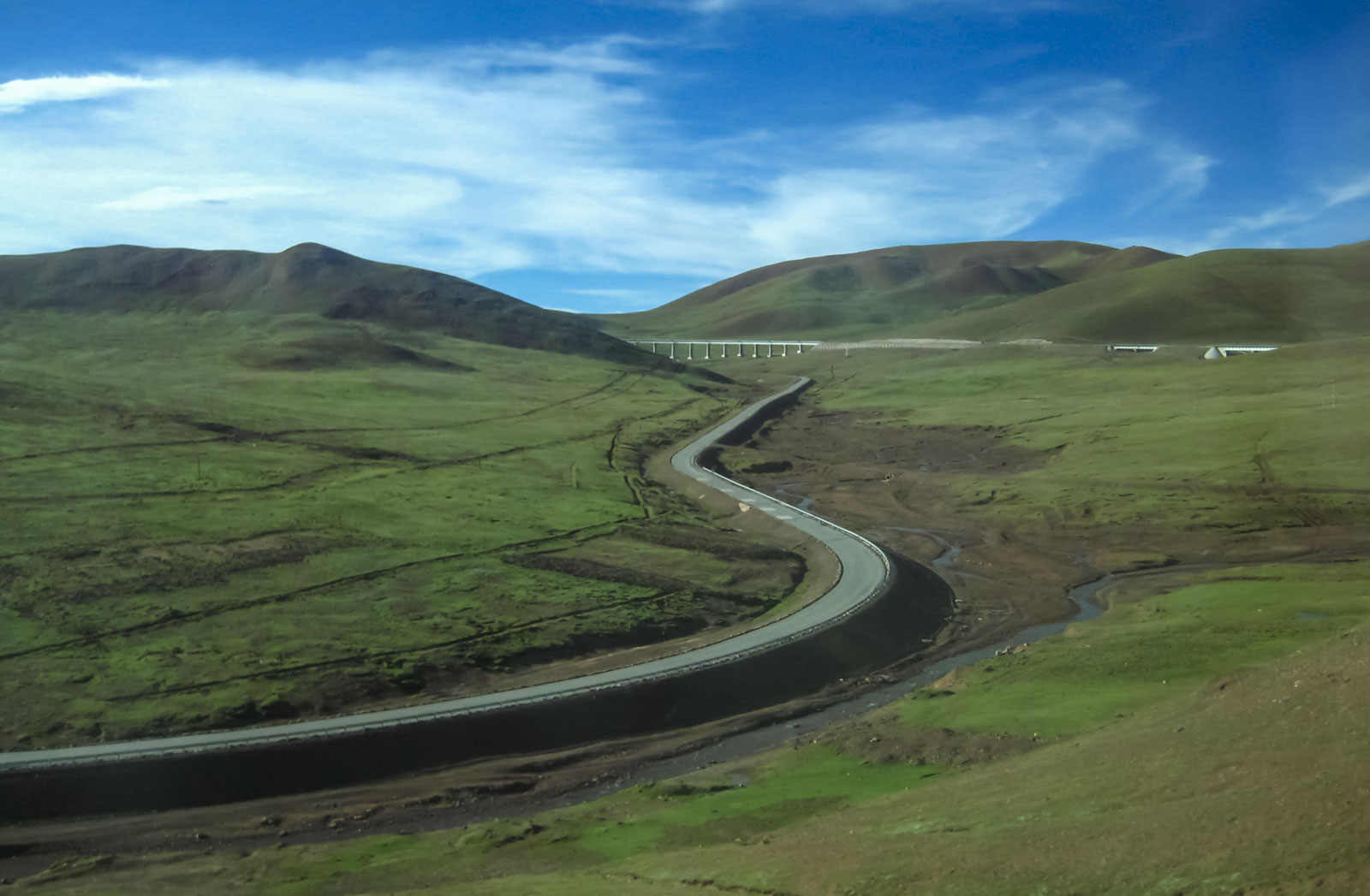
and the magnificent cloudscapes over the floating, colourful landscape.
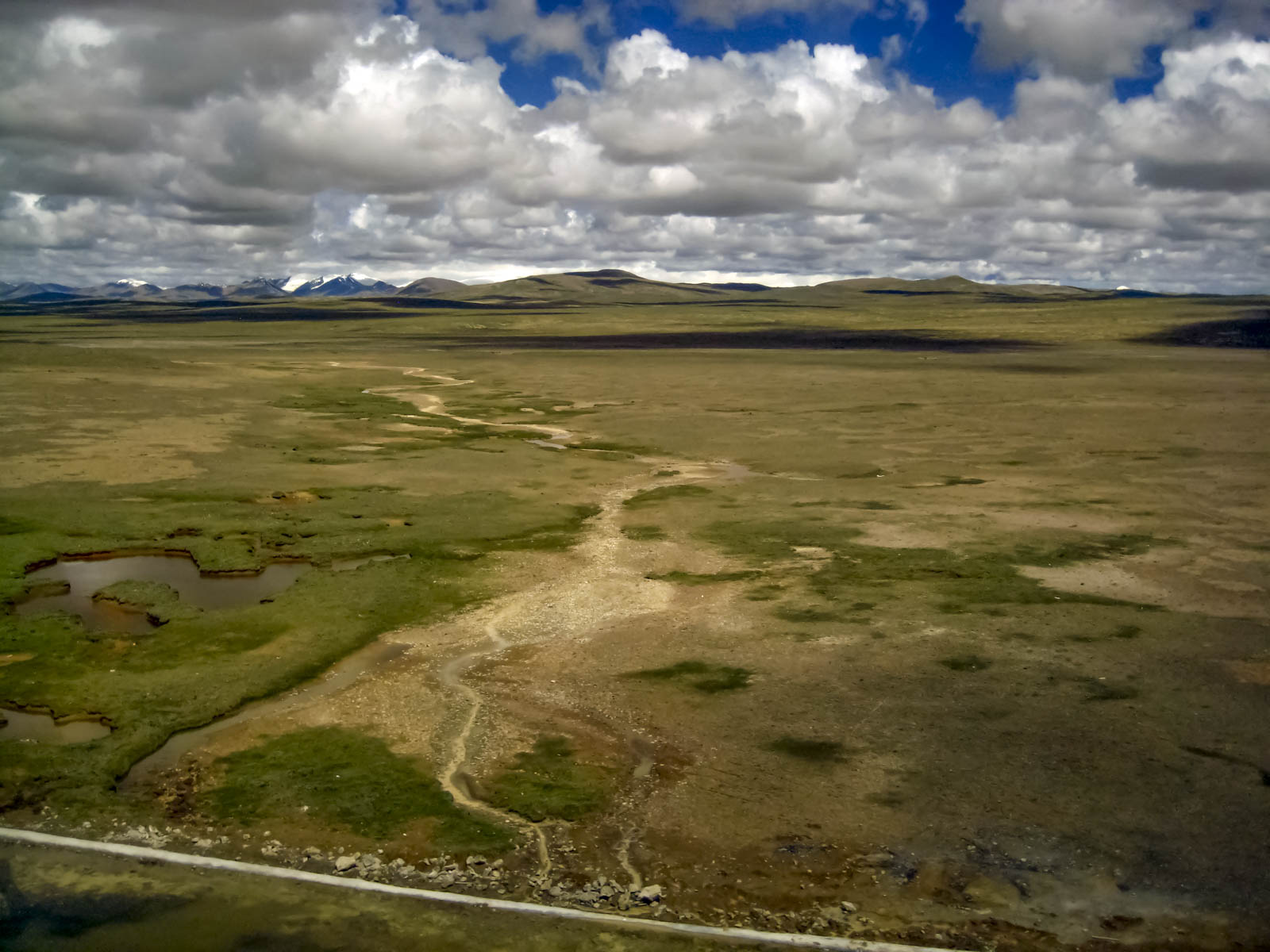
See the tiny road running close to the railway? I can only imagine the distance to those mountains…
I hope you enjoyed this piece of the Tibetan Plateau too. I do think there will be a number III next Thursday – and you are welcome to travel with me!
In 2009 we travelled by railroad to Tibet from China. A grand adventure on the Tibetan Plateau.
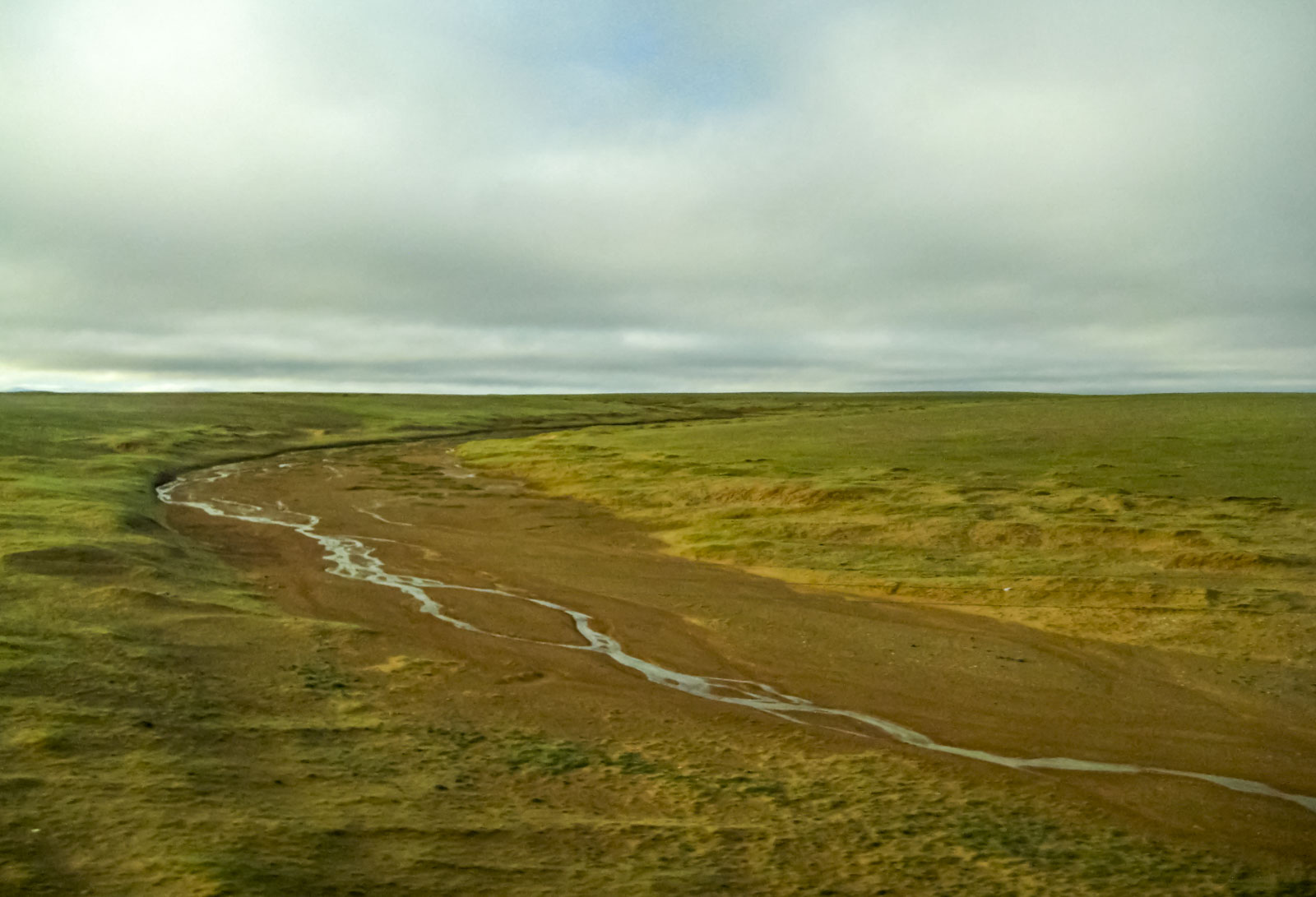
It is the world’s highest and largest plateau above sea level with an area of 2.500.000 square kilometres. The average elevation is more than 4.500 meters (14800 ft)

I have gone back to look at my old photos from the train – a train that never stopped and only let us take photos from where we sat. All four of us were glued to the windows those few days.
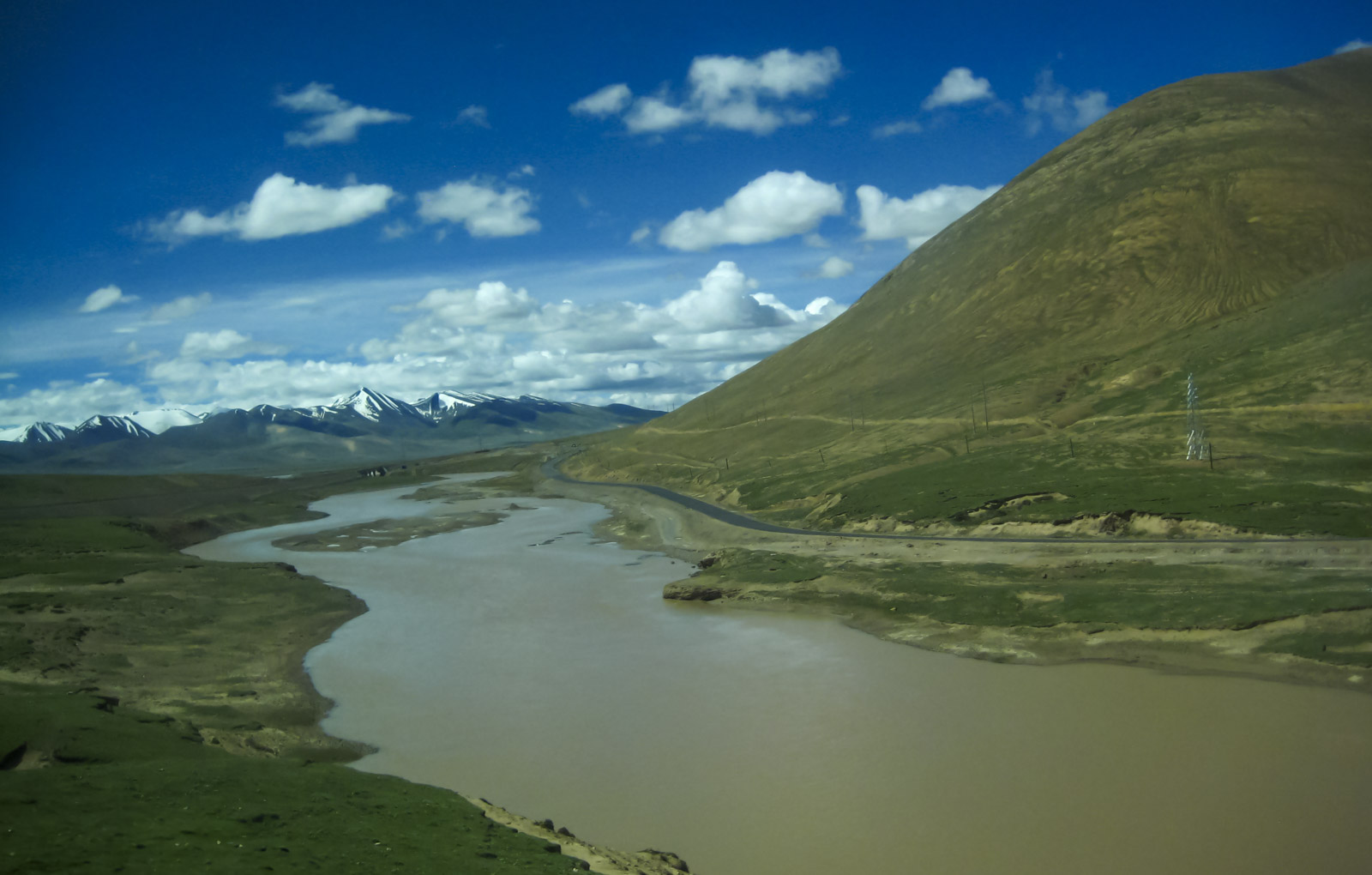
The landscape was breathtakingly beautiful, vast and wild – and I tried to capture it all with my simple, little Canon camera.
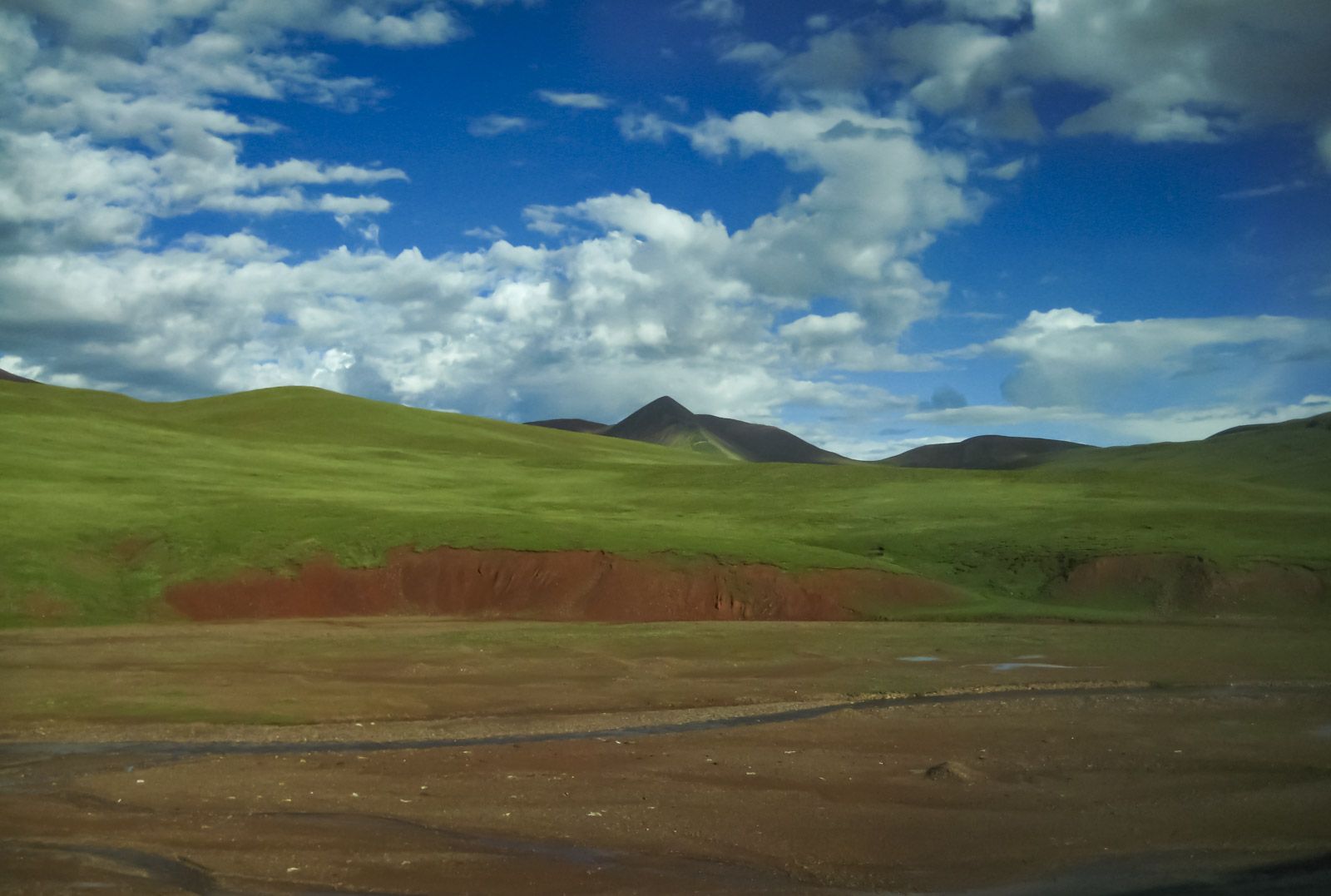
I am so grateful to have these memories, and despite the old camera, I will post some more pictures next Thursday as well.
Anne‘s theme this week is Resilience. And that is what we all have to show to survive. Resilience is the ability to maintain psychological well-being in the face of adversity. It’s the ability to “bounce back” from difficult experiences.
There is so much trouble in the world today, so we have no other choice. The most obvious example here in Europe is the Ukrainian people. When everything seems hopeless and impossible, they rise again and fight back. The fires now in the US, the war in Gaza – somehow most of us manage to go on – Life works that way. Be resilient – or break.
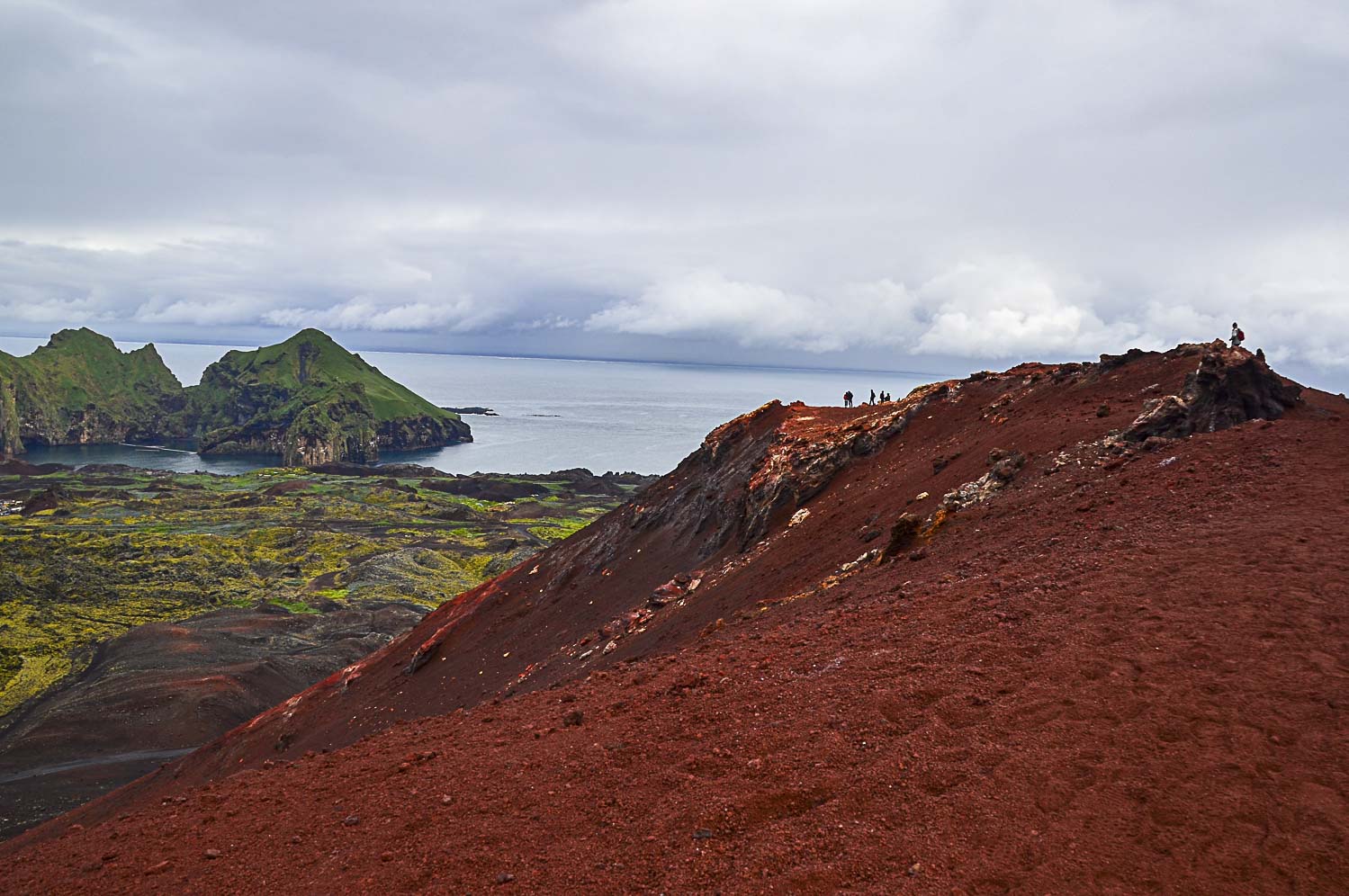
I guess you all know my love for Iceland, its landscapes and its strong inhabitants – people, animals, plants. Living in constant danger of disaster molds you to be resilient. And it is not only people and homes, but their whole livelihood – cattle, horses, sheep. They must be resilient in a volcanic area that often ”comes alive” We have visited Iceland several times, and sometimes soon after eruptions too.
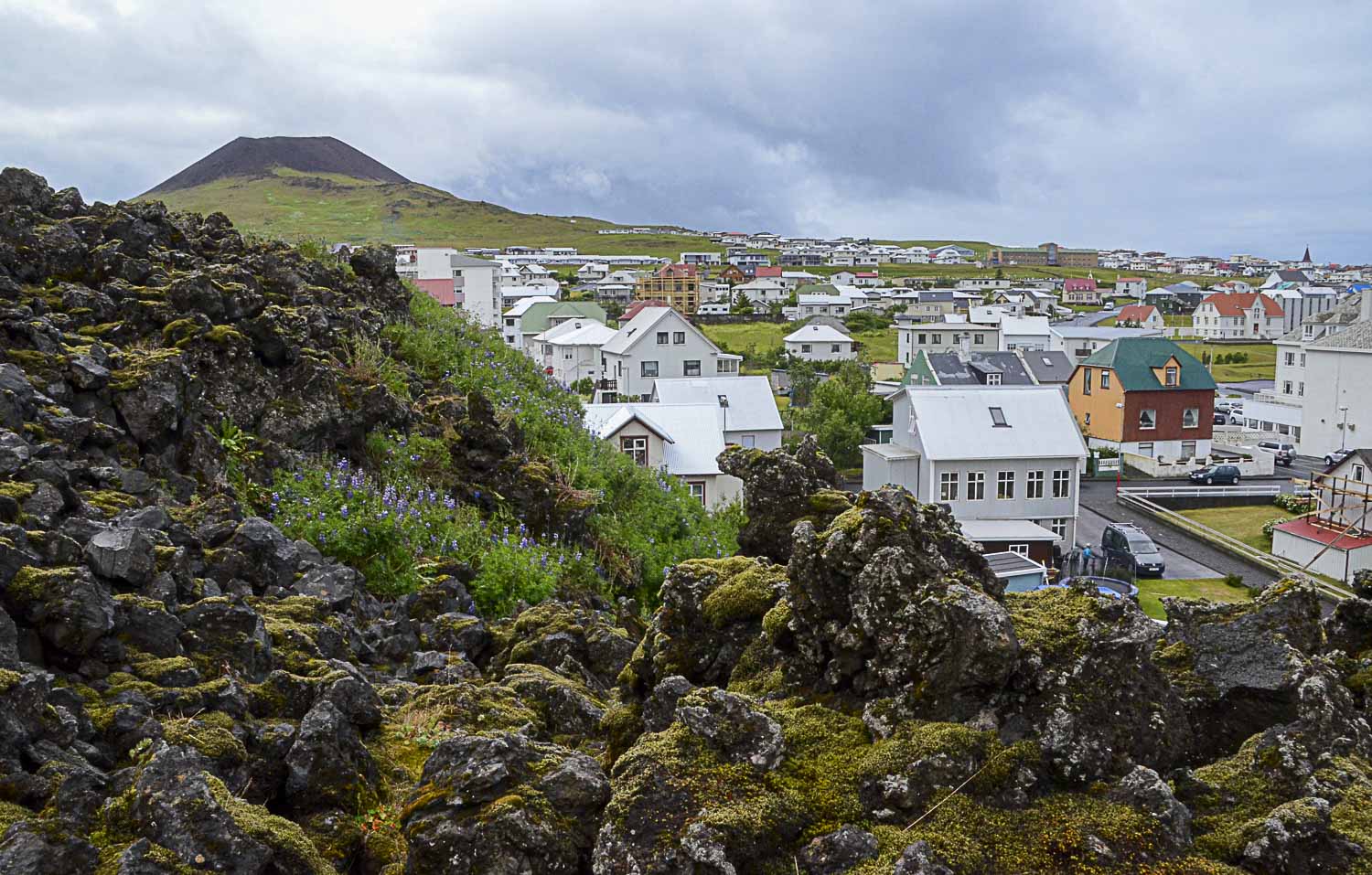

Some of the half buried houses were left as a reminder of the disaster. This is Heimaey, the main town on the islands.

Luckily their whole fishing fleet was in the harbour those days because of a storm – so within 6 hours 5300 people were safely evacuated. Only one life was lost – a man who walked into a house to get medicin, but was poisoned by the gas.
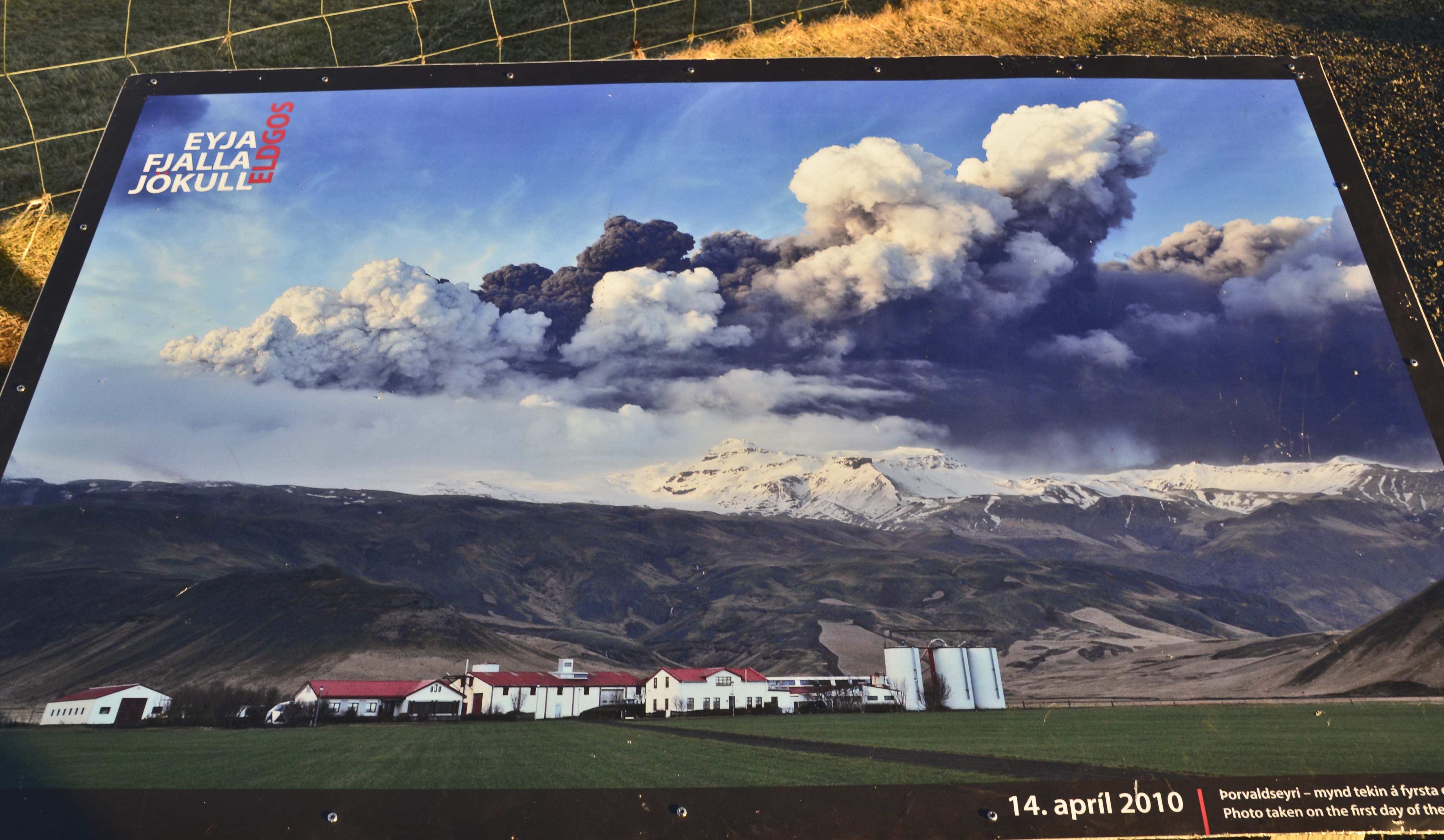


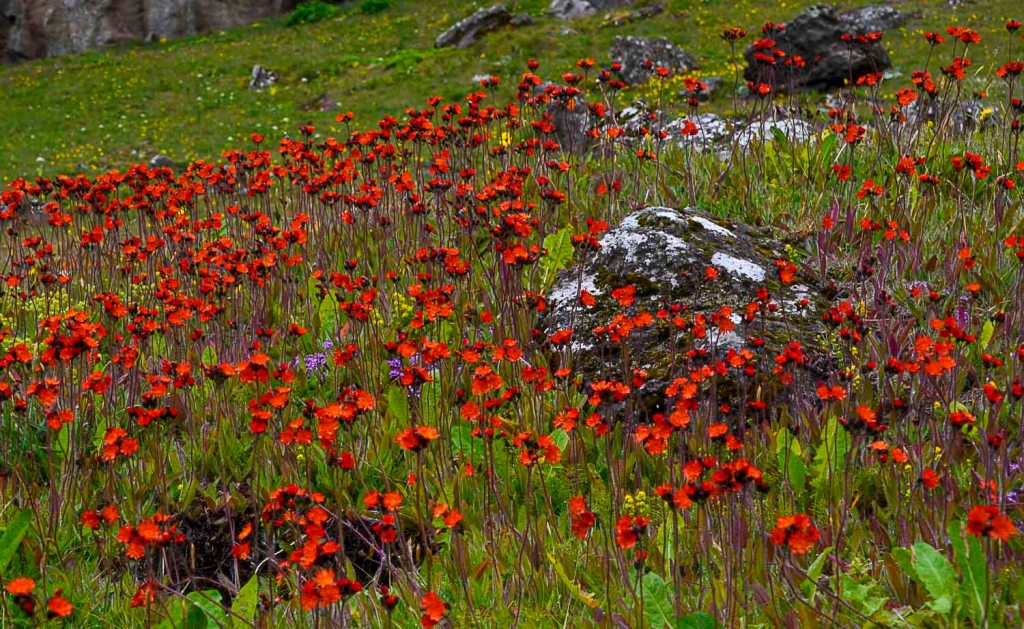
The newest volcanic island, Surtsey, was created from an eruption in the ocean in 1963, south of Vestmannaeyar. Now it is a World Heritage site, but only scientists are allowed to visit. In 1965 the first living plants were discovered there and today birds are living on the island too.

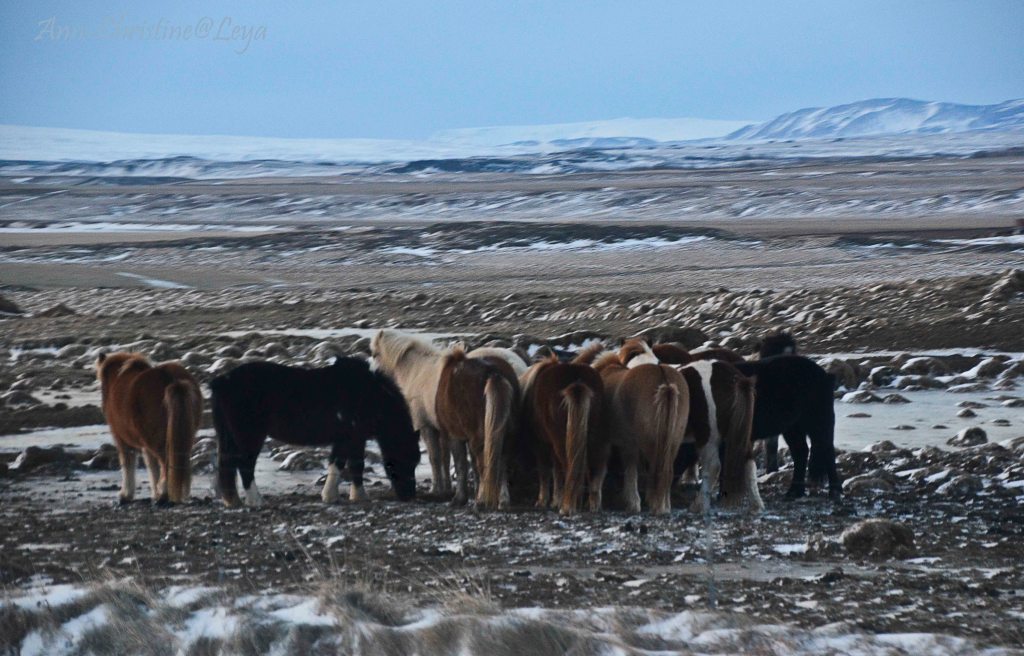
Horses, I have to mention the Icelandic horses, they are among the toughest and sturdiest – and most resilient breeds on Earth. They stand close together in the winds on the open plains, often with their backs to the wind, and don’t seem to suffer at all. For this Viking people, they are priceless treasures.
This week the hosted Lens-Artists Challenges are resumed, after the fantastic Favourite Images of 2024 last week. Anne is leading us with this timely theme and her post is truly inspirational. Please visit her beautiful site and when you join us, please tag Lens-Artists and link back to Anne’s original post.
Next week it’s Ritva’s turn to host so make sure to visit her magnificent site Saturday 18th January. Until then, take care and stay curious.
 Leya
Leya 
Du måste vara inloggad för att kunna skicka en kommentar.