For Tina this week, Cool Colours – let’s explore some ways the cooler colors appear in our world. Personaly, I prefer warmer tones, so they are my start and finish in this collection.
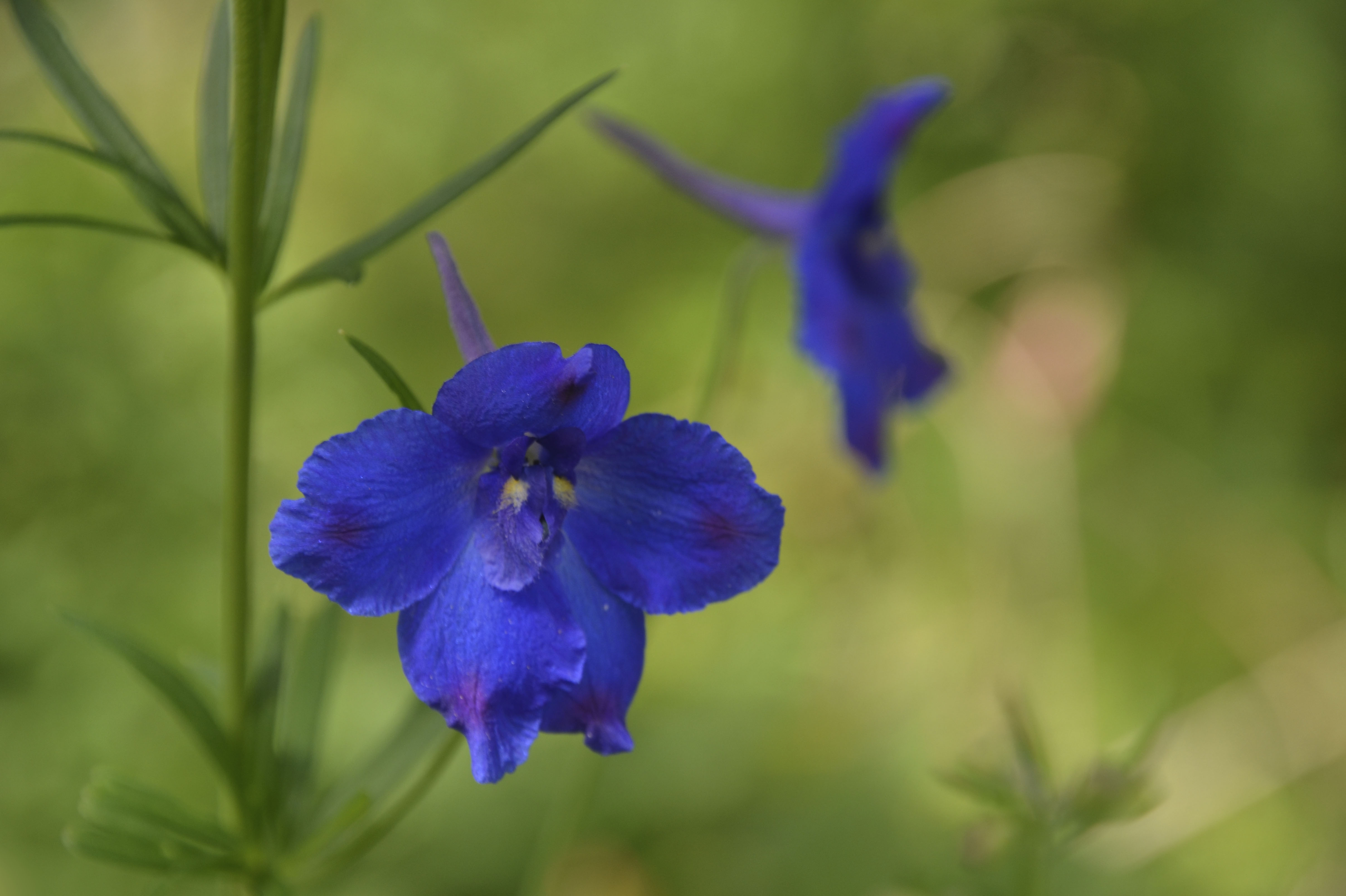
Flowers in this combination offer my senses great delight… But, get a bit cooler and land on a blue-green halfmoon…
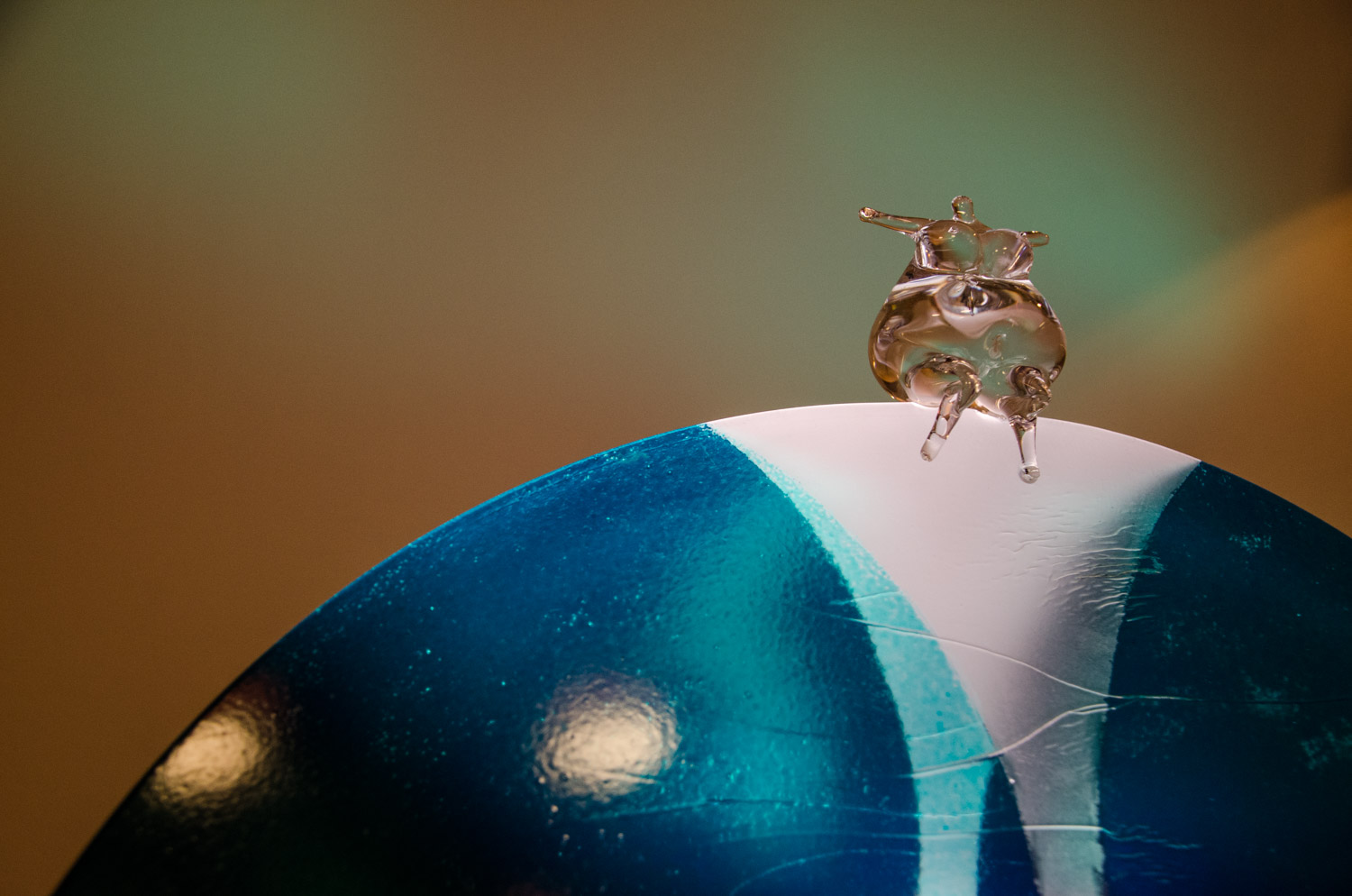
…and you will have a great view of a beautifully dressed woman in a theatre in Denmark.
Back in Sweden again, how about an enchanting ”bracelet” made of glass from Tiffany lamps?
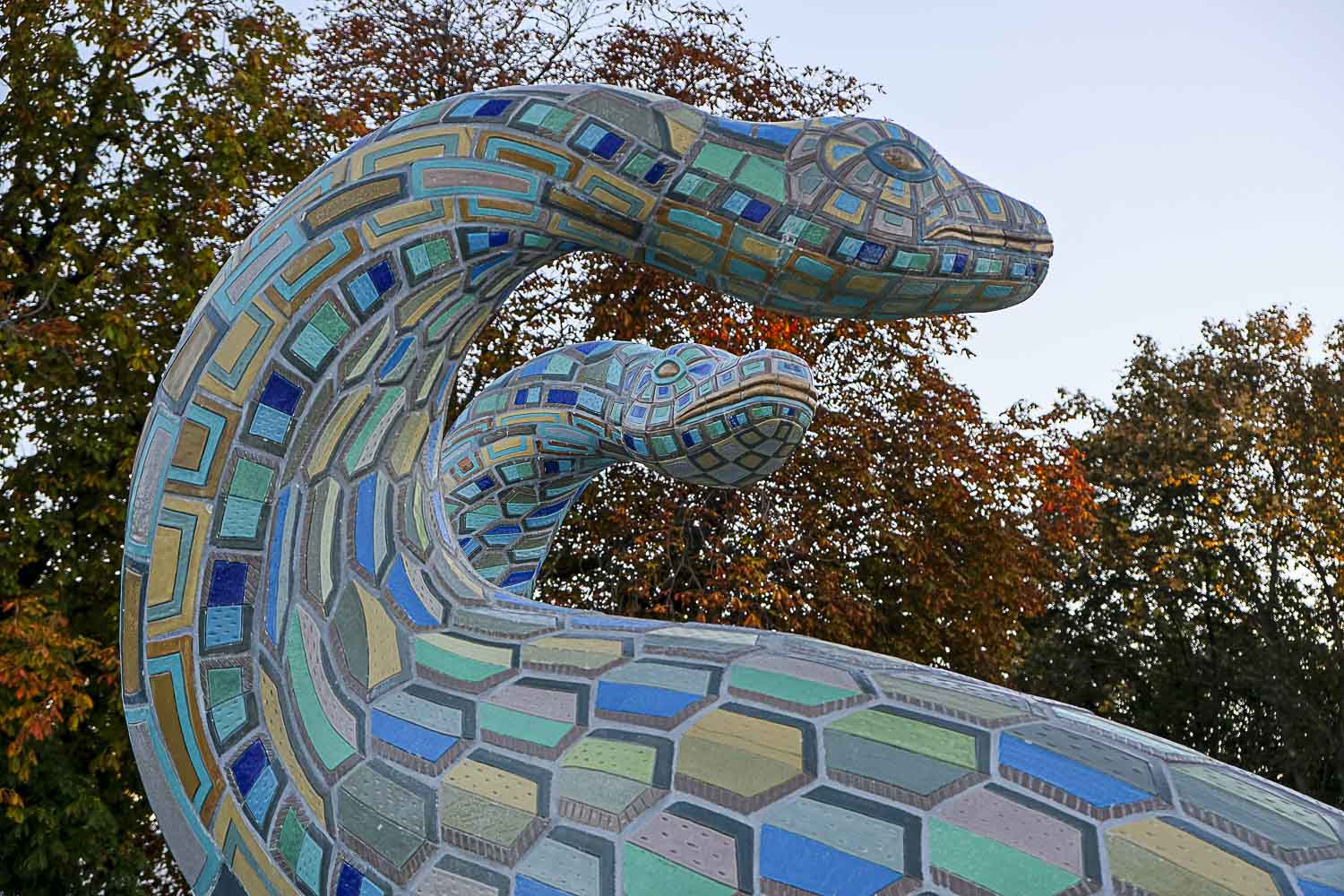
Or why not accompany some cool dinosaurs in the biggest stone pond in Europe?
When my adventurous senses have been satisfied –
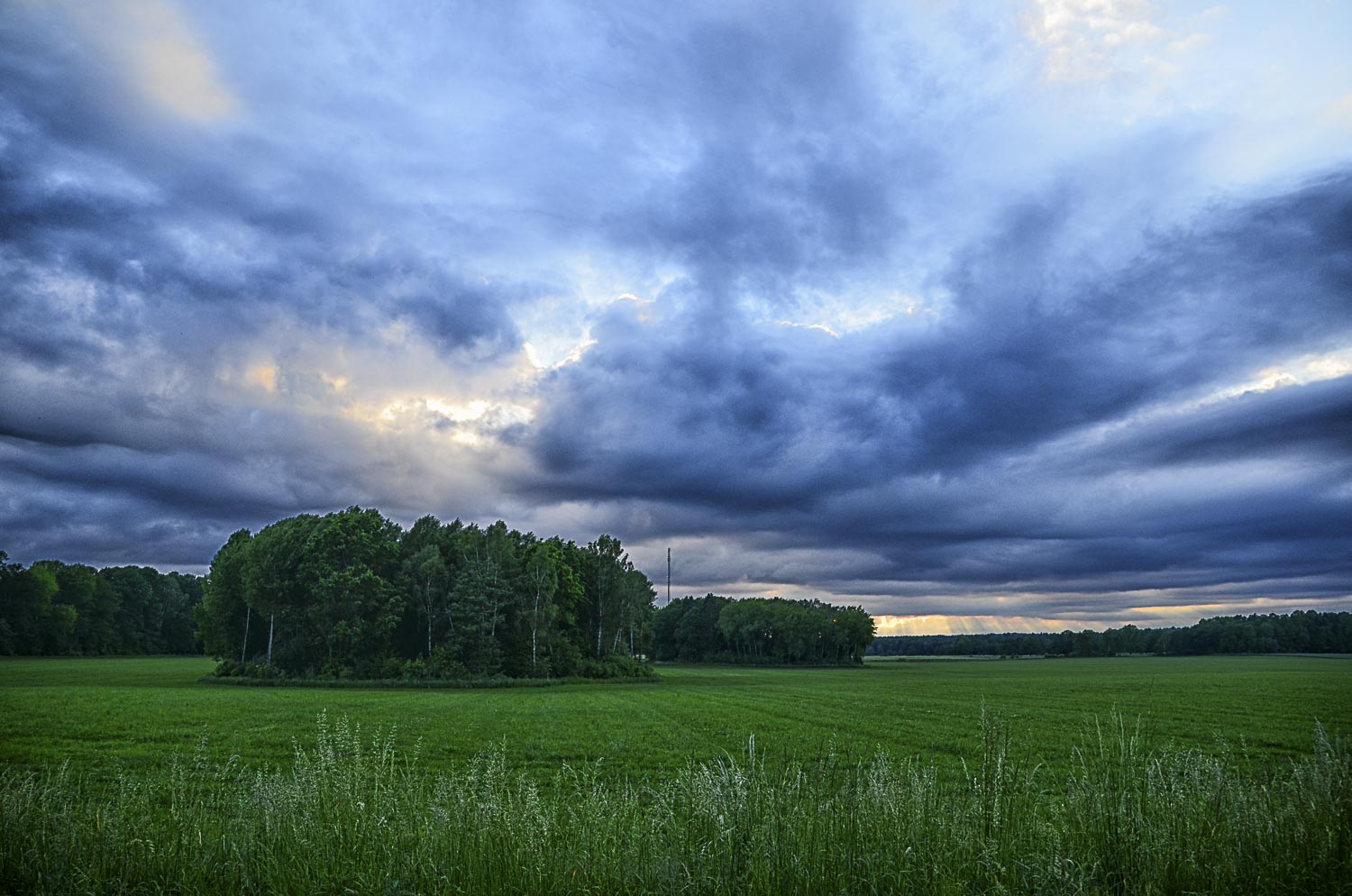
I think I will settle for a late evening meadow in the vicinity of my home… …or maybe rather a sunny walk in one of our national parks.
Blue and green go so well together, don’t they? Please go to Tina’s cool post for more inspiration!
Thank you for all your magical Spots and Dots last week – you really came up with the most creative and surprising posts! And I do believe you had fun with it – and so had we!
We hope you also enjoy this week’s Cool Colors and will join us with your own examples. Please remember to link your response to Tina’s original post and to use the Lens-Artists Tag. Finally, next week we’re excited to announce that our challenge will be hosted by Dianne Millard of Rambling Ranger. Be sure to check out her beautiful blog and watch for her post next week. Until then, as always, please stay safe and be kind.
In one sentence, I’d describe myself as indescribable. But, I wouldn’t end it with a period. I’d end it with three dots. – Jason Schwartzman
My intension with this challenge, Spots and Dots, is … that you should have fun with it! But, also recognize and enjoy the different interpretations, meanings and importance of these two little words. Spots and Dots. Because even if they are small…they can make a big difference. In the written language for example.
Louis Braille created the code of raised dots for reading and writing that bears his name and brings literacy, independence, and productivity to the blind. – Bob Ney
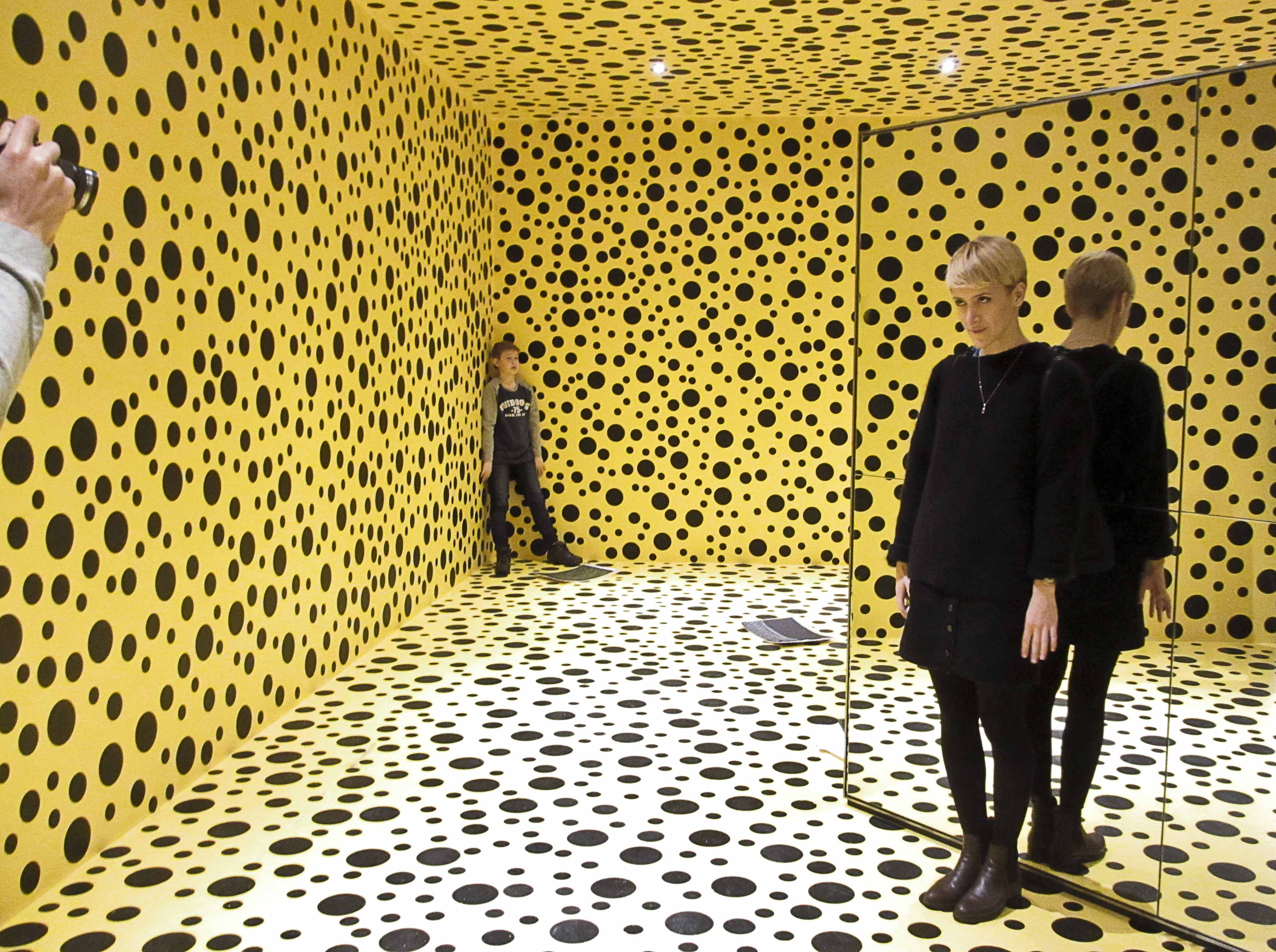
It is said people with brilliant minds are eccentric, and 92-year-old Yayoi Kusama is no exception — she is obsessed with dots. Her dots may appear boring, but she has this incredible ability to create enchanting artwork of many variations with just the dots. I visited one of her exhibitions in Copenhagen some years ago – and totally fell in love with her art.
What about spots then? We all have spots, weak spots, blind spots etc. Here I spotted two quotes that I like – and use:
A leopard does not change his spots, or change his feeling that spots are rather a credit. – Ivy Compton-Burnett
Do not look at stars as bright spots only. Try to take in the vastness of the universe. – Maria Mitchell
Talking about favourite spots, one of them is my own garden. Found with Forget-me-not spots in the header. And, another favourite spot is Copenhagen with its many attractions. Not least the exhibitions. Only an hour and a half away from my home – but at the moment inaccessible. How I miss the regular summer visit with my friends!
Finally, about connecting dots for an important whole – listen to Ban Ki-moon:
Saving our planet, lifting people out of poverty, advancing economic growth… these are one and the same fight. We must connect the dots between climate change, water scarcity, energy shortages, global health, food security and women’s empowerment. Solutions to one problem must be solutions for all.
Thank you Amy, for last week’s beautiful challenge – Gardens. And thank you all for your lush, soothing and spectacular posts! There were many places to note down for a possible future visit. Hope to see you in this week’s challenge as well – very open for creativity! Don’t forget to link to my original post, and the Lens-Artists tag. Also, stay tuned for next week, when Tina will be your host. Take care and be nice.
This week Amy has set a beautiful challenge – Gardens. Normally this would have meant so much joy for me to put together, but time and life is bringing too many changes and challenges right now.
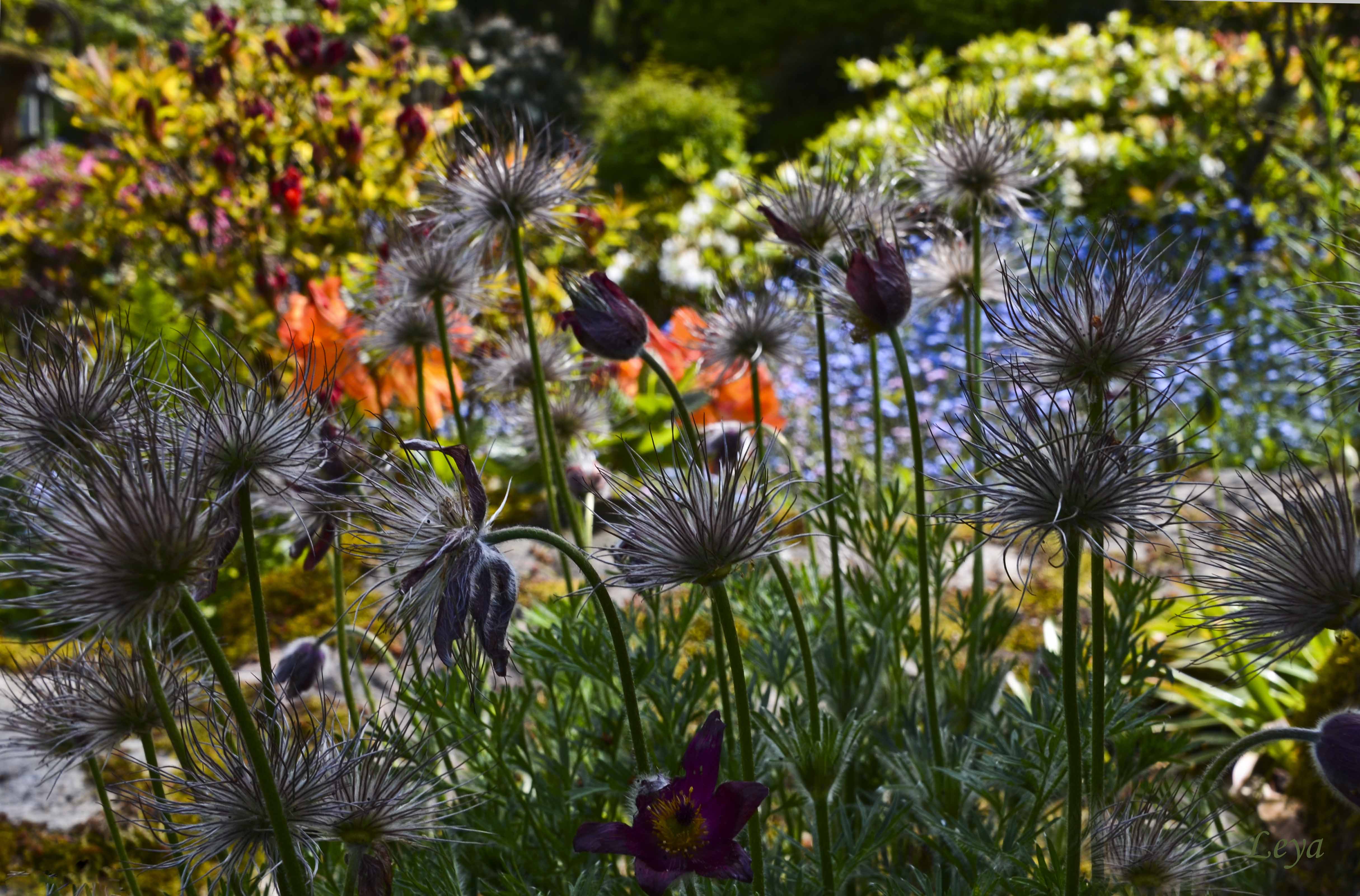
Anyhow, here we go – I decided to once again visit my favourite garden – I call it the Garden of My Dreams – because it is, in more than one sense. For its abundant beauty, biodiversity and – for it being lost and is no more.
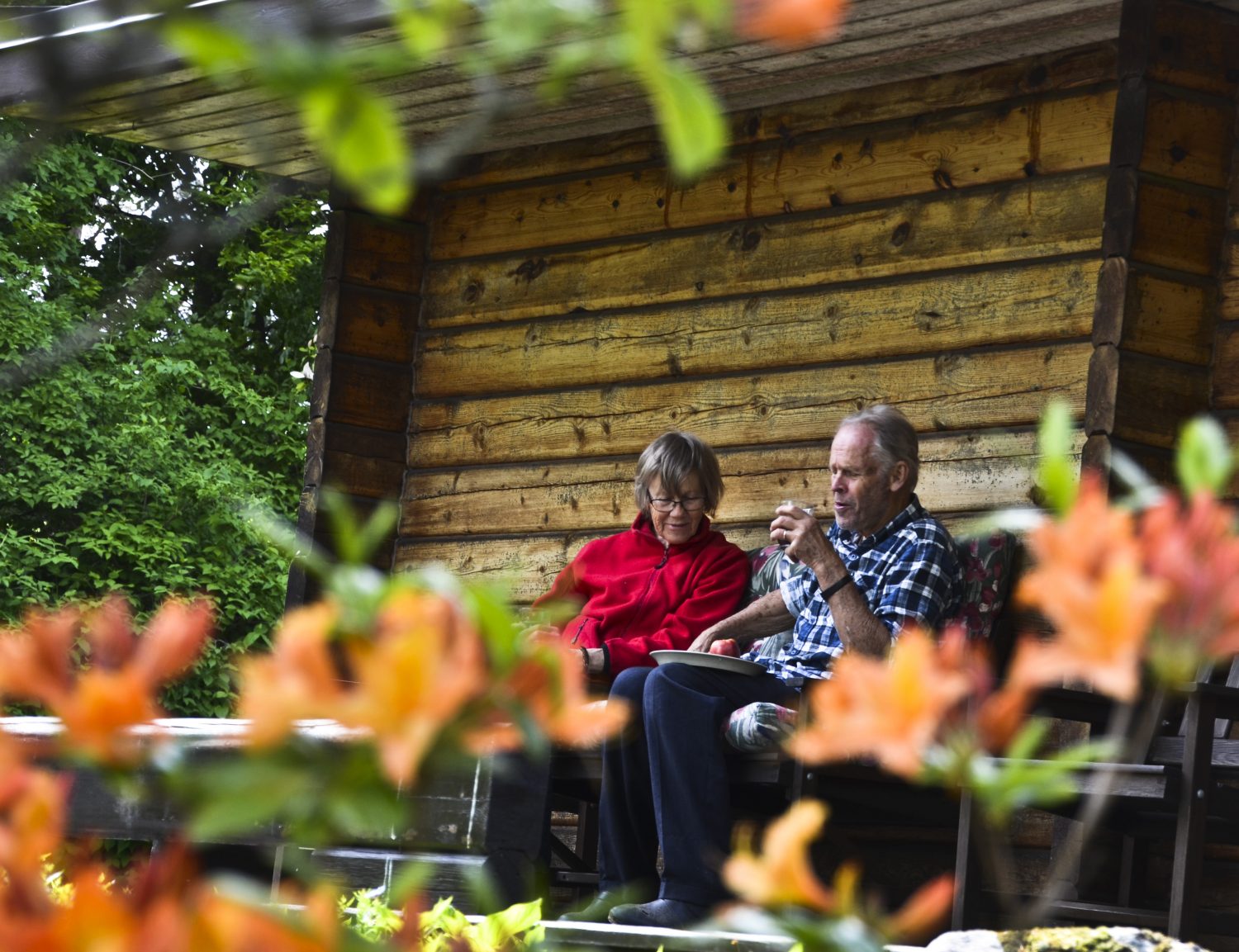
The old couple who owned it, travelled the world for rare plants and brought them home to their garden in the forest.I used to visit now and then, and they always loved a quiet chat and a walk through their Paradise. The little old man was an avid birder as well, and he put up homes for the birds in his garden as well as in the forest. He also banded the birds and tracked them every year. So… whenever I post on such a little home, you can be almost sure it was made by his hard working hands.
Now, let’s enjoy a nostalgic walk from the past together. And remember, these wonders are just a few of what this amazing garden would offer!
Thank you for walking down memory lane with me.
Sincere thanks to all who responded to last week’s Focus on the Details challenge. We enjoyed every detail you offered and hope you will share more for this week’s challenge. Please be sure to link your response to Amy’s lovely original post here, and to use the Lens-Artists tag to help us find you in our reader. Wishing all the moms a Happy Mothers’ Day filled with love and beauty.
Next week, I, Leya, will be your host. I wish you all a calm and peaceful weekend.
This week, Patti invites us to join in for LAPC #146, Focusing on the Details. We can include photos of details from one subject (a person, a place, an object) or many subjects.
The beauty of life is in small details, not in big events – Jim Jarmusch
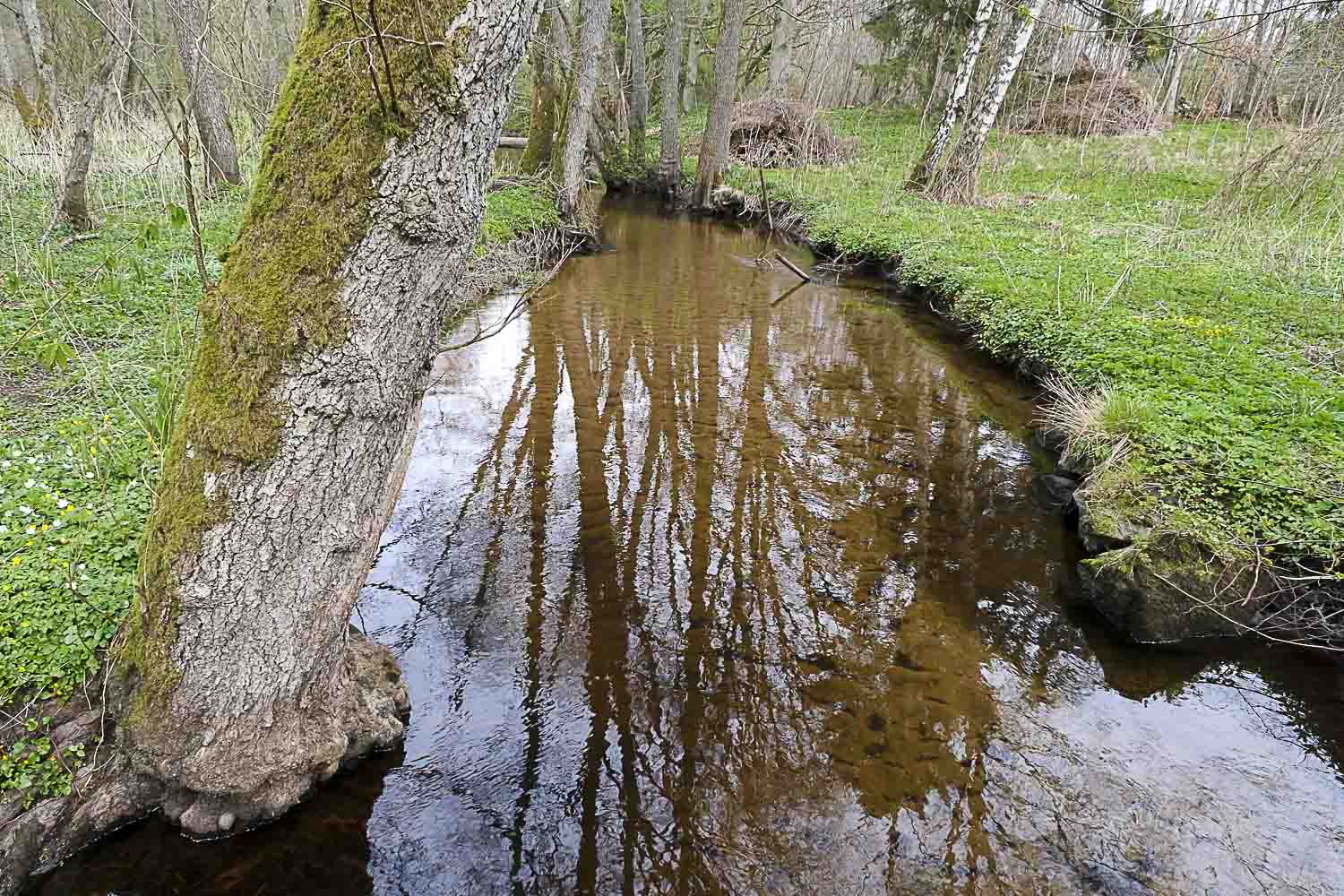
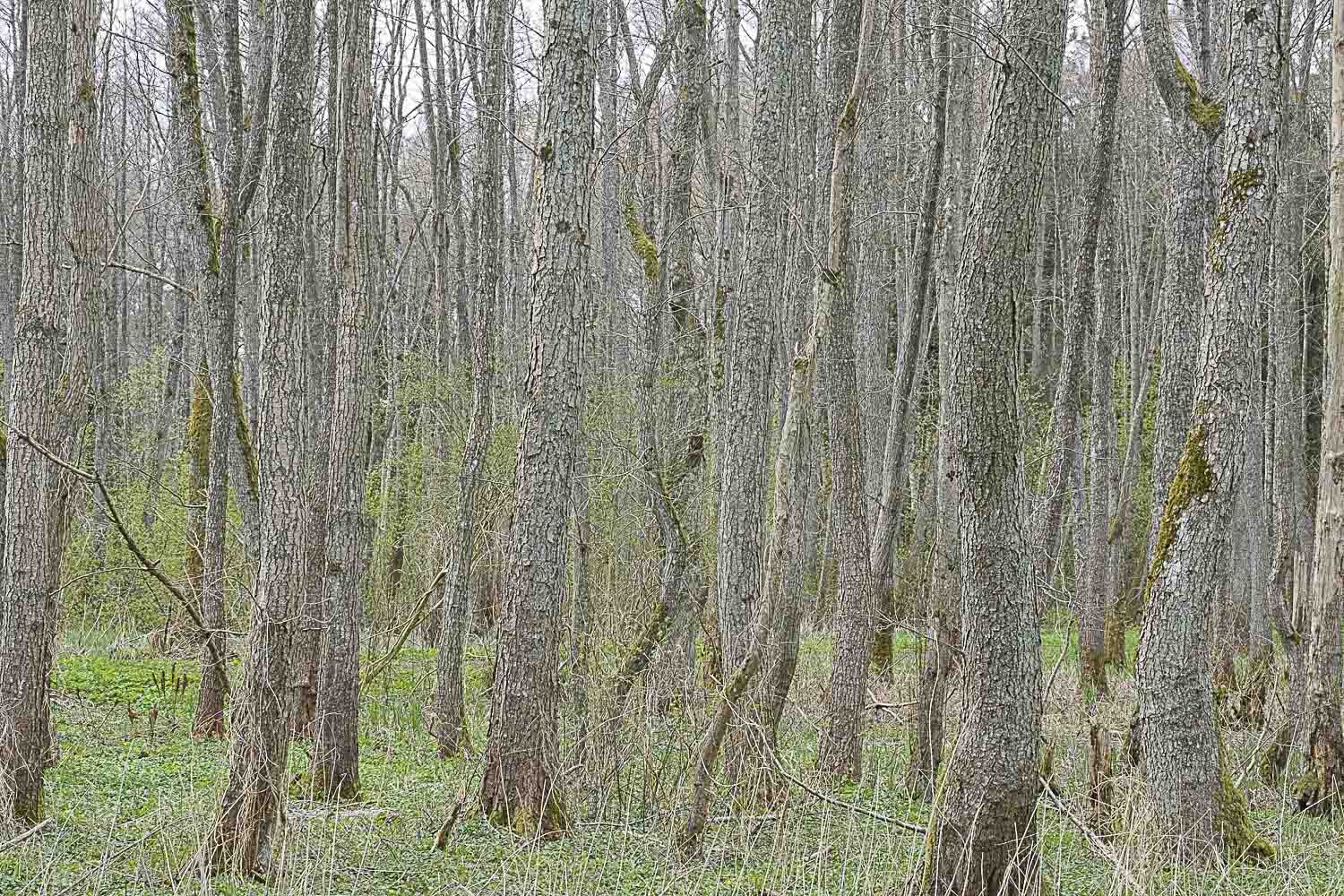
I want to take you along with me to a 10x10m area along this trail. Maybe it doesn’t seem to have much of interest…looks rather empty except for the trees, doesn’t it… But, let’s start looking for details – and this time I know what I am looking for.
The first details I see are these late blooming twigs…and I notice that the trunks reflecting in the water, show the sandy waves at the bottom of the creek instead of the patterns on the trunks.
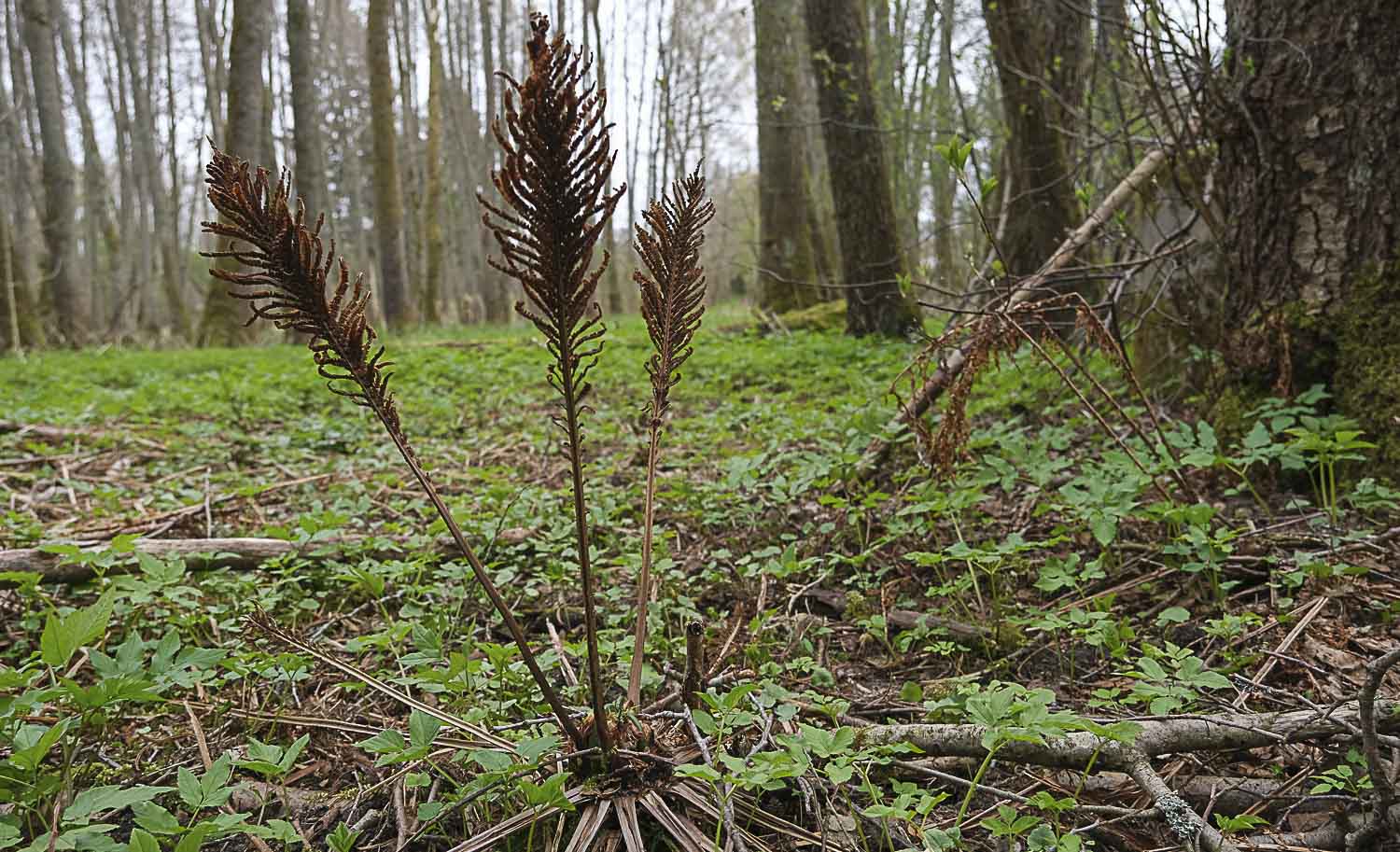
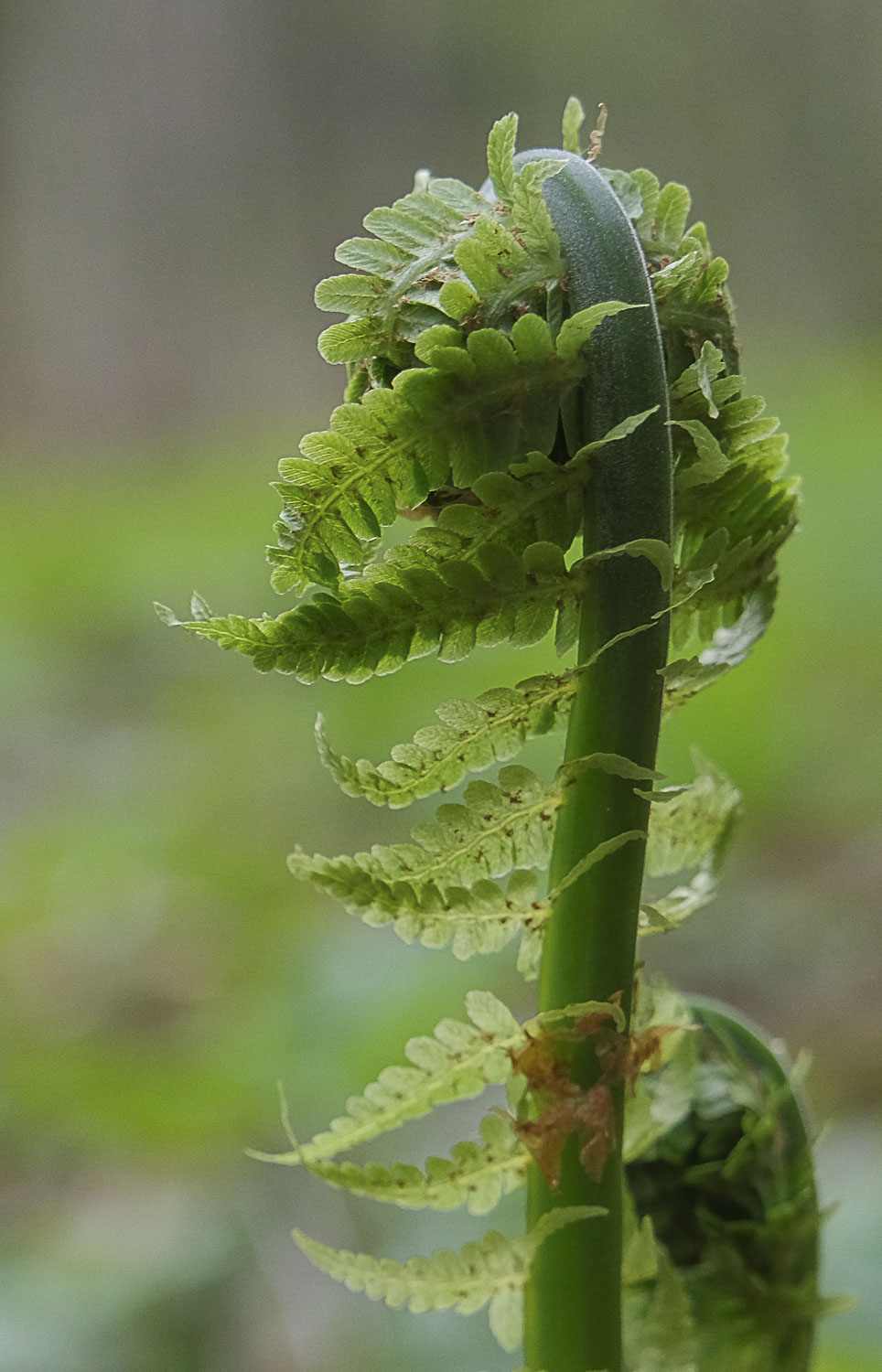
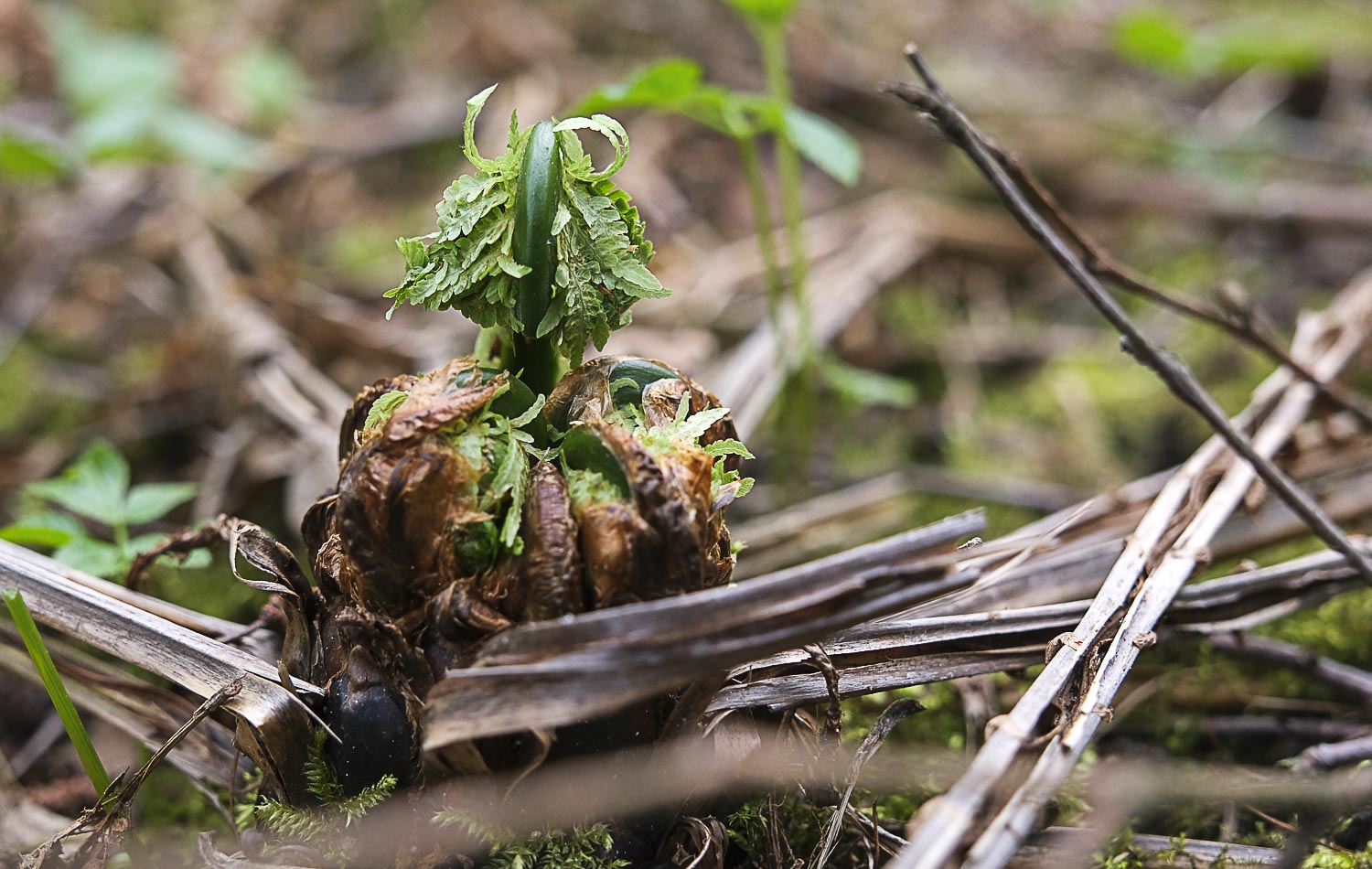
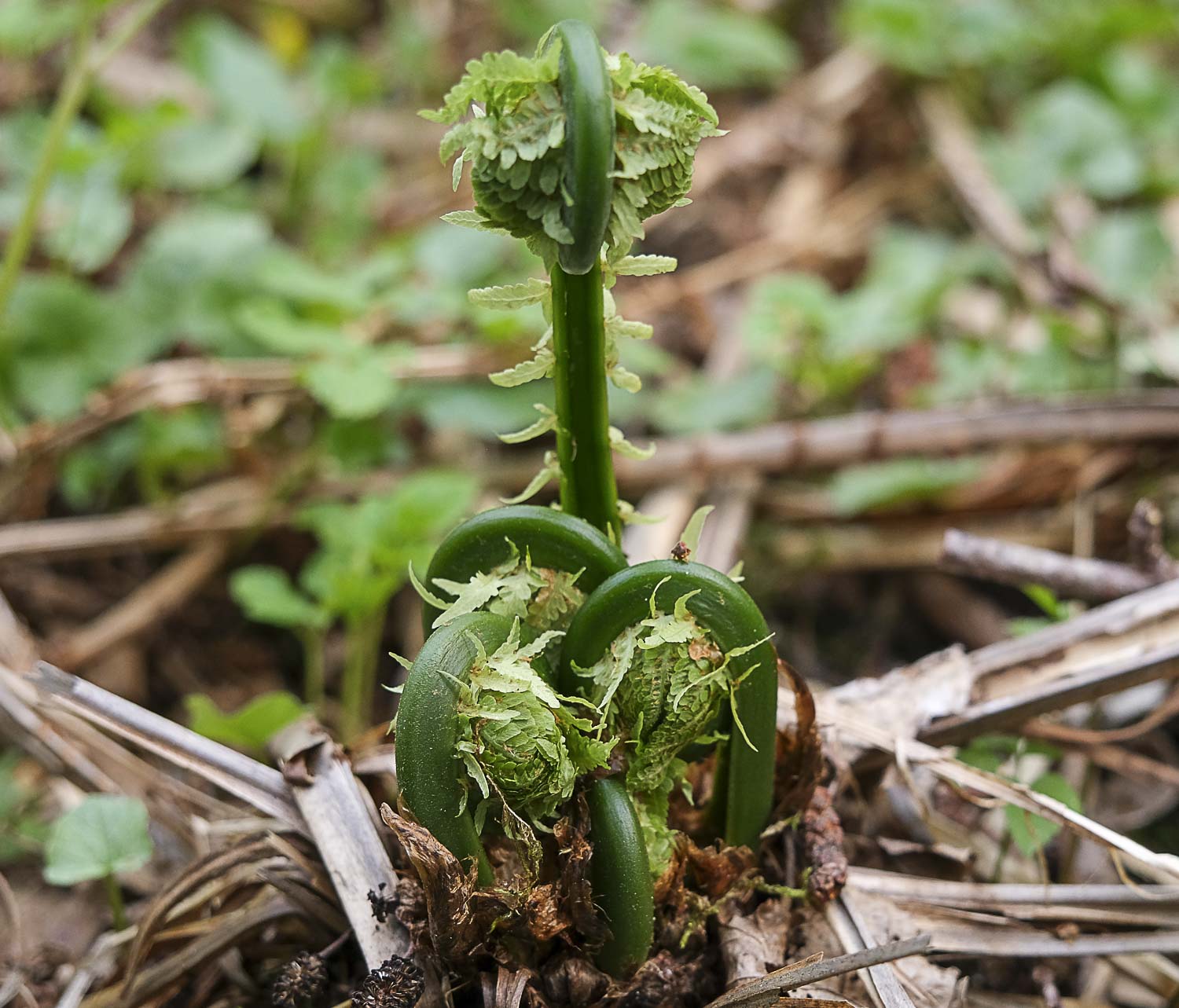
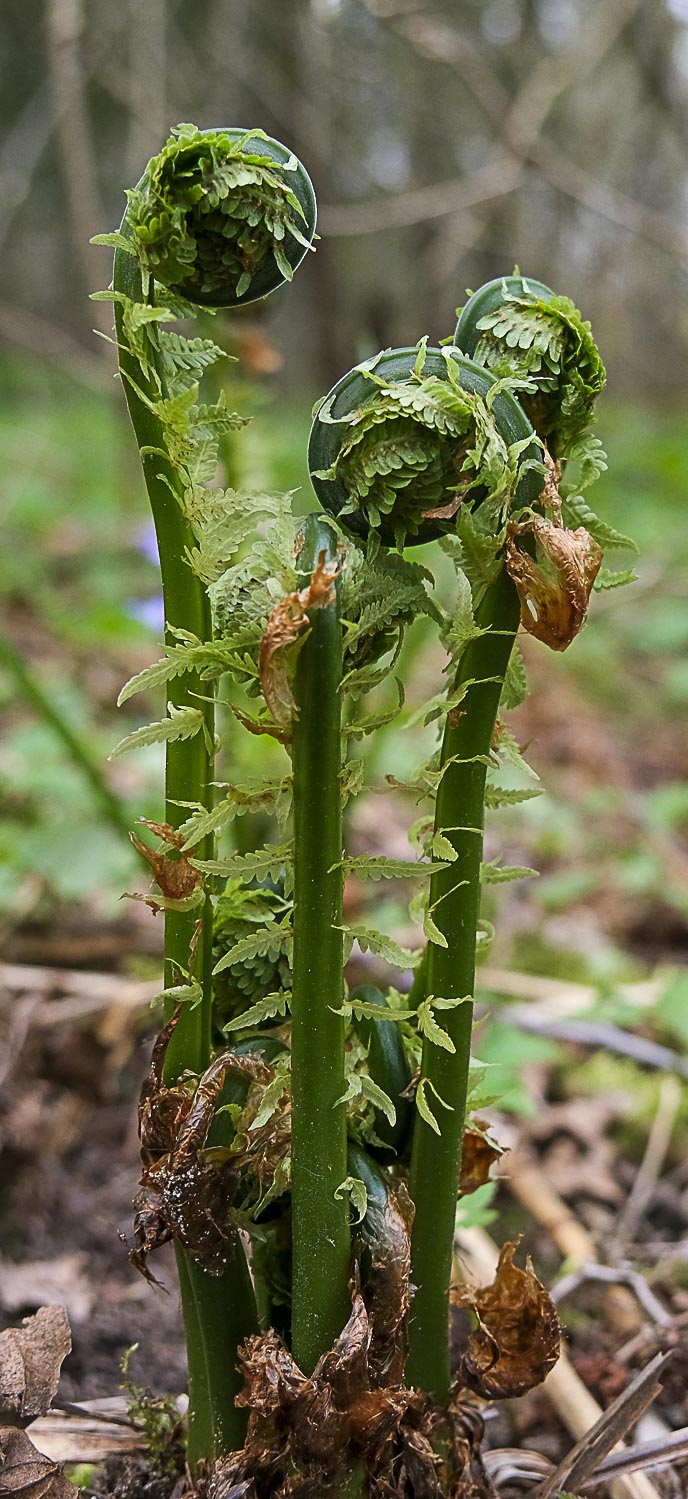
What we are looking for in this forest is the fiddlehead fern or ostrich fern, 100–170 cm (39–67 in) tall and 20–35 cm (7.9–13.8 in) broad, long-tapering to the base but short-tapering to the tip, so that they resemble ostrich plumes. They would have been very difficult to find if last year’s leaves hadn’t been sticking up like brown feathers.
They are giving me the fern look…- I am being watched. They know I will soon be coming for them, because these ferns are edible, and absolutely delicious. It’s the only edible fern in Sweden. Here, in this wet area, they grow abundantly and in a couple of weeks, they will cover the whole forest floor below the trees. They should be picked when new and fresh, like the tallest ones in my images. Boil and eat, maybe with some delicious meat…soon!
Details are important, always.
A special thanks to Priscilla of Scillagrace for her fabulous Getting to Know You! challenge last week. As always, your posts were varied, surprising, delightful, and inspiring. On Saturday, May 8, Amy will host LAPC #147, so be sure to visit her beautiful and thoughtful site for more inspiration.
Until then, have a wonderful creative week and please stay safe.
Priscilla of Scillagrace is our lovely guest host this week: ”The artist’s gaze, the photographer’s eye, when cast on a subject begins a relationship.” And from then on, the road leads to Getting to Know You.
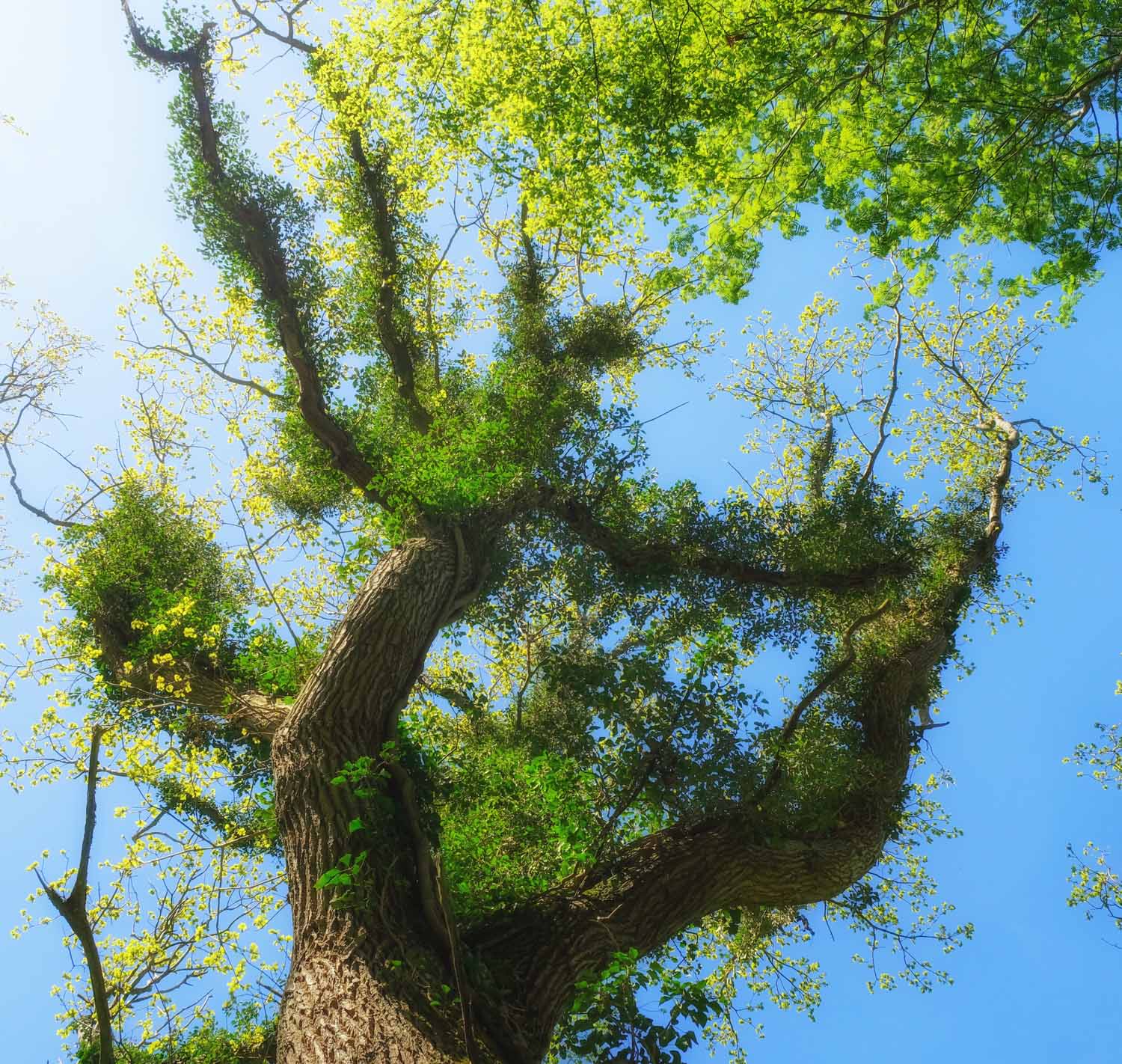
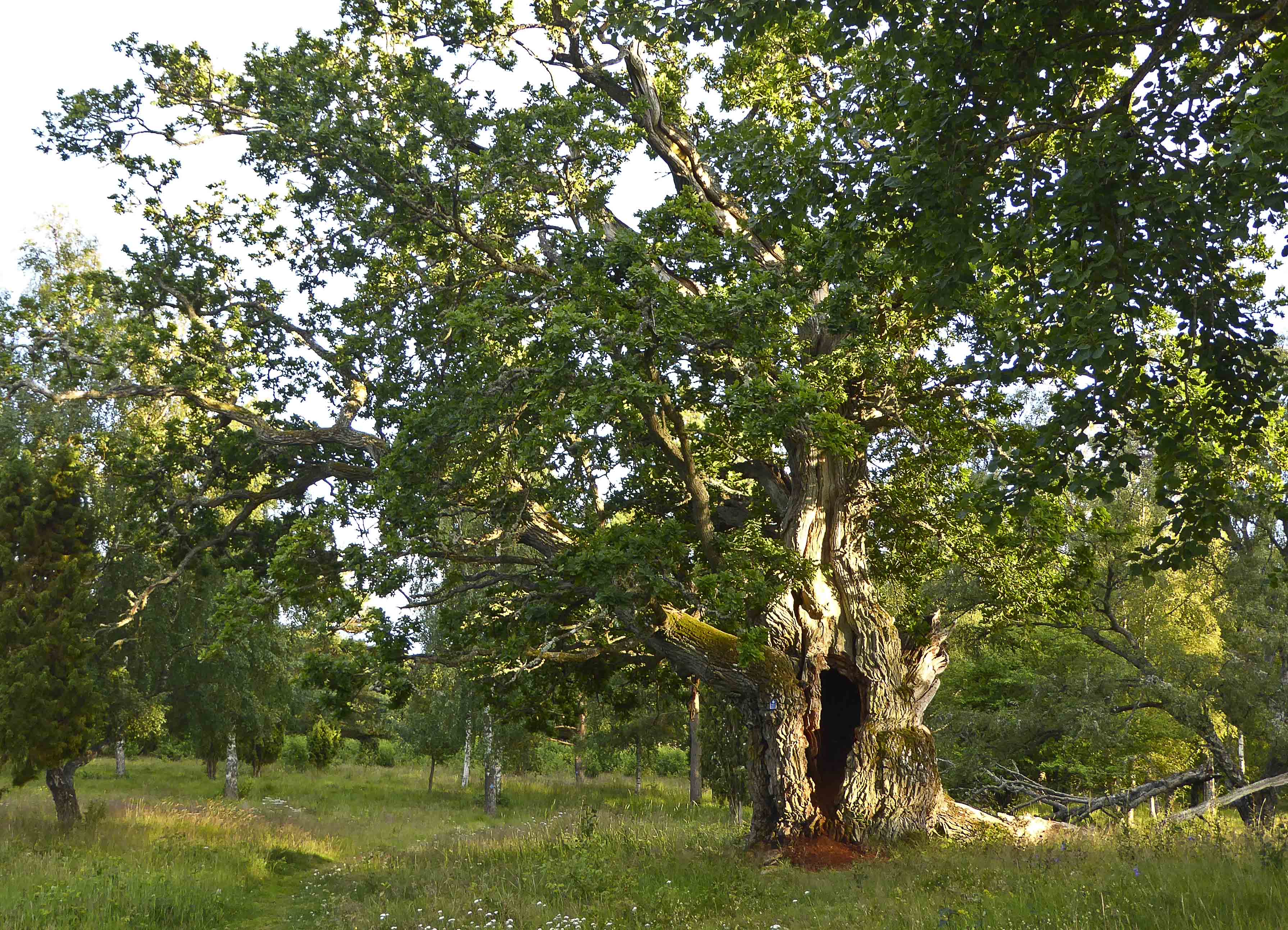
When I was young and just had met my husband to be, I did not know much about the part of Sweden he originally came from, Blekinge. All I knew was the great number of oaks living there – and as I always was a tree lover, I was looking forward to seeing them. The Oak Tree was later voted the Province Tree of Blekinge.
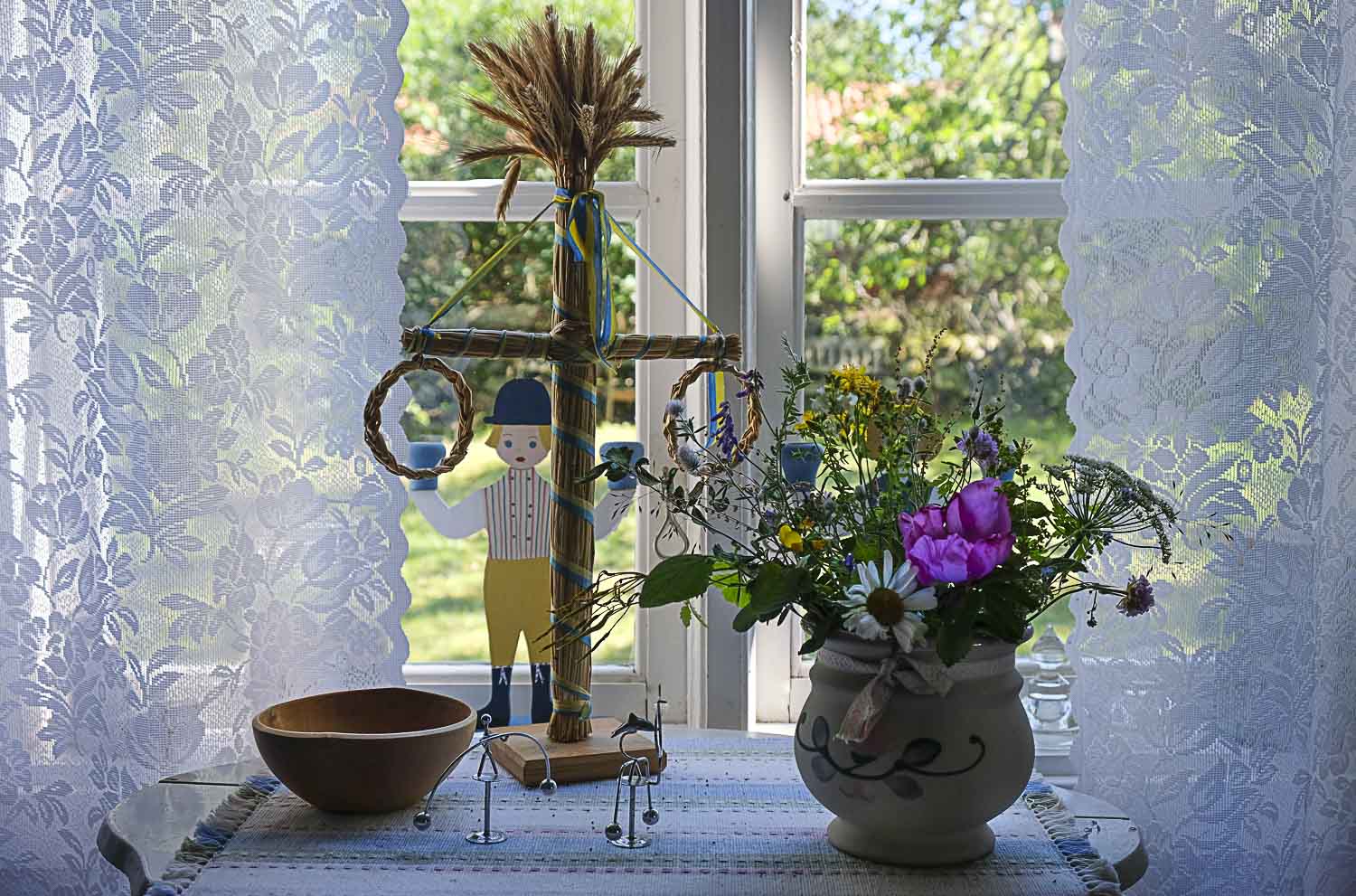
Of course I fell in love with the landscape – forests, farmland, water and a renowned and prize winning park.Many walks and many beautiful views – I never get tired of the Park in Ronneby Brunn with its numerous grand Rhododendrons.Our summer house is an old fisherman’s cottage.I have come to love it very much, and Midsummer is spent with the family here every year.Ronneby is an old (700 BC) summer town – called the town of roses. The cobbled streets are steep and every house is adorned with roses in one way or the other.
We have got to know many lovely friends in Blekinge – some surprises as well…
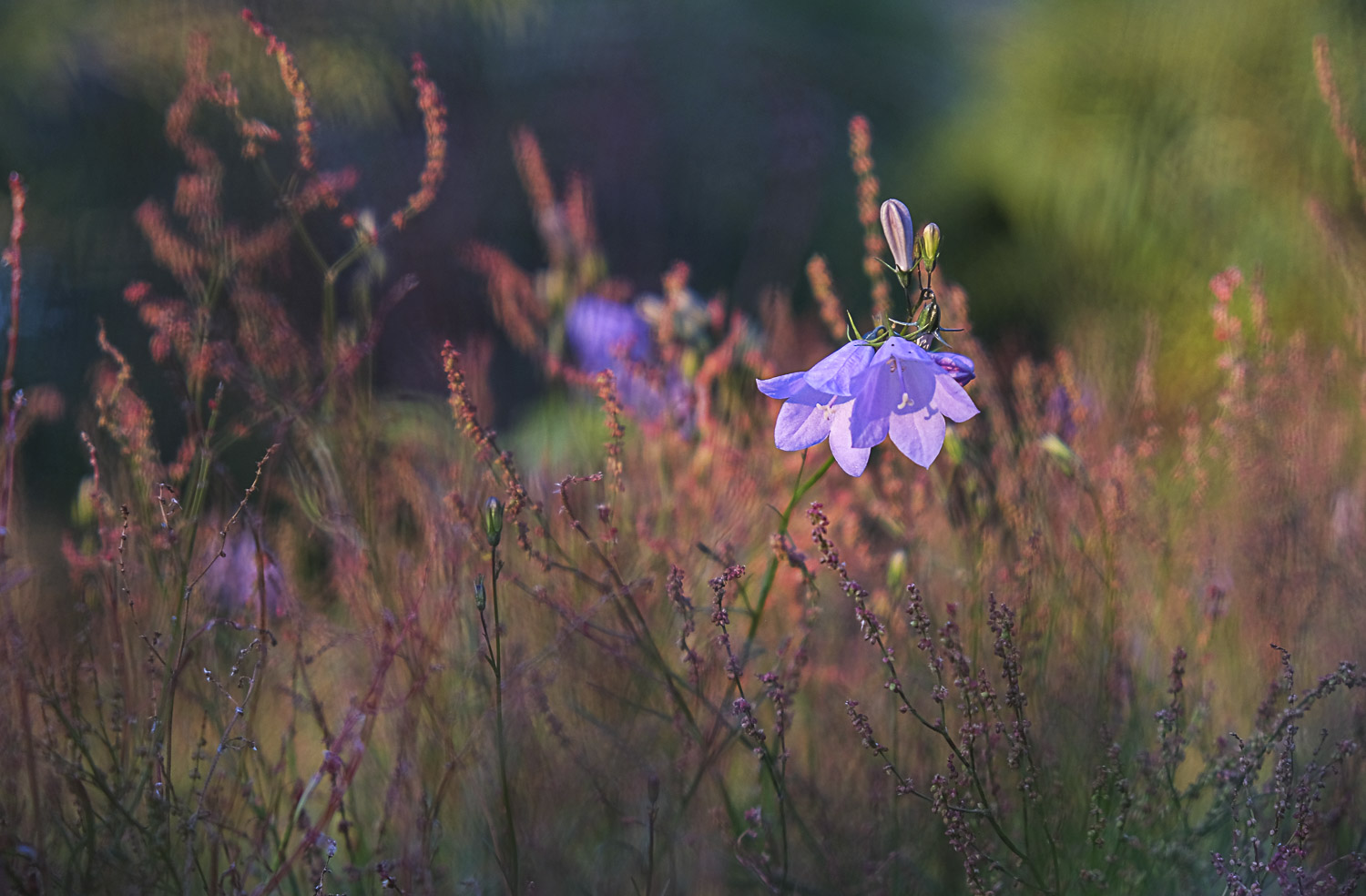
To my great joy, our garden is filled with wild flowers, just like home, but different species from where we ordinary live. The soil is more sandy here as it is close to the sea.The warm evenings are filled with walks and late evening swims. The swims mostly for the children and the youngsters nowadays…I have also learned to love the sunsets in Blekinge. As we have no sea close to where we ordinary live, this is a special treat.
I know, I have learned much about Blekinge, and I have come to love it very much.
Thank you Tina, and all of you interesting participants, for last week’s Taking Flight. A great variety and so much fun! We hope you will join us this week for Priscilla’s inspiring “Getting to Know You Challenge.” Please visit her site for the details of the challenge and see her expressive and beautiful photos.
Next week, it’s Patti’s turn to lead the challenge. Next Saturday at noon, welcome to the “Focusing on the Details” challenge. Until then, have a wonderful creative week and please stay safe.
Birds,butterflies, bees and other insects, airplanes, balloons, bubbles, kites….well, this week, Tina invites us to be creative and choose whichever flying objects that catches our imagination and our lens. Go to her amazingly beautiful post to visit Kiawah!
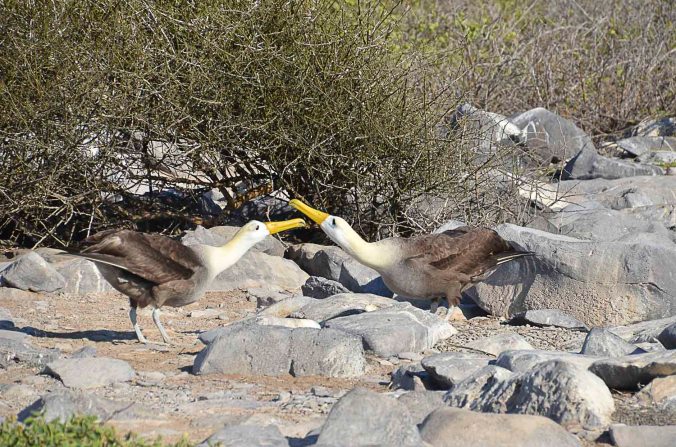
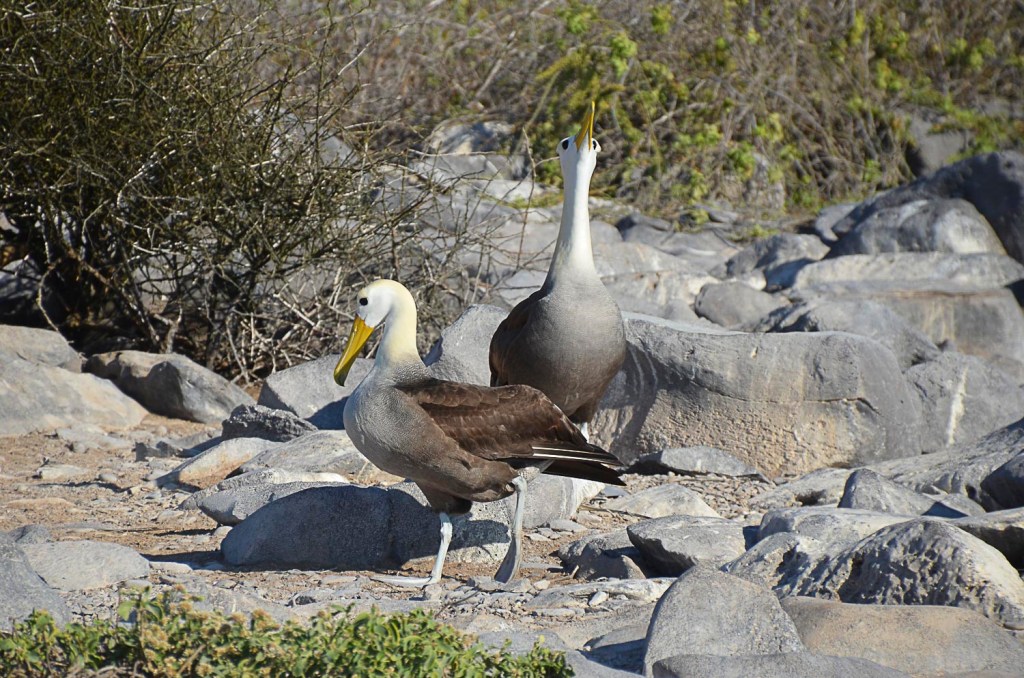
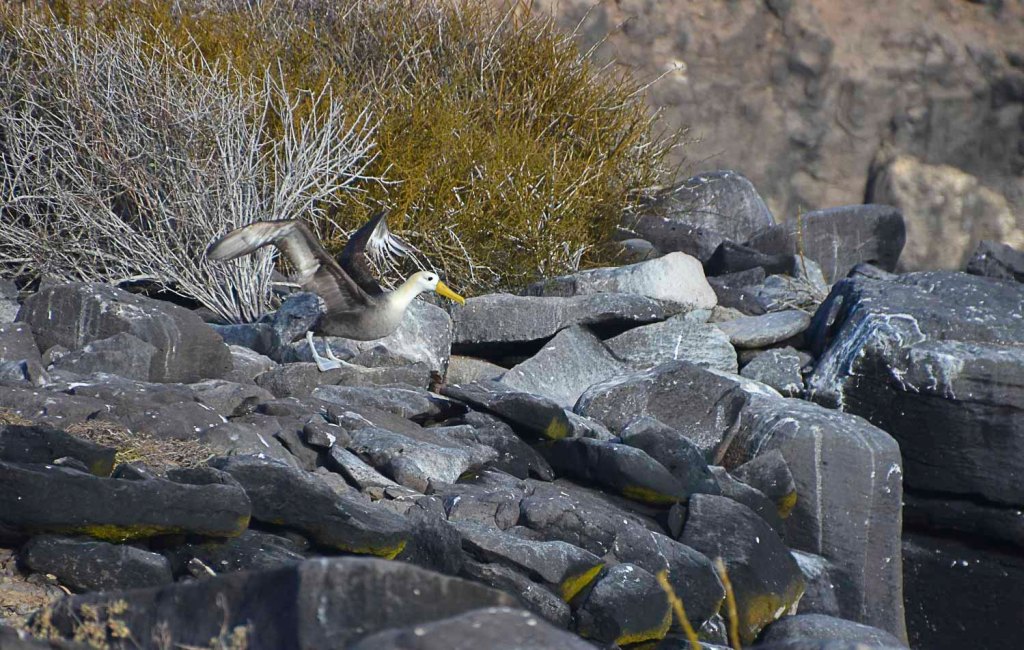
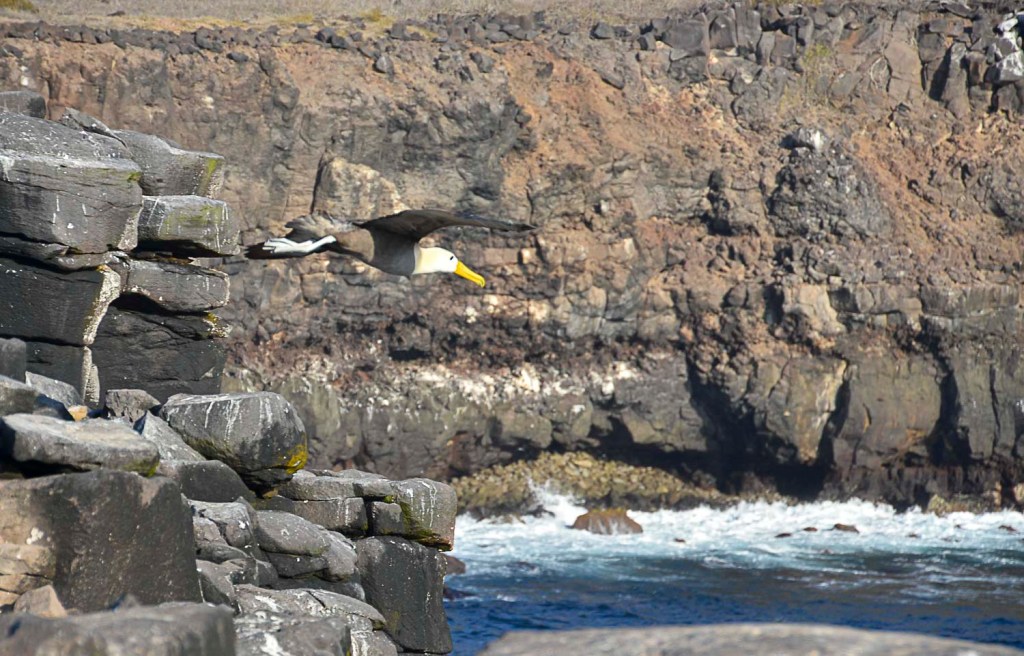
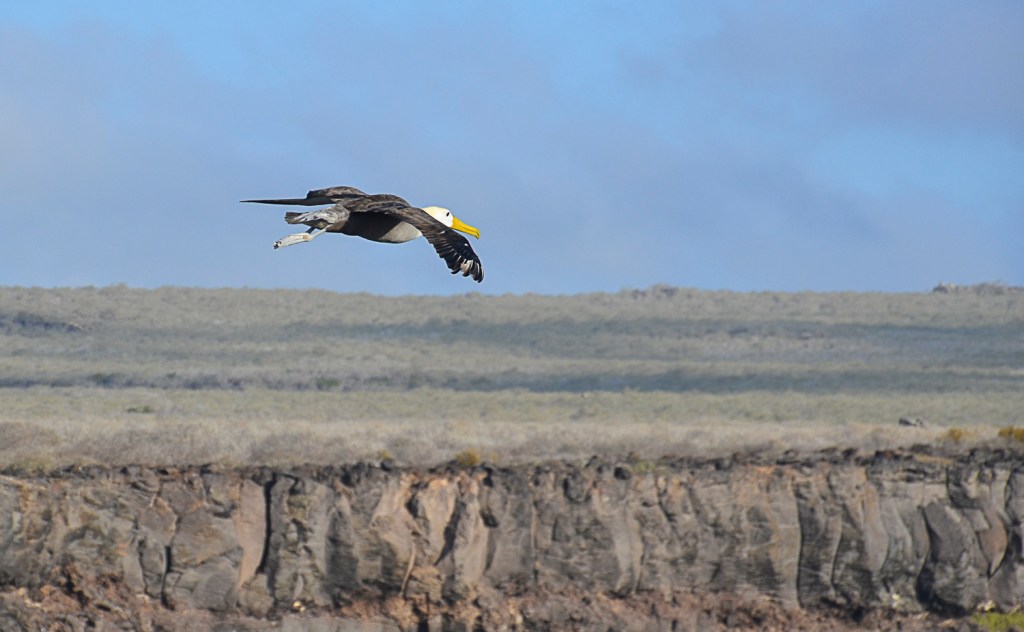
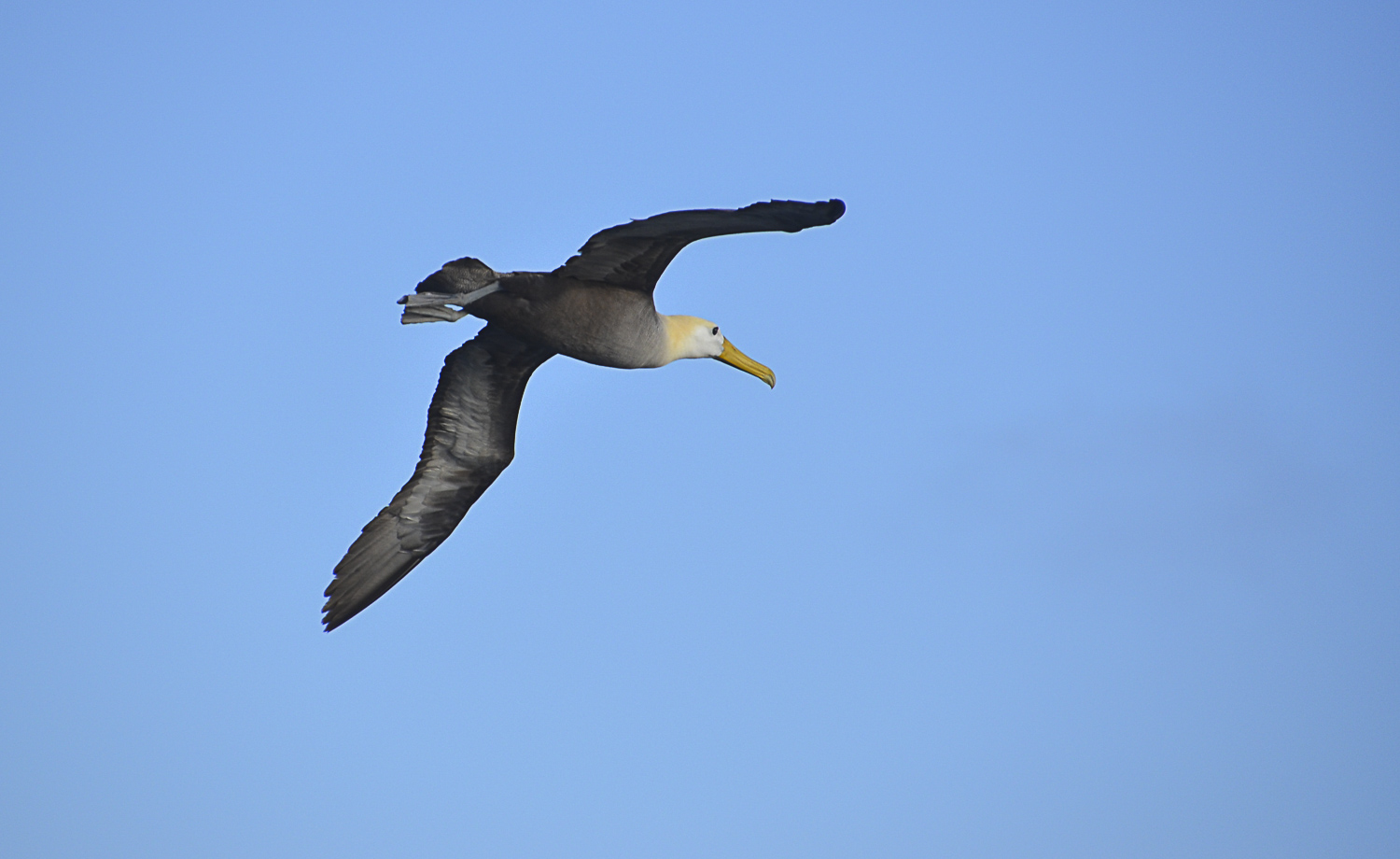
I don’t have a perfect long lens, so I will stick with the Galapagos Islands, where you have no need for a long lens, but get to see and love all wildlife close-up, just by your side. And, they do have one of the funniest birds for taking flight…
Also called the waved albatross, the Galapagos albatross (Phoebastria irrorata) is the largest bird in the Galapagos, with a wingspan of up to 250 centimetres (8.2 feet). They breed exclusively on Española Island.
The Galapagos albatross engages in a rather elaborate courtship dance, and as our timing was right, we were lucky enough to see this on our trip to the Galapagos Islands in 2016.
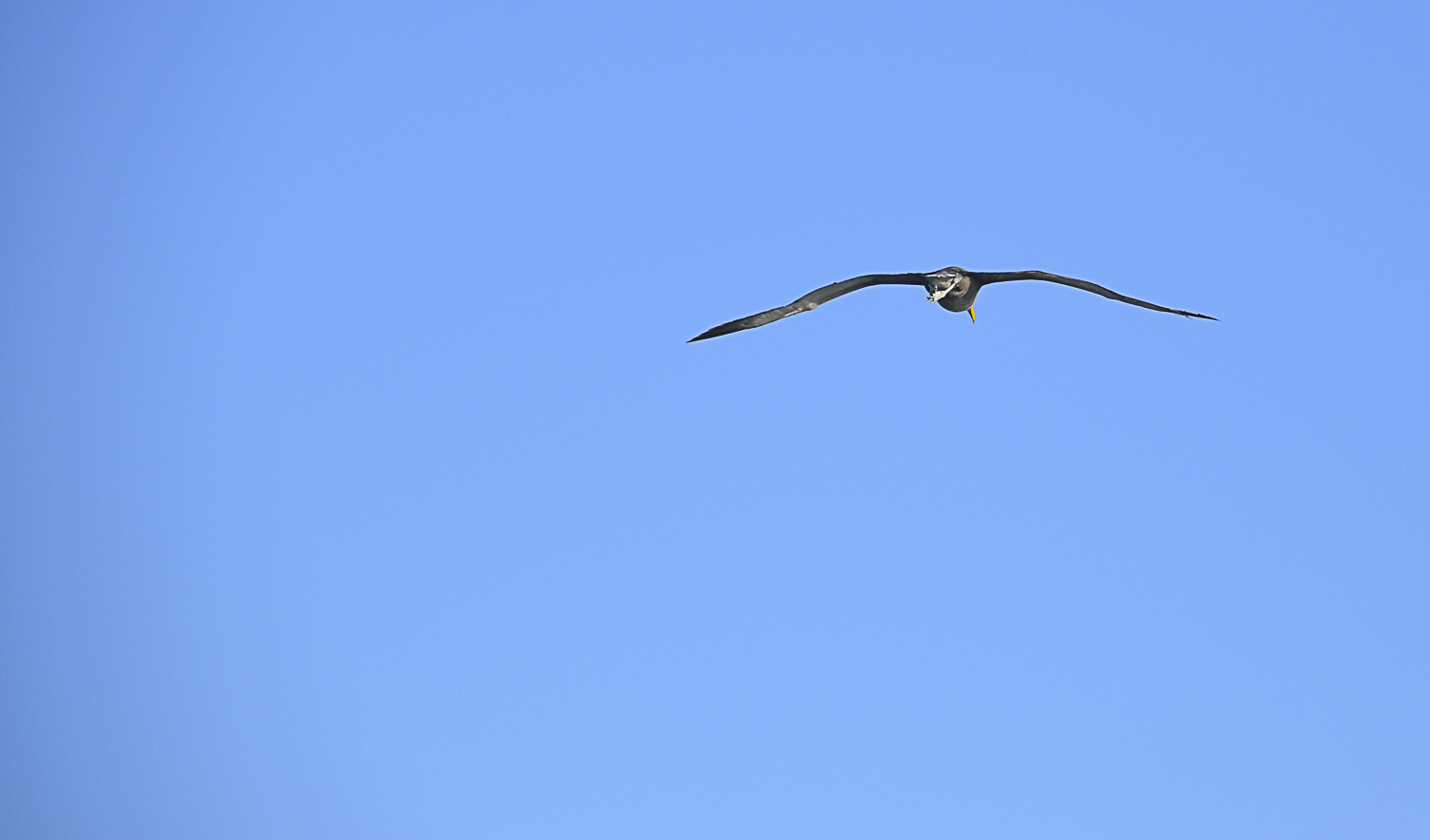
The dance involves a good deal of bill circling and bill clacking. There is also head nodding, and waddling. The waved albatross makes a strange sound during the dance, not dissimilar to the moo of a cow. Once an albatross has selected a partner, they mate for life.Albatrosses live much longer than other birds; they delay breeding for longer and invest more effort into fewer young. Most species survive upwards of 50 years, and the oldest recorded was ringed in 1956 as a mature adult and hatched another chick in February 2021, making her at least 70 years old. In fact she is the oldest confirmed wild bird and the oldest banded bird in the world.These birds weigh between 2.7 and 4 kilograms (6 – 8.8 pounds) and males are typically quite a lot heavier than females. When taking off, albatrosses need to take a run up to allow enough air to move under the wing to provide a lift. We saw them run up to the edge of the cliff and jump off to propel themselves into the air. I was sitting 5-10 meters from the action. However, landing is also quite tricky for this large bird. Because the albatross has a high stalling speed, the landing can seem rather clumsy. (Who doesn’t remember that Disney movie with Orville the Albatross…?) Seeing a waved albatross fly is quite the sight, they are amazing flyers, soaring dynamically. They stay in the air for many hours and they rarely stall. That’s why sailors used to believe these birds were supernatural. Due to their great wingspan the bird glides gracefully while up in the skies. In fact the wingspans of the largest great albatrosses (genus Diomedea) are the largest of any bird, exceeding 340 cm (11.2 ft),
In nautical lore, albatrosses are a sign of good fortune, and killing one is meant to bring bad luck. As in Coleridge’s The Rime of the Ancient Mariner.
Thank you for your responses to last week’s Colorful April challenge – you shared some amazing examples of April’s incredible beauty. We look forward to seeing your interpretation of this week’s Taking Flight challenge – please remember to link to Tina’s original post and to include the Lens-Artists Tag. We hope you’ll join us again next week when we welcome our Guest Host, Priscilla of Scillagrace . Be sure to check out her ever-thoughtful and interesting blog.
Amy asks for a colourful April this week – and usually it is, even in Sweden. This year though, has so far been some degrees colder than usual. But, there is a positive side to it as well …
Sweet April showers do spring May flowers. – Thomas Tusser
To get you in the mood – tulips from Keukenhof in the opener!
However, with the lack of colours (except for the hepaticas I posted in the last challenge) this April, I first decided to use April colours from earlier years, starting with my garden magnolias. But, after a day on the hunt in the forest… I changed my mind. Surely there must be some colours to capture this year as well!
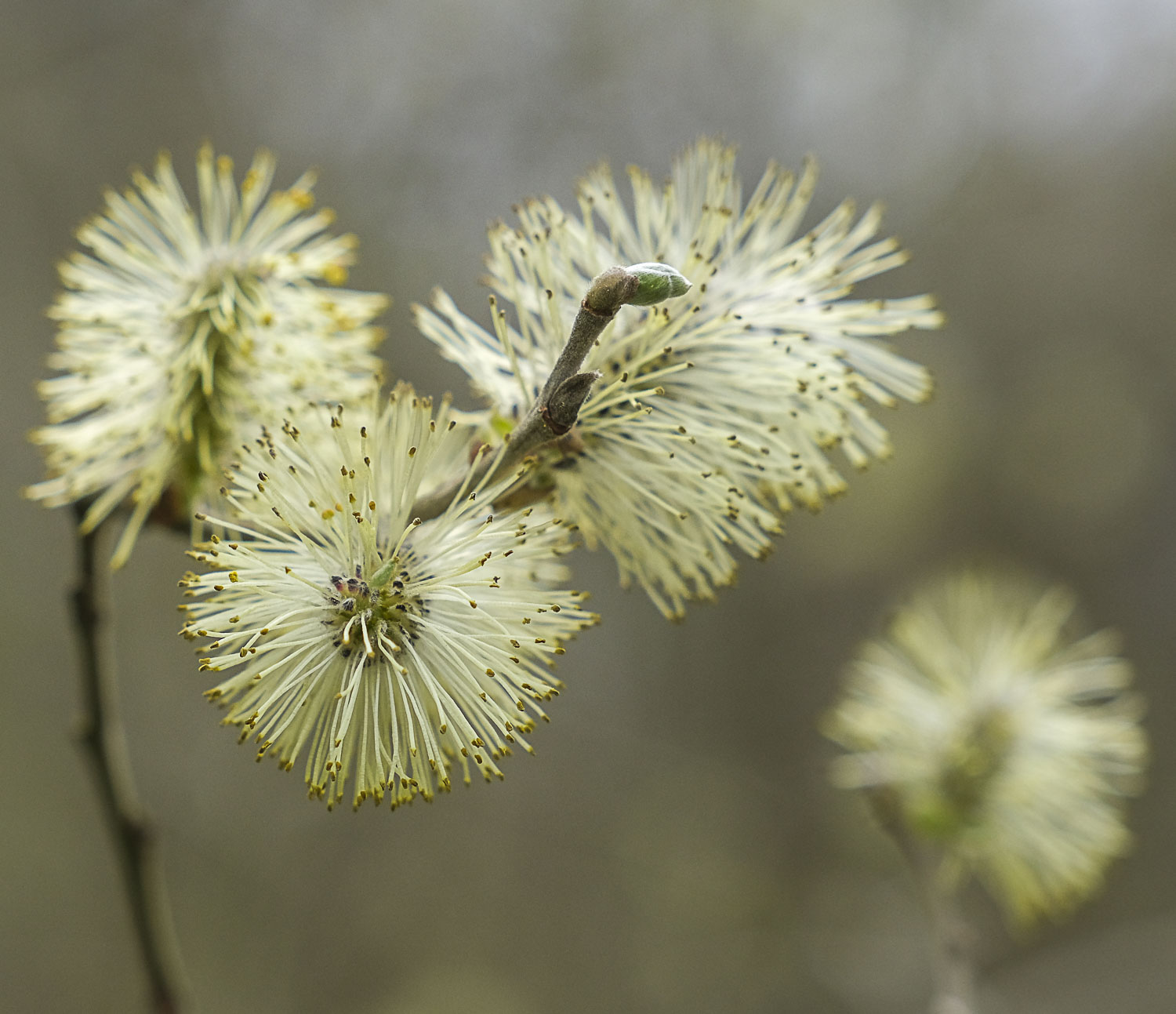
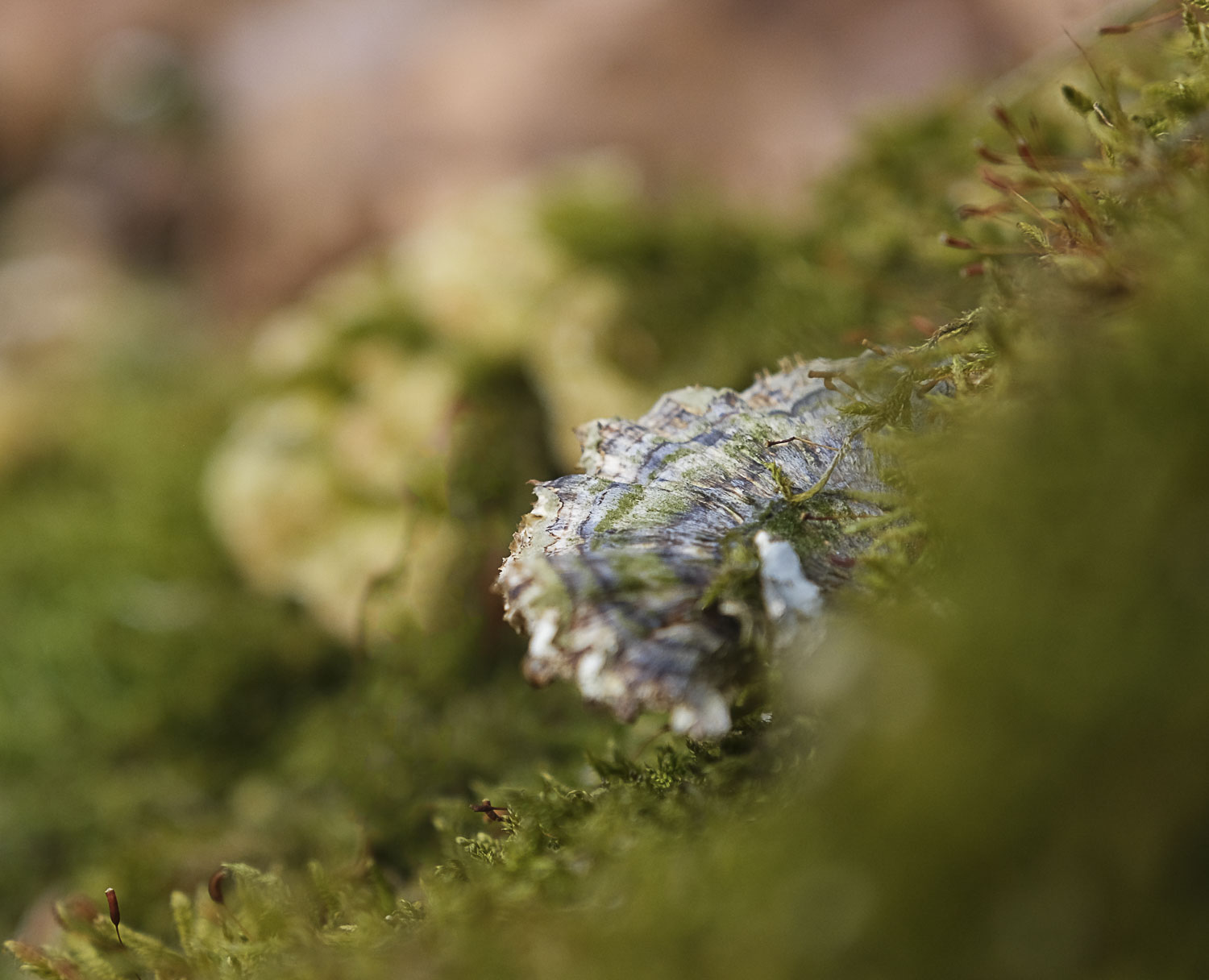
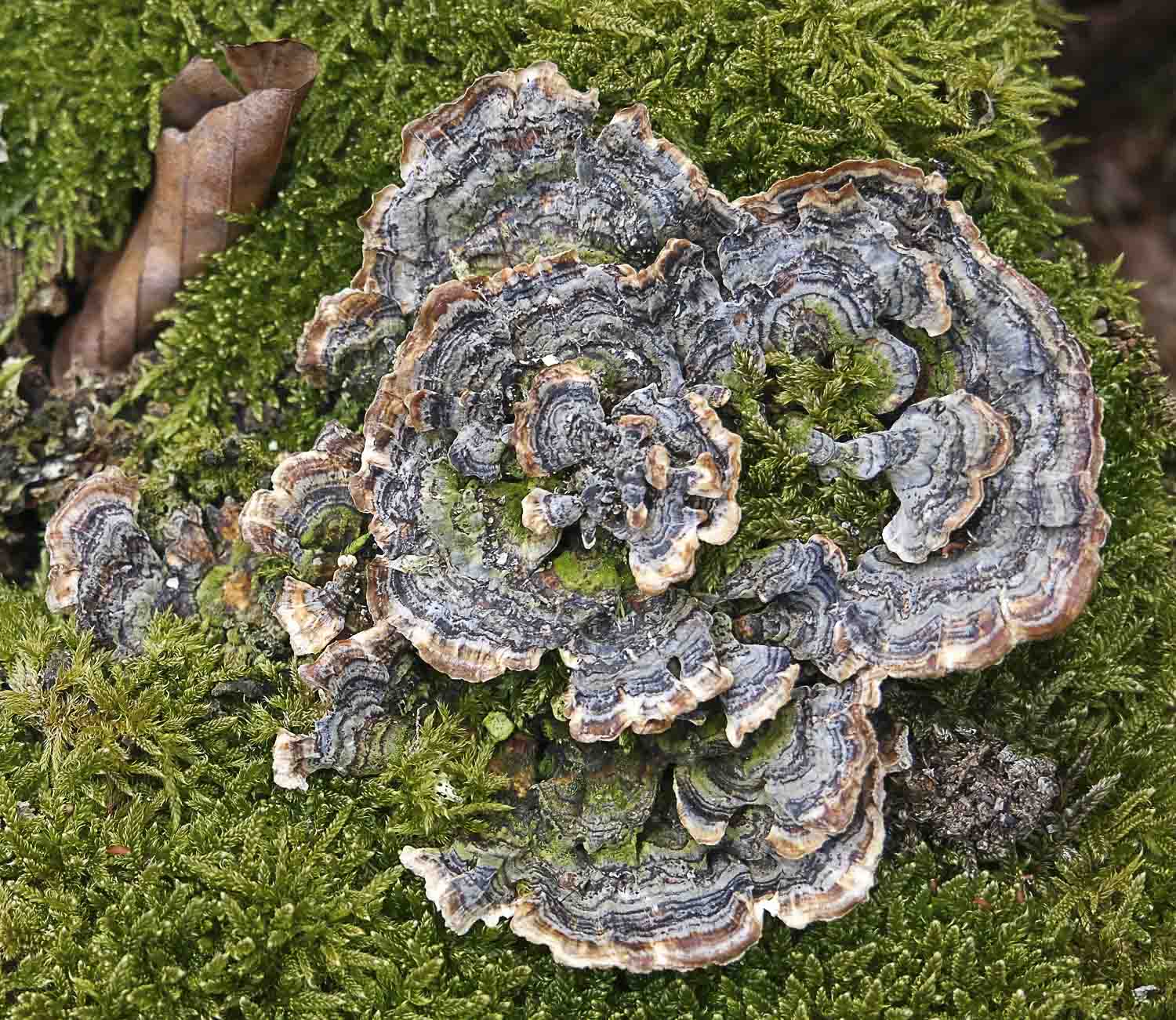
A sea of last year’s grass softly carried my feet up to the old sallow.The silken colours against the grey trees – And the lower you go towards the ground… …the more colourful it gets. Mosses and lichen, mushrooms and leaves.
I got the soft colours I was looking for…
…even if modestly displayed. Nettles and the alternate-leaved golden-saxifrage are keeping each other company. In Sweden we call this tiny yellow plant ”golden powder” Due to drying wetlands, I understand it is becoming rare, and it is protected in several countries.
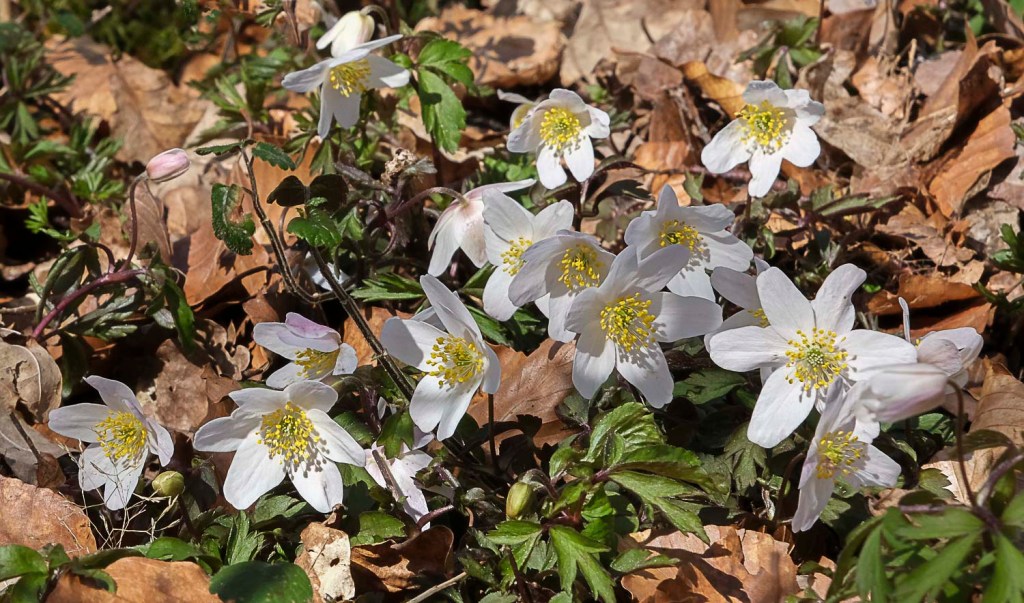
Wood anemonies are usually abundant in April, but 2021 the snow and cold has kept them down so much that I doubt we shall see them carpeting the forest floor this year.
Anyhow – spring has sprung, and the colours are beginning to arrive here too. Hope you are enjoying lovely weather and delightful days!
Finally a big Thank you for using your abundant imaginative powers for last week’s You Pick It! Inspirational, diverse, sweet, thrilling, magical…we have enjoyed your choices to the full! Now we hope to see you here again for Colourful April. Please use the Lens-Artists tag and add a link to Amy’s colourful original post!
Next week Tina will be your host. Stay tuned, take care and be kind to others and to yourself.
I really believe there are things nobody would see if I didn’t photograph them. — Diane Arbus
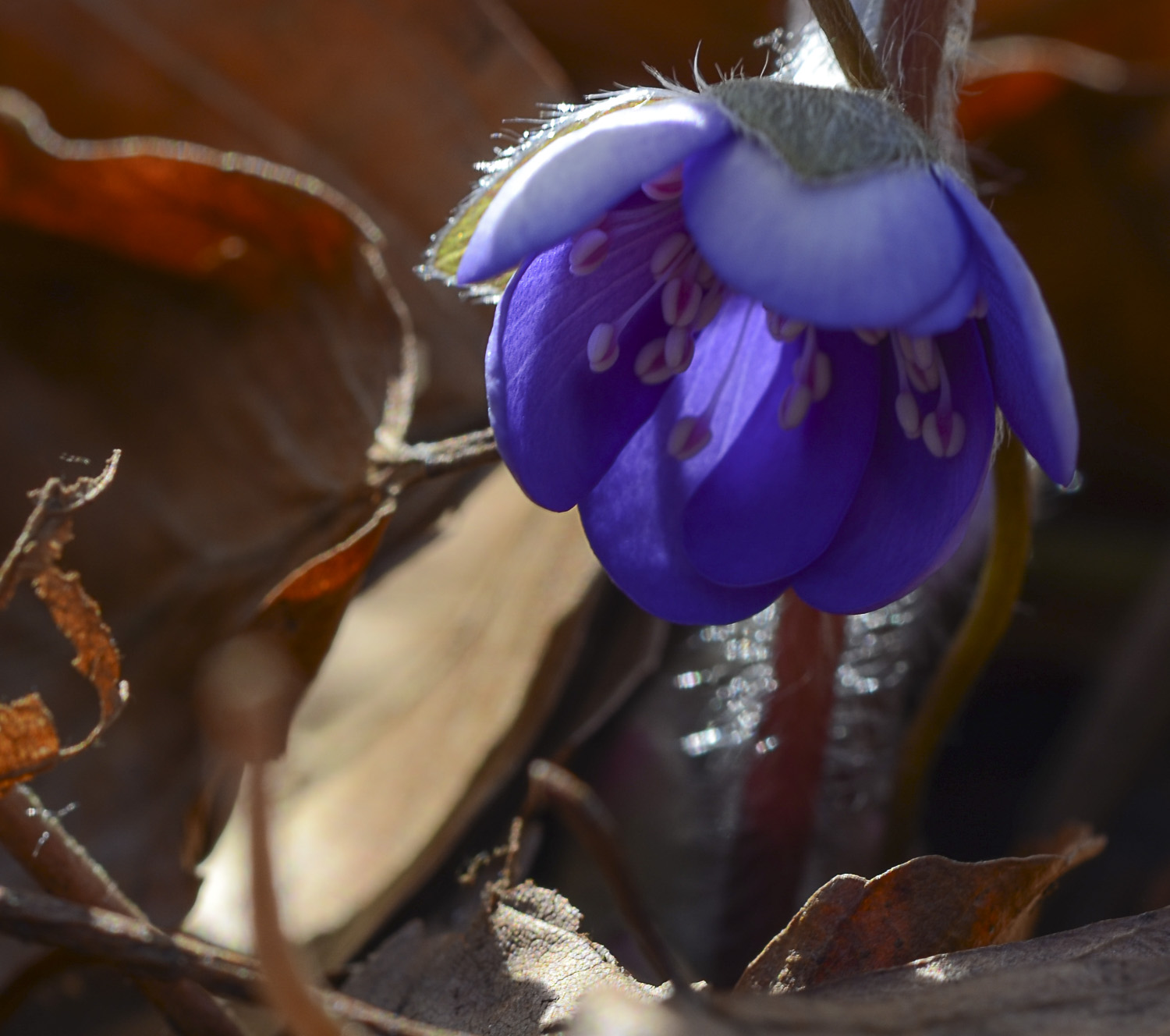
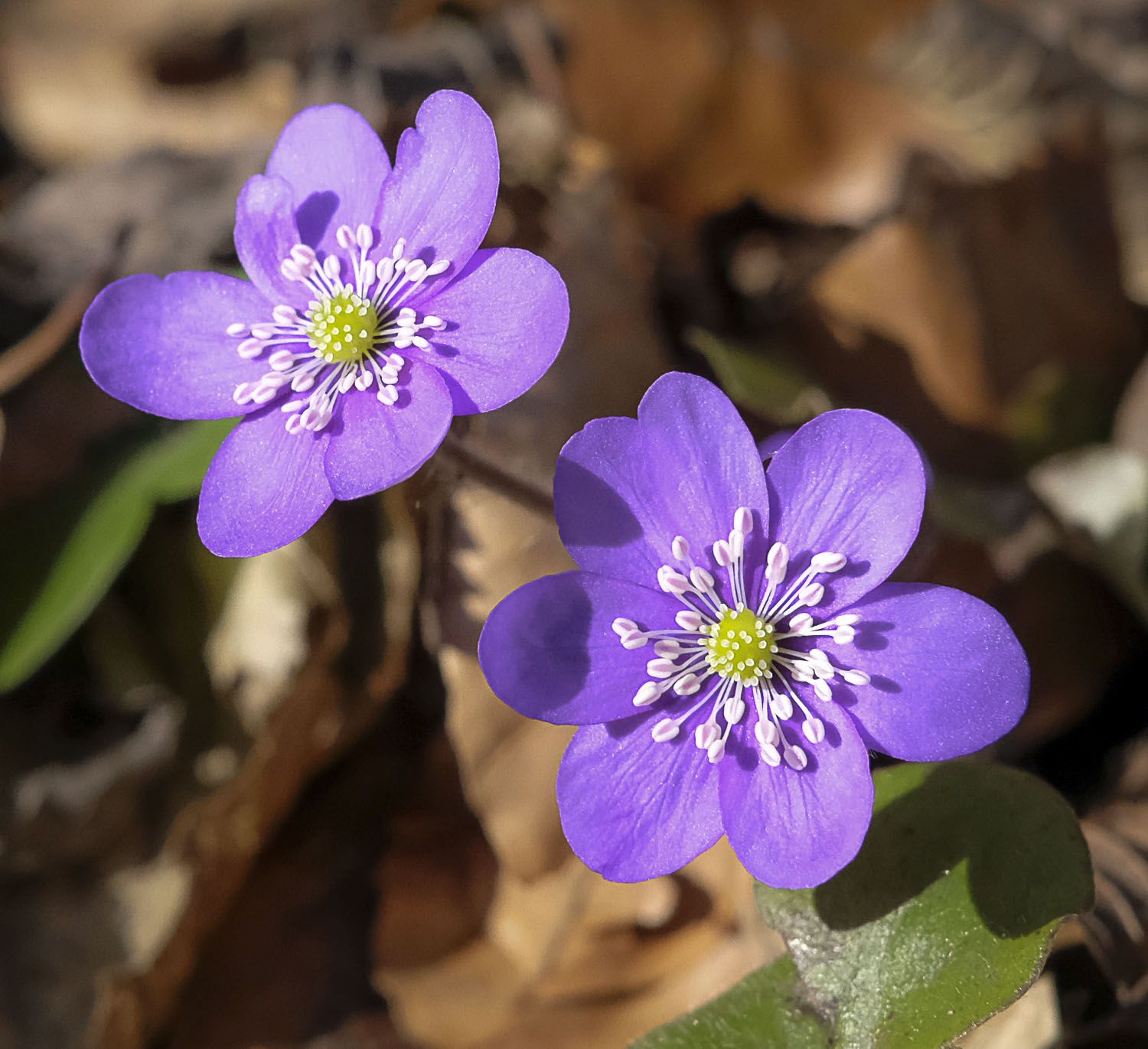
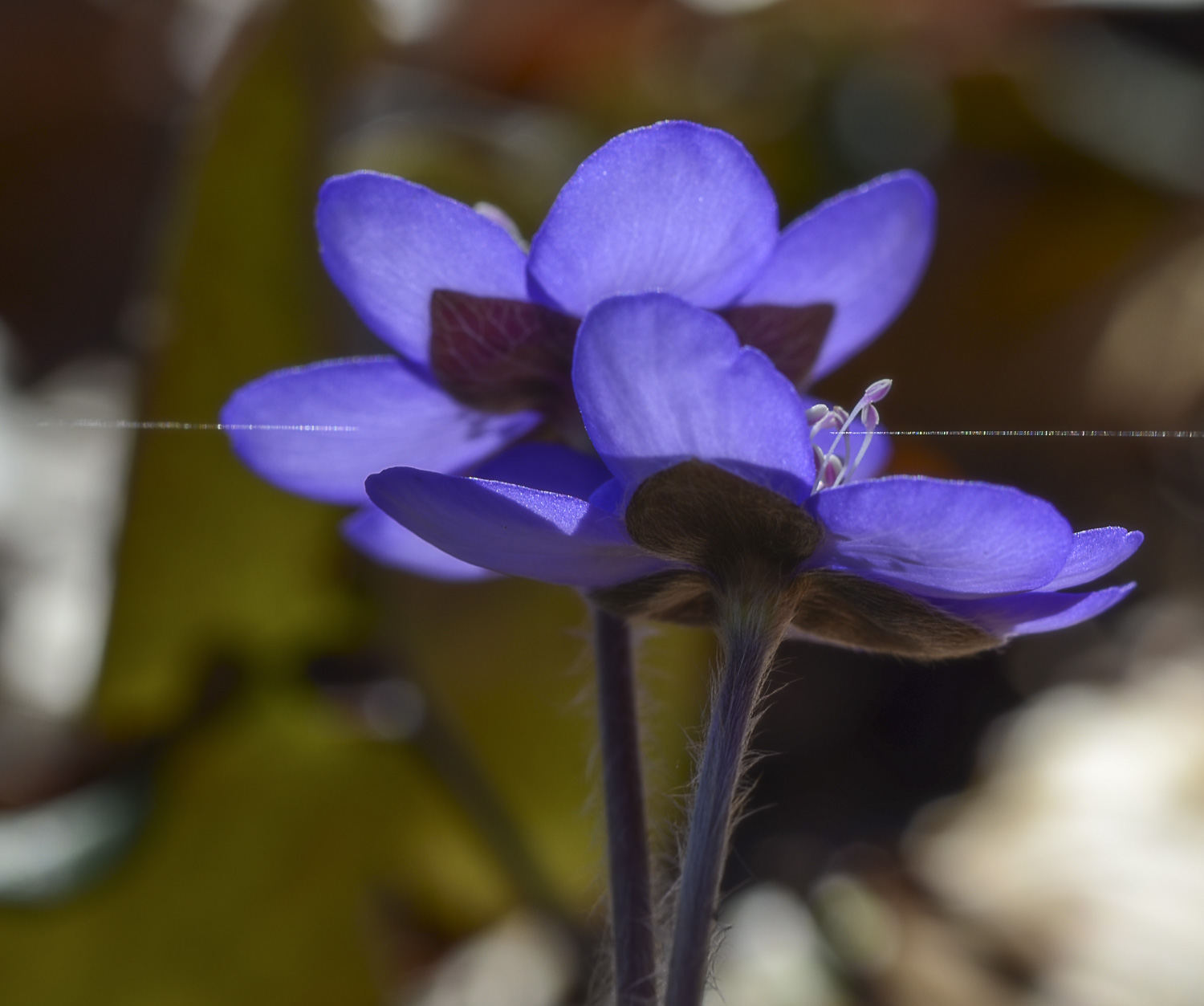
This week it is my turn to host You Pick it! And, I have chosen different faces of Anemone Hepatica. This tiny flower is the first one to appear in our forests in spring, and it is a much loved beauty. Many people go out looking for her already the first sunny day of March. The flower has got many names – as it usually is with loved ones…She is also named the common hepatica, liverwort, kidneywort, or pennywort, and belongs to the buttercup familyRanunculaceae, native to woodland in temperate regions of the Northern Hemisphere.
Anemone hepatica grows 5–15 cm (2–6 in) high. Leaves and flowers emerge directly from the rhizome, not from a stem above ground. In Sweden I have never seen them grow higher than 7-8 cm.
I am not interested in shooting new things – I am interested to see things new. – Ernst Haas
The flowers are blue, purple, pink, or white. The white variety is not common in Sweden, but in my forest all the others grow and they are flowering simultaneously. If they grow mostly in the shadow, their colours are darker – the sun makes them turn purple.
The Hepatica is protected in Sweden, and so are all our orchids. In this photo we can see two stems broken – but I do hope the flowers were not picked. They would have been too short to have in a vase too… Only photograph what you love. – Tim Walker And finally, a lovely surprise when this photo was opened on the computer – a thin spider’s thread making its way between the two flowers. It made me smile.
I am grateful for this lovely morning alone in the forest. I was mostly lying on the ground, but it was very rewarding. And I was very hungry when I came back home again! This day the temperature reached 15 degrees C. But it lasted only for two days, so, now we are back at 7 degrees again. Nature’s wonders are still with us though – and I want them to be slow…
Thank you for all small and big geometric examples last week for Patti’s challenge! We quickly realised that geometry is to be found everywhere we look, and there were so many surprises with things never thought of before!
Last time Tina started off You Pick It by saying …”we hope you’ll share a subject that is near and dear to you, that you find interesting, or challenging, or perhaps that shows us something new or unique to you.”
So, this week it’s all up to you – choose your subject and share whatever it is about it that you find interesting. We are looking forward to seeing your interpretations. Please use the tag and link to my original post. Next week, Amy will be your host.
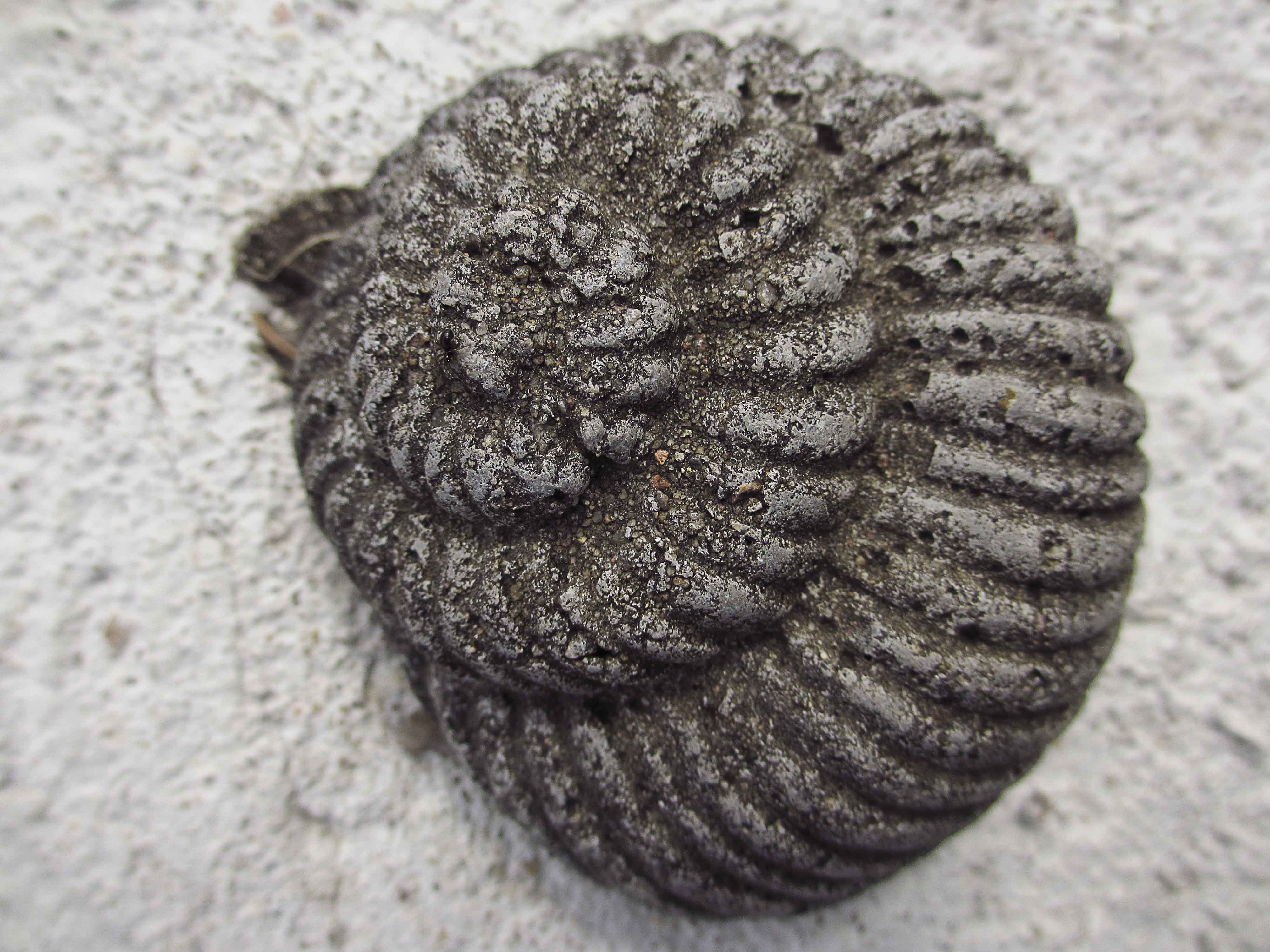
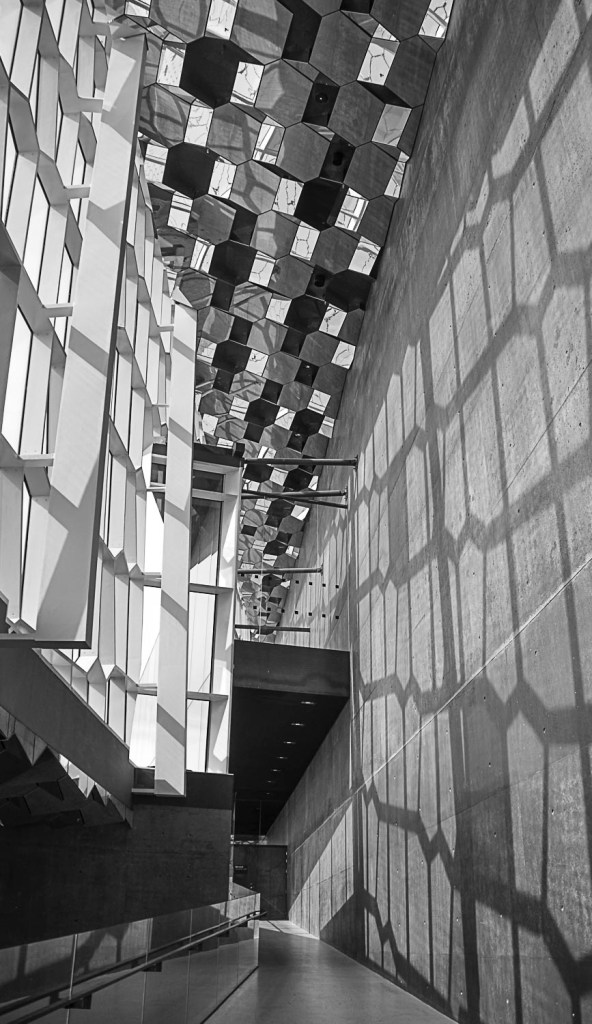
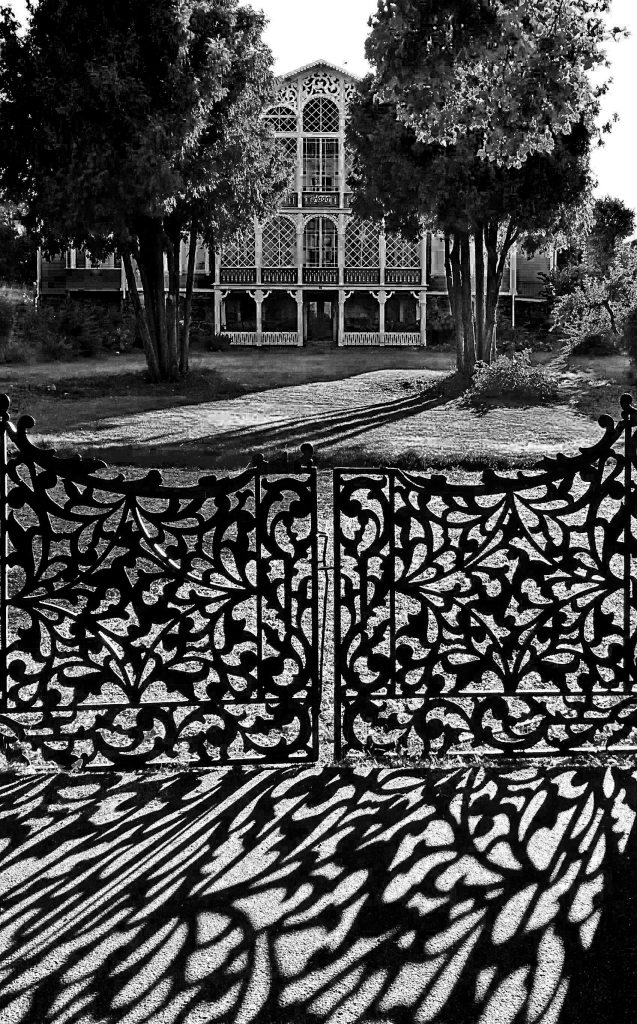
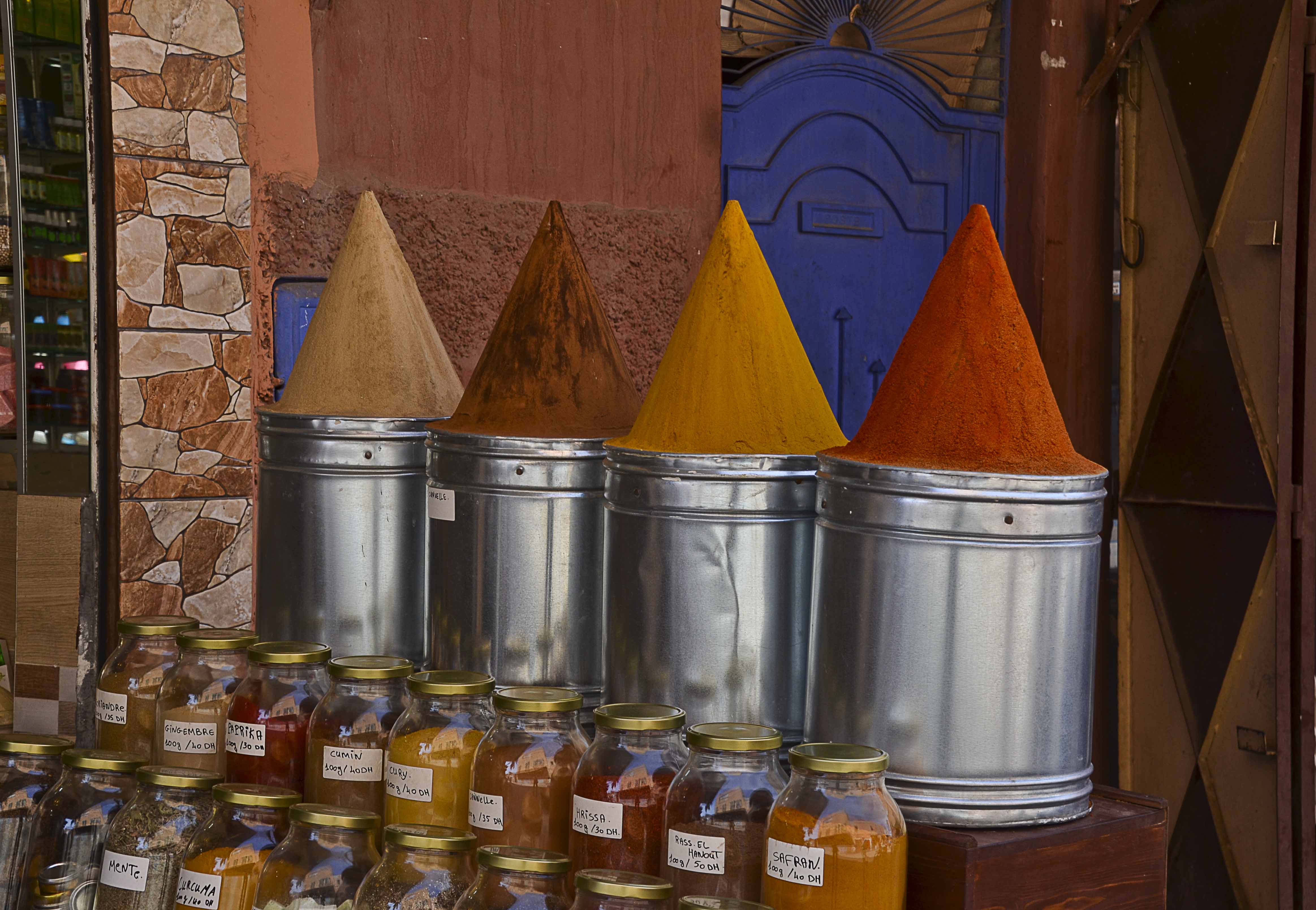
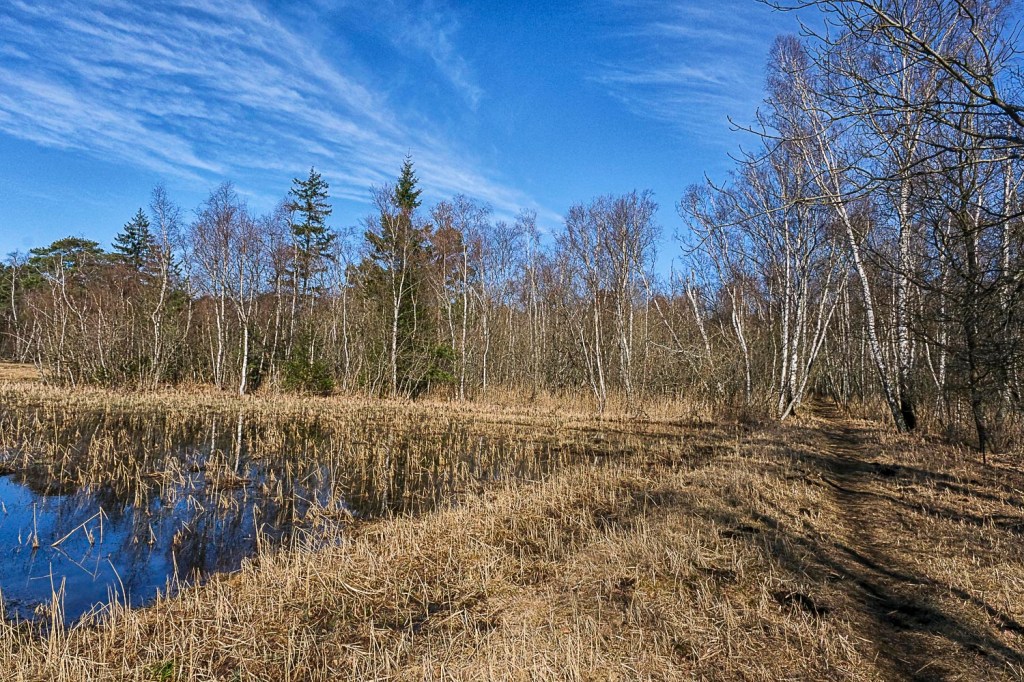
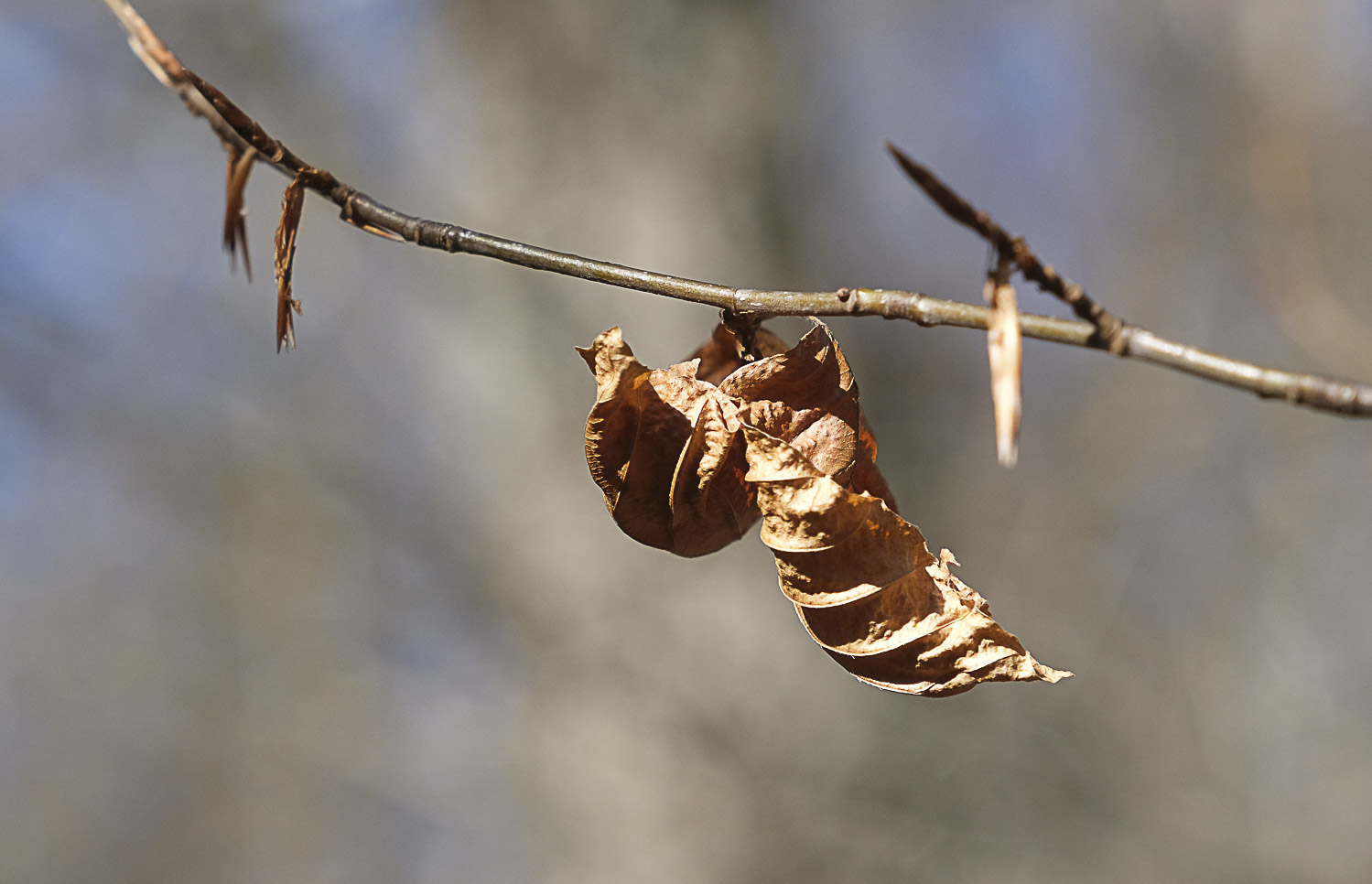
In this week’s Lens-Artists Photo Challenge #141, Patti has chosen Geometry for us to share images that feature geometric shapes. They do come in many different shapes, don’t they…so I really enjoyed this opportunity!
Images included from:
Sweden, England, Iceland, Ireland, Georgia and Morocko.
Looking back at last week, we were inspired by Beth’s interesting challenge, A Change of Scenery. The theme made us think extra about some special places we’ve visited, near, and far, from the archives or right now. They were both refreshing and hope inspiring.
Next week, I, Ann-Christine/Leya, will be hosting Lens-Artists Photo Challenge #142, so I hope you will join in, because it’s time for You Pick It – a topic of your choice. In the meantime, have a wonderful, creative week and please stay safe.
Remember to include a link to Patti’s original post and use the Lens-Artists tag so that everyone can find you in the WP Reader. You are welcome to join in!
A Change of Scenery – Our guest host, Beth, challenges us to show images of somewhere different from where we usually like to take photos. It doesn’t have to be far from home, and photos from the archives would be good, too.
Slow down and enjoy life. It’s not only the scenery you miss by going too fast – you also miss the sense of where you are going and why. – Eddie Cantor
I have been waiting for a sunny, and less windy day, for my outing. This area is about three kilometers from my home, and I visit every year at least once, looking for orchids. But that is in May-June. So, this was the first time in a winter month. Usually there is too much mud on the trail this time of the year, but we have had a fairly dry period since February – so, for a change of scenery, I went after breakfast.
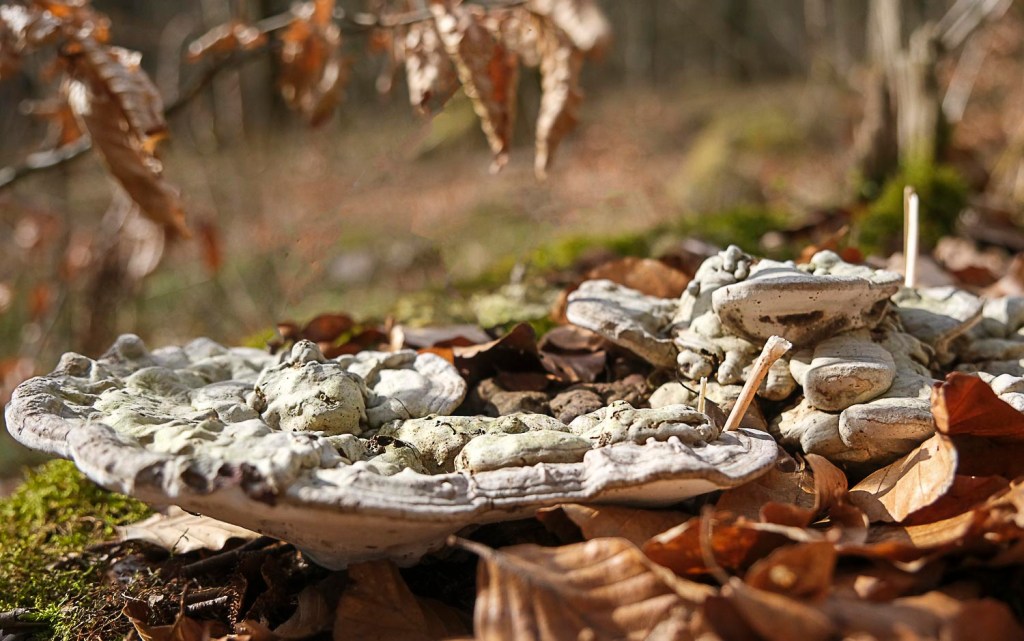
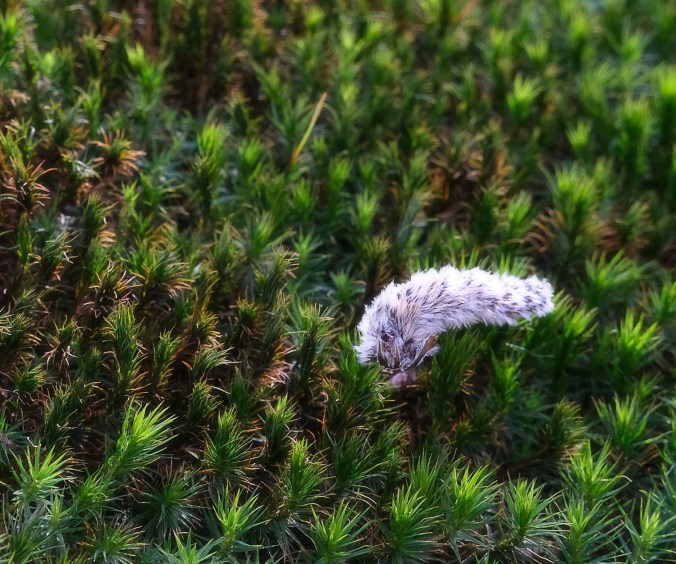
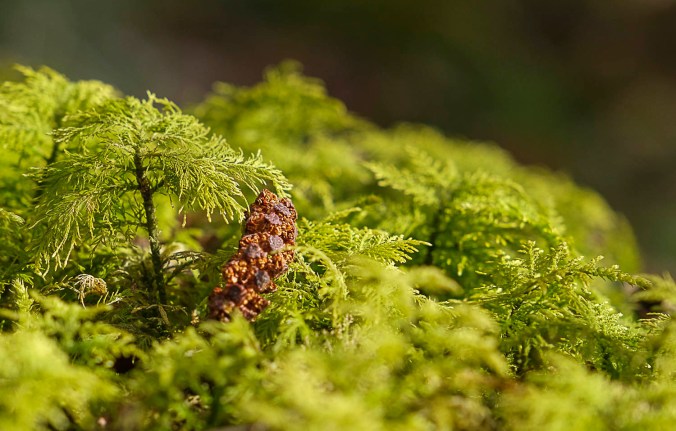
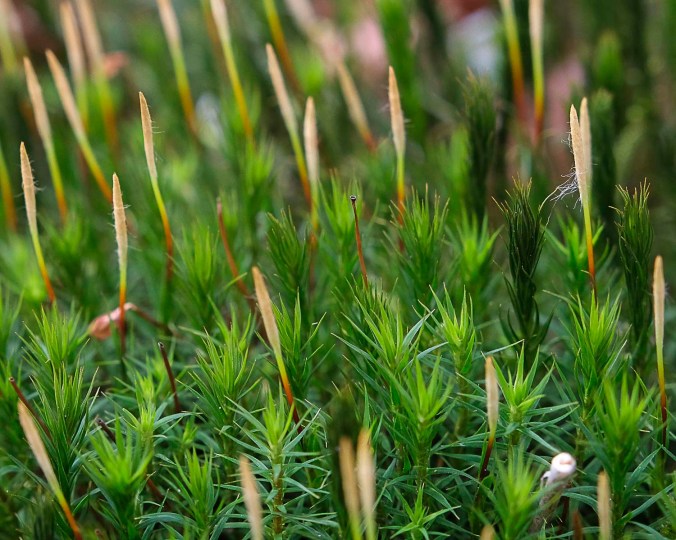
There were many fallen trees covered in mosses, some with rolled up bark sleeves – and I happily noticed that the lapwings are back!
The really happy person is the one who can enjoy the scenery, even when they have to take a detour. ― Sir James Jeans
About half of the hike is on boardwalk, and it was of course the other half of it that I was worried about. But there was no need to be, it was perfect. No wet feet or shoes, only bouncing trails and singing heart.
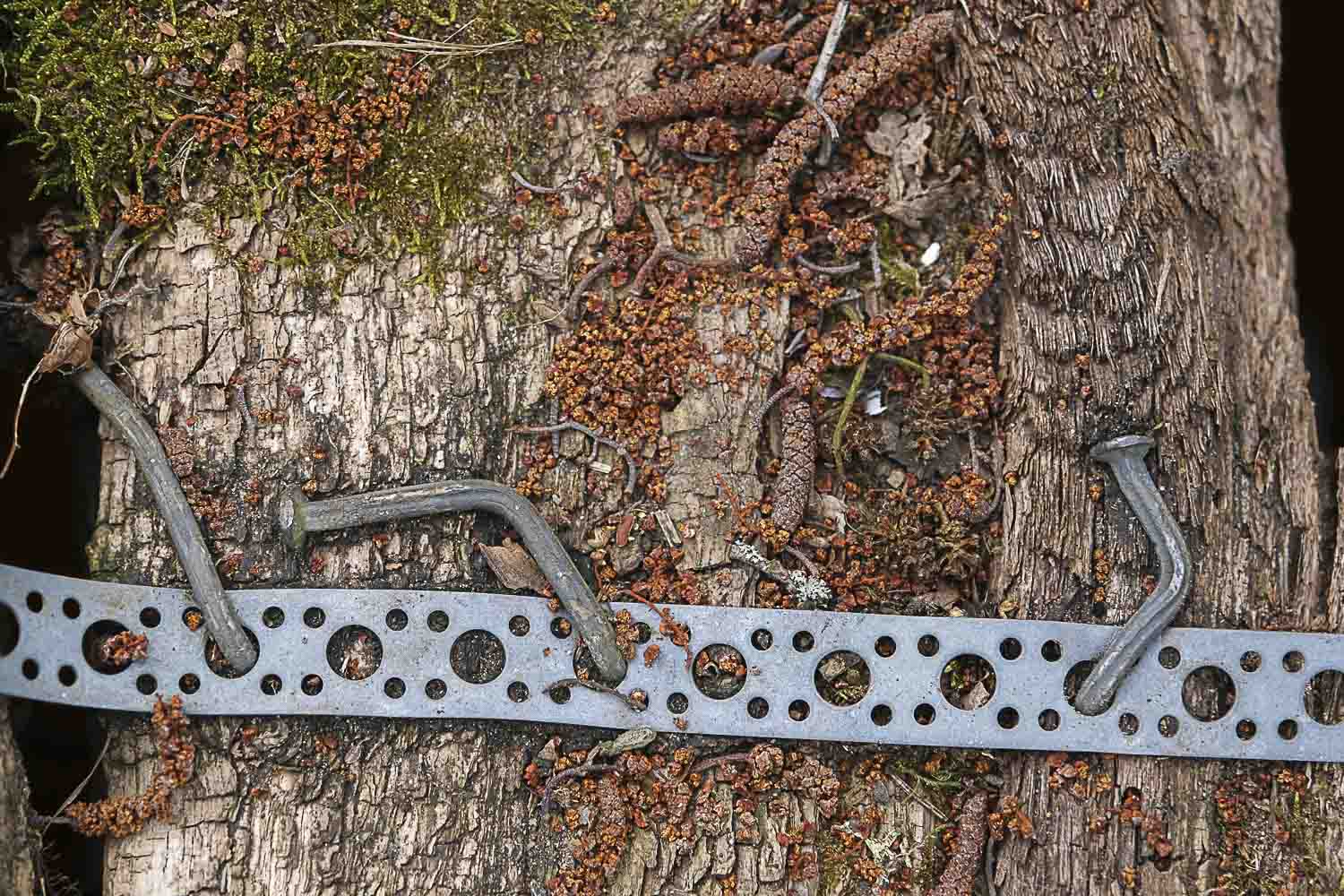
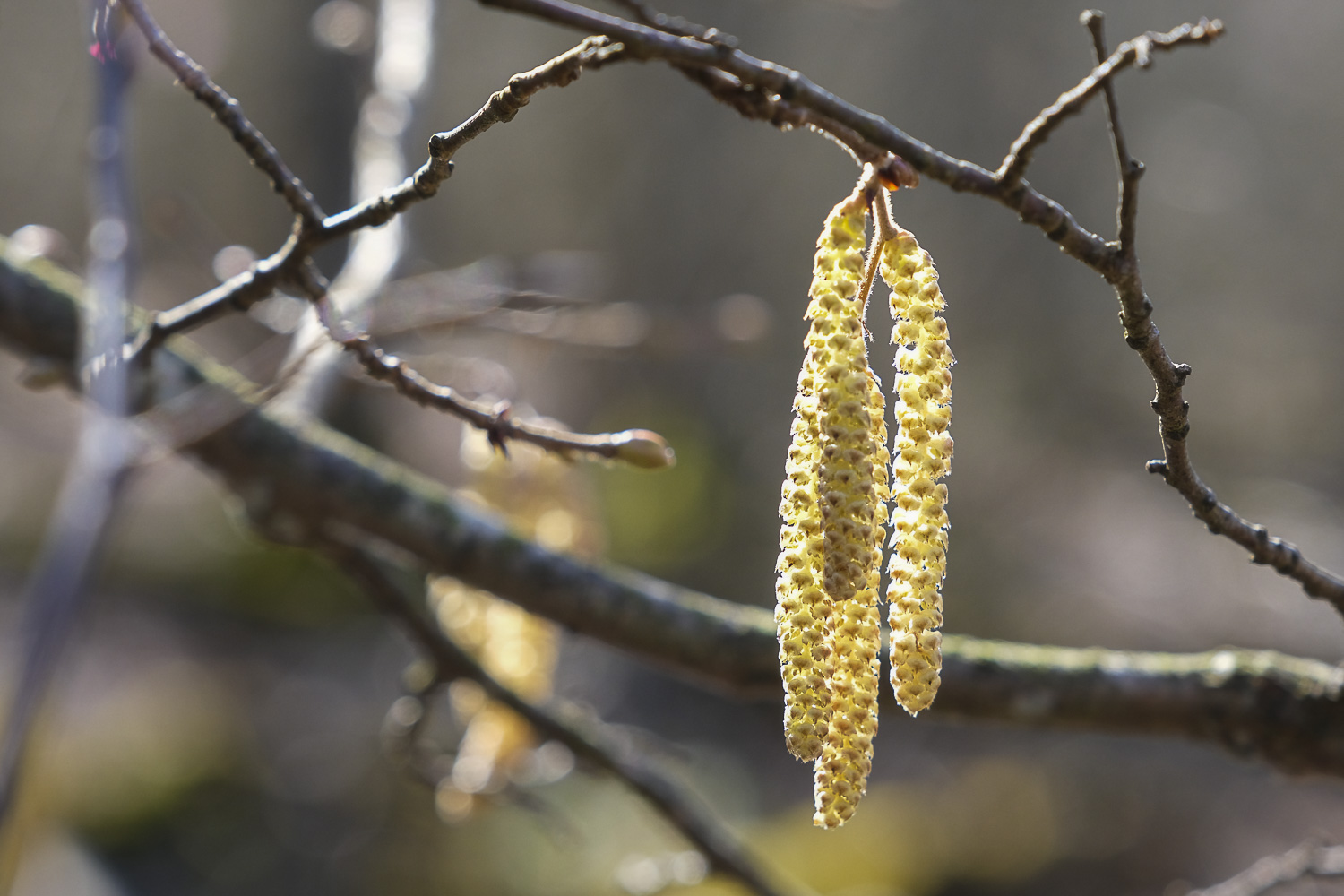
Last year’s leaves lingering, waiting for youngsters to let them go… and catkins heralding the spring, but …
The key to a better life isn’t always a change of scenery. Sometimes it simply requires opening your eyes. ― Richelle E. Goodrich
…the real green so far is only sweet moss. There are some more weeks to go before swelling buds and the new leaves dare showing their faces. Always a long wait…but when spring takes the leap, everything almost always goes too fast. We want to keep it slow…making that special feeling of Life returning last as long as possible.
Thank you all for sharing your special moments with us last week – very positive and inspirational! – and some tears as well…
Click here to visit Beth’s beautiful “A Change of Scenery” of a small town on the Gulf Coast of Florida. We hope you will join us. In your post, please include a link to her original post and use the Lens-Artists tag so everyone can find your post in the WordPress reader.
































 Leya
Leya 
Du måste vara inloggad för att kunna skicka en kommentar.