Tuesday Photo Challenge – Wheel
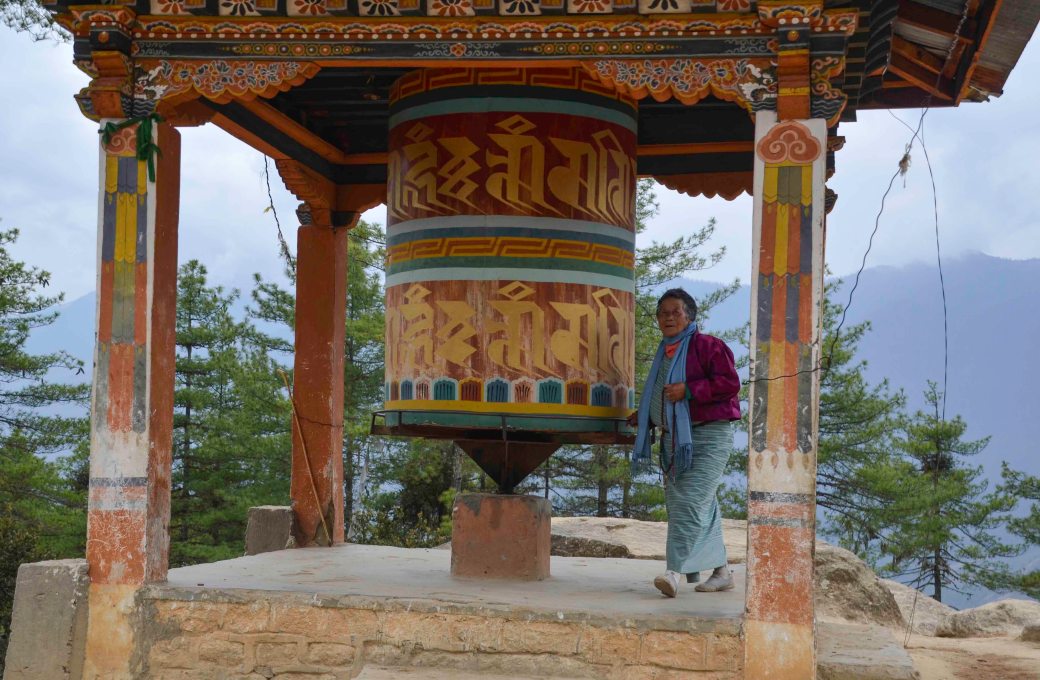
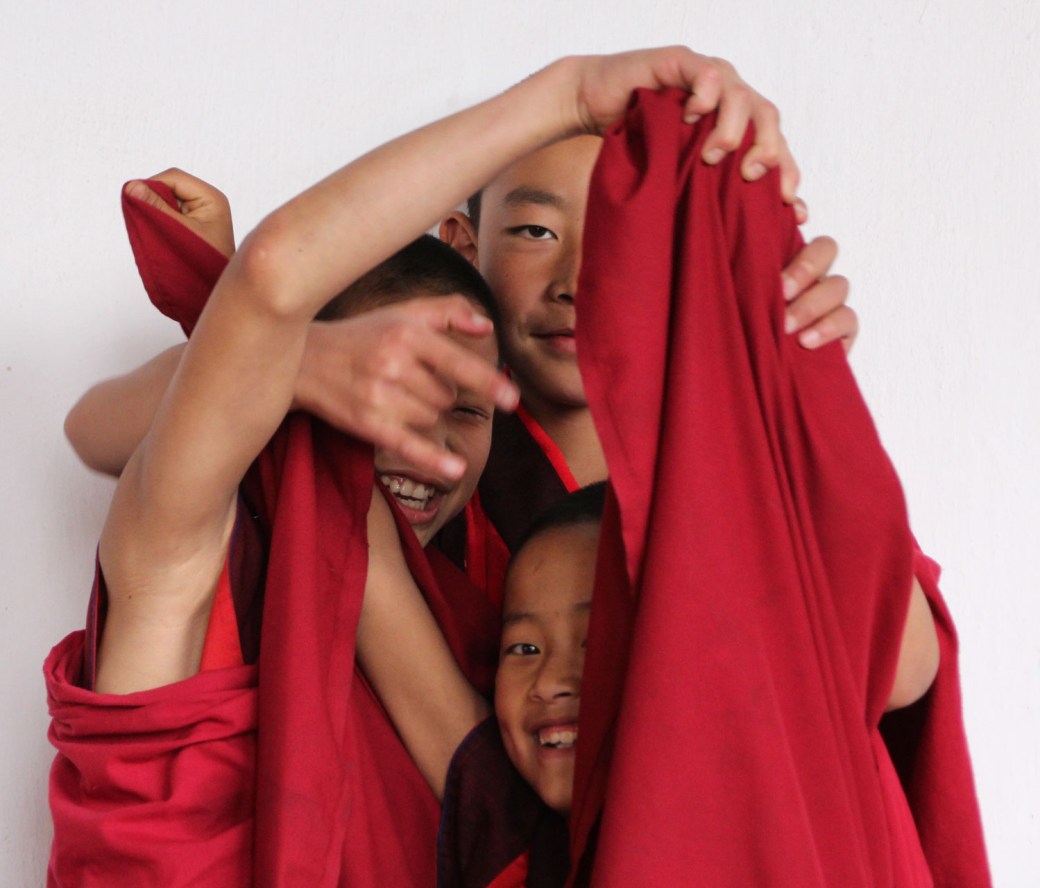
For this week’s challenge from Frank, a beauty from Bhutan turning the prayer wheel.
Tuesday Photo Challenge – Wheel
For this week’s challenge from Frank, a beauty from Bhutan turning the prayer wheel.
Tina challenges us this week to think Harmony – and in her splendid post, she encourages us to show our favorite harmonies. In short, Colour Harmonies are colors that look good together. If you have ever taken classes in painting, you should be familiar with the colour wheel. There are many different systems to create a color harmony. You will find a useful, free tool, for colour harmony here.
I guess colours are always a part of what makes up our inner concept of ”Harmony”, but there are also other types of harmonies. These are some of my favorites.
Art is a harmony parallel with nature – Paul Cezanne
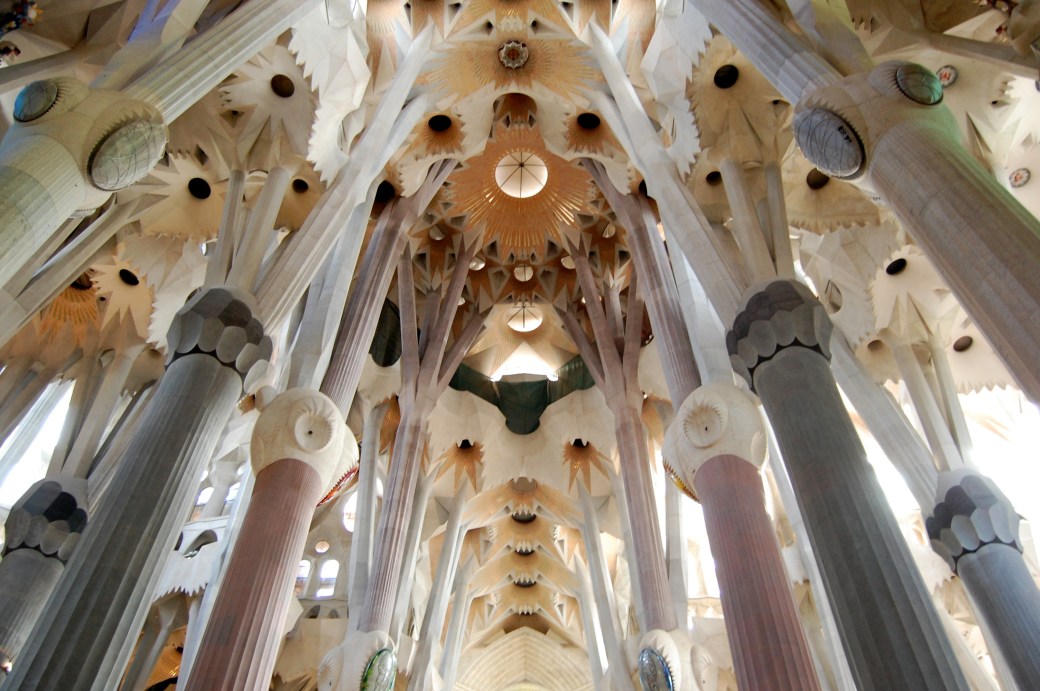
Antoni Gaudí’s masterpiece Sagrada Família.
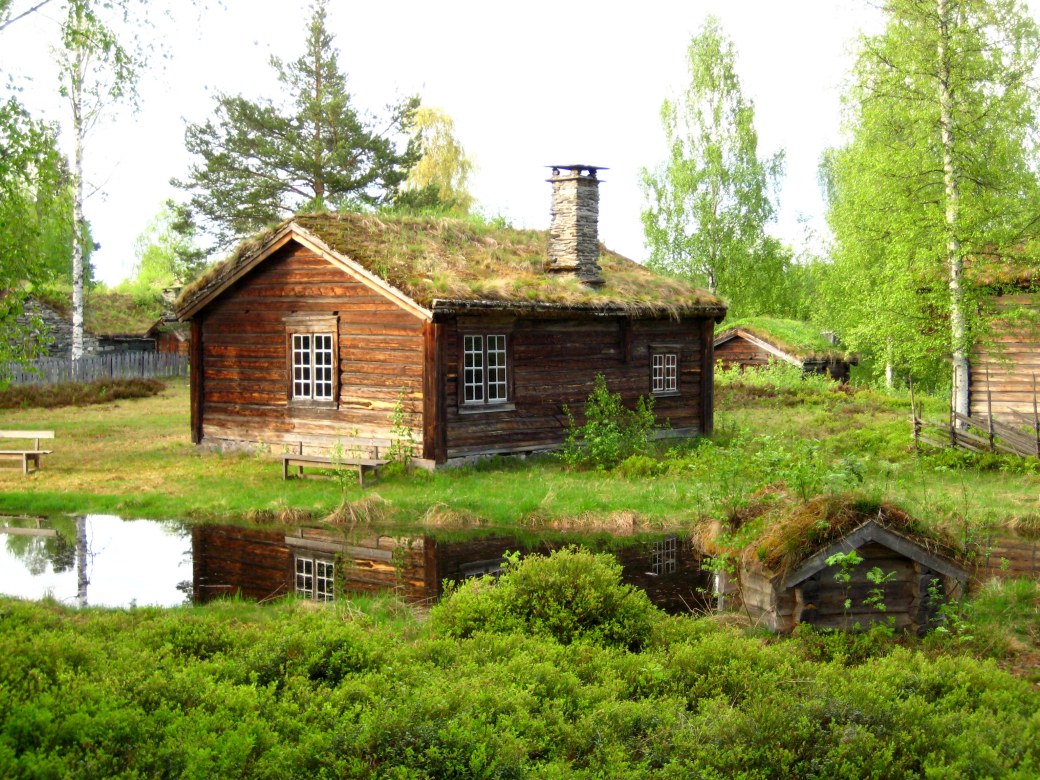
Organic architecture is a philosophy of architecture which promotes harmony between human habitation and the natural world. The term ”organic architecture” was coined by Frank Lloyd Wright (1867–1959), and Wright’s ”Fallingwater” is a very good example – but the concept can also be illustrated with an old Nordic cottage like this one.
He who lives in harmony with himself lives in harmony with the Universe
– Marcus Aurelius
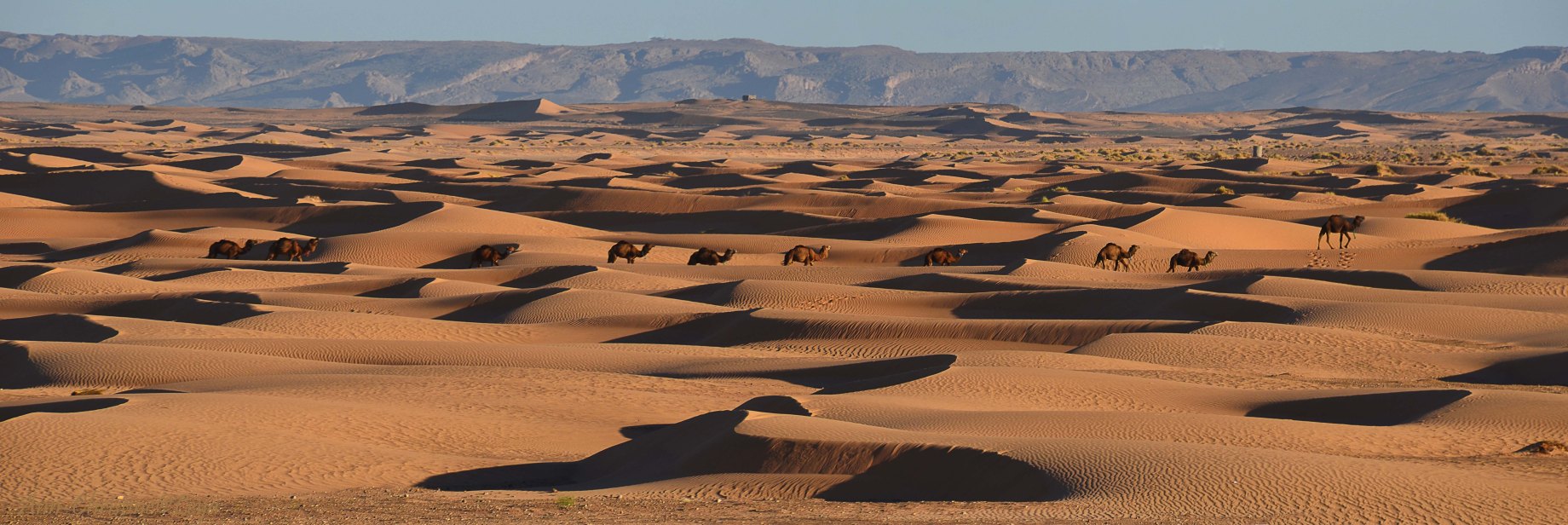

A life in harmony with nature, the love of truth and virtue, will purge the eyes to understanding her text – Ralph Waldo Emerson
Happiness is when what you think, what you say, and what you do are in harmony – Mahatma Gandhi
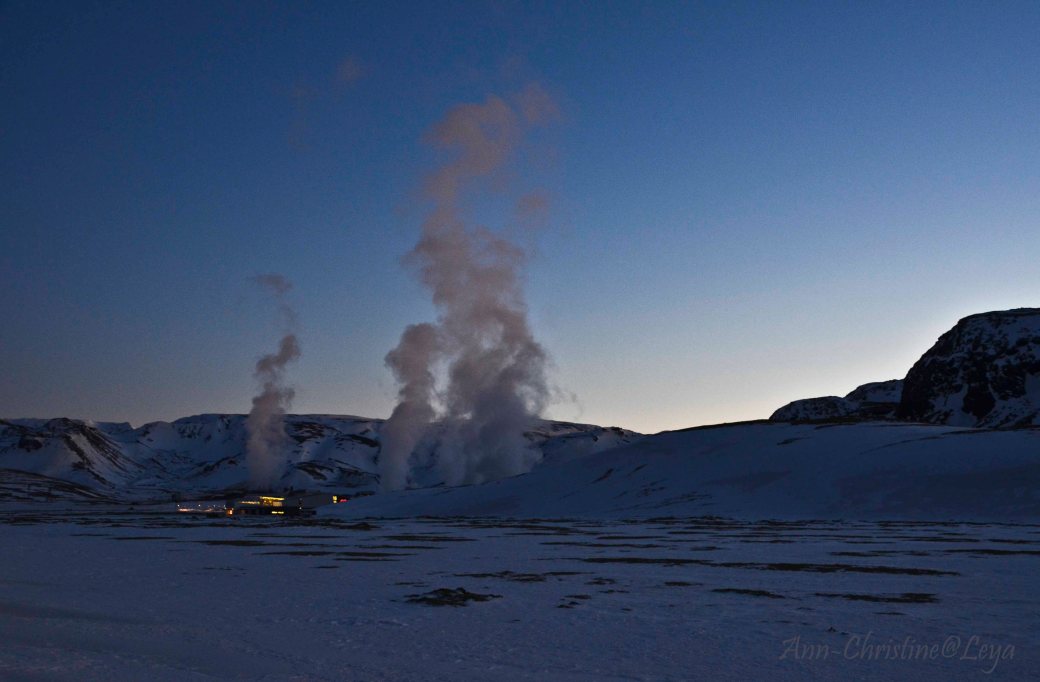
Harmony is pure love, for love is a concerto ~ Lope de Vega
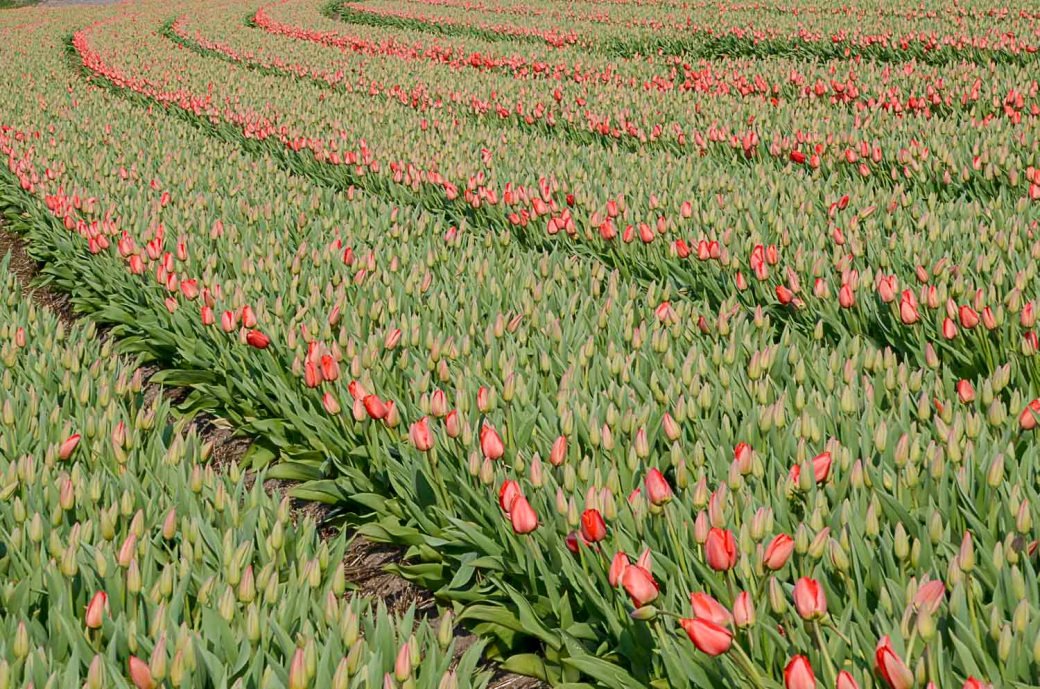
Even if some will always be playing out of tune…

…it still is a Concerto.

With love from the vast tulip fields in The Netherlands.
So, How do you reach colour harmony in your picture if it isn’t there from the start?
A simple and effective way to change its mood is to shift the white balance either towards the warmer or colder temperatures. This can often also push the image towards a colour harmony. One of the simplest yet also most effective ways to further tune your colour harmony is to use the Hue, Saturation, and Luminosity (HSL) panel in Lightroom.
Or, if you were a certain fashion icon: Women think of all colors except the absence of color. I have said that black has it all. White too. Their beauty is absolute. It is the perfect harmony.
―
Thank you to Amy for last week’s lovely ”Less is More” and we’d love you to join in with Tina’s ”Harmony”!
For Friendly Friday I would like to present the country of Herons – The Netherlands. It seems every garden has its own heron… But Holland is a country claimed from the sea, and sea birds are everywhere in the canals and on the fields.

Herons have got, in every position, style and poise – a certain dignity.
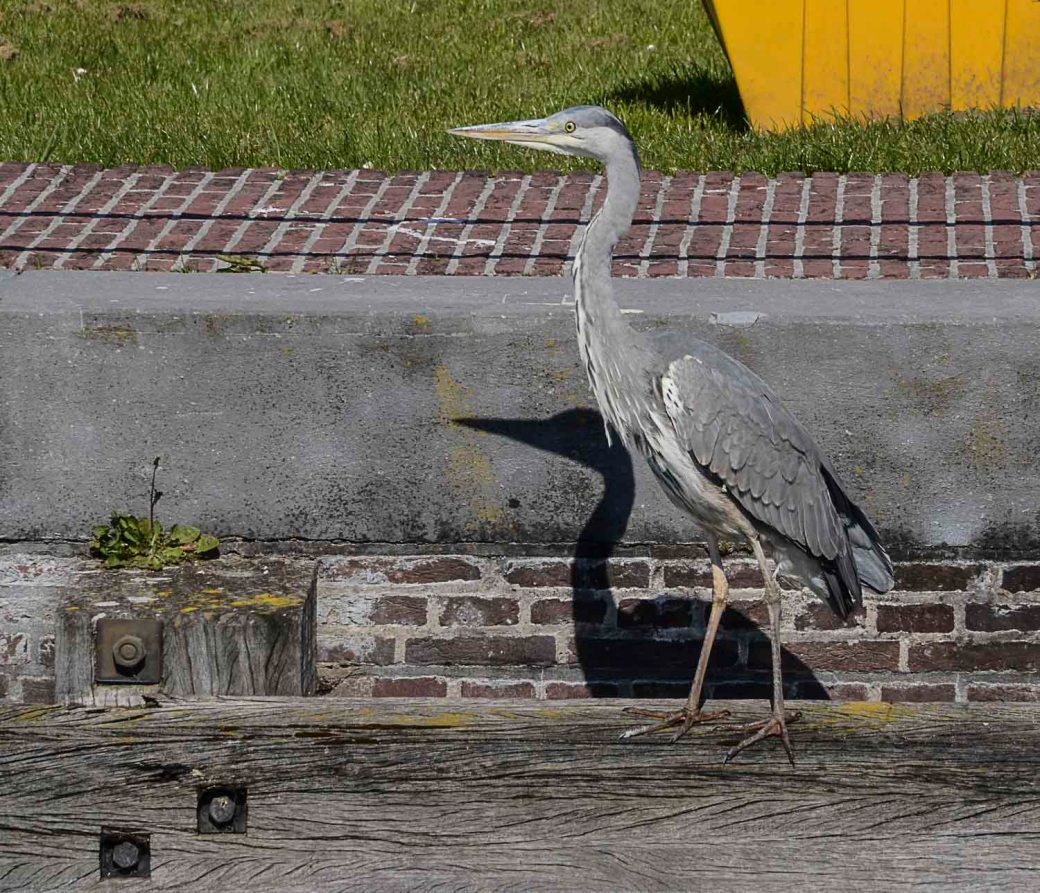
And, they easily let themselves be photographed – as they stand completely still when focusing on their prey. Or study you and your camera.
Amy challenges us to think Less is More – and that, is always a challenge… In photography we often talk about simplicity, and a photo standing on its own. No need for words. Often Black and White is helping us to achieve that.

So, let us slow down…because “Life is really simple but we insist on making it complicated.” – Confucius

Less is More even when the ground is covered in spring flowers below a blue sky,

or when a lonely path strives to reach the mountain lake – because colours matter here –

The history of the phrase Less is More, is that it was adopted in 1947 by architect Ludwig Mies van der Rohem. Since then, the aphorism is one of the most used (and abused) in design and architecture.

Originally though, this is a 19th century proverbial phrase, first found in print in Andrea del Sarto, 1855, a poem by Robert Browning. And it still is a phrase very much alive!

“Simplicity is the ultimate sophistication.” – Leonardo da Vinci
Thank you for all your innovative and creative contributions to my hosted challenge Creativity last week!
Amanda, at ”Something to Ponder About”, asks us for the Friendly Friday Challenge to look up! When visiting my daughter in Umeå this winter, she made me look up to see this tiny Wolkswagen bubble hanging from the ceiling. Frankly, I loved it.

So, you had better be looking up in order not to miss those funny things!
Frank goes for Connections this week, and I have a story. Last week I went to The Netherlands for the grand flower festival and the parade – but also to reconnect with a man I met almost exactly 30 years ago when hiking the King’s Trail from Abisko, Sweden.
We have not seen each other for all those years, but we have kept contact by writing letters. A great deal of ones life ”happens” somewhere between 30 and 60. But, we recognized each other immediately. He was still shy, and so tall and thin, though his big bush of hair had turned greyer and a bit less bushy. Like mine.

We spent some hours walking, talking, eating good food and remembering those happy, hiking days in the mountains. 1989. I walked with my dog and he walked alone. I was very impressed by him being a professor in theoretical mathematics and he was impressed by me hiking alone, heavily packed and only accompanied by a big dog.
Where did all those years go? We still connect…Wim and I, and it was not easy to say goodbye again. Life is a strange thing, but so are connections. Just how do they work? What makes us connect, never forget, and still ”know” one another after so many years? Wonderful.
Creativity is the use of imagination or original ideas to create something new or somehow valuable – inventiveness. The created item may be an idea, a scientific theory, or even a joke; or a physical object, maybe a new invention, a literary work – or a painting. Being creative is a very valuable asset today – and has always been. That is, when creativity is used in a positive way.
I believe for many of us, being creative is a way to relax from our ordinary jobs (of course your job is creative in its own way too) and also to develop our minds as well as the use of our hands.
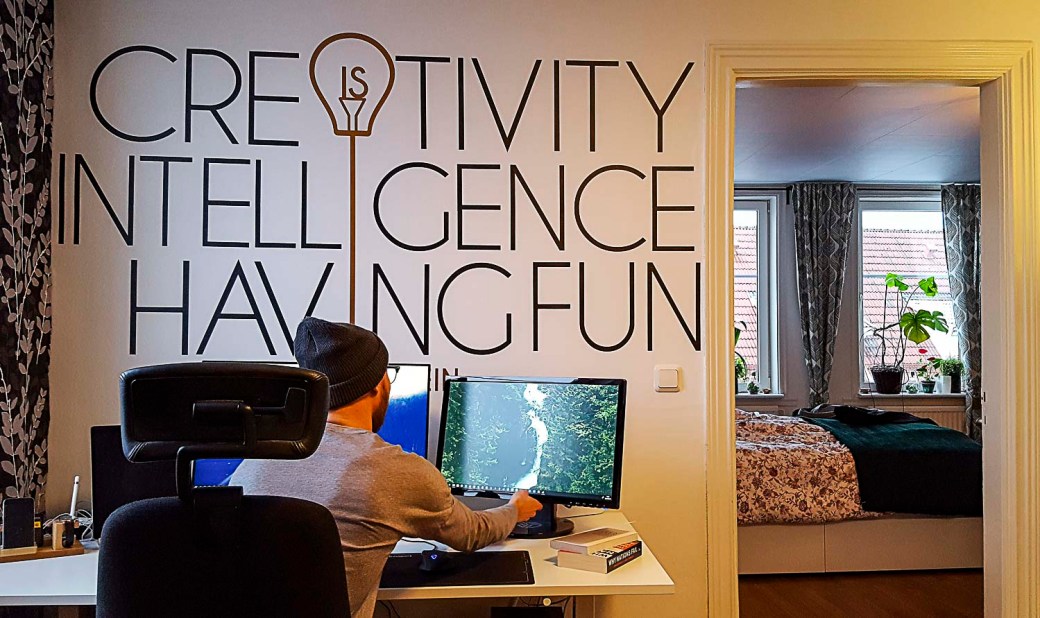
Snapshot of my son’s desk – (he is a graphic designer, and the wall quote is by Einstein)
Maybe the creative space most used today is at the computer in our own room? Or maybe not? This week’s challenge is all about Creativity – hobbies, crafts, creative spaces at home or places you have visited – show us your creative post…unlimited!
Last week I was fortunate enough to visit Keukenhof in the Netherlands, and the annual Flower Parade (Bloemencorso in Dutch). This is a glorious feast brimming with beautiful colors and delicious flowers. Twenty huge floats and thirty lavishly decorated cars follow a 42 kilometer route from Noordwijk to Haarlem.
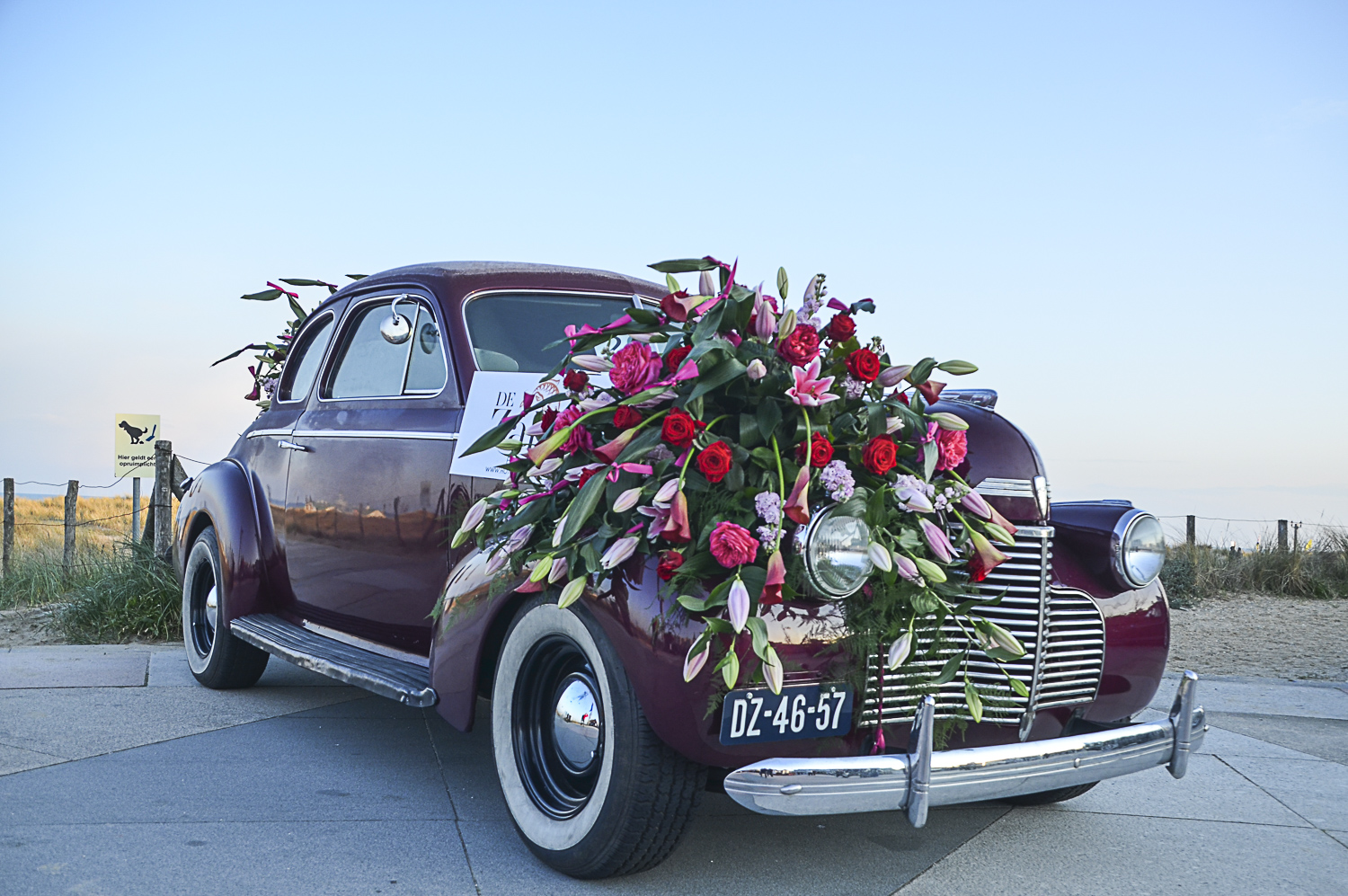
Millions of flowers and the creative work of hundreds of volunteers make this most amazing flower parade possible. And, hundreds of thousands of visitors from Holland and abroad are drawn to the colorful flower spectacle every year. Let’s have a look at something of the brilliant Dutch creativity!
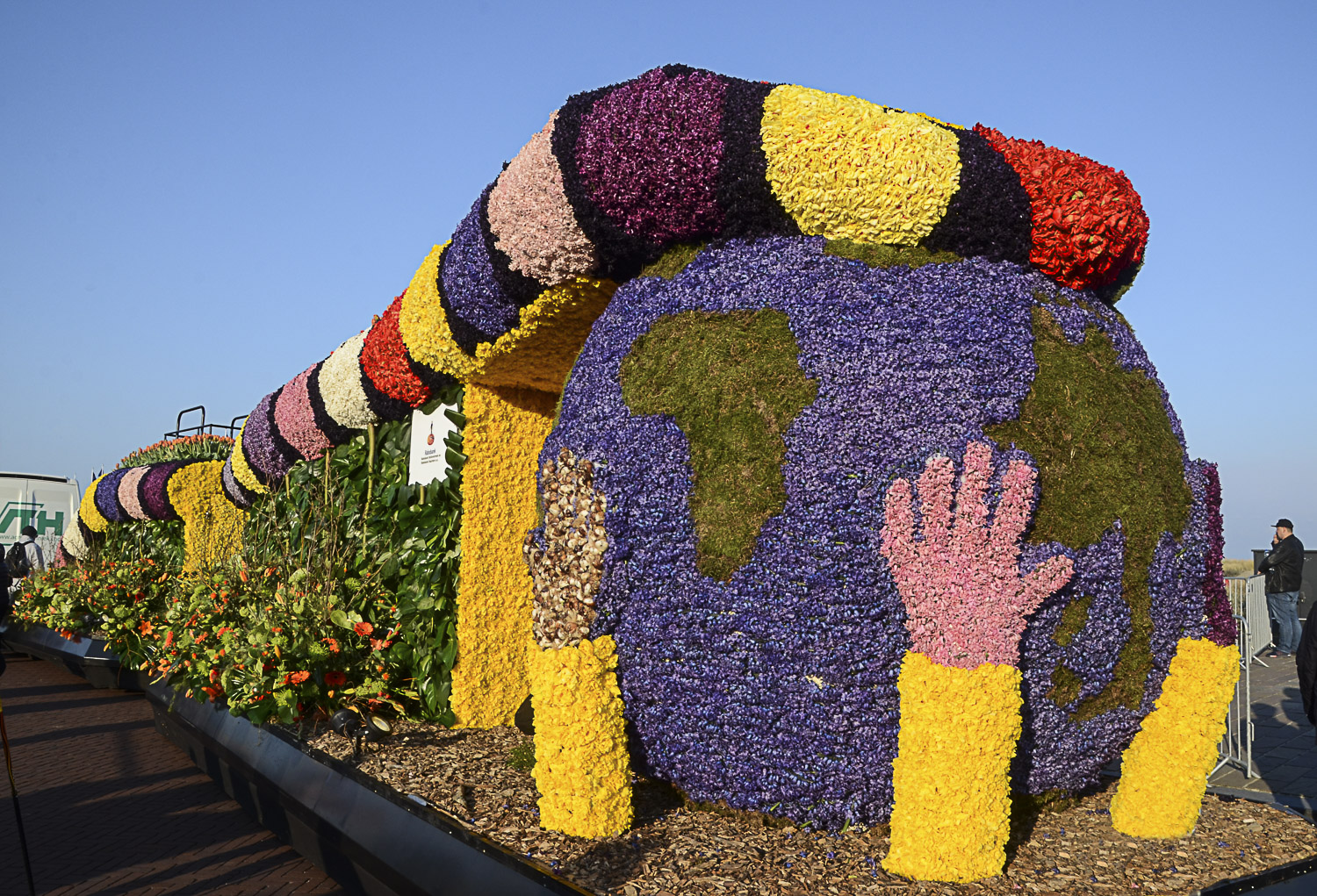
Some floats were so big, that they were divided into two – like this one.
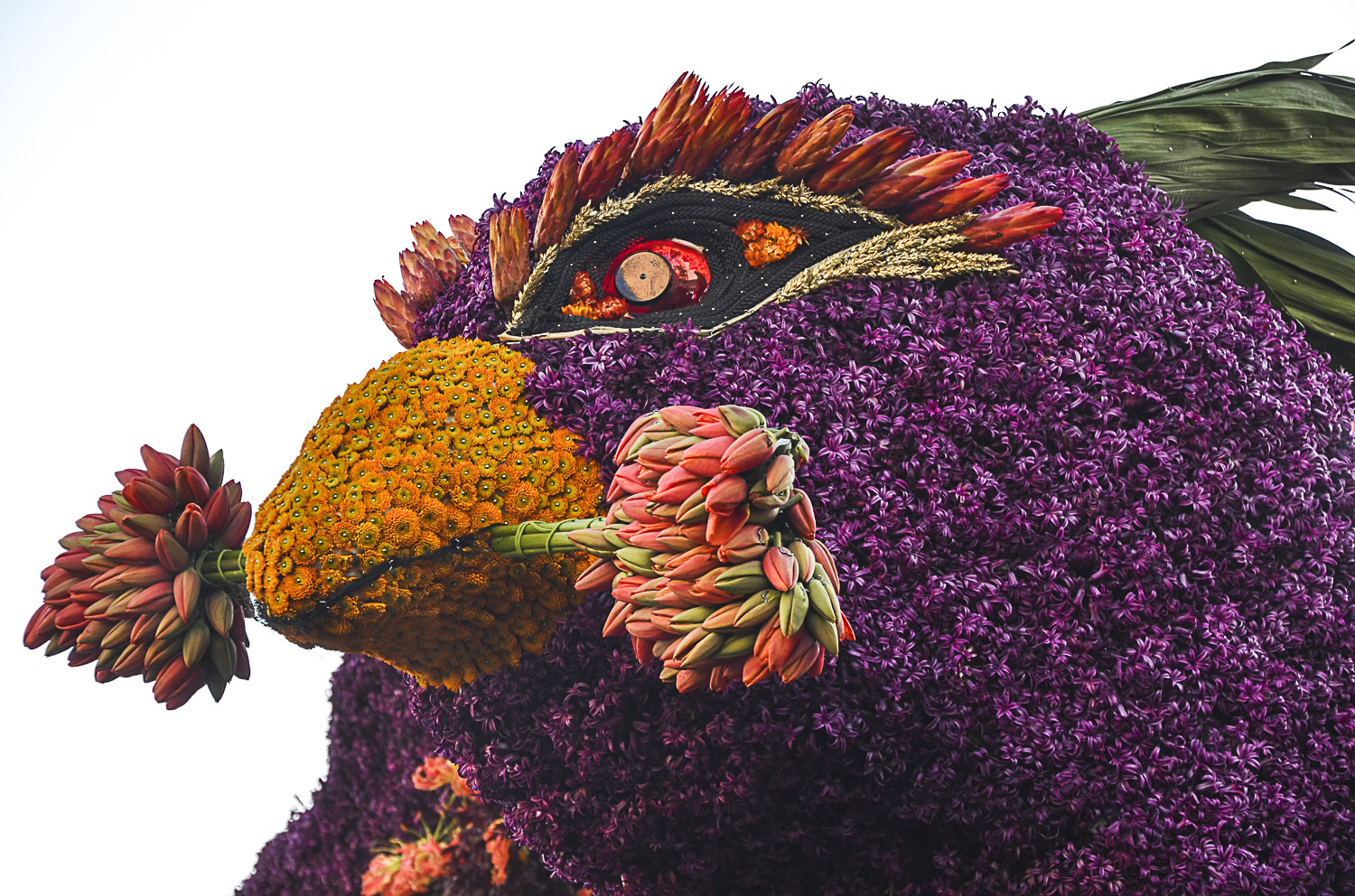
The impressive Phoenix
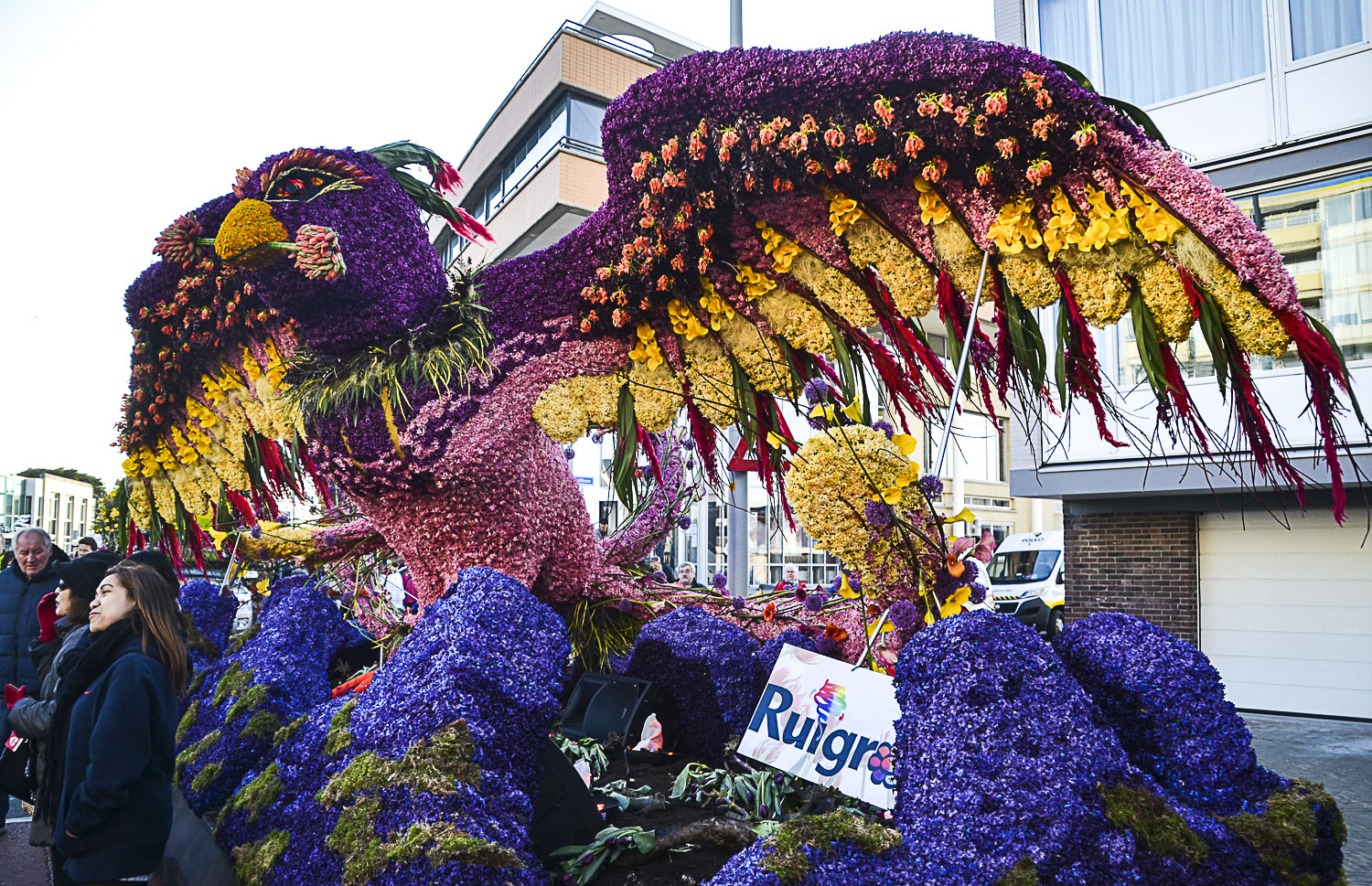
It was a very cold morning, with temperatures below zero – So, to save the flowers, all floats and cars had to stay inside before the parade started.
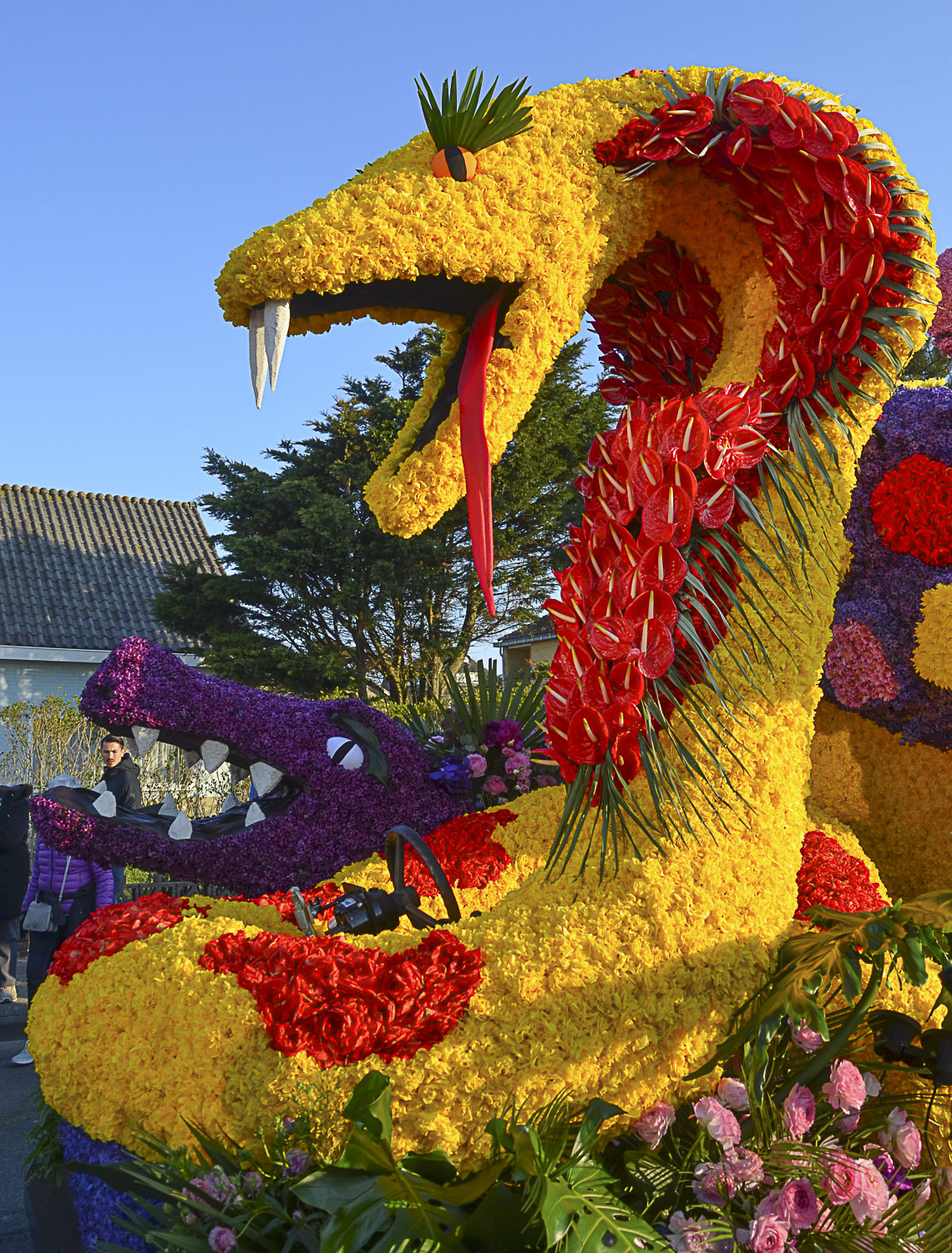
This float was the winning equipage – But there were also very modern themes – creativity unlimited!


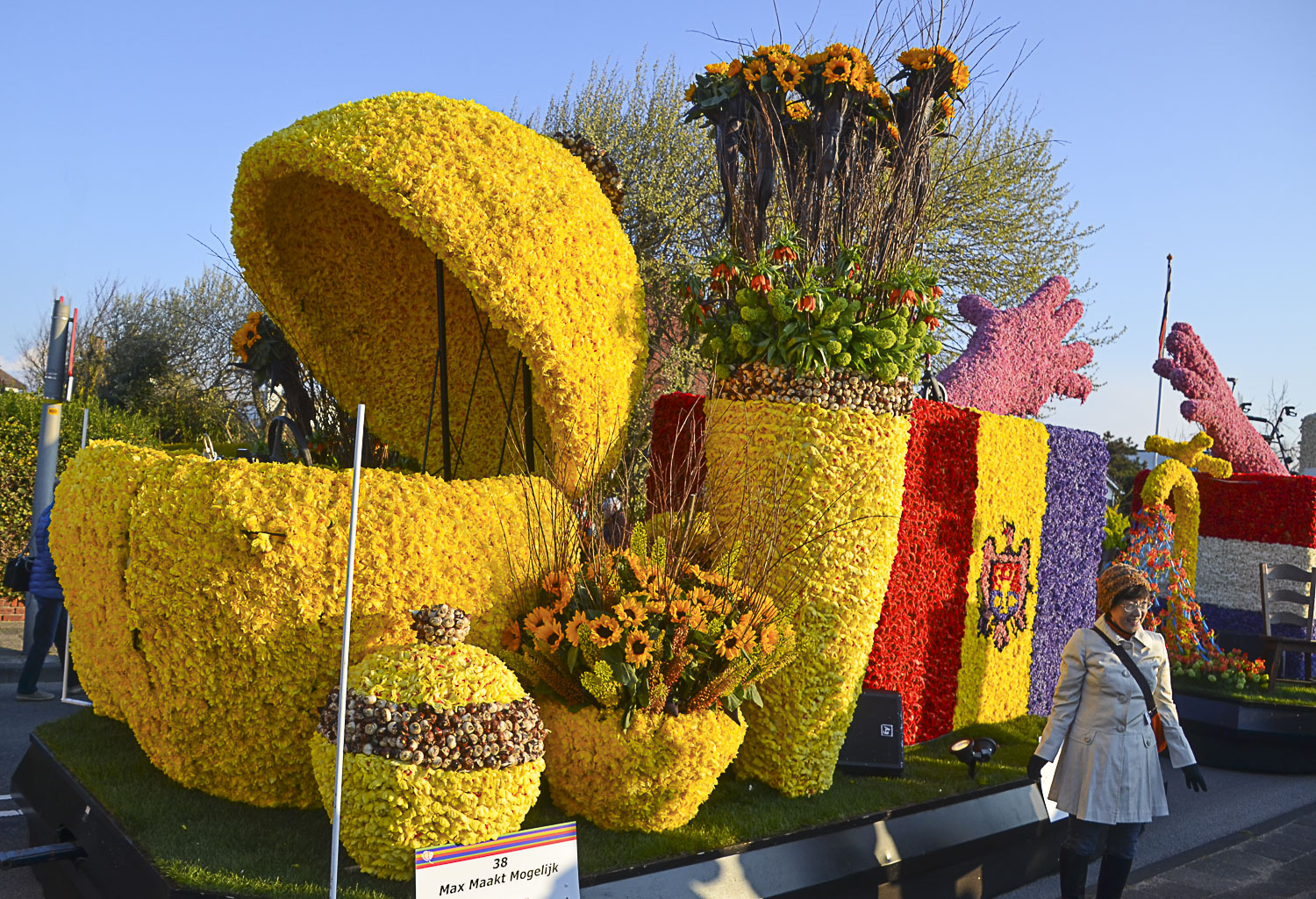
And how about driving your car from an Easter egg?
Thank you for joining in the fun, and while we are looking forward to seeing your creativity flow – we wish you all
Thank you, Patti for your simply Delicious challenge last week!
This week Patti has chosen to challenge us with Delicious, which means having a very pleasant taste or smell, or it can be used to describe a situation or activity that gives you great pleasure.
Few tasty things give me more pleasure than the first semla/fastlagsbulle of the year! These were temptingly standing in a window in Umeå some months ago. I can tell you they did not stand there for long…
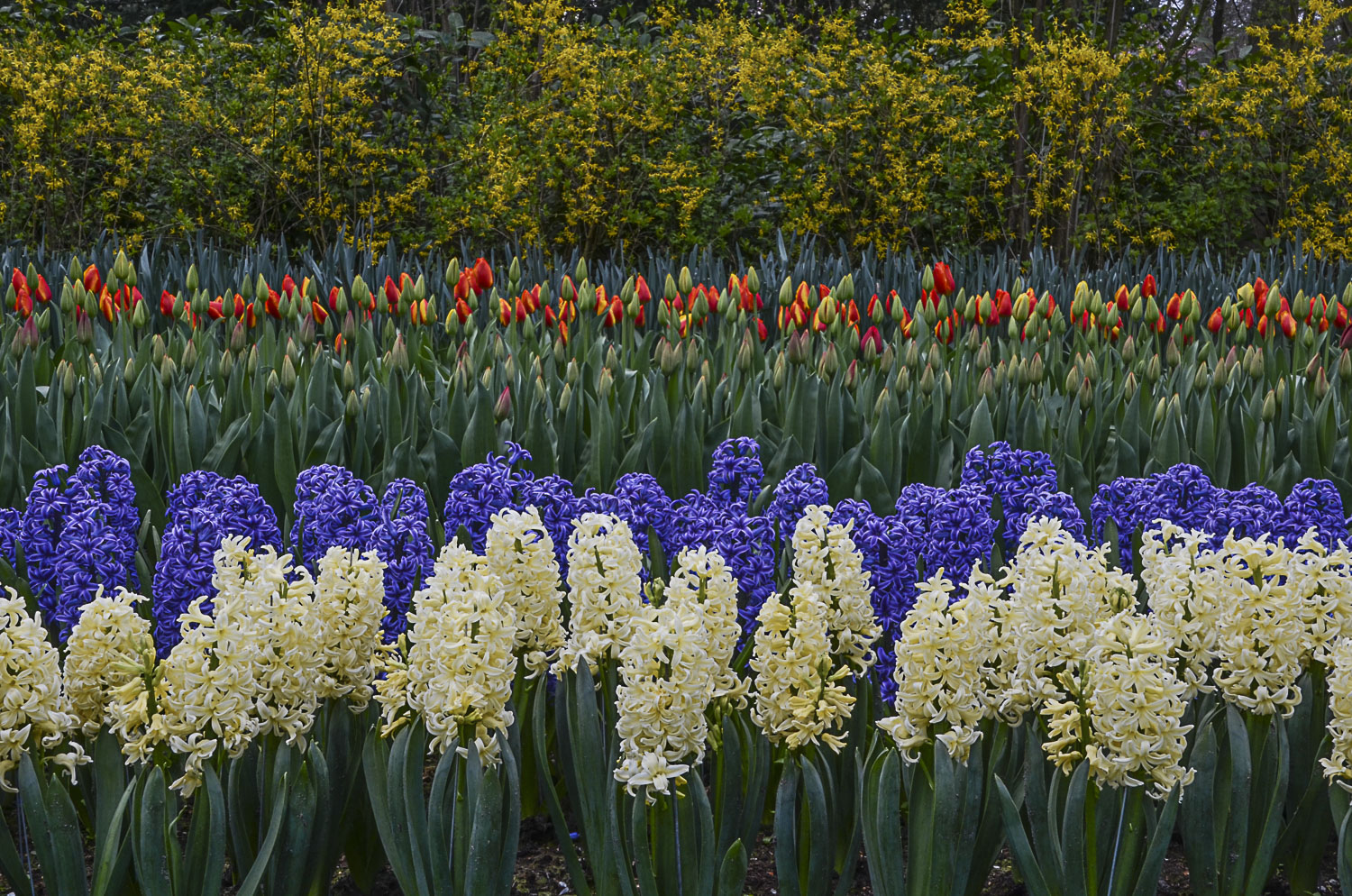
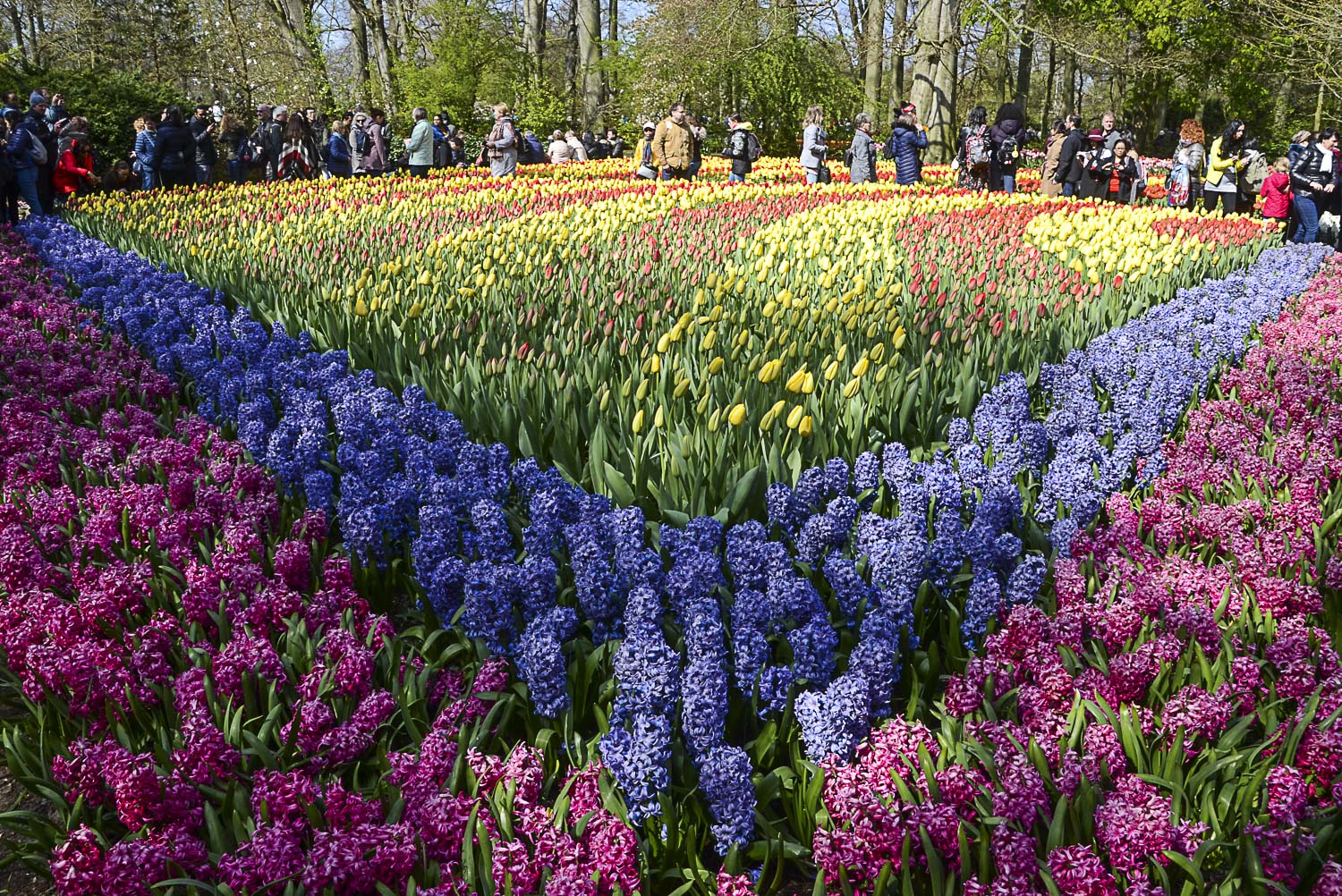
The gardens and fields were filled with the most delicious scent, colours and shapes. I was in a state of euforia for 7 hours – the visit was a total dream. I had not been to this flower show since somewhere in the 90’s.
Interested in joining the Lens-Artists Photo Challenge? I guess you too have some delicious experiences to show us! For instructions and more information click here.
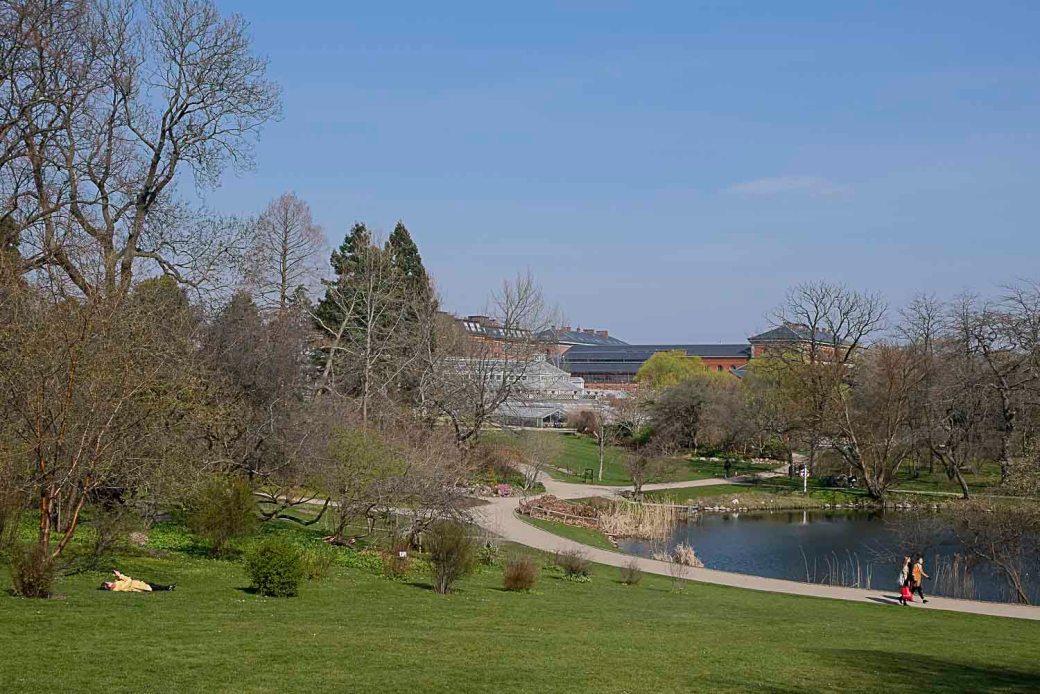
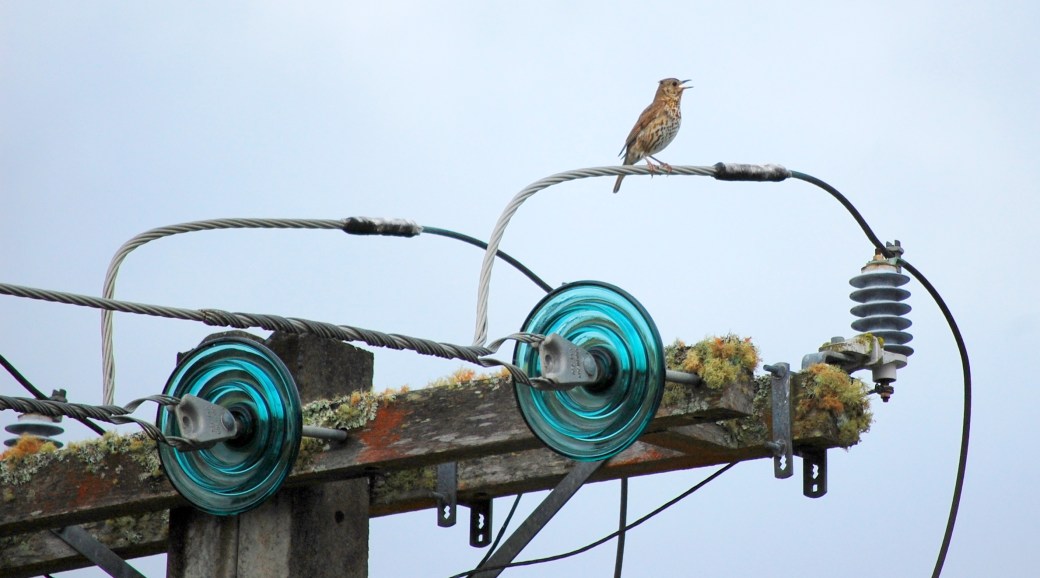
Last week I enjoyed a stroll with Viveka (Myguiltypleasures) in Copenhagen Botanical Gardens. Here are some treats from a lovely day. And – now I will be off my computer for some days – wishing you all a great week, and see you again next Wednesday!


 Leya
Leya 
Du måste vara inloggad för att kunna skicka en kommentar.