WordPress Weekly Photo Challenge: Geometry and Wild Weekly Photo Challenge: Water

Denna veckas utmaning i WordPress handlar om geometri och i LetsBeWild handlar den om vatten. När jag tagit fram ett urval bilder ser jag att en del av dem passar väl in på bådas teman, så…jag gör ett försök att koppla samman några stycken av dem.

Vatten är ju förutsättningen för allt liv, så vi är beroende av det – och inte minst beroende av att det är friskt och rent. De flesta människor lyssnar också gärna till vattnets brus, porlande eller droppande. Ljudet uppfattas oftast som mycket rogivande. Vi människor älskar också att vara i närheten av fria vatten, att betrakta vattnets rörelser och skiftande färger. Helt naturligt gör vi många avbildningar av vatten och av sådant som har med vatten att göra. Vi är ju beroende…

Bildvalet den här gången hoppas jag ska spegla några av mina tankar. Gå in på länkarna och se hur andra, världen över, ser på både geometriska figurer och på vatten!

When I had picked out some photos for this week´s challenges, I suddenly noticed that some of them matched both themes! So, I decided to try a combination of the two. My thoughts went like this…

Water is most essential to life on Earth and we have to keep it clean and fresh in order to survive. Most people also love to listen to the sound of water, it may be the waves of the Big Ocean or the tiny trickling from a hidden well. We find peace in the sound. We also love wild waters, being able to watch every movement of the waves and the shifting of colours in them. It comes natural to us to draw, paint or photograph water – or somehow depict what we think has to do with water. We simply cannot resist this urge…or, apparently, doing it the geometrical way!

These are my entries for the WordPress Weekly Photo Challenge: Geometry and for the LetsBeWild.com Wild Weekly Photo Challenge: Water

A drop of water in the ceiling lake. Lamp by Antoni Gaudí
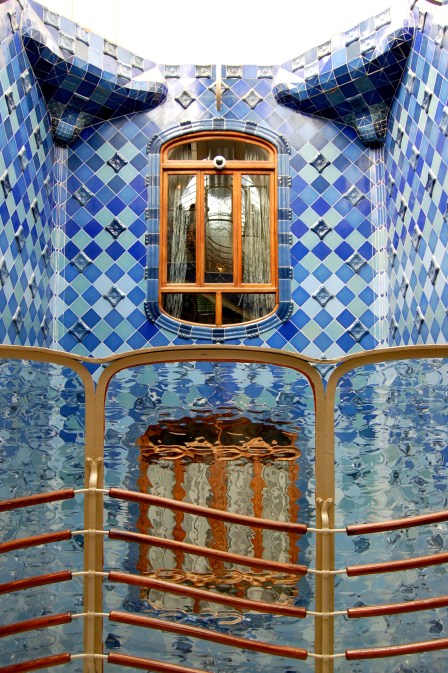
Water – optical illusion in bathroom by Gaudí
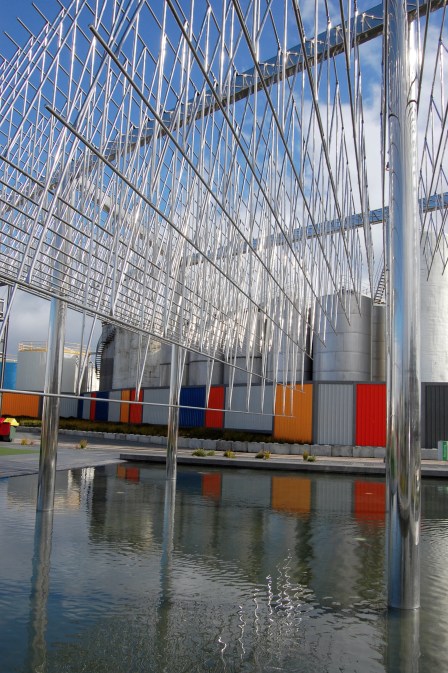
Art using water and steel – Auckland harbour, NZ

The old Roman aqueduct in Segovia, built of unmortared granite blocks.
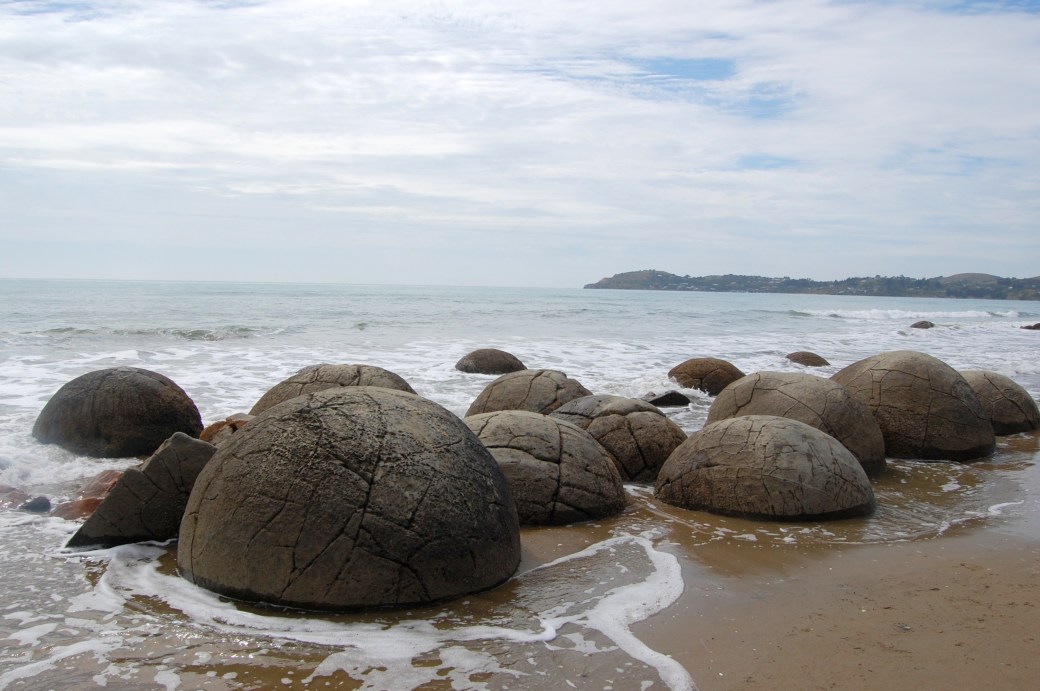
Not only these stones are shaped by water – we all are!


Weekly Photo Challenge: Foreign

Veckans fotoutmaning, WordPress Photo Challenge, är Foreign – utländsk; främmande. Jag har valt en skylt från ett tempel i Tibet. Den är både utländsk och mycket främmande. Jag förstår inte dess inskription, men texten är mycket vackert skriven.

Språk ingår i allra högsta grad i mitt dagliga arbete – och naturligtvis har jag en kärleksrelation till ämnet. Språk är fantastiskt – vad gjorde vi utan det? Tyvärr pågår en ständig språkdöd i världen. Den är våldsamt accelererande och en del forskare tror inte att vi har mer än kanske en handfull kvar inom några årtionden. Det finns många anledningar till att ett språk dör ut. En av dem är att ett större land tar över ett mindre och utövar söndrande makt genom att förbjuda det inhemska språket i skolor och att invånarna till exempel inte får något  arbete om man inte behärskar de nya härskarnas språk. Vi såg mycket av detta i Tibet.

Vad som händer är att med det gamla språket dör också kunskap och historia, om traditioner och sedvänjor, geografi och natur med mera. Kunskap som aldrig kan fås tillbaka. Jag tror också att ett folks innersta själ till slut går förlorad.

As I work with languages – I believe in the enigma of every single language on Earth. Many languages are also very beautifully written, with beautiful letters or ”pictures”. Sadly there is a huge loss of languages every decade, and some scientists believe that a hundred years from now there will only be a few ”living” languages left. (Maybe 5-10)

The reasons why languages are dying are many, but one of them is an old way of ruling over others – a way of conquering another country and its inhabitants, oppressing the native people and making them obedient. For example, when you are not allowed to work or get a job if you do not speak or read the language of the rulers/oppressors. Maybe you cannot buy things in every store anymore…. In school, your own language is no longer on the agenda and suddenly your name, address and phone number are only written in the oppressors language.

In Sweden, we discriminated the Laplanders long ago, and also the Finlanders. They had to learn only Swedish at school and were not allowed to use their native language. What actually happens when you do not use your native tongue daily and with more people than your own family, your language will slowly die. What dies with it are many valuable things, history that never can be restored to the world. Facts about how life was lived in the old days, traditions in your community and words for many things and rituals that the ”new” people do not have.

We saw much of this in Tibet, and many people could bear witness of this too.

I´m happy to have met so many wonderful people up there in the Himalayas, and even if I´ll never see them again, the people and their dreams are for ever with me. My children have sworn they will someday learn the old Tibetan language… It´s of foreign and eternal beauty.

Tibetansk skylt ovanför ingången till ett tempel

Wild Weekly Photo Challenge – Escape

Att fly behöver inte betyda det man kanske först tänker på att fly från – en påtaglig, fysisk fara. För mig är det snarast att fly samhället, alla måsten och bördor som tynger en. Hur ska jag kunna illustrera detta i bilder? Efter en ganska lång funderare blev det här min lösning! Hur ser din ut?

For me, escaping is associated with escaping society. To just get away from everything and leave all troubles behind. Every ”must” you ever saw has to be wiped out of your mind.

I have tried, with these five photos, to find out what I really do to escape – or at least to try to escape ….

Maybe the easiest way to escape – to fly far away and leave things behind, physically as well as mentally

Music, concerts offer a great escape! At least for the moment. This is Kamelot and its brilliant singer, Roy Khan.
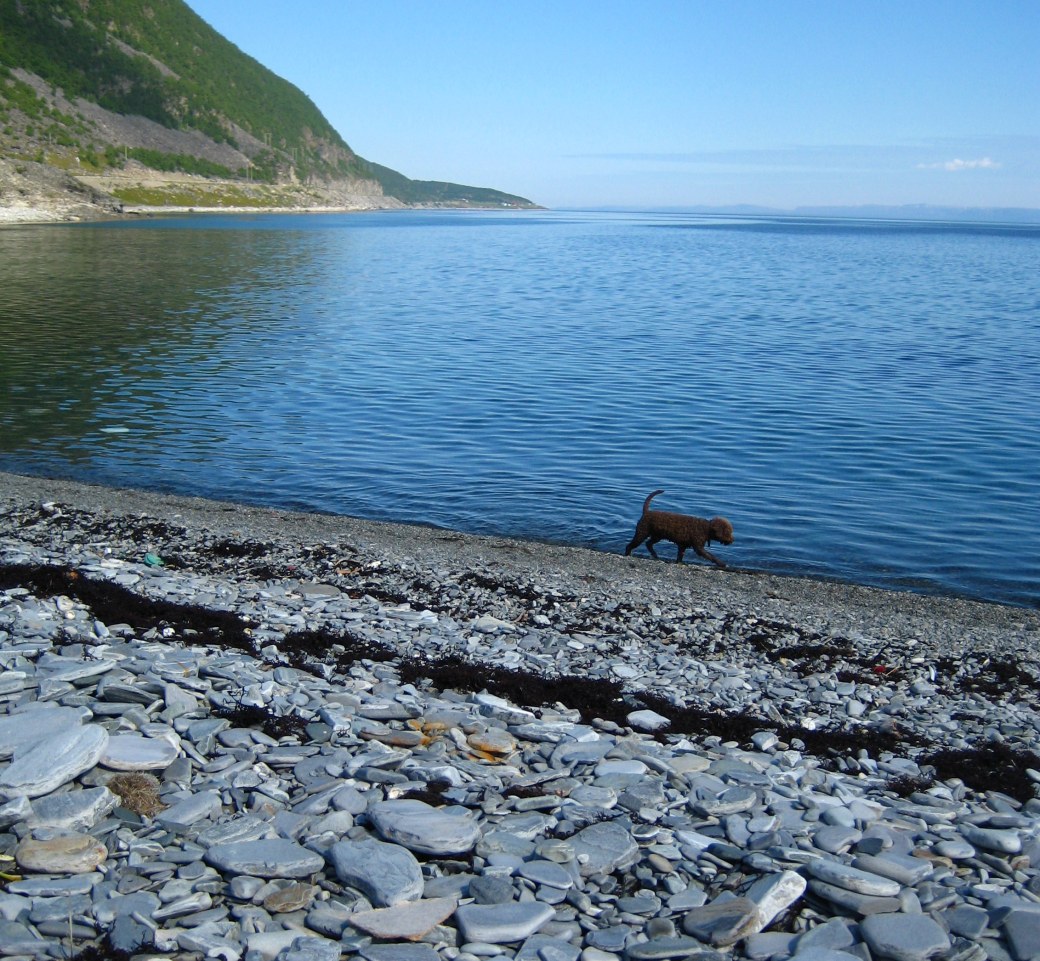
Great art and architecture as well – here Joan Miró

Playing all sorts of games is a kind of escape from reality. It doesn´t have to be computer games…

But, most of all – at least for me – nature itself. Hiking, tramping or whatever you call it. It frees your mind and body and gives you – the total escape.

Wild Weekly Photo Challenge – Weather

Sista utmaningen den här veckan handlar om väder. Och väder, det lär vi få mer av framöver med tanke på den mijöpåverkan vi människor åstadkommer.

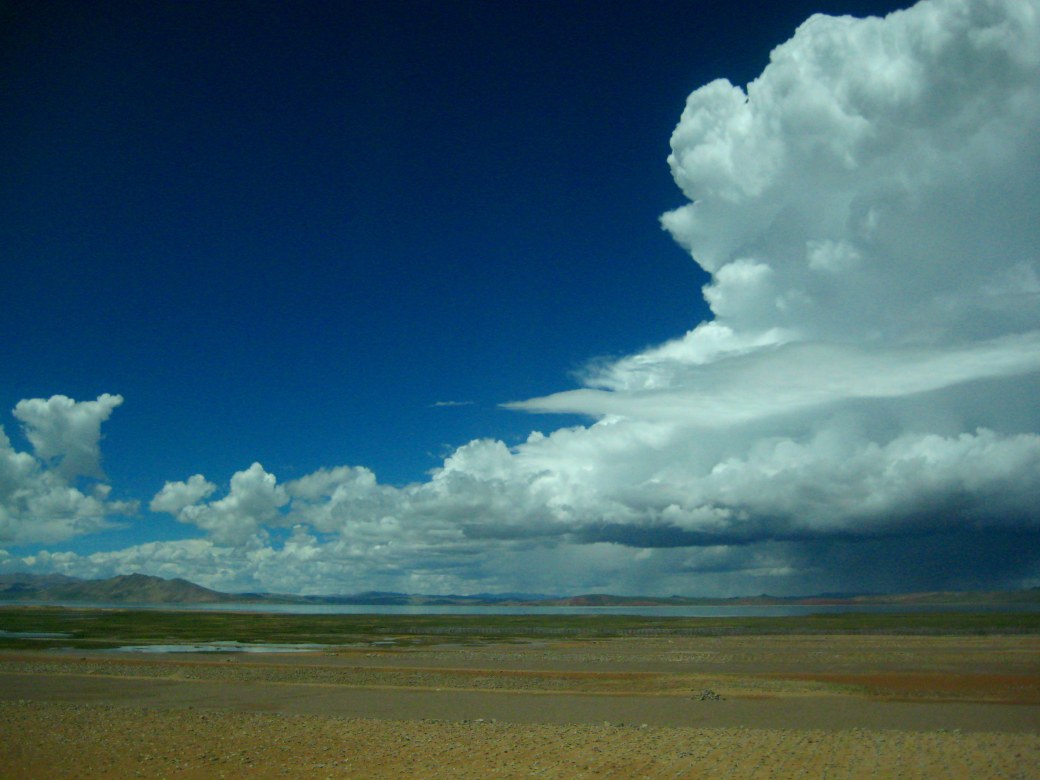
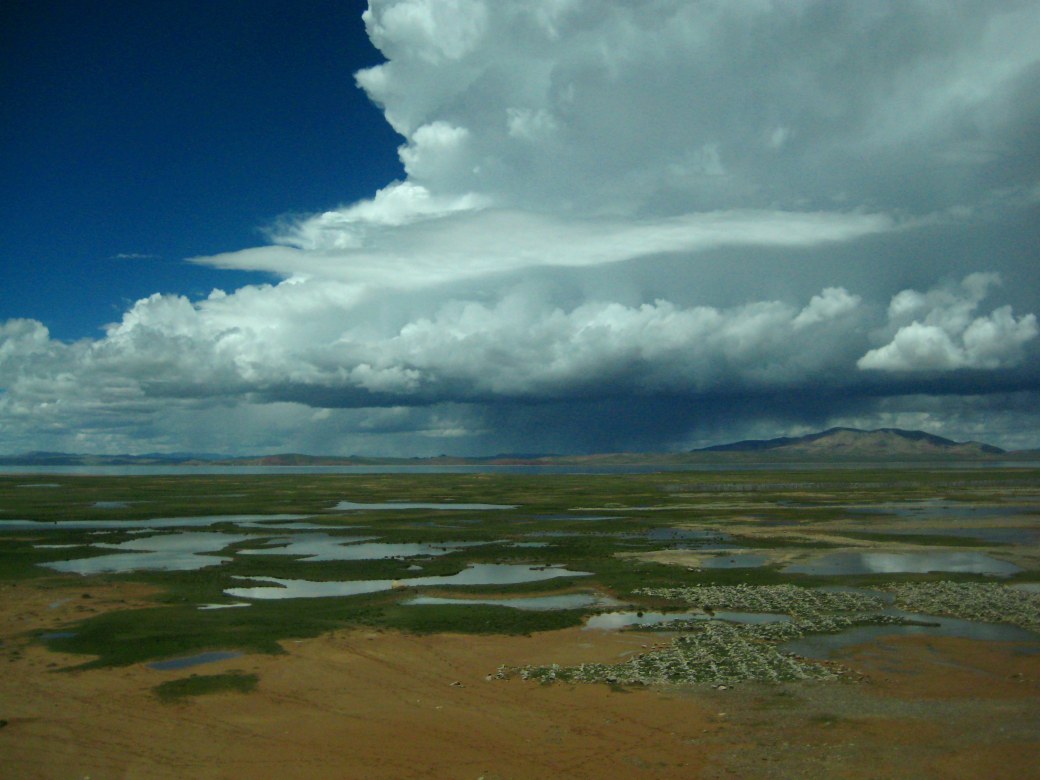
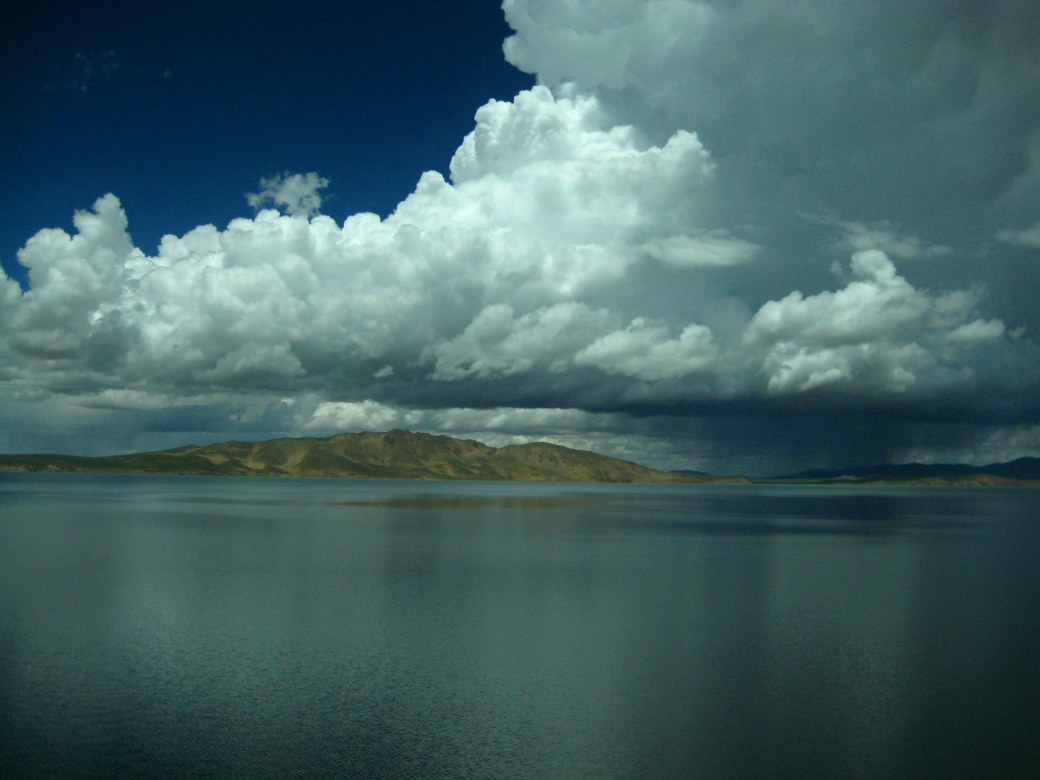
Mitt bidrag är tre foton från Tibetanska högplatån, 3000-5000 m.ö.h., där vi kunde följa ett oväder och se det lösas upp. Allt taget genom tågfönstret.

Weather is something we will have more of in the future.

My photo entry for the Wild Weekly Photo Challenge was taken from a train window somewhere on the dry plains of the Himalayan plateau near Lhasa, Tibet. As we passed the great clouds we were able to follow the rain until the clouds had dissolved and disappeared. A fascinating journey.

Weekly Photo Challenge: Silhouette

Veckans utmaning handlar om siluetter. Något som i alla fall jag förknippar med svarta profilbilder på papper. Gärna i medaljongformat. När jag var barn kunde de köpas på marknader. Vi klippte ut dem och klistrade in i böcker eller satte upp på väggen. Ofta var det  1800-talsdamer i krinolin eller herrar i peruk och pincenée. Riktigt så behöver det inte vara, utan det kan röra sig om ett föremål eller en människa eller ett djur ställt i motljus så att själva figuren blir nästan omöjlig att se annat än konturerna av – och en mörk massa.

Silhouettes can be beautiful, enigmatic – or maybe frightening. Have a look at WordPress and the many different interpretations! With my own entry I want to show love, fragrance and beauty,  but also the traditional sunset silhouette.
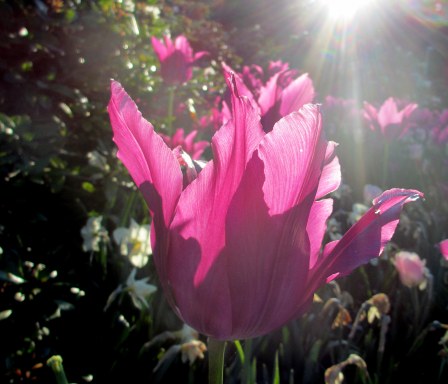
Tulip in the evening sun

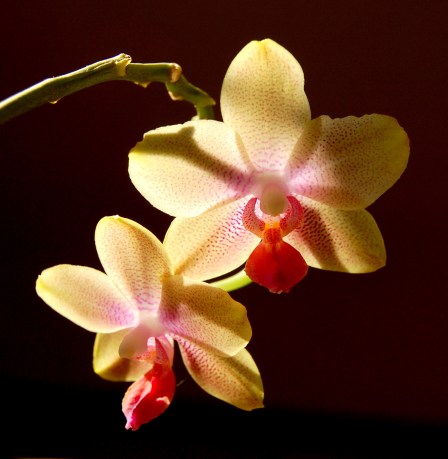
Phalaenopsis

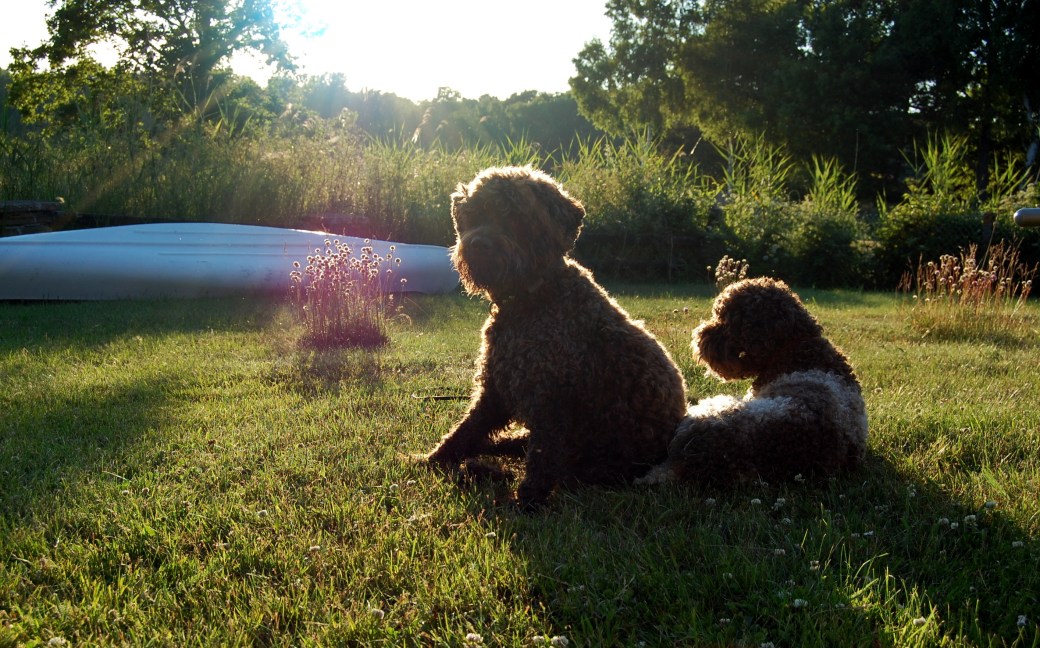
Mille and Totti

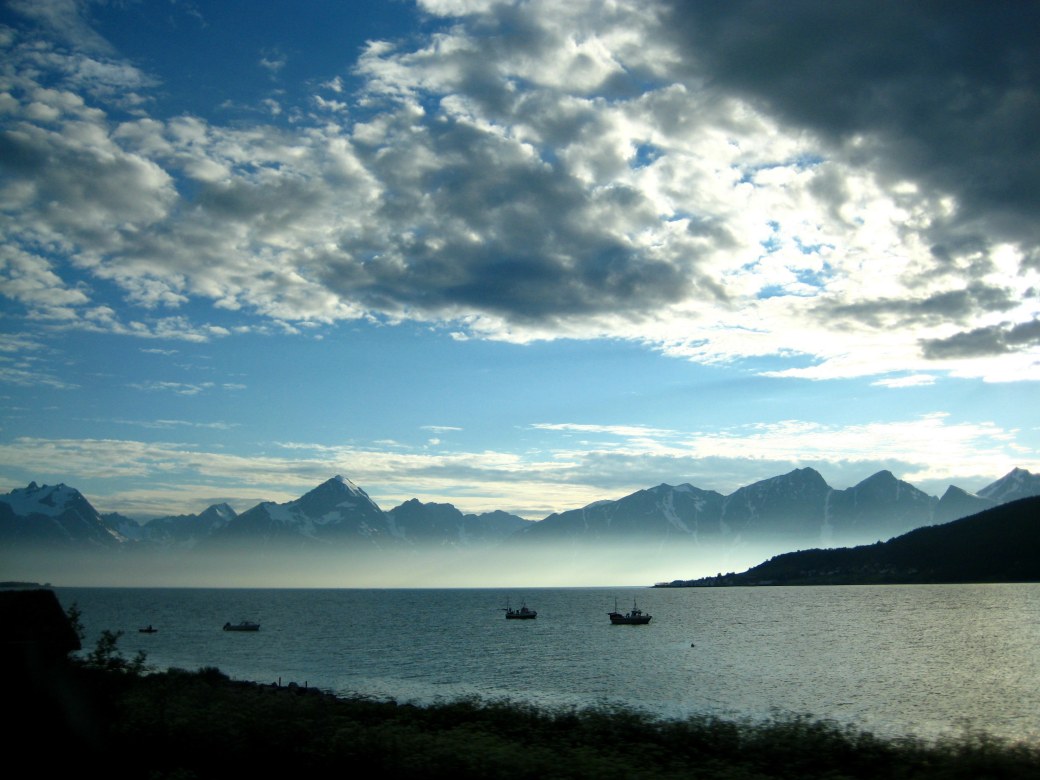
Fiord in Norway

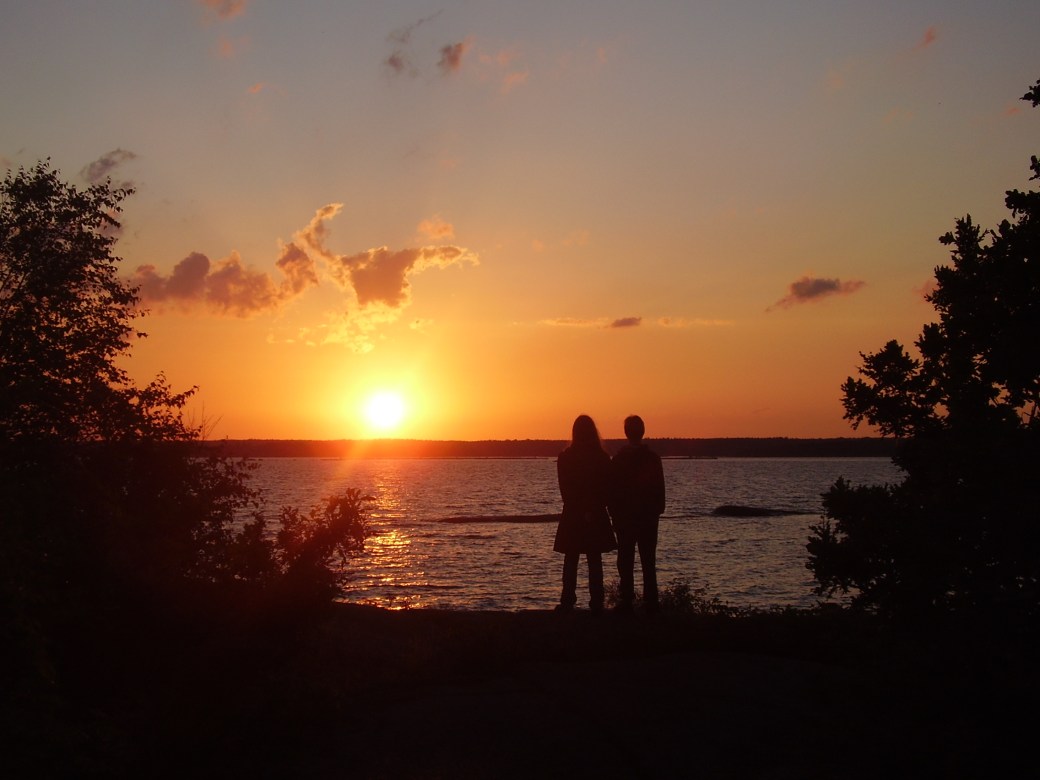
…and a very traditional silhouette in the sunset. My children.

Weekly Photo Challenge: Big

Weta är en benämning på ett antal arter av stora insekter som liknar gräshoppor eller vårtbitare. De är endemiska för – alltså finns bara på – Nya Zeeland. De är bland de största insekterna i världen, särskilt  jättewetan. De har en kroppslängd på 6-10 centimeter, mätt från huvudet till bakkroppsspetsen, och borträknat antenner och ben. Jättewetan är också bland de tyngsta insekterna och kan väga upp till 70 gram.

Ursprunget till namnet weta på dessa insekter är maoriernas ord för jättewetan, ”wetapunga”, som det förr fanns många av. Men, eftersom vi människor introducerade råttor och möss och andra för Nya Zeeland okända rovdjur, så hotas wetan nu av utrotning. Man försöker skydda den genom bevarandeprogram. Européerna kom att använda weta som vardagligt namn på alla dessa insekter. Det finns till exempel ”tree weta”, ”tusked weta”, ”ground weta” och ”cave weta”.

Wetan har anpassats till att leva i många olika områden. De är vanligen nattaktiva och gömmer sig under dagen i hålor, ruttnade och ihåliga trädstammar eller tät vegetation. De är ofta långsamma, speciellt de största arterna som sällan hoppar utan mest kryper fram. Födan består av vegetabilier, men kan också inkludera andra insekter.

This week I went to Norway for a couple of days. I was hoping for Totti to win a title there…but no. He ended up as number three… Despite that, I met some lovely people up there, and we had such a good time together. Now, this is why I´m a bit late entering my post for the WordPress Weekly Photo Challenge – Big.

If you look up facts about the Weta, will find that the name is given to about 70 insect species endemic to New Zealand.  The name comes from the Māori word wētā, and is the same in the plural (like ‘sheep’). The Māori word for the giant weta is wētā punga(lumpy or jointed weta).

Many weta are large by insect standards and some species are among the largest and heaviest in the world able to fly. Their physical appearance is like a bush-cricket, long-horned grasshopper, or cricket, but the hind legs are enlarged and usually very spiny. Many are wingless. Because they can cope with variations in temperature, weta are found in a variety of environments, including alpine, forests, grasslands, caves, shrub lands and urban gardens. They are nocturnal, and all New Zealand species are flightless. Different species have different diets. Most weta are predators or omnivores preying on other invertebrates, but the tree and giant weta eat mostly lichens, leaves, flowers, seed-heads and fruit.

Weta can bite with powerful mandibles. Tree weta bites are painful but not particularly common.

New Zealand had no land mammals (apart from native bats) before humans arrived. The weta’s place in the ecosystem is comparable to that held by mice and other rodents elsewhere in the world. For example, they are hunted by an owl, the morepork, New Zealand’s only surviving native owl. Weta also acts as effective seed dispersers.  Which, as they now are endangered, might have negative effects on native plant species that may rely on the weta’s help.

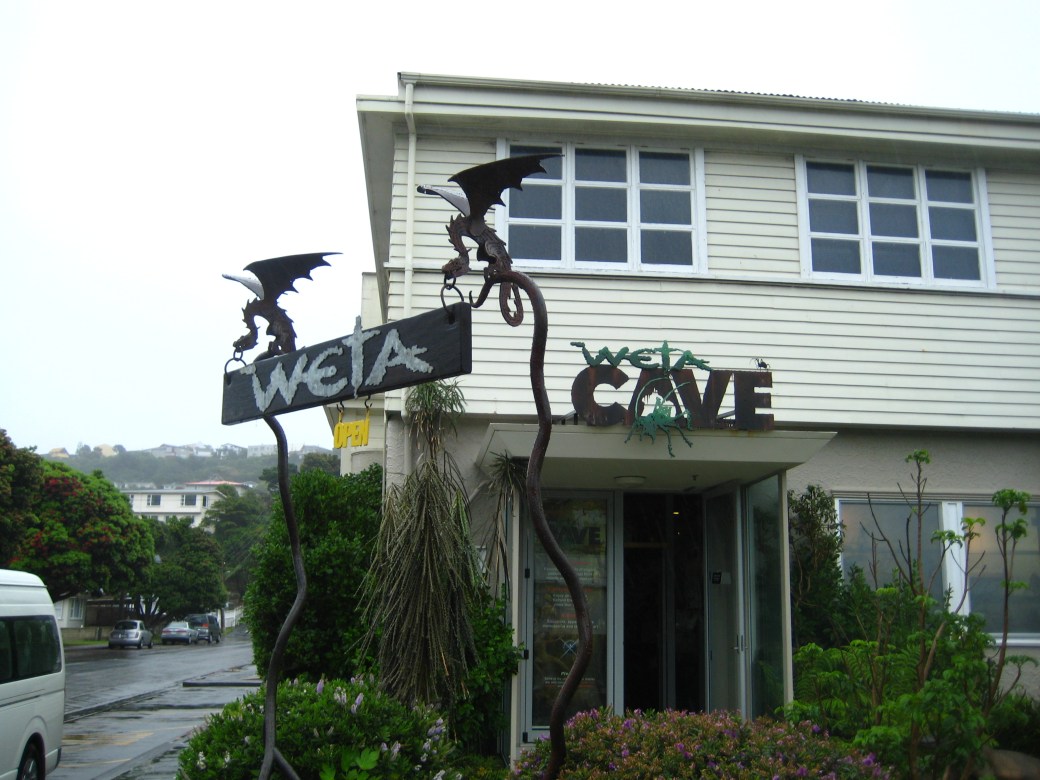
New Zealand visual effects houses Weta Workshop and Weta Digital were named after the insect. And Peter Jackson´s Welliwood is so closely connected to Weta Cave – this tiny shop and display of those fantastic things come alive from, for example the stories of the Ring (JRR Tolkien), Tintin and King Kong. Big things in the movie world.

So, my contribution is this really Big thing in film culture and this frightfully Big insect: The New Zealand weta.

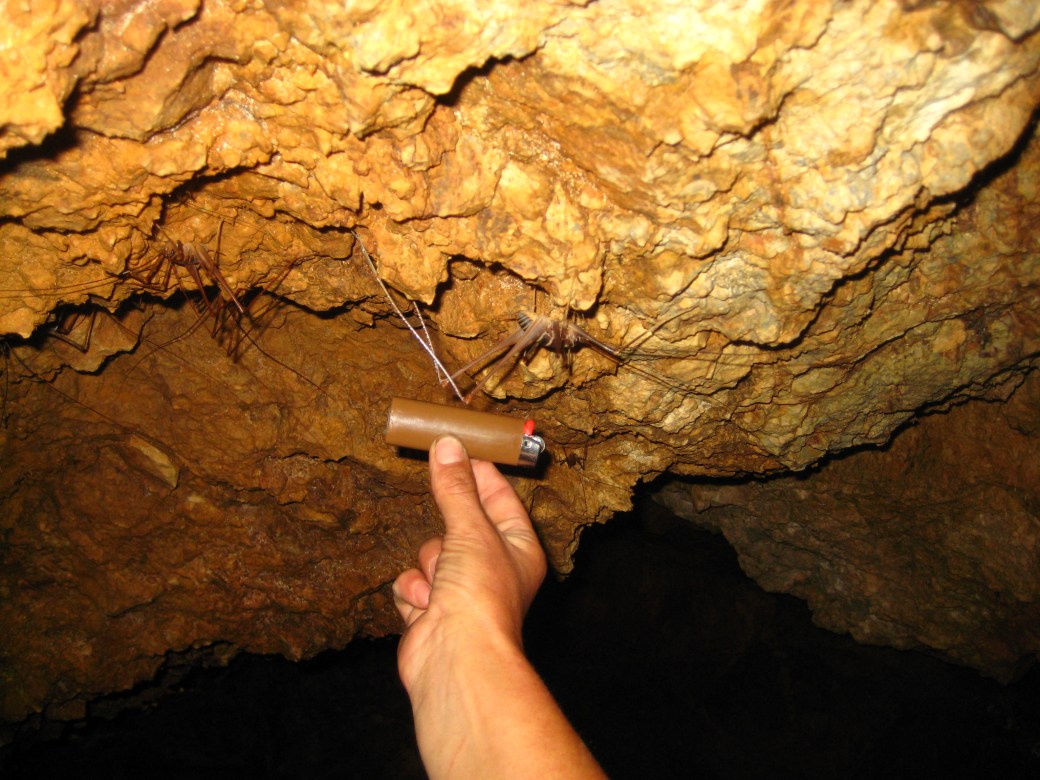
Cave weta…

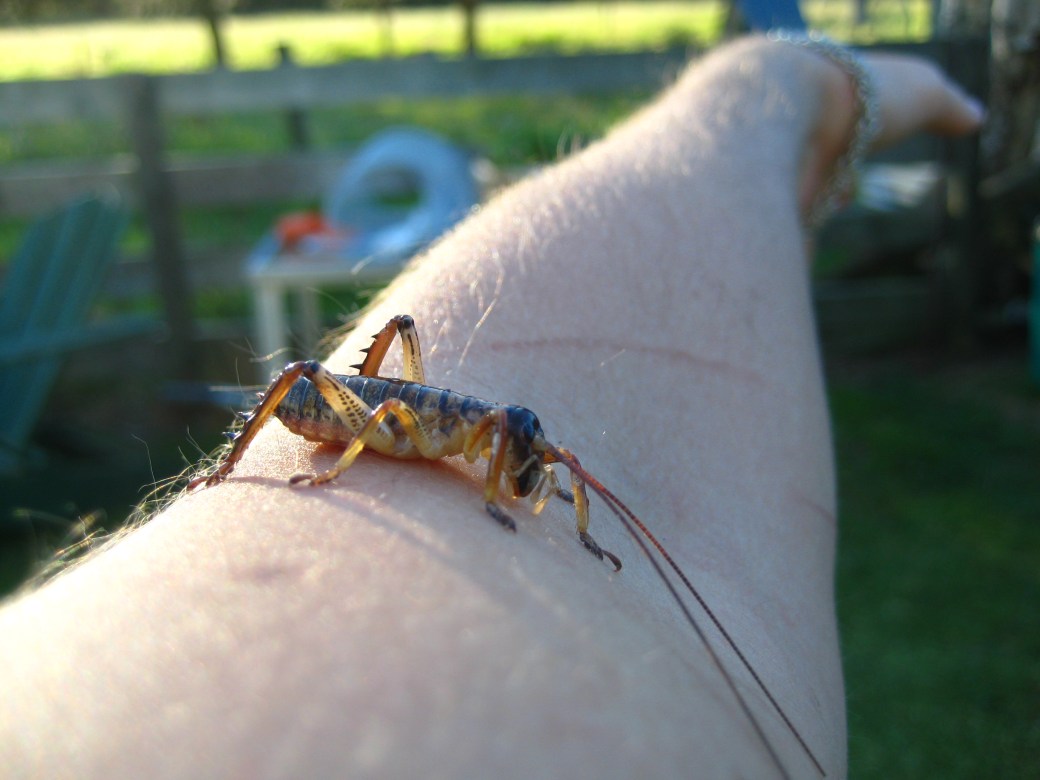
…on my daughter´s arm

Fascinating both of them – scary, but wonderful too. I´d love to go back to New Zealand one day. In fact, I could go right now!

Wild Weekly Photo Challenge – Fall

Jag blev oväntat inbjuden att vara med i en nättidnings fotoutmaning på temat Höst. Eftersom jag har många höstbilder sen tidigare valde jag en av dem. Årets höst är nämligen inte speciellt färgrik här … de färger som fanns har sorgligen regnat och blåst bort.

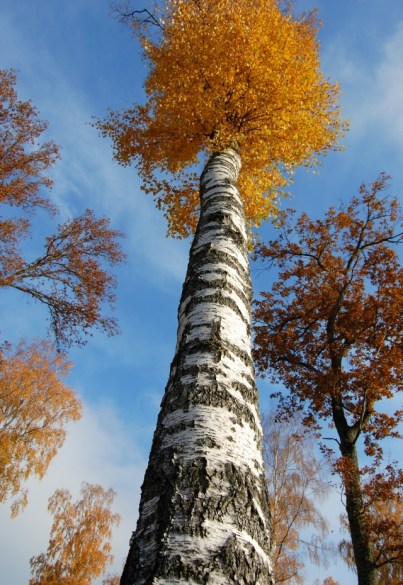
Denna björk stod i många år i tät skog, men lyckades ändå sikta mot ljuset långt där uppe och på något sätt överleva. När skogen fälldes runtom var det hans tur. Hans tur att glänsa och visa sitt rätta jag. Det känns så härligt att tänka på! Att ha stått där inne i mörkret under så lång tid och sen äntligen få blomma ut – i full frihet!

This great birch tree is standing in a clearing where it finally can show its true colours. Crammed in the dense forest throughout the years, the little sapling still managed to grow up to touch the sky. With almost all the other trees cut down, here it stands in splendid isolation!

I’m participating in the LetsBeWild.com Wild Weekly Photo Challenge! This weeks Challenge is: Fall.

My true colours!

Weekly Photo Challenge: Happy

Lycklig – ja…korta stunder i livet är jag det. Ögonblick snarast. Jag vet inte om det gäller dig också – pröva att lista de där stunderna som du vill kalla dig Lycklig! Det är inte så enkelt.

Veckans fotoutmaning kräver en del tankearbete. Happy. Den svenska översättningen blir snarast lycklig, glad, förnöjd, ja till och med fyndig och träffande. Efter att ha funderat en dag eller så, har jag kommit fram till att Happy har mest med mina barn och mina hundar att göra. Jag kan se att: När mina barn är lyckliga och när mina hundar är lyckliga – då är jag också lycklig. Utan barnen och hundarna blir det inte så många lyckliga ögonblick kvar…

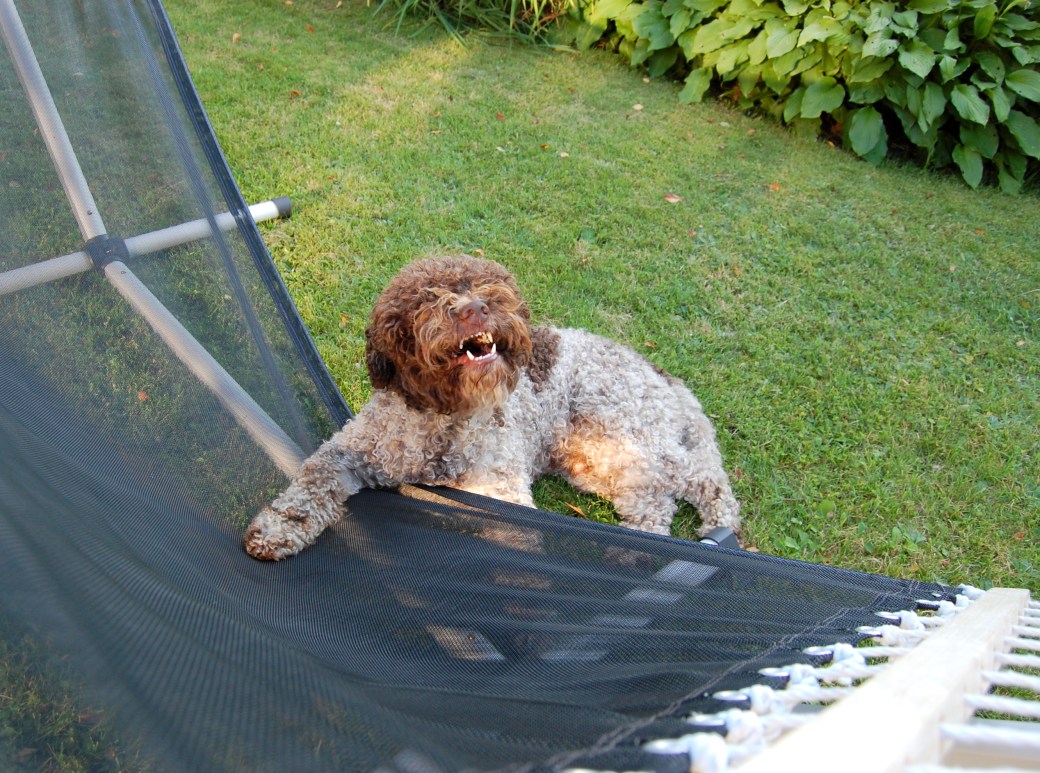
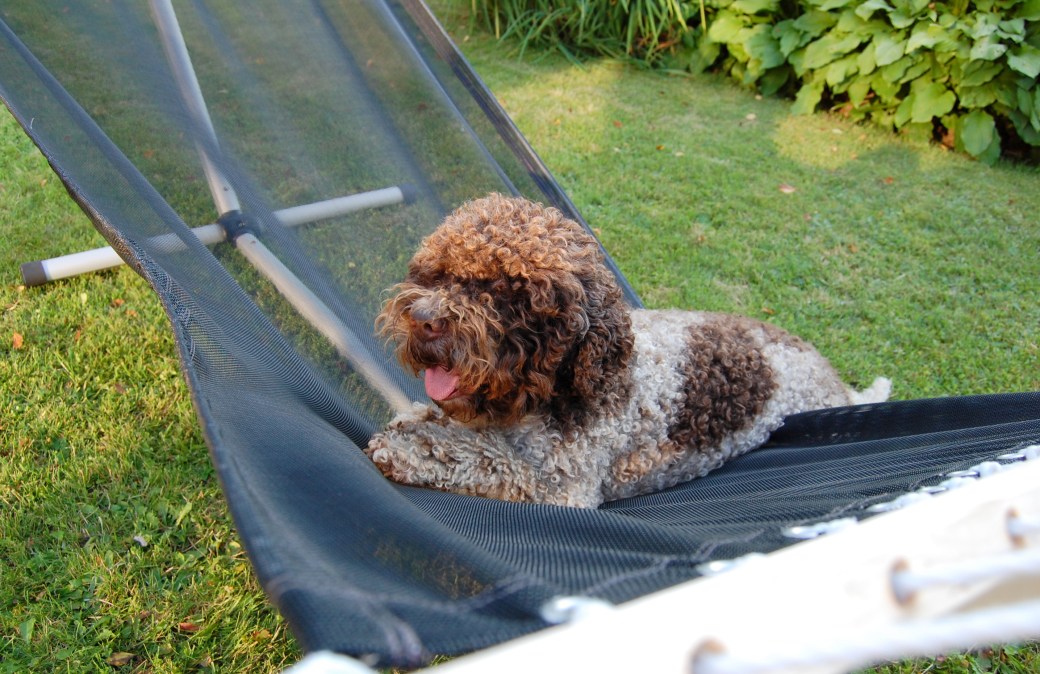
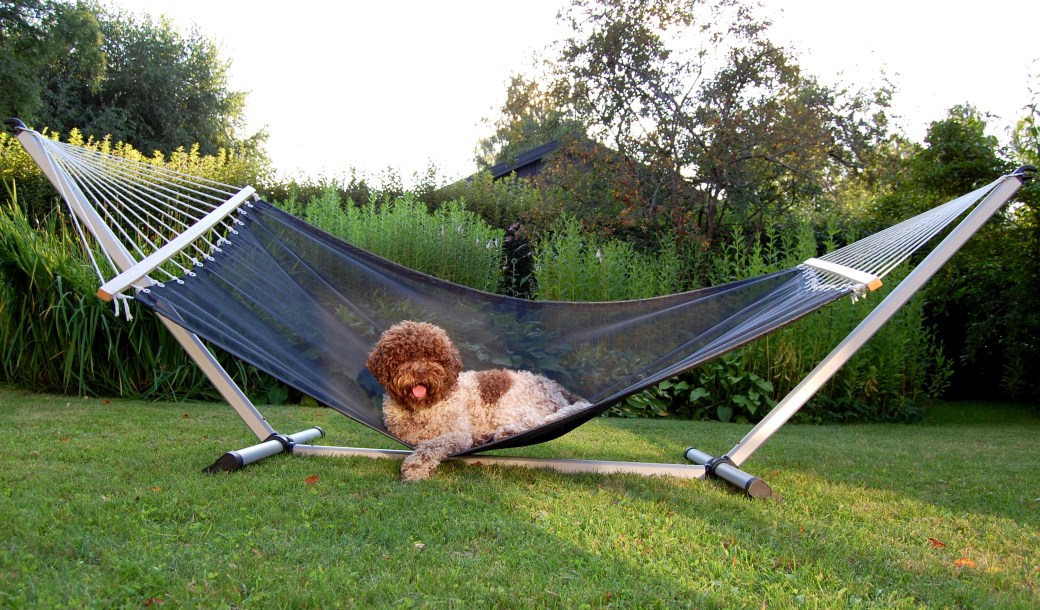
This week´s photo challenge had me thinking a great deal before I could start choosing pictures. My conclusion is, that those very short moments when I´m truly Happy, mostly involve my children and/or my dogs. I know that when they are happy – then I´m happy too. Without them, there would not be many really happy moments in my life. Although…with the very last photos I tried to catch a glimpse of just – myself, being happy on my own.

Hope you will enjoy my odyssey on the theme:

Weekly Photo Challenge: Mine

Well, the most decisive and persistent member of this family is the youngest one. He is also a true gem, and – Mine.

This little story, I hope, will show you the very essence of him!

My entry for the Weekly Photo Challenge WordPress.


Wanna know how I got here? Well, young man, once upon a time…

This looks worth trying!

I figure, there was something about P´s and Q´s…

A bit shaky, but…

OK, OK…I´m going down here…uh…

Oh, shit…

Grrrrr, I shall – and I WILL!

Just a short rest, and then…

Finally – MINE!

Weekly Photo Challenge: Solitary

Flera av dessa bilder kan jag säkert ha publicerat tidigare,  men några är nog nya. WordPress foto-utmaning ger många nya kontakter och det är fantastiskt intressant att se hur människor i olika delar av världen tolkar samma tema!

This is my entry for the  Weekly Photo Challenge Solitary

Solitary is a word of many interpretations. Here are some of mine, ranging from north to south, east to west, including not only people or animals, but other connotations worth mentioning. As you understand, this was a difficult task, but a wonderful way of making me remember things and places I have seen or visited. Hope you want to come visiting again with me:

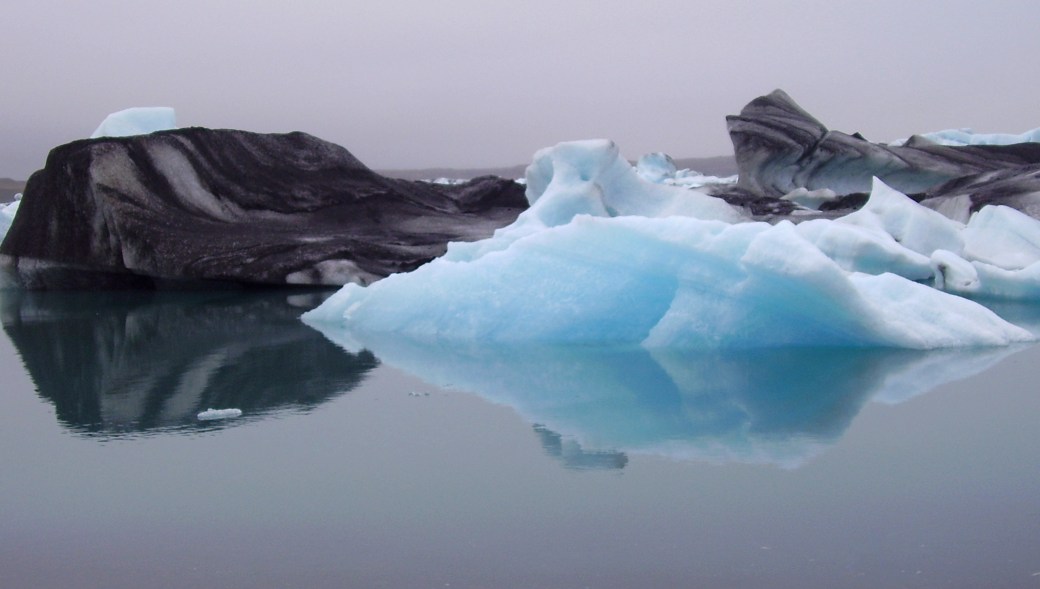
Quietly floating ice in a glacier pool – Iceland

Mille by a mountain lake, Norway

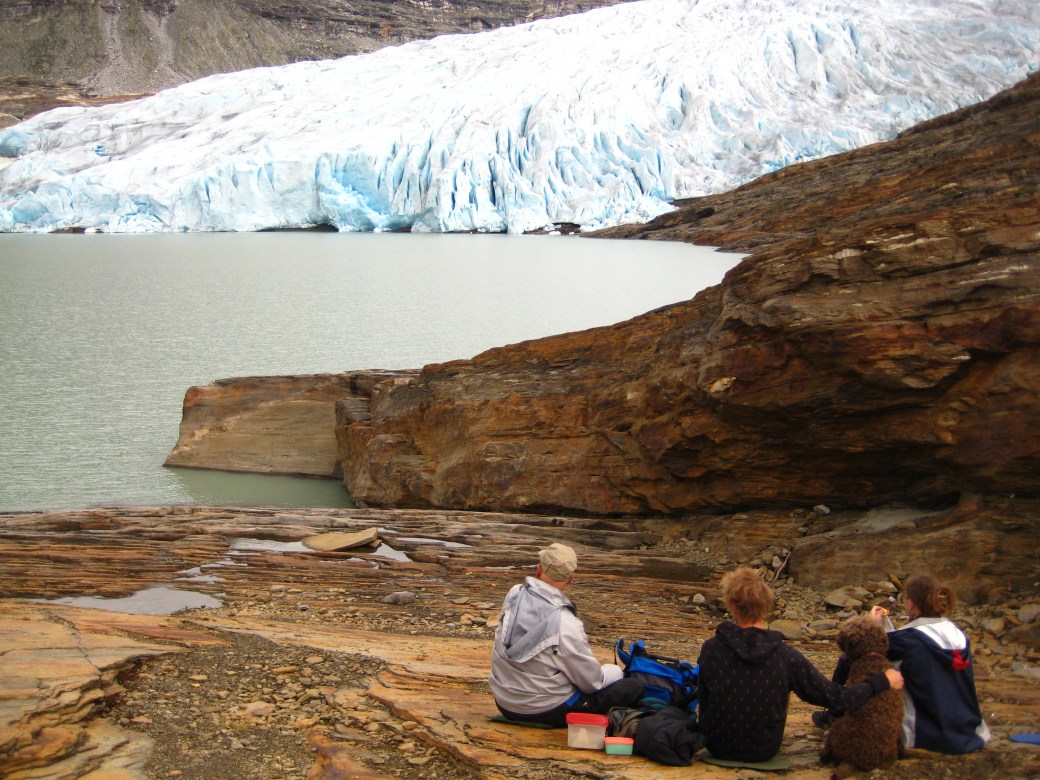
Svartisen glacier, Norway. My family.

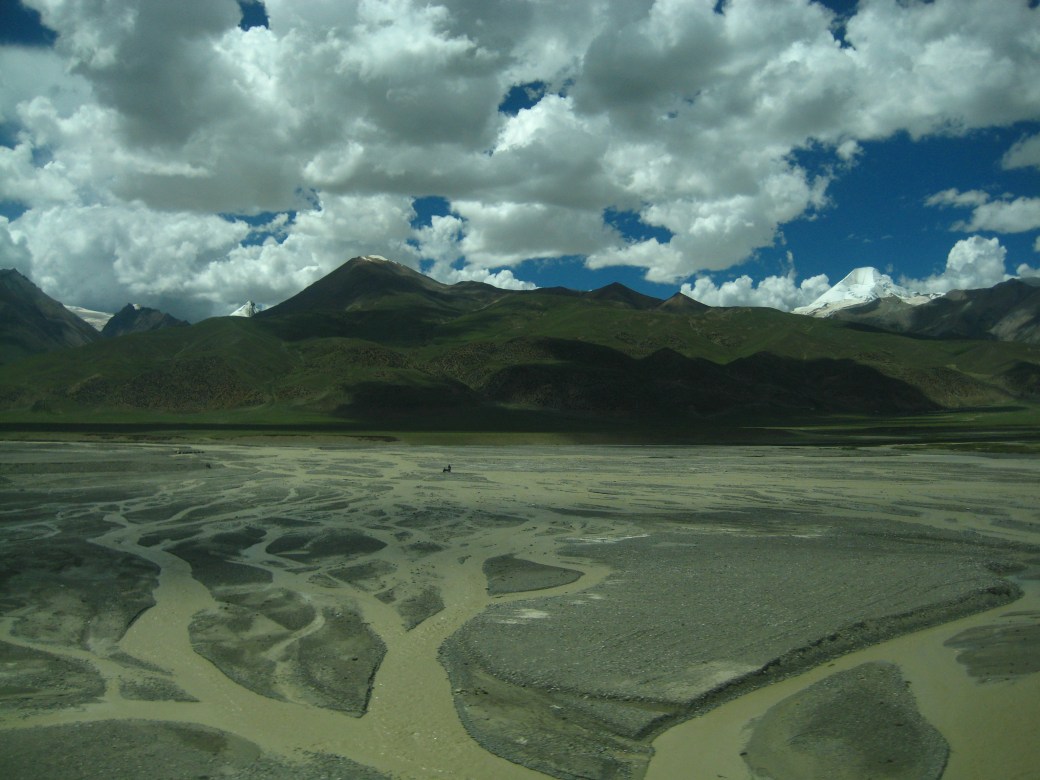
Man standing in delta landscape. Photo shot from train, two minutes before arriving in Lhasa, Tibet.

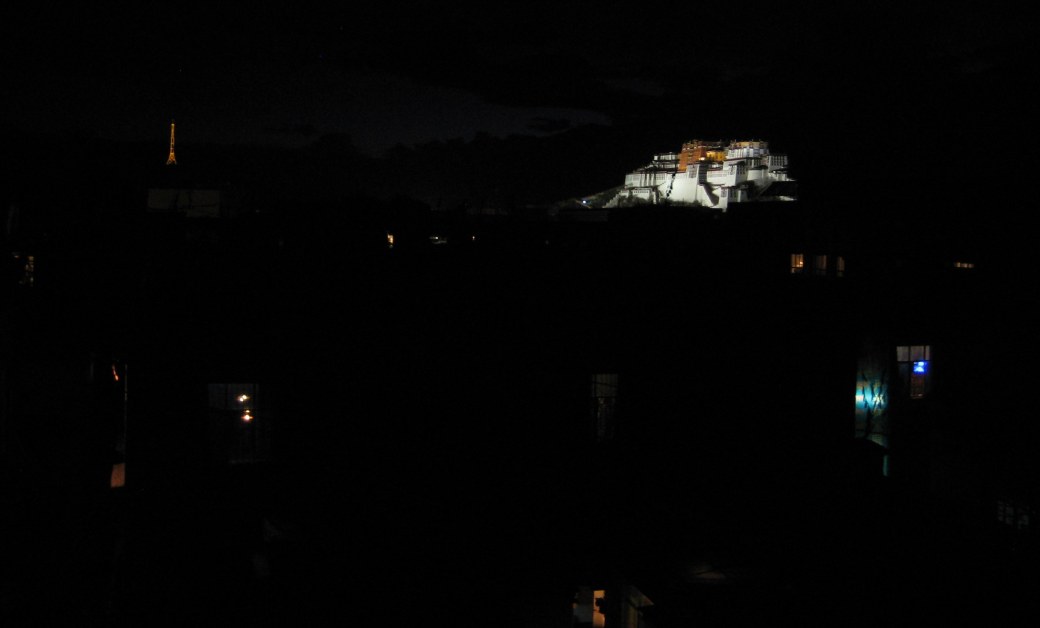
The Potala palace seen from my window, Lhasa, Tibet.

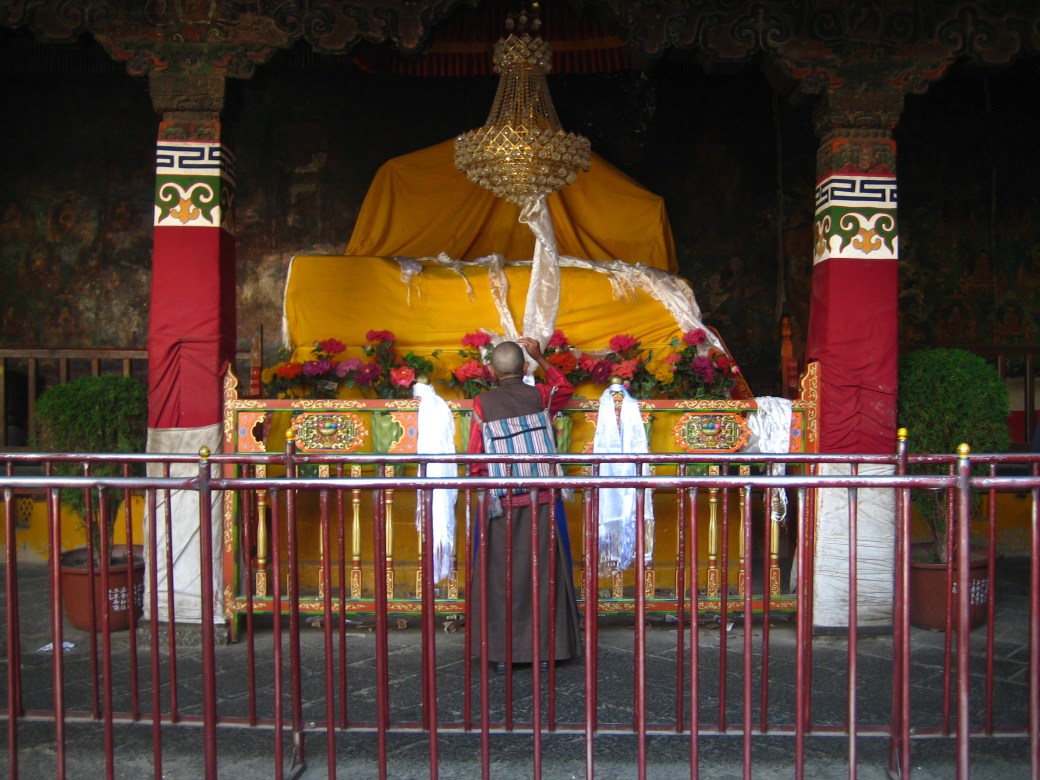
Old monk leaving a sacrificial white silk shawl on the Dalai Lama throne, Tibet.

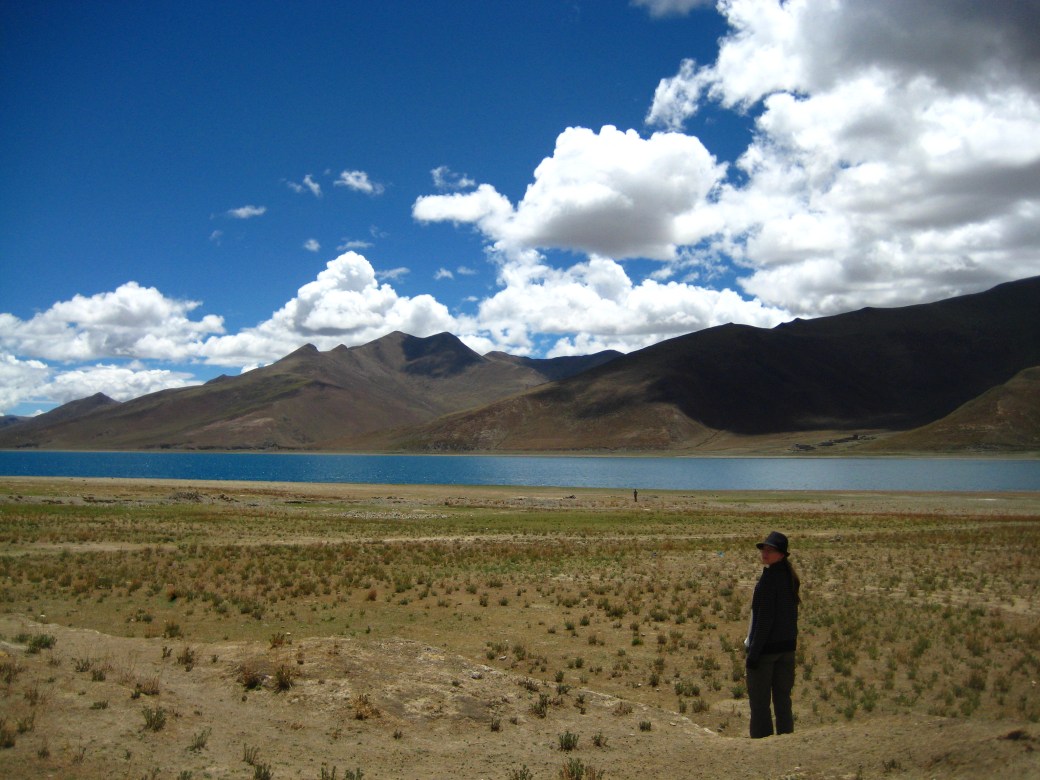
By The Holy Lake. Interior of Tibet.

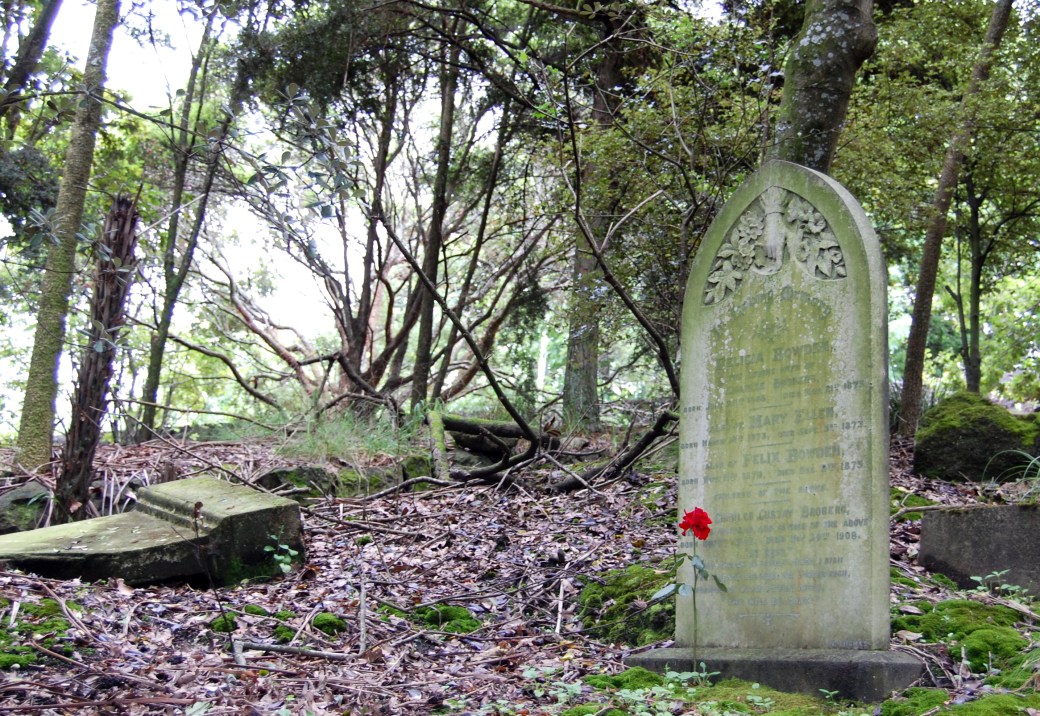
Forgotten and deserted graveyard, Auckland, New Zeeland. Most stones were broken or lying down in the dusk. Many a name was followed by a story from the violent 19th century. Strange finding a single red rose.

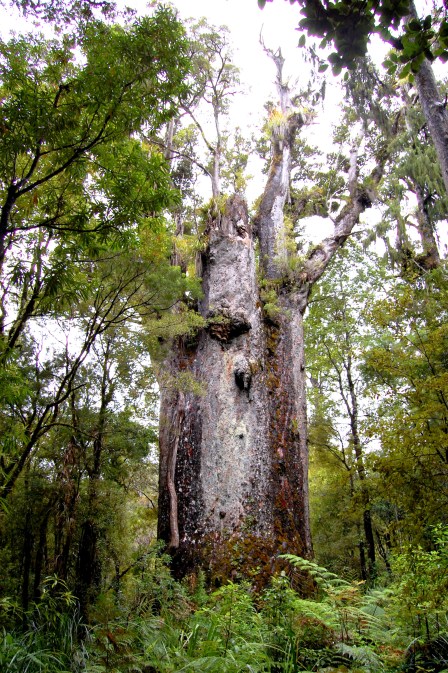
Te Matua Ngahere – Father of the forest, New Zeeland, North Island. Girth 16,41 m. Trunk volume 208,1 m. Total height 29,9 m. Trunk height 10,21 m. Kauri trees are among the biggest trees in the world, and they are endemic to NZ.

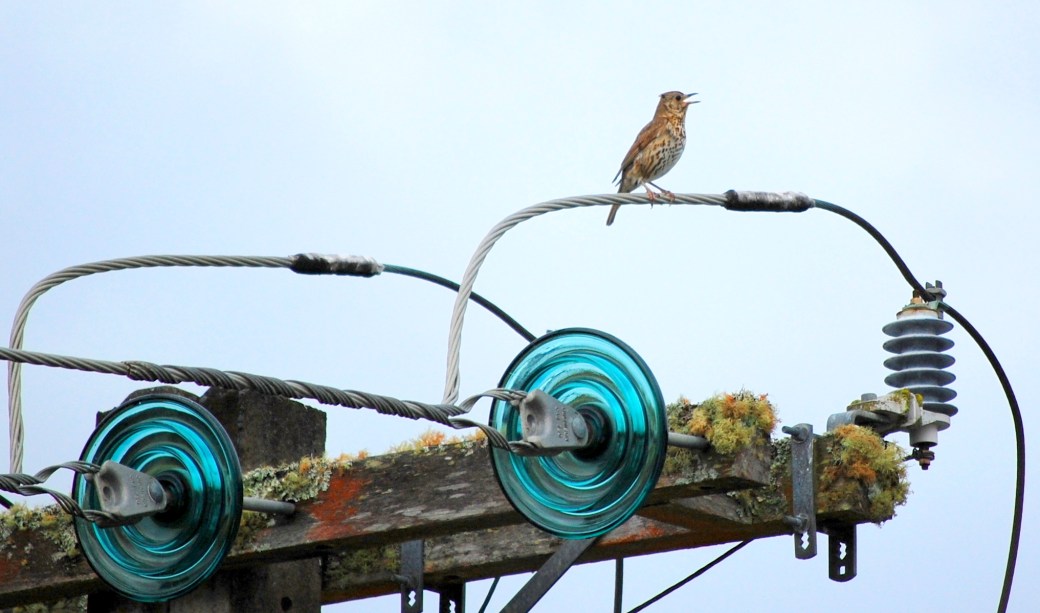
Morning concert! Thrush sitting outside my window, Lake Taupo, New Zeeland. North Island.

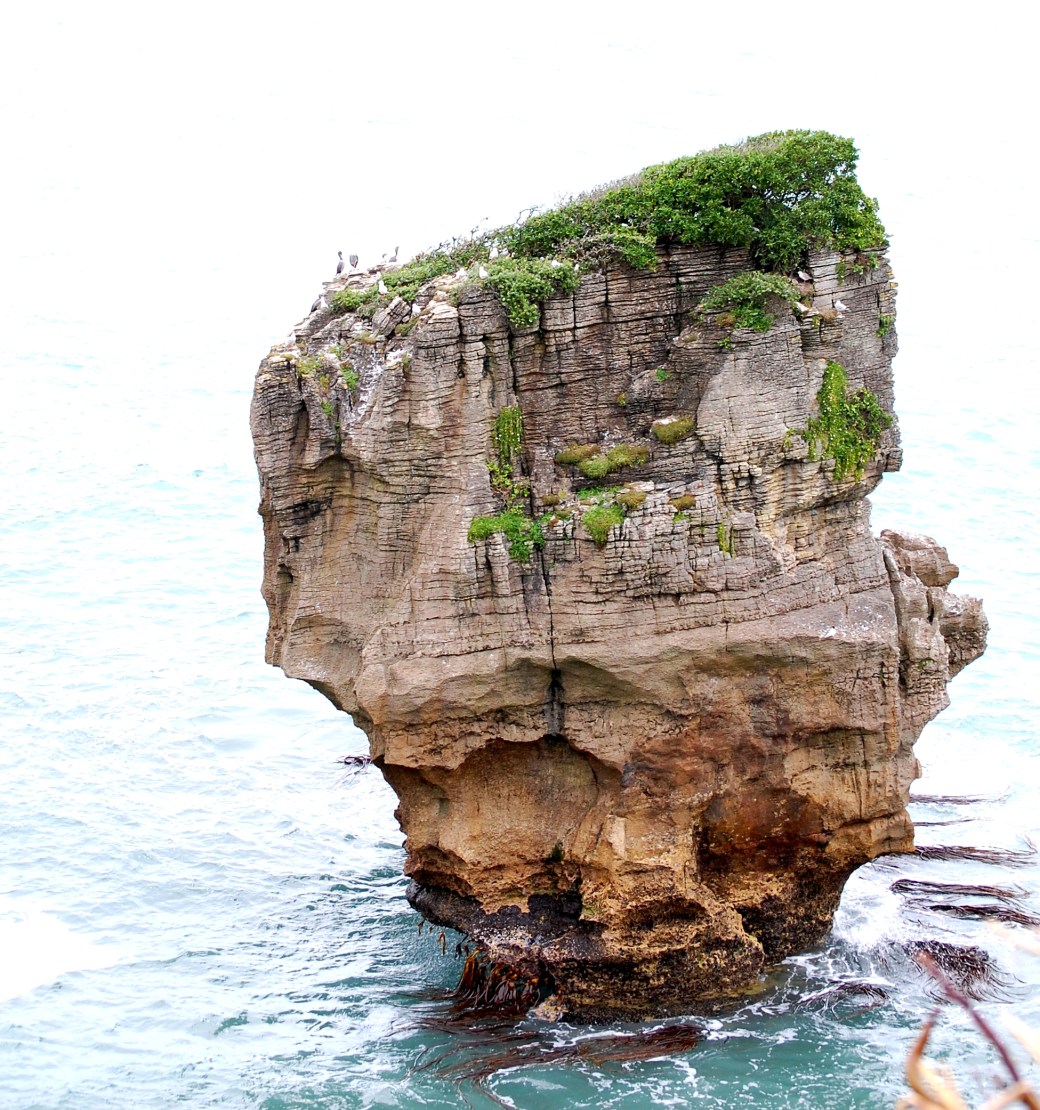
Solitary island of The Pancake cliffs off the west coast of New Zeeland, South Island.

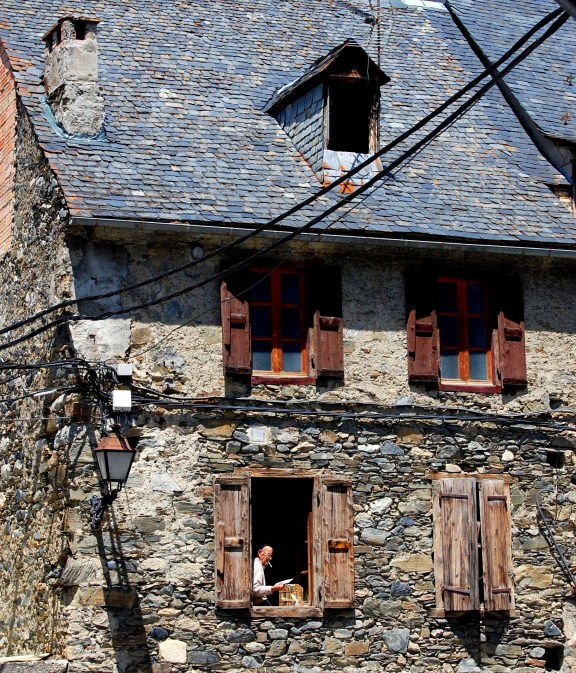
Man, reading and talking to his canary bird. Viela, The Pyrenees, Spain.

Resting by a mountain lake, The Pyrenees, Spain.

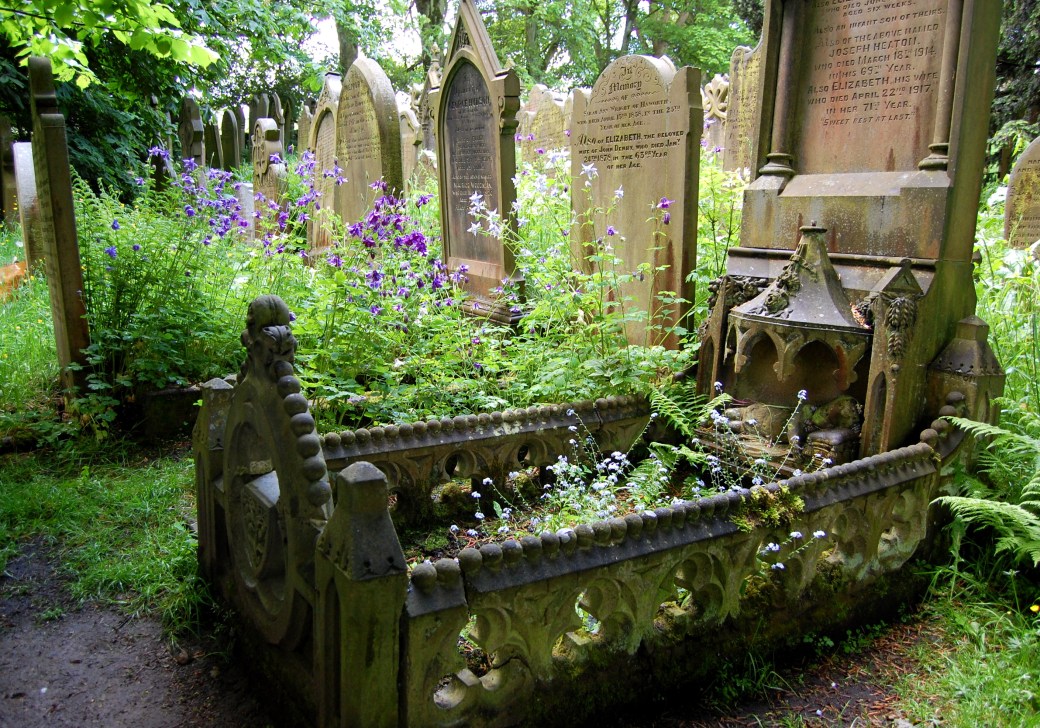
Graveyard where members of the Bronte family are buried. Yorkshire, England.

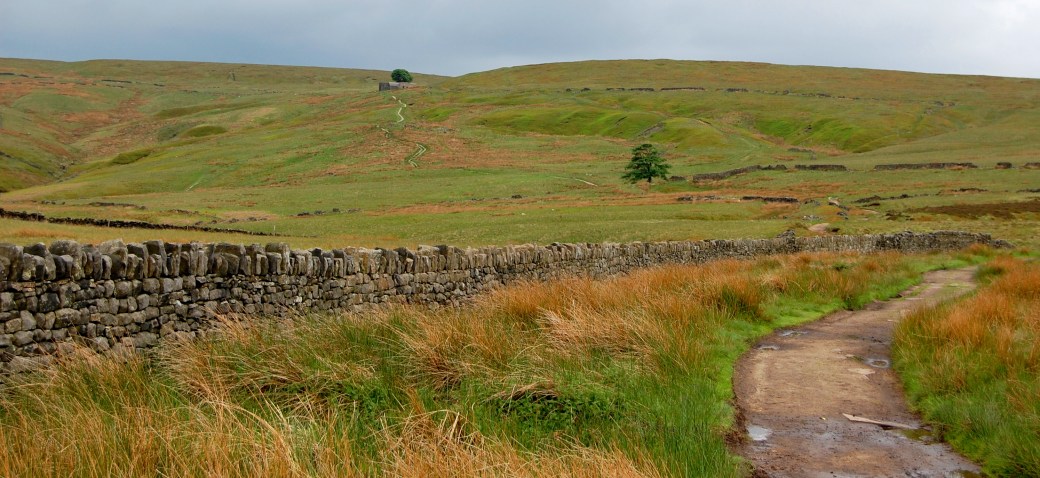
The long, winding road up to Top Withens, where the remains of the farm said to have inspired Emily Bronte´s ” Wuthering Heights” still stand. Yorkshire, England.

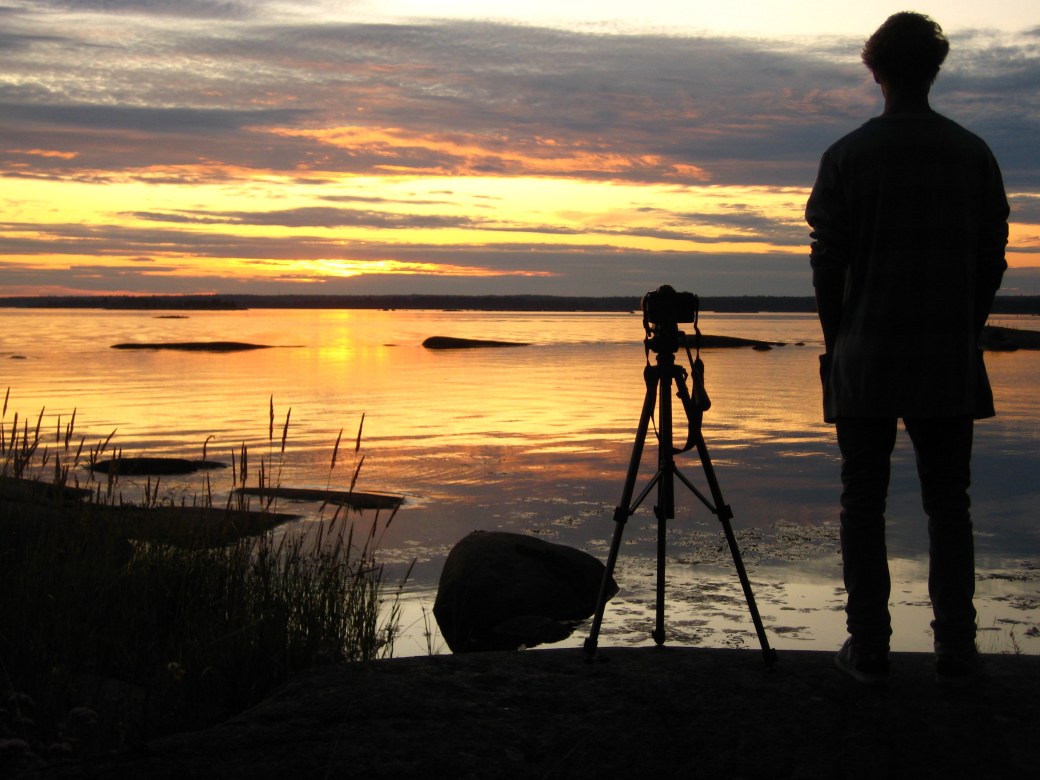
One of the last summer sunsets. Our summer house, Sweden.