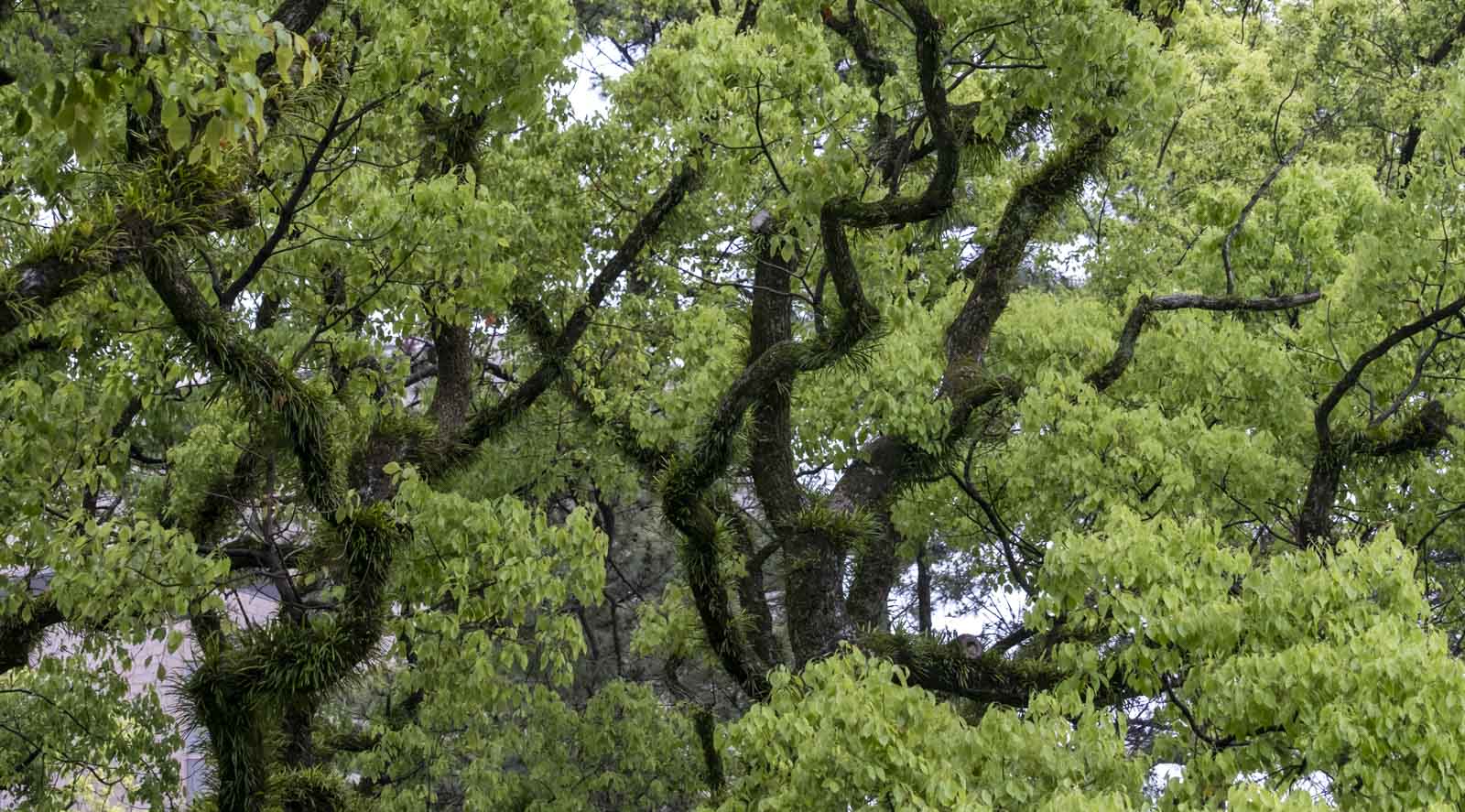
Silent Sunday
Anne is our host this week, and my choices for shorelines will all be the ones I have close to me, where I walk every year – or even every day.
Prize the natural spaces and shorelines most of all, because once they’re gone, with rare exceptions they’re gone forever.
– Richard Louv
Let’s start at our summerhouse – early mornings and evenings are always the most attractive times to go to the shore. For the light, for being alone, for…

My first choice is from an early morning paddle on the narrow canal up to the lake. Silent waters and the soft sound of munching horses. Peaceful and relaxing – I wish every morning could start like this.

By the sea, the light has many dimensions, so, only some minutes later…this view will not be the same. That, I find is the most fascinating thing with living by the sea.

The view from my window shows the little fishing harbour on the other side of the water. I never tire of looking at it – there is always a new colour, a new mood, a new feeling.
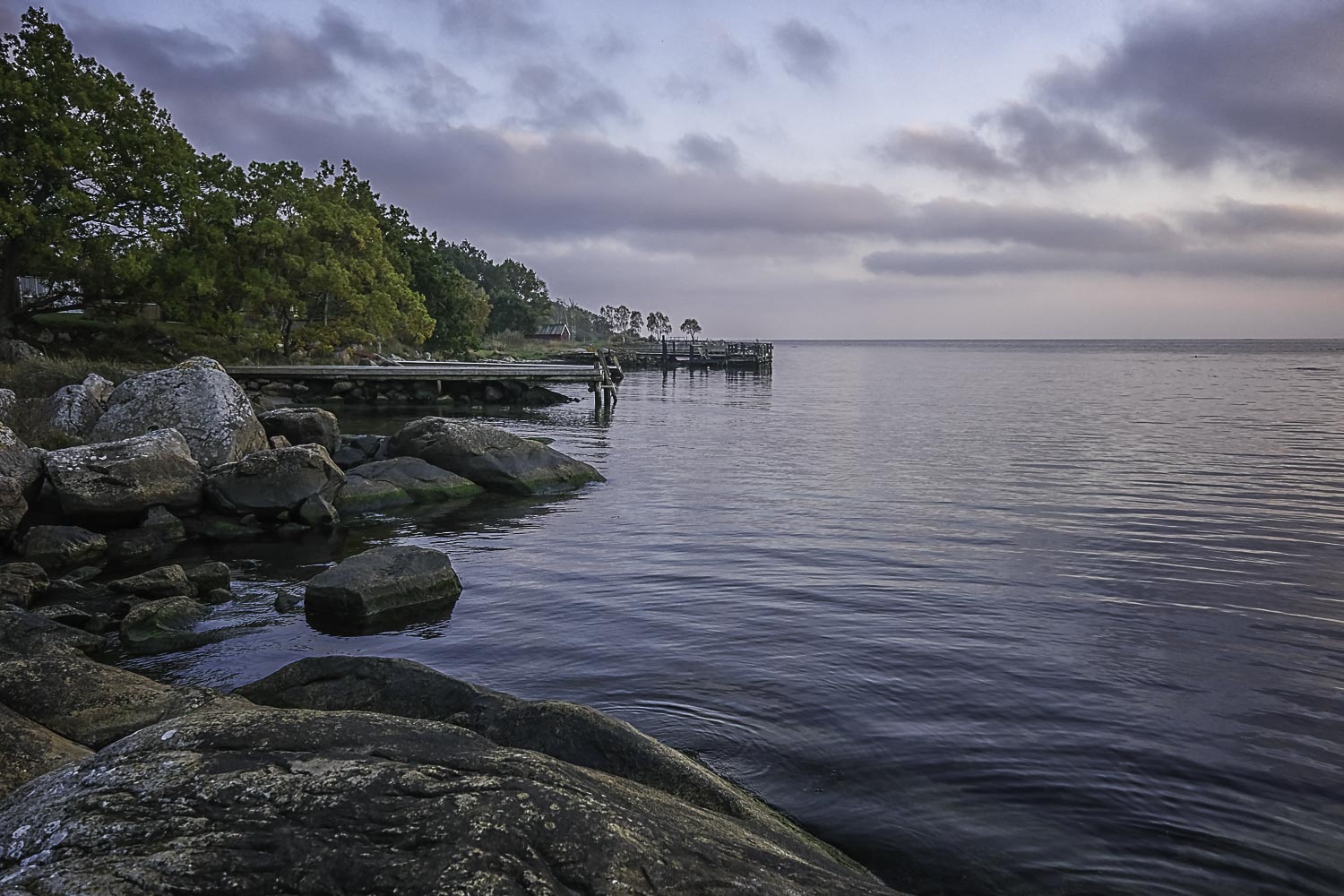
Standing at the very edge of the water, this is my view to the left: the Baltic Sea – Östersjön. Far over there, on the other side, lies Finland.
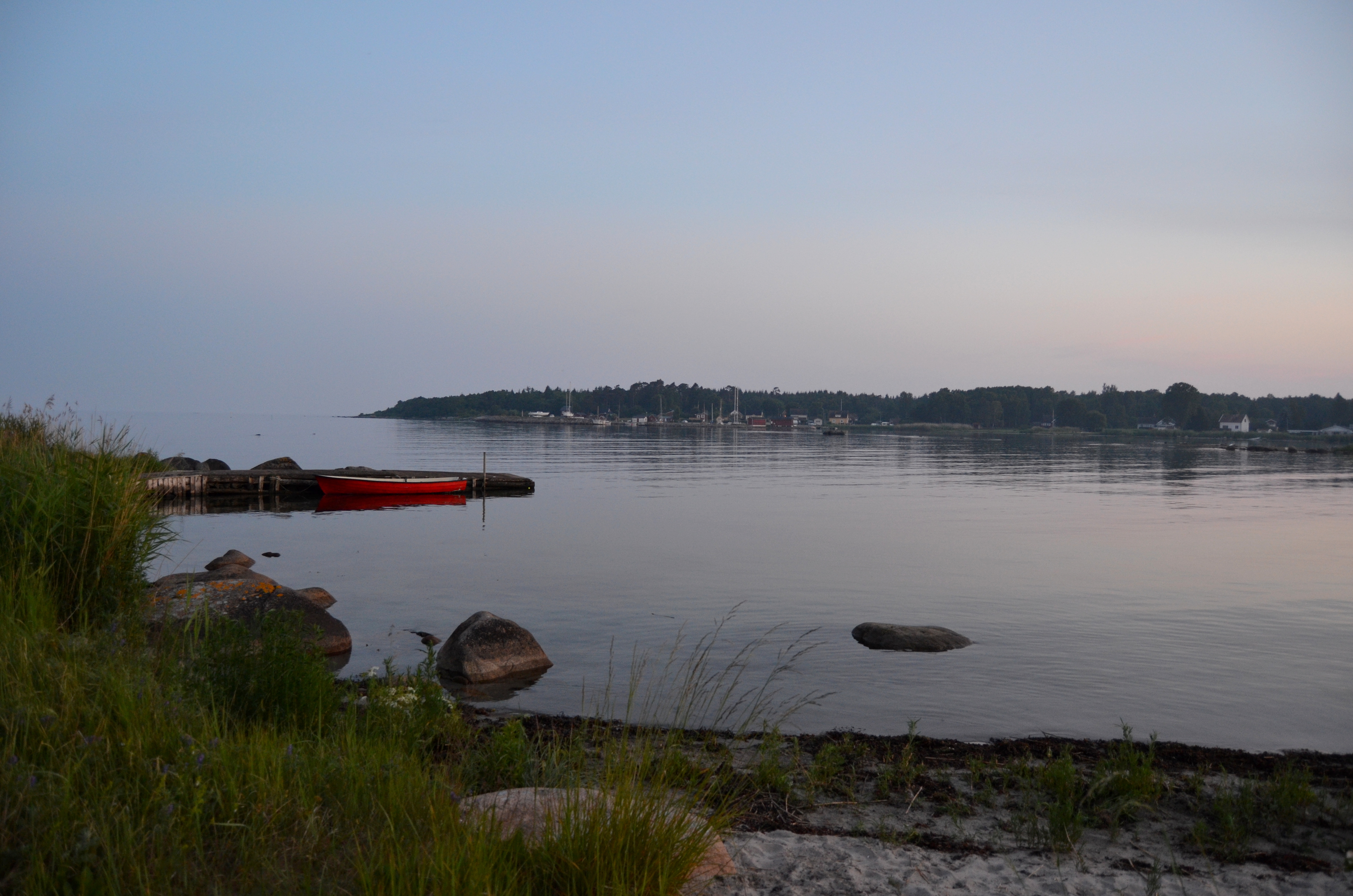
For many years, this little red boat was the sign that we had reached our part of the shore. I don’t know how many photos I have of this view, but they are many – I loved it. My children loved it too. But, as with everything in life, it must wither and die, and the red boat has been gone now for some years. But I have the photos – and our memories.
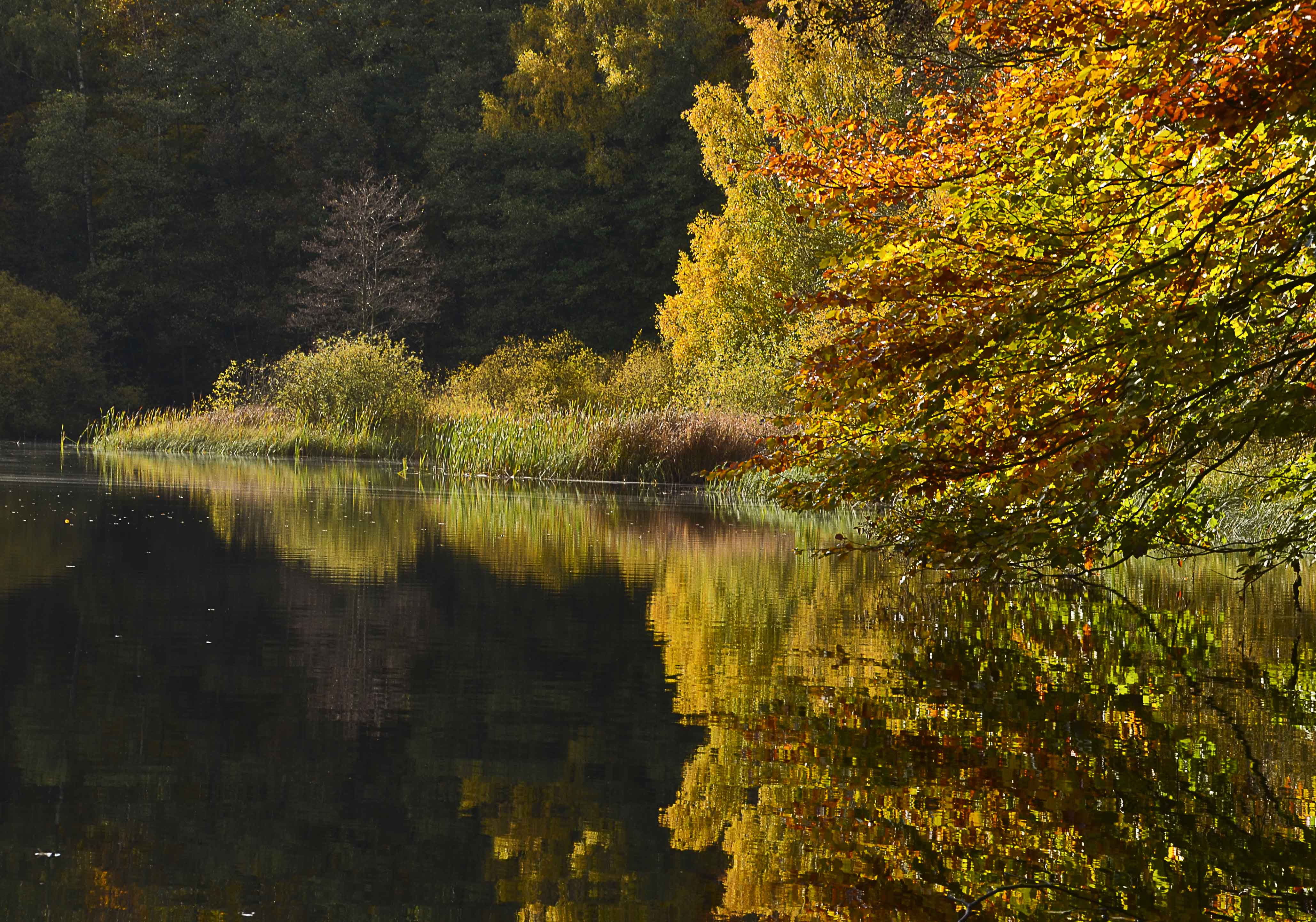
Now we will go closer to my home, and the shorelines here are no longer the sea, but small lakes, creeks, or ponds. The following two are in the same area – where I often walk. All seasons are beautiful here, but the golden autumnal scenery you see above, will soon no longer be there. Within a few months these waters will be drained – never to come back. A decision made by the authorities. We fought long and hard to keep it, but, unfortunately, in the end we lost.
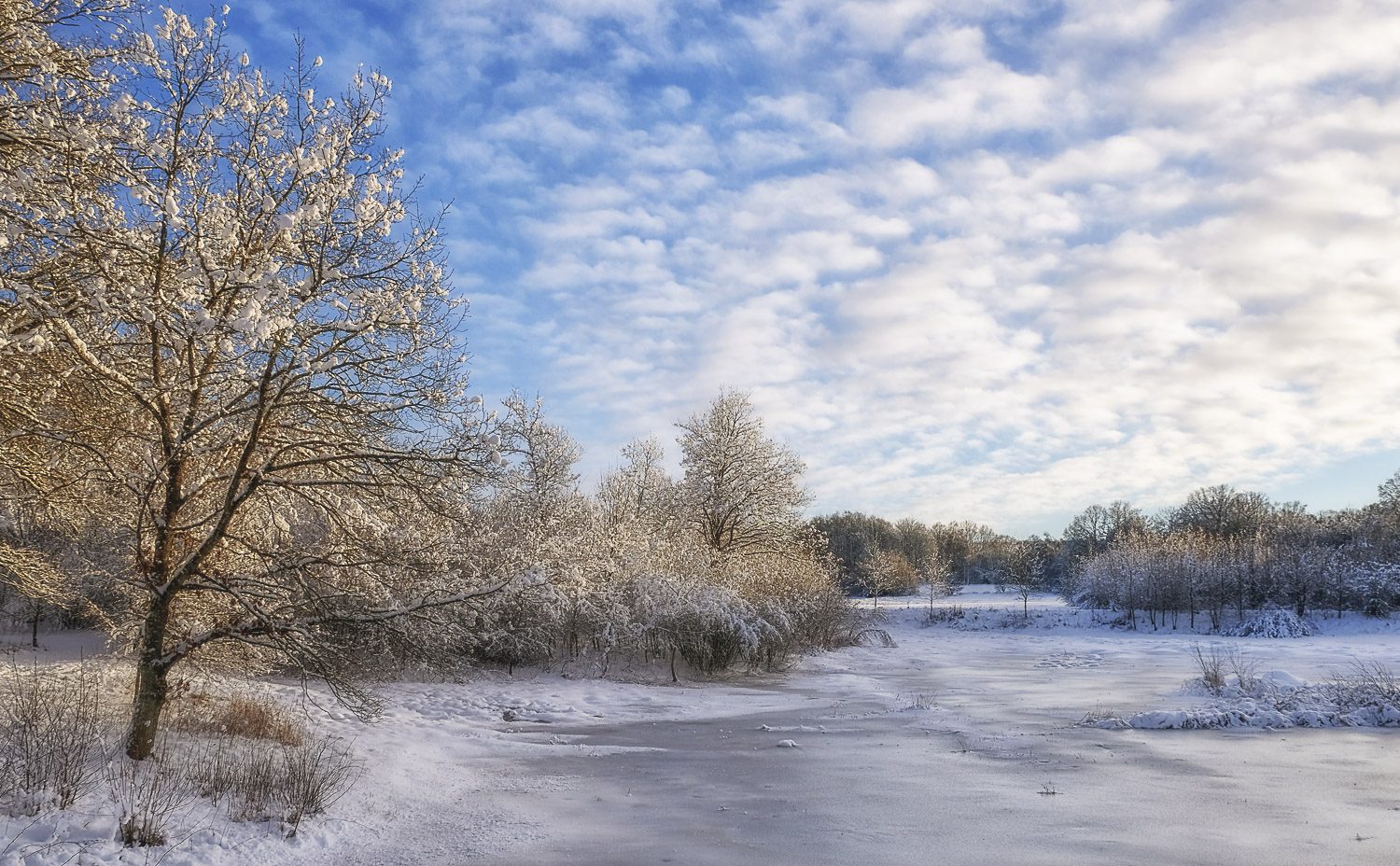
Winter in the same area, but this little pond will still be there in years to come.

Swedish people, and I guess Nordic people in general, have a special love for early Spring with its light blue sky and clear air. The little yellow dots you see between the trees are the first daffodils of the year.

Here we are even closer to my home – this is a walk I often do with Milo. Along these marshland shores grows many orchids and other rare plants.

I will end with ”my” forest where I walk every day – and this was an autumn walk with the last leaves still on the trees. Strangely enough some where bright green, as if Spring had sent a soothing whisper of brighter times to come: ”Don’t worry, I’ll be back”.
Please go to Anne for more inspiration, and when you post for this challenge, please link to her original post and use the Lens-Artists tag.
I greatly enjoyed seeing everyone’s cool colors last week. Thank you, John, for a splendid challenge! Next week Ritva will be our host. Please look for her post next Saturday. Until then, enjoy your week, take lots of pictures and be kind to yourself and others.
May I treat you to another gallery of beauties – cannot resist…
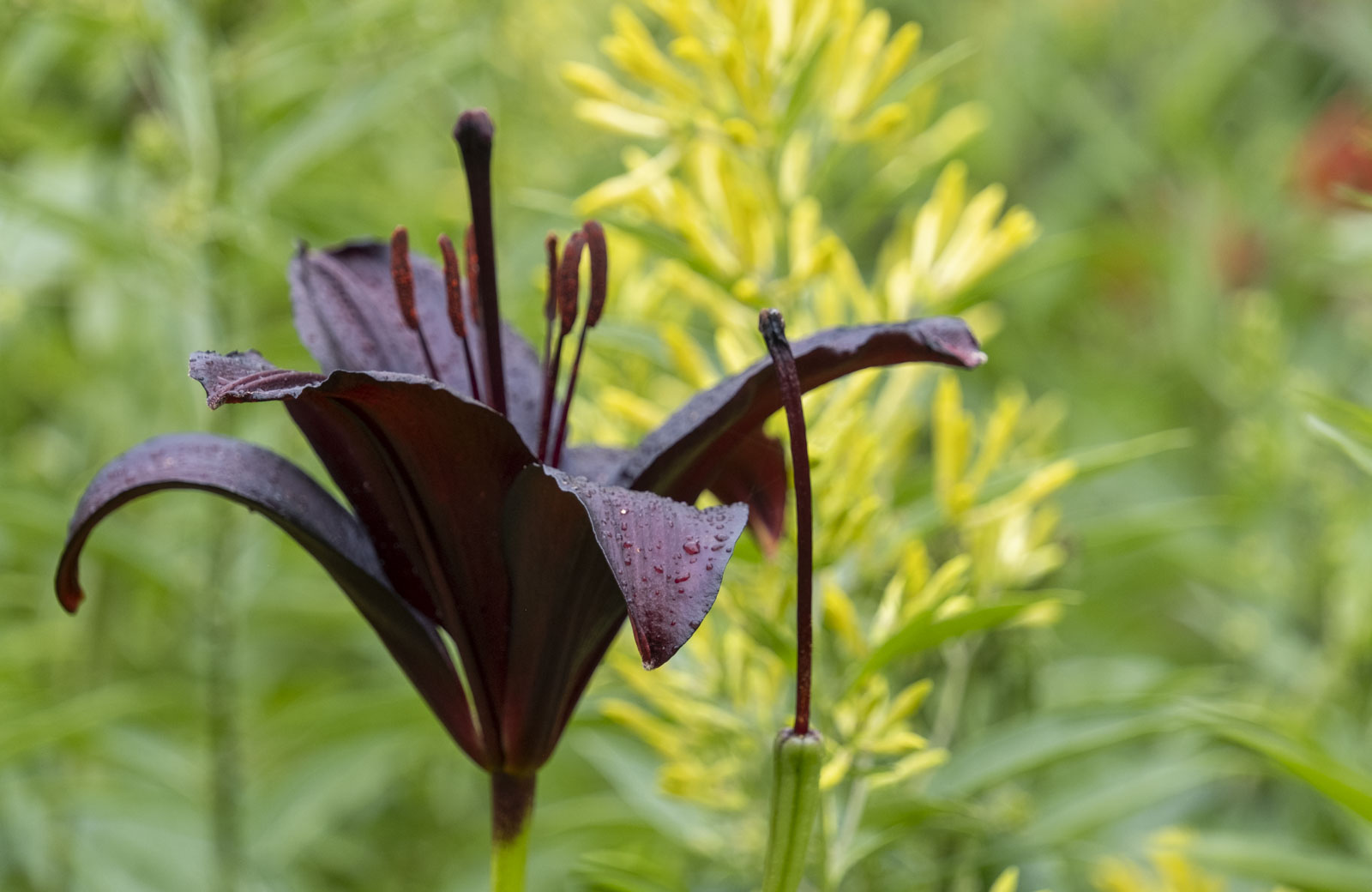
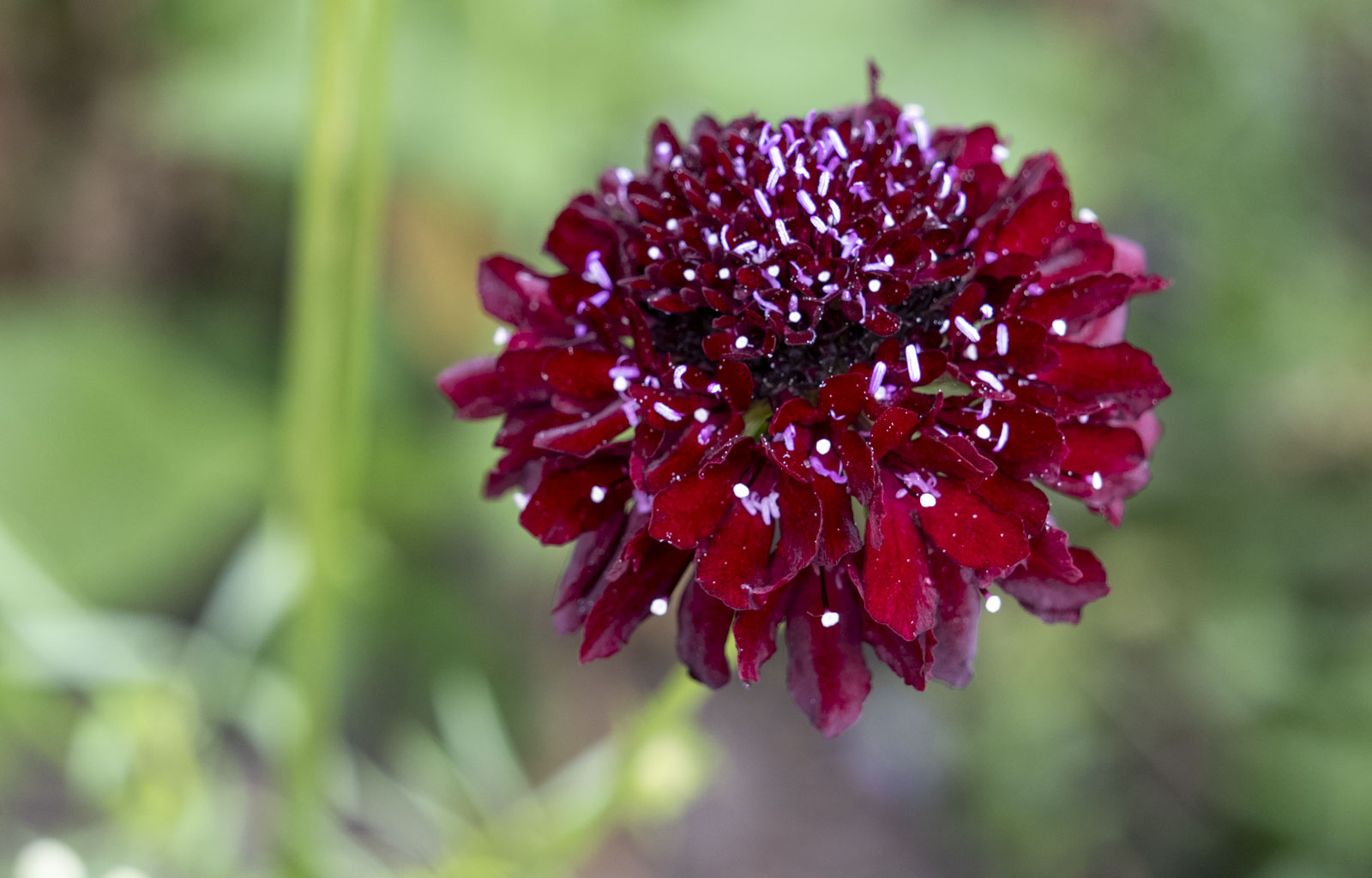


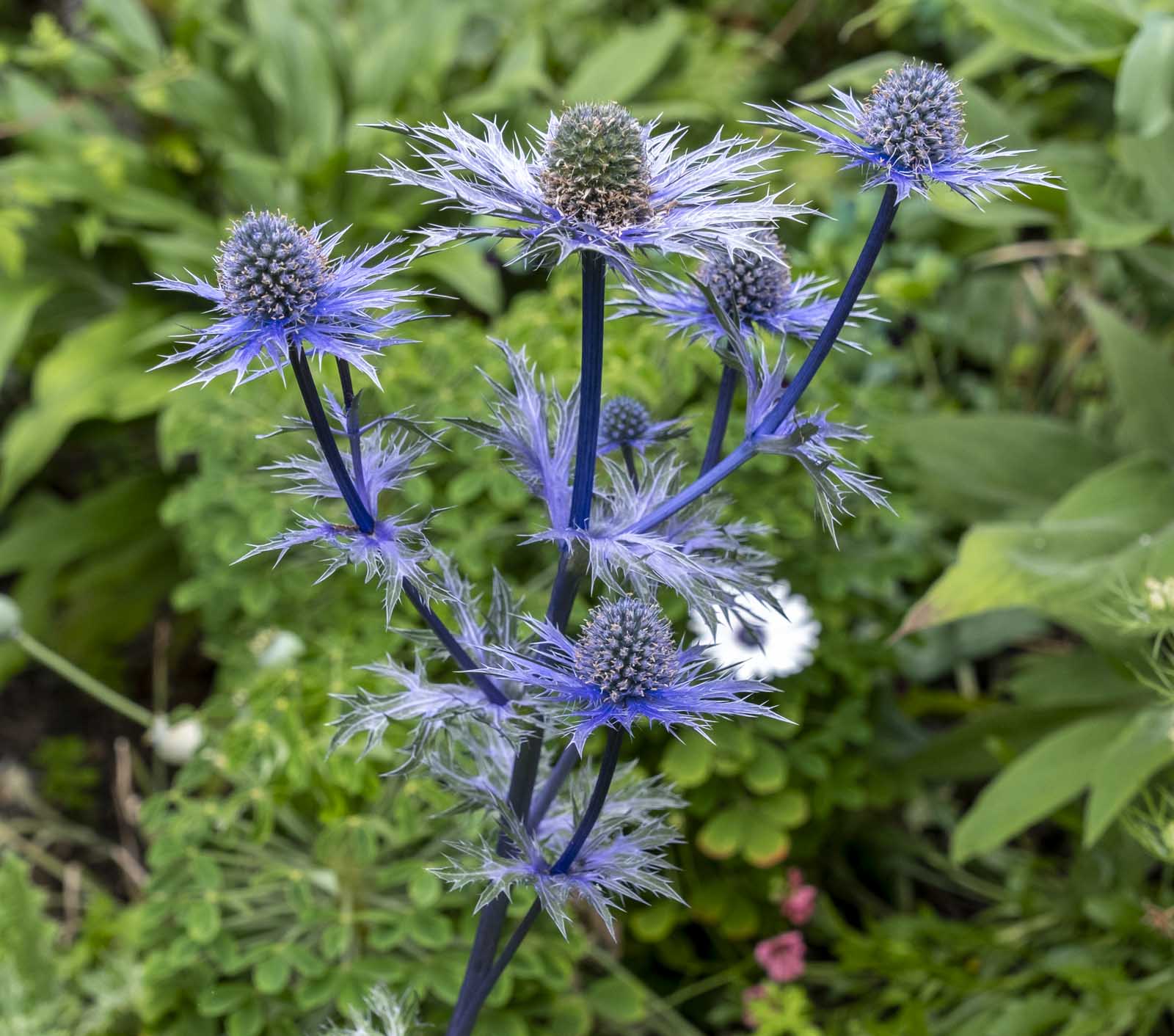
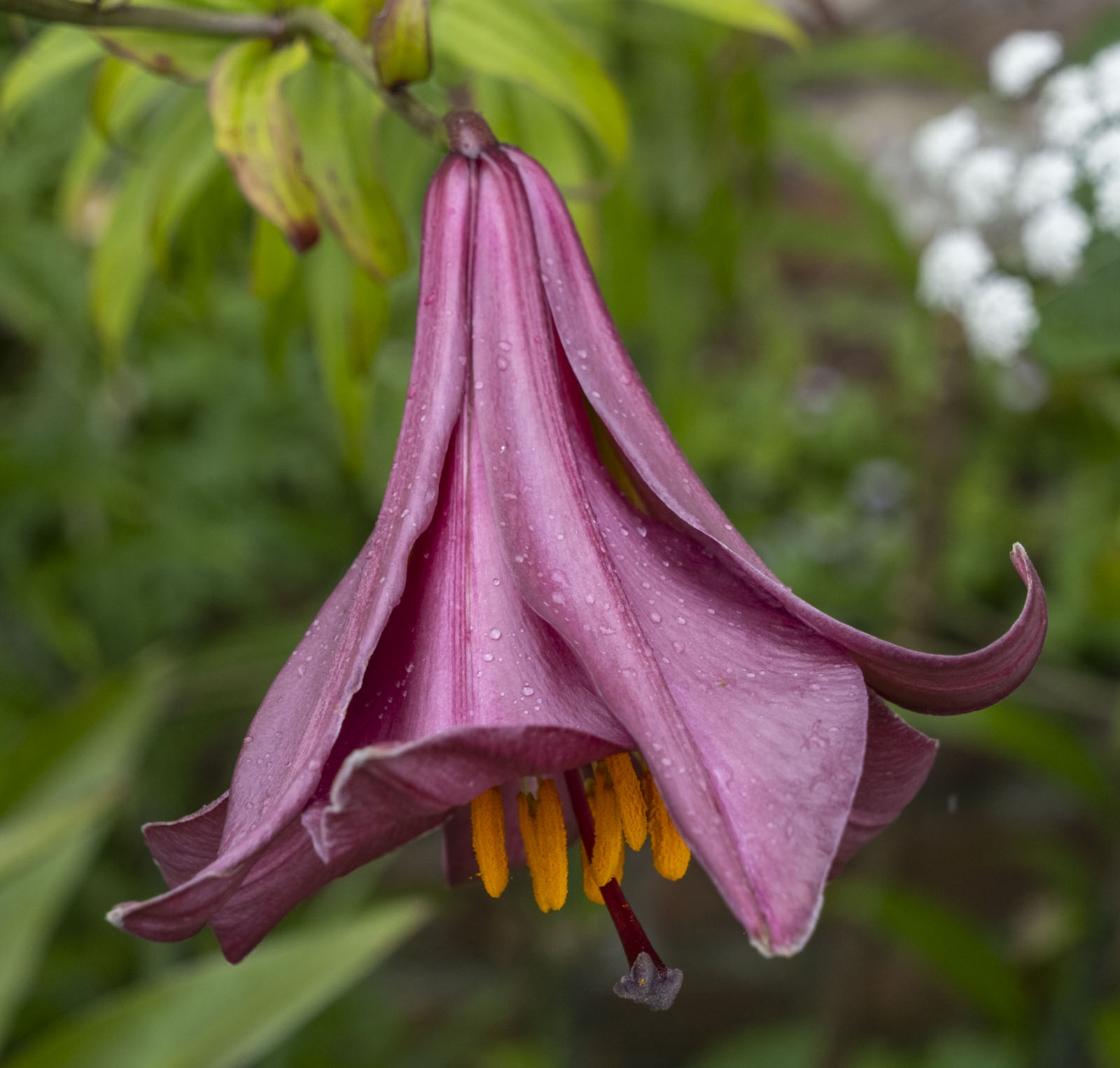

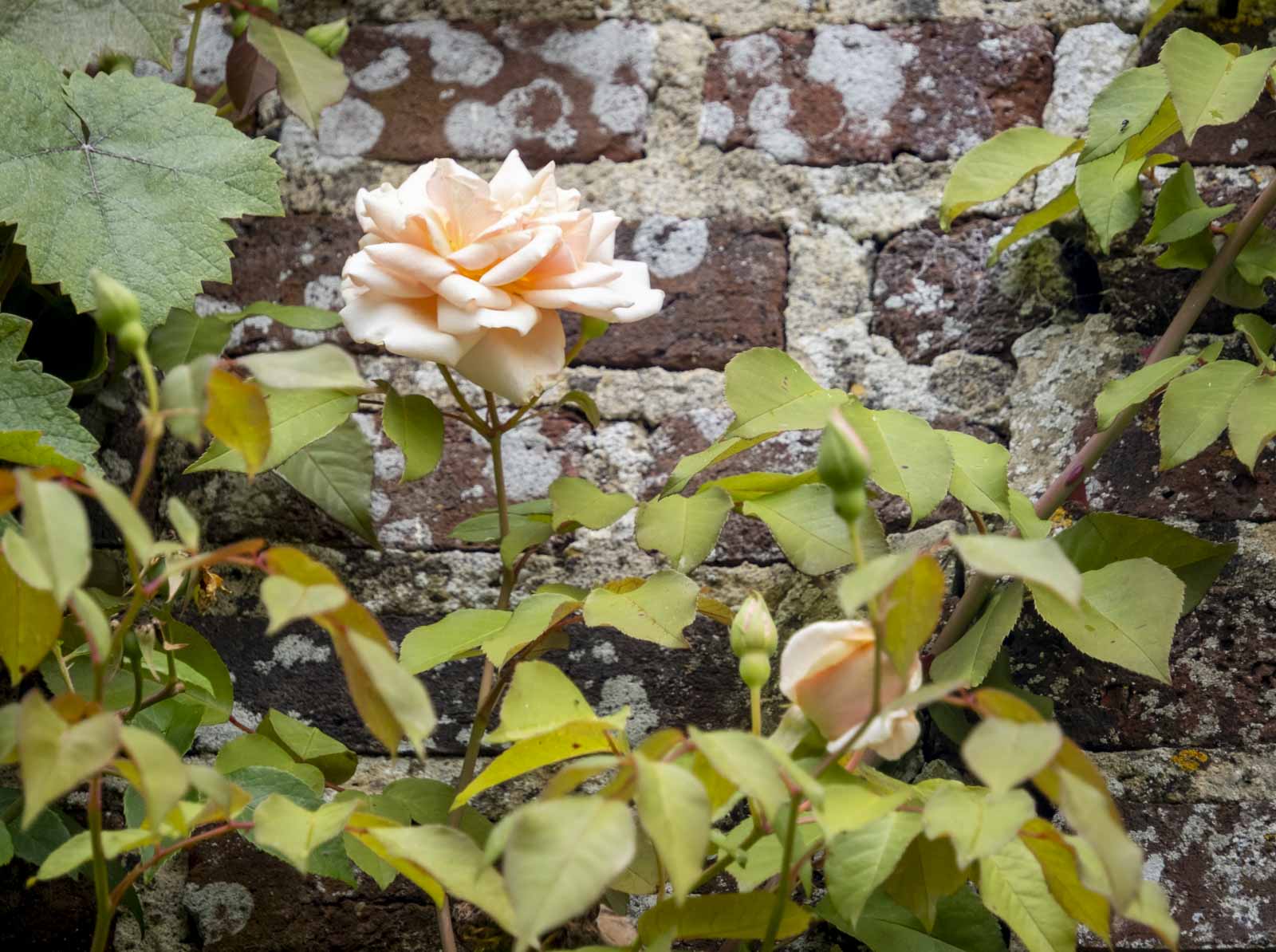
Another of the many lovely lilies to finish the Thursday!

John is our host this week, and he wants us to concentrate on Cool Colours. Please visit his inspirational site for more about the challenge!
Cool colors have shorter wavelengths than warm colors (red, orange, yellow) and Merriam-Webster’s online dictionary defines ”cool” in seven ways. For this challenge, John has concentrated on hues in the range violet through blue to green, and I decided to stay with those hues too.

Going through my archives, I found an all time favourite image that has it all – cool colours from violet through blue and green. It is photographed in Lofoten, Norway. A magical place on this planet that has it all, in every respect.

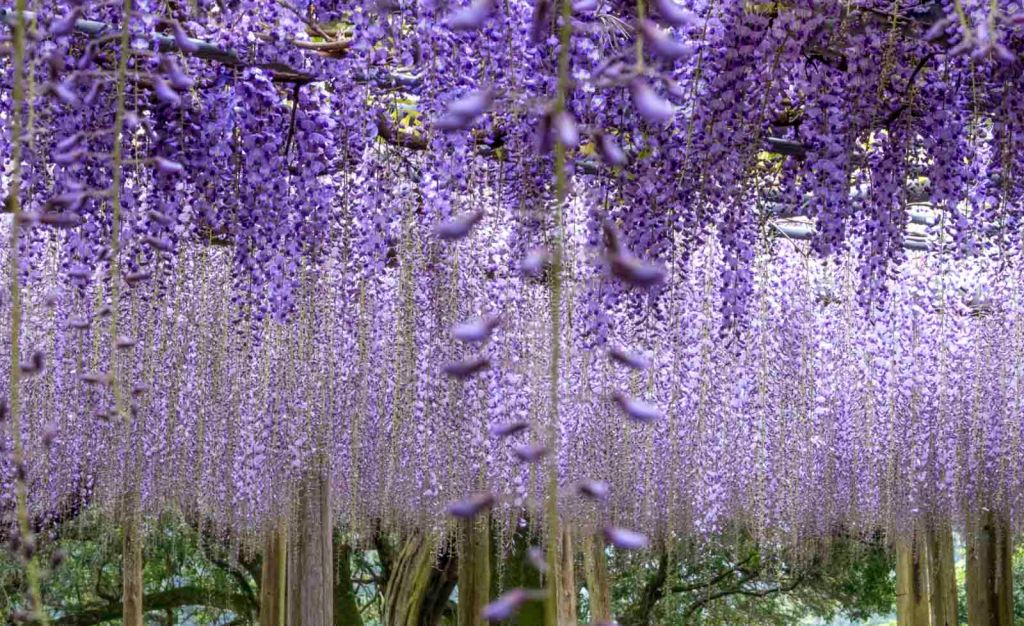
A violet evening in Nice is indeed a soft and velvety dream. A gallery from Japan and the Wistera bloom in April adds to the fact that violet is named after the flower with the same name.
Violet is considered a creative colour and associated with energies and mindfulness, it represents the future, imagination and dreams. It is also one of my favourite colours.


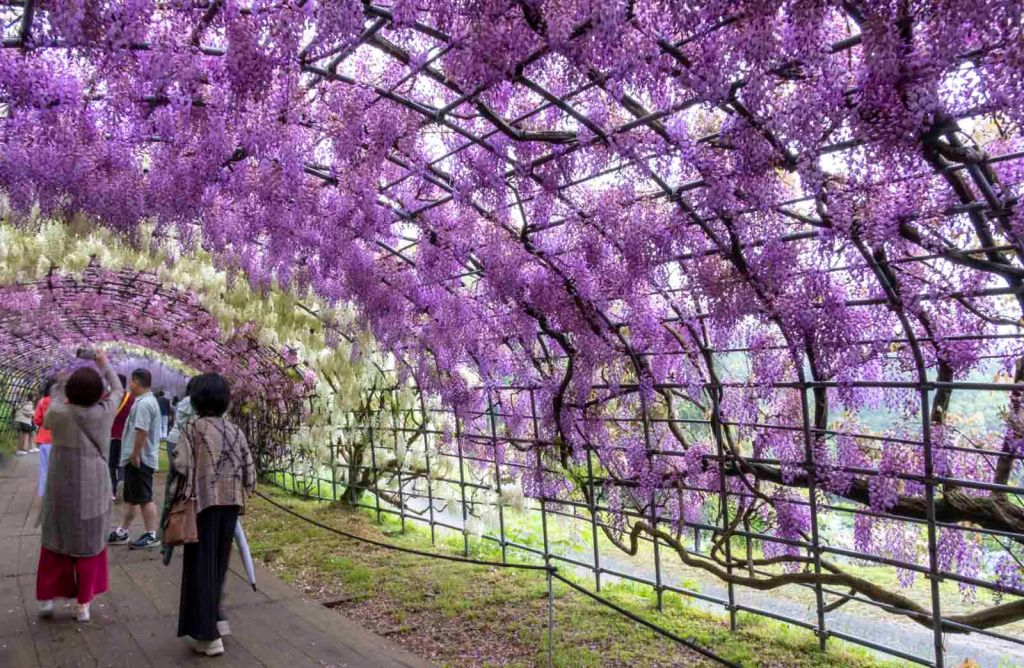
Blue usually stands for serenity, stability, inspiration and wisdom – a calming colour. Personally, I never wear blue – except for jeans. But I love it in nature – the sky and the sea. Especially in summer mornings and late evenings.

I often walk along the sea at our summer house – and this was a magical night in June some years ago. A warm breeze and slow waves aganst the shore.
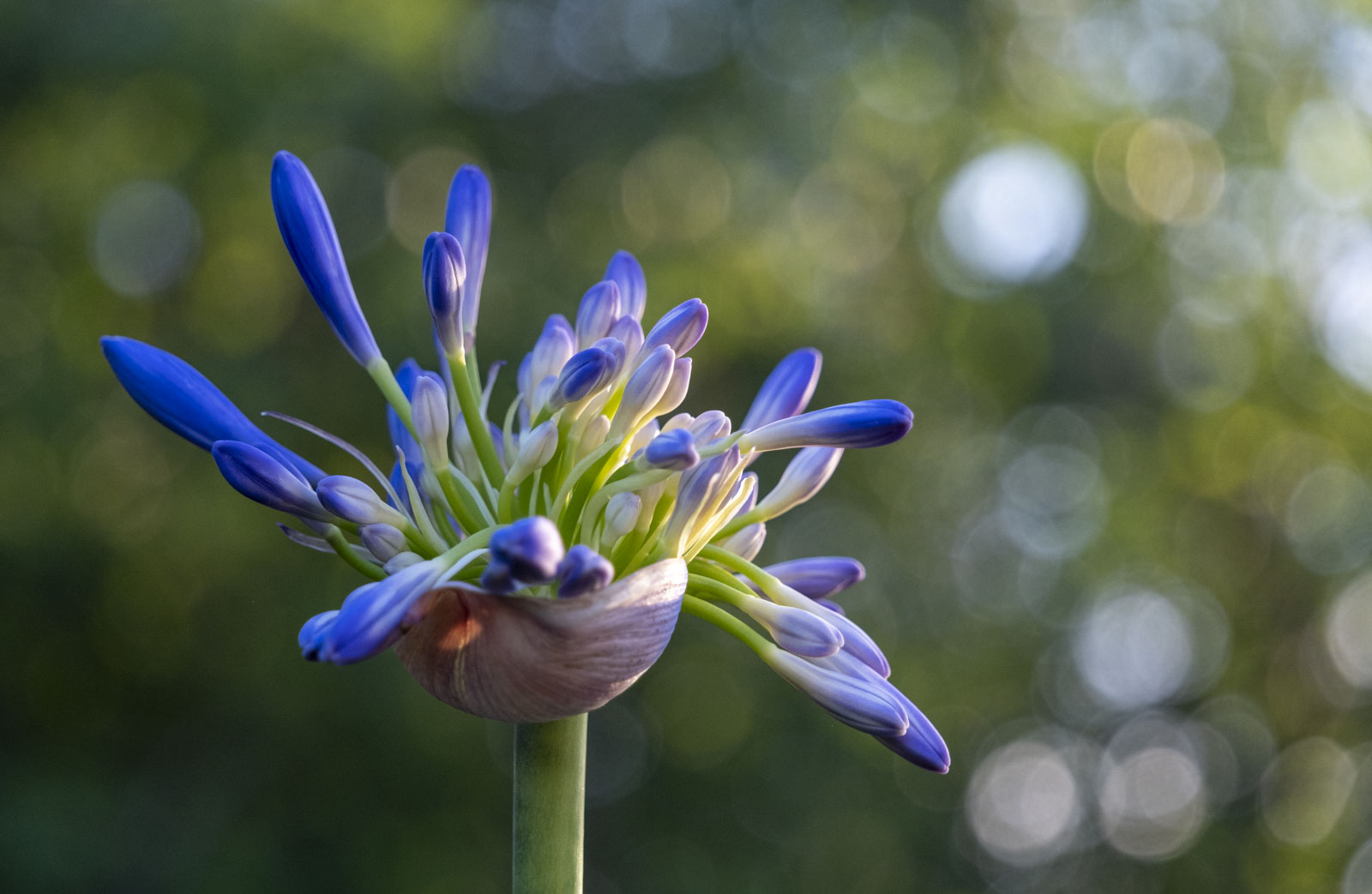
Of course we must have some flowers too – and this Agapanthus is from my own garden. Blue and green in the setting sun made the flower glow a bit warmer, leaning towards the last rays.
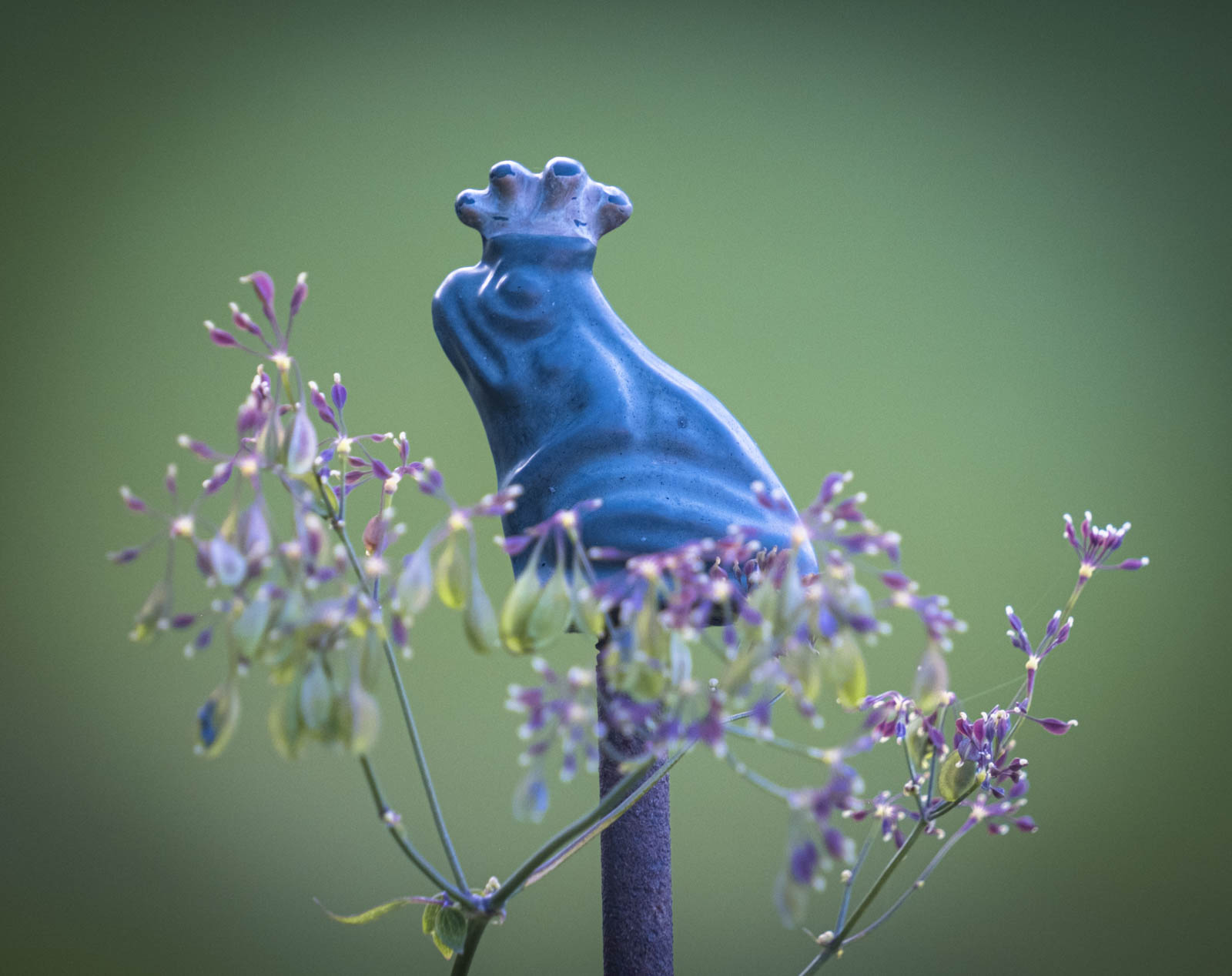
Finally, peeping over my neighbours fence, I see the blue King Frog sitting in his violet flower parasol, enveloped in a green cloak. Now we have all the cool colours in one single picture again.
Green was my last colour, and a favourite one as well. It represents growth, harmony, fertility and freshness. It is restful and relaxing to the eye – cool – due to its spectral wavelength. I sleep in a green bedroom because of this – and it works well.
A big thank you to Sofia, for hosting last week’s Sense of Scale – an interesting and eye opening challenge. So many great examples that never had crossed my mind! Next week, Anne will be our host. Be sure to follow her here so you don’t miss out on it.
Want to join in and don’t know how? Here are the details.
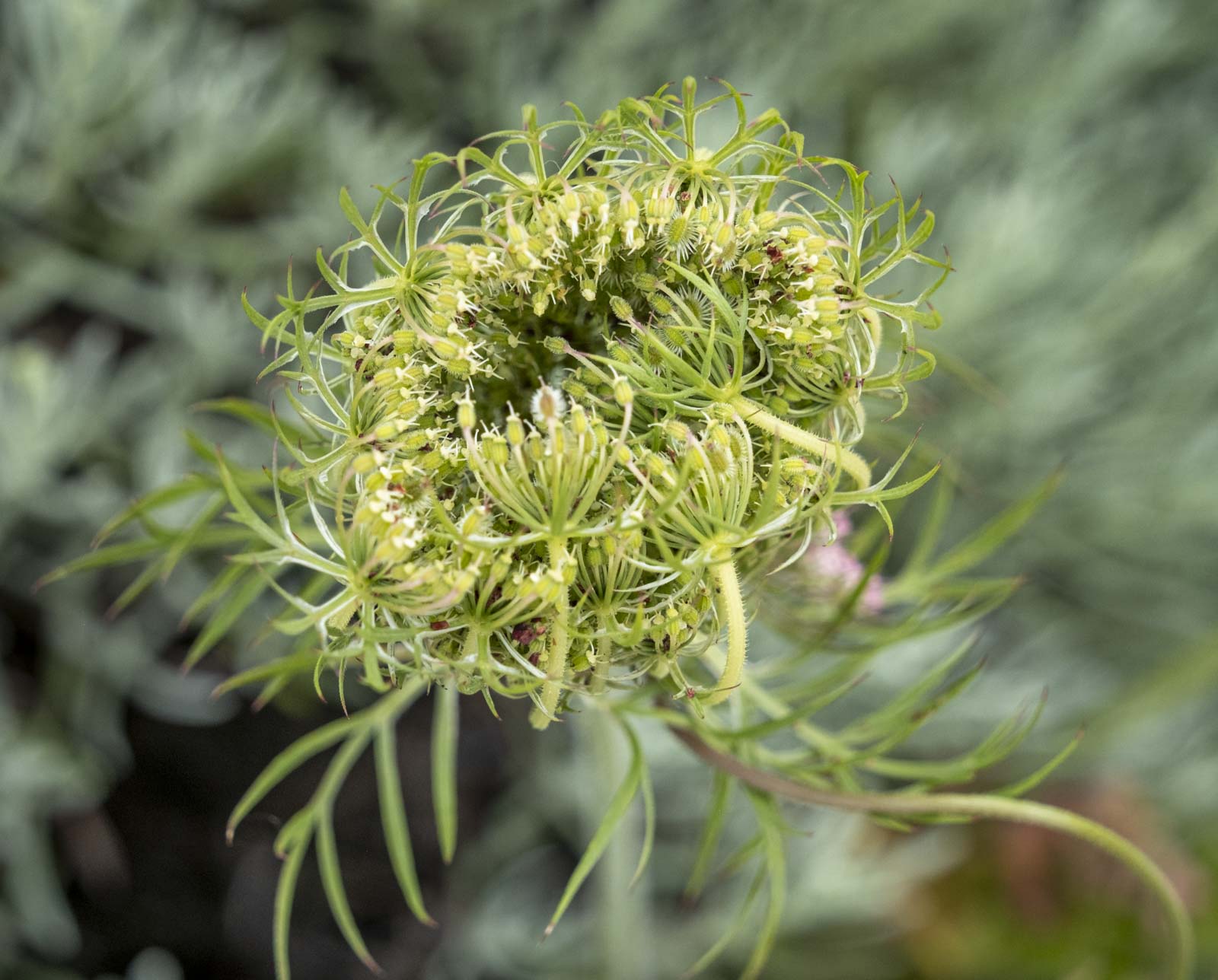

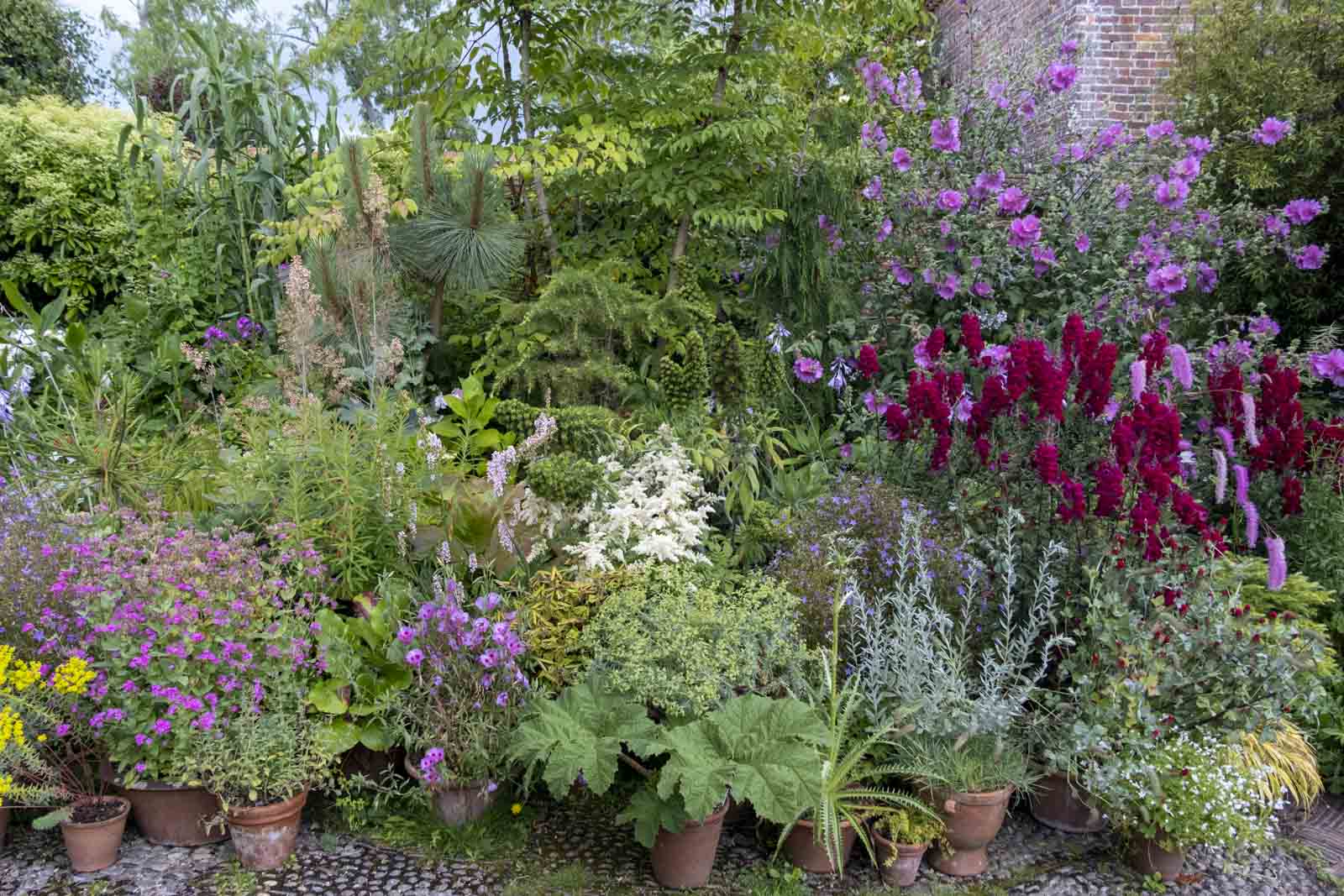
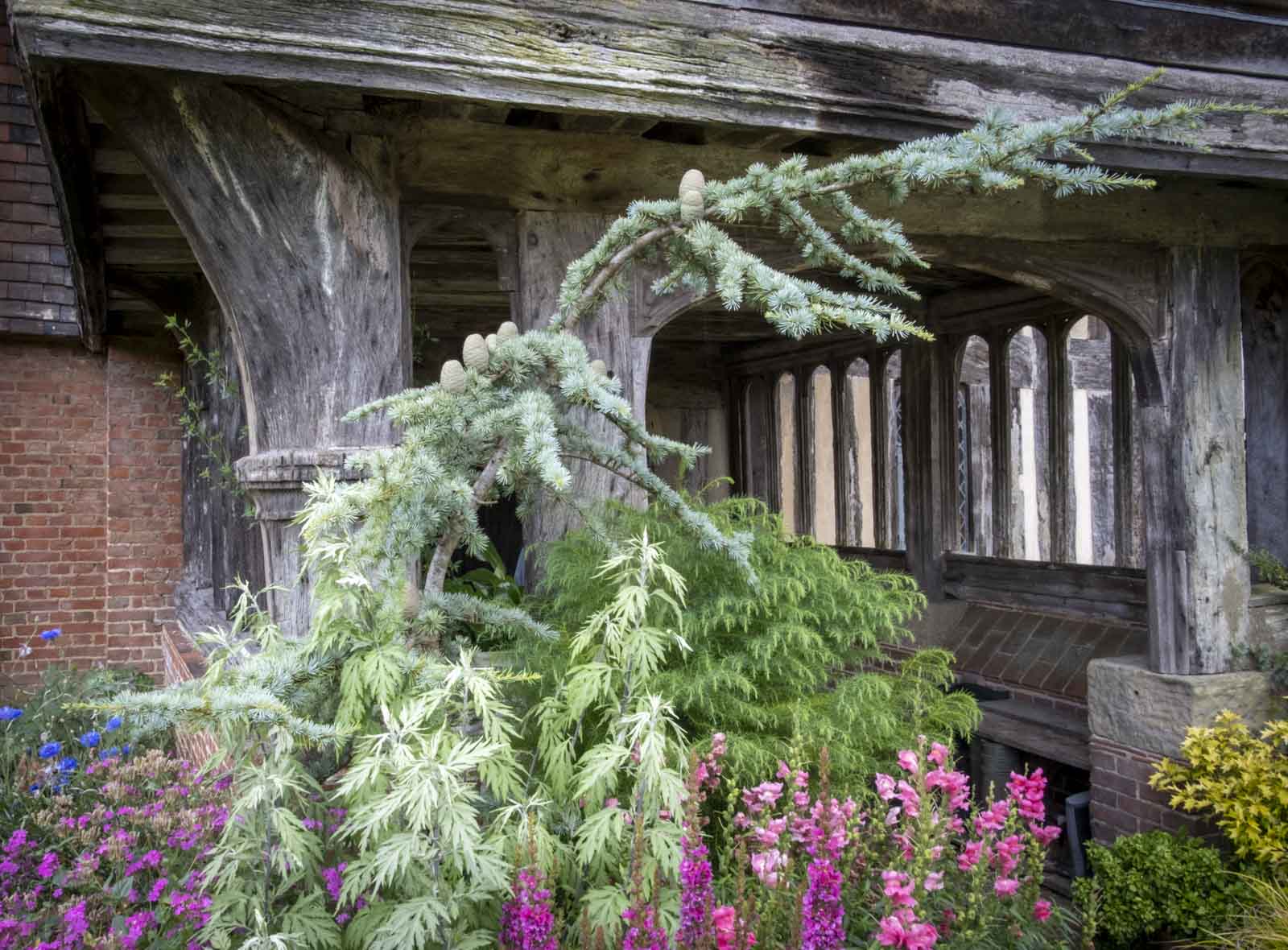
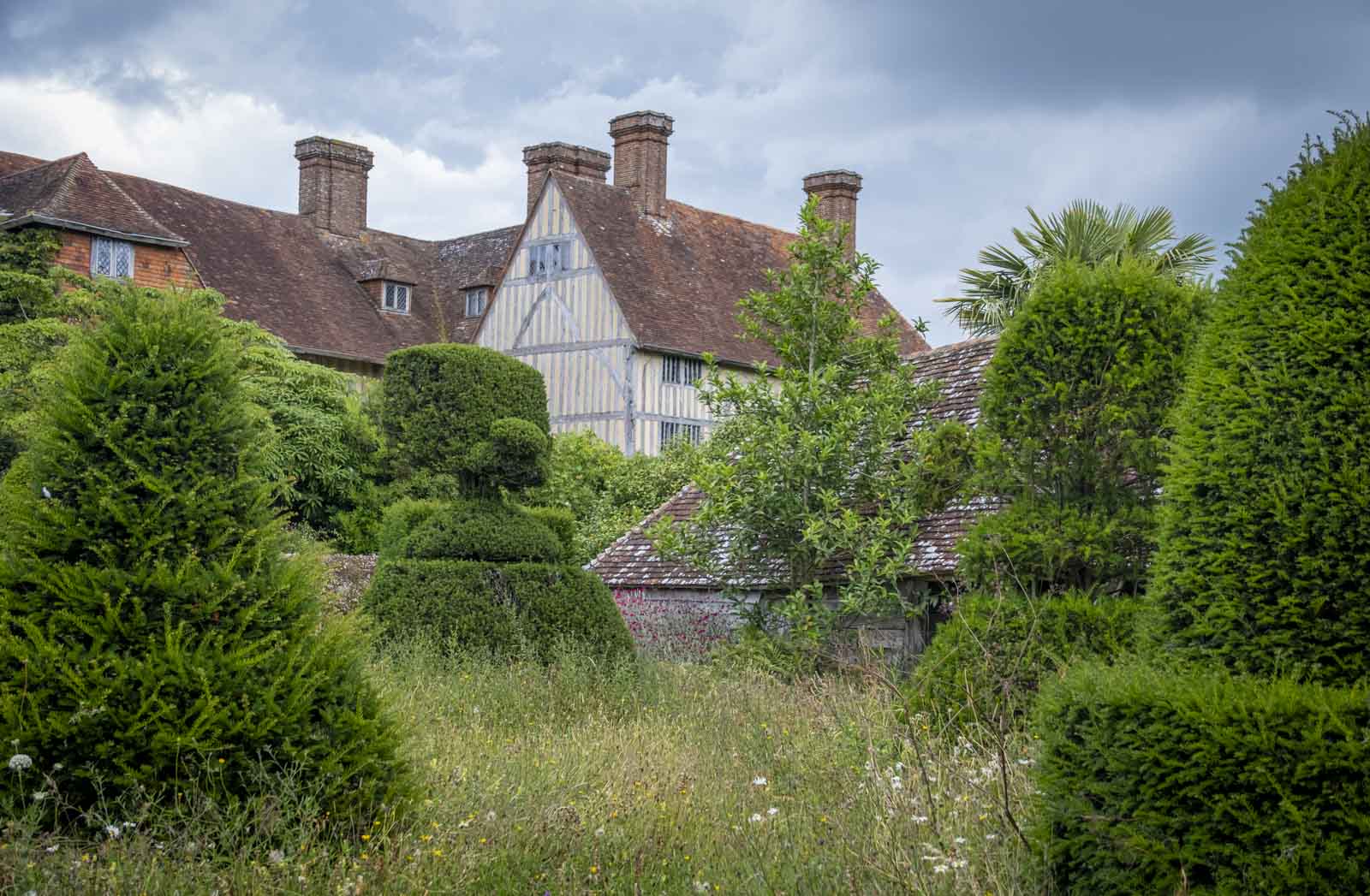
When we left Sissinghurst that day, I wondered how any garden would be able to match it. But, Great Dixter did. Great Dixter is a house in Northiam, East Sussex, England. It was built in 1910–12 by architect Edwin Lutyens. The original Northiam house, dating from the mid-15th century, was acquired by a businessman named Nathaniel Lloyd in 1909.
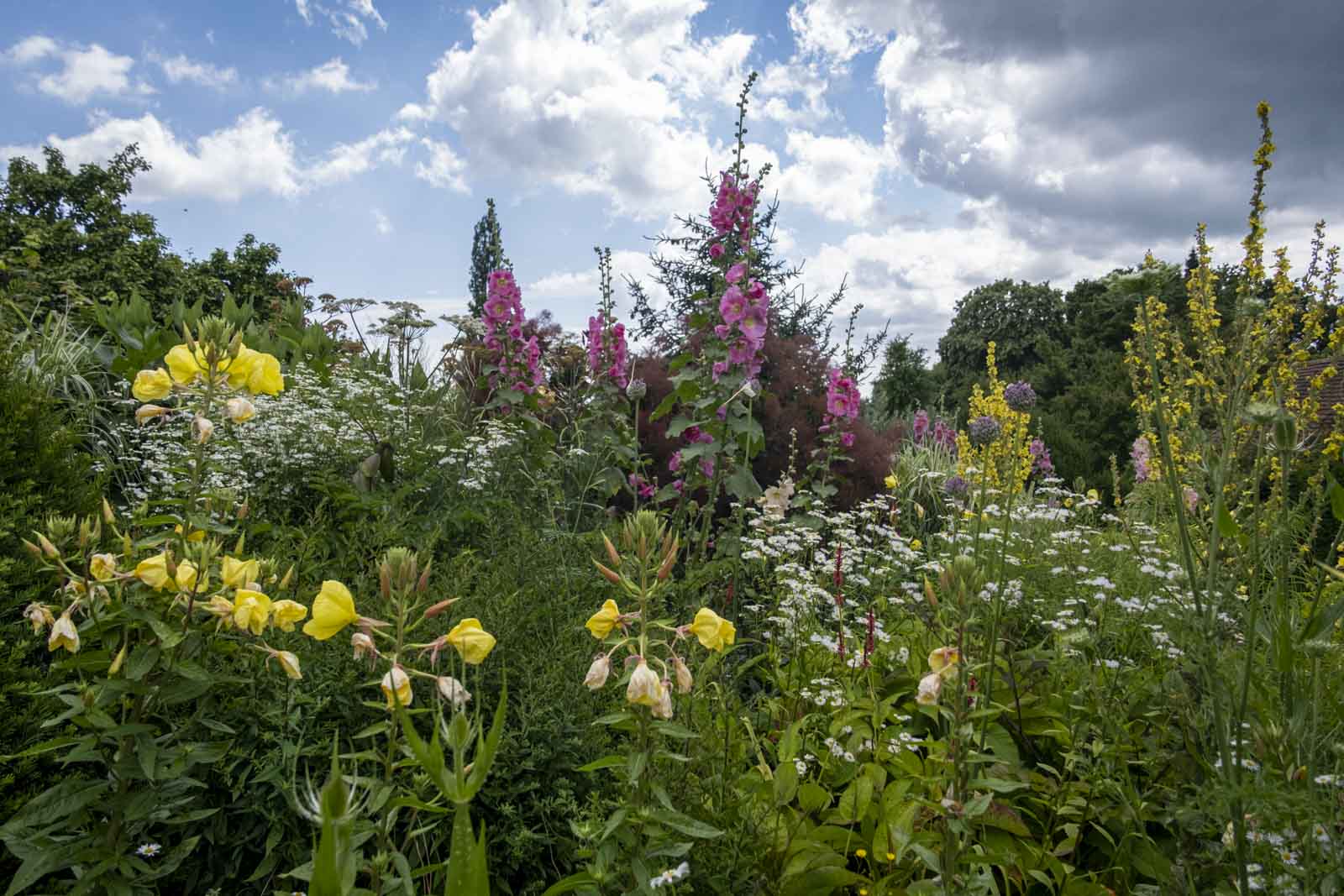
Lloyd and Lutyens began the garden at Great Dixter, but it was Lloyd’s son Christopher Lloyd, a well known garden writer and television personality, who made it famous. The garden is in the arts and crafts style, where the planting is profuse, yet structured, and has featured many bold experiments of form, colour and combination.
The garden is currently managed by Fergus Garrett, who worked closely with Lloyd up until his death in 2006 as Head Gardener and introduced a number of innovations into the planting scheme.
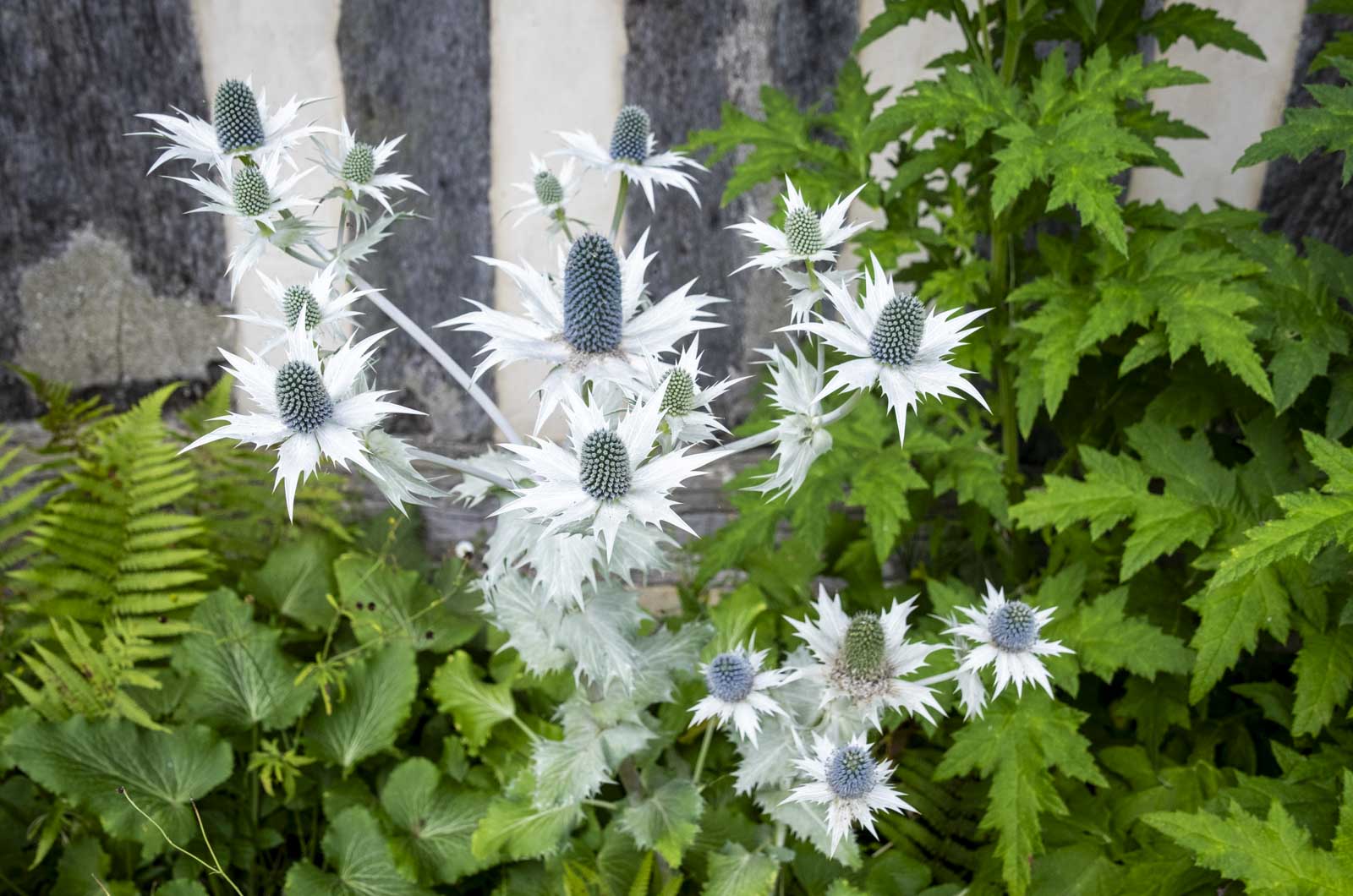
I hope you enjoy the variety of this garden in my short gallery! For species and other facts, please visit Jude again!

I am sorry to say I haven’t even tried to find the names of all the flowers, but, Jude will know.

They are all glorious. The house and gardens are my number one from this week.





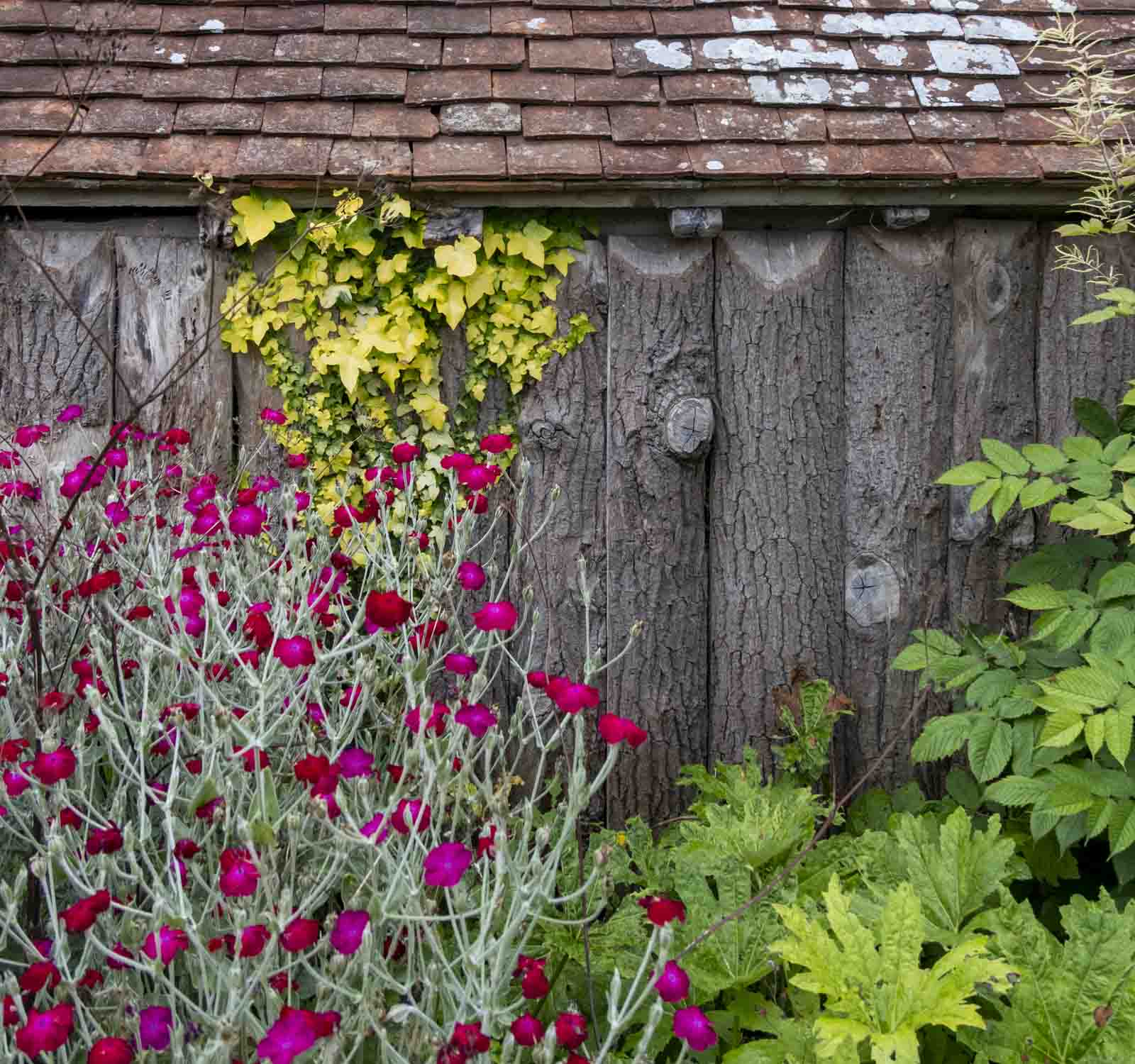

There will still be more gardens to come…


 Leya
Leya 
Du måste vara inloggad för att kunna skicka en kommentar.