Lens-Artists Challenge #174 – Shapes and Designs

Patti‘s challenge this week makes us look for shapes and designs. I often look at the likeness between nature and our human creations. If we manage well, the results might be harmonious shapes and beautiful designs. But as Salvador Dalí stated –
Have no fear of perfection – you´ll never reach it.

I believe even if we don’t try hard to, we unintentionally design some of our art and constructions with nature as the model. Just look at these pairs of images.

Above a gigantic lamp at the Kosta Boda Art Hotel – and Miss Willmott’s Ghost.

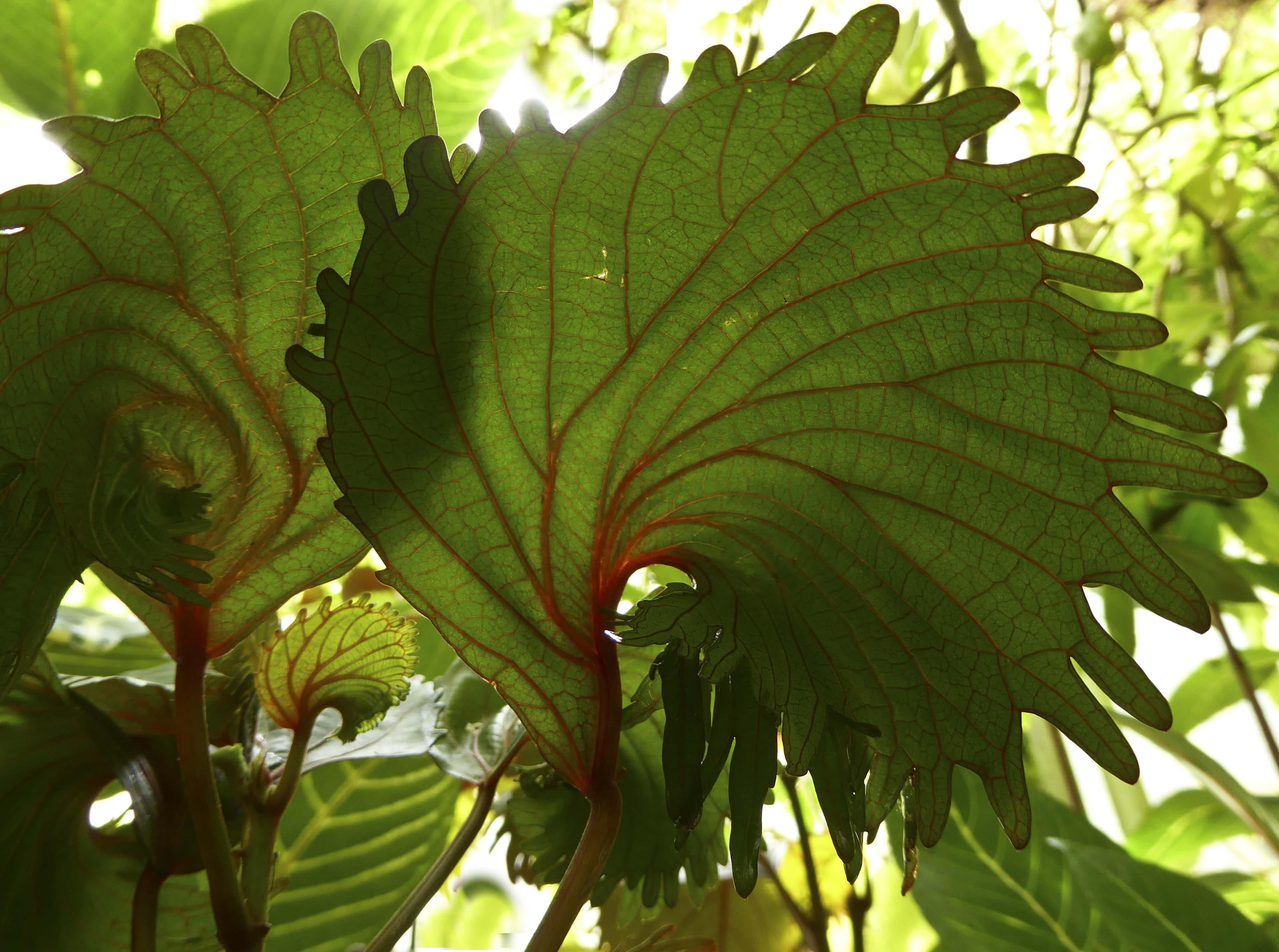
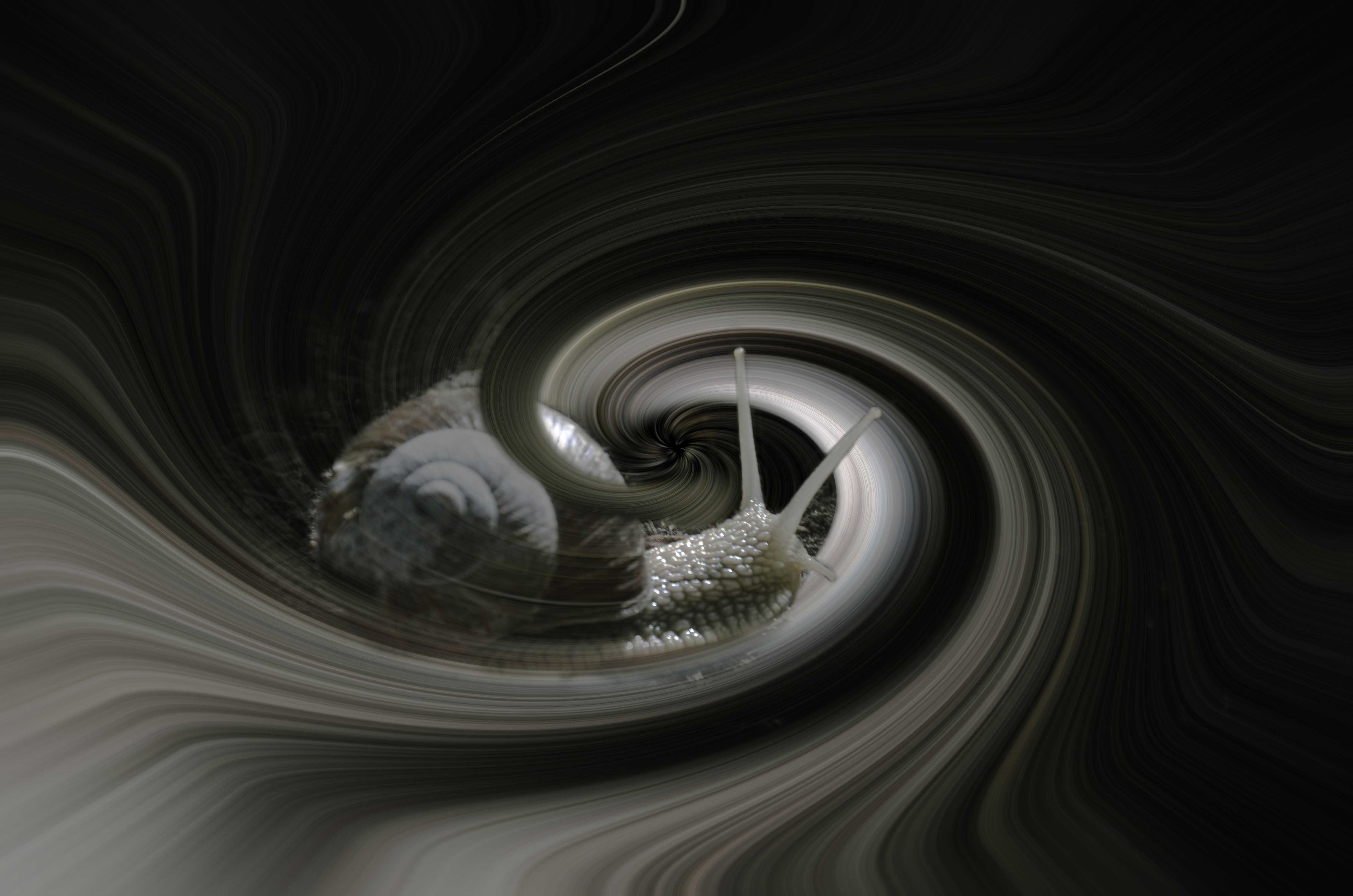
These galaxy shaped leaves from a plant at Kew Gardens I really liked – below a swirl and snail design.

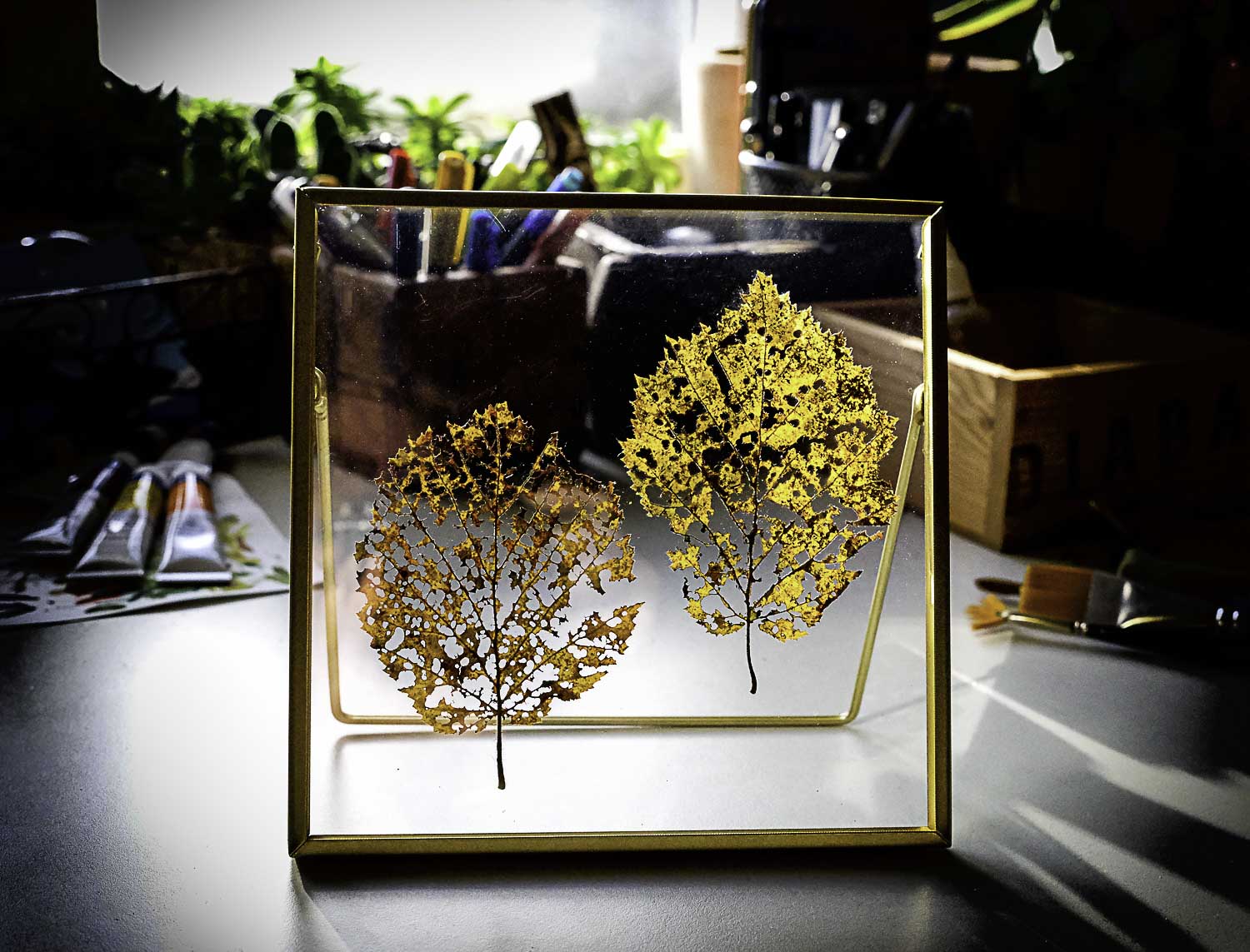
In my windows there sometimes lie withered leaves…this one is from a Poinsettia –

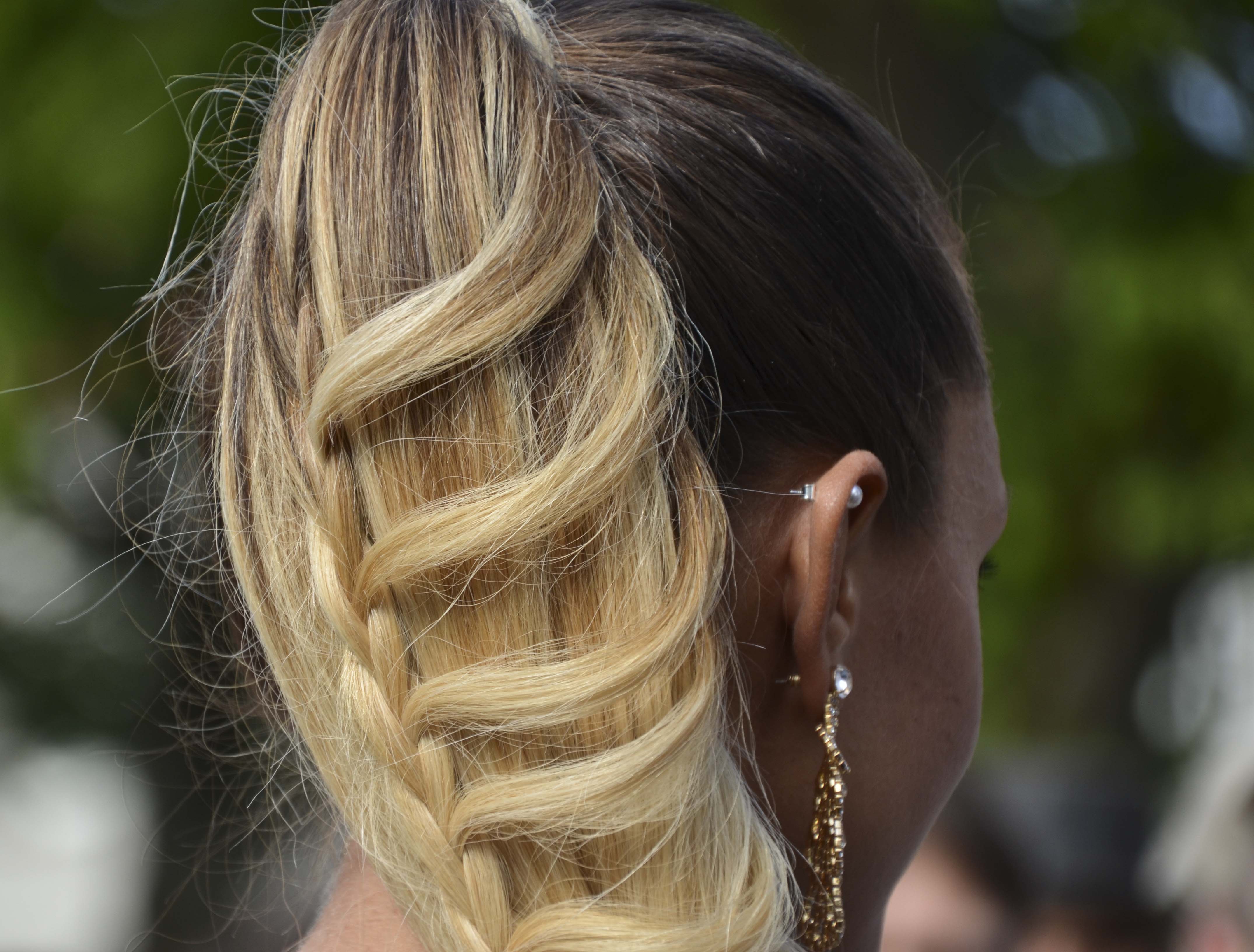
– below one of my students’ hair designs. There are obvious likenesses…

Wonderful, isn’t it? But no matter how hard we try, Mother Nature will always be our master. Many great artists declare they are deeply influenced by Nature, and one of them is Gaudí. In my world, I believe every artist is.

For Tina’s Interesting Architecture challenge last week, you shared marvelous examples of architecture from around the world. What a treat for all of us! Thank you! Now we are hoping you will share some of your interesting shapes and designs with us. Please use the Lens Artists tag and link to Patti’s original post.

We’re also delighted to announce that Lindy Low LeCoq will be our guest host next week for LAPC #175. We invite you to visit her beautiful site next Saturday at noon to join our next challenge. Until then – stay well and safe.

Lens-Artists Challenge #173 – Interesting Architecture

Tina’s challenge this week is all about interesting architecture. As I guessed you would all have fantastic examples of modern buildings, I decided to focus on the birds and the bees…and only a little about human buildings. The opener shows weavers’ nests in the Amazon, Ecuador.

I am always impressed by magnificent woodpiles – and my grandfather was an excellent builder of these. But, while they often are set behind houses or hidden in a barn in Sweden, I found this special display in Switzerland. Elegantly leaning against the house and beautifully framing the window. One of a kind.

To me, one of the most interesting Nordic building is Hállgrimskirkja in Reykjavik, Island. It looks almost like a spaceship icicle with smaller icicles attached to it. Everytime I visit Iceland – it is a must see again.

In Sweden we only have one skyscraper – Turning Torso by the famous architect Calatrava. I never liked it – despite it being beautifully built, it doesn’t fit in among the older buildings in Malmoe. I believe storks have better ideas about how and where to build a high rise building…Modern too – electrified!

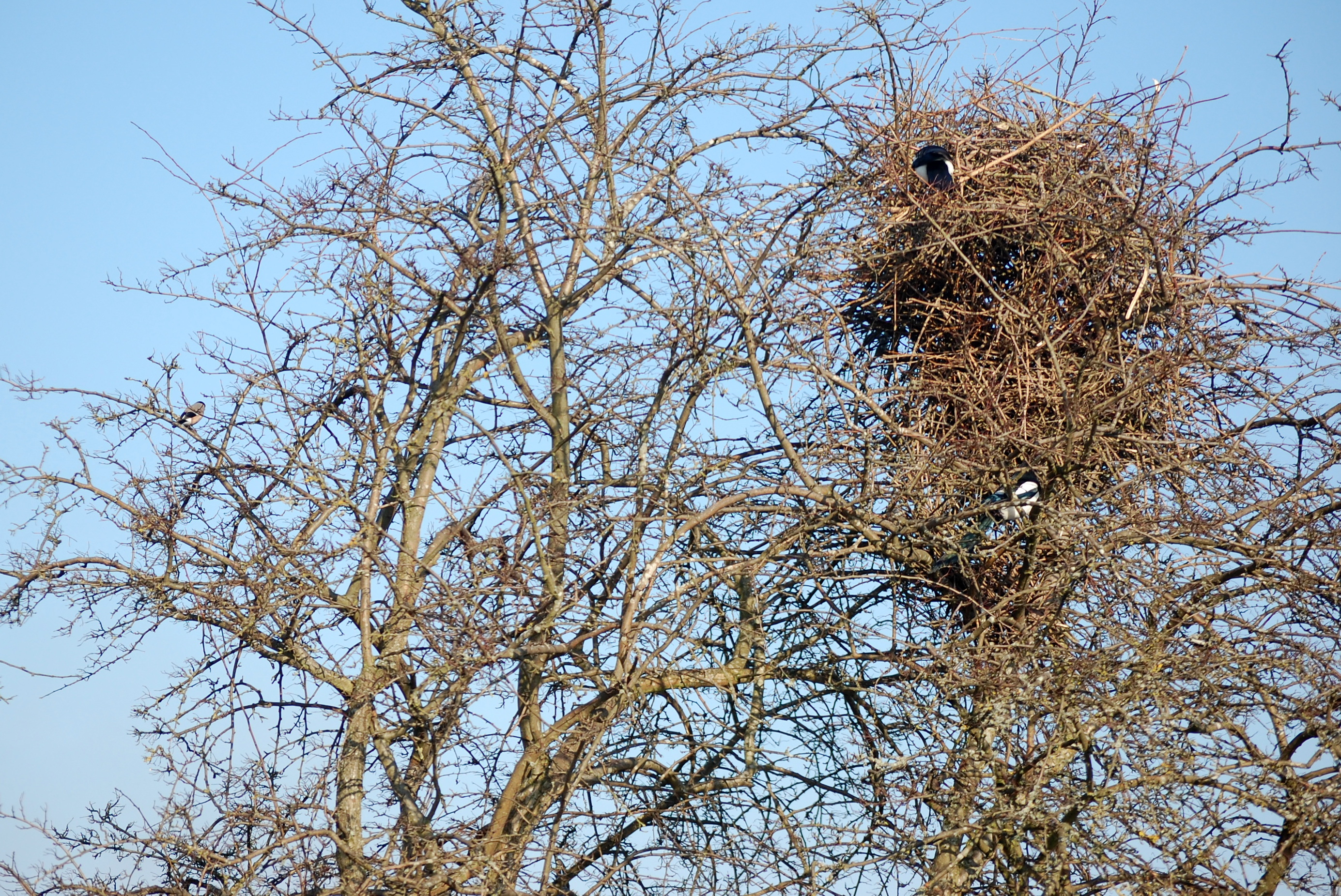
Magpies often build high as well, and their nests are very intricate. They are durable, domed structures made of sticks and twigs and contain an interior mud cup and lining. Every nest has got two entrances – one close to the top and one from the side or under – and it can reach more than 1 meter in height. Not the nest to the far right though, that is a small but sturdy bird’s nest found during a winter walk.

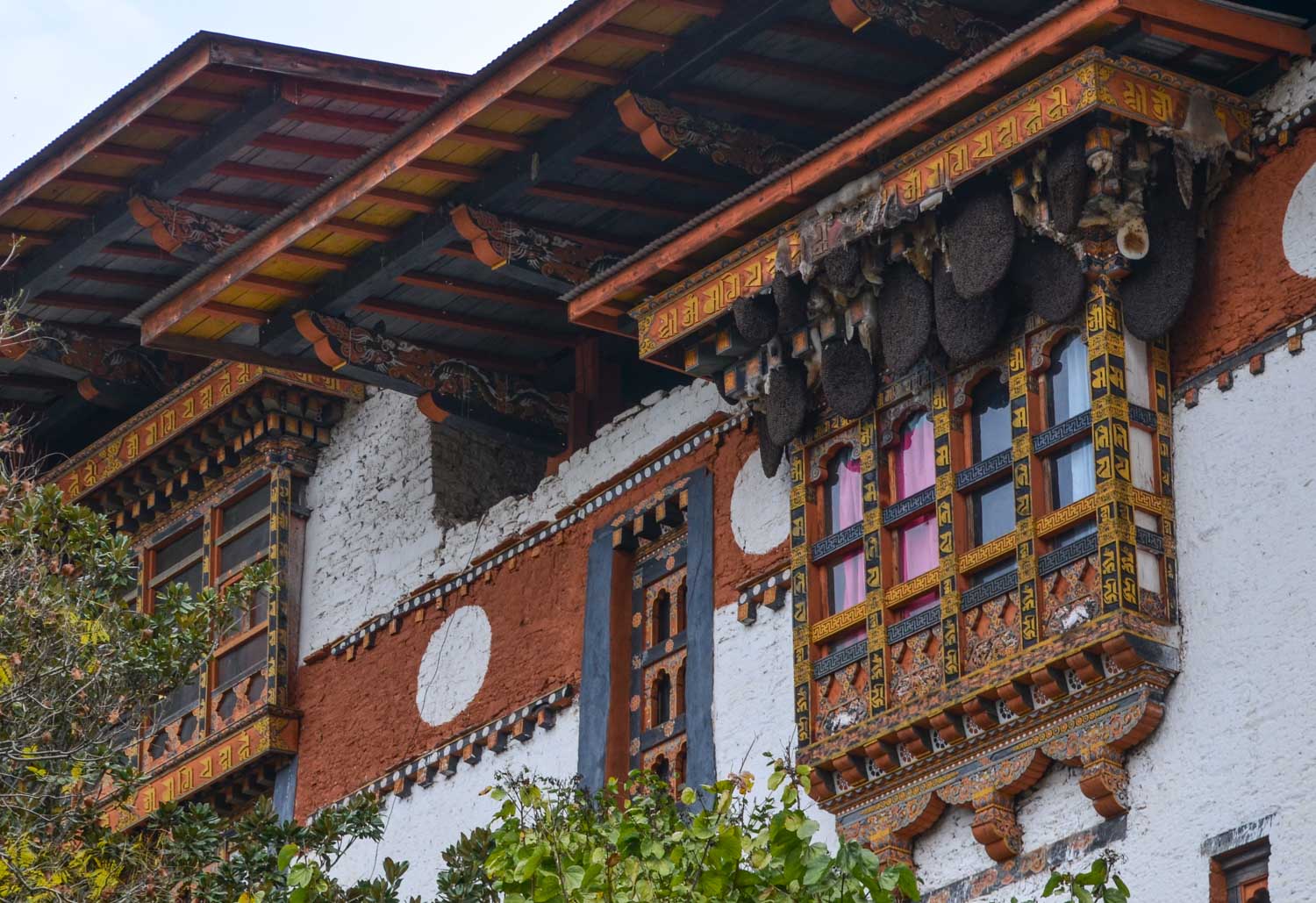
The three middle pictures show the enormous European hornet’s nest we had in our summer house last summer. A fantastic and elaborate construction. Finally, my last image is from Bhutan and a monestary covered in bees’ ”pouches”. As the Buddhist monks care for everything living, they were happy to have the bees and their nests hanging there.

We thank you for your beautiful responses to last week’s “A Day in My Week” challenge – what a terrific variety of amazing days you shared with us!

We hope you’ll join us this week with some interesting architecture from around the corner or around the world. Be sure to use the Lens-Artists tag to appear in our reader, and to link to Tina’s original post.

Lens Artists Challenge #172 – A Day of My Week

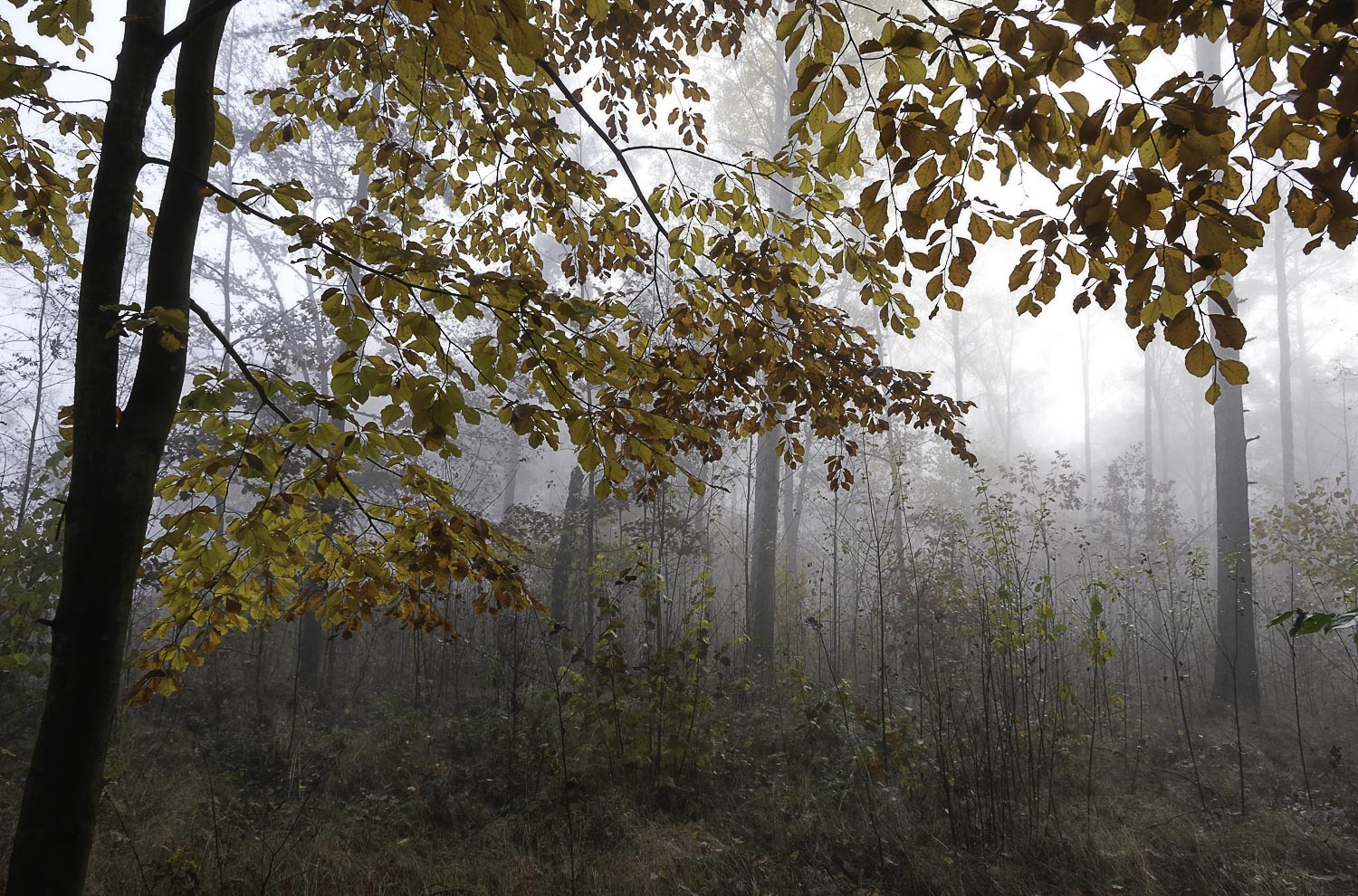
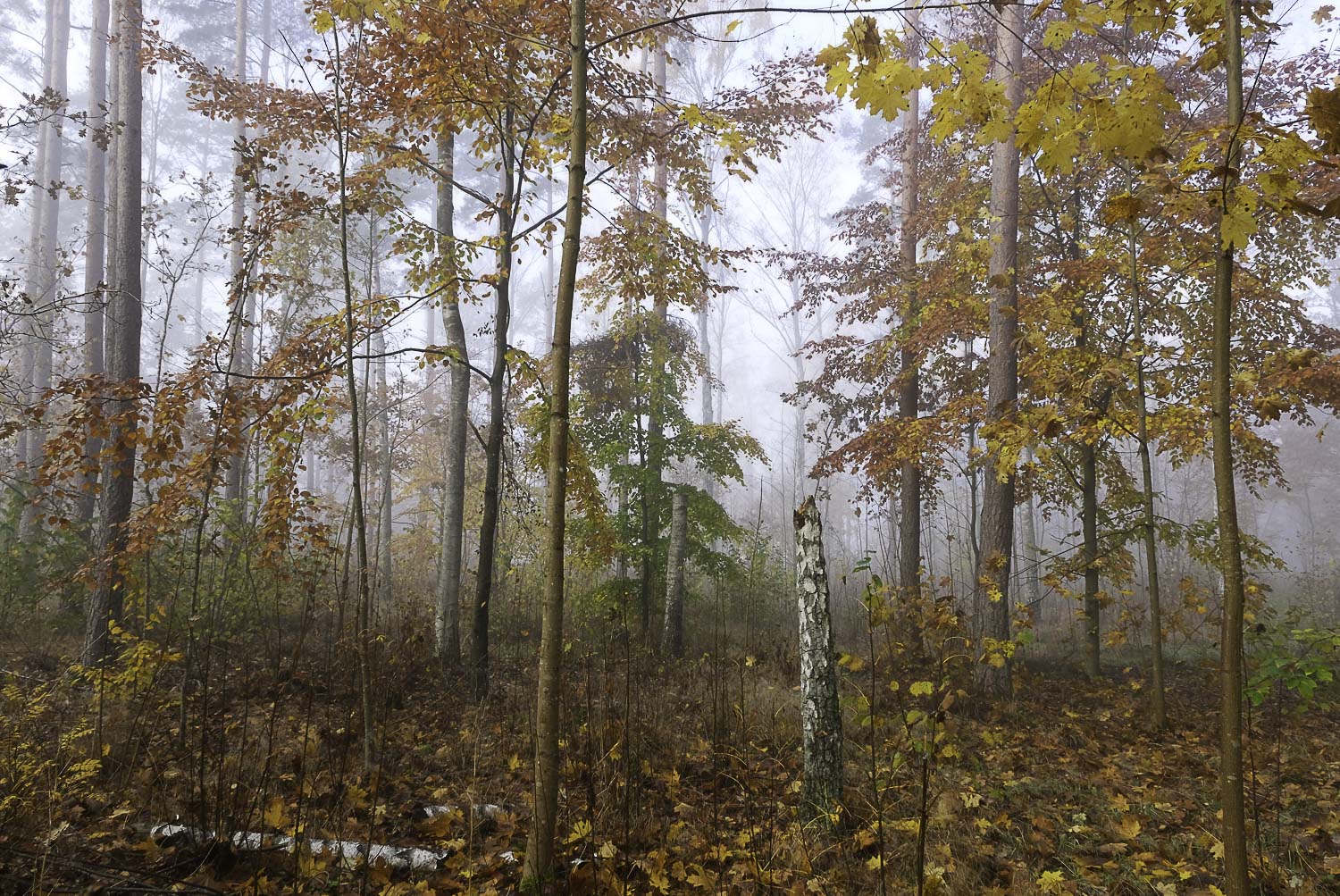
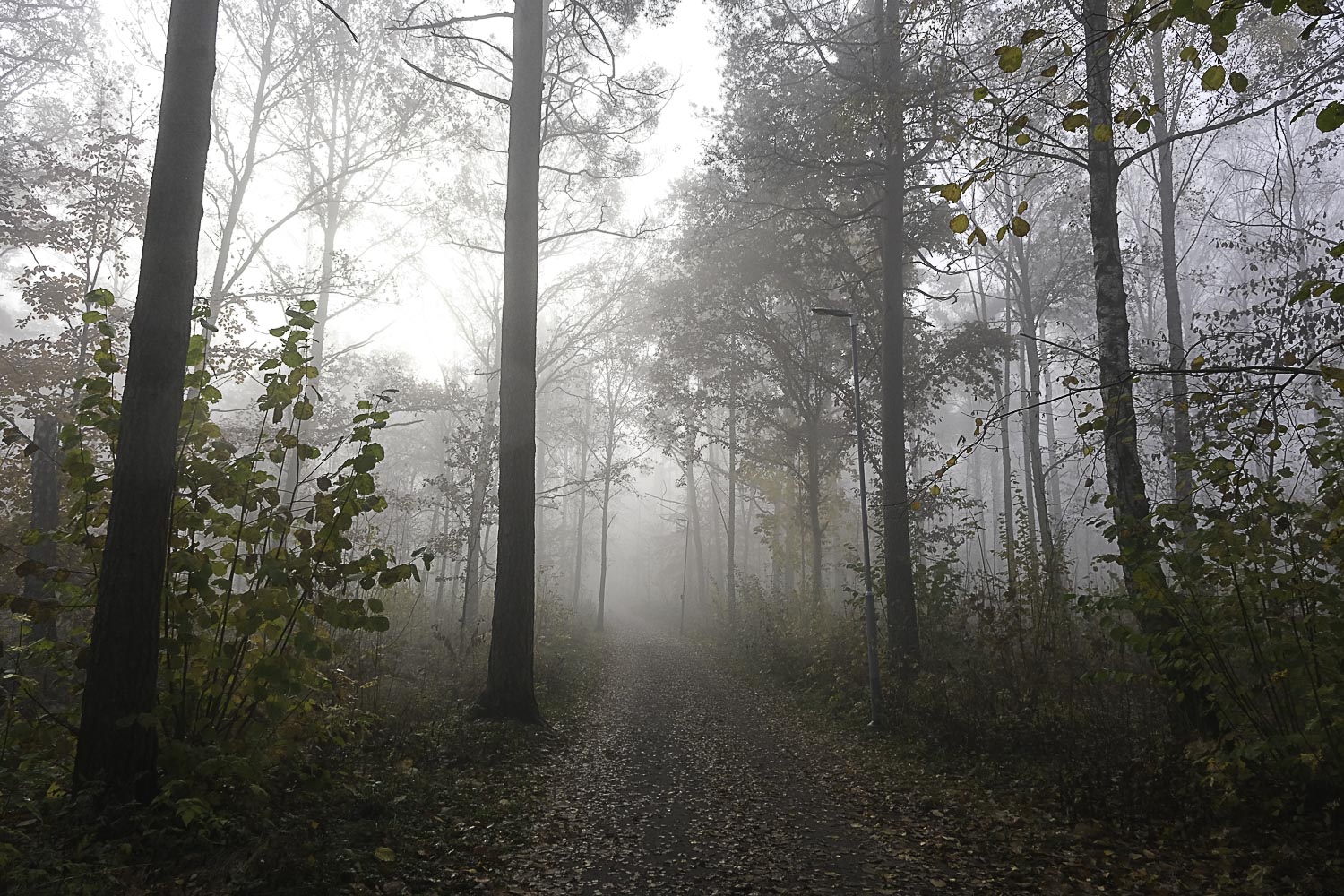
You can walk in a dream while you are awake: Just walk in the misty morning of a forest!
― Mehmet Murat ildan

A day of my week – Amy hit my lucky last week, that offered some lovely opportunities for photography. All these are from one of my morning walks with Milo.

I like the muted sounds, the shroud of grey, and the silence that comes with fog.– Om Malik

This was a soft, foggy morning – emitting a soothing quietness to the world. I could faintly hear the robins and some finches going about their morning business.

With the light slowly seeping through the trees, I felt a gratefulness filling me – that I was alive, that I was allowed to walk in here this morning.

In the quietness, even Milo could feel the joy of little things, the delicate wonders surrounding us. He doesn’t mind my stopping for photographing anymore – he’s a big boy now.

After a couple of hours, our stomachs told us we maybe should return for some breakfast…and by then the sun was breaking through. Maybe this meant ending some of the magic, but also, the beginning of a new kind of magic…

I am glad you found the time to walk with me this morning. Thank you. Needless to say, I have many more images in store…and you might see some more later on.

We hope you will join us with pieces of a day of your week, traveling or at home! Be sure to include a link to Amy’s original post and please use the Lens-Artists tag.

Finally, many warm and happy thanks for your Weird and Wonderful entries last week! I had so many laughs and smiles at your images and stories. Being a bit weird is sometimes just what we need…

Next week, Tina will be hosting the theme ”Interesting Architecture”. Be sure to visit her at Travels and Trifles. Until then – stay well and safe.

Lens-Artists Challenge #171 – Weird and Wonderful

I think that something needs to be weird in order to have real beauty. – Carine Roitfeld

This week we all have the opportunity to share our weird and wonderful images in the challenge! I am sure you have some in your archives that would fit the bill – or why not go chasing new ones?

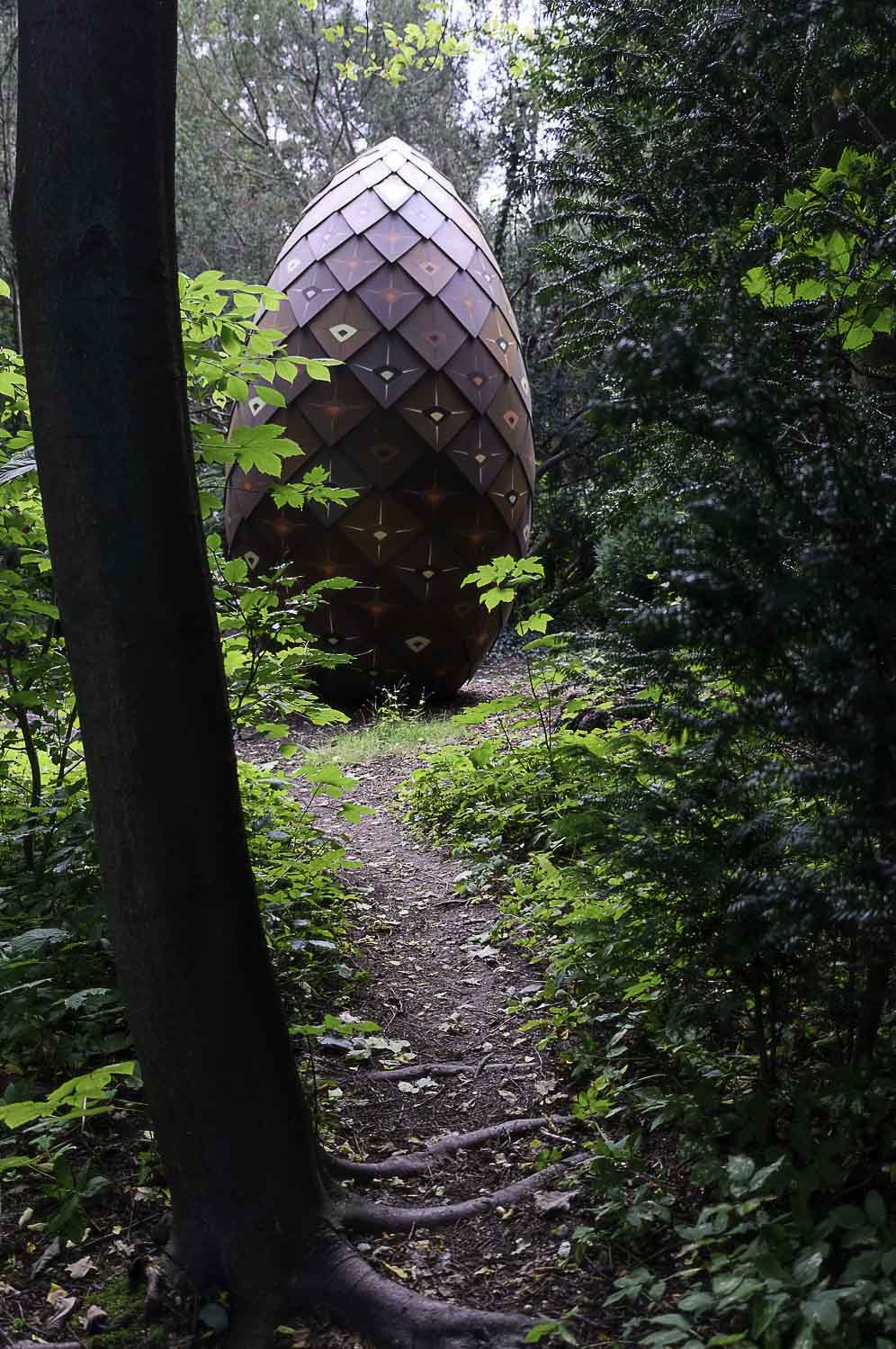
I will start out with one of my favourite artists, Salvador Dalí. I was fortunate enough to visit his home in Figueres some ten years ago. And, I was not disappointed. More of strange architecture – this autumn when visiting Denmark, we came across a gigantic cone in the forest. I am quite sure it hadn’t fallen from one of those trees…because you could go inside it to admire the construction.

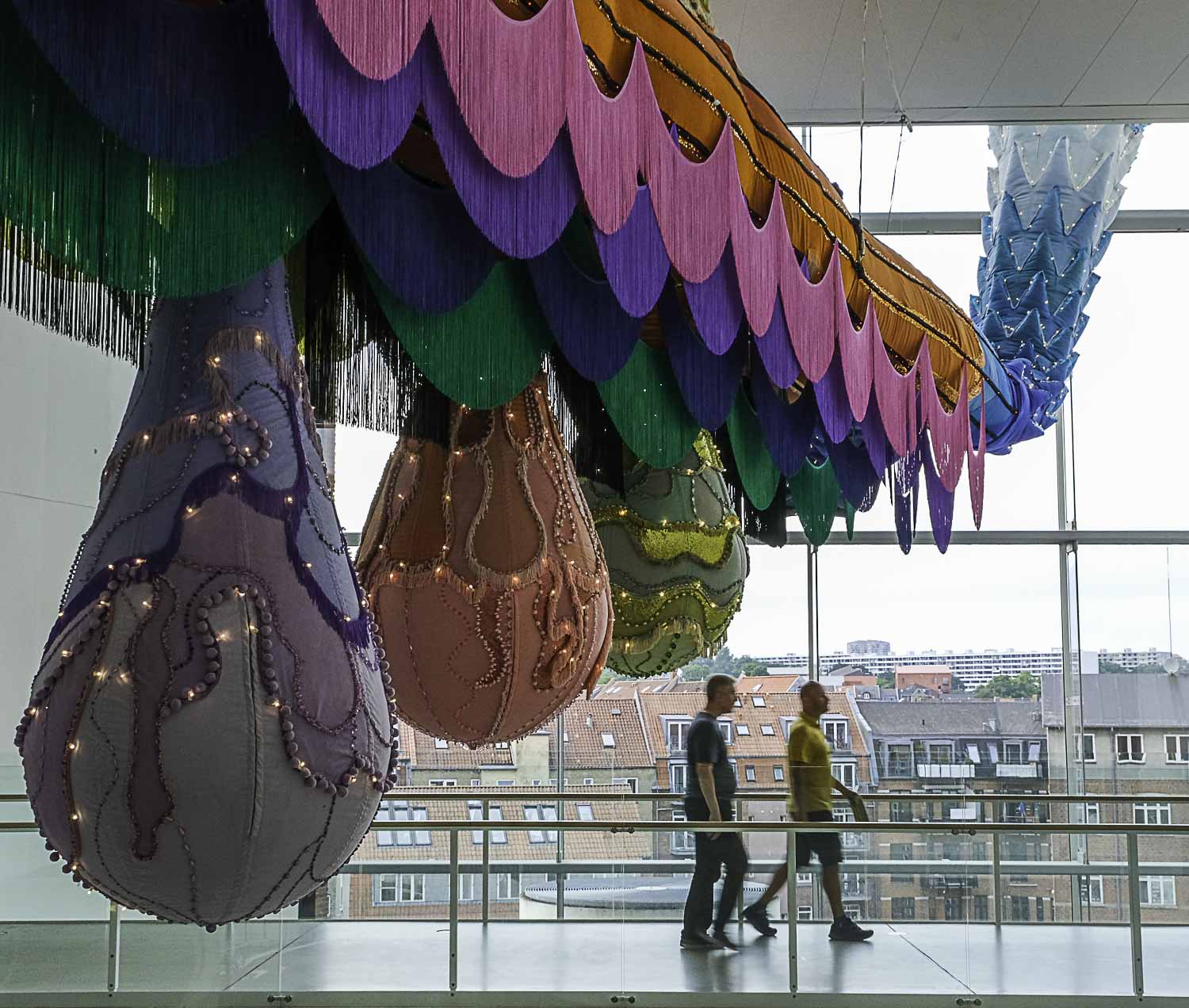
This summer I finally got to visit the ARoS museum in Aarhus, Denmark. The building itself is a piece of amazing architecture and inside you will find some amazing art.

The Australian artist Ron Mueck’s sculpture Boy has become one of the landmarks of the Aarhus Art Museum. Measuring 4.5 metres in height and weighing in at 500 kg makes it impressive, but also rather weird – and wonderful. He looks so real. Displayed all over the museum entrance hall are the gigantic crochet sculptures by Portuguese Joana Vasconcelos: Valkyrie Rán.

So far, artists, architechture and art – but then there are also more natural, but still somewhat weird, phenomena –

– like The Sand-Covered Church, also translated as The Buried Church, the names given to a late 14th-century church dedicated to Saint Lawrence of Rome. It was a brick church of considerable size, located 2 kilometres from Skagen, Denmark. According to Wikipedia, the last half of the 18th century the church was partially buried by sand from nearby dunes, and the congregation had to dig out the entrance each time a service was to be held. The struggle to keep the church free of sand lasted until 1795, when it was abandoned.The church was demolished, but the tower was left as the only part of the original structure still standing.

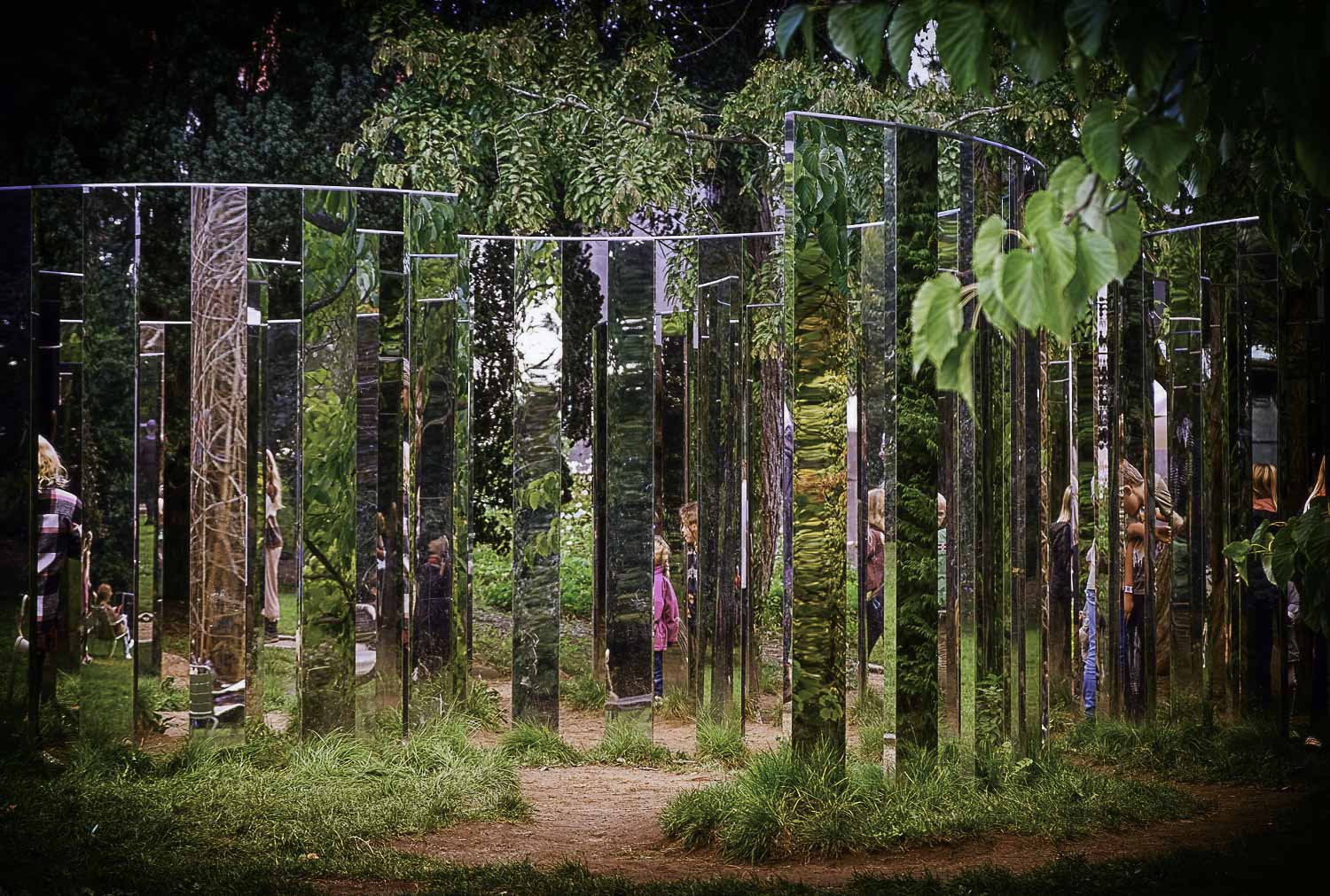
Finally – of course it is possible to make things and places even more weird and wonderful than they are in reality…here I have played around with the Nik collection and photoshop. The installation of mirrors is real.

Special thanks to Patti for her Street Art – a much loved theme for both participants and readers! It’s been a joy to see how much good street art you have beautifully captured! Now we are looking forward to seeing your weird and wonderful images too. Please link to my original post, and be sure to use the Lens-Artists tag. Stay cool and careful navigating out there.

Lens-Artists Challenge #170 – Street Art

This week, Patti wants us to find street art from near and far. So, here we go!

These two Swiss houses are both beautifully decorated – but is it street art? In some countries it was an old custom to decorate houses like this, and in this little village they were very proud of their paintings. As you can see, the Adam and Eve decoration is much older than the first one. The motif might also fit in with this artform as being thought provoking.

A parkinglot in Malmoe – cars everywhere of course, but interesting art.

I found several houses decorated in the same style. Sometimes a bit too blurry I think…, but a smart part in monochrome on this one made the whole difference for me.

Lodz, walking in a very worn down area that had been beautifully decorated. I found this piece in an abandoned alley, and thought it very attractive, so I chose sepia to ”lift” the painting from its dreary surroundings and to enhance the overall impression.

A timely pick – Alfred Nobel. Then yellow street art and a blue van – the Swedish colours.

Finally, there is of course Street Art – and Art in the Street…

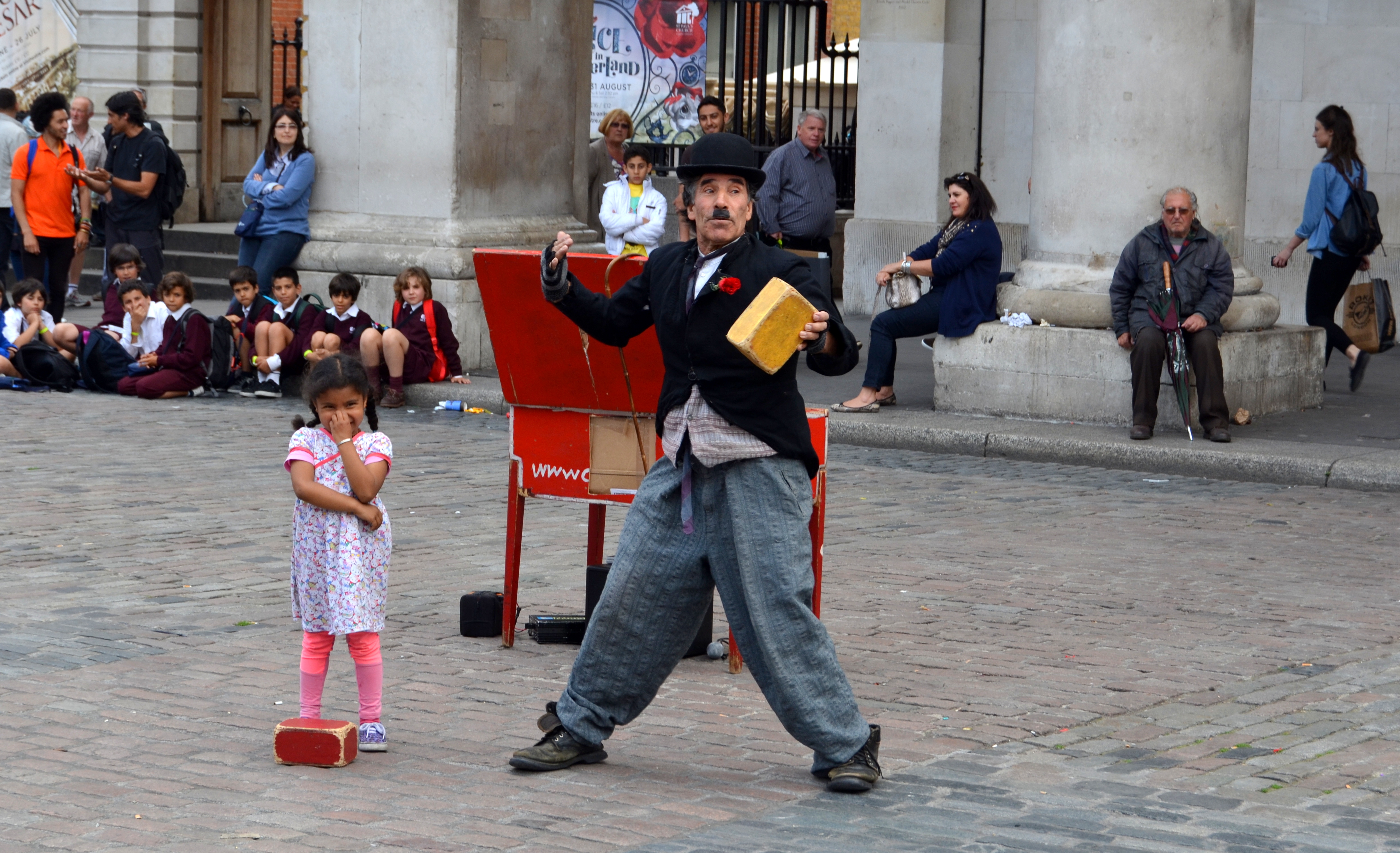
Covent Garden, London.

This week, we invite you to join us for LAPC #170: Street Art. Show us your captures of street art in places near and far. Be sure to include a link to Pattis original post and use the “Lens-Artists” tag so we can easily find your post in the Reader.

A special thanks to I.J. Khanewala of Don’t Hold Your Breath for hosting “The Ordinary” challenge last week. Many people commented that the photos shared were examples of finding the extraordinary in the ordinary. And that is a lovely take on the theme!

Next week, it’s my turn, Ann-Christine’s turn to lead LAPC #171, hope to see you then too, next Saturday at noon. In the meantime, have a joyful, safe, and inspiring week.

Lens-Artists Challenge #169 – The Ordinary

As you get older, you want less from the world; you just want to experience it. Any barriers to feeling emotions get dismantled. And ordinary things become beautifully poetic. – Richard Linklater

Our theme this week is The Ordinary, hosted by I. J. Khanewala. There are many places, moments, things, etc. that we would say are ”ordinary”. But, we humans often use this word or concept differently. I find it interesting how easily ordinary things can become remarkable…In my examples, light is often the difference, and the combination of colours and an open mind. I guess many of us who photograph, write or paint – or are involved in similar activities, recognize the feeling and can easily appreciate the beauty of our ordinary surroundings.

Two days ago, we went to our summer house to close it down for the winter. It was an extremely foggy day, and I was walking Milo (our dog) back to continue packing. Unexpectedly, as from nowhere, the sun shone through the dull hedge on my right hand side, revealing the intense beauty of backlit leaves.
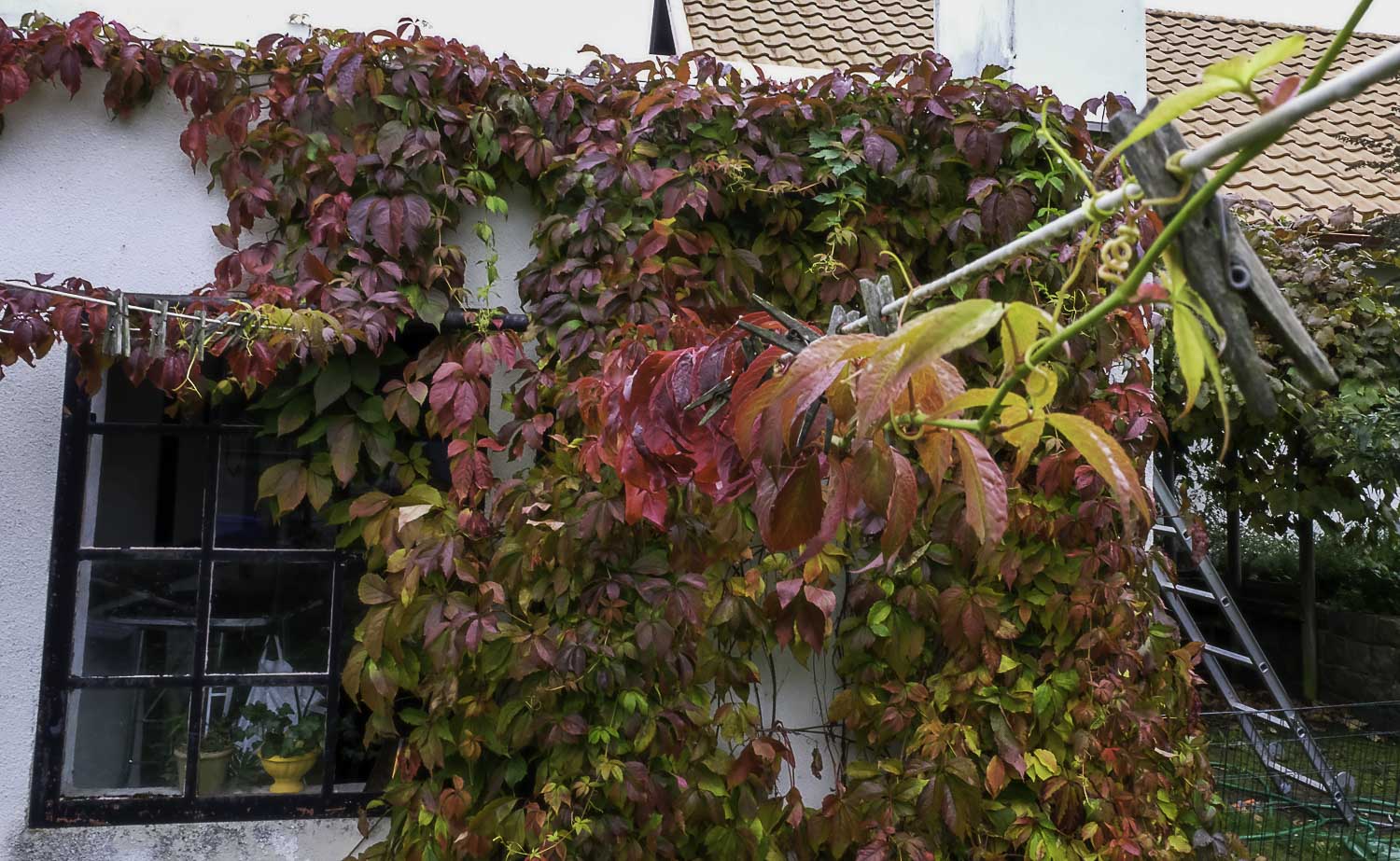
In my own garden, the mist and cold continued when we picked the last grapes, where some of them had ventured up on the roof. While climbing down with my basket full of grapes, I admired the red autumn vines clinging to the walls, windows and ladder.

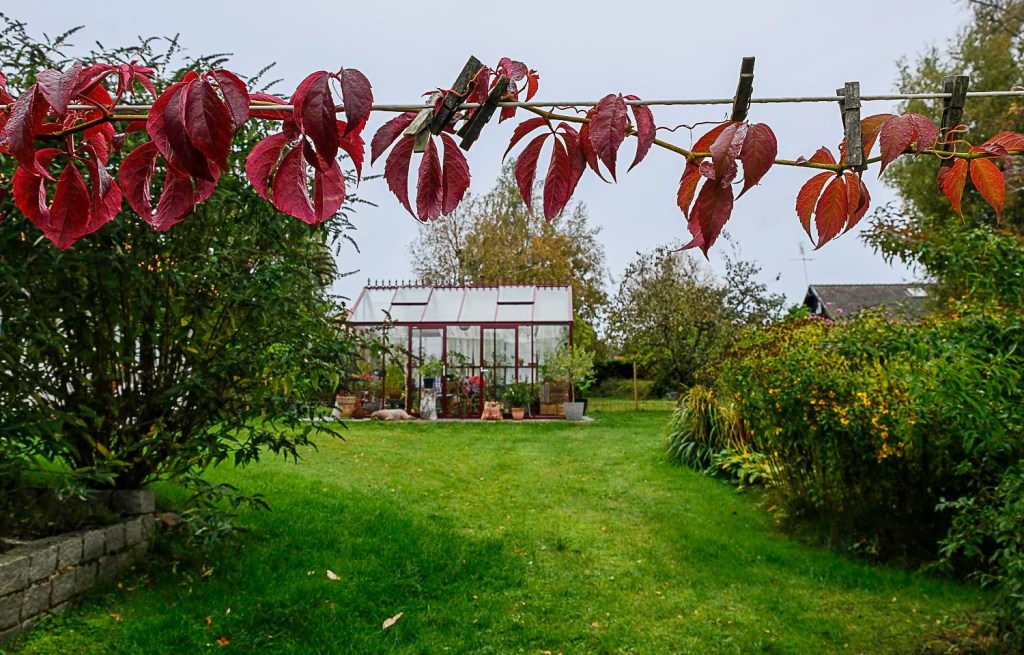
Then, on my way up to the house again, my eyes followed the adventurous vine climbing along the laundry line. I believe I have one of the most intriguing and beautiful laundry lines in the neighbourhood… an ordinary Monday.

We hope you will join us this week for the interesting Photo Challenge #169: The Ordinary.  Please include a link to the original post from our guest host of Don’t Hold Your Breath, and use the Lens-Artists tag so we can all find you in the Reader.

A sincere thank you to all who responded to last week’s “Seen Better Days” challenge. It clearly shows that most photographers love to focus on the beauty lingering in old, worn or dilapidated places and things. Finally, we hope you’ll join us next week when Patti brings us challenge # 170. Until then, please stay safe and be kind.

Lens Artists Challenge #168 – Seen Better Days

Tina’s challenge this week is – Seen Better Days. Old, worn and dilapidated …yes, but I’d like to think one of the reasons to why so many of us love these things, and even take photos of them, must be because ageing is unavoidable. Things around us have all seen better days, and so have many of us. We have to accept it and find the intrinsic, inner beauty in what remains of the former glory.

Because often we can find a different beauty now. Just like deep love grows from a stormy infatuation, other values can make things shine. Shapes and colours for example.

Or, like this dilapidated shed, softly dressed in a snowy winter gown.

But – sometimes everything appears to be just a sad story…

Sad, but not without beauty, is Kyrkö Mosse – a famous car graveyard some 200 kilometers from my home. Standing silently there in the forest, even I can feel them talking to me. Someone, somewhere, once found the car of his dreams, and now that car has found its final resting place here, in the middle of nature. (All toxic parts have been taken away from the cars.)

Well, what can I say…Thank you, Still Restless Jo, for giving me the idea to this post when she read this week’s title! Jo wrote: ”Things that have seen better days? Ha! Sounds like me,” Sorry my friends, but I just could not resist the coincidence! Because today happens to be my birthday, and here I am – seen in better days. The photo on the left was taken when I met the world’s oldest blogger, Dagny, in 2017. I had just turned 60 and Dagny was 106 years old. The last photo was taken for my teacher’s ID-card, and I had just turned 50. Those were the days, and life was easier then in so many ways.

Should I reach the same age as Dagny, ( who is now 109, going on 110 – and still blogging…) my qualified guess is I would never look as bright and alert as she does…and I would certainly not be blogging.

Thank you all for the beautiful Autumn colours for Amy’s challenge last week! You offered some really sparkling and fiery entries – no wonder so many of you declared Autumn as your favourite season!

We are looking forward to seeing your posts for this challenge, and please link to Tina’s beautiful original post and use the Lens-Artists tag. Next week we are delighted to welcome I J Khanewala of Don’t Hold Your Breath as our guest host. Until then, stay well and be kind.

Lens-Artists Challenge #167 – Colours of Autumn

This week Amy urges us to find autumn colours. I am enjoying all of yours, but here we are still waiting for them. In Lapland and northern Sweden the colours already have arrived.

The signs are here though – leaves falling – only a few so far, but we see them on the forest paths.

Mushrooms are popping up – big and small. And I love especially the very tiny ones. Many different species, and many of each this year due to the rains.
In fact, most of the autumn colours are to be found in my own garden – until October, when the ”real thing” starts. This scenery is from my kitchen window. I love my bright Helenium.

I was surprised to learn that a number of these species are called sneezeweed, based on the former use of their dried leaves in making snuff! It was inhaled to cause sneezing that would supposedly rid the body of evil spirits. This year my Heleniums have grown taller than ever – much taller than me. I would say they are about 2 metres – 50cm taller than usual!

I also learned that this genus is named for Helen of Troy, daughter of Zeus and Leda. And – now I know why I have so many peacock butterflies in my garden – the larvae of peacock eat Helenium leaves. Well, that’s one of the greatest things with life – you always learn something new.

Is not this a true autumn day? Just the still melancholy that I love—that makes life and nature harmonize. – George Eliot

But, soon the mist will envelop colourful mornings and evenings. A soft, beautiful, forgiving blanket handed out from Mother Nature.

I loved your artificial lights last week – so many inspiring posts! And some of you didn’t think you would find any photos…but you did! In Sweden we have a saying that goes like: ”He who searches, he will find”. We hope you will join us this week too and show us the colors of autumn through your lens. Be sure to link to Amy’s post and to use the Lens-artists Tag to help us find you.

Next week, Tina will lead the LAPC theme with a “Seen Better Days” challenge: Featuring things that are run-down, dilapidated etc. Please visit her beautiful site at Travels and Trifles.

Until next time – stay well and be kind – and enjoy your autumn colours and the crisp days to come.

Lens-Artists Challenge #166 – Artificial Light

Some of us are living in the Northern Hemisphere, and we will soon be in need of more artificial light as we are moving away from the sun. Artificial light means man made light, but, I also learned something new – that candles do not count as artificial light.

So, how do we use artificial light? Simply because we need it to see, to do what we need to or want to do?

No, today we also use it for fun – for example in fireworks and for Halloween.

We use moving light too – here on the houses’ facades at the Lodz Light Move Festival.

And moving light – is always used in concerts. In fact I am so old, that I remember when the laser harp was made popular by Jean-Michel Jarre.

Artificial light can be used in so many art forms – this is an art walk at ARoS, Aarhus Kunstmuseum in Denmark.

Painting on Ipad instantly became a new art when the Ipad arrived some years ago – here a David Hockney at the Louisiana exhibition in Denmark.

We need light, artificial light – but, do we really need as much of it as we use? The costs can be high. The results are in many cases negative for nature and with that, also for ourselves. Newborn sea turtles die when they cannot find their way to the sea, and head towards the light of motorways and towns close to the beach. And that is only one example of many.

For some time I watch the coming of the night? Above is the glistening galaxy of childhood, now hidden in the Western world by air pollution and the glare of artificial light; for my children’s children, the power, peace and healing of the night will be obliterated. Peter Matthiessen

Thank you to Patti for last week’s fun, Going Wide, which set our eyes wide open to the world!

For this week’s LAPC #166, we invite you to throw some artificial light on things! Please use the Lens Artists tag to help us find you, and we look forward to ”seeing the light”.

Next week Amy will be your host – until then, be well and kind.

Lens-Artists Photo Challenge #165: Going Wide

This week, Patti is going wide – and so are we! ”What’s a wide angle lens? It’s any lens that is below 35 mm on a crop-sensor camera or 50 mm on a full frame. The wide-angle view is perfect for capturing a broad vista like a landscape, seascape, or cityscape.”

In the opener, I had to use a wide angle in order to show as much as possible of the paper cutting – but I still did not manage to get the whole width, 5 meters, in the same picture.

My first example is of an old ”light house” in Skagen, on the east coast of Denmark. Ca 1625 ”vippfyren” was invented by the Dane Jens Pedersen Grove of Elsinor. Vippfyr could be translated as ”tilt light house”, and worked via a lever lifting a metal basket with an open fire. The first of these innovations were set in Skagen, Anholt and Kolabacken, Falsterbo, Sweden.

I used a wide angle here to show the sense of a golden ”sea” in front, and the light house facing the open, blue sea.

Another wide angle – this time the necessity was…to catch the two giant platforms in the same picture.

And I finally used a wide angle to show the vastness of Råbjerg Mile, a migrating coastal dune between Skagen and Fredrikshavn, Denmark. According to Wikipedia, this is the largest moving dune in Northern Europe with an area of around 2 km2 (0.4 mi2) and a height of 40 m (130 ft) above sea level. The dune contains a total of 4 million m3 of sand. The wind moves it in a north-easterly direction up to 18 metres (59 ft) a year, but it was originally formed at the Skagerrak coast, more than 300 years ago.

For this week’s LAPC #165, we invite you to go wide and we’re looking forward to seeing your wide-angle views of people, places, and objects taken with your camera or smartphone.

Last week, Sofia’s Up/Down challenge gave us a multitude of beautiful images captured while looking up and down. A special thanks to Sofia for her creative and inspiring theme and for hosting the challenge!

Next week, I, Leya, will be your host for the challenge. Until then, please stay calm, kind and well.