CFFC: Smiles


Some of all the lovely people I have met on my travels. In the header two sweet girls at a Scottish country boule club, and below, the most wonderful ladies celebrating Saint Carmen in hotel Amadora on the north coast of Spain. Two of the three ladies were called Carmen, the mother and her daughter standing on her right side (left for you). Their friend was called Ana. My compliments on the eldest lady who was 86, and still a beauty.

Cee’s Fun Foto Challenge: Smiles

Amadora

Thursday Thoughts – The White Stork is Back!

On my trip to the northern parts of Spain, I made some lovely aquaintances…and not only with people. I was happily shocked by the numerous storks here – at least one nest in every village!

The white stork (Ciconia ciconia) is a large bird that measure on average 100–115 cm (39–45 in) from beak tip to end of tail, with a 155–215 cm (61–85 in) wingspan. The white stork is a long-distance migrant, wintering in Africa or on the Indian subcontinent. He is also a symbol of my part of Sweden.

He eats a wide range of animal prey, including insects, fish, amphibians, reptiles, small mammals and small birds. He takes most of his food from the ground, among low vegetation, and from shallow water. He is a monogamous breeder, but does not pair for life.

Both members of the pair build a large stick nest, which may be used for several years. Both parents take turns incubating the eggs and both feed the young.

The white stork benefited from human activities during the Middle Ages, but changes in farming methods and industrialisation saw it decline and disappear from parts of Europe in the 19th and early 20th centuries. Conservation and reintroduction programs across Europe have resulted in the white stork resuming breeding in the Netherlands, Belgium, Switzerland and Sweden.

In 1954 the last pair of storks disappeared from Skåne, where I live, as the wetlands were dried out. Many people wanted the beautiful bird back, and in 1989, some wetlands were restored and the Swedish ”Stork project” started. Goal: 150 pairs living free and nesting here. Important to us ”Skåningar”, as the stork is a symbol for this southern part of Sweden.

This summer 112 new storks were released from the project. As they move south, as many as 80-90 percent die flying into power lines breaking legs or wings.

The adult white stork’s main sound is noisy bill-clattering, which has been likened to distant machine gun fire. The bird makes these sounds by rapidly opening and closing its beak so that a knocking sound is made each time its beak closes. I assure you – the sound is not to be missed…when the two of them starts, it gets louder and louder.

This conspicuous species has given rise to many legends, of which the best-known is the story of babies being brought by storks. Have you ever heard of this as a child, in your country?

(Facts taken from Wikipedia and the Swedish Stork project.)

WPC: Narrow

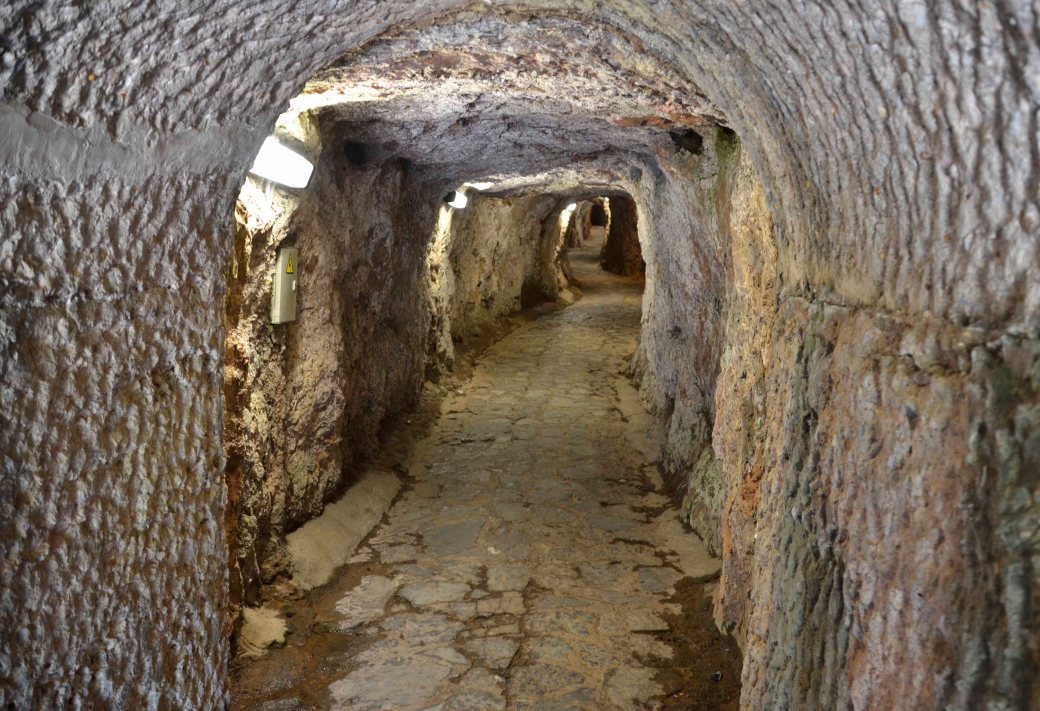
As much as I like the open landscape, I also like things narrow – unless it turns up in nightmares where I am stuck in a narrow tunnel, unable to go either forwards or backwards…

For more things narrow, click here.


The tunnel leading to  Cuevas de Valporquero, Spain. In reality – not a nightmare!
Thursday Thoughts – Slowly

Back from Spain, but only slowly returning to blogging. Thank you for all your lovely wishes for a good rest and reload!

I have just started reading, and somewhere next week I hope to read more and to post something more substantial…Thought I would send you this memory – a most significant sight along the Spanish summer roads.

Blog Break – Reloading

Orkide mm sommar 2016 017_copy

It is time for me to have a break. I will be reloading my batteries for a couple of weeks. Hopefully I will be back with new energy to read and write again.

I am so grateful for all of you, friends, readers and followers out there…the blogosphere is a warm and generous place to be. Thank you for your constant support, humour and good advice – and for all your fantasy and inspiration.

I wish you a lovely summer!

Ann-Christine

Travel theme: Indoors


This was a tricky one for Ailsa…I really am short of indoor photos. I guess I am just an outdoor person.

Nevertheless, this book store in Rome I find an irresistable indoors…and then, well, all of you who are dog lovers know what happens when you are sitting peacefully in that certain place…In (the) door suddenly appears a familiar face …”Oh, there you are! Just wanted to check…” (Quote, Mille)

For more of indoors, click here.


WPC: Look up

Look up! This is a very varied challenge with many possibilities. My take is all about nature – even if you might not think so…

In the header, a lamp from Gaudí’s Casa Batllo´in Barcelona. He always used Nature herself as an inspiration. Maybe a drop of water in a pool?


A Swedish autumn birch in its splendour – who would not look up?

Great tree ferns, New Zeeland, North Island.

Great tree ferns, New Zeeland, North Island.

New Zealand’s Great fern trees draws your eye…upwards.

Madrid

Madrid

In Madrid my head went dizzy when watching this tree in a spectacular swing…

Madrid

Madrid

And these well dressed trees… I just hade to peep inside for this spectacular view!

For more reasons to look up, click here.


Camilla Thulin – Wear, If You Dare!


This rainy day was made for an outing – with darling Viveka at myguiltypleaures. She can make any day shine… We decided for Dunkers and the famous designer Camilla Thulin.

Dunkers


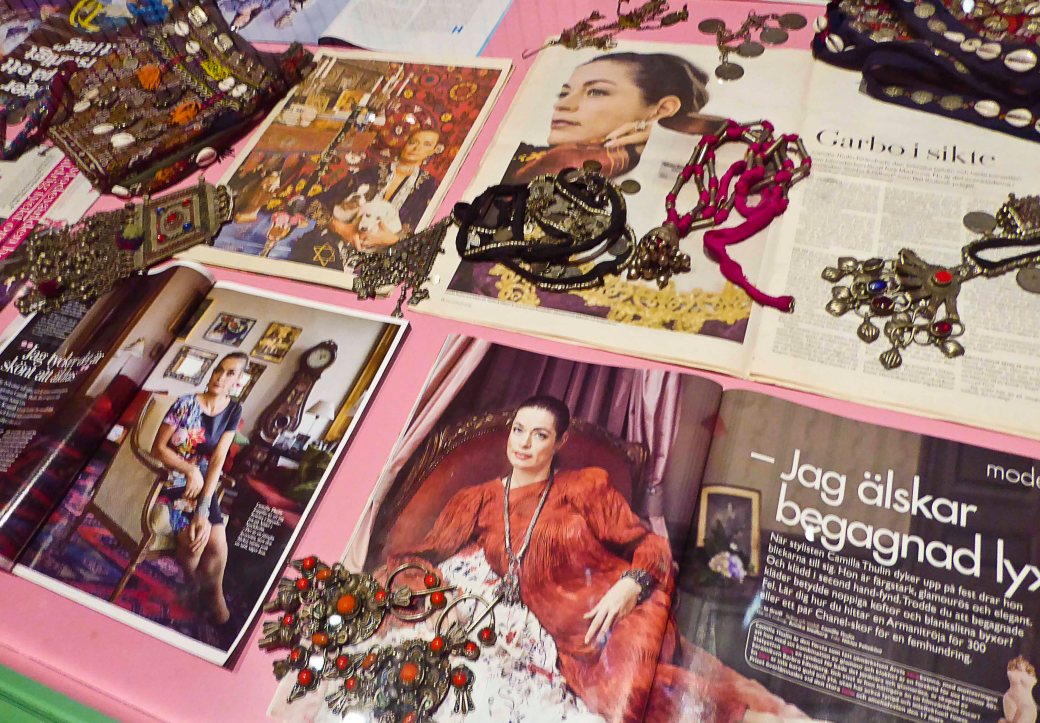
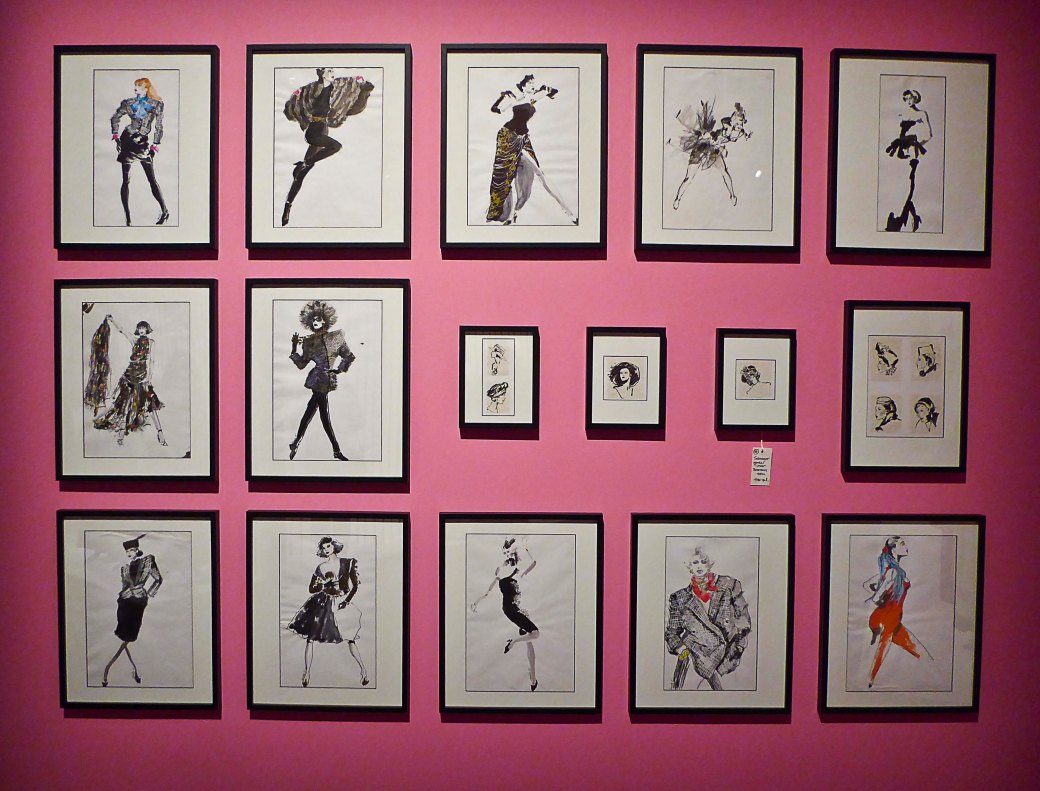
Camilla Thulin loves luxury ”second hand” and started collecting clothes and accessories at an early age. Today she is a famous fashion designer and her clothes are worn by actors as well as singers and other people in the Swedish world of artists.

She also has her own name in fashion and in the world of classy underwear.

The definition of ”Kaftan”, according to the Oxford Dictionary, is a man’s long belted tunic, worn in countries of the Near East. It could also mean a woman’s long loose dress, or a loose shirt or top.

Camilla Thulin declares her fascination for this garment, and in the exhibition hall there are kaftans of her design as well as kaftans from her own collection of second hand and folklore clothes from Morocco, Turkey and Palestine, among others.


For the scene, her collection is vast – some examples are ”Piaf”, ”Evita” and ”Amadeus”.

In an earlier post, I mentioned her clothes for Army of Lovers. In this Dunkers’ exhibition there was also a dress made for our Swedish jazz singer, Lisa Nilsson, worn at the Crown Princess’ wedding.


Peep inside the studio – what might it look like inside the creative Camilla’s headquarters?


 Camilla Thulin shop online here. http://www.camillathulin.se/