Thursday Thoughts – Fighting Poachers

On the reserve where we stayed, they had a powerful program to save the rhinos from poachers. According to the ranger who checked them up every day, driving around in her jeep, they had only lost two rhinos the last years, which is amazing. Instead of taking away their horns, they use radioactive isotopes – that do not harm the animal.

One of the rhinos was a bastard with a white rhino as the mother and a black rhino as the father. In fact, he is the only one in the world – according to the rangers. As he cannot have any offspring, he might be the last one ever.

On top of this mountain, they raised the orphans – before releasing them into the reserve again. They do not reveal how many rhinos they have in the reserve…which is good.

We were lucky to see quite some of them, both white and black ones, going about their daily chores as well – such as scrubbing their stomach against termite stacks and mud rolling.

Finishing off with the wonderful ranger who had dedicated her whole life to the rhinos, and a phone photo from our guide, taken while passing by our outdoor picnic place…(where we used to sit peacefully at the tables – luckily without rhinos!) Thank you, Conni, for sending me those spectacular shots!

Macro Monday – Golden Orb Spider

I admit it is elegant and beautiful… about 50mm body and at least 50mm legs.

The female is a giant and the male a dwarf in comparison. Several males can sit in the web, waiting for an opportunity to mate. If they move too fast though, they will be her prey instead of her lover.

Leaving a line of waste is done to protect the net from birds flying into it.

Spiders are not my favourite animals, but our ranger’s story made it fascinating. Their bite is harmless and comparable to a bee sting. Their webs are strong enough to stop small birds in mid-flight. The silk is as strong as Kevlar, which is the strongest known man made material.

Lens-Artists Challenge #393 – Lucky Shot

Sophia has a fun challenge in store for us – lucky shots we have saved, either while photographing or while editing. Please go to her lovely site for great inspiration!

When flying in to Victoria Falls, we saw the pillar of water drops rising from the river and falls up in the sky. And, I did not have a window seat… that’s why this photo is such a lucky shot!

Arriving at the gates, we were welcomed by Pumba himself.

I loved the kudus with their big ears and beautiful faces. Back home, at the computer, I found a bird sitting between the ears of this female, naturally there were some sitting on her back too.

Home again, a summer some 7-8 years ago, we had planned ”fika” at this table. But when we got there, it was already taken…

Ten years ago, in our garden, I was lucky enough to catch a series of our neighbour’s cat raiding two magpies’ nests. I could hardly believe my eyes – or my luck! 6 photos show it all.

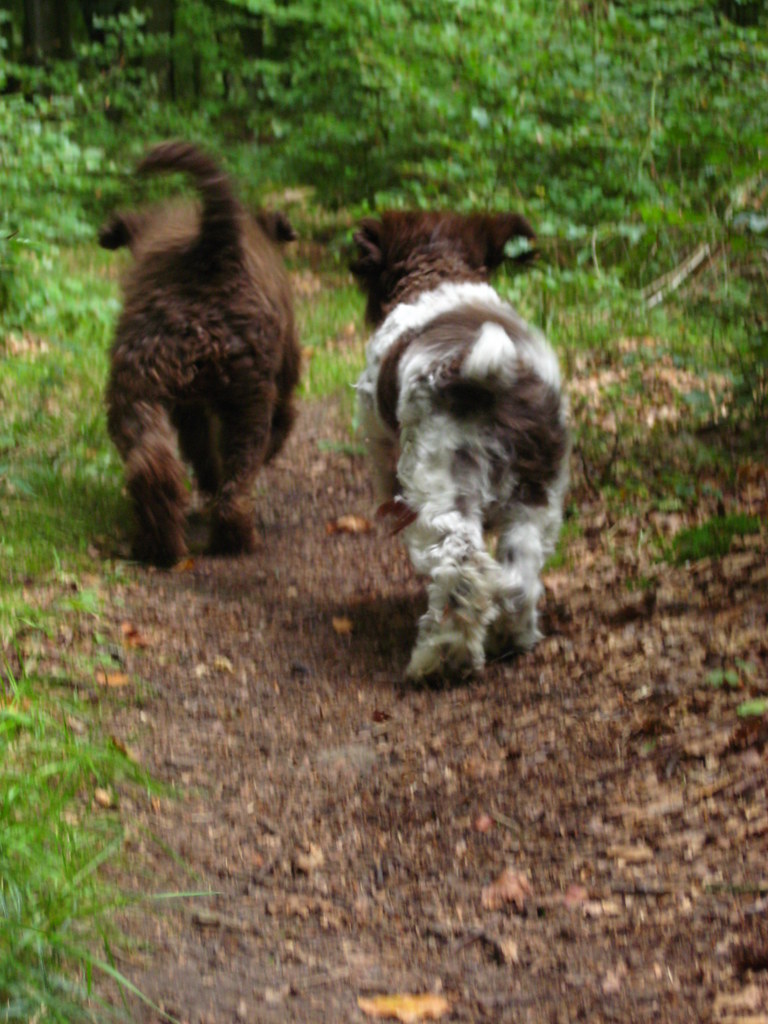
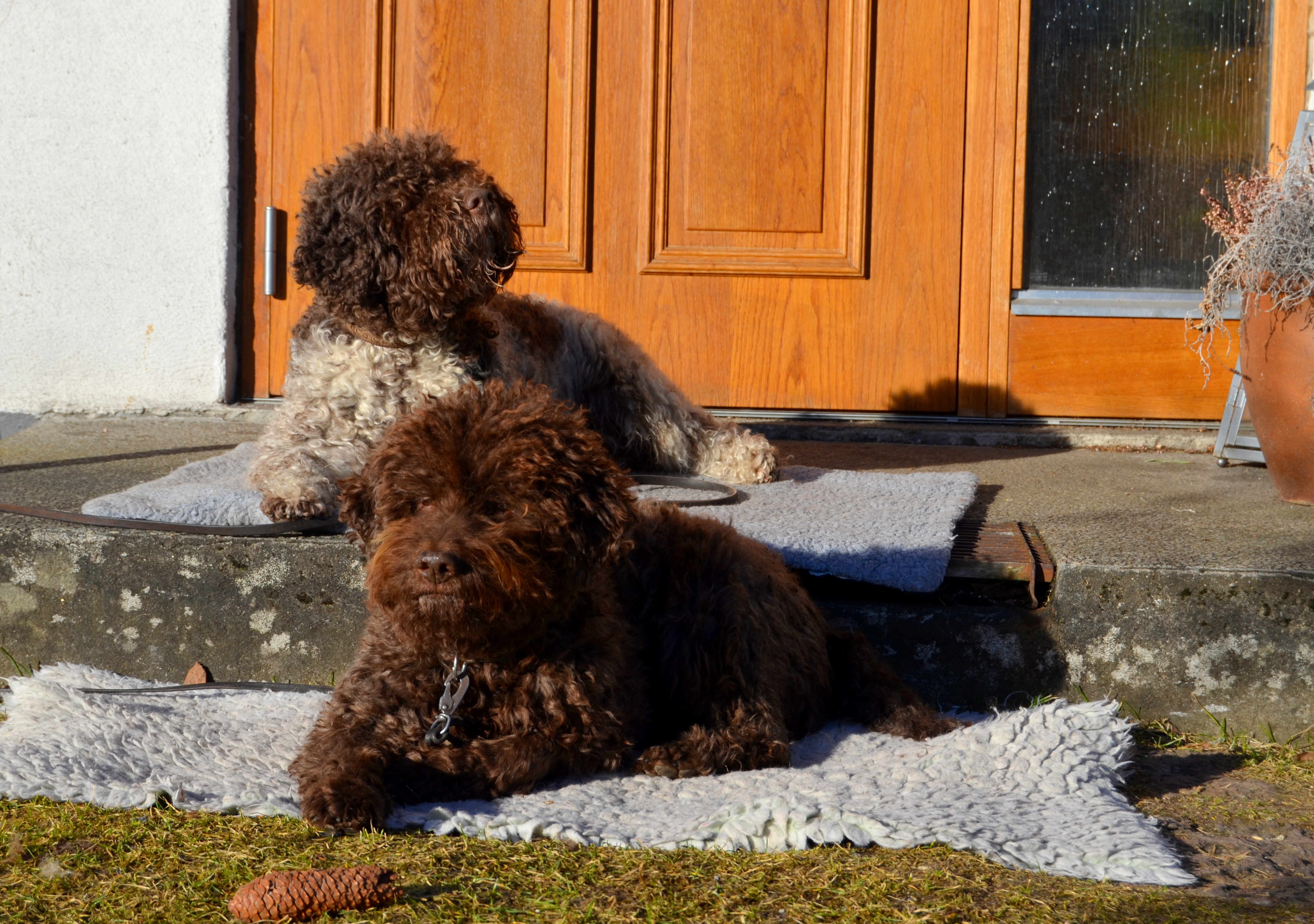
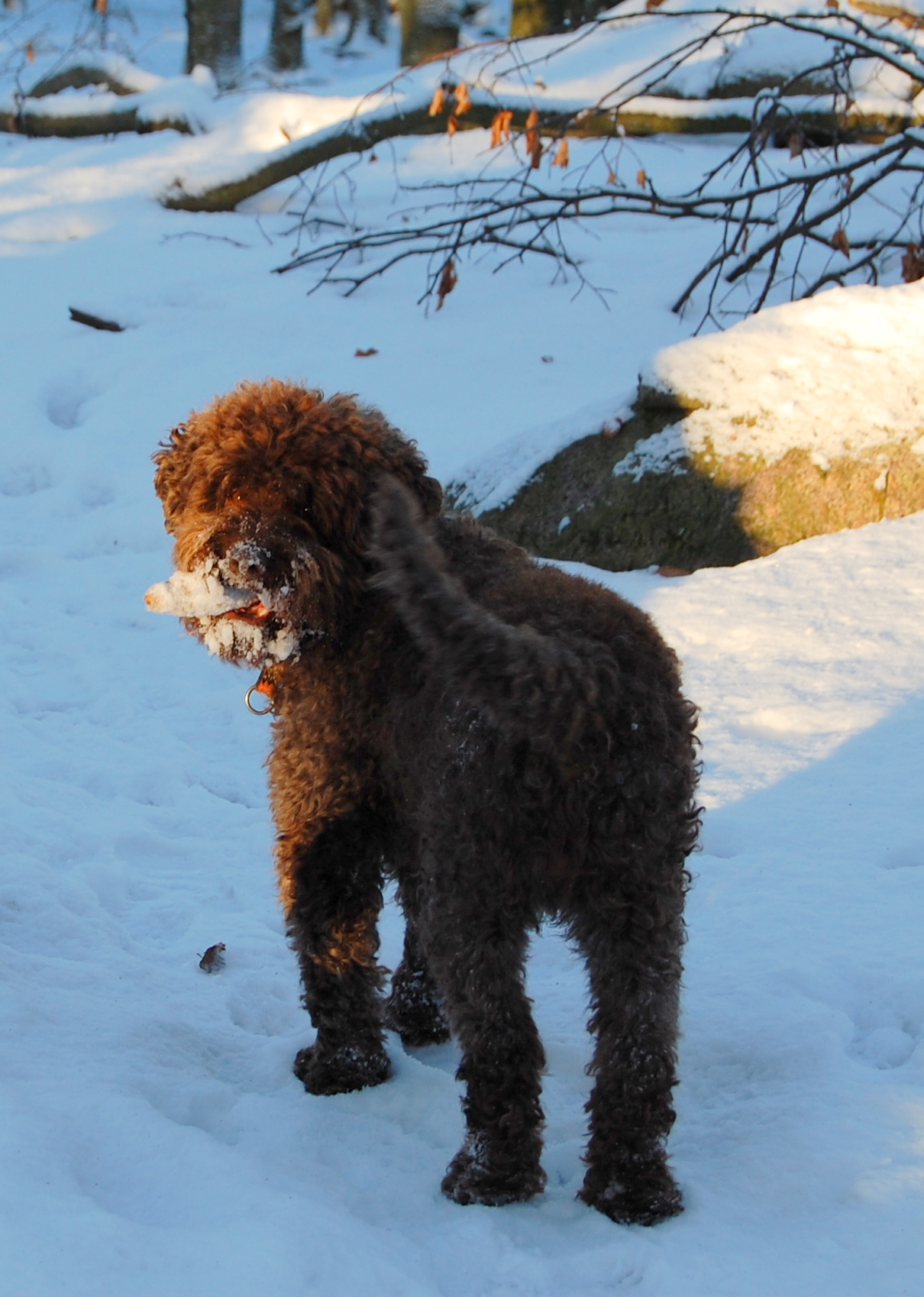
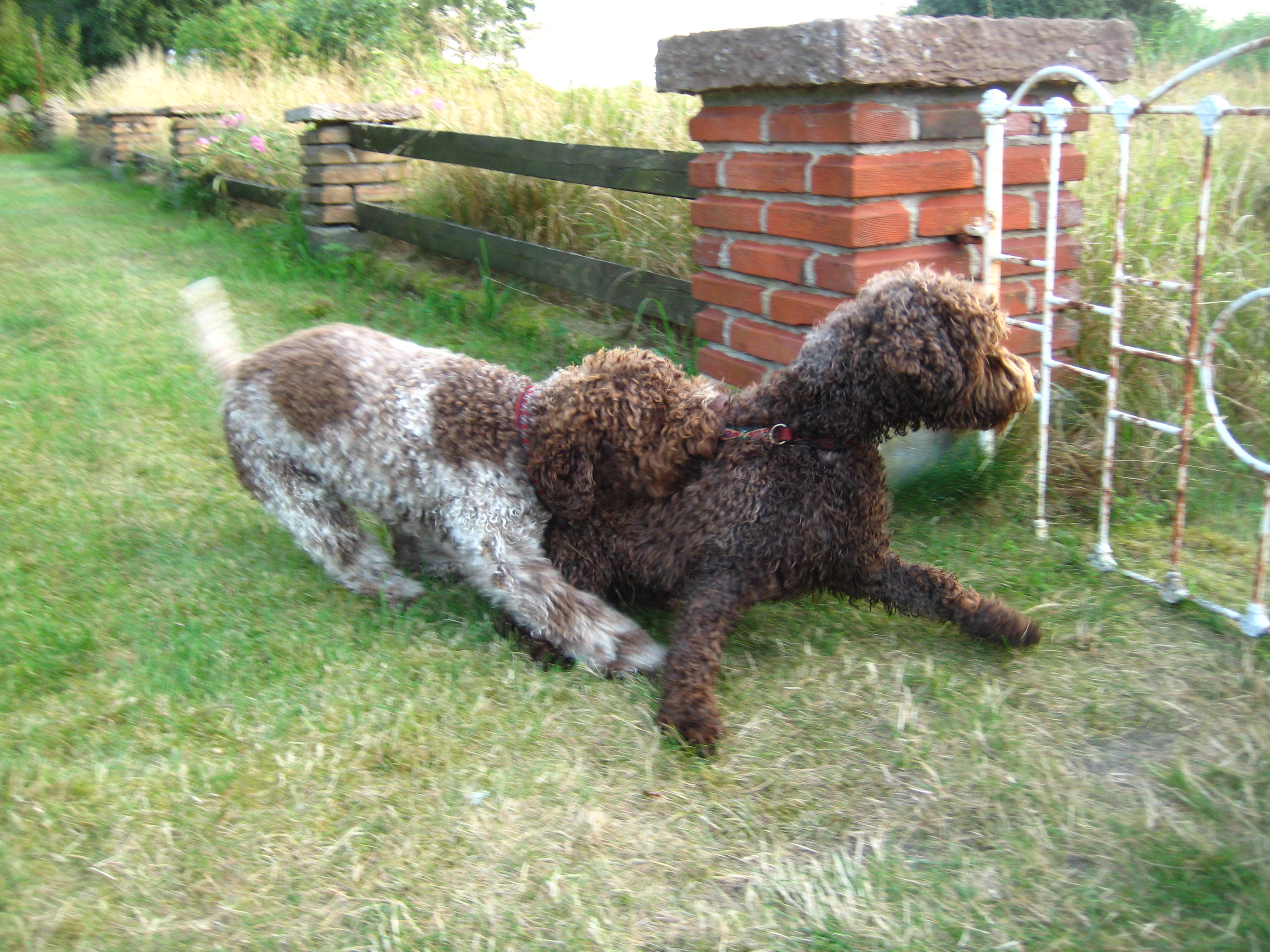
Finally, an old, well used photo of my favourite dogs. Sweet memories.

Mille and Totti always had fun together – this quick shot, (on the computer) showed young Totti giving a full head blow to his old friend Mille.

With children and animals, you can always get lucky and surprising pictures!

Thank you, Sofia, for a great challenge! And thank you to Patti for enlightening us on the three layers! A good teacher and many excellent answers!

Macro Monday – Giant African Millipede

This is the largest millipede in the world – Length up to 12 inches and about 400 legs. Not thousand. A lovely meeting!

Thursday Thoughts – Close to the Water

On our African adventure, the jeeps took us out on the savanna at least twice a day – early mornings and evenings. There are of course a multitude of beautiful antelopes here, and the Gnus are frequent. They have such funny, long faces and they eye you very closely before they turn away. I love the look of their satin skin and soft stripes at the neck.

The African Buffalo herds are matriarchal and the large herds can sometimes consist of more than 1000 individuals. The buffalo is one of the Big Five, very heavy weight and strong, and considered one of the most dangerous animals in Africa.

They are good swimmers and can stay for a long time just enjoying the water.

Their young are brown coloured to make it easier for them to hide in the grass.

Such thick and heavy horns are almost impossible to deal with – even for a lion.

I would not want to stand in their way when the herd is running.

Another beauty is the large waterbuck with its long, spiral horns curving first backwards, then forwards. The horns are 55-99cm. This couple was watching us from afar.

I wished time stood still and we didn’t have to leave…but it was time to slow down and return to the camp before dark. Thank you for joining the tour today!

Thursday Thoughts – Wildlife Close to our Hotel

I love the idea of wild animals being so close to humans all the time. And the animals down here naturally feel more wild than those at home…( I guess the Africans feel the same when they visit us.)

Around Victoria Falls Hotel, there were these electric fences set up,

but before they were there – this sign was even more relevant.

Baboons roamed the streets and the forest, and the hotel had a guard to chase them off.

He told us he had a lot to do every day…

There were also many guenon monkeys around. A bit more slender and agile than the baboons.

Banded Mongoose was a new aquaintance to me. They are 12-18 inches, weight 3-5.5 pounds. They are one of few species that use tools – they throw eggs against rocks to break them.

This one had captured a snake – a fairly long one…

..and feasted on it for a long time. It was interesting to watch them. The mongooses are known for their agility, speed and resistance to venom. They can survive a bite from a cobra.

The Mongooses live in colonies and have a complex social system. They take care of their young together, which is rather unusual – only the banded Mongoose live in colonies though, the others are loners. I liked to watch them eat, play and taking care of their young. Fascinating animals.

Lens-Artists Challenge #387 – Shadowed

As twilight’s gentle fall descends, where shadows and wind play hide and seek, as day surrenders, the mountains whisper tales.

– David Passarelli

This week, John wants us to consider how shadows shape our photos. ”You can take a literal approach and photograph an actual shadow, or lean into contrast and mood—shapes, silhouettes, or scenes where darkness adds depth and character to your subject.” Please visit John’s site for brilliant examples.

All my pictures in this post are from Zimbabwe (Victoria Falls Hotel, the Zambesi River and a small village without name) and South Africa.

Well, shadow is the first thing I seek when it is hot – just like these beautiful kudus did. But I suspect they were hiding from predators as well.

There are two primary types of shadows: form shadows and cast shadows. Form shadows are the darker, shadowed side of a three-dimensional object itself (not receiving direct light), while cast shadows are the shapes projected onto another surface by an object blocking the light source.

For this challenge I will stick to John’s examples. In these two pictures I tried to show shadows looking from the outside of a house and in, and the reverse. In the third one, below, there are both ways.

Find beauty not only in the thing itself but in the pattern of the shadows, the light and dark which that thing provides.

– Junichiro Tanizaki

Find the light of beauty even in the shadows of darkness.

– Christina Casinom

All the variety, all the charm, all the beauty of life is made up of light and shadow.

– Leo Tolstoy

All shadows whisper of the sun.

– Emanuel Carnevali

Now, time to go to bed after a thorough help with the details…

Many thanks to Patti, Ritva and Beth for the last weeks’ inspiration. Unfortunately I could not participate due to travels in the wilderness without wifi – but now I am back on track. March is here, and next Saturday it’s my turn to host the challenge – hope to see you then!

To participate, simply create your own post responding to this week’s theme and include a link to the original post by John. Be sure to add the Lens‑Artists tag so your post appears in the WordPress Reader.