Walking Home – Slow Contemplation

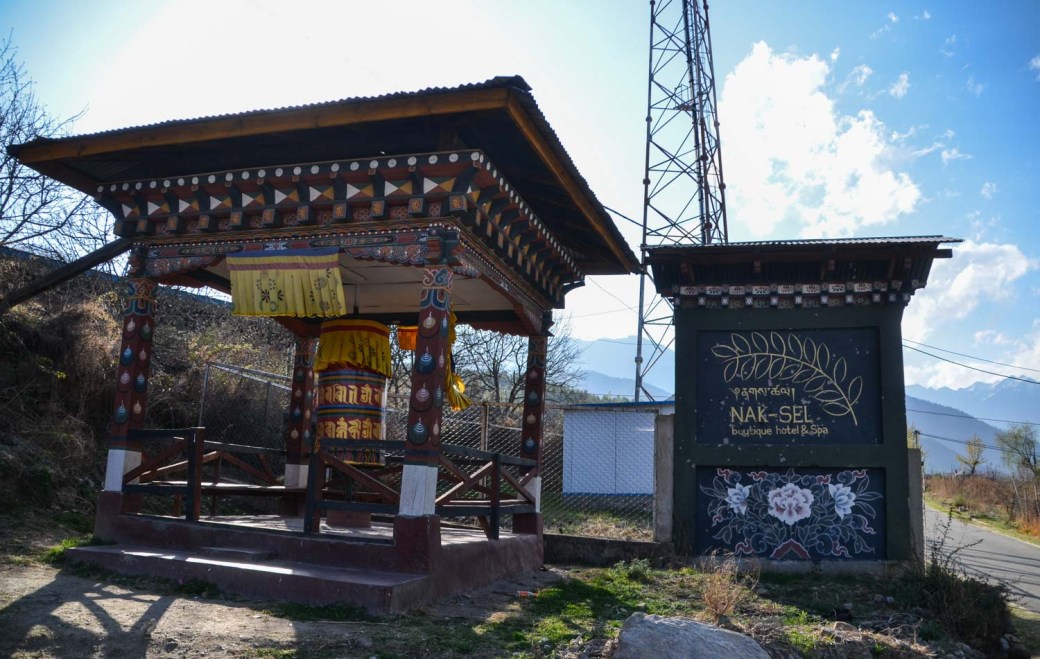
After Paro Tsechu, we decided to walk home to our hotel, Nak-Sel, in the lovely evening light. Some kilometers that would take about an hour on the narrow, dusty road.


A walk well worth the effort in the thin air – giving us the chance to take in the beautiful countryside and to talk to some of its harmonious inhabitants.

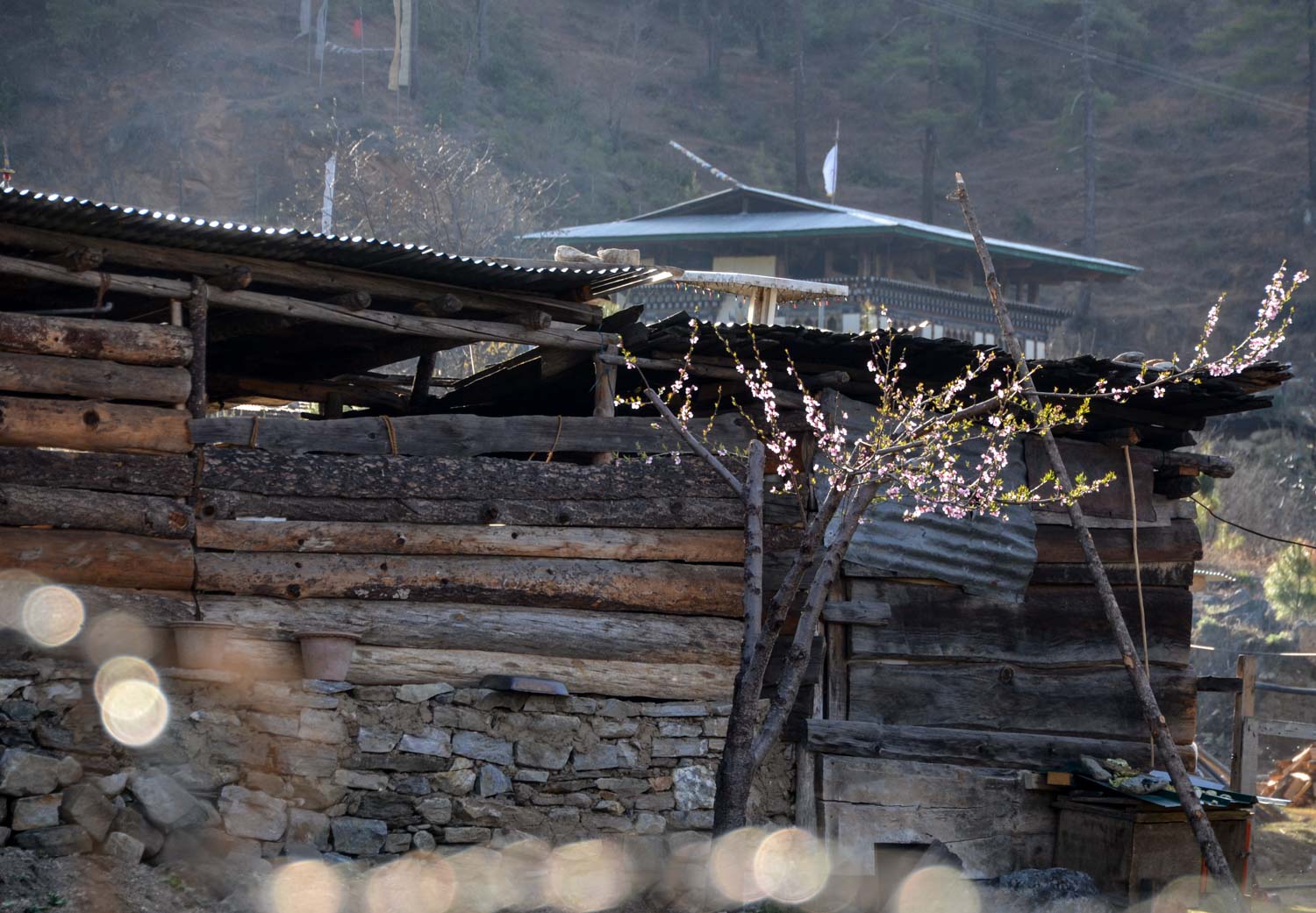
The Bhutanese houses are built to dry the hay on the open upper floor. Even if you don’t have any hay, you build this way – many washed clothes were hanging in this space, and old furniture leaning on the structures.

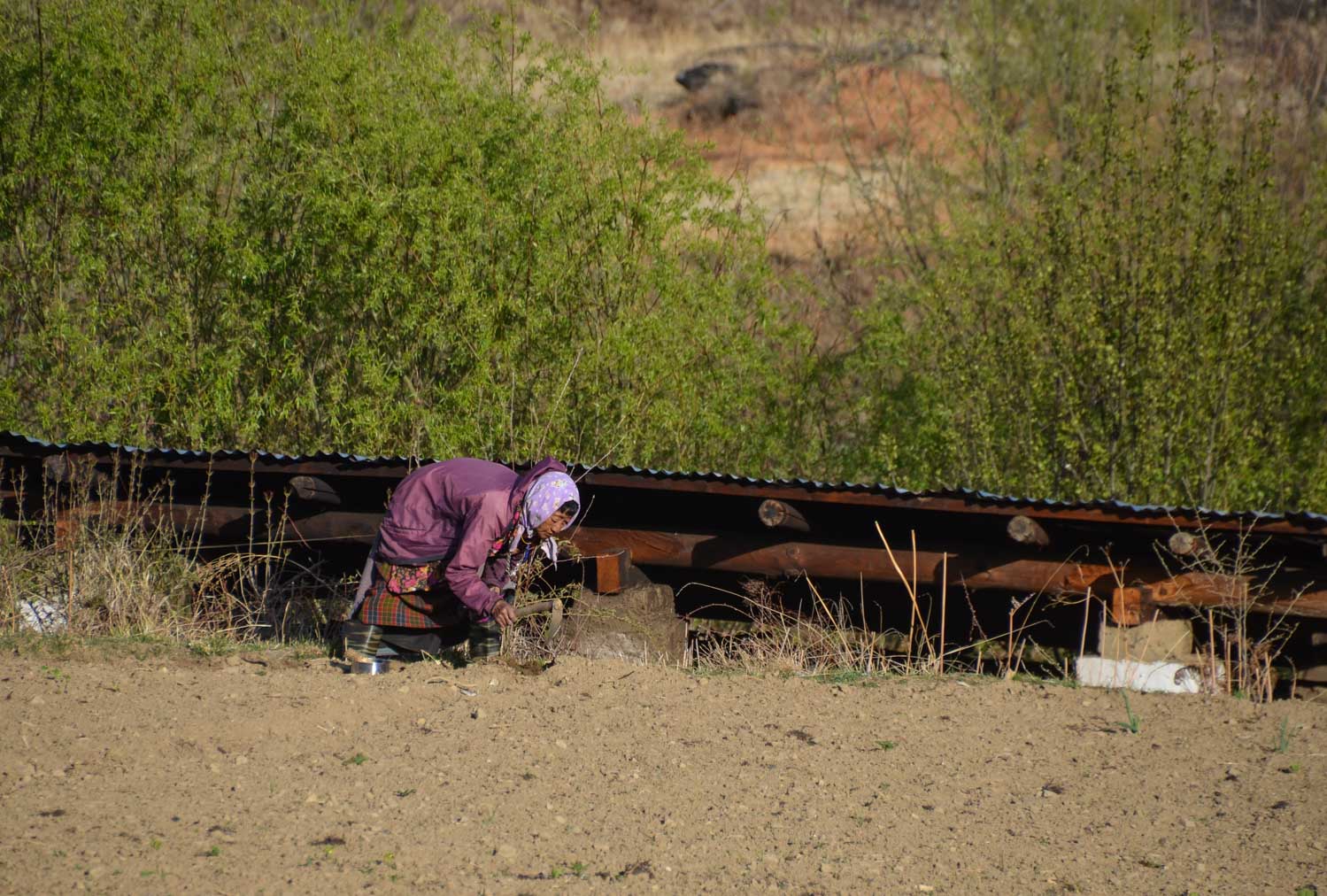
The last hours of light for hard working farmers.

The old farmsteads lay mostly quiet in the setting sun – and the first cherry blossoms  enchantingly aglow.

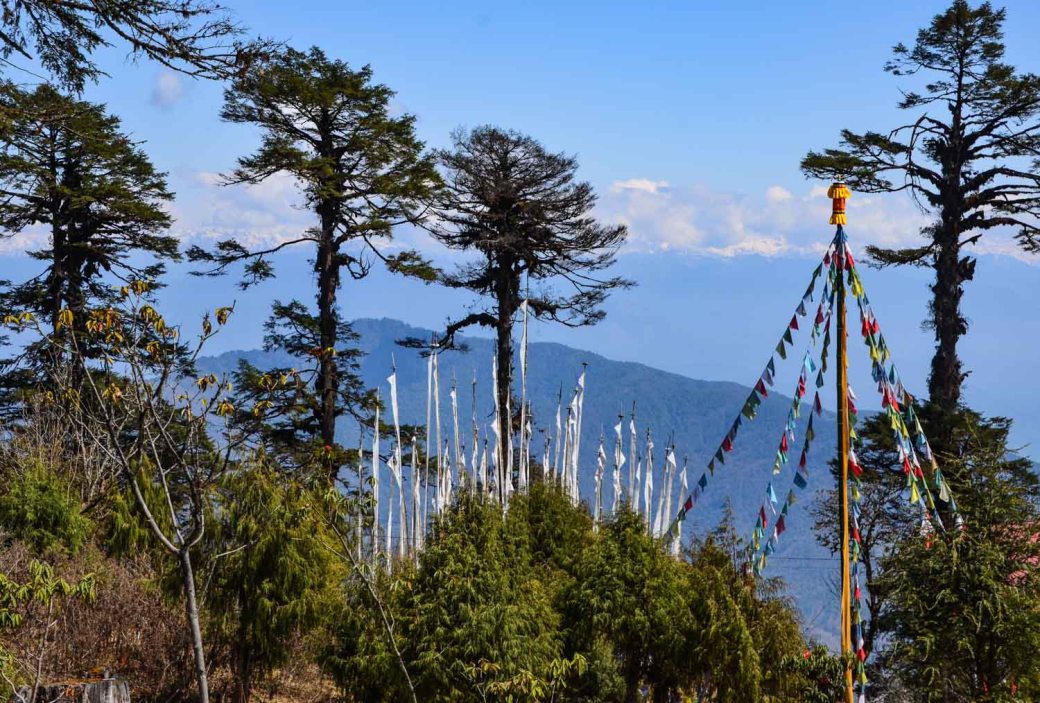
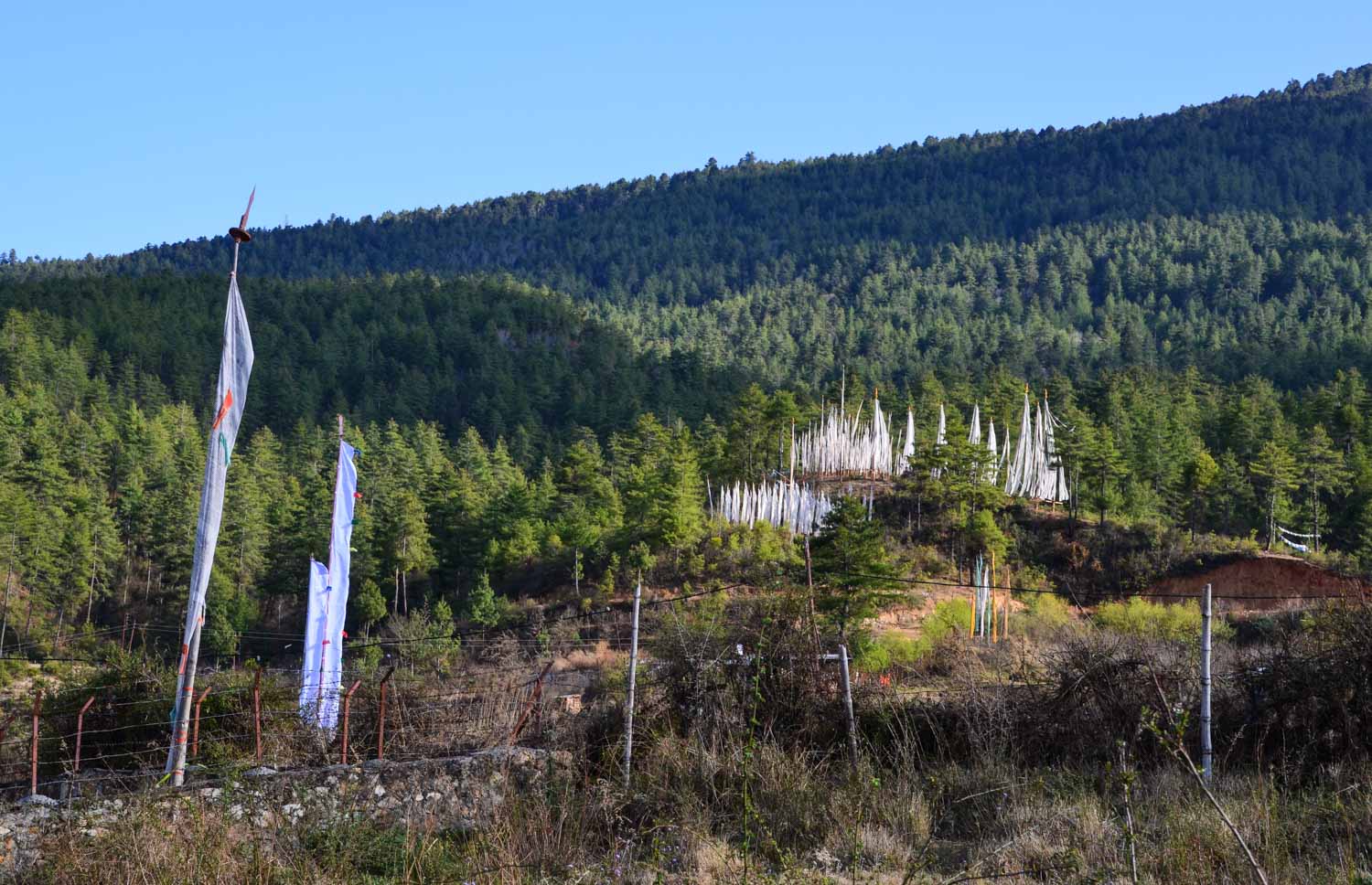
Always 108 flags for the dead. Everywhere on the hills, where the wind is blowing. Naturally there is a religious meaning, but according to our guide, the exact reason to just 108 is lost in history.

An overwhelmingly interesting day had come to an end. And with the stunning views of Jomolhari, 7326 meters, we reached Nak-Sel and went to enjoy a lovely dinner.

Rinpung Dzong – Bhutan and Its People

The Paro Dzong is bigger than you first think. As I wrote before, it houses an administration as well as a monastic part.

We walked back there in the afternoon during the Tsechu, to take a closer look.

1974 Bhutan opened up to the world, and some years ago they invited the great leaders of the outside world, to show their winning concept. Not all leaders came, of course, but those who listened must have been impressed. This tiny Himalayan nation, surrounded by much larger countries with massive populations and economies – seem to stand tall in their beliefs and try to follow the road chosen.

Bhutan combines Gross National Happiness (explained further down) with democracy and Buddhism. A concept they try to convey to the world as well. In fact, the Resolution of Happiness was adopted by the UN’s National Assembly in 2011, leading to World Happiness Day now being celebrated across the globe annually on March 20.

The Watch Tower used to house the National Museum, but the tower was damaged in an earthquake, so the museum was now set up in a building nearby.

Going down again we passed some sellers. Their hats and clothes tell about their origin – they are Layaps, living in the north western parts of Bhutan, at almost 4000 meters. Until the 1980s the Layaps lived in complete isolation from the rest of the country.

A rapidly growing economy has resulted in increased consumerism – leading to imports mostly from India. The government decided to place a ban on many imports, including cars, but it remains to be seen if globalization and everything in its wake can be sufficiently kept at bay. Let us hope so. The King and the Government seem very determined.

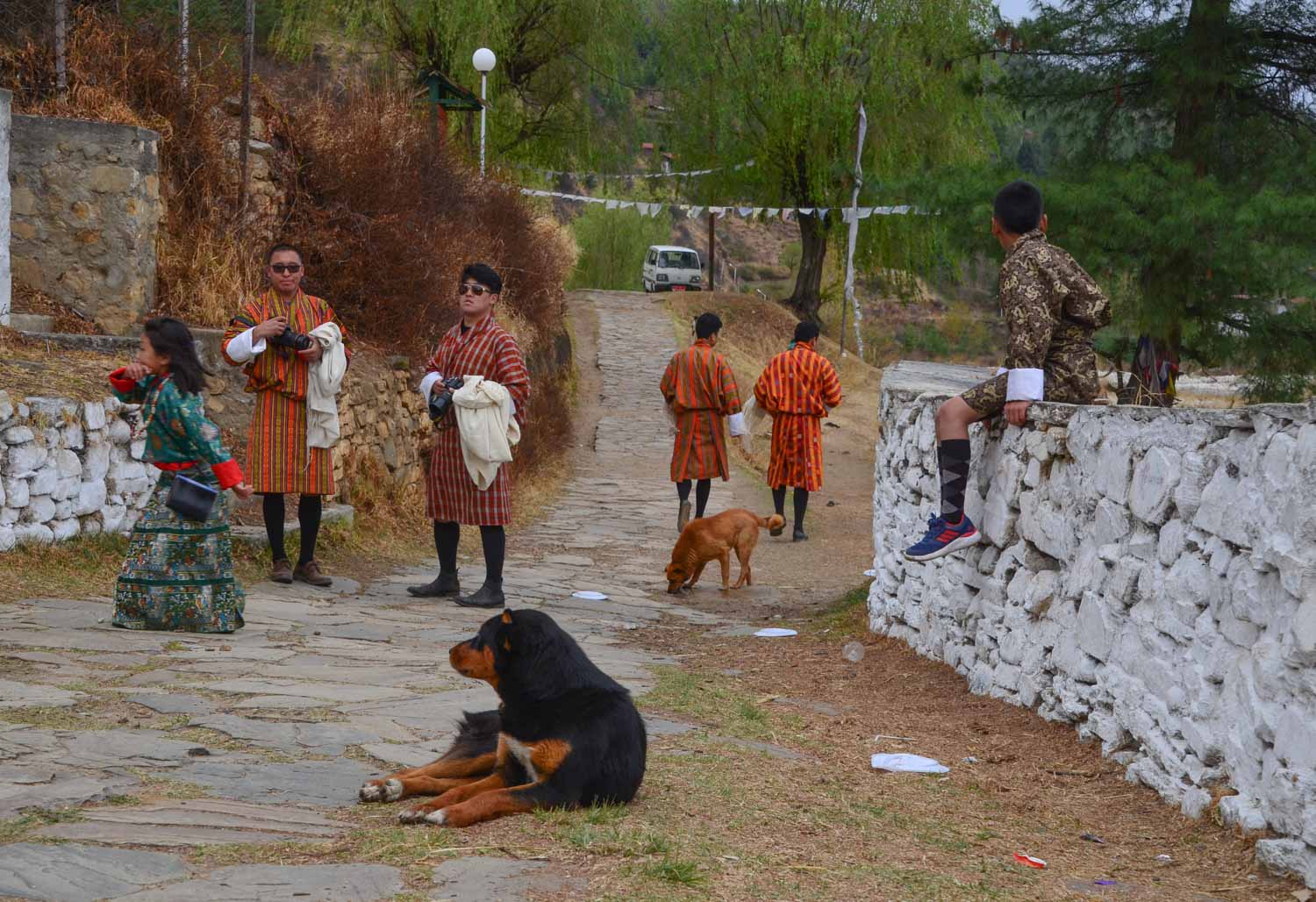
Modernity is coming though. Cell phones and heavy camera equipment already in Paro – and dogs on leash in Thimpu. But – Thimpu is the only capital in the world without traffic lights. There is still a policeman in a box, in the middle of the street, gracefully waving the traffic in the right direction.

Gross National Happiness (GNH) in short, is:

  • based on core Buddhist and human values
  • a measurable index and a counterpoint to the economists Gross National Product
  • a philosophy placing real value on cultural heritage, health, education, good governance, ecological diversity and individual well-being

According to our local guide, Rinzen, there is a validation before a decision is taken, and after the implementation of it. If people are not getting/did not get happier out of this – the concept will be dropped.

Bhutan is the world’s only carbon-negative country. Just Imagine. And, this is true.

The Streets of Paro

At 2200 meters above sea level, Paro hosts Bhutan’s international airport and about 15000 citizens. A charming town with its most famous landmark about 10 kilometres outside town: Taktshang (Tiger’s Nest) Hermitage on the face of a sheer 1,000-metre (3,281-foot) cliff. This was our goal for the last day of our tour.

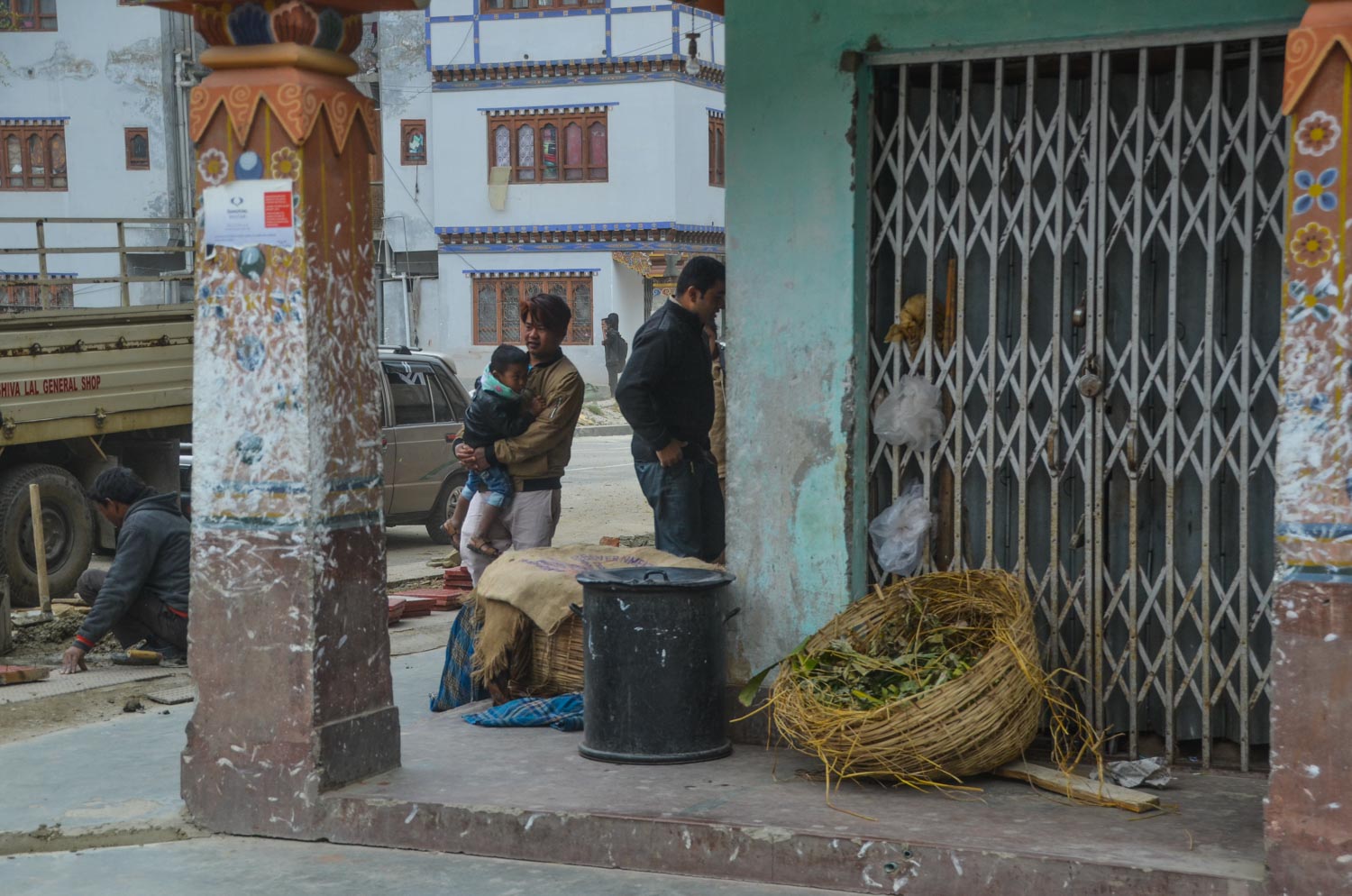
Street life is rather lively, and throughout our trip, the towns and villages were constantly expanding.

Architecture is restricted to the old ways, and no matter the material, you have to build and decorate your house according to tradition.

Roadwork everywhere too. The two, three roads connecting the villages of the valley was built by India. The workers stay for many years to keep up the road quality.

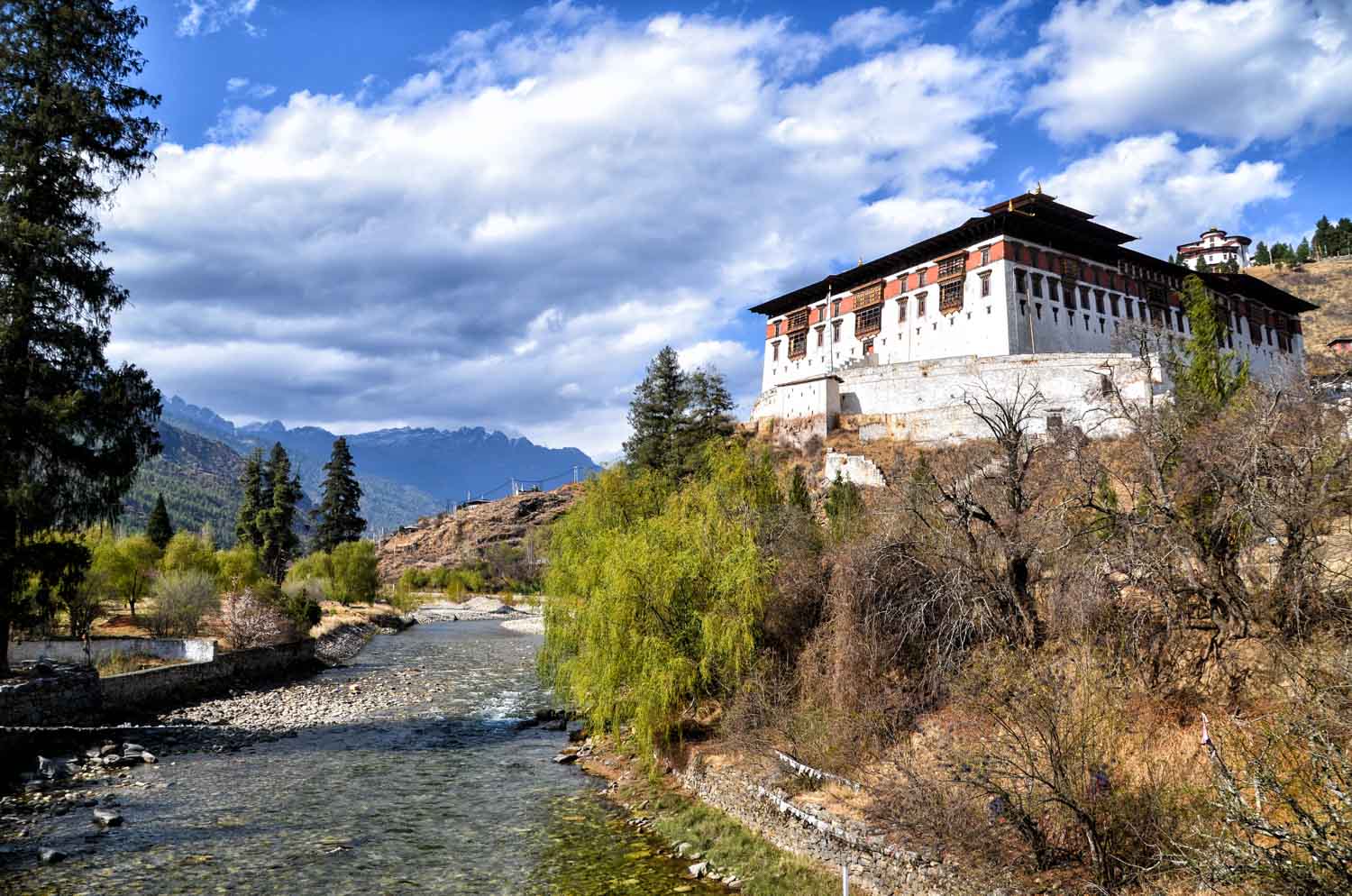
The bridge over to Rinpung Dzong. The Dzong (a fortress/monastery) was built in the beginning of the tenth century. The famous festival, Paro Tsechu, is held here every year – and we visited on our first day in Bhutan.


Paro Tsechu

We arrived in Bhutan during Paro Tsechu – one of the many colourful dance festivals in honour of Guru Rinpoche, one of Bhutan’s most important historical and religious figures. He visited Bumthang in AD 746, and is said to then have introduced Buddhism to Bhutan. Read more about Tsechus here.

Rinpung Dzong is beautifully situated in the valley. It was built in 1644 to defend the Paro valley from invasions by Tibet. Like most dzongs, it houses the monastic body, district government offices and the local courts.

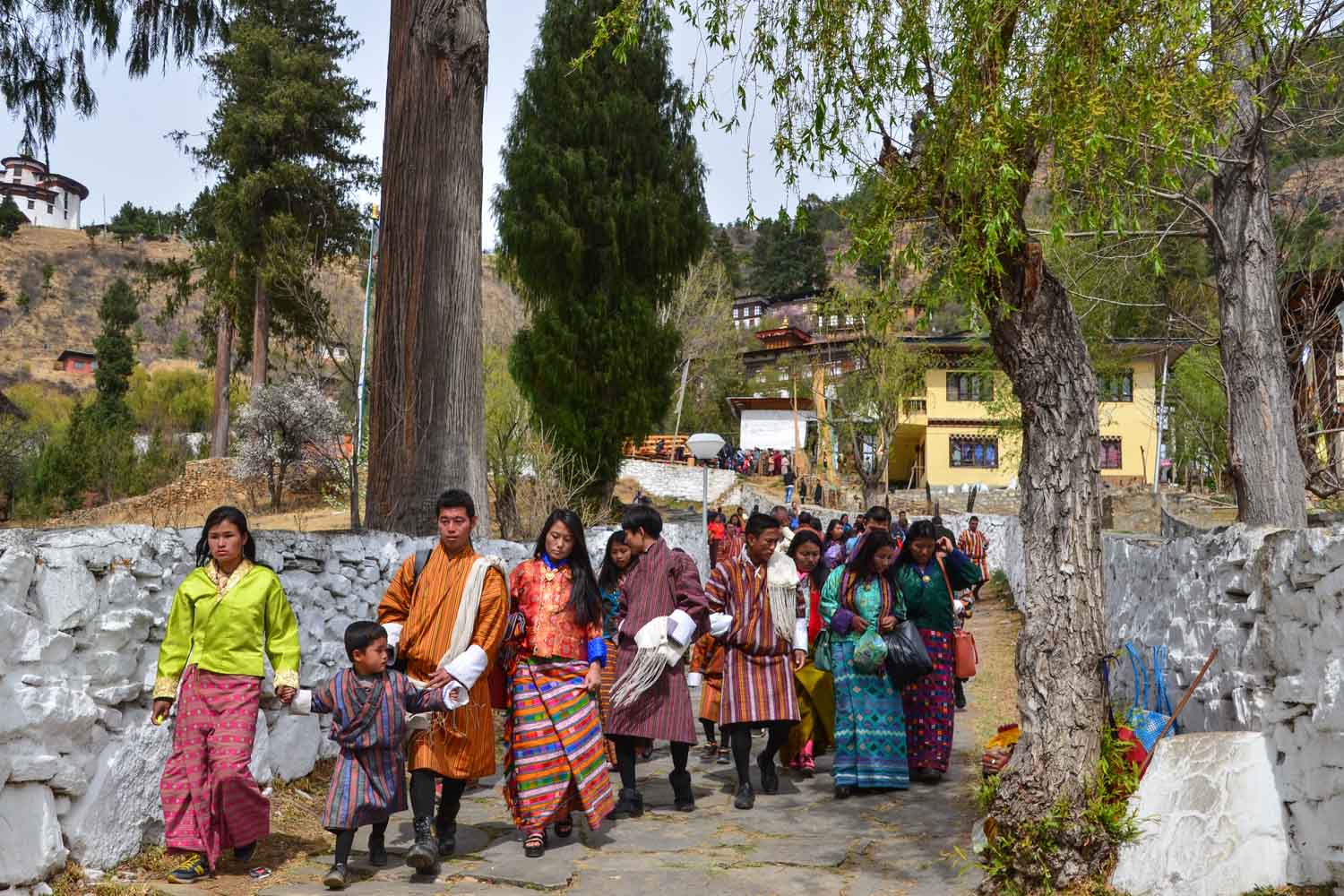
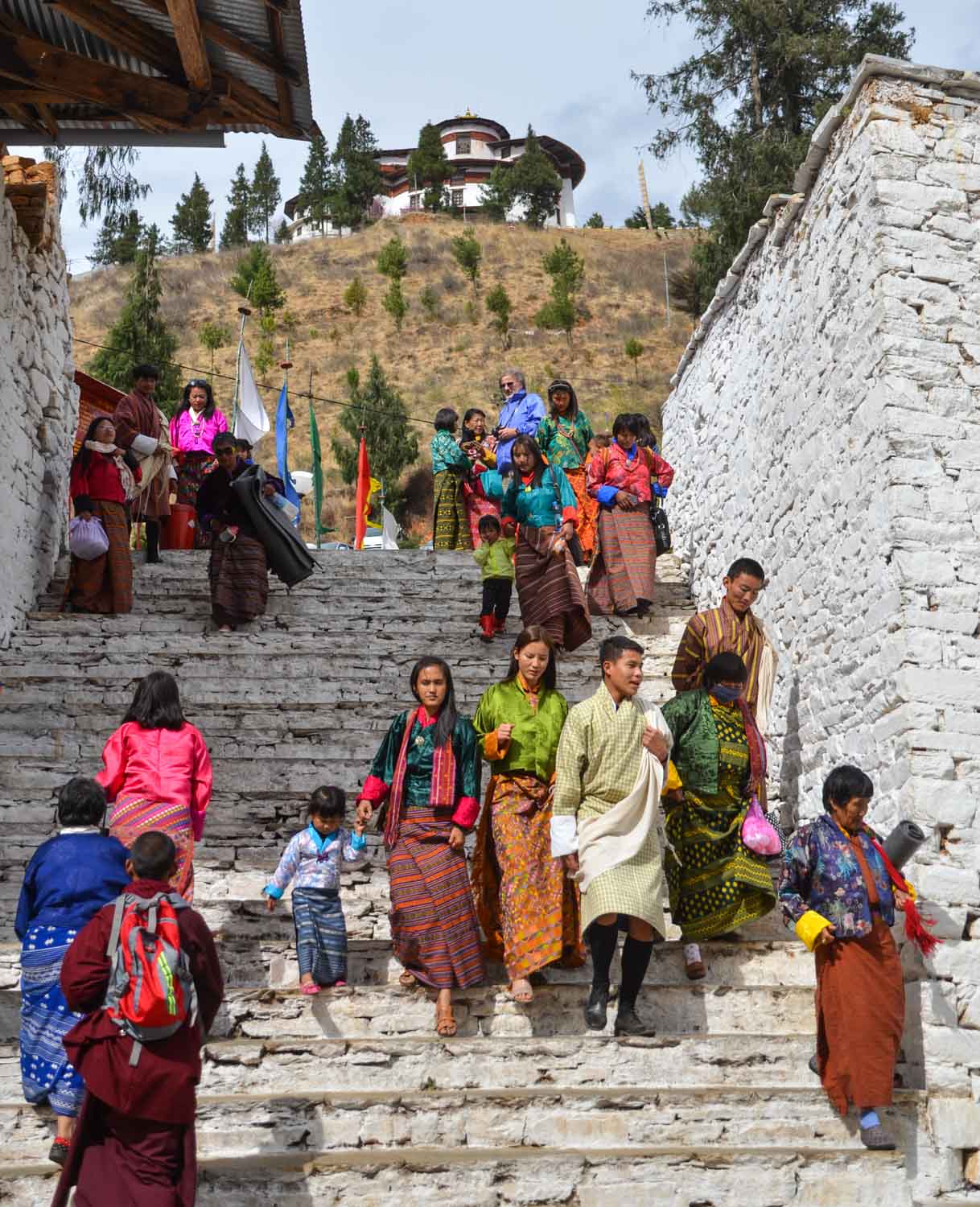
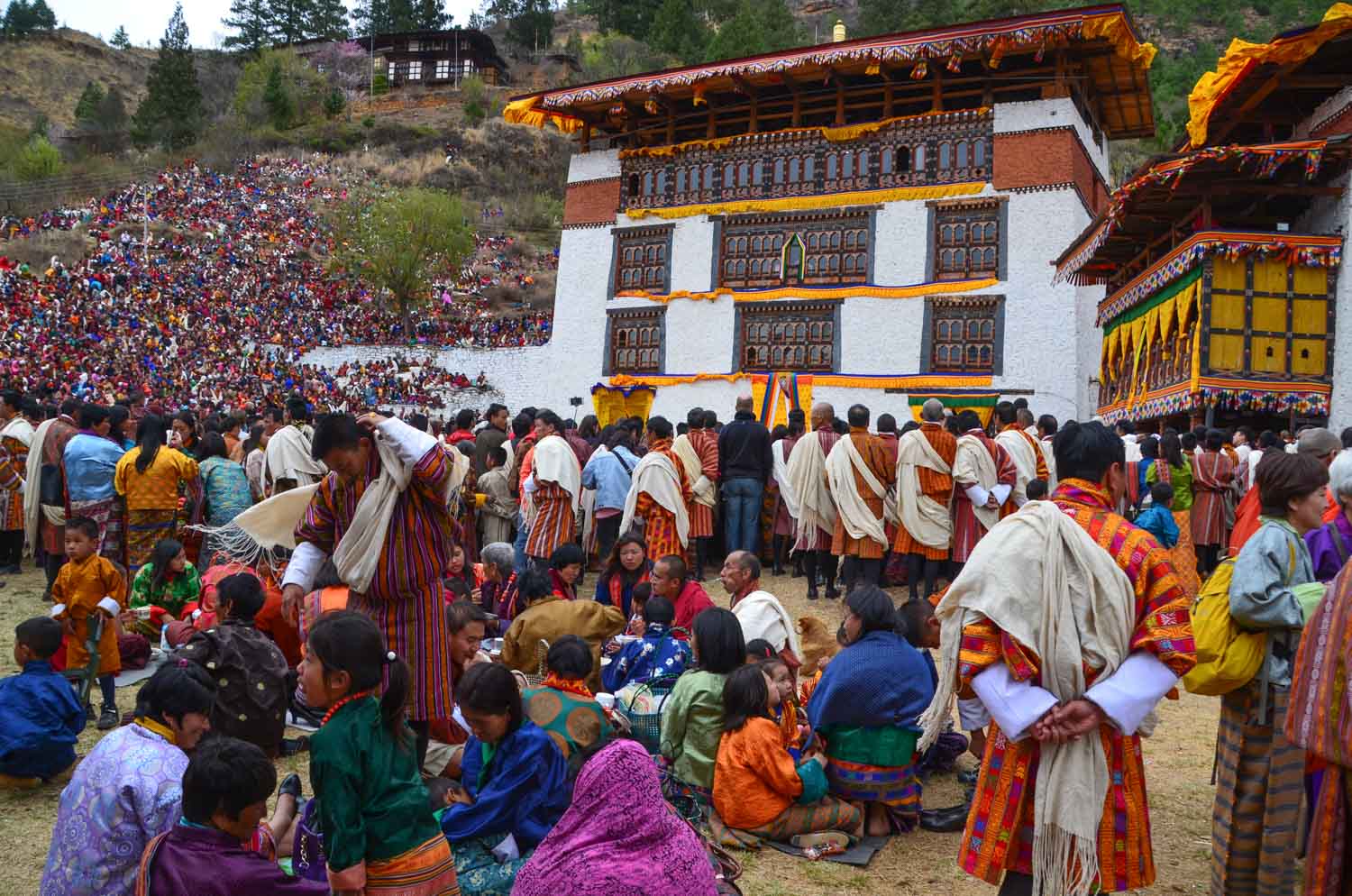
During the Tsechu festivals, people come from near and far, all wearing their most beautiful kira (women) and gho (men). It is compulsory for all Bhutanese to wear national dress in schools, government offices and on formal occasions.

The cloth is made from cotton or silk and the patterns are very colourful. The only patterns forbidden are flowered ones, but solid reds and yellow colours are also avoided, because these are colours worn by monks.

When we arrived, there was not much room for sitting close to the dancers…but some shots are acceptable. I spent most of the time helping little old ladies and children to a better view. And taking in the atmosphere!

There are many kinds of mask dances, but I remember clearest the one preparing you for the meeting with fearful creatures the first 49 days after you die. This dance will help you facing them without fear.

There are many pieces included in the dress code, but a very significant part is the scarf: Ordinary male citizens wear a kabney of unbleached white silk, but there are different colours for different ranks. The king, for example, wears saffron. The women wear a cloth sash called a rachu over their left shoulder.

If you look closely, you will see that it is very often the men who are taking care of the little children, carrying them or holding them. Bhutan is very particular about equality.

The Buthanese believe they will create merit by attending the tsechus and watching the ritualized dances. They share their food, exchange news and are surrounded by Buddhist teachings. The highlight is the unfurling of the thondrol, a giant thangka, before sunrise the last day. It is believed that your sins are washed away upon viewing this.

The monks have their own seats, close to the dancers.

Unfortunately we were not at the festival on its last day – so my sins are still with me…


On the Wings of the Dragon…

…we flew to Bhutan, Druk Yul, Land of the Thunder Dragon. This is the country launching GNH – Gross National Happiness – instead of GNP. I asked people I met if they really were, Happy. And, they said yes, they were. I can understand why.

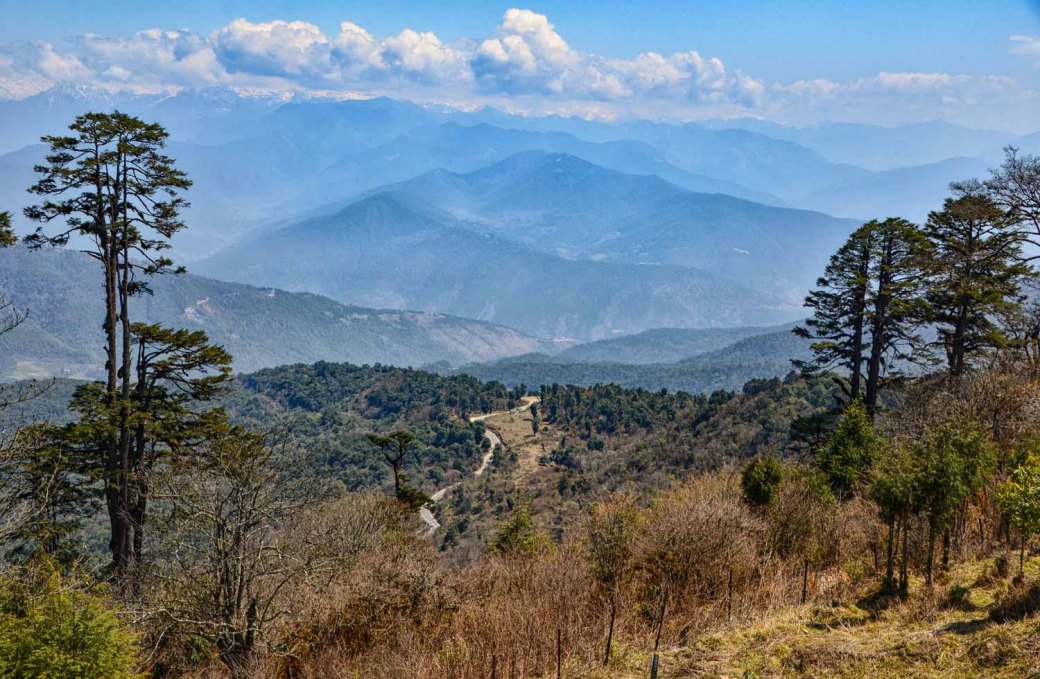
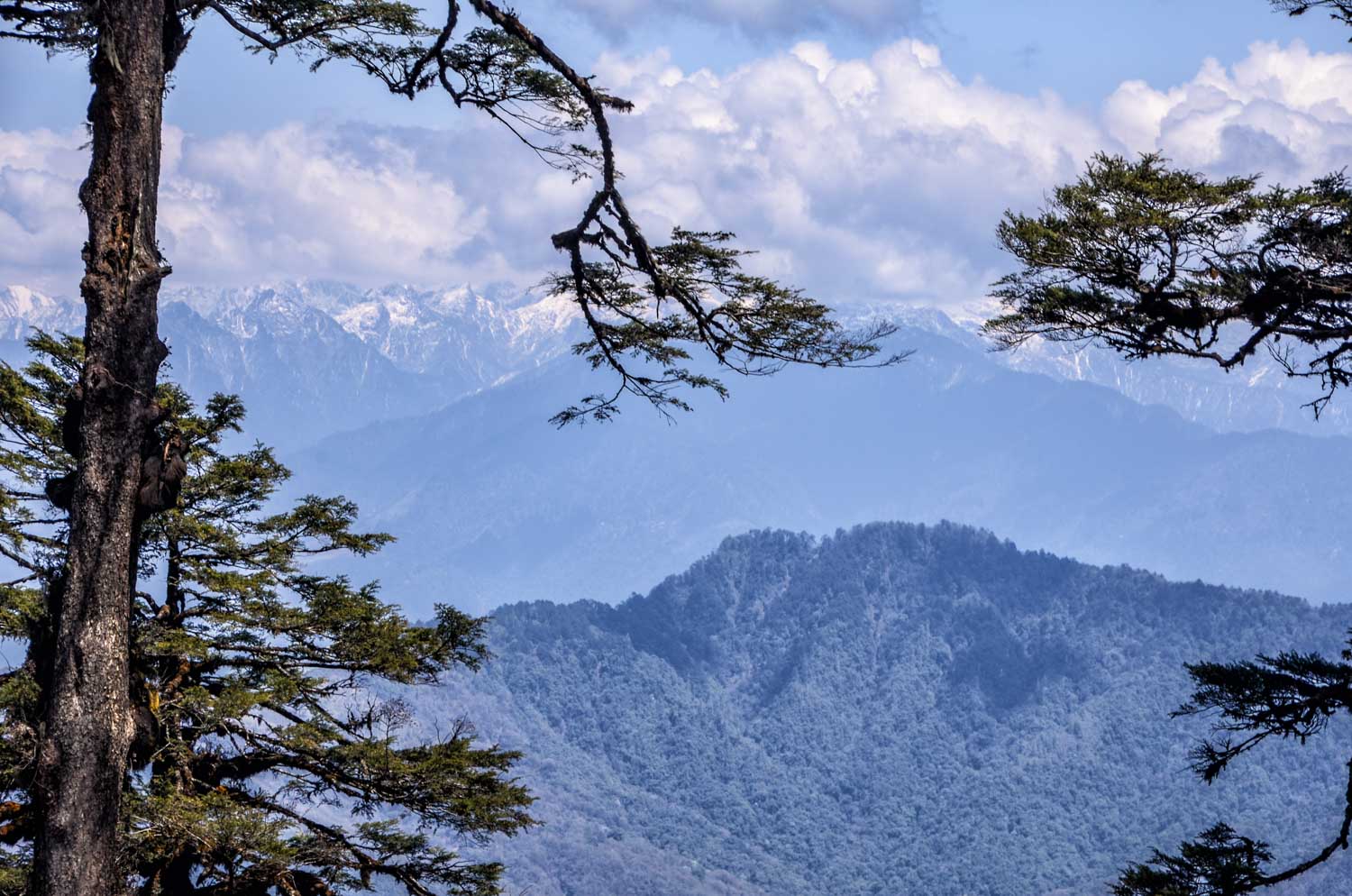
Through the windows I could see the Himalayas, snow capped mountains welcoming me a second time. In 1986 I went to Nepal and India, but haven’t been in these parts since. I fell in love with Nepal. And now I am passionate about Bhutan.

Paro, Buthan, is said to offer one of the three most dangerous approaches and landings in the world. You could almost reach out and touch the mountain houses…

It was difficult to take photos, but I had to try. Druk Air indeed has got some skilled pilots.

With surrounding peaks as high as 5,500 m (18,000 ft), Paro airport is considered one of the world’s most challenging airports, and only a select number of pilots are certified to land here. I heard they were 14.

Flights to and from Paro are allowed under visual meteorological conditions only and are restricted to daylight hours from sunrise to sunset. We flew early morning.

The spectacular and dangerous left turn in the valley before landing had us all holding our breath. And, in a way we never let that feeling go…

The most beautiful airport in the world?

We were of course met by the Royal Family – portraits of the King, or of his whole family, were present everywhere in Bhutan. Even as pins on the men’s Gho (national dress).

It may be small, but the arrival hall is exquisitely decorated. Finally we are at the entrance to the land of Happiness. The last Shang-ri-La.

Thursday’s Special: Traces of the Past Y4-03

For Paula at Lost in Translation.


This is the Roman bridge in Verzasca valley, Switzerland. In fact, my favorite bridge – in a very special and surprising landscape. A real treasure of the past.


CFFC: Sunset to Sunrise

Cee’s Fun Foto Challenge: Sunset to Sunrise (including any nighttime photography)

40 metres up in the canopy of the Amazon jungle – the most fantastic ever, of my sunsets experienced. The sounds from the jungle. The warmth. The stillness. A total sense of belonging and being one with nature. A religious feeling.

Returning to our lodge, leaving the canoes and heading for the welcoming lights.

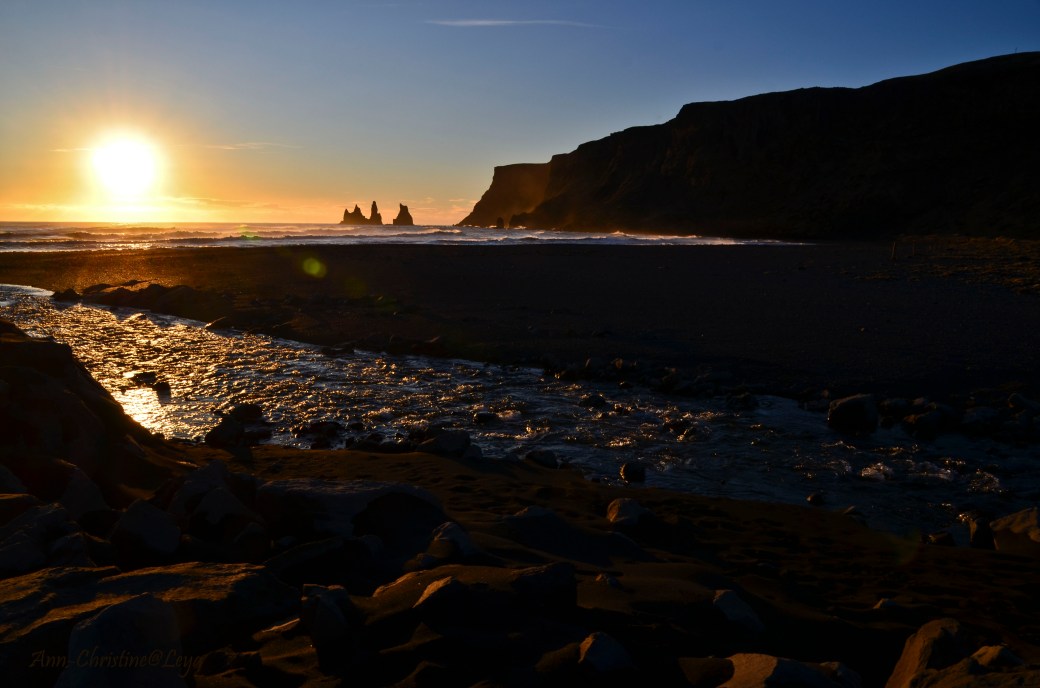
Iceland, winter sunset on the south coast.


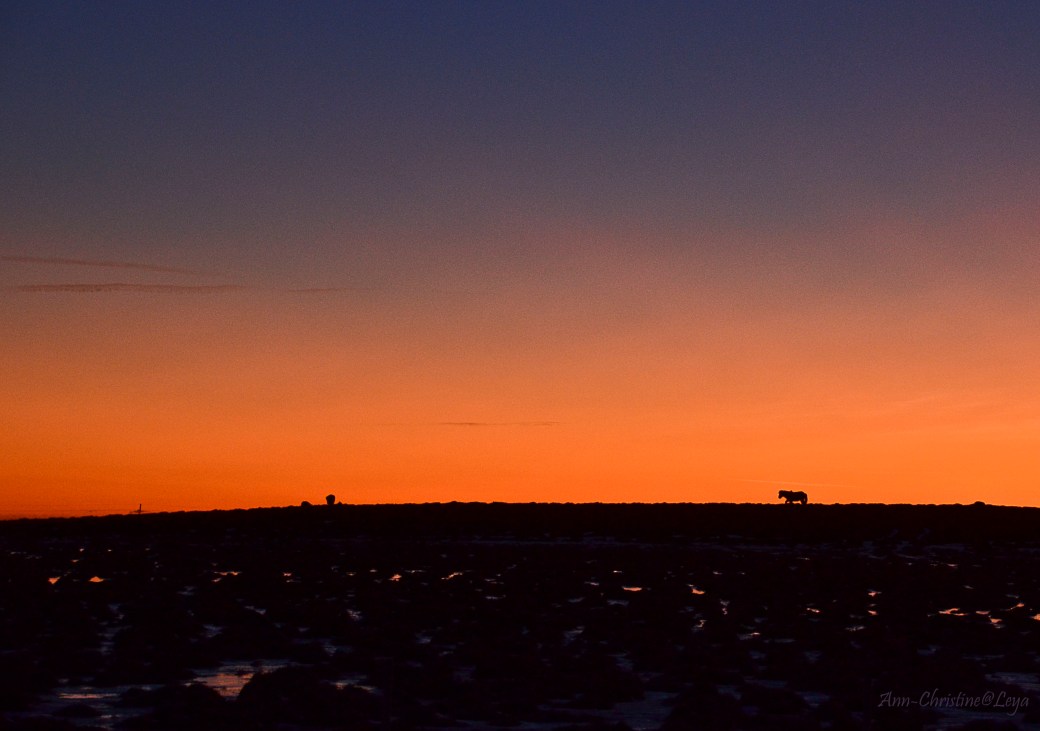
Returning to Reykjavik through the cold landscape – some icelandic horses on the horizon.

The header photo was taken from camel back, a sunset in the Morockan desert.


Sunny City Stroll – Umeå

In the summer, the river banks are lovely to walk – but winter is very interesting as well. And of course it is easier to get to the other side of the city.

Going by car or bus, you have to use the bridges. And there is a bridge for pedestrians as well. We tried both.

There is a shimmering swirl of snow/ice crystals in the air, that we never have in Skane, where I live. I guess it is the crisp cold that does it. Difficult to catch on a photo, but here are two possible ones. I hope you get what I mean!

Some examples of architecture – lovely houses here. Mostly wooden. And a happy guide!

Detta bildspel kräver JavaScript.

One of the most beautiful buildings in Umeå is the Town Hall, built in 1892. The Restaurant and Brasserie, Rex, on the corner, had a sale this Saturday. Old porcelain and cutlery, furniture and miscellaneous. Not a chance of getting inside! The queue went around two blocks…in this cold…

The last day we had dinner at Lottas Krog – and we were all very satisfied with our visit – many thanks to our excellent guide. Lottas too, can be recommended!