Thursday Thoughts – Why I Love…This

Is it because of…


…or because of


or maybe because of…

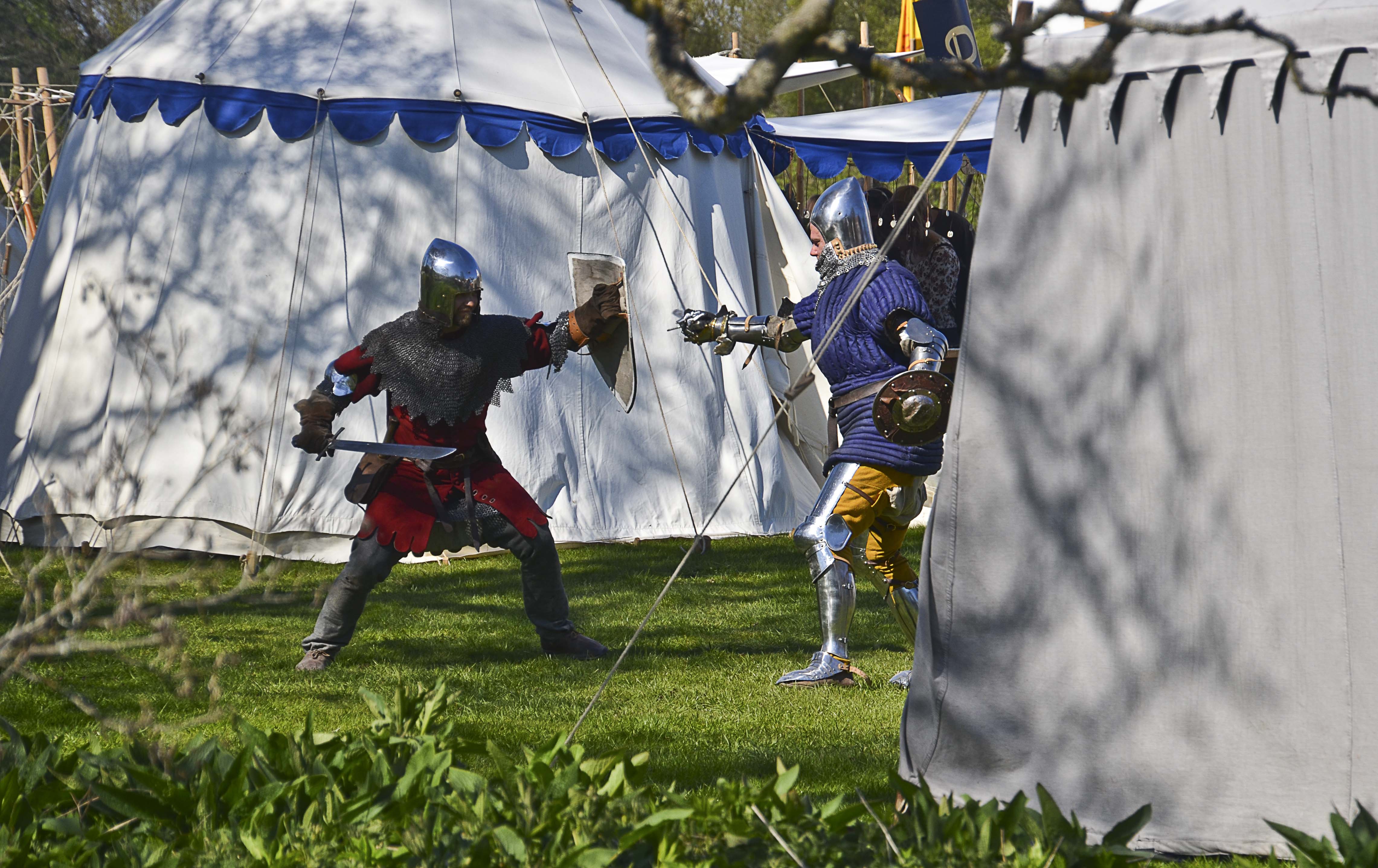
my longing for a Knight in Shining Armour…

or at least a handsome knight… in any armour!


It might also be for the fair ladies and a love of horses…

…or for the spectacular jousting  – and its Swedish Champions!

I do believe my love for this consists of all these things…and then, nothing beats the Hovdala Castle …

and its surroundings.

Ouarzazate – a Moroccan Hollywood

Its name comes from a Berber phrase meaning ”without noise” or ”without confusion”. Ouarzazate is also nicknamed The door of the desert, and the city is capital of Ouarzazate Province of south-central Morocko. To the south of the town is only desert.

The area is well known for its many prominent kasbahs, and nowadays a noted film-making location, with Morocco’s biggest film studios.

Many famous movies have at least some scenes shot here,  such as Lawrence of Arabia (1962),  Gladiator (2000) and Kingdom of Heaven (2005), as was part of the TV series Game of Thrones.

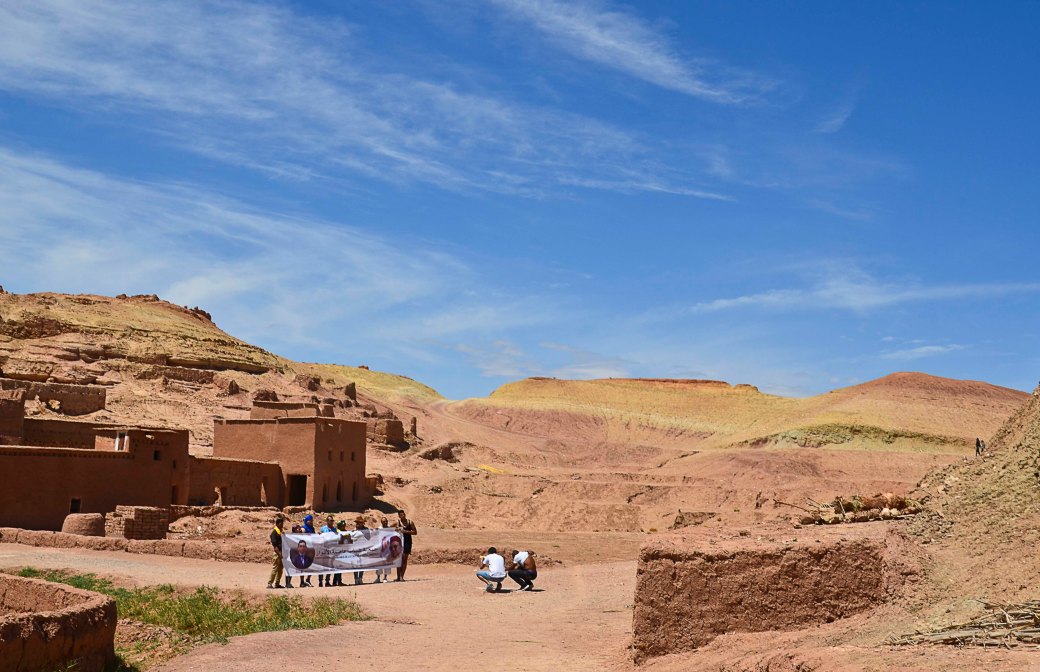
The arena in the movie Gladiator was right here in this open space, behind the people and their banner.

Ait Benhaddou was originally an old karavan station between Marrakesh and the Sahara Desert. Astonishingly beautiful, traditionally built of clay, straw and dirt.

Today, we can admire the old kasbah in the movies – only four families still live here permanently. The rest of the great kasbah is left to fall apart – but a first class tourist attraction.

Thursday Thoughts-Along the Roads

In the header, something of the new Morocco…on its way? The man talking in his cell phone, standing in the house-to-be…if it is not abandoned.

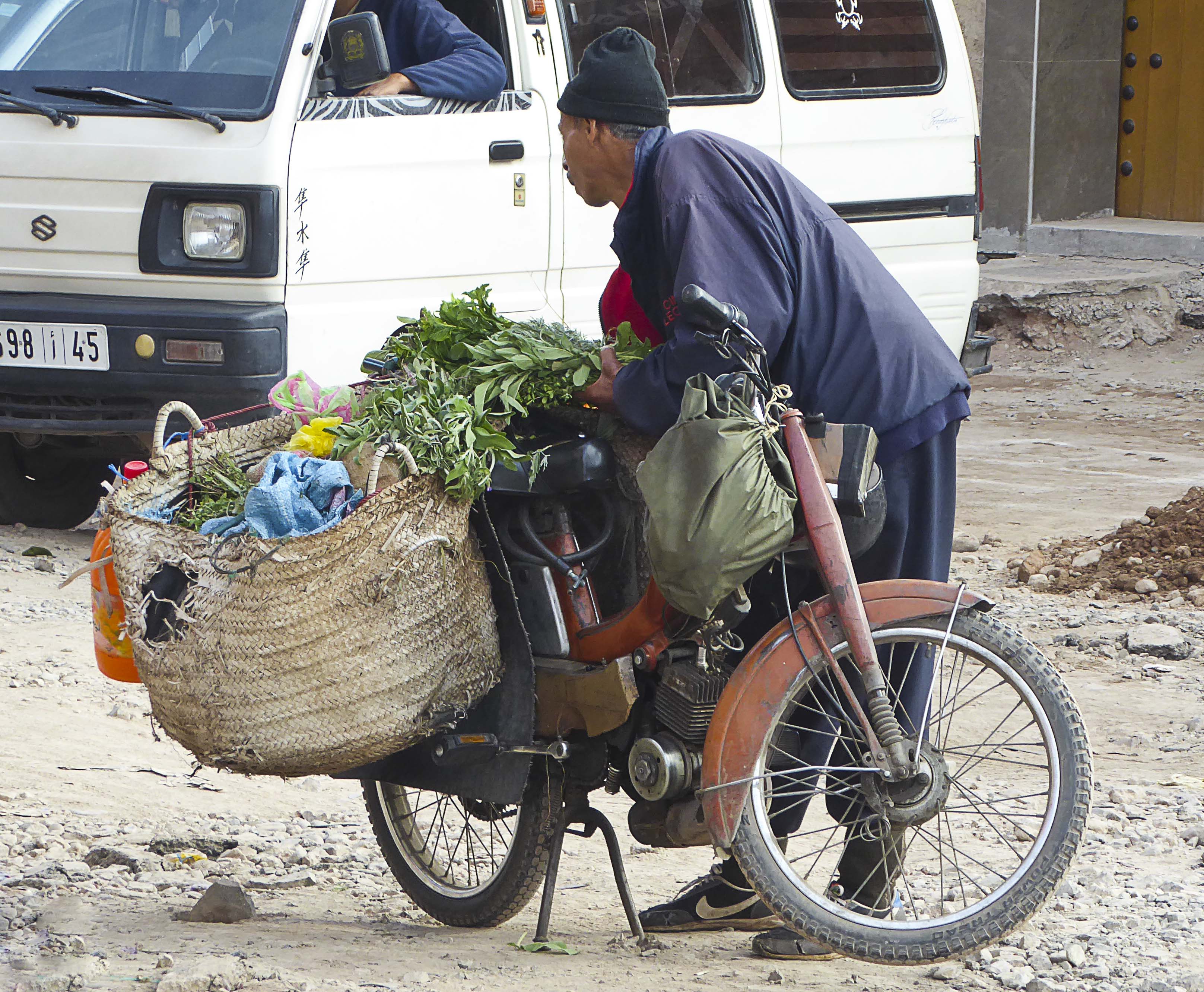
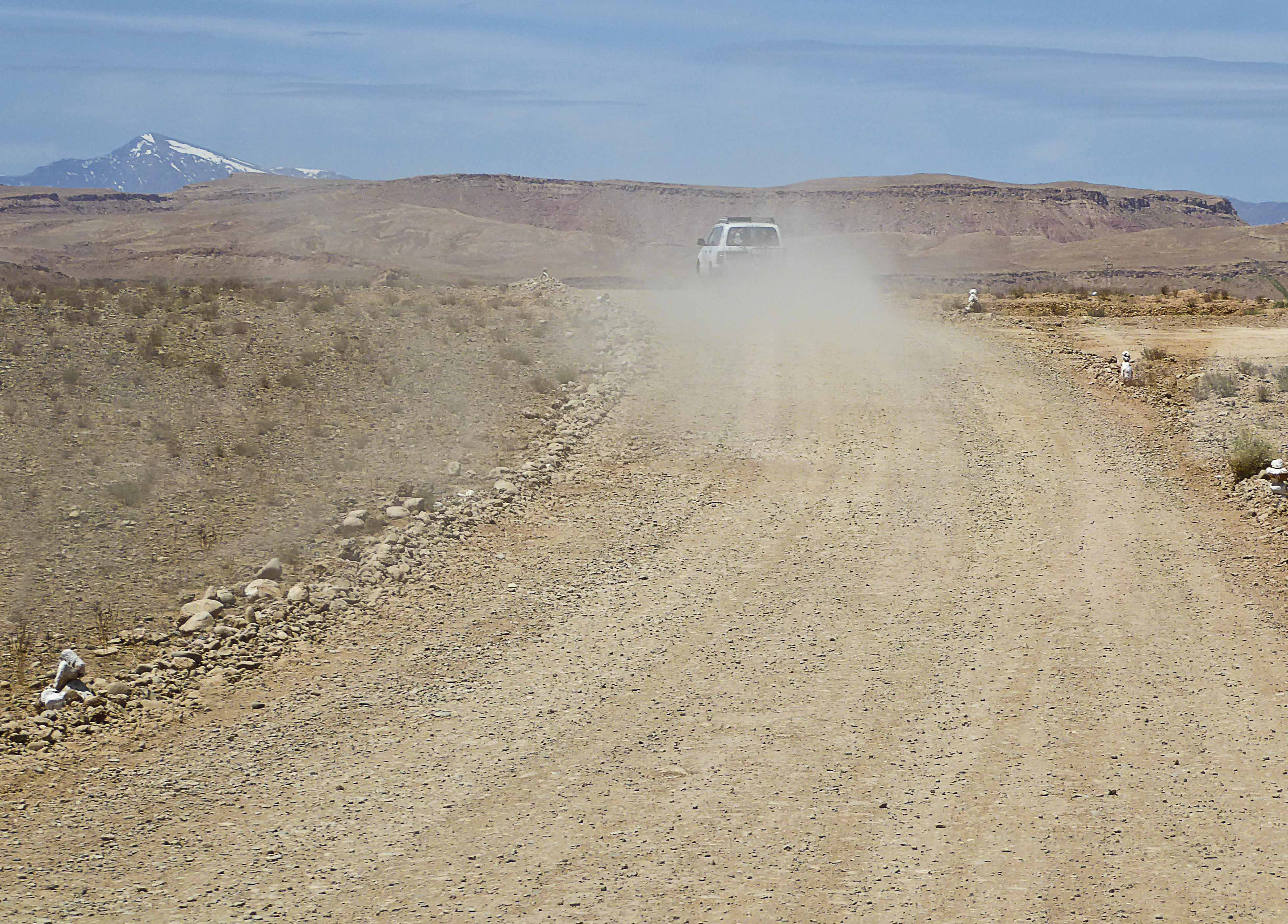
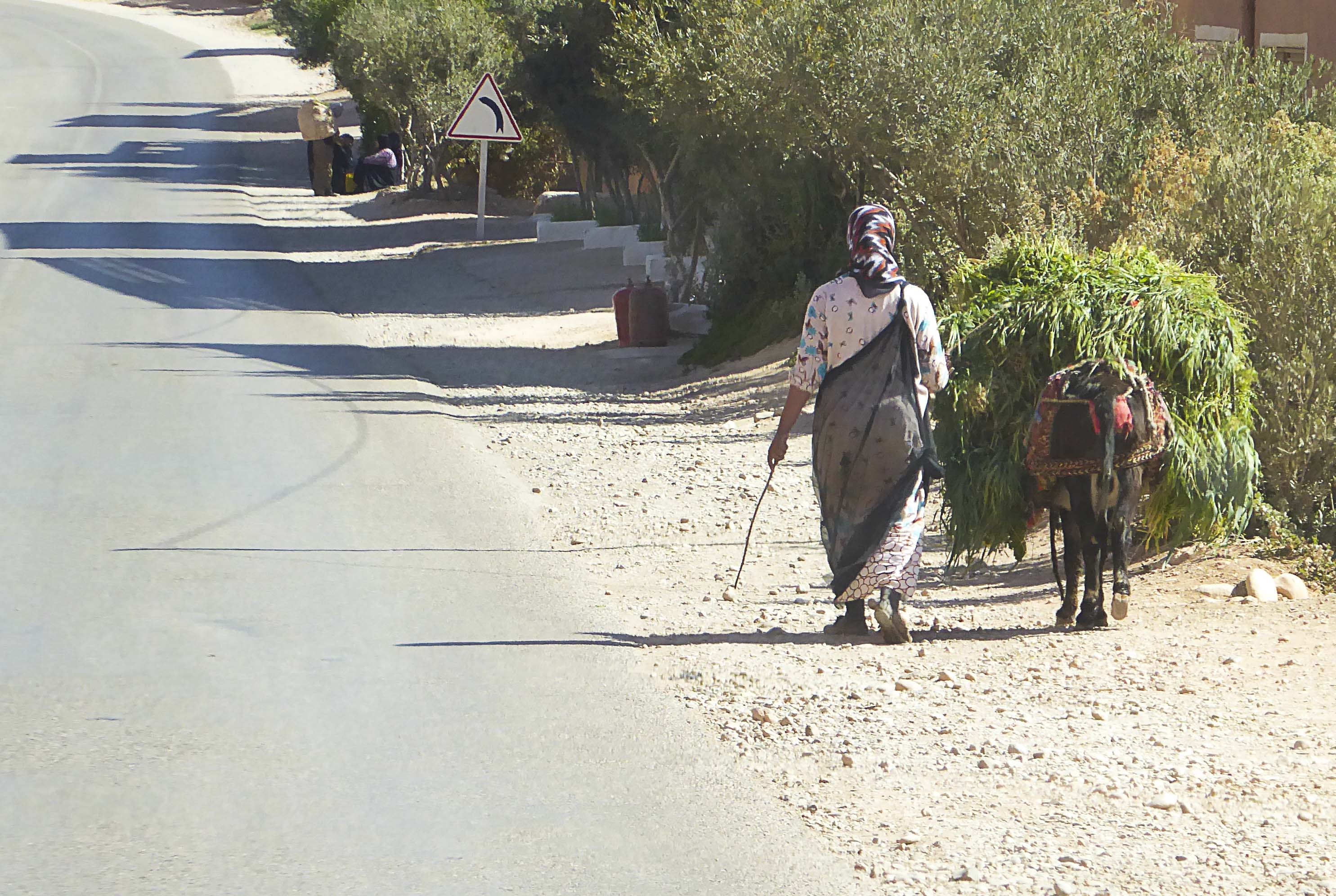
The Moroccan roads are rather straight and dusty. And along them, life continues as it has always done. Or almost.


P1020818_copy

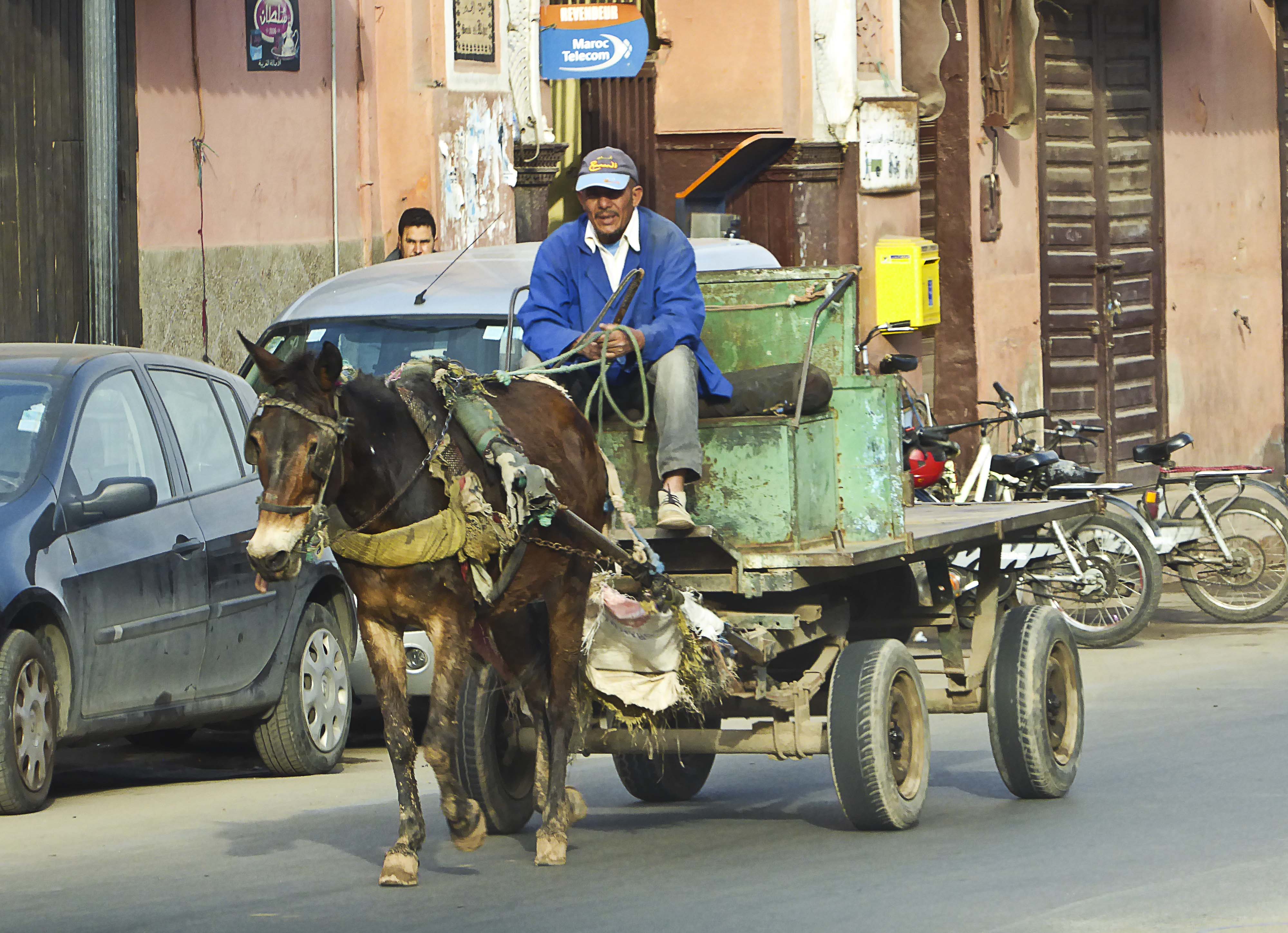
In the  cities, the mix of cars and horse carts, donkeys, bikes and motorbikes radiates that special energy and feeling. Most animals are also very well kept, which adds to the friendly atmosphere.

P1020824_copy

Either walking or going by van, we saw mostly men, of course, and nobody wanted to have their photo taken. I knew this from the start, so almost all photos of people are taken from the van. Sneakingly…


P1030028_copyWhen you have passed the High Atlas mountain range, there are endless, dusty, desert roads. But no matter how long or dusty the road, there are still people going about their daily chores – along the very same road.

P1030167_copyNomad tents rising or falling, and the women and men tending to their camels.

P1030189_copyMost people hardworking…

P1030345_copy

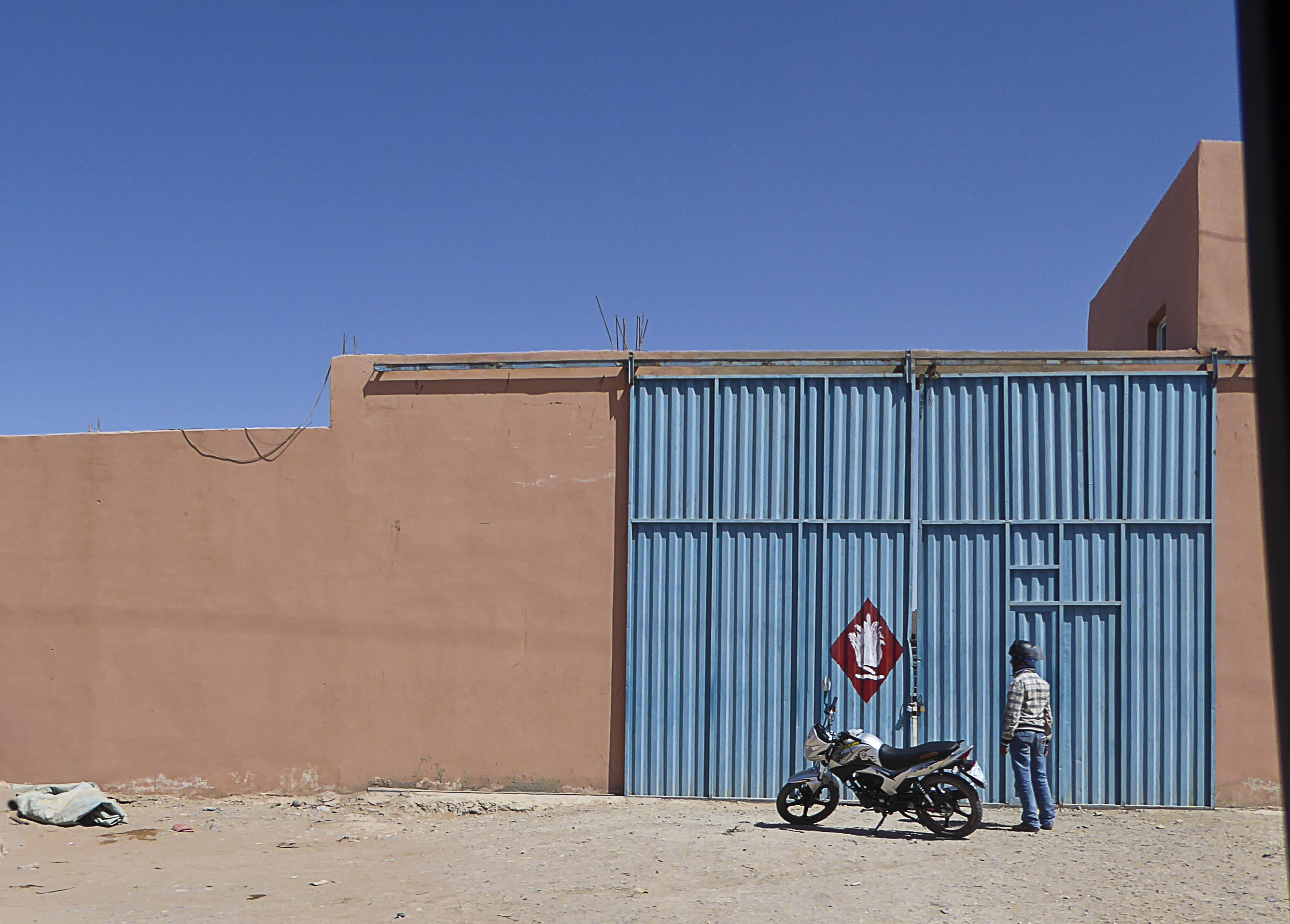
…but some, standing and waiting – for something or somebody. In the middle of nowhere.

P1030242_copyA colourful country.

I wonder how they have managed to preserve their old ways of living? Our Berber guide told us they have so many ”tribes” that they are impossible to unite. They have a country of small units who manage to live together – just the way they are. I think that is just amazing.

CFFC: The Colors Yellow and Red

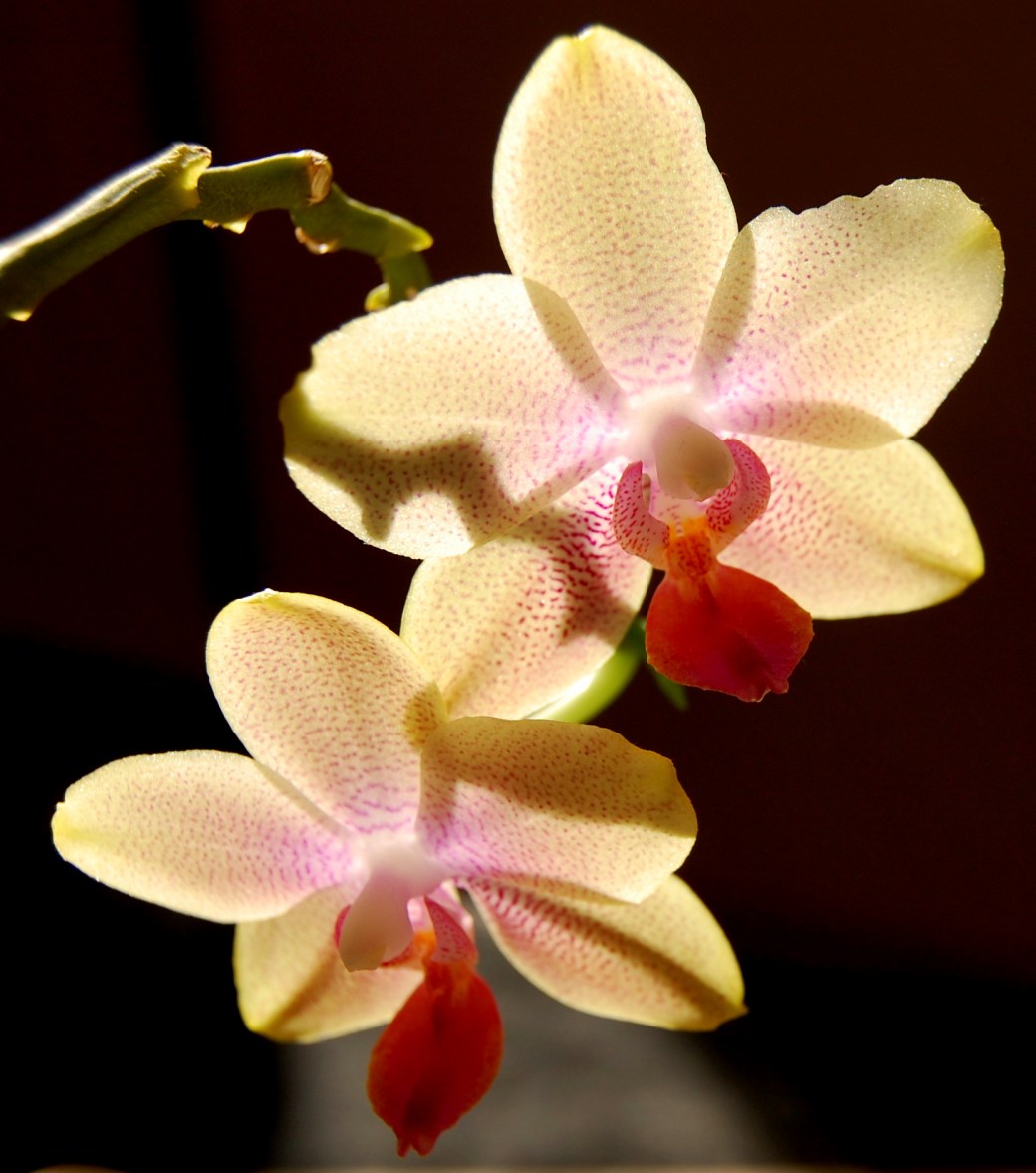
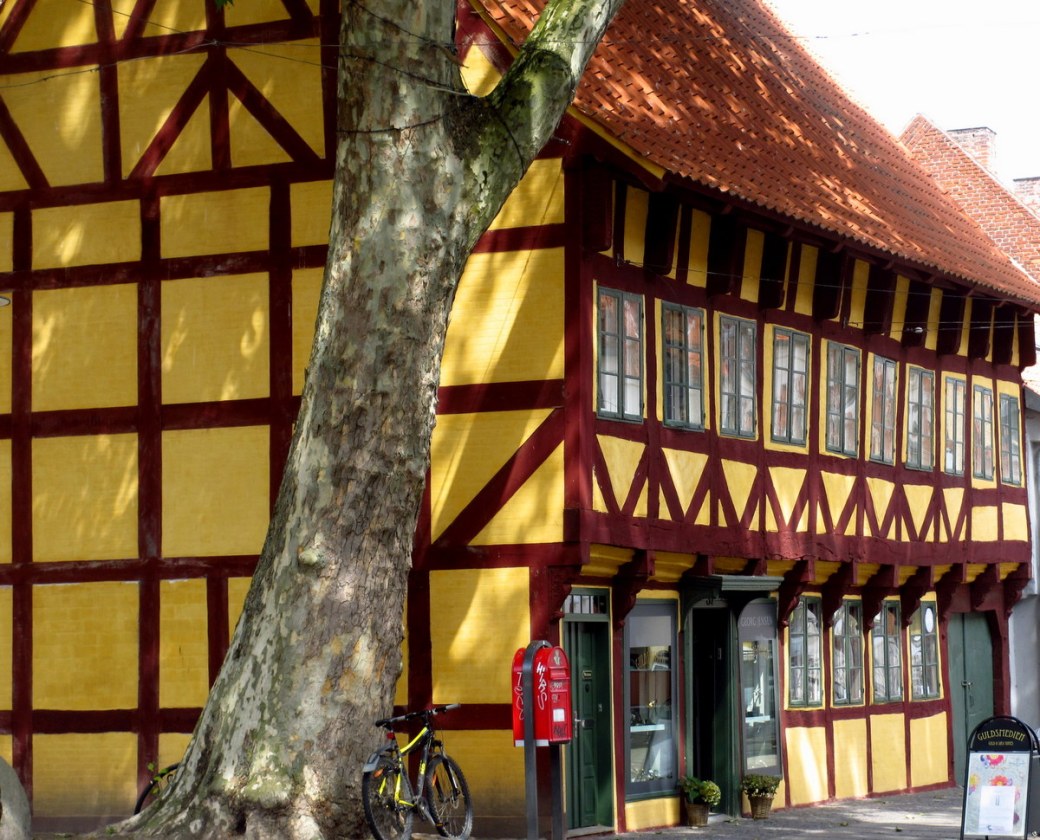
For Cee’s challenge – flowers! And a Danish house, of course. Join in for some great colours!


Phalaenopsis Orchid. In the header, Gloriosa.


A Moroccan Piece of Paradise


Back in 2004, Alain Ribet -a friend from Bordeaux- told me « My brother Bernard has gone quite mad: he’s bought a farm in an oasis in deepest Morocco”.

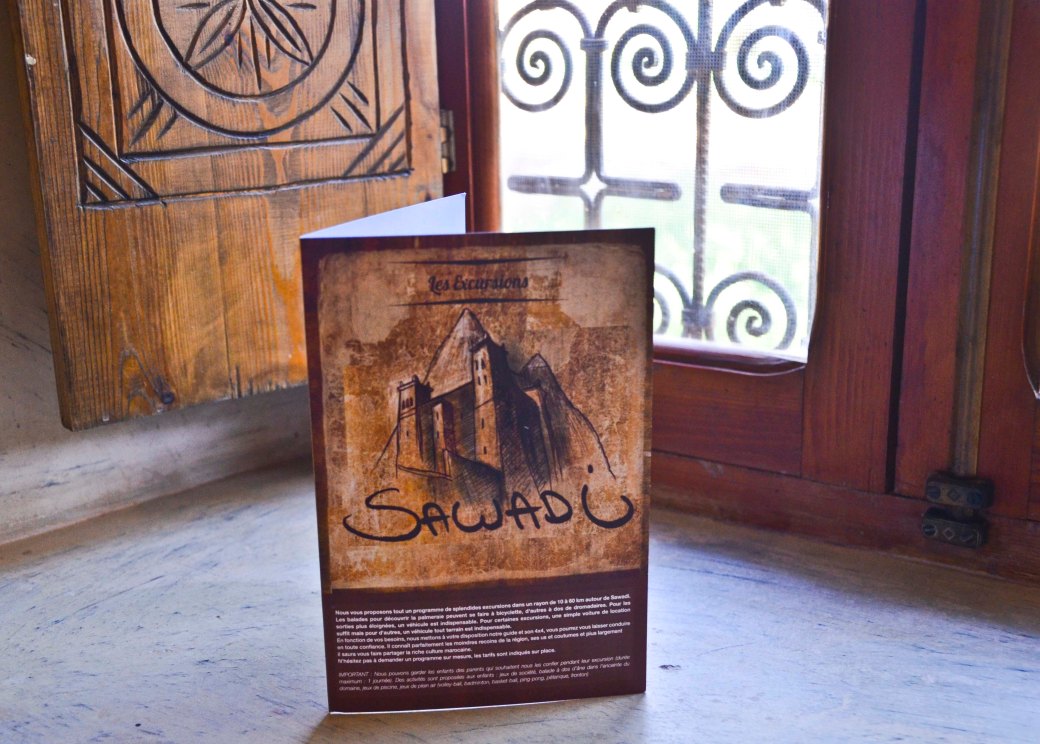
These are the words of Catherine Quenisset, the charming French lady who now, together with her husband Philippe, runs the ecolodge Sawadi in the palm grove of Skoura, Morocco. Read their story and about their sustainable concept by clicking the links above!
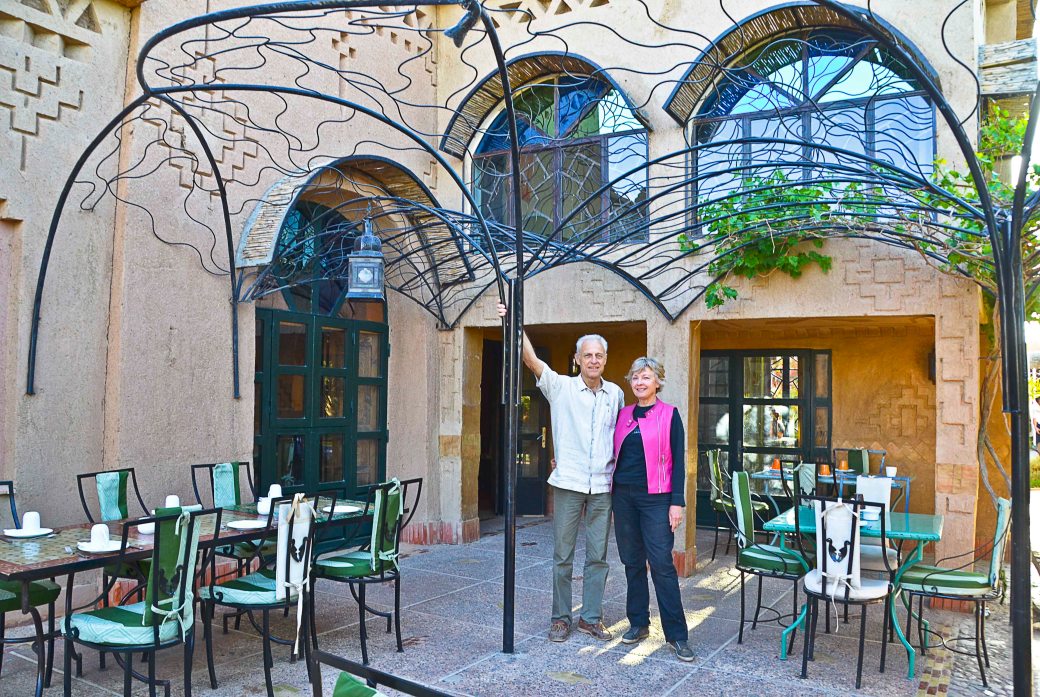
The Sawadi farm has the comfort of a riad and is implanted in a 4 hectare domain, This means a huge garden, and here they grow almost everything they need for themselves and their guests. For example roses for making rose water, flowers for the calendula oil, and all vegetables for the kitchen.

The hotel part of Sawadi includes only seven living houses, and is consciously restricted to that. In fact, Sawadi is the only establishment in Skoura to receive the “green key” a sign of their commitment to tourism and sustainable development.
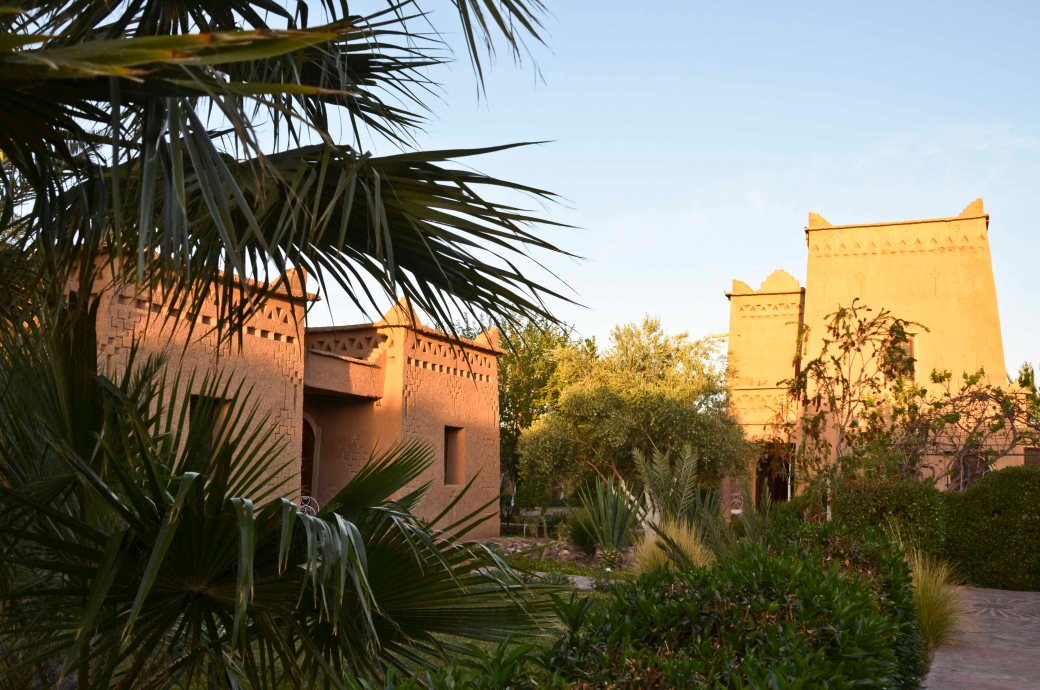
All the buildings at Sawadi have been designed and built respecting the traditional local Berber architecture. The ancestral technique means that the houses are daubed with a coating of mud and straw and they all have narrow window frames. This to make the  interior of the house remain cool in summer and warm in winter. The area has a constant dry heat which also means you can visit any time of the year.


Detta bildspel kräver JavaScript.

Sawadi is a place for both body and soul. Mindfulness. After leaving the luggage and changing clothes, we sat on the porch for a long time this evening. Just listening to the silence, only interrupted by the birds and the occational sound from the farm animals.

There is a beautiful pool and the kind of traditional hammam (a steam room for 3, maximum 4 people simultaneously ) you can find in the wealthy families of southern Morocco. Here they offer you a scrub and massage with the famous Argan oil.
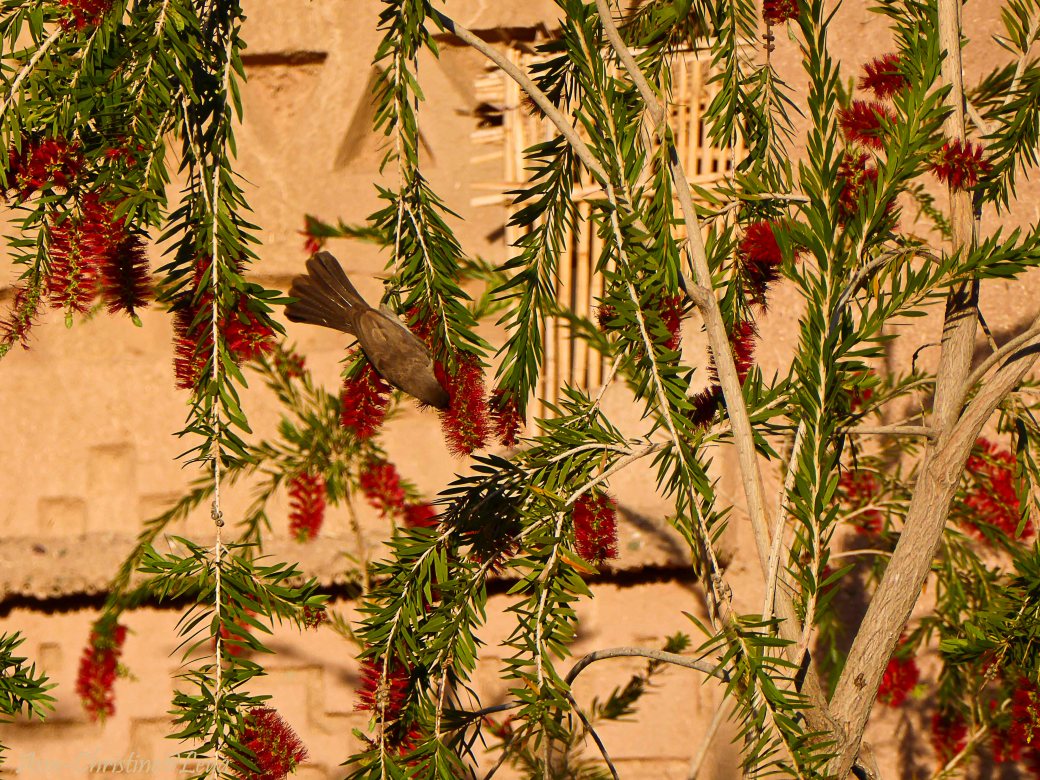
Callistemon – in abundance

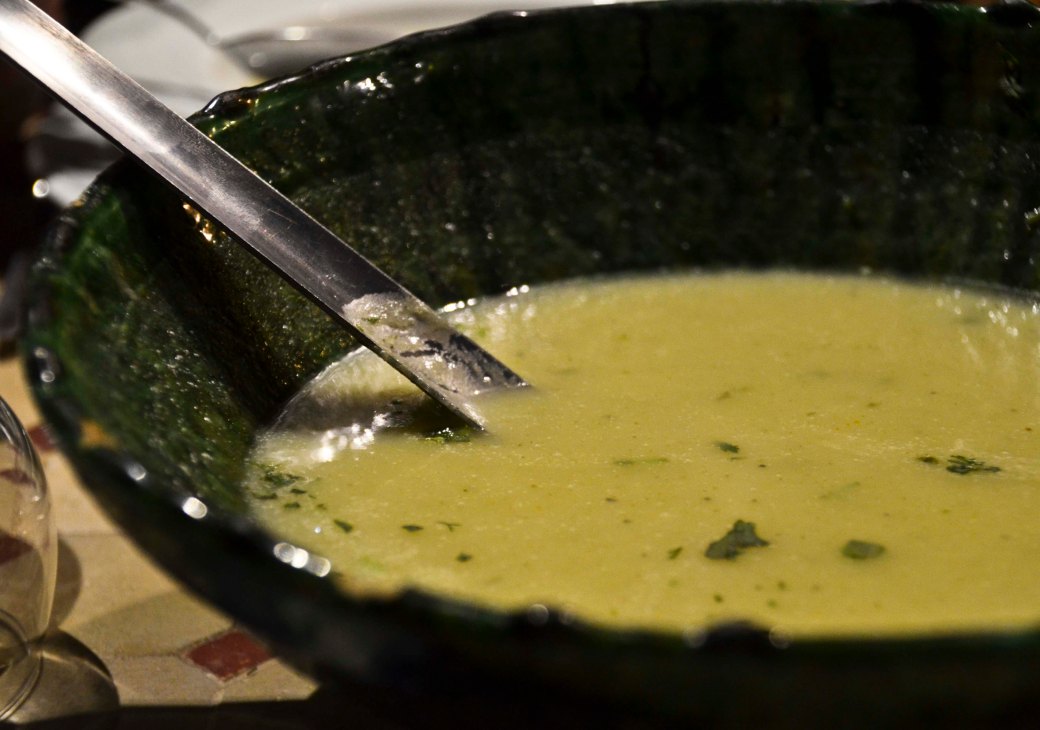
Food preparation is consistent with Sawadi’s  ”natural” ideal. In Sawadi they do not use any chemical fertilizers or pesticides. This is one of the reasons to why there are so many birds on the premises – and no mosquitos.
Sawadi is situated close to several places of interest. For example Aït Ben Haddou, the Todra and Dades Gorge, the valley of the roses, the valley of Draa, Telouet, Ouarzazate, Zagora, the road of 1000 Kasbahs.

Much thought has been given to children and their families. The playground for volleyball for example, and the offer to take care of the children for a whole day, should their parents want to go hiking or visiting some of the tourist spots nearby.


After an interesting walk through the gardens, kindly guided by the gentle gardener, we returned for a delicious dinner by the pool.

Unfortunately we only had a few hours in Sawadi – late evening and early morning…So, if I ever go back to Morocco, I certainly know where to stay. Thank you again , Catherine and Philippe!
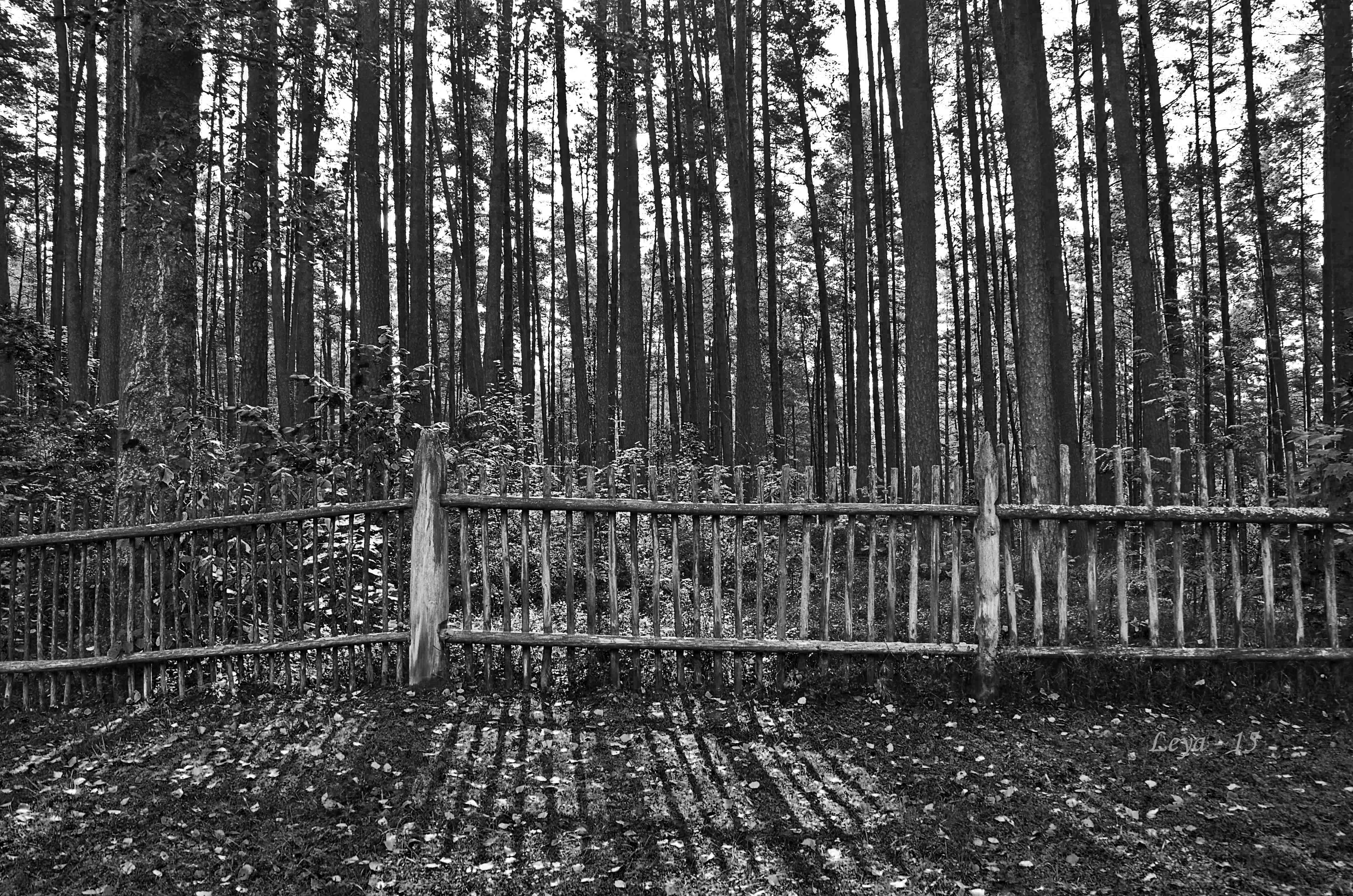
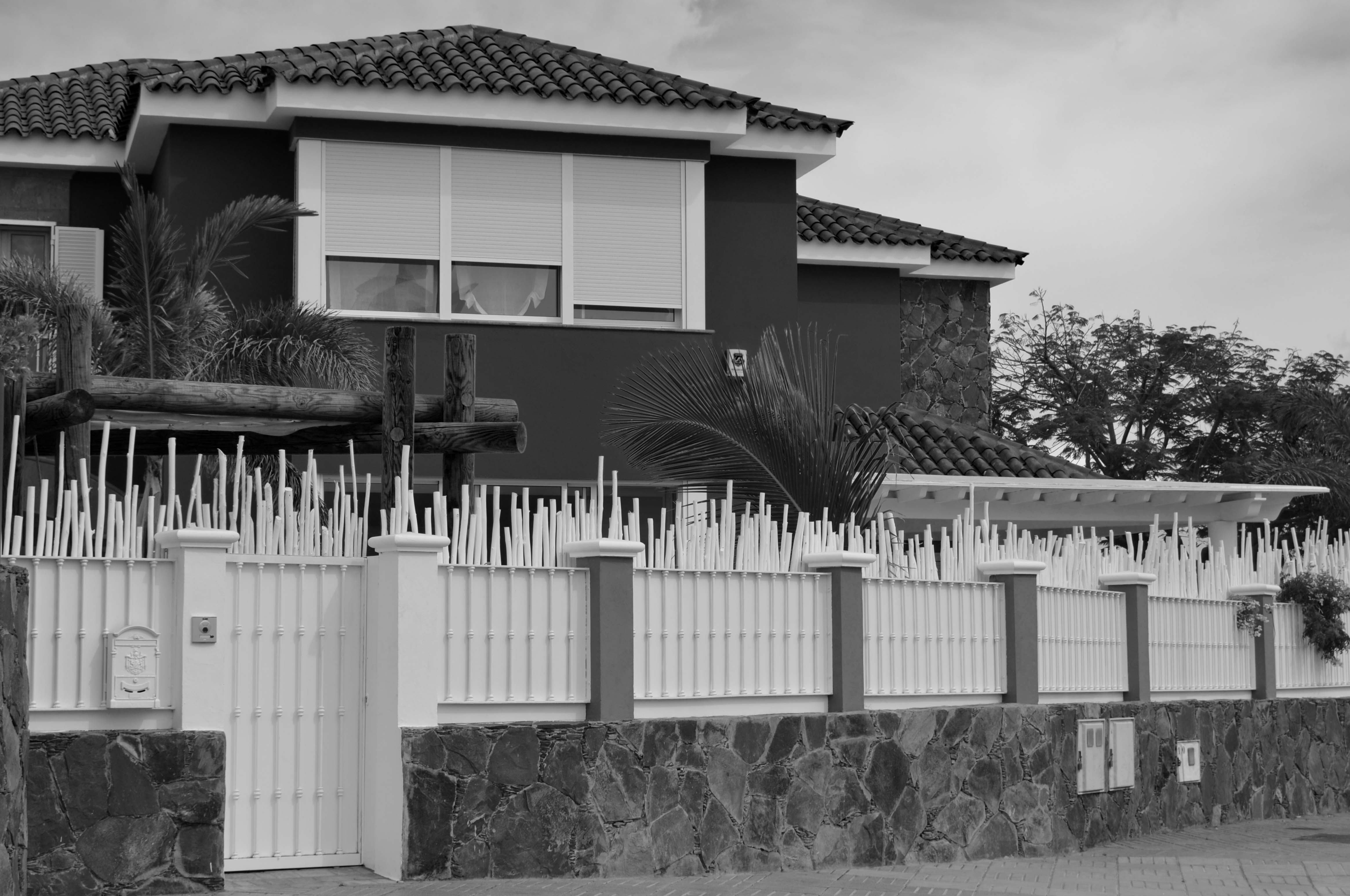
CB&W Challenge: Fences and Gates

Fences and gates are often in my lens. Not only because of their beauty, but often because of their originality, showing off the inventive spirit of their builders.

Riga med omnejd 2015 713_copy1

Riga outdoor museum

Gran Canaria 2013 359_copyGran Canaria

For Cee’s Fences also, in the header, a Swiss alpine fence.

More inspiration here.

SL-WEEK 38: Yellow

Yellow is a very special colour. It symbolizes a variety of things; for example the sun, being false (in the language of flowers) and power – only for the emperor of China.

I love yellow, but cannot wear it. Others can with elegance – like houses, vehicles and flowers.

Sylvain Landry


A Danish house

 2012 044

Cars are quite OK…

Spring crops before the storm

Cee’s B&W Challenge: Take a New Photo


We went to a seaside resort for a couple of days – relaxing on the west coast of Sweden.

I took some new photos. This:  Thursday evening on the beach. Click here for more new.

Falkenberg spa 067_copy1


SL-WEEK 37: Electricity


Sylvain Landry this week – something essential in our high – tech society – electricity.

The Three Gorges Dam is a hydroelectric dam on the Yangtze River in China. The Three Gorges Dam is the world’s largest power station with a total electric generating capacity of 22.500MW.

The dam project was started in 1993 and completed in 2012, 

As well as producing electricity, the dam is intended to increase the Yangtze River’s shipping capacity and reduce the potential for floods downstream. The Chinese government regards the project as a total success, However, the dam flooded archeological and cultural sites and displaced some 1.4 million people, (See the post on Shibaozhai earlier.) It is also causing significant ecological changes, The Chinese river dolphin became extinguished and there is an increased risk of landslides. The dam was built in an area of potential earthquakes, and the consequences if – this would happen,  would be disastrous.

There are two series of ship locks installed – each of them is made up of five stages, with transit time at around four hours. We passed during the night. Looking out from the balcony, this is what we saw.