Shibaozhai – Precious Stone Fortress

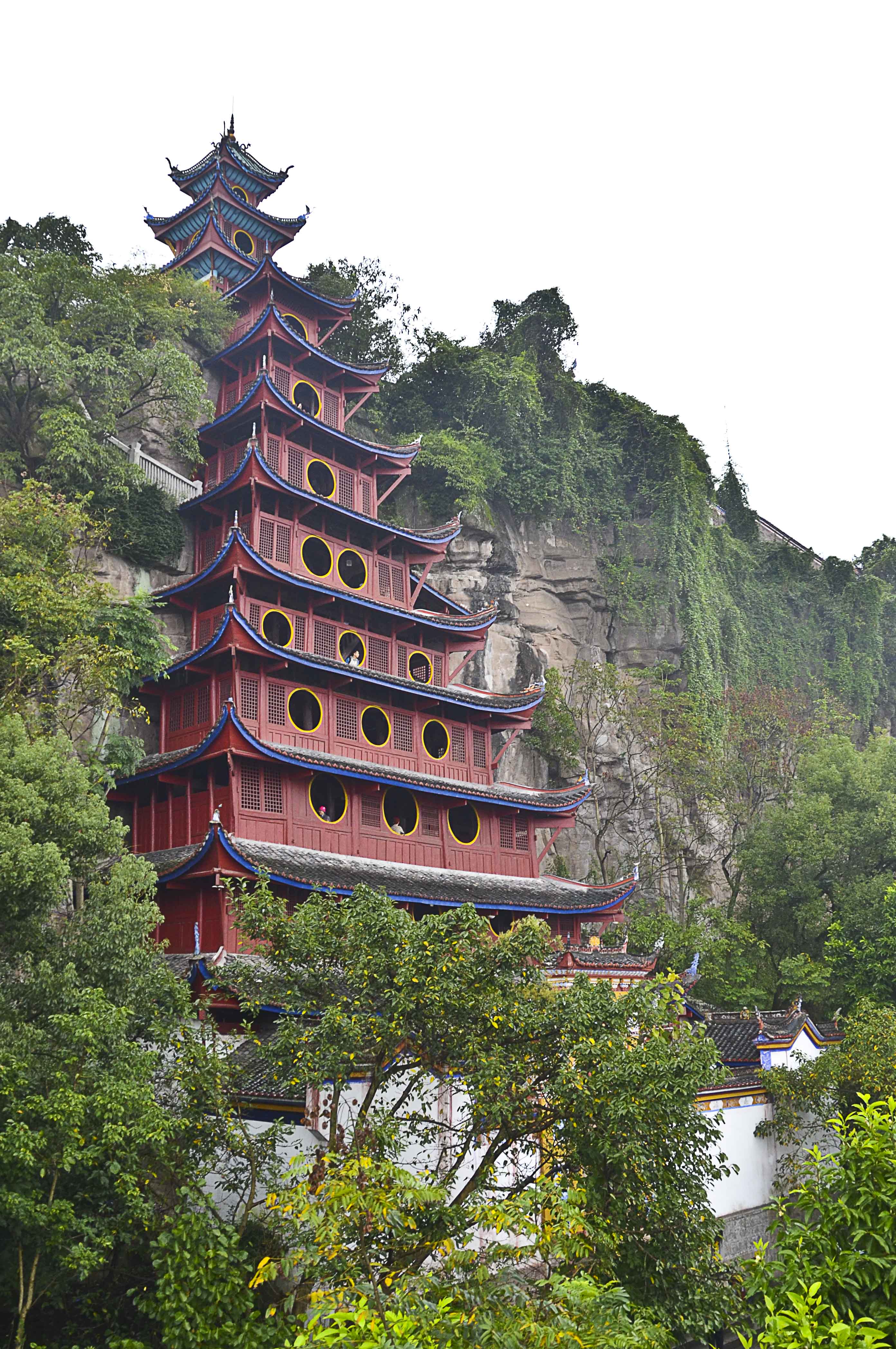
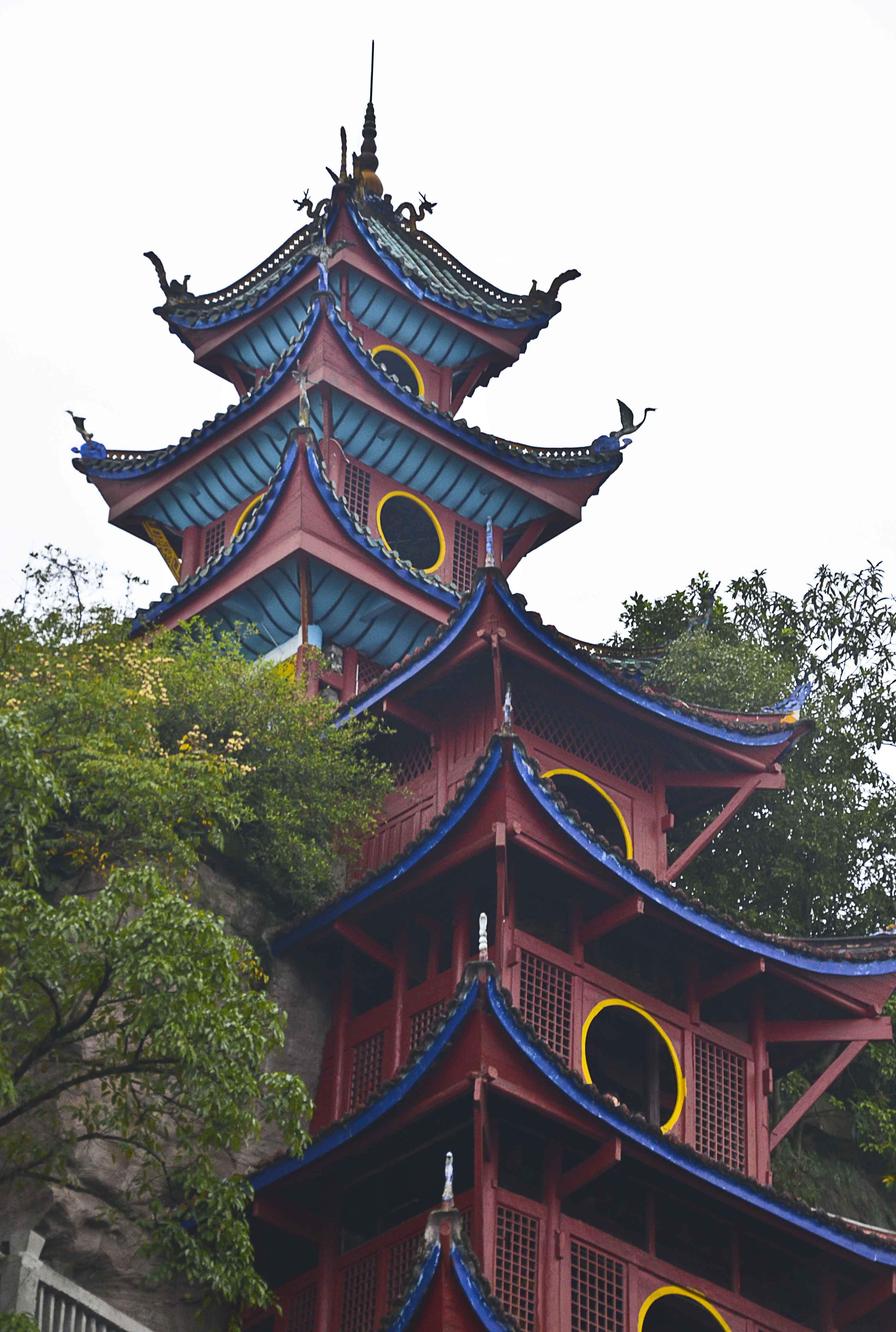
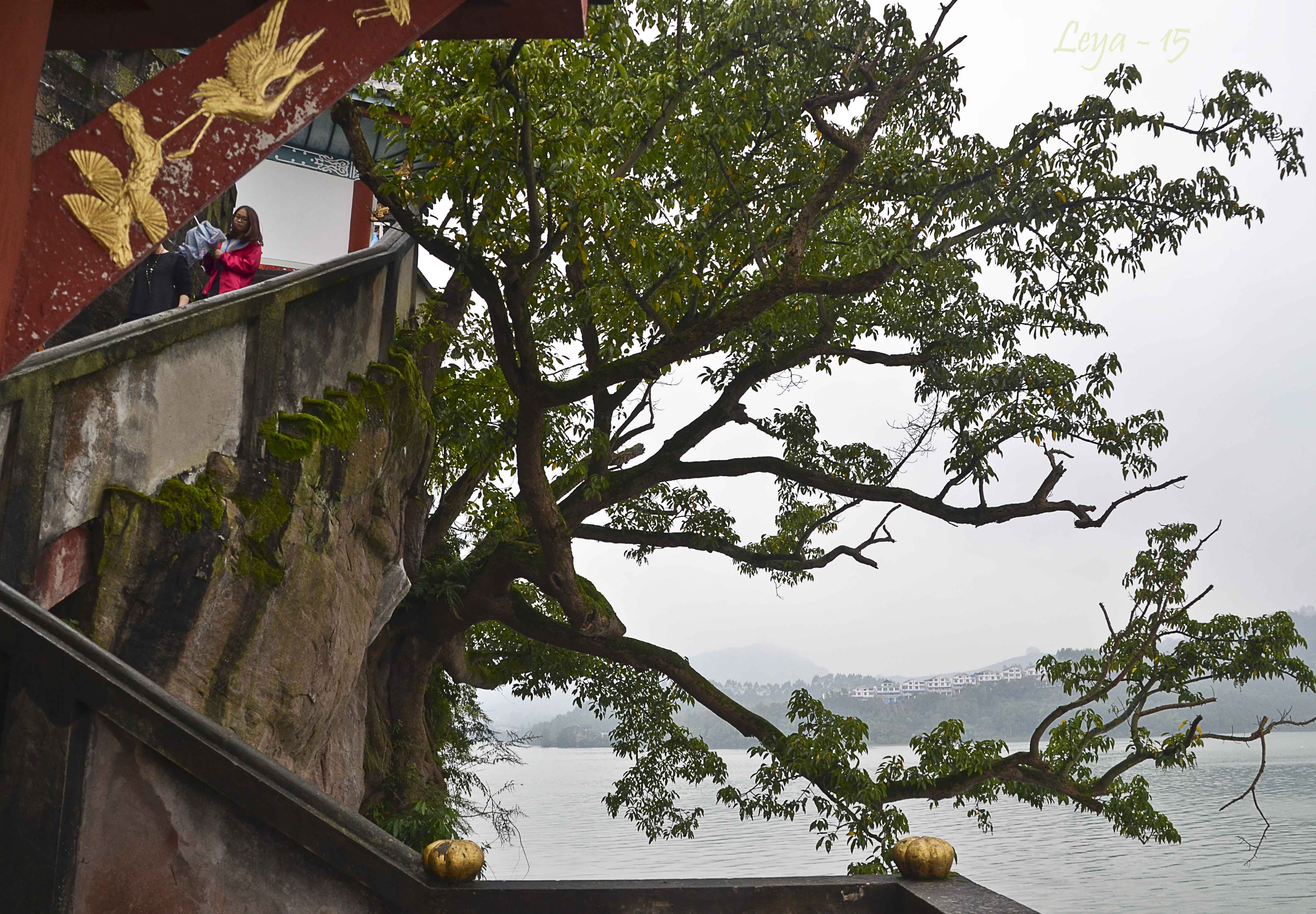
In the Territory of Zhongxian County of Chongqing there is a rock on the Yangtze river, with a vermilion 12-storey pavilion built against it.

No post was made on this, because I thought the weather was  too bad and my shots could not give a fair picture of its beauty. Tonight I happened to find this pavilion again…and a post just had to be written. This is a beautiful piece of art – try to forget about the miserable weather conditions and just enjoy.

Kina 3 216_copy

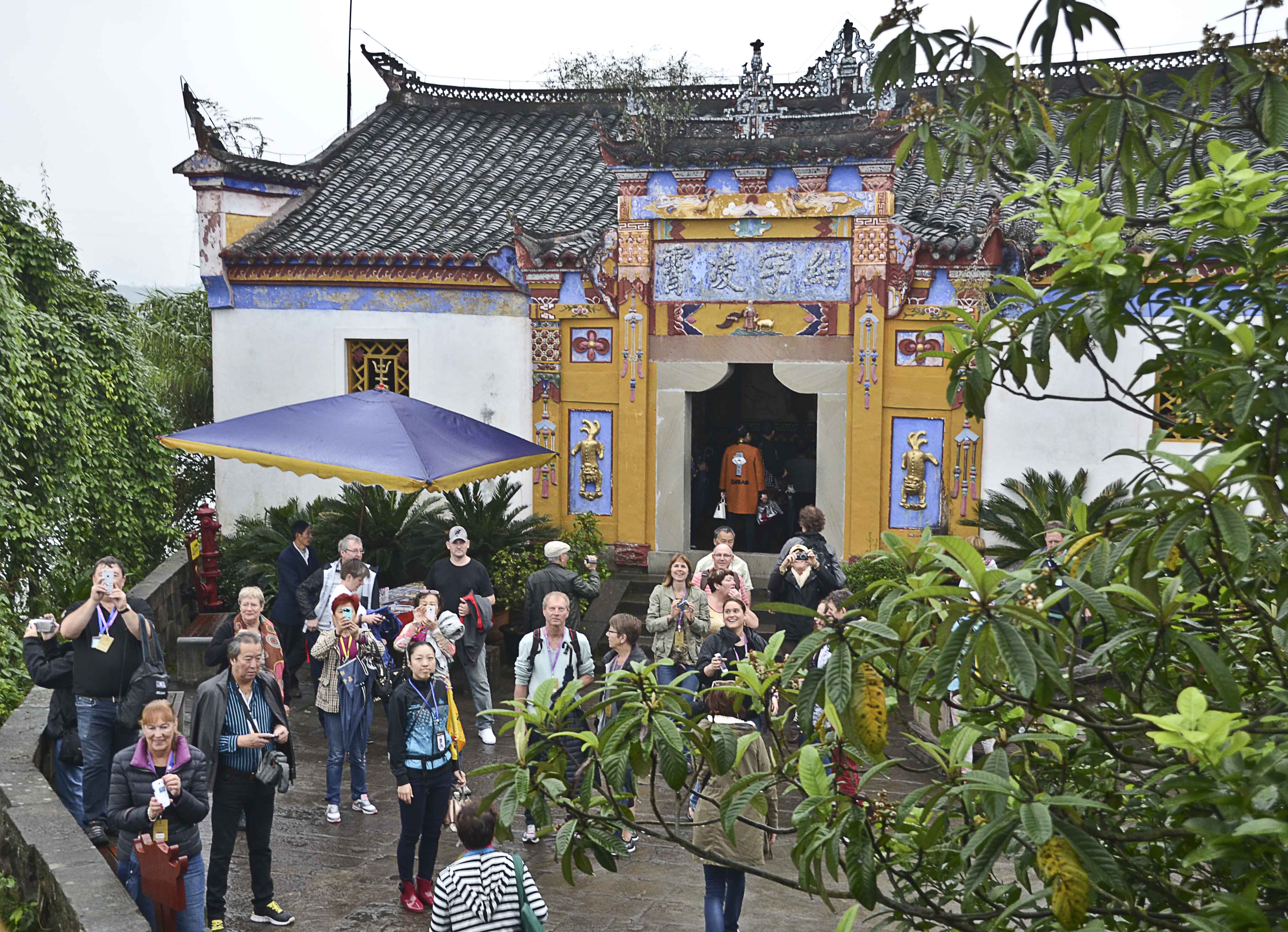
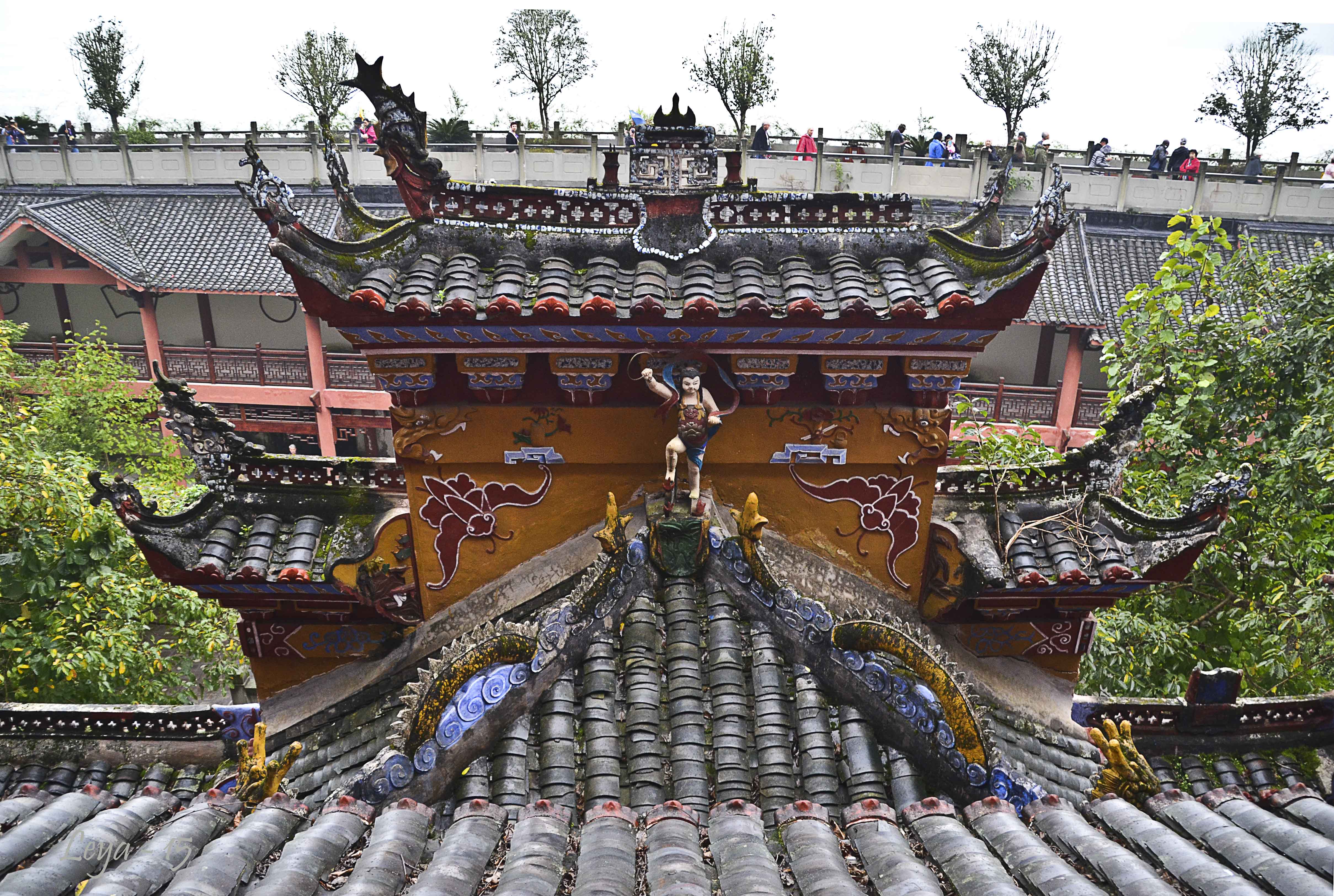
Built in the Ming Dynasty (1368 – 1644), Shibaozhai consists of a gate, a pavilion and a temple.

Kina 3 219_copy
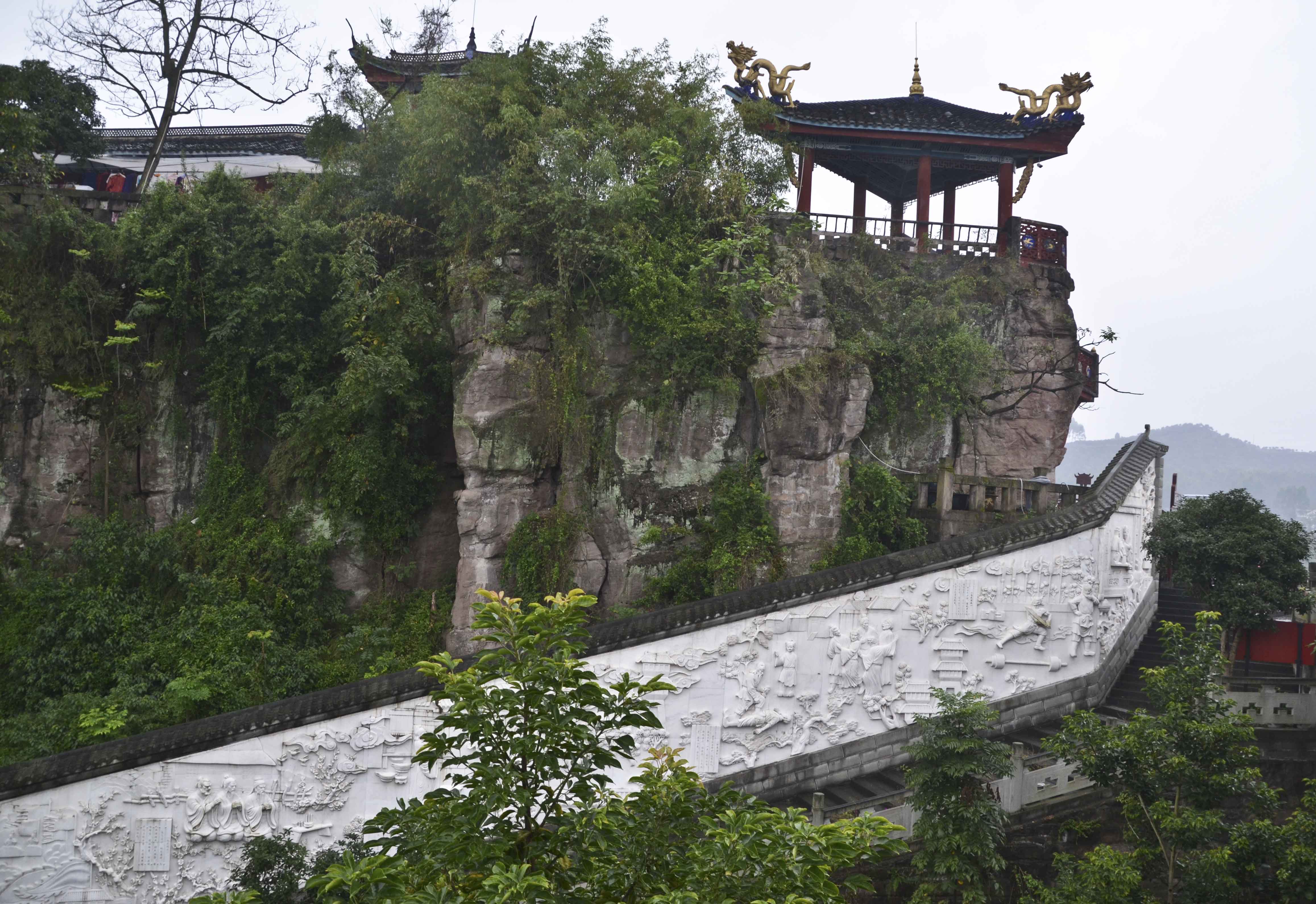
The bridge out to the cliff is rather tricky to walk. A good advice is to walk in the middle…
…and then follow the marble reliefs.
Kina 3 223_copy
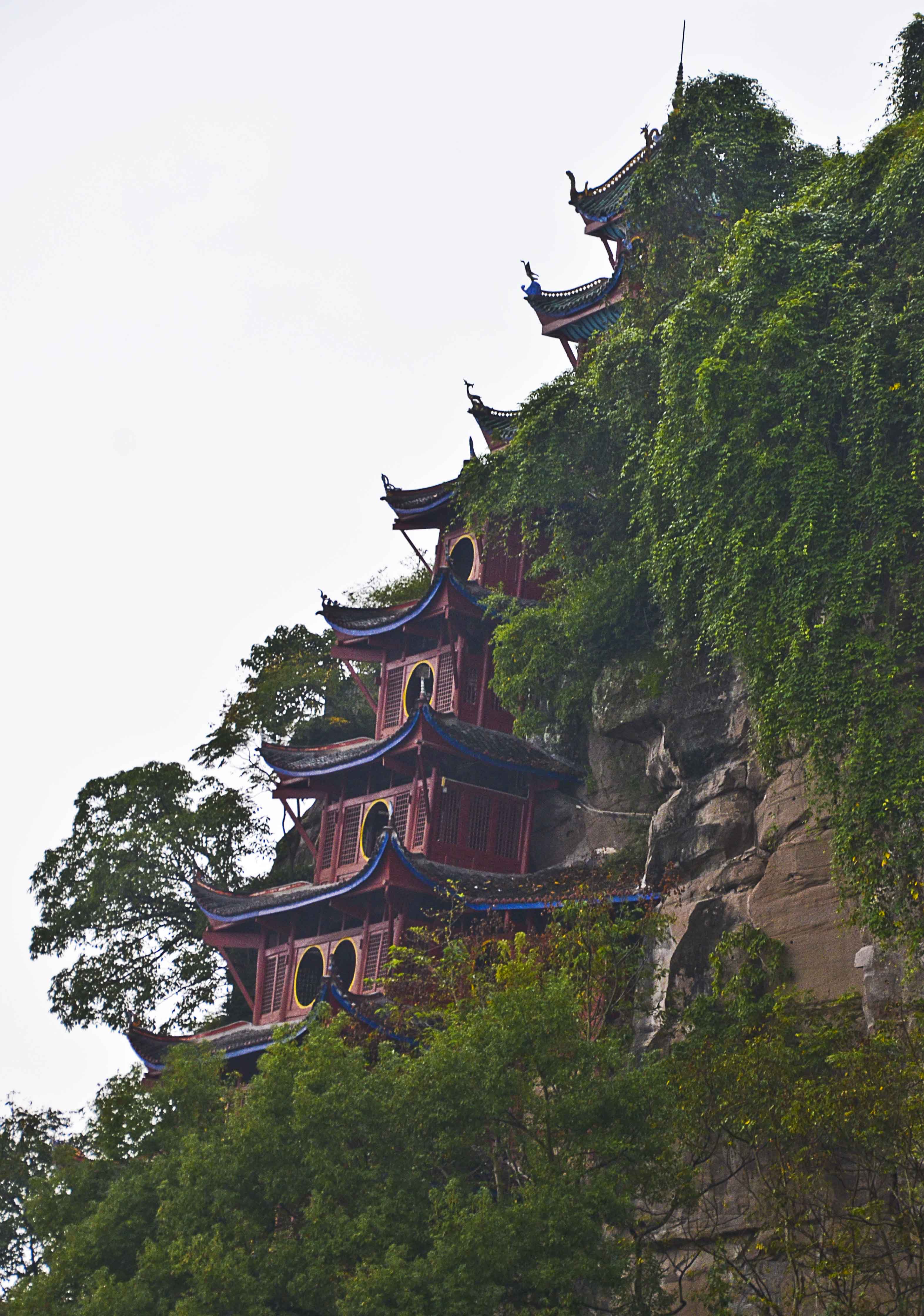
The gate is covered with some vivid reliefs, and within the gate is the 184 feet high 12-storey wooden pavilion. It is the tallest specimen of ancient architecture with the most storeys in China. A breathtaking view when the pavilion comes in sight just around the corner.
Kina 3 226_copy
Originally it was only nine storeys high,
Kina 3 231_copy
but in 1956 three more (called Kuixing Pavilion) were added. A spiral staircase in the pavilion can take tourists to the top to reach the temple.
Kina 3 232_copy
Inside the pavilion, there are steles and inscriptions of past dynasties on each floor. And on your way up, you can also admire the Yangtze River from the windows of each floor.
Kina 3 259_copy
At least some of it…in the drizzle.
Kina 3 245_copy
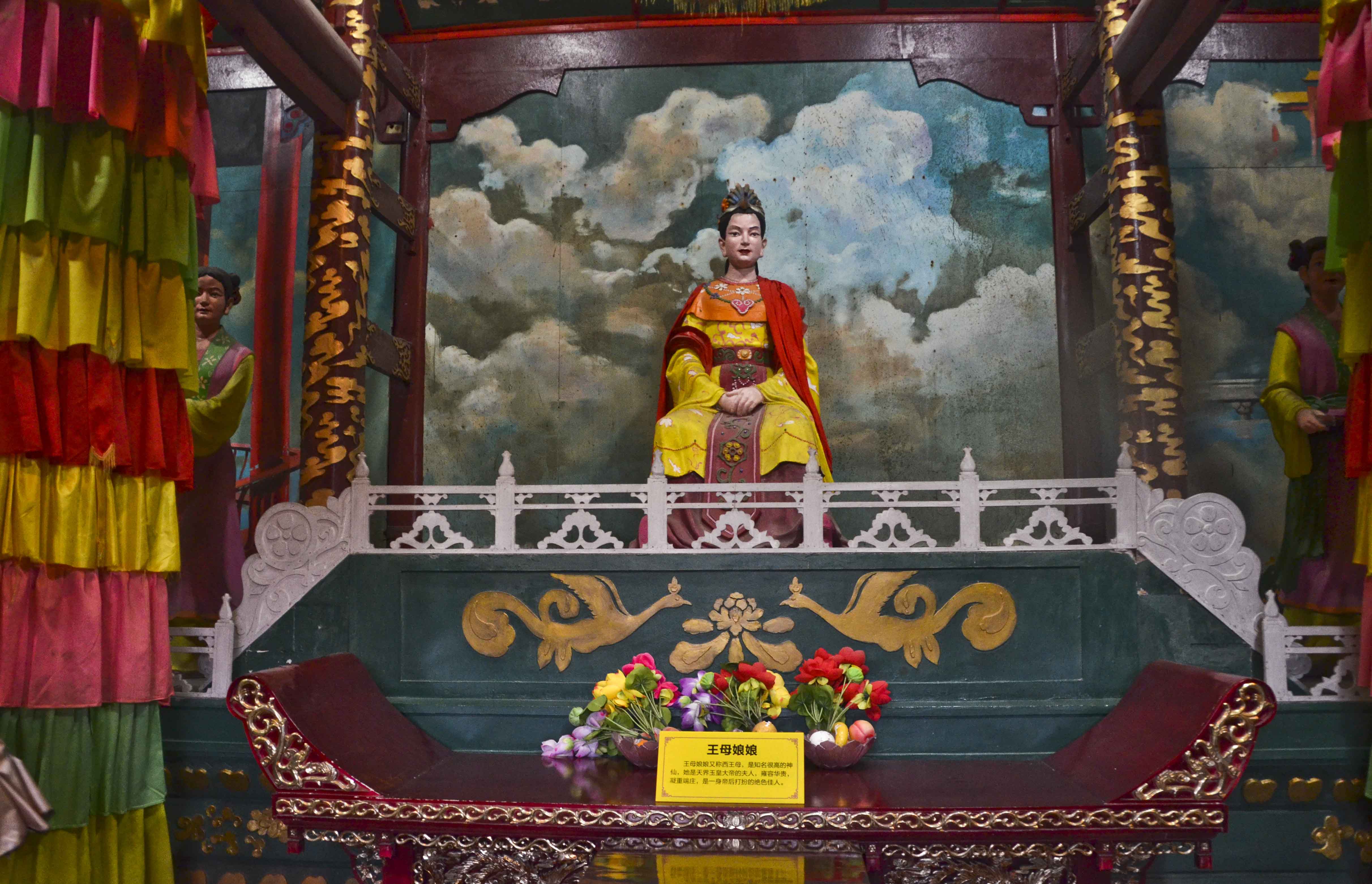
Upon arriving at the top of the pavilion, there is a flat stone dam. Here stands the ancient ‘Lanruo Temple’ at the highest point of the Precious Stone Fortress.
Kina 3 247_copy
The so-called Rice Flowing Hole has a legend to it. According to this legend, rice flowed from the hole every day after the temple had been built. A greedy monk wanting even more rice to flow from the hole made it larger – and from that day no more rice appeared.
Kina 3 242_copy
After the water level rose because of the Three Gorges Dam Project, millions of people had to leave their homes for ever, and the Shibaozhai too was threatened to disappear in the water. Thanks to measurements to protect the pavilion, we can still visit this masterpiece today.
Go back to the first photo again – and you will realize that the whole village beneath the pavilion is now submerged.
Kina 3 271_copy

WPC: Time

Time – we are all moving in it – and through it. And looking back…through what we think is a clear window frame, we realize the blur and the shadows. Time changes everything, and we can never know or be certain about the way everything looked or worked…

Not in Ostia Antica, Rome, and not even yesterday, at home. In our minds we can imagine or remember – but the moment in time is gone.


Rom I 444_copy

A Taste of Reykjavik

My greatest love in this beautiful city is of course the symbol of Reykjavik, Hallgrimskirkja (1937, 74,5 metres, and named after the Icelandic priest and writer Hallgrímur Pétursson.) by architect Guðjón Samúelsson. The church is spectacular in many ways – not only from the outside, but also the inside is serene and breathtakingly beautiful.

Island lilla kameran 012_copy1

We arrived late in the evening this time, and walked slowly up to her in the freezing cold, Icelandic darkness.

Island lilla kameran 017_copy

In front of the church  stands the Leif Eriksson statue. A gift from the US 1930 when the Icelandic Parliament, AllÞingi, celebrated its 1000 year jubilée. The Viking Leif Eriksson was the son of Erik Röde, who settled in Greenland. Leif himself was the first white man to discover America.

Let us go inside. My greatest love here is the magnificent organ.

Detta bildspel kräver JavaScript.

Houses in Reykjavik have to be strongly built for the rough climate. Some old wooden houses are being restored to show the old architecture – on which of course the new one is built. But I doubt any new house here has a wooden structure.

What is difficult to see in these snowy pictures, is the typical Icelandic colourful houses. In my summer memories, Reykjavik looks like this:

Island 2016 454_copy1

Tjörnin is the lake in the middle of the city. There are always people here, playing, feeding the birds, or just walking and chatting.

Island 2016 488_copy

Island 2016 477_copy

The main shopping street ends with Hallgrimskirkja. And that is where we too end our snowy, first walk in Iceland and Reykjavik.

Cee’s B&W Challenge: Buildings


Buildings for Cee this week. Buildings do get a bit more character in B&W. Sometimes much more. These from Latvia, the outdoor museum in Riga.

For more inspiration, click here.

Riga med omnejd 2015 683_copy


Cee’s B&W Challenge: Any Kind of Bricks or Stone Walls, Walks or Roads

The stone walls of this little hunting seat are orange with white window frames and decorations. For more of bricks and stone inspiration, click here.


Harastorp 113_copy


Thank you for being featured last week!

Untitled

CFFC: Doors and Windows

Doors and windows for Cee – here are two examples showing windows as doors and doors as windows. I hope that counts!

– The doors are windows in the Danish trains, and the header showing the same phenomenon in China. In a Chinese garden you will find many of these round doors, looking like and working as windows as well.


SL-WEEK 24: Machine

Machines I’m impressed by are the mountain trains – here in Switzerland. They climb, sometimes very steep, several thousands of metres and they go down the same way. Seemingly undisturbed, effortless. And they are comfortable as well.

For Sylvain Landry. What machines are you impressed by? Join in and let us know!