WPC: Mirror

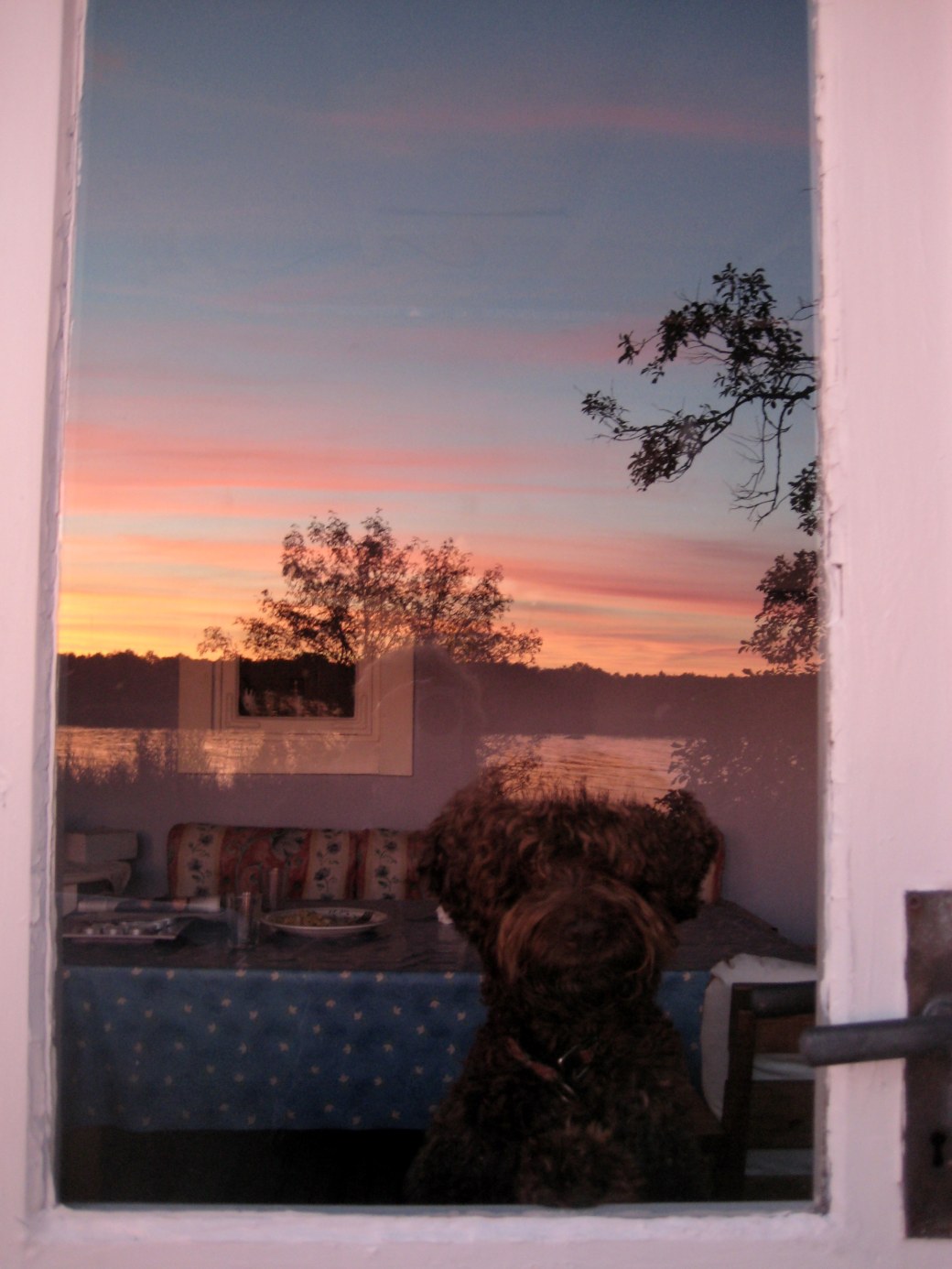
Mirror, mirror on the wall…Which is the best representation of them all?

This is a challenge where I think most people have many options in their archives – interesting…which ones do we choose?

In the header is a Bilbao photo from opposite the Guggenheim museum. There is this house mirroring a bridge with a red car passing. The other three photos I guess you have seen before – if you are following my blog.

For more of mirrors, click here.

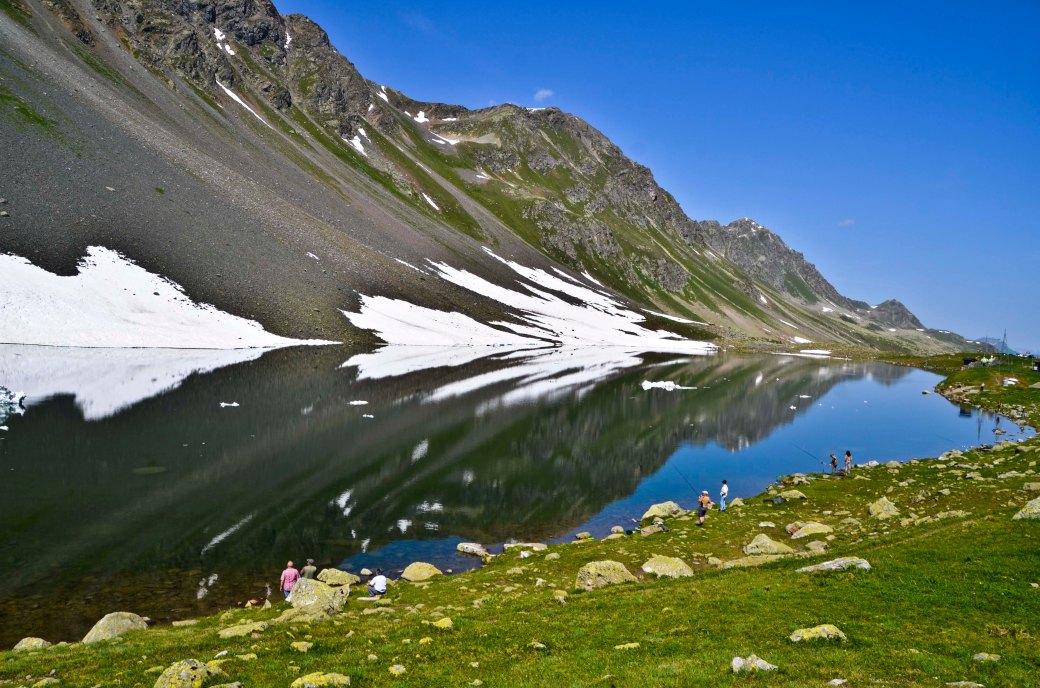
Switzerland, the Fluela Pass in the early morning.

My beloved Mille…looking out for me, walking in the late evening.

Hamnen, Auckland. Vid fiskmarknaden.

 Auckland harbour by the fish market.

Thursday Thoughts – A Yellow Anatomy

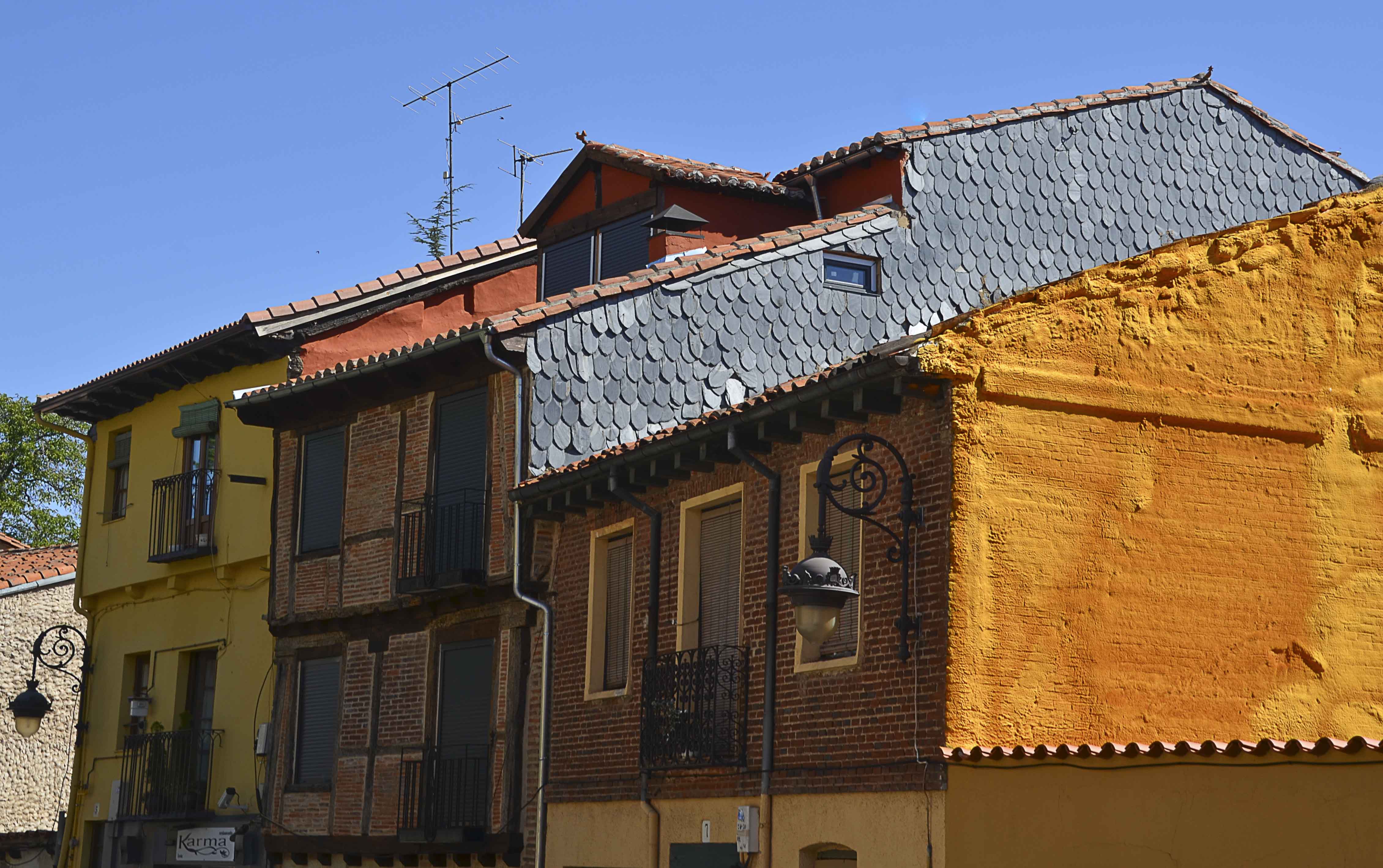
Yes, why yellow walls? Driving through the north of Spain, I recognized this almost saffron colour on a great many walls in the cities and villages.

Personally, I love this colour. Its warmth and connection to Africa and to the desert.

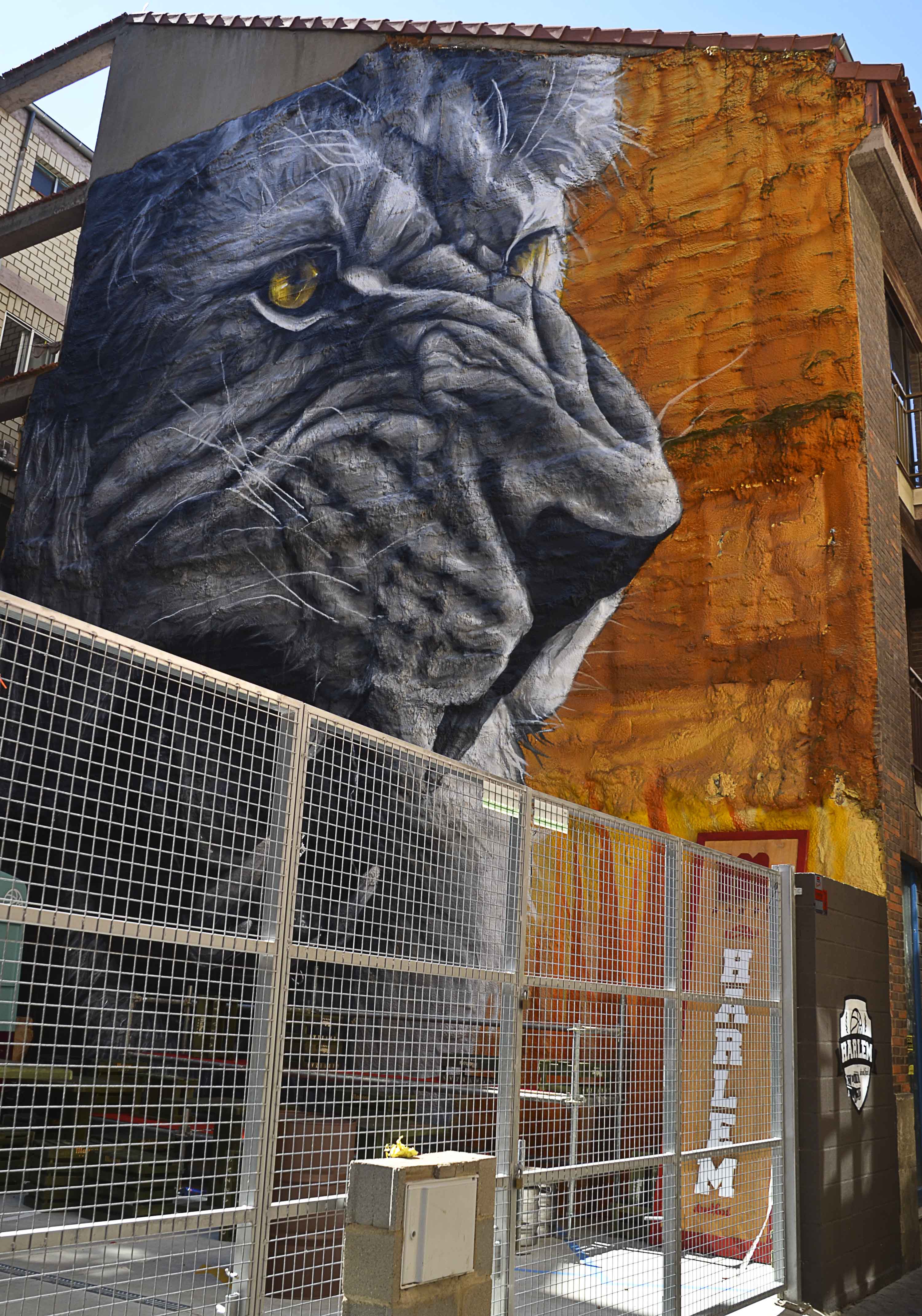
In Pamplona I found this enormous Lion on such a yellow wall – Impressive painting, and so in harmony with all that yellow. On a closer look, I found the painting even more impressive.

I still do not know why those walls are painted saffron yellow, but at least I have figured out what the colour is hiding…

…the anatomy of what once was.

Travel theme: Weather

Travel theme: Weather

You cannot catch them all…can you? But in the header – a sunny, clear winter’s day.

Ailsa’s theme this week is Weather. Something to talk about. Always.

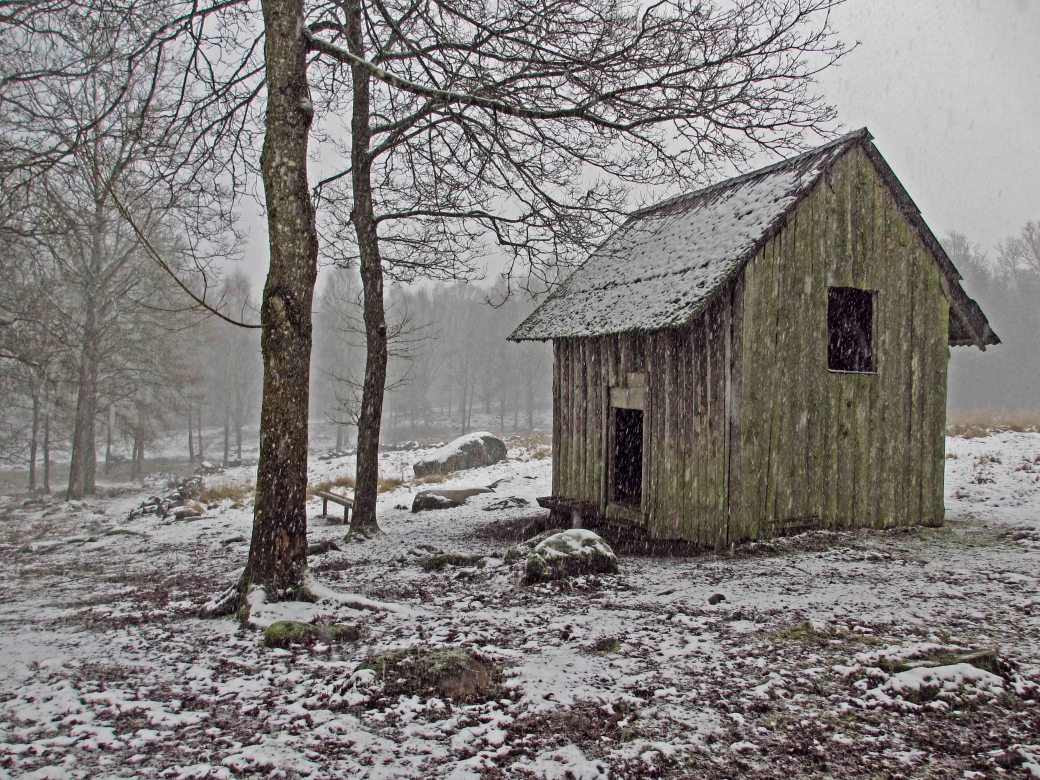
It is snowing

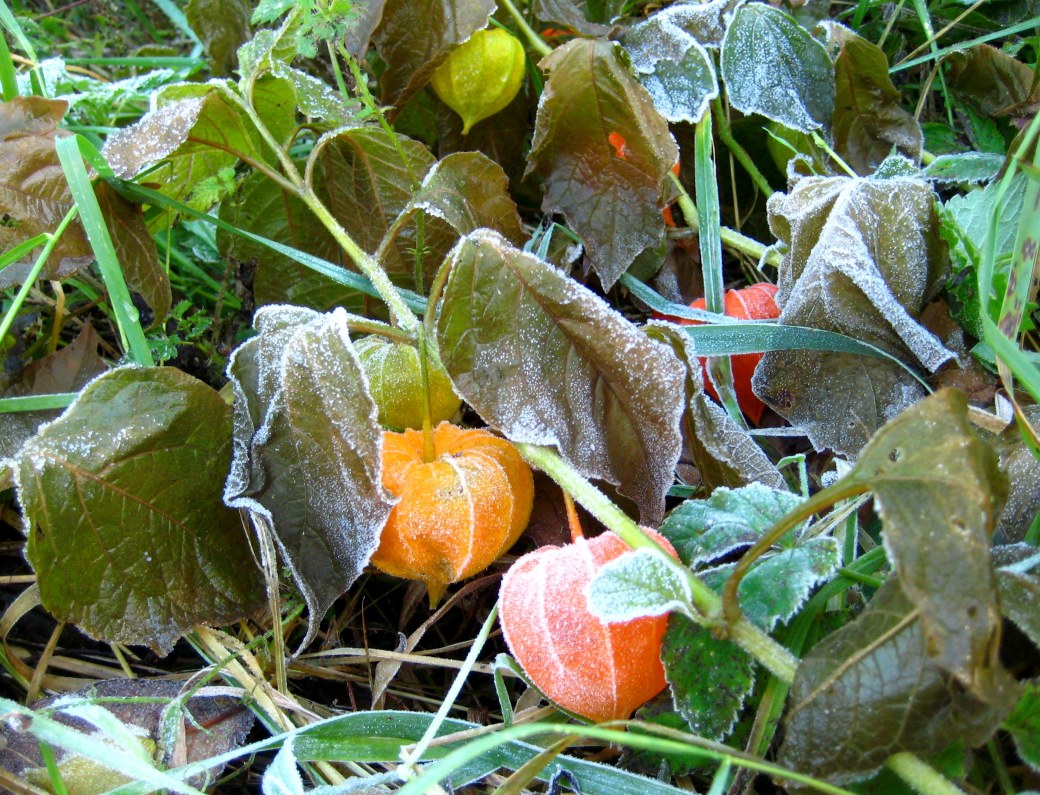
Frost and colours a cloudy day

Bäcken lever. The brook comes alive when the ice is gone.

Ice melting…letting spring run free

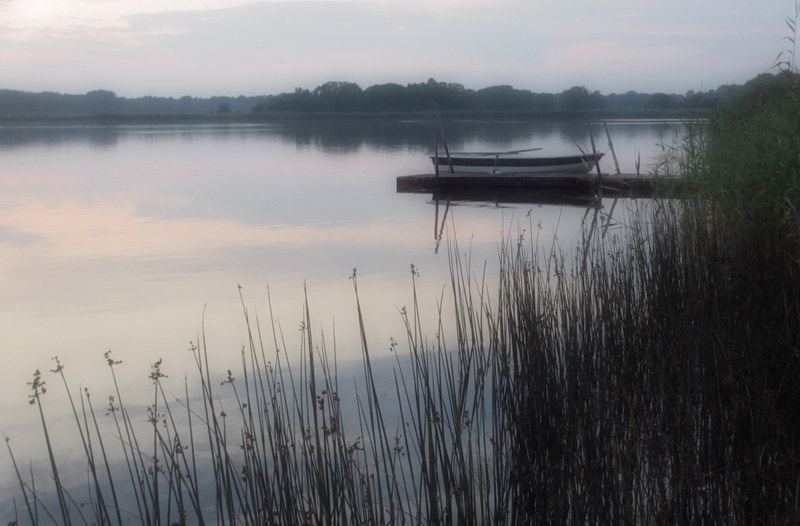
Fog softly rolling in a late summer night

Thin autumn drizzle

Thursday Thoughts – El Capricho

Why do I love Antonio Gaudí? Maybe because of his love for nature’s wonders – starting when he was only a small child. His way of using nature’s forms and designs in everything he created. Making the pillars in Sagráda Família with scars like the tree trunks get when they have lost a branch, making lamps look like flowers and light spill out like waves in the sea…

In every detail he was …mirroring nature.

In Comillas, on the north coast of Spain, you will find this ”folly” – El Capricho – by Gaudí, built for Máximo Díaz de Quijano (a relative of the marquis of Comillas) in the 1880´s. You immediately recognize his style using iron structures, glazed pottery and stained glass.

Come, let’s take a ”folly” walk …

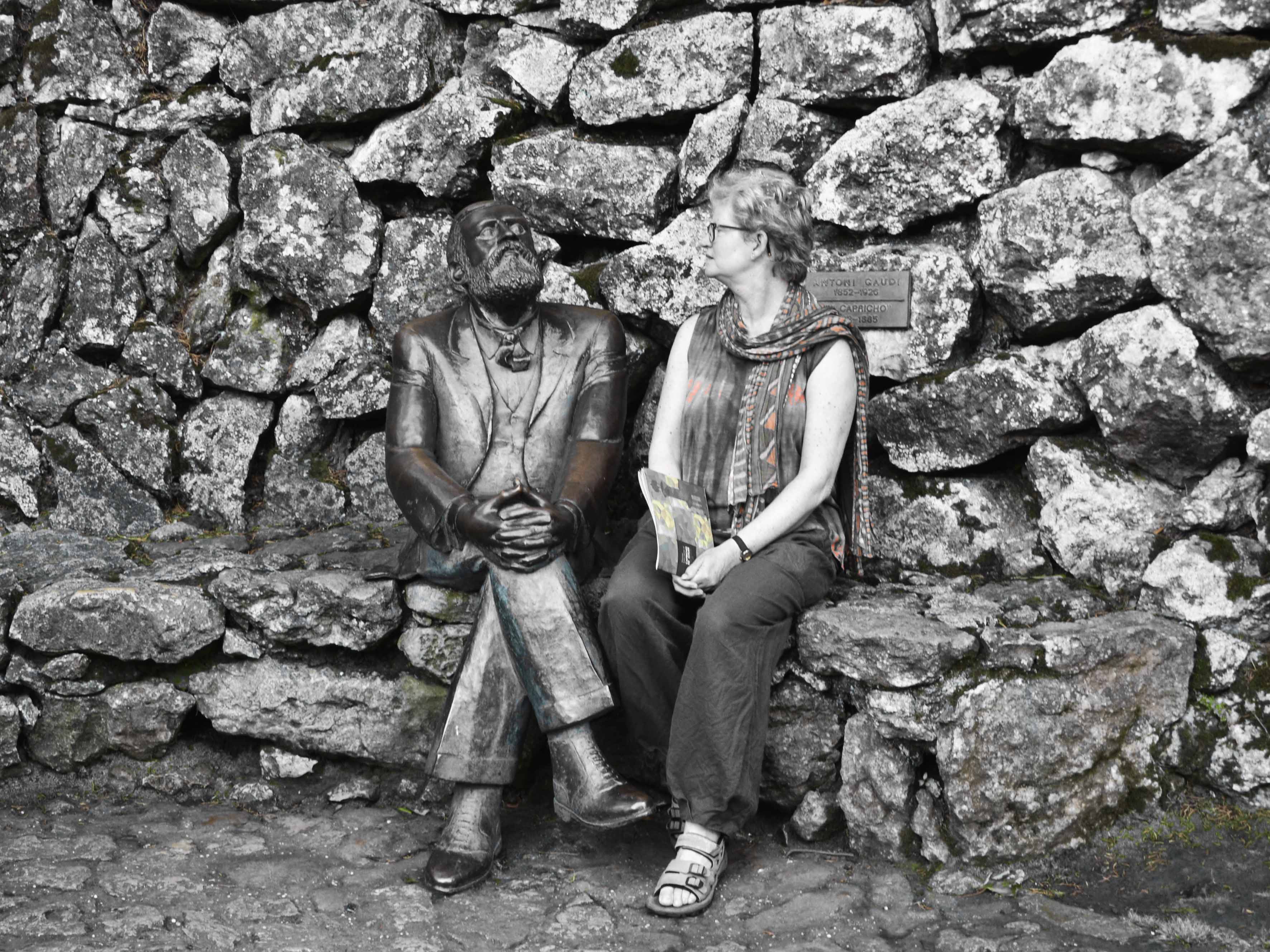
In my dreams, a dinner with Antonio Gaudí would be optional… to get the opportunity to listen to his ideas and maybe discuss nature’s impact on humans – body and soul. I would have had many, many questions…

I was lucky enough to meet him in his garden, sitting there admiring his work. I tried to get some answers, but mostly we sat quietly contemplating…me admiringly of course. But, I am so thankful for having finally met him – my favourite architect.

A Place Where Nobody Wanted to Live…

The controversial modernist architect Antoni Gaudí is one of my own favourites…but in his own time – he was not always popular. In Barcelona, you might have visited  his fabulous Sagrada Família, Casa Battló or La Pedrera and Parc Güell. And Marvelled.

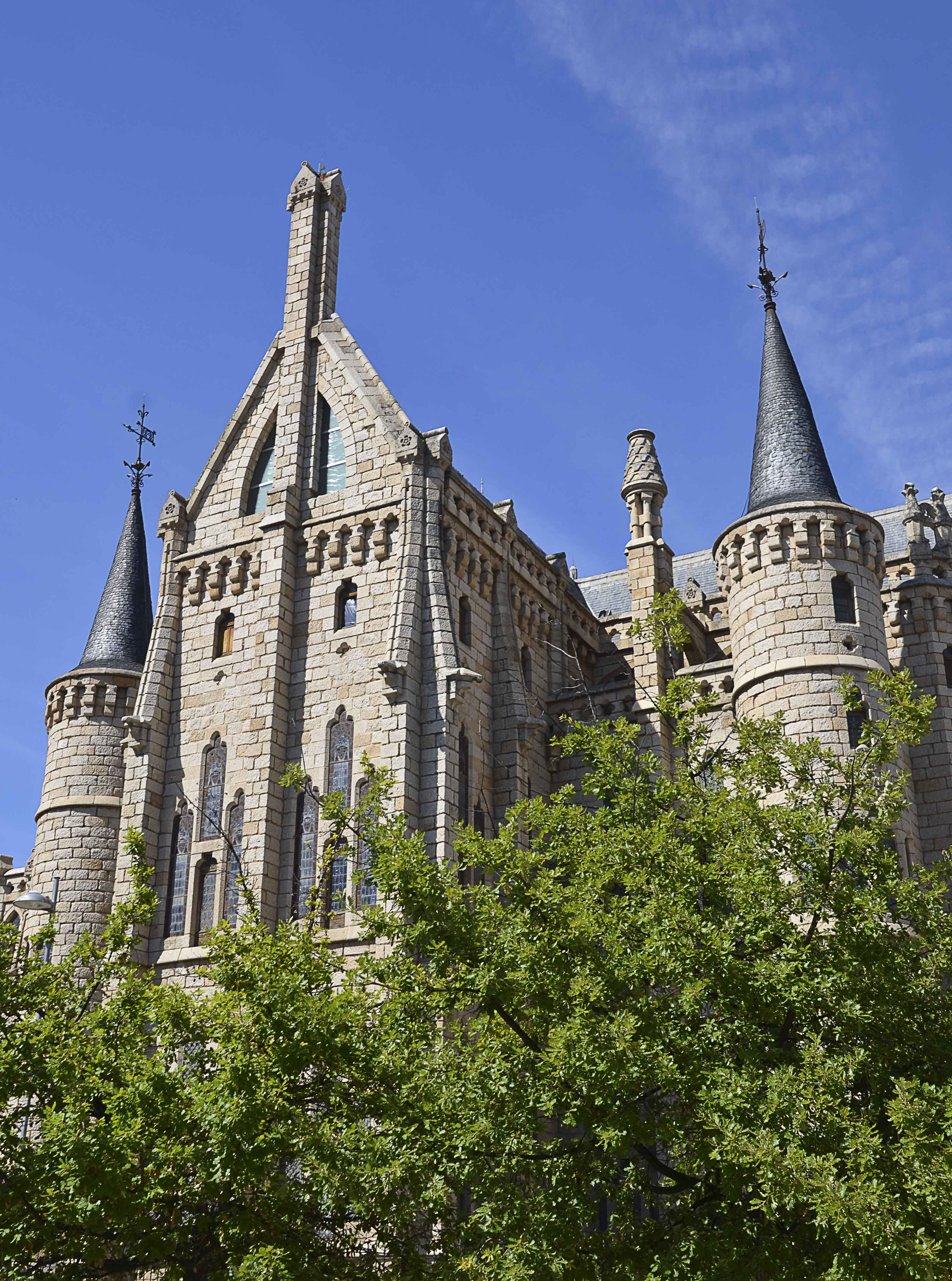
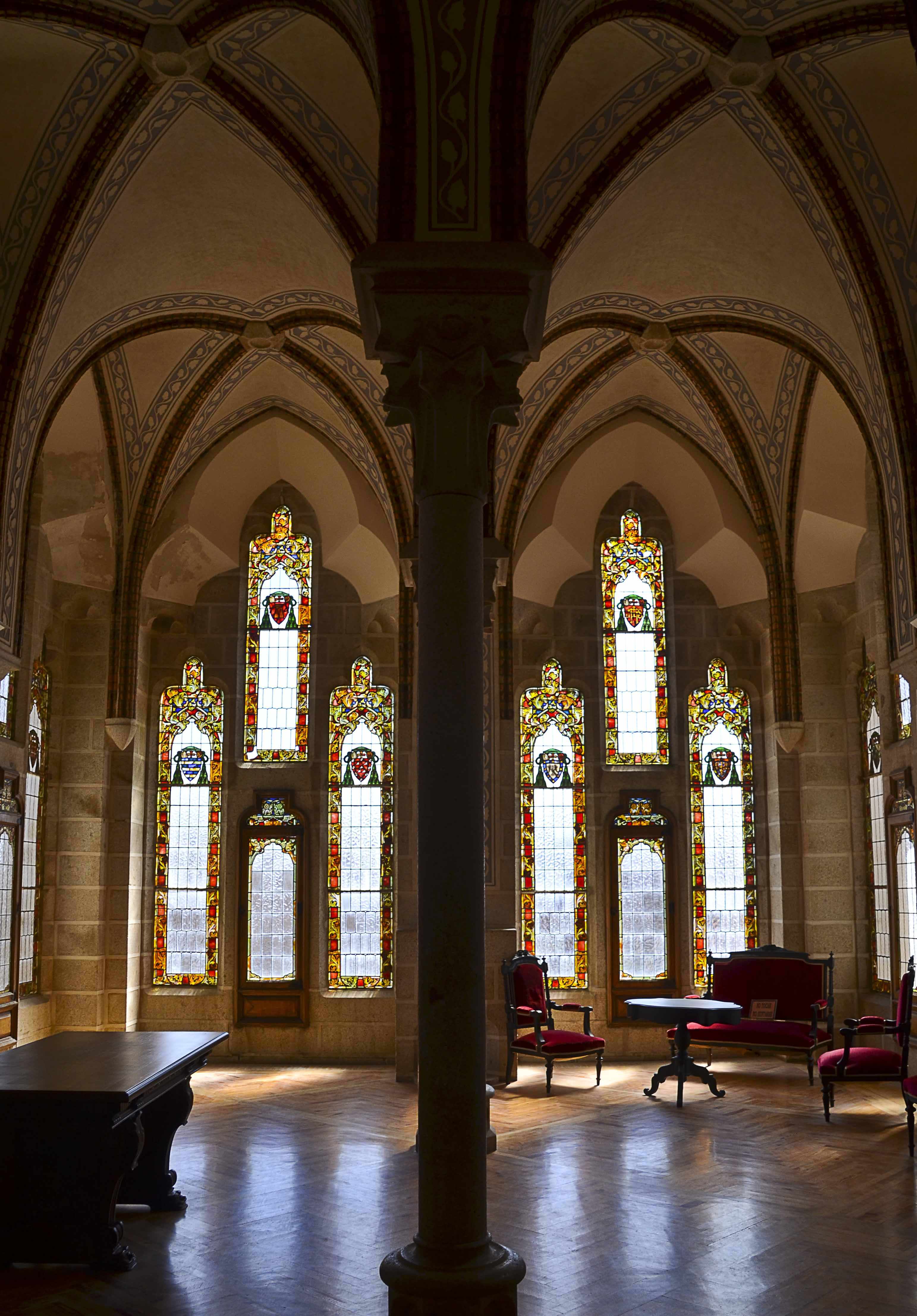
Palacio Episcopal (end of the 19th century) in Astorga was seen as rather abominable in appearance and the cost for building it was just too much for the congregation. No bishop has ever lived there since…

Inside, you recognize Gaudí’s style with beautiful ceramics and stained glass.

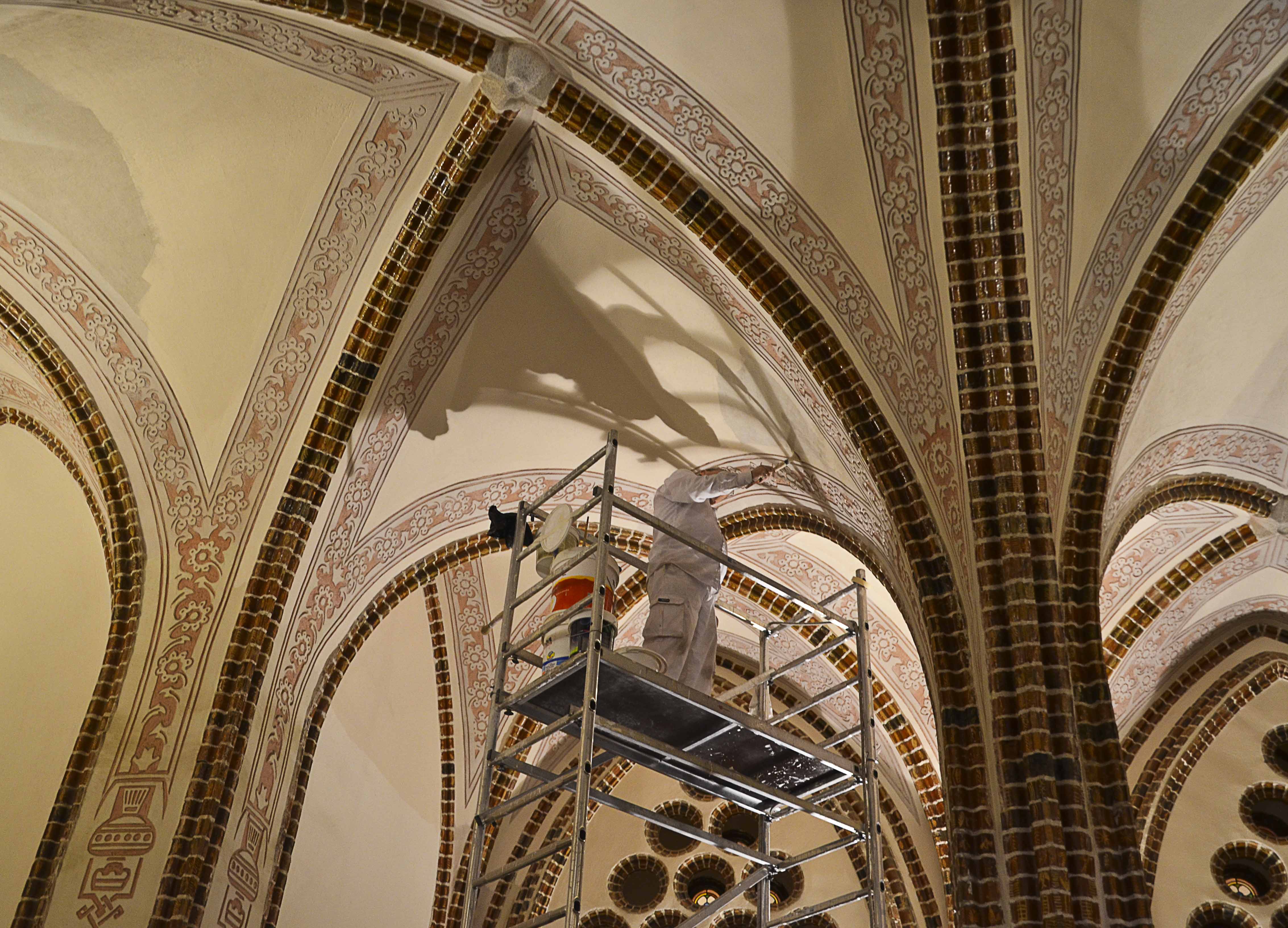
The palace is now being restored, and I guess its future visitors will continue to admire his outstanding art.

The magnificent cross bows and his colour combinations are simply divine.

So, be sure to visit when your road leads you here…you cannot get too much of Gaudí!

As usual, click to get a larger view – sometimes you have to click twice…and click the links for my previous posts on his art in Barcelona!


Travel theme: Pastel

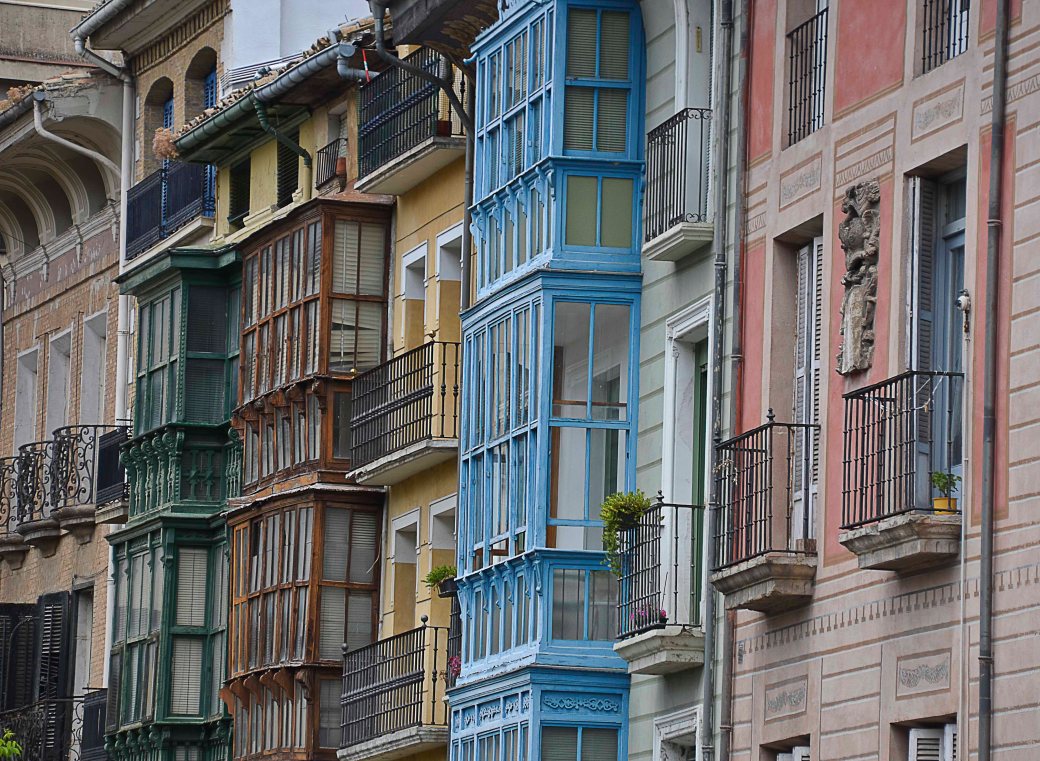
In northern Spain, we feasted on bay windows (I have always wanted one…). Mostly white and covering the whole front of the houses, but I also found some in colour. For Ailsa, pastel is the choice.


Spanien 3 381_copy


Thursday Thoughts – The White Stork is Back!

On my trip to the northern parts of Spain, I made some lovely aquaintances…and not only with people. I was happily shocked by the numerous storks here – at least one nest in every village!

The white stork (Ciconia ciconia) is a large bird that measure on average 100–115 cm (39–45 in) from beak tip to end of tail, with a 155–215 cm (61–85 in) wingspan. The white stork is a long-distance migrant, wintering in Africa or on the Indian subcontinent. He is also a symbol of my part of Sweden.

He eats a wide range of animal prey, including insects, fish, amphibians, reptiles, small mammals and small birds. He takes most of his food from the ground, among low vegetation, and from shallow water. He is a monogamous breeder, but does not pair for life.

Both members of the pair build a large stick nest, which may be used for several years. Both parents take turns incubating the eggs and both feed the young.

The white stork benefited from human activities during the Middle Ages, but changes in farming methods and industrialisation saw it decline and disappear from parts of Europe in the 19th and early 20th centuries. Conservation and reintroduction programs across Europe have resulted in the white stork resuming breeding in the Netherlands, Belgium, Switzerland and Sweden.

In 1954 the last pair of storks disappeared from Skåne, where I live, as the wetlands were dried out. Many people wanted the beautiful bird back, and in 1989, some wetlands were restored and the Swedish ”Stork project” started. Goal: 150 pairs living free and nesting here. Important to us ”Skåningar”, as the stork is a symbol for this southern part of Sweden.

This summer 112 new storks were released from the project. As they move south, as many as 80-90 percent die flying into power lines breaking legs or wings.

The adult white stork’s main sound is noisy bill-clattering, which has been likened to distant machine gun fire. The bird makes these sounds by rapidly opening and closing its beak so that a knocking sound is made each time its beak closes. I assure you – the sound is not to be missed…when the two of them starts, it gets louder and louder.

This conspicuous species has given rise to many legends, of which the best-known is the story of babies being brought by storks. Have you ever heard of this as a child, in your country?

(Facts taken from Wikipedia and the Swedish Stork project.)
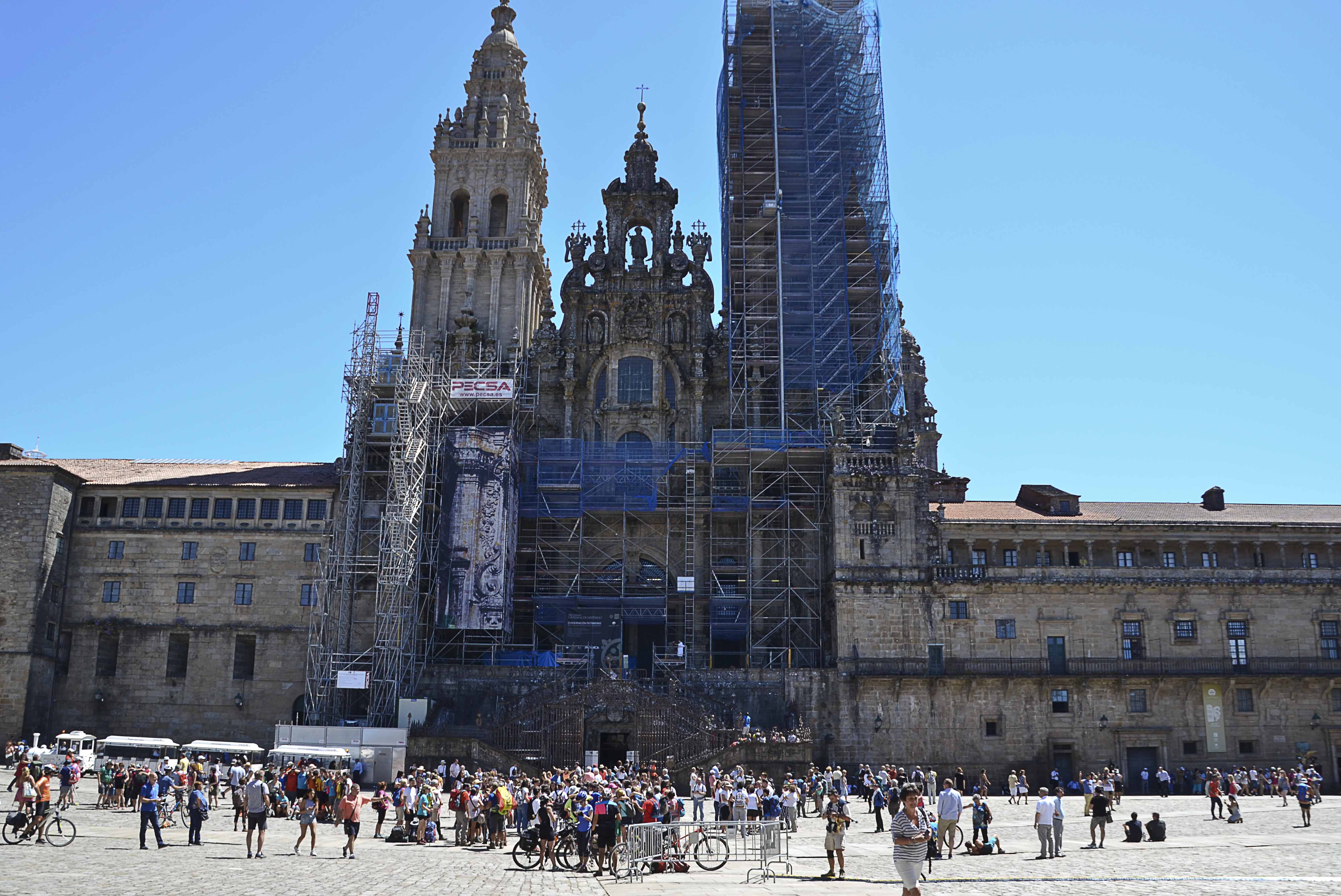
My Illusory, Illusive Week…

Strange things this week…It all started out so well…but these are my memories …

…in my ordinary Blekinge again. Don’t we all have crazy dreams sometimes…?

Blekinge och Helsingborg 009_copy

Thursday Thoughts – Magnificent Tullstorp

We were so fortunate to get a guided tour at Tullstorp, the world famous dressage stable run by Jan Brink. Situated only fifteen kilometres from where we live, this was a fantastic opportunity for a look into another world.

P1040903_copy

As a young boy Jan Brink played hockey in his home village, but as all the young girls were hanging at the stable, he gave the horses a chance…In some months he was hooked, and this was to be his future career. He studied at Flyinge and in Germany for some years, and then went for an international career.


Jan Brink is one of the best riders in the world and a seven-time Swedish dressage champion  – five times on the number one dressage horse Björsell’s Briar.

P1040910_copy

Brink has won five medals in international championships, and in 2005 he was the first Swede to win the dressage championship in Aachen.

P1040854_copy

Jan Brink is a self-made man, and unbelievably hard working. Going for shampionships,  educating new horses and riders –  and top class horse breeding serving customers all over the world. According to him, having talent is far from enough – you must be prepared to work hard and go for your dreams.

P1040896_copy

The magnificent Tullstorp was built by a humble man, and a perfectionist – Jan Brink. Every detail in harmony.


The dressage arena…in late evening light. Thank you, Jan, for a magnificent tour!

P1040907_copy