The combination of Fuchsia and Waxflower is very intense. For more of intense – visit Ailsa at Where’s My Backpack?
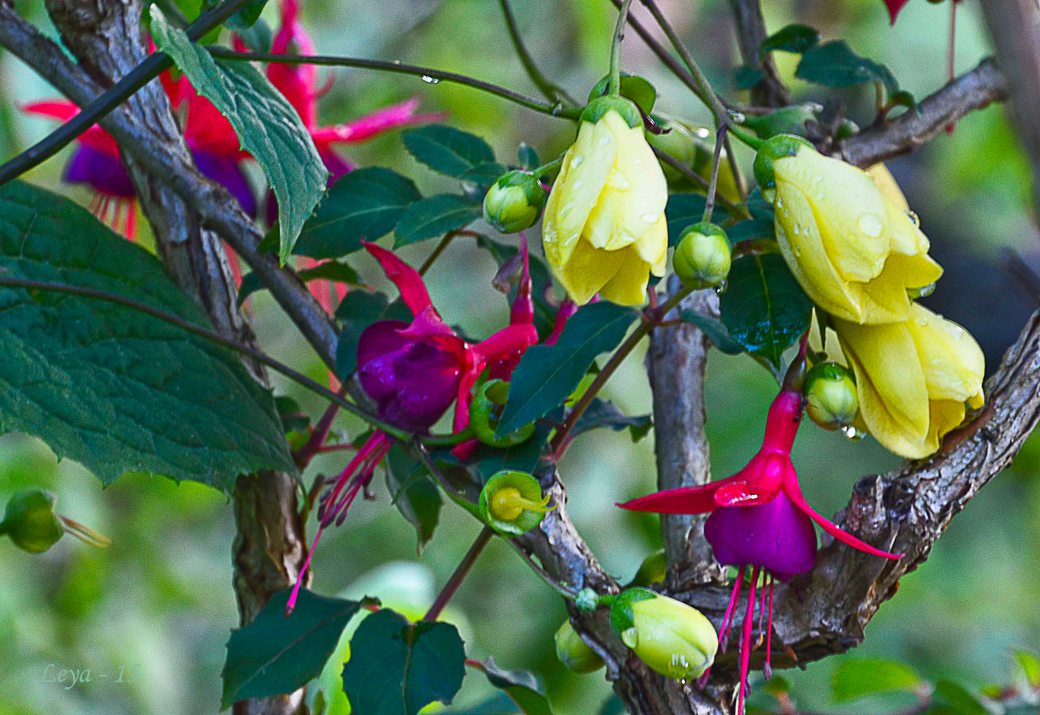
The combination of Fuchsia and Waxflower is very intense. For more of intense – visit Ailsa at Where’s My Backpack?
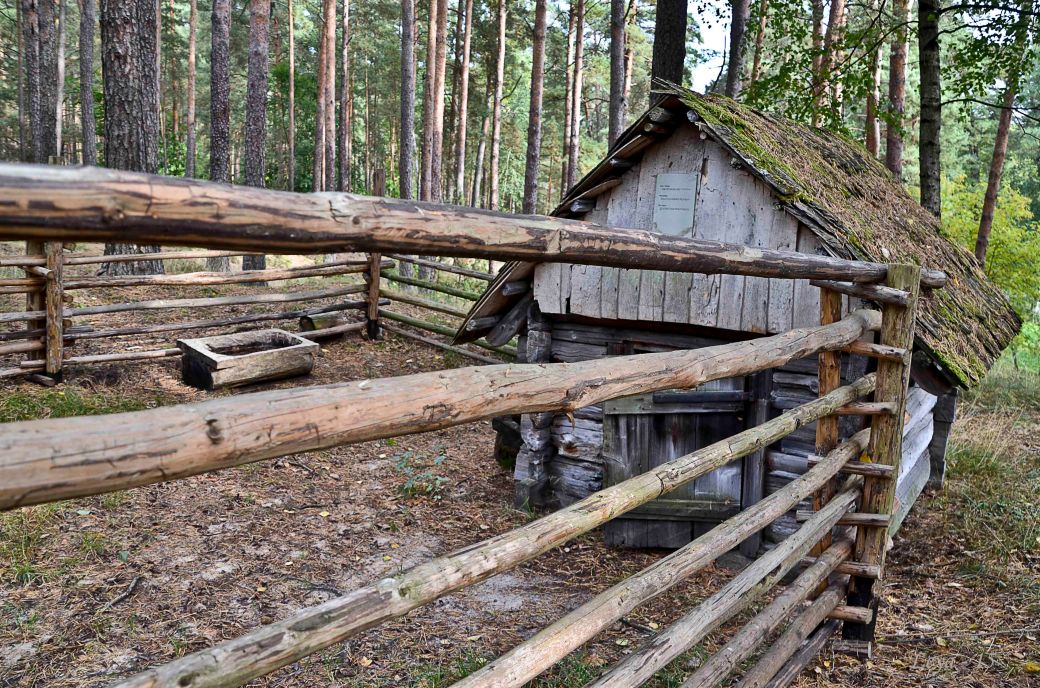
Boundaries – physical or others are essential to mankind and society. On visiting the open air museum in Riga, I found some old beauties – an elegant garden fence and a rustic pigsty fence. I love them both. Join in and let us see your choices!
Monochromatic for this week’s challenge – The Kelpies, Scotland.
More monochrome? Click here.
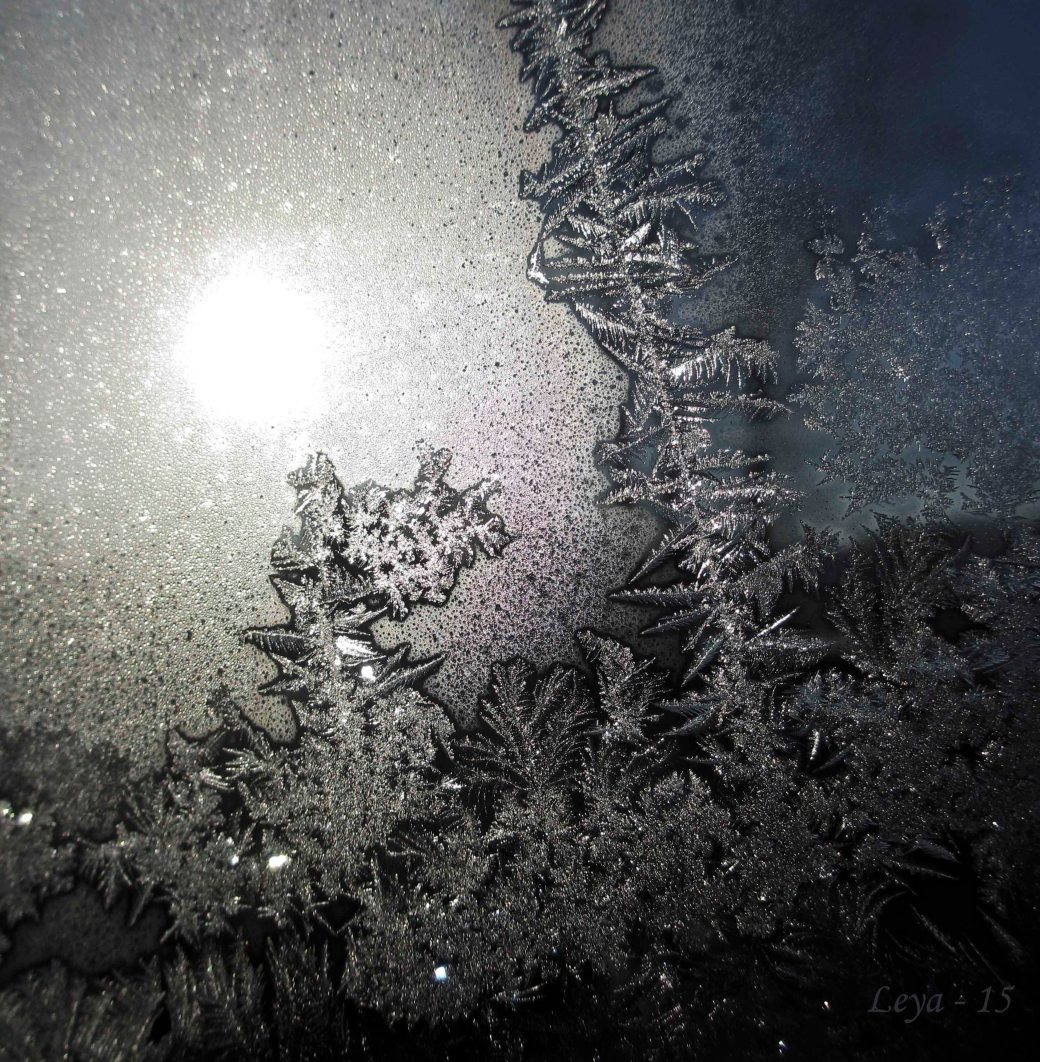
Frosty window, my home, Sweden
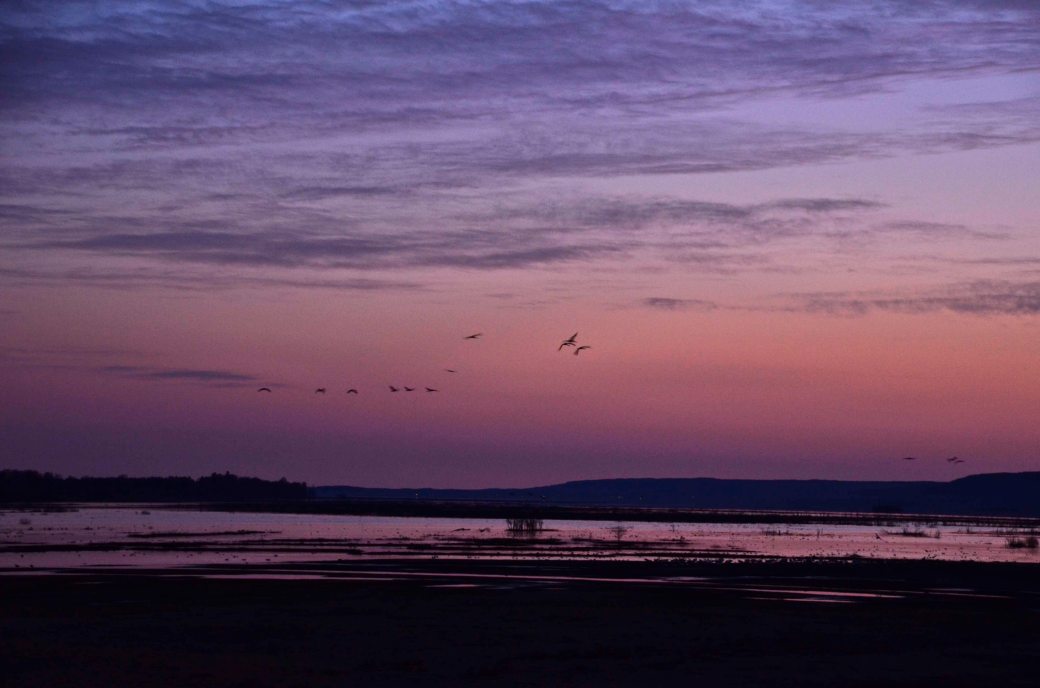
Hornborgasjön – and the cranes flying in the early morning

Duthie Gardens, Scotland

Mosquitos in the sunset, Sweden
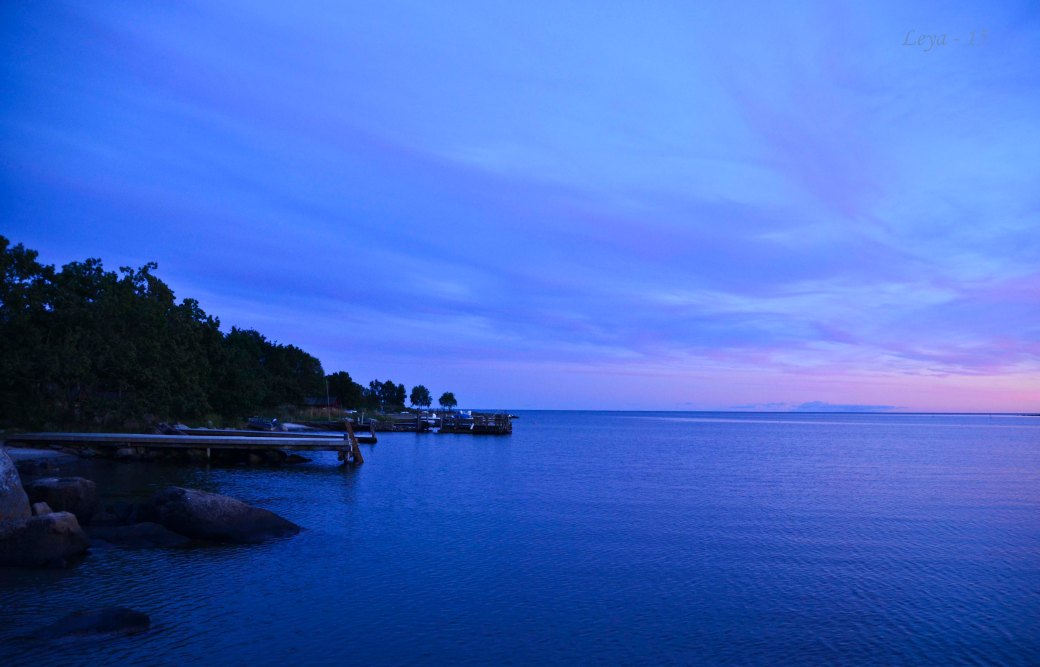
After sunset, Blekinge, Sweden
This summer I had the opportunity of visiting and taking photos in the most beautiful garden – the garden of my dreams. The owners, Kerstin and Kjell-Arne, have travelled the world to collect many rare species, and are always working hard on their dream.
I cannot say how much I appreciate being given this opportunity – and all the chats about the forest and its inhabitants whenever we see each other. Be it hiking or a short visit in their garden.
This year, their work was more abundantly rewarded than ever. So they said, and I believe them. They know everything about plants and different species and Kjell-Arne is also an ornithologist with many years’ experience.You who follow my blog might also remember him as – ”the little man”/”den lille mannen”.
Please click the link to see the photo book on this magnificent garden!
Flowers for Cee this week – she can make anything look beautiful…even in B&W. For me flowers excel in colour and beauty – so this is a different take with two entries.
Why don’t join in and try yourself? See more of this here.
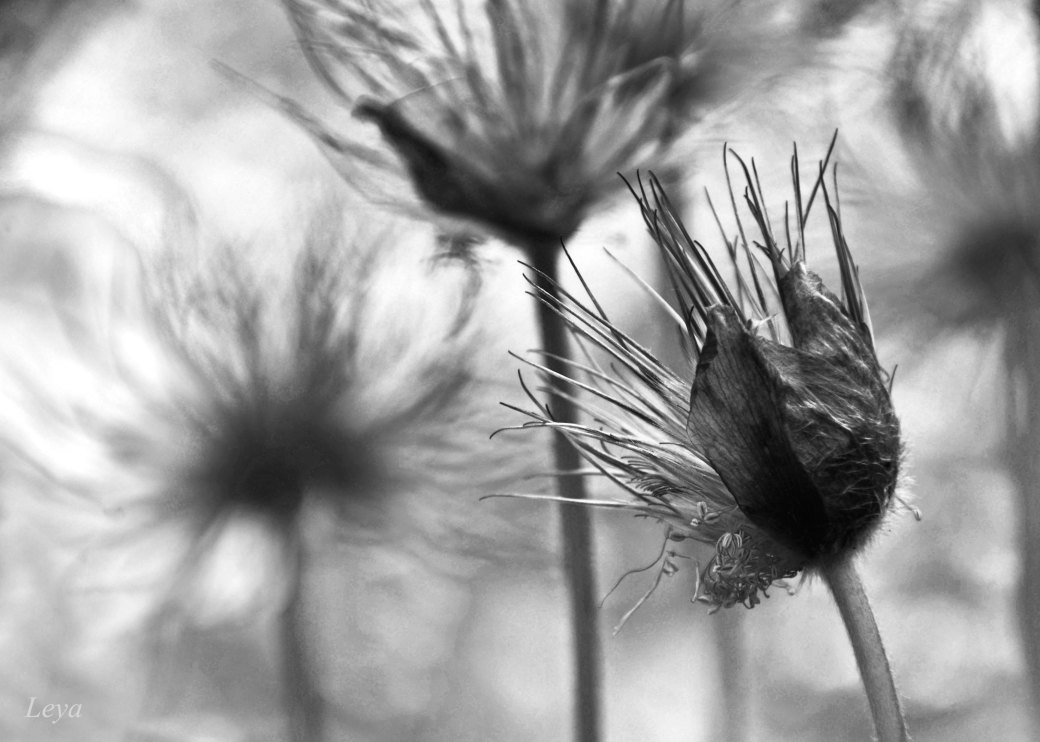
Decaying Anemonies
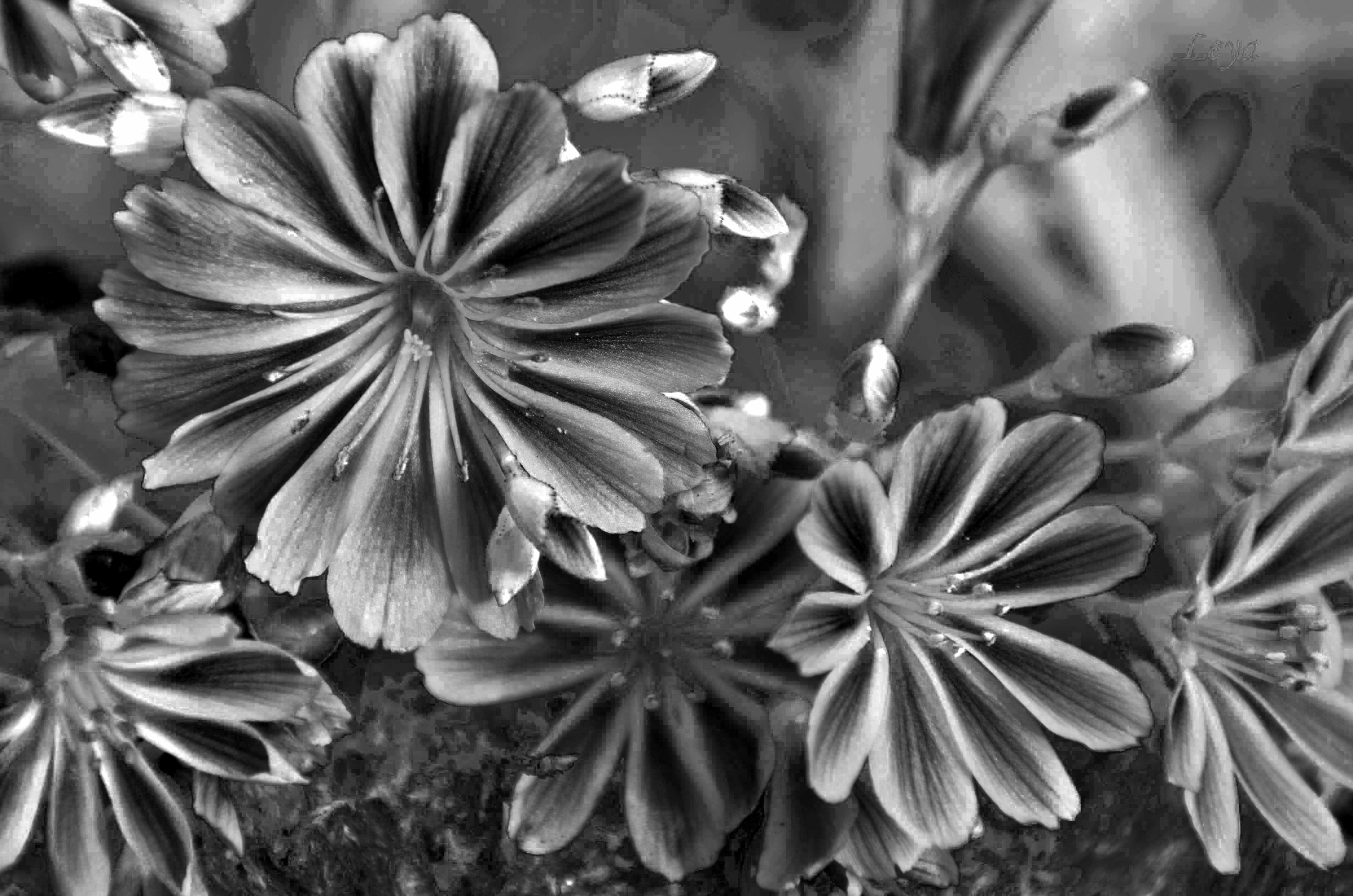
Lewisia
Vi beslöt att köra vägen närmast Vierwaldstättersea. Sjön är den fjärde största i Schweiz, och heter Lucerne Lake på engelska. På svenska blir det ”De fyra skogsklädda kantonernas sjö”. Den ”spretar” ut som fjordar i Norge, och är mycket vacker. Precis som i Norge går vägen i serpentiner, fast nere vid sjön.
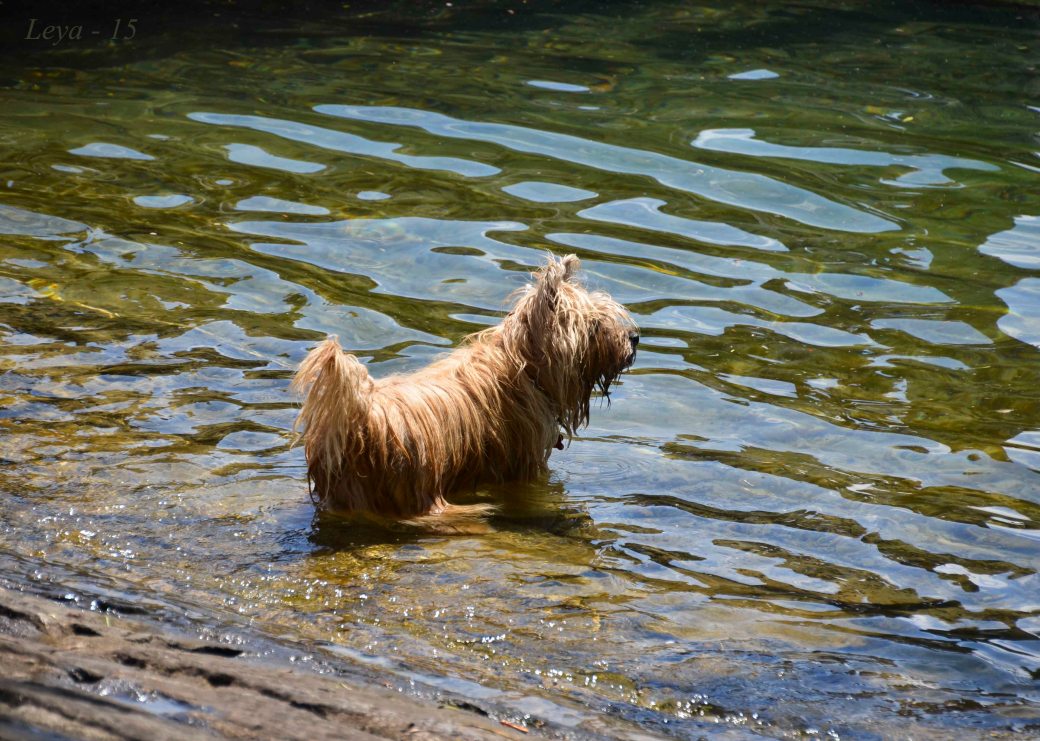
I Vitznau stannade vi en stund i värmen och hade gärna, som gossen nedan, tagit ett dopp i sjön.
We decided to drive the road closest to Lucerne Lake. The first stop was Vitznau – where we witnessed this little gentleman doing the only right thing in this heat…
I Gersau lyckades vi komma just när en utställning var klar att invigas. Den lilla orten med ca 2000 invånare är känd för sitt milda klimat med växter som hör Medelhavet till.
In Gersau, with about 2000 inhabitants, we arrived just in time to see a new exhibition about to open. Also to admire the lush area famous for its mild climate.

Gult, gult…hade man satsat på överallt. Alla bänkar var gulmålade och så skarpt att man knappt vågade sätta sig på dem.
Yellow, yellow…everywhere yellow. All benches were shining so bright that I hardly dared sitting there.

I trädgårdarna prunkade växterna i värsta Törnrosastil.
Should we enter… and find the Sleeping Beauty?

Konstutställningen skulle invigas samma dag. Vi passade på att beundra.
Some picks of the art on exhibition.


Vi beslöt att fortsätta till Schwyz. Vi hade nu 30 grader varmt, och lyckades till vår stora belåtenhet med konststycket att få en parkering i skuggan.
Rådhuset från 1645 är både annorlunda och enastående vackert med målningar som föreställer slaget vid Morgarten. Jag hade turen att få med traktorn på bilden – en typisk bild av Schweiz där gårdarna ligger ”mitt i byn” och lantbruket är en naturlig del även i tätorten.
We decided to go to Schwyz – a town very important in this country’s history.
The Town Hall from 1645 is beautifully painted with scenes from the battle of Morgarten, 1315, when the decendants of Habsburg were defeated.

I was lucky to catch the tractor on the photo as well – a typical Swiss scene. Here farmers work ”in the middle of the town” and farming is a natural part of everyday life.
Schwyz har en unik plats i Schweiz historia. Staden gav landet både namn och flagga. 1291 svor Schwyz en trohetsed med kantonerna Uri och Unterwalden. Därmed lades grunden till dagens Schweiz. 1315 besegrade de Habsburgarna i slaget vid Morgarten.
Schwyz has a unique place in the history of Switzerland – in giving the country its name as well as its flag.
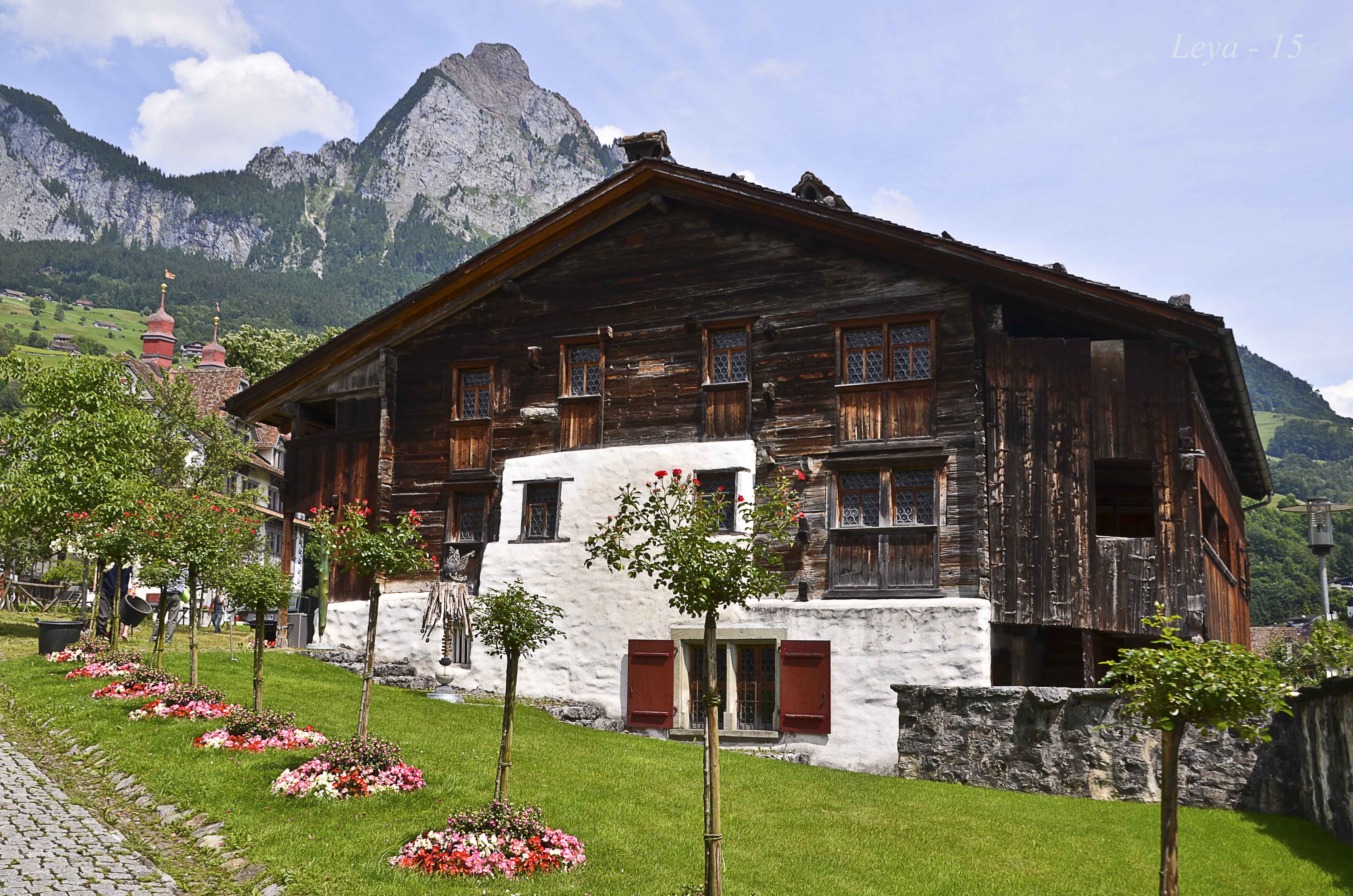
Haus Betlehem och den gamla herrgården Ital-Reding-Haus, bildar tillsammans ett modernt museum, men vi nöjde oss med att njuta av de vackra byggnadernas exteriörer.
Haus Betlehem and the old mansion Ital-Reding-Haus, together constitute a modern museum. We admired the gardens and the buildings only and didn’t go inside.

Vallen slogs naturligtvis – en schweizare vilar aldrig – och man arbetar gärna barfota med träräfsor för att samla ihop det sista av gräset.
Swiss people are never idle – taking care of the cut grass is done without machines – of course. And barefoot too.

På hemvägen gjorde vi ett stopp i Küssnacht vid Astrids kapell, som ligger precis invid sjön.
On our way back to our chalet, we had to see the commemorative chapel built to Queen Astrid of Sweden.

Historien berättar att Astrid var yngsta dotter till svenske prins Carl och Ingeborg, och sondotter till Oscar II. Hon föddes 1905. I mars 1926 besökte den belgiska drottningen Elisabeth sin väninna Ingeborg i Stockholm tillsammans med sin son Leopold, kronprins av Belgien. Syftet var uppenbart. De unga fick flera tillfällen att träffas – och blev förälskade.
De förlovades den 21 september samma år. Astrid var en skönhet och Leopold var också stilig. Den 4 november vigdes de borgerligt på Stockholms slott – och sex dagar senare vigdes de kyrkligt i Belgien av den belgiske ärkebiskopen. Astrid var då 21 år och belgisk kronprinsessa.
Tillsammans med Leopold åkte hon runt för att lära känna sitt nya hemland. Det innefattade också besök i de belgiska kolonierna. På kvinnliga kungligheters vis idkade hon också välgörenhet. Astrid och Leopold fick tre barn. 1930 föddes Baudouin, som senare skulle bli kung i Belgien. Men redan 1934 blev Leopold kung och Astrid drottning sedan kung Albert hastigt avlidit i en bergsklättring.
Efter att ha bevistat bröllopet mellan prinsessan Ingrid och kronprins Fredrik av Danmark i Stockholm och sedan invigt världsutställningen i Bryssel, gav sig paret ner till Schweiz för att vandra i Alperna. Den 29 augusti satt Leopold och Astrid i en bil på väg mor Küssnacht. De hade chaufför, men Leopold körde bilen just då, en Packard Cabriolet, och Astrid läste kartan. När Leopold kastade ett öga på kartan var olyckan framme. Han körde av vägen och rakt emot ett päronträd. Astrid kastades ur bilen och omkom direkt. Man kan se rester av päronträdet än idag. Ett kors till minne av Astrid har rests bredvid och ett nytt päronträd har planterats.
Övrig kuriosa: Den svenska prinsesstårtan är döpt efter Astrid och hennes systrar när de var små.
According to Wikipedia, this is the short history of what happend then:
In August 1935, the King and Queen went incognito to Switzerland on holiday. On 29 August 1935, the King and Queen decided to go for a last hike in the mountains before returning home. Their chauffeur was sitting in the back of the Packard One-Twenty convertible, the King was driving and the Queen looking at a map. As the Queen pointed out something to her husband the car went off the road, down a steep slope, slammed into a pear tree. Queen Astrid was thrown out upon impact and died from her injuries at the scene of the accident at Küssnacht am Rigi.
The queen was deeply mourned by her husband, King Leopold, by the Belgians, and by the Swedes. Belgium issued a postage stamp showing her portrait in black, known as the Astrid Mourning issue. A commemorative chapel was built in Switzerland at the site of the crash and has become a destination for Swedish and Belgian tourists. The car was sunk at a deep part of the Vierwaldstättersee at the request of the king.
As of May 2015 two of her grandchildren were reigning simultaneously; King Philippe of the Belgians and Grand Duke Henri of Luxembourg. She was also a maternal aunt of Harald V of Norway.
The popular Swedish layer cake Princess Cake was named after Astrid and her two sisters when they were children.
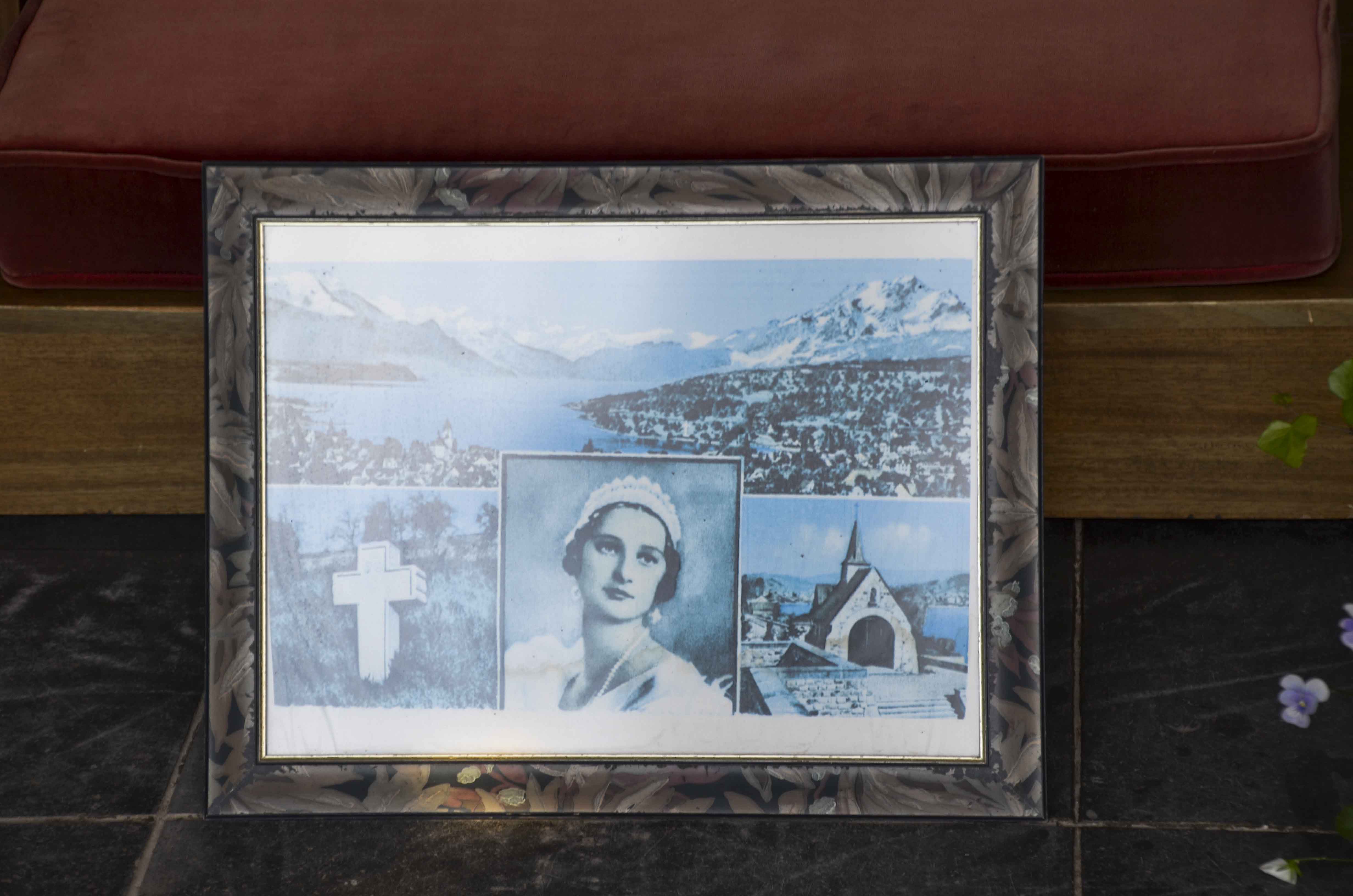
Astrids kapell är uppfört till hennes minne på platsen där olyckan inträffade. Det är dock inte hennes grav.
Jag har hittat Min Drömträdgård. Flera timmar satt jag där, och gick och njöt, ensam. Jag är på gång med en bildsvit därifrån, men väntar på att ägarna ska artbestämma allt jag fotograferat.
I have visited the garden of my dreams – My Dream Garden. I walked there all alone for several hours, just contemplating and savouring it all…Now I’m waiting for the owners to tell me what species everything is that I photographed. They travel and collect plants from all over the world, but now they are getting old and maybe will not be able to take care of this Paradise anymore..
Here is a first glance…


I often visit the botanical garden in Madrid – in fact it is almost once a year nowadays. Come walk with me in this fragrant spring evening!

Callistemon – a favourite of mine. I once brought one home from Nepal, many years ago, but it died during one of my travels. Not easy for my mother to take care of…
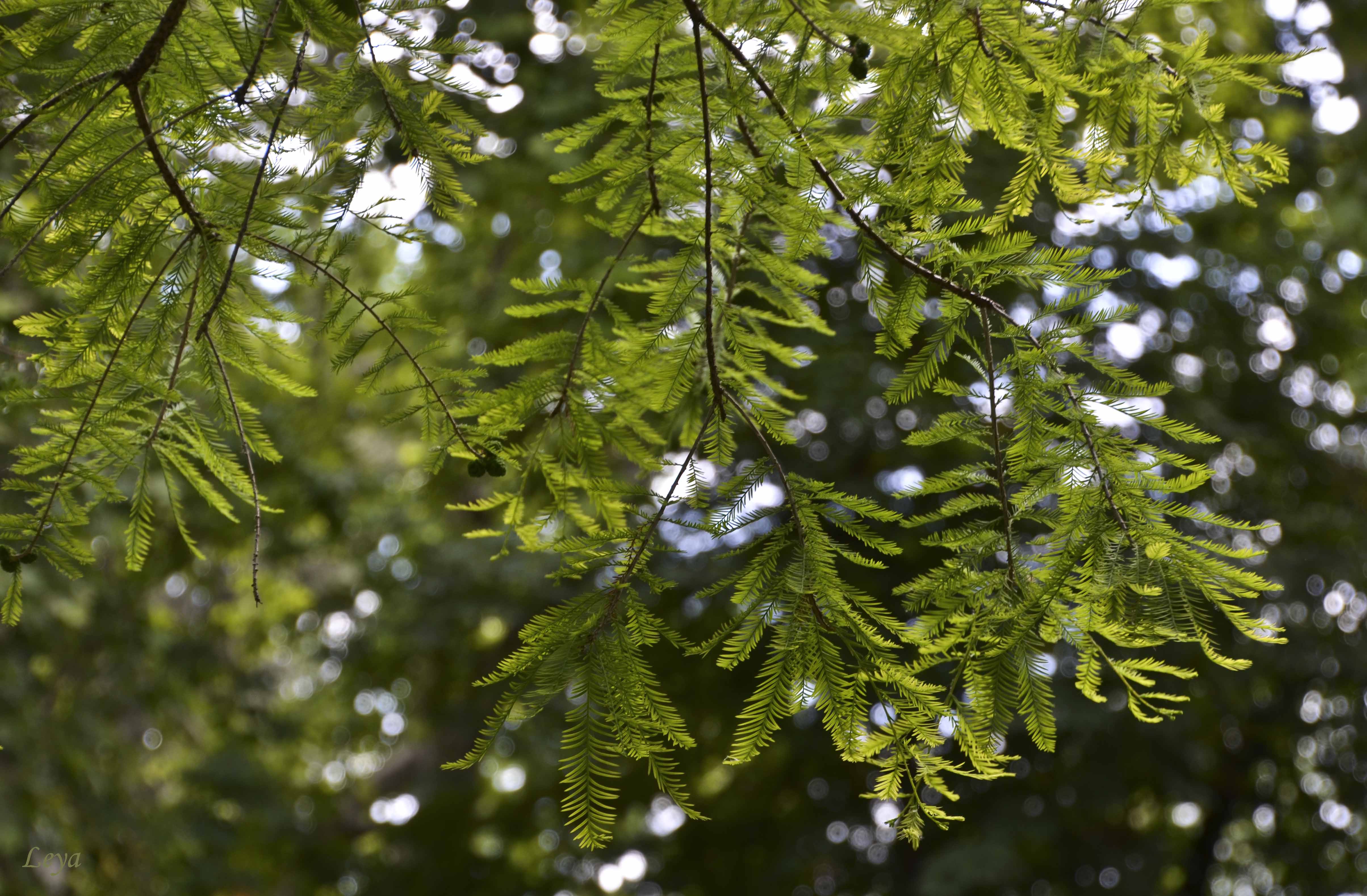
You don’t necessarily need flowers to see the beauty.

The tiniest ones are enough too…
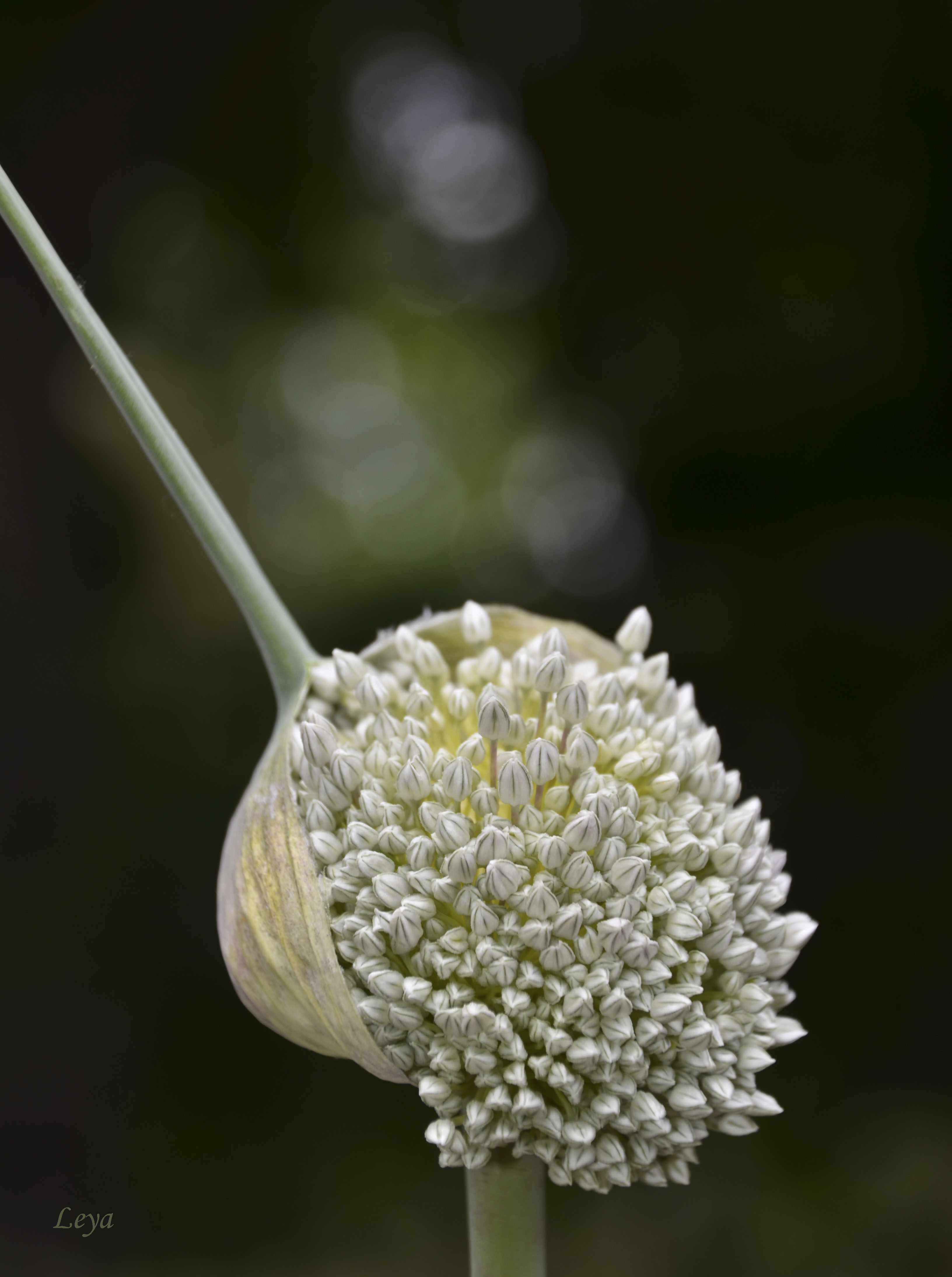
Allium is truly irresistable. Beautifully displayed against a dark background.

Yellow and red is wild and enigmatic together in this Caesalpinia Gilliesii.
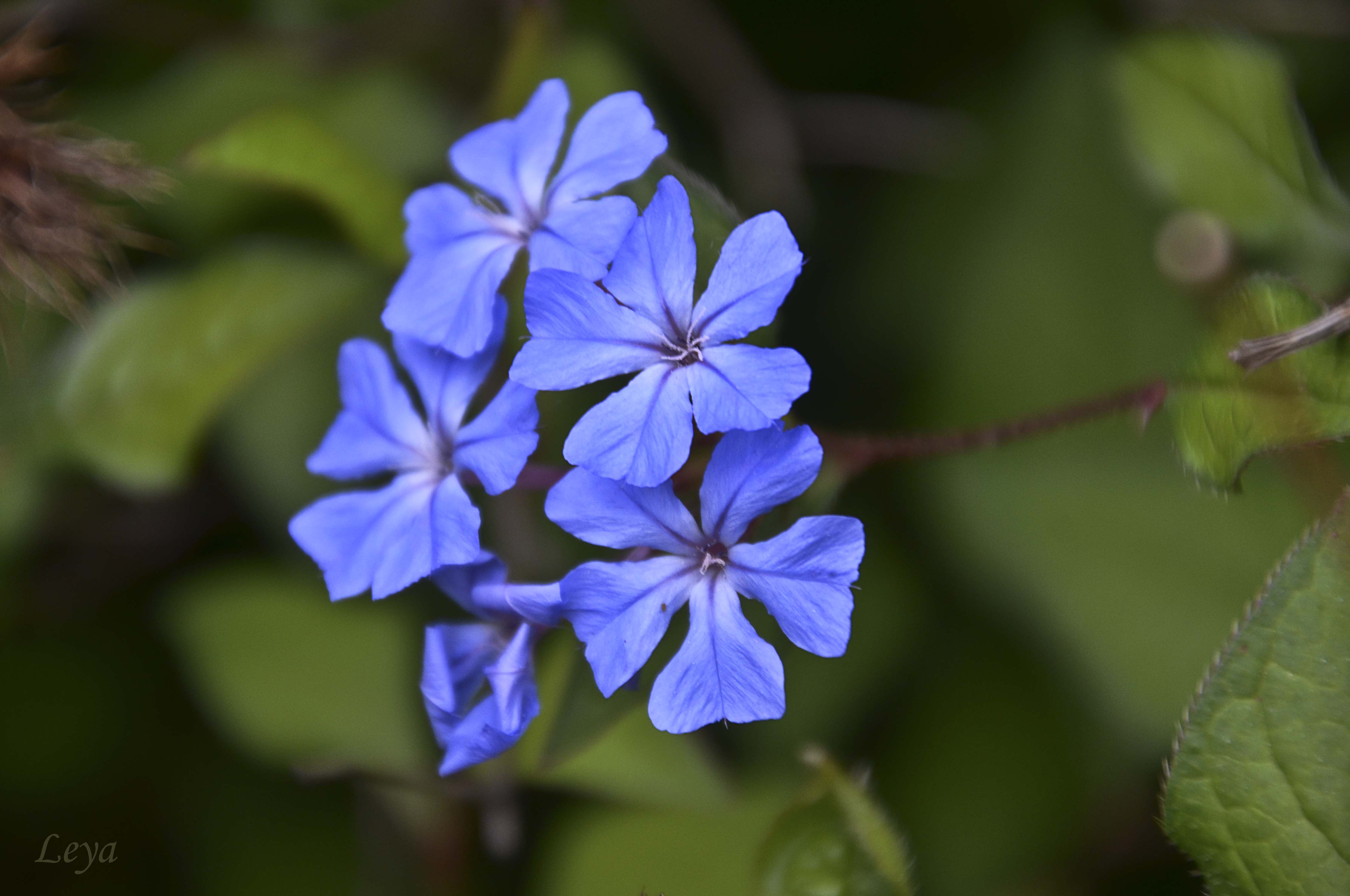
This little one had no name – but glowed in the shadows.

…together with Yellow fire…

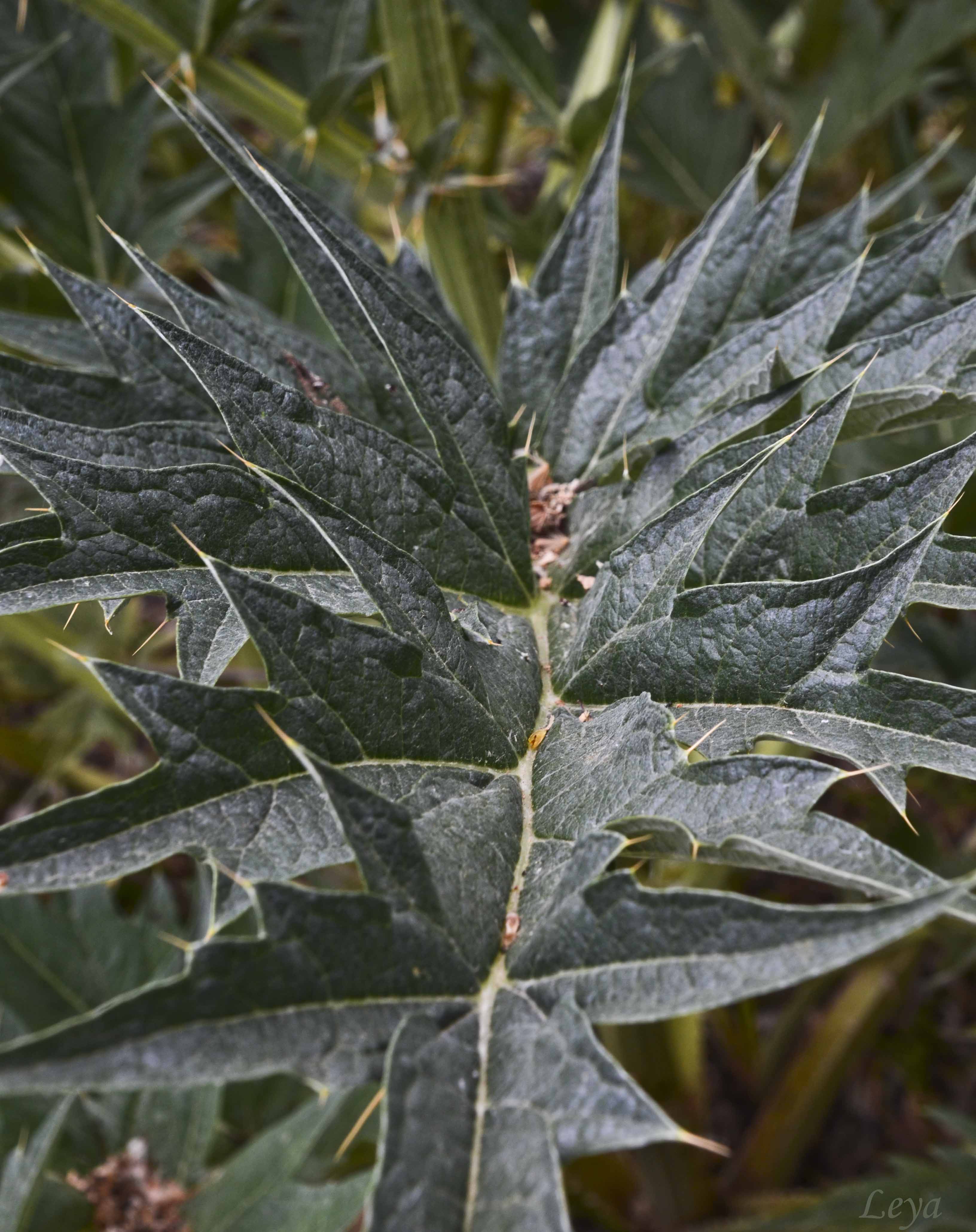
Lovely ”needles” everywhere.
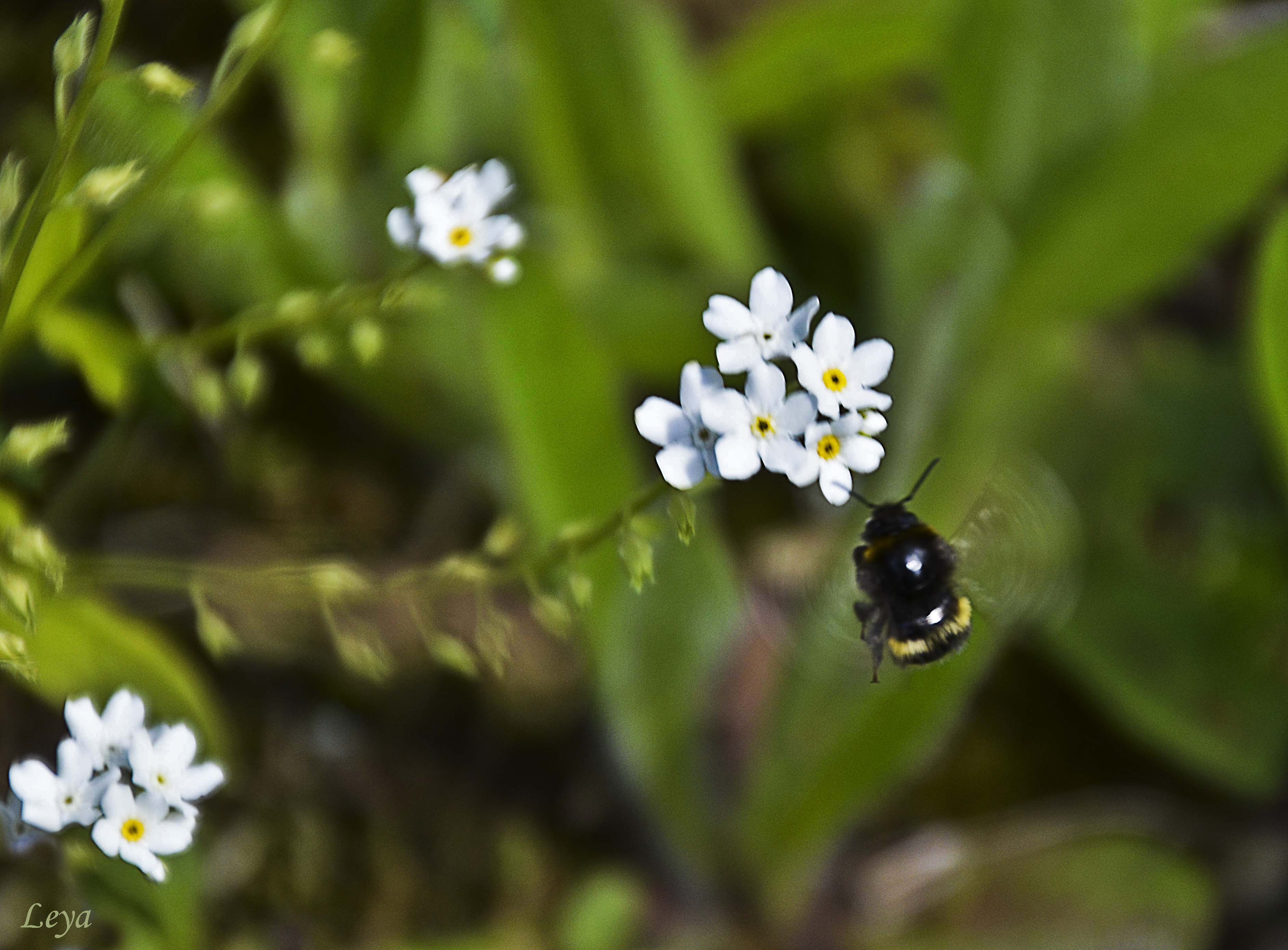
The tiniest – allium and others.


And more. White poppies and Callistemon in all their glory.


 Leya
Leya 
Du måste vara inloggad för att kunna skicka en kommentar.