Nature
Santiago – Sullivan Bay
On the northeast side of the island Santiago, Galápagos, is Sullivan Bay. The lava walk here showed us a lava phenomenon called Pahoehoe – a ropy lava flow, coming from from the latest eruption in 1902.

The day started rather misty and the only thing we could see on shore was the dark lava flow, interspersed with red streaks and topped with lava mounds and volcanoes.
The Galápagos Islands are in a highly volcanic area, and the volcanoes seldom rest. On Isabela, the largest island, there are several of them alive. In the end, all these 19 islands will disappear in the Pacific Ocean. Some of them are already dying.

We anchored between Santiago and the small island of Bartolome. Already there was a blue sailing ship waiting to unload its group of Americans.

You had to watch your step – crevices and very uneven ground. This lavafield is indeed the largest I have ever walked. Iceland’s Krafla area we could not walk properly as we visited when the eruption was just over. The ground was too hot and too dangerous.
 Many beautiful and interesting patterns were found on the walk, and each one of us had his or her own interpretation…What is yours?


Here the flow suddenly came to a stop


Walking back to our beautiful ship, the sun lashed its late evening colours on our steps.

Bartolome consists of an extinct volcano, and its landmark is called Pinnacle Rock.

The evening offered a bright moon, and in the velvety air, we all went soft and still on deck. This was our last day but one in Paradise.

Wordless Wednesday

Camouflage – Survival or Not
In the header, a beautiful Land Iguana – maybe my favourite animal on the Galápagos Islands. And below is my special companion – the Mockingbird.
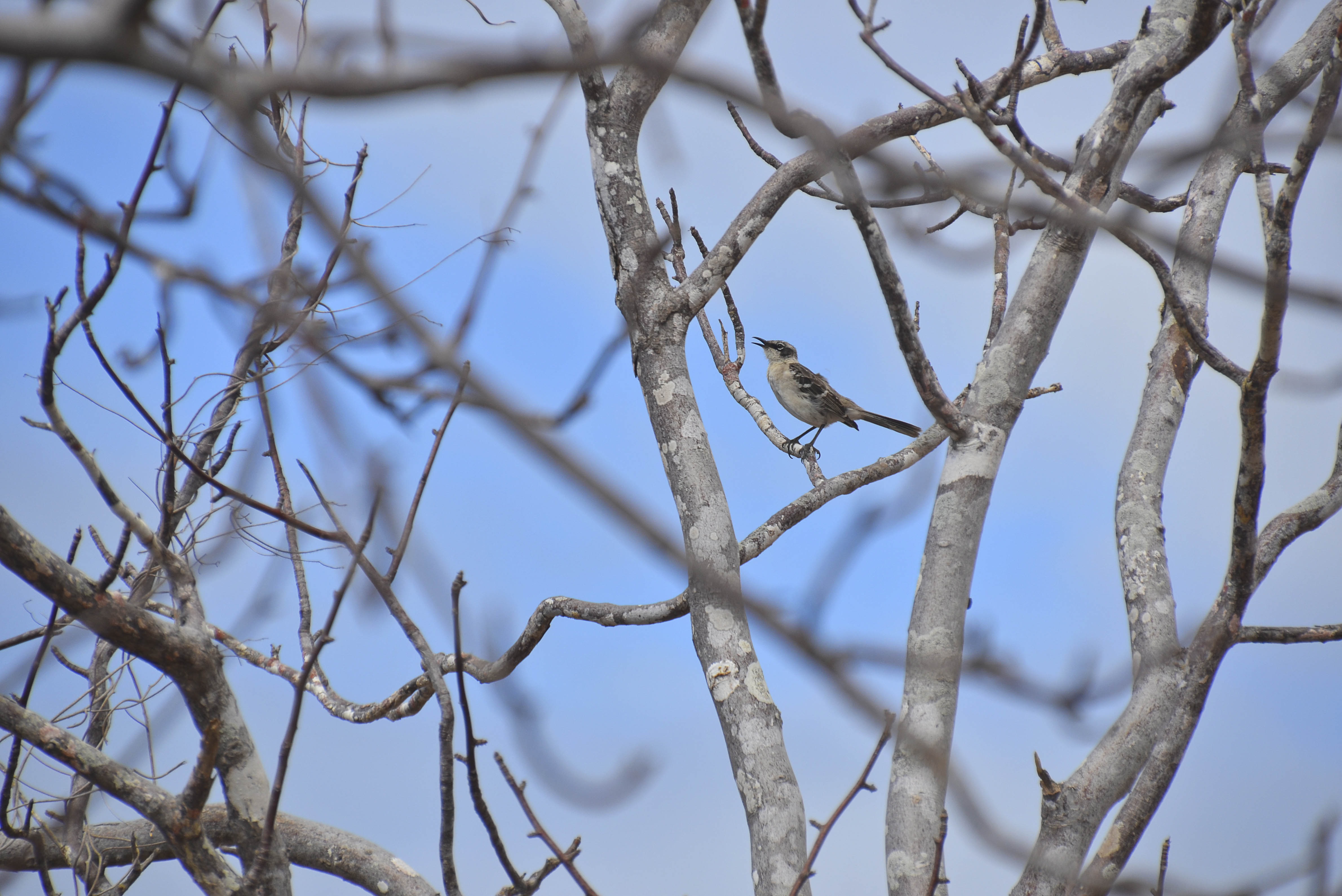
”Blending in experts” are the birds – and other animals – on the Galápagos Islands. To me this is a magnificent treat to the eye.
Many of these animals are endemic, only to be found here. And many only on their own specific island. Darwin´s 13 species of finch are hard to tell apart, but they all have different bills related to where they live and what and how they eat.

Lava Heron

Yellow-crowned Night-heron

Blue-footed Booby

Galápagos Dove

Medium Ground Finch
Almost every island has its own Lava Lizard. Often difficult to find if you do not know what you are looking for… This is the pretty Galápagos Lava Lizard.

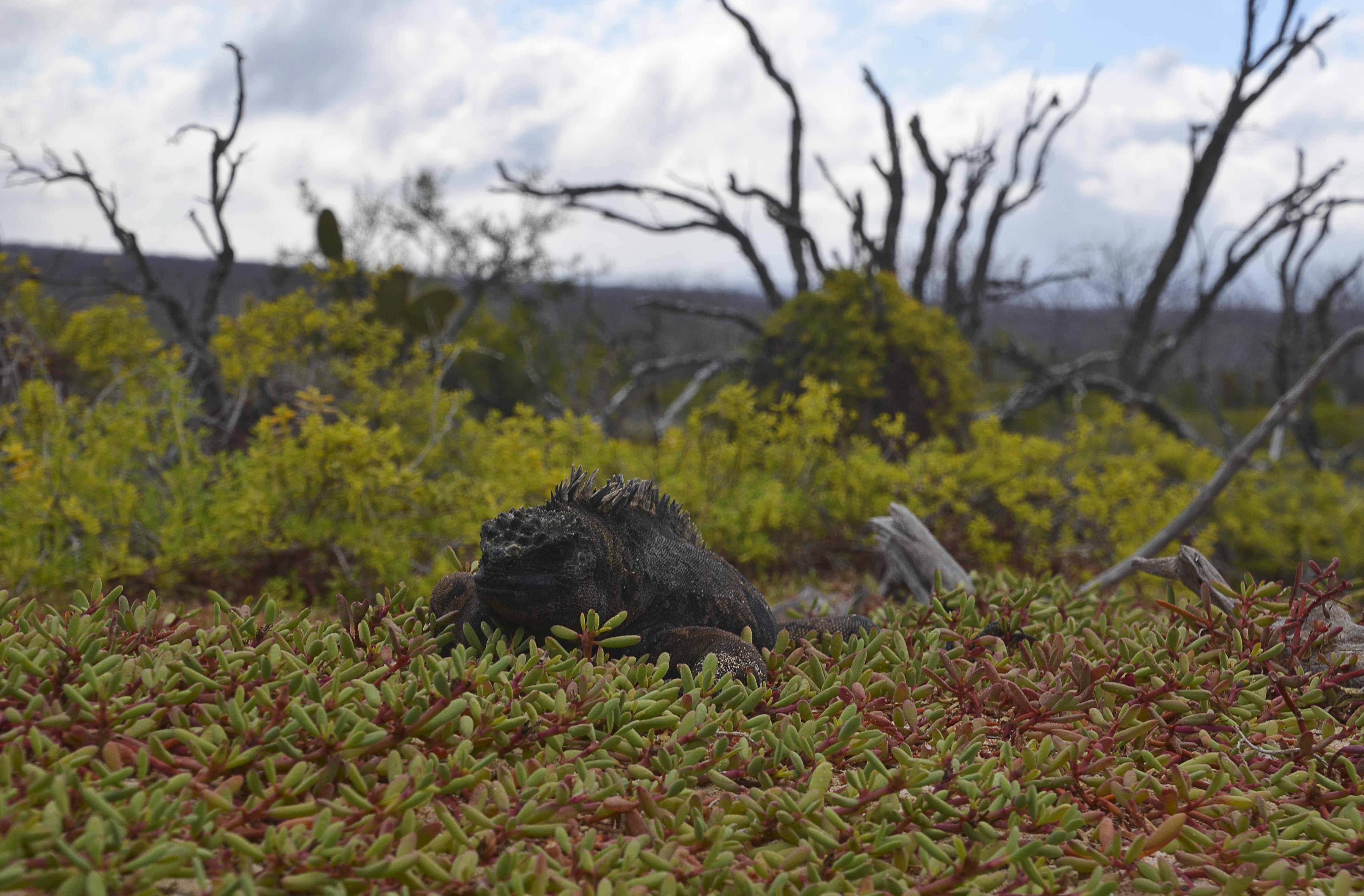
The Iguanas are everywhere, and some of them blend in so well that you easily can trip on one of them…
This Marine Iguana, you could say, does the trick totally in his own, special way…
I Wish…

I was…

…flying with the Cachalote again

Thursday Thoughts – Our Young…

Take good care of our young – let them be safe with their parents, let them play and give them food, and raise them to be able to fend for themselves, to stand on their own feet.


Animals know how to do…

Swallowtailed Gull…

Only let them – and try to learn from them…

Half grown Red-footed Boobie…

…adult with chick
Because we are much the same – only humans seem to have forgotten how to raise children properly…

Frigatebirds…

Surely you want your children to grow up to great, magnificent people?

Like this Red-billed Tropicbird. People who use their own wings – and fly! Together!

Animals still know how to do…Let us believe there is hope for us humans to restore that knowledge. Because once we had it – at least many more of us had it…
Tomorrow will bring a more unstable world…let us all do our very best to make it safer for nature, animals and our young. We must decide not to give in to all these difficulties and negative movements in society, – we have to fight for the good things that are still here!
CFFC: Big and Small

Wordless Wednesday

Travel theme: Walking
My first thought is of course my every day dog walking. Walking is also one of my absolute favourite things to do. But, I just have to share this amazing, graceful creature with you.
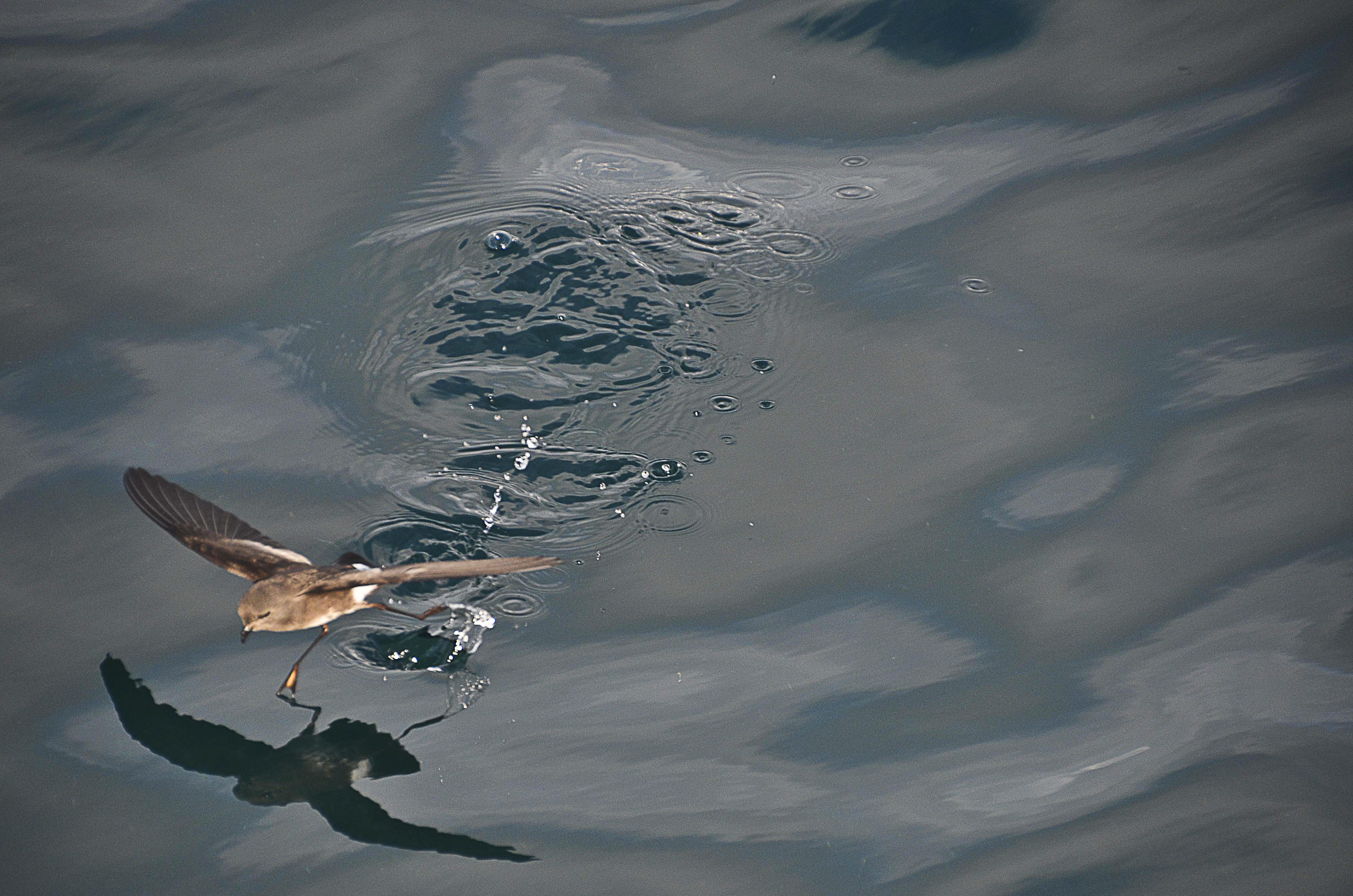
Have you ever dreamed of ,or wished, you could walk on water? I thought I only knew of one…who maybe could do that….
But, at sea, swirling around our sailing ship in the Galápagos, I saw this wonder with my own eyes. It is an Elliot’s Storm -petrel. I took hundreds of shots…but only a few shows clearly enough this amazing bird’s abilities – it walks, runs and stands on water.

The story of this Storm-petrel is enigmatic as well…It is pelagic, and feeds while fluttering and pattering on the water with wings raised. …”…endemic subspecies galapagoensis. Population estimated at many thousands and although a nest has yet to be found in Galápagos, breeding is suspected to occur between April and October. Conservation Status: Data Deficient.” (Birds, Mammals, and Reptiles of the Galápagos Islands. An Identification Guide by Andy Swash and Rob Still.)
WPC: Ambience
Ambience – Nature is the master of this…I return to late evening canoeing along the narrow water ways of the Amazon basin. The darkness of the forest and the light still filtering in through the canopy. Hitting the tiny inhabitants of the river bed. The sounds of the rainforest tell you …you are not alone.


Du måste vara inloggad för att kunna skicka en kommentar.