For Sylvain Landry’s challenge this week, we should look at the world from a child’s position. And indeed, my Mille looks much bigger than he was. His height was 48 centimetres – and the mountains somewhat higher…

For Sylvain Landry’s challenge this week, we should look at the world from a child’s position. And indeed, my Mille looks much bigger than he was. His height was 48 centimetres – and the mountains somewhat higher…
The Epic of Gilgamesh, a Sumerian story, The Odyssey by Homer, Siddhartha by Herman Hesse, The Hobbit and The Lord of the Rings by J.R.R. Tolkien, The Alchemist by Paulo Coelho and of course The Harry Potter series by J.K Rowling.
In these stories, the protagonists set out to almost impossible tasks, leaving home and safety plunging into the unknown. So, where am I, a 21st century, middle aged woman, in all this? What is my Quest?
I guess in my little world there are no big ”saving the world”- quests – maybe saving myself quests only. I am constantly searching for and heading towards Inner Peace, being kind and compassionate along the road. I find peace in Nature and through doing good things, helping other fellow passengers on this route.
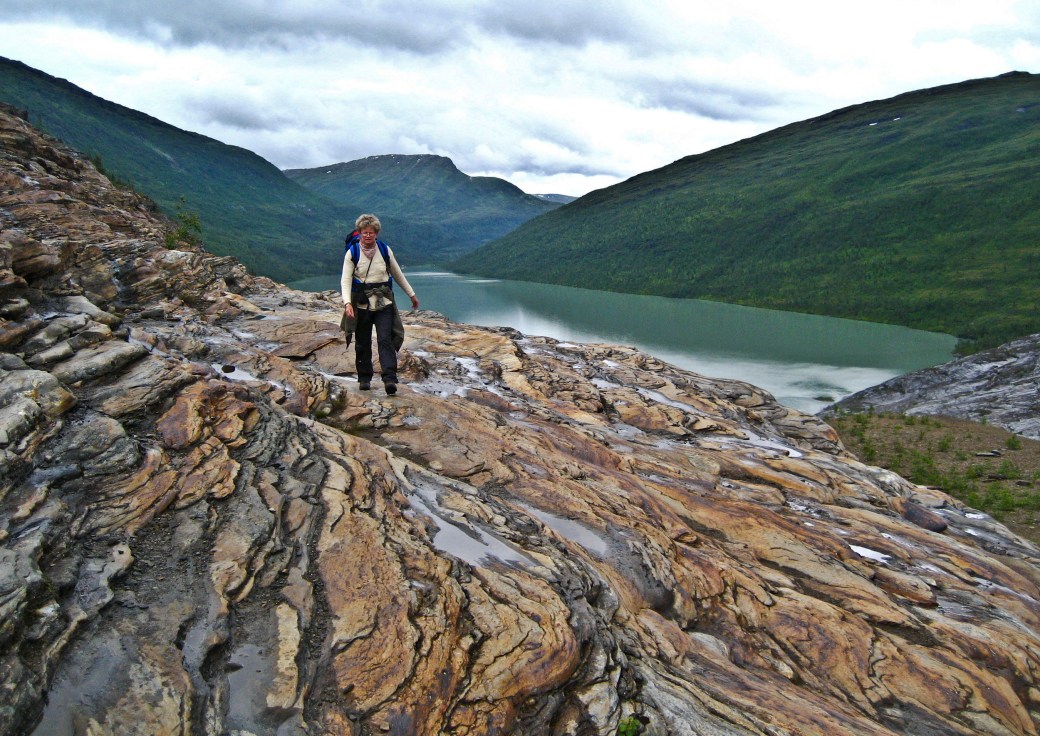
Hopefully, one day, I will be standing there, feeling that my quest is completed. I will be completely calm and at peace with myself and the world.

I am convinced I could never live without the seasons. And I can never leave Sweden in Spring – cannot miss the first wood anemonies and the beech trees. So…my theme for this theme of Seasonal, is my home forest.

Autumn will soon be here – crisp air and colours, colours, colours

Winter dreams – when the snow comes . Euphoria!

Spring is the season I immerse myself in all the Green – My favourite season
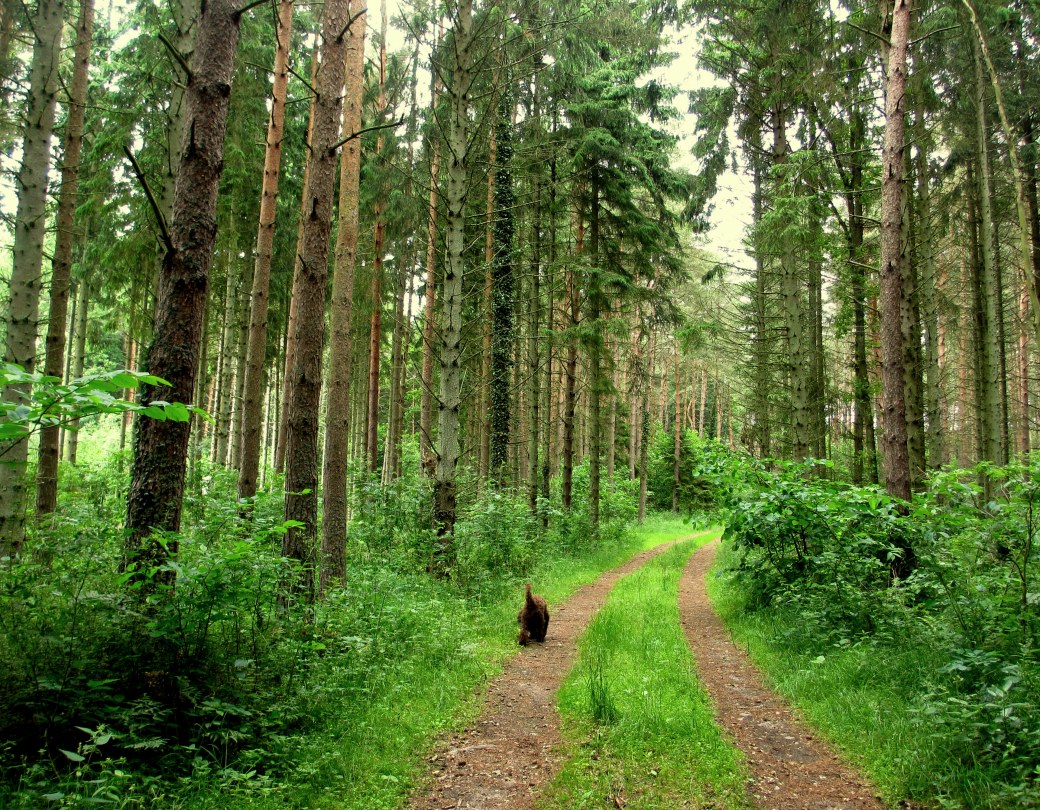
Summer – how difficult it was to find a forest picture…I guess I walk in my forest just as much as every other season, but no photographing!


A lovely morning, maybe the last summer trip, in our very, very old canoe…
The stillness in the air, the soft misty dew and the knowledge that this might be the end of a long, lovely summer.


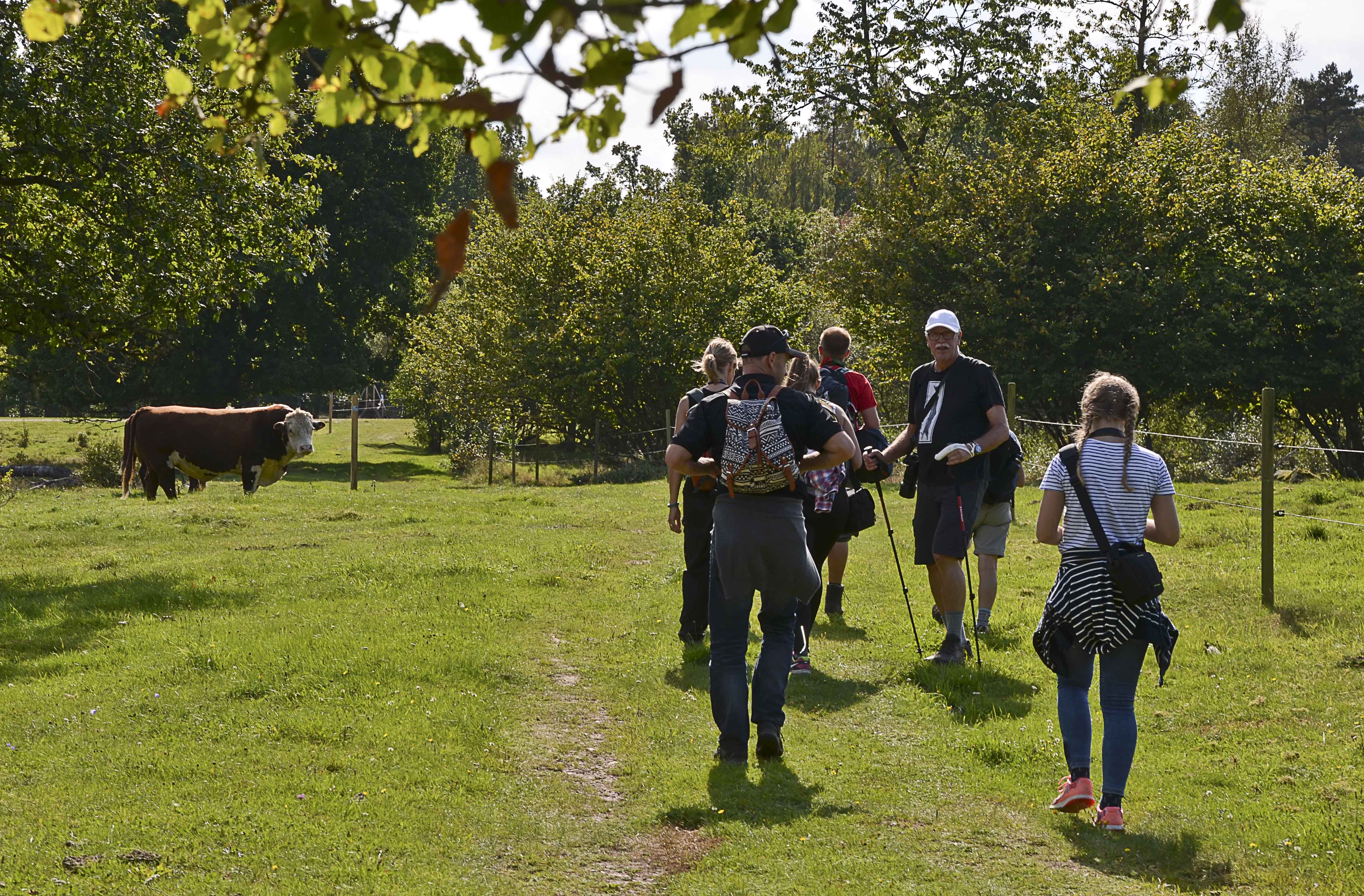
Hiking festival at Hovdala – a part of Eurorando, Europe’s biggest hiking and walking event. There were many groups and trails to choose from. I joined the photography group.

And what a day we had. In the middle of September – and 25 degrees Celsius…A bit too warm for hiking really, but an ordinary autumn, the alternative would have been rain.


Between 5000 and 7000 hikers from all of Europe travel to Skåne during 7 days to walk the Scanian trails, socialize and explore the Swedish nature, culture and society.

The landscape showed its best and so did the weather. After the walk we were all served a delicious vegan chili soup with bread. Thank you all participants for a glorious day well spent!
Mirror, mirror on the wall…Which is the best representation of them all?
This is a challenge where I think most people have many options in their archives – interesting…which ones do we choose?
In the header is a Bilbao photo from opposite the Guggenheim museum. There is this house mirroring a bridge with a red car passing. The other three photos I guess you have seen before – if you are following my blog.
For more of mirrors, click here.
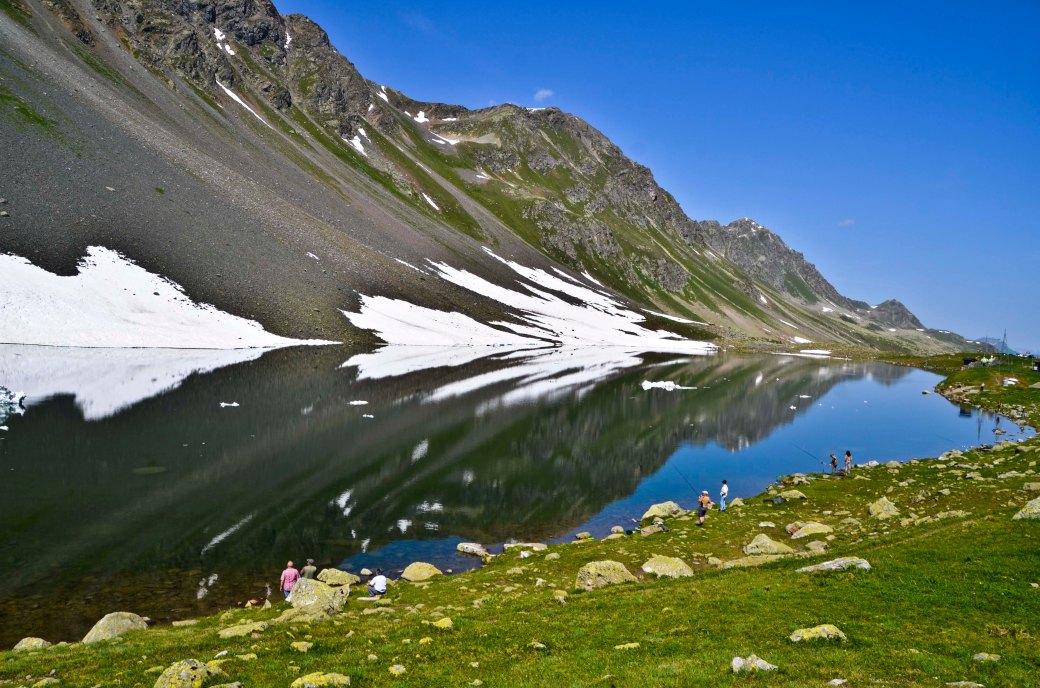
Switzerland, the Fluela Pass in the early morning.
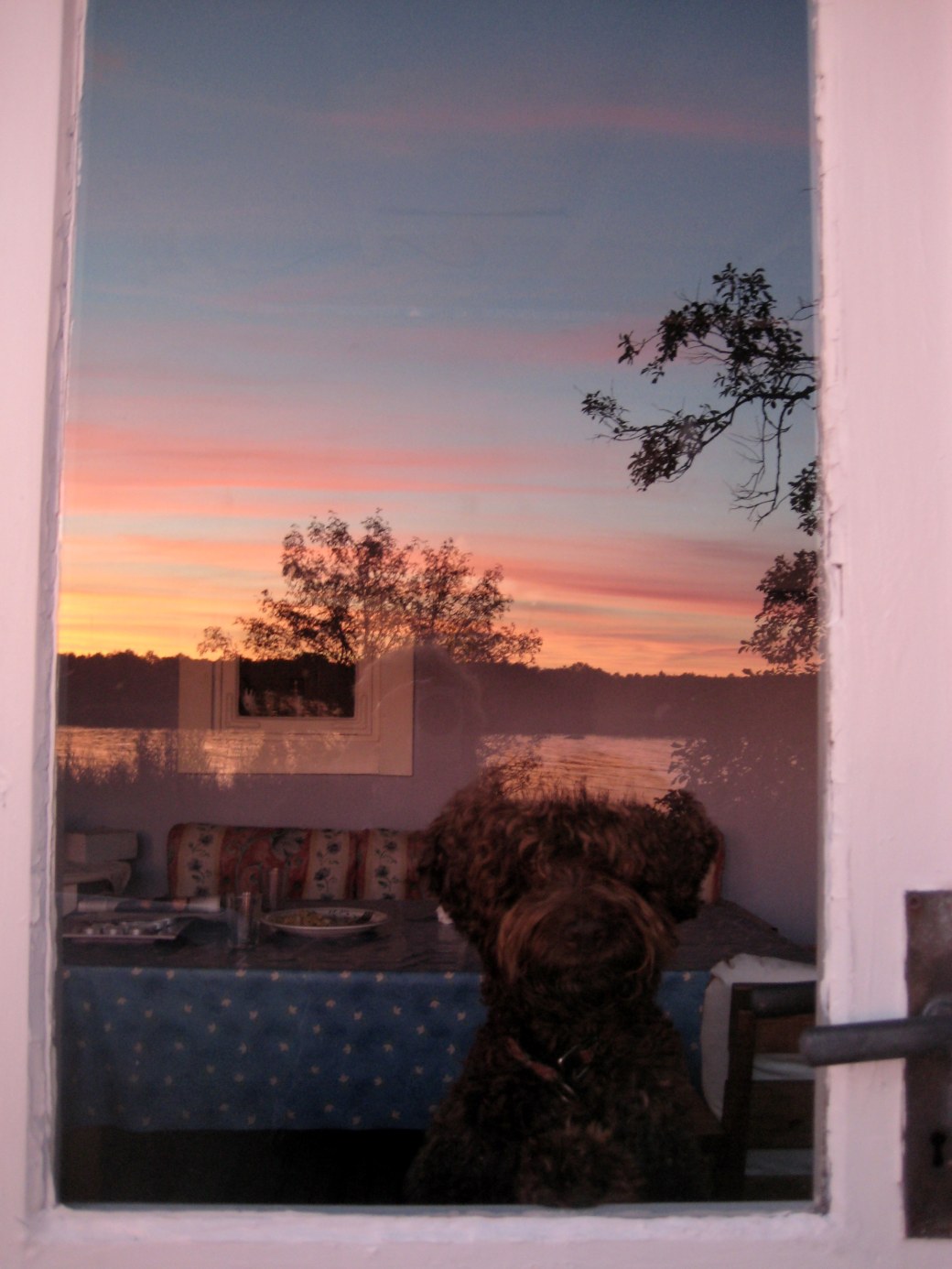
My beloved Mille…looking out for me, walking in the late evening.

Auckland harbour by the fish market.
For Cee’s challenge in black and white, she has chosen Trees. Trees are my favourites on this earth…and my pick is a piece of the forest I walk in every day. Autumn is the feeling.


”I am watching your every step…”

Towards Pas de Rolande, where Charlemagne’s army was ambushed after the sacking of Pamplona – celebrated in the medieval poem, Song of Roland.

Along the road we met a herd of, what we believe was, Iberian wild goats. The gamey smell filled the air, and soon we saw them climbing the stony slopes up on our right side as well.
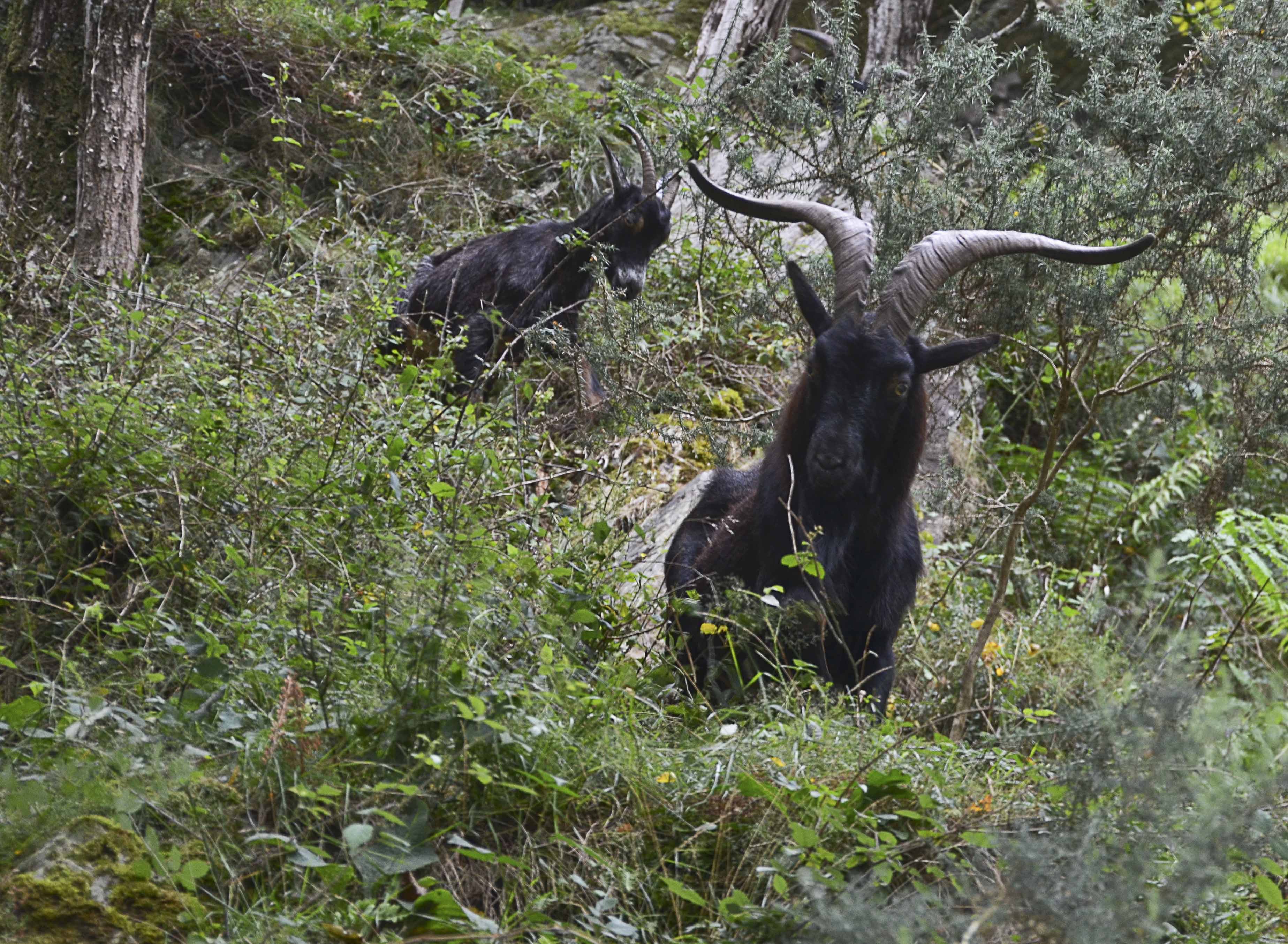
As they were rather close to the road, about 5-10 metres up, we could study them roaming the bushes, popping up a head every now and then.


We reached the rock formation in the gorge. According to legend, the gap once was created by Roland’s horse.

On my way back, alone, (my husband went back before me) the strong smell from the goats appeared again. And, I was lucky to witness this piece of wild life -love life!


”Well, I have seen it before…and in my younger days I would…
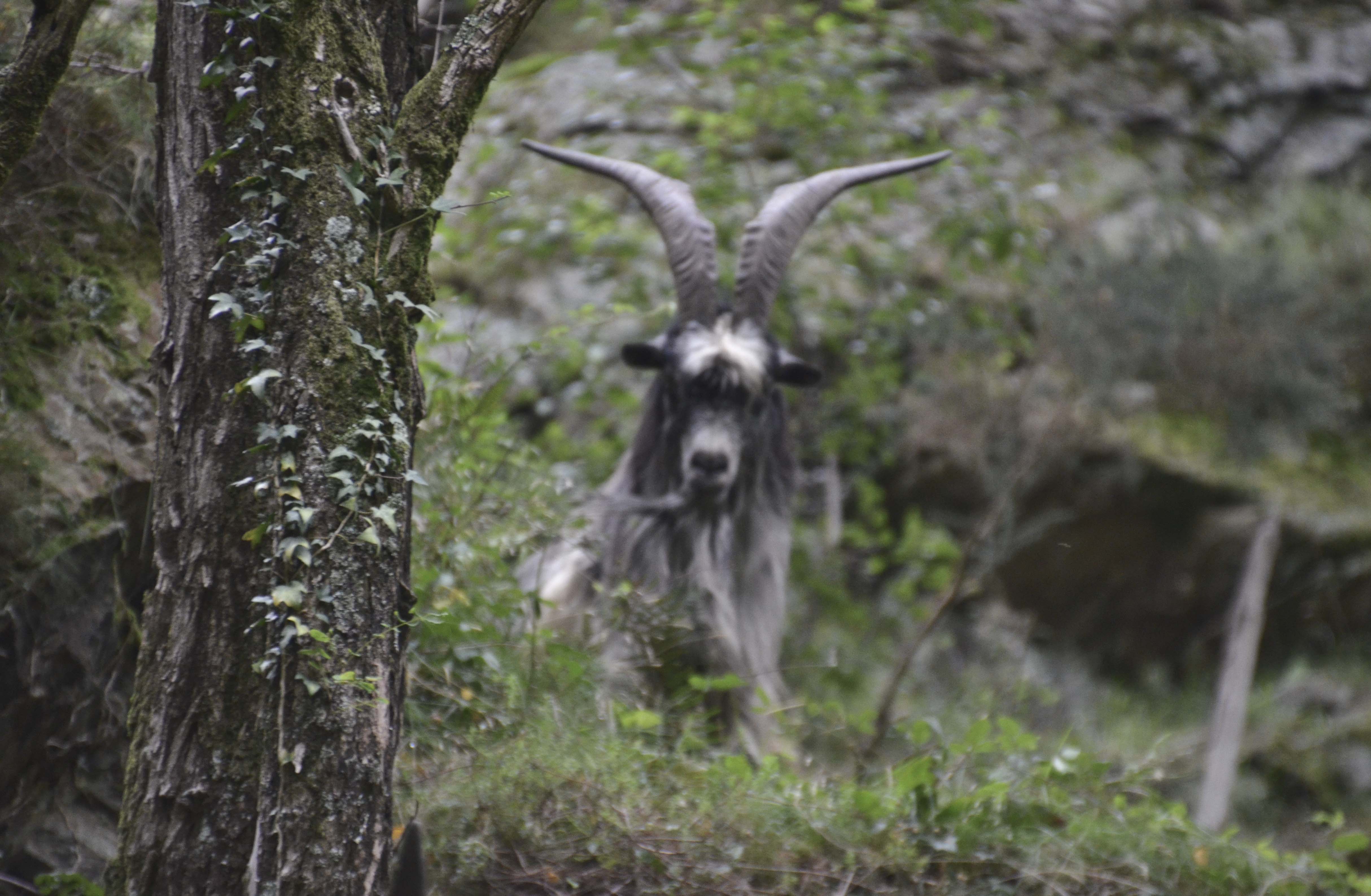
…win all of those fights…”


Du måste vara inloggad för att kunna skicka en kommentar.