Man’s Best Friend – For Real

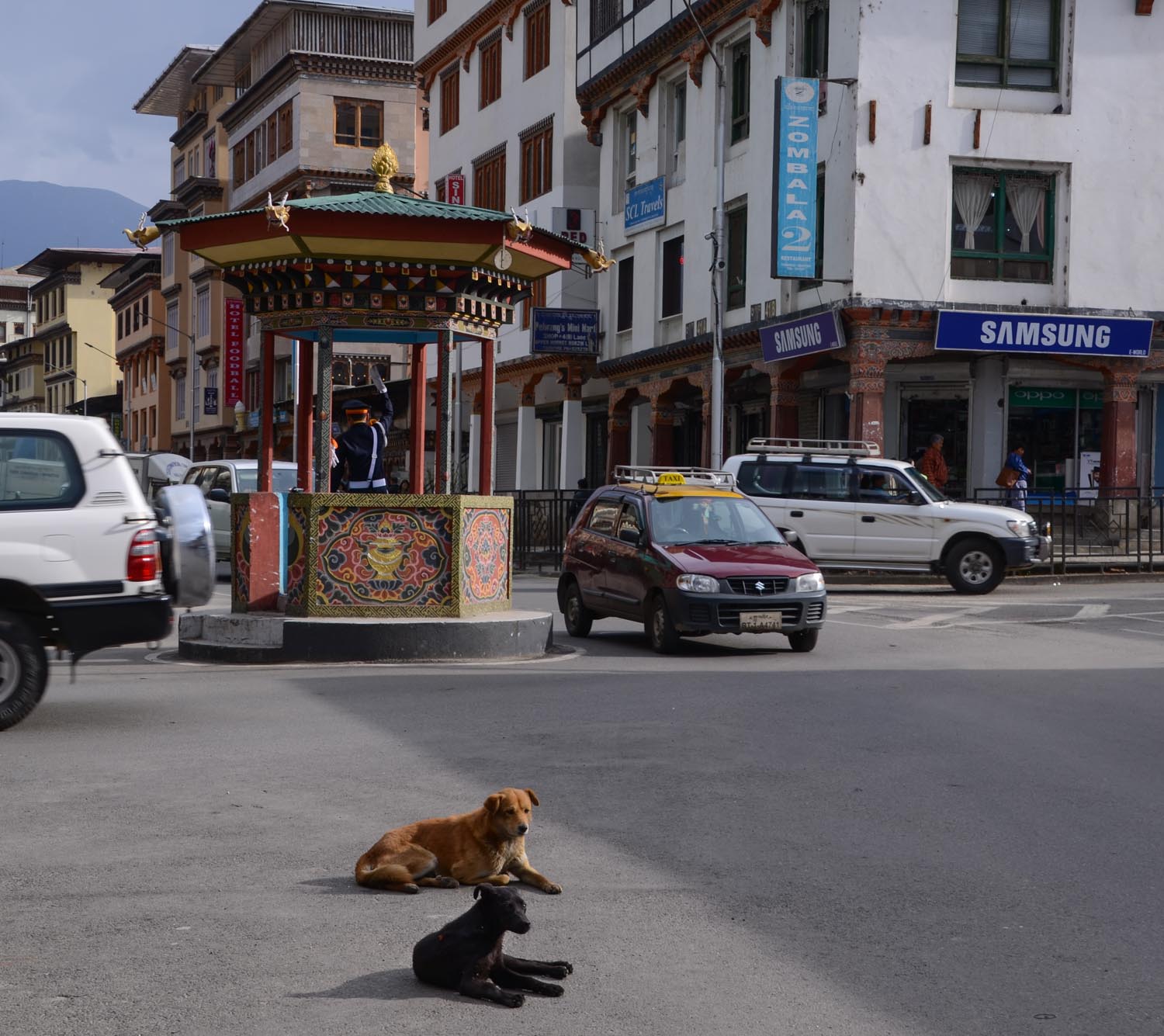
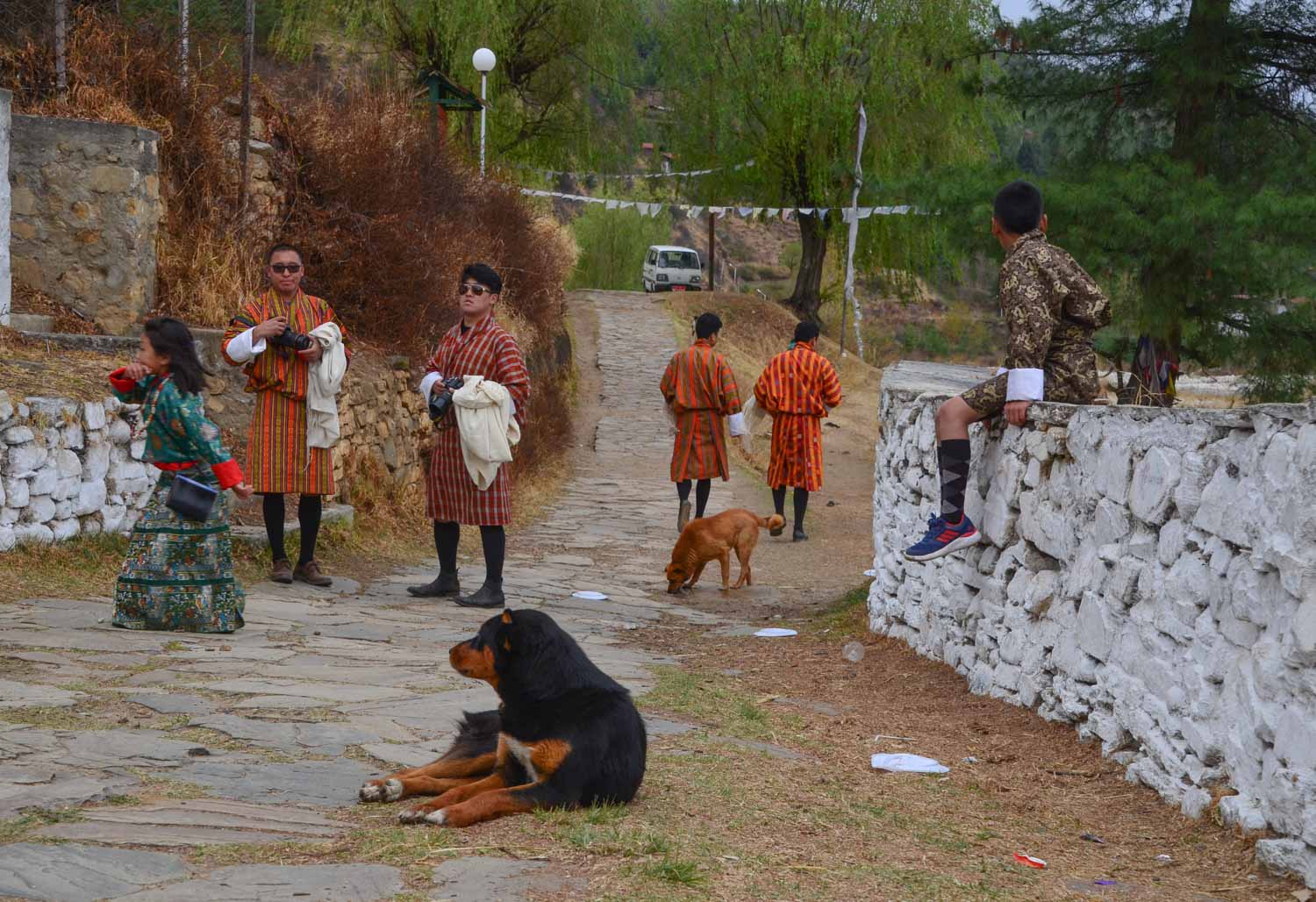
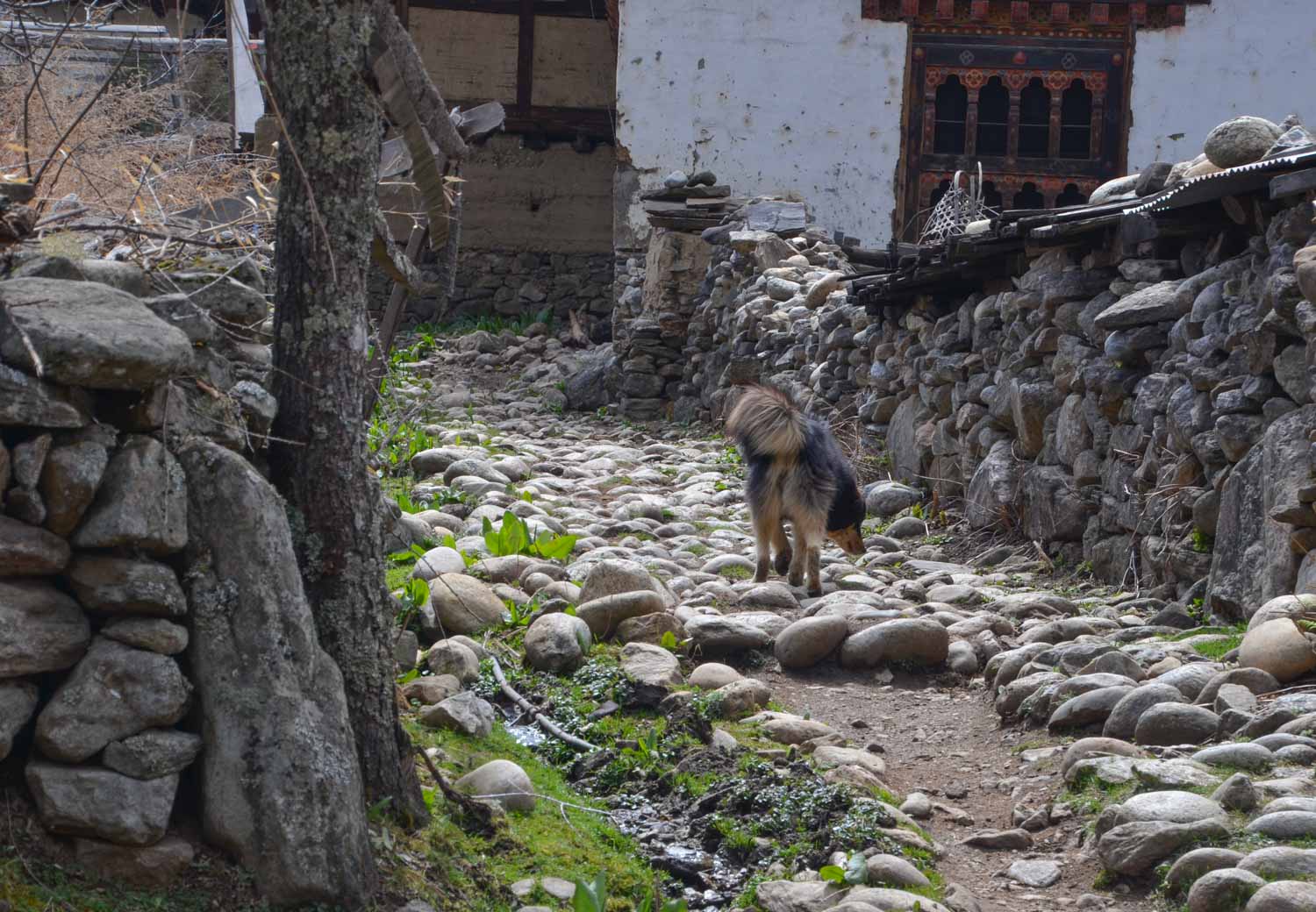
I have never, during my travels, seen so many dogs as I did in Bhutan. And definitely never dogs that well kept. They were everywhere, and they were all quite lovely. Our guide, Rinzen, told us that a dog chooses a door – a house – to which it will return and wait for food every day. And they are fed. With joy.

Here are some of all those that I met, and something of their tasks…named by me…

In Thimpu, we had a hotel with a view – of dogs. There was a construction site outside our window, and some dogs had made it their home. Here is, in short, their story with us.

There is rabies in the country, but mostly on the border to India in the southern part of Bhutan. Thousands of dogs have been vaccinated, and there are many sterilized as well. The government is dealing with it in a constructive and loving way.

Bhutan had many special dogs…but a couple of them more special than the others.
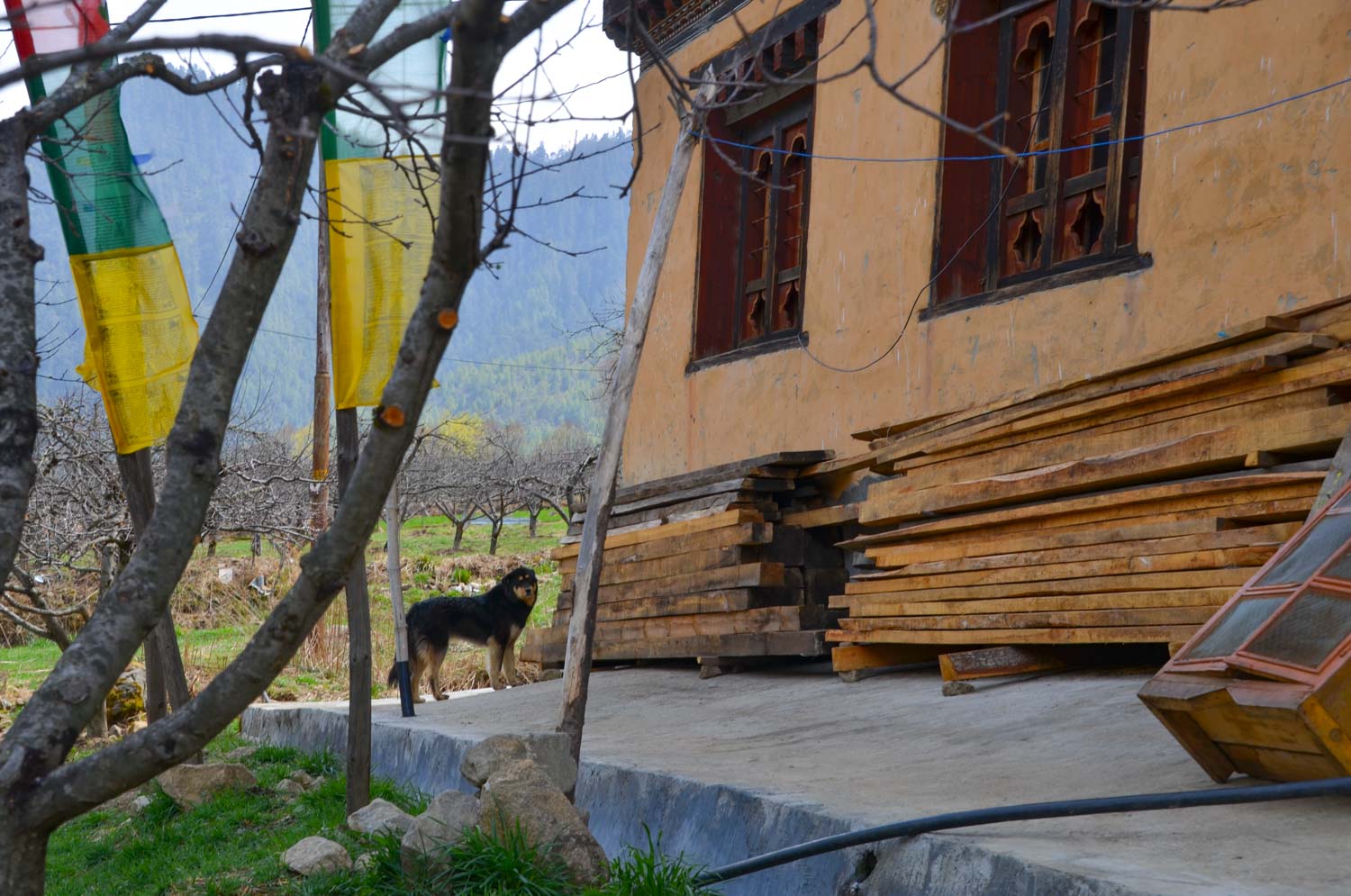
We had lunch at a farmstead one day – an interesting experience and very good food. Then, when we were about to leave, I saw a beautiful dog standing in the garden, looking at me. I lifted my camera slowly while talking to him. But no, he shied away and tried to hide around the corner. I kept talking in a soft voice.
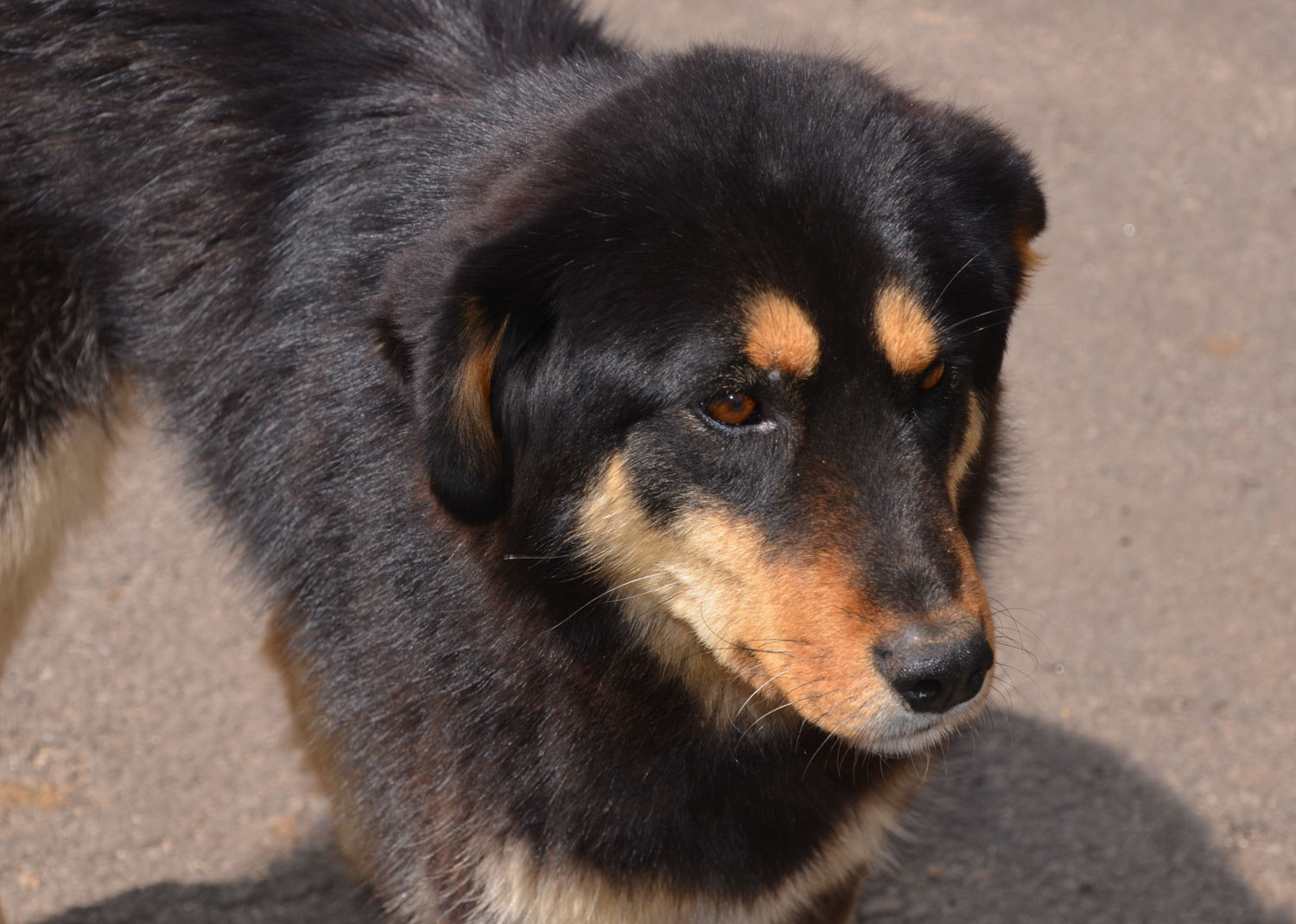
Finally – when I had given up on a photo – he came out on the road to our car, went straight up to me and let me pat him on the head and on the back – touching his thick, shining coat. Surely you can understand from his gentle eyes how sweet he was.

Then he slowly turned around and walked away.


A Dancing Traffic Light

I remember watching a YouTube clip long ago, with Bhutan’s only traffic light. This traffic light is still there, in Thimpu, the Capital.

In the city center, we found it – and it was just about to be exchanged.

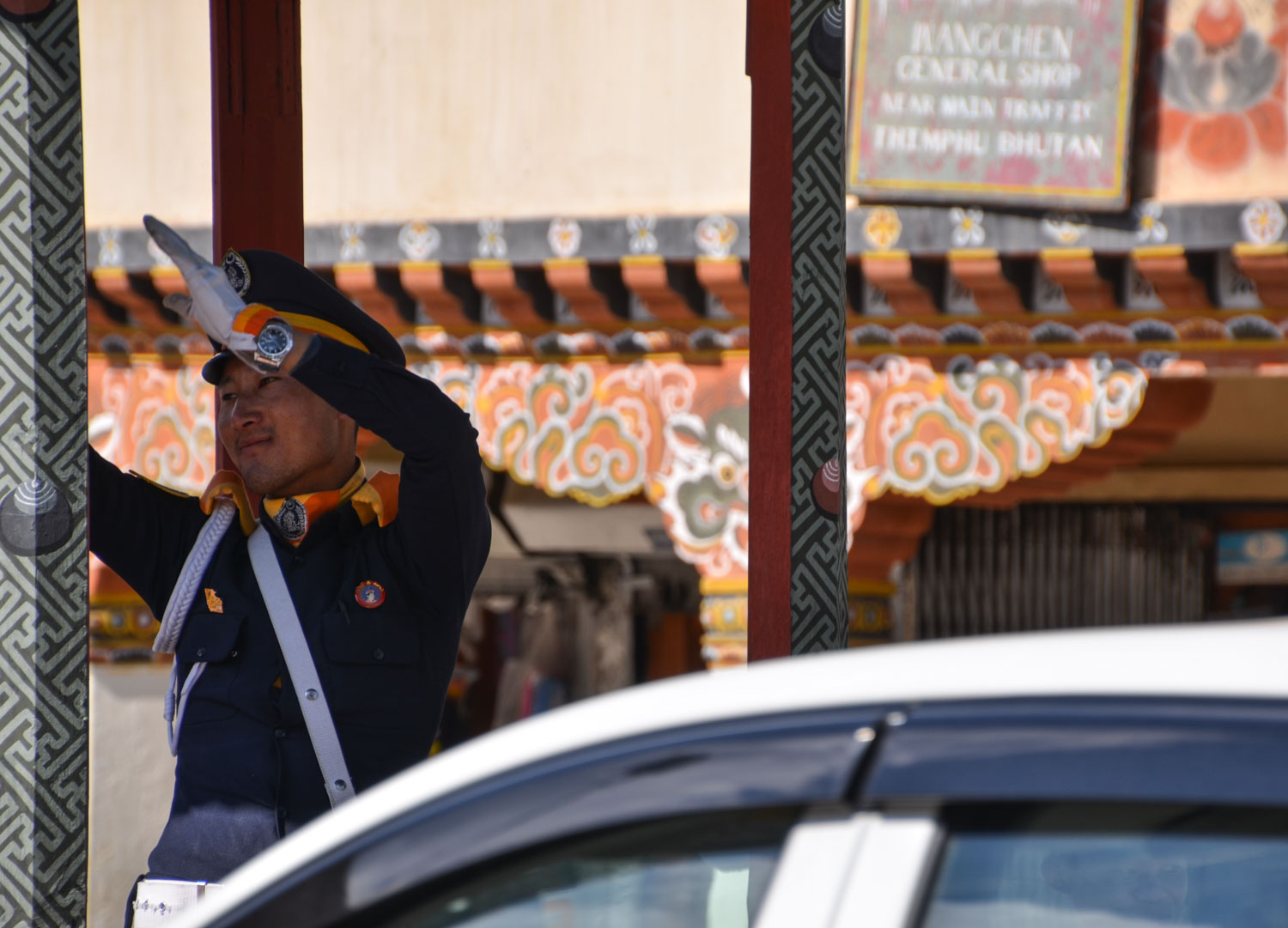
Here he is – the smiling, human traffic light – a complete joy to watch him at work! In fact, the Bhutanese got an ordinary traffic light in Thimpu some years ago, but they did not like it. After three days they wanted their human light back. And he danced, this young man – a pity I did not film him.

For a people that value family and human contact the highest, and also treasure nature, nature’s gifts and everything living – I can easily understand their decision. It works. He works perfectly. Everybody feels safe in his hands – even the dogs.

There are 80 000 citizens in Thimpu – and they love their traffic light! Take a look at these two clips. In the second one, notice the traffic sign for pedestrians behind him – the person on it is wearing a Gho. (The male national dress)

Saving the World – And the Contents of a Pouch

Listen to this hopeful and brilliant TED talk by an intelligent and sound soul. Humor and sensibility are essential in this approach. This is Bhutan and its people in a nutshell.

My contribution is my own pouch findings in Bhutan…Tshering will show you the whole potential of his Gho.


The Divine Madman

The Divine Madman is of great importance to the Bhutanese. On almost every house you will find his imprint – a phallus symbol – painted on the wall or hanging from the roof as a wooden giant.  The phallus symbol is important to ward off evil and to bring luck.

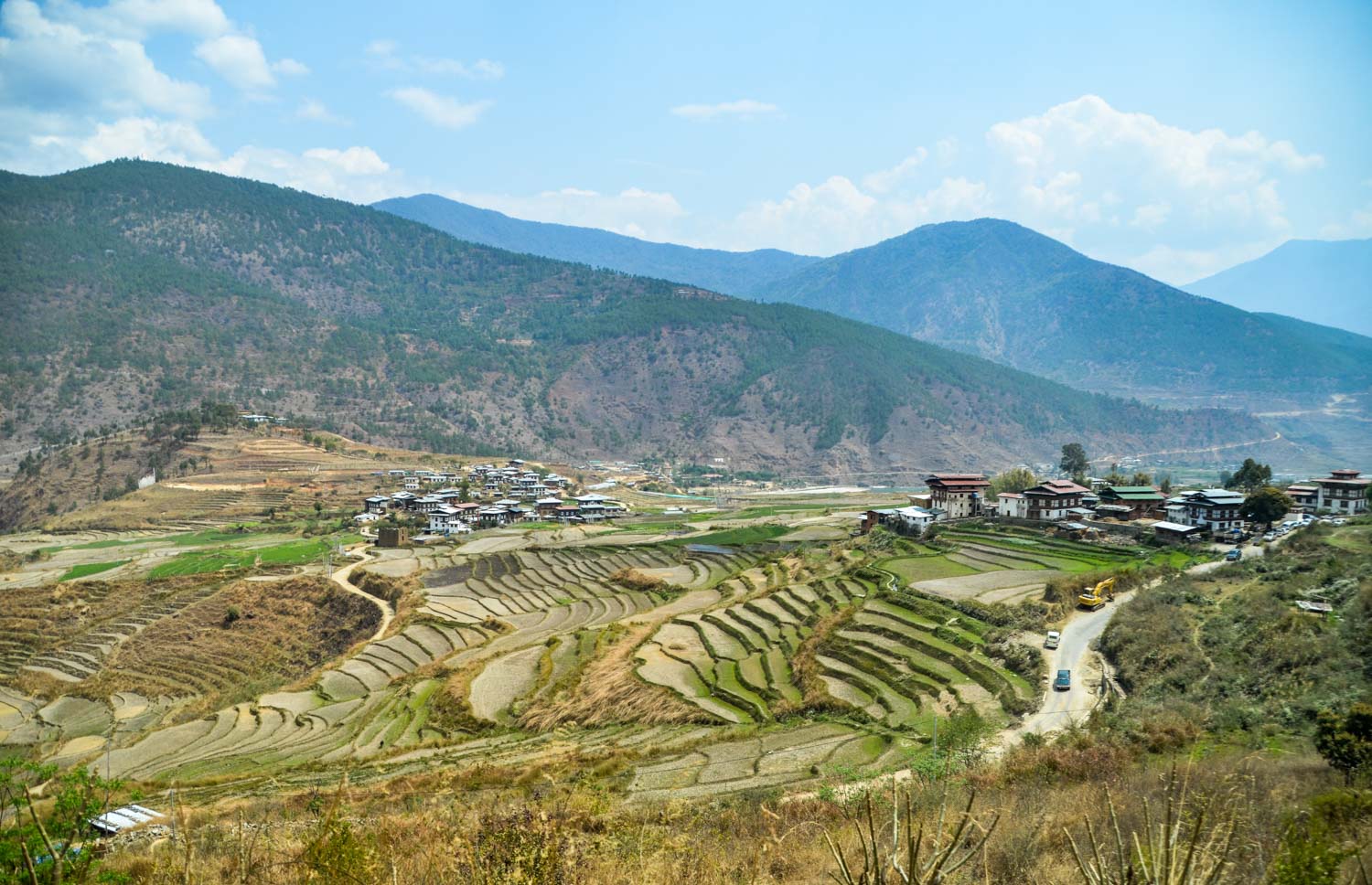
Chimi Lhakang is situated on a hill in this beautiful rural area – the small white building to the left close to the mountain.

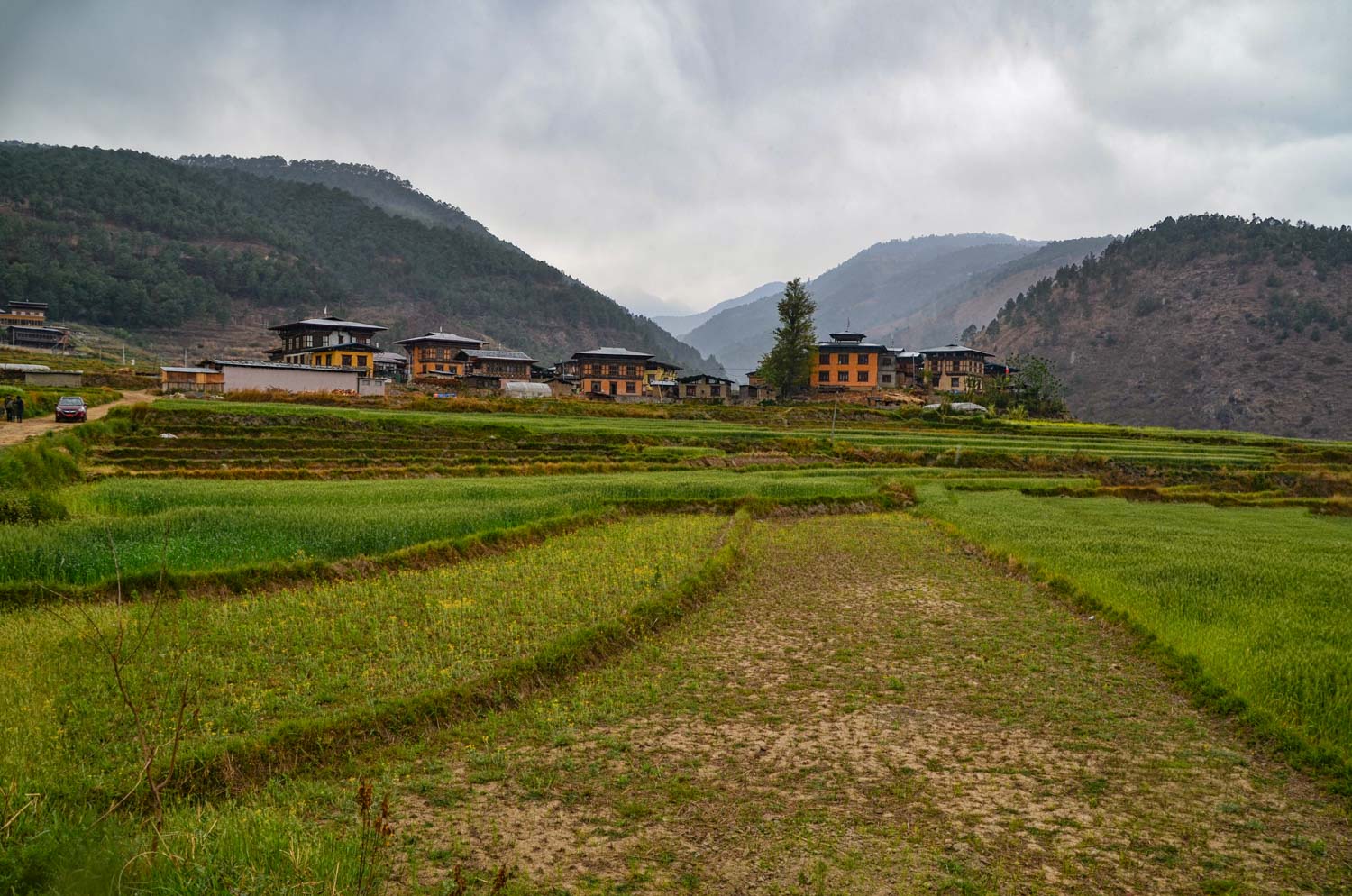
This day, we had some slow raindrops contributing to the green fields.

Clouds hanging low, but not a wind.

Blessings are important – even to the fields that should feed the people.

On our way up to Lobesa and the Lhakang, we had lunch and stopped by several shops selling masks and phalluses. The red mask is worn at the dances and the phallus on top is to swing out and bless people in the audience.

On reaching the temple, the rain had stopped, and young men and women were spinning the prayer wheels while circumambulating. Both men and women come to Chimi Lhakhang, and not only for fertility wishes. Often, when their child is born, they come back here to give him or her a name. Inside the temple there are bamboo sticks with names on them, if you prefer to let chance decide.

Equality is essential in Bhutan, and often it is the woman who inherits her parents. Marriage is no longer a business matter – people marry out of love.  It is also no big deal with a divorce – should the couple not be happy in their marriage. And, I think I said it before – I have never seen so many men taking good care of and playing openly with their children.


Walking Home – Slow Contemplation

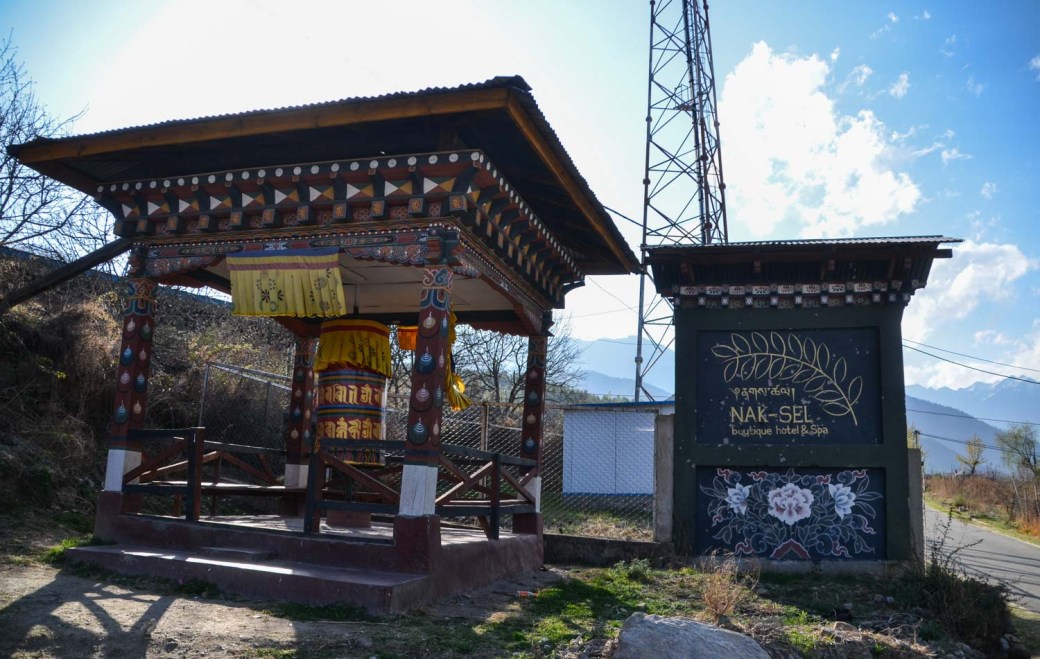
After Paro Tsechu, we decided to walk home to our hotel, Nak-Sel, in the lovely evening light. Some kilometers that would take about an hour on the narrow, dusty road.


A walk well worth the effort in the thin air – giving us the chance to take in the beautiful countryside and to talk to some of its harmonious inhabitants.

The Bhutanese houses are built to dry the hay on the open upper floor. Even if you don’t have any hay, you build this way – many washed clothes were hanging in this space, and old furniture leaning on the structures.

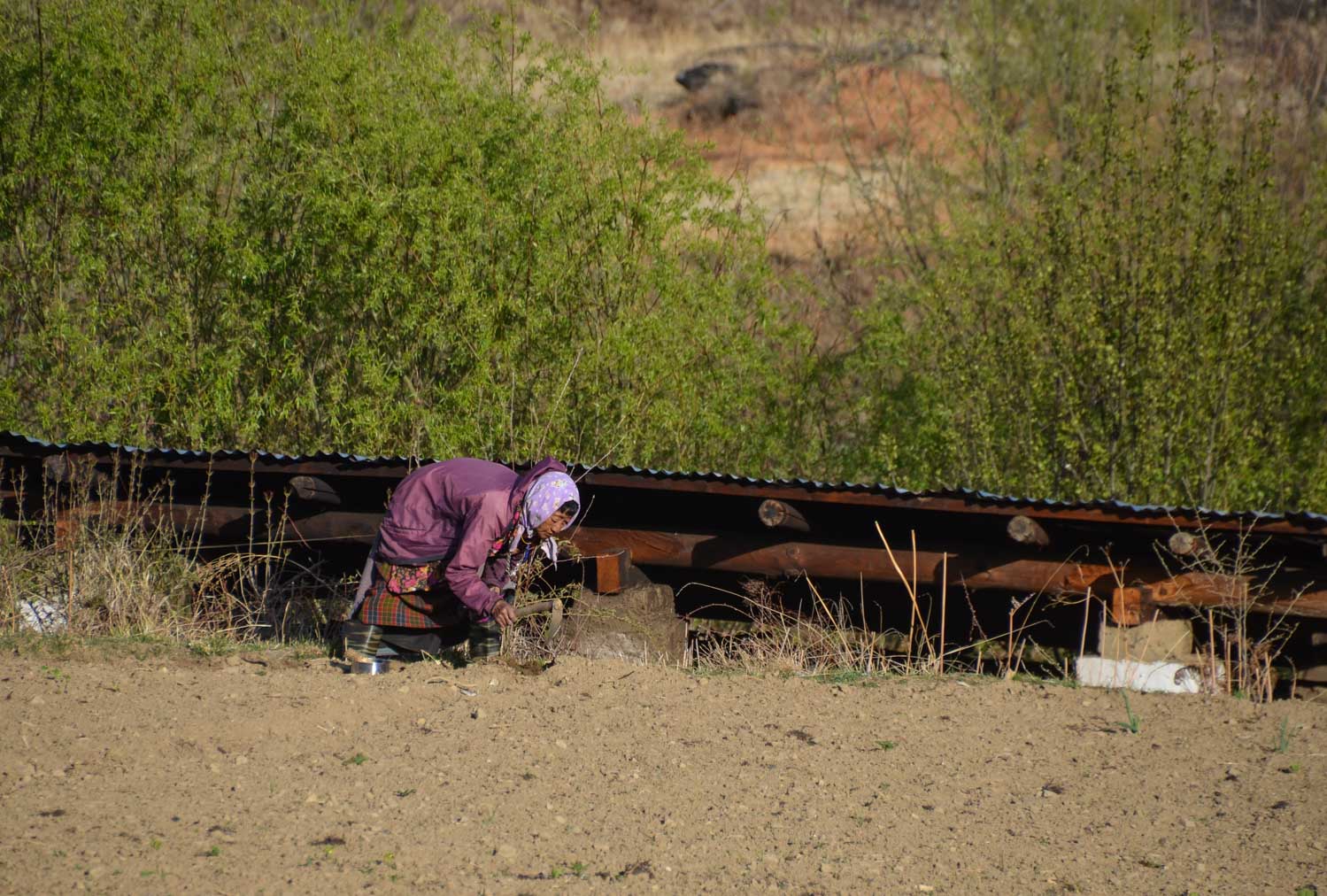
The last hours of light for hard working farmers.

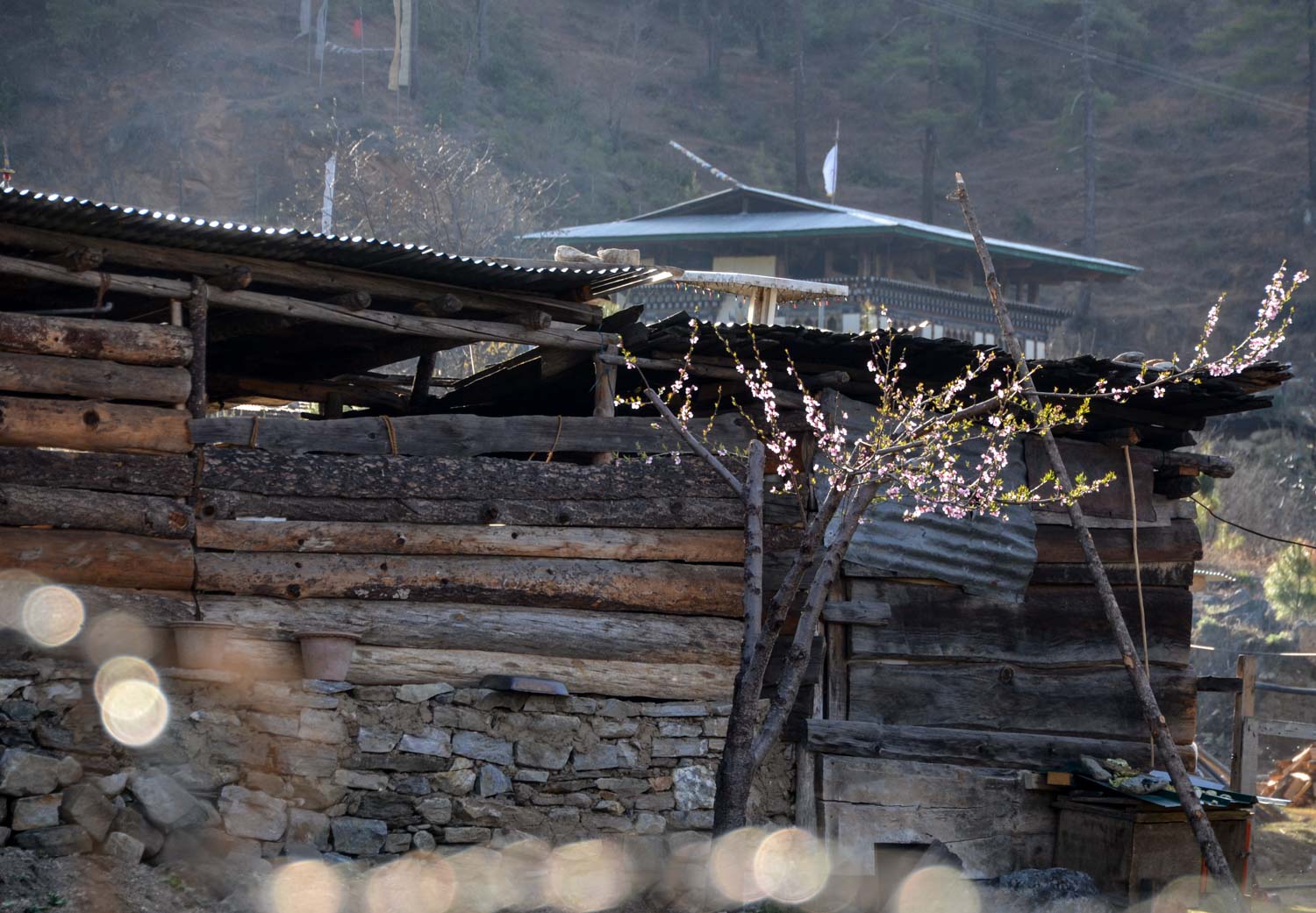
The old farmsteads lay mostly quiet in the setting sun – and the first cherry blossoms  enchantingly aglow.

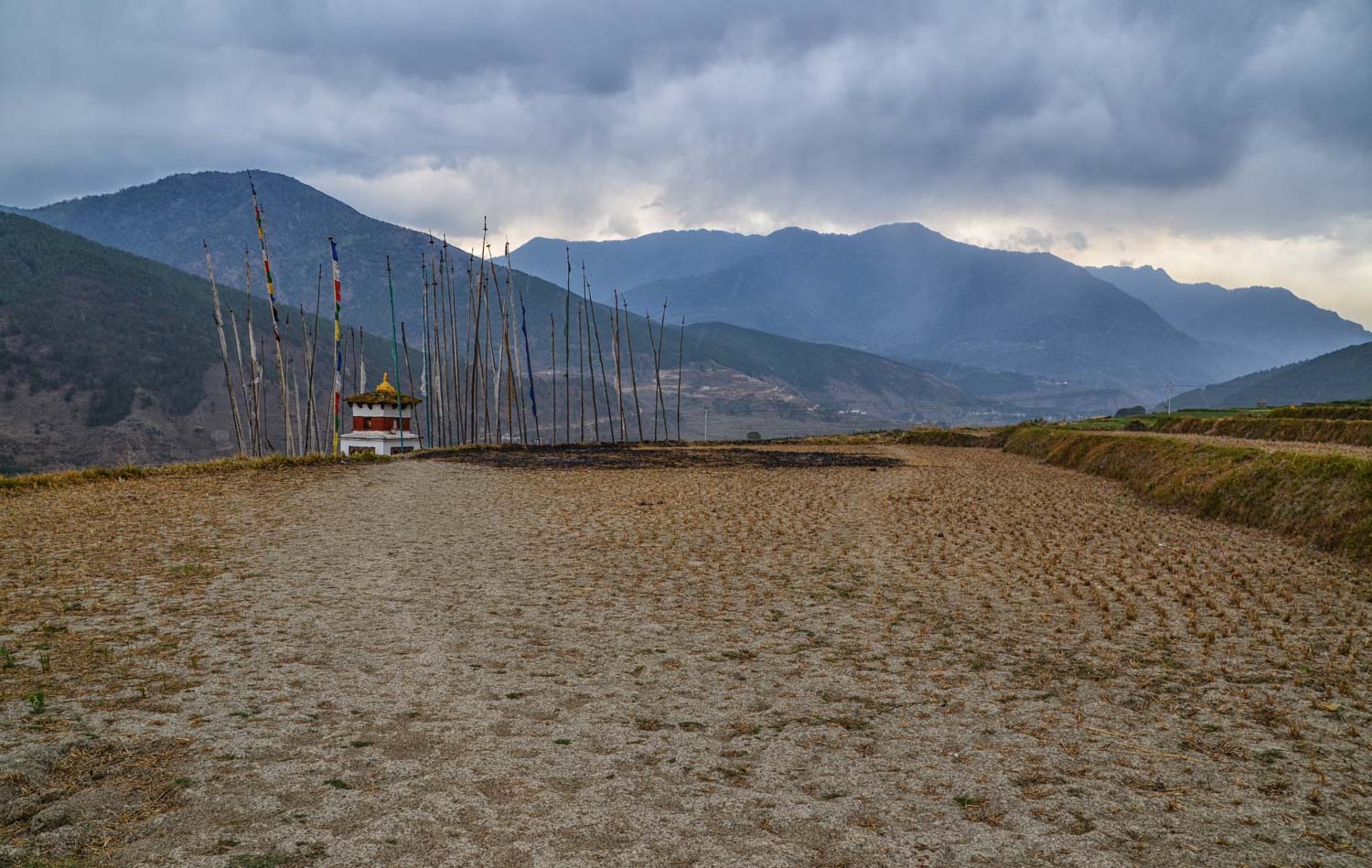
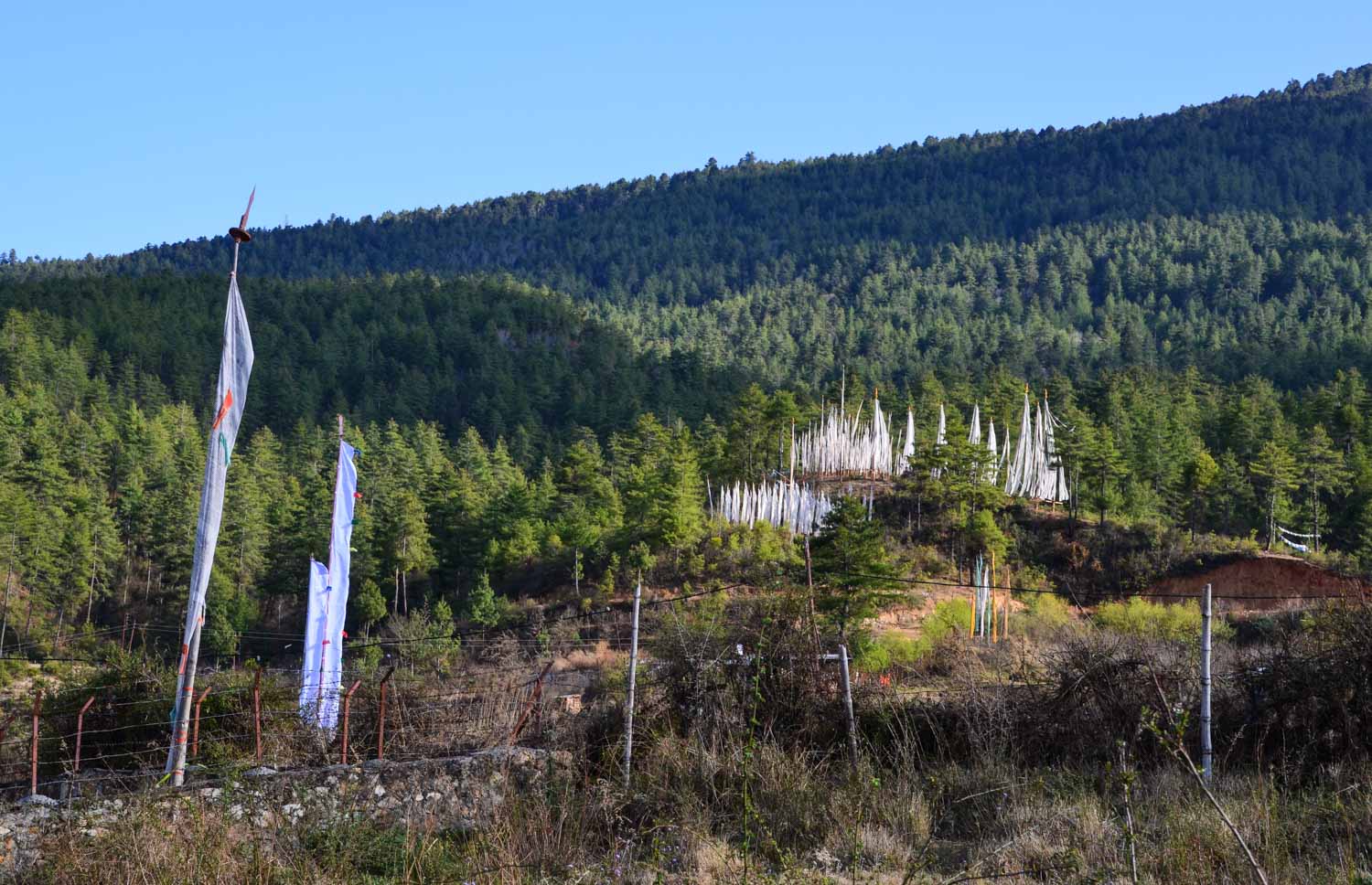
Always 108 flags for the dead. Everywhere on the hills, where the wind is blowing. Naturally there is a religious meaning, but according to our guide, the exact reason to just 108 is lost in history.

An overwhelmingly interesting day had come to an end. And with the stunning views of Jomolhari, 7326 meters, we reached Nak-Sel and went to enjoy a lovely dinner.

I Had a Dream Tonight

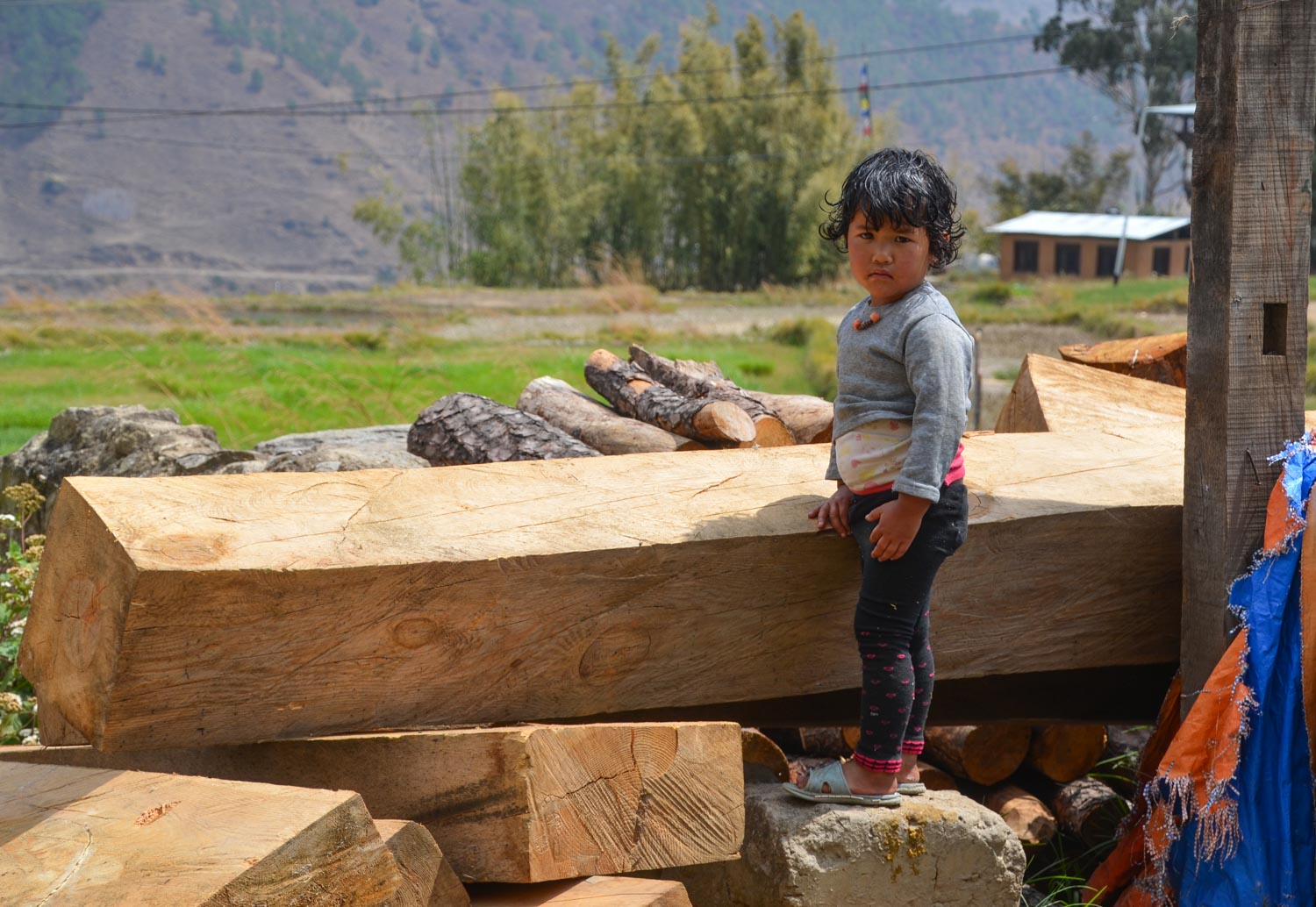
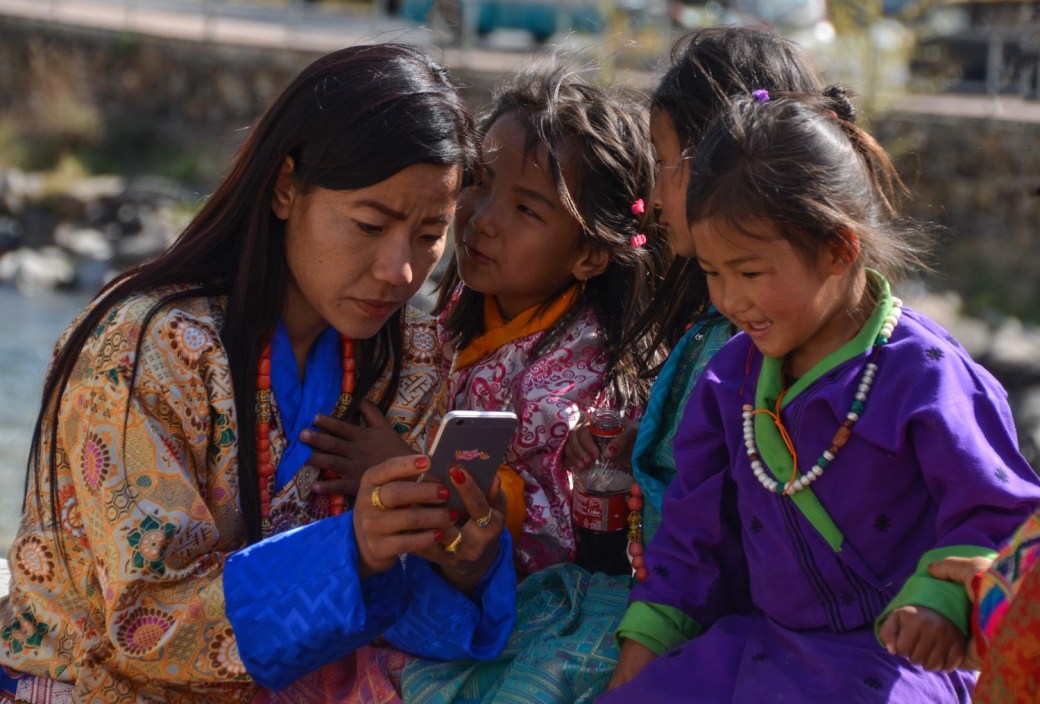
I never saw a child carrying or using a mobile phone in Bhutan. And even when grown-ups were using them, no child seemed interested. They just smiled,  and played with their dolls, bicycle wheels or footballs…

Always smiling with that open face you never see in the western world any more.

I had a dream

Black & White Sunday: Traces of the Past

For Paula this Sunday – Pilgrim on her way to Taktshang Goemba, Tiger’s Nest Monastery.

Bhutan


mergeyes_widget

Rinpung Dzong – Bhutan and Its People

The Paro Dzong is bigger than you first think. As I wrote before, it houses an administration as well as a monastic part.

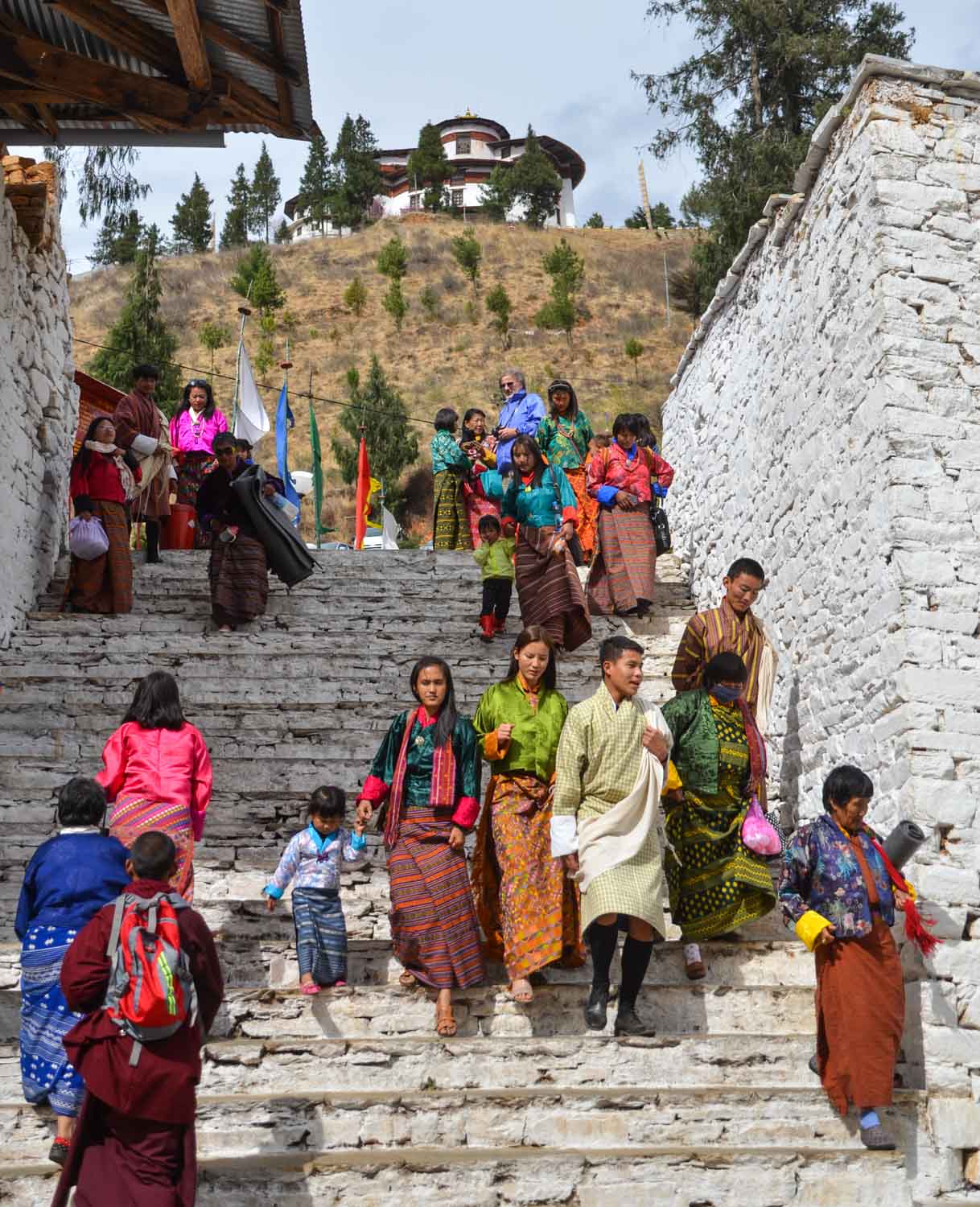
We walked back there in the afternoon during the Tsechu, to take a closer look.

1974 Bhutan opened up to the world, and some years ago they invited the great leaders of the outside world, to show their winning concept. Not all leaders came, of course, but those who listened must have been impressed. This tiny Himalayan nation, surrounded by much larger countries with massive populations and economies – seem to stand tall in their beliefs and try to follow the road chosen.

Bhutan combines Gross National Happiness (explained further down) with democracy and Buddhism. A concept they try to convey to the world as well. In fact, the Resolution of Happiness was adopted by the UN’s National Assembly in 2011, leading to World Happiness Day now being celebrated across the globe annually on March 20.

The Watch Tower used to house the National Museum, but the tower was damaged in an earthquake, so the museum was now set up in a building nearby.

Going down again we passed some sellers. Their hats and clothes tell about their origin – they are Layaps, living in the north western parts of Bhutan, at almost 4000 meters. Until the 1980s the Layaps lived in complete isolation from the rest of the country.

A rapidly growing economy has resulted in increased consumerism – leading to imports mostly from India. The government decided to place a ban on many imports, including cars, but it remains to be seen if globalization and everything in its wake can be sufficiently kept at bay. Let us hope so. The King and the Government seem very determined.
Modernity is coming though. Cell phones and heavy camera equipment already in Paro – and dogs on leash in Thimpu. But – Thimpu is the only capital in the world without traffic lights. There is still a policeman in a box, in the middle of the street, gracefully waving the traffic in the right direction.

Gross National Happiness (GNH) in short, is:

  • based on core Buddhist and human values
  • a measurable index and a counterpoint to the economists Gross National Product
  • a philosophy placing real value on cultural heritage, health, education, good governance, ecological diversity and individual well-being

According to our local guide, Rinzen, there is a validation before a decision is taken, and after the implementation of it. If people are not getting/did not get happier out of this – the concept will be dropped.

Bhutan is the world’s only carbon-negative country. Just Imagine. And, this is true.
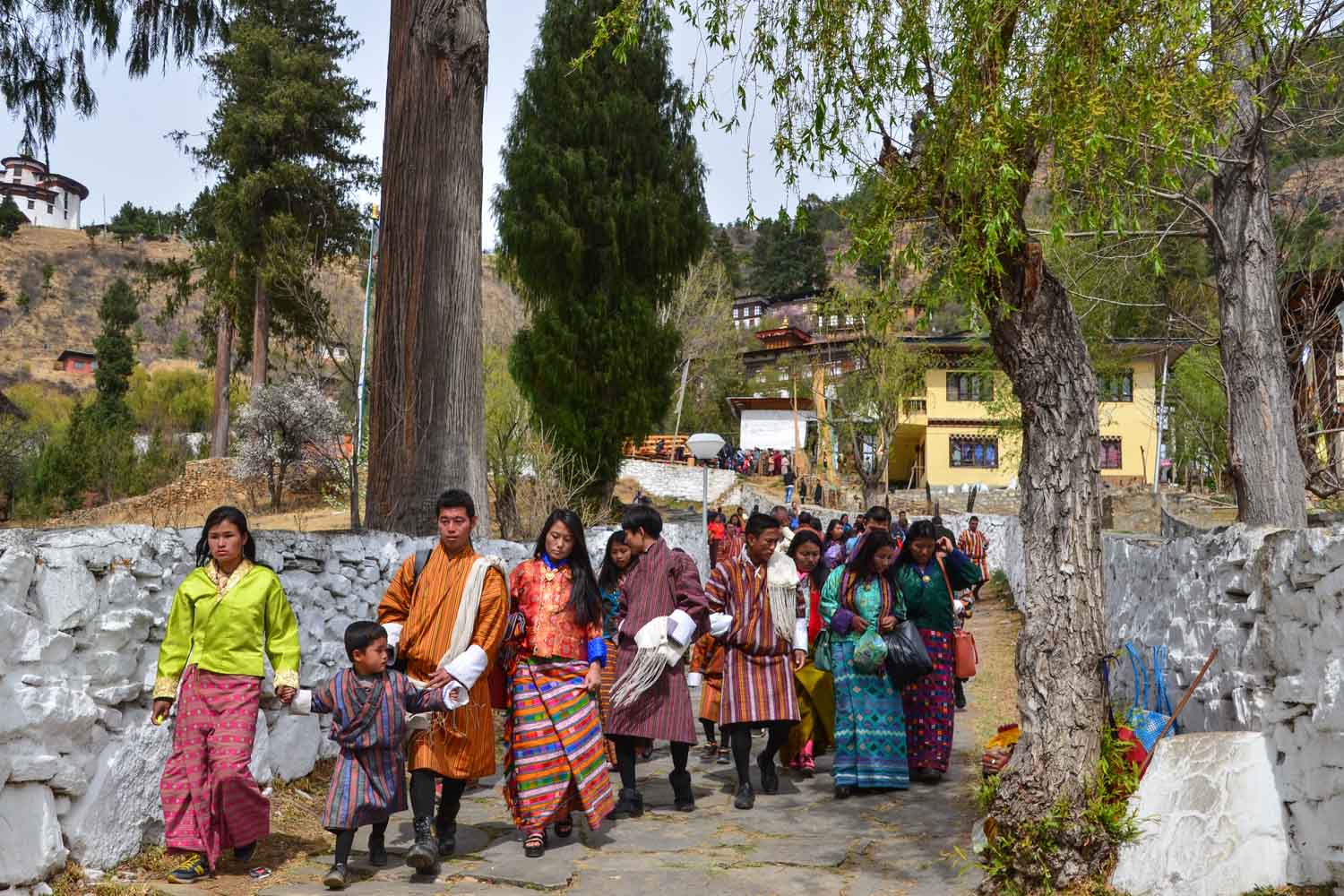
The Streets of Paro

At 2200 meters above sea level, Paro hosts Bhutan’s international airport and about 15000 citizens. A charming town with its most famous landmark about 10 kilometres outside town: Taktshang (Tiger’s Nest) Hermitage on the face of a sheer 1,000-metre (3,281-foot) cliff. This was our goal for the last day of our tour.

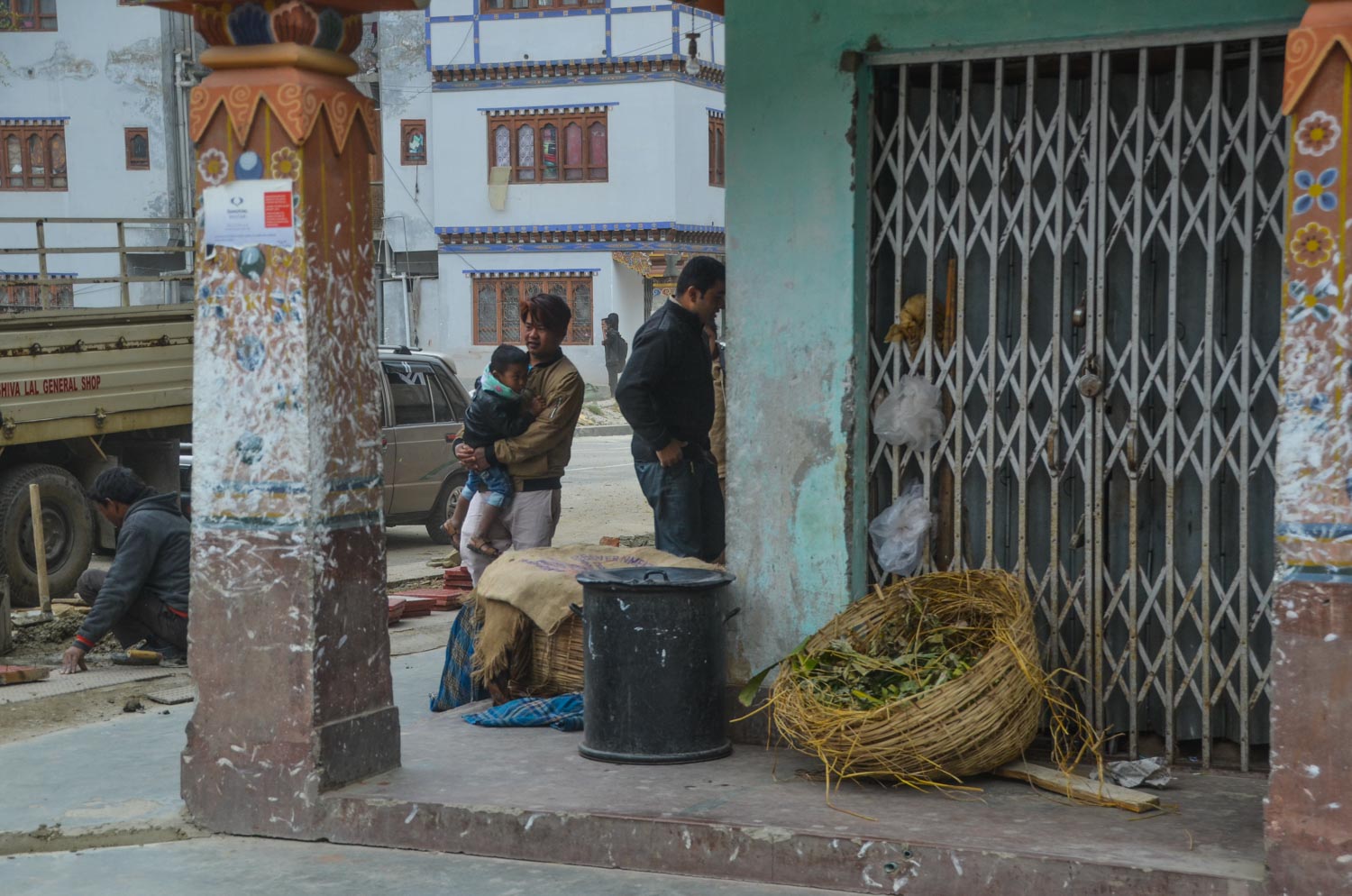
Street life is rather lively, and throughout our trip, the towns and villages were constantly expanding.

Architecture is restricted to the old ways, and no matter the material, you have to build and decorate your house according to tradition.

Roadwork everywhere too. The two, three roads connecting the villages of the valley was built by India. The workers stay for many years to keep up the road quality.

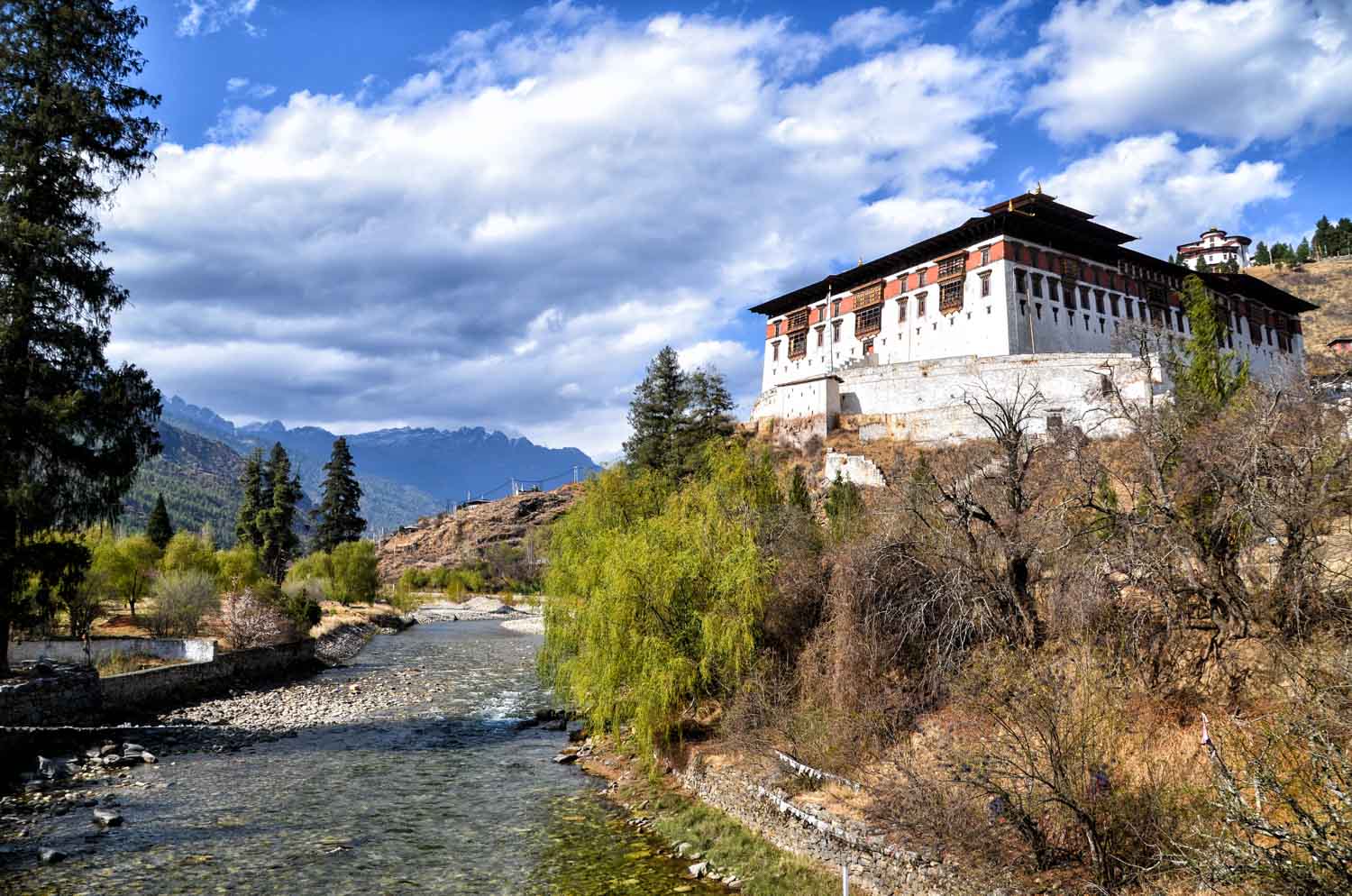
The bridge over to Rinpung Dzong. The Dzong (a fortress/monastery) was built in the beginning of the tenth century. The famous festival, Paro Tsechu, is held here every year – and we visited on our first day in Bhutan.


Cee’s B&W Photo Challenge: Objects or People Older than 50 years

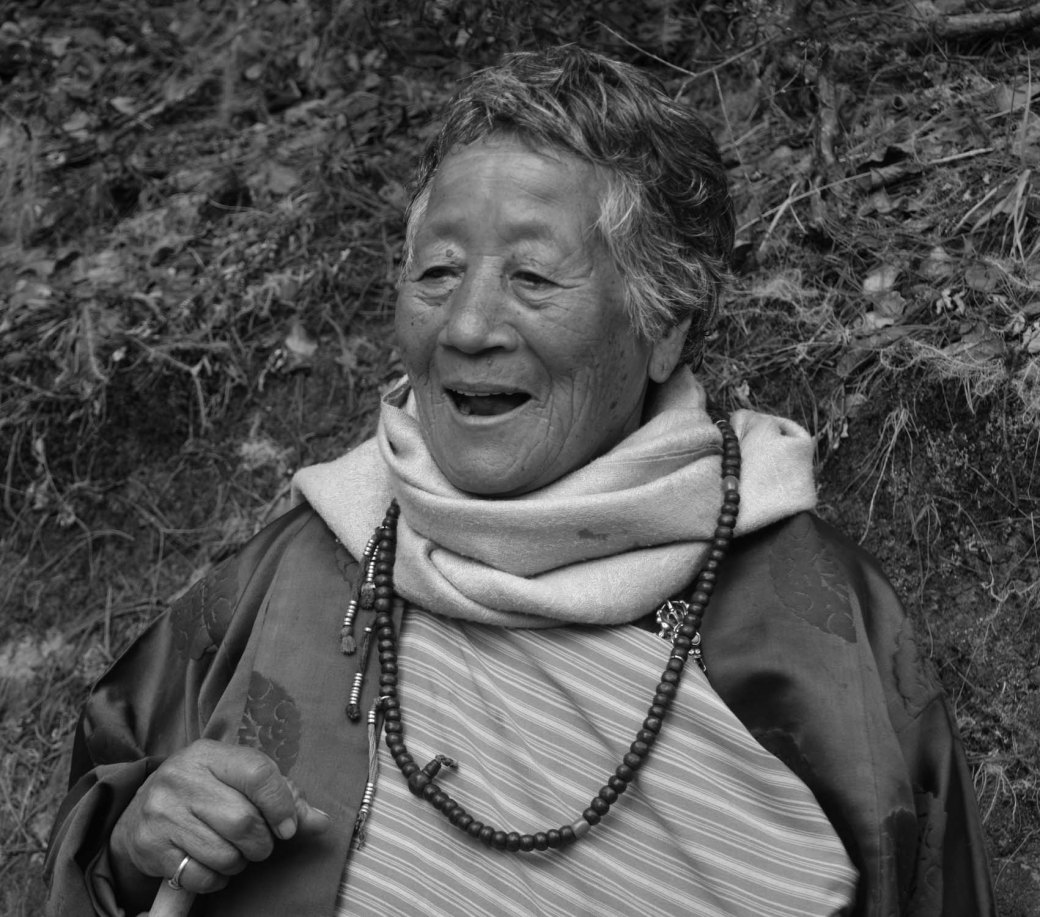
For Cee this week – a Bhutanese woman trekking up to the monastery, Tiger’s Nest,  3200 meters up. Thin air and tough, steep paths. But she was faster than most of us and had no difficulties whatsoever, it seemed. She offered me some nuts to keep up the pace. So sweet – they all were. I bet they all smiled to themselves seeing us westerners sweating and panting…

She was 76