Tuesday Photo Challenge – Slope
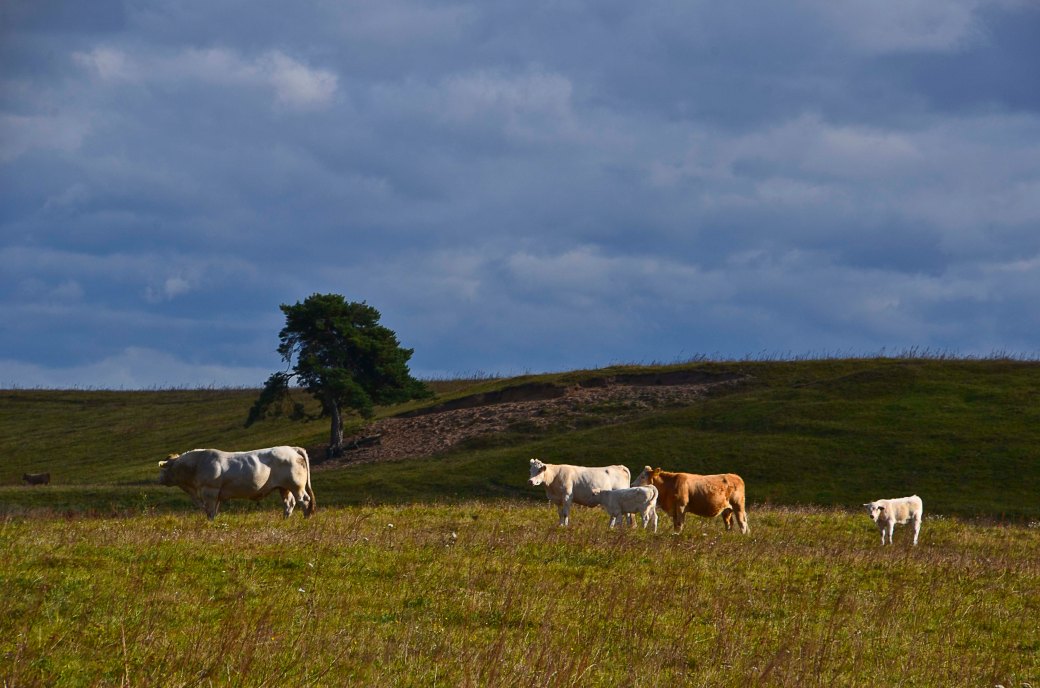
For Frank this week – slopes from Sweden and Spain.
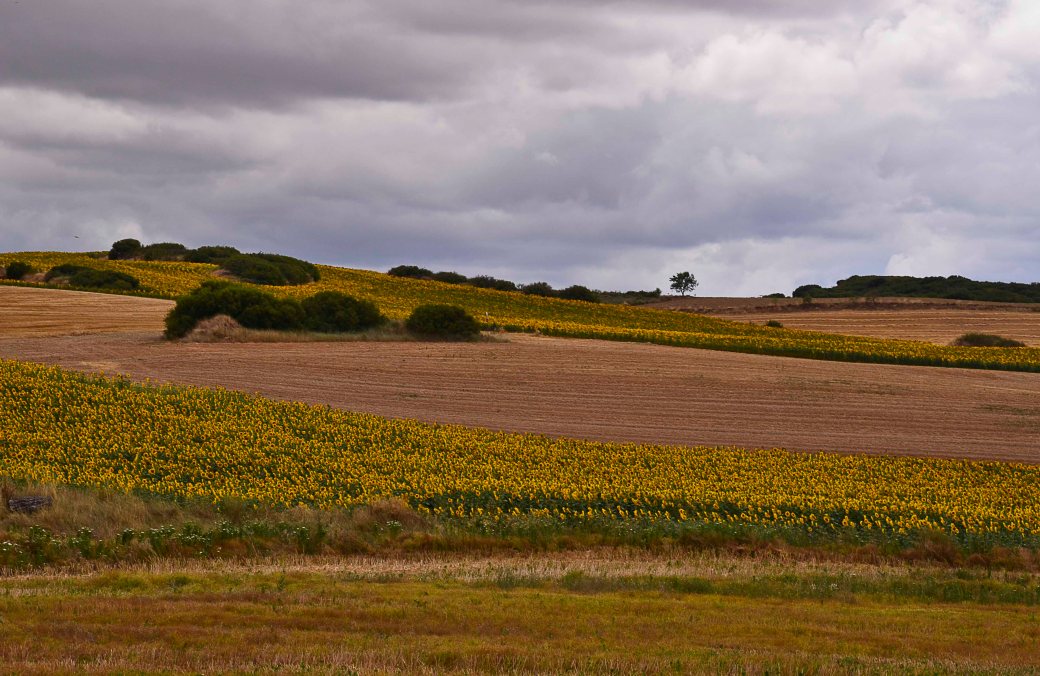
Spanish Sunflower slopes and Swedish Cattle grazing
Tuesday Photo Challenge – Slope
For Frank this week – slopes from Sweden and Spain.
Spanish Sunflower slopes and Swedish Cattle grazing
First of all, I want to thank Viveka of myguiltypleasures for inspiring us to go to Georgia. She went there over Christmas and totally fell in love with the city.
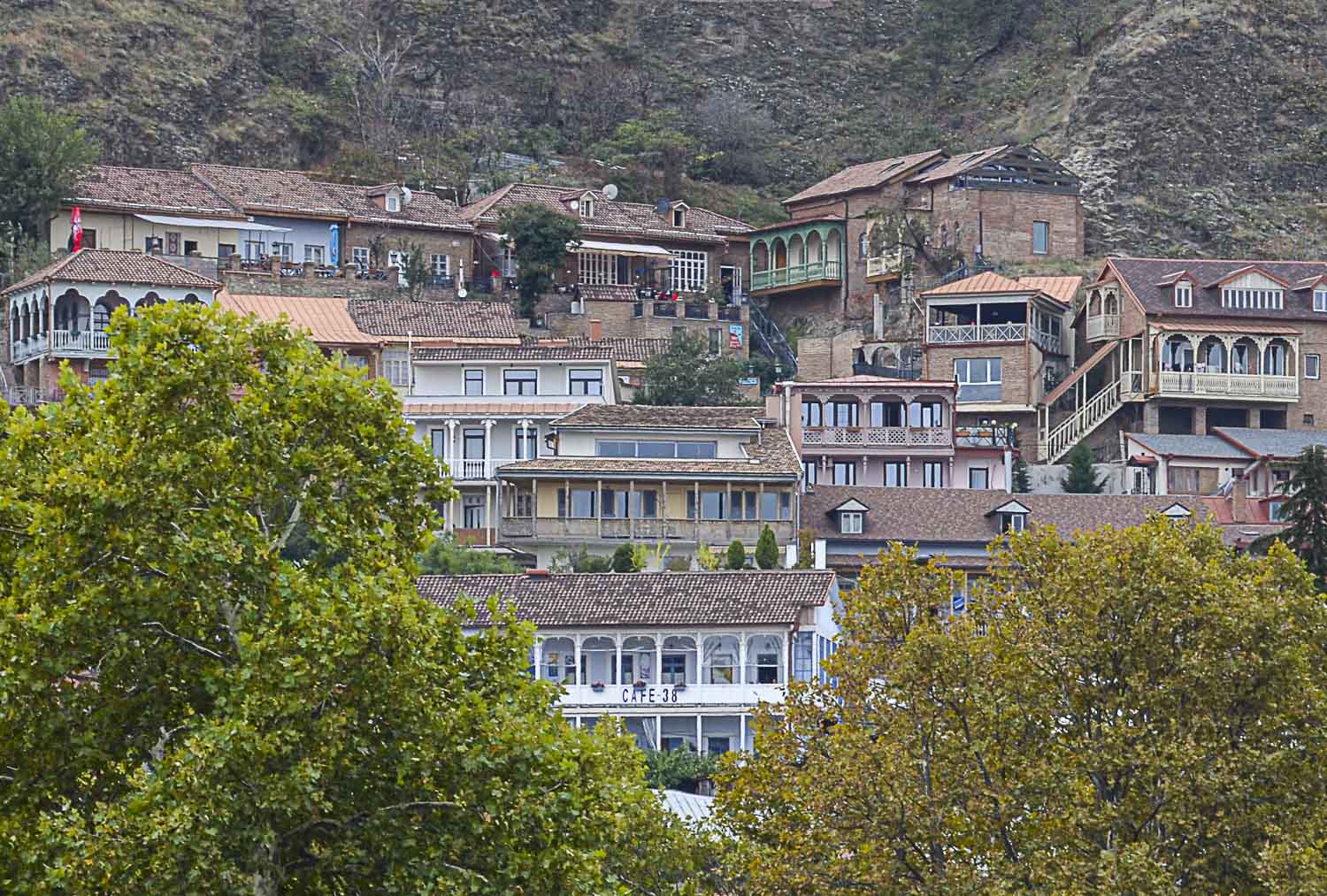
The unmistakable charm of the Old Town, the history, the people, the food and wine, brought us here. We stayed for a week, but could easily have stayed longer. I know Viveka is going again this Easter. A bit envious…I am!

We decided to have a guide for one day – a real gentleman, recommended by Viveka, who had accidentally met Aleksandr at the end of her stay. And what he doesn’t know about Old Tblisi (Old Tiflis), its history and architecture – is not worth knowing. Let’s follow him along his favorite streets!


Aleksandr is a well known face in Old Town, and knows every street and every house. He is a former architect – which explains his faiblesse for the Old part of the city.

On the left hand side, according to Alexandr, you see the most beautiful balcony in town. The whole street is very beautiful – but what they are building at the end of this lovely row of balconies – I don’t know…
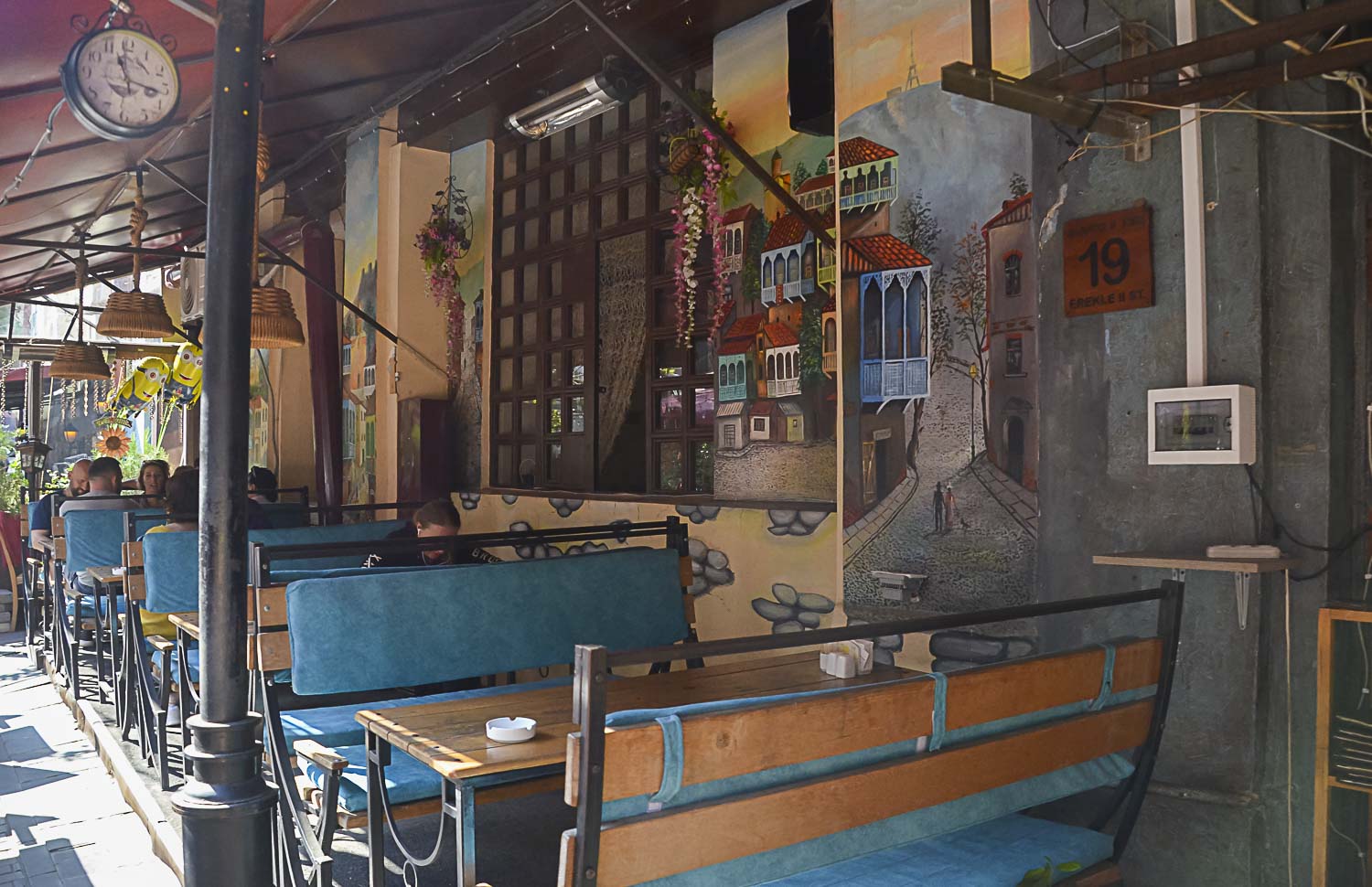
Around midday it was time to sit down for a glass of wine – resting in the shade. It was an unusually hot day for October, 27 degrees C.


Finally… we were approaching his own favorite, Alexandre Dumas Street. Here the balconies and bay windows seem, if possible, even bigger than in other streets.

The old, cobbled Dumas is rather short and narrow. A document of times gone by – nothing yet demolished, reconstructed or changed. A short glance at Aleksandr, and the light in his eyes revealed just how much he loves his city.
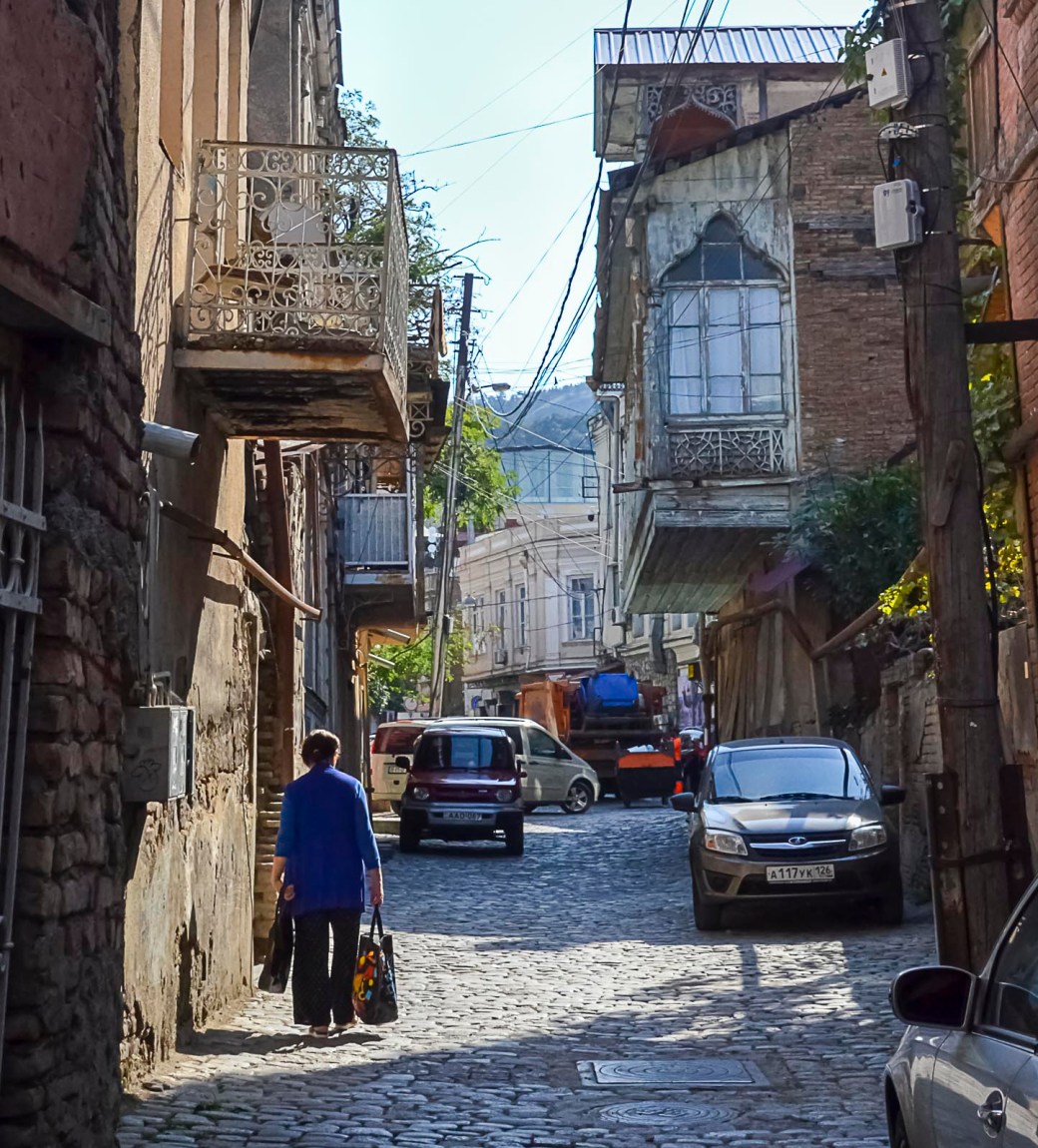
On reaching the end though, we could see newly constructed buildings – and machines working – when the street took a left turn, and changed names.
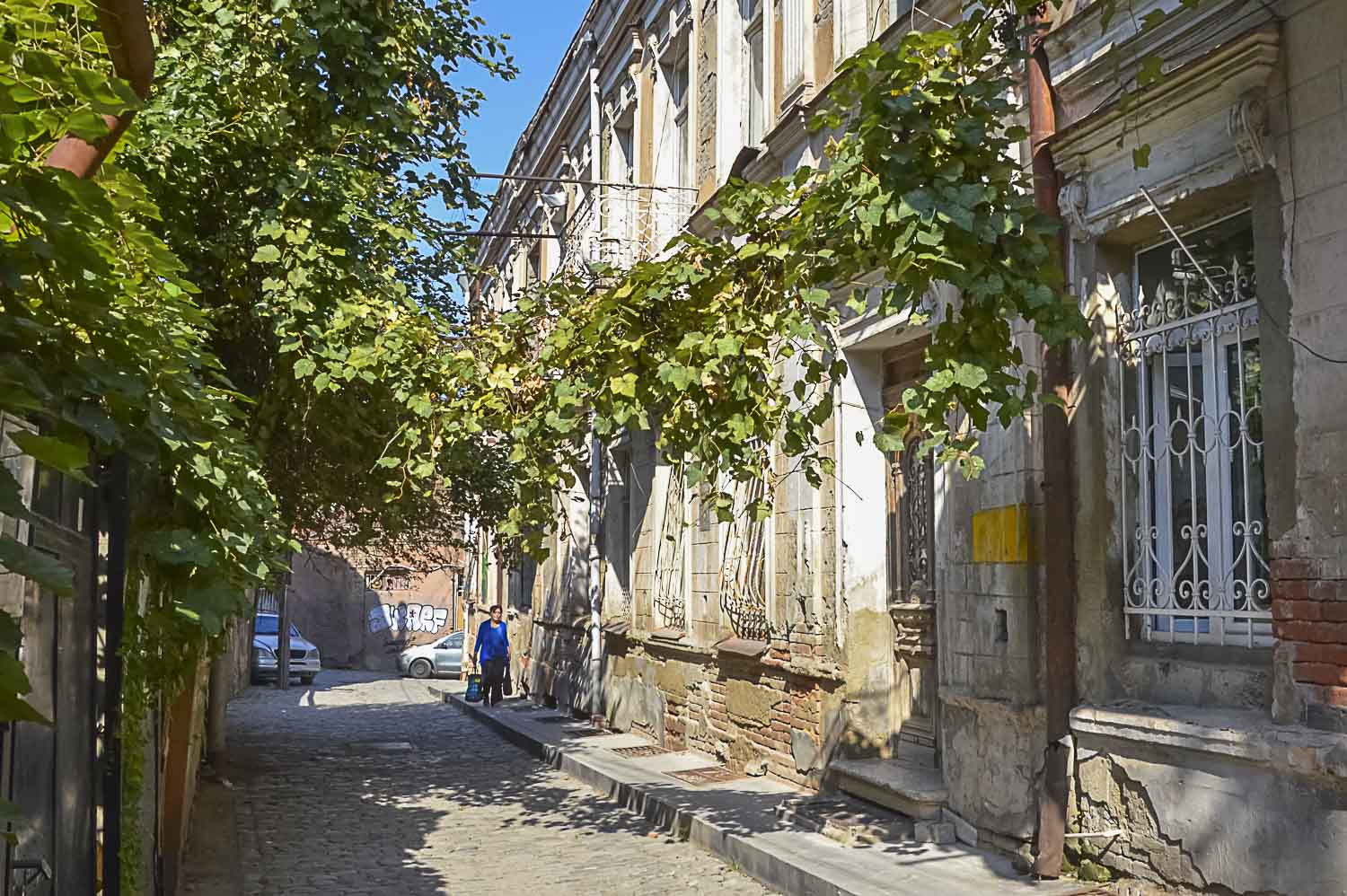
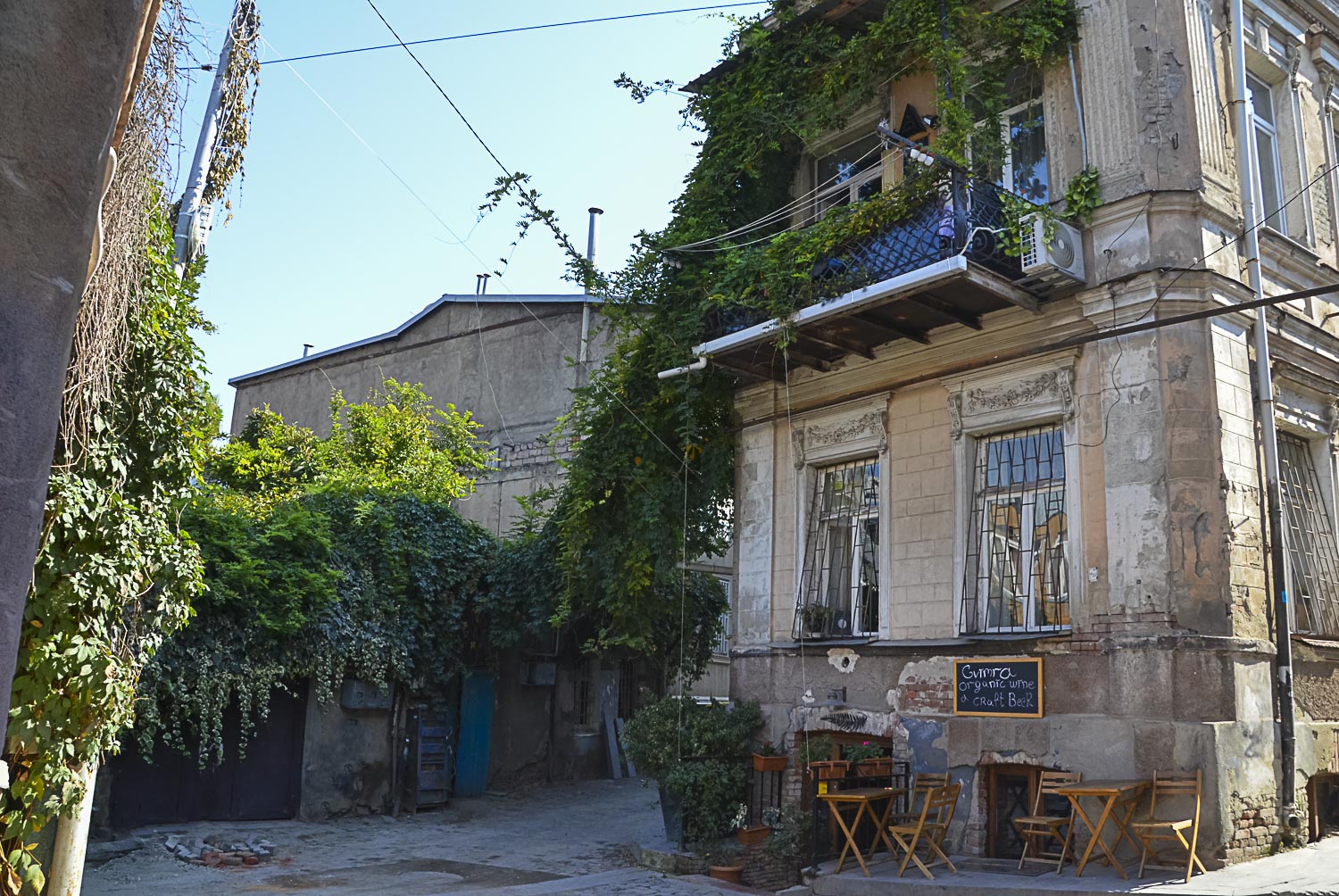
Somewhere here we found a peaceful place to sit down and rest. Aleksandr’s tour is not over yet, but maybe next Thursday? I hope you enjoyed walking with us – you are very welcome back!


Halloween some days gone… I thought you might still have some interesting thoughts and images left for us and this challenge – things Creepy!
If you look up ”Creepy” in a dictionary, it says ” causing an unpleasant feeling of fear or unease”.
Here are some of my creepy nightmares… and in the header my worst scenario. Just how many spiders were at work weaving all those nets? And that – in my own garden…

When a sudden look down a side street – reveals an abandoned house – or, maybe not…?

When it is raining men…
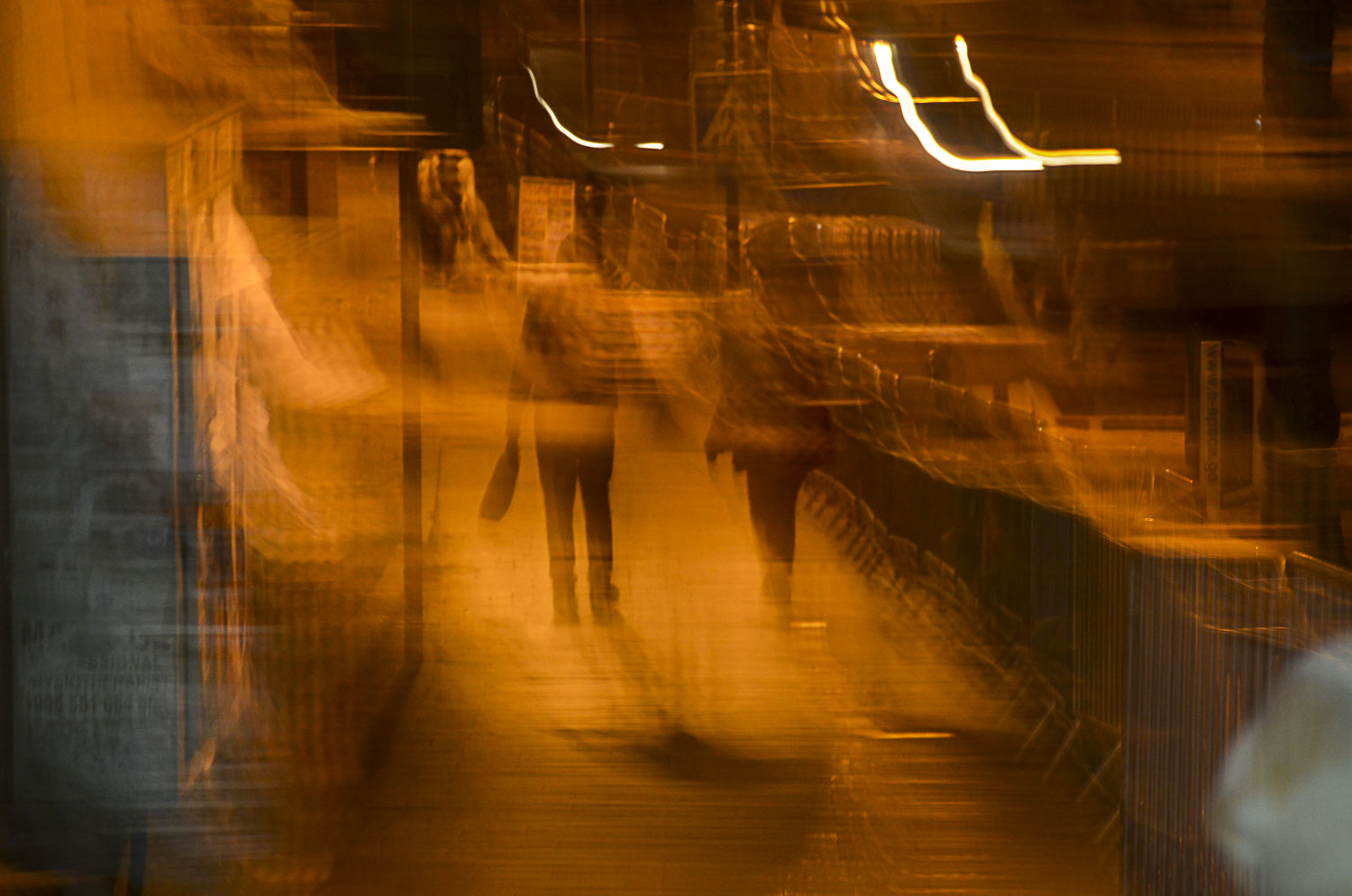
…or they suddenly dissolve in a haze – right in front of me.

Or – I have to pass through dark tunnels …and I notice someone lurking inside.

I also avoid walking in the forest late nights…no option…when there are tree trolls towering 2×5 meters high and wide.

Seeing a giant Gunnera waking up…gives at least me the creeps…

And, Totti…? Is that you?
According to a recent study, the creepiest job was working as a Clown, and among the creepiest items mentioned, were dolls. Personally I clearly can relate to ”unpredictability” as an important component of creepiness. If you are interested in reading more of this study, On the nature of creepiness, here’s a link.
We just have to remember that being ”creeped out” is deep down a good thing for our ability to survive! So – now we are looking forward to seeing Your Creepy answers!
Thank you for the many inspirational and varied entries for Patti’s Monochrome challenge! Some of you were not much used to monochrome before, but found your own ways to answer to the challenge – clever and innovative!
Have you seen these:
As always, Amy, Tina, Patti and I hope you will join us.
We decided to take a day out of Tbilisi – for some of Georgia’s old historic sites. Uplistsikhe is an interesting ancient rock-hewn town in eastern Georgia, built on the left bank of the Mtkvari River. It is identified by archaeologists as one of the oldest urban settlements in the country.

As our eminent guide, Katie, led us through the remains of this once 20 000 people inhabited town – she told us that even if it was almost destroyed by the Mongolians in the 13th century, the area also suffers from frequent earthquakes, which finally finished its existence.
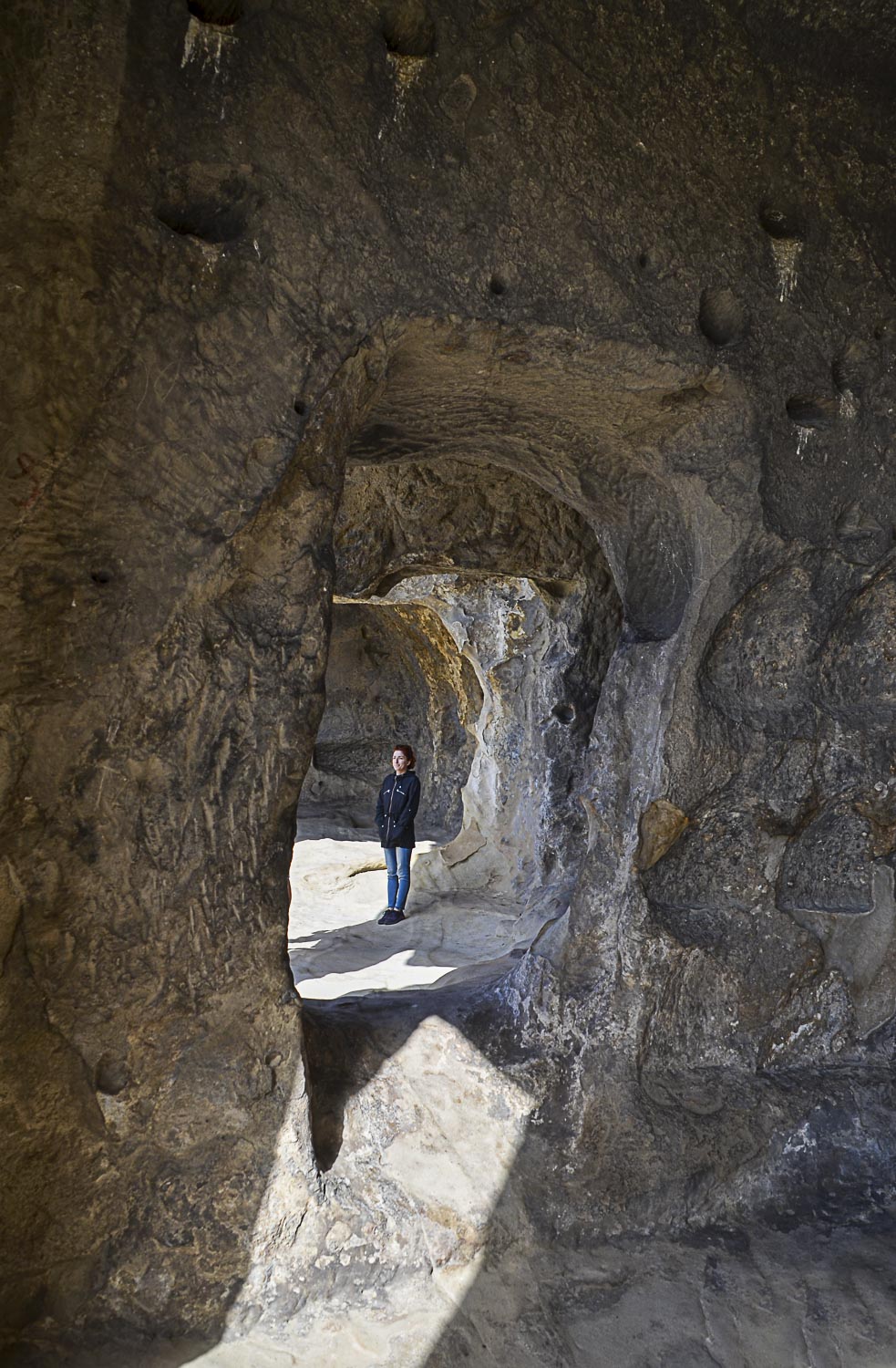
The town contains various structures dating from the Early Iron Age to the Late Middle Ages, and is notable for the unique combination of various styles of rock-cut cultures from Anatolia and Iran, as well as the coexistence of pagan and Christian architecture.
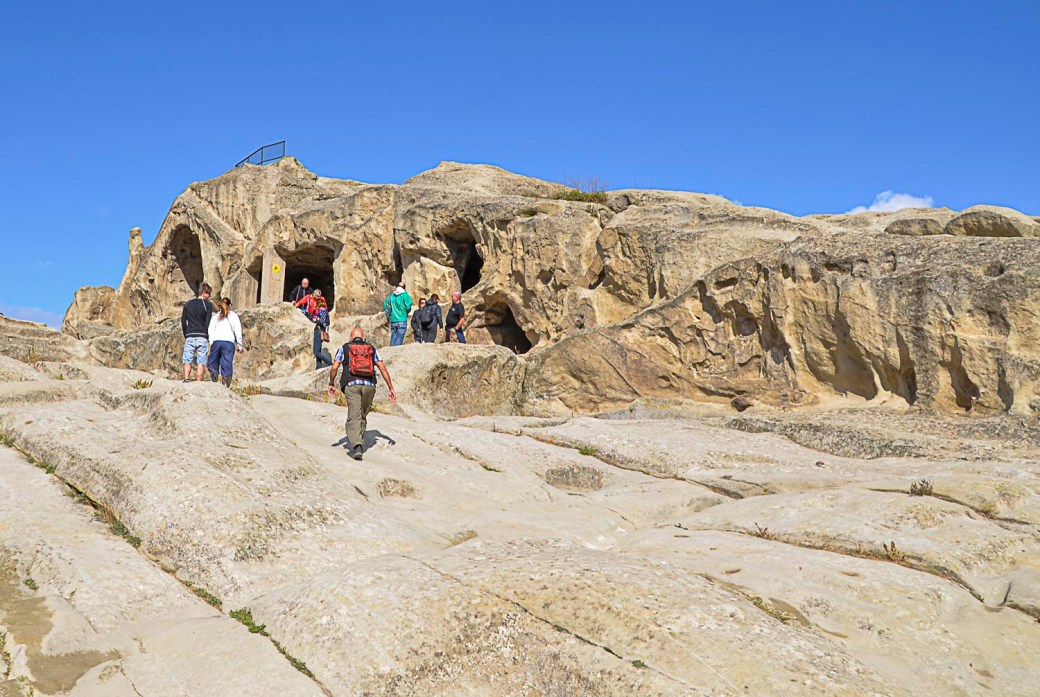
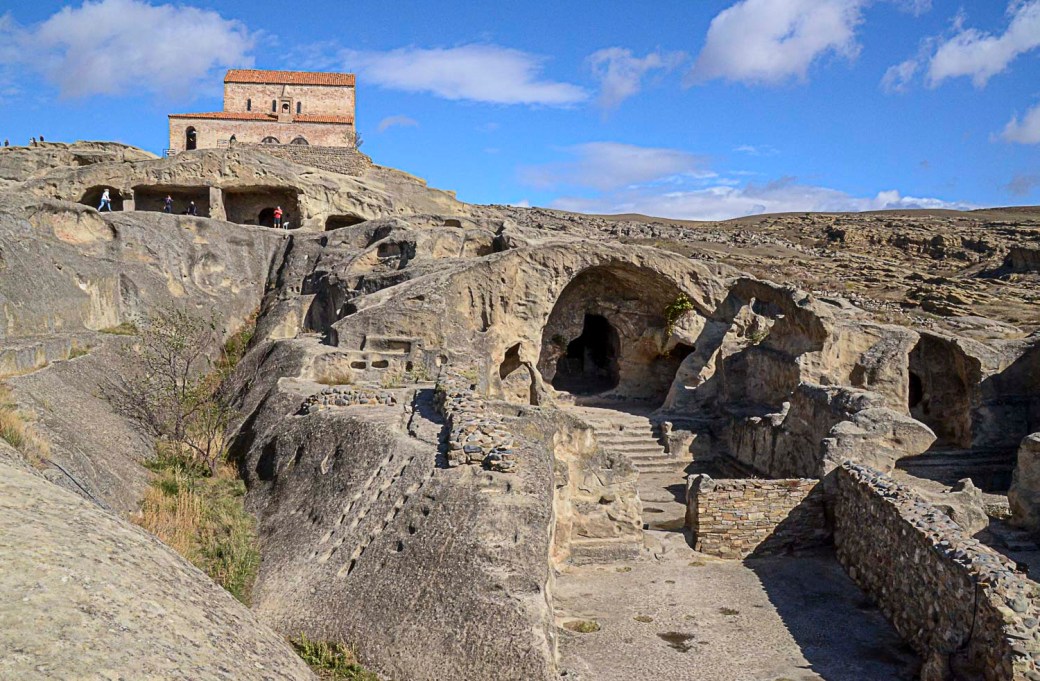
At the summit of the complex is a Christian basilica built of stone and brick in the 9th-10th centuries. (Another photo from it last Silent Sunday.)
The quiet interior is in perfect harmony. I felt completely at peace with myself, alone in the natural light, in a translucent sphere.

Archaeological excavations have discovered numerous artifacts of different periods, including gold, silver and bronze jewellery, and samples of ceramics and sculptures. Many of these artifacts are in the safekeeping of the National Museum in Tbilisi.

After this windy adventure, we left for Jvari Monastery (in the header, seen from Svetitskhoveli), whose name is translated as the ”Monastery of the Cross”. Jvari Monastery is a sixth century Georgian Orthodox monastery near Mtskheta, and is listed as a World Heritage site by UNESCO.
Jvari is a rare case of the Early Medieval Georgian church that survived to the present day almost unchanged. The church became the founder of its type, the Jvari type of church architecture, prevalent in Georgia and Armenia.
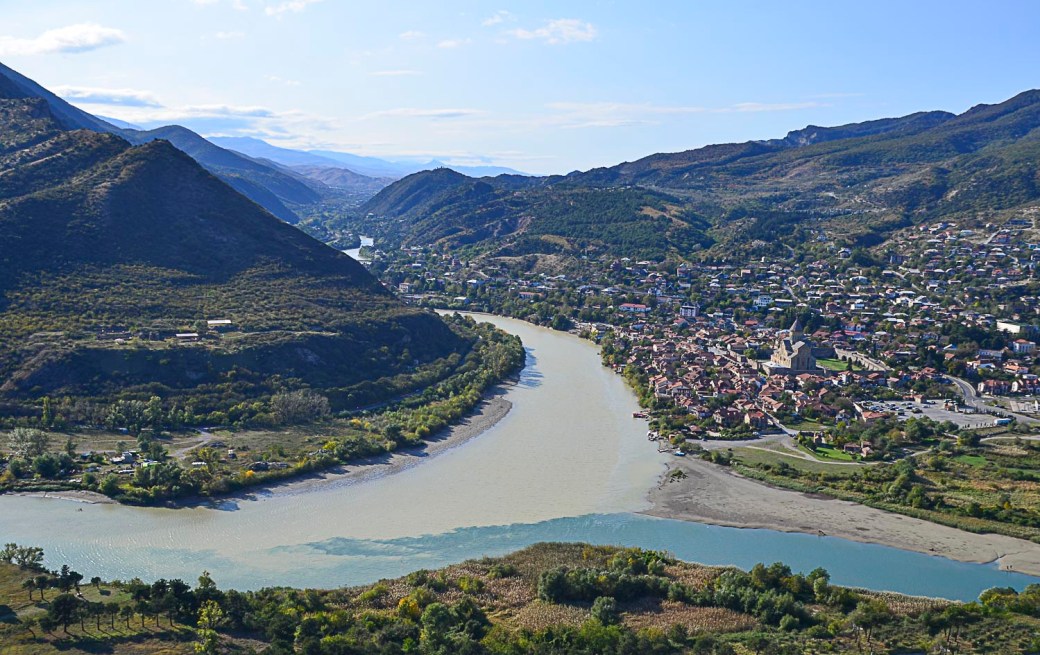
The monastery stands on the rocky mountaintop at the confluence of the Mtkvari and Aragvi rivers, overlooking the town of Mtskheta.
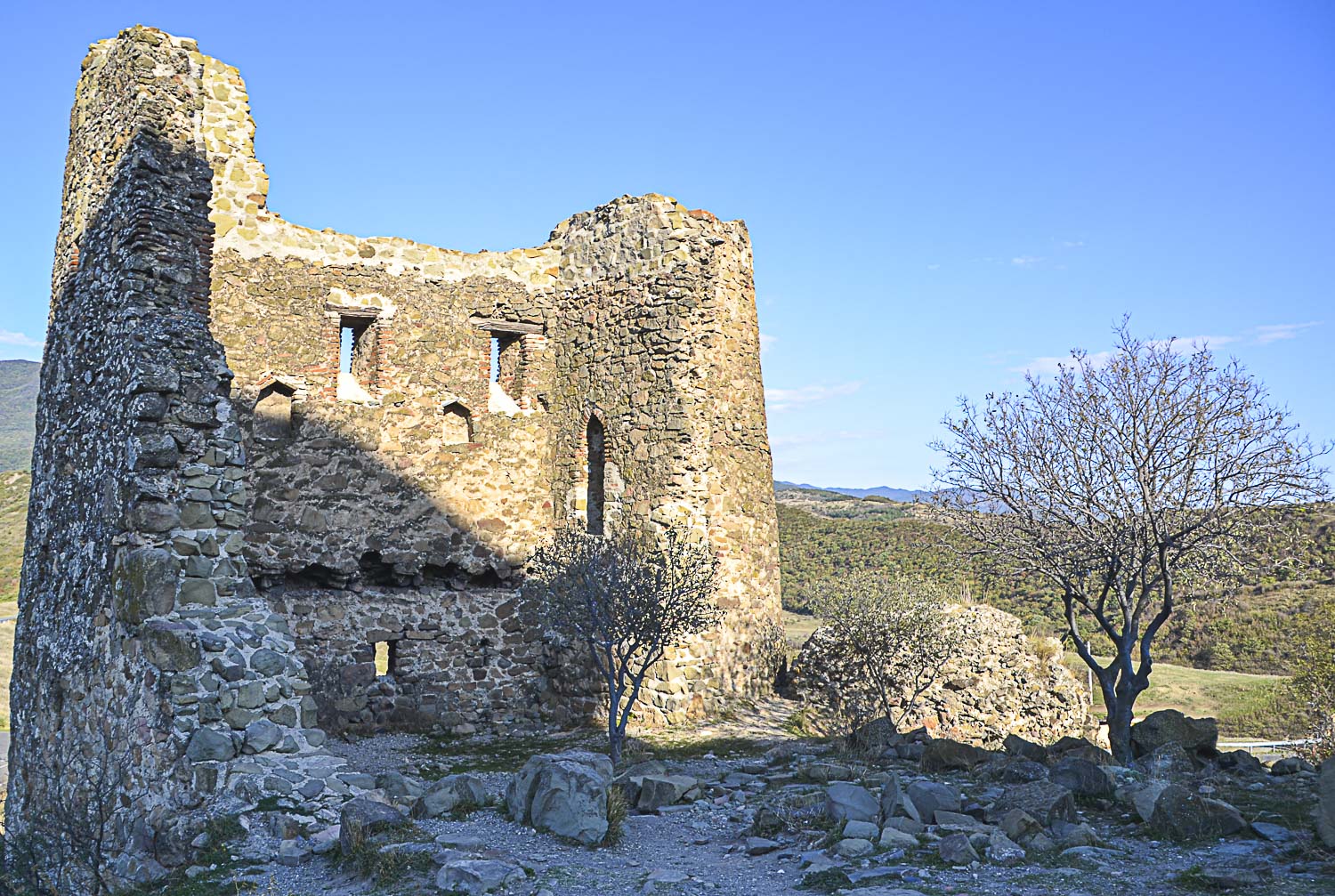
Built atop of Jvari Mount (656 m a.s.l.), the monastery is an example of harmonious connection with the natural environment, characteristic to Georgian architecture.

We ventured down to Svetitskhoveli in Mtskheta (this city also recognized by UNESCO as a World Heritage Site), one of the oldest cities of Georgia, founded by the ancient Meschian tribes in the 5th century. It was capital of the early Georgian Kingdom of Iberia from the 3rd century BC to the 5th century AD, and continued to serve as the coronation and burial place for most kings of Georgia until the end of the kingdom in the 19th century.
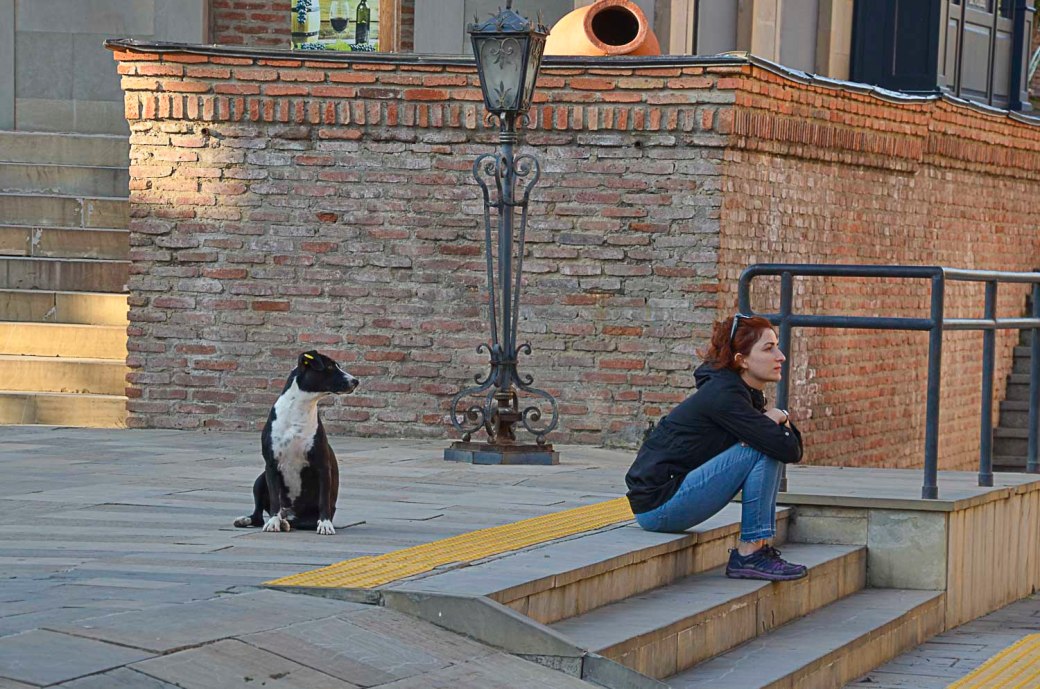
The Svetitskhoveli Cathedral (literally the Cathedral of the Living Pillar) is currently the second largest church building in Georgia, after the Holy Trinity Cathedral in Tbilisi. Known as the burial site of Christ’s mantle, Svetitskhoveli has long been one of the principal Georgian Orthodox churches in the region. It is considered a masterpiece of the Early and High Middle Ages.
At the end of the day, our lovely, knowledgeable guide, Katie, waited patiently for her ”sheep” to return to their master.


 Leya
Leya 
Du måste vara inloggad för att kunna skicka en kommentar.