We are in our summerhouse with guests – as usual during Midsummer. Wishing you all a wonderful day from us having the longest day of the year. A day to live and love, to feast with good friends and bathe in the sea. ♥
We welcome Beth to her first Stormy session with Lens-Artists!
What does stormy look like to you? For stormy weather, Beth wants us to think about rain, blizzards, sleet, snow, hail, wind, dark clouds, angry seas, lightening, a storm rolling in, or people out in the weather. Another option would be to show stormy feelings or stormy situations. Be sure to tag your post with Lens-Artists and include a link back to her original post. We’re looking forward to seeing what you come up with.
This is a tricky challenge for me – living in the southernmost part of Sweden we seldom see really stormy weather. So, here’s my take:
Seeing storms from afar, slowly sailing up, that is the closest I can come to this challenge. In heavy rain I seldom go out, only watch from my window. And I like watching it – Mother Nature rules.
I can also watch storms unfolding from my house or my car – and still stay dry.
Alaska cruising – in really unhappy conditions – but dry and happy on the boat!
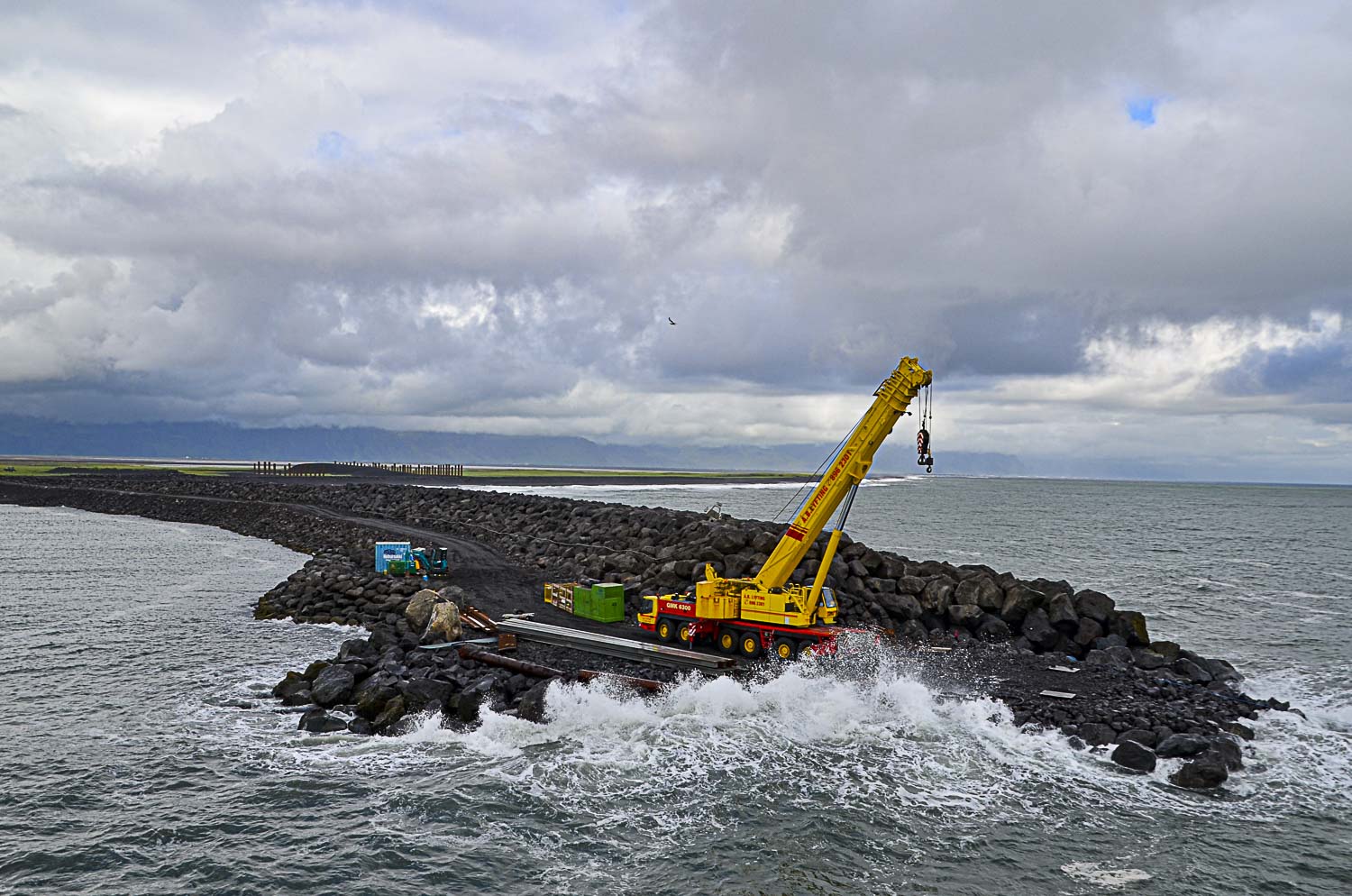
Iceland is much more weather beaten than Sweden, being an island and situated further north.
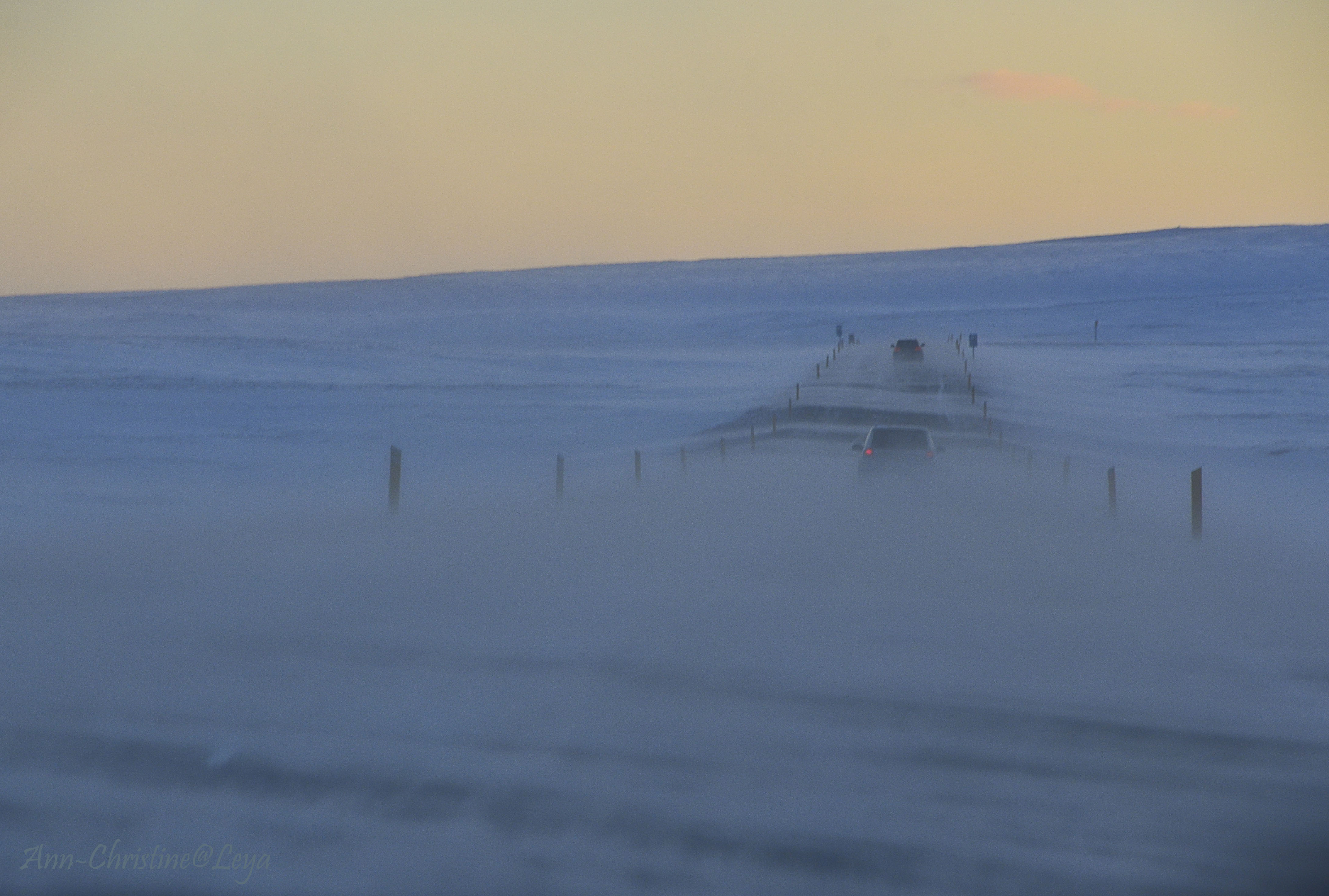
Iceland again – I don’t remember the year, but I do remember that fast disappearing road. Icy, windy and cold. It took us some time to drive through to the other side of the island.
Last week I really enjoyed your beautiful responses to Sofia’s Mellow challenge. I learned that the the word could be used in so many ways I had never heard of before.
Hope to see you – and be sure to look for Anne’s challenge next Saturday, June 21 at noon Eastern Time.
This week Sofia invites us to continue in a relaxing mood, after the wonderful Books theme from last week. However, she wants us to focus on a different mellowness: a sense of softness, in tones or shapes, the slowness of a summer holiday, for example. That kind of relaxation. Please go to her beautiful site and find some very inviting and glorious inspiration!
Mellow is not a common word in my vocabulary, but my immediate thoughts went to Mellow Yellow – which I save to the end of my post.
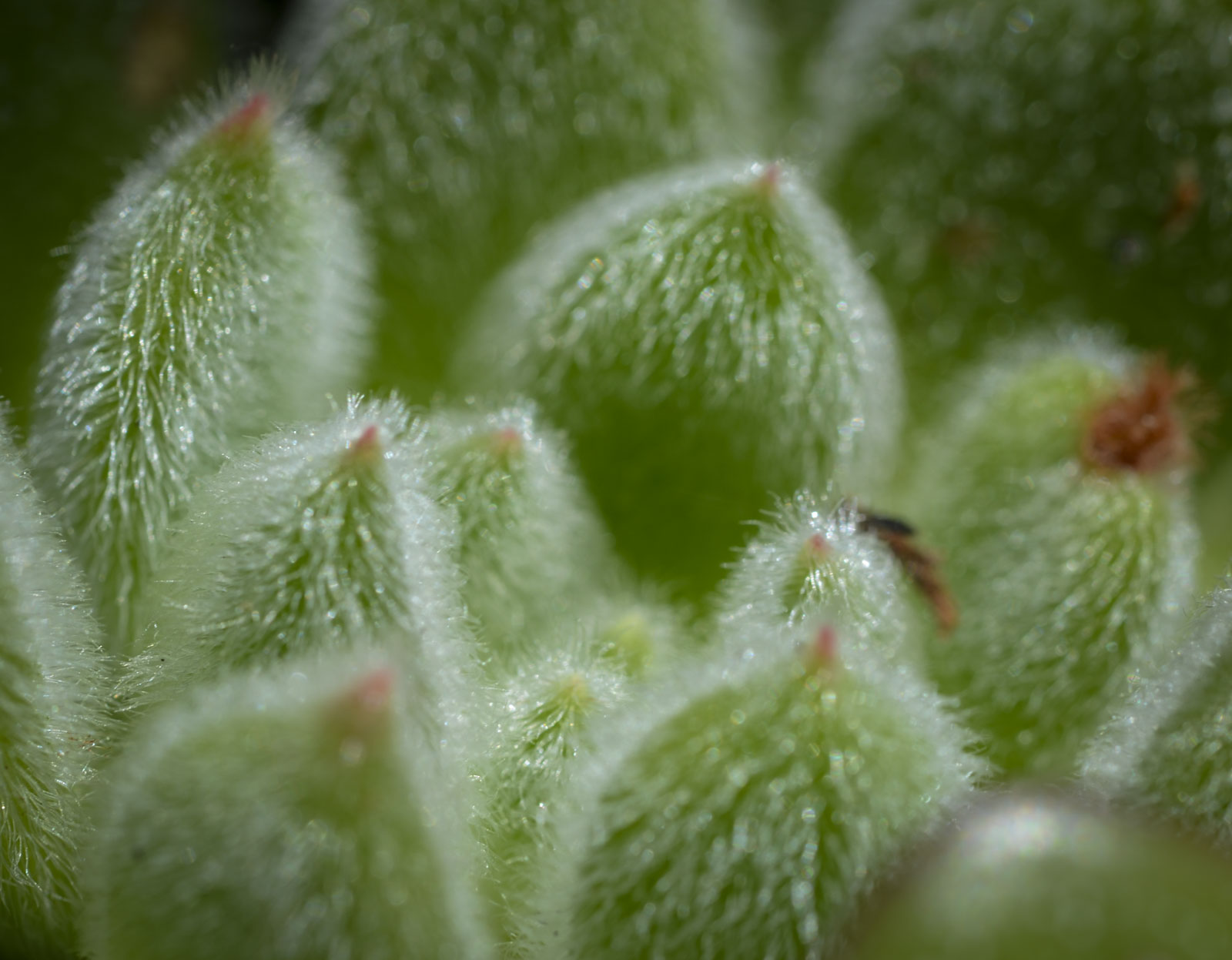
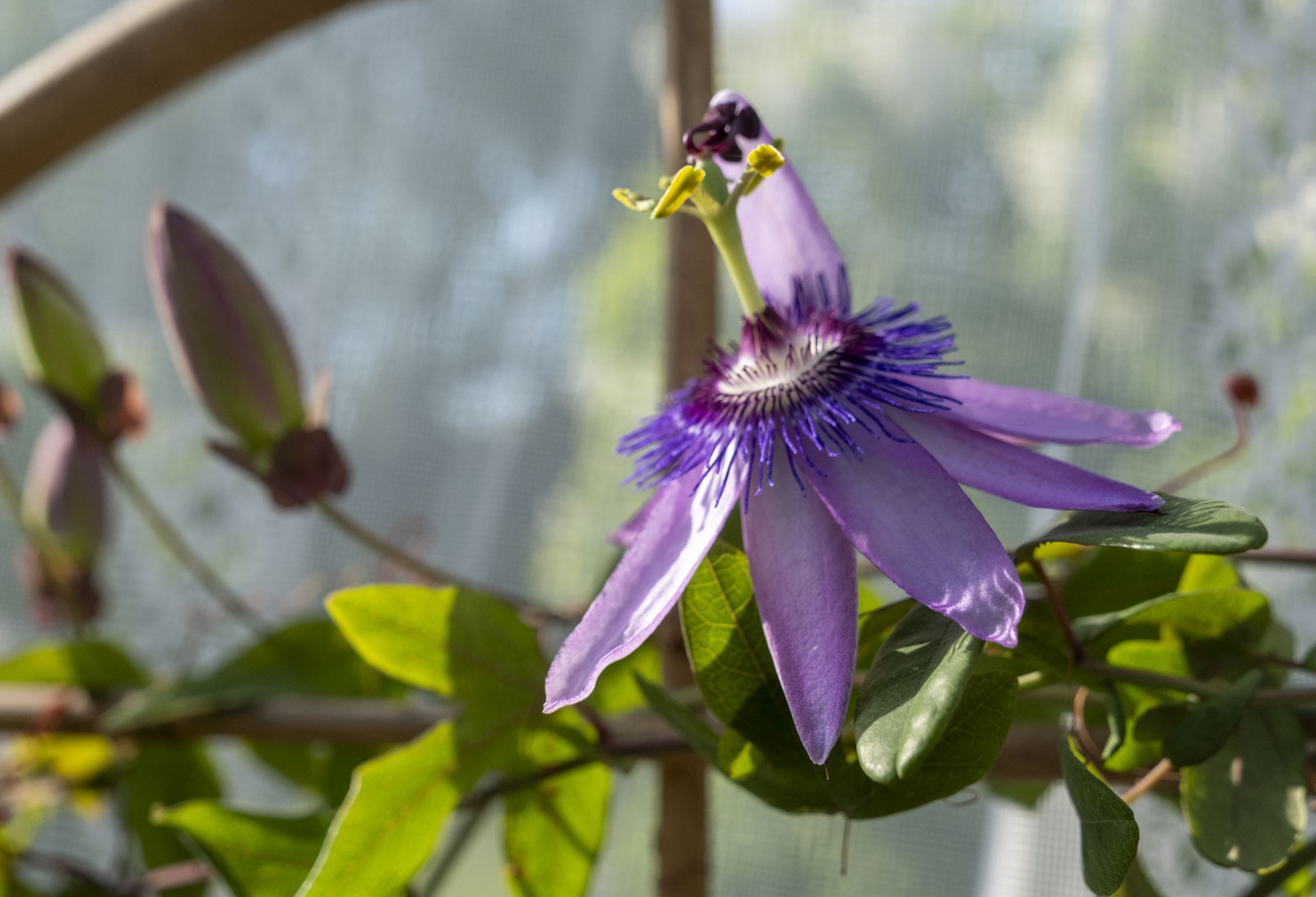
I’ll start with a plant that softly spoke to me saying: touch me…
As Sofia pointed out, light is strongly connected to this feeling. Some morning light on the first spring anemonies.
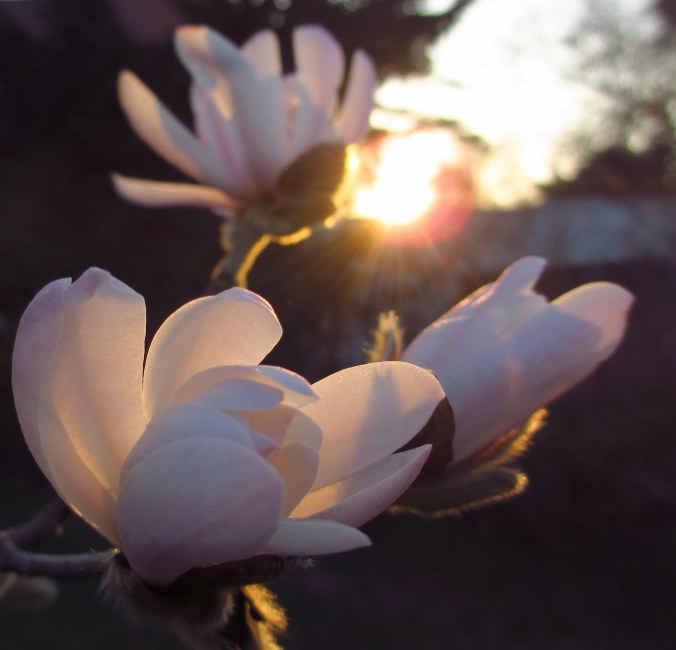
Soft evening light when I walked out of the car and up to our house. The magnolia was the softest of soft and I just had to pick up my camera.
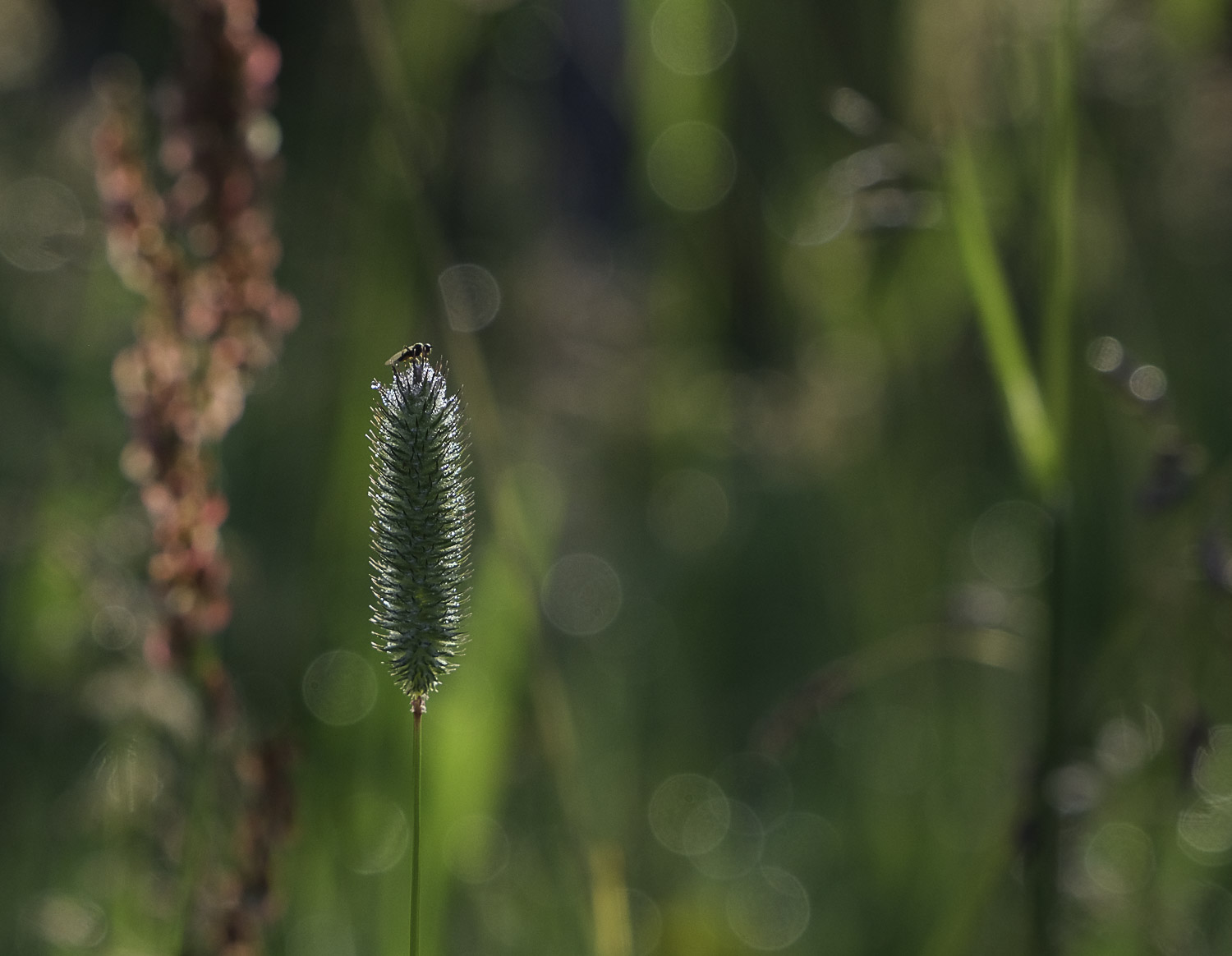
My favourite colour is green (as you know who follow me). Again a spring morning, with a fly and attached bouquet.
Yesterday I came back from a hiking vacation to Madeira – talking about mellow – every day was a wonder.
I love the little lizards basking on the sun warm stones – when I click my tongue they listen and sometimes even come up to me.
Mellow can also be so soft that the picture is somewhat blurred.
Lastly…
– some misty, Mellow Madeira Yellow! The mist softened the intense yellow and made the landscape dreamy.
And a close-up. Temptingly soft.
Remember to tag Lens-Artists and to link back to Sofia’s post when you join us. We’re looking forward to seeing your concepts of mellow.
Last week we had Ritva’s Books Challenge, and as books open our minds, the responses were varied and beautiful, truly inspiring.
Next week, Saturday 14th June, Beth is hosting for the first time so please visit her site for more information. Until then, take care and try some relaxing.
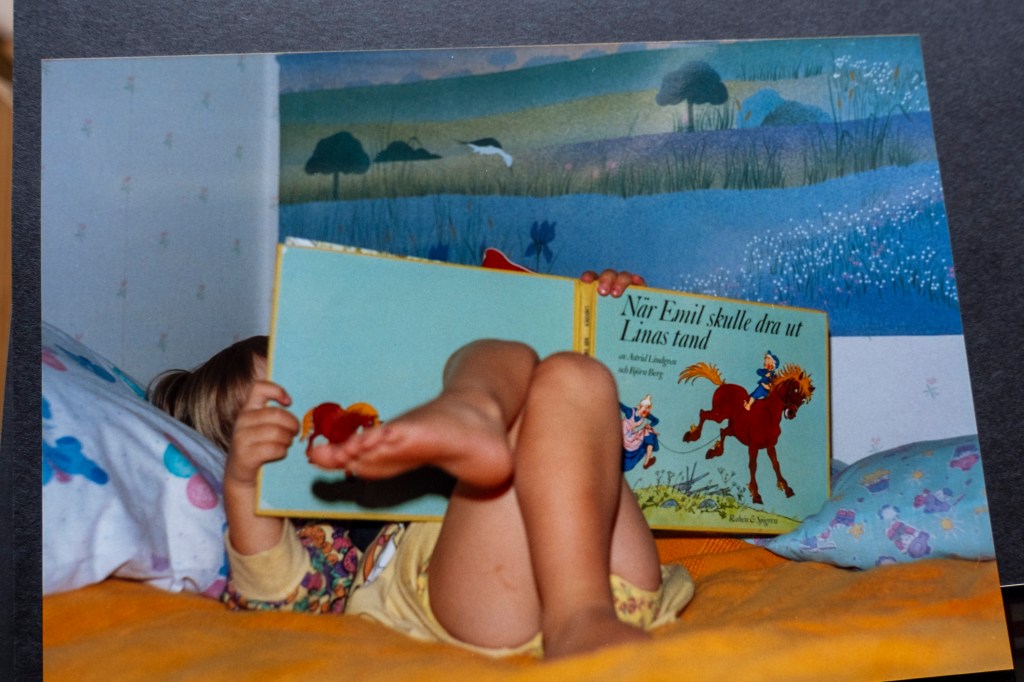
Ritva has chosen books as her brilliant topic – and who doesn’t love books? My children used to call me the saint of all books…
Partly because – my life has revolved around books. Reading and writing, learning, practising and teaching.
Being a teacher I had this sign on one of my book shelves at school, saying: Literature helps us understand ourselves and the world and contributes to build an identity of our own. So true.
The Long Room at Trinity College, Dublin – a marvelous library. MANY books. Beautiful books in a beautiful room.
In our old churches, the biblical stories were painted on the walls for the illiterate – and on this Swiss house we found Adam and Eve. I don’t think they are illiterate though…
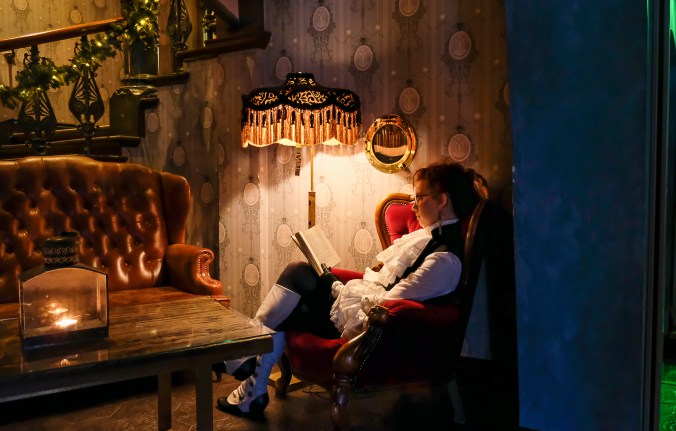
My heart jumps with joy when I see a youngster with a book instead of a phone. Maybe we are not lost yet…
In this library in Prague they certainly knew how to make the kids interested.
An abandoned book in an old shut down factory. I went exploring there with my son and found many interesting things to photograph.
They say books open up new worlds…and so they do. Yacek Yerka illustrates this so well.
My daughter once gave me this piece of an Encyclopedia Britannica. She had folded every page herself.
Well, it all started long before she could read…and long before she became a dentist. Her favourite thing still is – pulling out teeth…
Luckily, she is still an avid reader – and now that she is married, she also begins a new chapter in her own Book of Life.
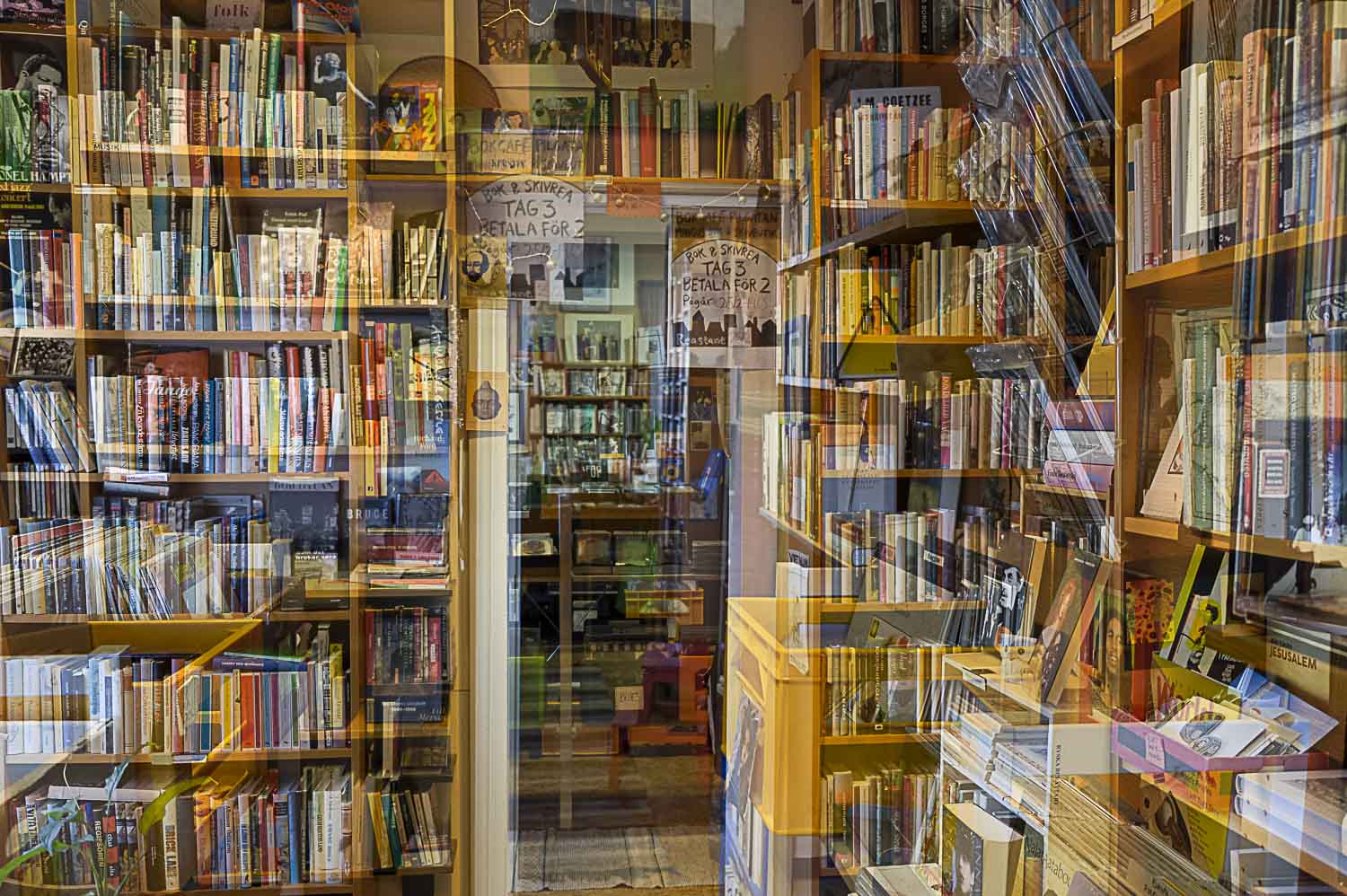
I’ll finish off with this happy double exposure of a bookstore My daughter often visited during her years in Umeå.
In the header, Codex Gigas from the 13th century.
In conclusion, zooming last week with Anne was fun and, to many of us, a new experience. Her challenge was an excellent reminder of the joy of learning something new. I hope you have fun joining us again this week. Remember to tag Lens-Artists; also, please link back to Ritva’s original post.
Next week is Sofia’s turn to host, Saturday 7th June. Until then, be good and keep smiling!
If you want to know more about the Lens-Artists Challenge, please click here.
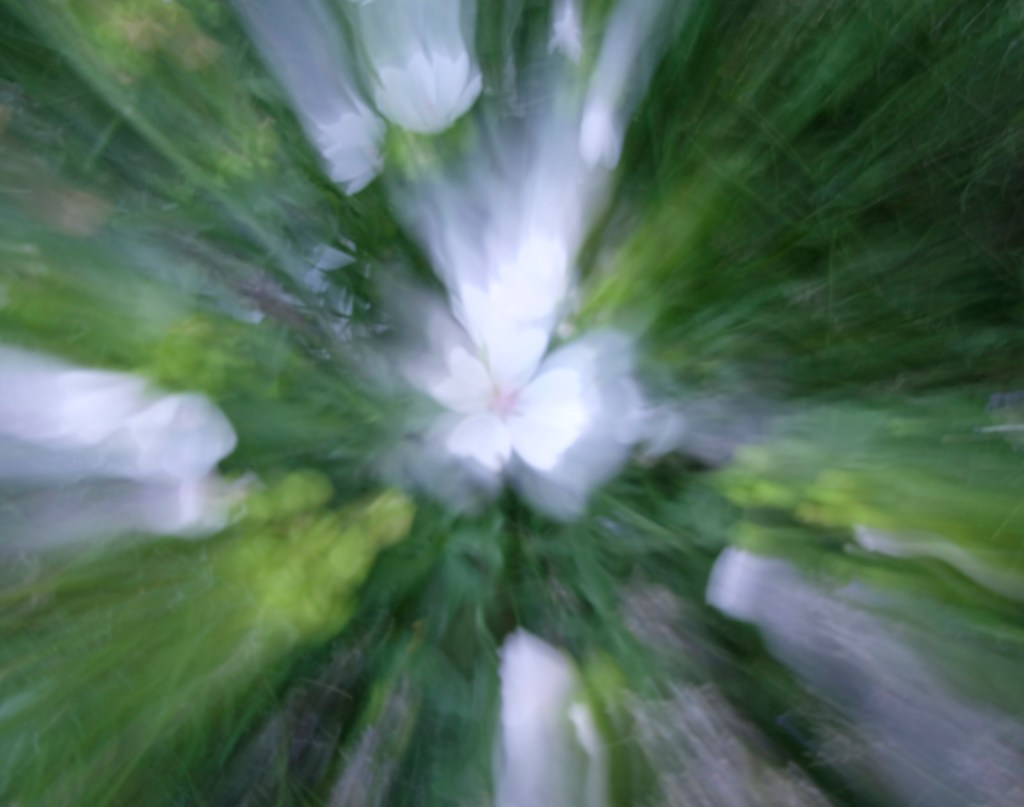
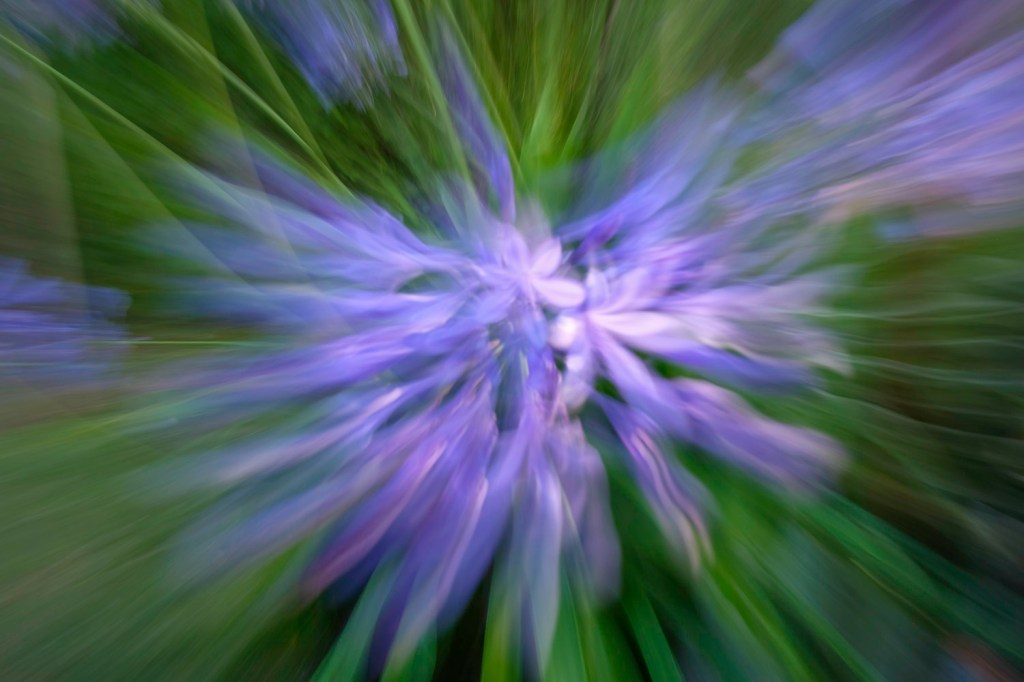
Your challenge this week is to take your camera and zoom lens out for some zooming. Anne is our guide in this fun challenge which takes some practice…
My offerings were not made this week, as I have been extremely busy with many birthday parties and also my daughter’s wedding. Our last guests will be leaving in a couple of days – so much joy and fun, but also looking forward to return to my ordinary life.
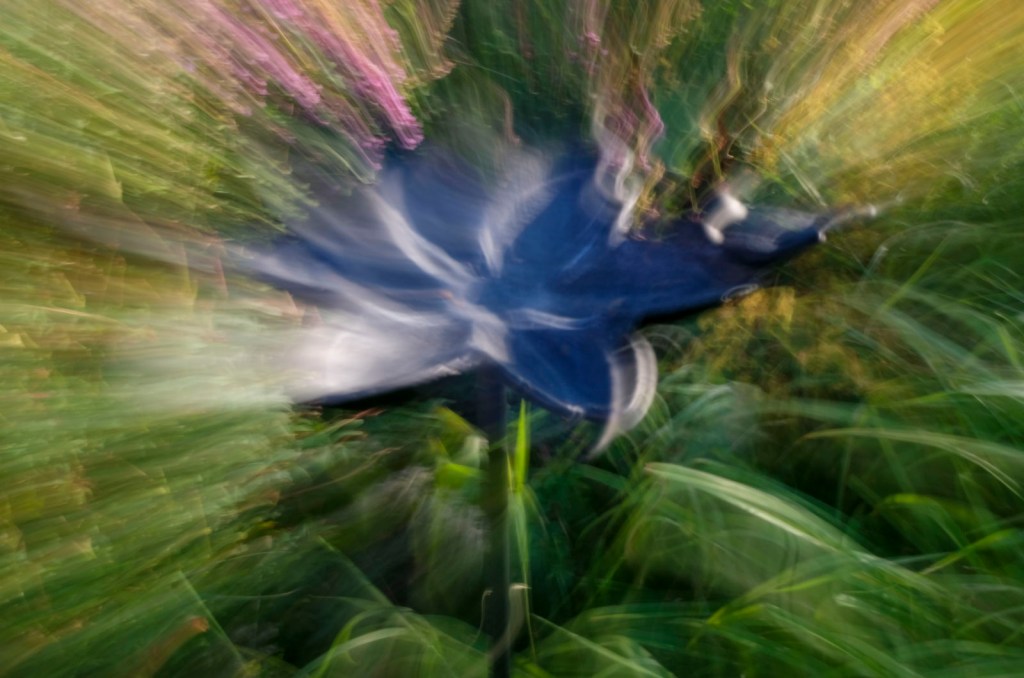
The bird bath sits among the flowers, and made a lovely start. I was glad there were no birds harmed in the swirling scene!
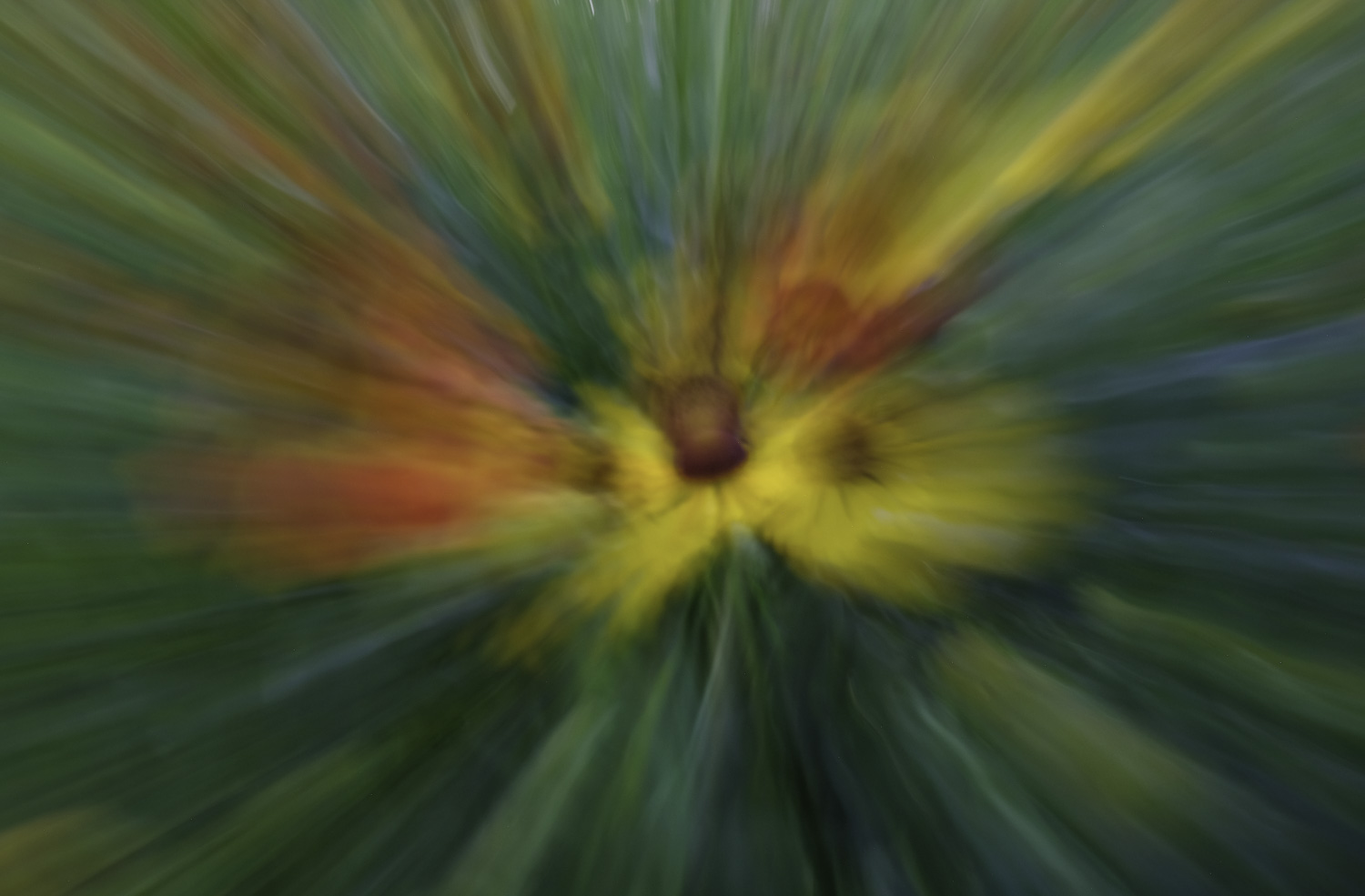
I tried to keep only one flower in the middle… Many tries on this one!
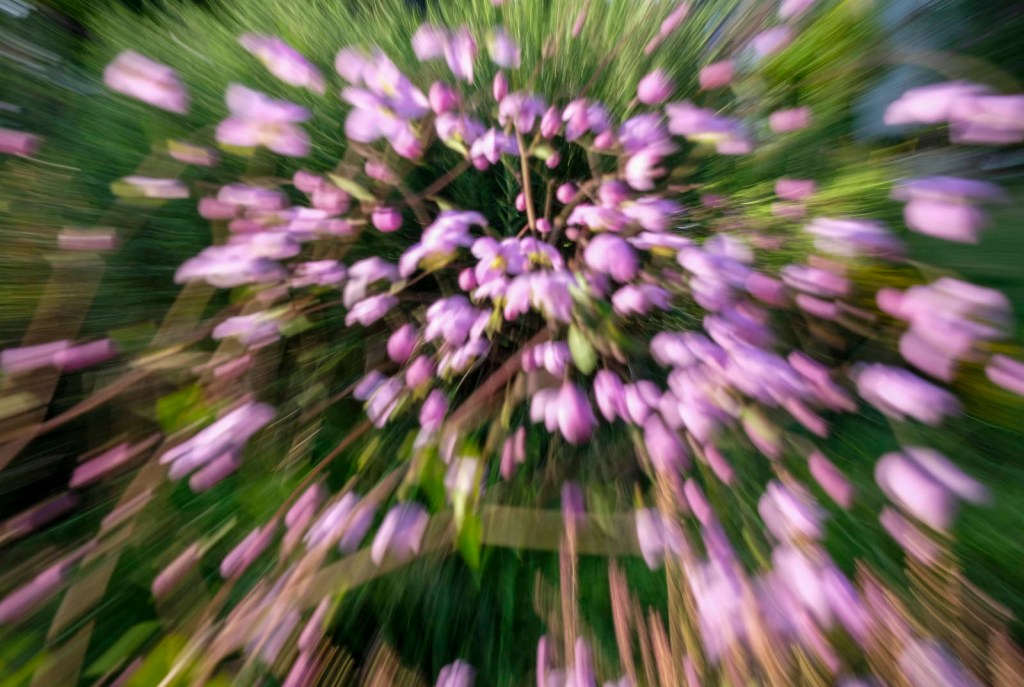
It was easier with multiple flowers. They turned the picture into a waterfall.
Another one-flower-focus.
This Agapanthus I was quite happy with – after thirty or more takes.
Why not a tomato?
”My photographs are a celebration of life, fun and the beautiful. They are a world that doesn’t exist. A fantasy.”
– Ryan McGinley
Thank you to Tina for her challenge: “The First Thing I Thought Of.” It’s amazing how a picture can have several different interpretations!
So, have fun, try something new, get creative and yes, enjoy exploring new techniques and ideas. You never know what can happen! We hope you’ll join us this week, making sure to visit and link to Anne’s challenge here, and to use the Lens-Artists tag to help us find you.
Finally, we hope you’ll join us again next week when Ritva leads us once again. Until then as always please stay safe, be kind, and enjoythe adventure.

















Du måste vara inloggad för att kunna skicka en kommentar.