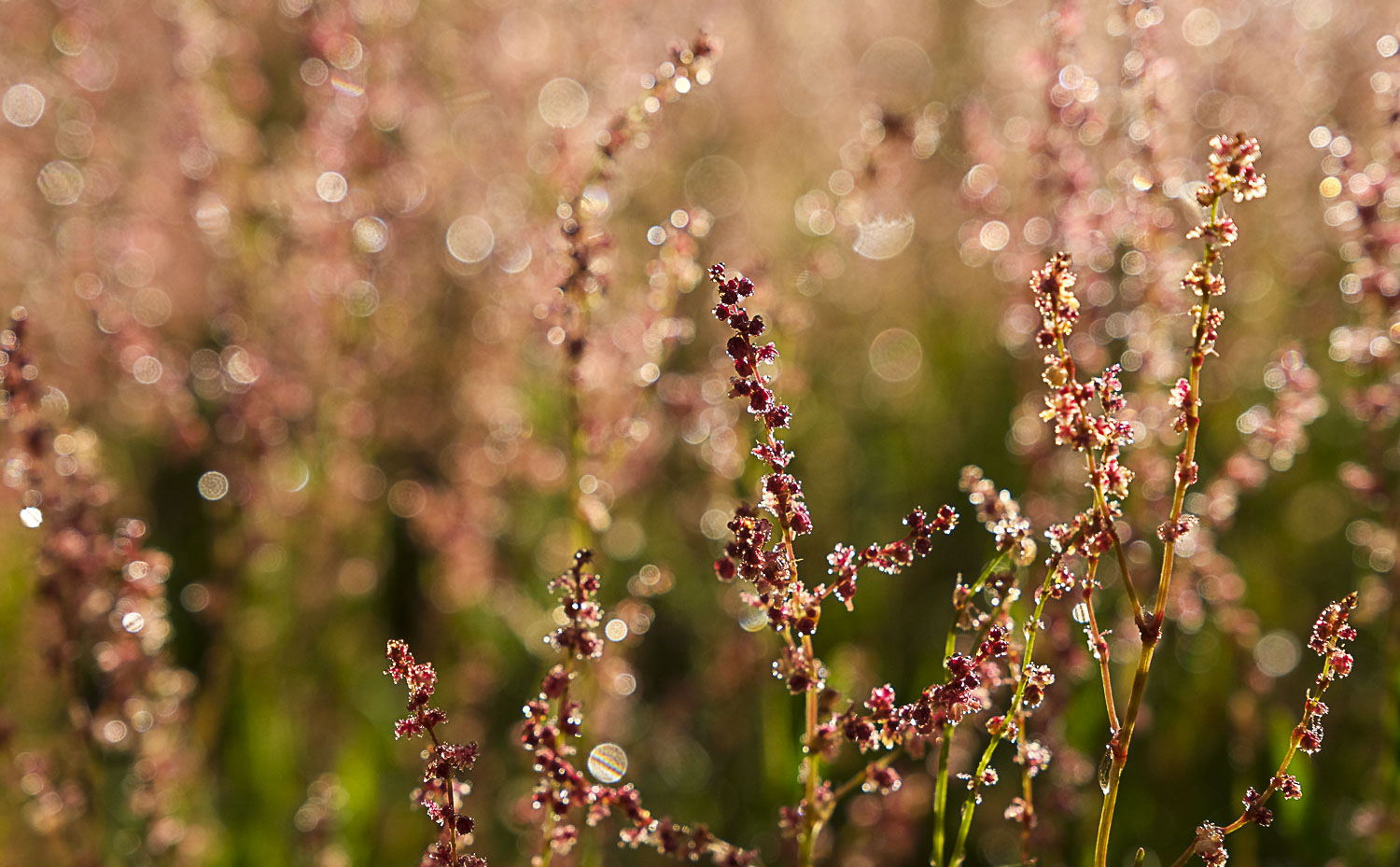
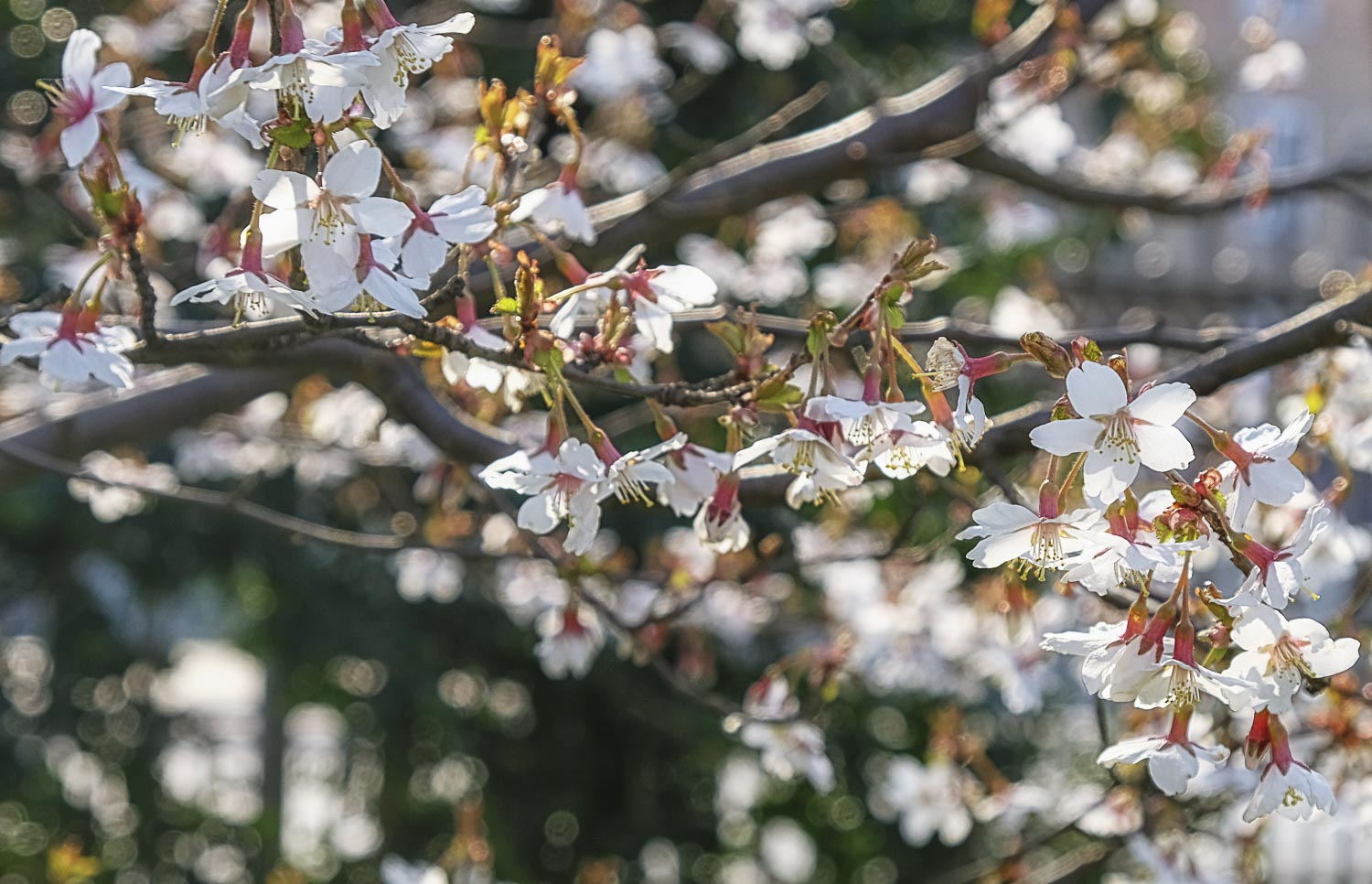
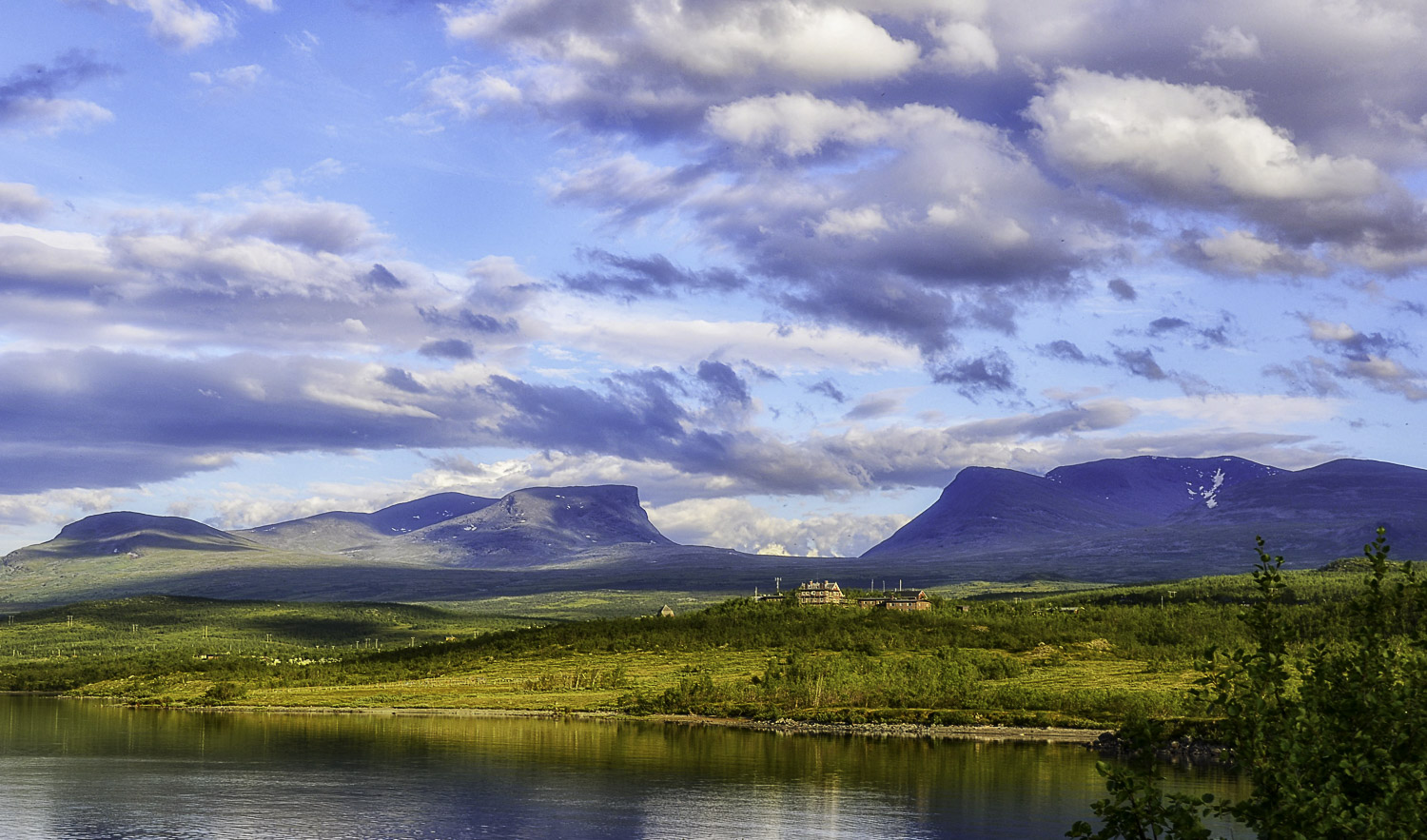
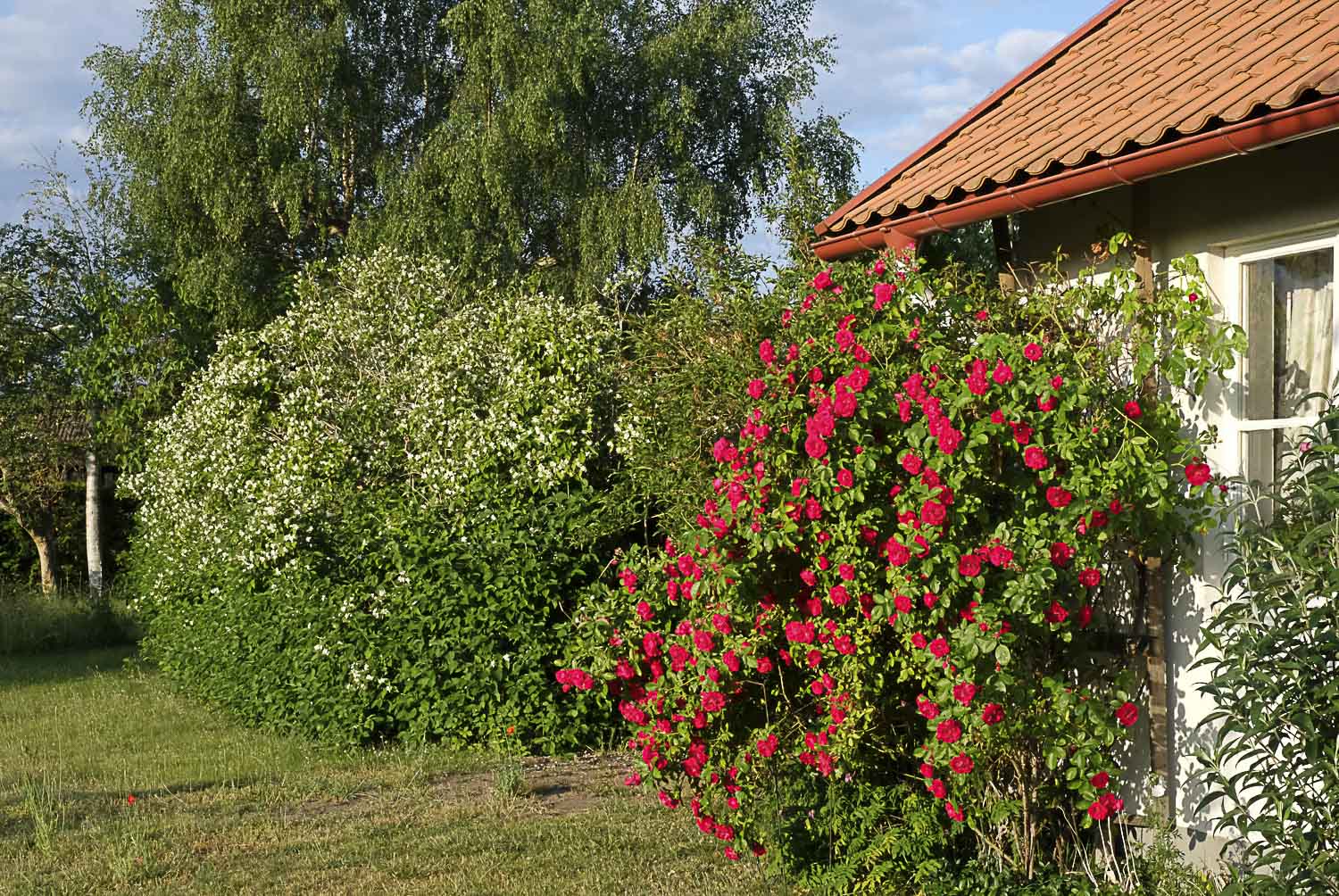
Lens-Artists Challenge #296 – Abstract

Ritva challenges us this week to think abstract. Abstract photography breaks the normal rules of realism. She explains that it focuses on the shapes, colors, textures, and patterns of the subject rather than its literal representation. Please visit her extraordianry site for more inspiration and examples!

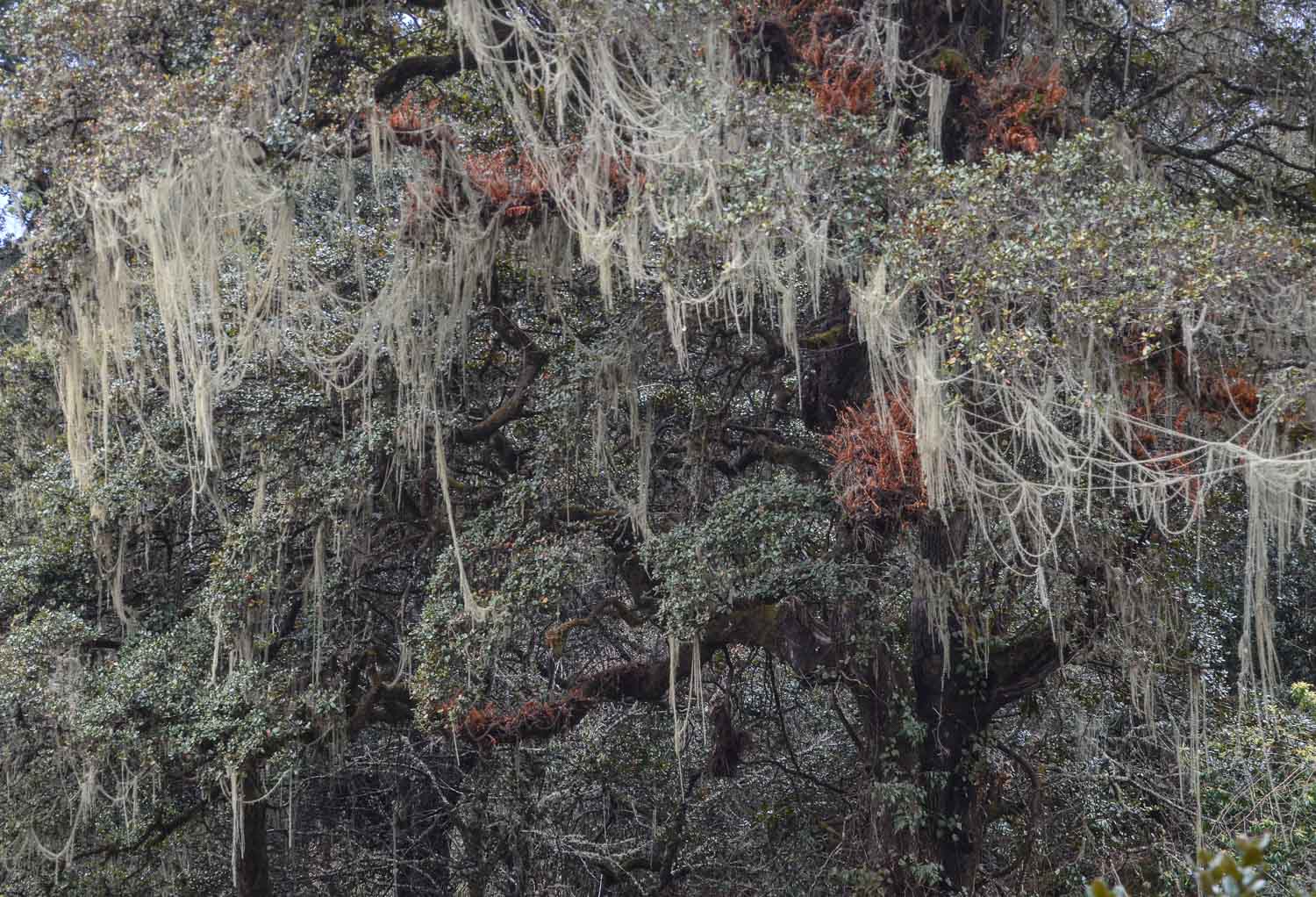
Abstract, sometimes reality is just as abstract – this tree in Bhutan surely has an abstract quality.

Art has a voice – let it speak”
― Rochelle Carr

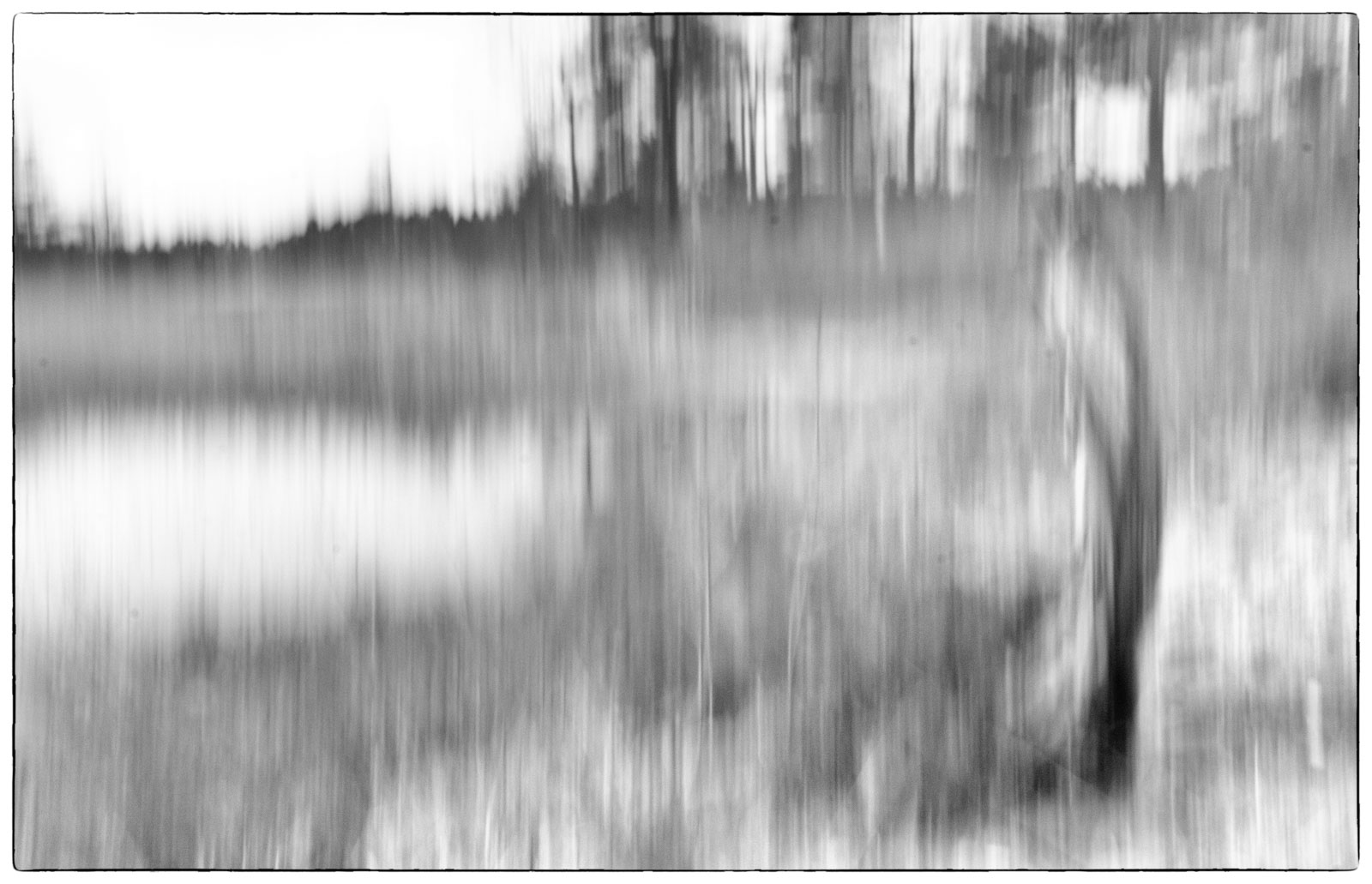
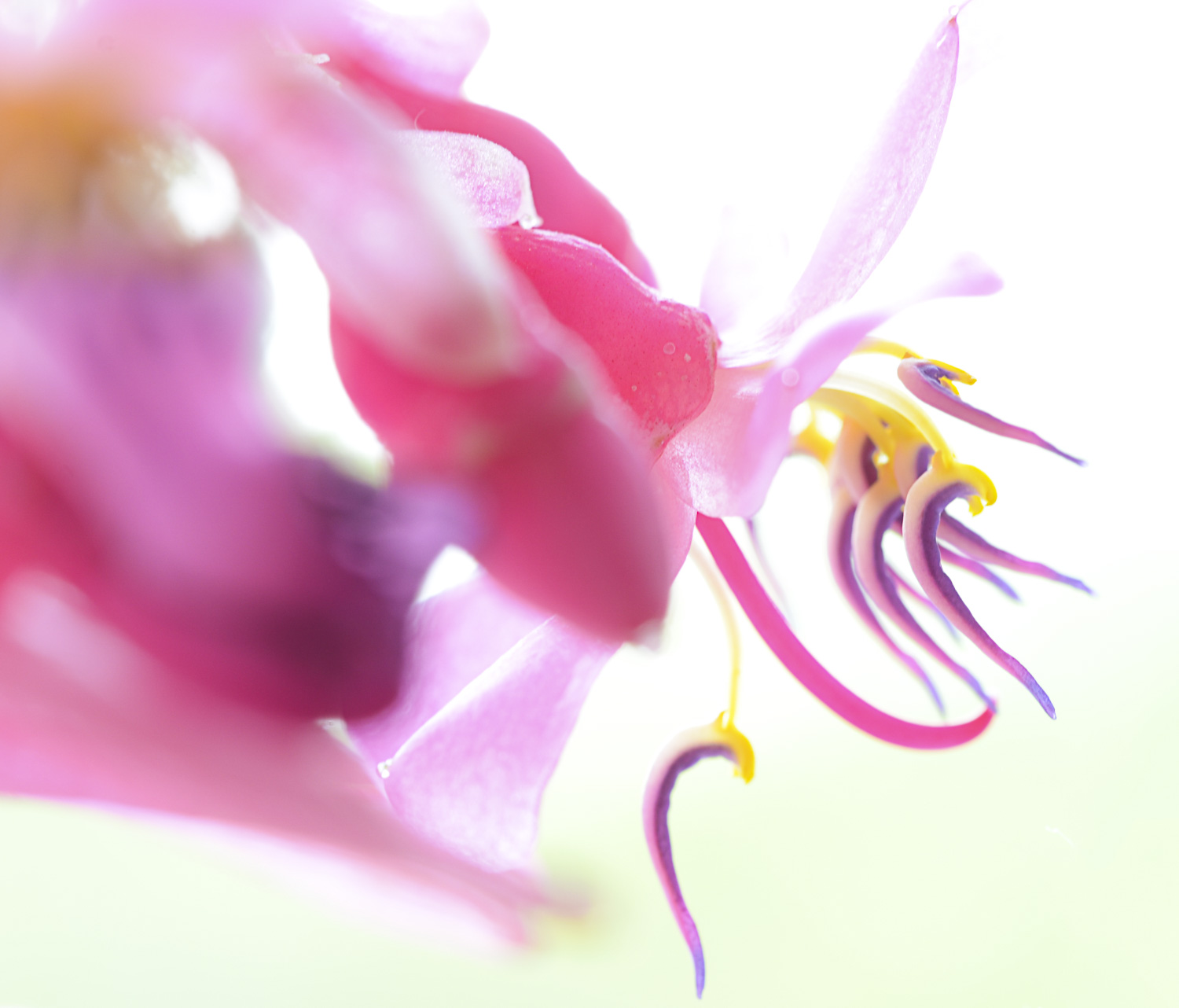
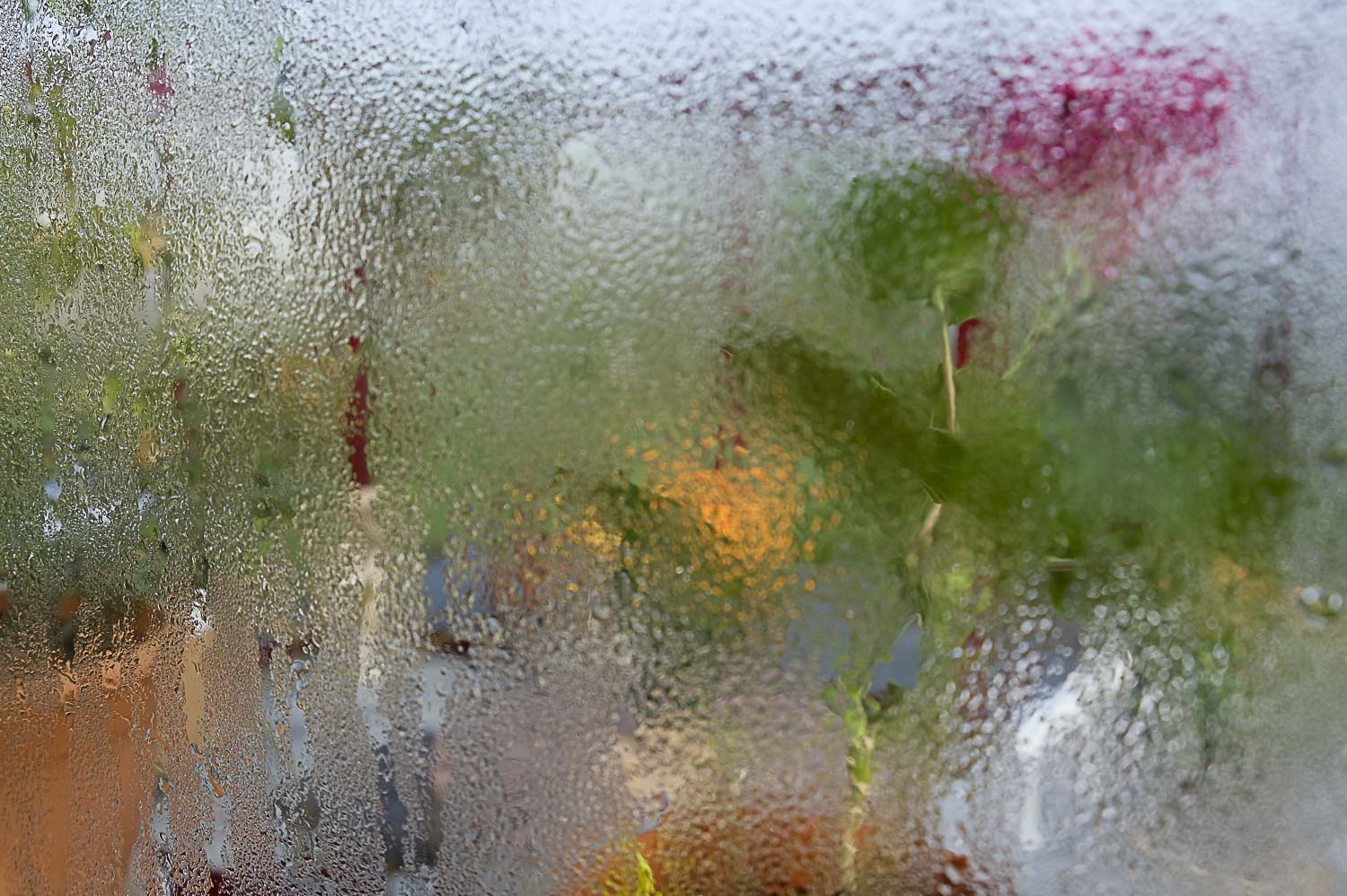
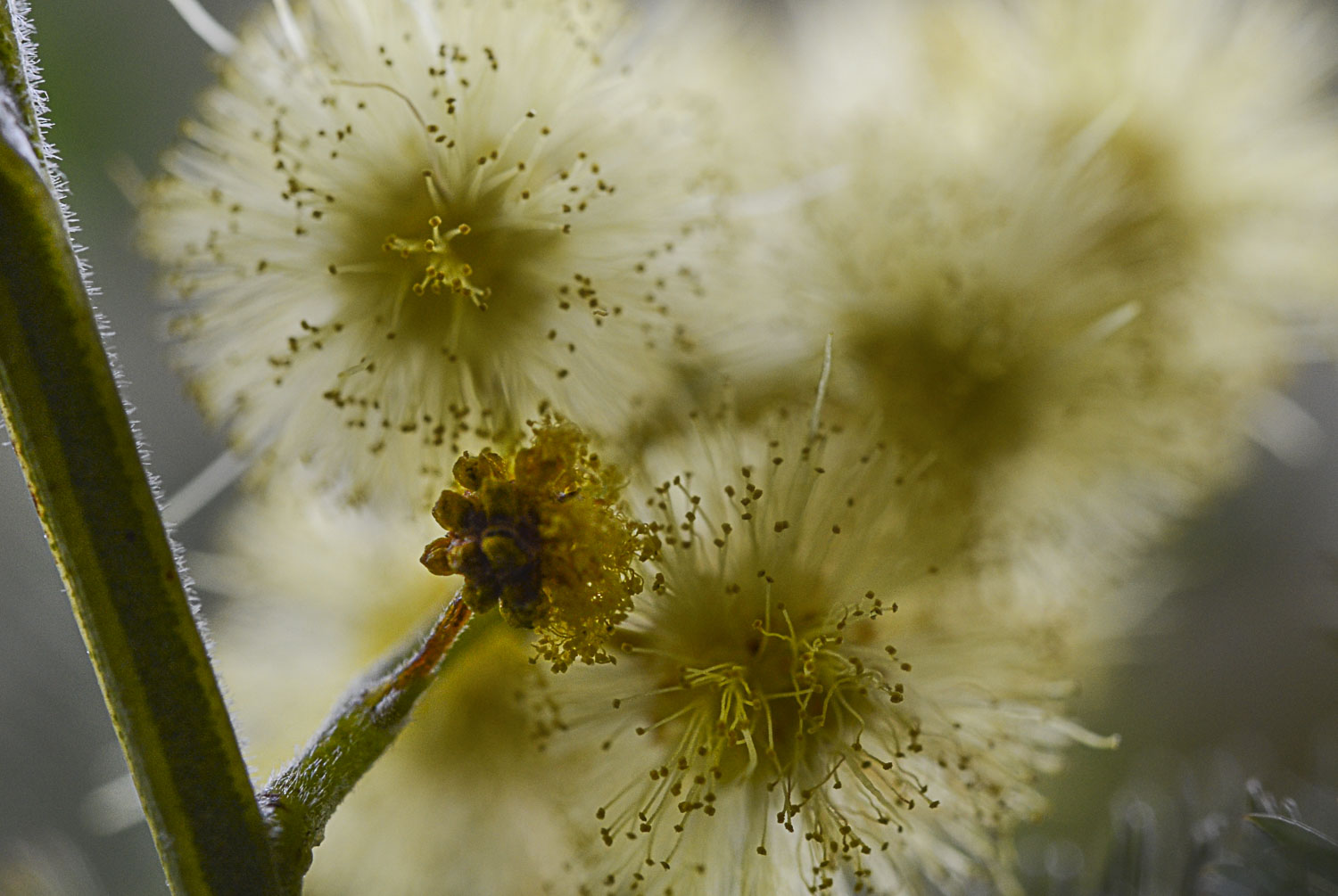
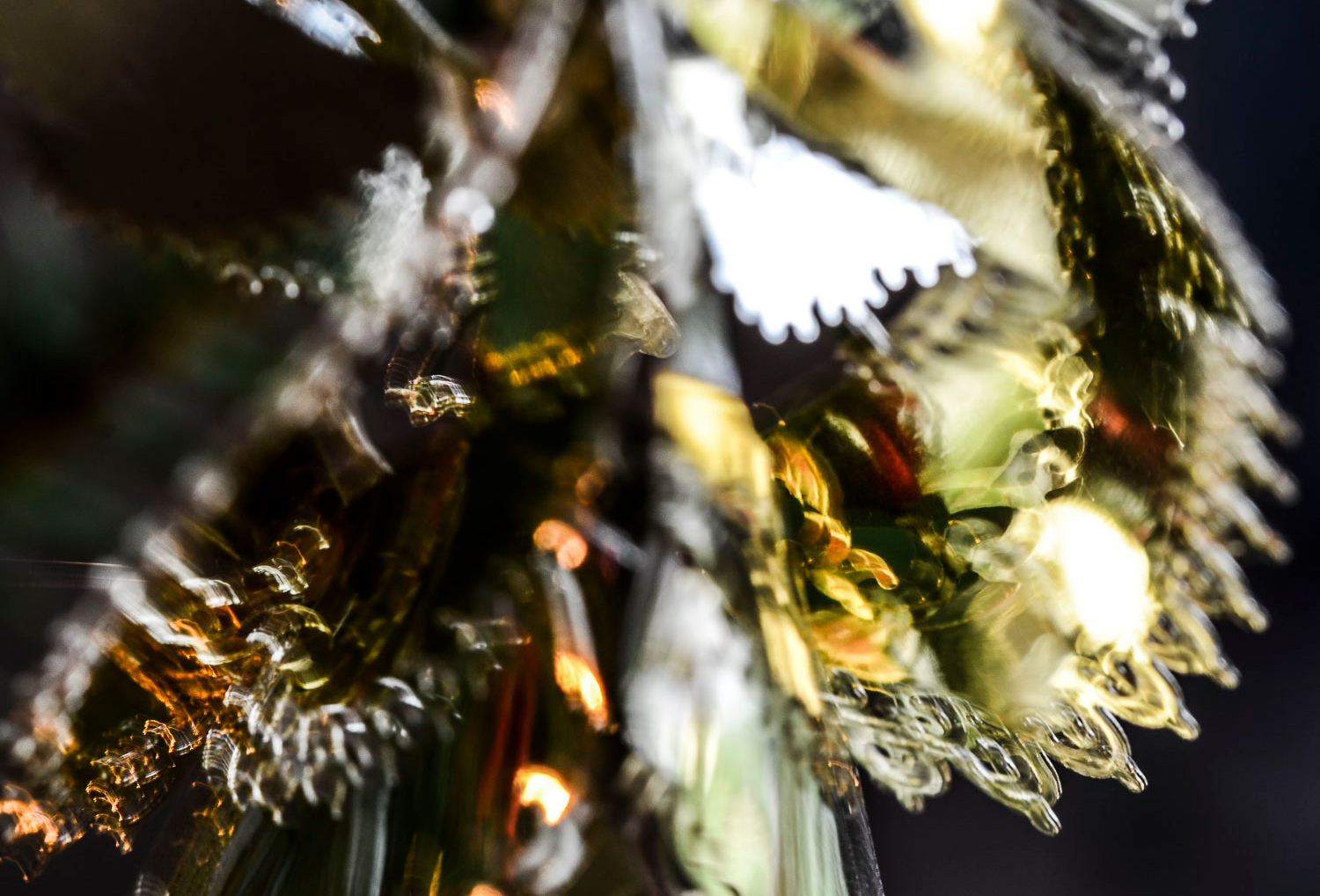
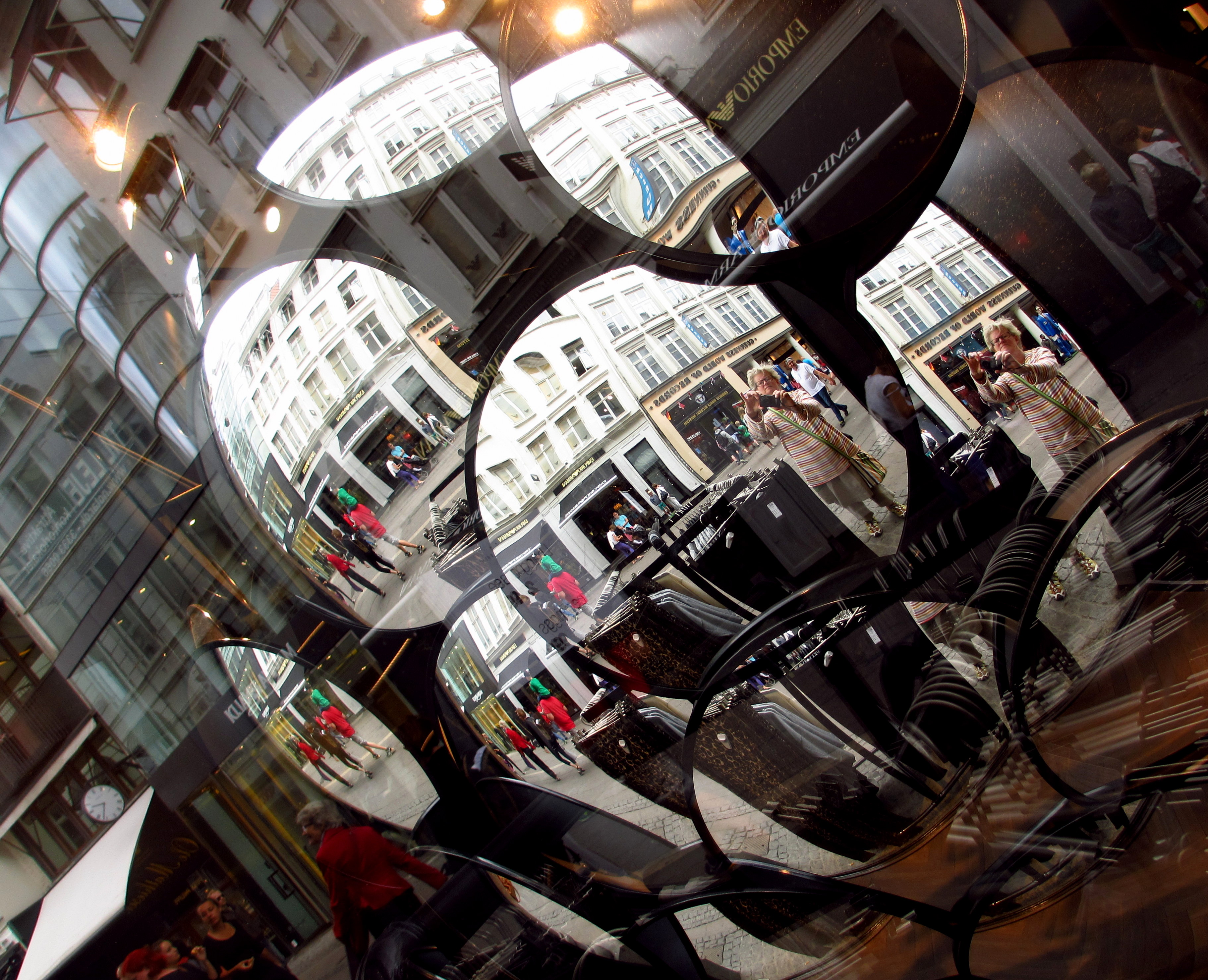
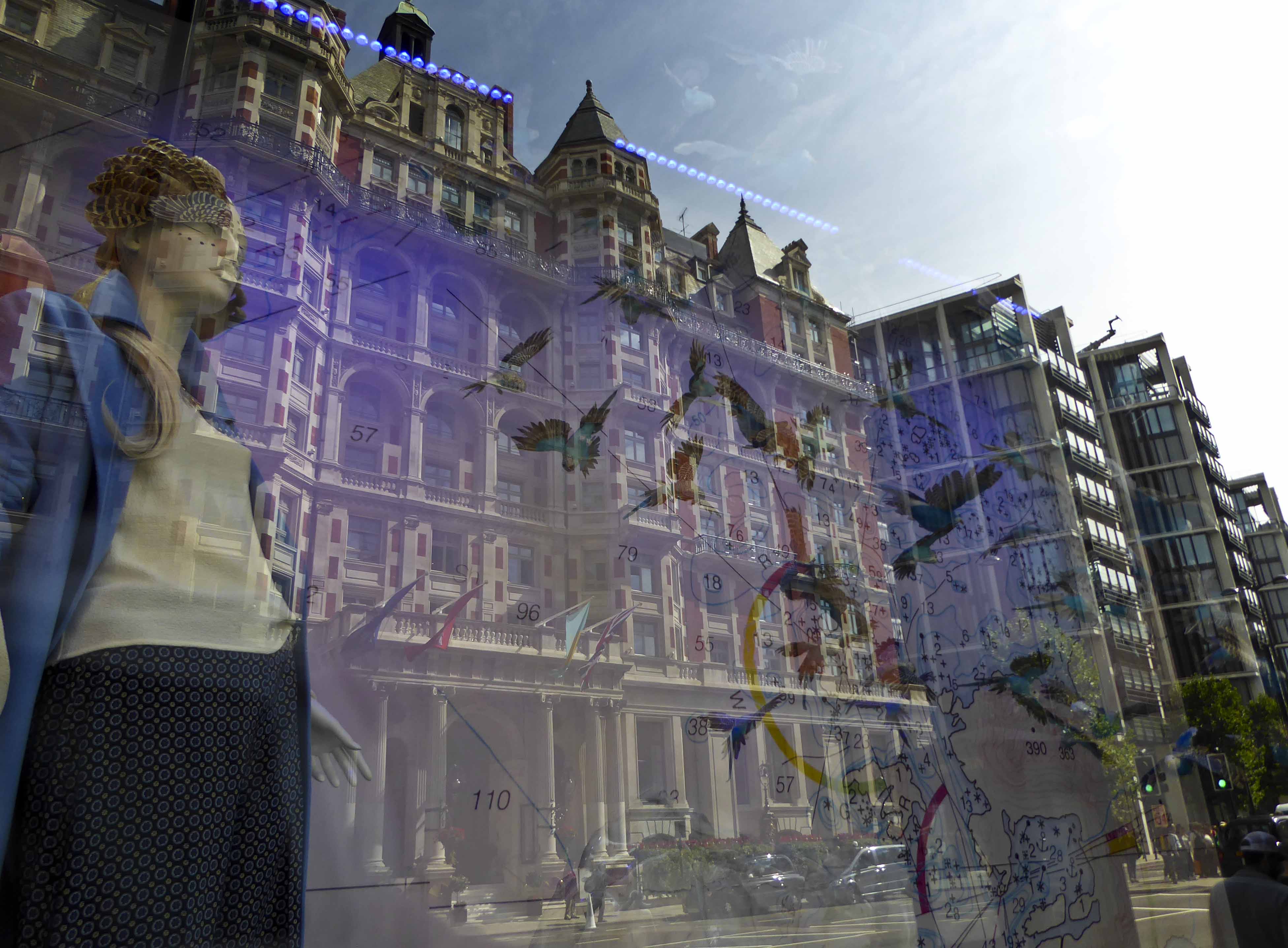
A gallery from the archives tells me I do like abstract…or non figurative. I think we all do, but maybe we just don’t think of our photos as abstract. We fall in love with certain qualities of the place or thing or anything that makes us create a photograph, be it abstract or not.

Techniques – and luck – used in the gallery are close-up, double exposure, collage, reflections, steam and light play.

There is no abstract art. You must always start with something. Afterward you can remove all traces of reality.

– Pablo Picasso

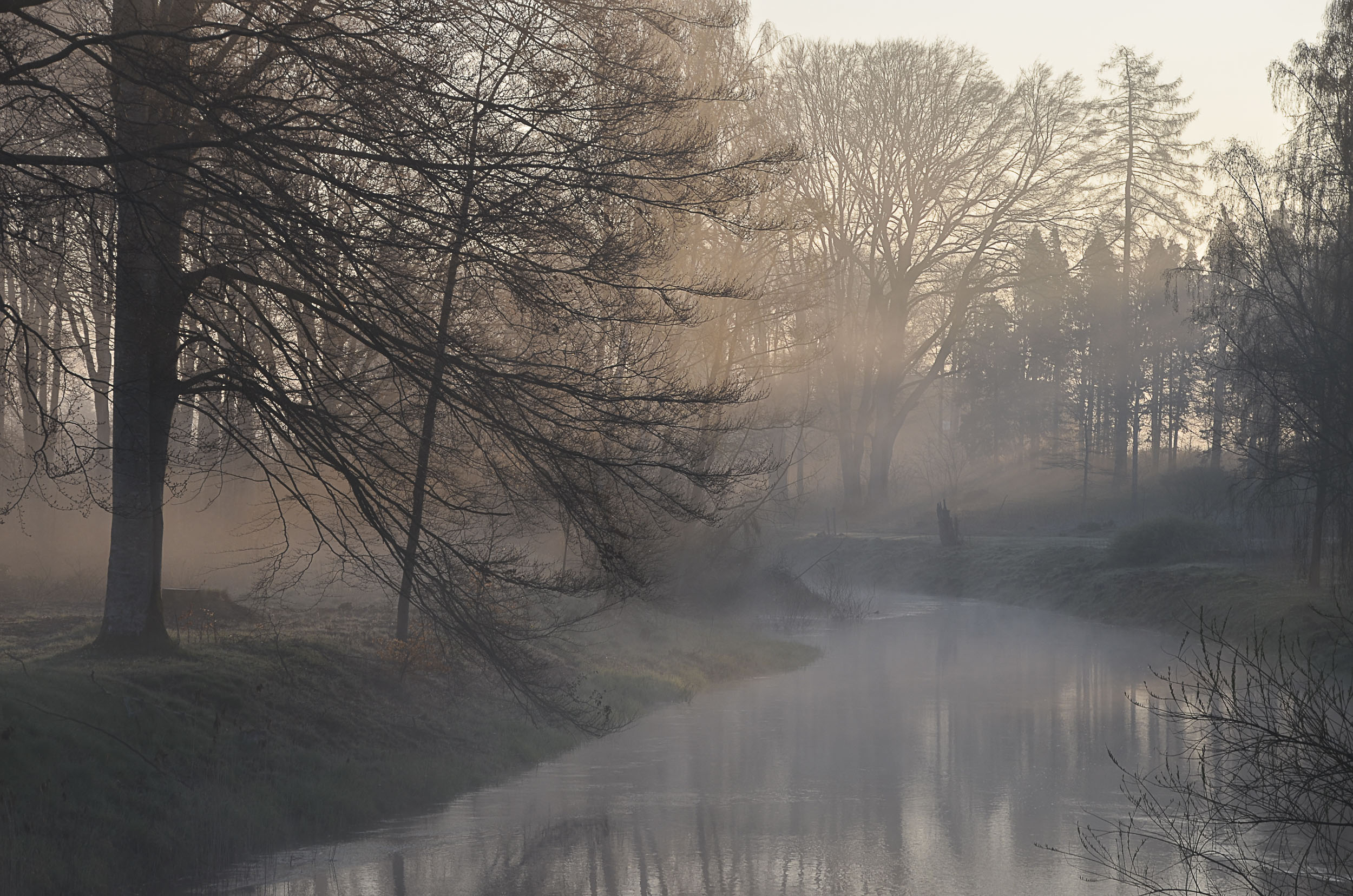
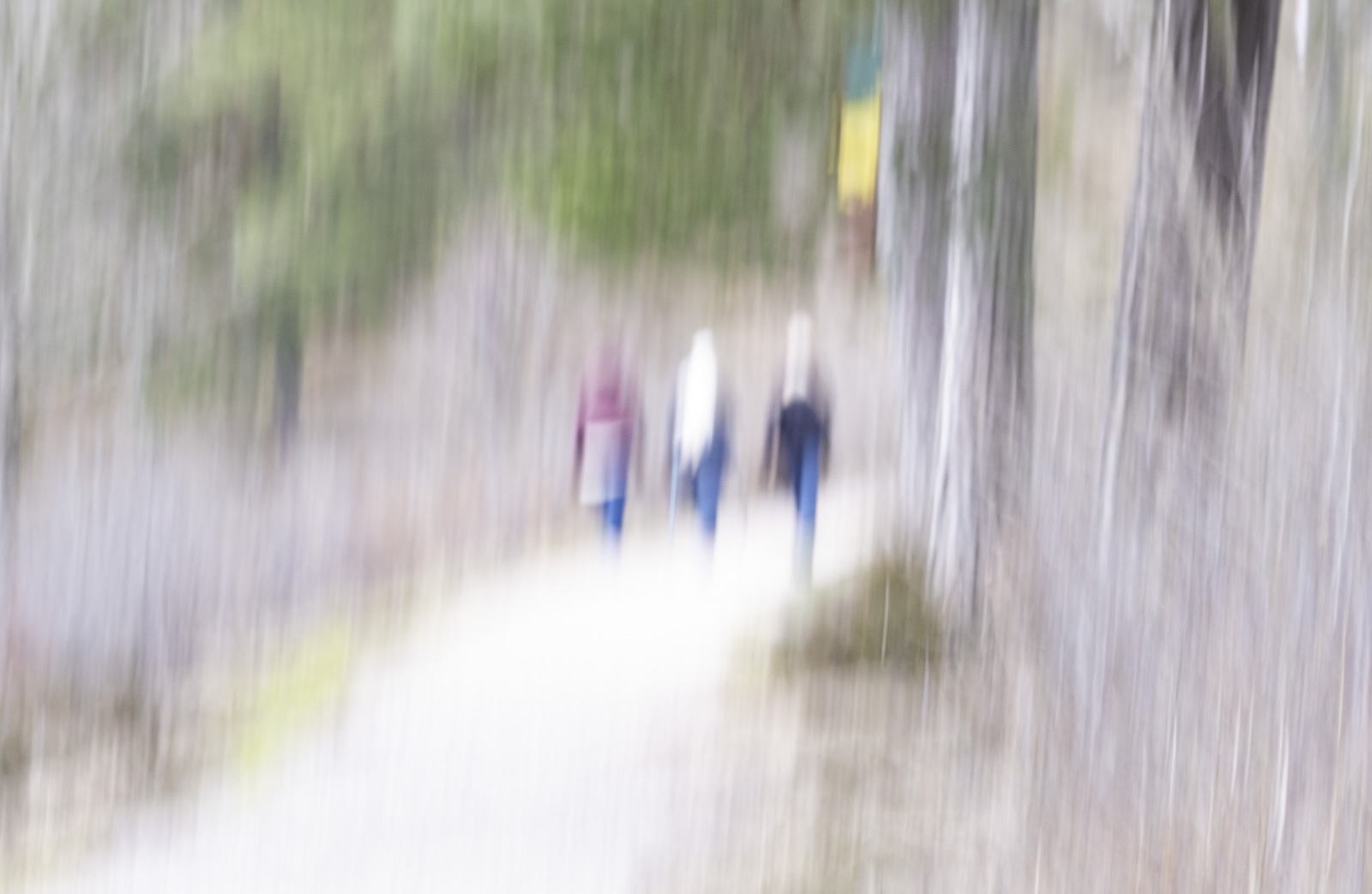
The gallery above was made with ICM on a walk in the surroundings of my old school last week.

To participate in this challenge, link to or leave a comment on the host’s original challenge post and please use the #Lens-Artists tag so we can easily find you in the Reader.

And if you want even more information on the Lens-Artists Challenge, please click here.

Last week Donna’s wonderful post invited us to rock, and what beautiful rocks and places we got to visit! Next week Egídio is hosting, I am sure his theme and beautiful photography will once again give us wonderful inspiration.

Until then, stay calm and wait for the next bus. I will be on the road for the next three weeks, but trying to stay in touch!

Thursday Thoughts – More Mediterranean Musings

Let’s start with St-Paul-de-Vence and then another post on Eze. Two beautiful medieval towns close to Nice. Each one perfect for a day tour.

This is St-Paul-de-Vence, clinging to the rocks and still a magnet to all kinds of tourists. Filled with galleries and art, and Fondation Maeght close by, a private museum with collections of modern and contemporary art.

Here’s some different ”street art” – I loved that hanging lady – real size!

Stars like Greta Garbo and Sophia Loren stayed at this hotel. It still looked fashionable.

I loved Fondation Maeght, and especially the tall, thin figures by Alberto Giacometti, the cat and the dog. I have seen some of them at Louisiana in Denmark before.

So, when in Nice – take the bus out there and enjoy!

Lens-Artists Challenge #295 – Rock Your World

Donna leads this week, and she wants to know what rocks our world…. I would say Nature’s grand design rocks my world. And Earth Day is only 9 days away, so let’s Rock with Donna!
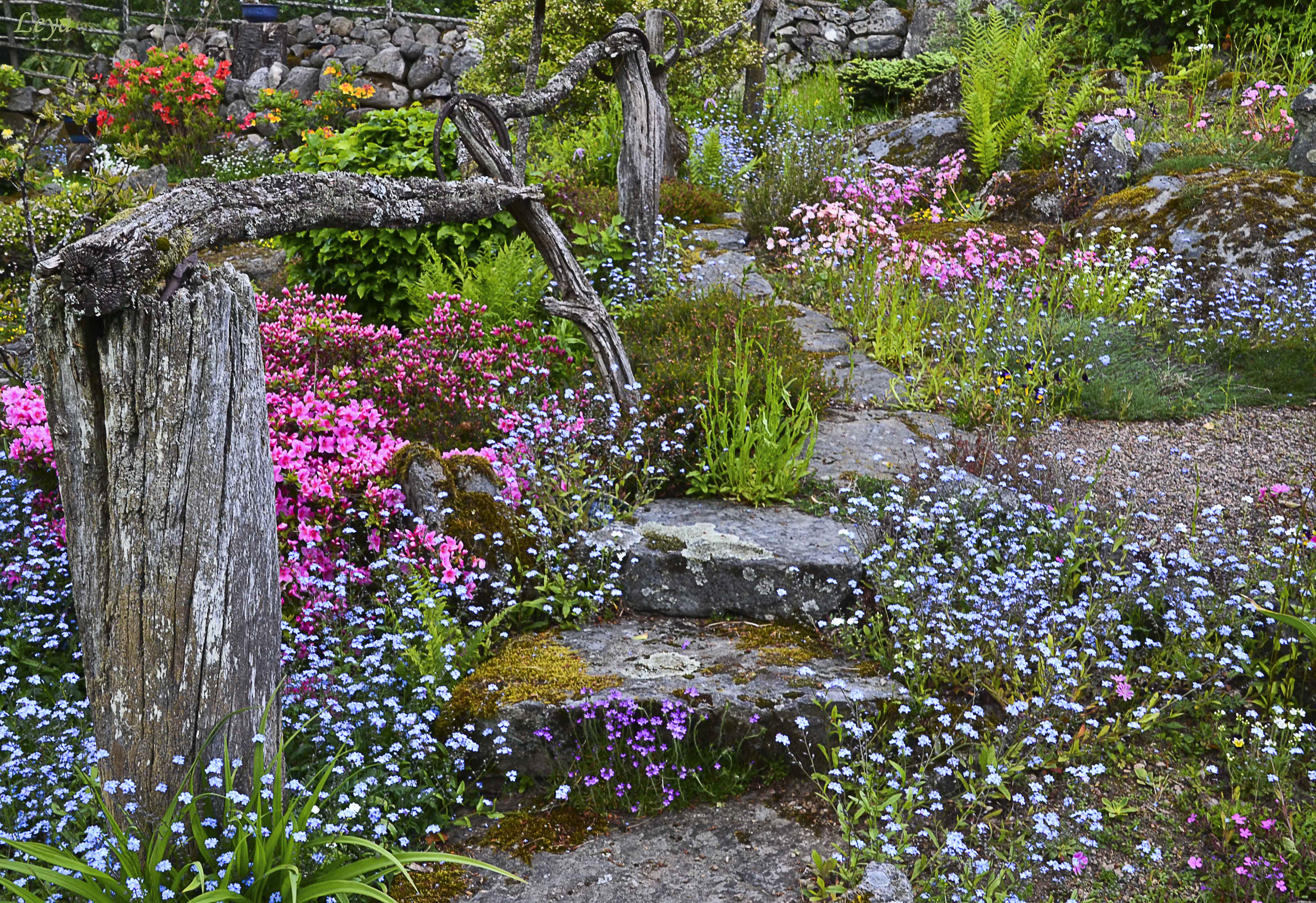
As a child my favourite things to do when I came home from school, was climbing trees and rocks. We used to pack something to drink, a couple of sandwiches and homemade buns, and then head out for adventures. My best friend would come along, and sometimes my cat too – well, that makes two of my best friends of course.

Those were happy days to remember, and sometimes I climb all the fences and brave the cows and horses up there just to find my old playgrounds again. Now those stones don’t look that huge anymore, but they are still impressive. The funny thing is, it was not easy to climb them then – but today I might not be able to climb them at all, for other reasons… Maybe they too remember though, if I gently touch them and put my ear to the sun warm surface and listen…

Geologists have a saying – rocks remember.

– Neil Armstrong

So, I will concentrate on some beautiful rocks I have met (- the soft way…).I do remember all of these with love, be they natural, manmade or who made!

The unforgettable Pancake Rocks, New Zealand, South Island. You could not climb them and were not allowed to either. But, they made a grand and very special landscape.

Shell or rock? This is New Zealand as well. There was a whole beach with beautiful stone formations – and it was allowed to climb and bring a picnic basket too.

The Moeraki (a place to sleep by day in Maori) Boulders, Otago, NZ. They may look small, but are up to 2-3 meters in diameter, and weigh several tonnes. Scientists say it took about 5 million years to create them. The rolling waves will wear them down in the end, but we can only guess how long that will take.

In Tibet – I wondered at many things, and one of them was about how many people must have walked these stones up to the Pothala Palace. They are manmade and laid – with love.

The Azores – stone fences are a great love of mine. In the Azores, the whole land was divided with stone fences ( – or Hydrangea hedges) . They witness of hard work and are often skillfully laid. In Sweden we have a multitude of these too, especially in the south part where I live. The ice left many stones to handle for the people who once settled here. Today it is forbidden by law to remove or change old stone fences.

In Iceland there are many lavafields, or Rhauns, both young and old. It is fascinating to know – and see – how our Earth constantly changes and new constructions form, and even new land. Surtsey island was formed in an eruption starting 1963, finishing in 1967.

We always return to Iceland, and went there in 1984 after the eruption of Krafla – when the ground was still hot. Walking through the old lavafields is both amazingly beautiful, difficult and sometimes dangerous. Often they are covered in moss and small bush vegetation, and there under…might be a bottomless pit in the lava stream.

If you are lucky, you can find amazing things like this one below. And in the blazing sun and heat among the rock formations, you easily imagine creatures from millions of years ago…

Iceland, Dimmuborghir lava field. Who made...?

Join us for the fun of sharing what Rocks YOUR World! We hope you will enjoy your quest, and remember to link to Donna’s original post, and use the Lens-Artists tag so we can find you.

John made us think about Before and After last week – and what great answers we got, inspiration and eye openers. A learning post indeed.

Next week Ritva will join us again, be sure to visit her beautiful site for inspiration. If you are interested in knowing more about the Lens-Artists challenge, click here for more information.

Thursday Thoughts – A Peaceful Olive Grove

In Nice we also found the most beautiful olive grove, with the old old trees standing silent and impressive.

The Olive tree is one of the most beloved, sacred trees and its place is firmly rooted in Ancient Greek tradition and mythology.

Traditionally, the Olive tree is a symbol of peace and friendship, this association began in ancient Greece, as early as the fifth century.

We constantly hope for peace in this world. During this silent walk, some rays of sun hit a friend (a palm tree?) in one of the trunks in quite a spectacular way – and it felt almost like a sign. May peace come to us all – soon.

Lens-Artists Challenge #294 – Before and After

John leads us this week, and wants us to share three or four favourite photos before and after editing. It is amazing what we can do with everything from cropping to AI! Maybe editing is not my favourite thing, but in order to be happy with our photos, I think most of us do something – like increasing light or cropping.

John’s challenge was just in time for my biggest photo project ever – scanning and editing our old slides. Trying to bring back the feeling I and my husband had when we took the shot is not easy. I have started with Greenland from 1982. I guess there are software better for this task than what I have, but I will use the tools I have available. Which also tells that these photos are not favourites, but works in progress…

I always start in LR. Here I raised the exposure and added a mask for brightening of some shadows, then I reduced noise and haze. I always reduce highlight and raise the white. Then it is time to remove spots – and the slides have MANY spots. So, I will not repeat this sentence for the rest of them. Unfortunately the sky could not be altered smoothly, so I left it the way it was.

LR again, exposure up and shadows. Then masking to adjust the darkest parts, and after that, some noise reduction. I also raised the texture a bit for the beauty of the mountains. The sky was not a happy one, nor was the greenish snow on top, so I tried a new sky to match the ground colours, and reducing the saturation of green.

Some of the slides – quite many in fact, has got a thin blue line somewhere in the picture. Raising the exposure also revealed how hopeless the look of little me is here. So I removed myself as well. (That would be a useful possibility in real life too…) Photoshop is better than Lightroom to remove things you don’t want in the picture. Then back to LR and a reduction of noise and saturation (or sometimes an increased saturation) of yellow, green, blue and orange.

This looked a rather gloomy valley, but was one of the pictures I was quite happy with after editing. Maybe because there was no need to do much. Highlights and shadows adjusted, I reduced the haze a bit and calibration of the colour blue to deepen the overall colours. In PS I changed the sky, which I think lifted the whole landscape.

Finally – I would be grateful for any tips and tricks from anyone who has edited old slides!

John asks us to feature three or four images in our gallery that we tweaked for whatever reason as well as the original image straight out of the camera.

Last week, Sofia challenged us with Water in Motion – a delightful theme for all of us, with varied and creative answers! Next week, Donna of https://windkisses.com/ will host the challenge. Please visit her lovely site for inspiration, and you can find more information here if you want to join the fun.

Thursday Thoughts – Greenland Nostalgia

We finally decided to get a DigitDia to be able to see our many travels from the 1980’s and onward on the computer. We started yesterday with Greenland, of 1982. Here are some of the first photos from that trip, taken with a Konica and Kodachrome 64. And yes, it is a young Ann-Christine sitting there, 42 years ago.

We went to Narsarsuaq and expected a beautiful country with untouched nature. The viking, Erik Röde, arrived here in the year 982, so 1982 was the year of celebrating 1000 years of ”discovery”. The Inuits had been here for long, but as usual – the white man ”discovers”… Erik called it ”Greenland” to get followers to settle here. And yes – it was more green than I had thought.

I know I have written these words before – but I never wanted to leave and go back home. The air was extremely clear and fresh to breathe, the nature was amazingly beautiful and the water – was the most fantastic of all. I brought back two big bottles from the glacier streams. I drank one of them, the other one was saved for a long time… It felt like the water of Life.

I am happy. I will be able to easily relive our old travels. Egypt, Nepal, Peru…I hope to post some of them this year.

Lens-Artists Challenge #293 – Water in Motion

Sofia gives us a beautiful challenge this week – Water in Motion. Please visit her inspirational site for more information. I will borrow Sofia’s quote to start with… because it went straight to my heart.

There’s something about the water – that solitary kind of peaceful feeling. You’re on Earth but not quite. – John C. Reilly

Water is essential to life on Earth. I wish everybody would understand that, and work together to save it from the ongoing pollution and destruction. A simple thing like never throwing anything into the water that does not belong there, would help.

Water in Motion – yes, in many ways – and most of us find it intriguing to watch it and to listen to it – let’s start slowly the natural way…

The gentle murmuring of the levada water along the paths in Madeira. Natural Mindfulness.

And water invites birds and insects to dance, eat and thrive – which leads us humans to thrive as well. I miss the walks in Madeira, a favourite place for many years when we were younger.

The waves rolling in from the sea – a soothing and mindful sound too, even if I am not a real sea person. I believe you cannot be unless you were born or have spent much time close to the sea.

Water is of course moved by the sea living creatures too. In Alaska the seals and sea lions came up real close, catching their daily meal while stirring up water swirls.

Pattering rain against the window – that is a great sound! I can lie on my back in the glasshouse and listen to the rain while looking up at the sky – without getting wet! A privilege to be grateful for. I love to fall asleep to that sound.

When we were hiking in the Azores, 2007, we found this magical valley of nine streams, hidden in the forests of the island of Flores.

From slow streams and soft waves to explosive Geisers – a massive treat of water. This one was found in Iceland.

Another way of moving water is the warm haze rising from the hot Geiser, or from the ground.

More natural water from a singing stream in a Swedish spring forest. Soon we will be there!

Now we are arriving at the manmade waters in motion – irresistible for the little ones. And, in later years of increasing heat, also for grown-ups.

In Denmark we once visited a spectacular art exhibition in the old water tunnels below Copenhagen.

Finally – fountains spreading their Christmas glory.

This week we’re looking for Water in Motion, gentle or powerful, man-made or natural, the choice is yours. When you join us, please remember to link back to Sofia’s post and to tag Lens-Artists. Looking forward to seeing your finds!

Last week we had a wonderful challenge led by Tina, with fantastic photos of people from around the world. A truly inspiring theme!

Next week it is John’s turn to lead. Make sure you visit his site for another remarkable challenge, Saturday 6th April. Until then, take care and be kind.