Through my big windows I watch spring moving in…

…oh, the wonderful light!

We stretch and bend to reach it…

and soon we will multiply –
in strength, smiles and Love
Through my big windows I watch spring moving in…
…oh, the wonderful light!
We stretch and bend to reach it…
and soon we will multiply –
in strength, smiles and Love
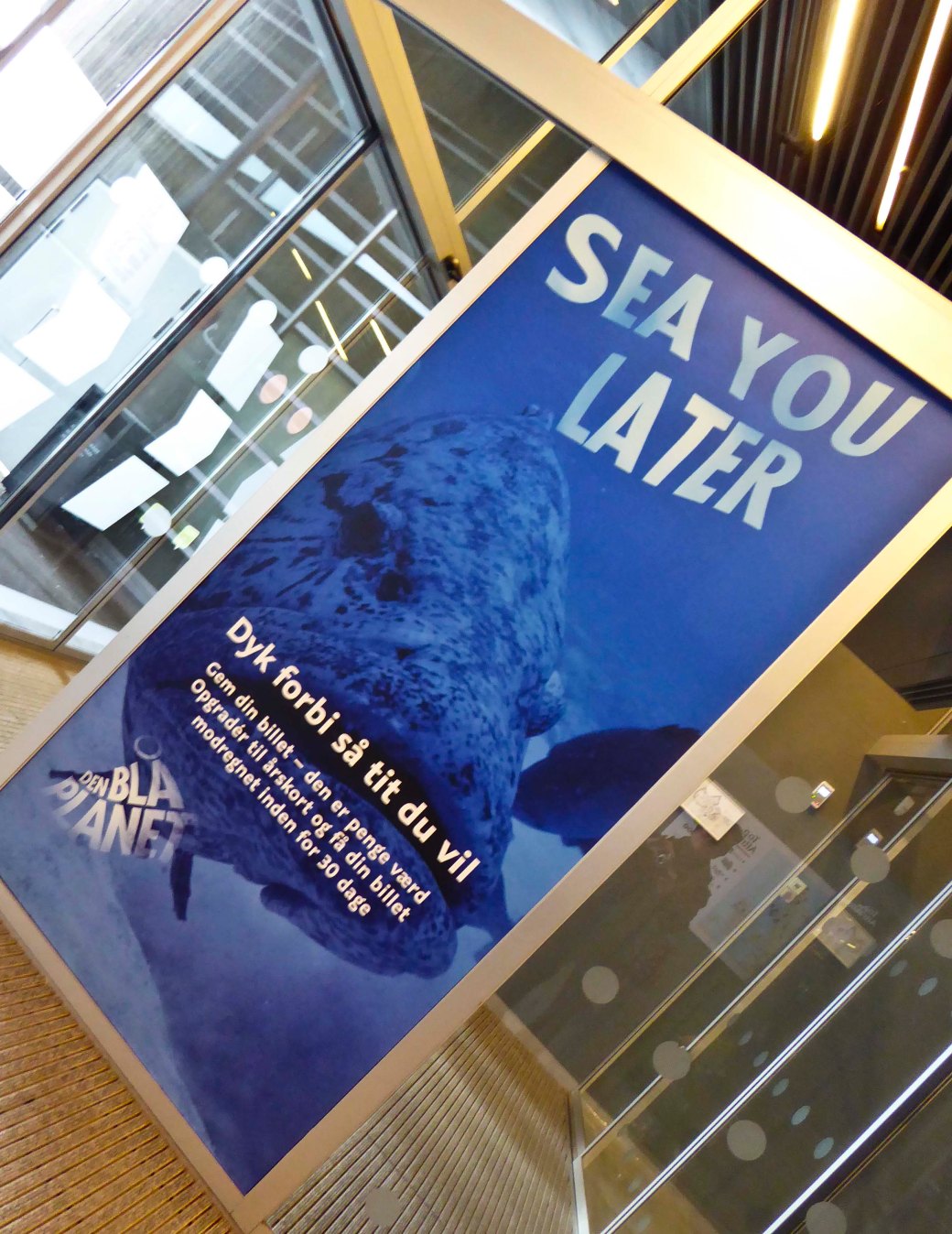
Last week I went to The Blue Planet in Denmark, with Viveka, my blogging friend at myguiltypleasures. We go to Copenhagen at least once a year, and this time we wanted to try the new Aquarium – opened 2013 and the biggest in Europe.
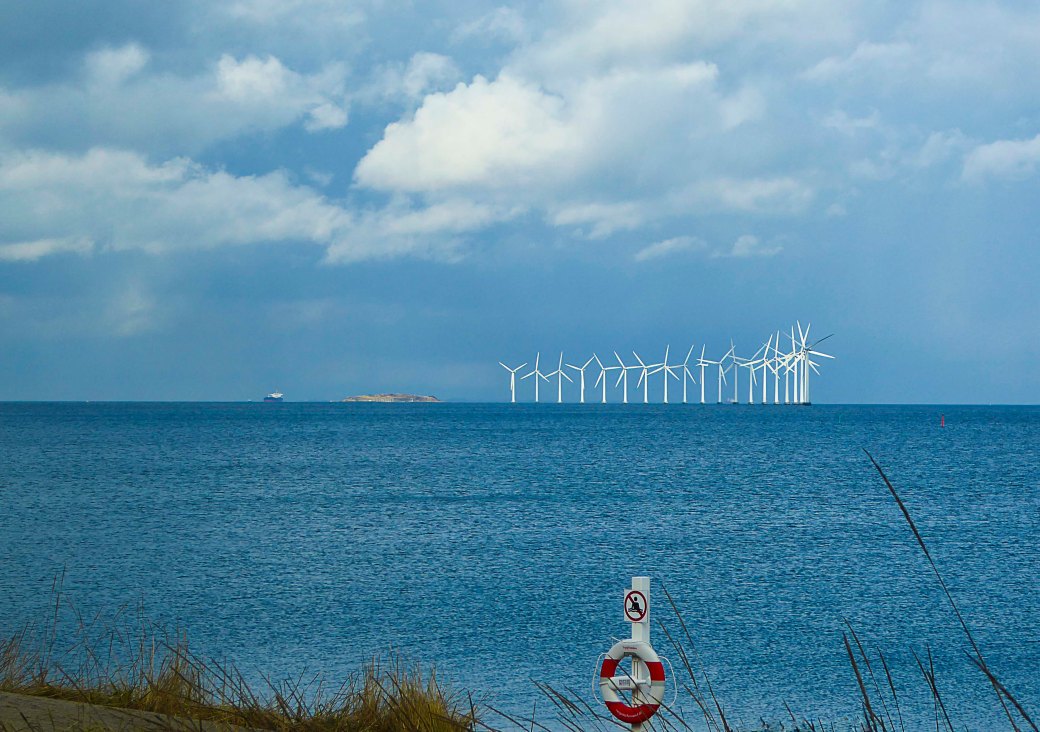
A rather cold day…with only the occational drop of sunshine.
Inside – all BLUE…

…and more BLUE

A meeting place…for nature lovers, lovers of this Big Blue World.


We also met other mesmerizing creatures…

…like little mermaids, and their friends
– the Seadragons…
A fascinating experience. To be continued…
Indoor seating for Cee this week – I just adored this chair at J.K. Rowling ‘s favourite café (where she wrote Harry Potter) in Edinburgh – The Elephant House.
And…
in case you have got some money you do not know how to spend…

…and maybe you are in desperate need of a hand carved and hand painted Chinese palanquin?

Well, here you have garanteed indoor seating even outdoors…
In China there are many crooked and squiggly lines – these two shots are from Yu Yuan Garden in Shanghai. More of this challenge here.

Thank you for being featured last week!

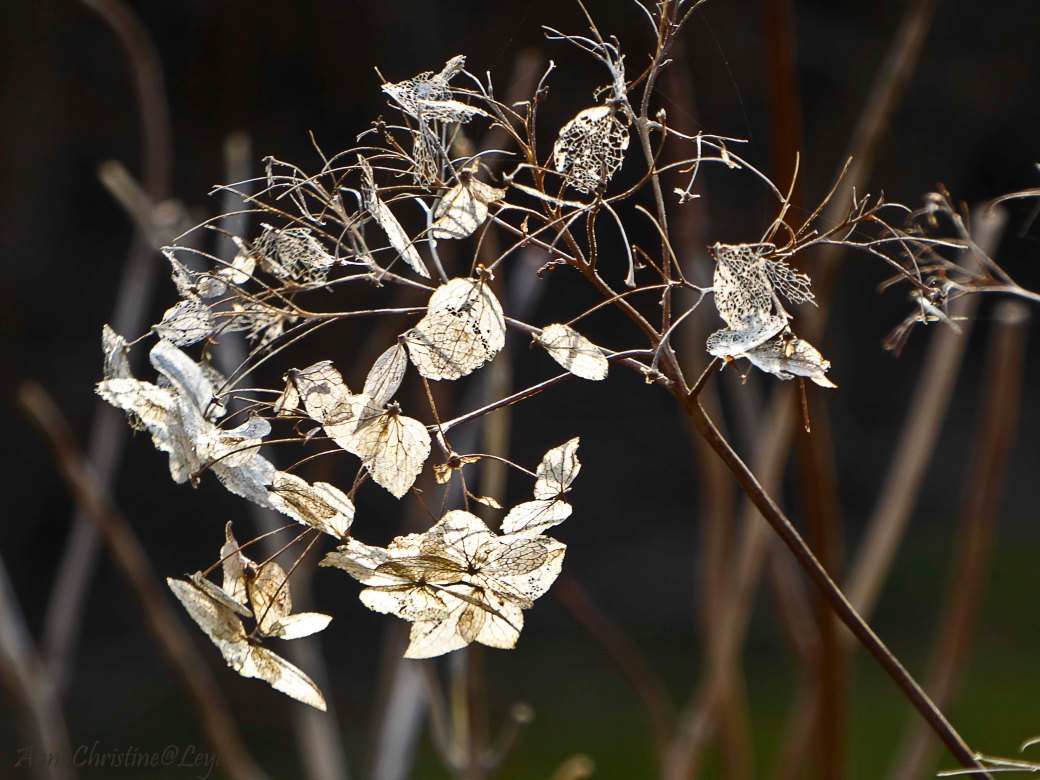
Gratitude – a challenge hosted by Maria. I am sure you are welcome to join in.
This winter, some amazing people passed away – I guess you all know their names right know when reading this… But, Birgitta and Stig are not the names you are thinking of.
Birgitta was a tough woman with a warm and generous heart, who raised her two girls alone, when she finally managed to divorce her alcohol addicted husband. For about 20 years she was my hairdresser, and I think you all know that many people confide in their hairdressers – their social skills are extensive.
Birgitta developed a disease very few people know about – systemic sclerosis. The same illness unfortunately has come to Dr. Gunhild Stordalen, the Norwegian tycoon Petter Stordalen’s wife.
Birgitta fought bravely for many years, but this disease is lethal, and in the end she had lost several fingers and both her legs. This winter, her battered body could not take it any longer. She wanted so much to live, and had several ongoing projects until the end…She even went to the Maldives last year – a dream of hers come true. But finally, she had to surrender.
Birgitta was a very talented woman with many interests. She was intellectual and well read. We always said that we should have met long ago. In a way we were twin souls. She died 76 years old, but without her strong determination to survive, she would have been gone several years ago.
Stig was my husband’s best friend. A man with a big, warm heart, and the most honest and straightforward man I have ever known. This of course meant that he had enemies, but most people loved him for it. Not many of us dare to be as upright as he was. Whatever happened, he stayed strong, told the truth and stuck to it.
My husband and I were guests at Stig’s and Lena’s house several times a year, and they were the perfect hosts. And they visited us as well. They came to our summer house, and we enjoyed the sun and the sea – and some tasty summer food. Stig and Lena were the perfect couple even though they met rather late in life.
Stig was the planner of everything from parties to big events and sports competitions. The borne leader in his profession and also in his spare time. He had friends in every corner of Sweden. When he retired two years ago, he had many projects for their house and garden, and continued training the soccer team, playing tennis and collecting autographs from all over the world. Buying and selling. They also loved to travel, Stig and Lena, even if they had to leave their beloved dog, Soda, at home.
Stig got cancer that spread fast into his whole body. This tall, handsome, strong man was reduced to nothing within a year and a half. He died, 68 years old, February 15. Yesterday we went to his funeral, and the church was filled to the last seat.
I am so very grateful to have known Birgitta and Stig. They enriched my life and they will live forever in their friends’, families’ and collegues’ hearts. And in mine.
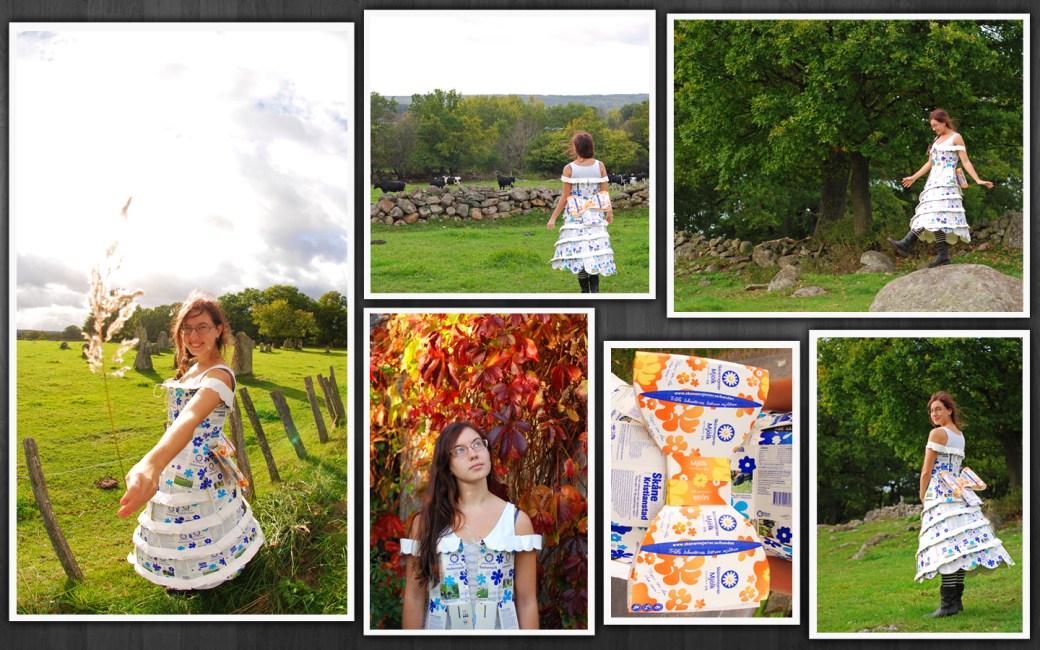
I am working on a photo book for my parents, and came across this old photo…Some years ago there was a competition about recycling milk Tetra Paks, and my son and daughter immediately wanted to participate. Here is what they came up with. Sowing together all these by hand…Emma wearing the dress and David photographing and editing.
Not very comfortable…but they almost won the whole competition – second prize in Sweden!
Being creative is always great fun – click here for more!
For Cee this week, I found this one…shot in Iceland. A greenhouse late in the evening.
Find more interesting locks, keys, knobs and handles here.

One love refers to the universal love and respect expressed by all people for all people, regardless of race, creed, or color.
—The Urban Dictionary
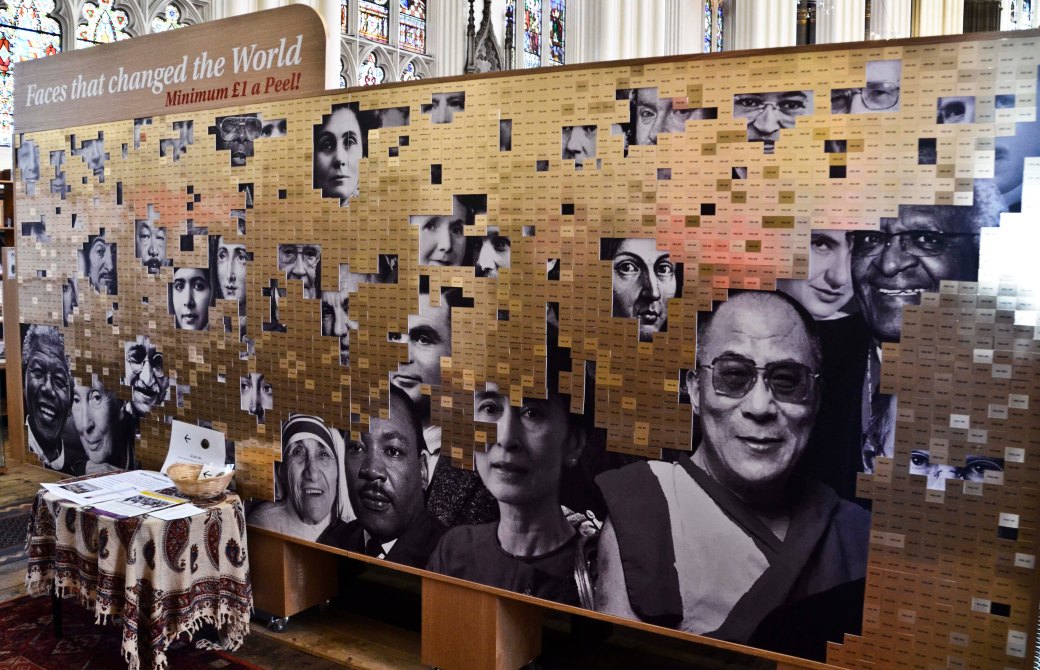
Living in a bubble…Usually I am happy to live in My Own Bubble, my little world where I can shut out all the wars and disasters in this world and focus on the good things in life.

Sometimes I am happy that others live in their bubble and I can watch them, enjoy their beauty…from a safe distance.

Bubbles are useful, aren’t they?


Du måste vara inloggad för att kunna skicka en kommentar.