
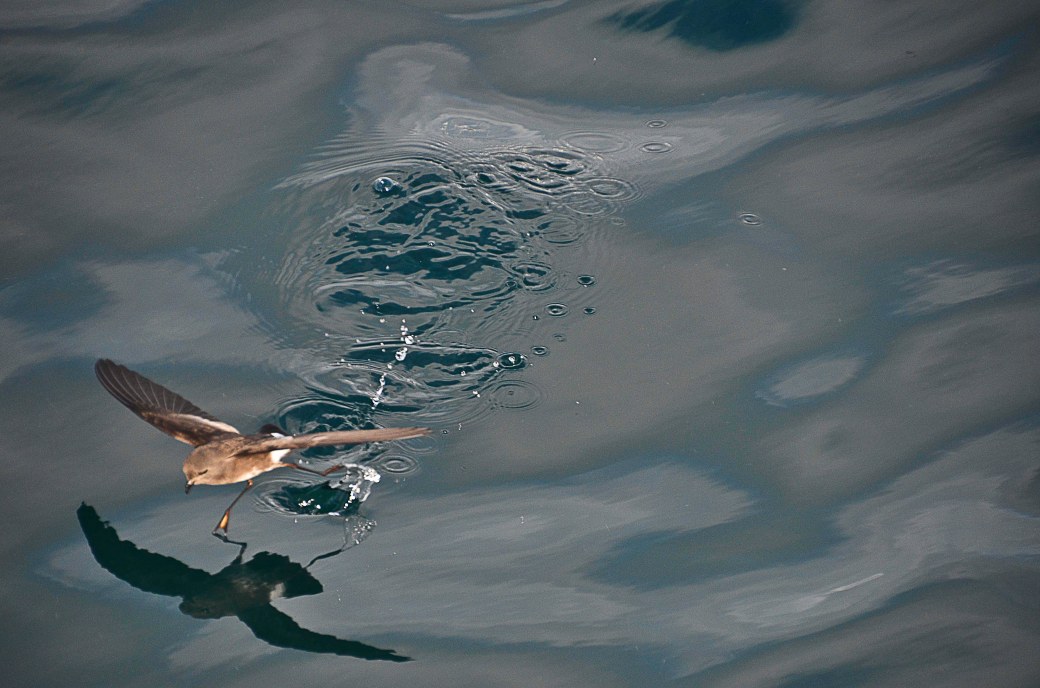
So, we are asked by Paula at Lost in Translation, to post again – our best shot from 2017. My choice are the few shots of Elliot’s Storm Petrel that I managed to catch from our boat in the Galapagos Islands. Long waiting and hundreds of shots – made for these two dancers. One photo in the shadow of the boat and the other on the sunny side. No perfection…but I treasure them very much.
Maybe it was me being cheeky, trying to take photos of him eating…but he sized me up with his beady eyes, flashed his imposing crest – and kept eating. The Eurasian hoopoe is a real beauty.

Mmm…tonight I’m feeling blue. So…I will return to one of the velvet blue mornings in the Galápagos archipelago. Blue, oh, so blue…this last morning of our great adventure.
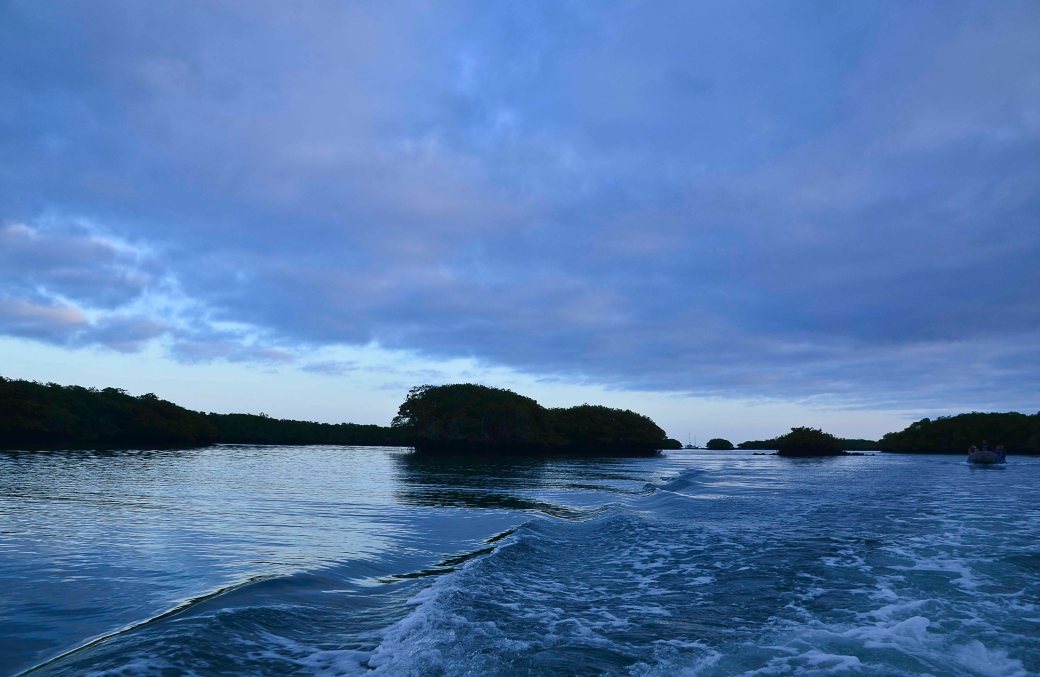
Early morning, Galápagos, Santa Cruz, leaving our ship in the pangas. heading for the mangroves, the birds and the turtles.
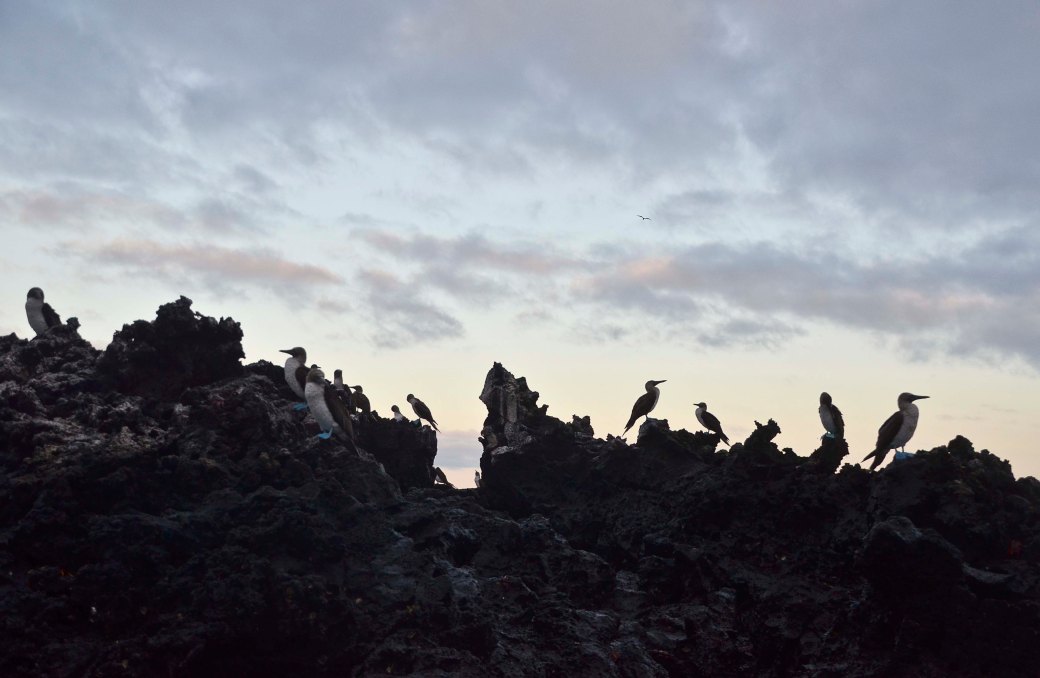
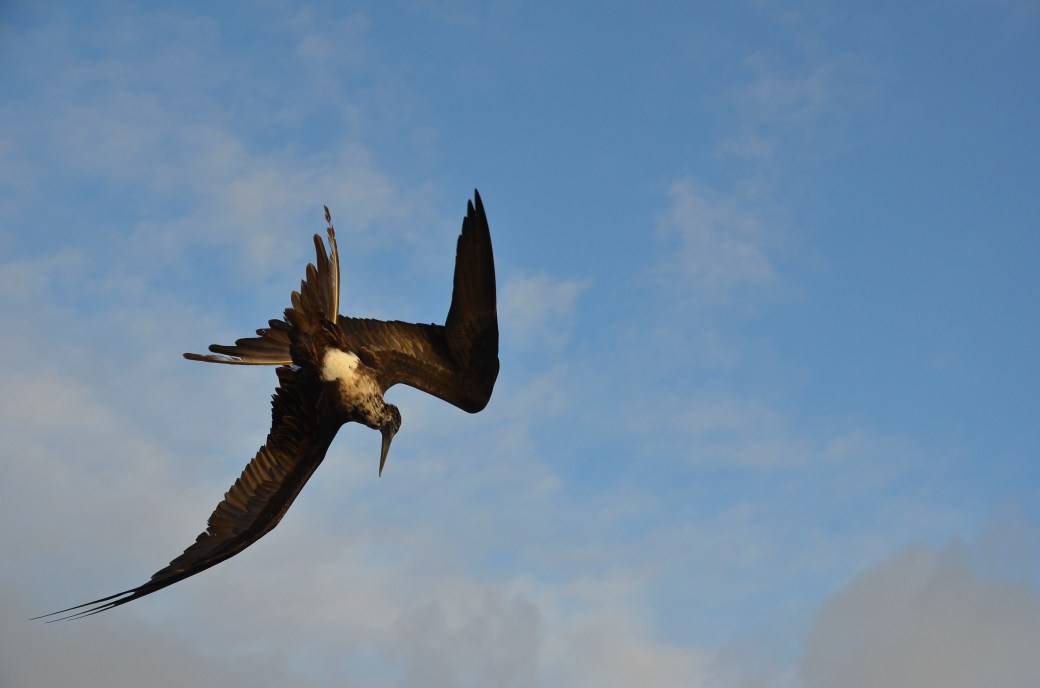
Blue- footed Boobies, shining – waiting for the sunrise. Frigate birds high up in the sky.

And the admirers arrive in their tiny boats…but we do not care…
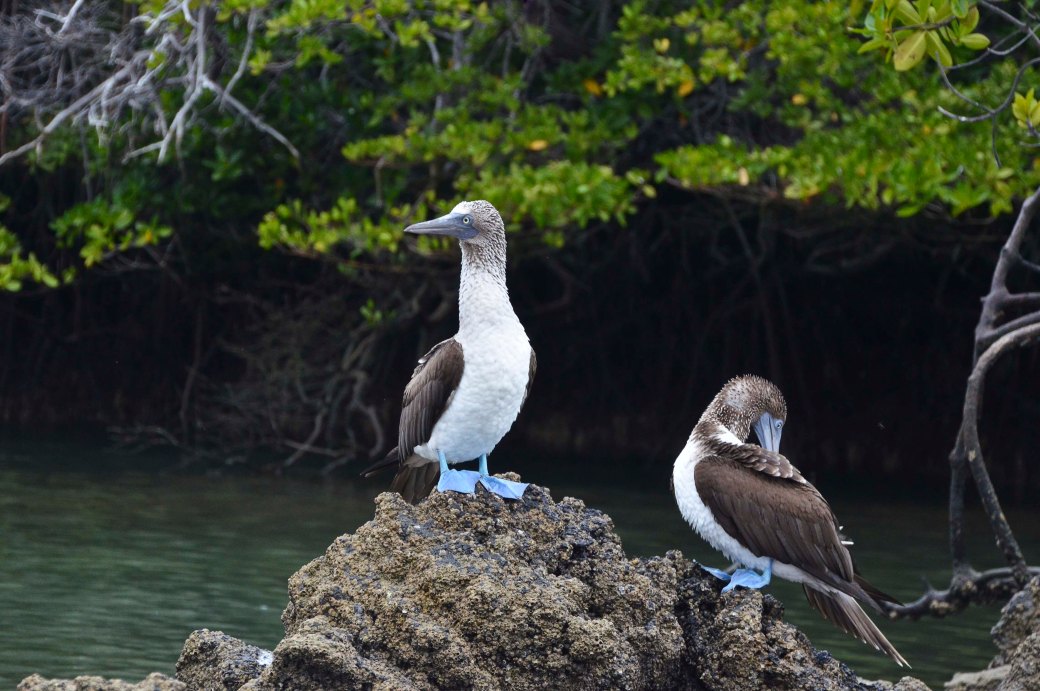
…just keep following our morning routines…and chores…

…on the lookout for food. Here I am – Mr. Lava Heron, grey and blue.

And the admirers return to their ship, a bit more light blue…but still. Knowing these are the last glimpses of Paradise.
In the header, a beautiful Land Iguana – maybe my favourite animal on the Galápagos Islands. And below is my special companion – the Mockingbird.
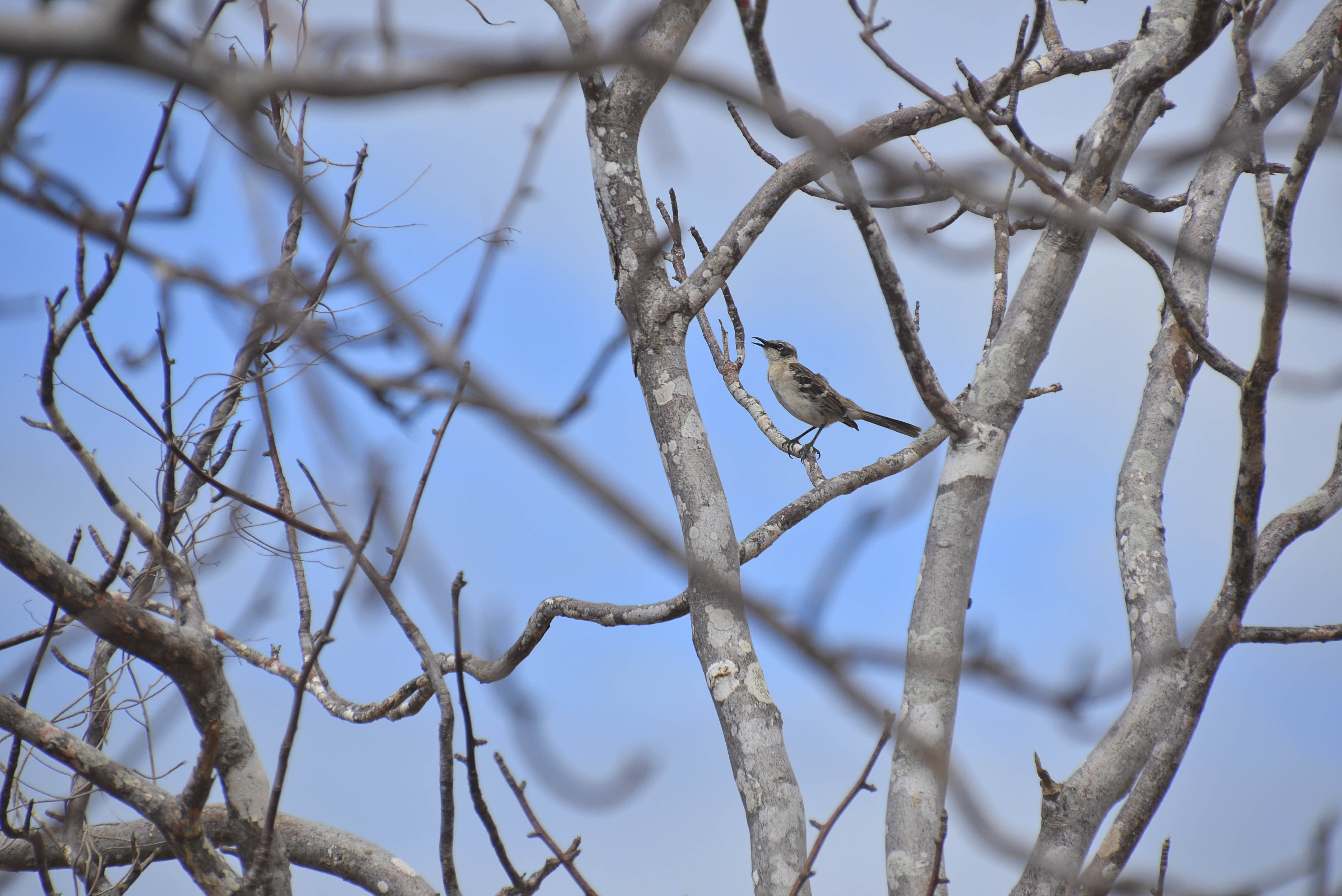
”Blending in experts” are the birds – and other animals – on the Galápagos Islands. To me this is a magnificent treat to the eye.
Many of these animals are endemic, only to be found here. And many only on their own specific island. Darwin´s 13 species of finch are hard to tell apart, but they all have different bills related to where they live and what and how they eat.


Almost every island has its own Lava Lizard. Often difficult to find if you do not know what you are looking for… This is the pretty Galápagos Lava Lizard.

The Iguanas are everywhere, and some of them blend in so well that you easily can trip on one of them…
This Marine Iguana, you could say, does the trick totally in his own, special way…
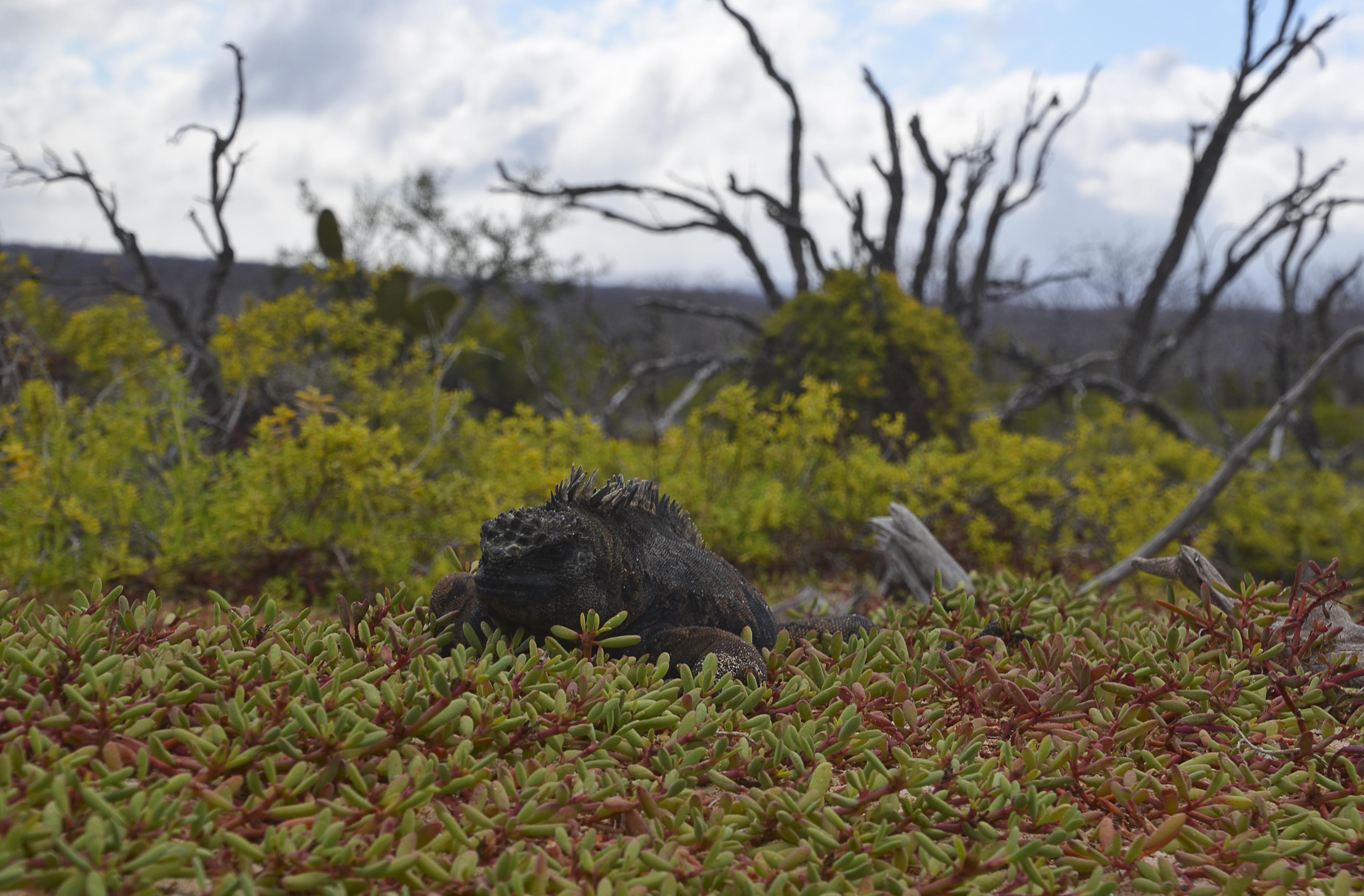
For many reasons of course. When I think of these wonderful islands, my dream was, and is, that animals can live together without fear, and that they tolerate us humans – they are not afraid of us, but rather curious instead…
I made friends with many animals – but we were not allowed to go closer than 2 metres from any animal. Except from trying to pass them on the paths of course…The wonderful thing is that they approached us instead – and that, is true magic.
This mockingbird was really communicative – jumping up and down on the tree trunk, hiding, but still keeping an inquisitive eye on me. I know I lost a bit of my heart there…

The birds here are yellow warbler and mockingbird, then iguanas and sealions.


Nature is fantastic. Everything to me. This time I was really living my dream.
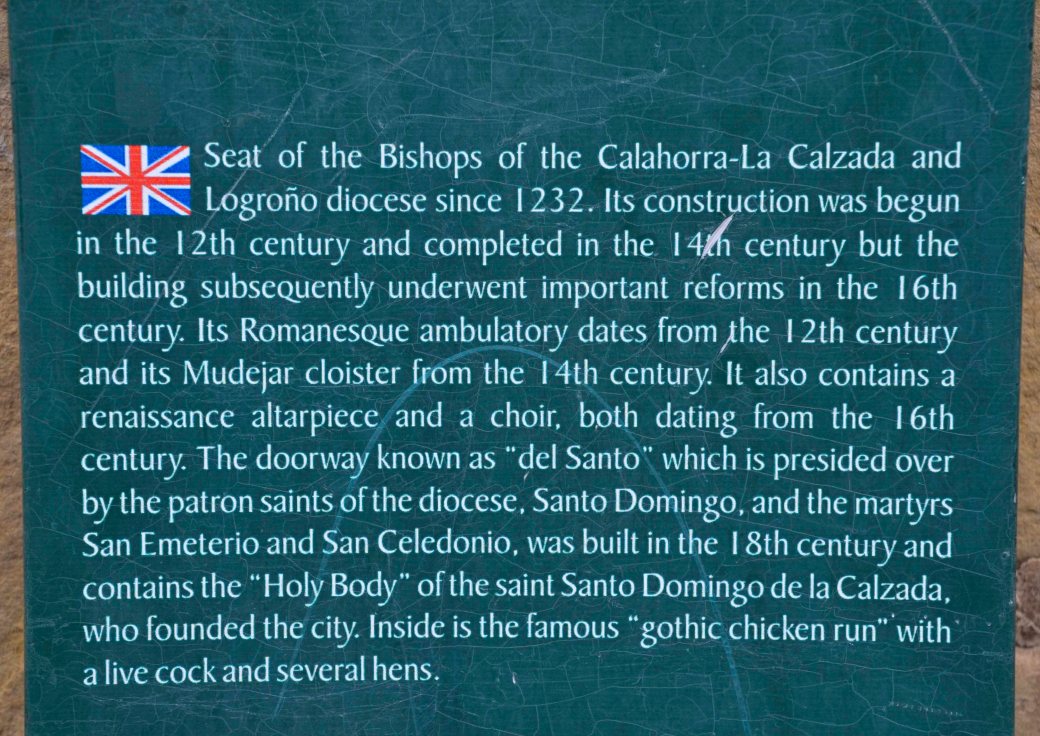 Legend has it that Santo Domingo, who lived around the year 1000, was honoured for his miracles … by keeping a live cock and hen in a golden cage in the church wall.
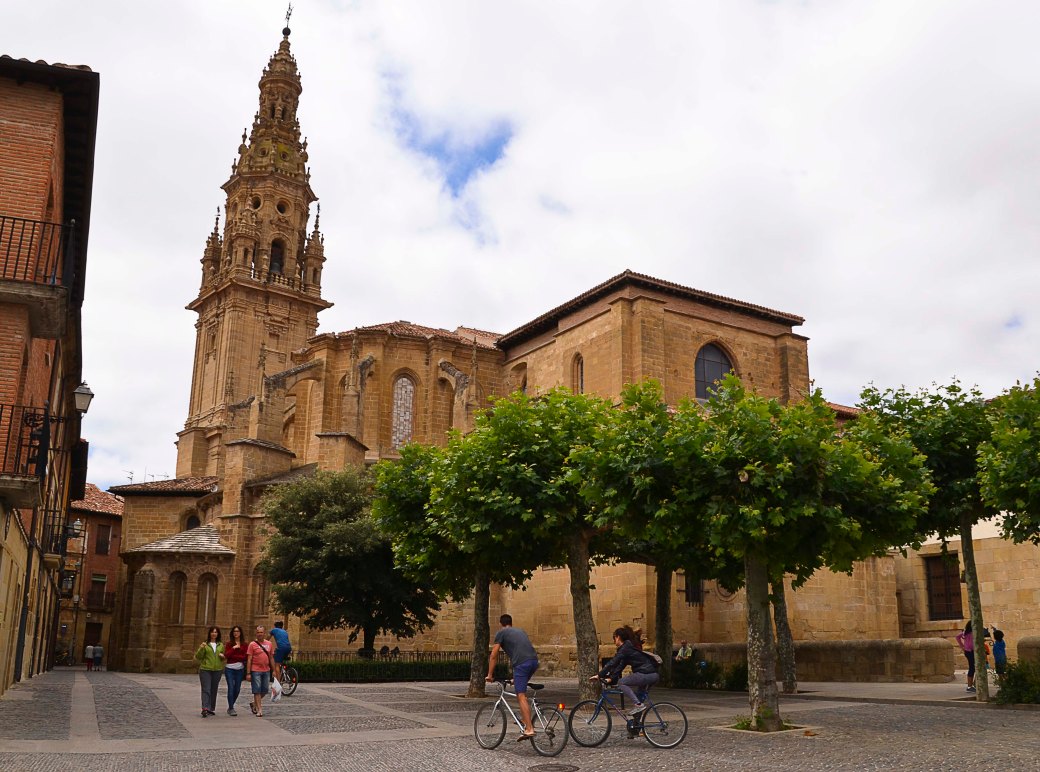 Santo Domingo de la Calzada
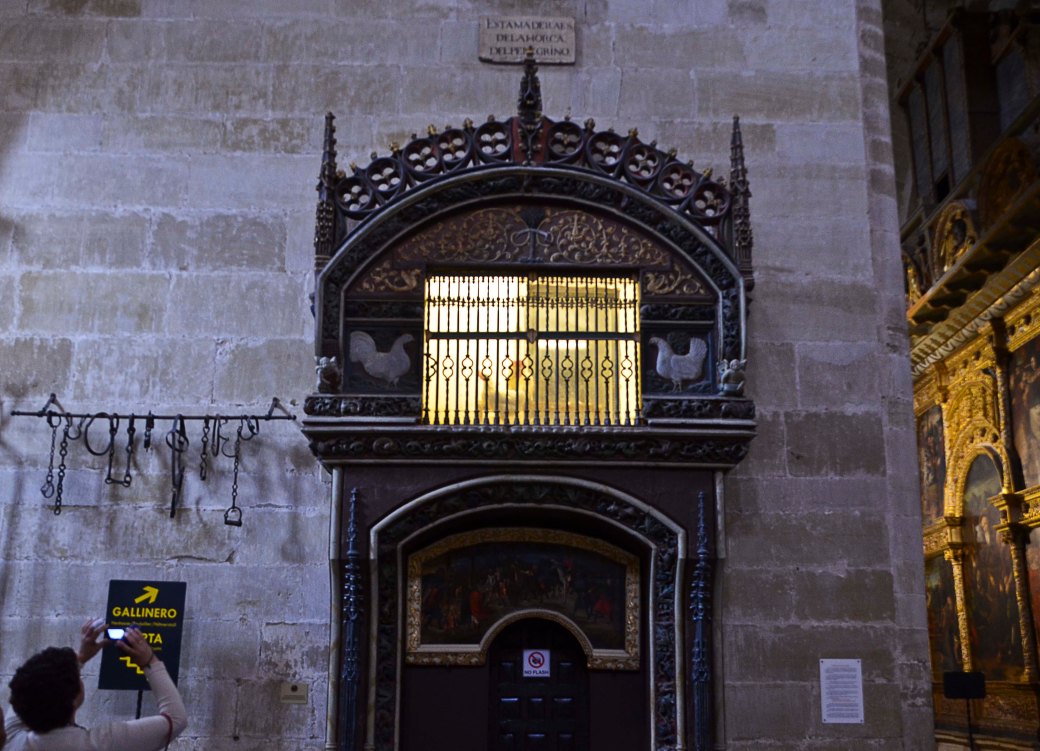
The story tells of a German pilgrim, who rejected a local girl’s love, but then she wrongly accused him of theft, and the pilgrim was hanged. Later his parents found him still alive in the gallows. The parents went to the local judge, who said: ”Nonsense, he is not more alive than the cooked rooster on my plate.” Then the rooster stood up and crowed.
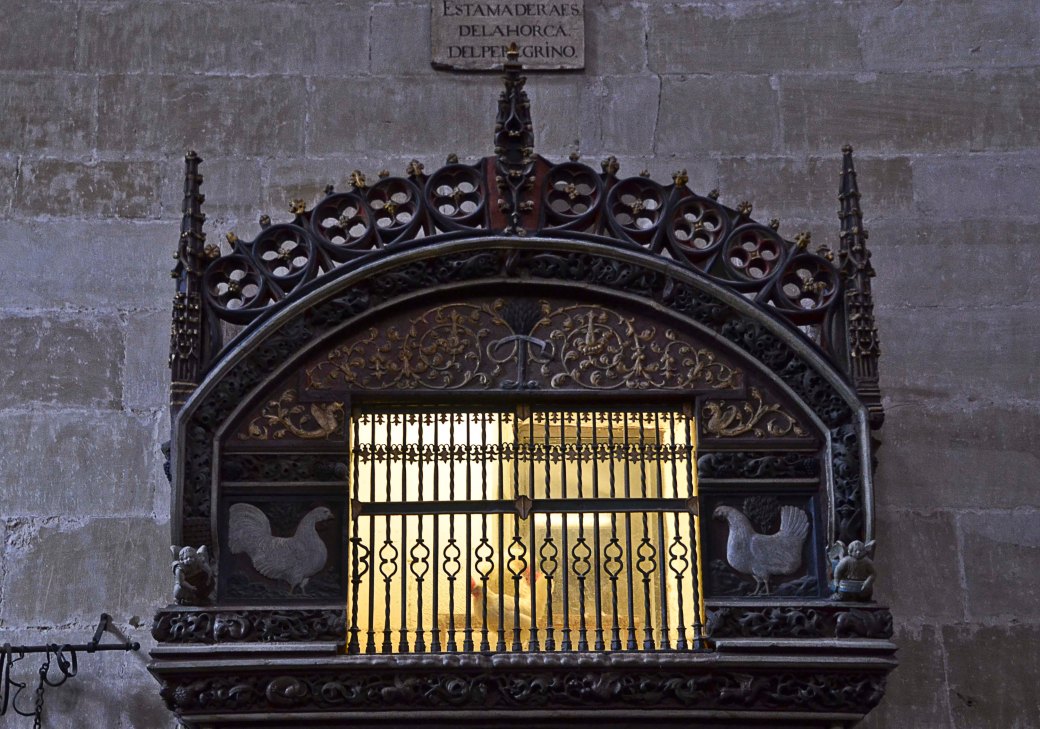
Believe it or not – but they are still there…
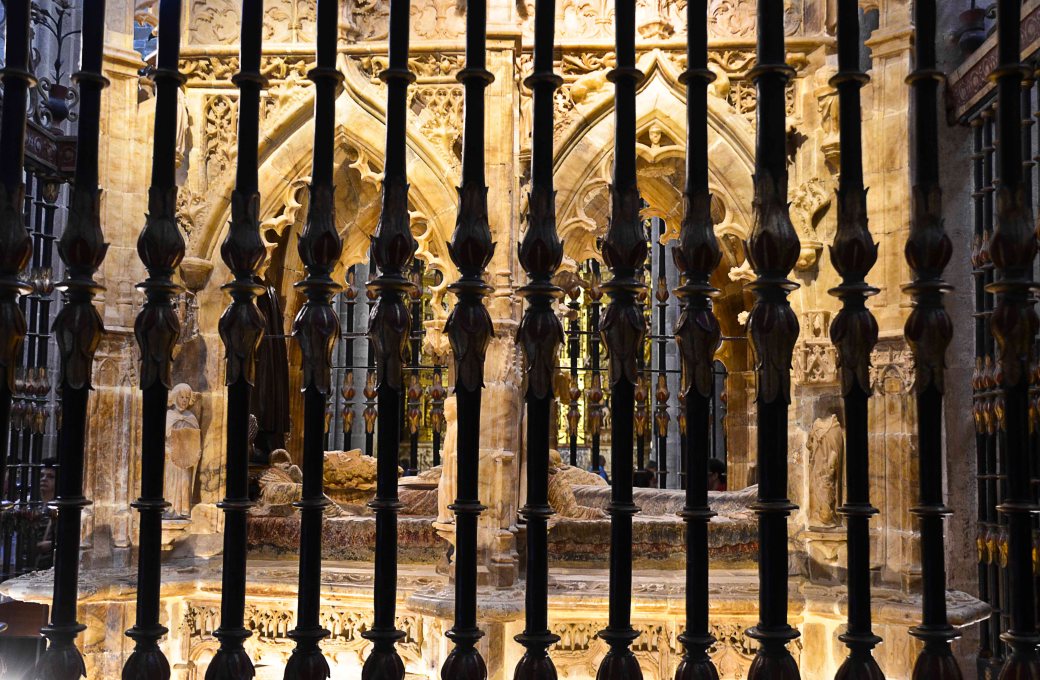
…and so is the saint – but in another cage.
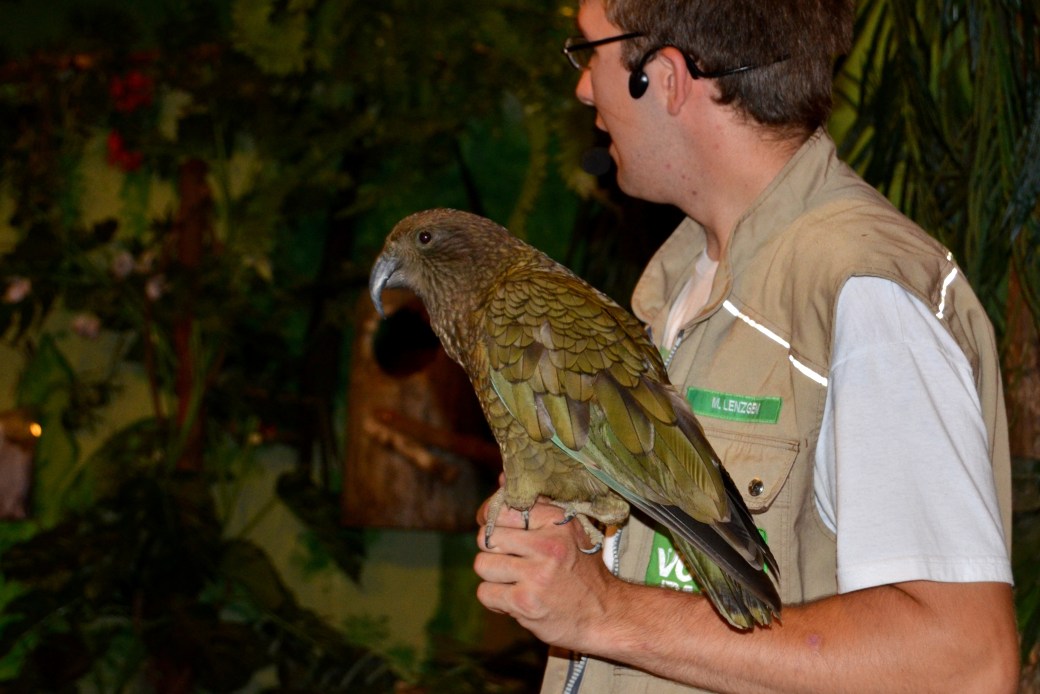
The Kea, a smart and rare bird from New Zealand, known among other things for its demolishing of cars…
On my trip to the northern parts of Spain, I made some lovely aquaintances…and not only with people. I was happily shocked by the numerous storks here – at least one nest in every village!

The white stork (Ciconia ciconia) is a large bird that measure on average 100–115 cm (39–45 in) from beak tip to end of tail, with a 155–215 cm (61–85 in) wingspan. The white stork is a long-distance migrant, wintering in Africa or on the Indian subcontinent. He is also a symbol of my part of Sweden.

He eats a wide range of animal prey, including insects, fish, amphibians, reptiles, small mammals and small birds. He takes most of his food from the ground, among low vegetation, and from shallow water. He is a monogamous breeder, but does not pair for life.

Both members of the pair build a large stick nest, which may be used for several years. Both parents take turns incubating the eggs and both feed the young.

The white stork benefited from human activities during the Middle Ages, but changes in farming methods and industrialisation saw it decline and disappear from parts of Europe in the 19th and early 20th centuries. Conservation and reintroduction programs across Europe have resulted in the white stork resuming breeding in the Netherlands, Belgium, Switzerland and Sweden.


In 1954 the last pair of storks disappeared from Skåne, where I live, as the wetlands were dried out. Many people wanted the beautiful bird back, and in 1989, some wetlands were restored and the Swedish ”Stork project” started. Goal: 150 pairs living free and nesting here. Important to us ”Skåningar”, as the stork is a symbol for this southern part of Sweden.
This summer 112 new storks were released from the project. As they move south, as many as 80-90 percent die flying into power lines breaking legs or wings.

The adult white stork’s main sound is noisy bill-clattering, which has been likened to distant machine gun fire. The bird makes these sounds by rapidly opening and closing its beak so that a knocking sound is made each time its beak closes. I assure you – the sound is not to be missed…when the two of them starts, it gets louder and louder.
This conspicuous species has given rise to many legends, of which the best-known is the story of babies being brought by storks. Have you ever heard of this as a child, in your country?
(Facts taken from Wikipedia and the Swedish Stork project.)
 Leya
Leya 
Du måste vara inloggad för att kunna skicka en kommentar.