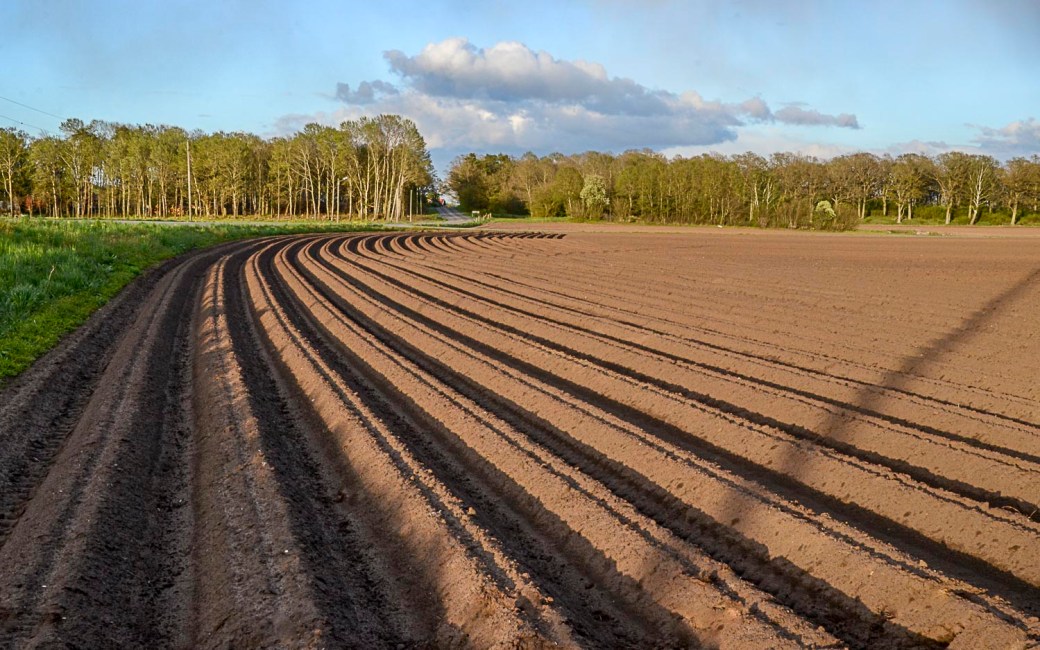
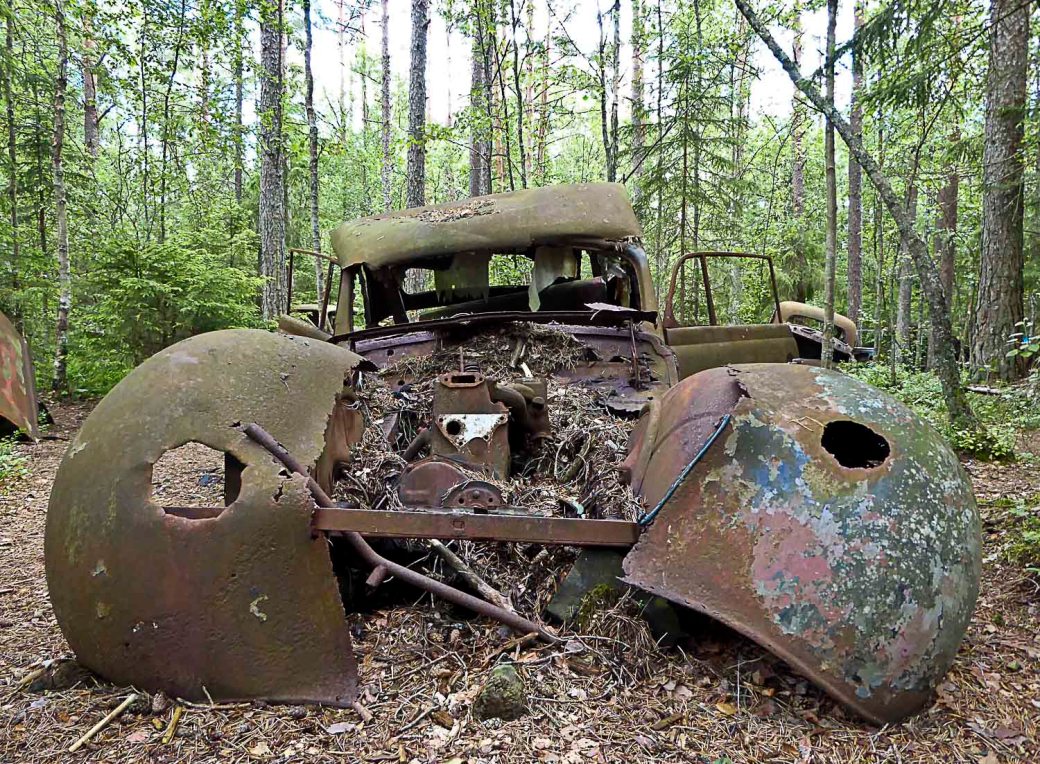
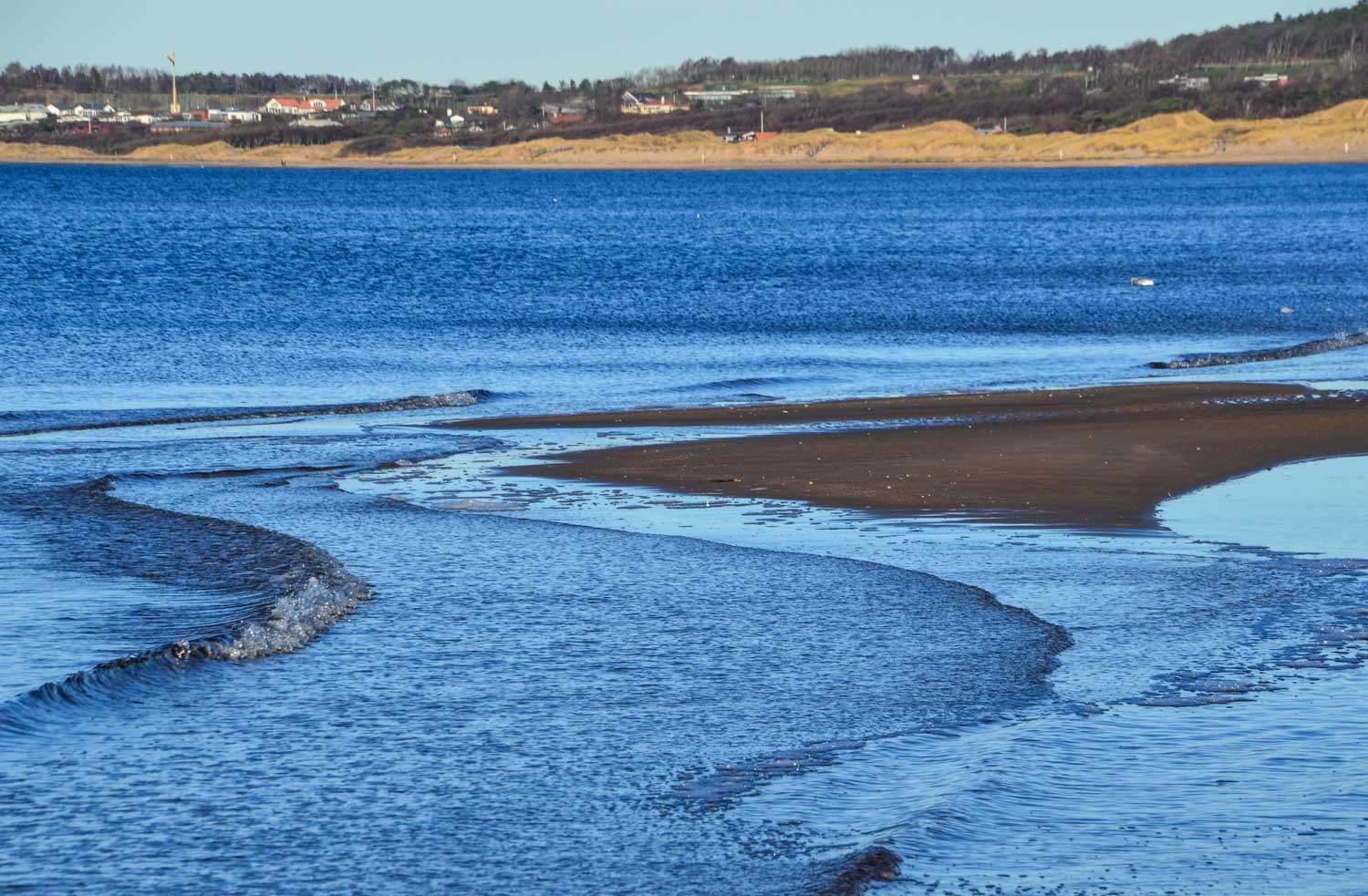
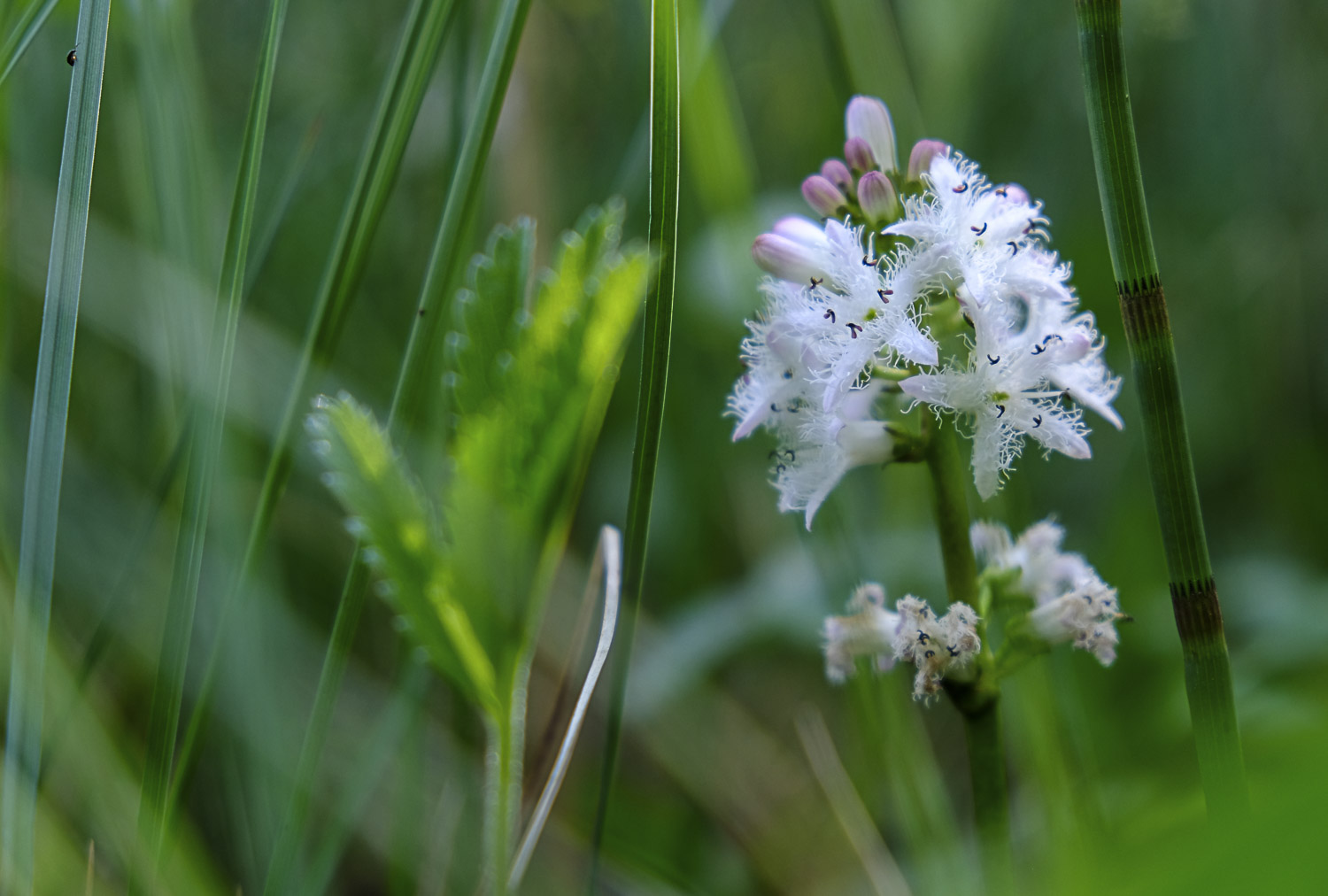
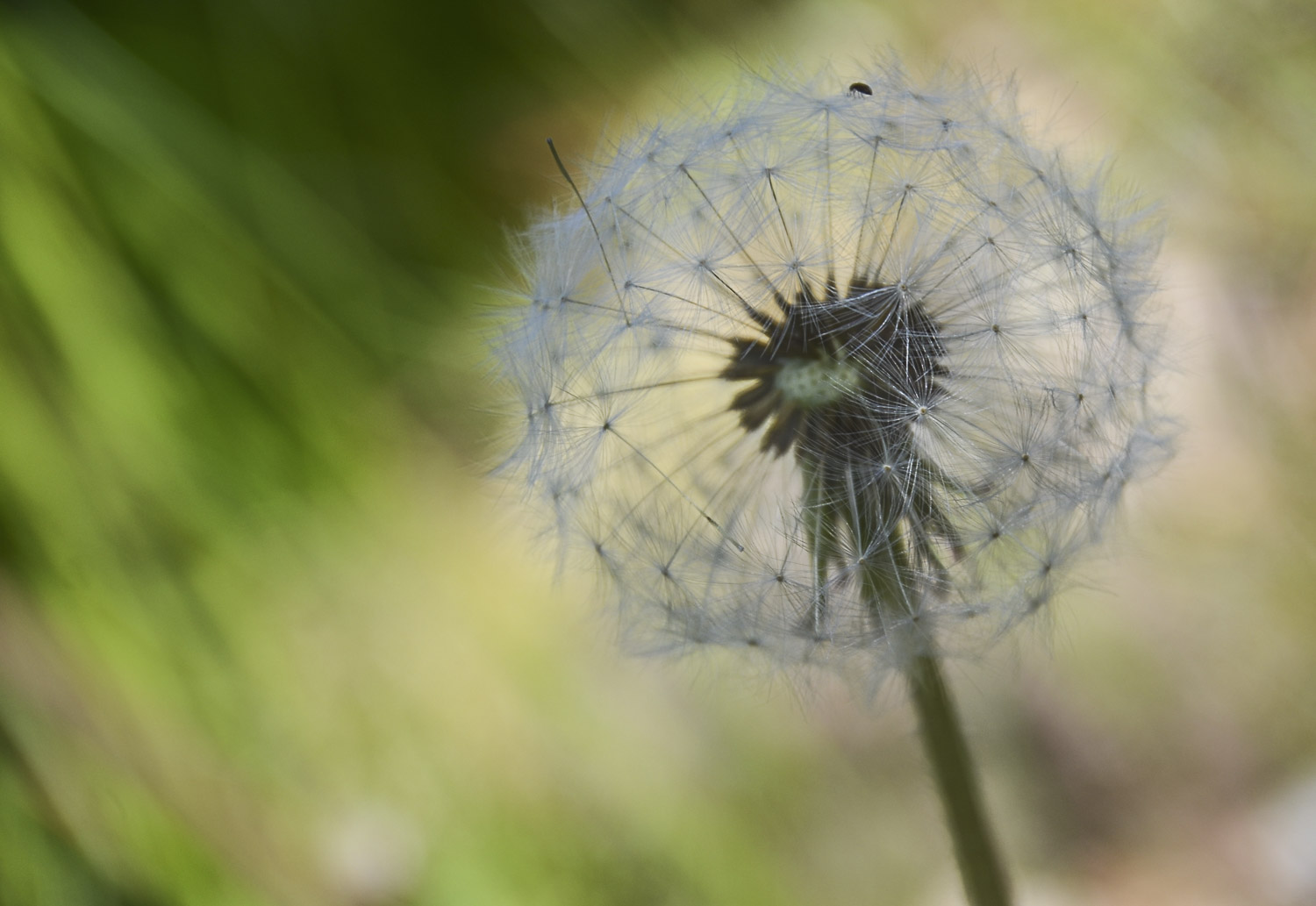
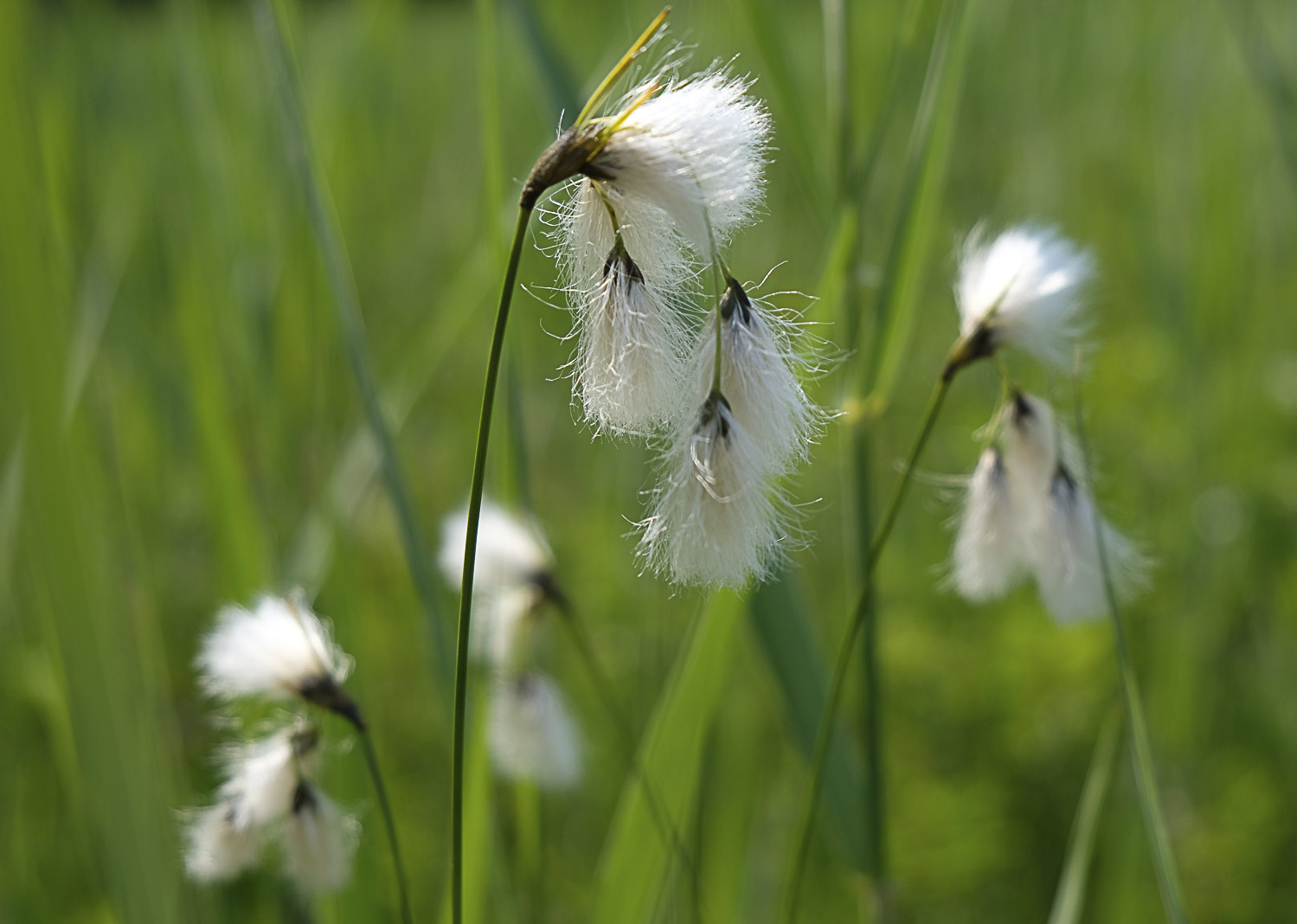
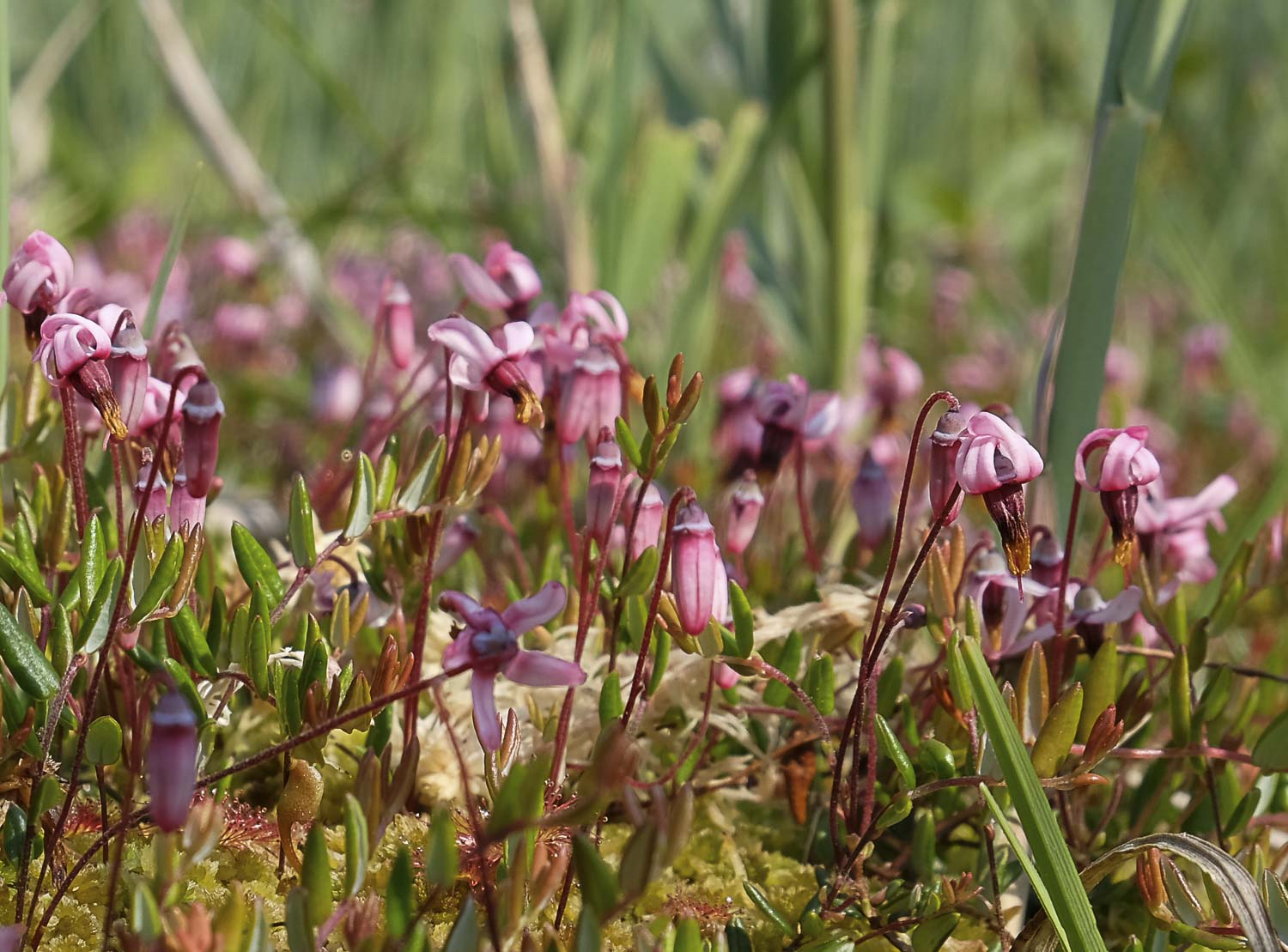
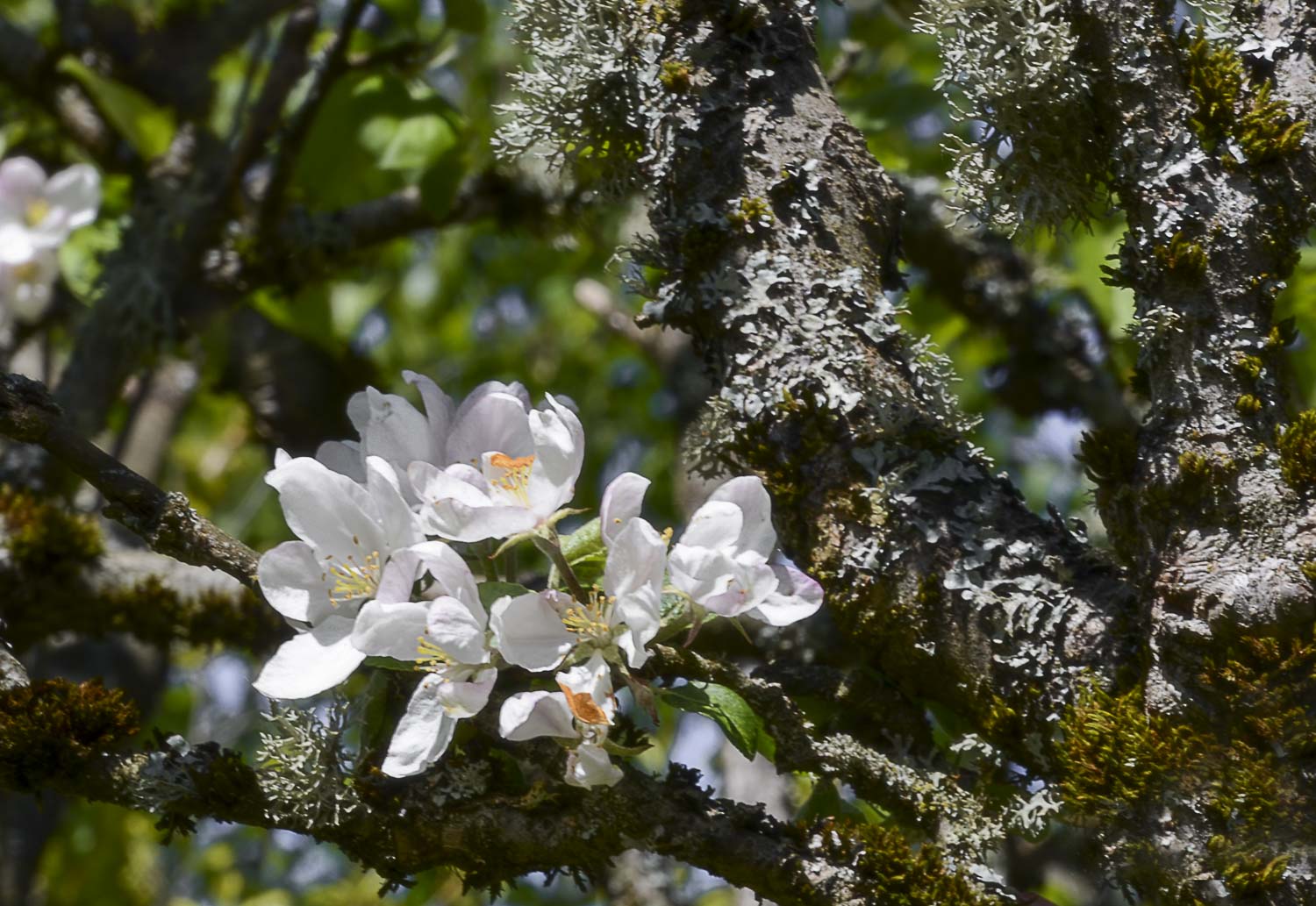
Lens-Artists Challenge # 44 – Harmony

Tina challenges us this week to think Harmony – and in her splendid post, she encourages us to show our favorite harmonies. In short, Colour Harmonies are colors that look good together. If you have ever taken classes in painting, you should be familiar with the colour wheel. There are many different systems to create a color harmony. You will find a useful, free tool, for colour harmony here.

I guess colours are always a part of what makes up our inner concept of ”Harmony”, but there are also other types of harmonies. These are some of my favorites.

Art is a harmony parallel with nature – Paul Cezanne

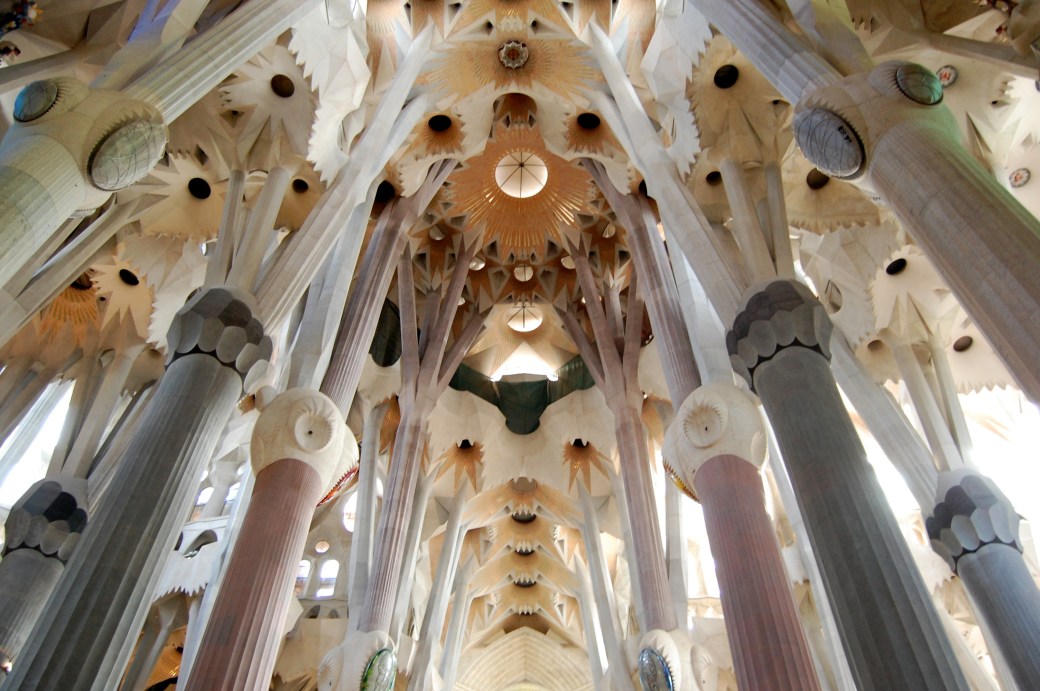
Antoni Gaudí’s masterpiece Sagrada Família.

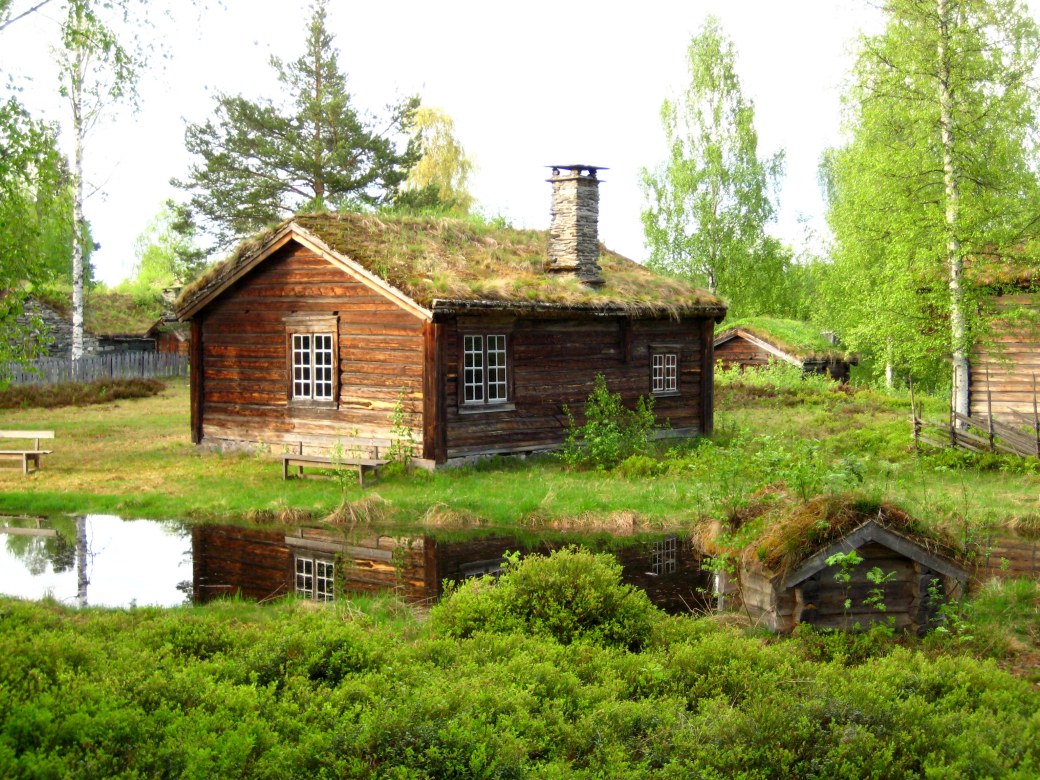
Organic architecture is a philosophy of architecture which promotes harmony between human habitation and the natural world. The term ”organic architecture” was coined by Frank Lloyd Wright (1867–1959), and Wright’s ”Fallingwater” is a very good example – but the concept can also be illustrated with an old Nordic cottage like this one.


He who lives in harmony with himself lives in harmony with the Universe

– Marcus Aurelius

A life in harmony with nature, the love of truth and virtue, will purge the eyes to understanding her text –  Ralph Waldo Emerson

Happiness is when what you think, what you say, and what you do are in harmony – Mahatma Gandhi

Harmony is pure love, for love is a concerto ~ Lope de Vega

Even if some will always be playing out of tune…

…it still is a Concerto.

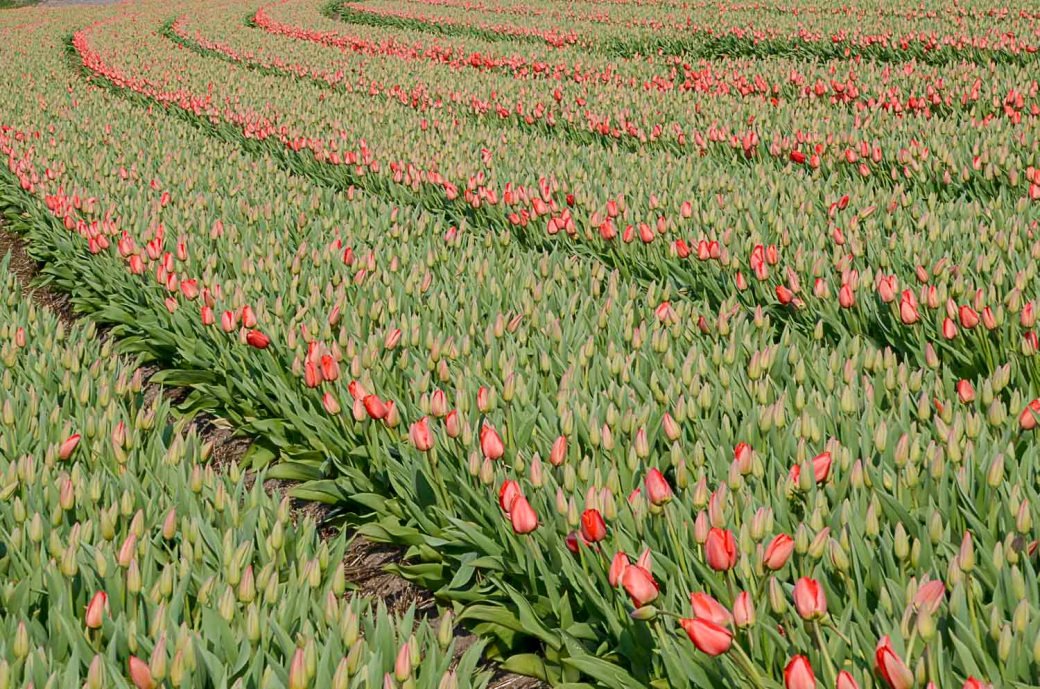
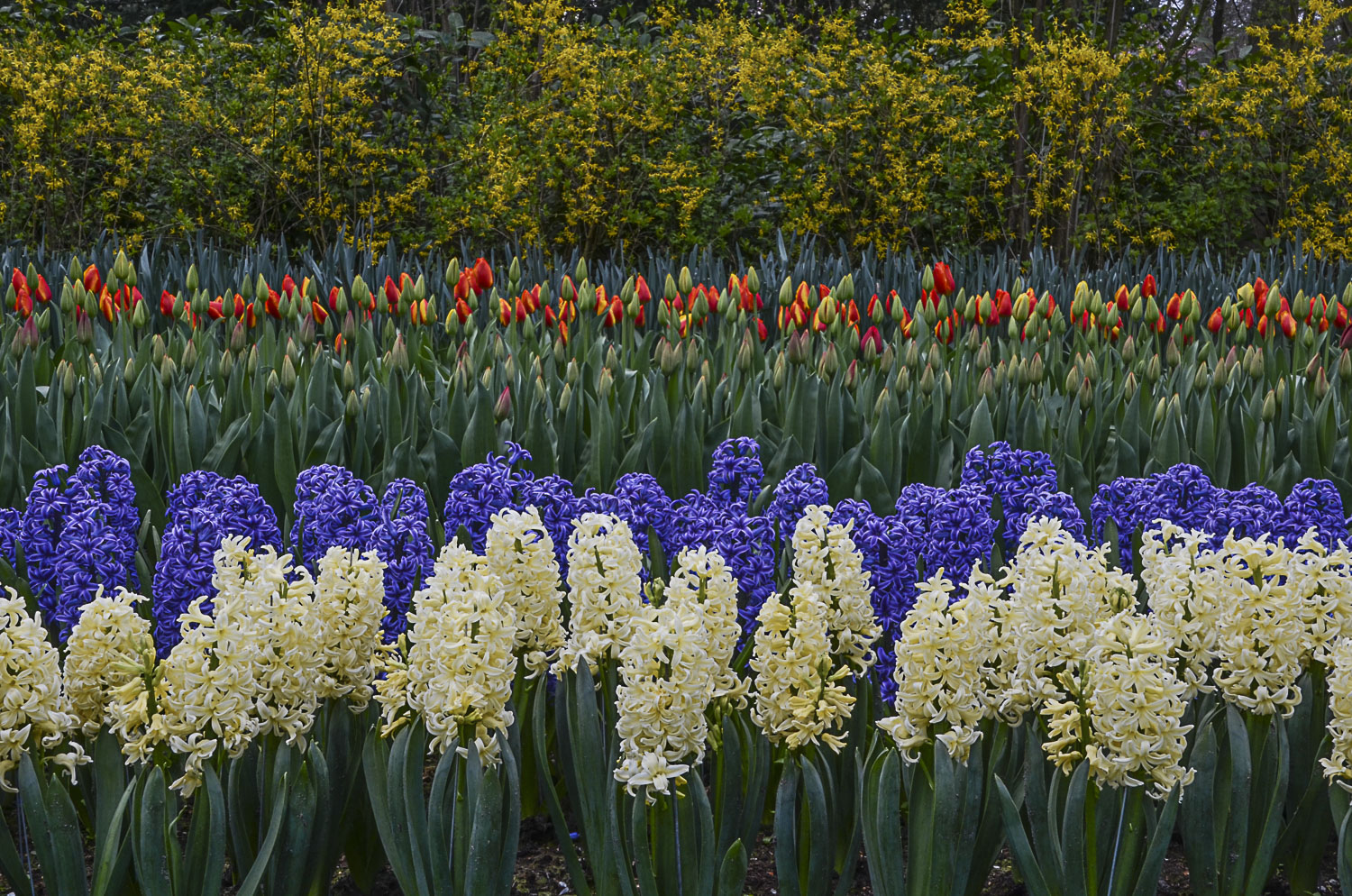
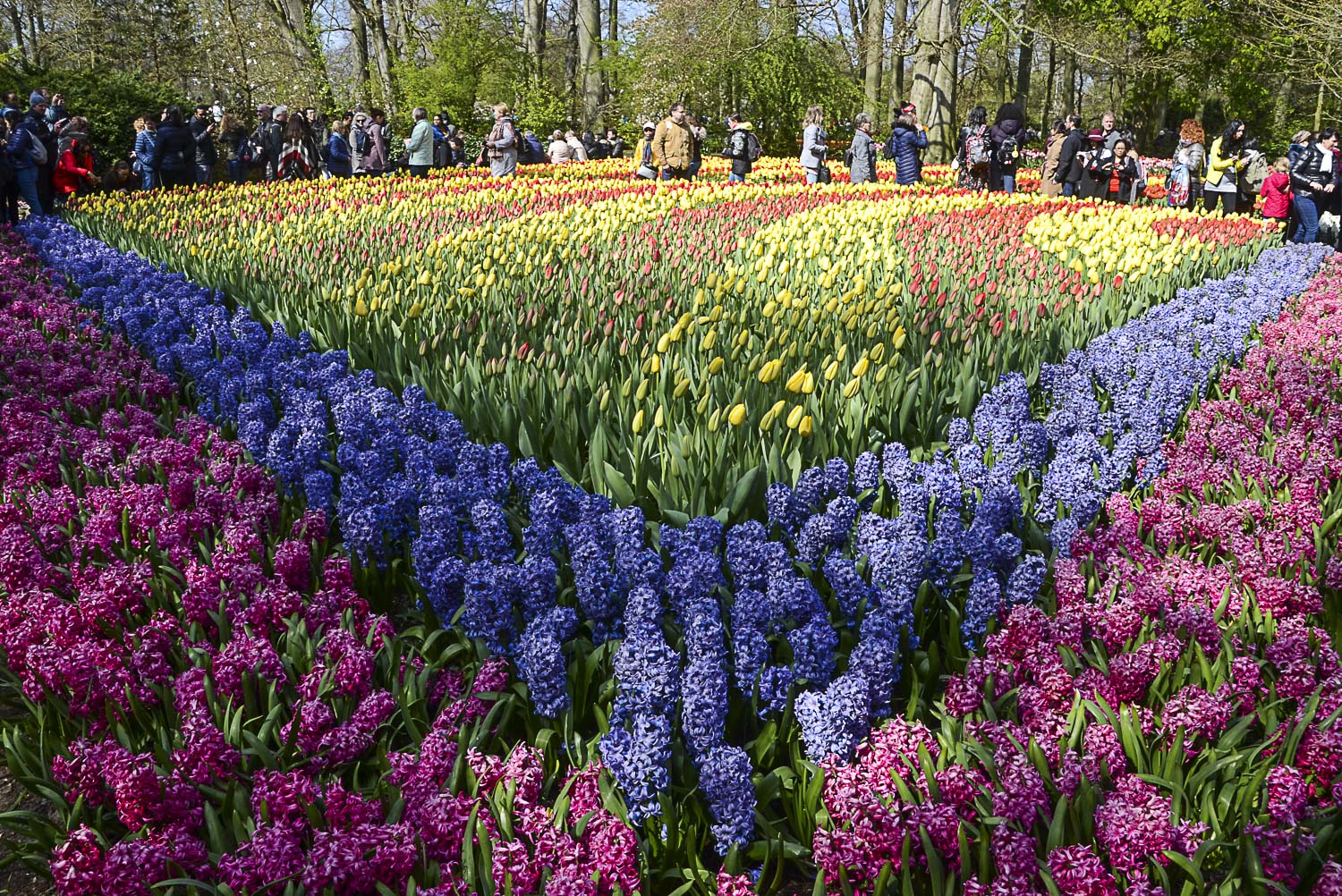
With love from the vast tulip fields in The Netherlands.

So, How do you reach colour harmony in your picture if it isn’t there from the start?

A simple and effective way to change its mood is to shift the white balance either towards the warmer or colder temperatures. This can often also push the image towards a colour harmony. One of the simplest yet also most effective ways to further tune your colour harmony is to use the Hue, Saturation, and Luminosity (HSL) panel in Lightroom.

Or, if you were a certain fashion icon: Women think of all colors except the absence of color. I have said that black has it all. White too. Their beauty is absolute. It is the perfect harmony.

Coco Chanel


Thank you to Amy for last week’s lovely ”Less is More” and we’d love you to join in with Tina’s ”Harmony”!

Lens Artists Photo Challenge #43 – Less is More

Amy challenges us to think Less is More – and that, is always a challenge… In photography we often talk about simplicity, and a photo standing on its own. No need for words. Often Black and White is helping us to achieve that.

So, let us slow down…because “Life is really simple but we insist on making it complicated.” – Confucius

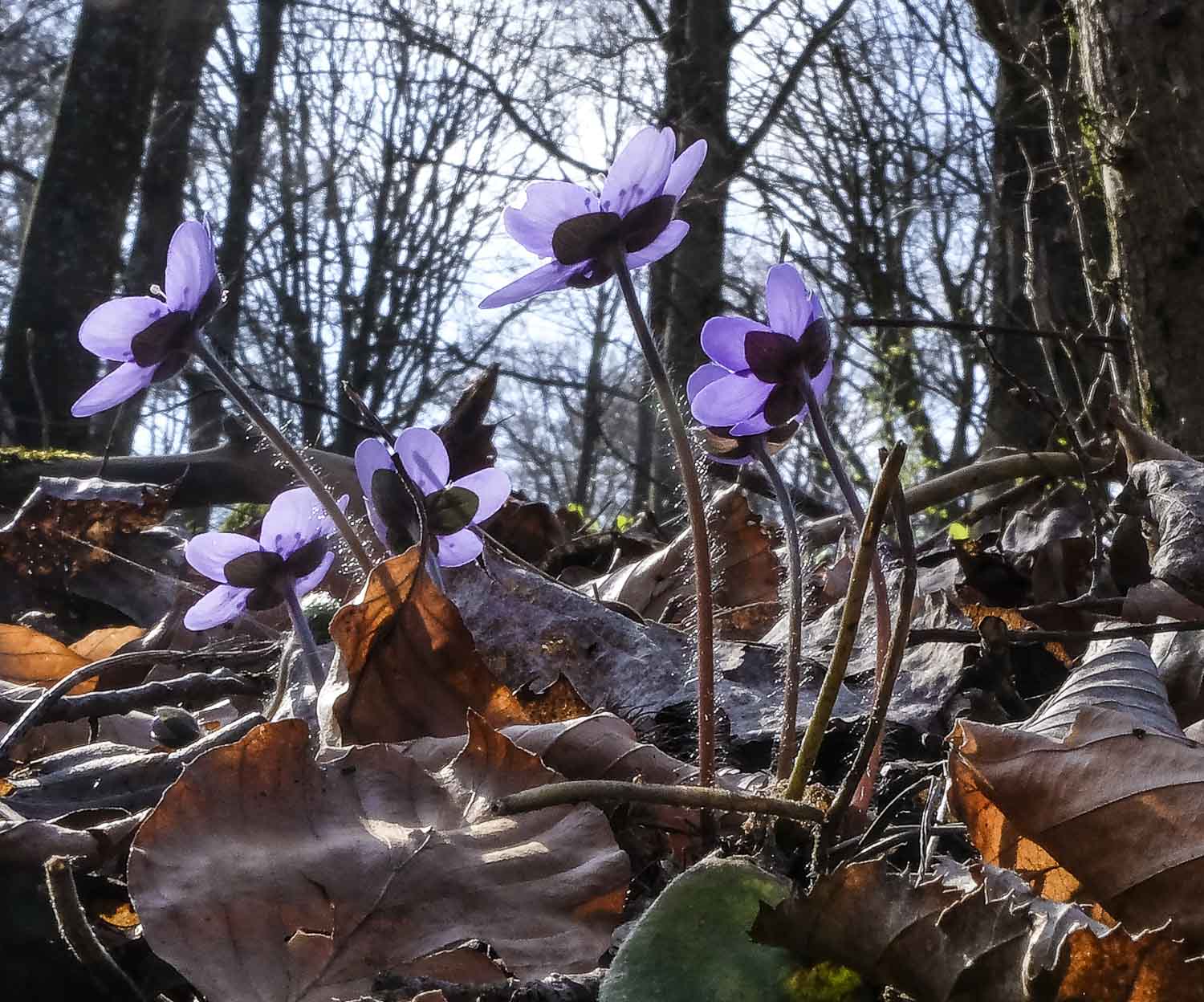
Less is More even when the ground is covered in spring flowers below a blue sky,

or when a lonely path strives to reach the mountain lake – because colours matter here –

The history of the phrase Less is More, is that it was adopted in 1947 by architect Ludwig Mies van der Rohem. Since then, the aphorism is one of the most used (and abused) in design and architecture.

Originally though, this is a 19th century proverbial phrase, first found in print in Andrea del Sarto, 1855, a poem by Robert Browning. And it still is a phrase very much alive!

mera-vc3a5r-2012-066-e1556356786995.jpg

“Simplicity is the ultimate sophistication.”   – Leonardo da Vinci


Thank you for all your innovative and creative contributions to my hosted challenge Creativity last week!


Lens-Artists Photo Challenge #42 – Creativity

Creativity is the use of imagination or original ideas to create something new or somehow valuable – inventiveness. The created item may be an idea, a scientific theory, or even a joke; or a physical object, maybe a new invention, a literary work – or a painting. Being creative is a very valuable asset today – and has always been. That is, when creativity is used in a positive way.

I believe for many of us, being creative is a way to relax from our ordinary jobs (of course your job is creative in its own way too) and also to develop our minds as well as the use of our hands.

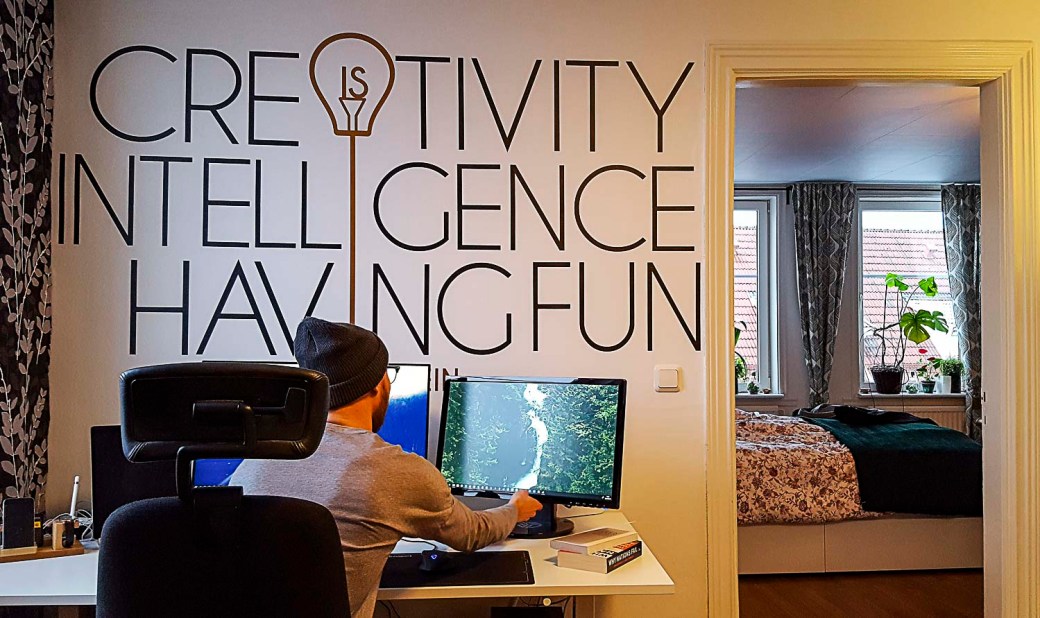
Snapshot of my son’s desk – (he is a graphic designer, and the wall quote is by Einstein)

Maybe the creative space most used today is at the computer in our own room? Or maybe not? This week’s challenge is all about Creativity – hobbies, crafts, creative spaces at home or places you have visited – show us your creative post…unlimited!

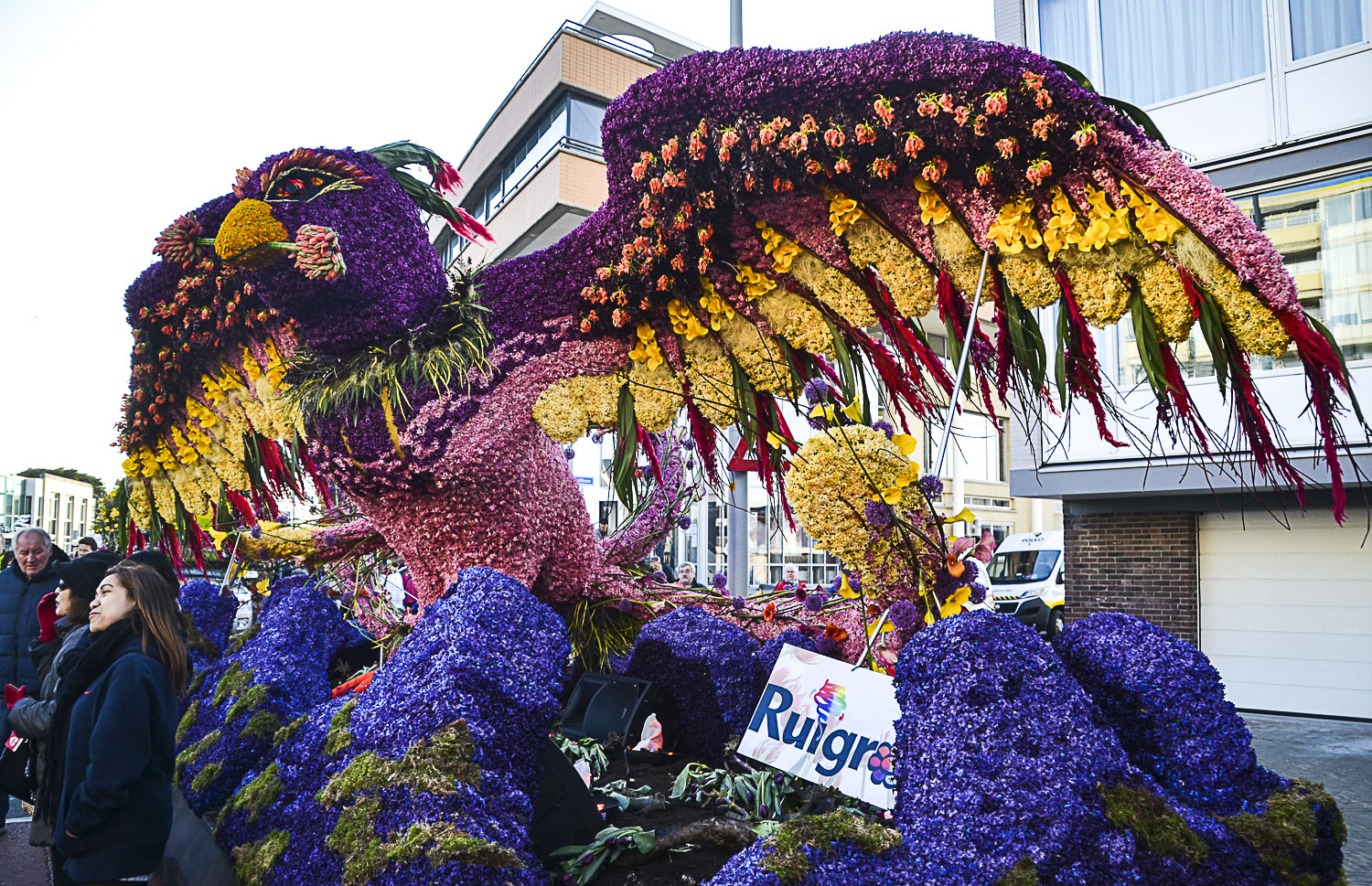
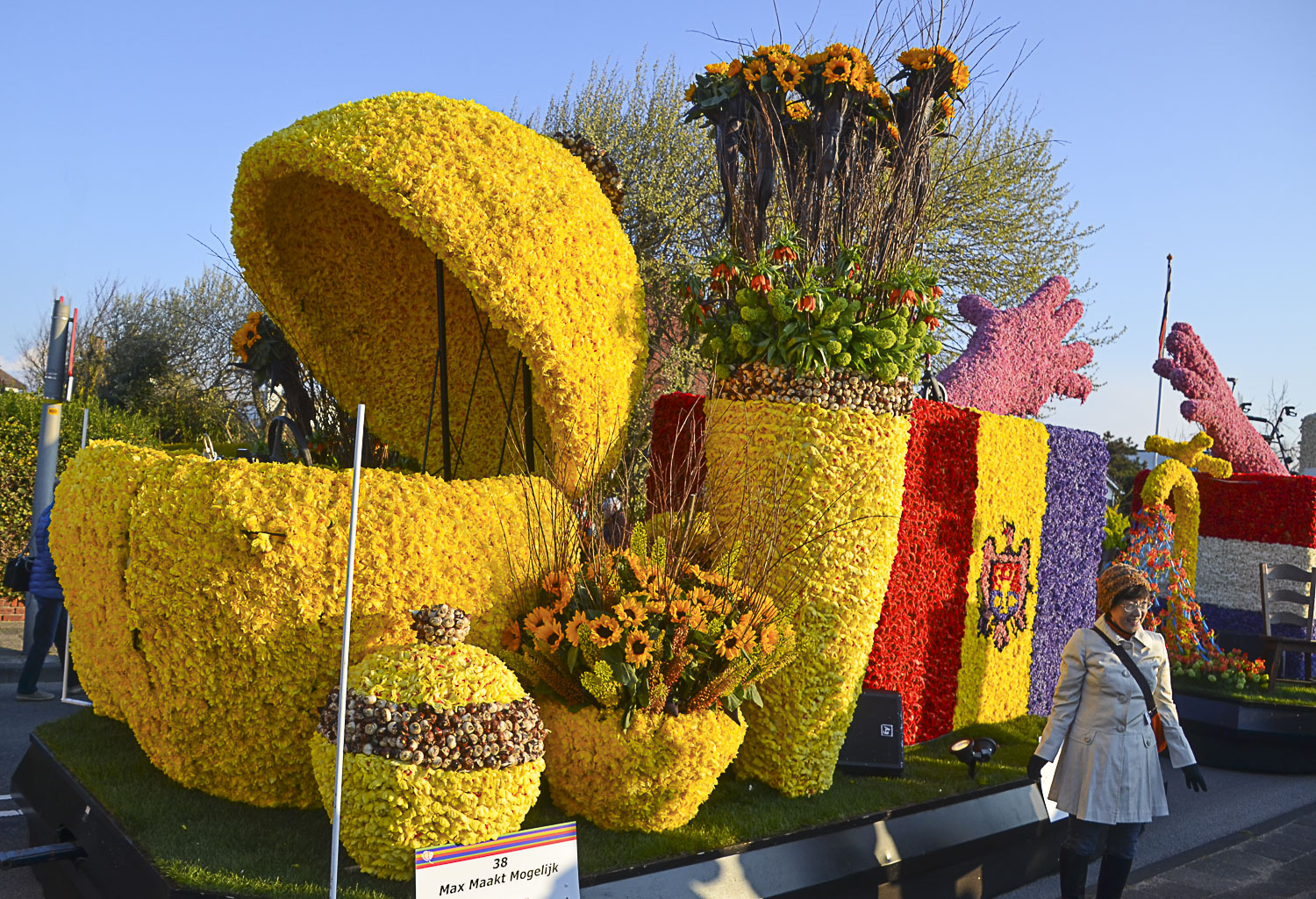
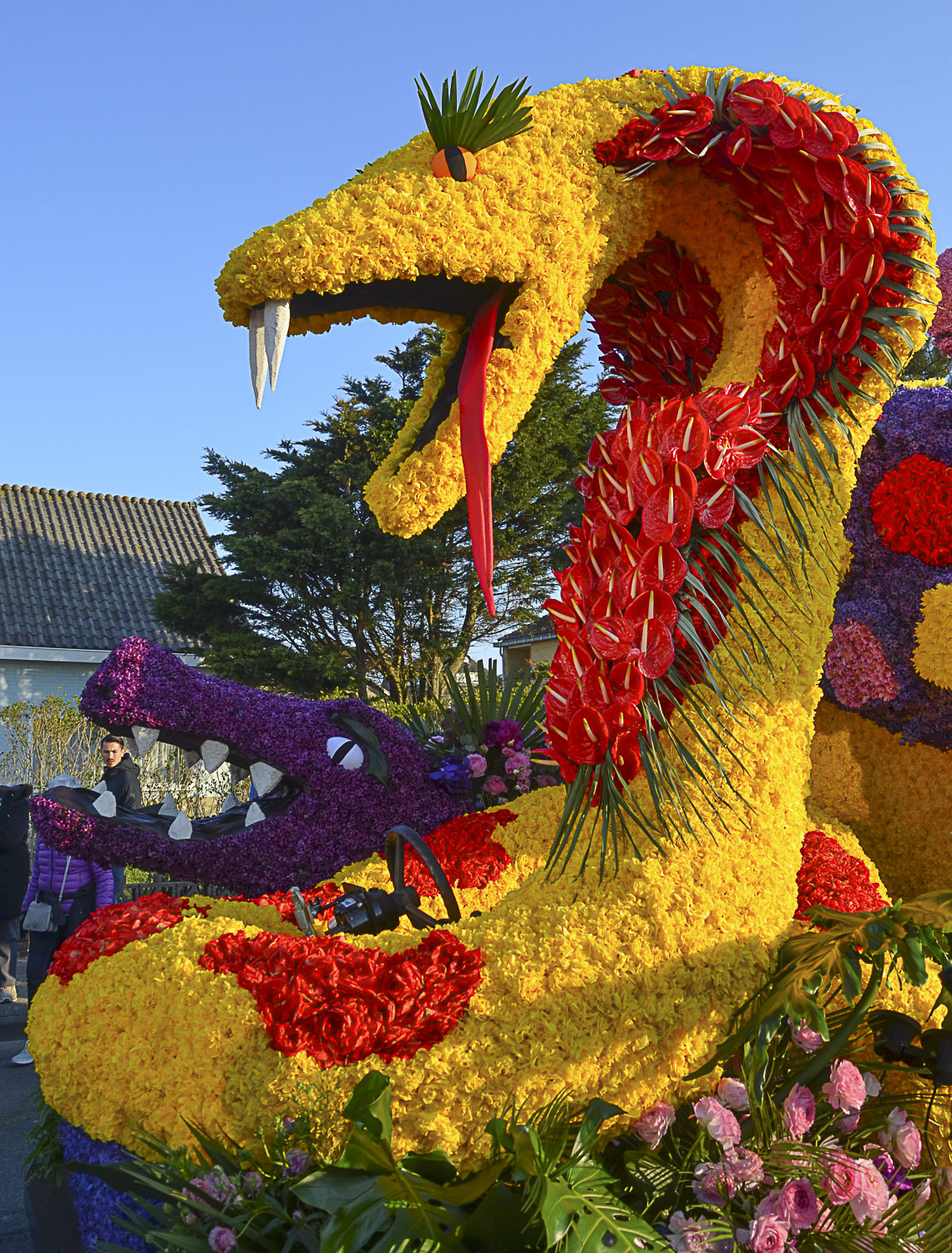
Last week I was fortunate enough to visit Keukenhof in the Netherlands, and the annual Flower Parade (Bloemencorso in Dutch). This is a glorious feast brimming with beautiful colors and delicious flowers. Twenty huge floats and thirty lavishly decorated cars follow a 42 kilometer route from Noordwijk to Haarlem.

Millions of flowers and the creative work of hundreds of volunteers make this most amazing flower parade possible. And, hundreds of thousands of visitors from Holland and abroad are drawn to the colorful flower spectacle every year. Let’s have a look at something of the brilliant Dutch creativity!

Holland 2019 771-Redigera-3

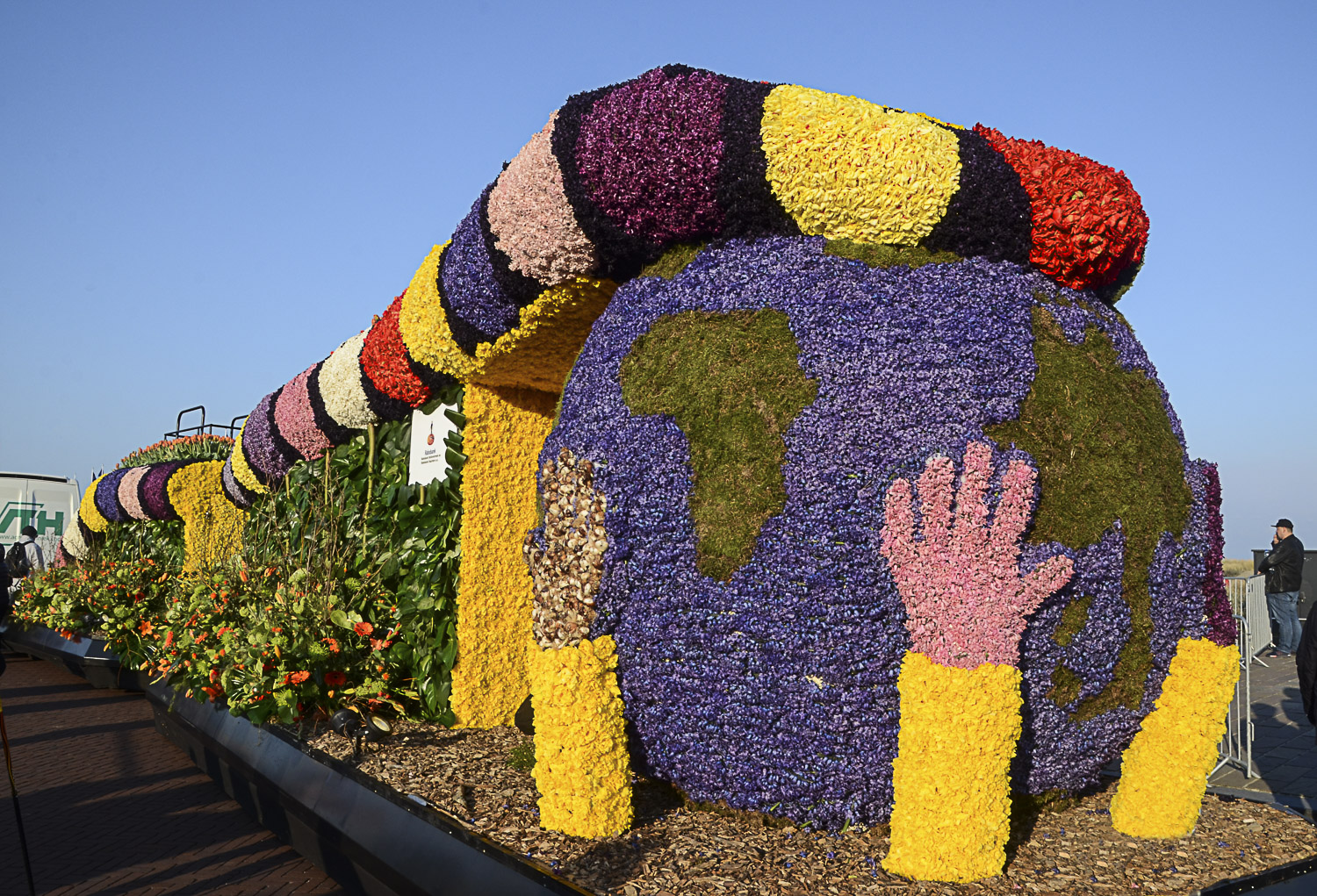
Some floats were so big, that they were divided into two – like this one.

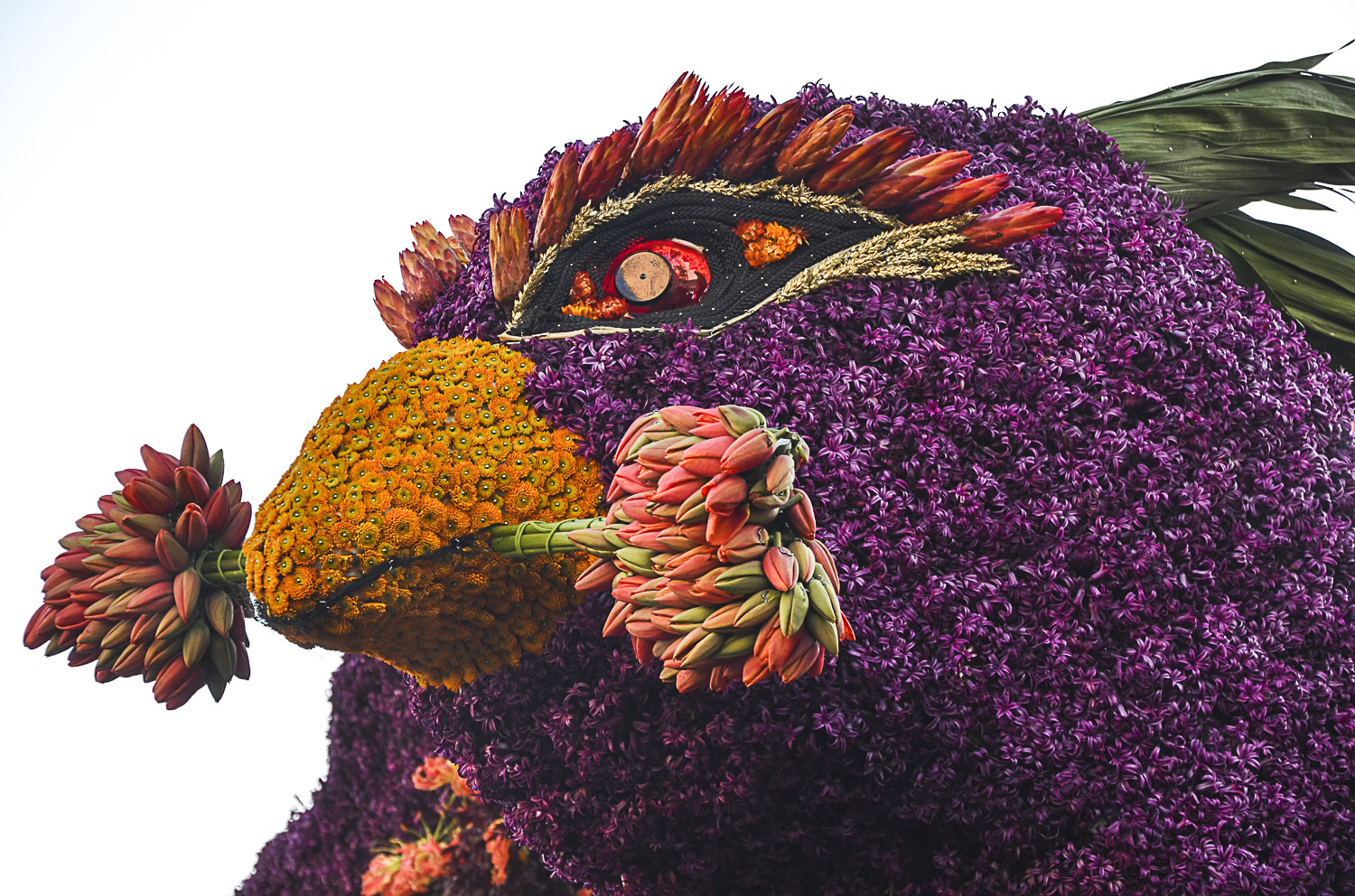
The impressive Phoenix

It was a very cold morning, with temperatures below zero – So, to save the flowers, all floats and cars had to stay inside before the parade started.

Holland 2019 738-Redigera-2

This float was the winning equipage – But there were also very modern themes – creativity unlimited!

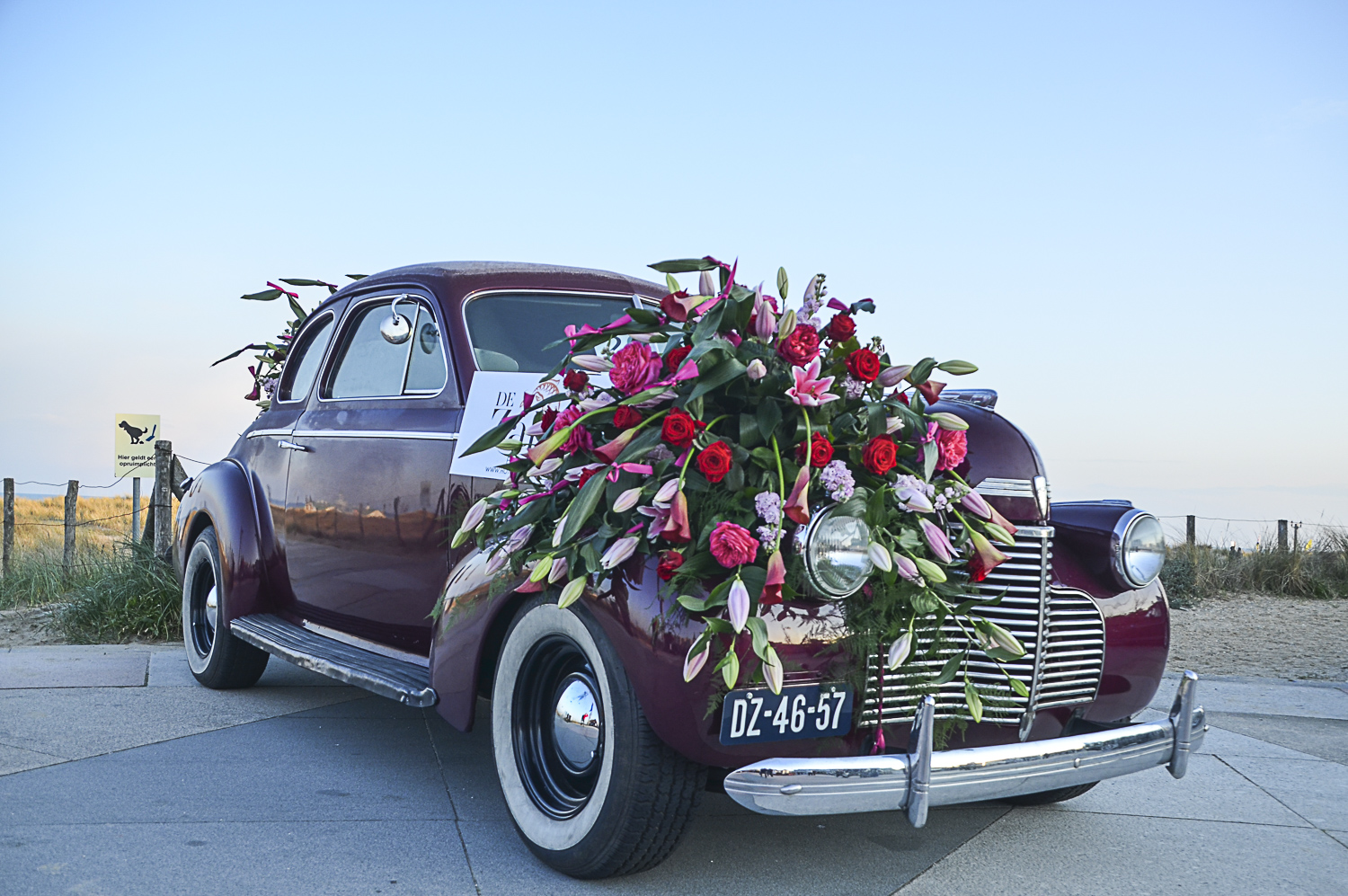
And how about driving your car from an Easter egg?

Thank you for joining in the fun, and while we are looking forward to seeing your creativity flow – we wish you all

Happy Easter Holidays !


Thank you, Patti for your simply Delicious challenge last week!


Lens-Artists Photo Challenge #41 – Delicious

This week Patti has chosen to challenge us with Delicious, which means having a very pleasant taste or smell, or it can be used to describe a situation or activity that gives you great pleasure.

Few tasty things give me more pleasure than the first semla/fastlagsbulle of the year! These were temptingly standing in a window in Umeå some months ago. I can tell you they did not stand there for long…

Last week I was in The Netherlands, at Keukenhof,  for the the biggest flower show in the world. Holland, or The Netherlands, is the magical land of tulips and hyacinths.

The gardens and fields were filled with the most delicious scent, colours and shapes. I was in a state of euforia for 7 hours – the visit was a total dream. I had not been to this flower show since somewhere in the 90’s.

Interested in joining the Lens-Artists Photo Challenge? I guess you too have some delicious experiences to show us! For instructions and more information click here.

Lens – Artists Challenge #40 – Something Different

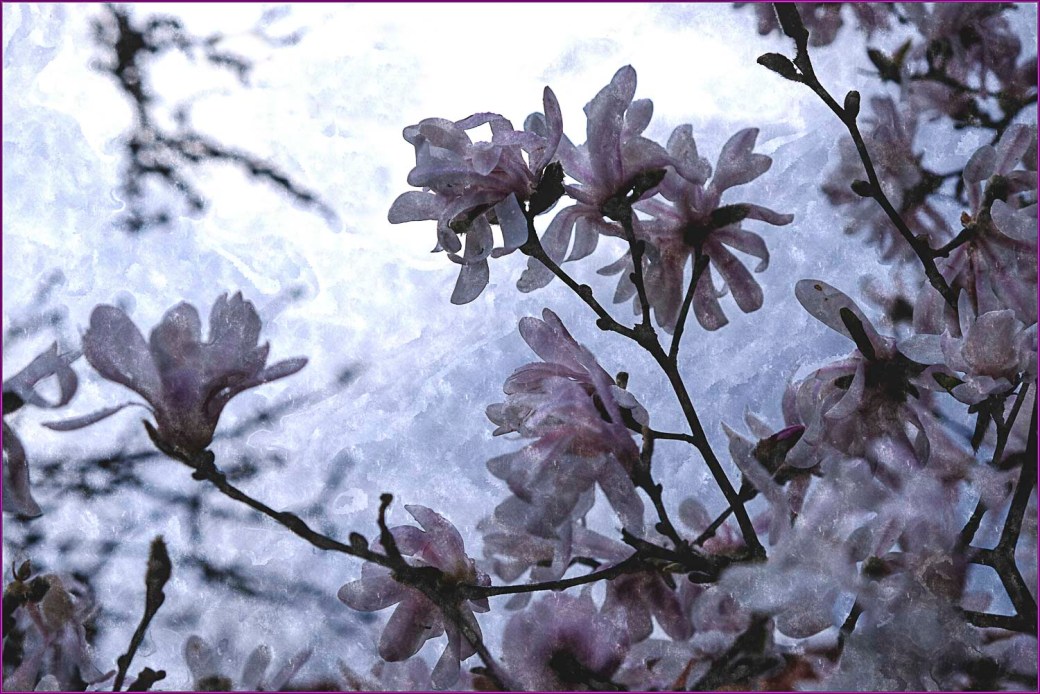
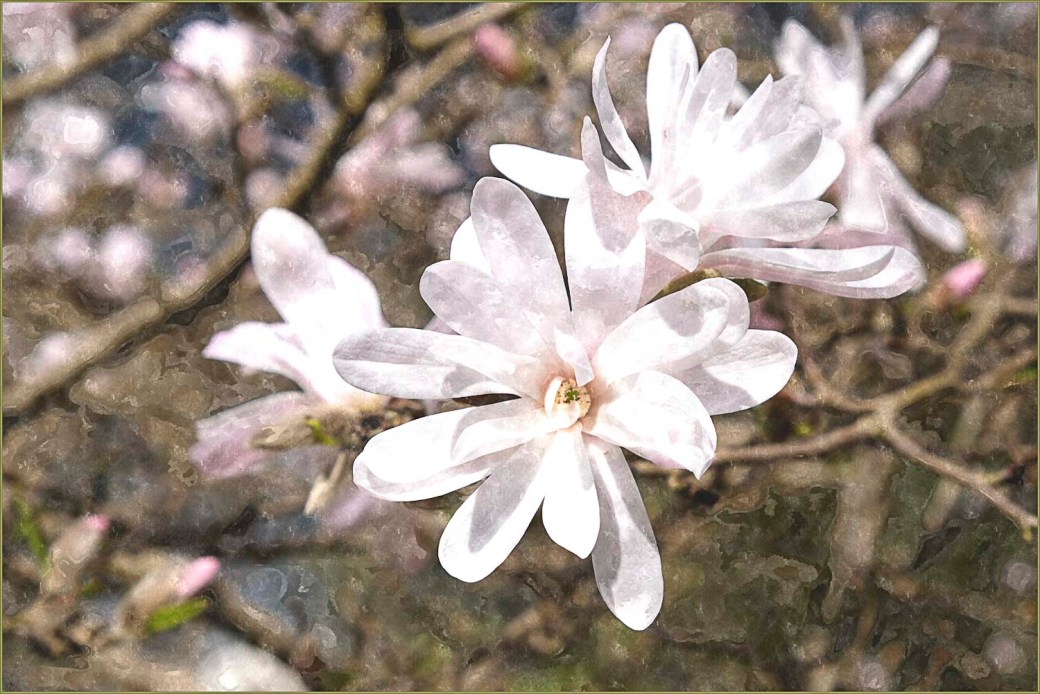
Our host this week is Tina. She asks us for… Something Different. I give you – my Magnolia tree in April.


I must have flowers, always, and always.

– Claude Monet

Magnolia is a large genus of about 210 flowering plant species of the family Magnoliaceae. It is named after French botanist Pierre Magnol.

The name Magnolia first appeared in 1703, for a flowering tree from the island of Martinique. Magnolias are native to both Asia and the Americas.

Magnolias symbolized dignity and nobility. In ancient China, magnolias were thought to be the perfect symbols of womanly beauty and gentleness.

Magnolia is a very ancient genus, appearing before bees did. It is believed that the flowers have evolved to encourage pollination by beetles.

The Magnolia flowers last only for a couple of days – but what magnificent days!


Thank you, Tina, for another lovely challenge!


Lens-Artists Weekly Challenge #39 – Hello April!

A gush of bird-song, a patter of dew,

a cloud, and a rainbow’s warning, 

Suddenly sunshine and perfect blue –

— An April day in the morning.

– Harriet Prescott Spofford

April hath put a spirit of youth in everything.     

William Shakespeare

So, with a young spirit’s illustration of William Wordworth’s lovely daffodils’ poem, I say Hello April from Sweden!

Thank you, Amy, for a lovely April morning!


Lens Artists Photo Challenge #38 – Weathered or Worn

Are you one of those who love things weathered or worn? I am. I love driftwood, old houses, old furniture, toys, the grey cottages up north – things with patina. Clothes with a story – leather jackets, jeans. And people? Only your fantasy sets the limit!

This week’s challenge is Weathered and/or Worn.

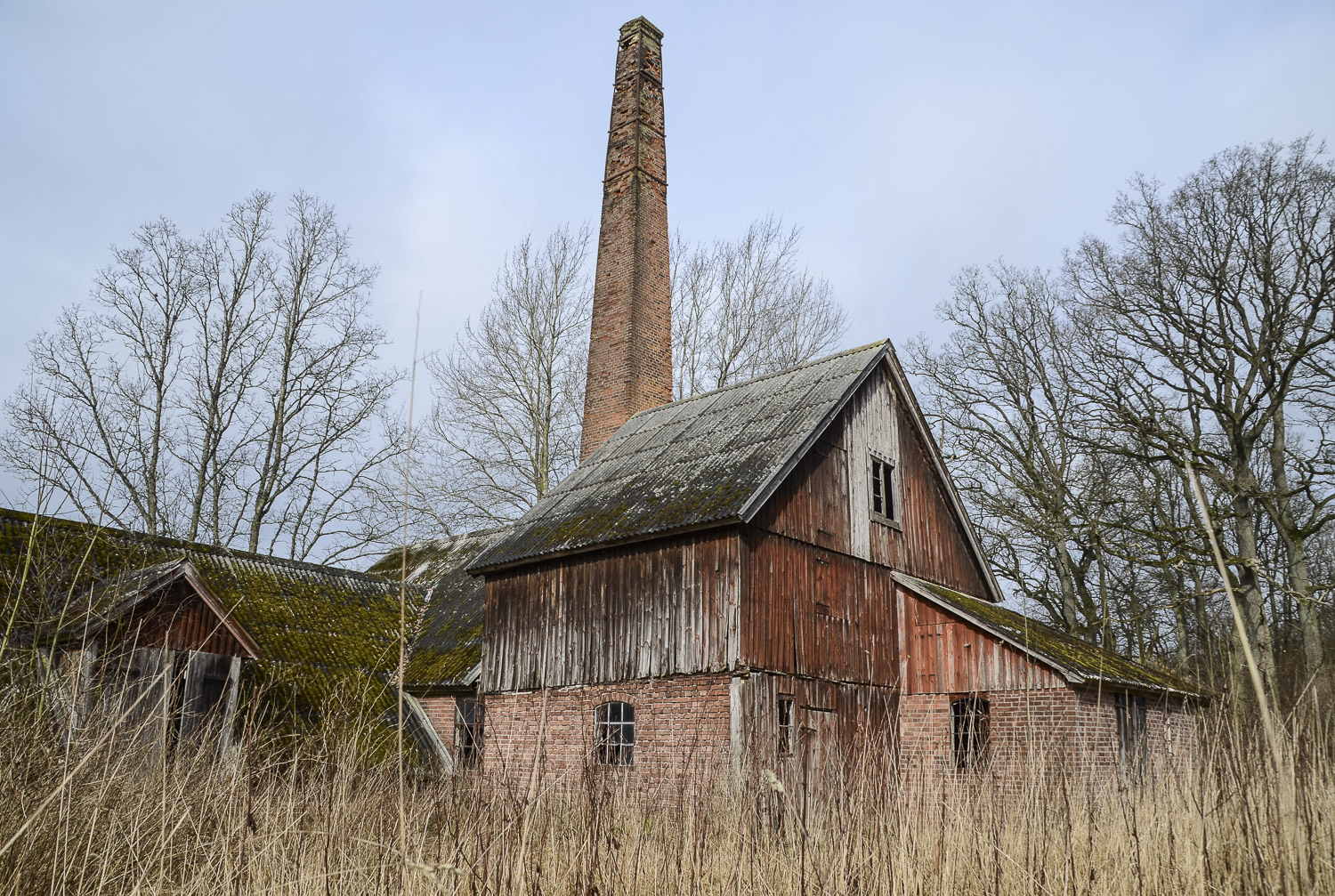
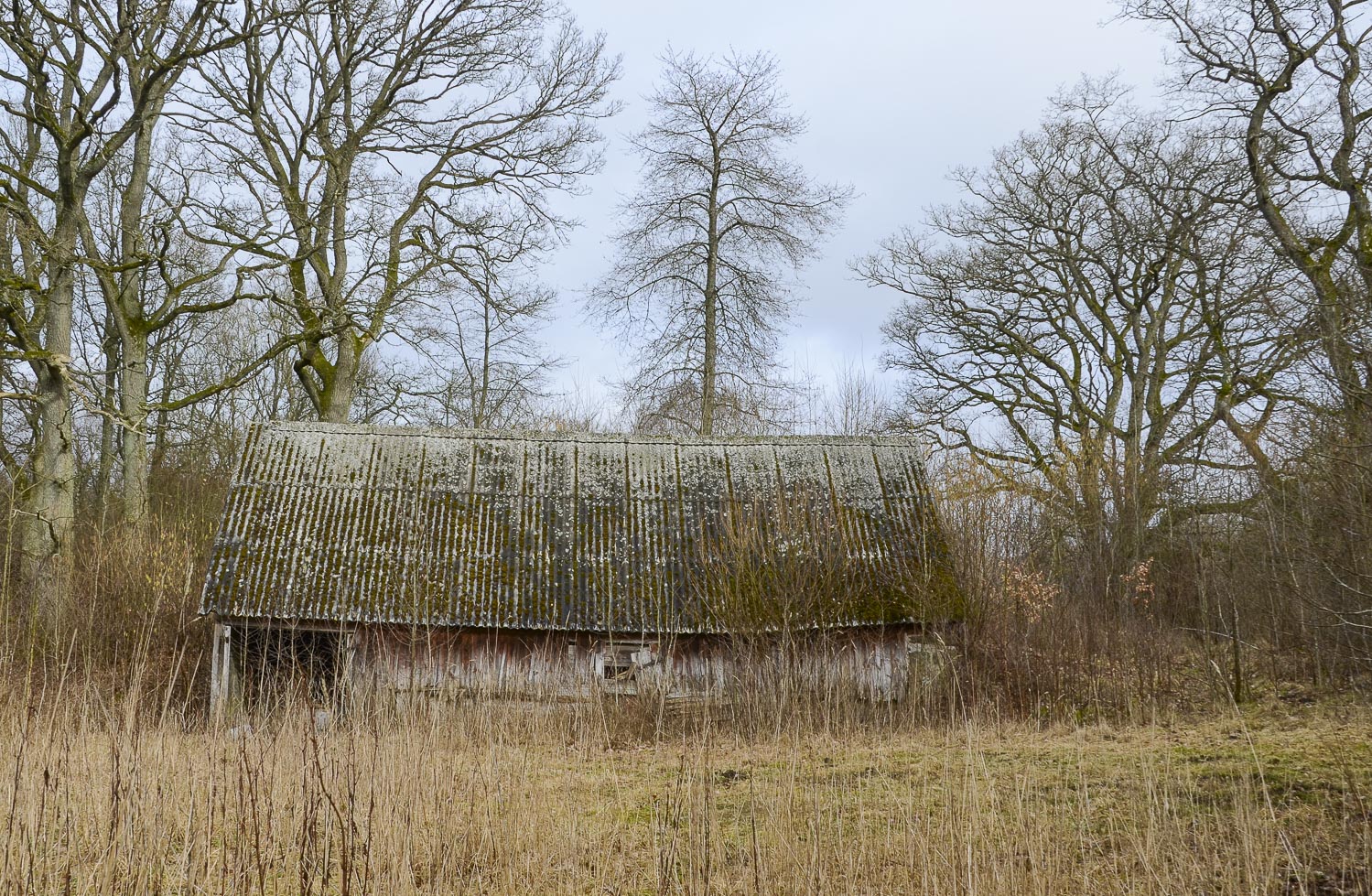
The other day I was driving along the familiar road between my home and Malmoe, and as usual passed the old Distillery. Every time I wonder why I do not take the time to stop the car and walk up to the old historic buildings…This time, I finally decided to return the next day – with my camera. And I was not disappointed. As usual, click to enlarge.
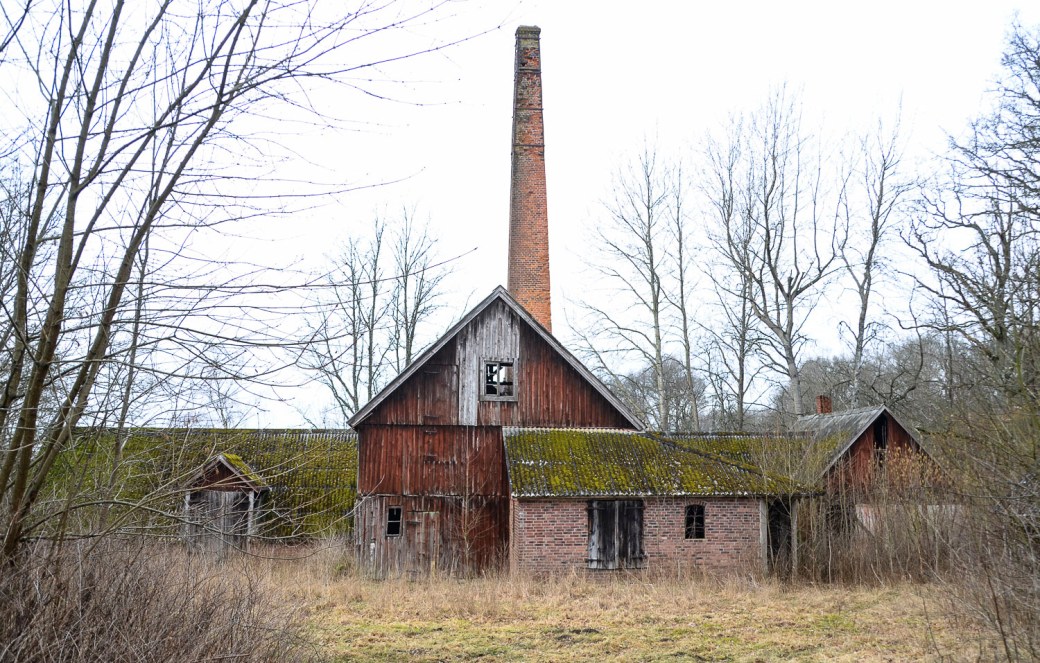
These are the weathered remains of one of the oldest Swedish distilleries – Sösdala Distillery, built 1860. The same year that Vladivostok was founded and Abraham Lincoln was elected president.
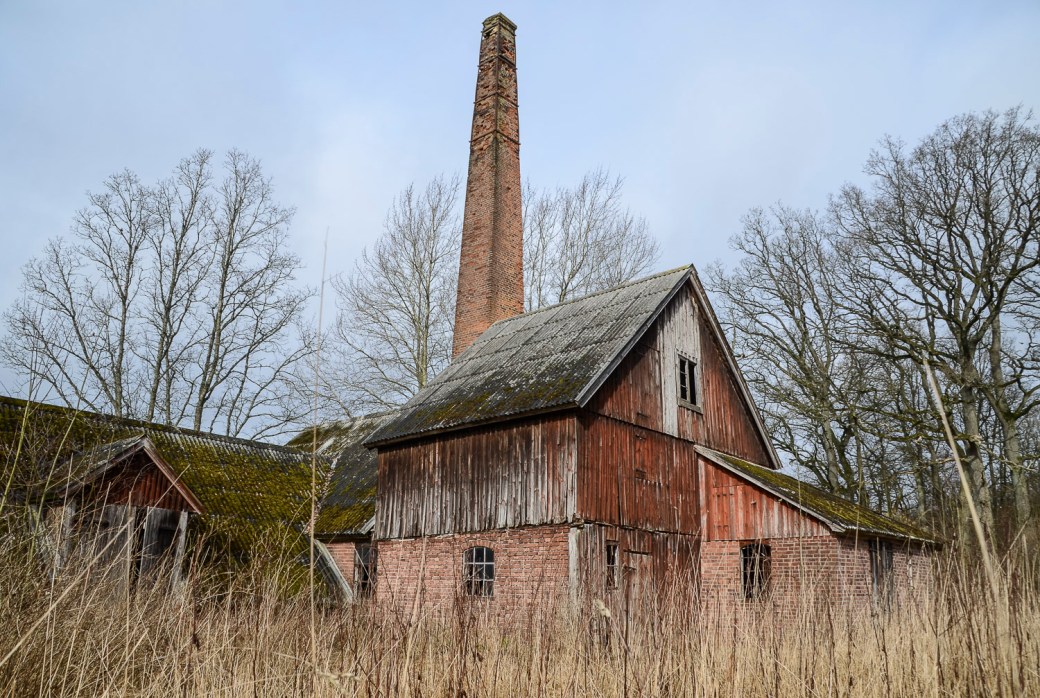
And most important for this distillery, home distillation of alcohol was forbidden in Sweden.

History in short says, that in 1766 the Swedish king, Adolf Frederick, decided to abolish all alcohol restrictions. This led to virtually every household making and selling alcohol. At the beginning of the 1800s, the Swedish people were drinking a lot of alcohol, from 175,000 distillers (most of them for household-production only), using tremendous amounts of grain and potatoes that otherwise would have been consumed as food, and it was later said that most men in Sweden abused alcohol. Women rarely drank alcohol, since it was considered inappropriate.

In 1830, the first moderate drinking society was started in Stockholm. A few decades later, the first fully-fledged temperence organisation was formed, and in 1850, alcohol began to be regulated by the state. Sösdala distillery was shut down in 1950.

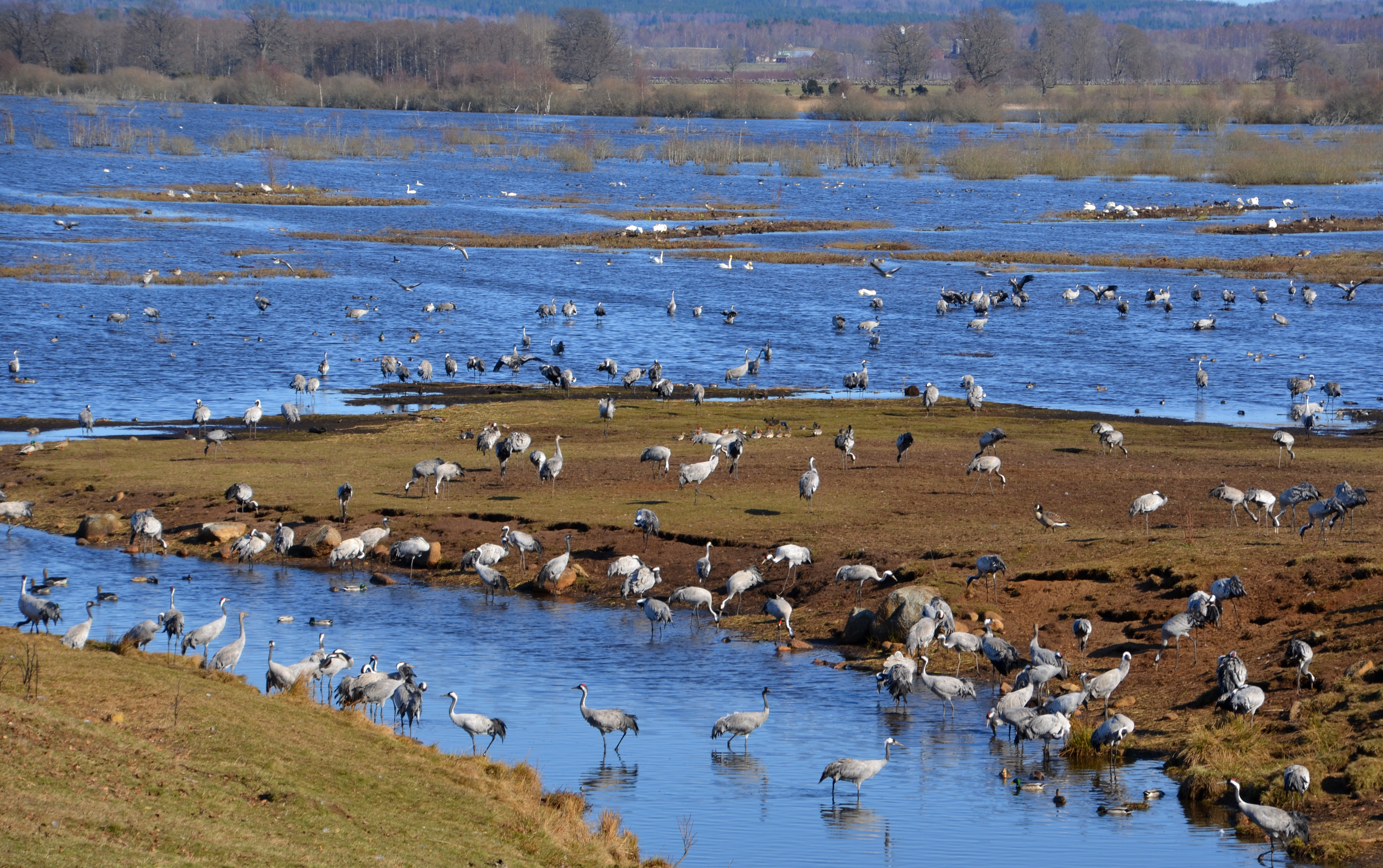
It was forbidden to go inside, but I walked over the open space and up to the old buildings. Some of them weathered and some worn down to dilapidation. But all of them blending in with the surroundings, and being slowly and beautifully reclaimed by nature. The stillness in the air, the soft song of birds and the calls from cranes flying north this spring morning – made this a walk of harmony.


Welcome to the challenge! – We are so looking forward to seeing your inspirational photos and thoughts! Also, Be sure to tag your post with Lens-Artists so that others can find you in the Reader.

Before you go – We say thank you to all contributors of interesting ”history lessons”, and to Patti for hosting the  History challenge.


Have an inspiring week!


Lens-Artists Challenge #37: History

For this week’s challenge, Patti has chosen History. At first I wanted to write about Riga, the capital of Latvia, whose history begins as early as the 2nd century. But inspired by a visit there, I have chosen a piece of puppetry history instead – an art form very much alive in Latvia.

According to Wikipedia, puppetry is a form of performance that involves the manipulation of puppets – inanimate objects, that are animated or manipulated by a human called a puppeteer. The puppeteer uses movements of his/her hands, arms, or control devices such as rods or strings to move the body, head, limbs, and in some cases the mouth and eyes of the puppet. The puppeteer often speaks in the voice of the character of the puppet, and then synchronizes the movements of the puppet’s mouth with this spoken part.

The earliest puppets probably originated in Egypt, where ivory and clay articulated puppets have been discovered in tombs. Puppets are mentioned in writing as early as 422 B.C.E. In ancient Greece, Aristotle and Plato both made reference to puppetry.

This art form occurs in almost all human societies where puppets are used for entertainment through performance, as sacred objects in rituals, as symbolic effigies in celebrations such as carnivals, or as a catalyst for social and psychological change in transformative arts.

There are many different varieties of puppets, and they are made of a wide range of materials, depending on their form and intended use. They can be extremely complex or very simple in their construction. The simplest puppets are finger puppets and sock puppets. Familiar examples of hand puppets are Punch and Judy. Marionettes are suspended and controlled by a number of strings, plus sometimes a central rod attached to a control bar held from above by the puppeteer.

In Riga, we just happened to walk past the puppet theater, went inside and met – Alexander! A charming young man who showed us around and tried to explain, in broken English, about the theater and the puppets. These special ones behind the glass were handled by him alone. You can see him at work as a puppeteer in the poster shot above.
Some more history of puppetry

Many types of folk art puppetry developed in disparate regions of the world, and some are still practiced today. In Japan, the sophisticated bunraku tradition evolved out of rites practiced in Shinto temples. The Vietnamese created the unique practice of water puppetry, in which wooden puppets appear to walk in waist-high water; this was originally developed hundreds of years ago as a response to the flooding of rice fields. Indonesian shadow puppets are another example of a long-held folk tradition. Ceremonial puppets were also used in several pre-Columbian Native American cultures.

In medieval Italy, marionettes were used in the production of morality plays by the Christian church. The famous comedic puppet tradition of commedia dell’arte evolved in the face of censorship by the church. Later, the plays of William Shakespeare were sometimes performed with puppets in place of actors.

In Sweden there is no great tradition of Puppetry, but it still exists as an art form for small children. In Latvia they have several performances every day. For both young and older children – and for adults as well. Do you have this art form in your country?

Nowadays the Art of Puppetry is experiencing something of a real renaissance all over the world, touching hearts and minds and engaging new spectators of all ages. Puppetry is a unique cultural treasure, which invites you to experience such a magical way of art that cannot be created or substituted by any other form of art. The task of our puppet theatre is to introduce this special kind of theatre arts in such a way, that the wonders of puppetry world would find their home in the heart of every child.

Vilnis Beķeris

General Director of Latvia Puppet Theatre


Finally, some history of the theater in Riga

The early beginnings of the Puppet Theater date back to 1942, when during the war the National Art Ensemble of the Latvian SSR ( Latvian Soviet Socialist Republic) was formed in the city of Ivanov in Russia. From there originates a group of puppeteers, whose shows were watched by evacuated soldiers and Latvian people. On the 4th of October 1944 the National Puppet Theater of the Latvian SSR opened, run by poet Mirdza Ķempe and writer and translator Jānis Žīgurs.


Thank you to Patti for letting us share so many things, events and places of historic interest. Welcome to join in the historic tour! And please don’t forget the tag Lens-Artists so people can find you in the reader!


Lens-Artists Challenge #36: – Around the Neighborhood

Tinas challenge this week is to take us Around the Neighborhood. Your own, someone else’s or maybe from where you stayed on one of your travels. I have chosen our summer paradise in Blekinge, Sweden.

We have a tiny cottage there, where we spend some lovely summer weeks every year.

Our summer house is small, but the area is known for its big and beautiful old buildings.

The park, Ronneby Brunn, is a famous, prize winning beauty, but in the neighborhood you will also find old mansions – some abandoned- but their gardens are kept alive.

Millegare Augusti 070_copy

So, what more will you find here? Harmony…

and the sea. Quiet mornings you can take the canoe and paddle along the little stream reaching from the sea to a lake nearby.

Or, you can walk or bike along the country roads and listen to the birds singing and the cattle munching away. You will soon get used to the strange looks you get…

Blekinge is also renowned for its many old oak trees. This giant stands at Gökalv, where we spend much time hiking and watching the sunset. Estimated age – several hundred years old.

When dinner is finished, we walk or bike along the shore to see the horses and the swans showing off their young.


And when sunset is approaching, we return to Gökalv for the glorious ending of the day.

Maybe a final swim before going to bed – if it is a warm night…

The longest day of the year, darkness will never fall, so, we walk along the water line and listen to the swallows chasing mosquitos. Being grateful to just exist.

Thank you, Tina, for an inspiring challenge and the opportunity to visit so many neighborhoods around the world!


Lens Artists Photo Challenge #35: Architecture

As Amy’s challenge this week is Architecture, I invite you to follow me to Umeå for a visit to a very special hotel.

The Grand Hotel in Umeå, by architect Viktor Åström, was built 1894-95. The facade is in neorenaissance. Close up to this beauty is U&Me Hotel, opened in 2014, by architects from Snøhetta, and interior design by architect- and design Stylt Trampoli.

The more than 120 years old Seafarers’ House and Grand Hotel in central Umeå has been exquisitely renovated, and the concept of historic influences from the seven seas is so unique that the hotel was elected World’s Best New Boutique Hotel 2014.

The whole interior is spectacular…

and some pieces remind you of a shipwreck.

The old Grand Hotel is closely connected to (a real juxtaposition) U&Me, something that feels a bit awkward from the outside – while the inside might be described as a smooth swim through a coral reef…

Thank you, Amy, for an inspiring challenge and the opportunity to follow in your footsteps to one of the new seven wonders of the world!