Feel, that is something we all do. The quote chosen for today’s challenge was given to us by the Dalai Lama.
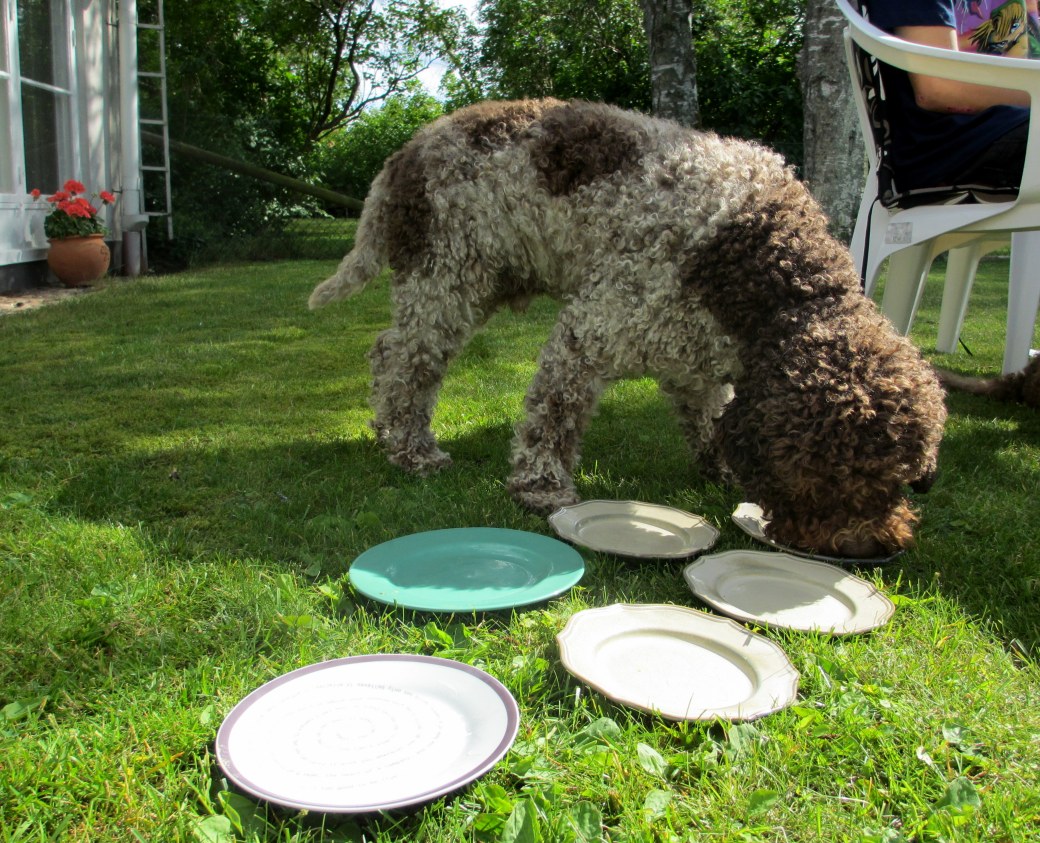

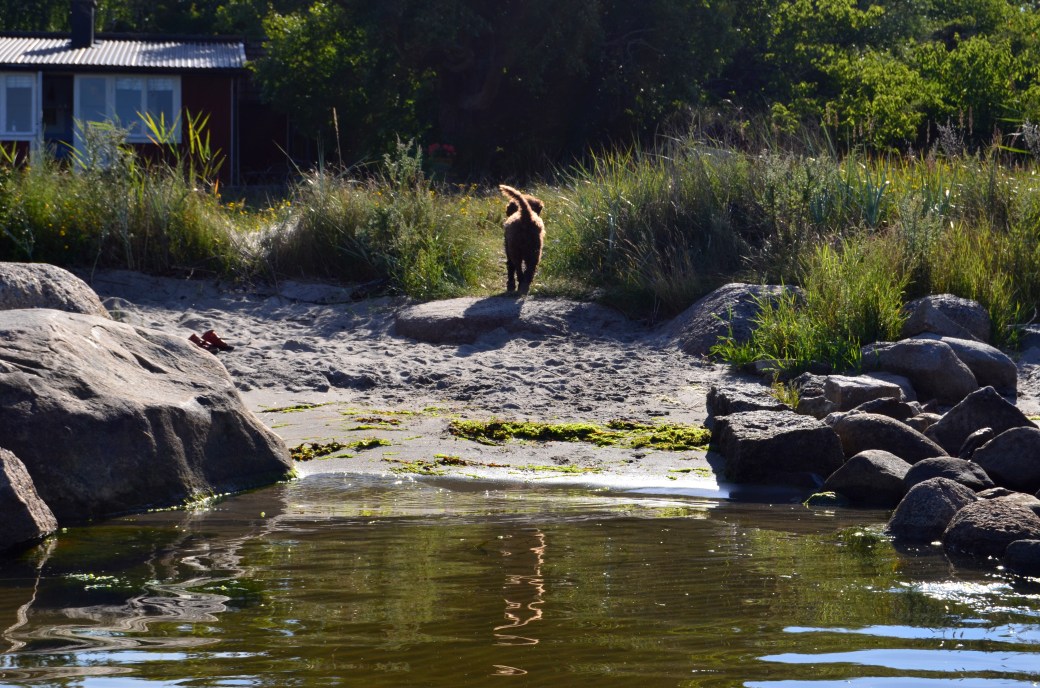 Home is where you feel at home and are treated well.
Dalai Lama
Feel, that is something we all do. The quote chosen for today’s challenge was given to us by the Dalai Lama.
Home is where you feel at home and are treated well.
Dalai Lama
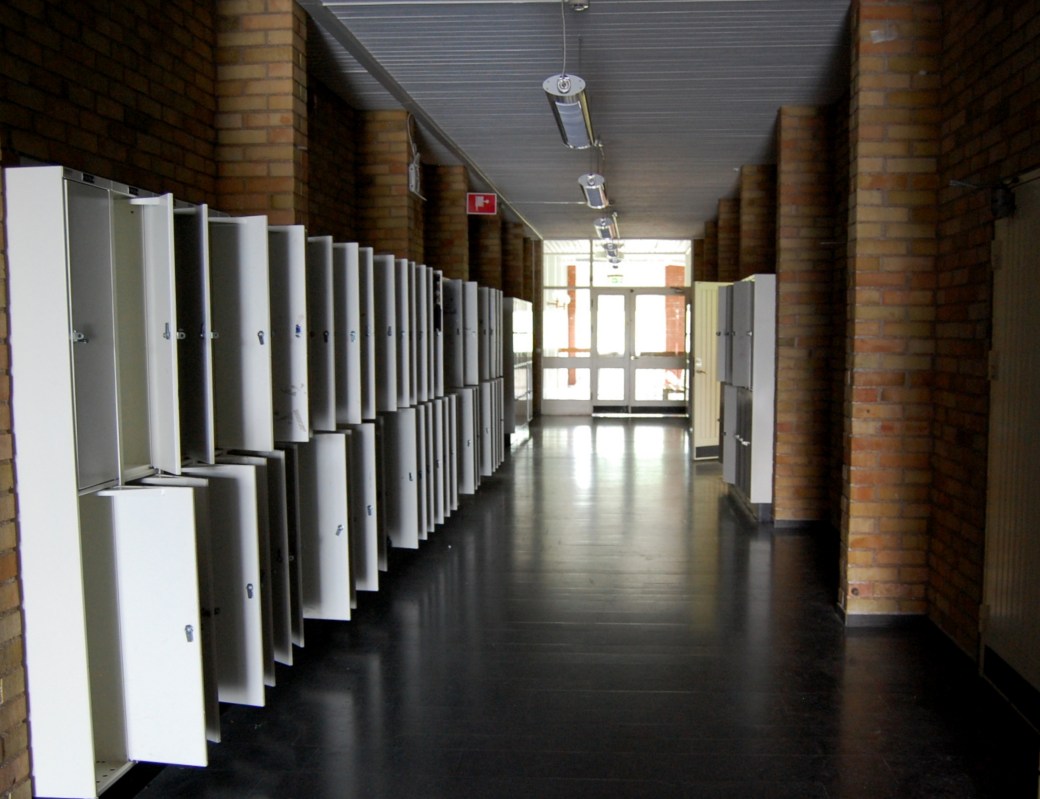
This week’s Shoot and Quote from Ese is about being Open. When the students are flown out in the world, the corridor looks something like this…
We all know that education unlocks the door of opportunity for the young.
Gordon B Hinckley
Introduktionsdagar! Ailsas tema är Play – och vad kan passa bättre?
Now there’s only hard work to look forward to – school is here again! The two first days are always dedicated to getting to know each other, old students and new ones. So, playing games is only one of the things we do…


For more play and games – go to Ailsa and Where’s My Backpack?
Bekymmerslös på svenska, men fri från bekymmer låter mycket skönare. Som så ofta säger det engelska ordet mycket tydligare vad det är frågan om. Men, hur visar jag en känsla som den? Vilken eller vilka bilder kan över huvud taget visa den?
Naturligtvis ligger bilden i mig och i min kropp och själ. Det beror på min bakgrund, mitt yrke och den kultur och geografi jag är född i. Det beror på…mycket. Jag har funderat ett tag och kommit fram till några nyckelsituationer och nyckelord. De viktigaste ingredienserna är: vår eller sommar, ledig från arbetet, öppet landskap, ljudet av vind, vatten och fåglar, blå himmel, hög luft, mina barn och/eller mina hundar.
Carefree is this week’s challenge from WordPress. I have spent some hours thinking about – when do I really have that feeling? And, what pictures might best show it?
To imagine this feeling I had to think about some essential ingredients. My conclusion is that they are: spring or summer, vacation, open air landscape, the sound of wind, water and birds, blue sky, crisp air, my children and/or my dogs.
 There is one place on Earth, that more than any other place makes my heart soar by merely thinking about it. One place where my feeling of freedom and being carefree never left me. New Zealand. This photo is from a lonely beach on the Coromandel peninsula. My son is walking barefoot in the sand, where his sister’s footprints still are visible. I was walking right behind them feeling the warm wind in my hair and the soft sand under my feet. A crystal clear moment of sheer happiness. Far away from all troubles, but together with my loved ones.
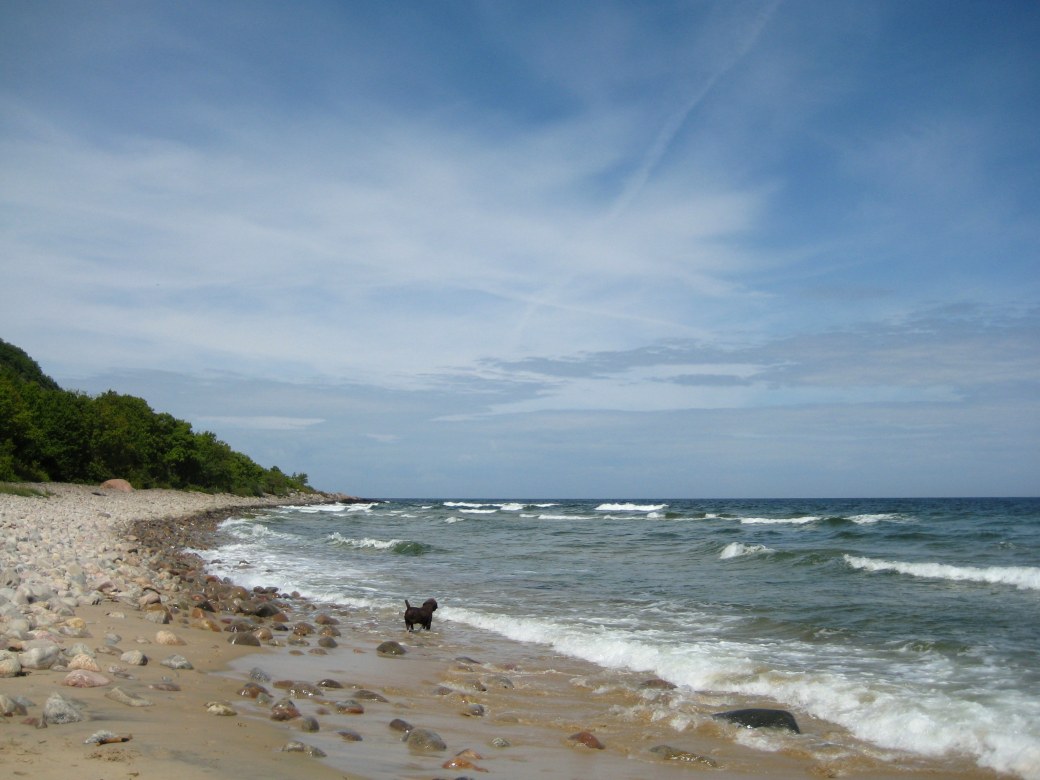 This photo is from a day on the southeast shores of Skåne in spring 2008. Mille running wild and free in the waves and not a single other human being on the beach. Totti wasn’t born yet. Being a water dog, Mille’s joy over the rolling waves was unstoppable. I remember shouting at him when he jumped too far out and the waves seemed to swallow him. But freedom is a great thing…We both felt its presence that day.
Where am I to start? Great theme – but so much to choose from.
Let’s go to Iceland, to Skagafjördur and Glaumbaer farm. For hundreds of years, a farm has been standing here, being changed and rebuilt in periods in the 18th- & 19th-centuries. This style of the turf construction was universal in rural areas of Iceland until about 1900, when it was gradually replaced mainly by reinforced concrete.


Glaumbaer farm had the priest of the village living here until 1947. Interesting too, is that the first woman to give birth to a white man in America, had lived here at Glaumbaer. Her name was Gudridur Thorbjarnardottir, and she travelled with Leif Ericsson or one of the following expeditions around the year 1000. So the old documents in Iceland tell us, and they were very good at documentation, the Icelandic people.
More about Glaumbaer here: http://www2.skagafjordur.is/default.asp?cat_id=1123
More interesting architecture here: http://wheresmybackpack.com/2013/08/09/travel-theme-architecture/

Weltvogelpark Walsrode, (before 2010 English Walsrode Bird Park) is a bird park located in the middle of the Lüneburg Heath in North Germany near Walsrode in the state of Lower Saxony in Germany.
Weltfogelpark Walsrode ligger vid Lȕneburger Heide i norra Tyskland och är världens största fågelpark både i fråga om antal arter och area. ( Jurong Bird Park i Singapore säger sig ha flest antal individer.) Parken är på 24 ha och har cirka 4.200 fåglar uppdelat på 675 arter från alla kontinenter och alla klimatzoner i världen. Förra året var det 50 år sedan fågelparken slog upp sina portar.
Man kan tycka vad man vill om ”djurparker” och själv tycker jag oftast inte…men den här parken har gott rykte och deltar i uppfödningsprogram för utsatta arter. Vi besökte Walsrodeparken för ca 30 år sedan och blev imponerade av vad vi såg. När nu en gammal vän – och fågelälskares – dröm kunde gå i uppfyllelse om hon fick komma dit, så såg vi till att hennes dröm blev sann.
Weltvogelpark Walsrode is the largest bird park in the world in terms of species as well as land area. ( Jurong Bird Park in Singapore claims they have the largest number individual birds) It covers 24 hectares (59 acres) and houses some 4,200 birds of over 675 species from every continent and climatic zone in the world. Last year the Weltvogelpark Walsrode celebrated its fiftieth anniversary.
You can be for or against these animal parks, and I don’t ususlly visit, but this park is renowned for its beauty and well kept birds and participates in several breeding programmes for vulnerable species. We visited about 30 years ago and were really impressed. An old friend of mine – and bird lover – had this dream of visiting Walsrode, so we took her there – helping her dream come true.
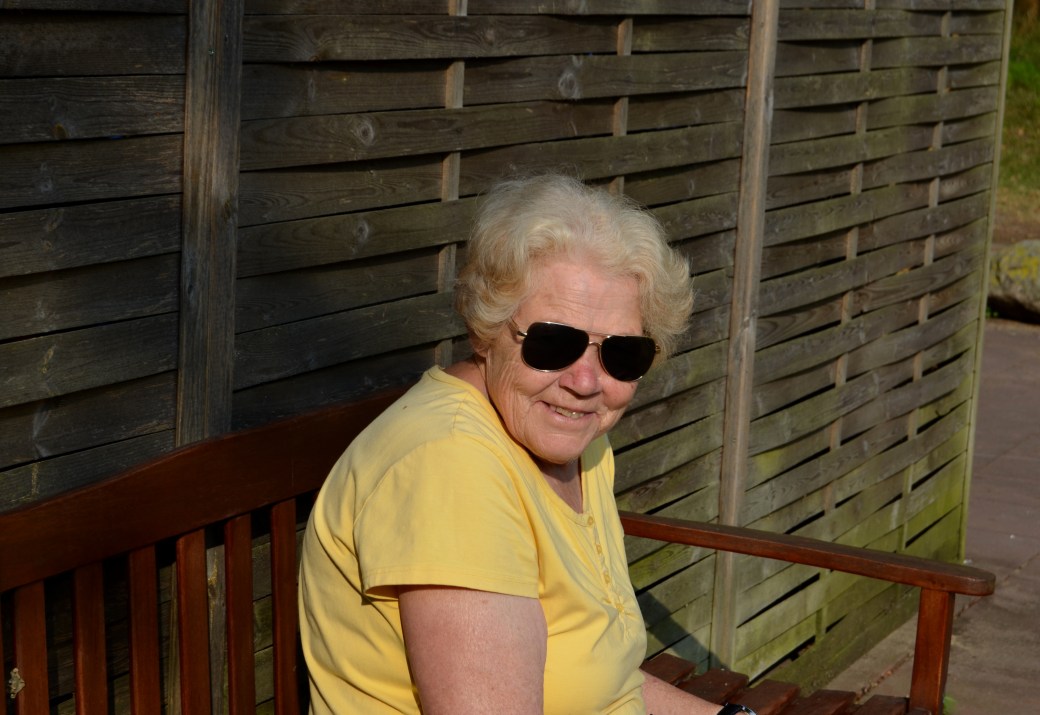
Fågelparken har ett stort antal både inomhus- och utomhusvoljärer och i parkens nyare delar har man strävat efter att dessa så mycket som möjligt ska efterlikna fåglarnas naturliga hemmiljö. De äldre områdena består mestadels av skog och ett parklandskap med stora rosen- och rhododendronrabatter.
The bird park comprises a large number of internal and external aviaries as well as outdoor enclosures. In the more recent constructed areas, the birds live in an environment modelled on their natural habitat with no artificial barriers both in a free flight aviary, as well as in numerous buildings, such as the Jungle Hall. The older areas though, mainly consist of spacious parkland and woods including large rose and rhododendron beds.
Click on any picture to enlarge and start the gallery.


Stora attraktioner är de friflygningsuppvisningar som ges två gånger om dagen i ett stort öppet område med gräsmattor, rosenrabatter och vattenorgel. Här får vi se falkar, örnar och ugglor, men också papegojor och den jättelika sydamerikanska kondoren visa sina färdigheter.
I parkens program finns också inprickat olika matningstillfällen då du får möta fåglarna riktigt nära.
One special attraction is the variety of flight demonstrations on an open-air stage where, Not only are falcons, eagles and owls are displayed as in other shows, but parrots, South American Condors and Indian Runner Ducks too.


Det finns även en mer humoristisk, men informativ, inomhusshow där du bland annat får se kakadua och Nya Zeeländska Kea i arbete. Mycket barnvänlig park överhuvudtaget.
Indoors there is a humorous, but very informative, show with among others a cockatoo and a New Zealand Kea. There are also various feeding demonstrations and young bird rearing station which is particularly interesting to children.


i något mindre burar och voljärer huserar de mest fantastiska fåglar från de tropiska delarna av världen. färgstarka och ljudliga!
In smaller aviaries/cages we found the most fantastic birds from tropical areas of the world. Colourful and loud…


Breeding programme
Walsrode fågelpark har ett antal fågelarter som inte kan beskådas i någon annan zoologisk park i världen. Man är också först med att få vissa arter att föröka sig i fångenskap. Parken deltar i European Endangered Species Programme och har till exempel lyckats få berguv att återinplanteras i det vilda. Man deltar också i ett flertal program för att föda upp andra utrotningshotade arter, bland annat andfågeln Madagaskarkricka.
The bird park has a range of birds that cannot be seen in other zoos in the world, and was the first to successfully breed a number of species.
The bird park participates in the European Endangered Species Programme and has, for example, made eagle owls available for reintroduction in the wild. In addition it is also taking part in a breeding programme for the Bernier’s Teal and many other birds that are threatened by extinction.
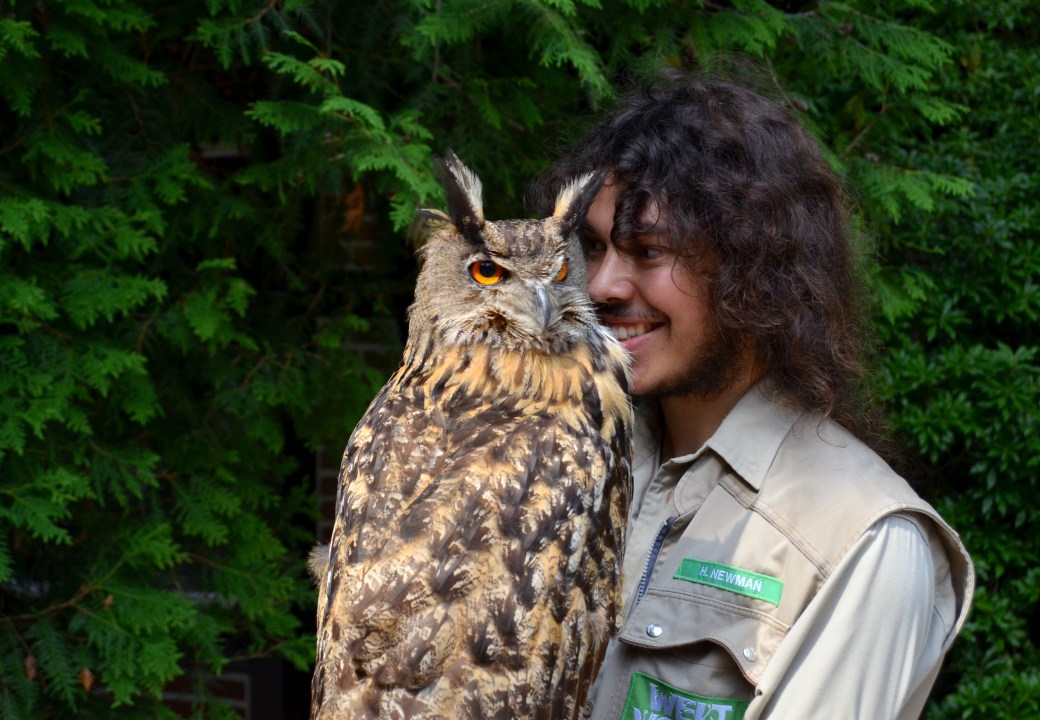
Eagle Owl and his loving caretaker
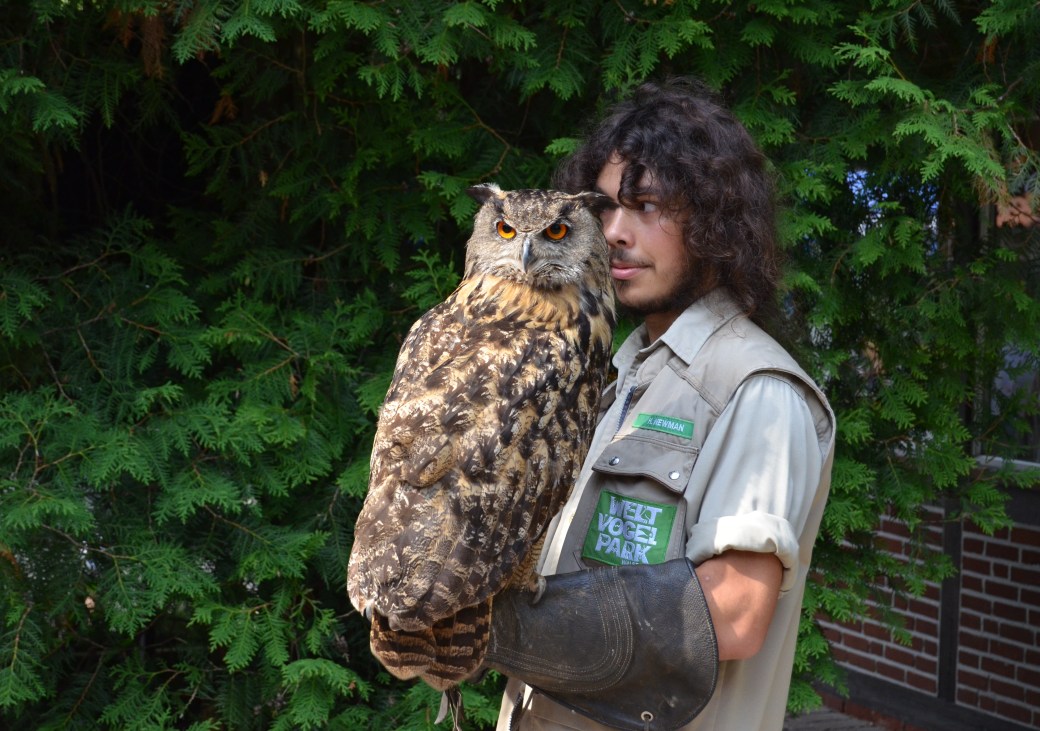
History of the bird park
Parken grundades 1962 av en handelsman från Walsrode, Fritz Geschke, för privat uppfödning av fasaner och sjöfåglar. 1964 överläts parken till en svärson,Wolf W. Brehm, som snabbt expanderade parken under 1970-talet både till ytan och med bland annat friflygning, pingvinområde och mycket mer. År 2000 tillkom Djungelhallen med asiatiska skulpturer och fåglar från Asien. Därefter tillkom Eagle Owl Hill och Treehouse Village.
År 2000 tog nya ägare över efter problem med parkens finanser och fler friflygningsuppvisningar startade vilket ökade besökartalen och garanterade för parkens överlevnad. 2009 gick en belgisk firma in med mer pengar, Floralux.
År 2010 bytte parken namn till internationella Weltvogelpark Walsrode.
The park was founded in 1962 by the Walsrode businessman, Fritz Geschke, for breeding pheasants and water birds privately. In 1964 he transferred the park to his son-in-law, Wolf W. Brehm, who expanded it rapidly, especially during the 1970s. In 1968, the 2,100-square-metre (23,000 sq ft) was opened. Trend-setting facilities such as the free flight aviary, a penguin enclosure and many others followed.
In 2000, on the occasion of the Expo in Hanover, the Jungle Hall was opened with its Indonesian artefacts and Asiatic bird species. Later the Eagle Owl Hill and Treehouse Village were added.
Due to business difficulties the park was transferred in 2000 to new ownership. The new owners introduced more and more flight demonstrations which increased the number of visitors and ensured the survival of the park. Looming insolvency was averted in March 2009 by the intervention of the Belgian firm, Floralux.
In 2010 the new official international name of Walsrode Bird Park is changed to Weltvogelpark Walsrode. The park is well worth a visit, and for some more photos and facts about the park, click the links:

The Weekly Photo Challenge from WordPress says Foreshadow.
Denna veckas fotoutmaning är att visa något förebådande. Inte lätt…men jag går tillbaka till Island för att visa min enda bild av hur en gejser är på väg att få ett utbrott. Det var ganska sent på kvällen, så bilderna är inte de bästa, men spännande var det.
Att försöka ta foto på när en gejser är på väg att få utbrott är svårt, för dels vet du inte exakt när det ska komma och dels går allt så ohyggligt snabbt. Dessutom får du definitivt inte vara i vägen för det heta vattnet…

Hot water pool – Strokkur waiting…
Foreshadow – well, this foreshadow, of a Geyser (Did you know that the word Geyser is derived from the first one known to spout in Iceland – it’s name was/is Geysir) going to spout, was extremely difficult to catch. The photos are from Iceland, and it is late in the evening so the light is not the best. We were waiting for Strokkur…but, you do not know exactly when it’s going to happen, and when it does happen, it happens so fast that you hardly have any time to press the button. And – it’s not a good idea standing too close the hot water coming up.

Strokkur – coming up!
This great bubble is the dangerous foreshadow of what is going to come within less than half a second…
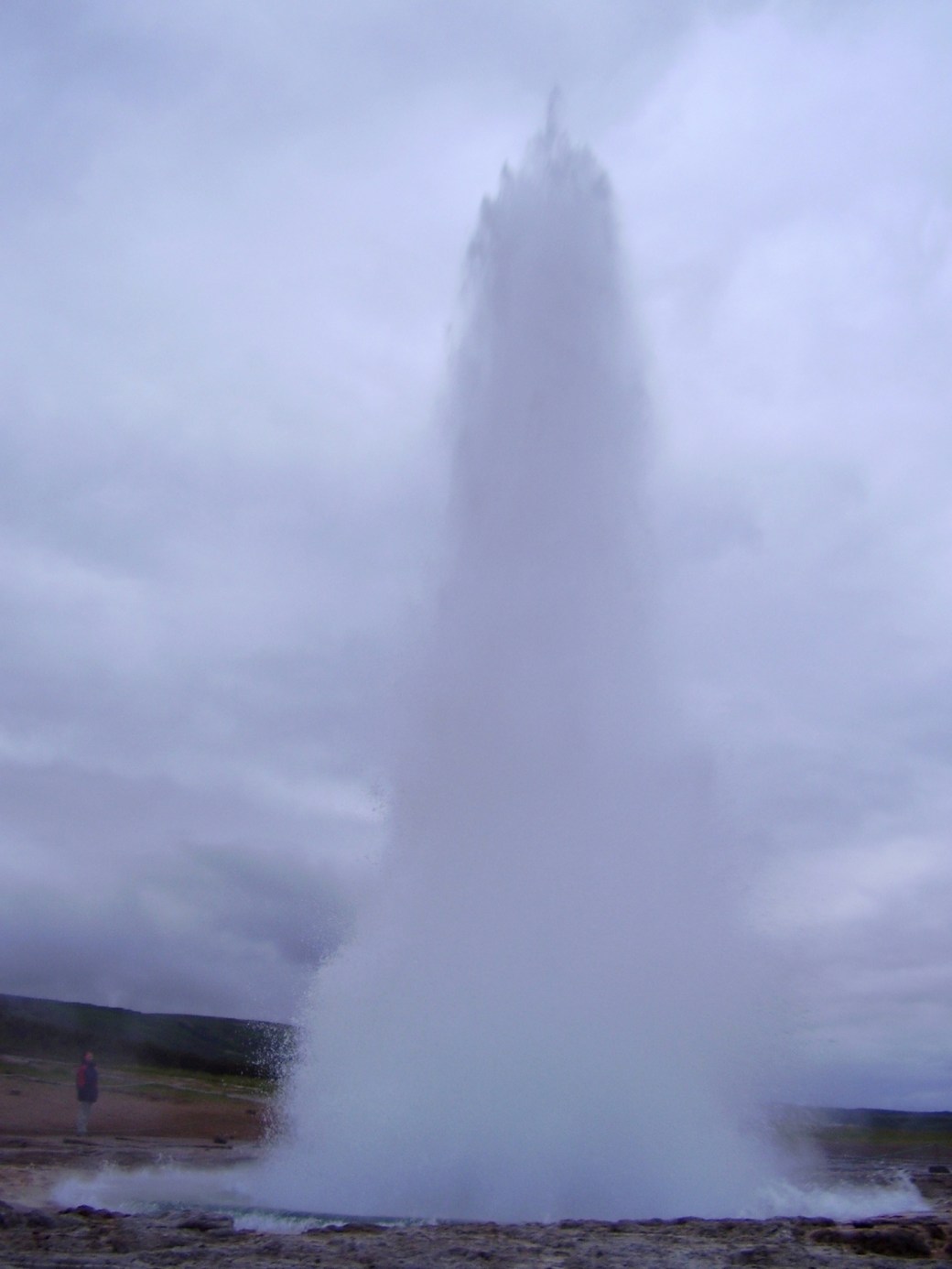
Strokkur!
Vår planet, Jorden, är det största mästerverket av alla. Jag hyllar ständigt dess skönhet, men tänkte att jag den här gången skulle välja något tillverkat av människohand. Människans mästerverk kan aldrig nå upp till Naturens, men det finns tillfällen då jag varit mycket imponerad av vad vi har åstadkommit…
This planet, Earth, is the greatest Masterpiece of all. I always pay tribute to the glory of it, so I thought, maybe this time I would choose something made by man. Even if manmade things never can match Nature, I am very impressed by some things I have met on my travels…and for this, I chose the magic Pothala palace in Lhasa, Tibet.
Potalapalatset (tibetanska: པོ་ཏ་ལ།; Wylie: po ta la) i Lhasa, Tibet, var Dalai lamas ordinarie vinterresidens och den tibetanska regeringens kansli. Det är tretton våningar högt mästerverk beläget på klippan Marpori (”Den röda klippan”), omkring 3 700 meter över havet. Namnet Potala kommer från det gudomliga berget Potalaka, där boddhisattvan Chenresig skall ha sin boning. Palatset är också känt som Tse Podrang, ”palatset på bergstoppen”.
Det första palatset började byggas redan 631 av kejsar Songtsän Gampo. Det nuvarande palatset, som är av dzong-typ, består av två delar: det vita palatset, som började uppföras år 1645 på order av den femte Dalai Lama, och det röda palatset, som stod färdigt 1693.
Det vita palatset var både Dalai Lamas vinterresidens och kansli för den tibetanska regeringen, medan det röda palatset uteslutande har sakrala funktioner. I det röda palatsets västra kapell finns fem guldbeklädda chörten, där fem inkarnationer av Dalai lama finns begravda. De gula delarna är de heligaste.
Potala var residens och regeringsbyggnad fram till det tibetanska upproret 1959, när den den fjortonde Dalai lama tvingades gå i exil i Indien. Under kulturrevolutionen undgick Potalapalatset förstörelse och är därför en av de mest välbevarade historiska byggnaderna i Lhasa. Ändå förstördes eller försvann nästan alla, över 100.000 volymer med skrifter, historiska dokument och andra konstverk från palatset när kineserna tog över.
Potalapalatset är numera ett museum öppet för allmänheten, och upptogs 1994 på Unescos världsarvslista. Världsarvet utökades 2000 att även omfatta Jokhangklostret och 2001 även Norbulingka, det forna sommarpalatset.

Själva byggnaden är 117m hög (300m över dalen) mäter 400m gånger 350m och dess stenväggar är alla mellan 3 och 5 meter tjocka. Man har använt koppar i grunden för att skydda vid jordbävningar. Palatset har fjorton våningar med sammanlagt över 1000 rum, 10.000 helgedomar och 200.000 statyer. Det tog endast 3 år att uppföra palatset, men interiören tog 45 år att färdigställa.
Tyvärr var det förbjudet att fotografera inomhus. Man hade också tagit bort allt som kunde visa på den nu levande Dalai lamas existens.
The building measures 400 metres east-west and 350 metres north-south, with sloping stone walls averaging 3 m. thick, and 5 m. (more than 16 ft) thick at the base, and with copper poured into the foundations to help proof it against earthquakes. Thirteen stories of buildings – containing over 1,000 rooms, 10,000 shrines and about 200,000 statues – soar 117 metres (384 ft) on top of Marpo Ri, the ”Red Hill”, rising more than 300 m (about 1,000 ft) in total above the valley floor.
The site on which the Potala Palace rises is built over a palace erected by Songtsän Gampo on the Red Hill. The Great Fifth Dalai Lama started the construction of the modern Potala Palace in 1645 after one of his spiritual advisers pointed out that the site was ideal as a seat of government, situated as it is between Drepung and Sera monasteries and the old city of Lhasa.
The external structure was built in 3 years, while the interior, together with its furnishings took 45 years to complete. The Dalai Lama and his government moved into the Potrang Karpo (‘White Palace’) in 1649. The Potrang Marpo (‘Red Palace’) was added between 1690 and 1694. The Red Palace is the part of the Potala palace that is completely devoted to religious study and Buddhist prayer.
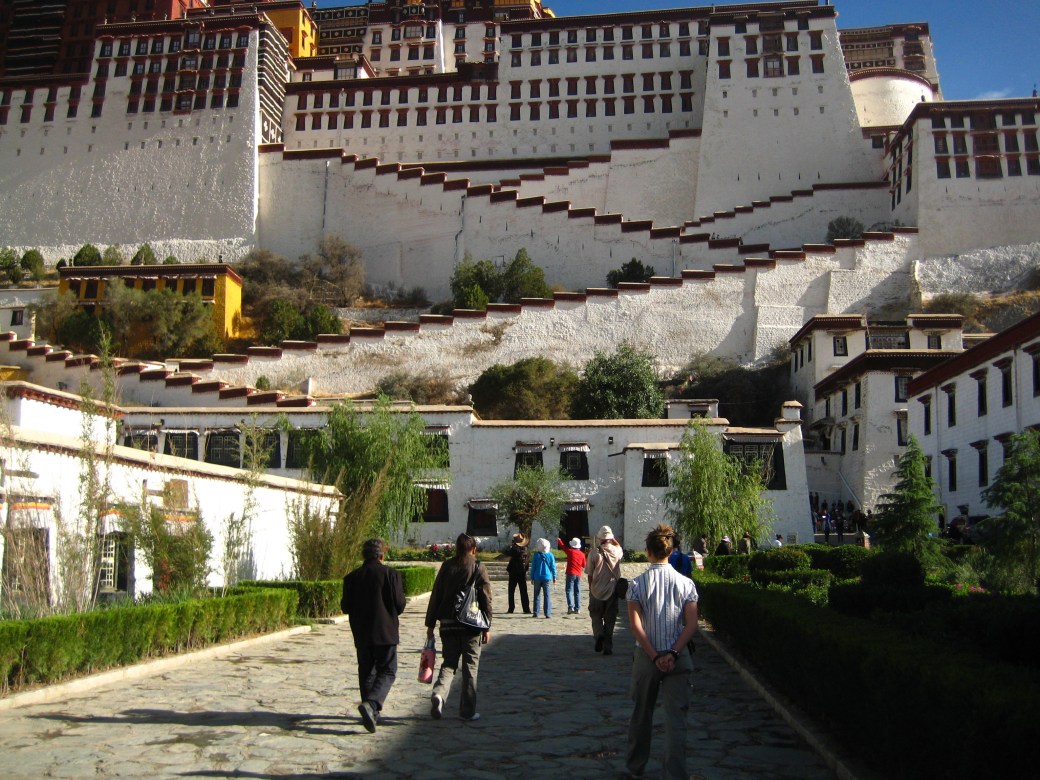 Starting the long walk.
The palace was slightly damaged during the Tibetan uprising against the Chinese in 1959, when Chinese shells were launched into the palace’s windows. Still, almost all of the over 100,000 volumes of scriptures, historical documents and other works of art were either removed, damaged or destroyed.
The Potala Palace was inscribed to the UNESCO World Heritage List in 1994. In 2000 and 2001, Jokhang Temple and Norbulingka, were added to the list as extensions to the sites.
The number of visitors to the palace were raised to 2,300 daily to accommodate a 30% increase in visitorship since the opening of the Qingzang railway into Lhasa on 1 July 2006, but the quota is often reached by mid-morning.
 Mer än 320 trappsteg och fler över nötta stenar behöver du gå för att komma till de övre delarna av Potalapalatset.
More than 320 steps, walked by so many, to reach the upper parts of the Pothala palace.
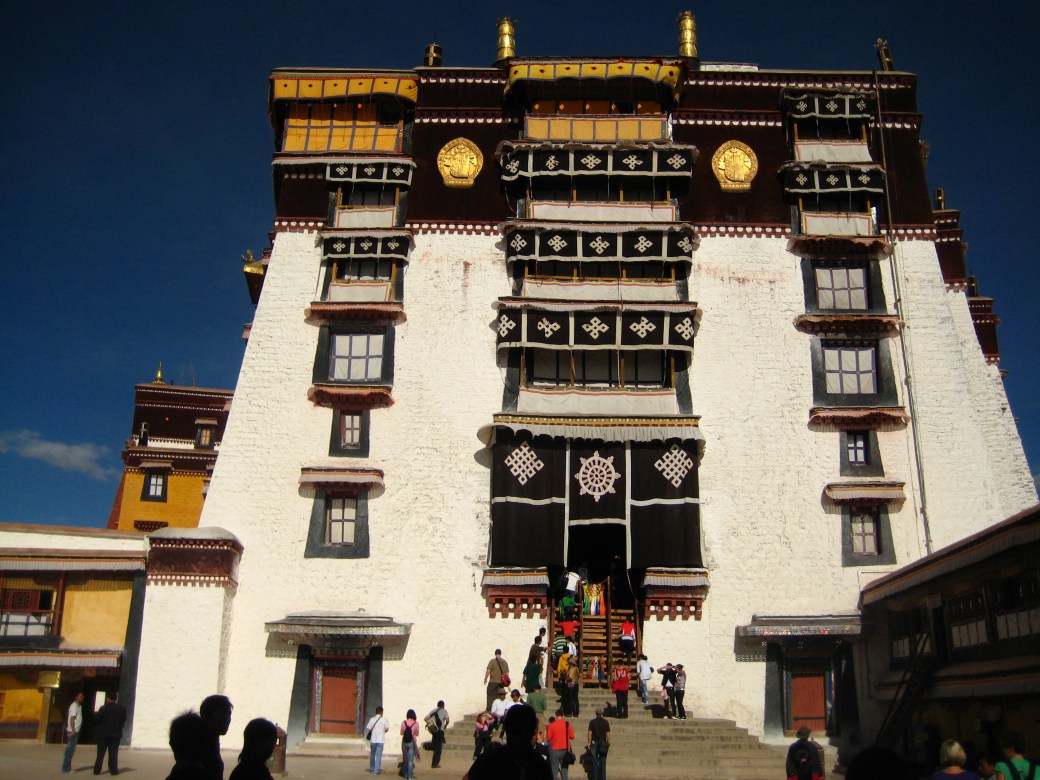 Bara Dalai lama får gå den mittersta trappan här.
Only the Dalai Lama is allowed to walk the middle step to this building.
The White Palace or Potrang Karpo is the part of the Potala Palace that makes up the living quarters of the Dalai Lama. The first White Palace was built during the lifetime of the Fifth Dalai Lama and he and his government moved into it in 1649. It then was extended to its size today by the thirteenth Dalai Lama in the early 20th century. The palace was for secular uses and contained the living quarters, offices, the seminary and the printing house. A central, yellow-painted courtyard known as a Deyangshar separates the living quarters of the Lama and his monks with the Red Palace, the other side of the sacred Potala, which is completely devoted to religious study and prayer. It contains the sacred gold stupas—the tombs of eight Dalai Lamas—the monks’ assembly hall, numerous chapels and shrines, and libraries for the important Buddhist scriptures, the Kangyur in 108 volumes and the Tengyur with 225.
Unfortunately, we were not allowed to take photos inside the palace, and every reminder of the existence of the now living Dalai Lama was hidden or removed.
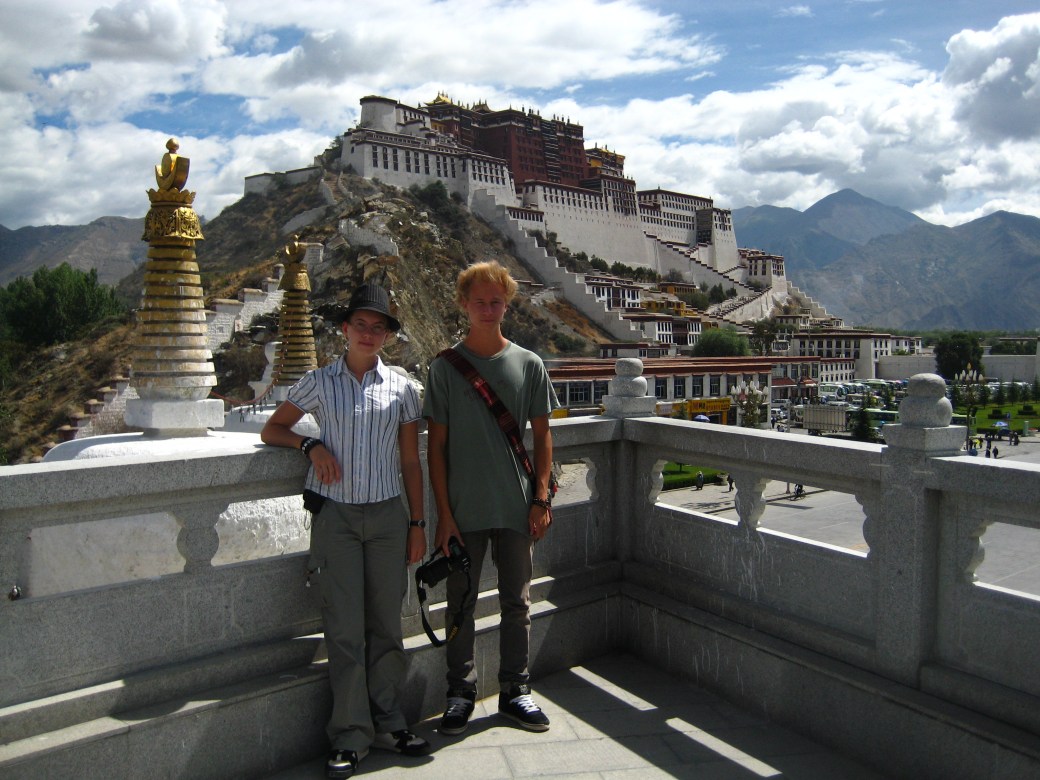 Three masterpieces in one picture.
For more pictures of Tibet and the Pothala palace, see an earlier post:
https://lagottocattleya.wordpress.com/2011/03/14/551/
Facts and statistics from our guide on tour, Lobsang, and from Wikipedia.



 Leya
Leya 
Du måste vara inloggad för att kunna skicka en kommentar.