Birds, birds – magnificent Beauties from all over the world!

Weltvogelpark Walsrode, (before 2010 English Walsrode Bird Park) is a bird park located in the middle of the Lüneburg Heath in North Germany near Walsrode in the state of Lower Saxony in Germany.

Weltfogelpark Walsrode ligger vid Lȕneburger Heide i norra Tyskland och är världens största fågelpark både i fråga om antal arter och area. ( Jurong Bird Park i Singapore säger sig ha flest antal individer.) Parken är på 24 ha och har cirka 4.200 fåglar uppdelat på 675 arter från alla kontinenter och alla klimatzoner i världen. Förra året var det 50 år sedan fågelparken slog upp sina portar.

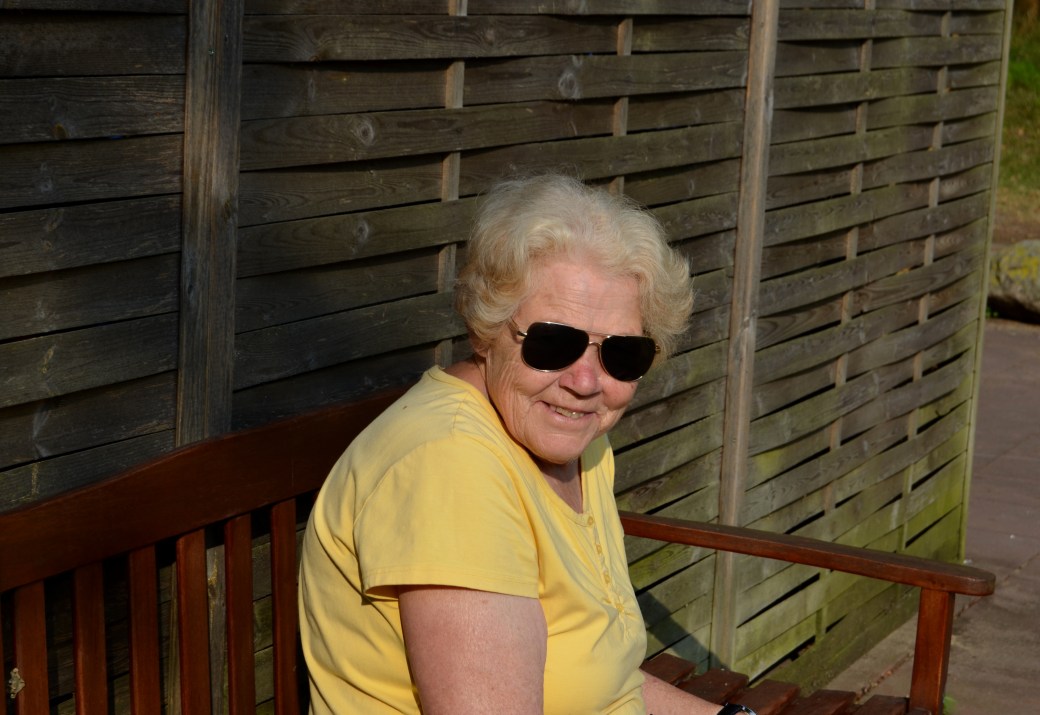
Man kan tycka vad man vill om ”djurparker” och själv tycker jag oftast inte…men den här parken har gott rykte och deltar i uppfödningsprogram för utsatta arter. Vi besökte Walsrodeparken för ca 30 år sedan och blev imponerade av vad vi såg. När nu en gammal vän – och fågelälskares – dröm kunde gå i uppfyllelse om hon fick komma dit, så såg vi till att hennes dröm blev sann.

Weltvogelpark Walsrode is the largest bird park in the world in terms of species as well as land area. ( Jurong Bird Park in Singapore claims they have the largest number individual birds) It covers 24 hectares (59 acres) and houses some 4,200 birds of over 675 species from every continent and climatic zone in the world. Last year the Weltvogelpark Walsrode celebrated its fiftieth anniversary.

You can be for or against these animal parks, and I don’t ususlly visit, but this park is renowned for its beauty and well kept birds and participates in several breeding programmes for vulnerable species. We visited about 30 years ago and were really impressed.  An old friend of mine – and bird lover – had this dream of visiting Walsrode, so we took her there – helping her dream come true.
Walsrode juli 2013 040

Fågelparken har ett stort antal både inomhus- och utomhusvoljärer och i parkens nyare delar har man strävat efter att dessa så mycket som möjligt ska efterlikna fåglarnas naturliga hemmiljö. De äldre områdena består mestadels av skog och ett parklandskap med stora rosen- och rhododendronrabatter.

The bird park comprises a large number of internal and external aviaries as well as outdoor enclosures. In the more recent constructed areas, the birds live in an environment modelled on their natural habitat with no artificial barriers both in a free flight aviary, as well as in numerous buildings, such as the Jungle Hall. The older areas though, mainly consist of spacious parkland and woods including large rose and rhododendron beds.

Click on any picture to enlarge and start the gallery.

Stora attraktioner är de friflygningsuppvisningar som ges två gånger om dagen i ett stort öppet område med gräsmattor, rosenrabatter och vattenorgel. Här får vi se falkar, örnar och ugglor, men också papegojor och den jättelika sydamerikanska kondoren visa sina färdigheter.

I parkens program finns också inprickat olika matningstillfällen då du får möta fåglarna riktigt nära.

One special attraction is the variety of flight demonstrations on an open-air stage where, Not only are falcons, eagles and owls are displayed as in other shows, but parrots, South American Condors and Indian Runner Ducks too.

Det finns även en mer humoristisk, men informativ, inomhusshow där du bland annat får se kakadua och Nya Zeeländska Kea i arbete. Mycket barnvänlig park överhuvudtaget.

Indoors there is a humorous, but very informative, show with among others a cockatoo and a New Zealand Kea. There are also various feeding demonstrations and young bird rearing station which is particularly interesting to children.

i något mindre burar och voljärer huserar de mest fantastiska fåglar från de tropiska delarna av världen. färgstarka och ljudliga!

In smaller aviaries/cages we found the most fantastic birds from tropical areas of the world. Colourful and loud…

Breeding programme

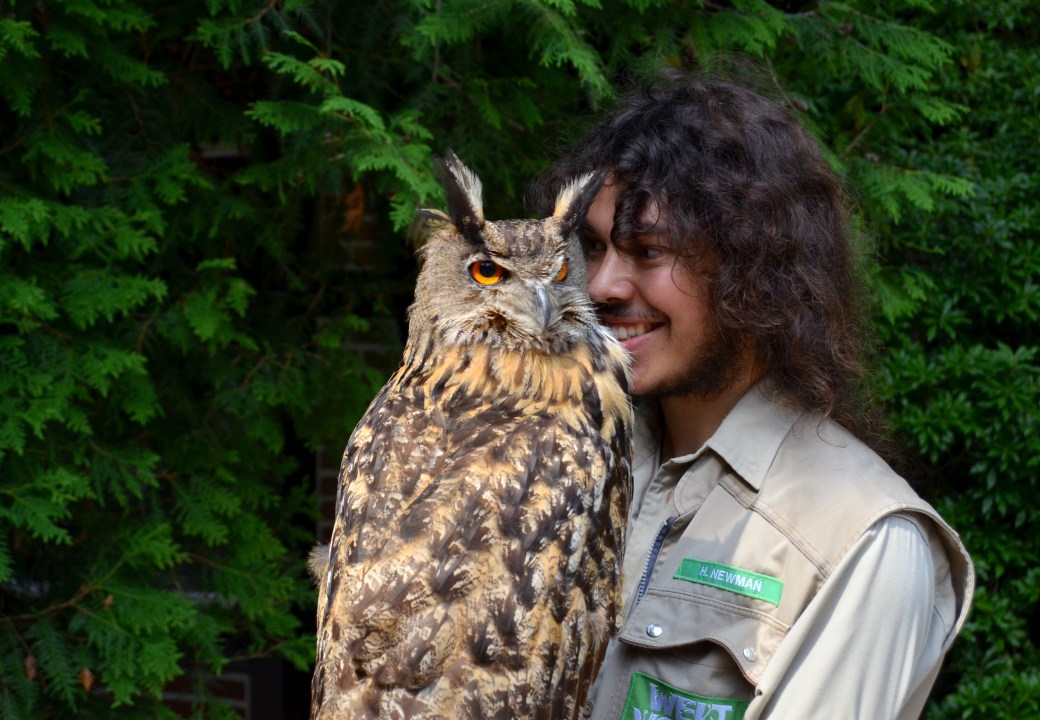
Walsrode fågelpark har ett antal fågelarter som inte kan beskådas i någon annan zoologisk park i världen. Man är också först med att få vissa arter att föröka sig i fångenskap. Parken deltar i European Endangered Species Programme och har till exempel lyckats få  berguv  att återinplanteras i det vilda. Man deltar också i ett flertal program för att föda upp andra utrotningshotade arter, bland annat andfågeln Madagaskarkricka.

The bird park has a range of birds that cannot be seen in other zoos in the world, and was the first to successfully breed a number of species.

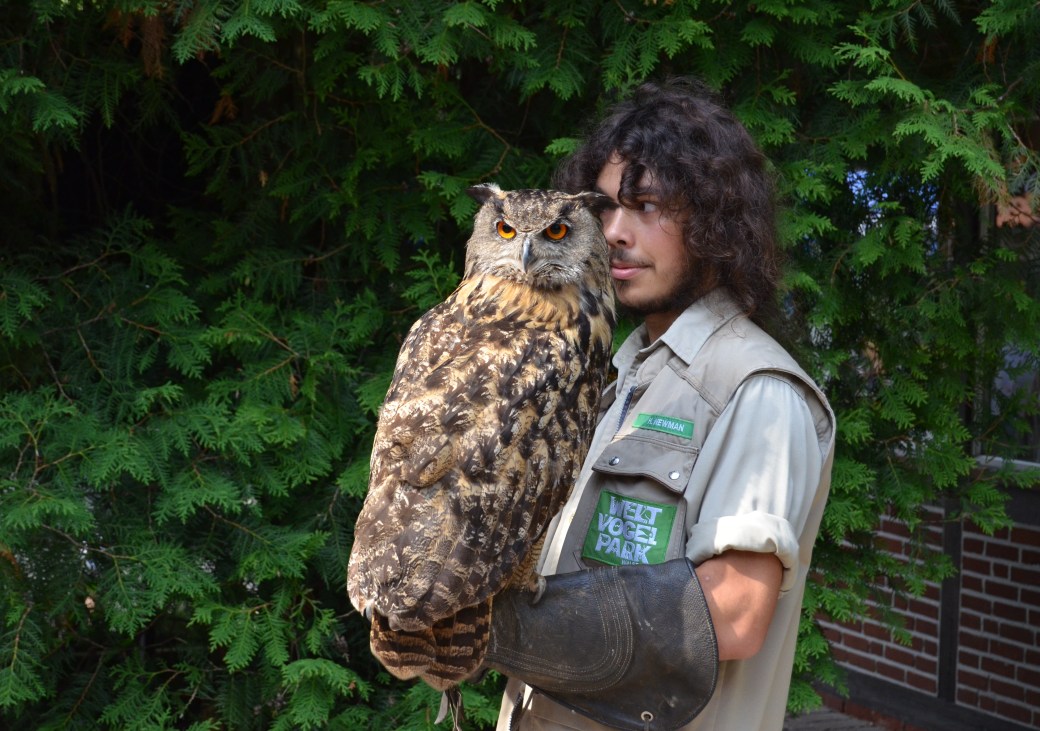
The bird park participates in the European Endangered Species Programme and has, for example, made eagle owls available for reintroduction in the wild. In addition it is also taking part in a breeding programme for the Bernier’s Teal and many other birds that are threatened by extinction.
Walsrode juli 2013 107

Eagle Owl and his loving caretaker

Walsrode juli 2013 106

History of the bird park

Parken grundades 1962 av en handelsman från Walsrode, Fritz Geschke, för privat uppfödning av fasaner och sjöfåglar. 1964 överläts parken till en svärson,Wolf W. Brehm, som snabbt expanderade parken under 1970-talet både till ytan och med bland annat friflygning, pingvinområde och mycket mer. År 2000 tillkom Djungelhallen med asiatiska skulpturer och fåglar från Asien. Därefter tillkom Eagle Owl Hill och Treehouse Village.

År 2000 tog nya ägare över efter problem med parkens finanser och fler friflygningsuppvisningar startade vilket ökade besökartalen och garanterade för parkens överlevnad. 2009 gick en belgisk firma in med mer pengar, Floralux.

År 2010 bytte parken namn till internationella Weltvogelpark Walsrode.

The park was founded in 1962 by the Walsrode businessman, Fritz Geschke, for breeding pheasants and water birds privately. In 1964 he transferred the park to his son-in-law, Wolf W. Brehm, who expanded it rapidly, especially during the 1970s. In 1968, the 2,100-square-metre (23,000 sq ft) was opened. Trend-setting facilities such as the free flight aviary, a penguin enclosure and many others followed.

In 2000, on the occasion of the Expo in Hanover, the Jungle Hall was opened with its Indonesian artefacts and Asiatic bird species. Later the Eagle Owl Hill and Treehouse Village were added.

Due to business difficulties the park was transferred in 2000 to new ownership. The new owners introduced more and more flight demonstrations which increased the number of visitors and ensured the survival of the park. Looming insolvency was averted in March 2009 by the intervention of the Belgian firm, Floralux.

In 2010 the new official international name of Walsrode Bird Park is changed to Weltvogelpark Walsrode. The park is well worth a visit, and for some more photos and facts about the park, click the links:

http://www.weltvogelpark.de/en/

Weekly Photo Challenge: Foreshadow

The Weekly Photo Challenge from WordPress says Foreshadow.

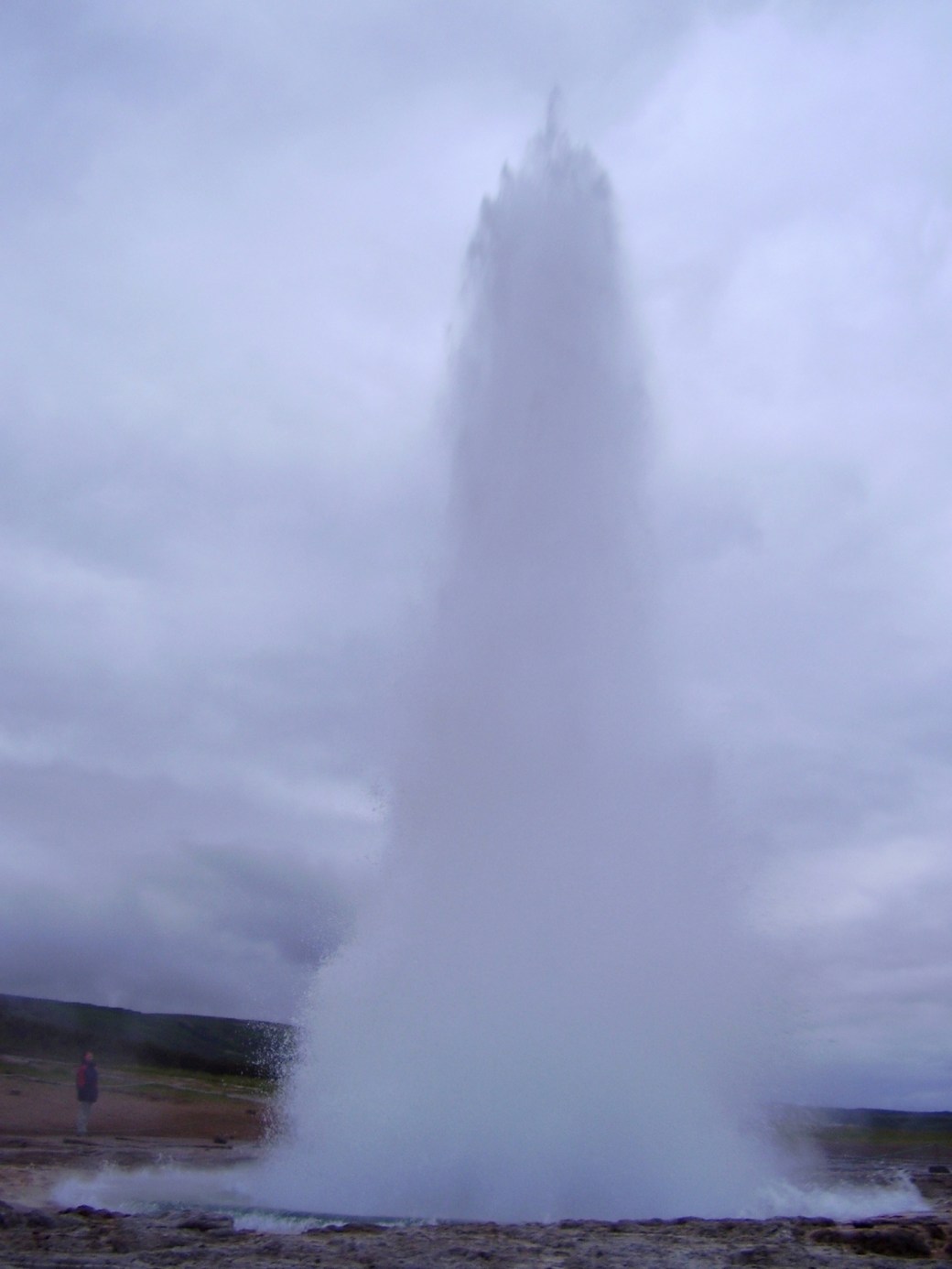
Denna veckas fotoutmaning är att visa något förebådande. Inte lätt…men jag går tillbaka till Island för att visa min enda bild av hur en gejser är på väg att få ett utbrott. Det var ganska sent på kvällen, så bilderna är inte de bästa, men spännande var det.

Att försöka ta foto på när en gejser är på väg att få utbrott är svårt, för dels vet du inte exakt när det ska komma och dels går allt så ohyggligt snabbt. Dessutom får du definitivt inte vara i vägen för det heta vattnet…

OLYMPUS DIGITAL CAMERA

Hot water pool – Strokkur waiting…

Foreshadow – well, this foreshadow, of a Geyser (Did you know that the word Geyser is derived  from the first one known to spout in Iceland – it’s name was/is Geysir) going to spout, was extremely difficult to catch. The photos are from Iceland, and it is late in the evening so the light is not the best. We were waiting for Strokkur…but, you do not know exactly when it’s going to happen, and when it does happen, it happens so fast that you hardly have any time to press the button. And – it’s not a good idea standing too close the hot water coming up.

OLYMPUS DIGITAL CAMERA

Strokkur – coming up!

This great bubble is the dangerous foreshadow of what is going to come within less than half a second…

OLYMPUS DIGITAL CAMERA

Strokkur!

Tribute to the Swedish summer flowers

En sommarpromenad dessa veckor innebär tidig morgon och sen kväll. Mitt på dagen är det alldeles för varmt – tycker i alla fall de fyrbenta. Kameran är nästan alltid med, och tur är väl det, för blommorna torkar snabbt bort i år.  Lite fägring att minnas behöver vi alla.

Kanske fler än jag har lagt märke till hur få humlor, bin och fjärilar vi har här i år – i Skåne i alla fall. Förmodligen beror detta delvis på den stränga vintern. I vårt område kunde man i dagens tidning också läsa  om en man som hittat hundratals humlor döda under en lind. Experter tror att det är en silverlind, och i så fall ger humlornas mat ingen näring, utan de svälter helt enkelt ihjäl.

En annan spännande iakttagelse jag gjort dessa varma dagar är att när jag sätter på spridaren kommer fjärilar och flyger genom de tunnaste strålarna. Fram och tillbaka, svinglande upp och ner. Är det så torrt att de behöver fukt till sina vingar? Det skulle vara intressant med ett expertsvar här. Jag har aldrig lagt märke till detta beteende tidigare.

Sommarfägring är kort. För fler sommarblommor, se faialflores – min fotoblog.

Summer walks these weeks means early morning and late evening – at least that’s what the dogs tell me…My camera is always with me, and this year it’s obviously more than needed. The beautiful summer flowers are quickly fading now, shrivelling up in the hot, dry sun and wind.

I don’t know if you have noticed how few bumblebees, wasps and butterflies there are this year – at least in Sweden. We think this is because of the cold and long winter. In today’s paper I also read about a man in the neighbourhood who had found hundreds of dead bumblebees under his limetree. Experts say it might be a silver lime, and in that case the bumblebees are fooled to eat, but the food contains no nourrishment – so in fact the bees starve to death.

Yesterday I also noticed a peculiar behaviour that I hadn’t noticed before in butterflies. When I put on the sprinkler to water my flowerbed, butterflies swirled and flew up and down through the squirting water. Maybe it’s really so dry that they need this for their wings or something. It would be interesting to hear an expert’s explanation to this phenomenon.

Anyhow, here’s a small tribute to some of the wonderful summerflowers of Sweden! For more flowers from Sweden, click my photoblog, faialflores.

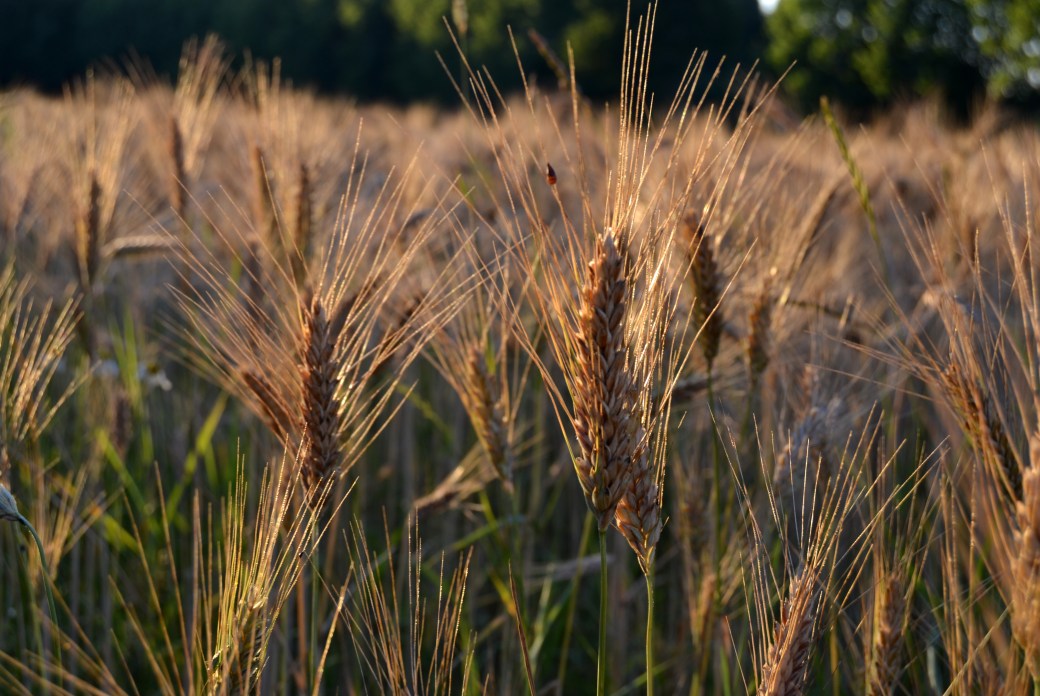
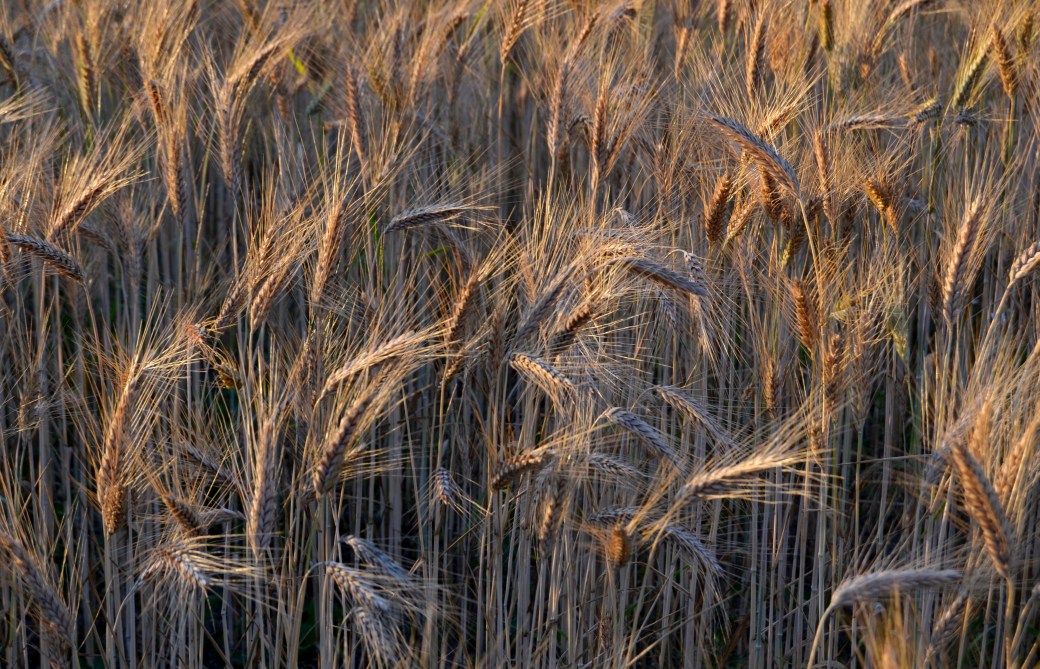
Sädesfält – The colours of corn

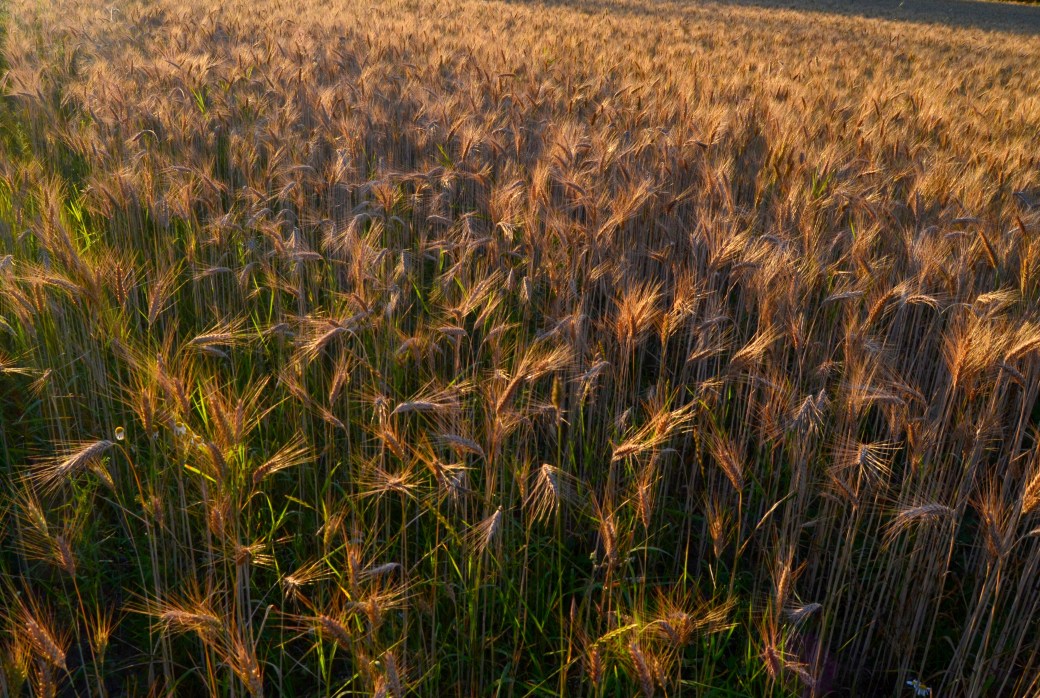
I kväll passerade jag ett vackert fält på både ditväg och hemväg med hundarna. Först i ganska klar kvällssol.

This evening I walked past a lovely field all aglow with the last rays of the sun.

Bertes ängar 045Fåglarna är faktiskt ganska aktiva fortfarande, och det varma vädret har till slut lockat fram myggen. Men kvällen är ljum, och vi njuter.

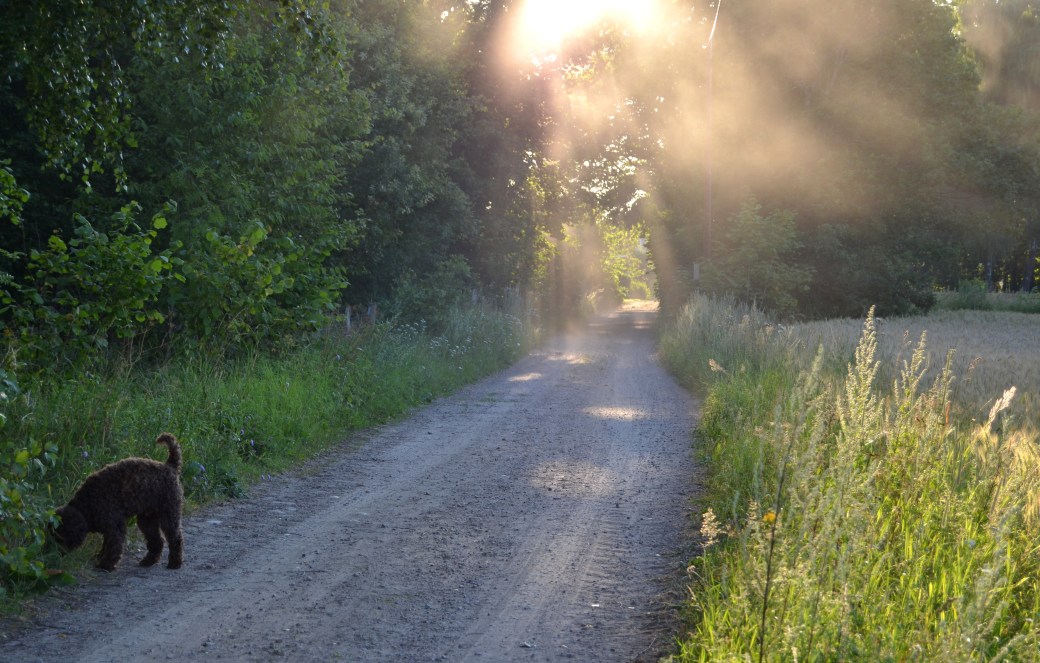
Vi går längs vägen när det plötsligt kommer en bil som rör upp den torra grusen till ett gyllene stoftmoln.

The birds are still active, and so are the mosquitos…but the night is soft and warm, and we all enjoy our walk. Suddenly there’s a car coming, stirring up a golden cloud of dust in the dry air.

Bertes ängar 043Vi går vår skogstur och återvänder när solen sjunkit ännu lägre och färgerna förändrats.

We walk our path and return to the field when the sun is on its way down – using a new palette of colours.

Bertes ängar 055Fältet är oemotståndligt vackert, men nu är det dags att vända hemåt. Det är ganska sent, och temperaturen visar fortfarande 23 grader varmt. Det är ändå först nu som hundarna vill gå ut.

The field is irresistiblly beautiful, but we have to return home. It’s rather late, and the temperature is still 23 degrees C. Not until now was it possible to walk the dogs – they refuse to go when it is hot. 28 we have had for some days now.

Bertes ängar 063En sista bild, sen är det dags att gå in för landning.

One last picture I have to take…I love these colours.

Bertes ängar 066

Travel theme: Tilted

Nya Zeeland förstås…var annars skulle det finnas något som lutar mer än tornet i Pisa?

New Zealand of course…where else would anything be as tilted as this?

Nya Zeeland 2 099

For more tilted things, look here at Ailsa’s Where’s my backpack?

BBC Nature – In pictures: Call for Brits to improve ‘tree knowledge’

BBC Nature – In pictures: Call for Brits to improve ‘tree knowledge’.

Kan du skilja en ek från en ask? Skrämmande resultat från en undersökning i Storbritannien redovisas här. Av de tillfrågade 2050 personerna kunde 43% inte identifiera en ek från ett foto på trädet och 83% kunde inte identifiera ett asklöv. The Woodland Trust vill nu via en film undervisa gemene man i trädkunskap. Man oroar sig bland annat för att inte få in rapporter om olika sjukdomar på träd – vilket man är beroende av att få från privatpersoner ute i landet.

Jag frågar mig om inte vi i Sverige kanske skulle få ett liknande resultat på en sådan undersökning?

Varje dag ser jag hur vi människor avlägsnar oss alltmer från naturen och till och med kan vara rädda för den. Naturliga processer, som åldrande till exempel, kan kännas obegripliga och skrämmande för människor idag. Det urbaniserade samhället ökar gapet mellan den natur vi hör hemma i och det liv vi lever. En ekvation som inte går att lösa, trots att allt ändå är så enkelt. Studera naturen och hur djuren reagerar och lever sina liv…så lär du känna dig själv bättre. Varför inte börja med träden?

Well, what can I say? As a tree lover, I feel quite devastated reading this…The truth is, that the situation might be the same here in Sweden. This is the result of modern, urban society life.

I am convinced that the gap between nature and man soon will become so wide that we no longer understand each other. We do not consider ourselves being closely related to every living being, and we do not feel that we belong in Nature.

Some people are even afraid of Nature and its creatures…and some people cannot understand, or even stand, the natural processes in their own body. Ageing for example. I know. I meet many people every day having trouble with this.

What is there to be afraid of? Study nature and the animals – and understand yourself. Why not start with trees!

Weekly Photo Challenge: The Golden Hour

In photography, the “golden hour” is the first and last hour of sunlight of the day. Photographers venture out on sunrise hikes or sunset treks to capture a magical shot, due to the quality of the light during that time of day.

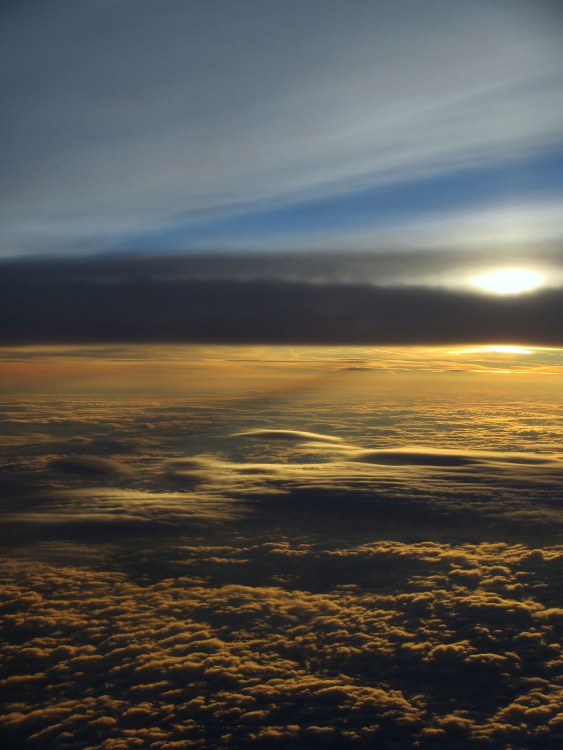
Inte bara fotografer njuter av denna första eller sista timme av sol, the Golden Hour – den Gyllene Timmen. Jag tror att det där bleka morgonljuset före och det sena, mjuka aftonskenet efter arbetsdagen ger varje människa ett lugn och en känslighet som bara detta speciella ljus kan ge. På väg hem från London blev det här min Golden Hour.

But, not only photographers love the Golden Hour. It’s the feeling that pale morning light and soft evening sun gives you – I think every human being becomes more sensitive before and after the busy working day. There’s often a stillness in the air and you feel relaxed in body and soul.

At least I did, on the flight home from London two weeks ago. So, here’s my Golden Hour.

London 2013 199

For more relaxing, click here.

Travel theme: Simplicity

Simplicity. Being simple, being clear and uncomplicated. So, clear your mind and enjoy the brilliant idea from Ailsa at Where’s My Backpack? Click the link for more of this!


Mera midsommar 2013 004

Weekly Photo Challenge: Companionable

The Weekly Photo Challenge this week is companionable. These two friends are, indeed. They have each other, and here they are companions to my mother too!

Indienresenärer och bokarna slår ut 2011 059

003 Fler uteliggare 018

More lovely furs from lovely blogs are here!

Doftträdgården, Japanska trädgården och Rosenträdgården

The Scented Garden, The Japanese Garden and The Rose Garden. I have to give you a tiny hint of their beauty as well. So, we are back in Ronneby Brunnspark. Follow me on the walk, and you will catch a glimpse of the little lake and the flea market as well! Let’s start where the gulls are sitting, pass the pondering horse (Bäckahästen) and stroll for a while in The Scented garden first…