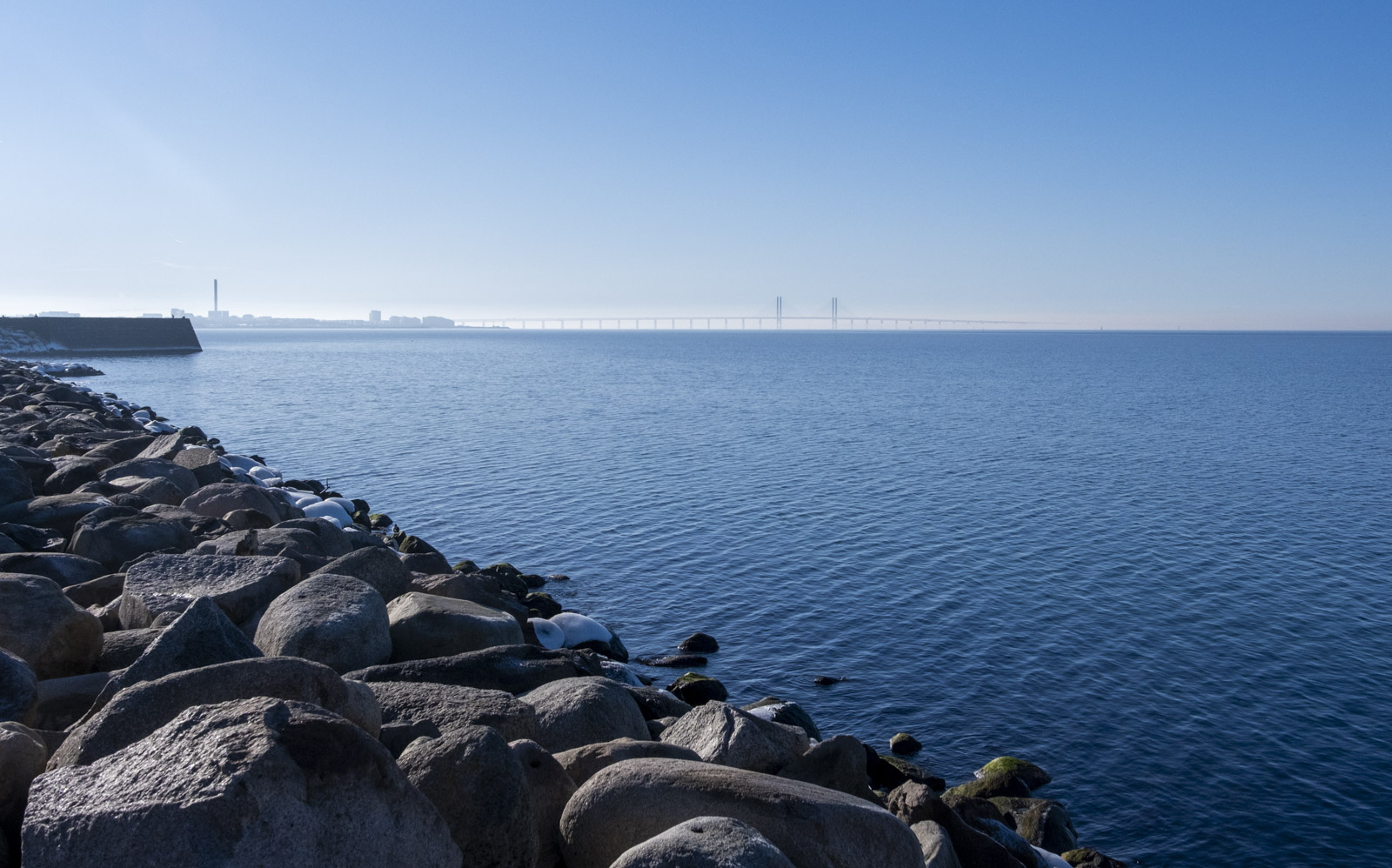
Thursday Thoughts – Clear Skies
An early wake up again on the train – the last part before Lhasa. The Tanggula pass is more than 5000 meters above sea level, but we were well taken care of with oxygen in our compartments.
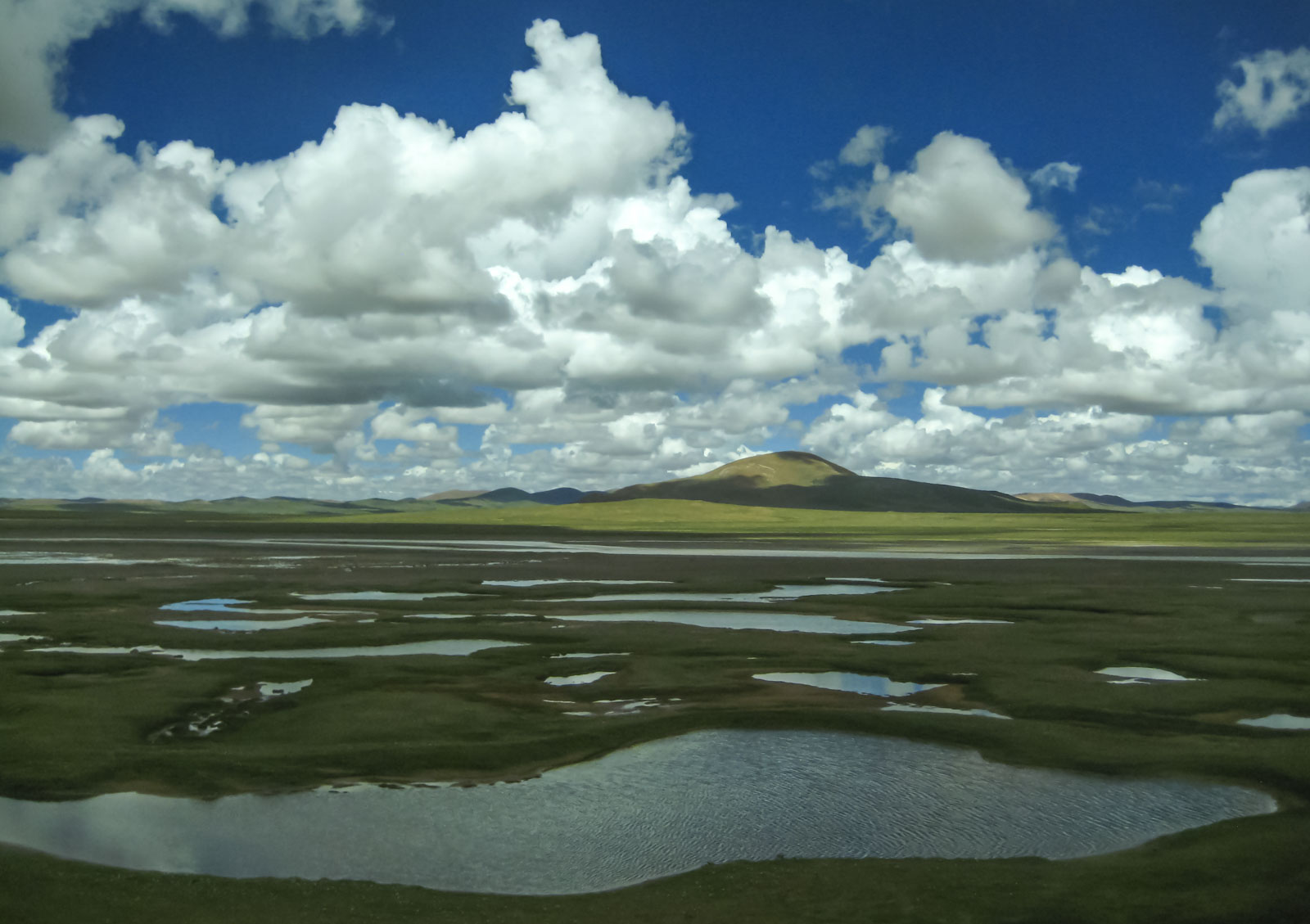
The Tibetan Plateau is breathtakingly beautiful – I still have tears in my eyes when I look at the old photos-

– and again we were glued to the window. The whole journey is almost 2000 kilometers and today it takes some 40-45 hours. I guess hour train ride took a bit longer 16 years ago.

We passed by majestic rivers, lakes, mountains in every kind of weather – but I think above all we loved the magical cloudscapes over the vast open spaces.

I remember we didn’t sleep much…as we didn’t want to leave the magic outside that train window. In fact we were earlier up than ever. We rose with the first light shining in.

The colours were beautifully contrasting between warm and cold, and the numerous jaks and sheep were grazing everywhere. We also saw a wolf, but weren’t quick enough to photograph it.
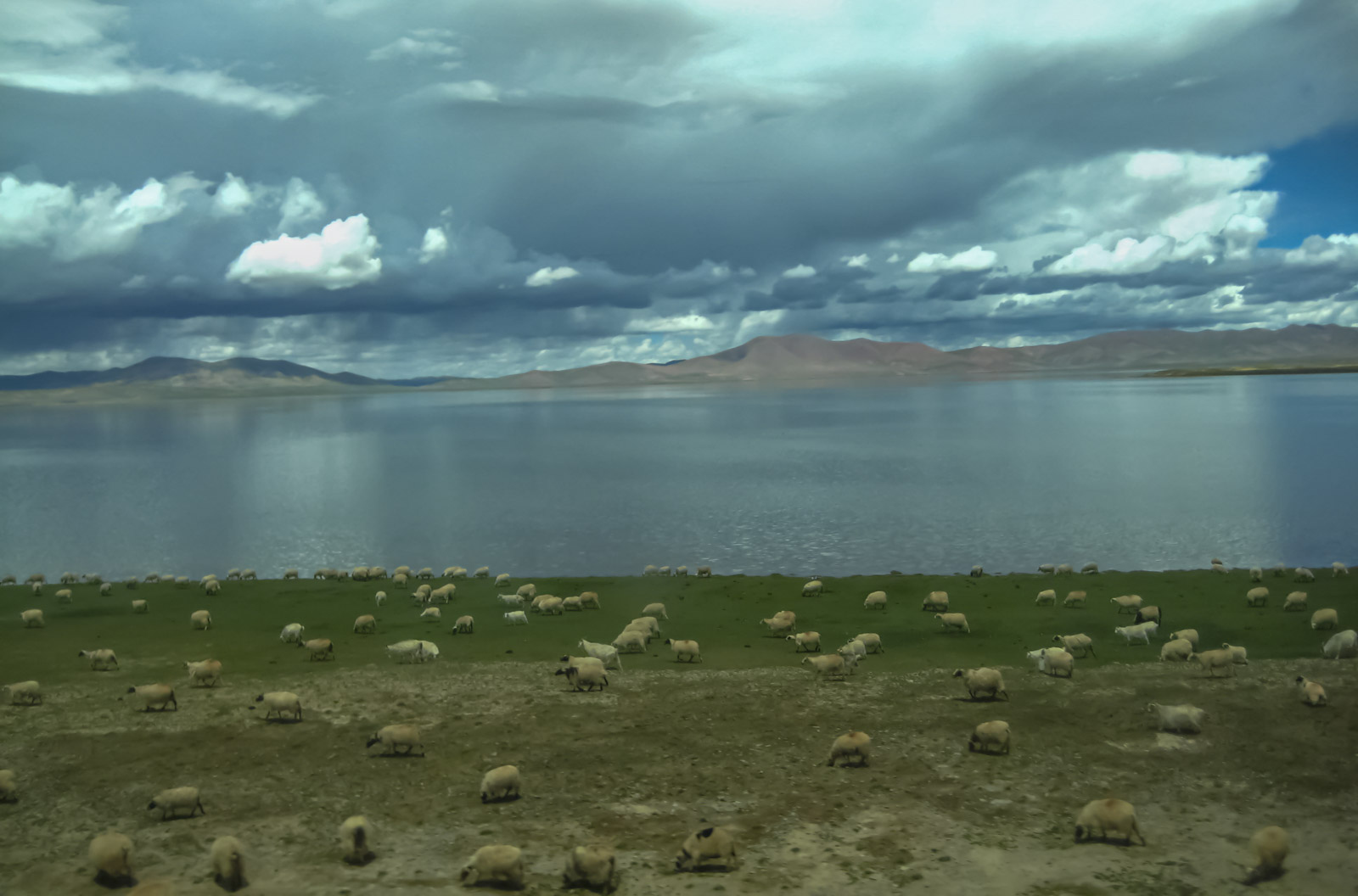
The clouds created a moving palette on the ground – with shadows and light playing. Sometimes we felt the clouds were sailing so low we could have touched them had we been able to get off the train for a minute!
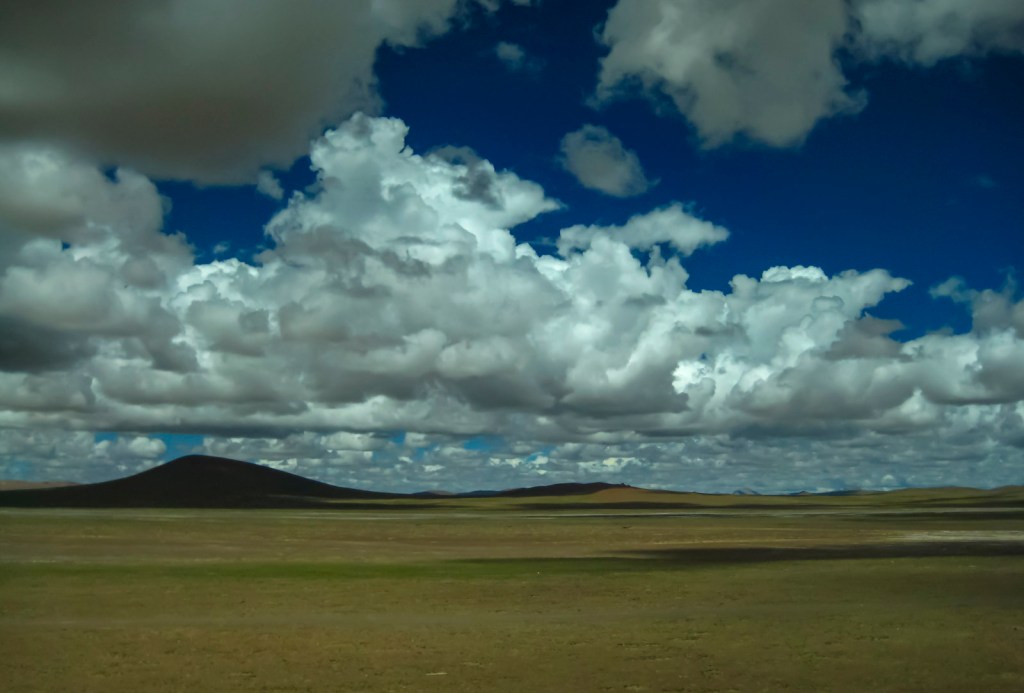
As we approached Lhasa, we came closer to the mountains and the valleys –
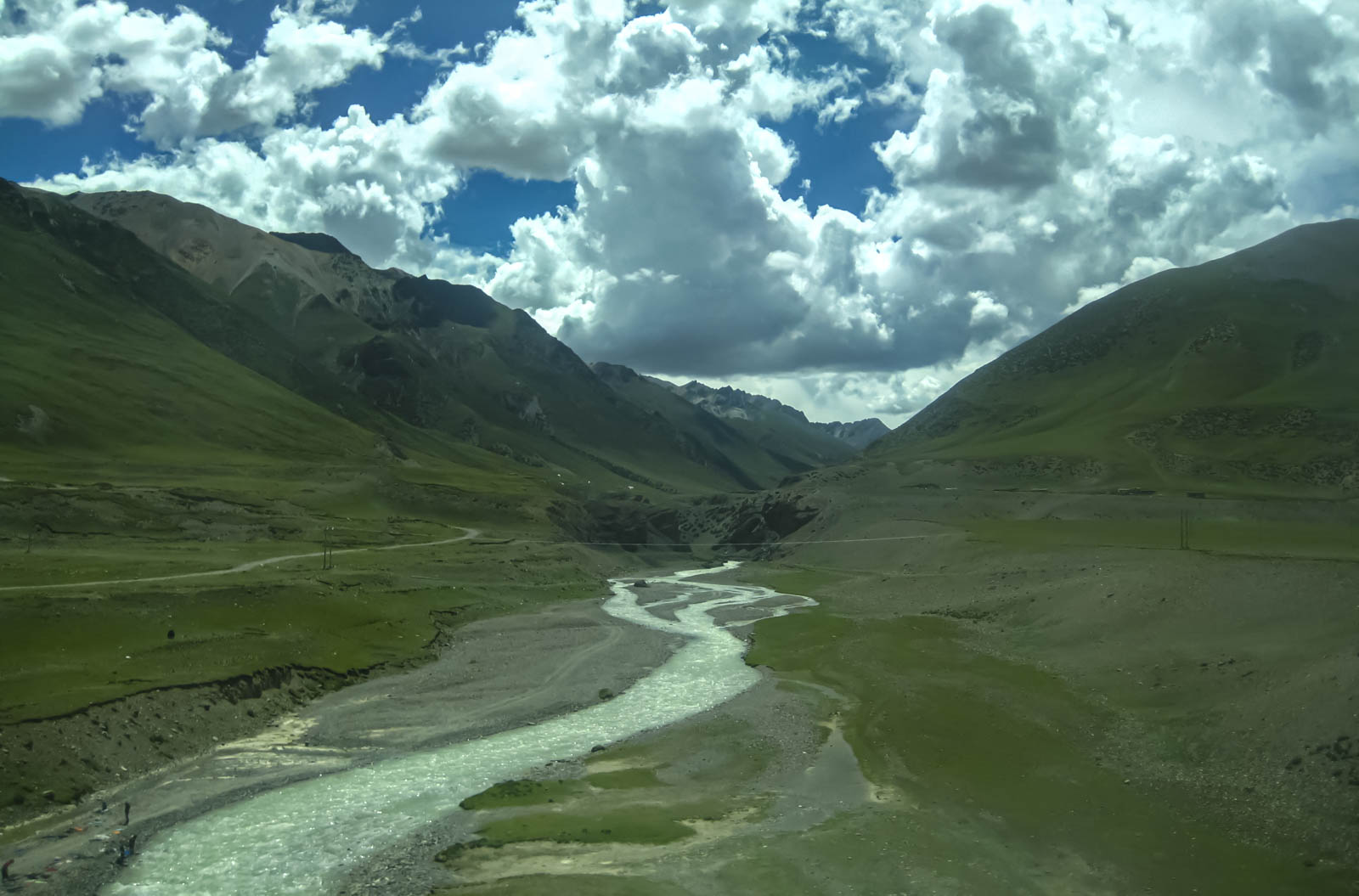
which we hadn’t done before. There were some people too out there – but very few and not easily spotted. If you can see them, they speak of the vastness and grandeur of the landscape.

Time stood still during the train ride, so we couldn’t imagine we would soon be there – at our final destination Lhasa, Tibet. A destination longed for since I was a child, but I never could have dreamed of such an amazing journey to get there!

A couple of minutes left, and then – a new adventure would unfold. Tibet. We were sad to leave the Plateau behind, because we knew we would fly back to Beijing in a couple of weeks, never to see it again.
Thank you for taking the Quinghai train with me – at least a bit easier than staying glued to a train window!
I am revisiting the trainride to Tibet in 2009 – and sending some pictures from the train for Thursday Thoughts.
Mezmerising landscapes every day – and – going to bed for the night? We didn’t want to miss a single thing. Today I found some pictures with human connection. Nomads with Jaks grazing the slopes. A peaceful sight.

The Chinese built the railway on the permafrost, and also the existing roads. We saw mostly trucks in endless lines on those roads.

Something that maybe was built to stop snow and sand blowing onto the railway?
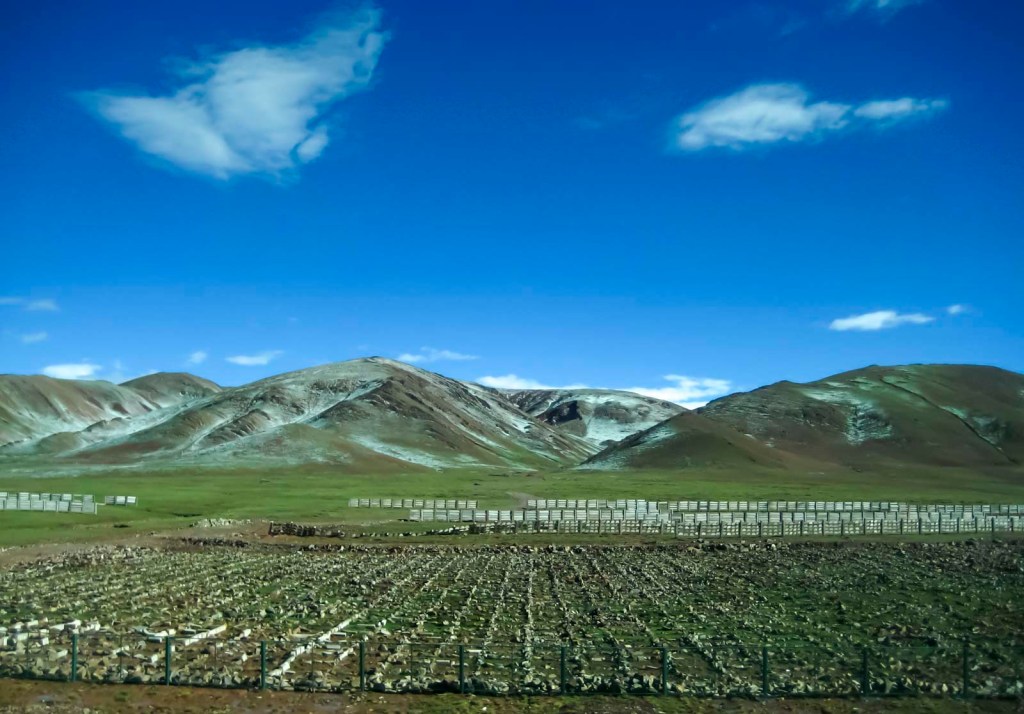
Meandering rivers and roads, and everywhere that enigmatic light,
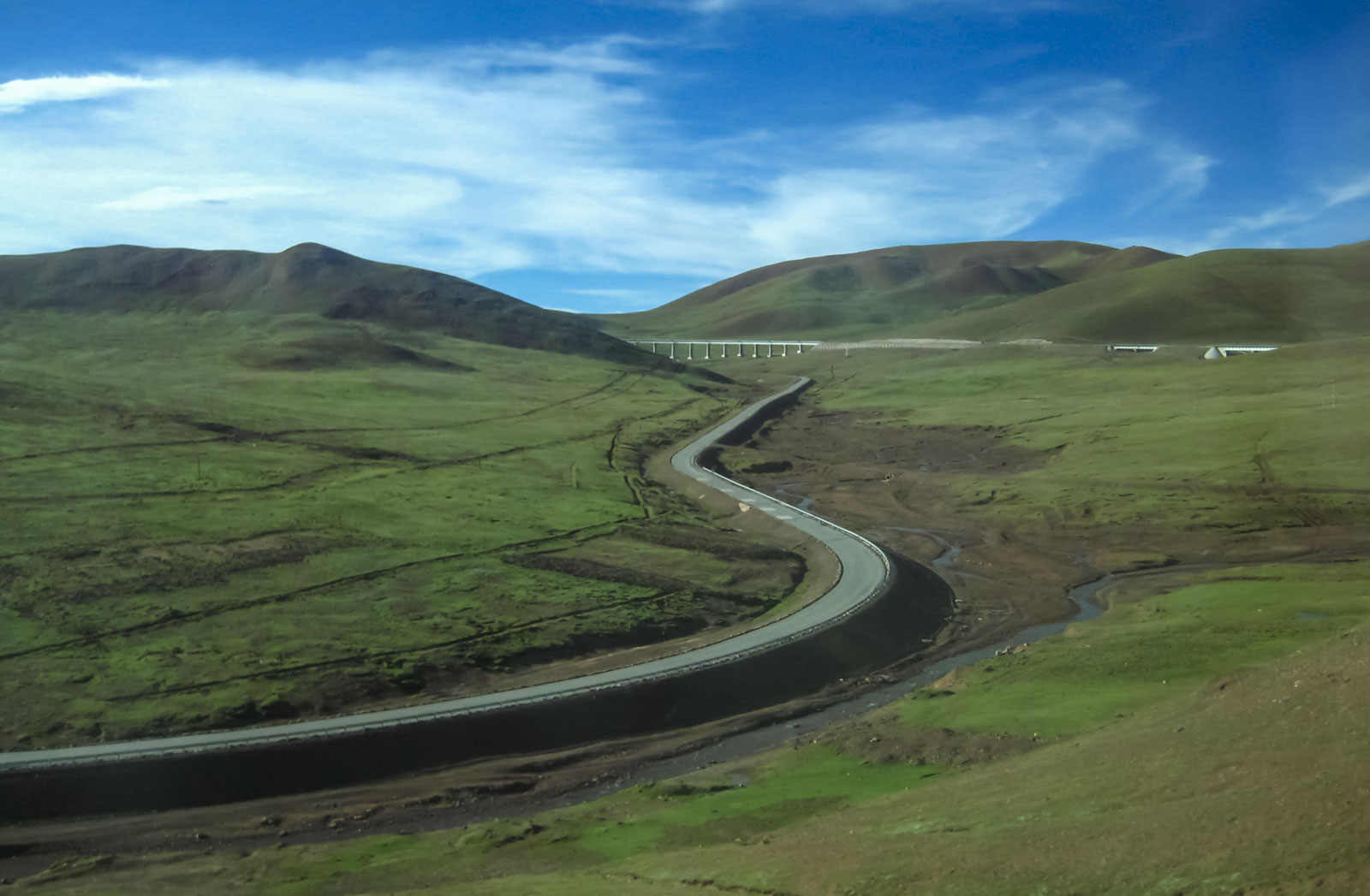
and the magnificent cloudscapes over the floating, colourful landscape.
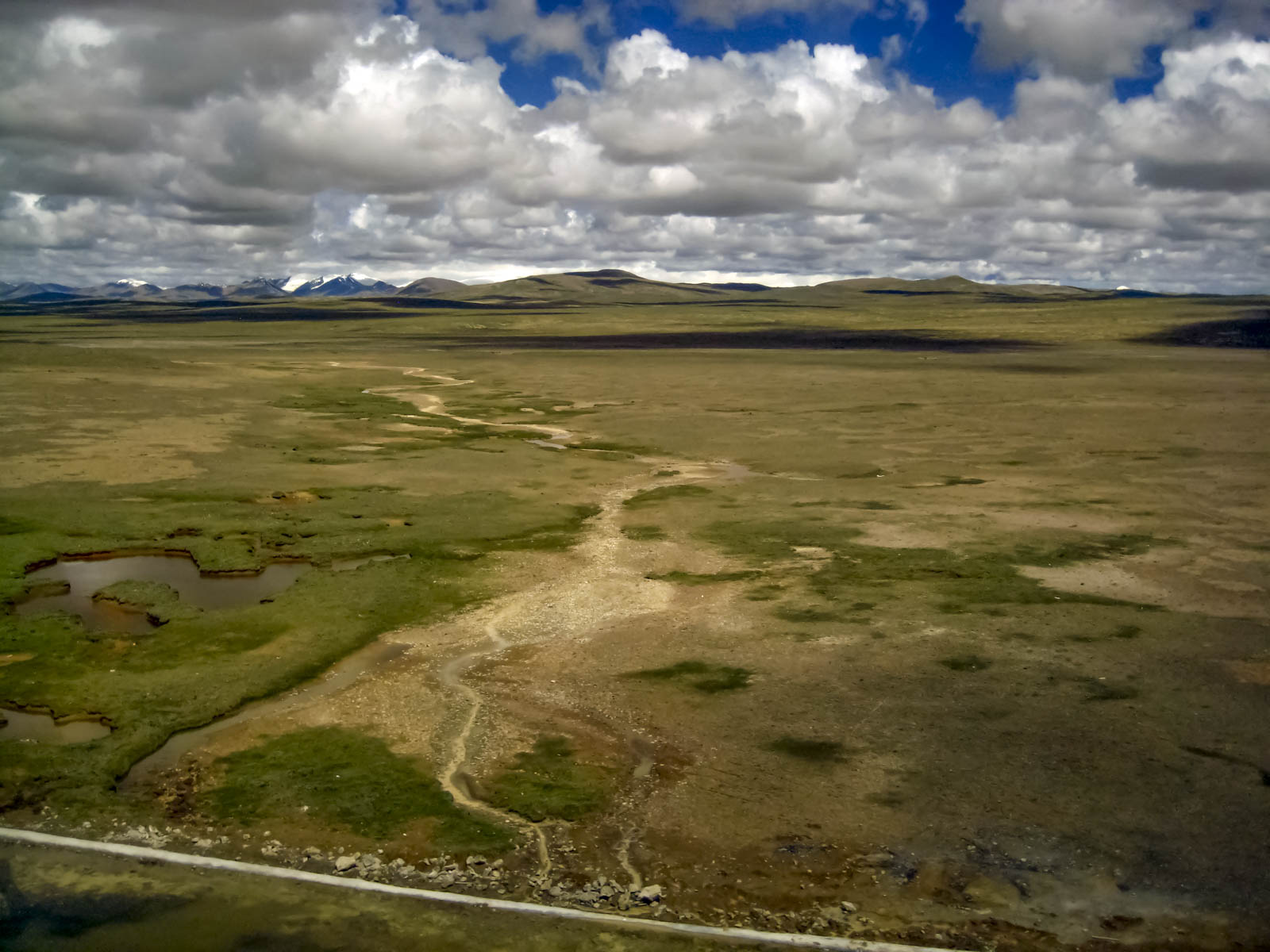
See the tiny road running close to the railway? I can only imagine the distance to those mountains…
I hope you enjoyed this piece of the Tibetan Plateau too. I do think there will be a number III next Thursday – and you are welcome to travel with me!
In 2009 we travelled by railroad to Tibet from China. A grand adventure on the Tibetan Plateau.
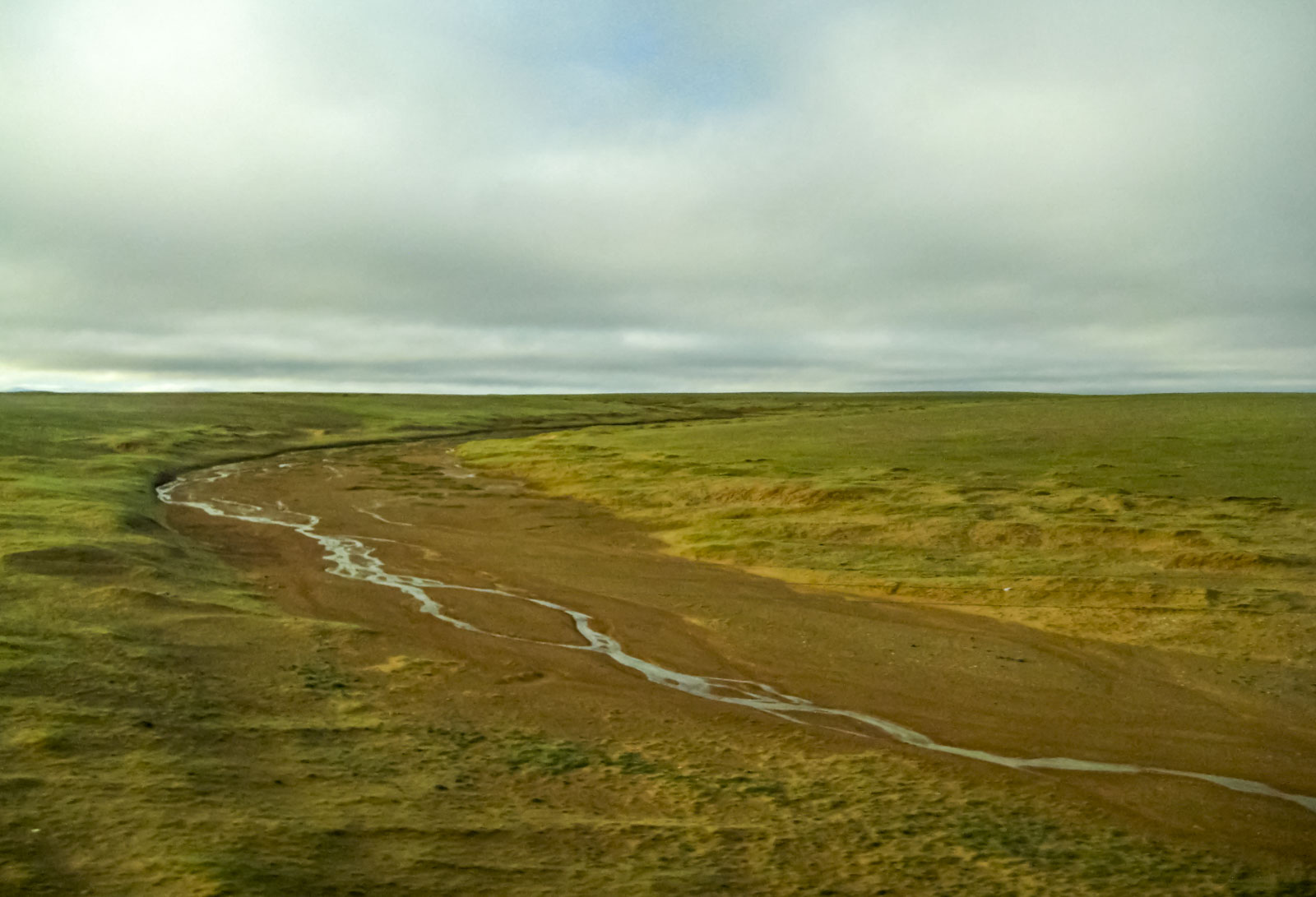
It is the world’s highest and largest plateau above sea level with an area of 2.500.000 square kilometres. The average elevation is more than 4.500 meters (14800 ft)

I have gone back to look at my old photos from the train – a train that never stopped and only let us take photos from where we sat. All four of us were glued to the windows those few days.
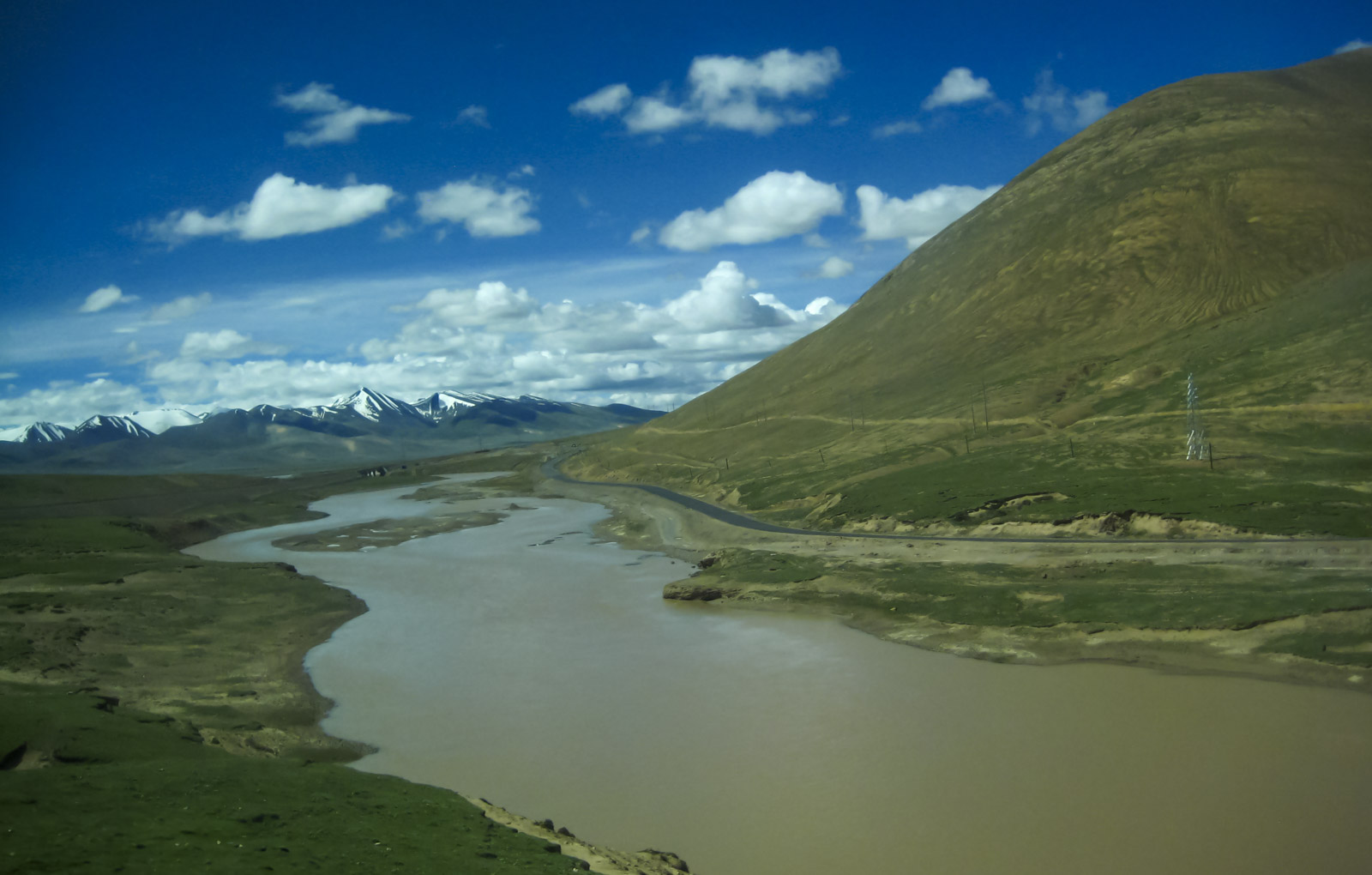
The landscape was breathtakingly beautiful, vast and wild – and I tried to capture it all with my simple, little Canon camera.
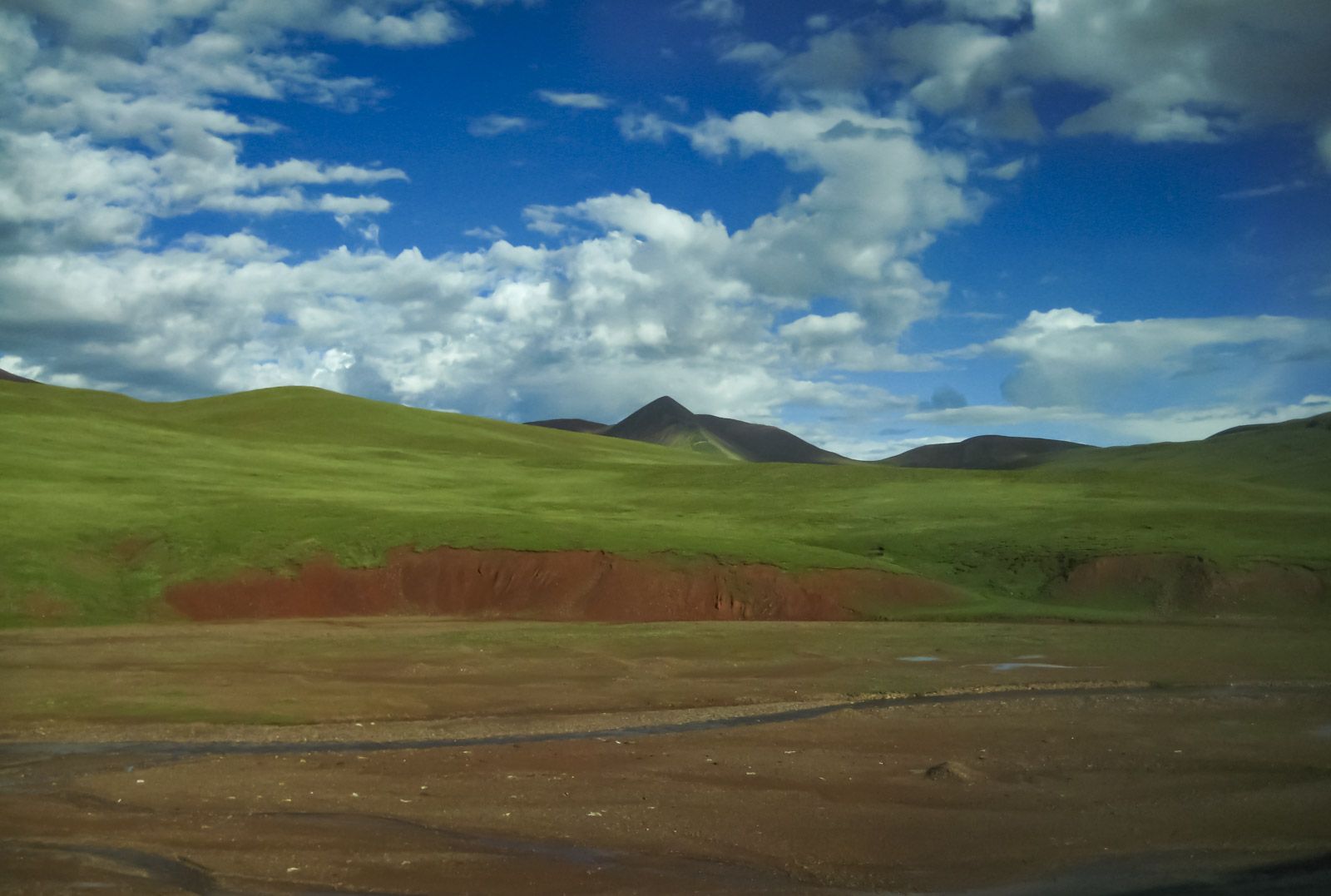
I am so grateful to have these memories, and despite the old camera, I will post some more pictures next Thursday as well.
These last few weeks have been tumultuous in many parts of the world. I think most of us want to live a more quiet and secure life with our families, in positive thoughts, harmony, creativity and fun. Because that is what humans are meant to do.
When I was searching my archives for a symbolic picture to show my feelings, I came upon this photo. The picture was taken in Figueras, Salvador Dalí’s home in Spain.

Salvador Dali´, the famous Spanish surrealist, was a genius in his own way. He was inspired by Sigmund Freud and often created strange dreamscapes. They speak to me. I love Dali´s work, but this picture taken at his museum in 2011 now sent chills of another kind through my spine. A recognition of today’s world.
I see this dark boat where we are all sitting together…but it is upside down. Our whole world is. The sky is still blue, but we cannot see it. Dark minds are ruling and golden AI figures order us new directions to take. And it is all about power, money and gold.
We must turn the boat right again, turn our face to the wonderfully blue sky and help each other sail in another direction – towards a brighter and better world. We know it is still out there, our beautiful planet! But she and all her inhabitants are in dire need of help. Our help. And we can do it – together we can! Our own survival – and the whole planet’s survival – depends on it. We’d better start NOW, because we should have started yesterday.


Click the pictures in the gallery to find out more about my thoughts today. Thank you.
I discovered the picture texts don’t show in my phone, only on the computer.
No winter in sight this year – not even a day of frost and sun. It is worse than November. Happy to have my granddaughter cheering me up!

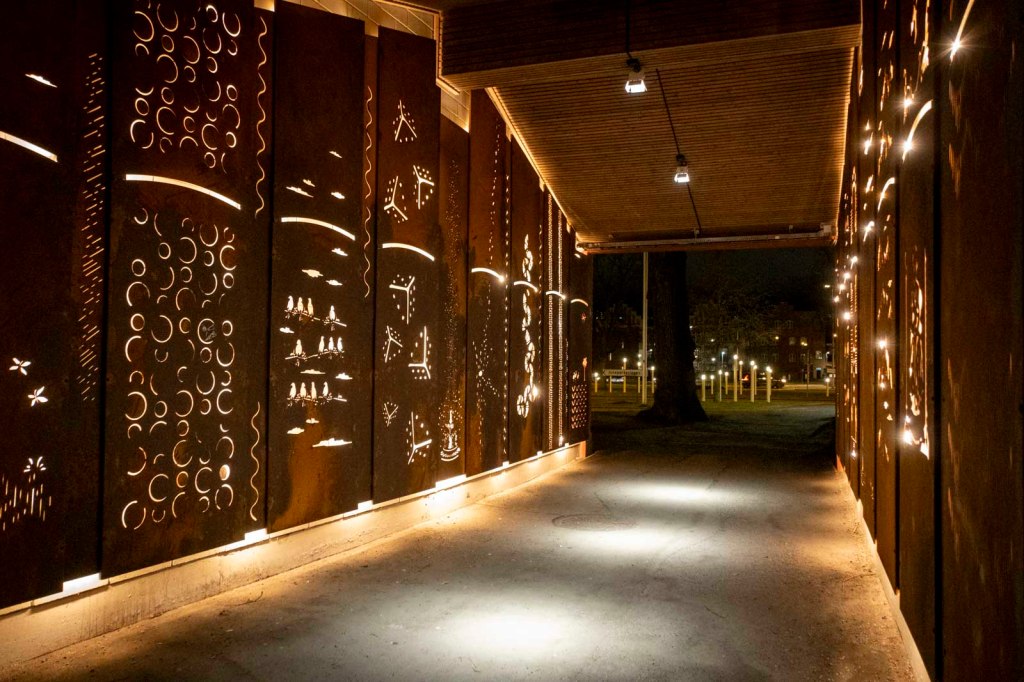
Robert Boyle invented the first match in the 17th Century. In 1844 Johan and Carl Lundström started their famous factory in Jönköping, and at the World Fair in 1855 they won high praise and medals for this useful invention.
We took a couple of days in December to visit the old factory area, and this is the entrance where you can see some giant matches lit near the main road.
The matches are made from aspen trees, and from one tree only you can get about 370000 matches. Why aspen? Aspen is porous and yet sustainable, has no resin and burns with a clear, even flame.

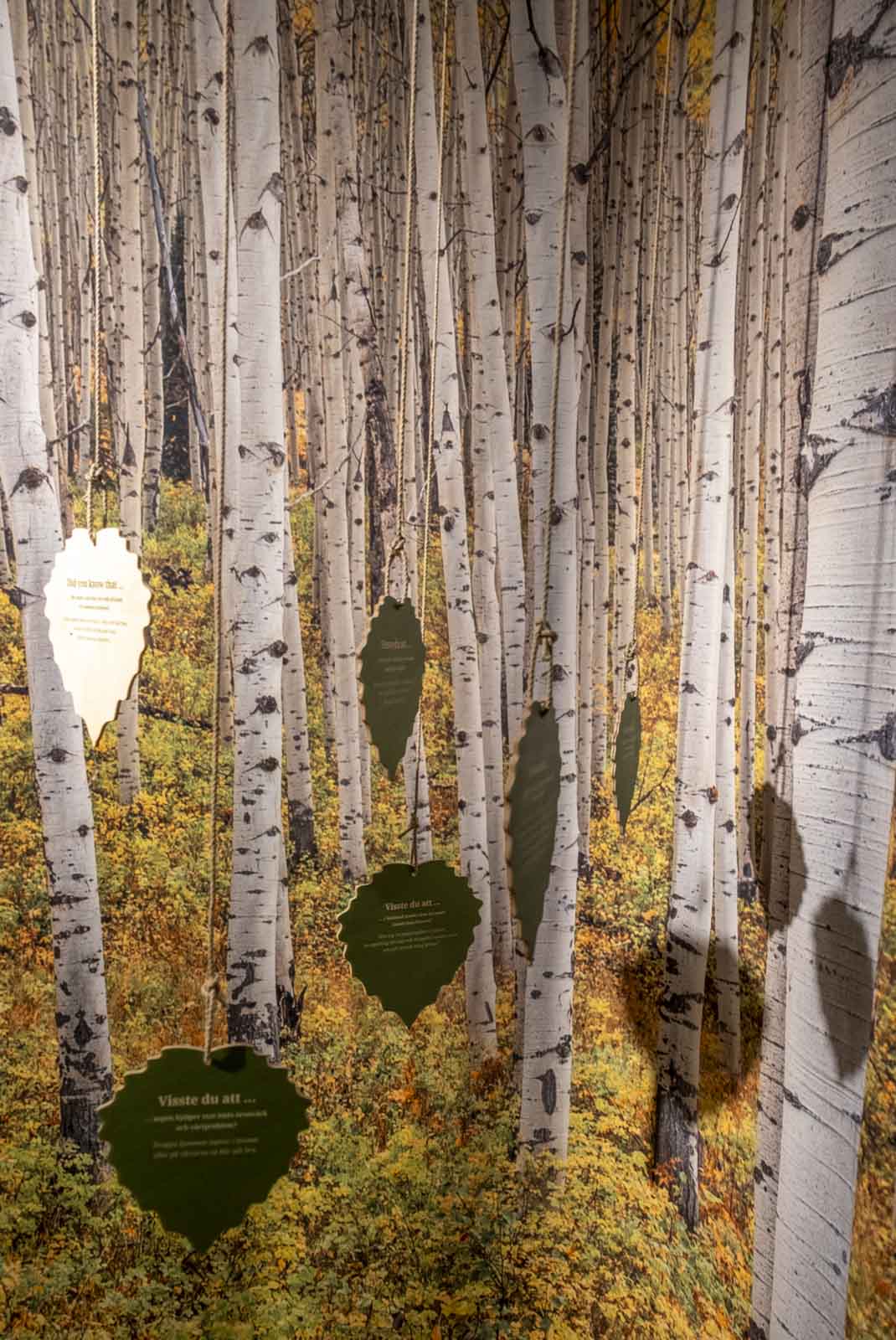


We saw all the machines used and a gallery on how bad the phosphorous was to the workers the first few years before the safety match was created by Gustaf Erik Pasch in 1844. People were poisoned and some even died.
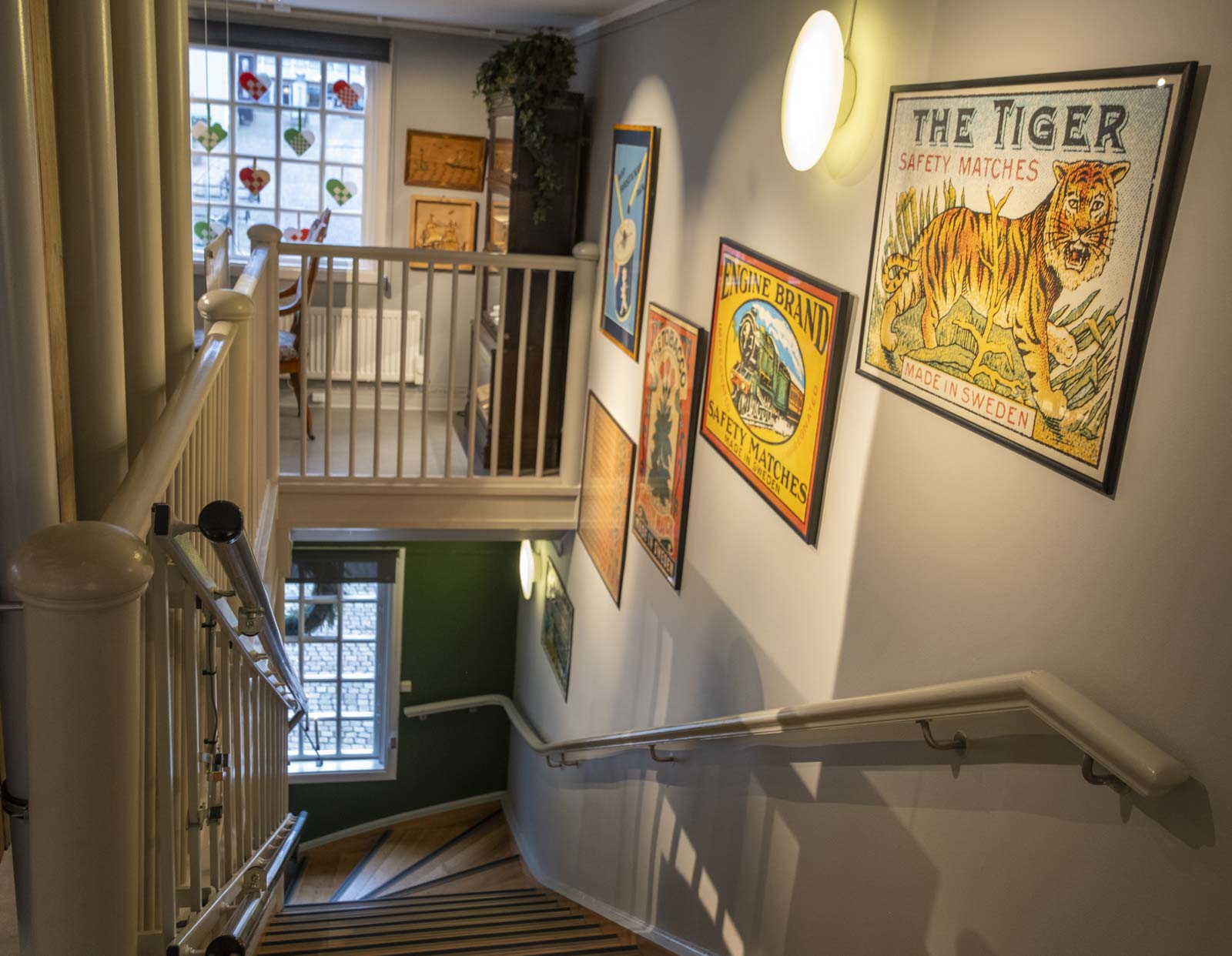

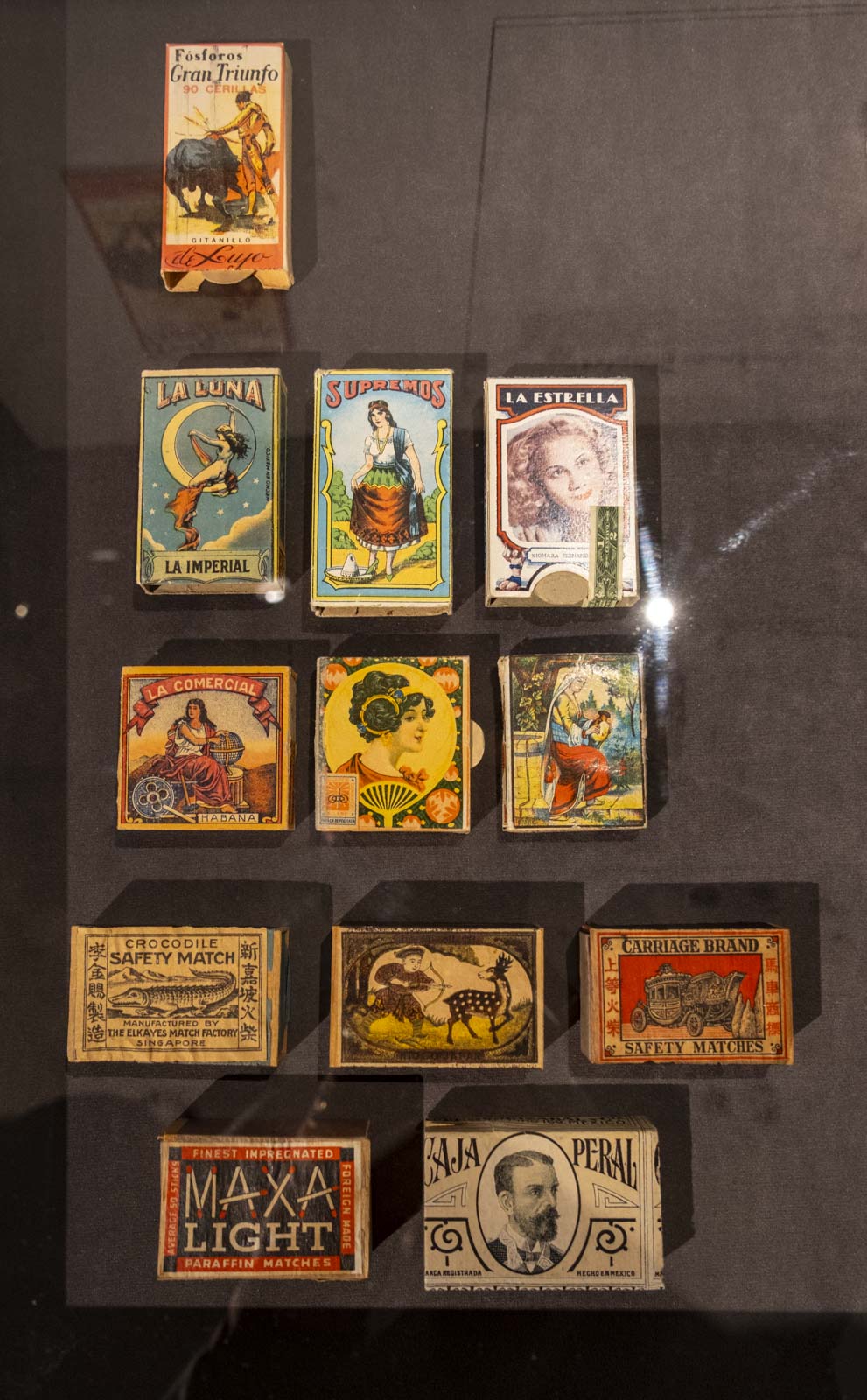
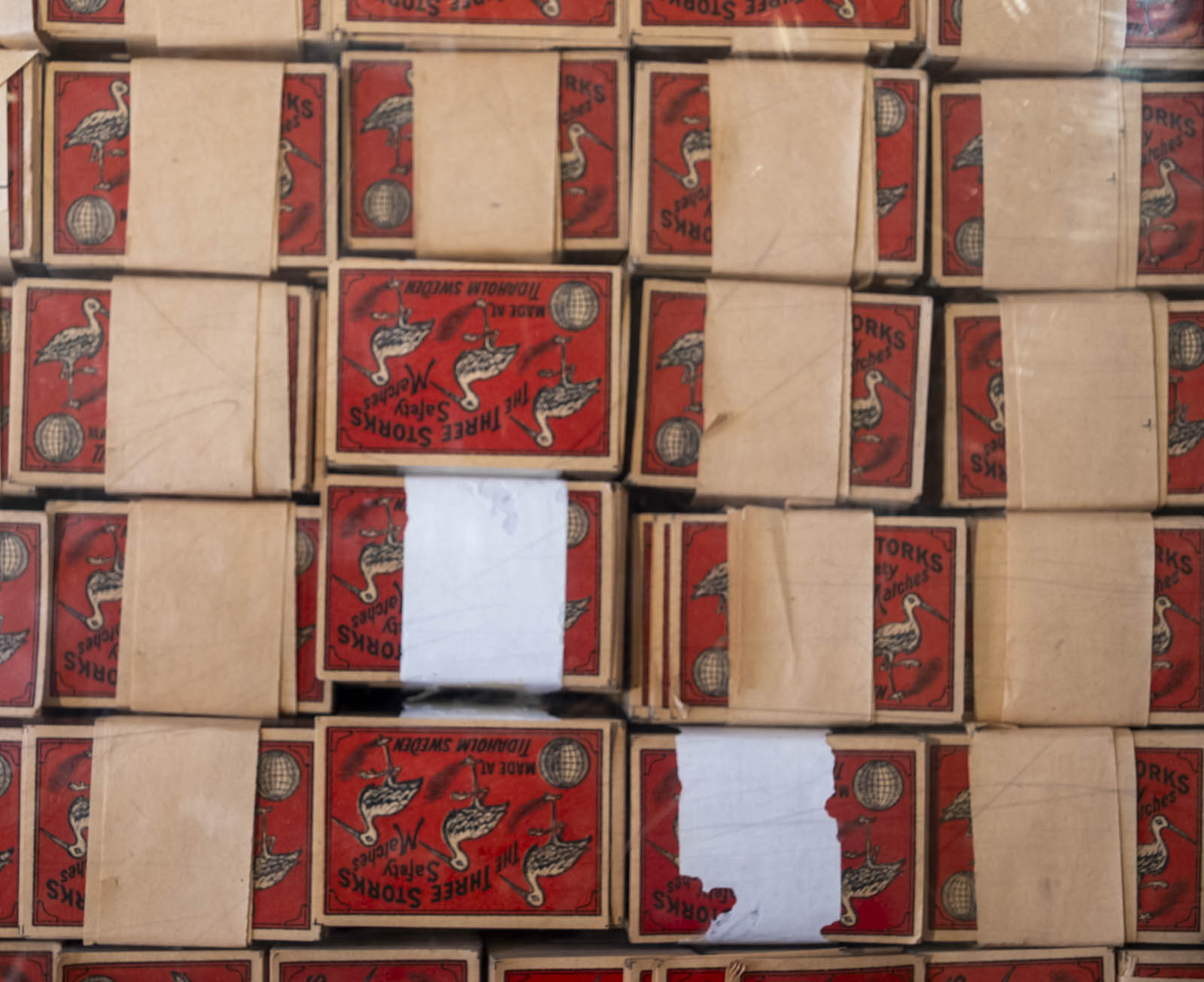
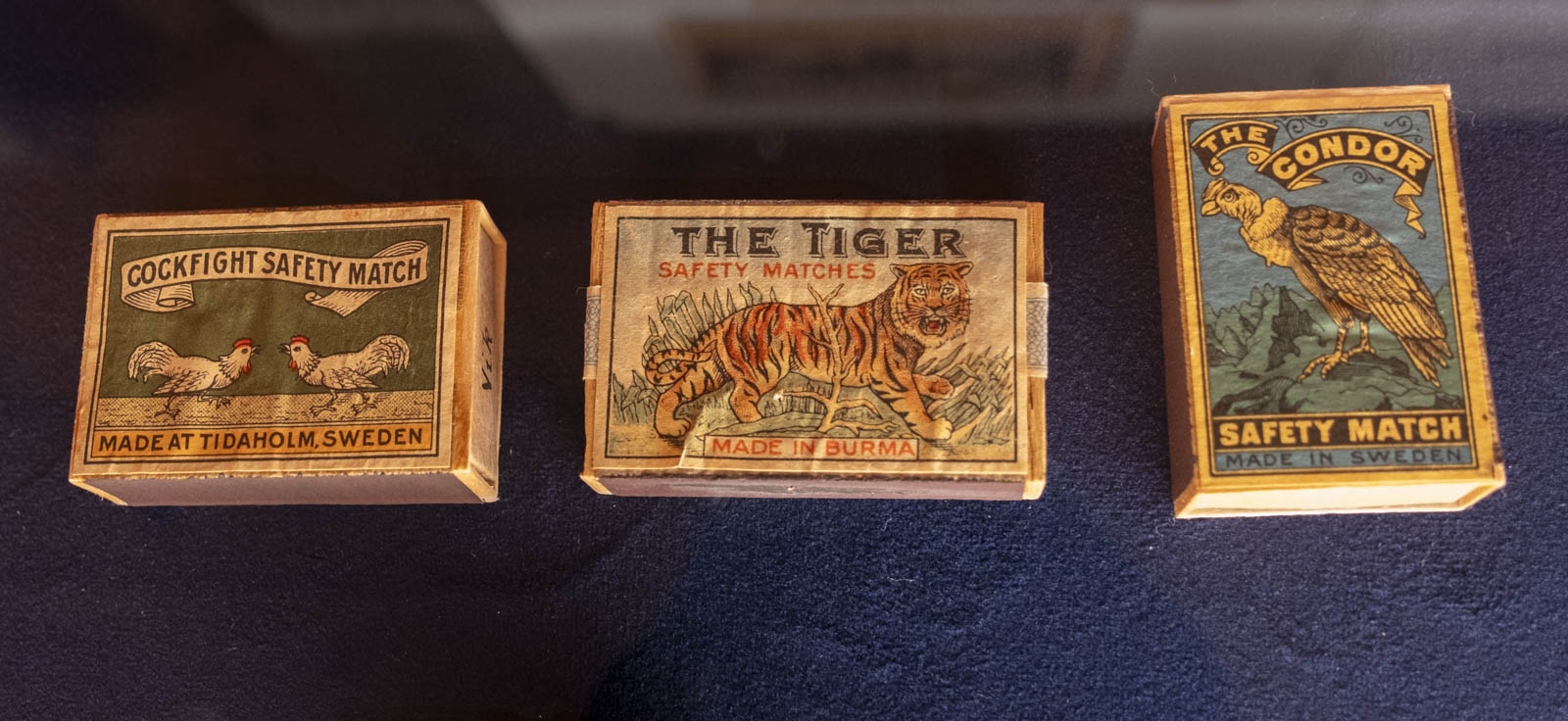

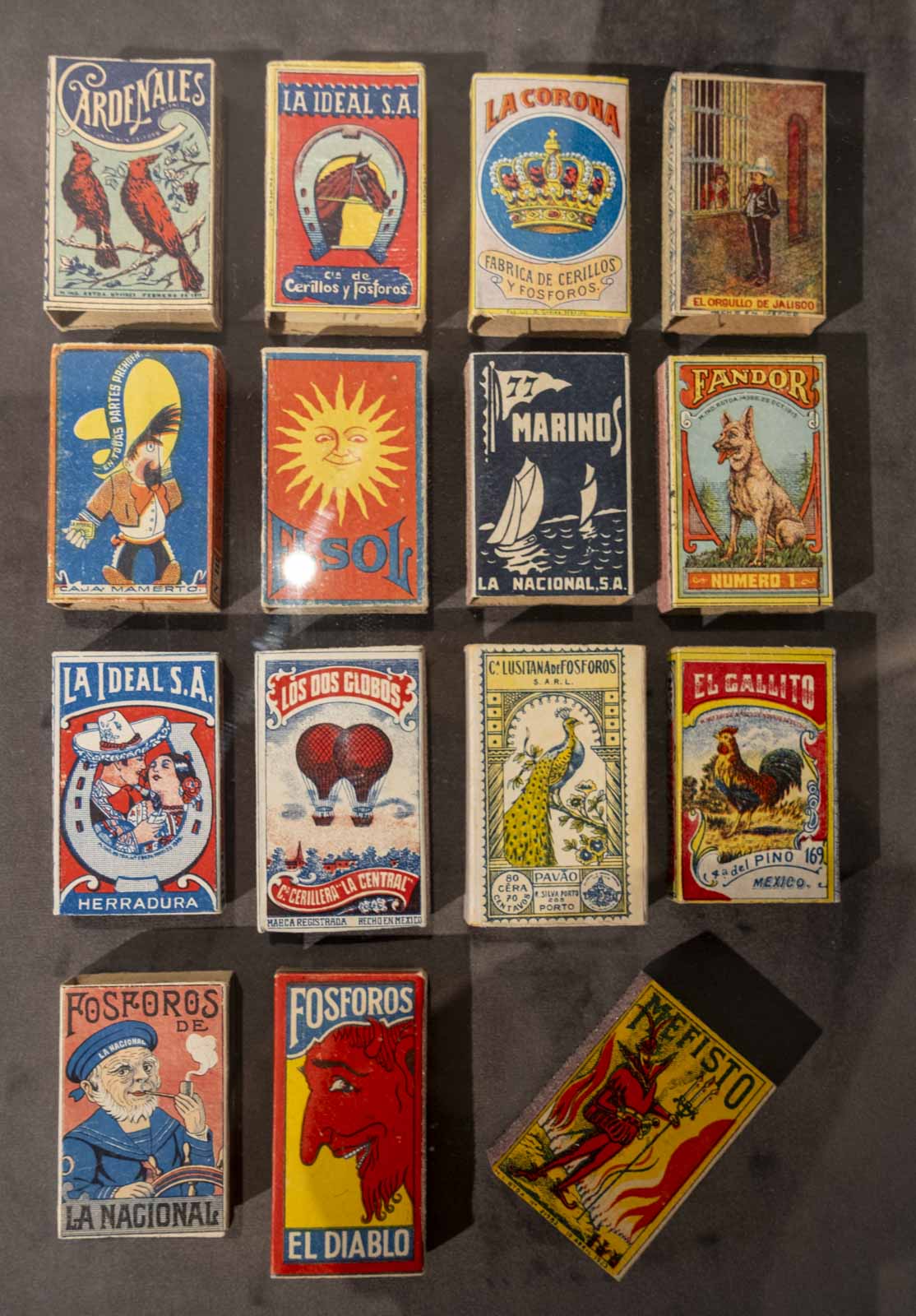
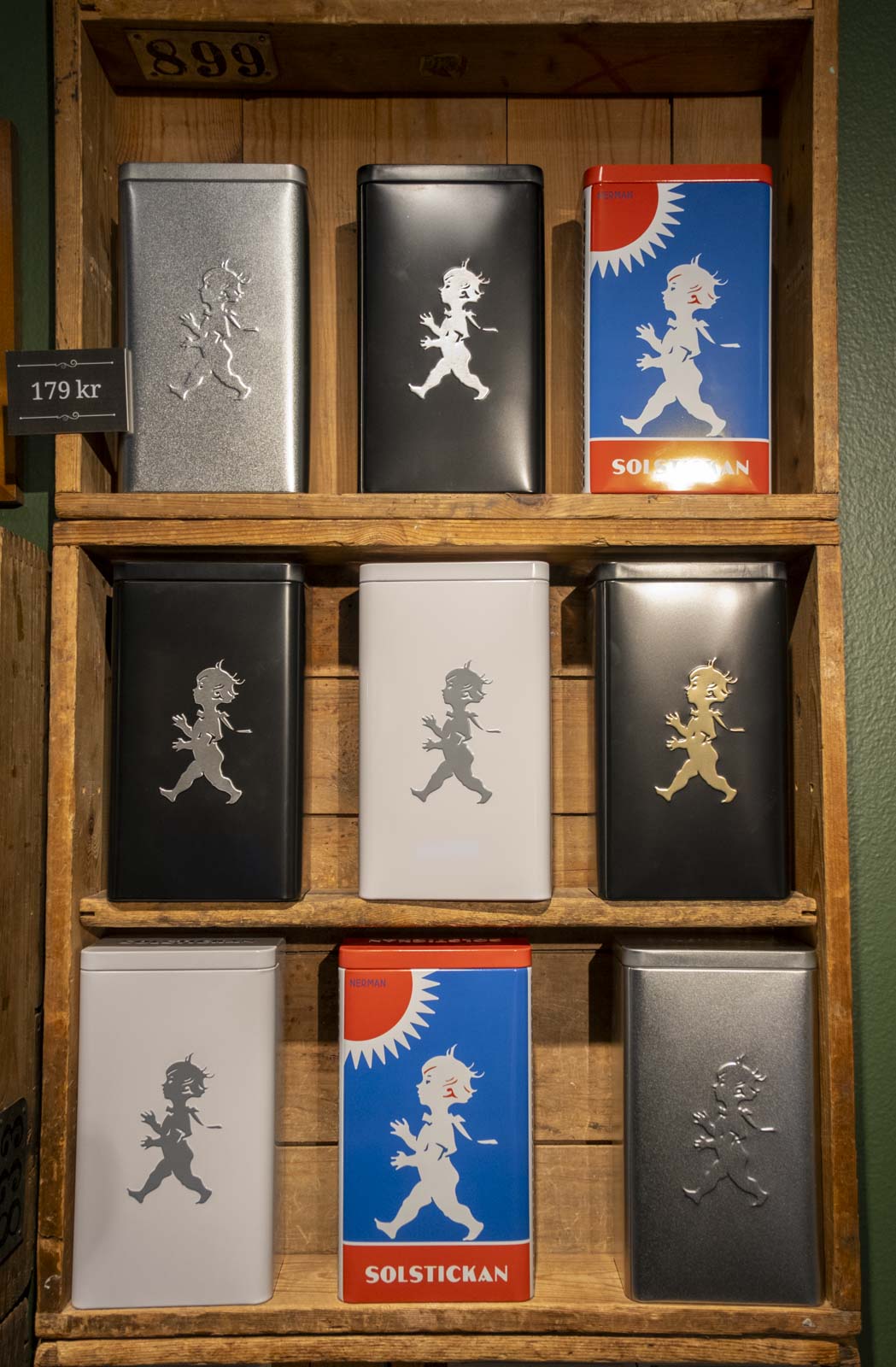
On display were also many of the beautiful covers made for the match boxes. I remember some of them from my childhood, but mostly of course the sun – match – boy. My favourite is the Tiger – hanging on the wall too. Unfortunately the designers´ and artists´ names (from many countries) were lost over time, and only one of them was truly recognised – Einar Nerman, who made the little boy in the first gallery far left. That boy was his own son, Tom, portrayed in 1936.
We had a great day of nostalgia and a lovely fish and chips dinner at a renowned restaurant.
I was thinking of Tibet today. Maybe because the sun made a short glimpse through my morning window. A shining memory it is, from 2009. I just hade to go back to the archives…
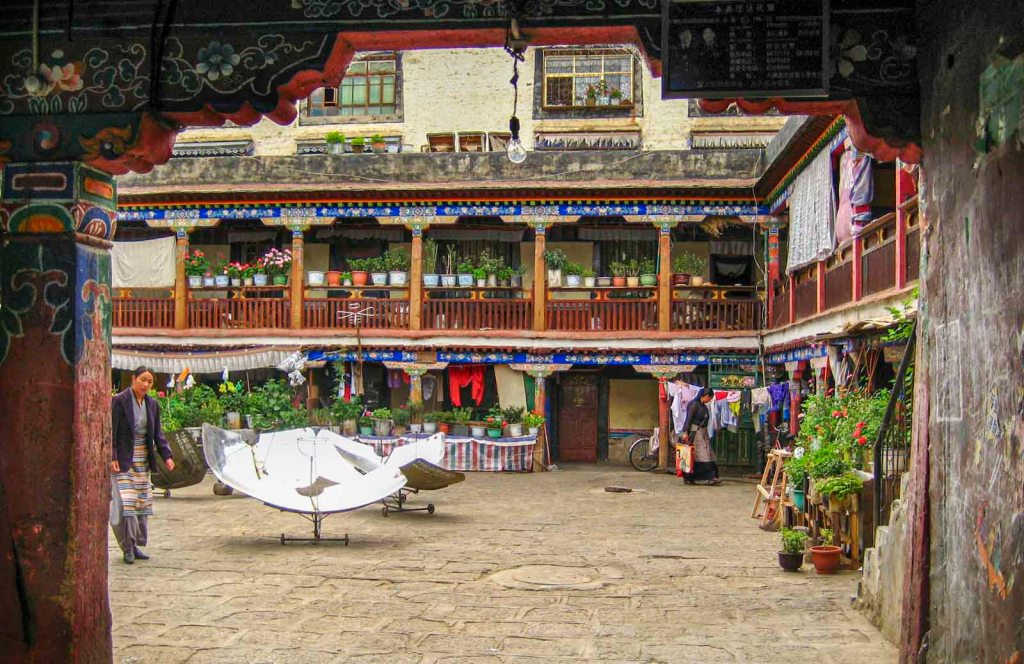
Through all the sorrows for the people there with the occupation, this nunnery was a gleam of joy. The nuns going about their daily business with a smile. The shining spheres in the yard were for warming water with the sun. The kettle was put in the middle.
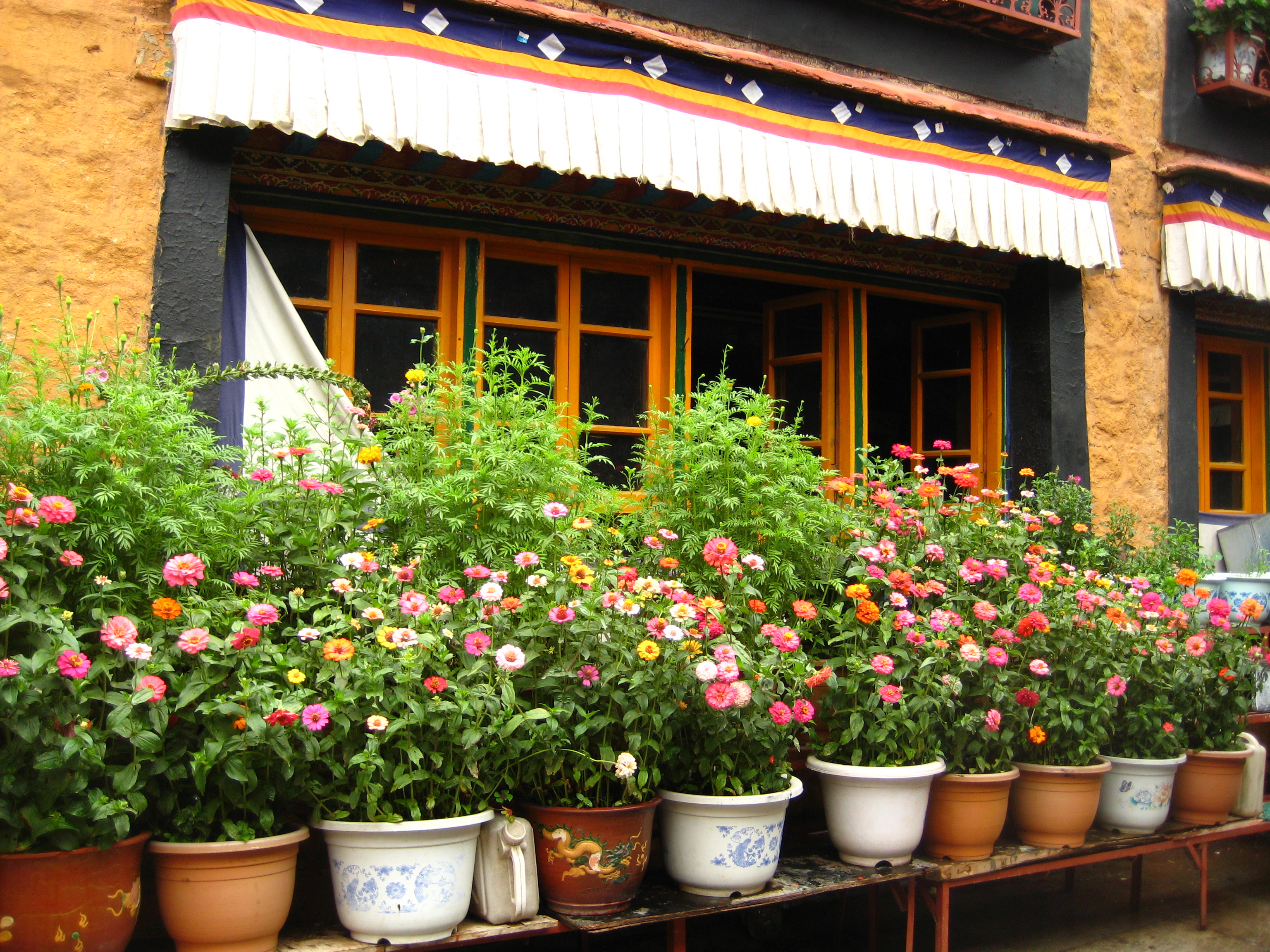
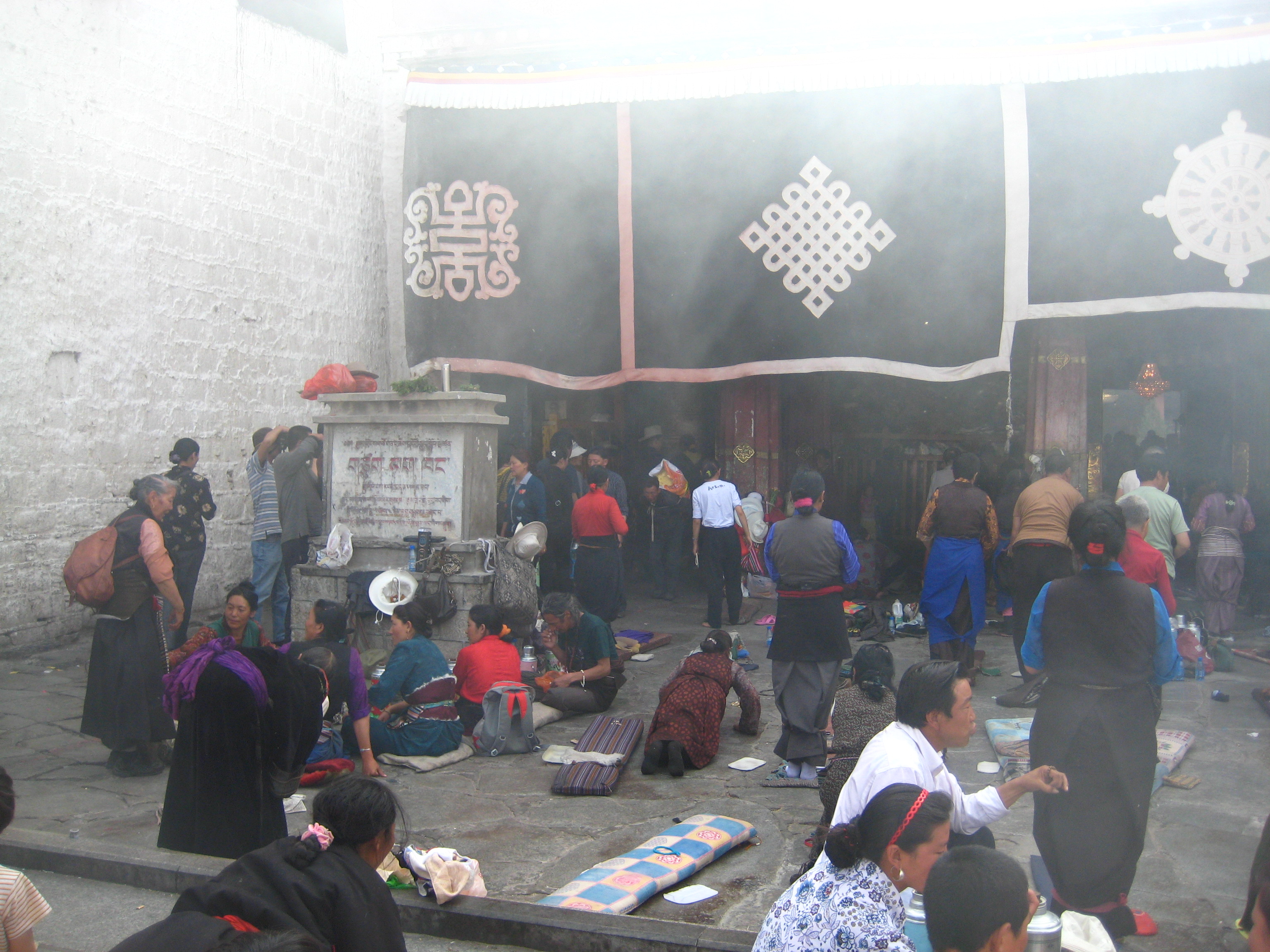
The most sacred monastery in Tibet, the Jokhang Temple, was built in 647. The smoke from the fires was thick and people from all over the country gathered to pay their respect, fueling yak-butter lamps, eating and praying. They all waited patiently in line to come inside.
Outside Lhasa people lived off the land and every house had a cow in the street or on a small balcony. Not a great life for the cows not being free – but so much better than in the big factories here in the west. In Tibet they were family members and got some words of love every day.

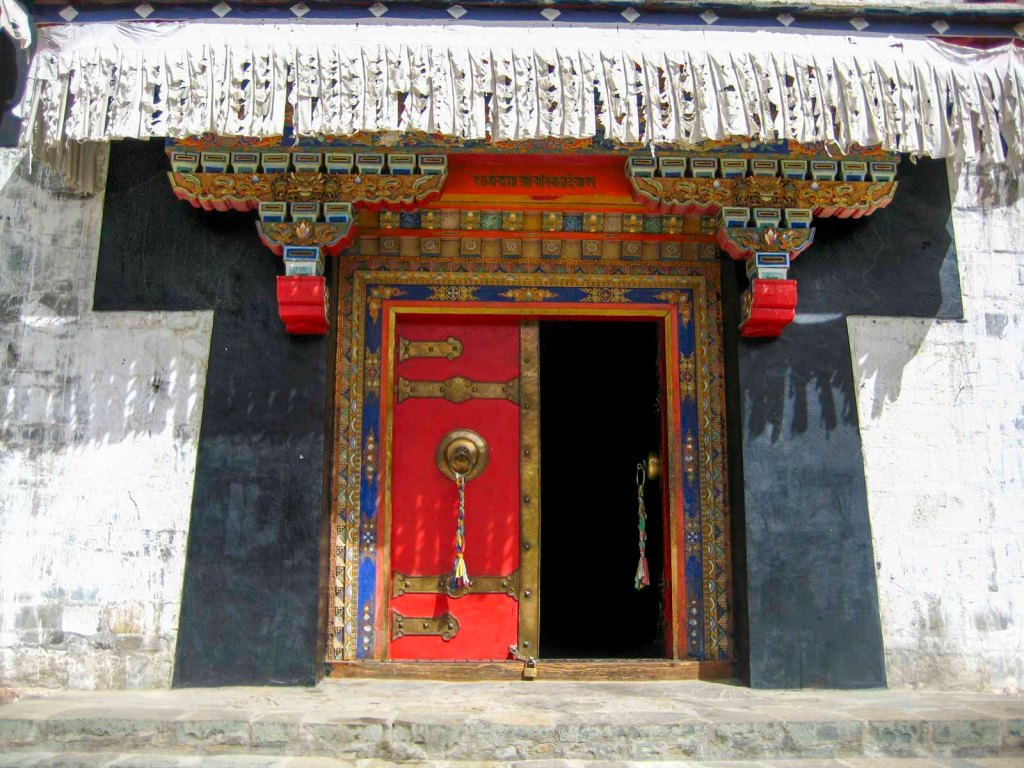
There were always welcoming doors to the temples…
Seldom is the journey to go to a place more interesting than this one was. We entered the train in Beijing, and I think we sat by the windows with cameras tight every minute of those 48 hours – not in the darkness though. There was extra oxygen in the compartments, and the rails were laid on the permafrost, which I guess now is melting… We were not allowed to leave the train anywhere on the trip.

The landscape was spectacular with long views, open plains and mountains on the Tibetan Plateau.
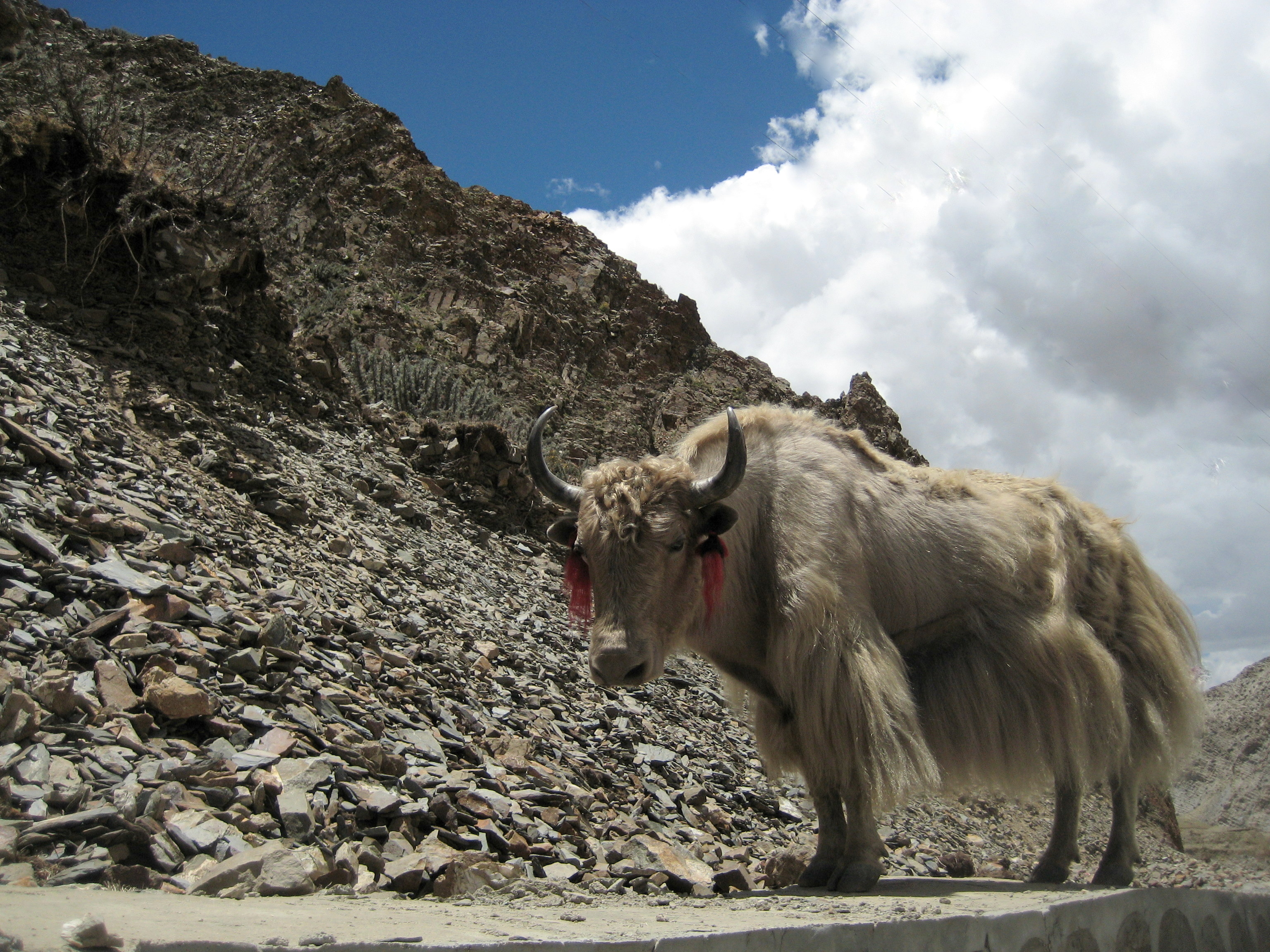
Nomads with Yaks like little dots – and only once we got this close! A beauty.
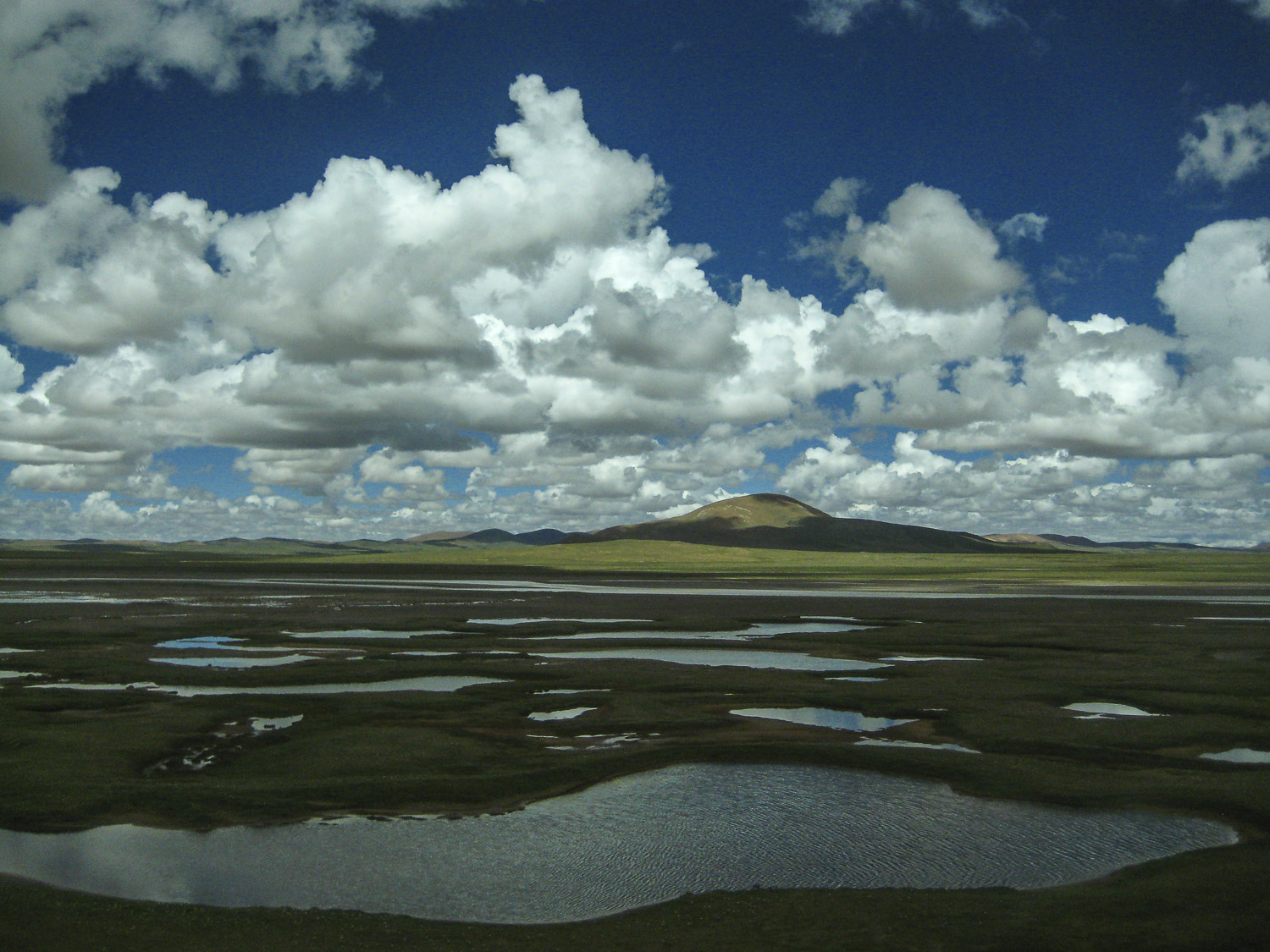
How I loved that landscape! And the clouds seemed so huge and so close to the ground.
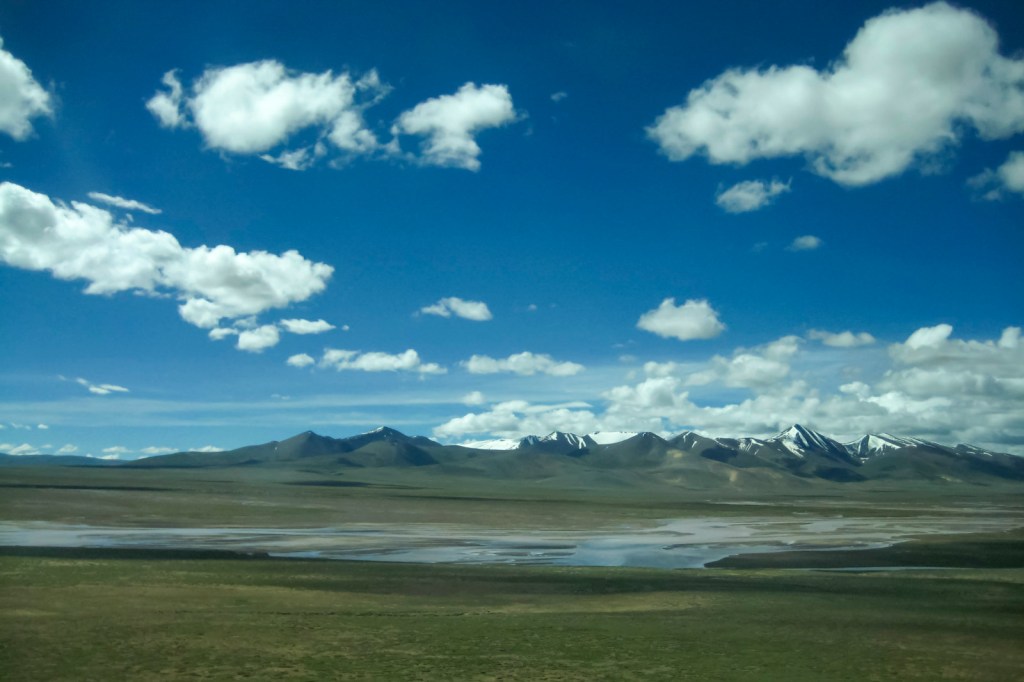
The beauty of it all seized us and will keep its grip forever.

I have hundreds of photos from that train ride. Every time I look at them I must take a deep breath. And remember. Because I will never see this again.
Back to Holland again – and some lovely plants from botanical gardens in Amsterdam and Leiden.
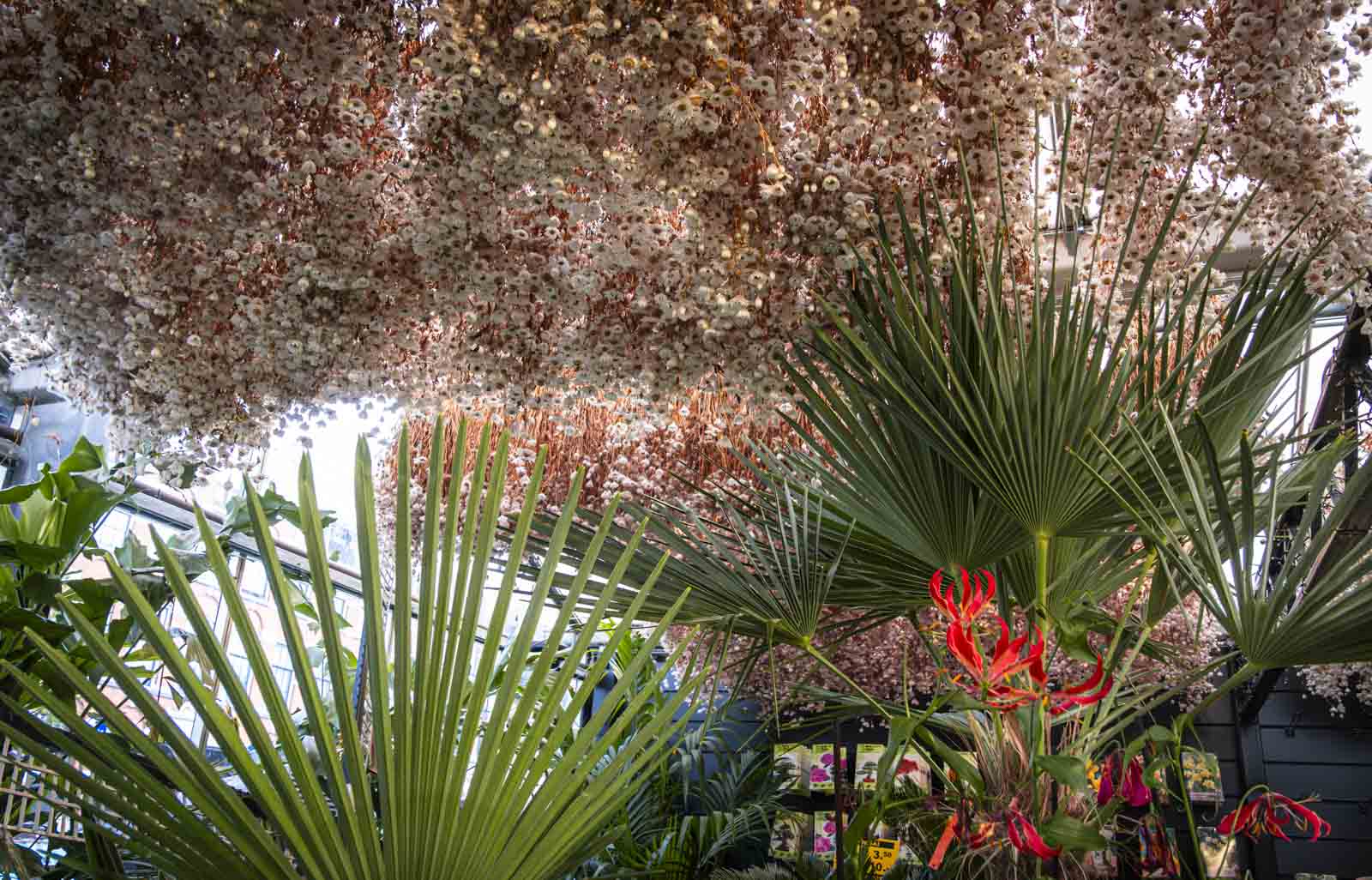
But this photo is from the flower market along one of the canals. The red flower in the lower right corner is a Gloriosa – a climber I have tried several times… but cannot make thrive at home.
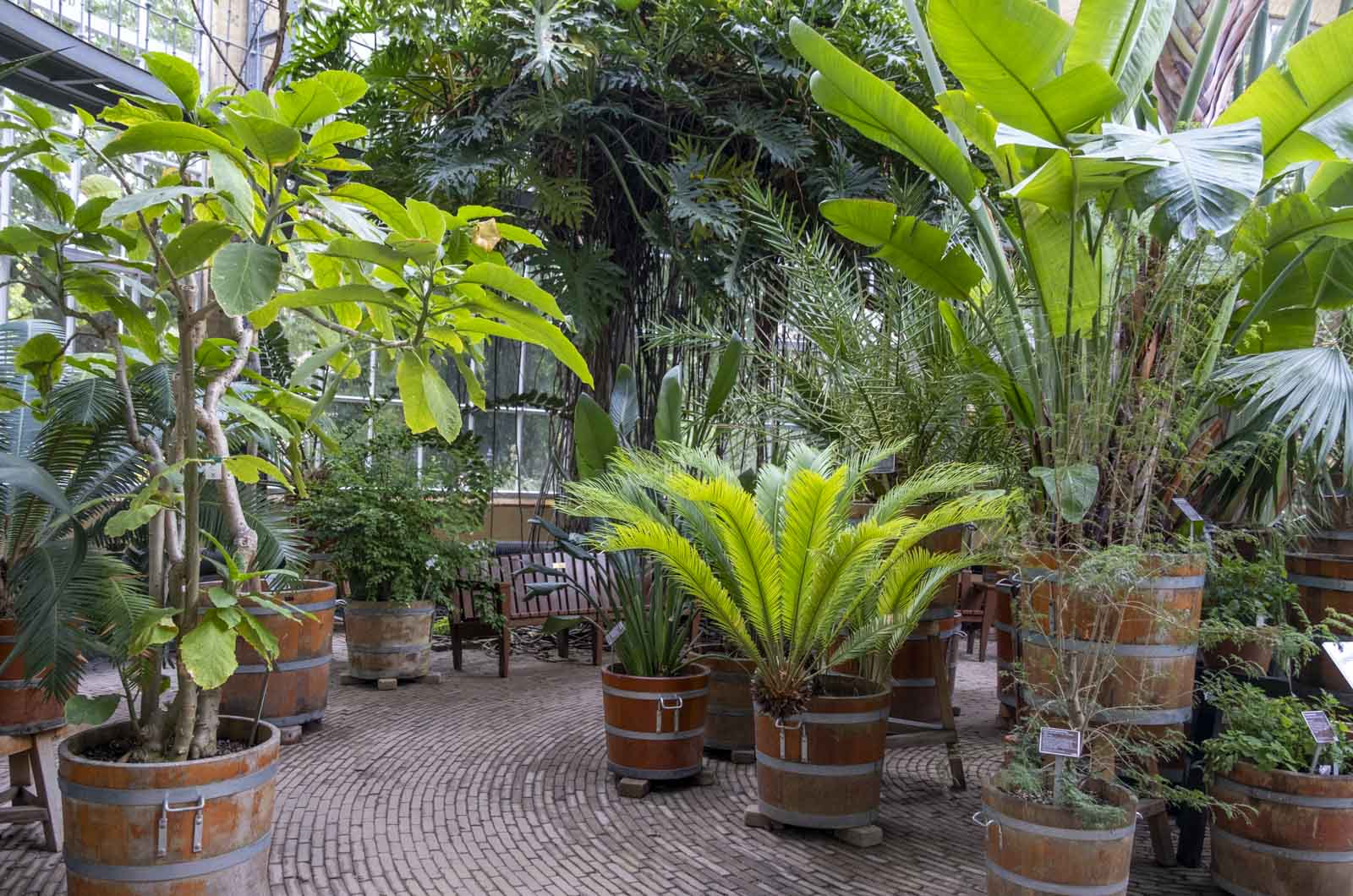
A different way to use a palm house – every plant in a separate barrel.
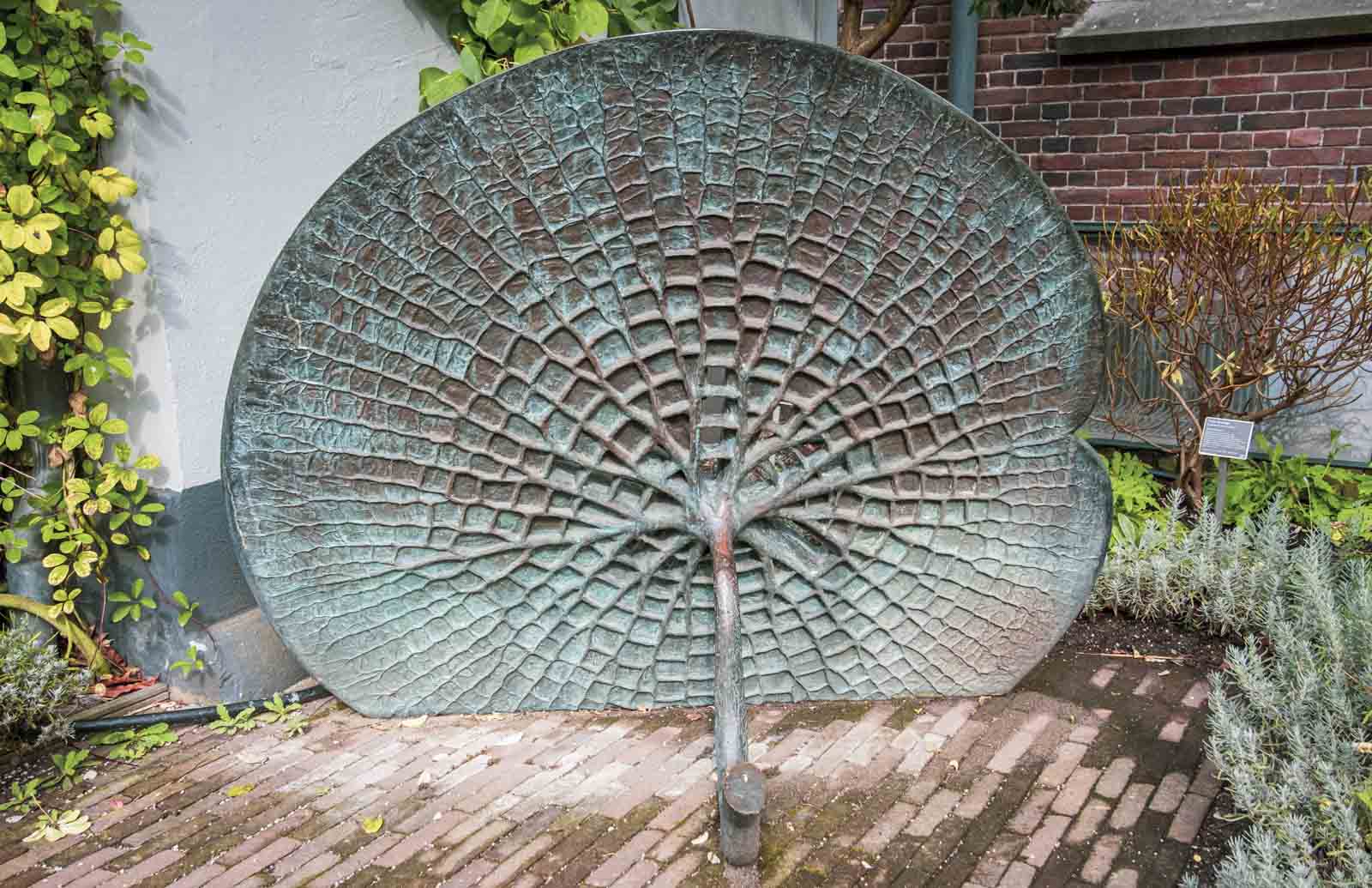
I love these – and I know that Cee Neuner has posted ”the real thing” many times!
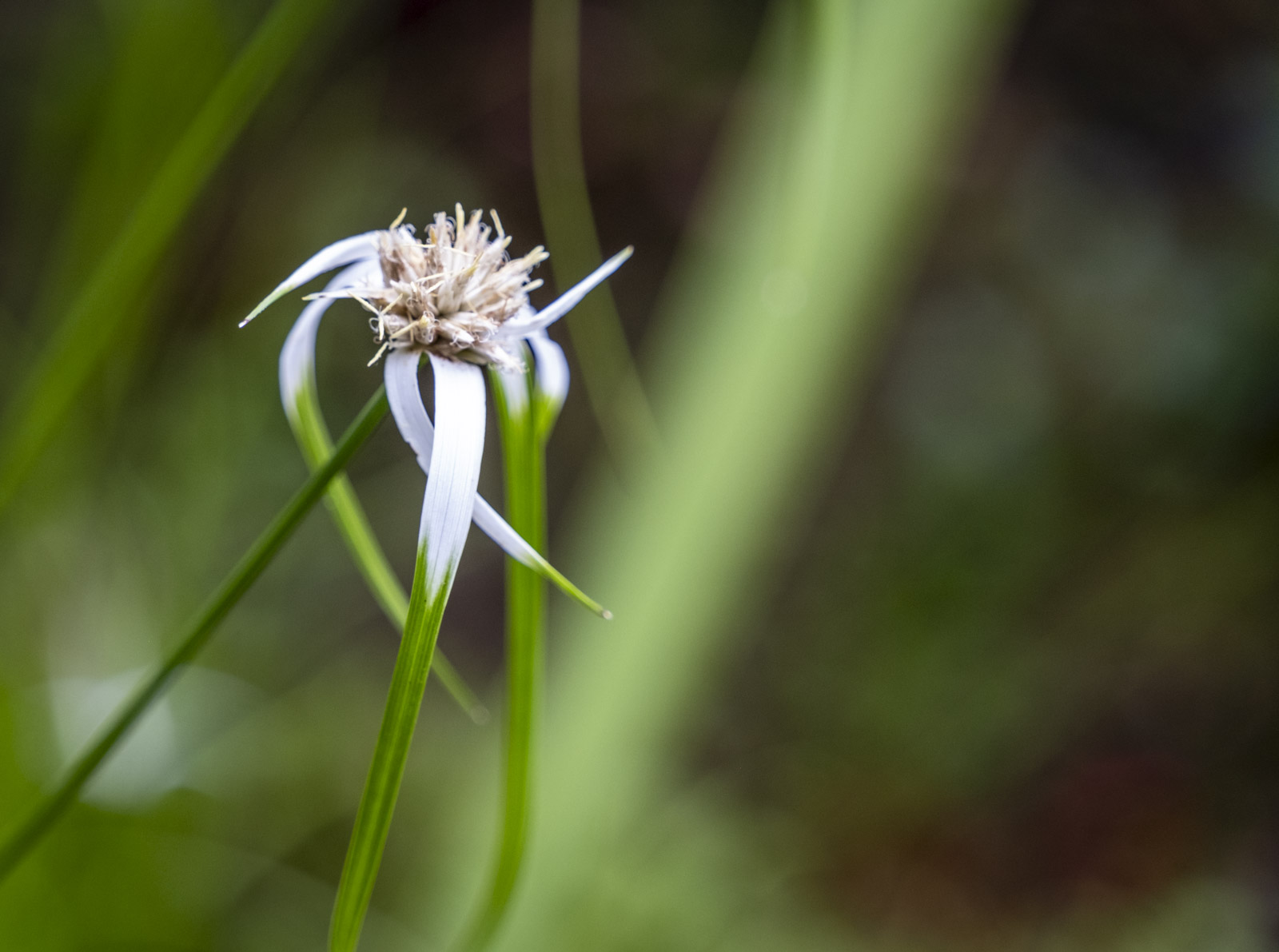
More from the pond and the wetlands of the gardens.

Now I am longing for summer again…
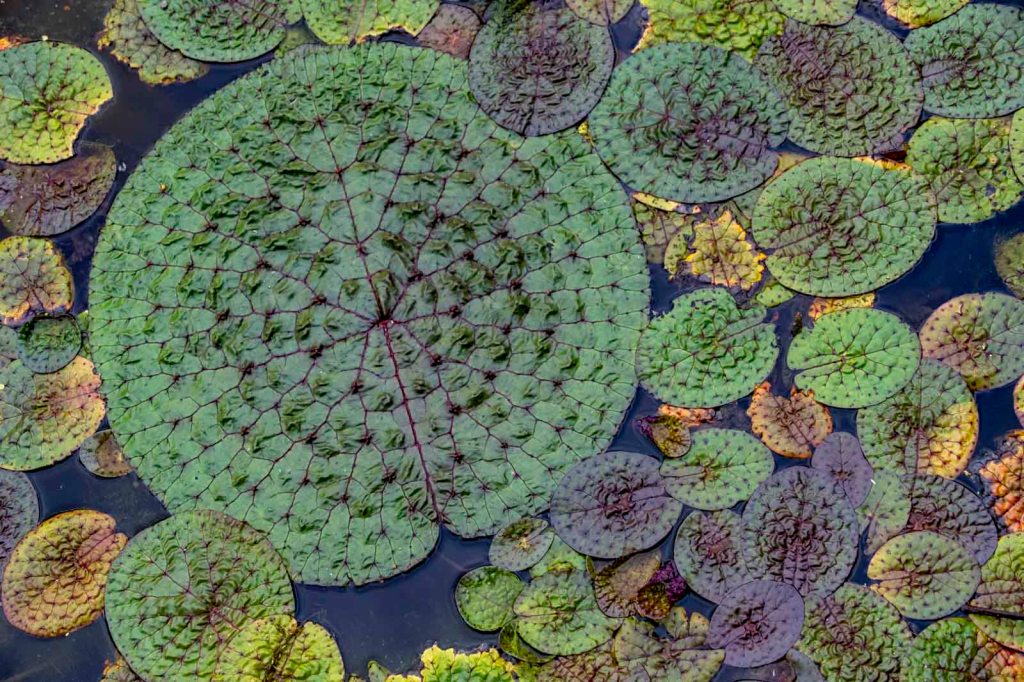
Aren’t you?
The city most known for a multitude of bicycles used to be Beijing – but as they are getting much fewer there since the 1980’s, my guess is that Amsterdam has taken over the lead.
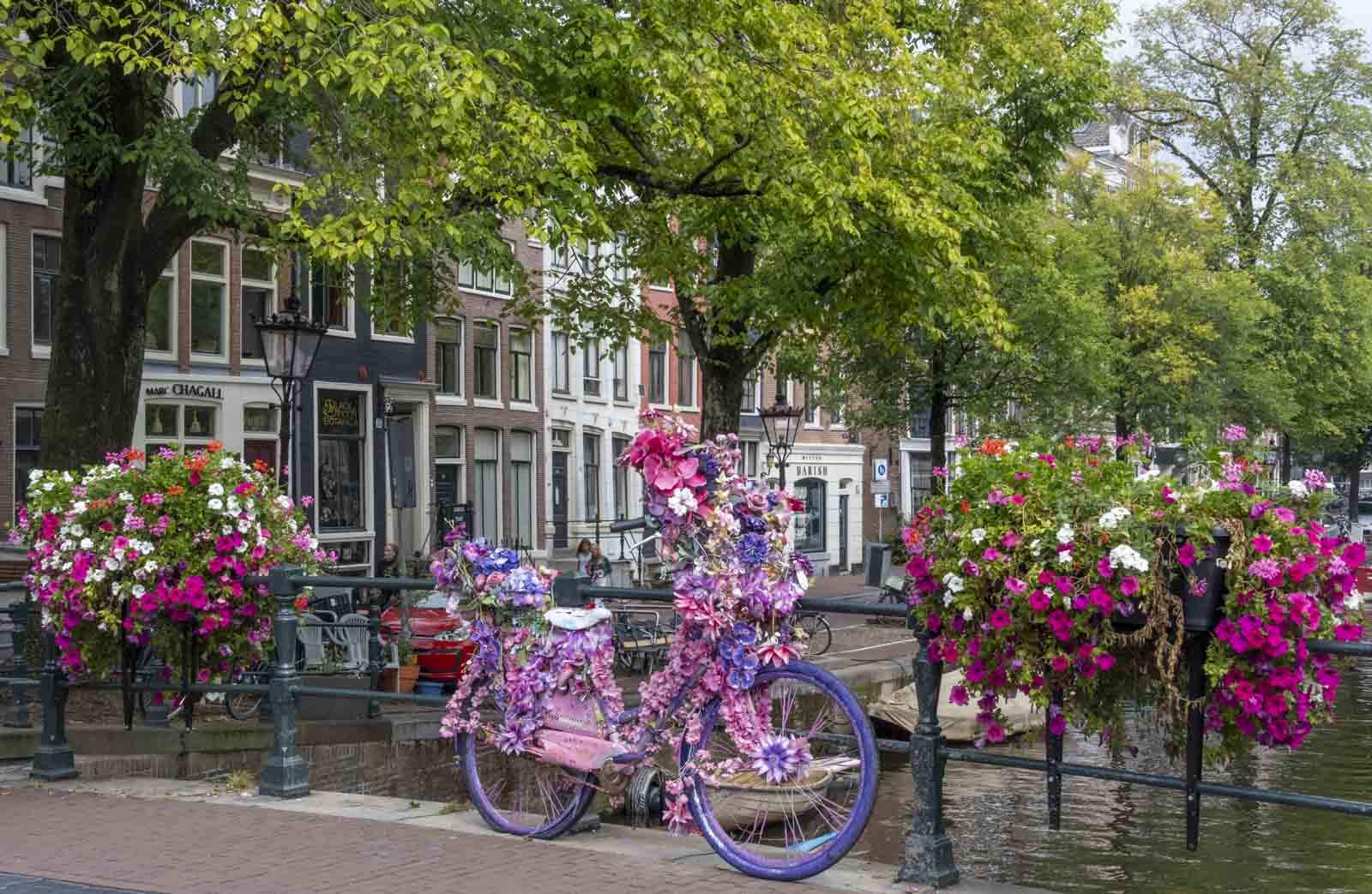


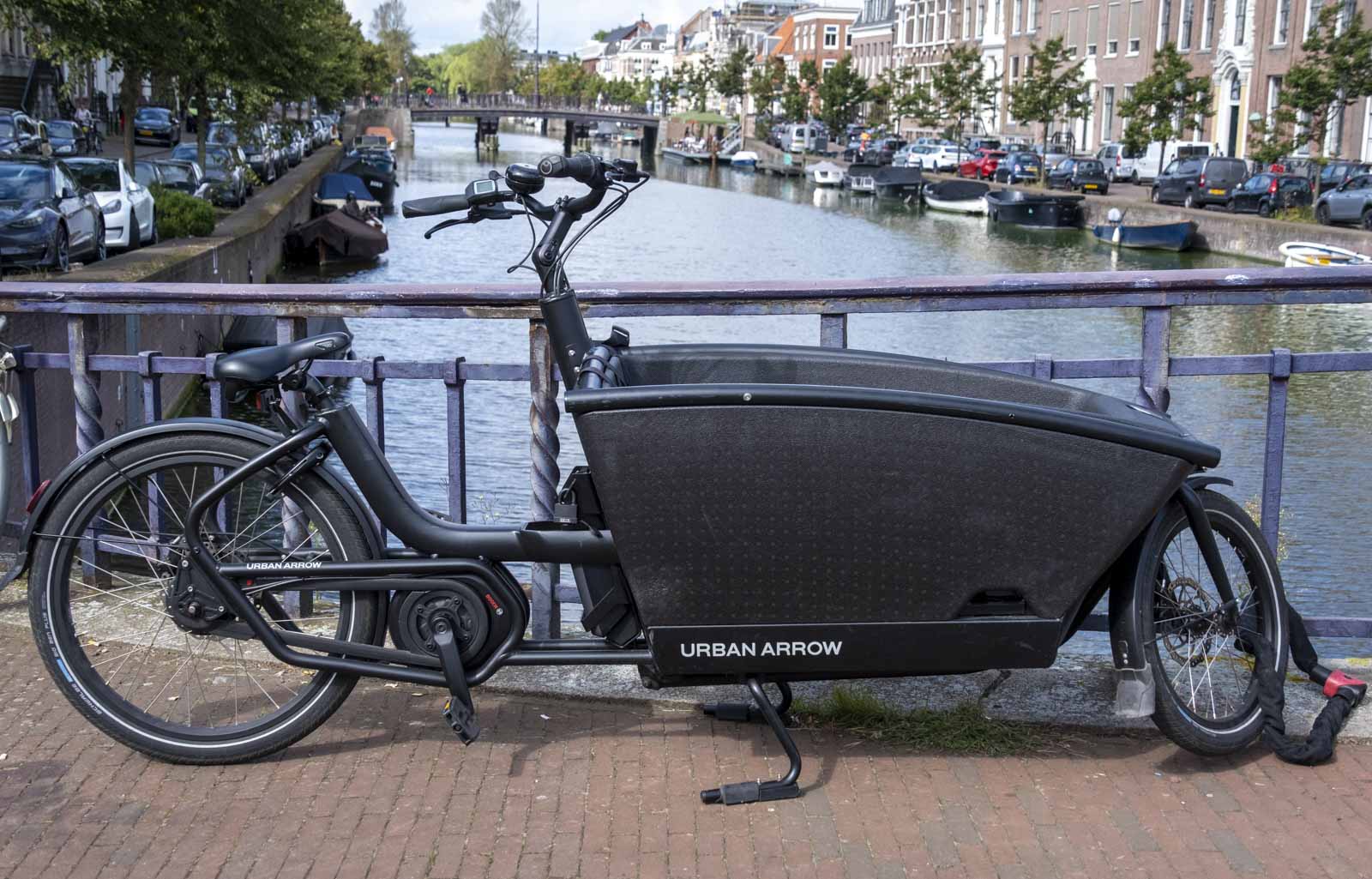
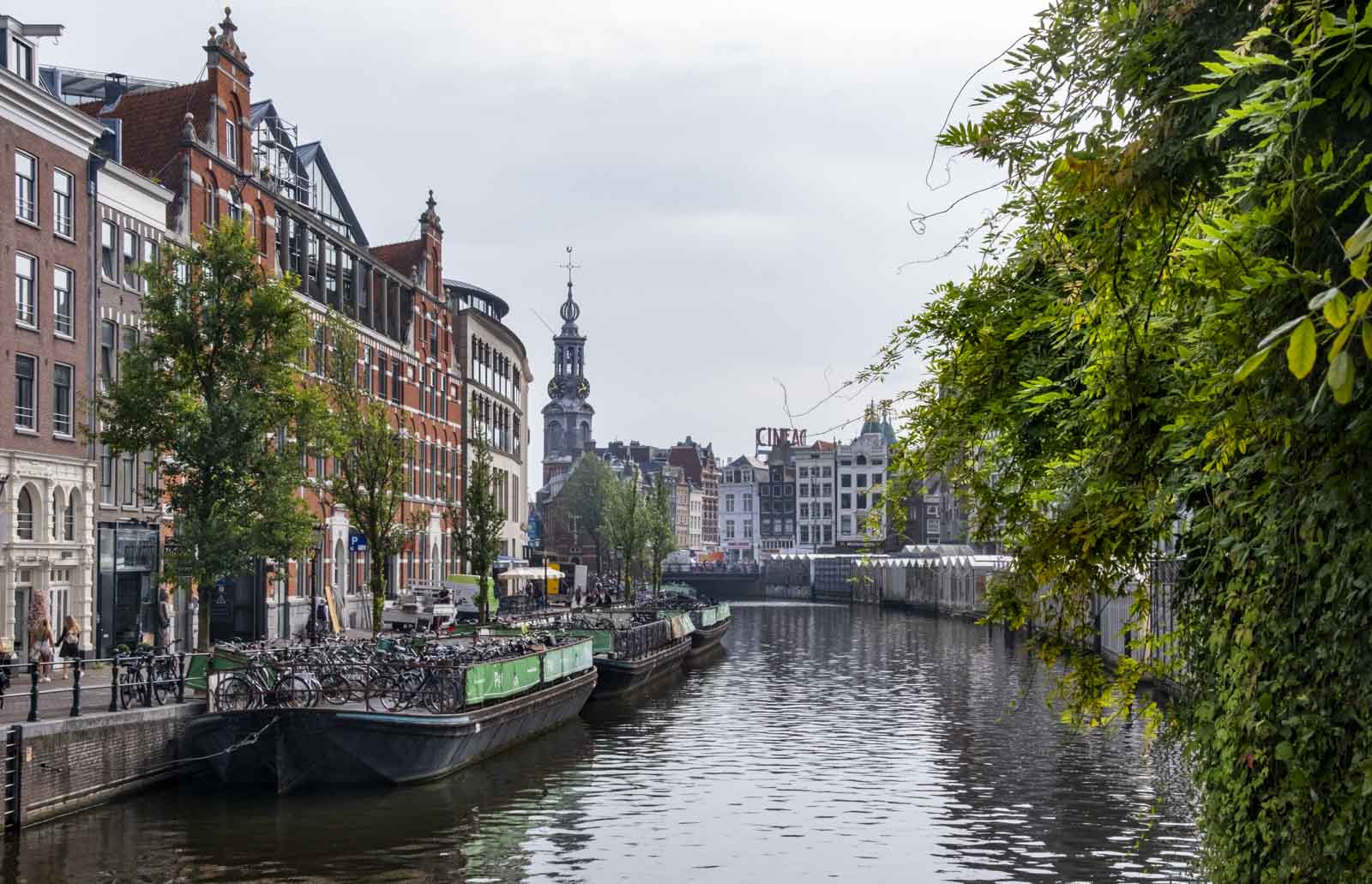

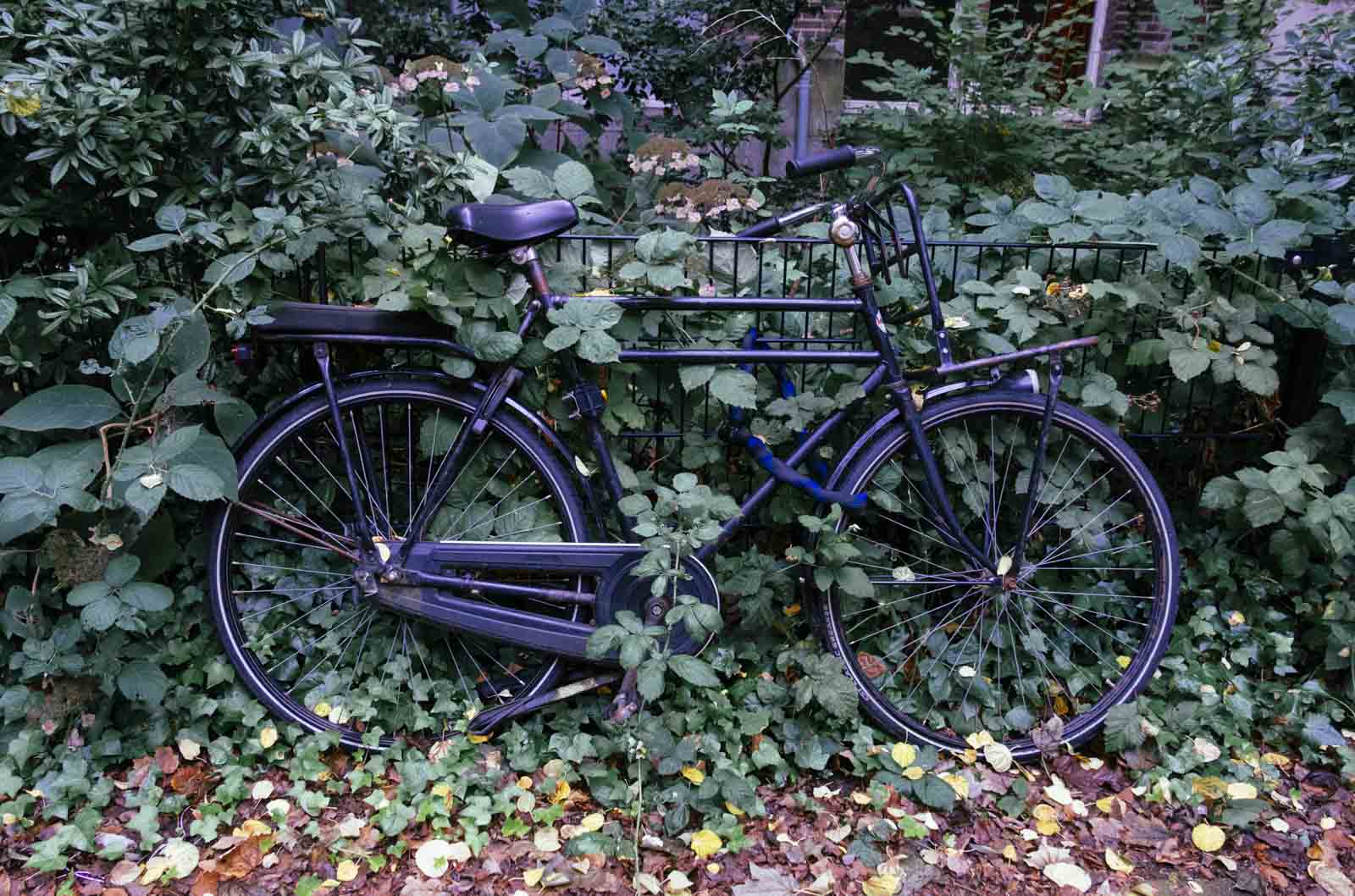

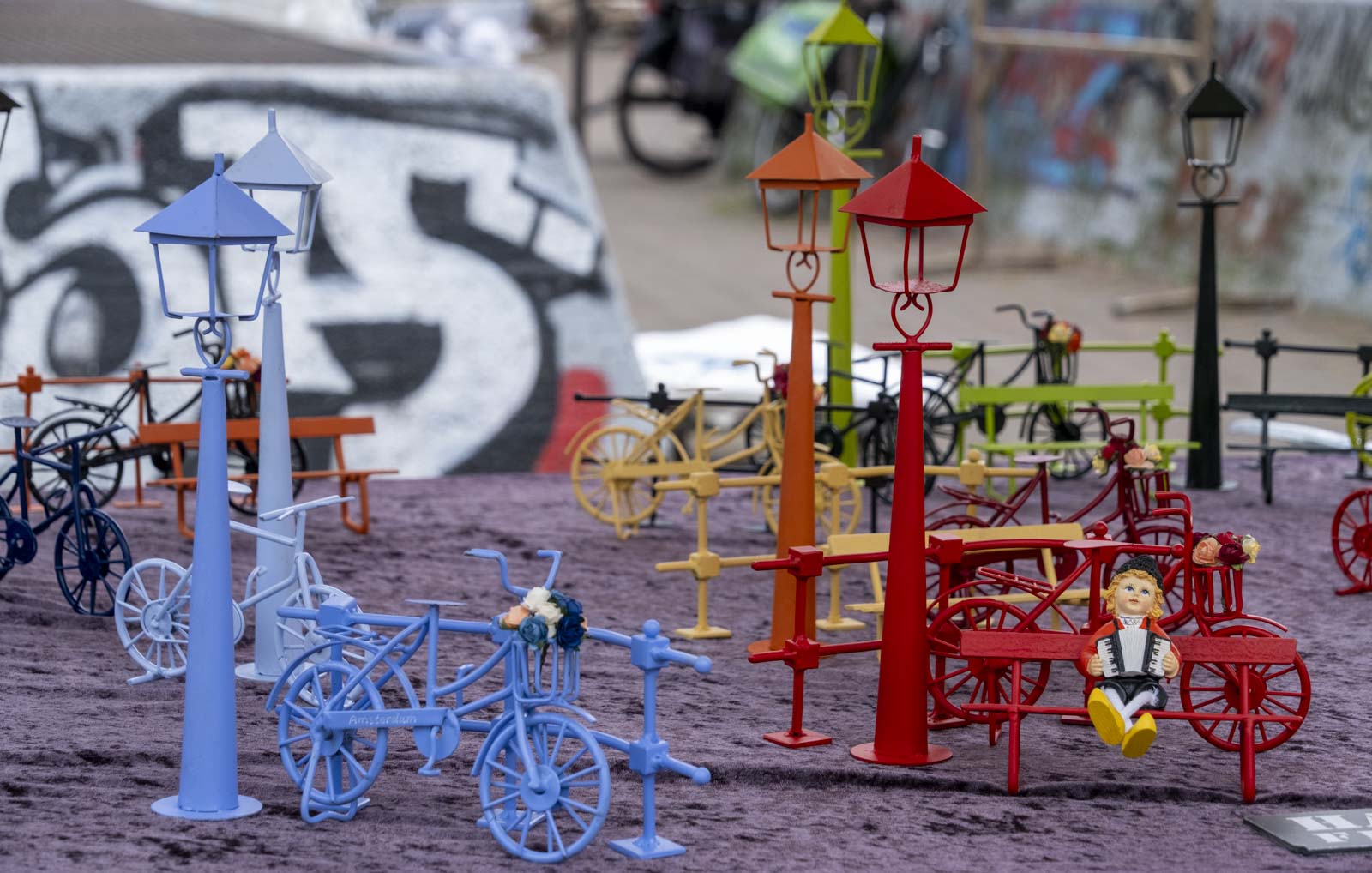
Or, do you have another suggestion?
 Leya
Leya 
Du måste vara inloggad för att kunna skicka en kommentar.