For Sylvain Landry and SL- WEEK: The Stairs of the new library in Riga.
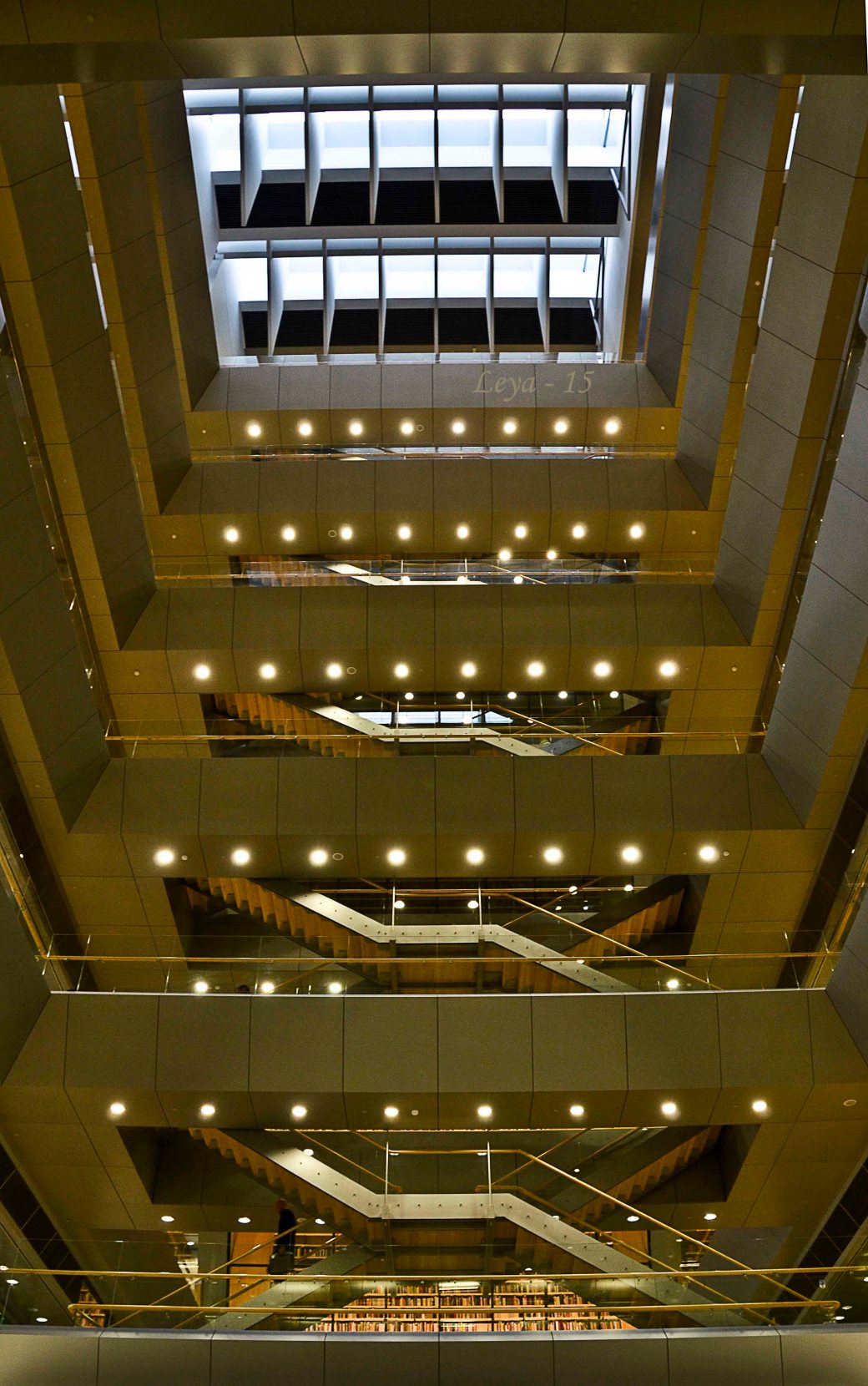
For Sylvain Landry and SL- WEEK: The Stairs of the new library in Riga.
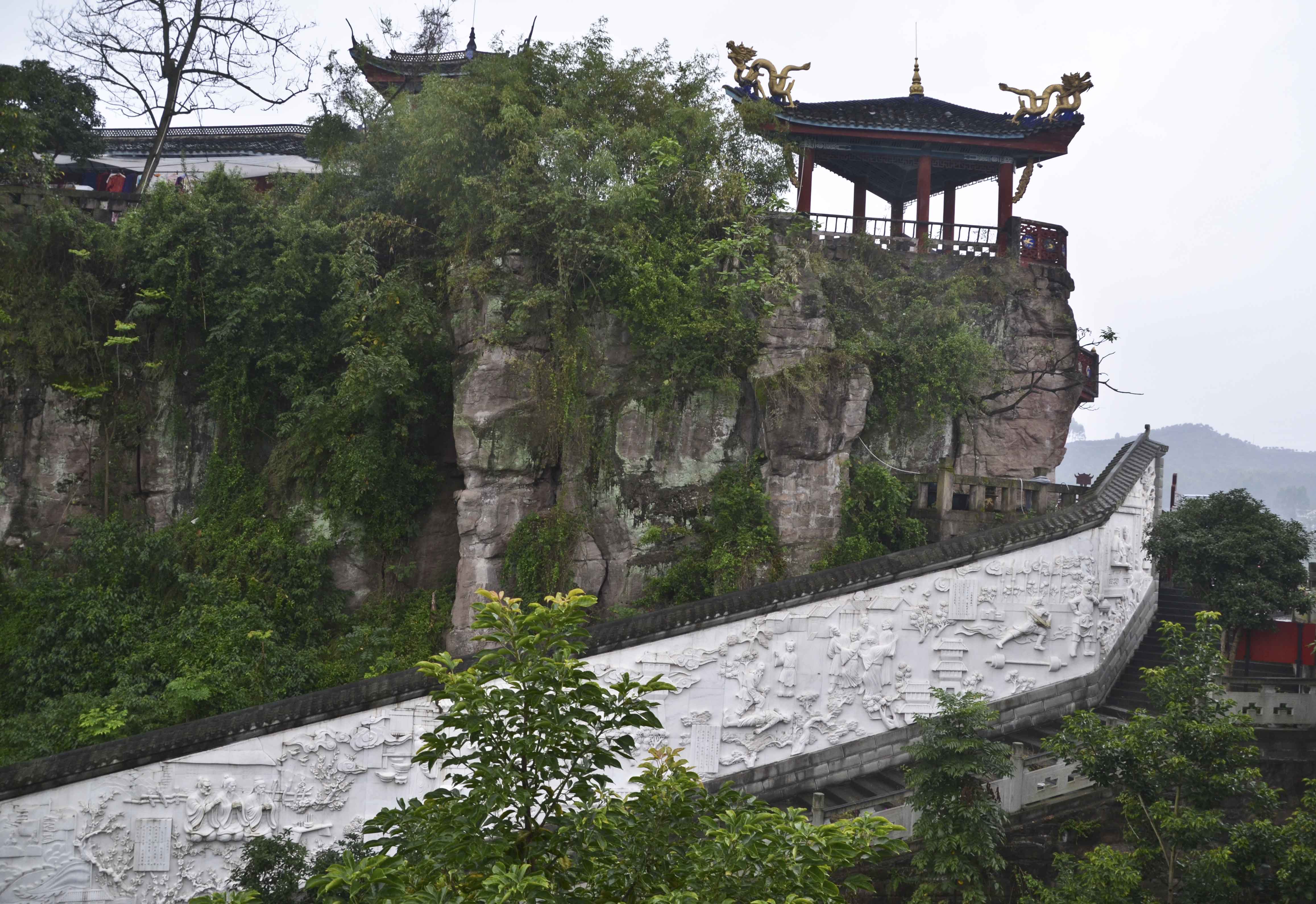
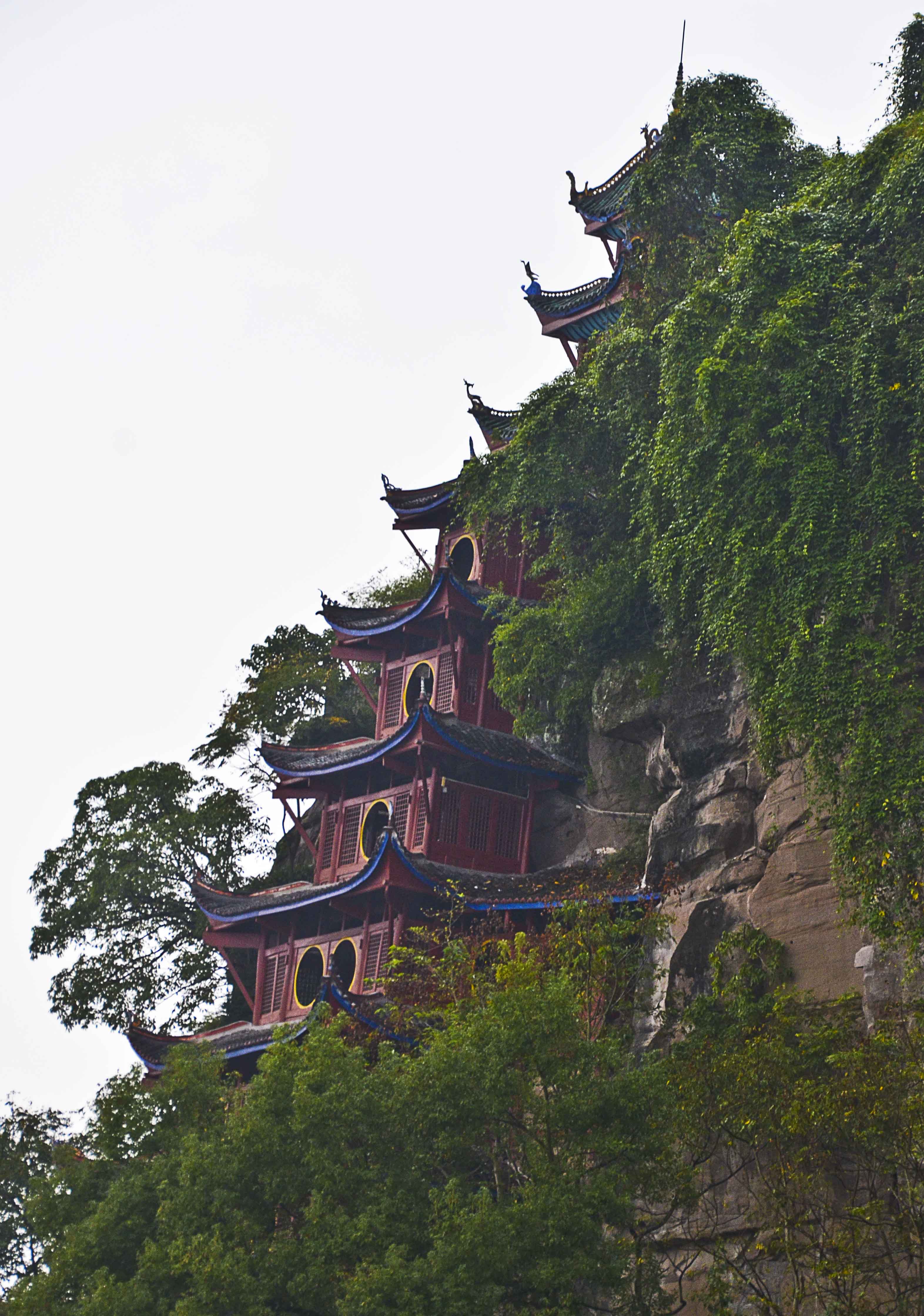
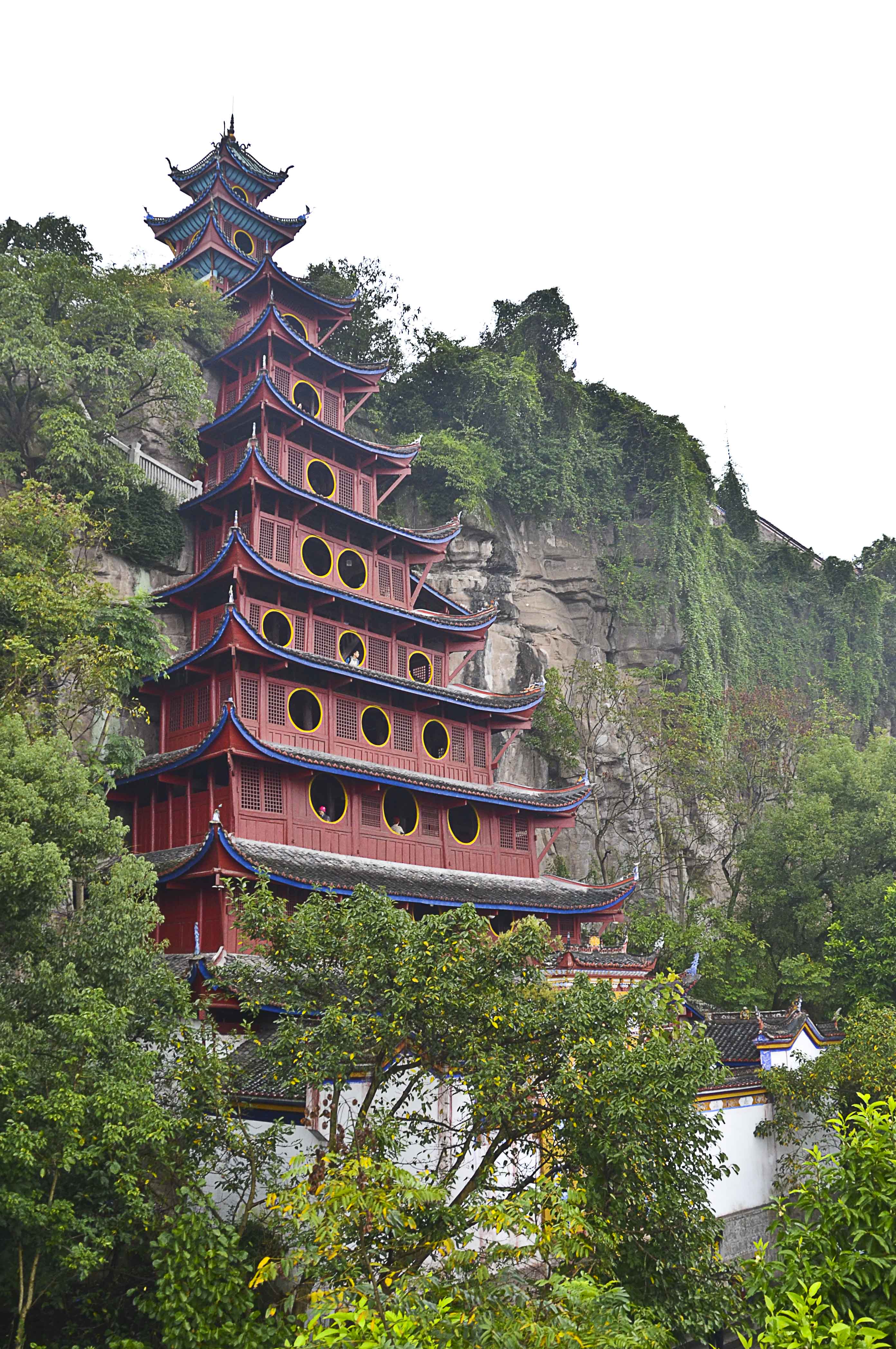
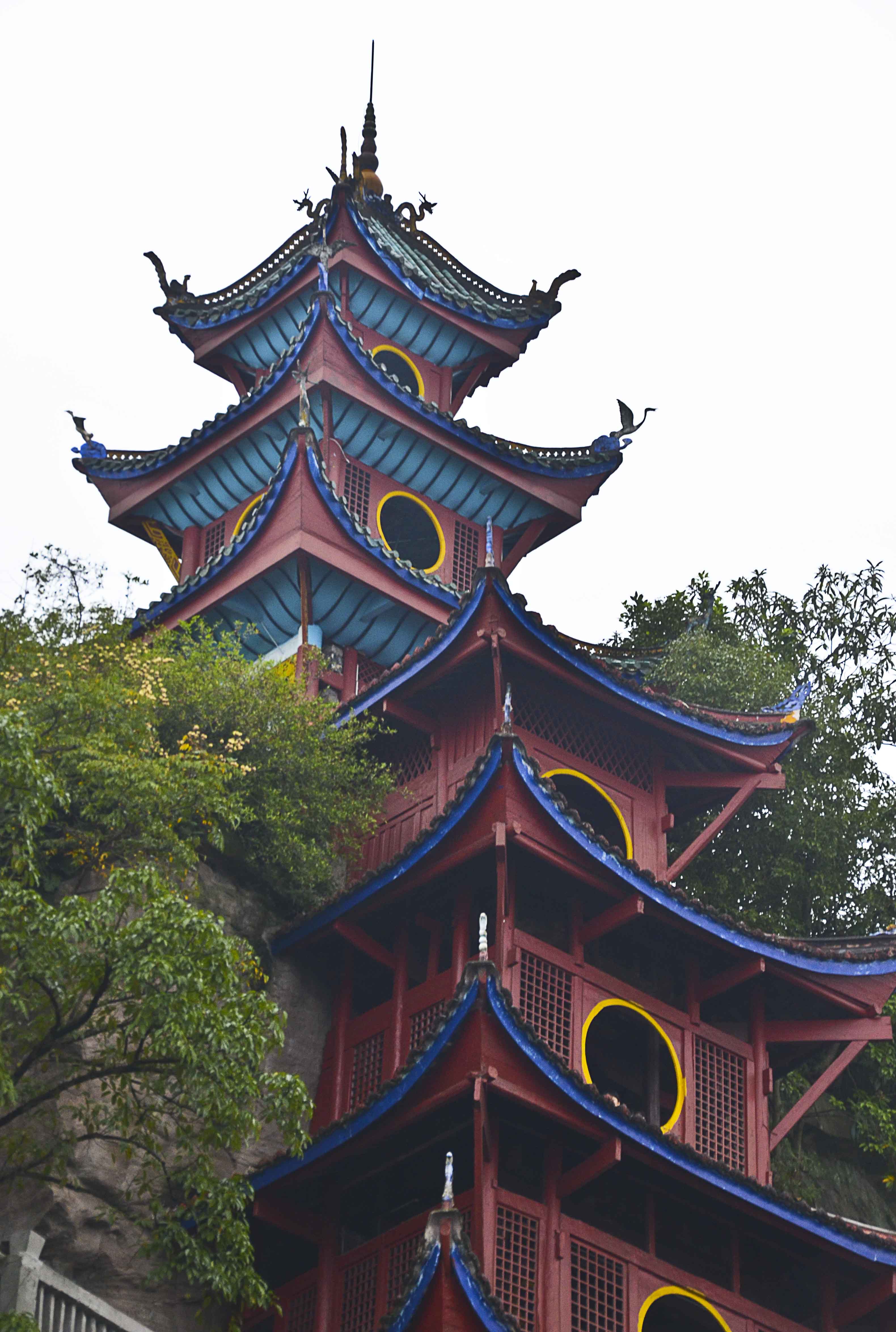
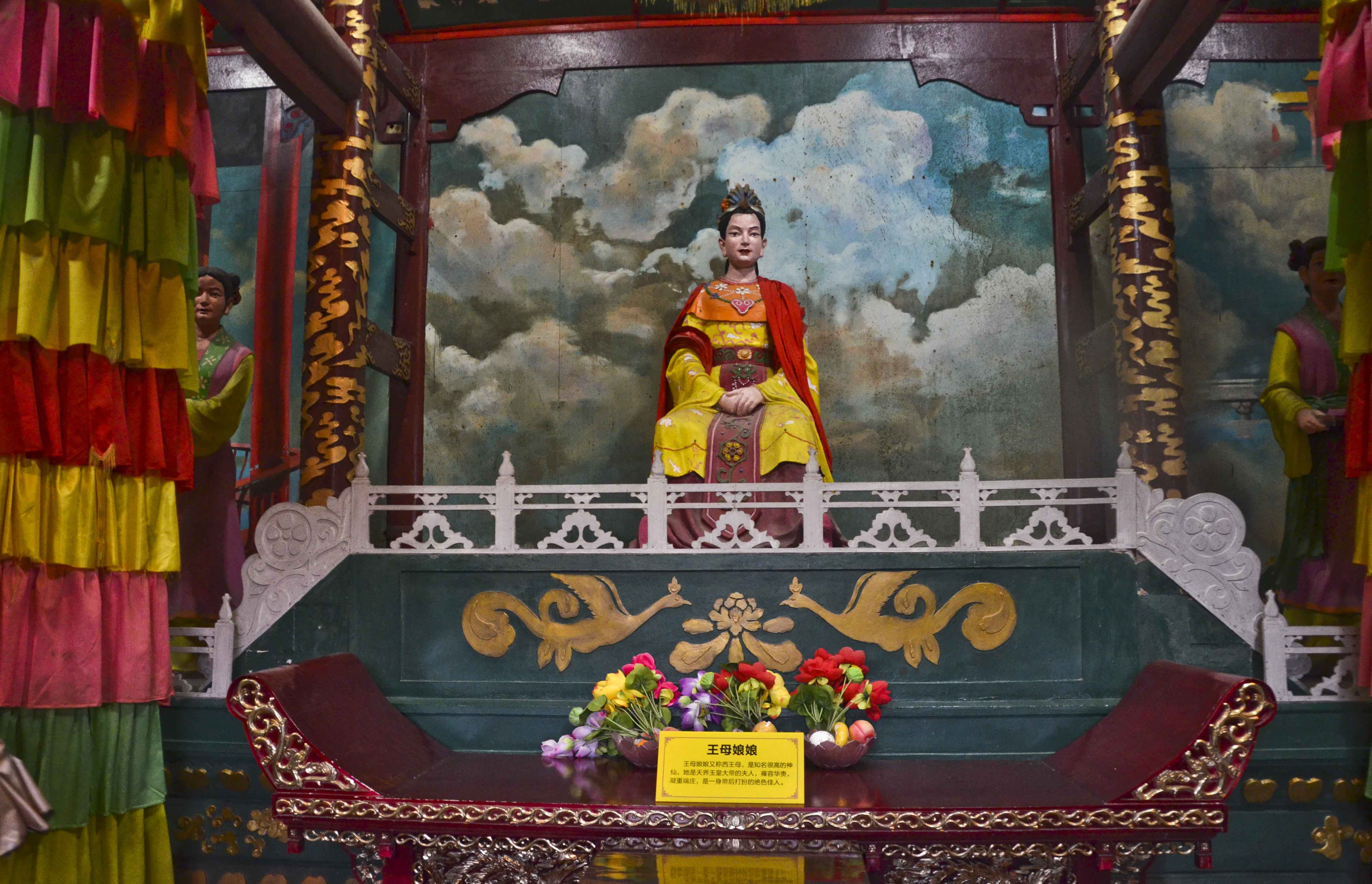
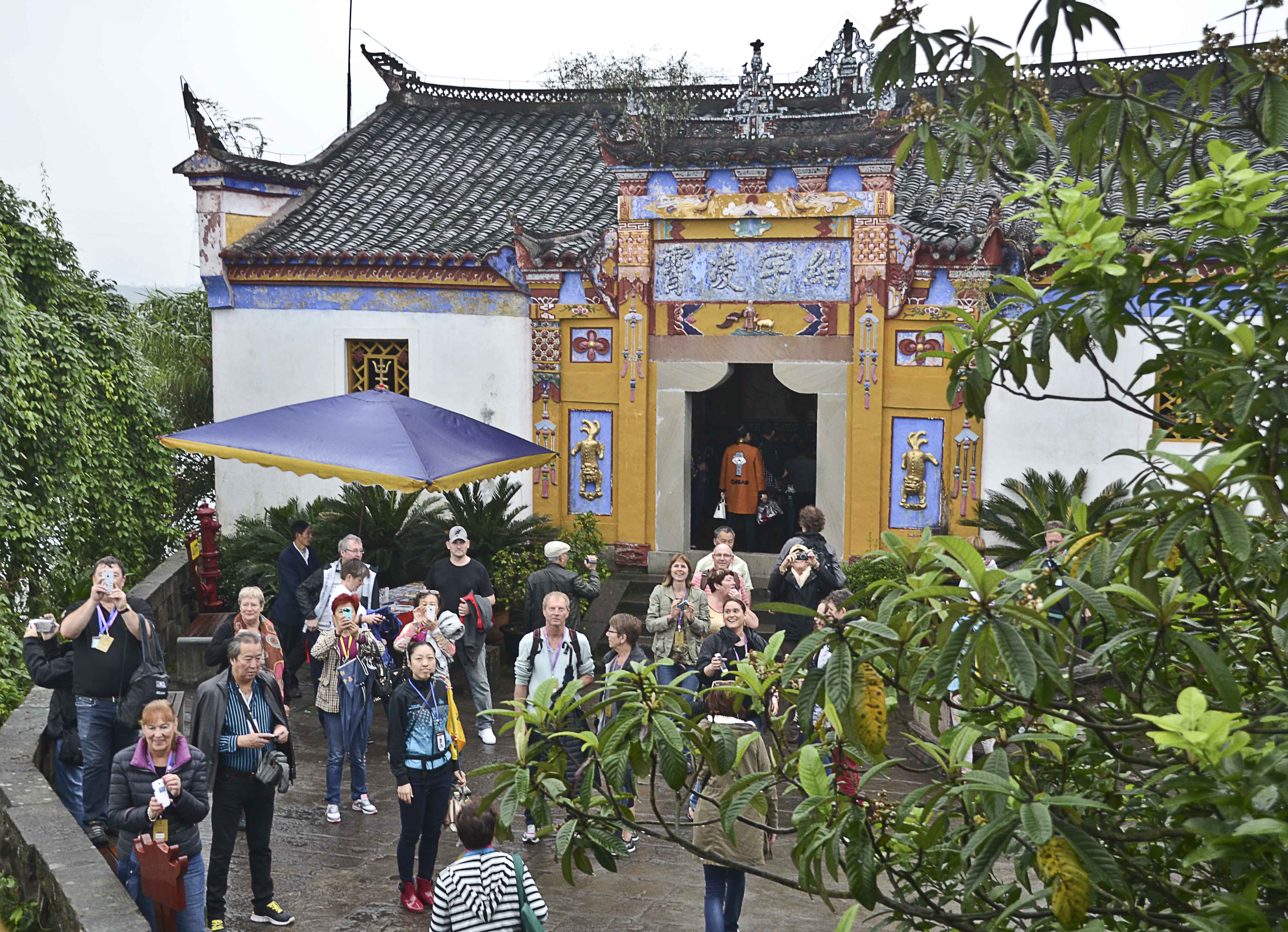
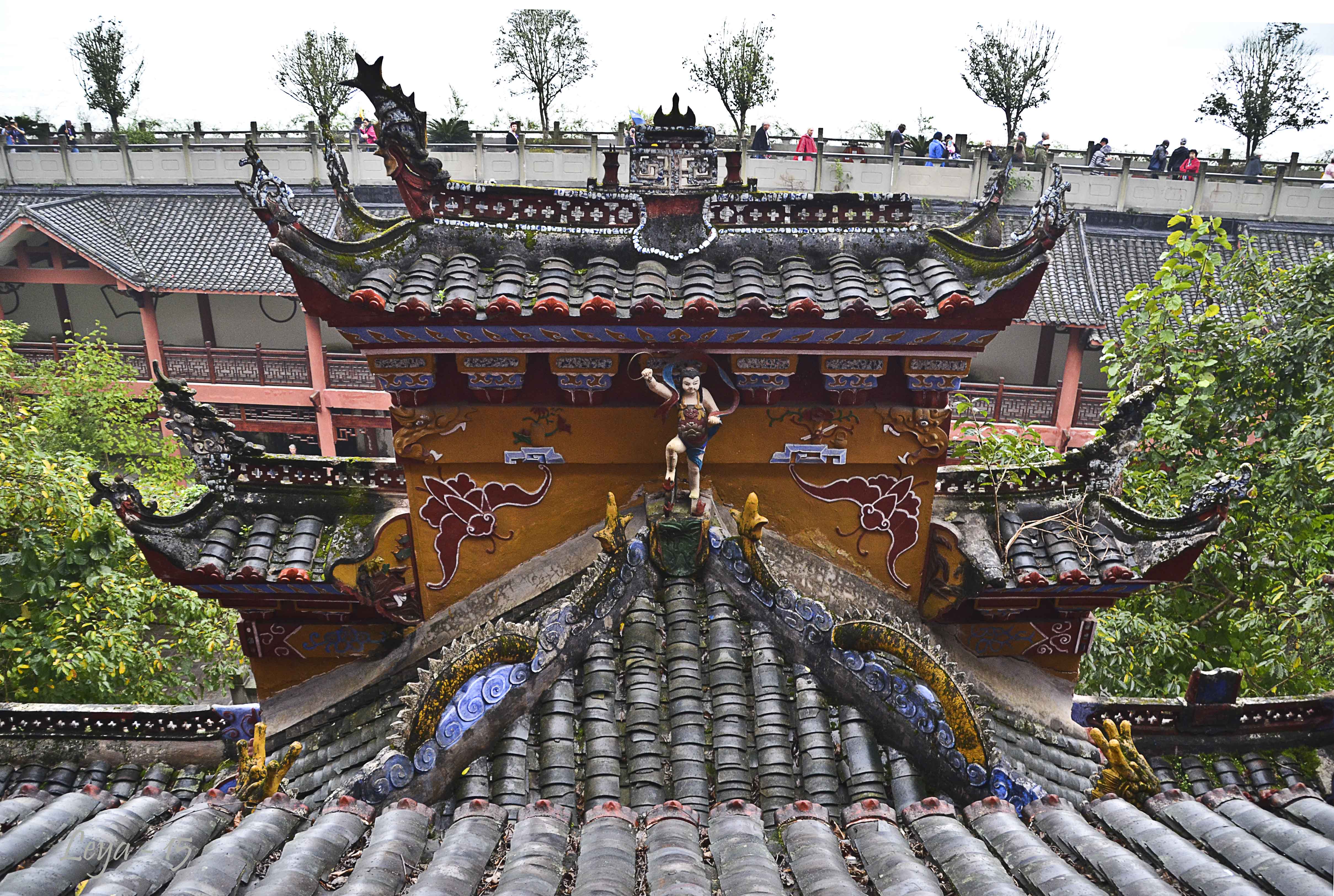
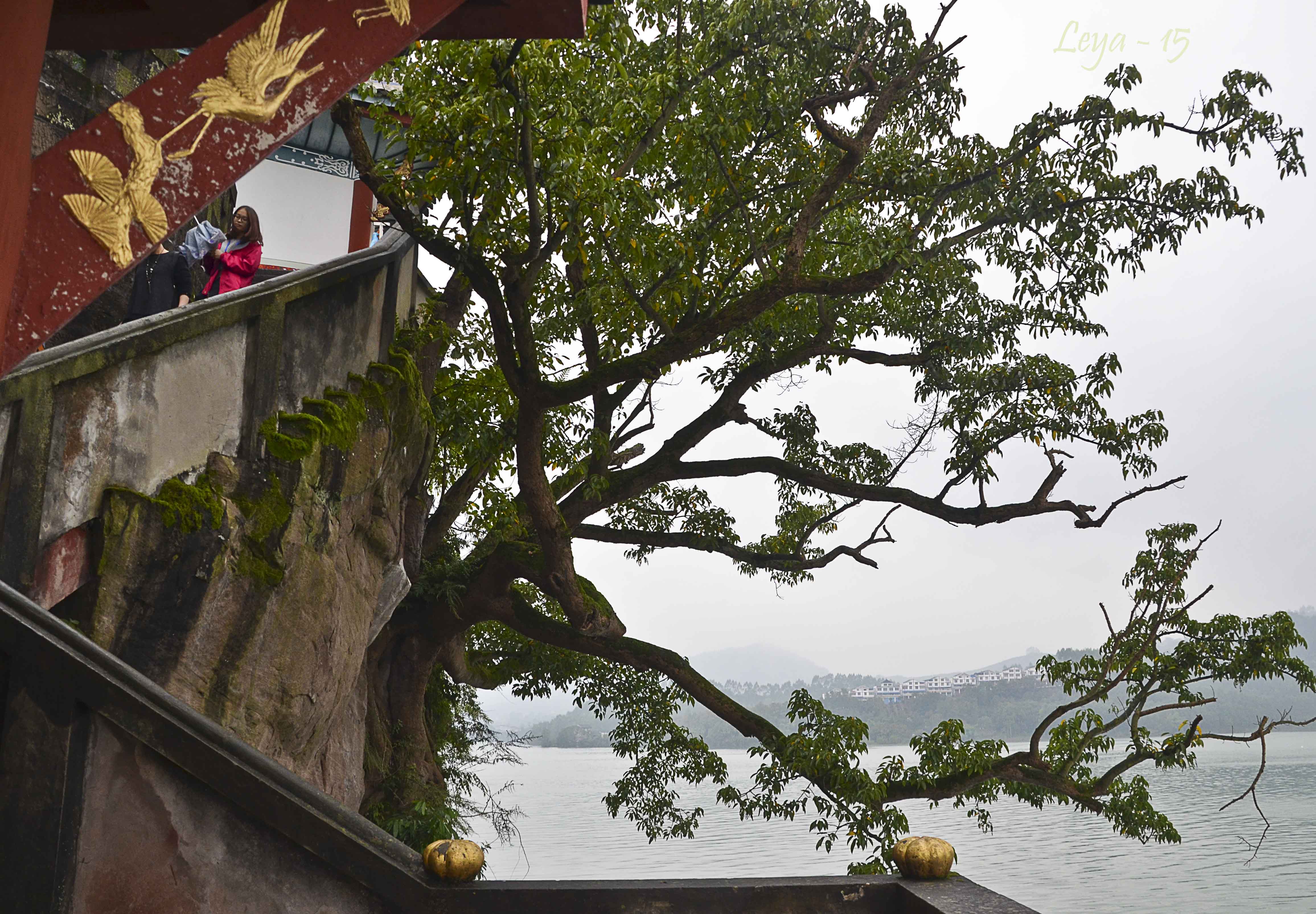
No post was made on this, because I thought the weather was too bad and my shots could not give a fair picture of its beauty. Tonight I happened to find this pavilion again…and a post just had to be written. This is a beautiful piece of art – try to forget about the miserable weather conditions and just enjoy.

Built in the Ming Dynasty (1368 – 1644), Shibaozhai consists of a gate, a pavilion and a temple.


Ailsa’s Travel theme goes all the way to Tibet this Friday – See more Flutter here.
Thousands and thousands of prayer flags, fluttering over the mountain roads.
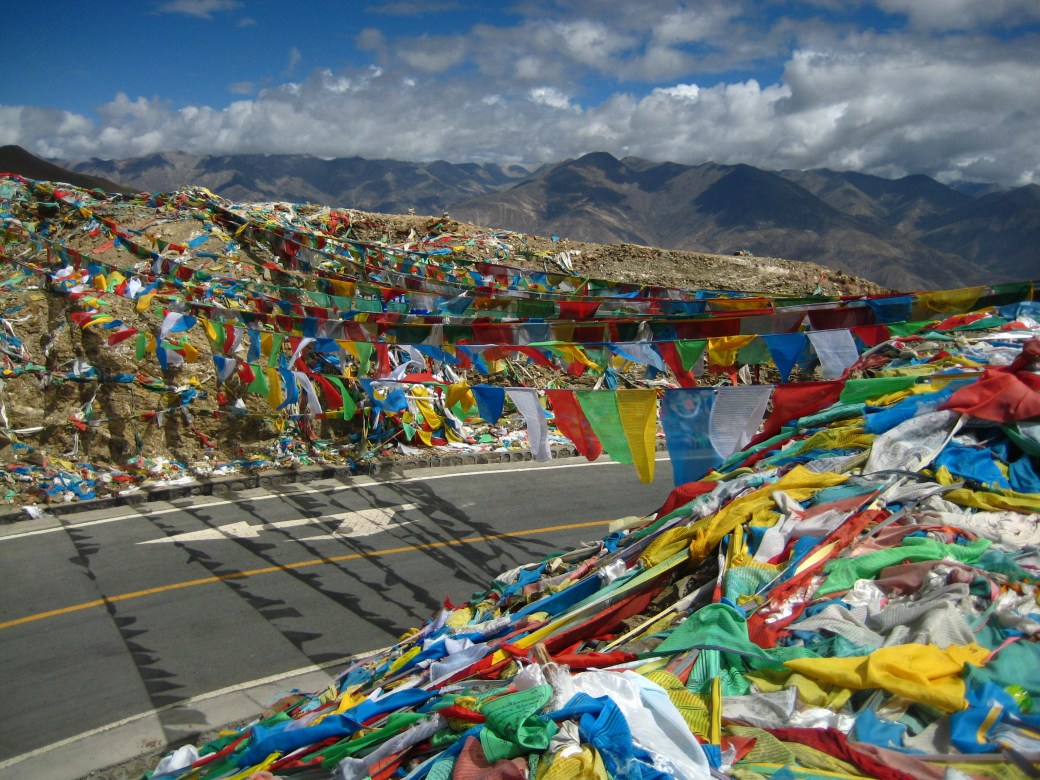
Böneflaggorna sänder bönerna mot himlen
Cheri at WordPress gives us an interesting challenge:
This week, find inspiration in a piece of art. Then, imitate it.
Paris, the Louvre – inspirational!

OK, this is eight years ago…but we still have fun together – 6 monkeys and my daughter, the photographer. 7 generations? More imitaions here.
As I am still in Iceland…at least in my mind – here is the frozen Gullfoss. And I assure you, it was COLD. Hang on to the tiny left corner to warm you up… For more cold things, click here and visit Cee.

Time – we are all moving in it – and through it. And looking back…through what we think is a clear window frame, we realize the blur and the shadows. Time changes everything, and we can never know or be certain about the way everything looked or worked…
Not in Ostia Antica, Rome, and not even yesterday, at home. In our minds we can imagine or remember – but the moment in time is gone.

As I have just been soaked in the hot pools in Iceland, I quote: ”Some Like it Hot”…
For other hot spots – click here.
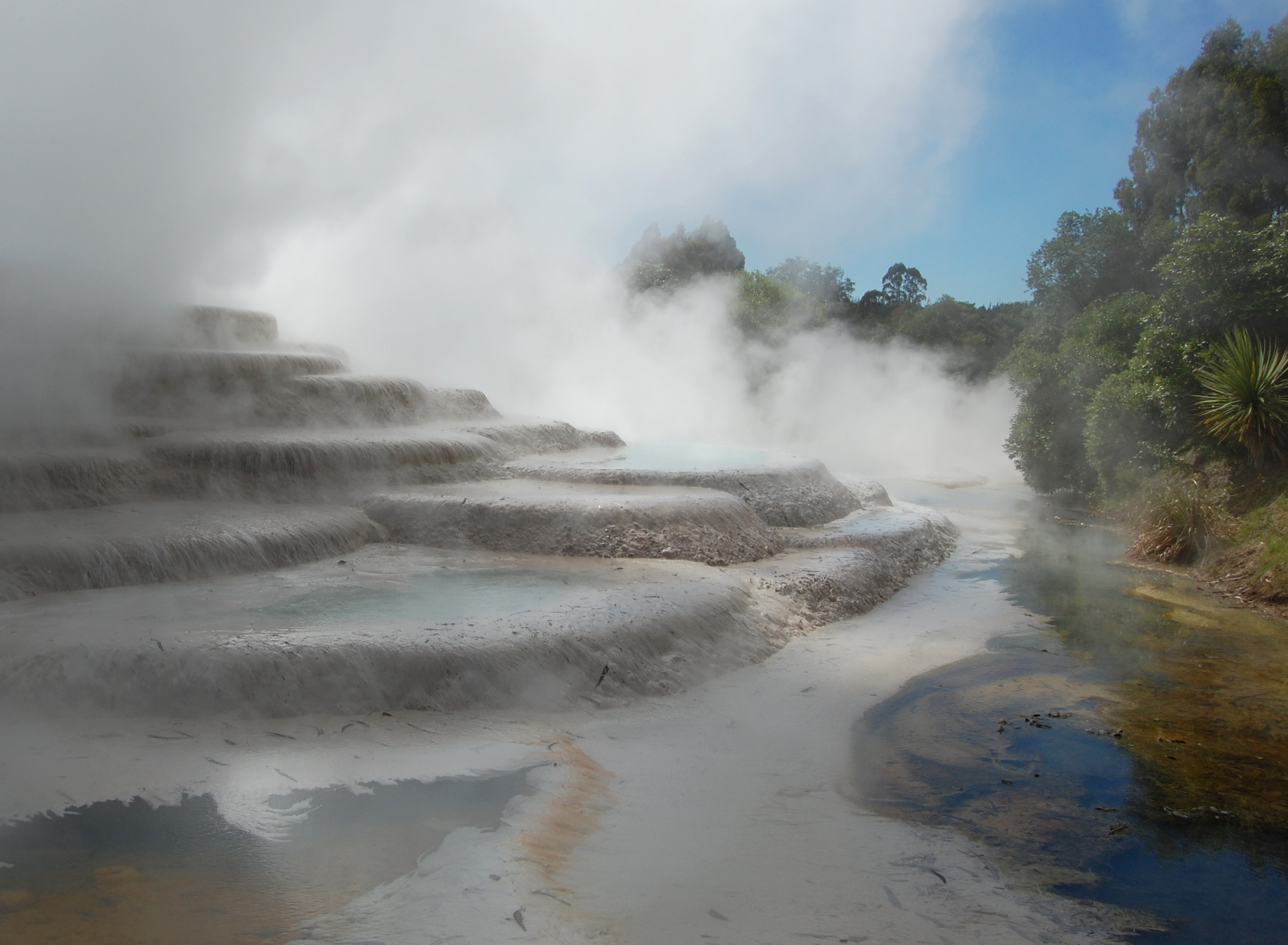
Hot pools in New Zealand and in Iceland. The difference is that you should not put your foot in the NZ pool…you might lose it.
Gullfoss (the Golden Falls) has its origin in the glacier lake Hvítávatn (the White River Lake) at Lángjökull glacier about 40km north of Gullfoss. The river Hvítá flows into a wide curved three-step ”staircase” and then abruptly plunges in two stages (11 m and 21 m) into a crevice, seemingly vanishing into the earth, 32 m down. The crevice is about 20 m wide, and 2.5 km in length, and the average amount of water running over this waterfall is 140 m³/s in the summertime and 80 m³/s in the wintertime.
Over the years, there has been much speculation about using Gullfoss to generate electricity. However, the investors’ attempts have been unsuccessful, partly due to lack of money. The waterfall now belongs to the state of Iceland,
Legend has it that Sigríður Tómasdóttir, the daughter of the former owner of the falls, Tómas Tómasson, was determined to preserve Gullfoss as it had always been, and even threatened to throw herself into the waterfall. The story of the saviour of the falls is unfortunately… not true. But beautiful it is – there is even a statue made of Sigríður, standing close to the site.
When visiting Gullfoss, one of the most popular tourist attractions in Iceland, we were in for one of the most icy cold shocks ever. The air temperature maybe 8 degrees below zero – but the strong wind made it feel like -30 something.
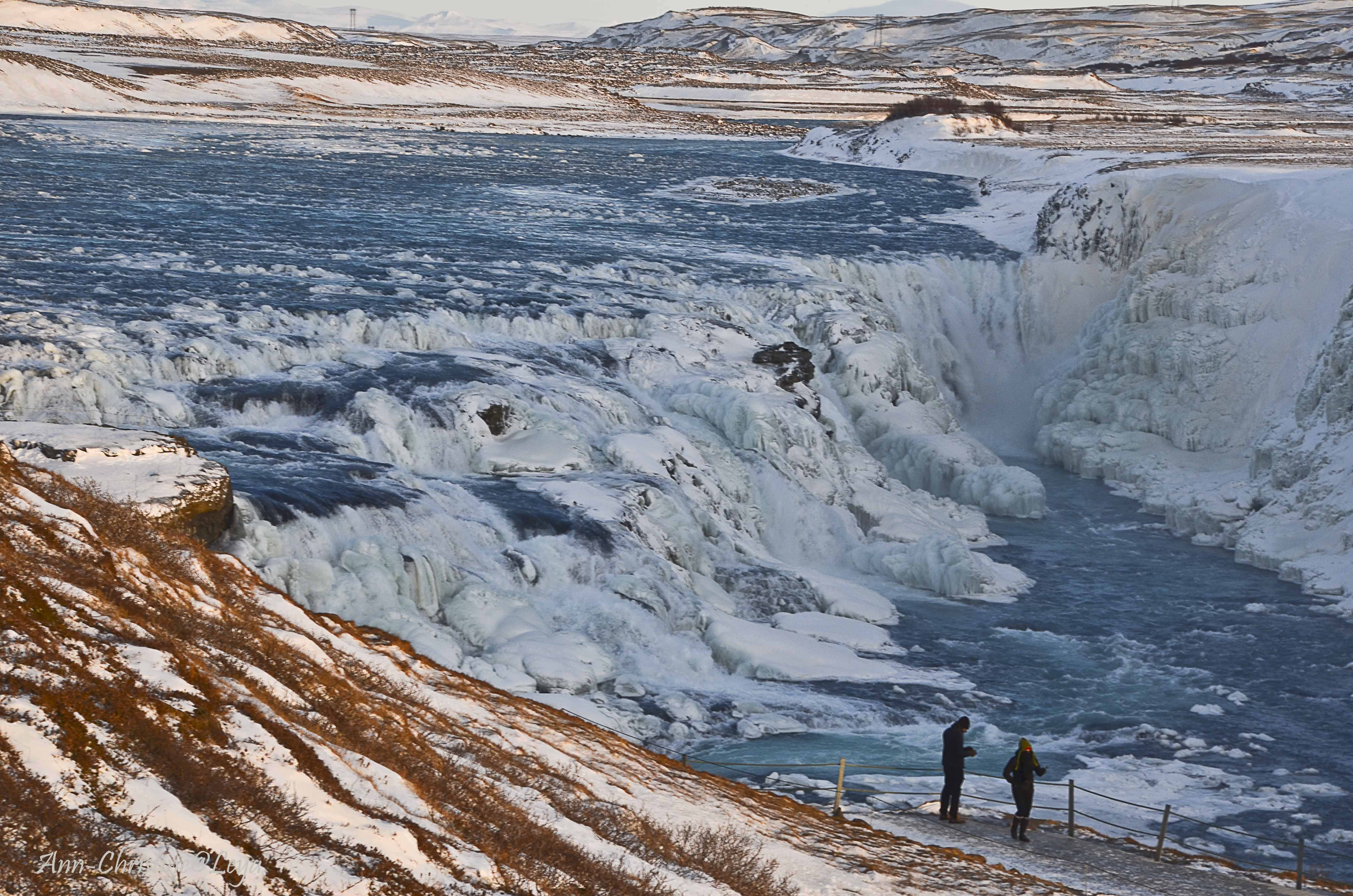
Three of us ventured out of the car, well prepared, but faces and fingers still suffered severely. Not the best circumstances for good shots – despite sun and clear sky. We ”fired” for about five minutes, then tried to reach the car without breaking any arms, legs or cameras.
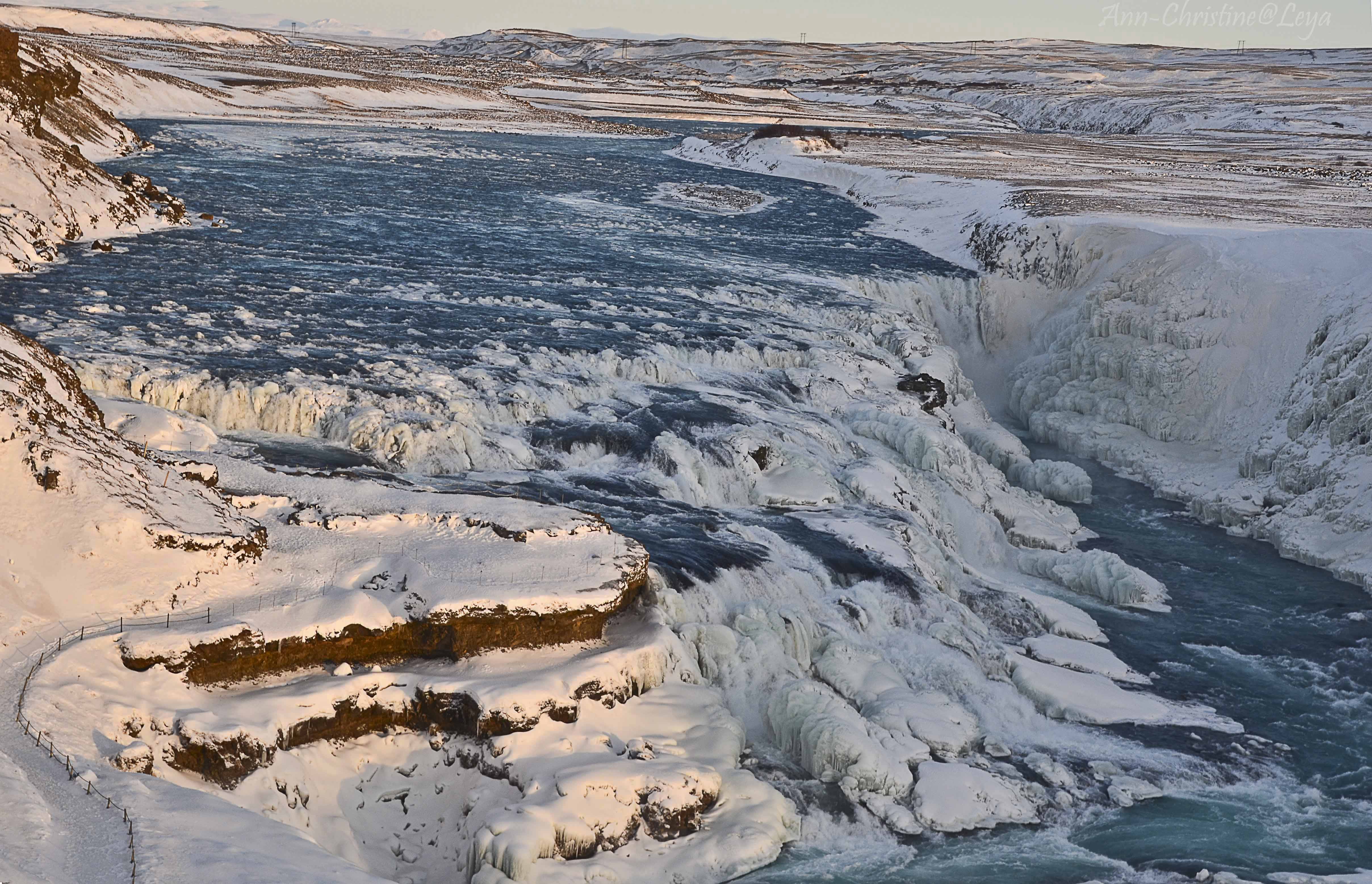
Fortunately the path to the cliffs was closed – trying to reach the ”platform” could have ended your life. During summer this spot offers a spectacular view of the falls.
But, surely you can see the golden light of the Golden Falls…even in winter?
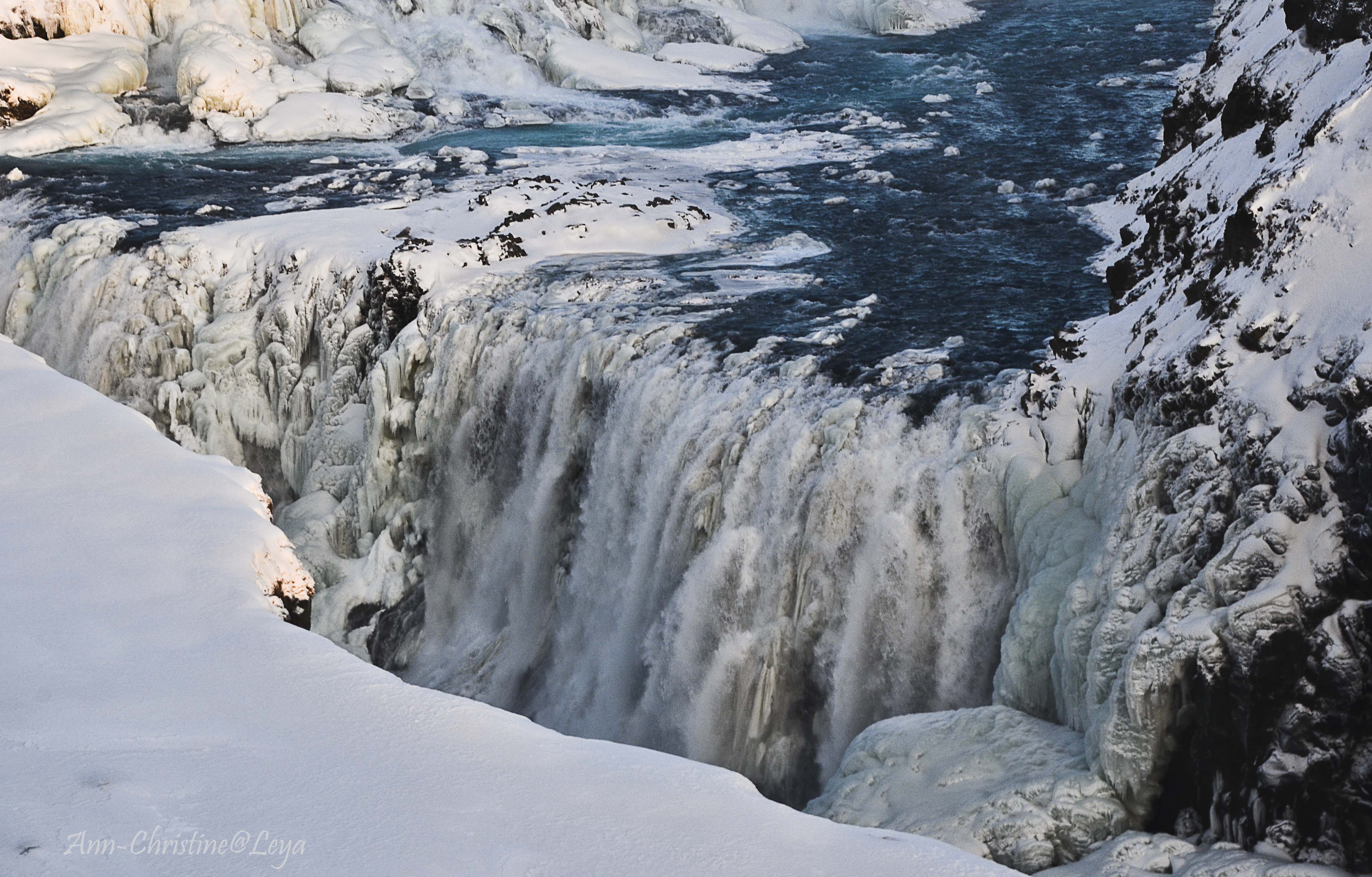
The walk to reach the rails was not successfully made by more than 10-15 people during our short stay. It was not possible to come closer for another angle of the crevice.
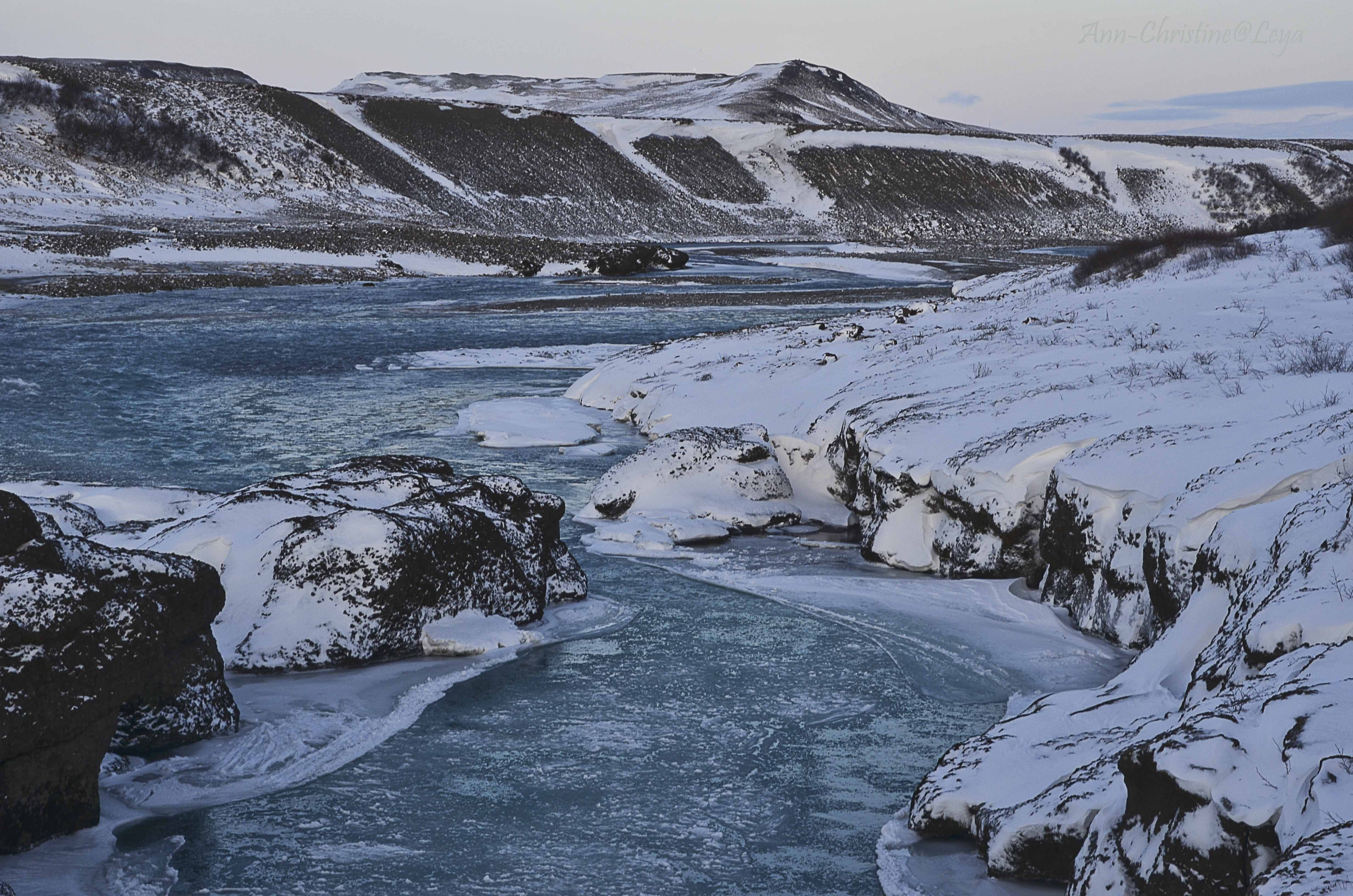
Trying to regain some body heat, we were delighted to dive into the warm car and follow the glacier river Hvitá down stream.
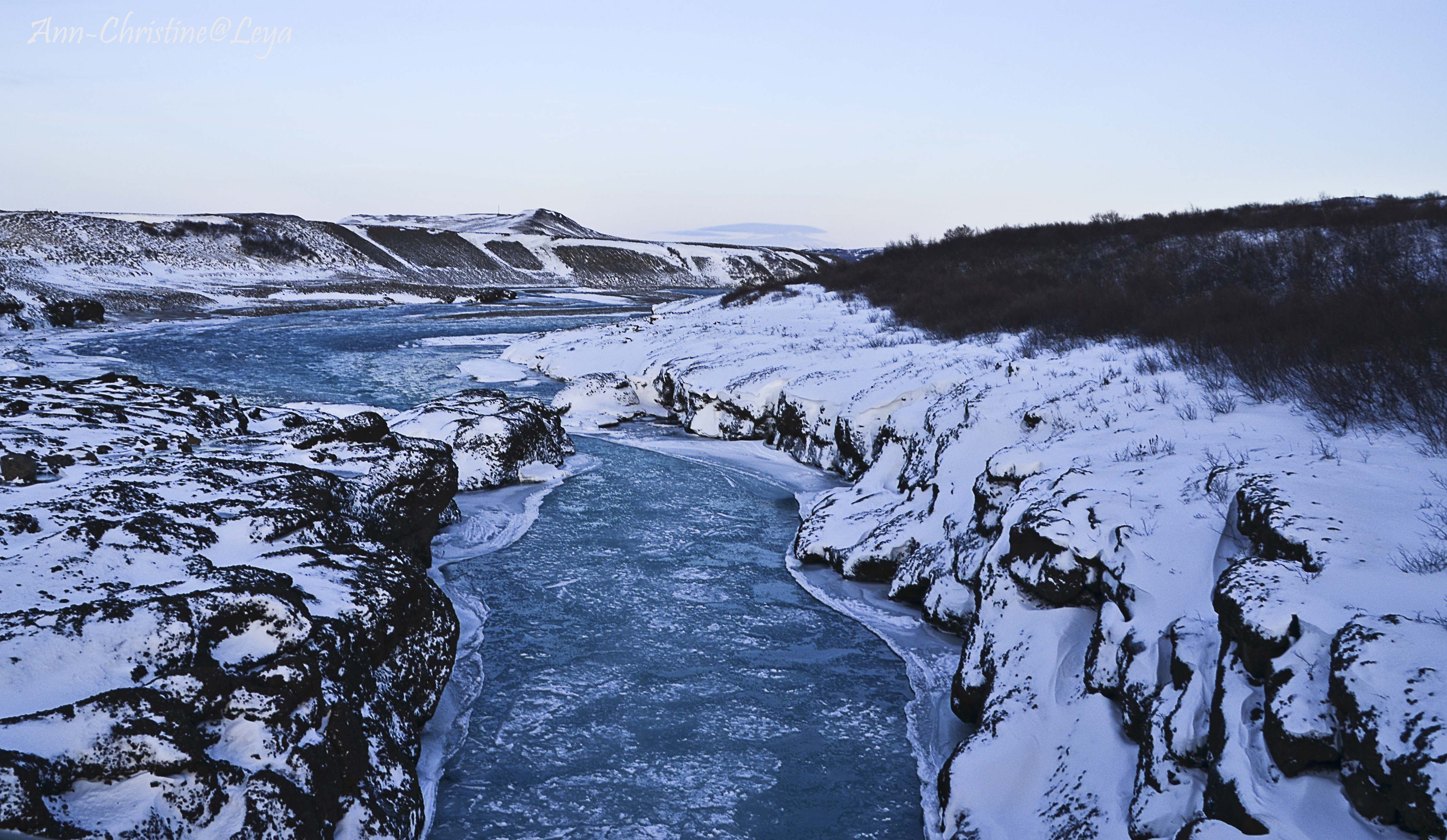
The sunset painted the surrounding landscape using mostly short sweeps of the brush…
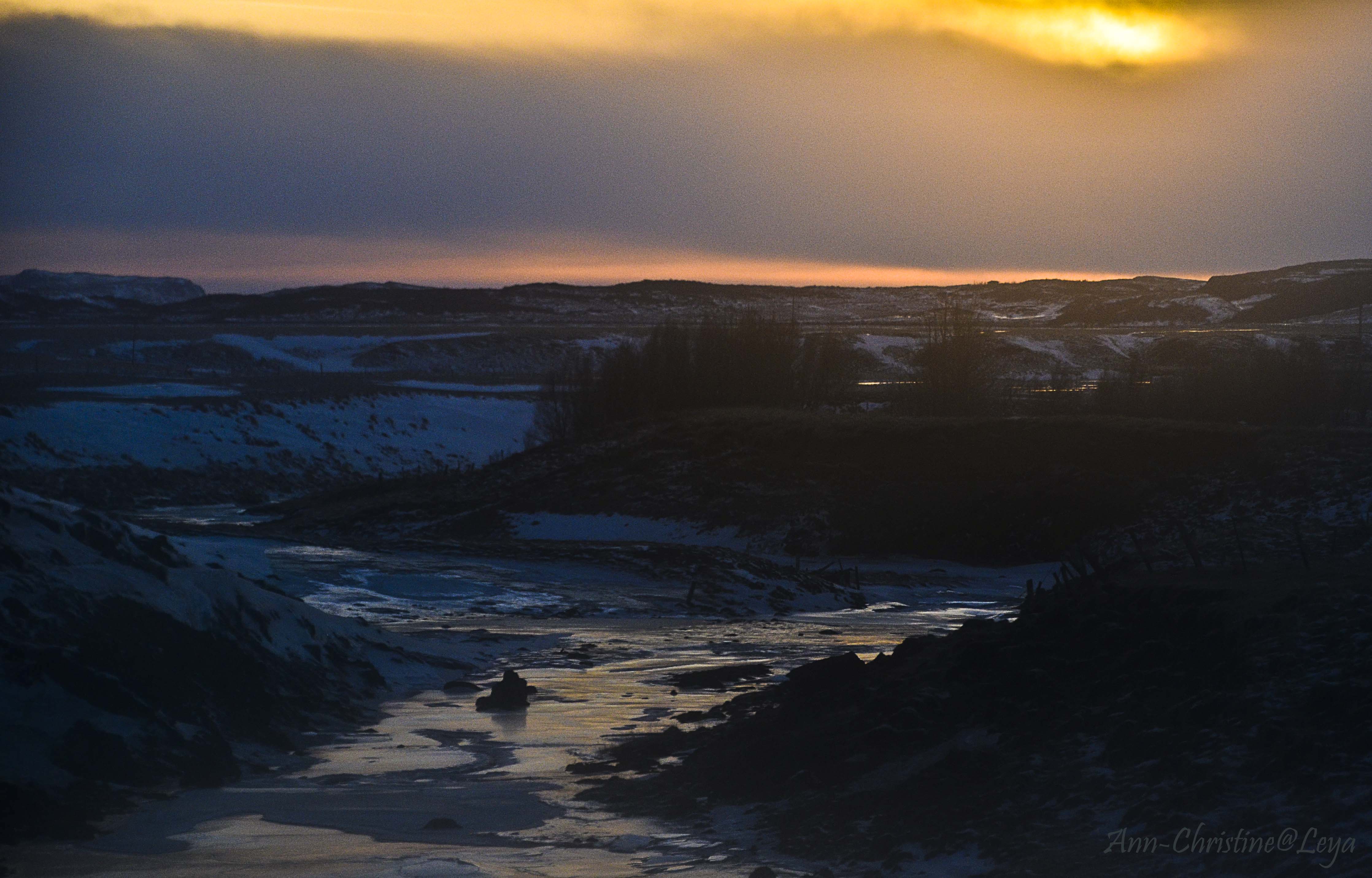
…leaving only few white light spots around the corner of the hills. Soon the Icelandic evening was upon us.
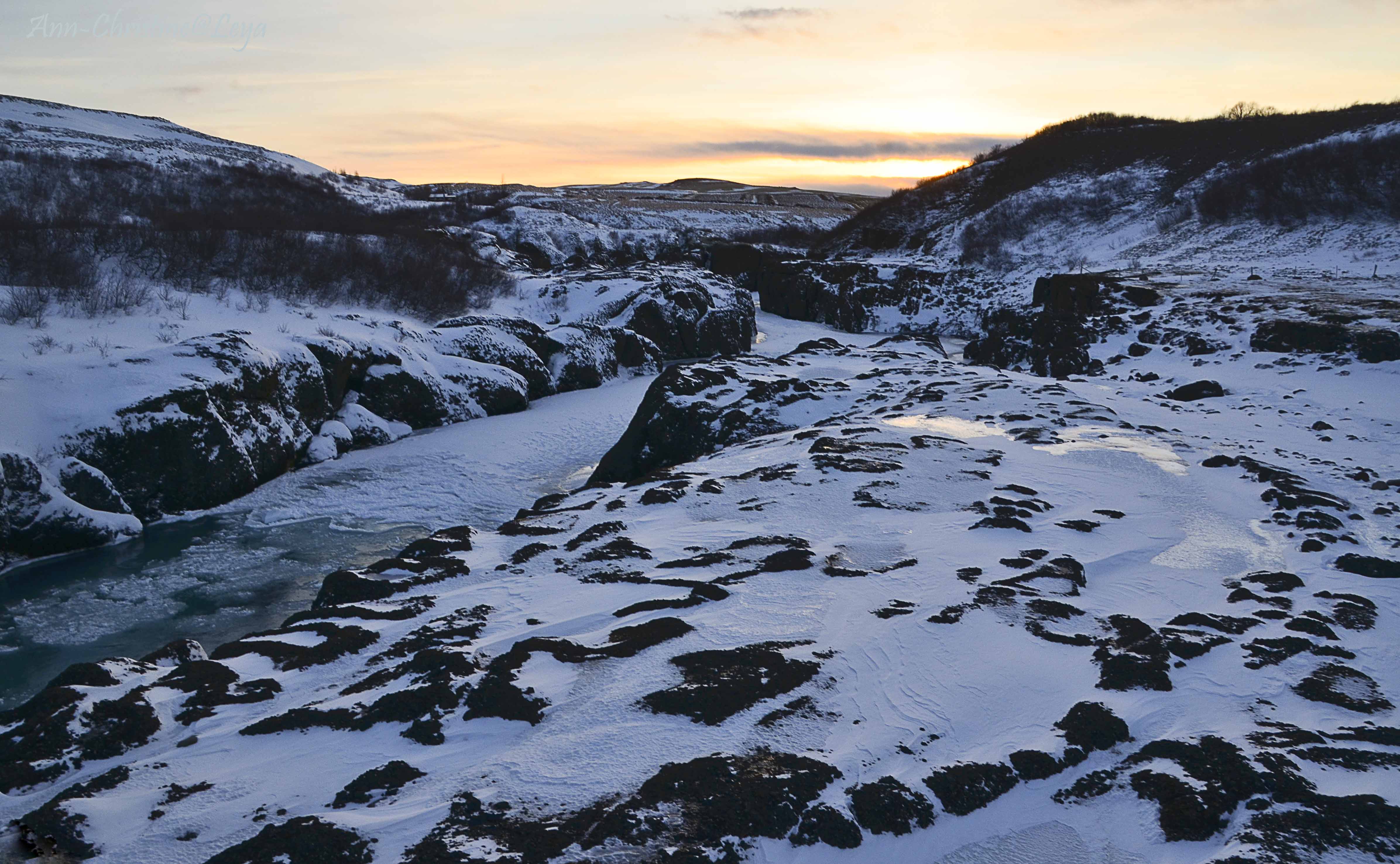
Our plan was to go to The Secret Lagoon for a hot bath – the perfect ending of any day. In fact, every day was ended off with bathing in hot pools – which is a great habit with the Icelanders. Their bathing culture is strong, and they make it clear to every visitor that they have to take off their clothes and shower thoroughly without swimsuit. This is a must before entering the pools.
Here a gallery of hot pools and earthen baked bread and hot coffee…I hope you are inspired!


Heading for the Geysir area in the cold of the morning. There is not much traffic in Iceland, and they do not sand or salt their roads.
This is post number six on Iceland, and there is one or two more to come. If you have missed out on the other ones, here are the links.
A Taste of Reykjavik, Heading for South Iceland, More South Iceland Magic, Land of Ice and Fire, Landscapes of Iceland, Thingvellir.
As usual- click the pictures to enlarge.
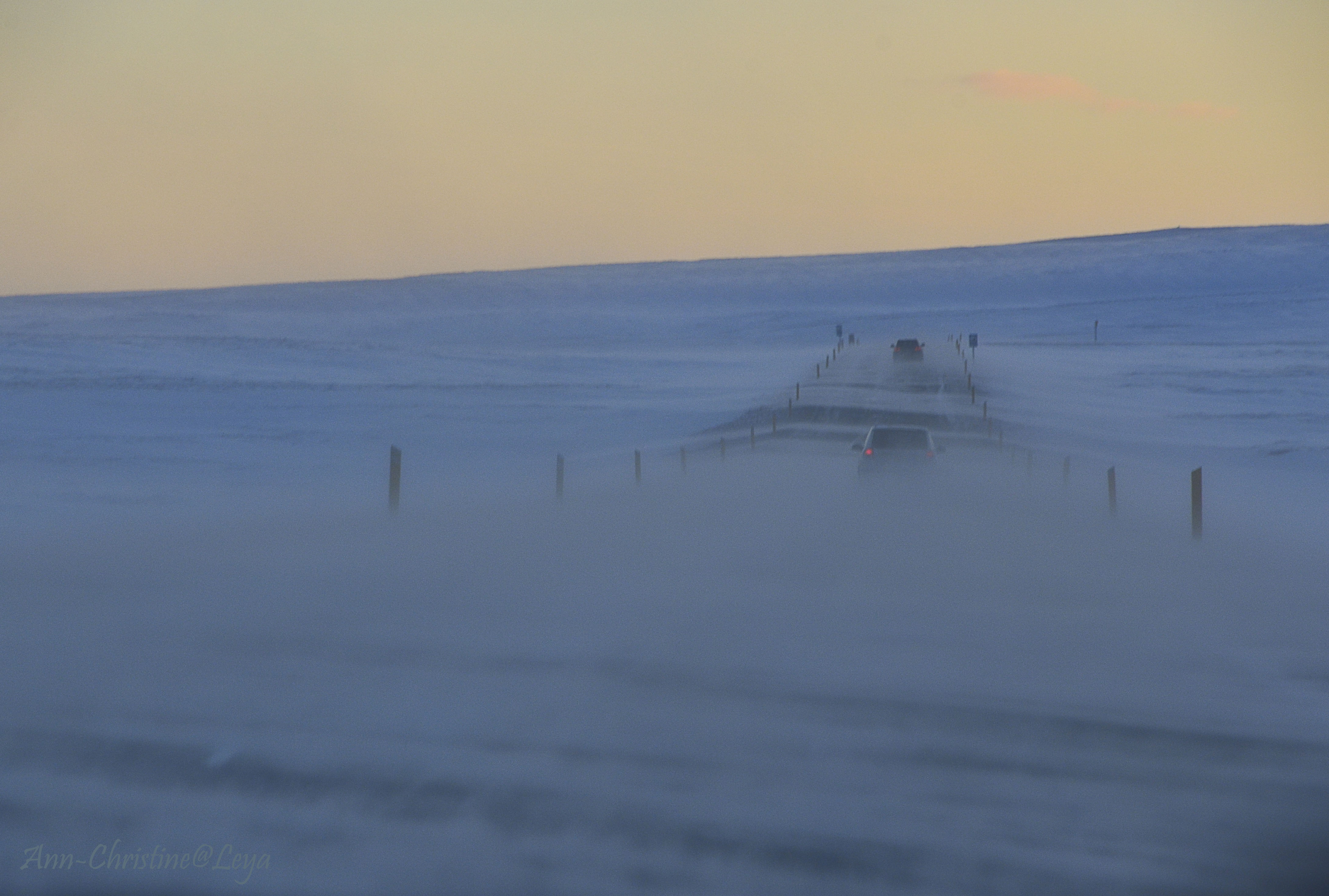
Open sky, and the coldest day so far…my hands were quite stiff from the start. Strong wind and we were told not to open more than one door at a time …
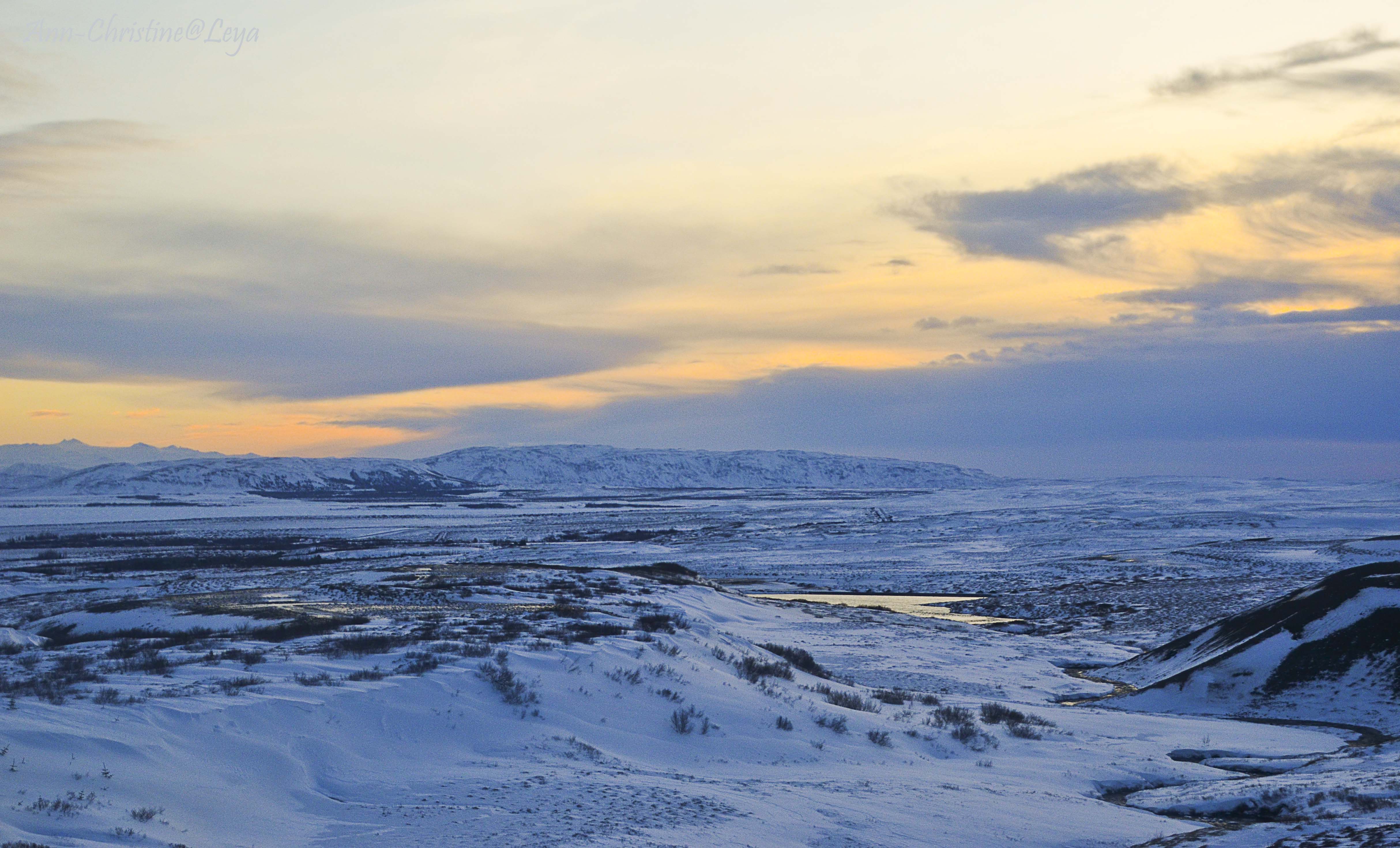
Slowly the sun opened up the landscape. – 12 degrees and no possibility to leave the car because of the icy road, the wind and the cold.
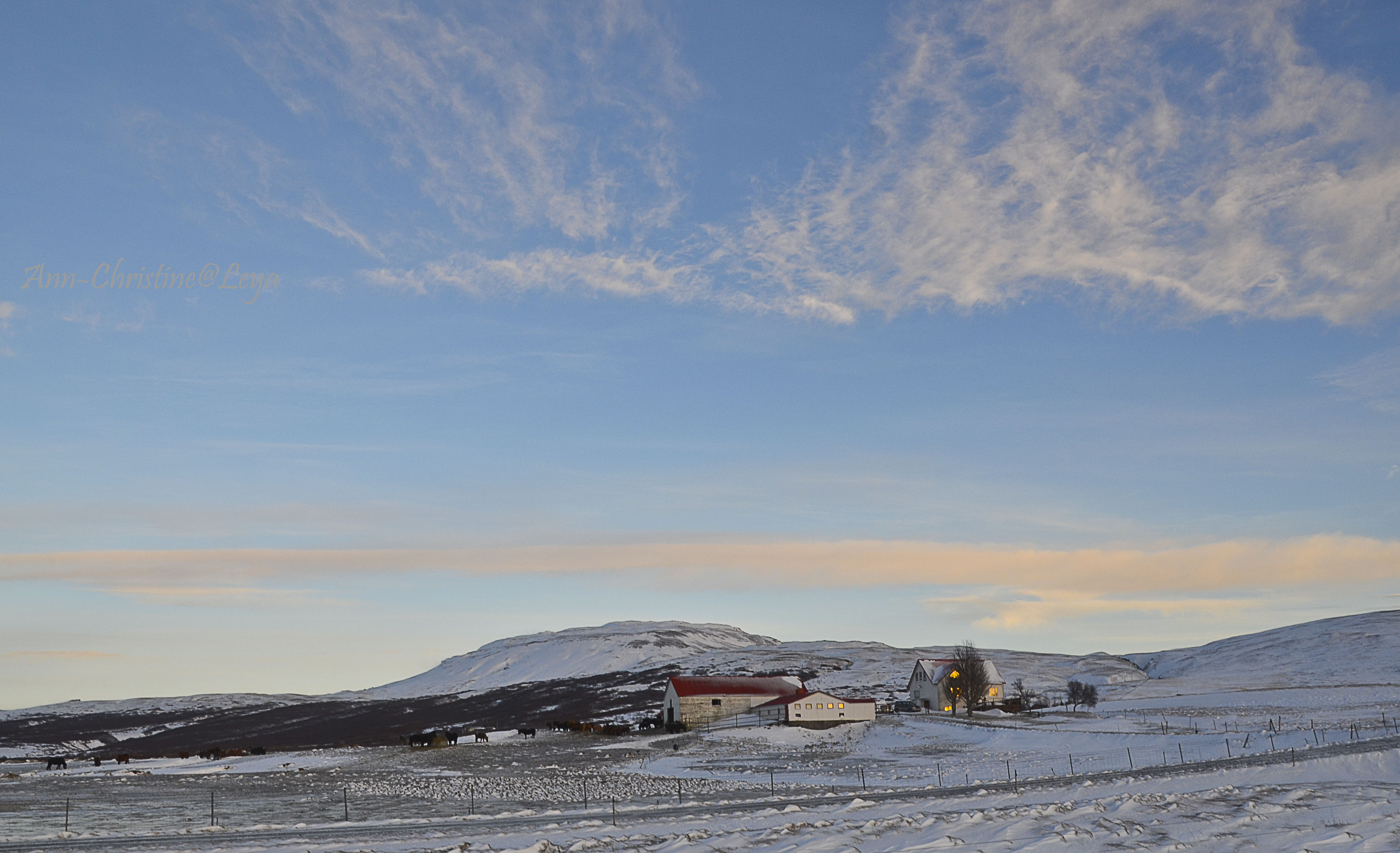
The small farmsteads all awake – the horses too.
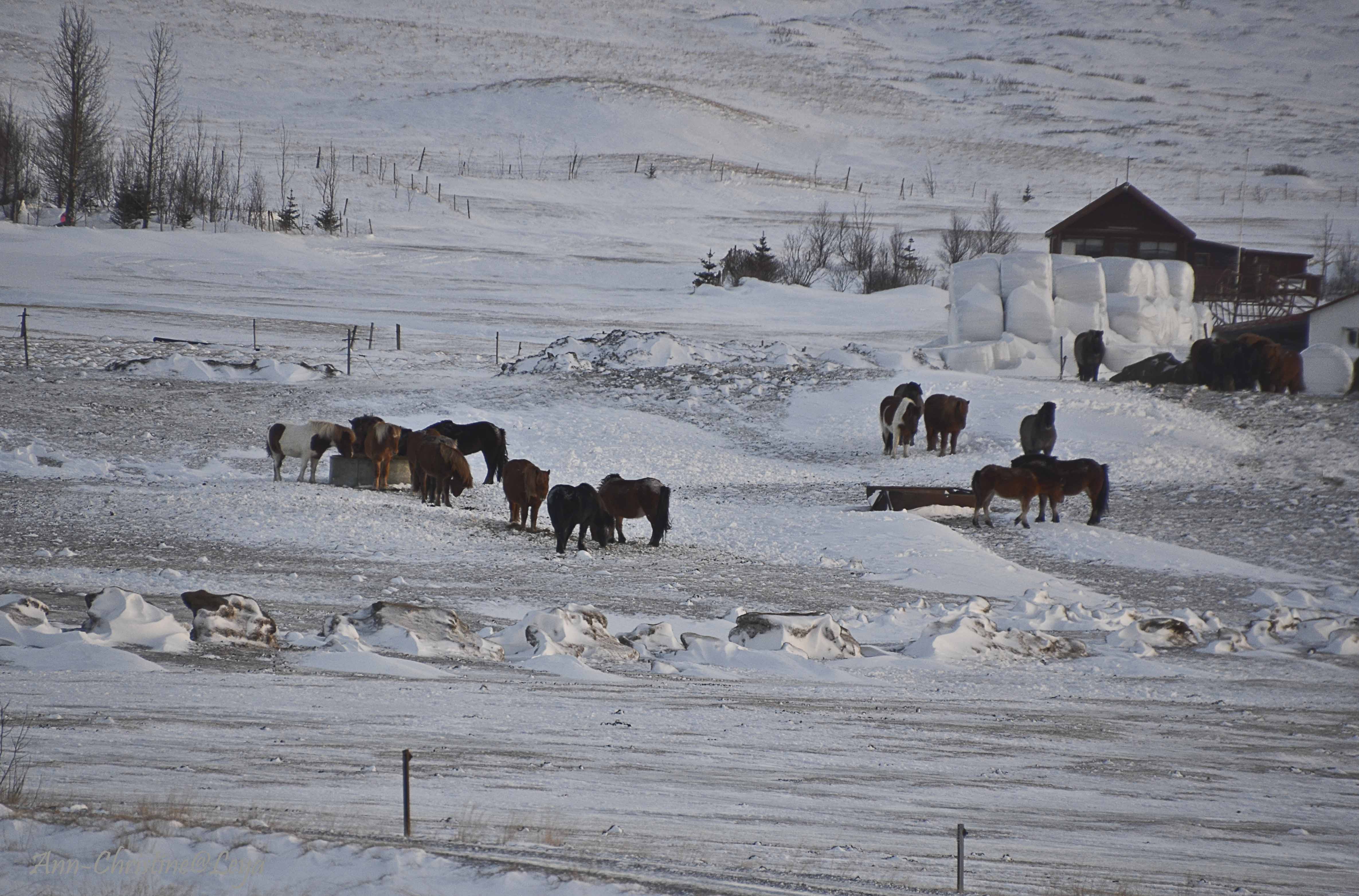
All of them a bit far from the road –
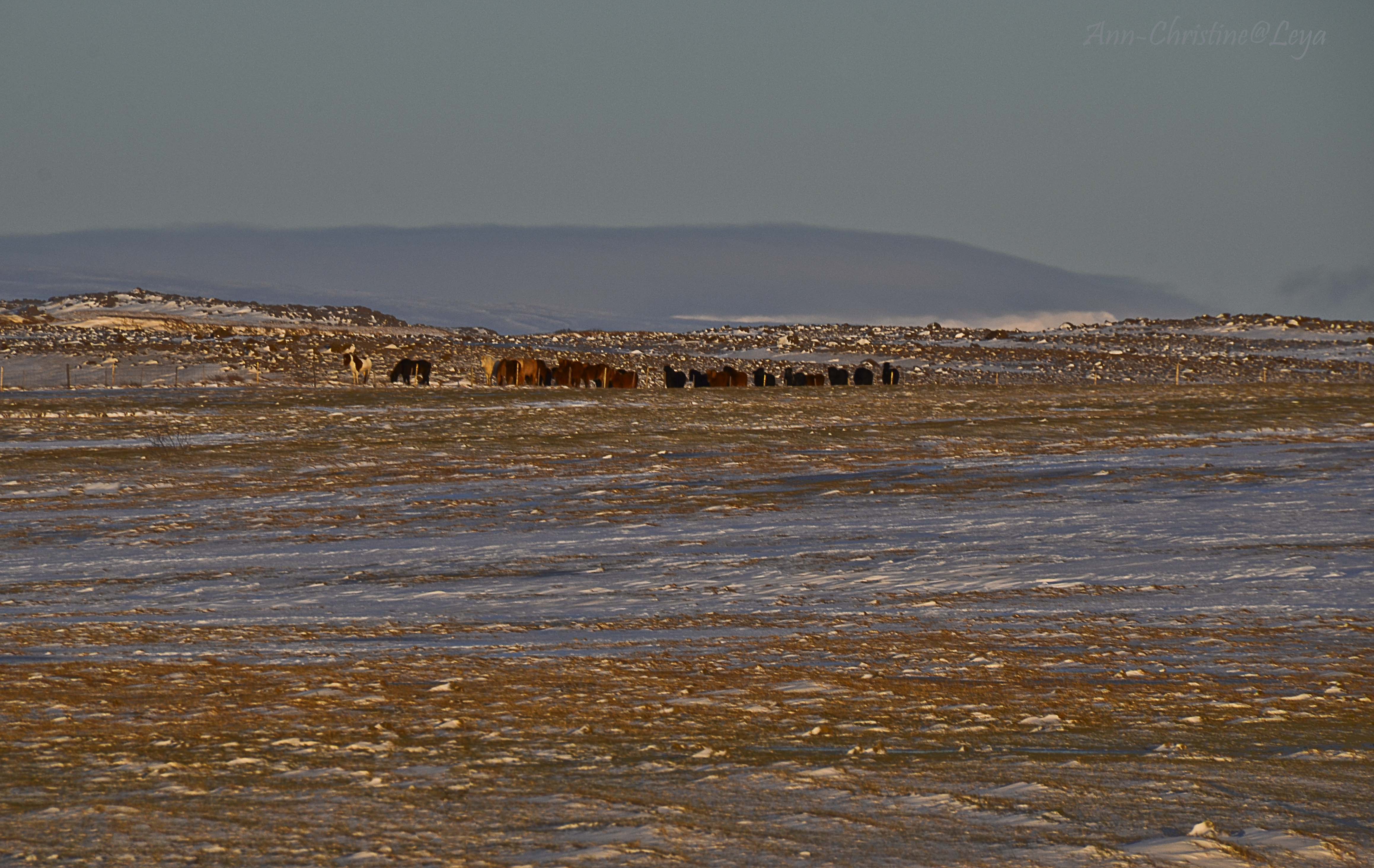
– but we waited patiently…
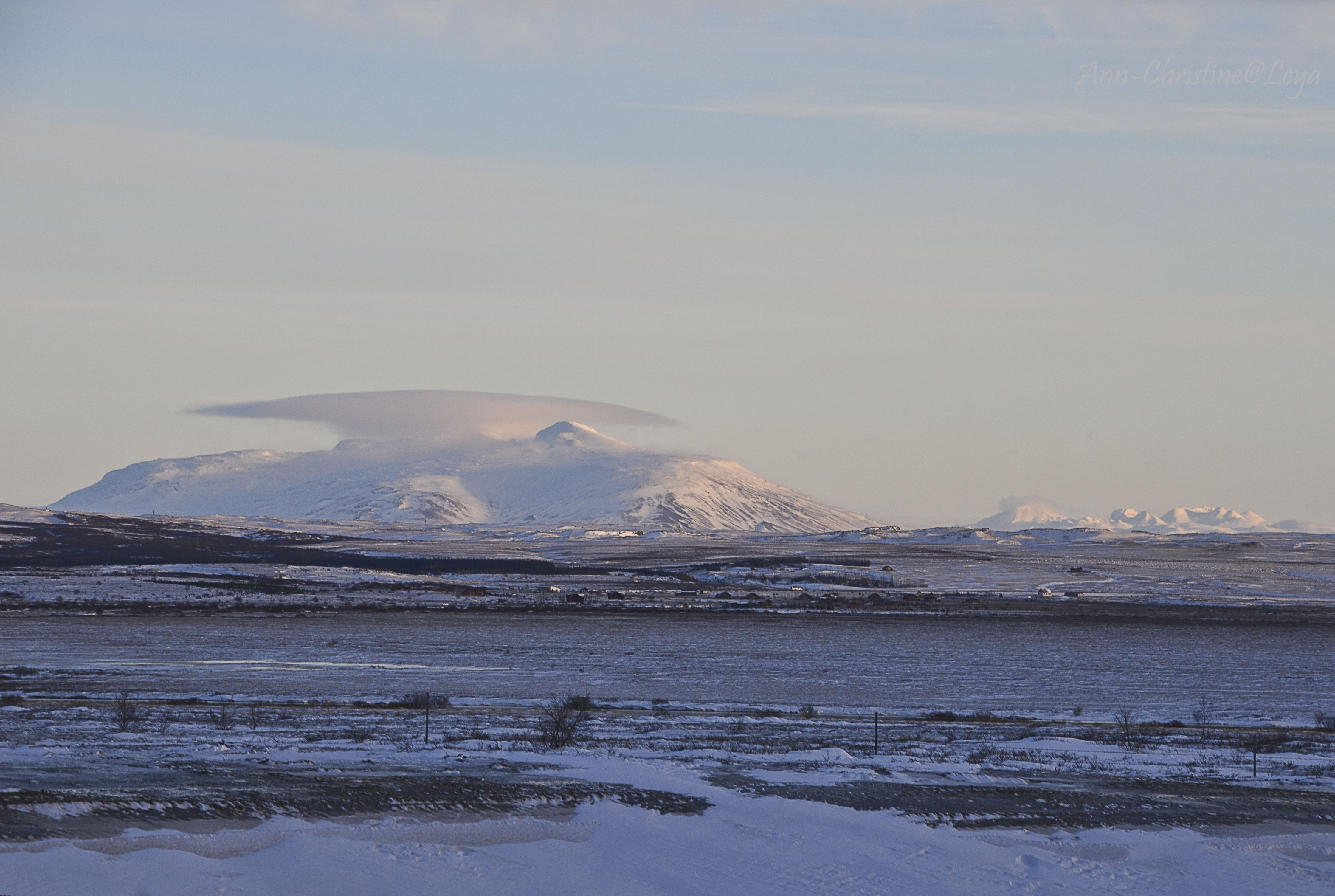 The Geysir area was not crowded with people today, so we gathered around Strokkur – that spouts every 8-10 minutes, 20-30 metres, sometimes with a double puff.
After warming up our hands and faces inside the restaurant, we talked about Geysir being the first Geysir in the world – and giving name to all existing Geysirs. He is no longer active, even if he came back to life for some months after the last volcano eruption.
Sadly enough it was impossible to walk up to Geysir this time – As you can see in the header, the ice made it nearly impossible without risking your life…
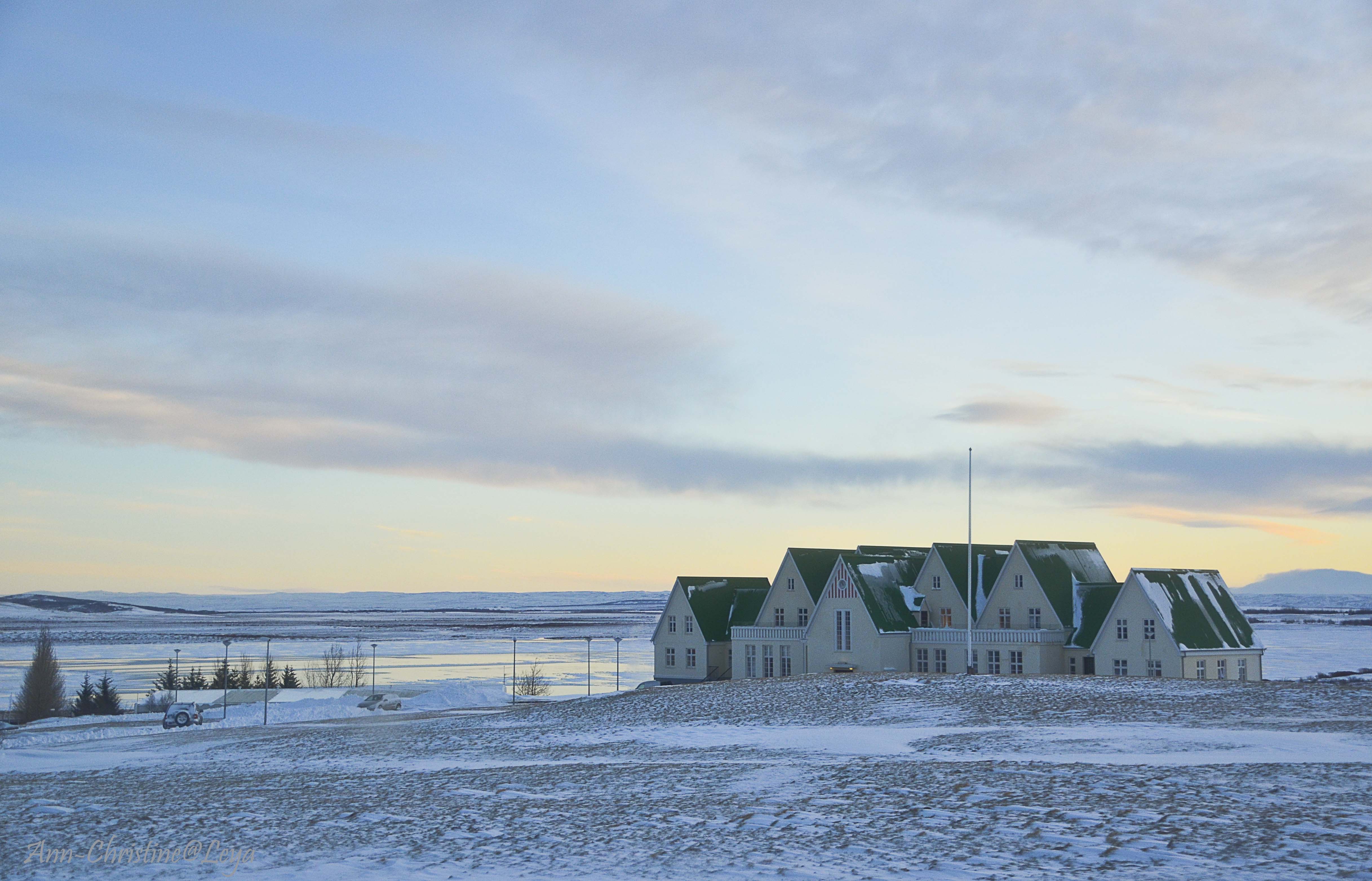
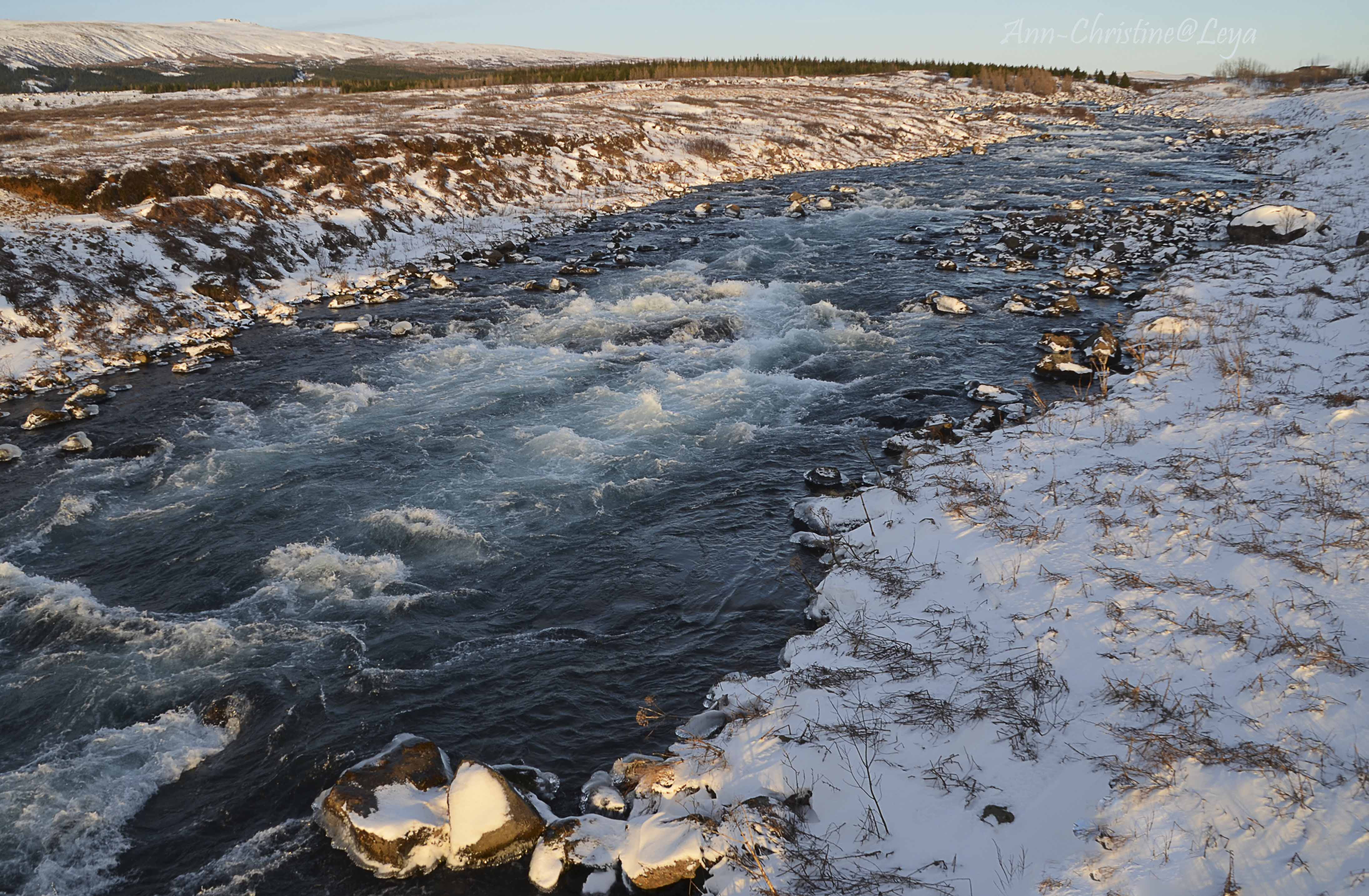
In the heated car, we headed for Gullfoss and the river Hvitá – White, in English. Many glacier rivers are named Hvitá because of their colour.
On the road we finally met Icelandic horses close-up. They were standing quite still with the tough wind coming from behind.
These horses came to Iceland with the Norse Vikings, in the 9th-10th century, and there has been no cross breeding for 1000 years. This means that there is no purer breed anywhere in the world. The Icelandic horses are small, long-lived and hardy. In their native country they have few diseases. In fact, Icelandic law prevents horses from being imported into the country and exported animals are not allowed to return.
I think you agree with me that they are also extremely beautiful!


Du måste vara inloggad för att kunna skicka en kommentar.