Man’s Best Friend – For Real

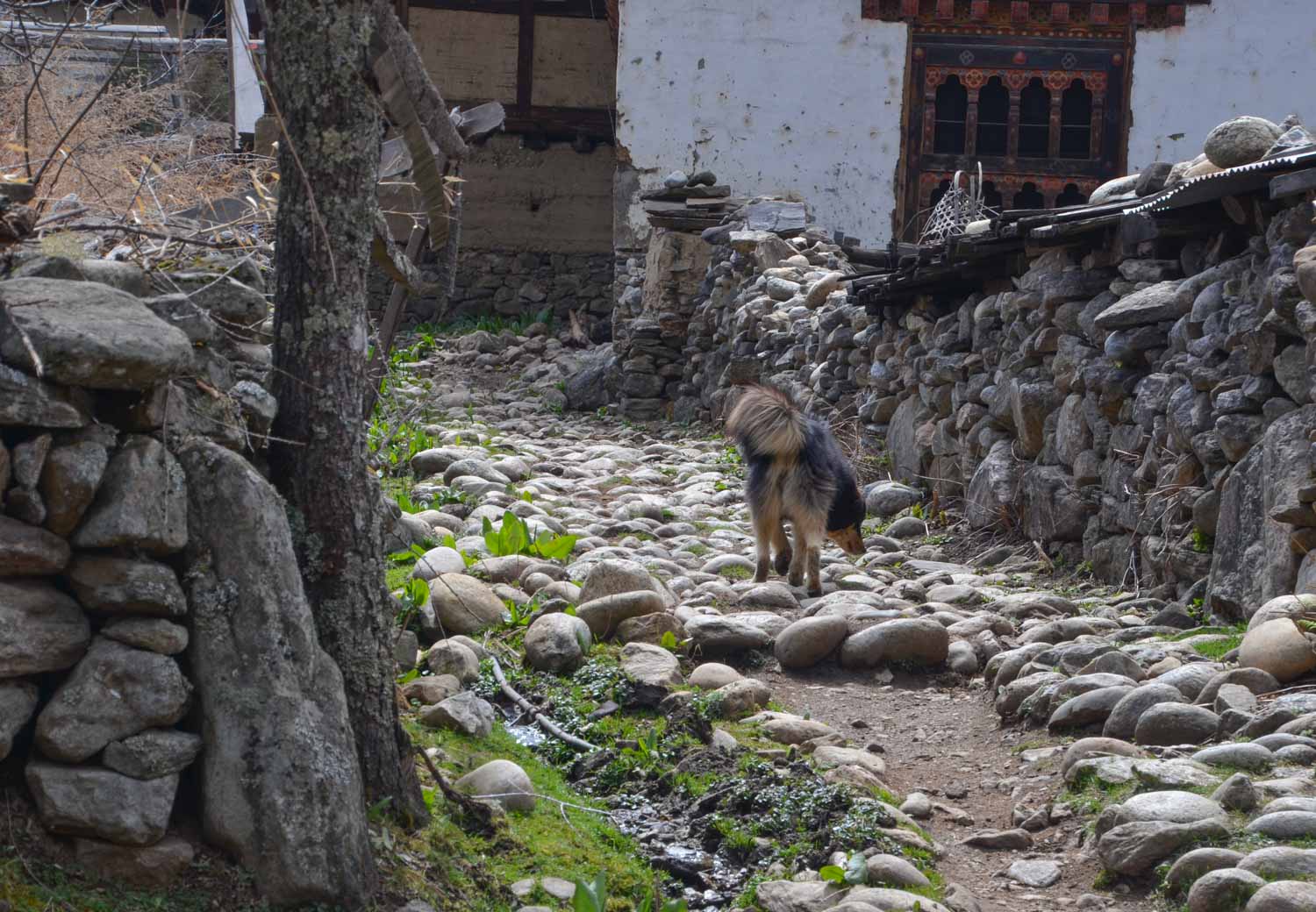
I have never, during my travels, seen so many dogs as I did in Bhutan. And definitely never dogs that well kept. They were everywhere, and they were all quite lovely. Our guide, Rinzen, told us that a dog chooses a door – a house – to which it will return and wait for food every day. And they are fed. With joy.

Here are some of all those that I met, and something of their tasks…named by me…

In Thimpu, we had a hotel with a view – of dogs. There was a construction site outside our window, and some dogs had made it their home. Here is, in short, their story with us.

There is rabies in the country, but mostly on the border to India in the southern part of Bhutan. Thousands of dogs have been vaccinated, and there are many sterilized as well. The government is dealing with it in a constructive and loving way.

Bhutan had many special dogs…but a couple of them more special than the others.
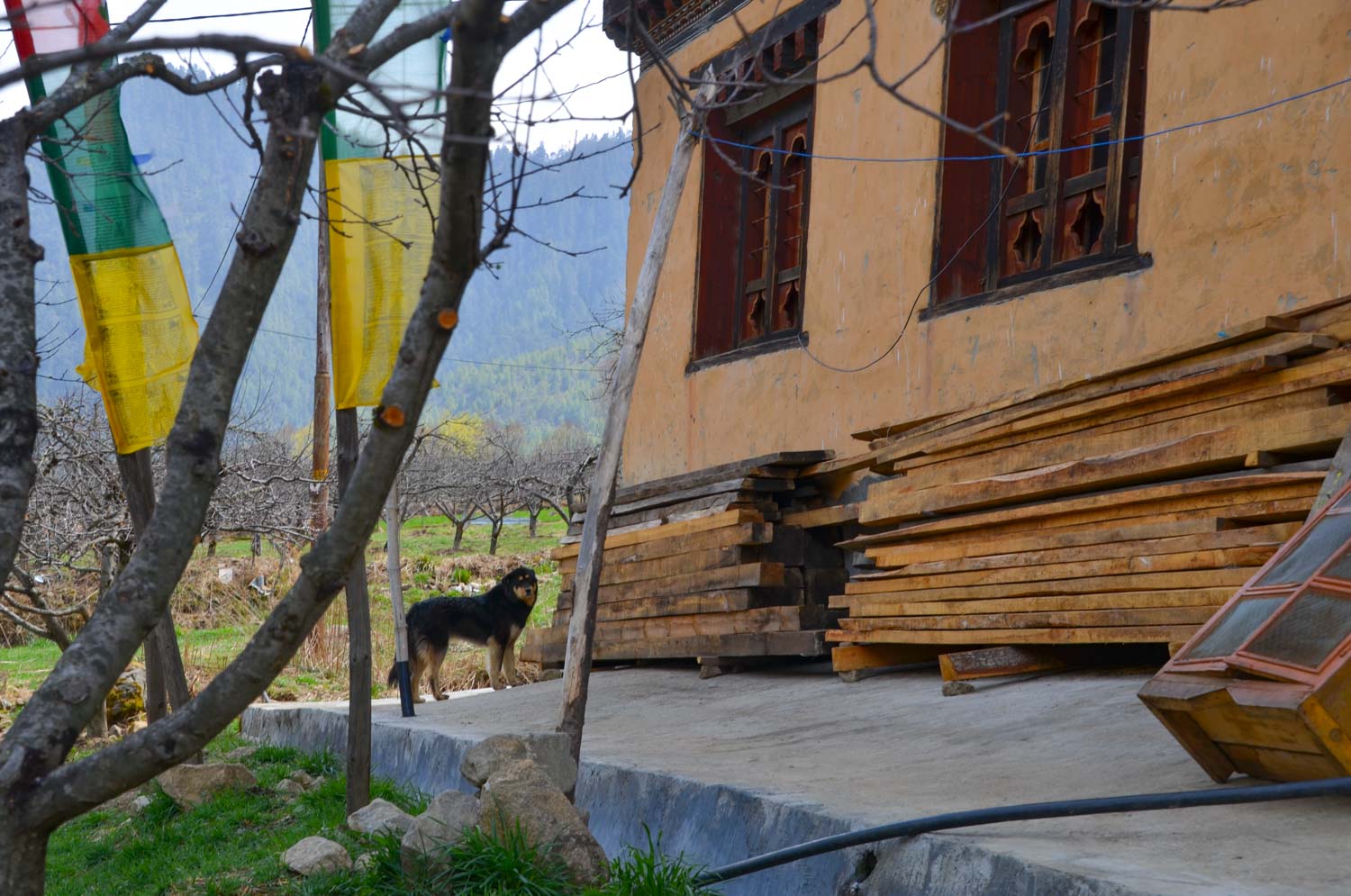
We had lunch at a farmstead one day – an interesting experience and very good food. Then, when we were about to leave, I saw a beautiful dog standing in the garden, looking at me. I lifted my camera slowly while talking to him. But no, he shied away and tried to hide around the corner. I kept talking in a soft voice.
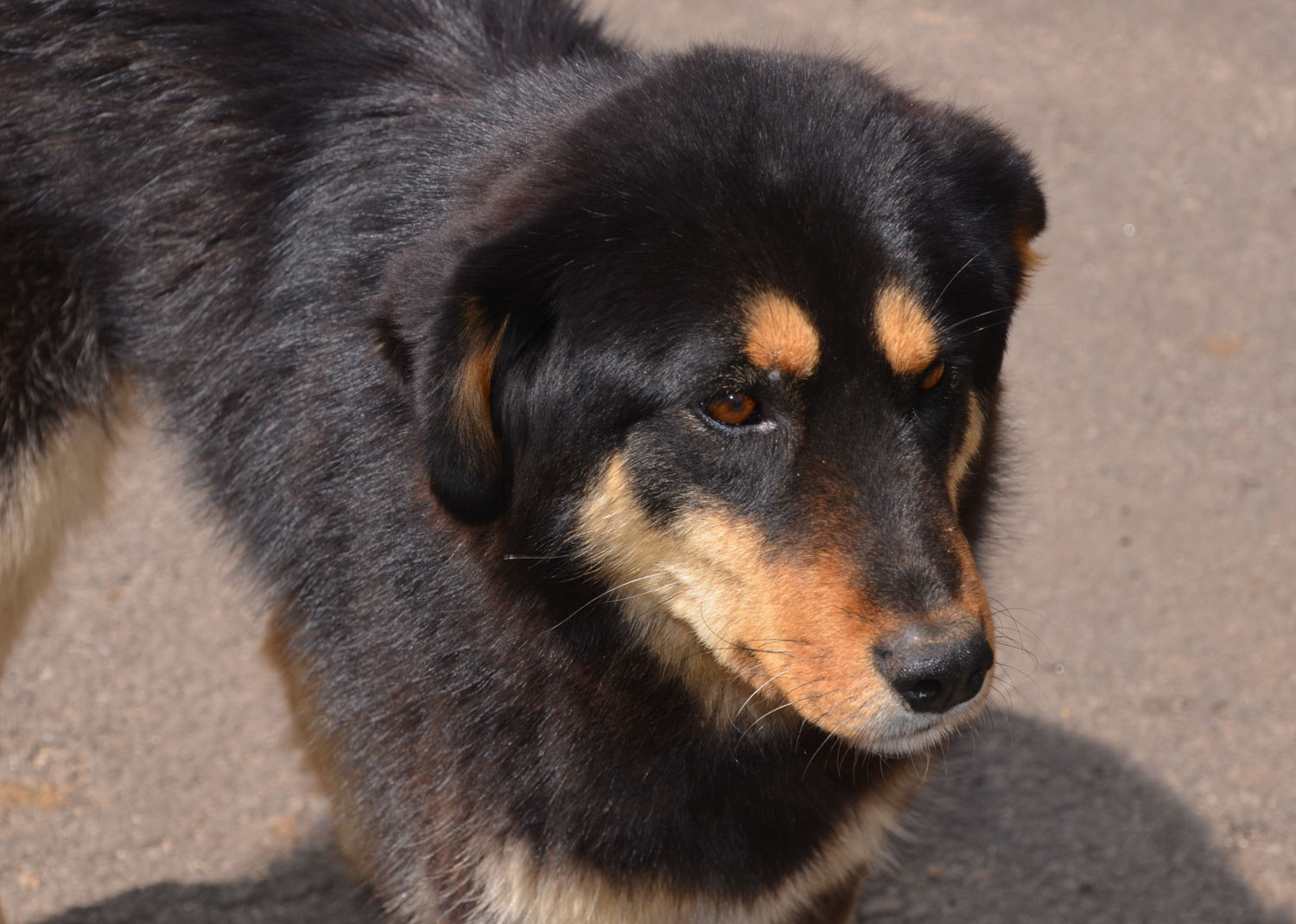
Finally – when I had given up on a photo – he came out on the road to our car, went straight up to me and let me pat him on the head and on the back – touching his thick, shining coat. Surely you can understand from his gentle eyes how sweet he was.

Then he slowly turned around and walked away.


Earth Day

The theme this year is to put an end to plastic pollution.

I hope we will all do our best not to use plastic. Bags, for example. Every day in media, we see turtles, birds, sharks, etc. entangled and dying. Not to talk about all the micro plastics killing lives in the ocean and in our lakes. On a trip to Morocco some years ago I was shocked to see millions of plastic bags blowing over the desert sand.

As I recently came back from Bhutan, I want you to know, they have banned plastic bags. So should we all. This is an easy starter, then it will be even easier to follow that road of sustainability. Even if you might think it difficult – just imagine what lies at the end of this winding and narrow path! And think of what awaits our planet, and us all, if we don’t follow that road. So let us Do instead of think and talk.


The Divine Madman

The Divine Madman is of great importance to the Bhutanese. On almost every house you will find his imprint – a phallus symbol – painted on the wall or hanging from the roof as a wooden giant.  The phallus symbol is important to ward off evil and to bring luck.

Chimi Lhakang is situated on a hill in this beautiful rural area – the small white building to the left close to the mountain.

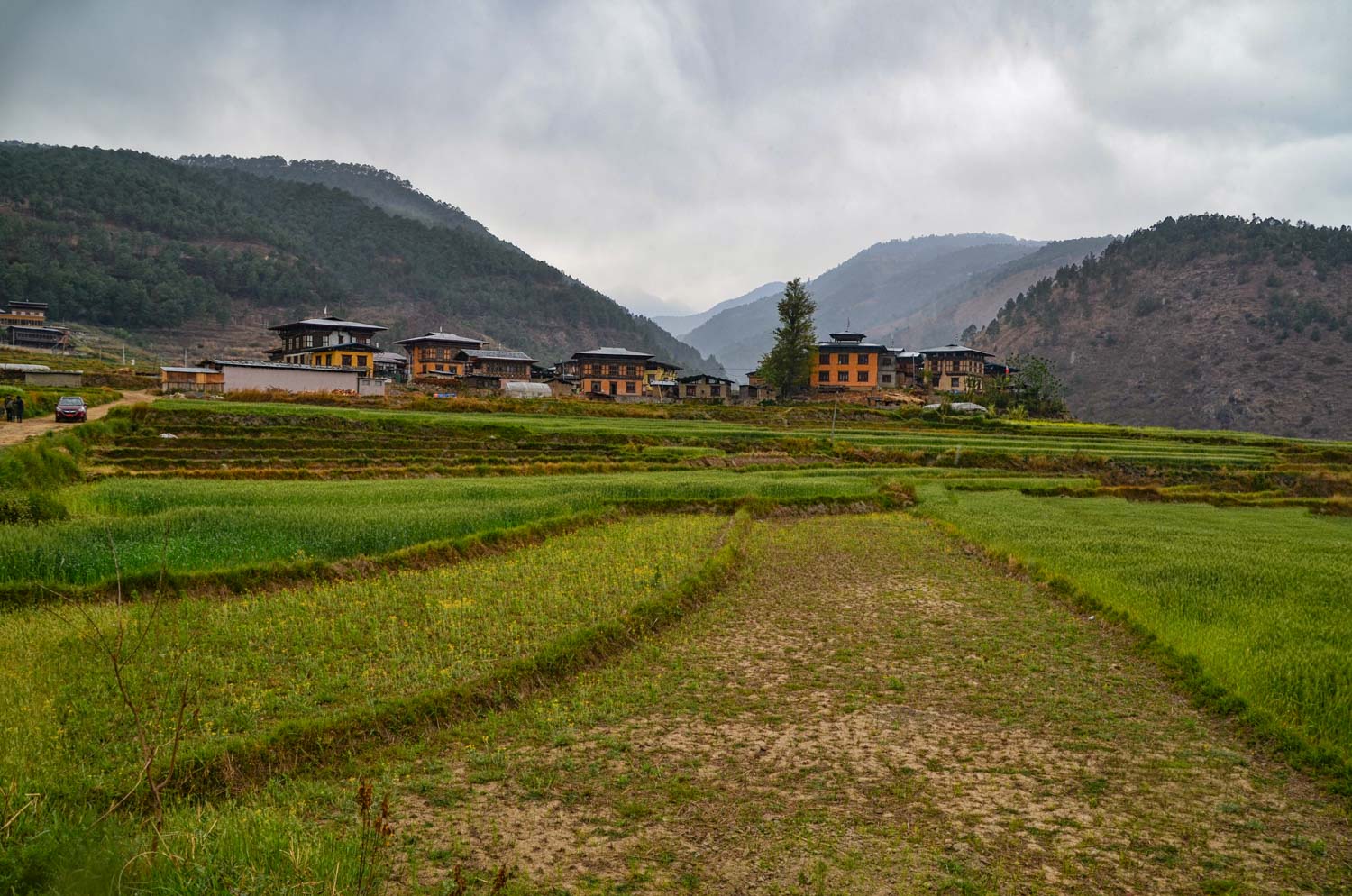
This day, we had some slow raindrops contributing to the green fields.

Clouds hanging low, but not a wind.

Blessings are important – even to the fields that should feed the people.

On our way up to Lobesa and the Lhakang, we had lunch and stopped by several shops selling masks and phalluses. The red mask is worn at the dances and the phallus on top is to swing out and bless people in the audience.

On reaching the temple, the rain had stopped, and young men and women were spinning the prayer wheels while circumambulating. Both men and women come to Chimi Lhakhang, and not only for fertility wishes. Often, when their child is born, they come back here to give him or her a name. Inside the temple there are bamboo sticks with names on them, if you prefer to let chance decide.

Equality is essential in Bhutan, and often it is the woman who inherits her parents. Marriage is no longer a business matter – people marry out of love.  It is also no big deal with a divorce – should the couple not be happy in their marriage. And, I think I said it before – I have never seen so many men taking good care of and playing openly with their children.


Thursday Thoughts – 108 Chortens and A Himalayan Panorama

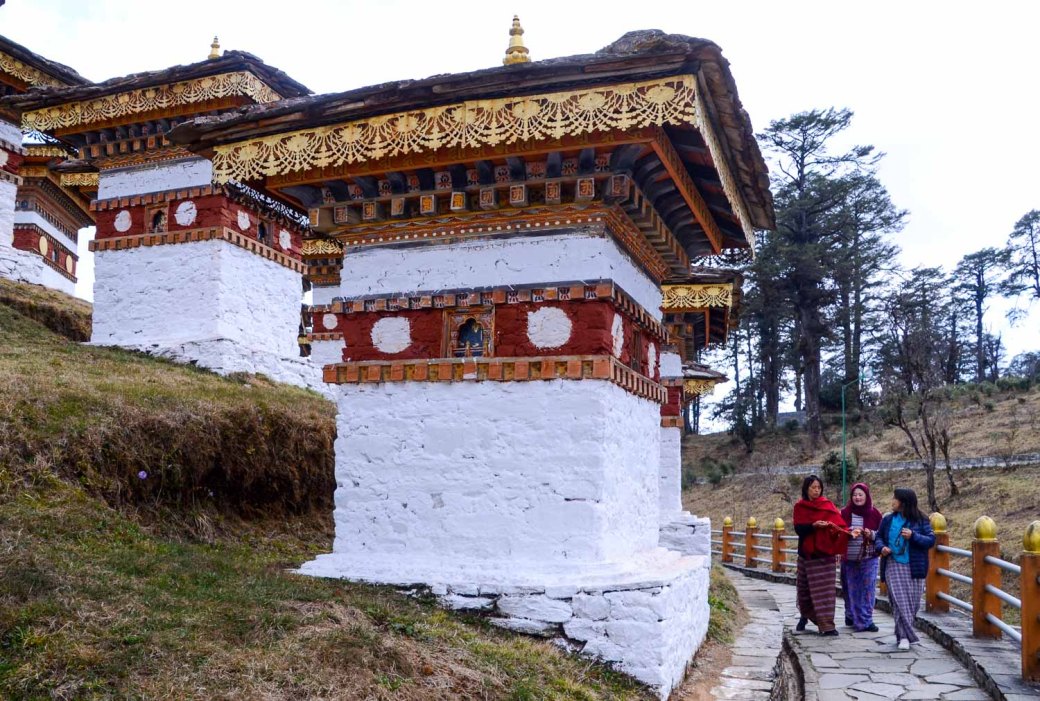
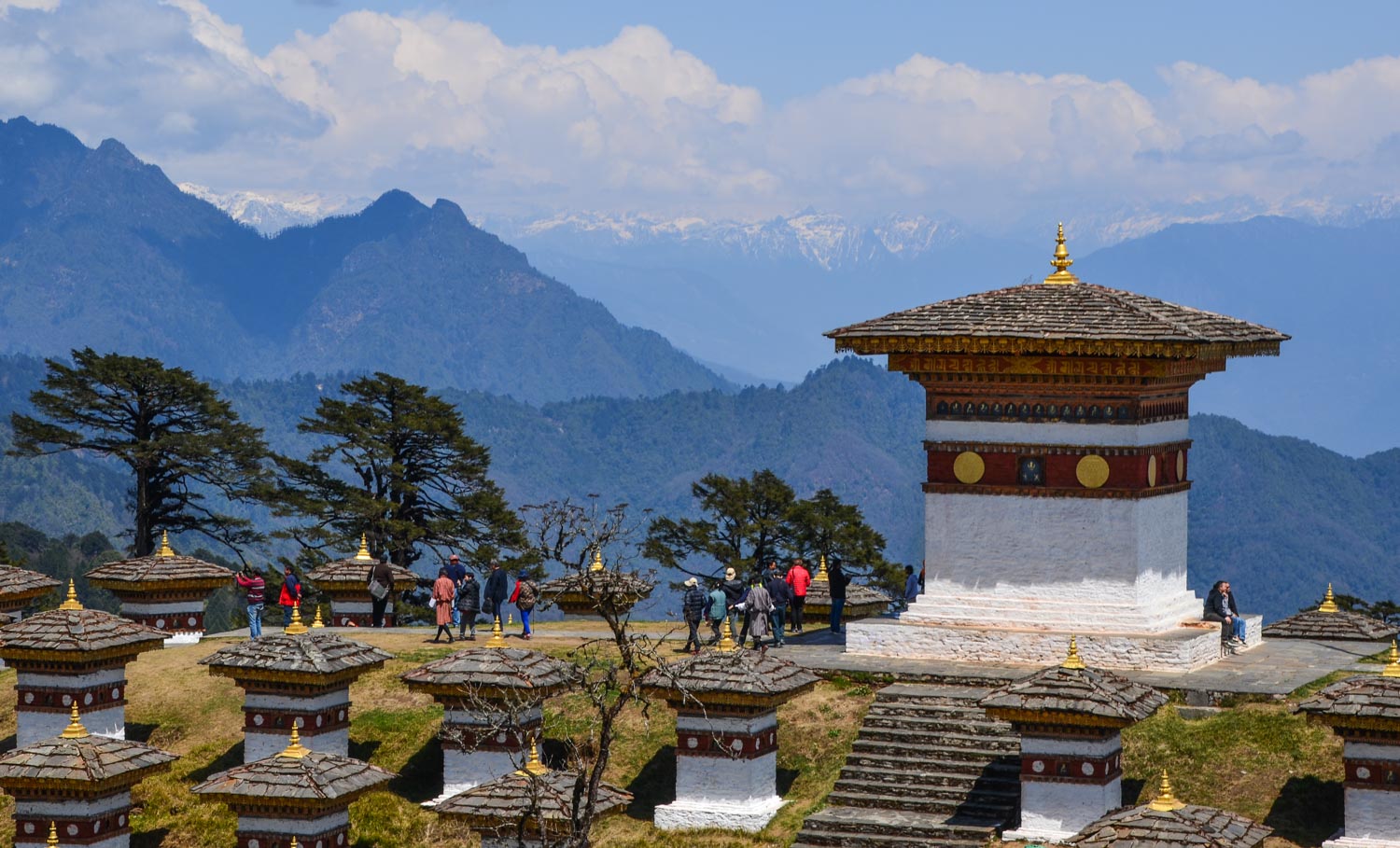
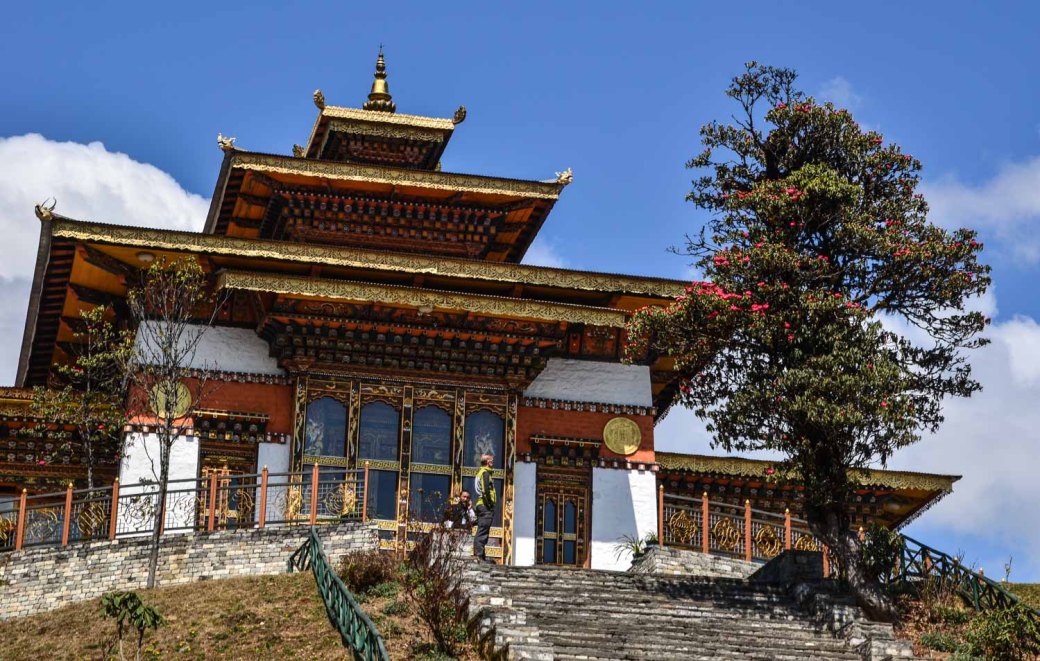
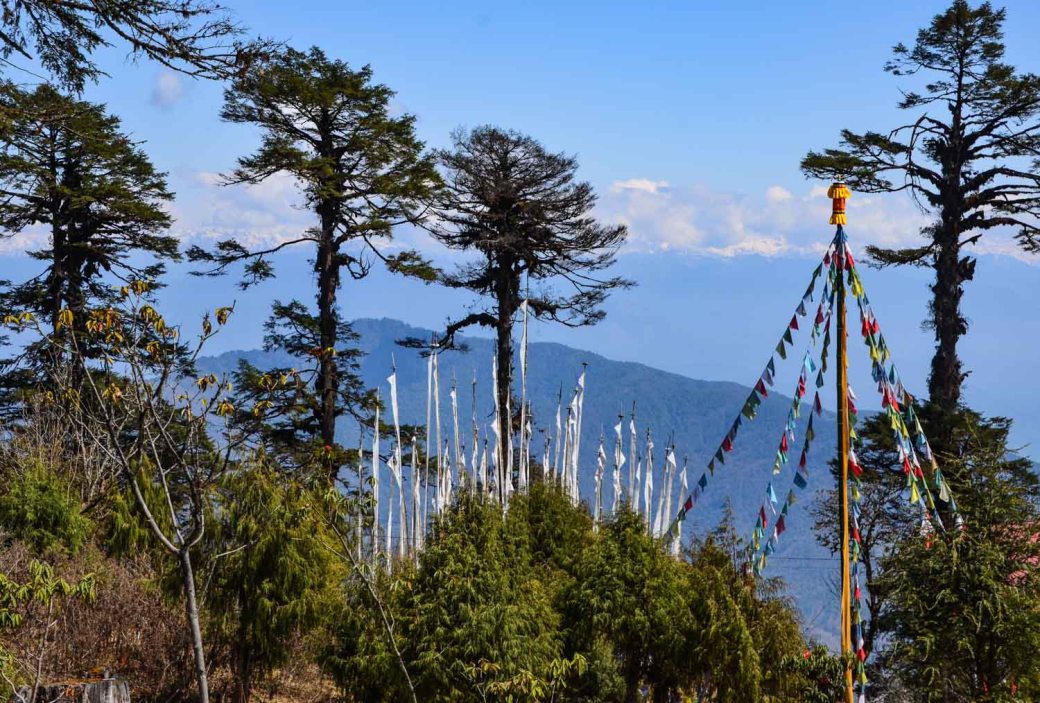
Between Paro and the Capital of Bhutan, Thimpu, the road takes you over the Dochula Pass (3140 m) with its 108 chortens. A chorten is a kind of stupa, often built at crossroads and passes to ward off evil. And all chortens contain religious relics.

The Druk Wangyal Khang Zhang Chortens are red-band or khangzang chortens, built in a central hillock at the pass, under the patronage of the Queen Ashi Dorji Wangmo Wangchuk. In local language they are called ”chortens of victory”, because they were built as a memorial in honour of the Bhutanese soldiers who were killed in the December 2003 battle against Assamese insurgents from India. It also marks the victory of King Jigme Singye Wangchuck who dislodged the rebels from their camps in Bhutanese territory.

This is a peaceful place for slow walks – contemplating life, feeling the fresh air and nature’s beauty.

Circumambulating clockwise.

When the sun comes shining through – my heart shines too.

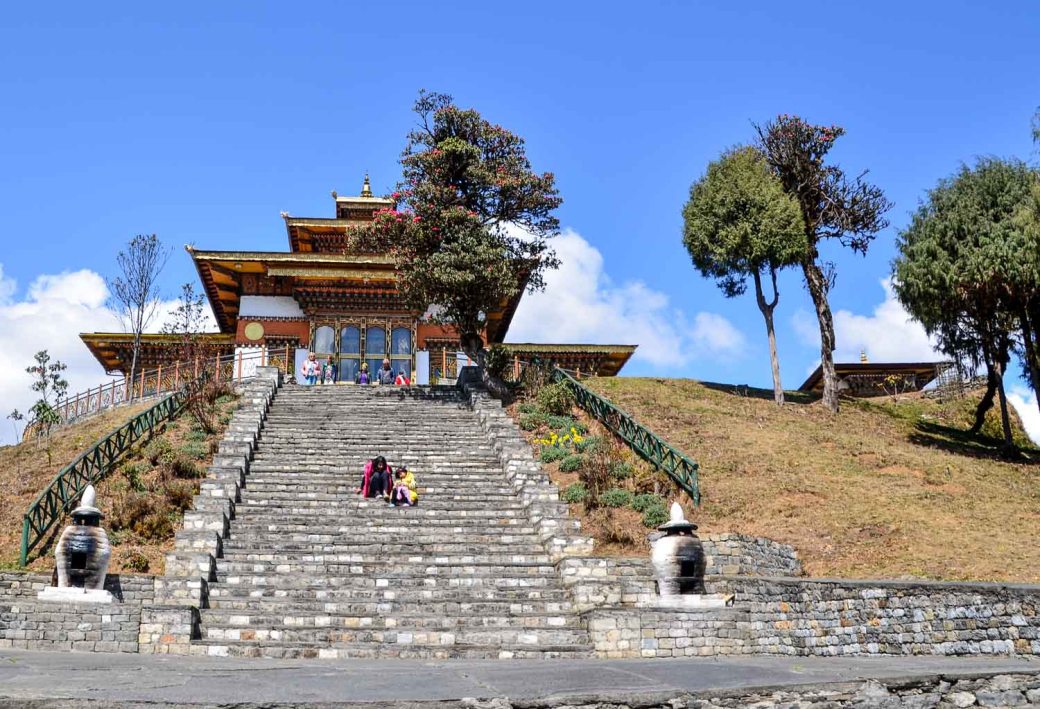
The rhododendrons and magnolias touch the sky.

After the completion of the chortens, the temple known as the Druk Wangyel Lhakhang was built in June 2008 – as a memorial to celebrate 100 years of monarchy in Bhutan.

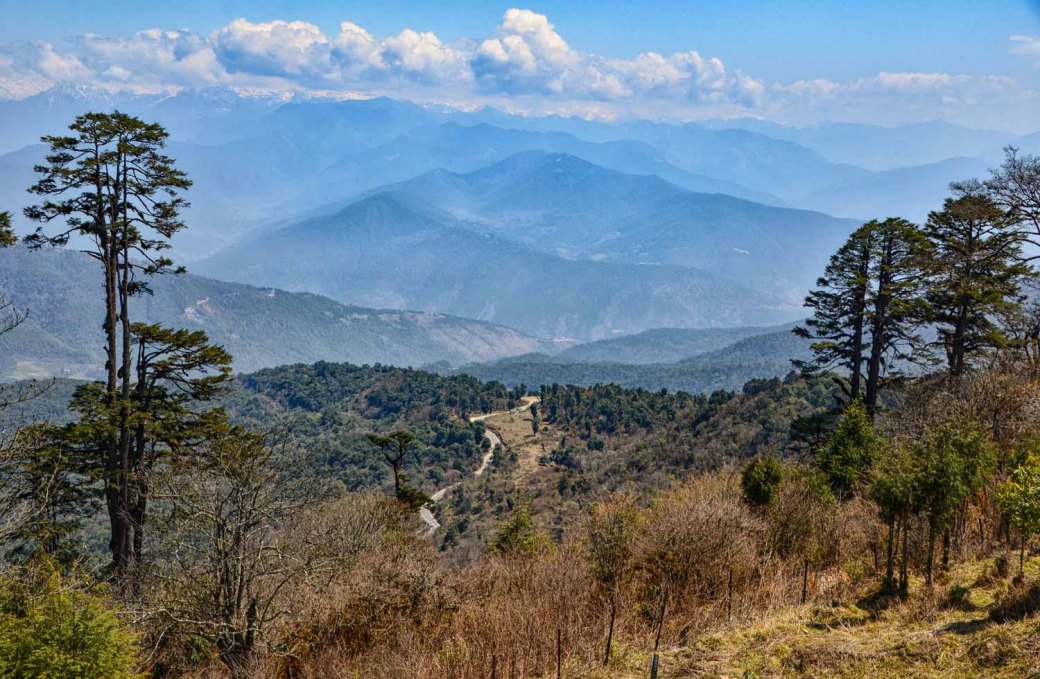
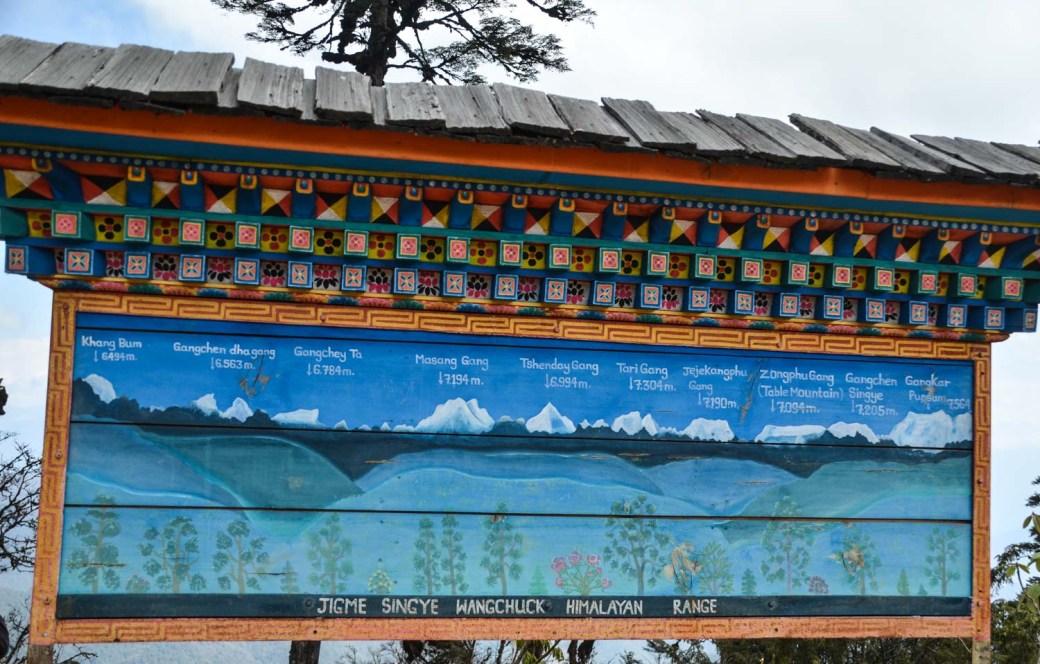
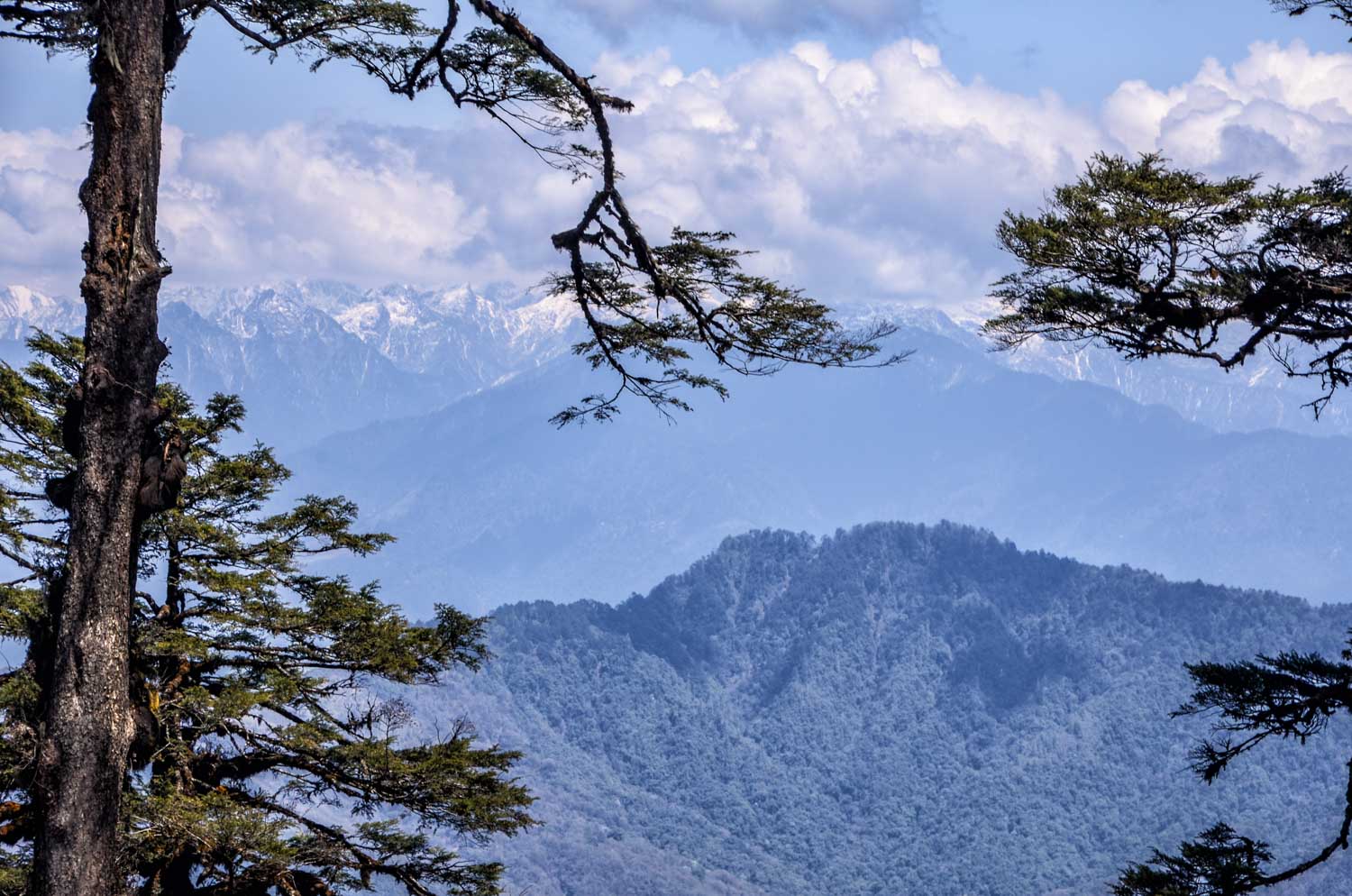
From the Dochula Pass you will, on a clear day, have a panoramic view of the Himalayan  range. The best time is in October/November, but we were still quite lucky this day.

On the far right you will find the highest unclimbed mountain in the world, Gangkar Puensum, 7564 meters. It is also the highest mountain in Bhutan.

Since 1994, climbing of mountains in Bhutan higher than 6,000 meters has been prohibited out of respect for local spiritual beliefs, and since 2003 mountaineering has been completely forbidden.

But somewhere, far away behind the treetops, these enigmatic giants are waiting…


WPC: Prolific

Krista, at WordPress, asks us to show what we think about when hearing the word ”prolific” My first thought went to the prolific Spanish sunflower fields – they made me happy just looking at them. They still do.


Black & White Sunday: Traces of the Past

For Paula this Sunday – Pilgrim on her way to Taktshang Goemba, Tiger’s Nest Monastery.

Bhutan


mergeyes_widget

The Streets of Paro

At 2200 meters above sea level, Paro hosts Bhutan’s international airport and about 15000 citizens. A charming town with its most famous landmark about 10 kilometres outside town: Taktshang (Tiger’s Nest) Hermitage on the face of a sheer 1,000-metre (3,281-foot) cliff. This was our goal for the last day of our tour.

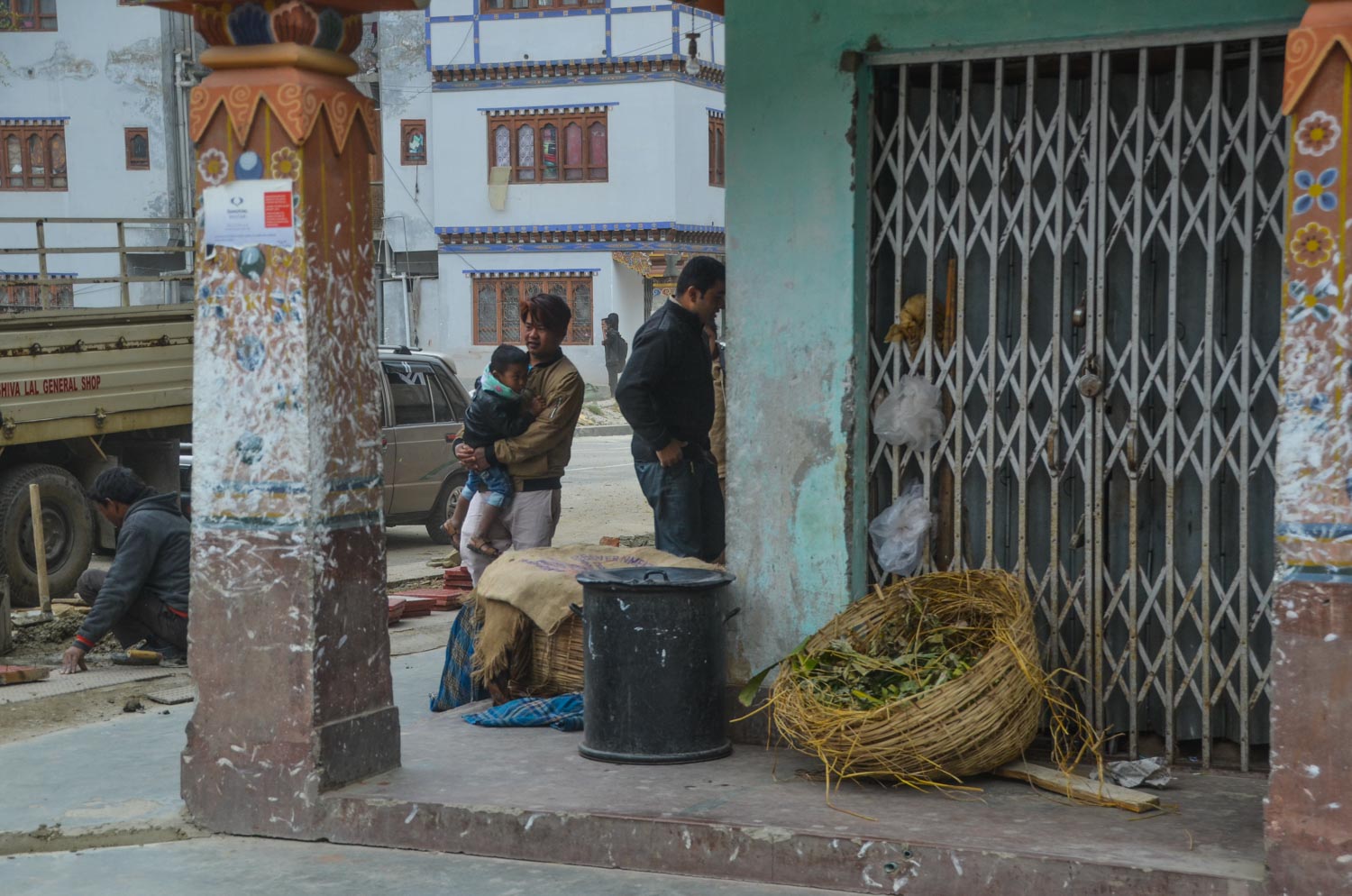
Street life is rather lively, and throughout our trip, the towns and villages were constantly expanding.

Architecture is restricted to the old ways, and no matter the material, you have to build and decorate your house according to tradition.

Roadwork everywhere too. The two, three roads connecting the villages of the valley was built by India. The workers stay for many years to keep up the road quality.

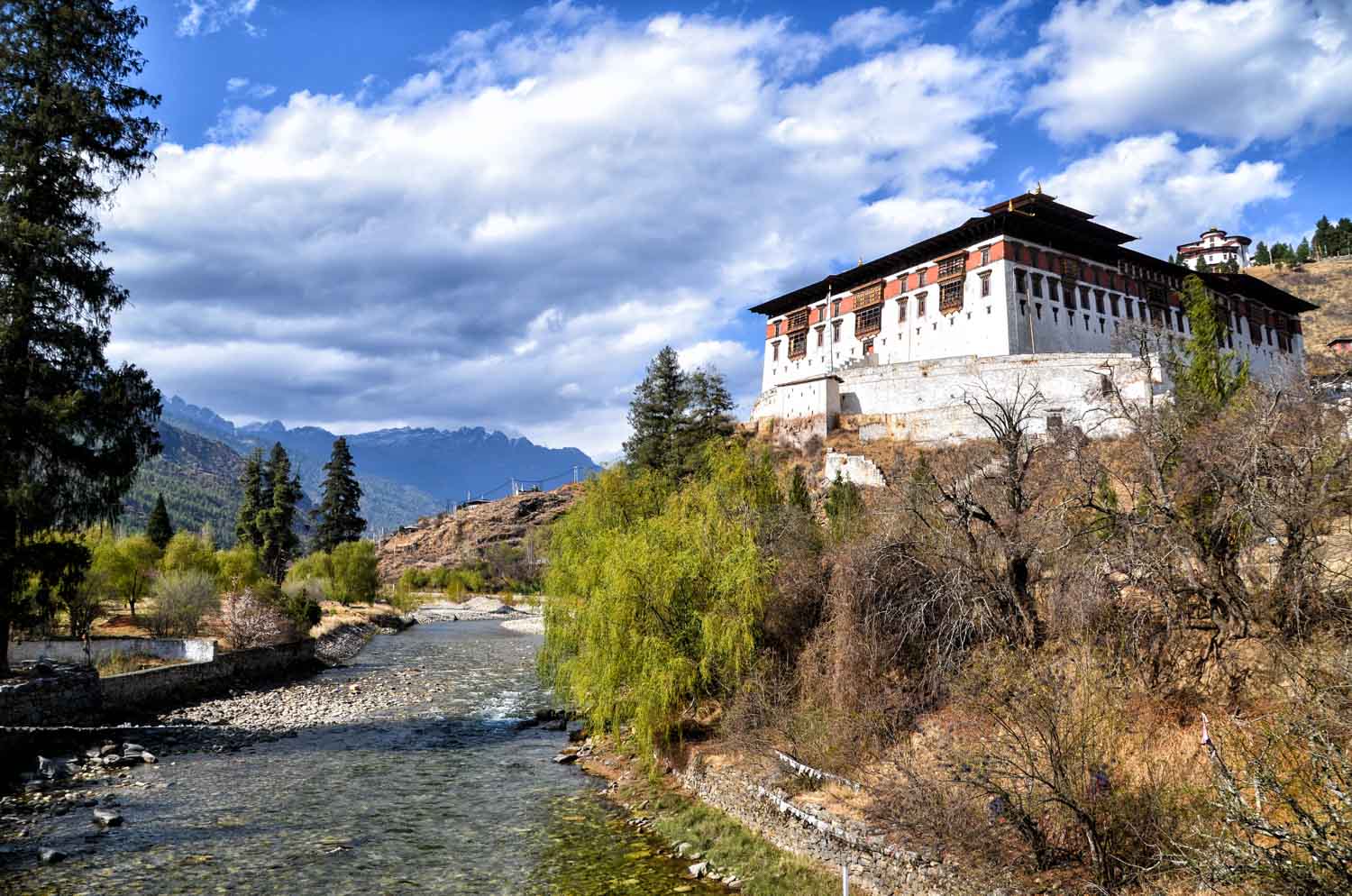
The bridge over to Rinpung Dzong. The Dzong (a fortress/monastery) was built in the beginning of the tenth century. The famous festival, Paro Tsechu, is held here every year – and we visited on our first day in Bhutan.


Paro Tsechu

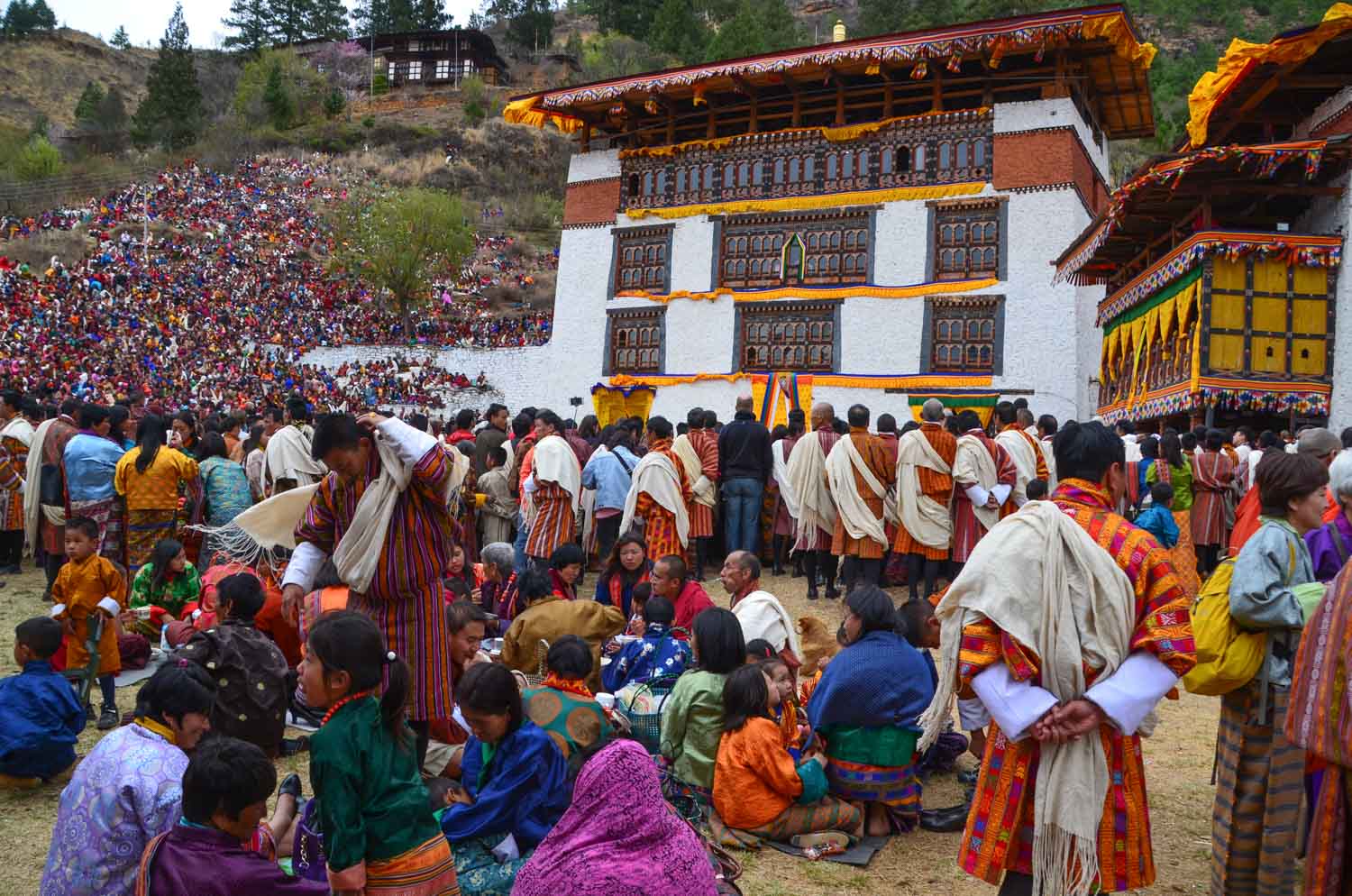
We arrived in Bhutan during Paro Tsechu – one of the many colourful dance festivals in honour of Guru Rinpoche, one of Bhutan’s most important historical and religious figures. He visited Bumthang in AD 746, and is said to then have introduced Buddhism to Bhutan. Read more about Tsechus here.

Rinpung Dzong is beautifully situated in the valley. It was built in 1644 to defend the Paro valley from invasions by Tibet. Like most dzongs, it houses the monastic body, district government offices and the local courts.

During the Tsechu festivals, people come from near and far, all wearing their most beautiful kira (women) and gho (men). It is compulsory for all Bhutanese to wear national dress in schools, government offices and on formal occasions.

The cloth is made from cotton or silk and the patterns are very colourful. The only patterns forbidden are flowered ones, but solid reds and yellow colours are also avoided, because these are colours worn by monks.

When we arrived, there was not much room for sitting close to the dancers…but some shots are acceptable. I spent most of the time helping little old ladies and children to a better view. And taking in the atmosphere!

There are many kinds of mask dances, but I remember clearest the one preparing you for the meeting with fearful creatures the first 49 days after you die. This dance will help you facing them without fear.

There are many pieces included in the dress code, but a very significant part is the scarf: Ordinary male citizens wear a kabney of unbleached white silk, but there are different colours for different ranks. The king, for example, wears saffron. The women wear a cloth sash called a rachu over their left shoulder.

If you look closely, you will see that it is very often the men who are taking care of the little children, carrying them or holding them. Bhutan is very particular about equality.

The Buthanese believe they will create merit by attending the tsechus and watching the ritualized dances. They share their food, exchange news and are surrounded by Buddhist teachings. The highlight is the unfurling of the thondrol, a giant thangka, before sunrise the last day. It is believed that your sins are washed away upon viewing this.

The monks have their own seats, close to the dancers.

Unfortunately we were not at the festival on its last day – so my sins are still with me…