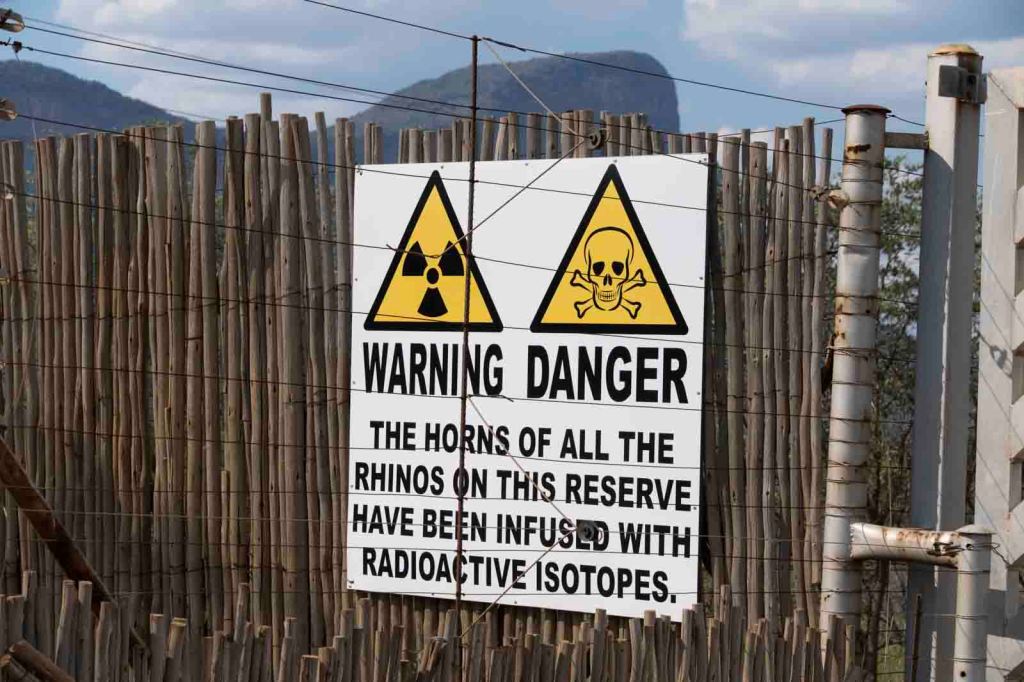
On the reserve where we stayed, they had a powerful program to save the rhinos from poachers. According to the ranger who checked them up every day, driving around in her jeep, they had only lost two rhinos the last years, which is amazing. Instead of taking away their horns, they use radioactive isotopes – that do not harm the animal.
One of the rhinos was a bastard with a white rhino as the mother and a black rhino as the father. In fact, he is the only one in the world – according to the rangers. As he cannot have any offspring, he might be the last one ever.
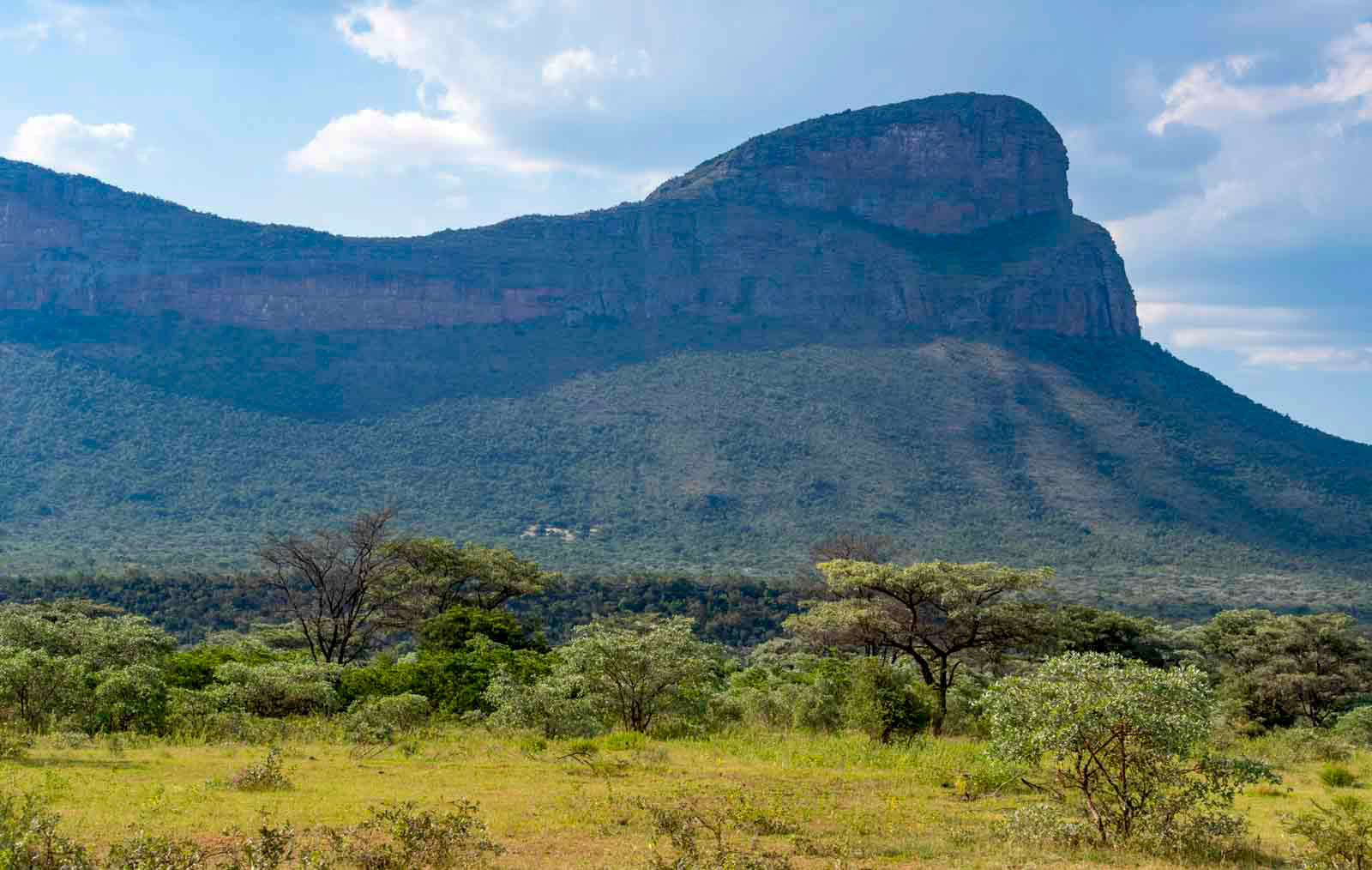
On top of this mountain, they raised the orphans – before releasing them into the reserve again. They do not reveal how many rhinos they have in the reserve…which is good.
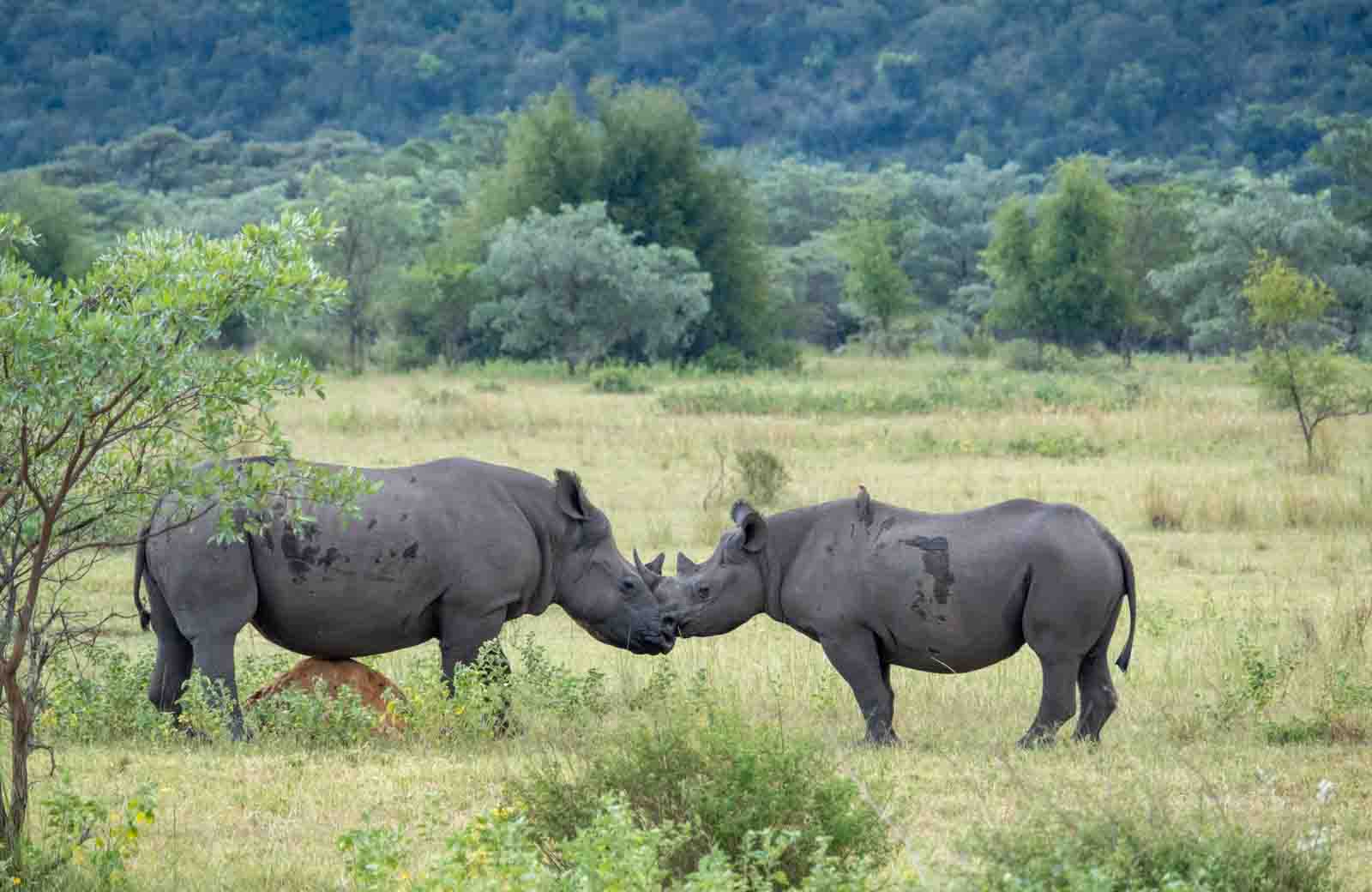
We were lucky to see quite some of them, both white and black ones, going about their daily chores as well – such as scrubbing their stomach against termite stacks and mud rolling.
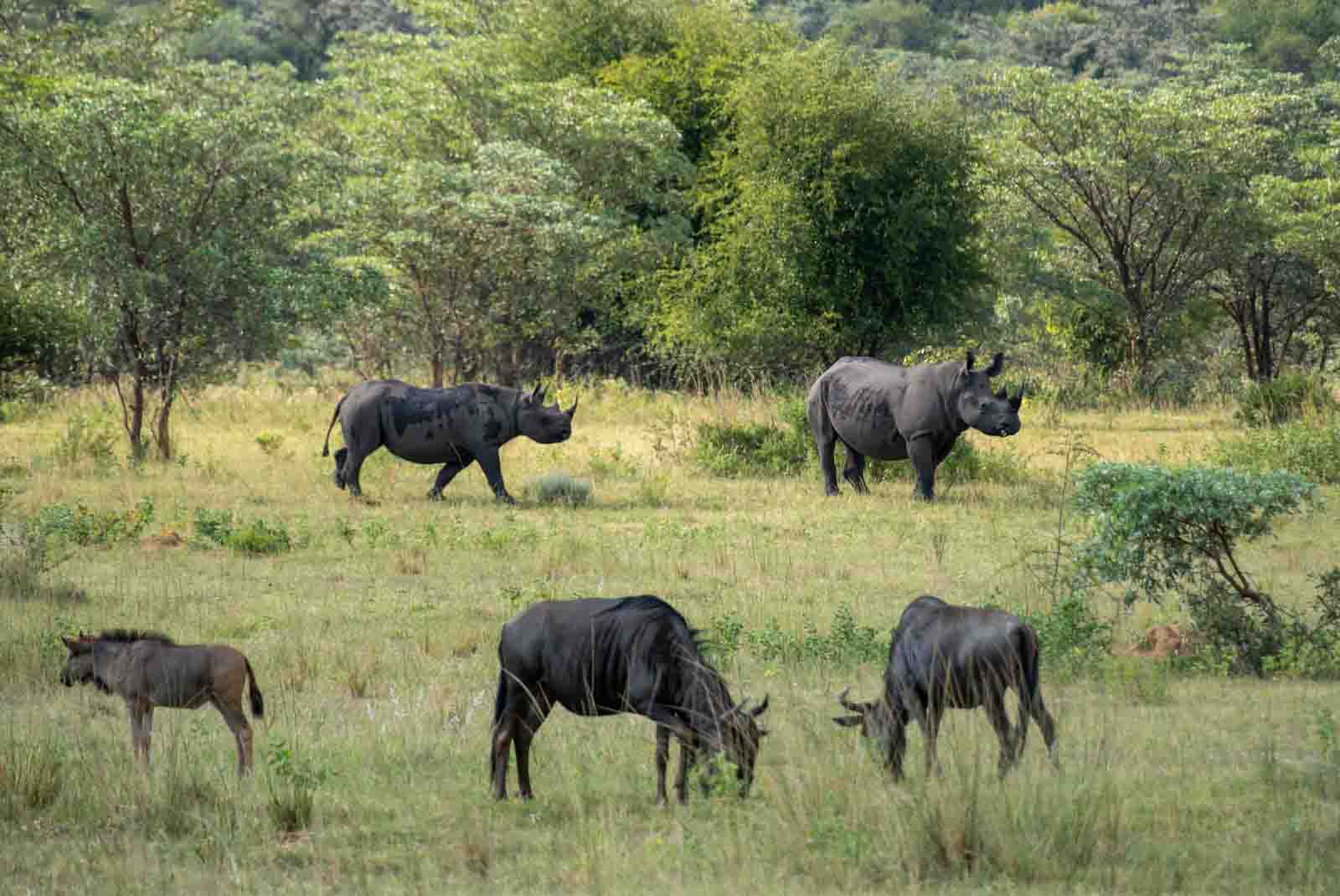
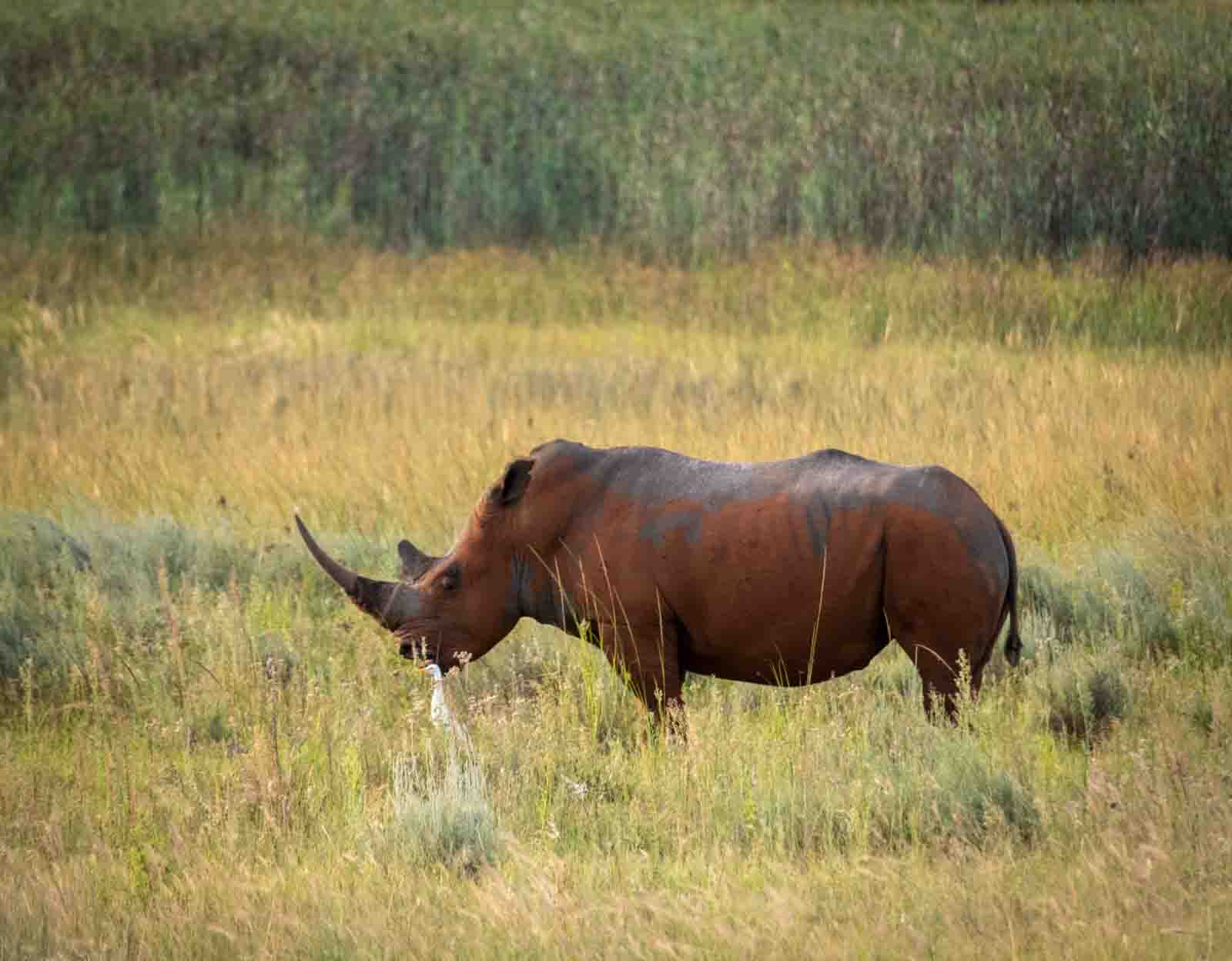
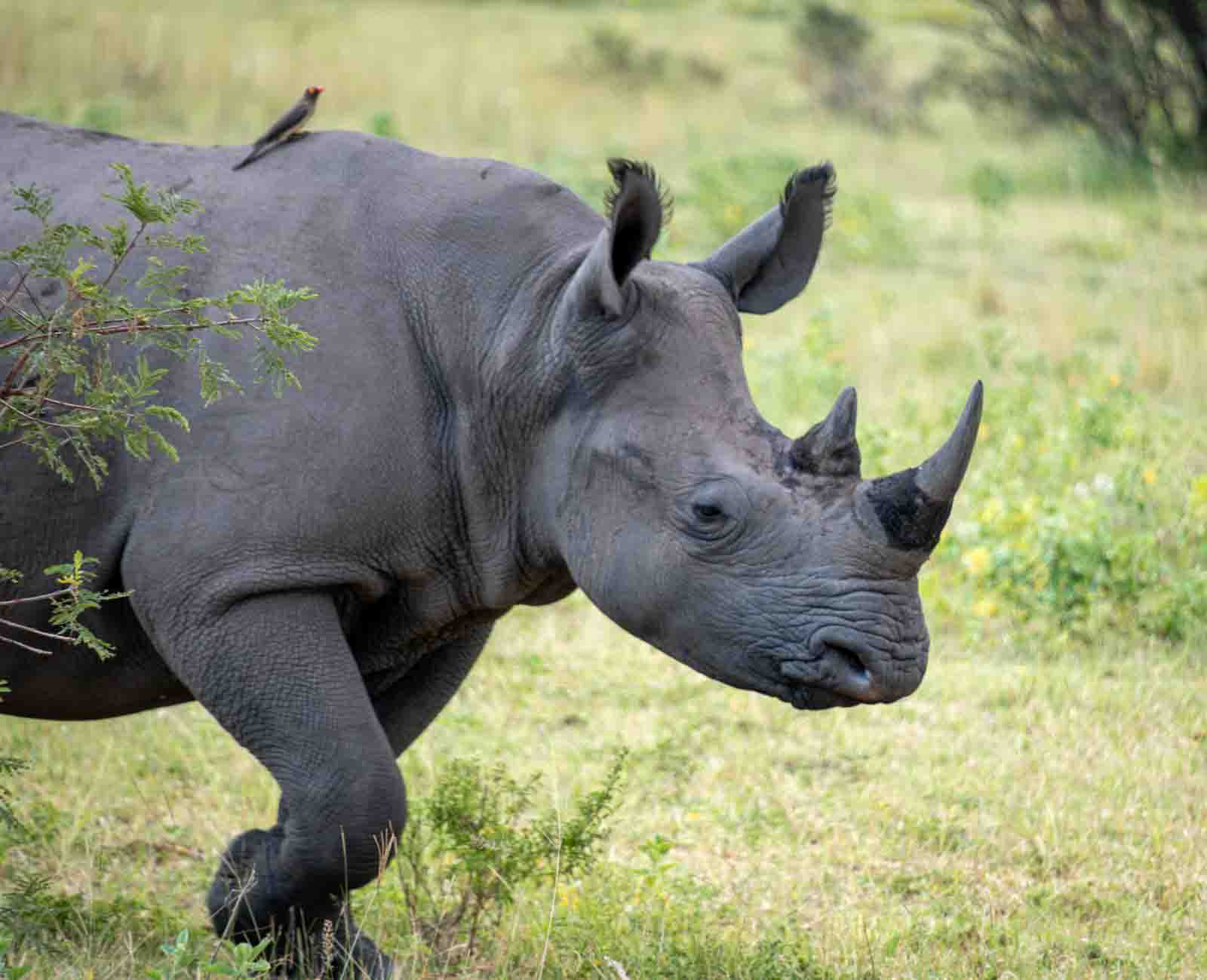
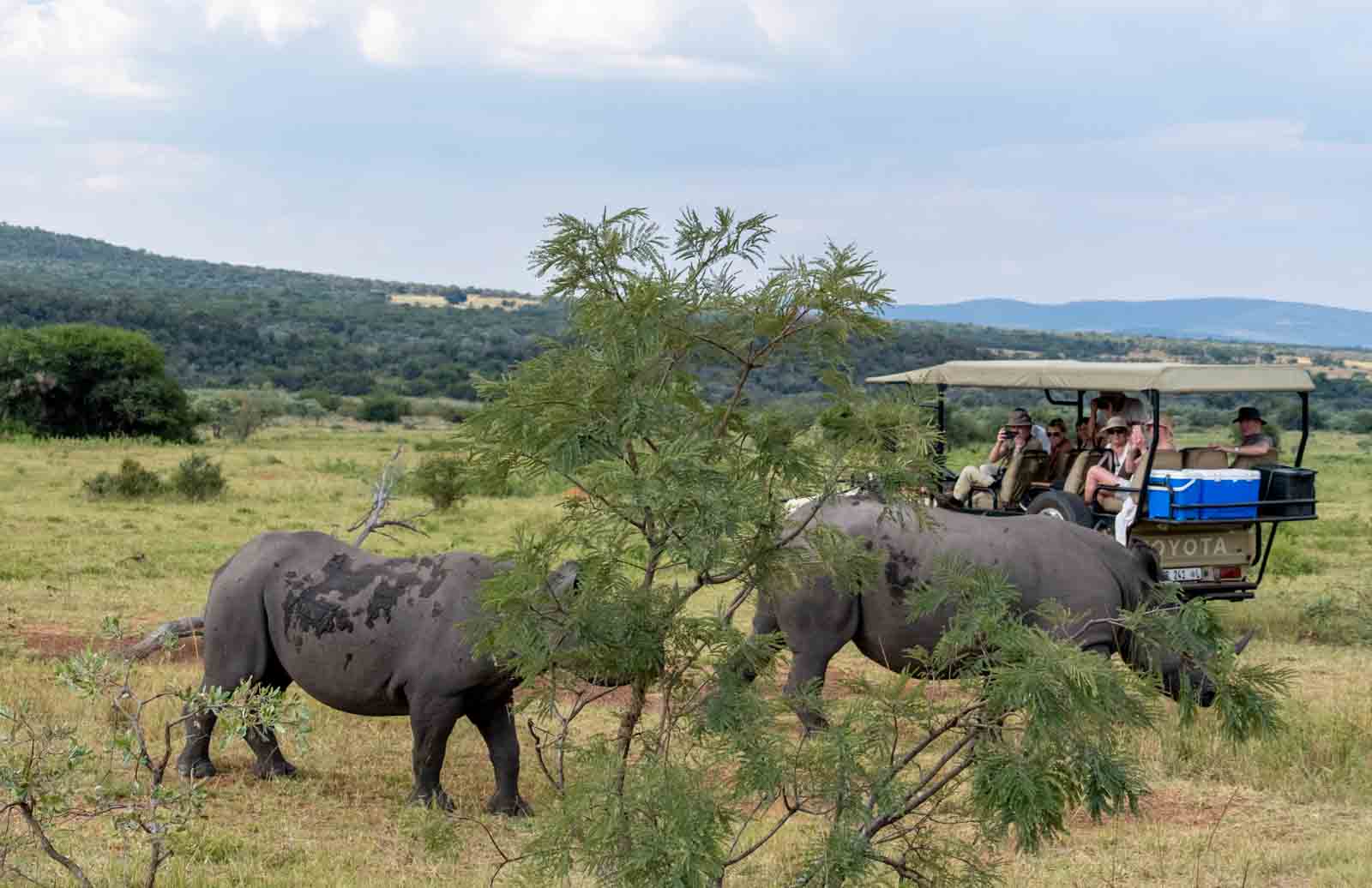
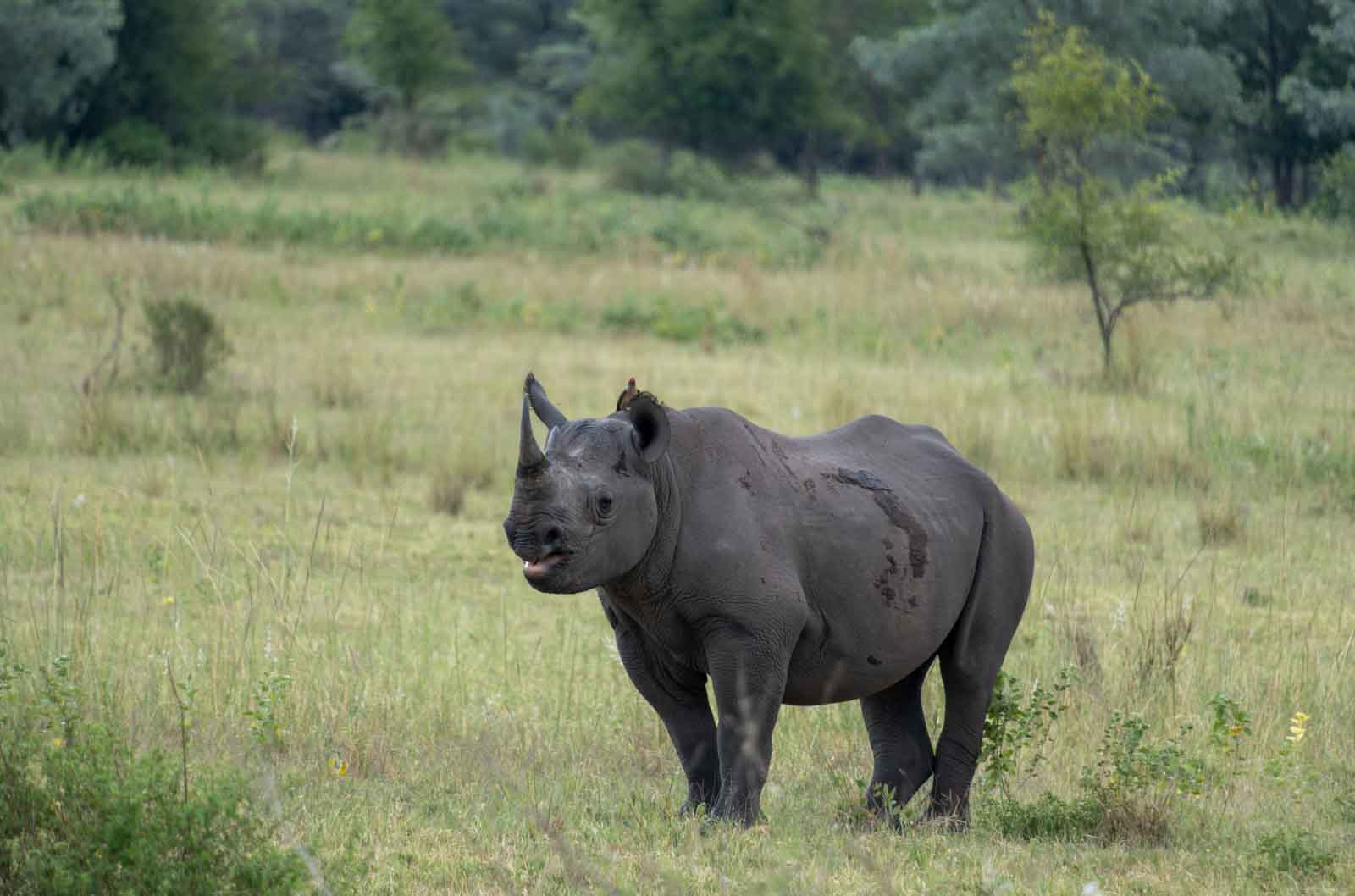
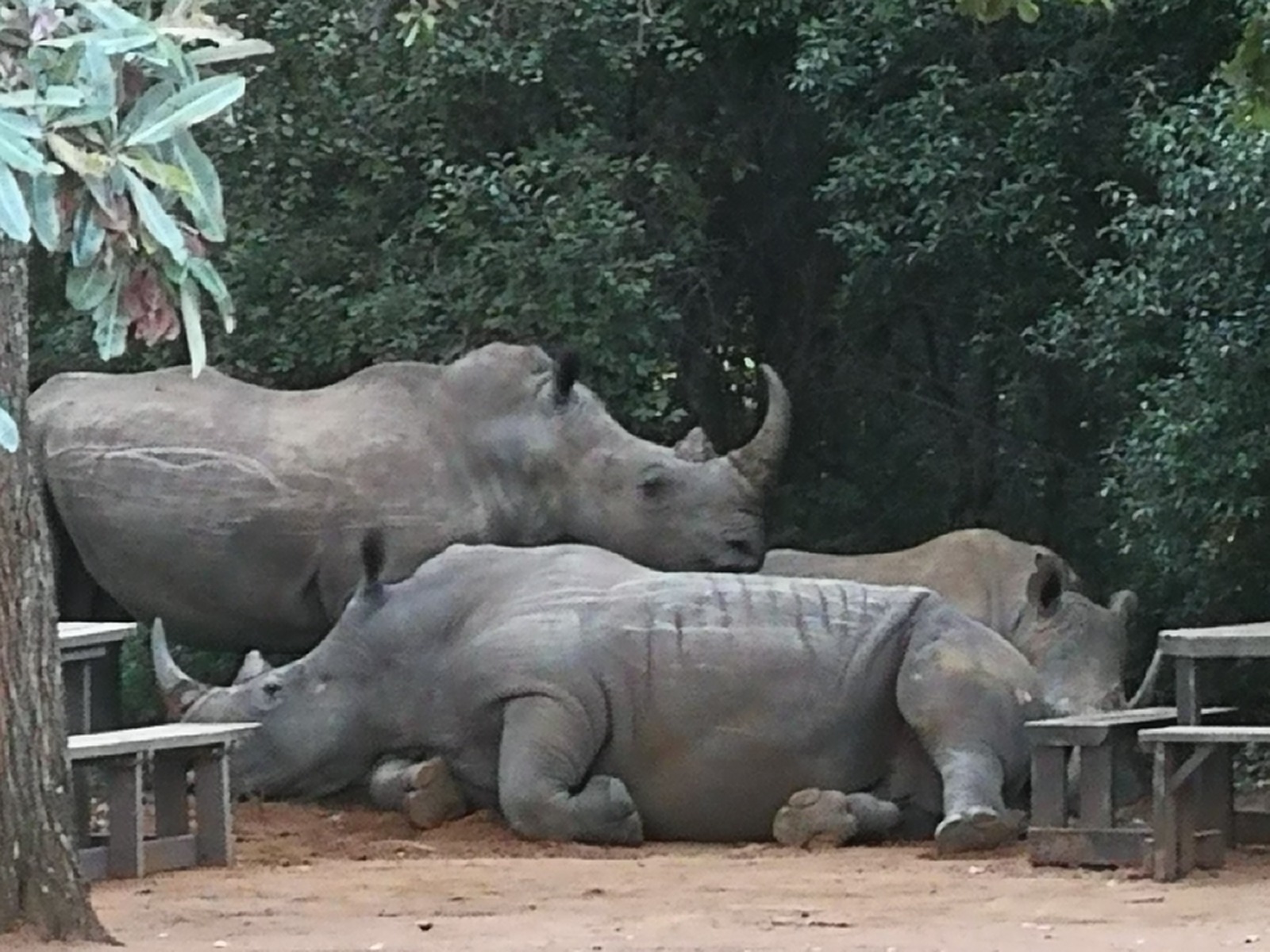
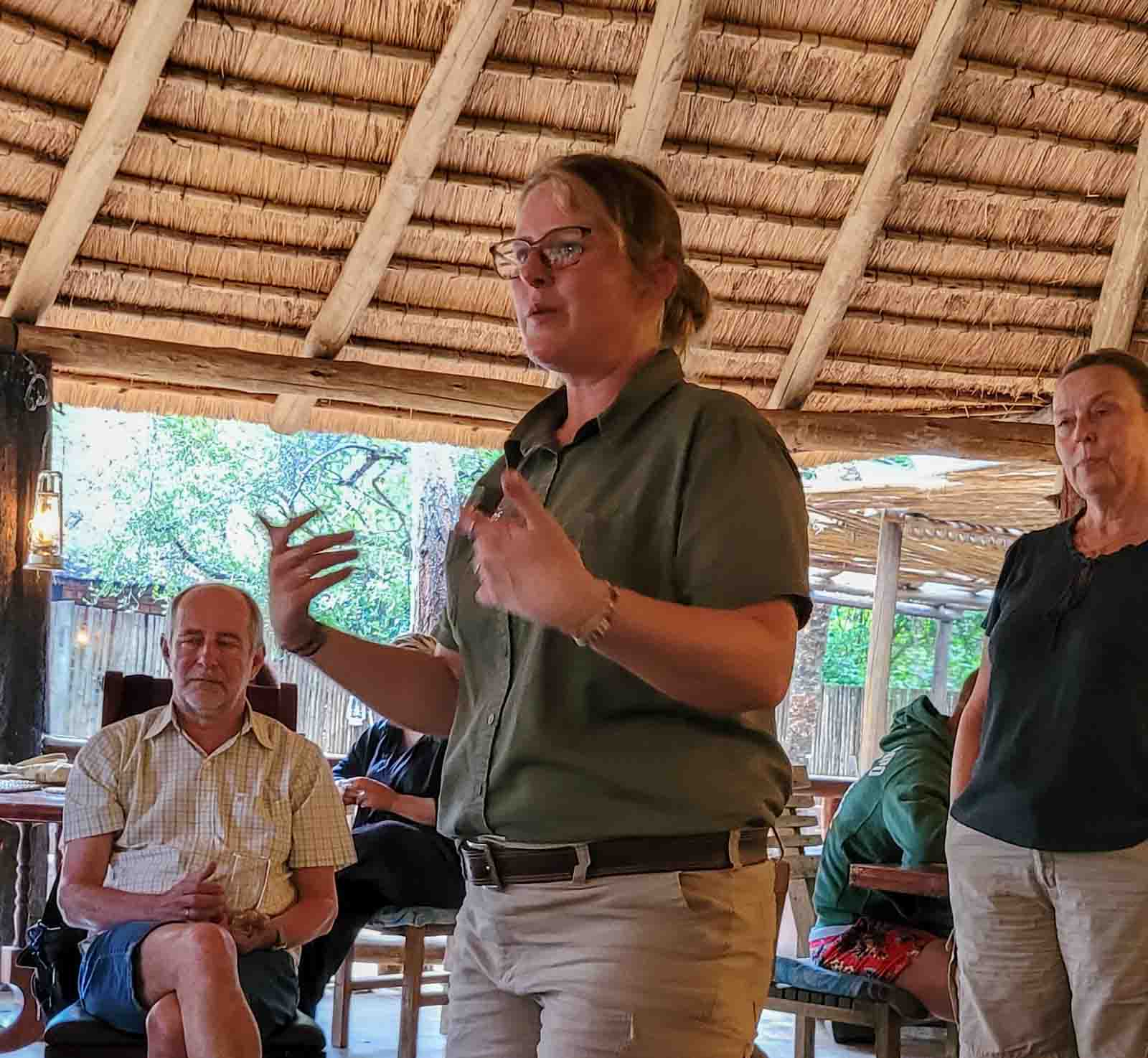
Finishing off with the wonderful ranger who had dedicated her whole life to the rhinos, and a phone photo from our guide, taken while passing by our outdoor picnic place…(where we used to sit peacefully at the tables – luckily without rhinos!) Thank you, Conni, for sending me those spectacular shots!
 Leya
Leya 
Sounds like a very cool experience! Beautiful photos, I am curious, termite specific do they do anything for them or its the right height? Im honestly curious!
The right height!
Wonderful rhino shots! We had some great sightings in Nepal but never anything as good as this in Africa – where were you staying?
We stayed at a private reserve, Entabeni. Not very big, but enough!
Rhinos at work and play… amazing! Sad world where we have to take such protective methods. A stunning photo collection, Ann-Christine xx
Thanks, Jo. It was fascinating indeed, and wonderful listening to true dedication!
Radioactive isotopes sound scary all round. I’m glad they work, but it does sound very odd. I’ll have to read a little more about this.
Look for the rhizotope project!
Will do …
Klicka för att komma åt The-Rhisotope-Project.pdf
Wonderful experience
It was – gives you hope. We can do it!
I’m not sure that hiding information is the best way to save creatures. Publishing wildlife census not only creates public awareness and aids global conservation programs (even of other species), but also keeps the rangers from hiding their failures. The last part is also important, since public acknowledgement of failures often leads to better processes.
I see what you mean, I.J. But you cannot praise them enough for saving their rhinos effectively.
They are definitely successful. Not sharing information is not democratic, and in the long run that does not work
Am smiling at the great photos of perchance not the most handsome animals in the world being able to do their ‘own thing’ . . . may they be safe . . . and you surely had an experience not to be forgotten ?? ! ________________________________
Yes I had – I think we all had. In the end I think I almost loved them!