Cheers to creative thinking!
Cheers to creative thinking!
”The world is a kaleidoscope of colour so this month let’s celebrate that with the brightest / most colourful images you can find.” A grand finale to Jude’s year of colours!






I thought we would go for a minimalistic challenge this week – a good excercise, but I know you as I know myself… So, that doesn’t mean you must only use one, single image…I am sure you have several stories to share! Pick one or two, maybe three? As long as you use only one image for each (possible) story you have captured.
What is a photo story? Some photos are staged, or taken just for their story, and some stories come up first when you see your photo on the screen. A lot of photographic storytelling involves capturing shots of interesting scenes and phenomena that cannot easily be explained through words. These photos either tell the story of an interesting person or persons/animal or animals, or maybe occupy a human rights or awareness angle by depicting the plight of people in poverty-stricken or war-torn places. There are so many stories to capture…and to tell – we are looking forward to seeing some of yours!

I have chosen three different stories. The opener is a staged image at an exhibition of painted (artist Martin Jacobsen) back drops from a famous Swedish play: Queen of F*cking Everything, starring Jonas Gardell. Here Jacobsen uses landscapes in a dialogue with art history and popular culture. We easily recognize the Disney castle and the beautiful Swan Lake hint.
Standing close to a theatre back drop is indeed awe inspiring, just the size of it, and I always wonder how an artist can paint at such a large scale and get the perspective right. Be it in churches, street graffiti or elsewhere. I guess that is what the people in this image are expressing too.
The above image is from an outdoor exhibition in Denmark, where a big ring was set in the grass, and children were happily jumping in and out of it. – Suddenly the ring started sending out smoke (smoke-rings, haha…), which got parents (and me…) swinging up their cameras. An ordinary thing doing extraordinary things… this had to be immortalized!

Next week, December 4, Amy will be your host, and her theme will be Celebrating. Be sure to visit her on beautiful The World is a Book.
Wishing you a lovely weekend and hope you had a Happy Thanksgiving.
I have been to the cinema…first time since covid started. I knew there had been made a documentary of Björn Andrésen – once a young boy who was called the most beautiful boy in the world. I was his age, back then in the 70’s, and how I loved him. Like a teenager can…His face, the serenity, sensitivity and the vulnerability in his eyes. But little did I know what really happened to him, how he was used and abused.
The Most Beautiful Boy in the World is a 2021 documentary film about Björn Andrésen and the effects of fame thrust upon him when he appeared in Luchino Visconti’s 1971 film, Death in Venice. The movie was built on a novel by Thomas Mann. Andrésen was just 16 when the film was released, and he was an innocent and very shy boy, totally unprepared for instantly becoming an international celebrity. So, a timely documentary theme, because these things happen – over and over again.
The title of the film came from a remark that Visconti made about Andrésen at the premiere of Death in Venice in London, and that shadow still weighs upon Björn Andrésen’s life.
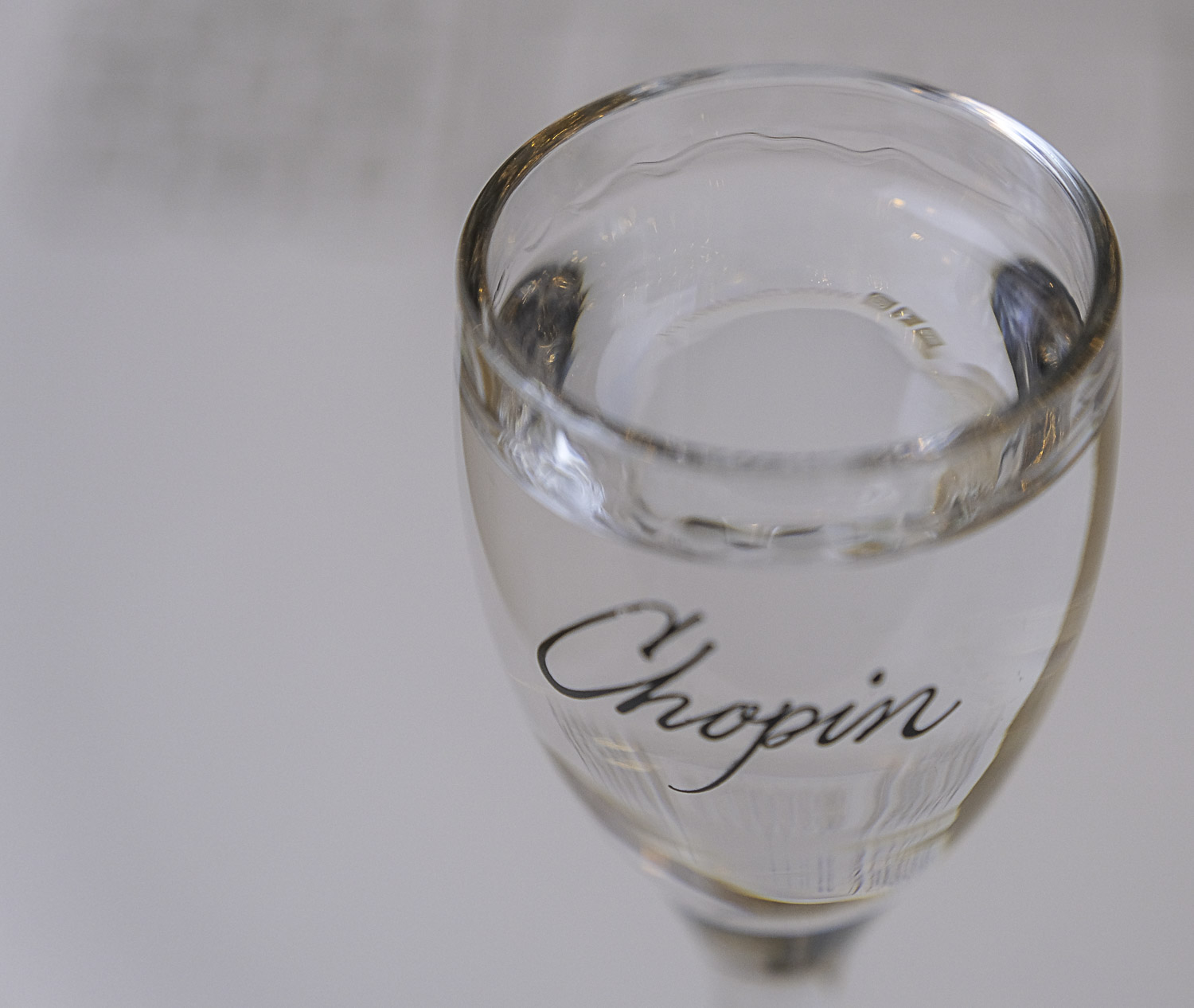
Björn Andrésen wanted to be a concert pianist – not a movie star at all. Throughout the movie we hear him playing the piano, his own compositions and pieces by famous composers such as Chopin and Rachmaninov.
He had no father, and his mother committed suicide before Björn reached his teens. So, he grew up with his grandparents, and as his grandmother wanted to have a movie star grandson, she had him listed for numerous auditions…Björn was a fragile and sweet boy, so of course he did what he was told. Then came the famous Visconti, to Stockholm – and found him. The casting process was filmed, and I cried when I saw how awkward the young boy was when told to take off his clothes and pose for the film director.
Nobody seemed to notice. Nobody helped him or looked after him – and he was just a child. He had no one to turn to. How does an innocent young boy handle screaming crowds and hysterical Japanese girls – without a parent or mentor? Nobody seemed to care. He was just pushed around, trapped in a written three – year contract on his face. In the documentary he silently says, that he just wanted to be somebody else and somewhere else.
It is a deeply moving film, a tragedy, a life not taken good care of, not given a chance. Björn is still today, at 66, in my eyes, strikingly and otherworldly beautiful, but as he says himself – what has that ever done to help him with his inner demons? Years of depression and drugs, a crashed marriage and a son dead. He has a daughter though, but he feels he failed her as well. ”Nothing matters”, he says… because he has lost so much that there is nothing left to lose. A broken man, but, he has got his faith – and he wouldn’t have been here today without it.

"Fun facts" - In the documentary we go with Björn to Italy and Japan to meet, among others,  the famous manga artist Riyoko Ikeda. She is most famous for her series The Rose of Versailles. And she reveals that her drawing of the hero (Oscar Francois de Jarjayes)  is totally built on Björn Andrésen. His visit to Japan after Death in Venice started an idol worship bigger than ever, and in fact he is supposed to be the model for most of the blonde manga heroes.

Fair use. By This is a screenshot taken from an optical disc, television broadcast, web page, computer software or streaming media broadcast. Copyright Riyoko Ikeda.
I recommend you to see this movie. Not because he was a great teenage ”love” of mine and many youngsters in those days, but because it is a serenely and honestly made documentary that maintains its grip on the audience throughout the 11/2 hours. It openly shows parts of Björn’s turbulent life, but just as much as he is willing to reveal, and he is never trampled on. I feel this documentary was made with love and dignity. Thank you to the directors, Kristina Lindström and Kristian Petri who made this a film to remember, and thank you Björn, for saying yes to make it come true. It is an important document of our times. May we learn something about child abuse, use and misuse, how it can destroy their whole life. Instead we must support and help our young realize their own dreams – not somebody else’s.
29 January, 2021, World Premiere, Sundance Film Festival, USA
This week, Patti wants us to find street art from near and far. So, here we go!

These two Swiss houses are both beautifully decorated – but is it street art? In some countries it was an old custom to decorate houses like this, and in this little village they were very proud of their paintings. As you can see, the Adam and Eve decoration is much older than the first one. The motif might also fit in with this artform as being thought provoking.


I found several houses decorated in the same style. Sometimes a bit too blurry I think…, but a smart part in monochrome on this one made the whole difference for me.

Lodz, walking in a very worn down area that had been beautifully decorated. I found this piece in an abandoned alley, and thought it very attractive, so I chose sepia to ”lift” the painting from its dreary surroundings and to enhance the overall impression.

A timely pick – Alfred Nobel. Then yellow street art and a blue van – the Swedish colours.

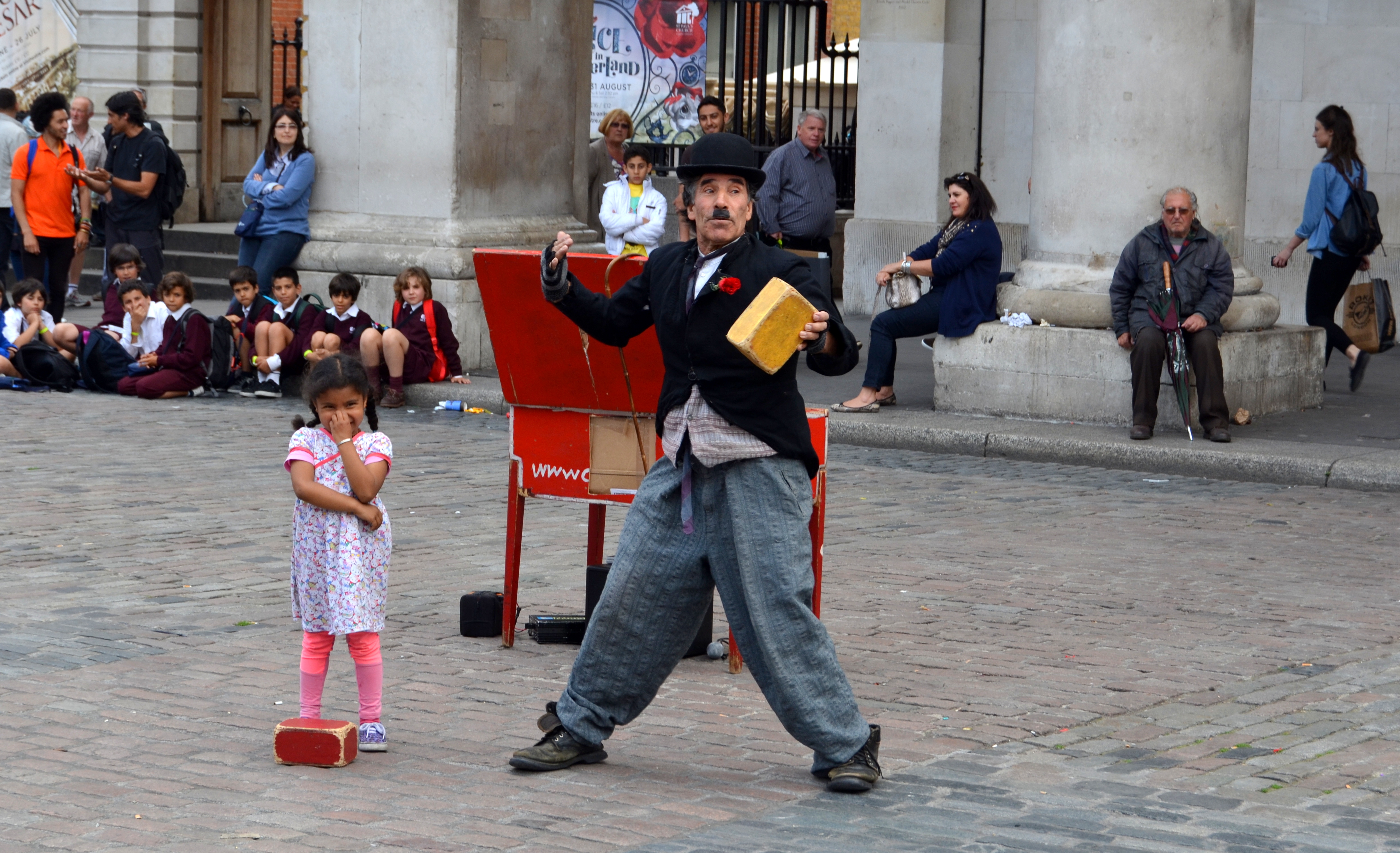
Finally, there is of course Street Art – and Art in the Street…
Covent Garden, London.
This week, we invite you to join us for LAPC #170: Street Art. Show us your captures of street art in places near and far. Be sure to include a link to Pattis original post and use the “Lens-Artists” tag so we can easily find your post in the Reader.
A special thanks to I.J. Khanewala of Don’t Hold Your Breath for hosting “The Ordinary” challenge last week. Many people commented that the photos shared were examples of finding the extraordinary in the ordinary. And that is a lovely take on the theme!
Next week, it’s my turn, Ann-Christine’s turn to lead LAPC #171, hope to see you then too, next Saturday at noon. In the meantime, have a joyful, safe, and inspiring week.
Some of us are living in the Northern Hemisphere, and we will soon be in need of more artificial light as we are moving away from the sun. Artificial light means man made light, but, I also learned something new – that candles do not count as artificial light.
So, how do we use artificial light? Simply because we need it to see, to do what we need to or want to do?
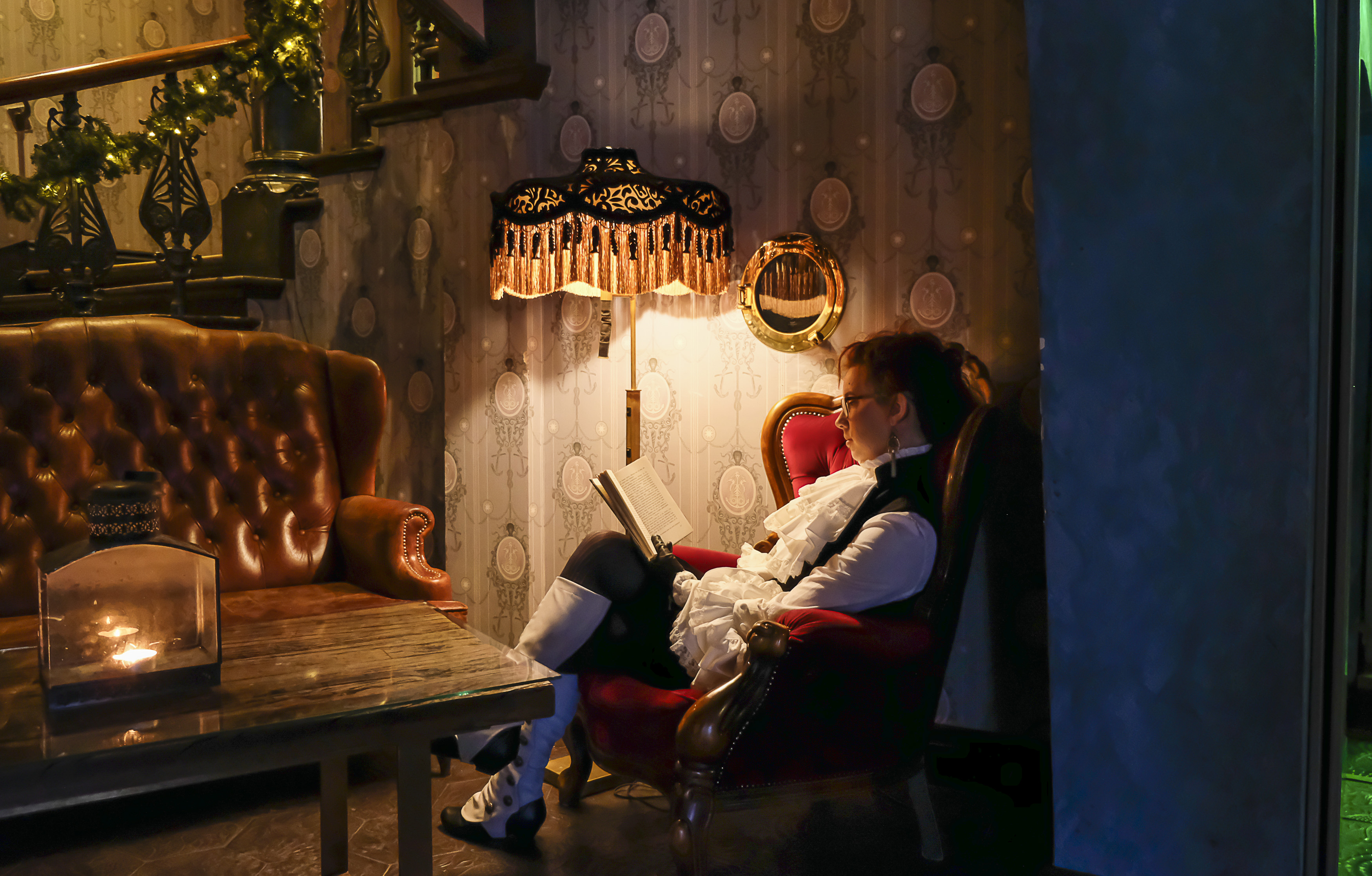
No, today we also use it for fun – for example in fireworks and for Halloween.

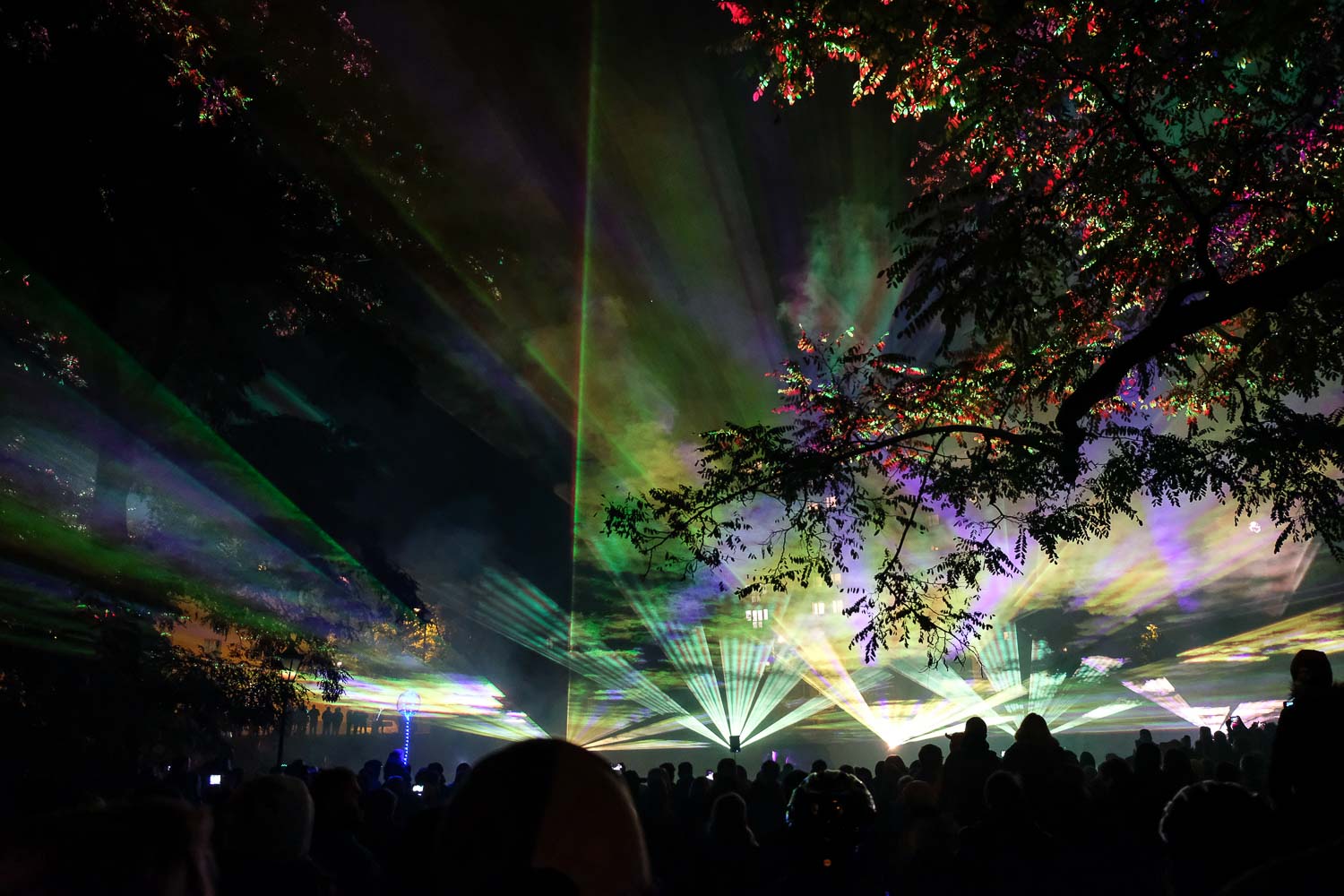
And moving light – is always used in concerts. In fact I am so old, that I remember when the laser harp was made popular by Jean-Michel Jarre.

Artificial light can be used in so many art forms – this is an art walk at ARoS, Aarhus Kunstmuseum in Denmark.

Painting on Ipad instantly became a new art when the Ipad arrived some years ago – here a David Hockney at the Louisiana exhibition in Denmark.
We need light, artificial light – but, do we really need as much of it as we use? The costs can be high. The results are in many cases negative for nature and with that, also for ourselves. Newborn sea turtles die when they cannot find their way to the sea, and head towards the light of motorways and towns close to the beach. And that is only one example of many.
For some time I watch the coming of the night? Above is the glistening galaxy of childhood, now hidden in the Western world by air pollution and the glare of artificial light; for my children’s children, the power, peace and healing of the night will be obliterated. – Peter Matthiessen
Thank you to Patti for last week’s fun, Going Wide, which set our eyes wide open to the world!
For this week’s LAPC #166, we invite you to throw some artificial light on things! Please use the Lens Artists tag to help us find you, and we look forward to ”seeing the light”.
Next week Amy will be your host – until then, be well and kind.
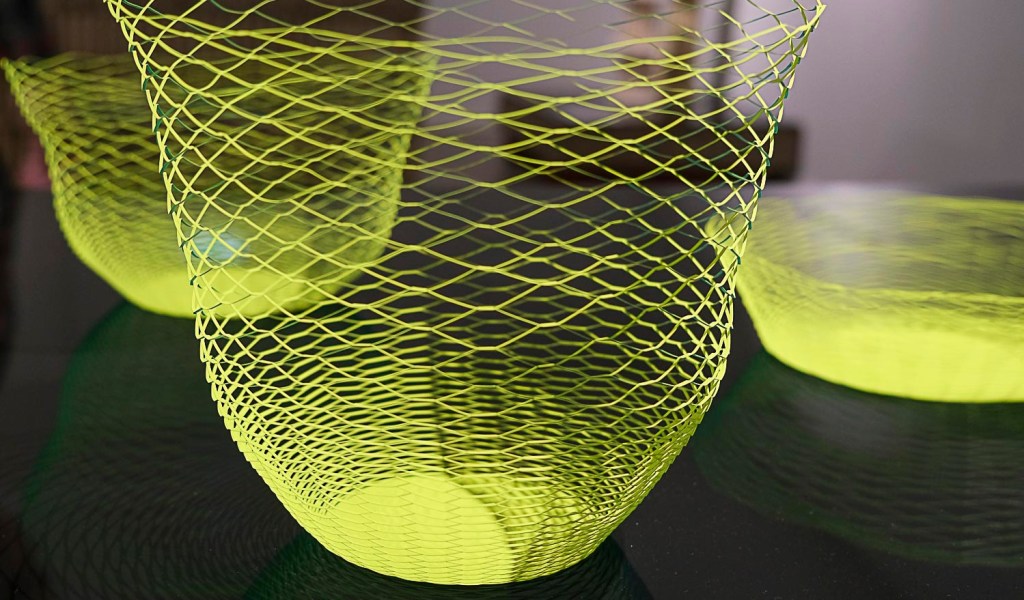
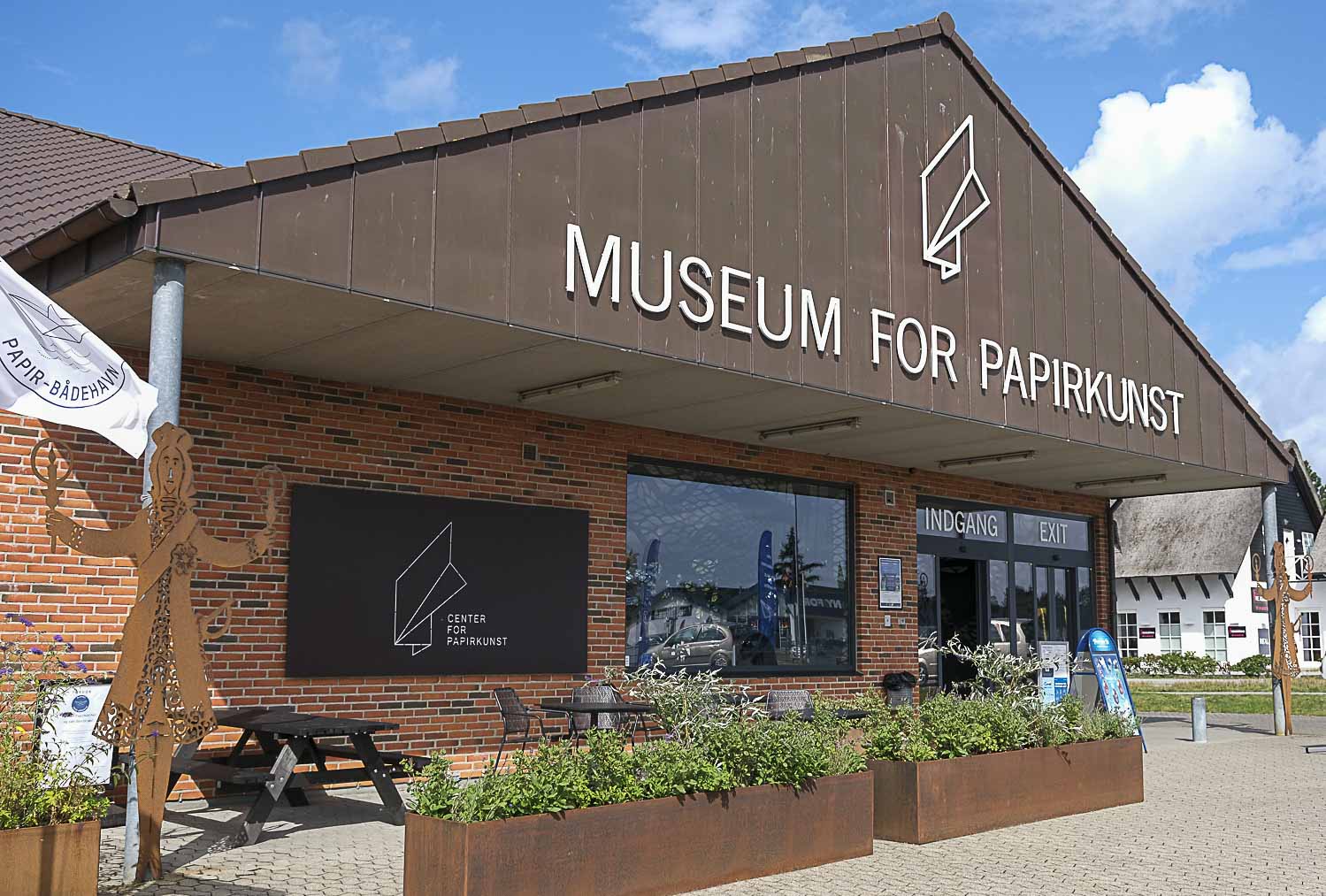
We visited the Museum for Paper Art in Blokhus, Denmark. We hadn’t planned to, as we didn’t know it was there – but it opened in 2018 and is the only one of its kind in Scandinavia. Who can resist it? I have made so many paperclips over the years – as a child, and then with my own children too. I hope they will pass it on to new generations too.
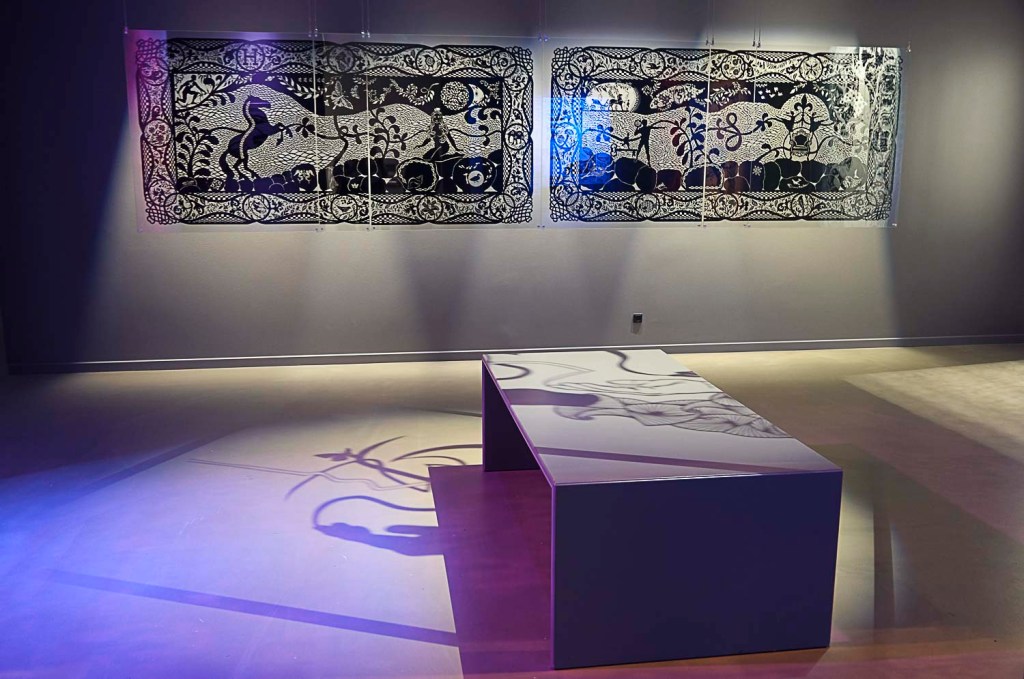

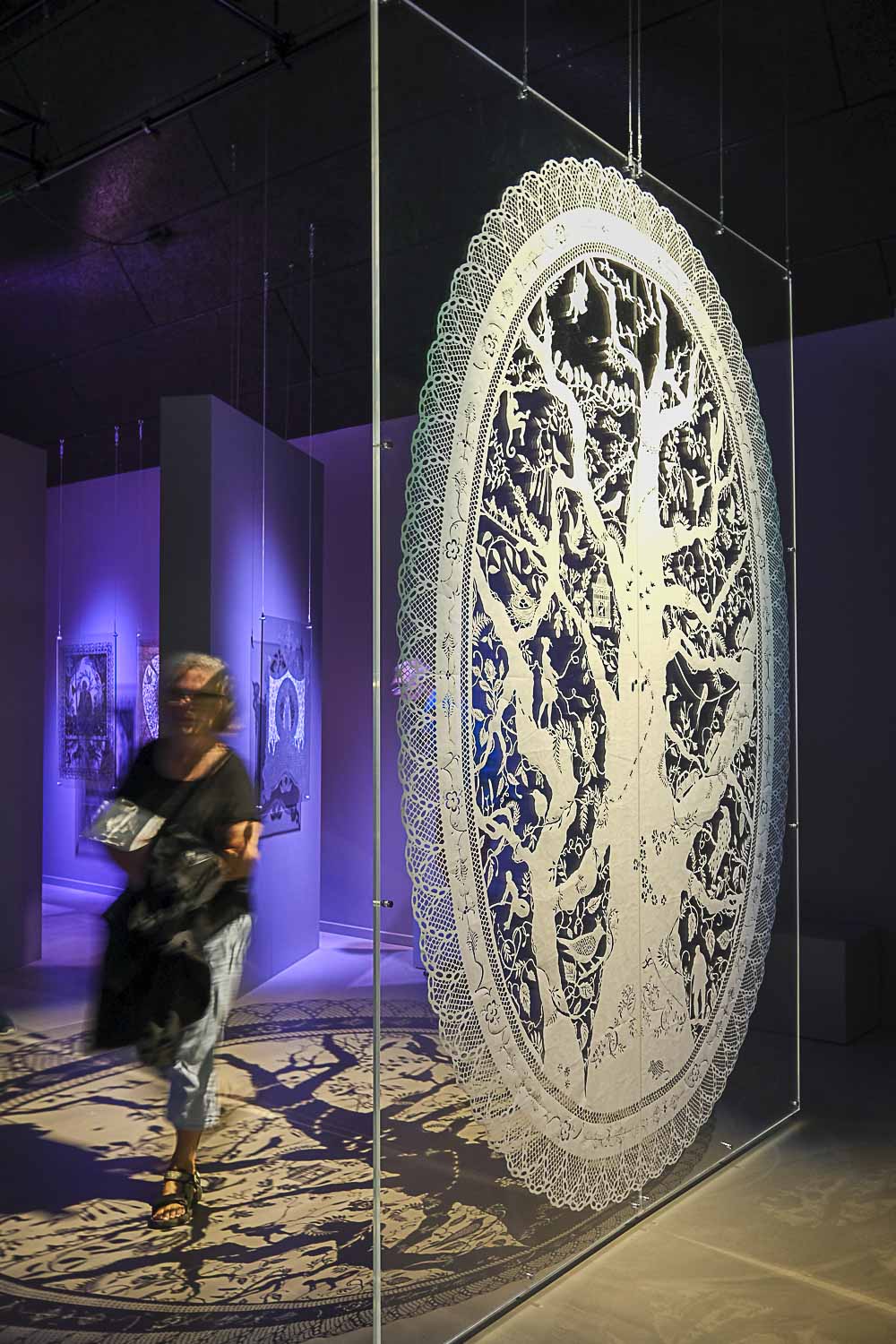
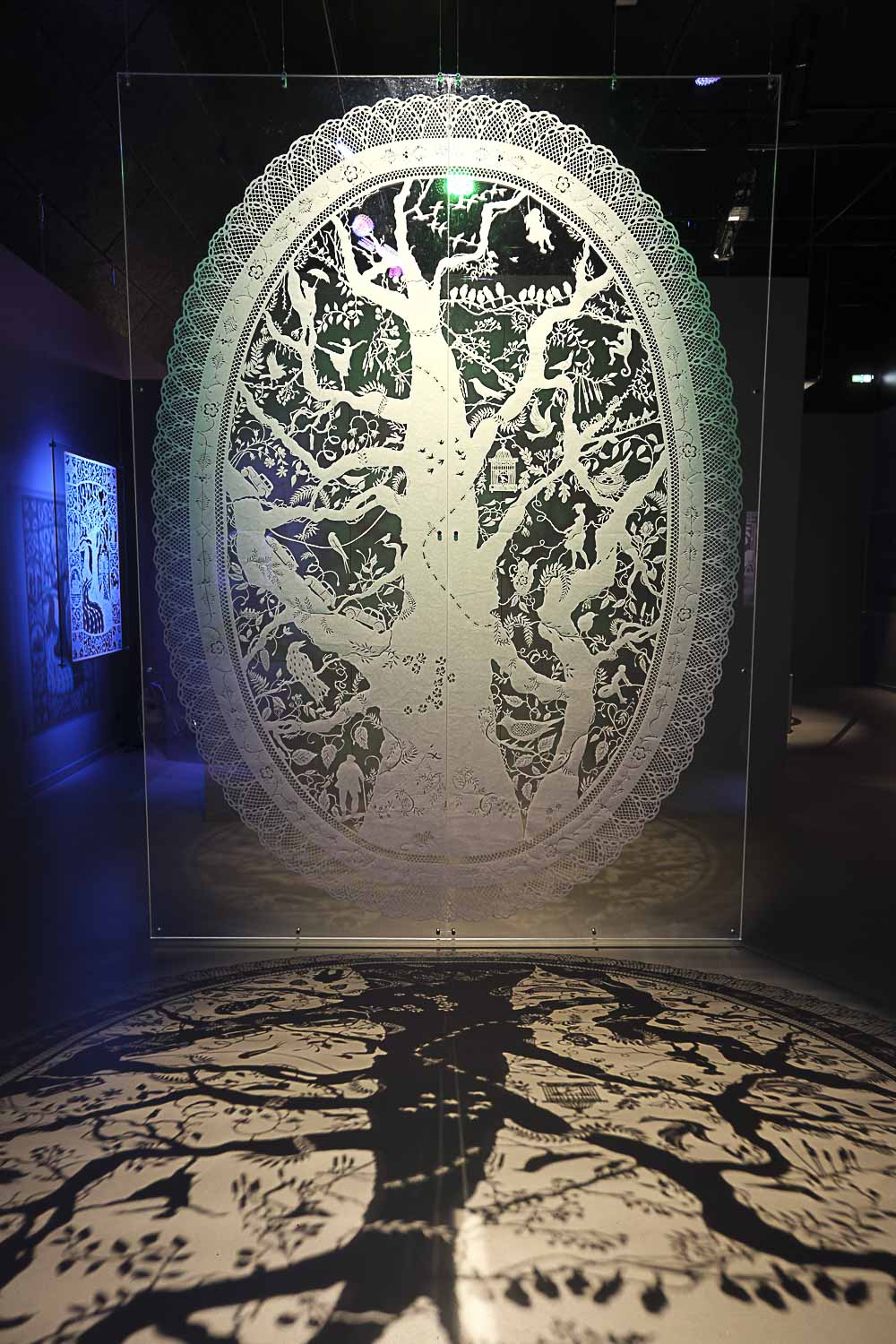
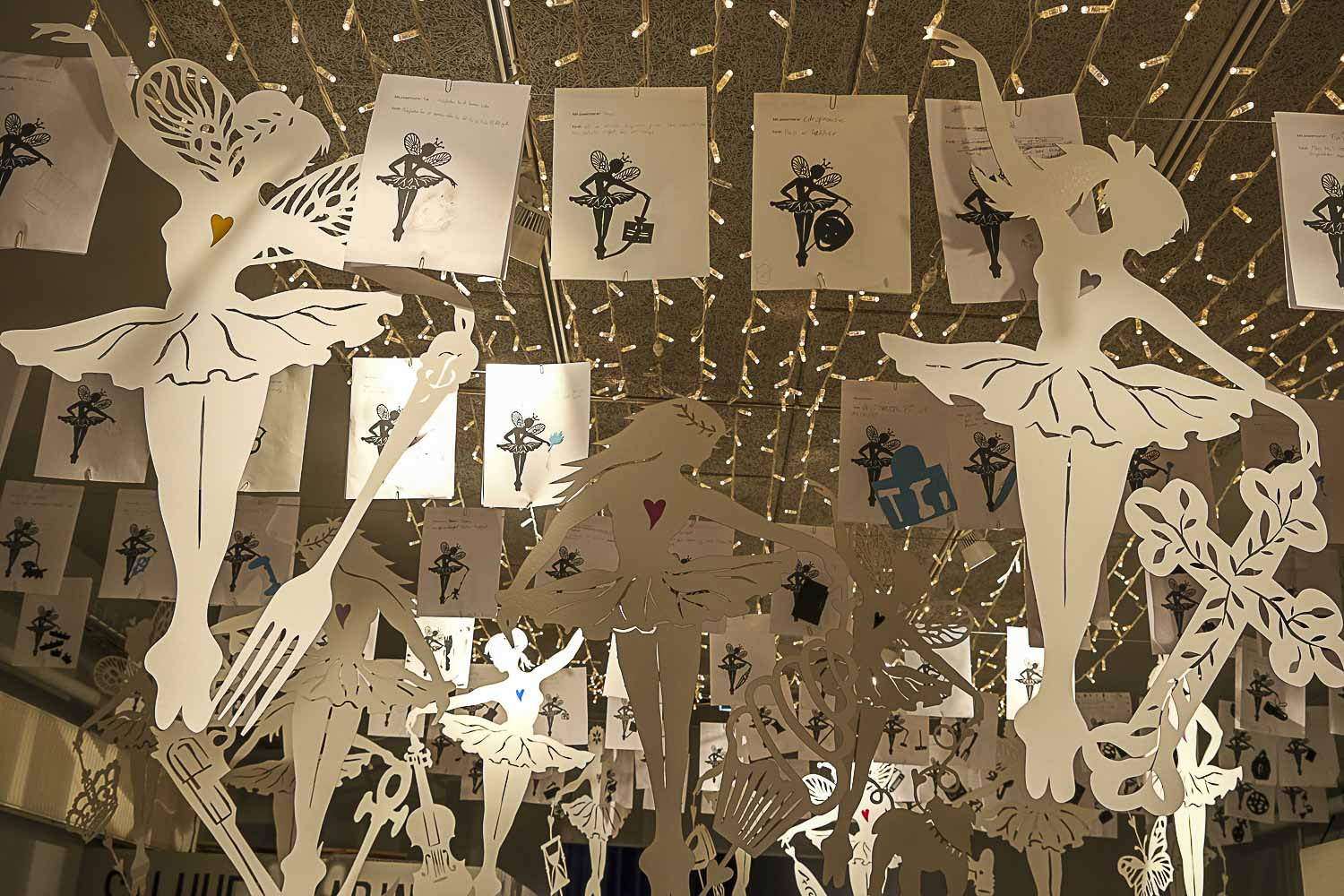
She cuts everything by hand, with a pair of sharp scissors. The big oval with the tree measures 3×2 meters – the details are amazing. There was also a workshop for those who wanted to let their inner paper artist loose!
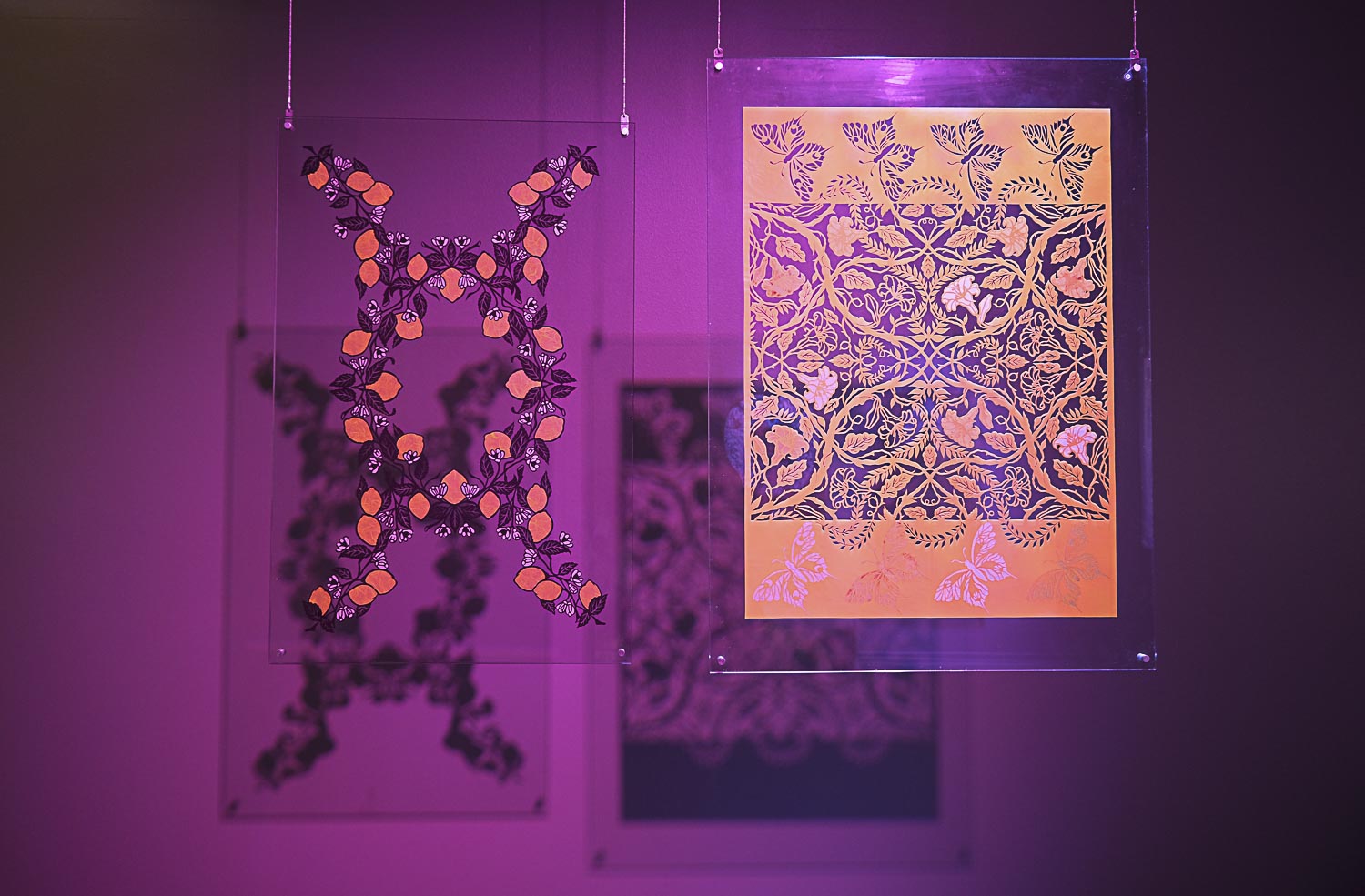
Bit Vejle is based in Norway, but was born in Denmark. She and her daughter were the founders of the museum.
In the header you see a paper theatre – a much loved art form in Denmark. Even the Danish Queen has made backdrops for some theatres, and she has played herself as well. She is a very talented woman, who, among other things, writes books and paints.
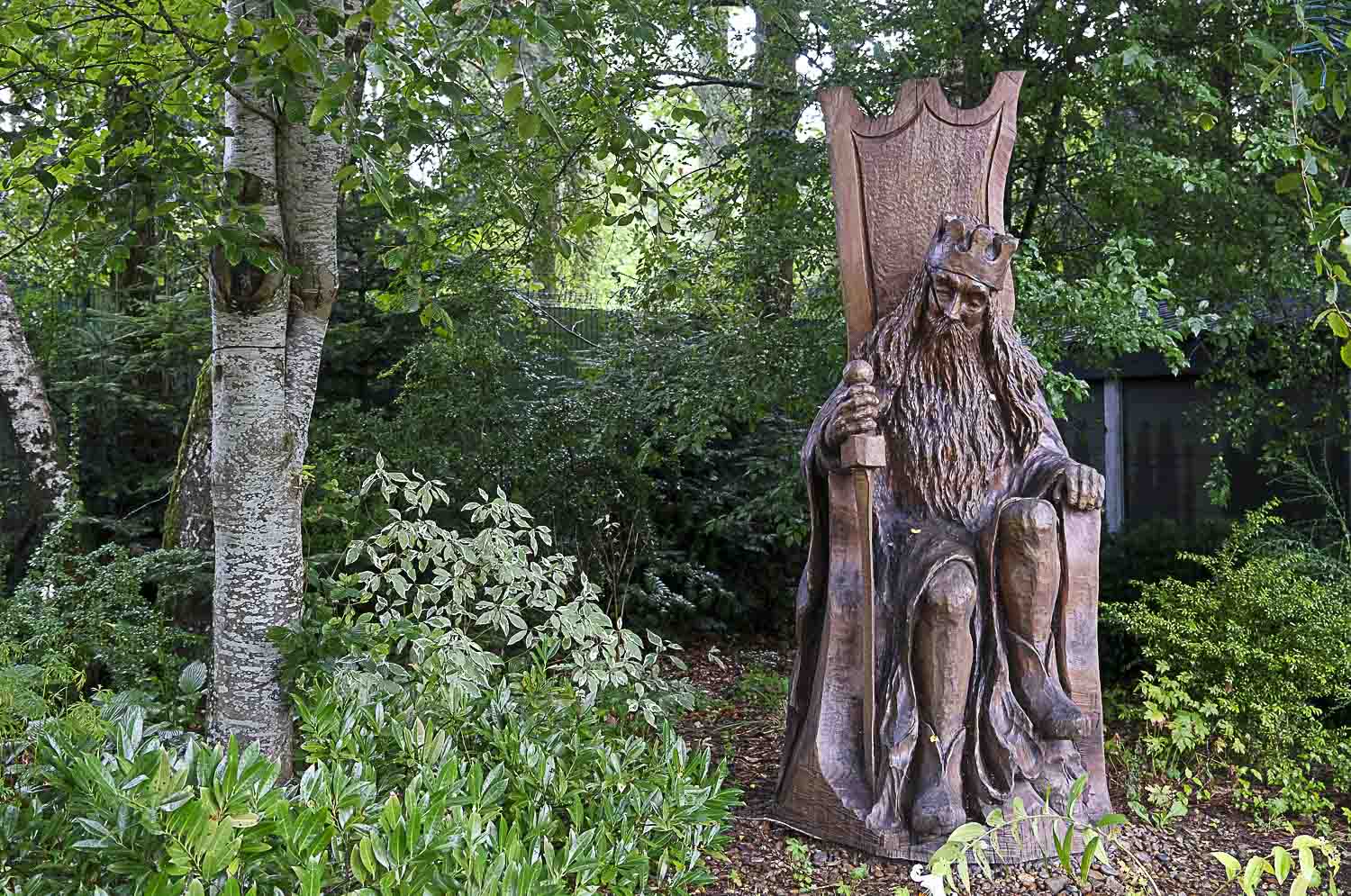
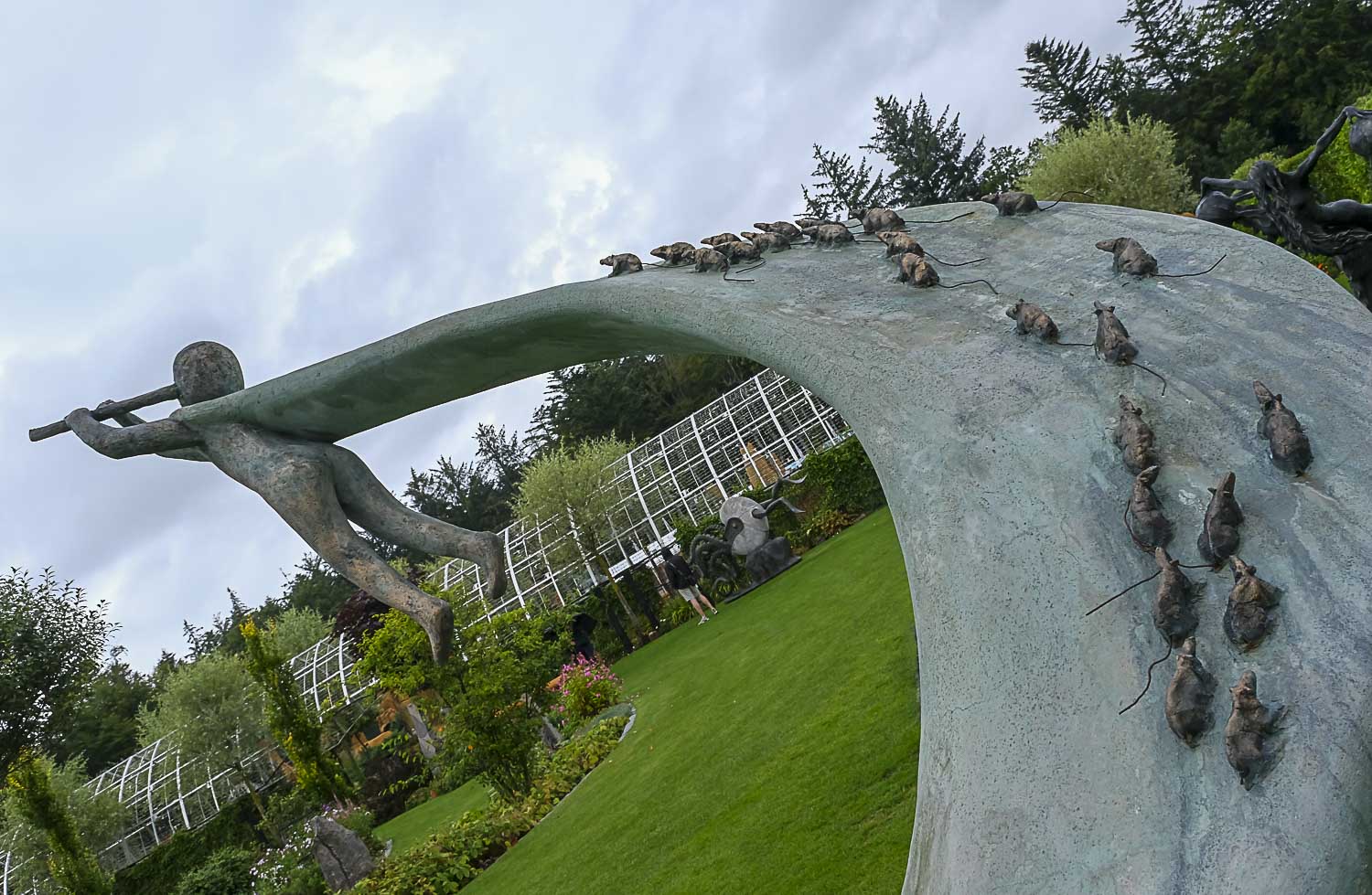
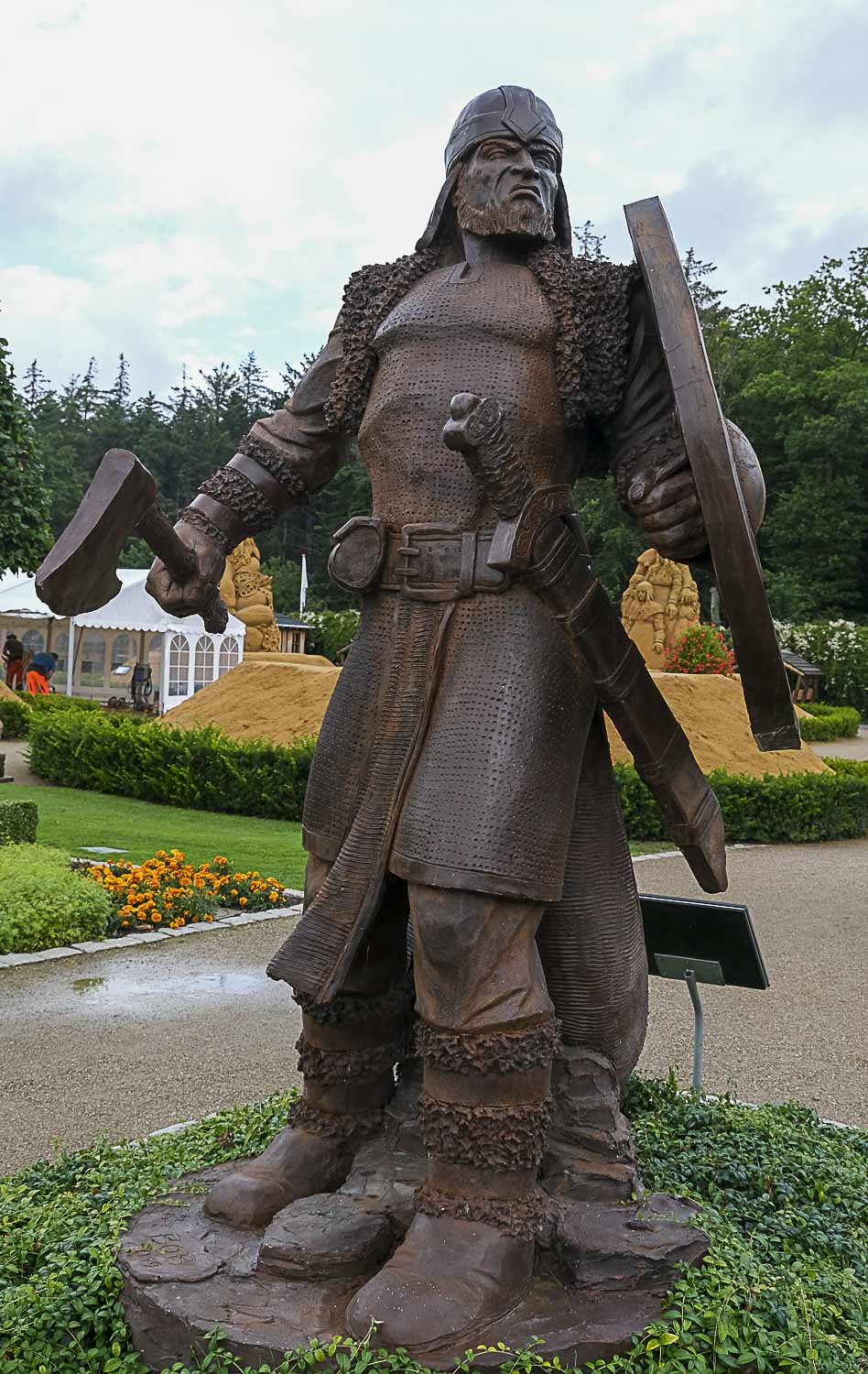
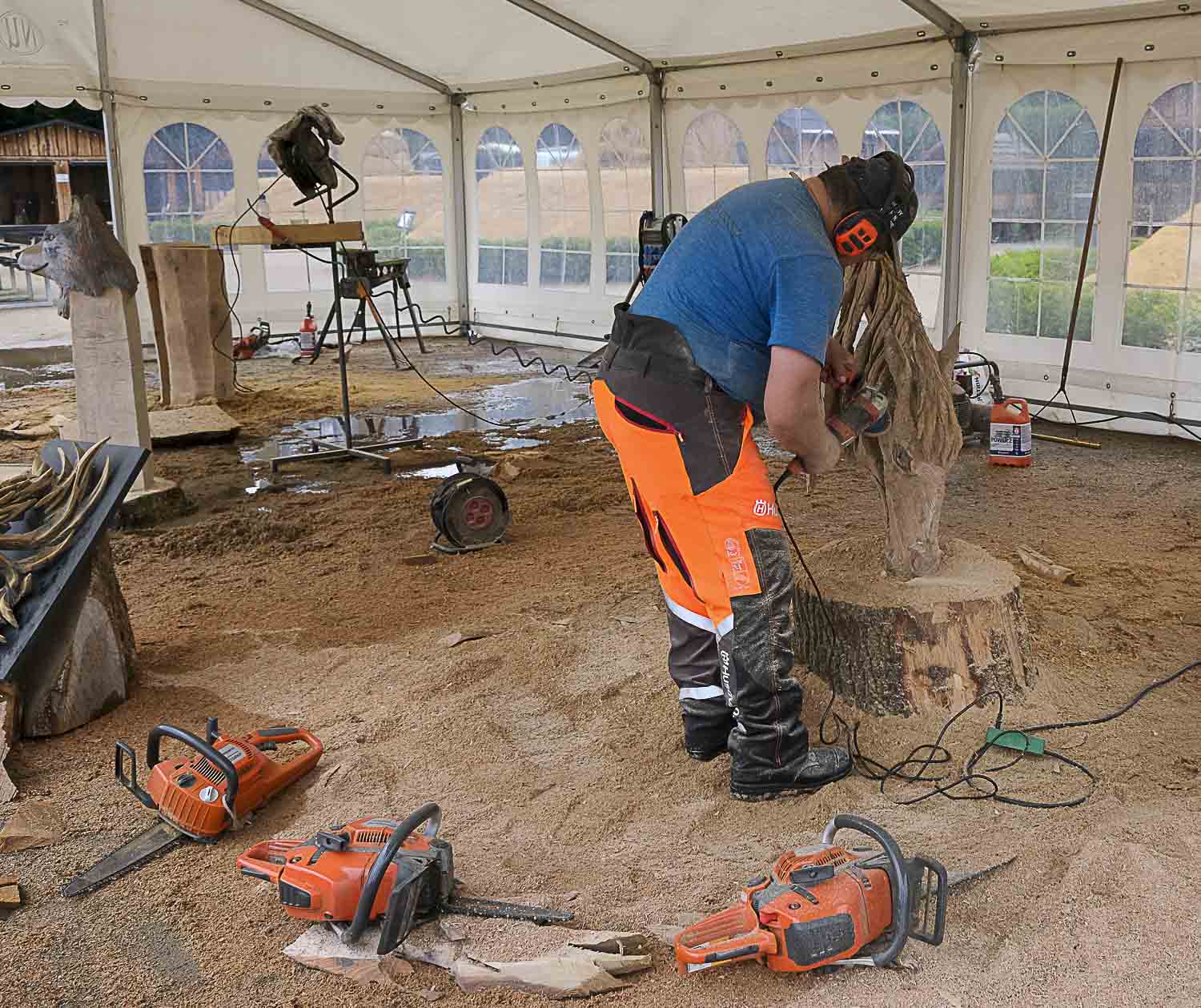
I am sending you a gallery of interesting artwork in wood, bronze, sand and more, from an outdoor exhibition in Denmark. You might recognize some fantasy figures, and Erik Röde, HC Andersen and The Pied Piper of Hamelin. The exhibition was really nice, and we were allowed to watch the skilled artists at work. Earplugs were handed out!
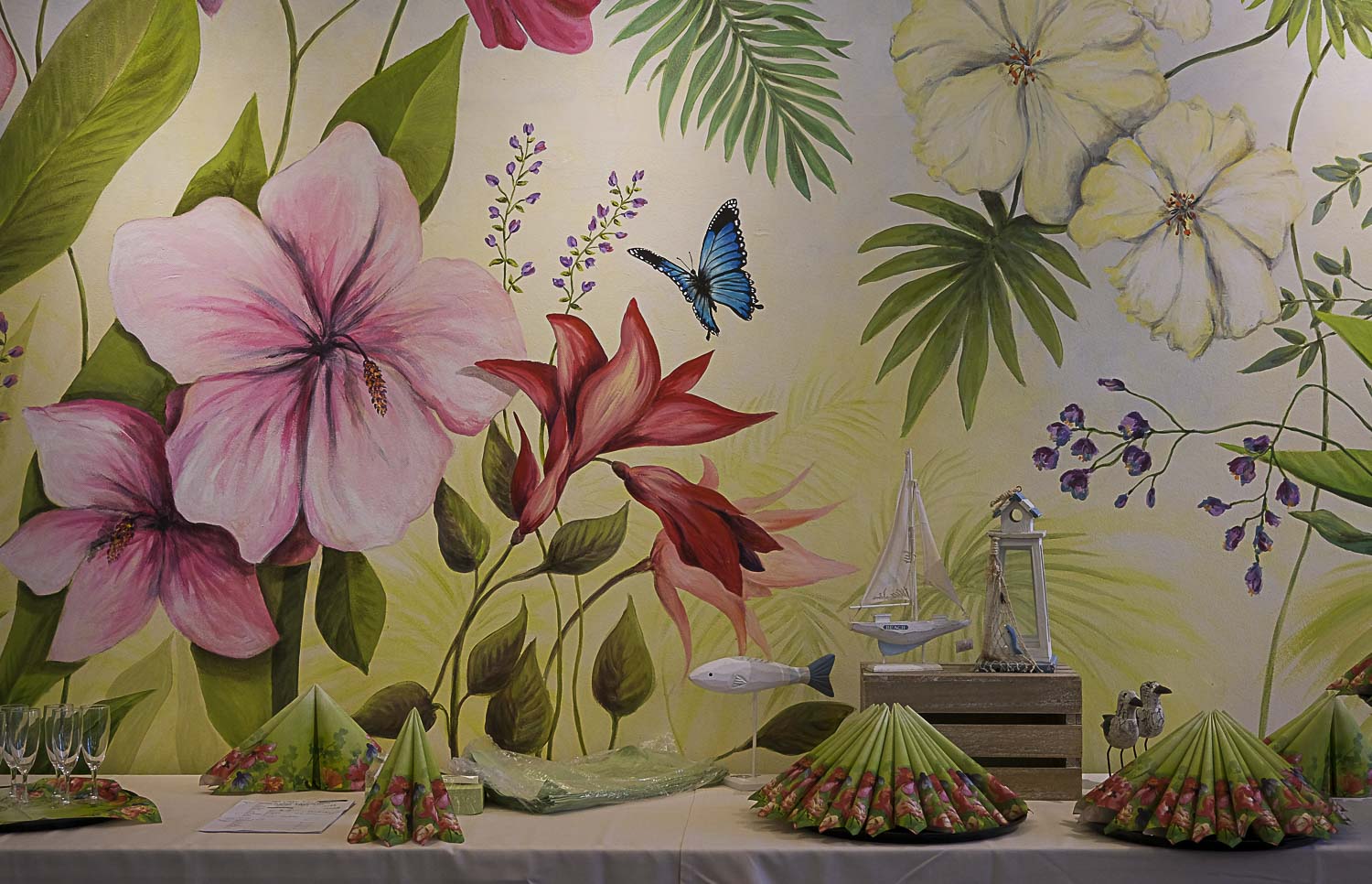
The beautiful painted wall was indoors, and decorated for a party. In the header, another hall decorated for a wedding.








 Leya
Leya 
Du måste vara inloggad för att kunna skicka en kommentar.