Impossible to resist this one for Frank…

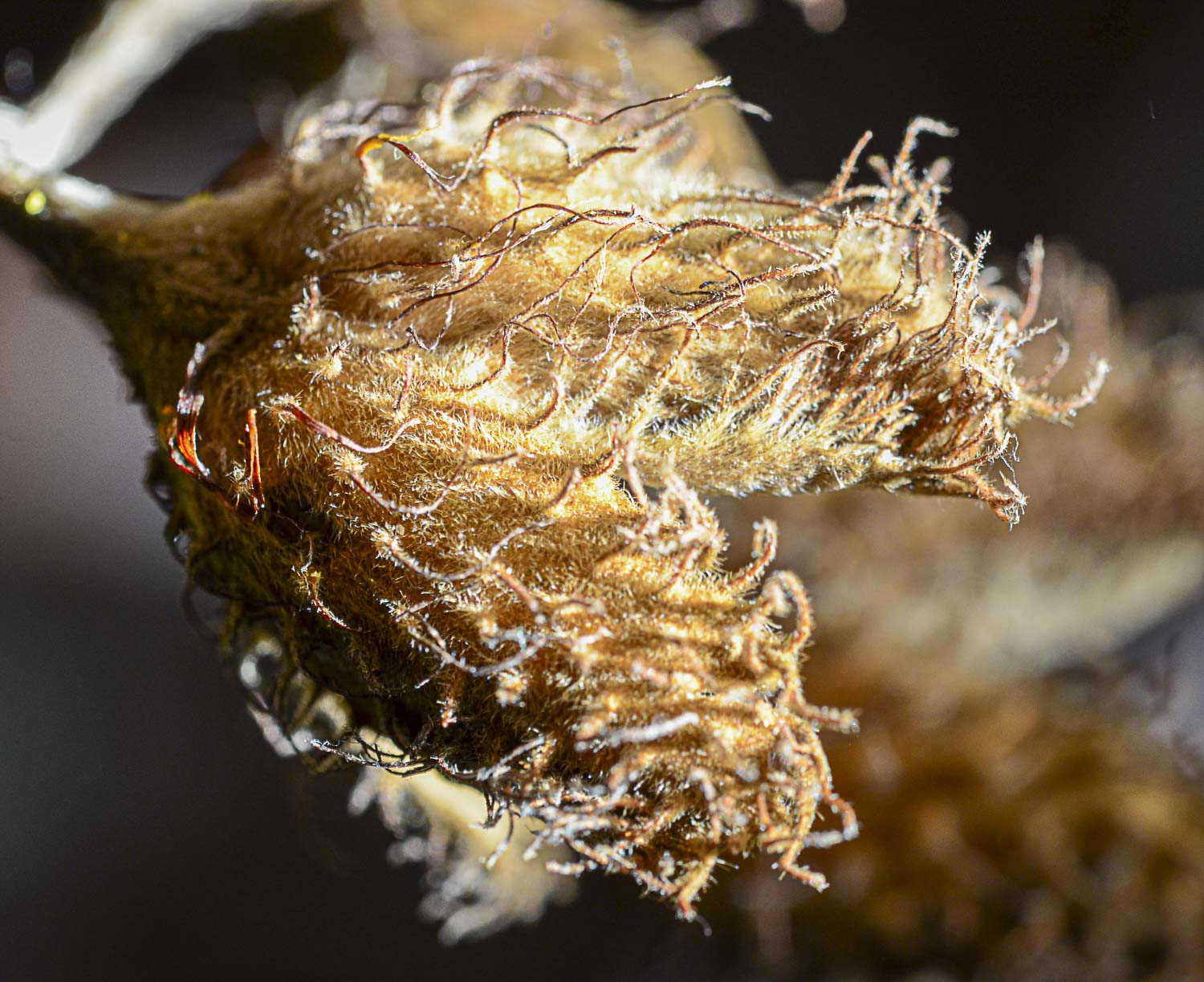
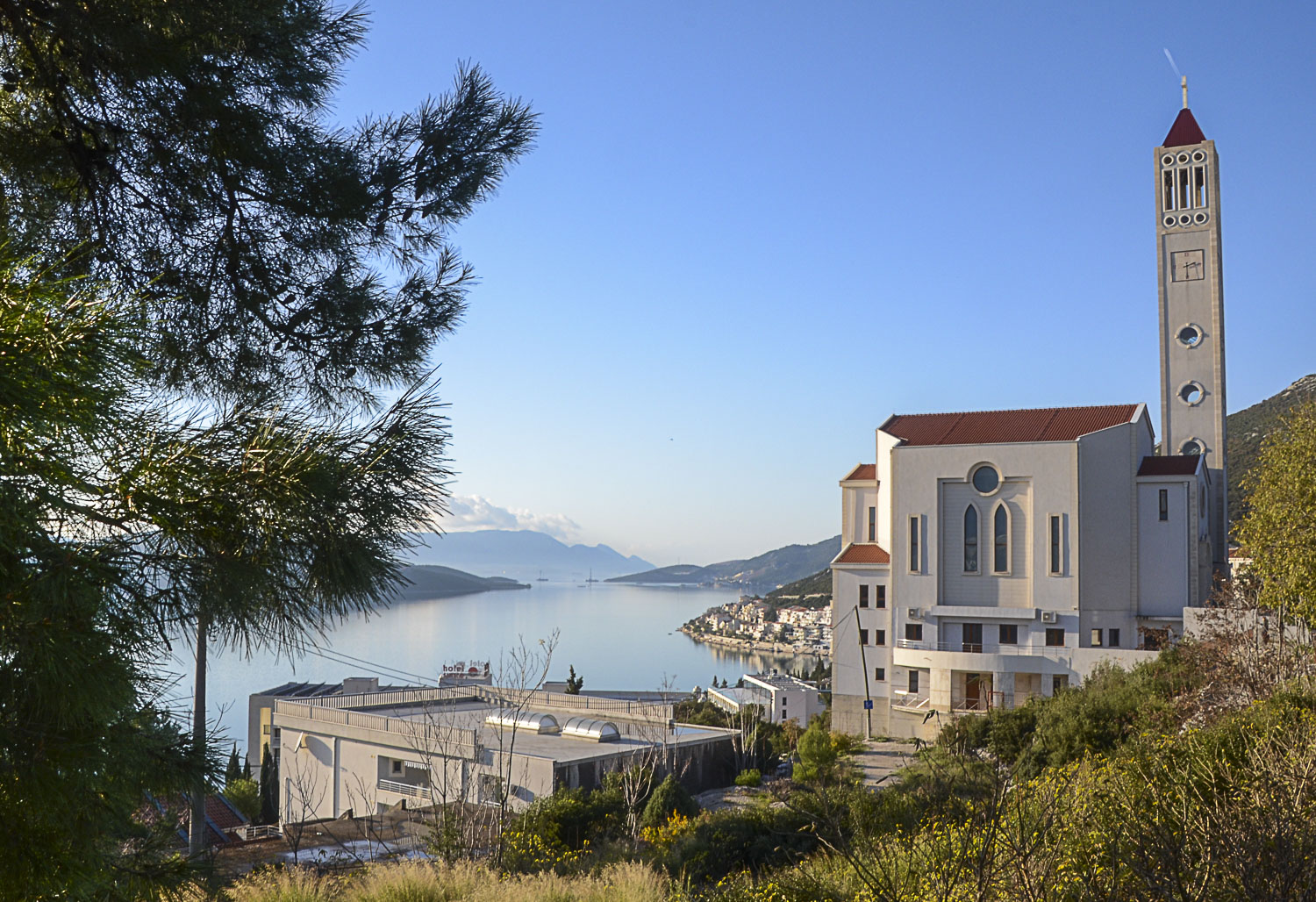
Having delighted in all your favorite photos from 2019, We would love to invite you to some Special Spot Shots!
In November 1979 the historic city of Split, Croatia, built around the Diocletian Palace, was included in the UNESCO register of World Cultural Heritage. Today, the palace is well preserved with all the most important historical buildings. It is so well hidden behind new facades and modern stores, that If you don’t know where the southern gate to the palace is – you will not find your way in!

Somewhere behind those palm trees, lies the entrance to the palace’s cellars – let’s enter – My Special Spot!
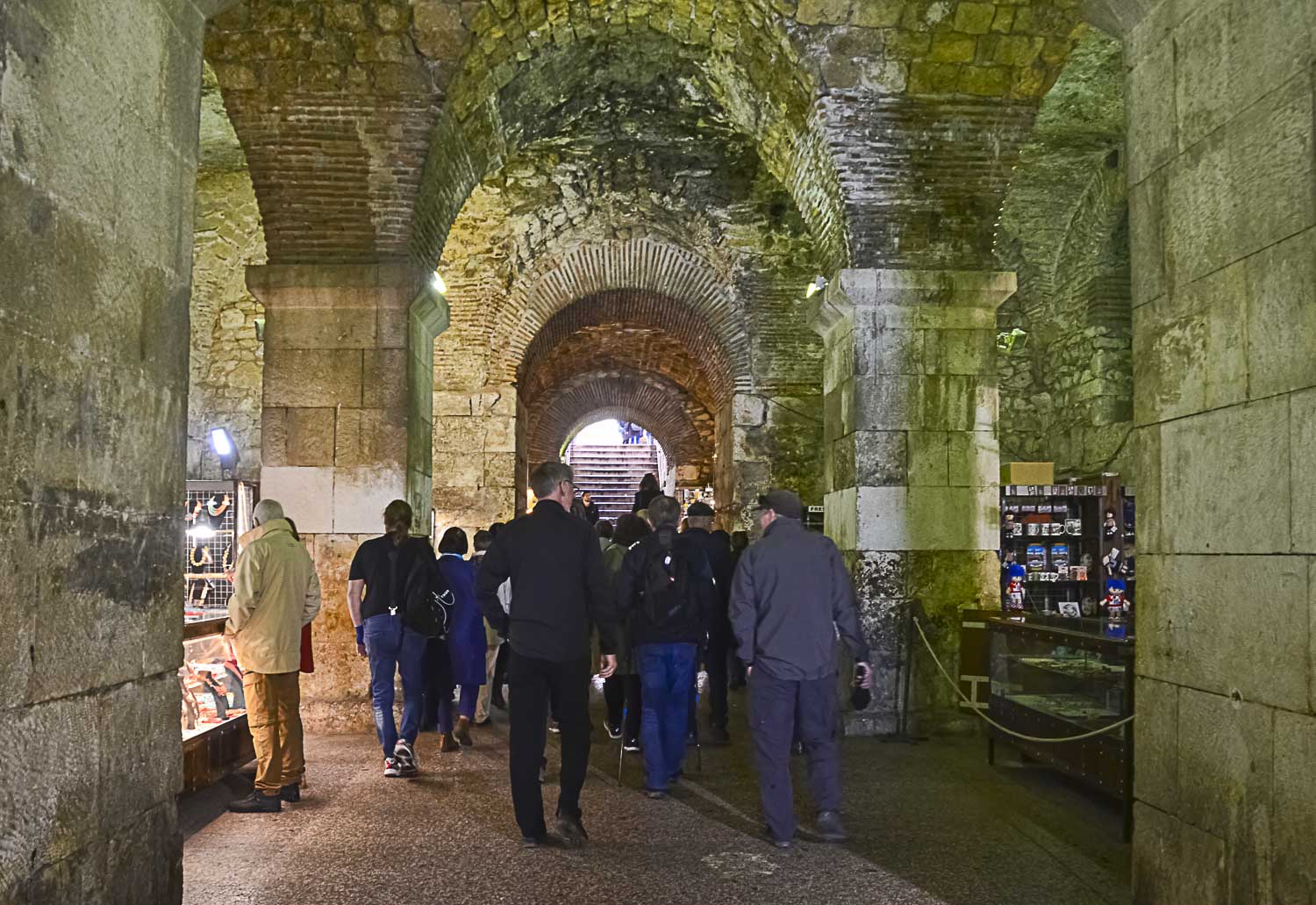
Diocletian’s Palace was built for the Roman emperor Diocletian at the turn of the fourth century AD, which today forms about half the old town of Split, Croatia. It is referred to as a ”palace”, but the term is rather misleading as the structure is massive and more resembles a large fortress: about half of it was for Diocletian’s personal use, and the rest housed the military garrison.
The construction of Diocletian’s palace is assumed to have begun around 295, and the ground plan of the palace is an irregular rectangle measuring east: 214.97 m, north: 174.74 m, south: 181.65 m

There is a legend, probably from the 10th century, telling how Croatian king Držislav (named King Solomon), captured by the Venetians, played a chess match to gain his freedom. He won all three parties and was set free, and in some versions, he also got power over the Dalmatian cities. Thus, the chessboard ended up in the Croatian flag.

The northern gate is one of the four principal Roman gates into the Palace – originally the Main gate (the Golden Gate) from which the Emperor entered the complex. The gate is on the road to the north, towards Salona, the then capital of the Roman province of Dalmatia and Diocletian’s birthplace.

The second most important gate was the Silver Gate – here seen from the monumental central square, the Peristyle, inside the palace.
The Palace was built of white local limestone and marble of high quality, most of which was from the Brač marble quarries on the island of Brač, of tuff taken from the nearby river beds, and of brick made in Salonitan and other factories. The stones we walked are the original ones – which gives you quite the feeling and perspective!
As the world’s most complete remains of a Roman palace, it holds an outstanding place in Mediterranean, European, and world heritage. Diocletian’s Palace was also used as a location for filming the fourth season of the HBO series Game of Thrones.


The old city is very much alive – not a museum.


The Palace was decorated with numerous 3500-year-old granite sphinxes, possibly originating from the site of Egyptian Pharaoh Thutmose III. Only three have survived the centuries. One is still on the Peristyle – as seen above.
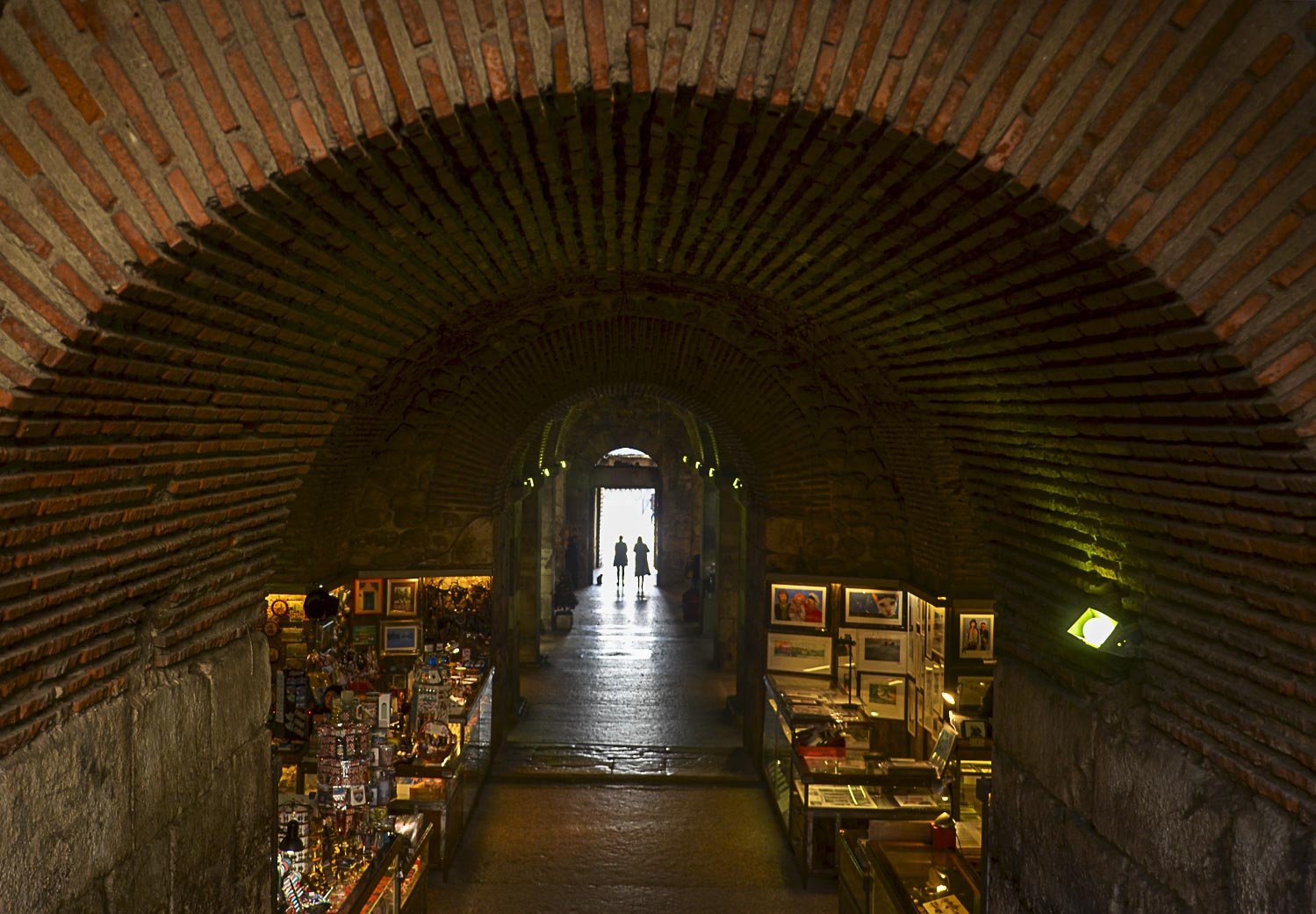
After some hours of breathtakingly being transported through history, we left by the same gate we entered, the southern gate, where the emperor used to arrive by boat. As we already had noticed, today’s modern sphinxes rule the city – the cats. This sphinx sitting on the left hand side – watching you arrive and watching you leave.

Surely he has got the true sphinx look !
Now we are looking forward to seeing Your very special spot shots – maybe a room in your home, a garden, a mountain, a city, an exhibition, a lovely café…a place that is special to you!
Thank you for so generously sharing your own 2019 with us! We have enjoyed so many interesting galleries – and it was so hard to pick just some of them, but…
Have you seen these:
Sue’s eclectic gallery
From Beyond the Window Box and Judith we get gardening and beautiful views of Berwick upon Tweed
Paulie of The Life in My Years shares some stunning memories – and life lessons – with us
Su Leslie sends a glorious gallery from New Zealand
Davide‘s gallery will surprise you
Be sure to link to my original post, (Links posted within the Reader are not working correctly) and to use the Lens-Artists tag to help us find you. And, of course please visit Amy’s blog next week for Challenge #79!
As always, Patti, Amy, Tina and I hope you will join us.
This is Pur Pur, another magical restaurant In Tbilisi, Georgia.

A bit hard to find though – in the middle of this big construction site called – Tbilisi. Luckily there were some signs on the way…
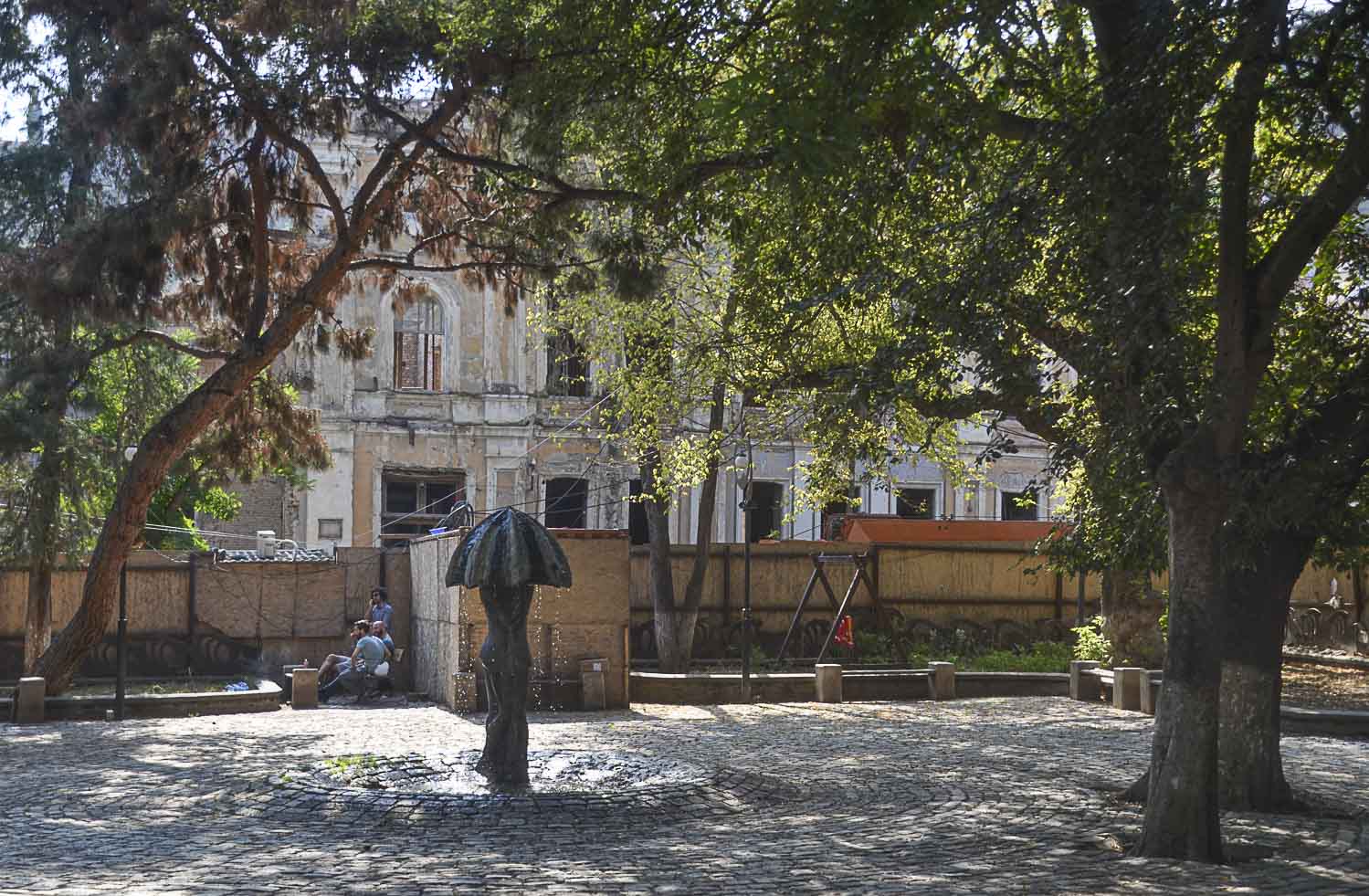
…so, finally we found Pur Pur, in the old town area. Resting close to a peaceful park –
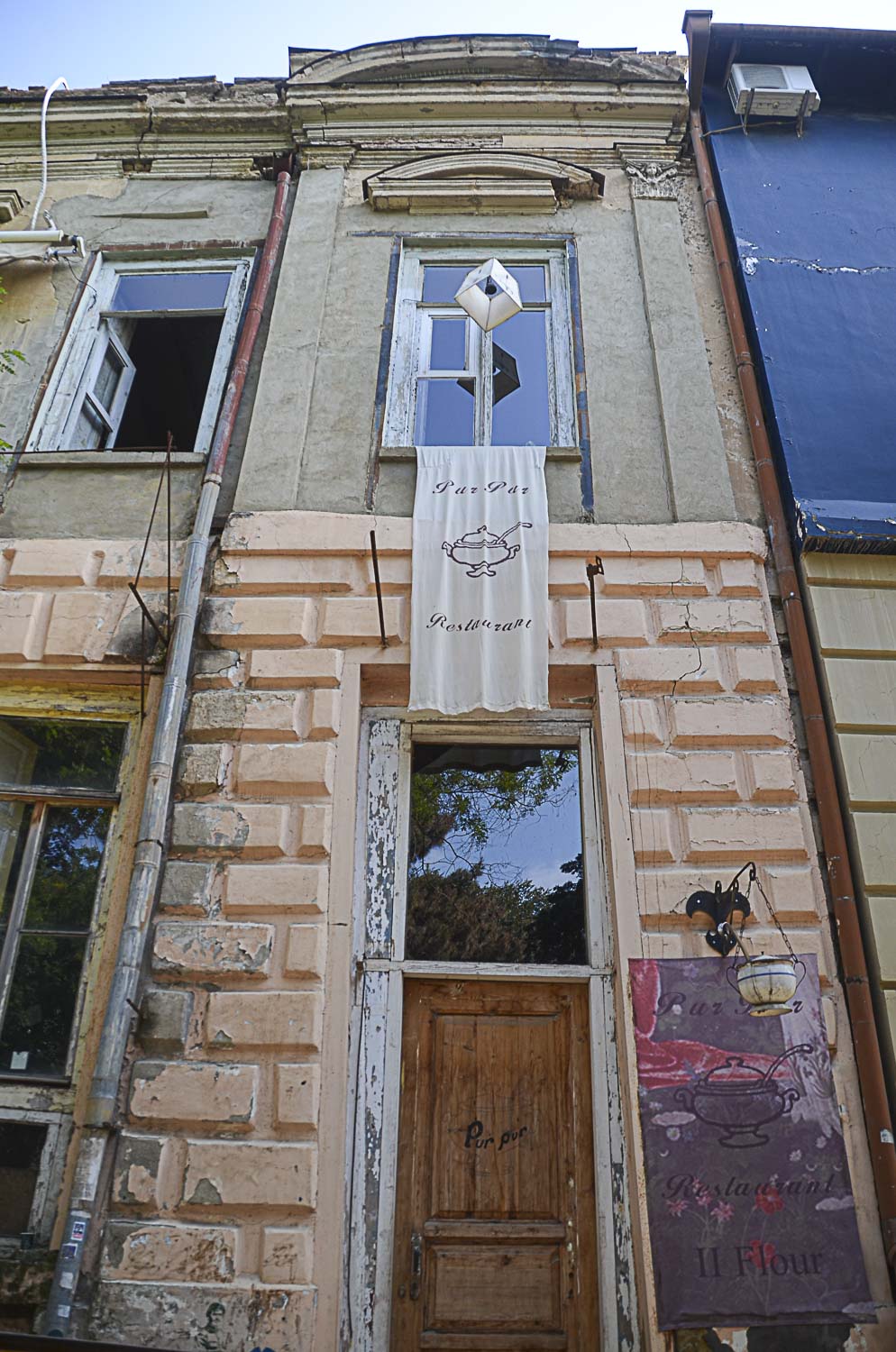
– leaning against another house, it was one of the last houses still standing. Just open the door, walk slowly up the stairs, enter the room, and you will be enveloped in its warm, rich and creative atmosphere!


Their food is delicious, and so is the Georgian wine. We got the blue table by the window, where we had our farewell dinner, saying goodbye to a very special country, a very special city and a very special people.

If you ever find Pur Pur while roaming the world – (it might not be found in the same house by then…) I do recommend you to drop in – and not only for the food and the wine. You will leave a richer person than you first arrived here.


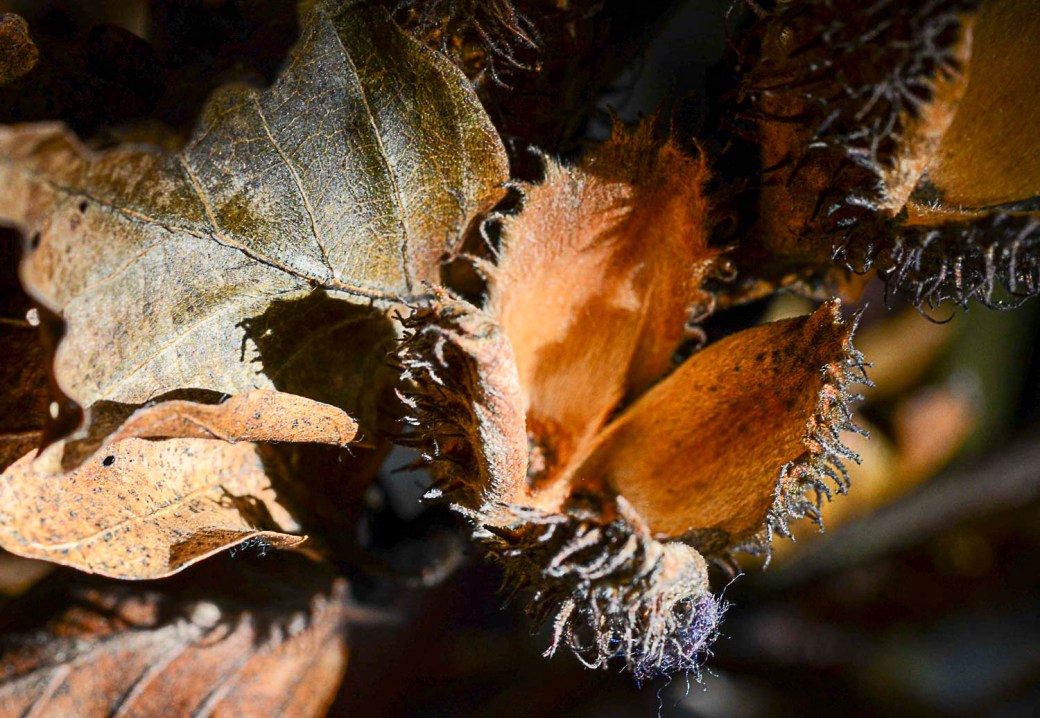
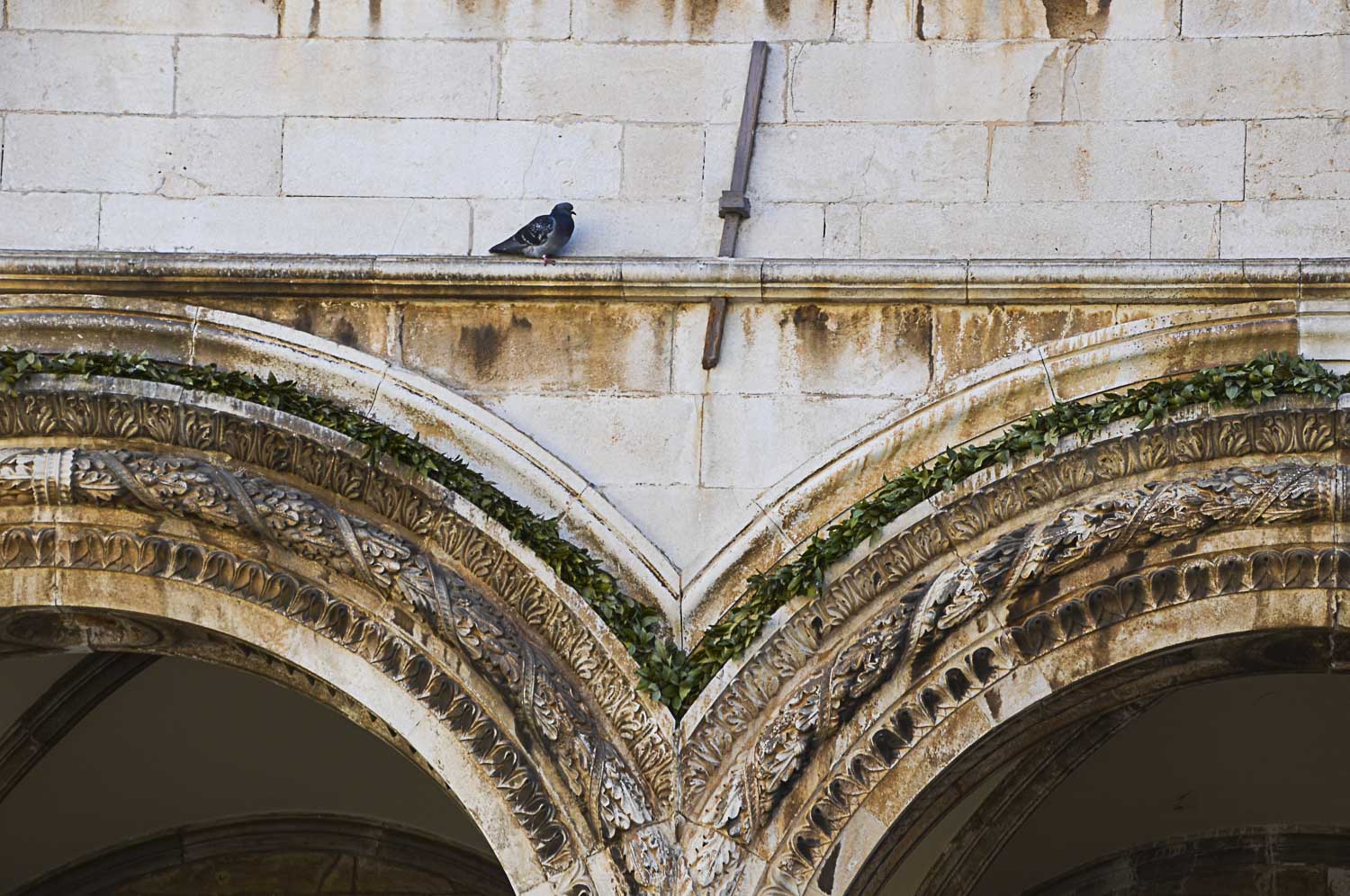
For our last Lens-Artists Photo Challenge of 2019, Patti suggests we look back at our year in images. Here are my favorites, starting in January and finishing in December. Which ones are yours?

January, Sweden
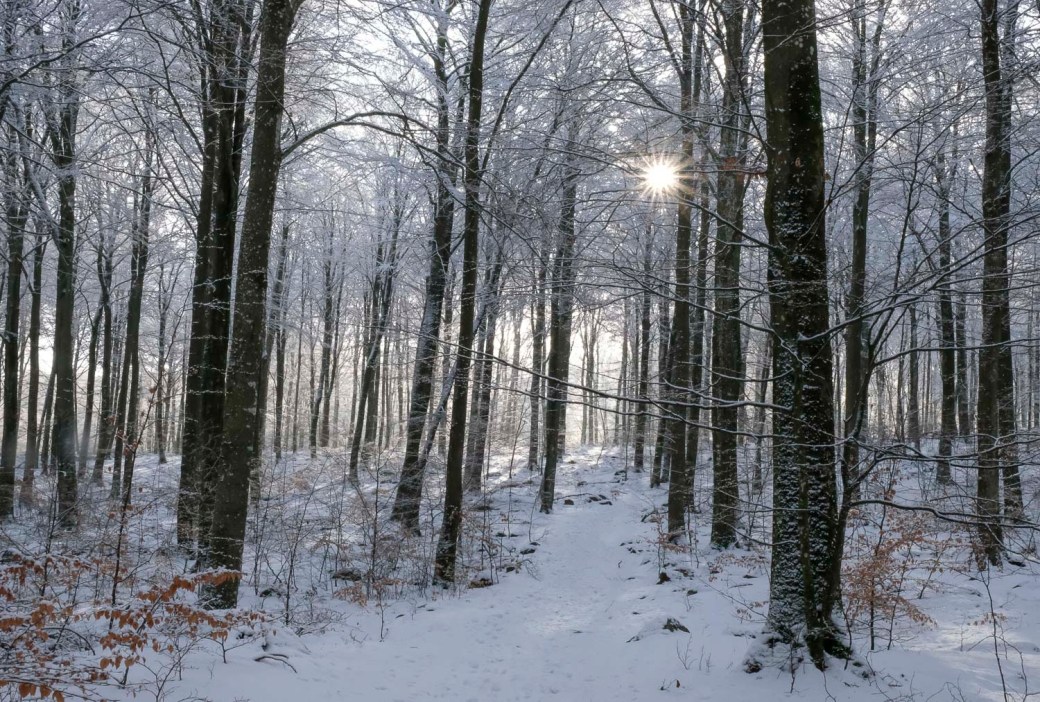
February, my forest, Sweden

March, Umeå, Sweden

April, Holland, the flower exhibitions at Keukenhof
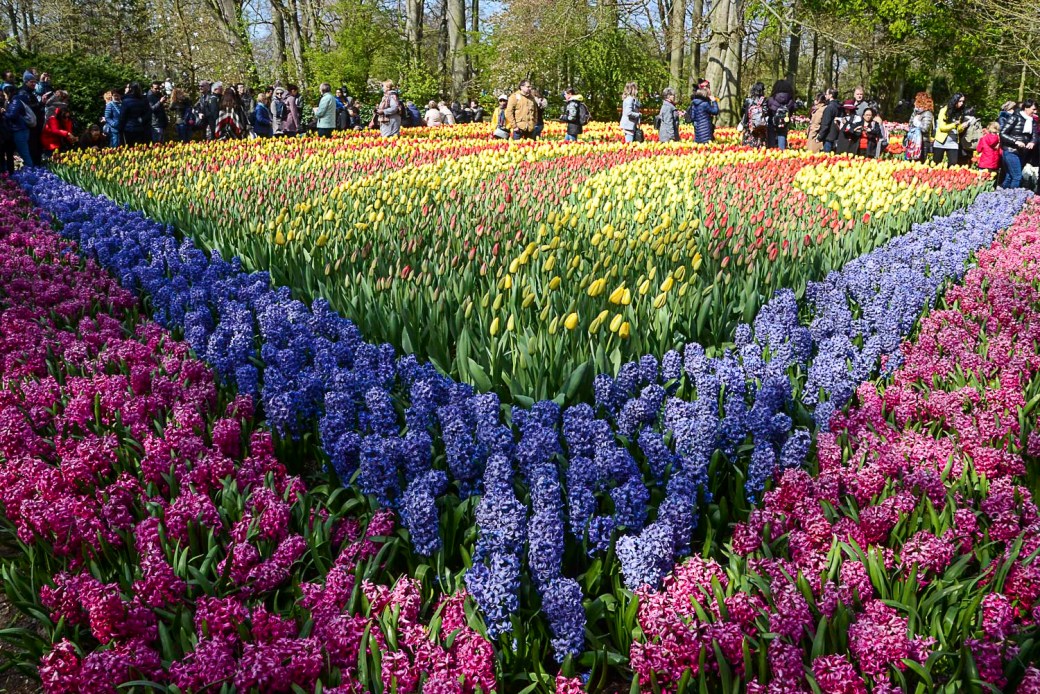
Hyacinths and tulips, Keukenhof
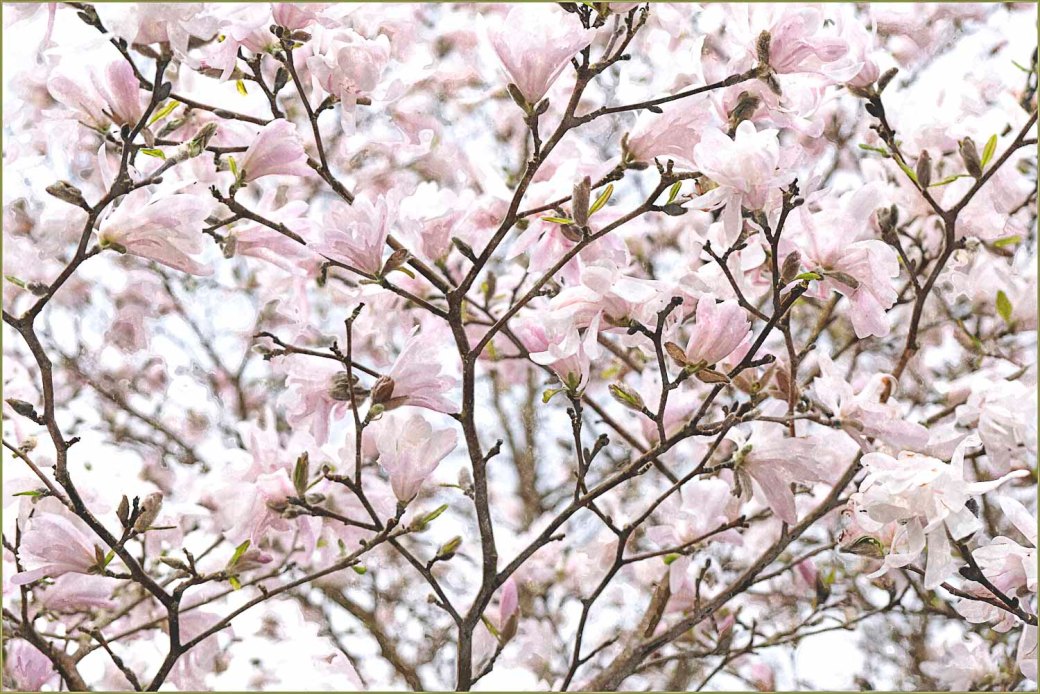
May, my garden, Magnolia
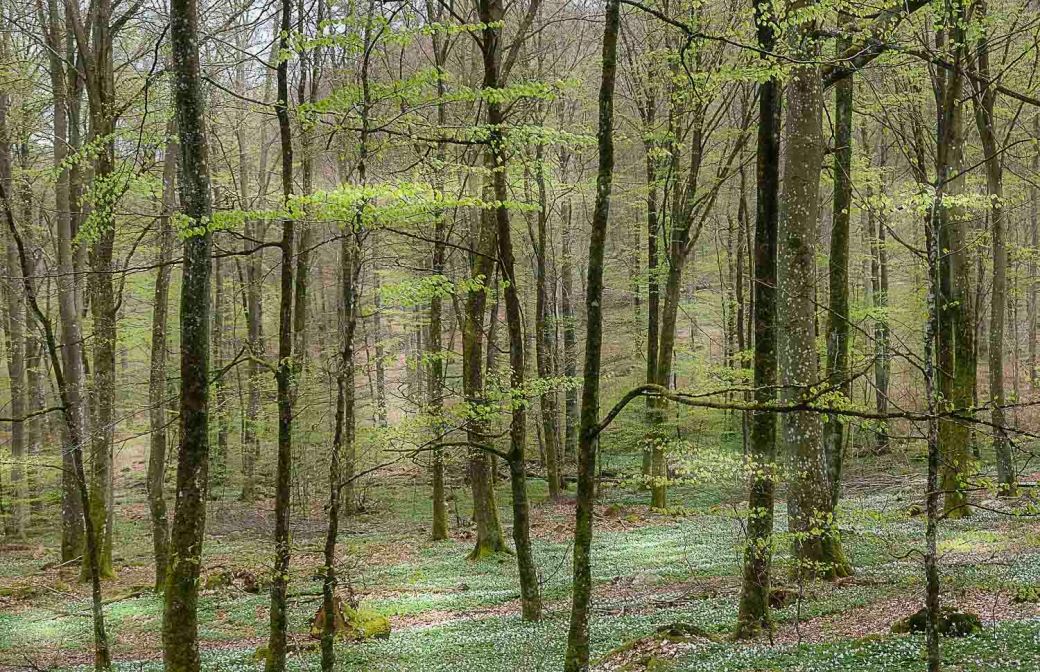
May, spring forest, Sweden
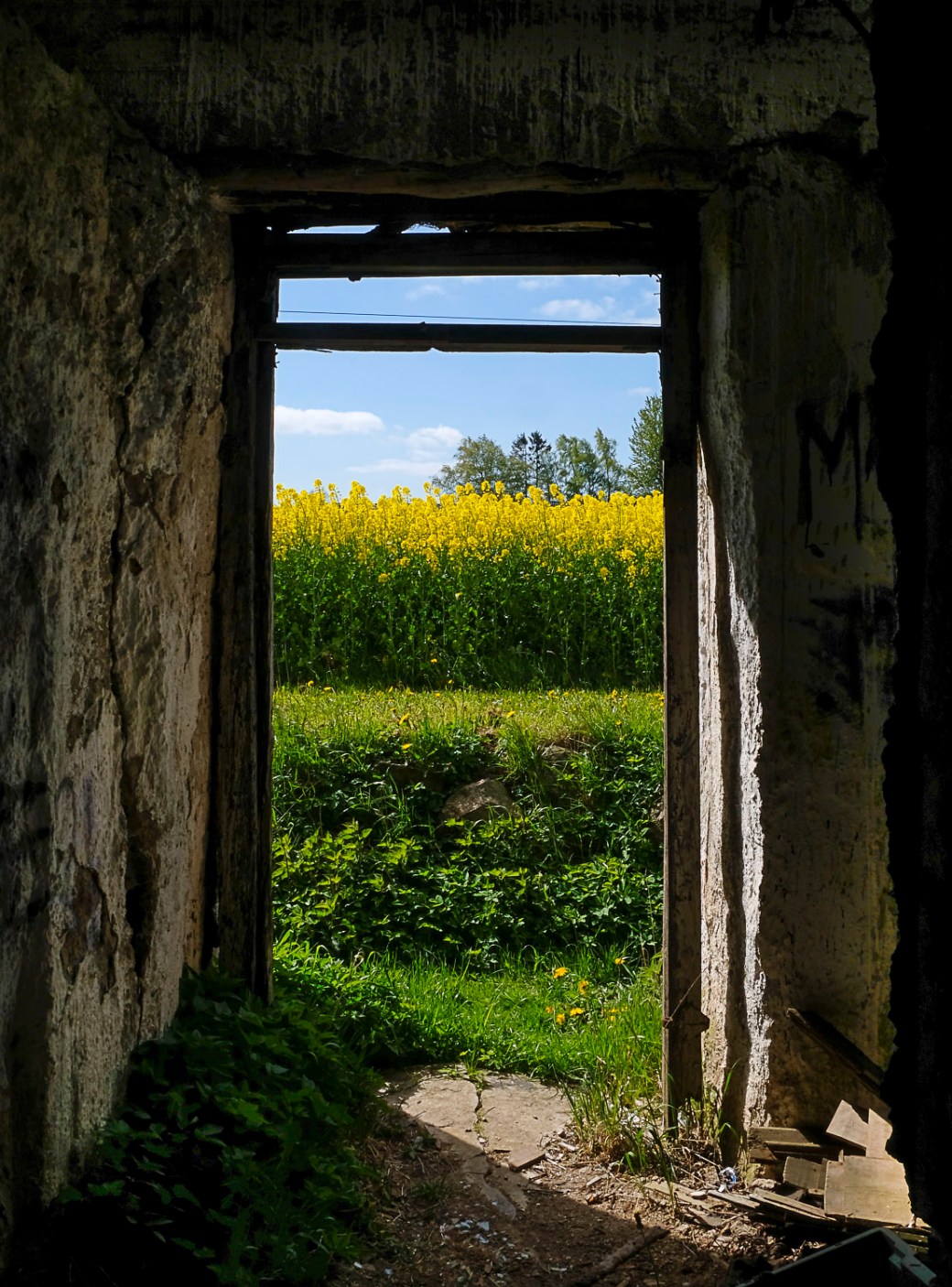
May, Söderto fortress, Sweden

July, The Sun Voyager, Iceland
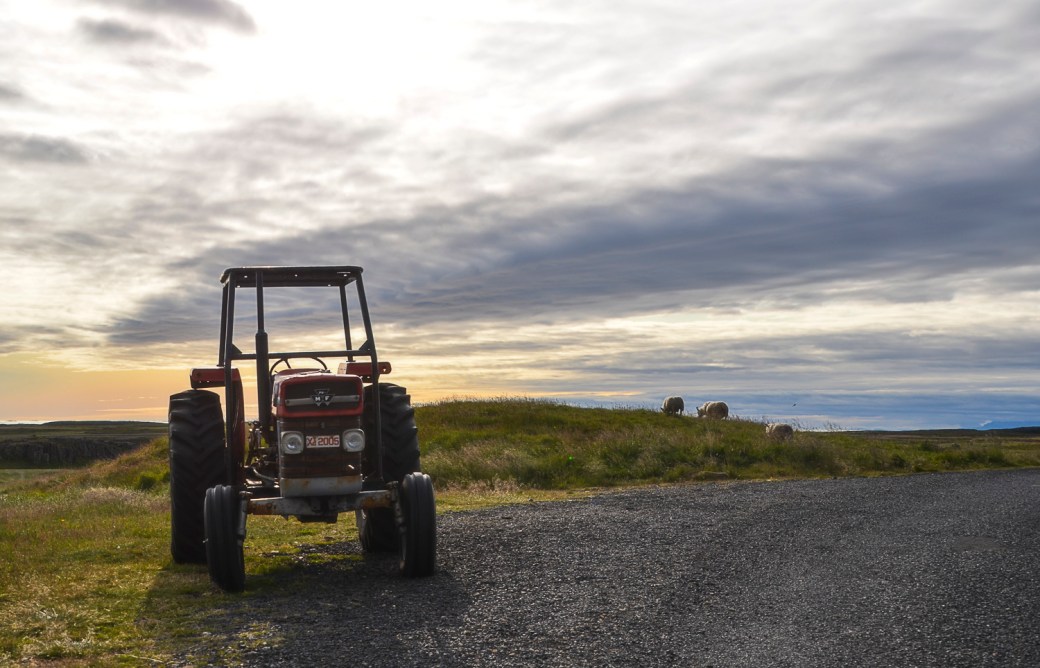
Iceland
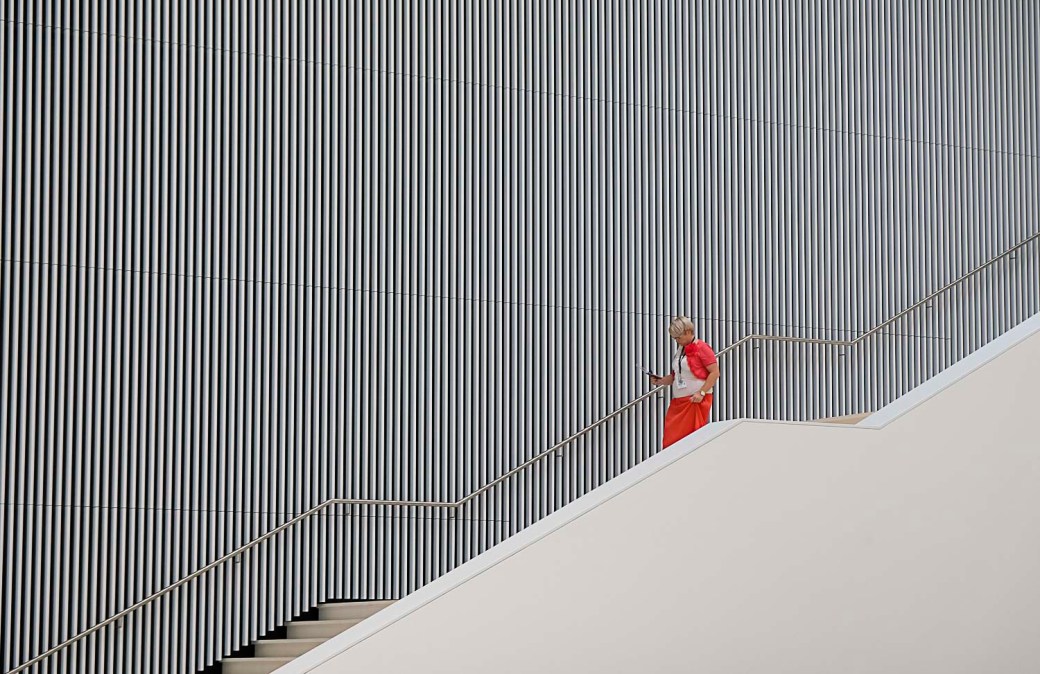
August, the Concert Hall, Stettin
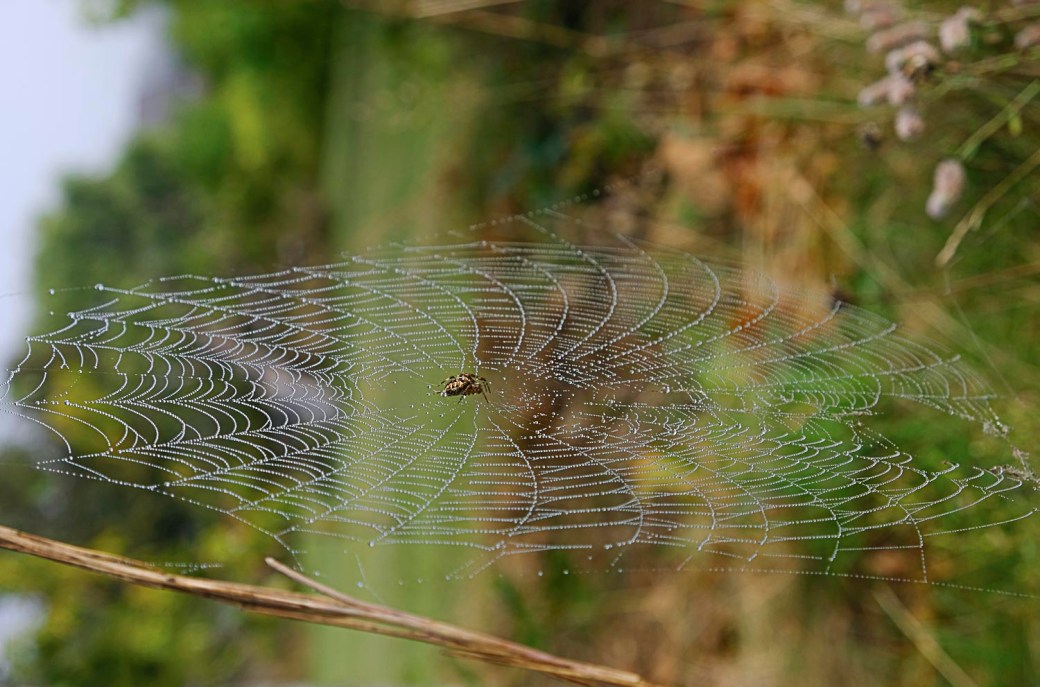
September, My garden
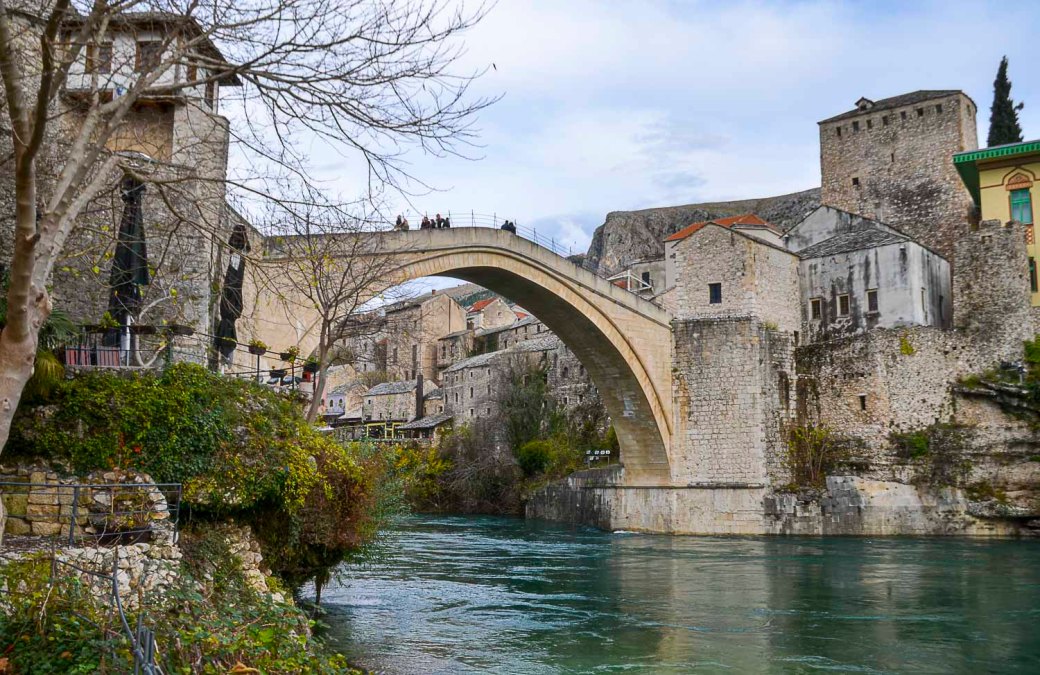
December, Bosnia and Herzegovina, the Neretva River and Stari Most
We hope you will join in this week for Lens-Artists Photo Challenge #77: Favorite Photos of 2019. Just add a link to Patti’s post. (Links from the Reader are not working correctly.) Use the Lens-Artists tag to help us find you.
As 2019 draws to a close, we hope you have enjoyed our photographic adventures together – and that you will continue enjoying it! You’ve helped us create a marvelous creative “space” here on Word Press. Patti, Amy, Tina, and I truly thank you for your support.
Wishing you and your loved ones a joyous, healthy, and happy new year! Stay tuned for my (Ann-Christine’s) first post in the new year (#78) on January 4th, 2020.


Du måste vara inloggad för att kunna skicka en kommentar.