Paula’s Trio! Not half as cute as her puffins…but they inspired me.

Yellow naped Amazon – Walsrode bird park

Paula’s Trio! Not half as cute as her puffins…but they inspired me.
Yellow naped Amazon – Walsrode bird park
Cee’s Black & White Photo Challenge: Patterns
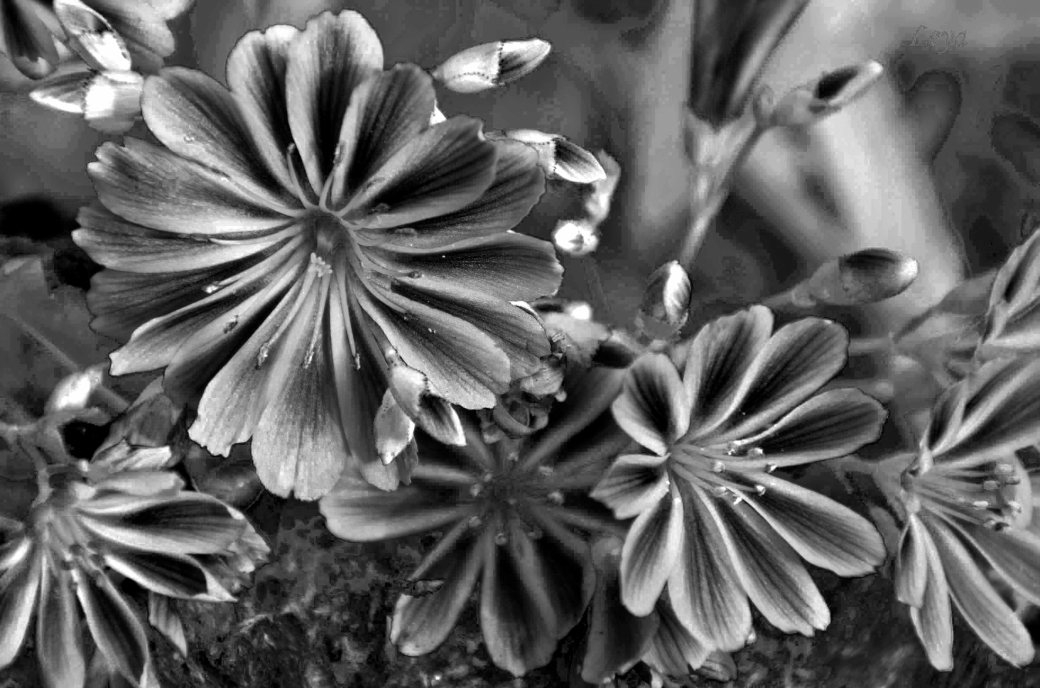
For Cee this week – a tiny, but very expressive flower. Usually bright pink or yellow.
On my forest walk yesterday, with a friend (and no Totti), we met a real charmer – Sally!
Sally Lagotto is a typical Lagotto – not a dull second! Lovely style and colour, friendly, happy and a true glove thief…I had to work hard to catch her, but I hope you enjoy this little girl just as much as we did!
Being a little lady she is more slender than my Totti. She was also some years younger. A pity he could not come this day…He would have loved running in the snow with her!


Tour Guide – What do I love about where I live? Well – The beautiful nature and countryside! Including:

My garden and flowers

The animals I meet every day
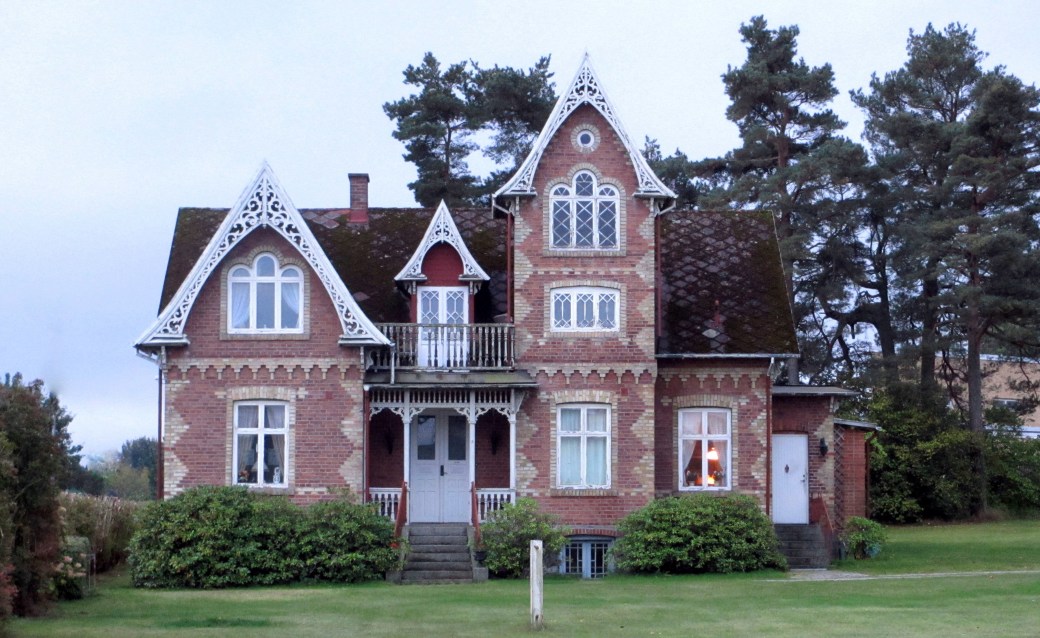
The old fairy tale villas
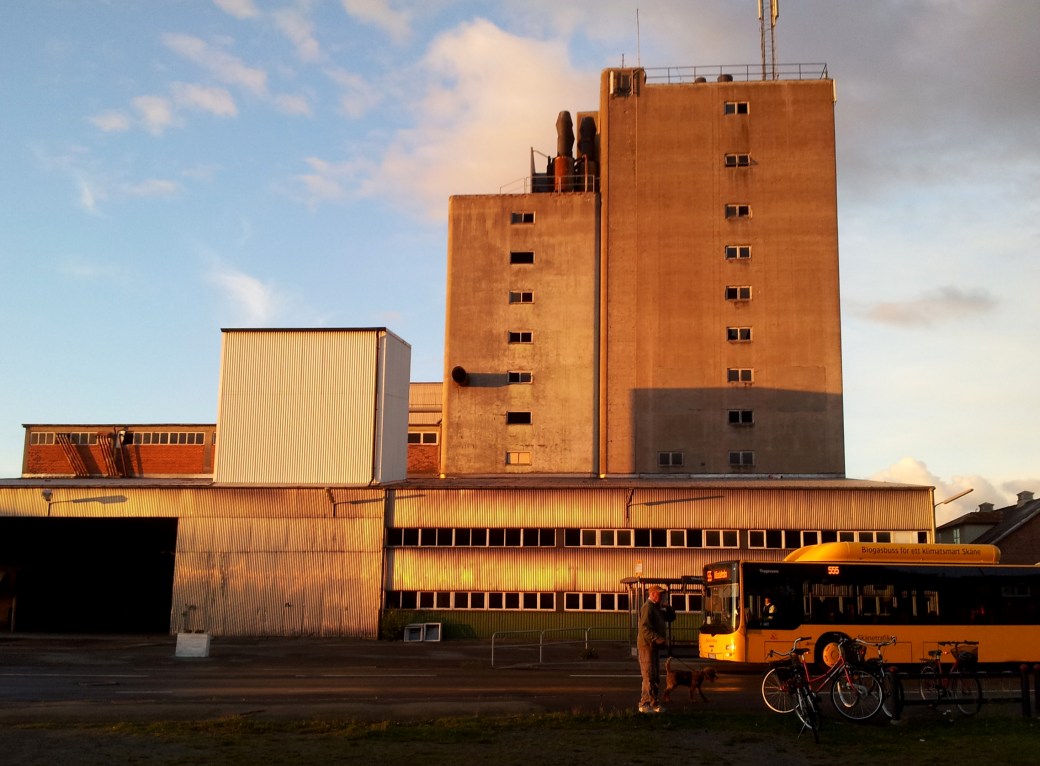 Even our ugliest old building looks beautiful in the low sun…
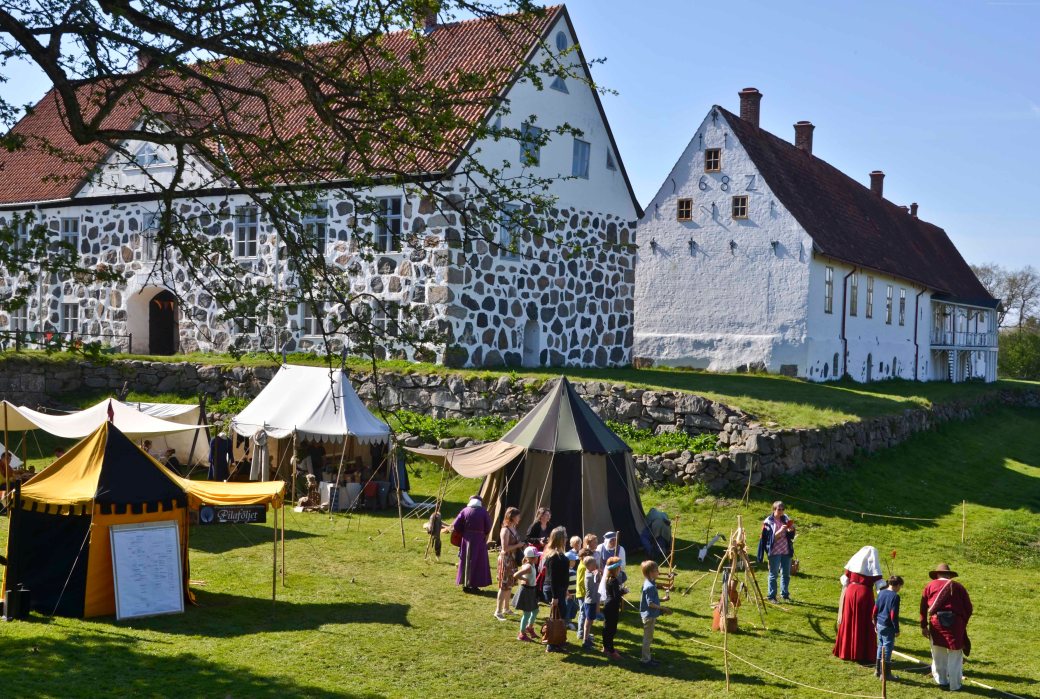
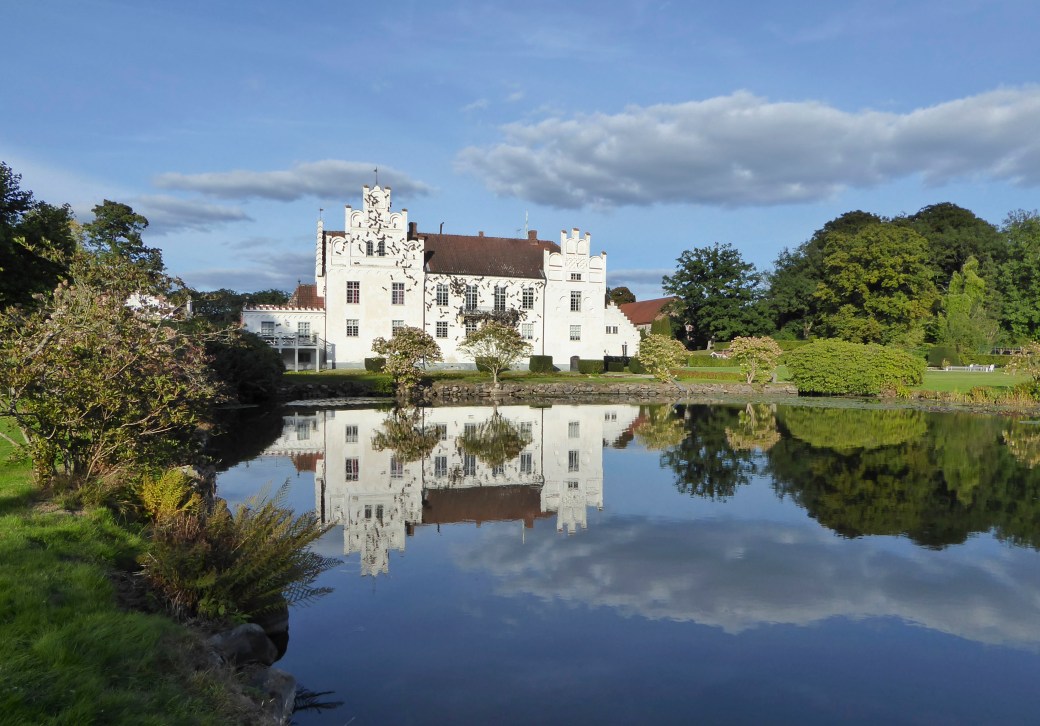
And I love our Castles, Hovdala and Wanås, always hosting spectacular art and exhibitions. Here josting and below Wanås with ants (from a South American artist) crawling over the faςade. They also have great areas for hiking and outdoor activities.
I do love this area, and I guess I would not want to live permanently anywhere else.

Why this cake?
Because my daughter loves baking smashing things just for fun!
Cee’s Fun Foto Challenge – why not join in!
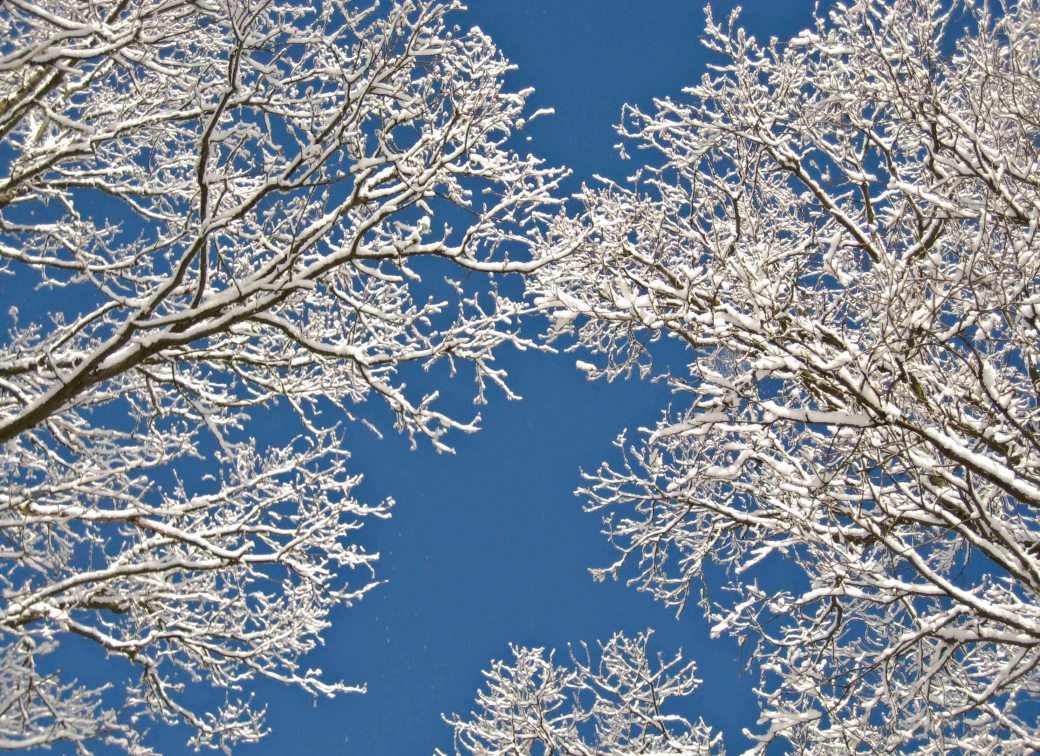 Frosty

Lily

Yellow
… just want to tell you, that this day was worth waiting for! My Day. My kind of weather.
Cold (-10 C), snow and sun. Hope you enjoyed this day just as much as I did!

Long walks, racing, digging, rolling…

…and eating ”shit” (as my master puts it…)…I find hidden under the snow…
– and then more walking again. Cannot get enough of that…

And of course – playing around, loving my family ♥♥♥♥♥
In the header – next year’s Christmas trees, practicing? About 20 cm tall.
Whenever there are a few inches of white on the ground – it is time to hurry out skiing. At least if you live in the southernmost part of Sweden. It might be the only chance you get this winter…
 Luckily, I caught a glimpse of one or two of those sporty guys yesterday. Can you find them behind the trees?
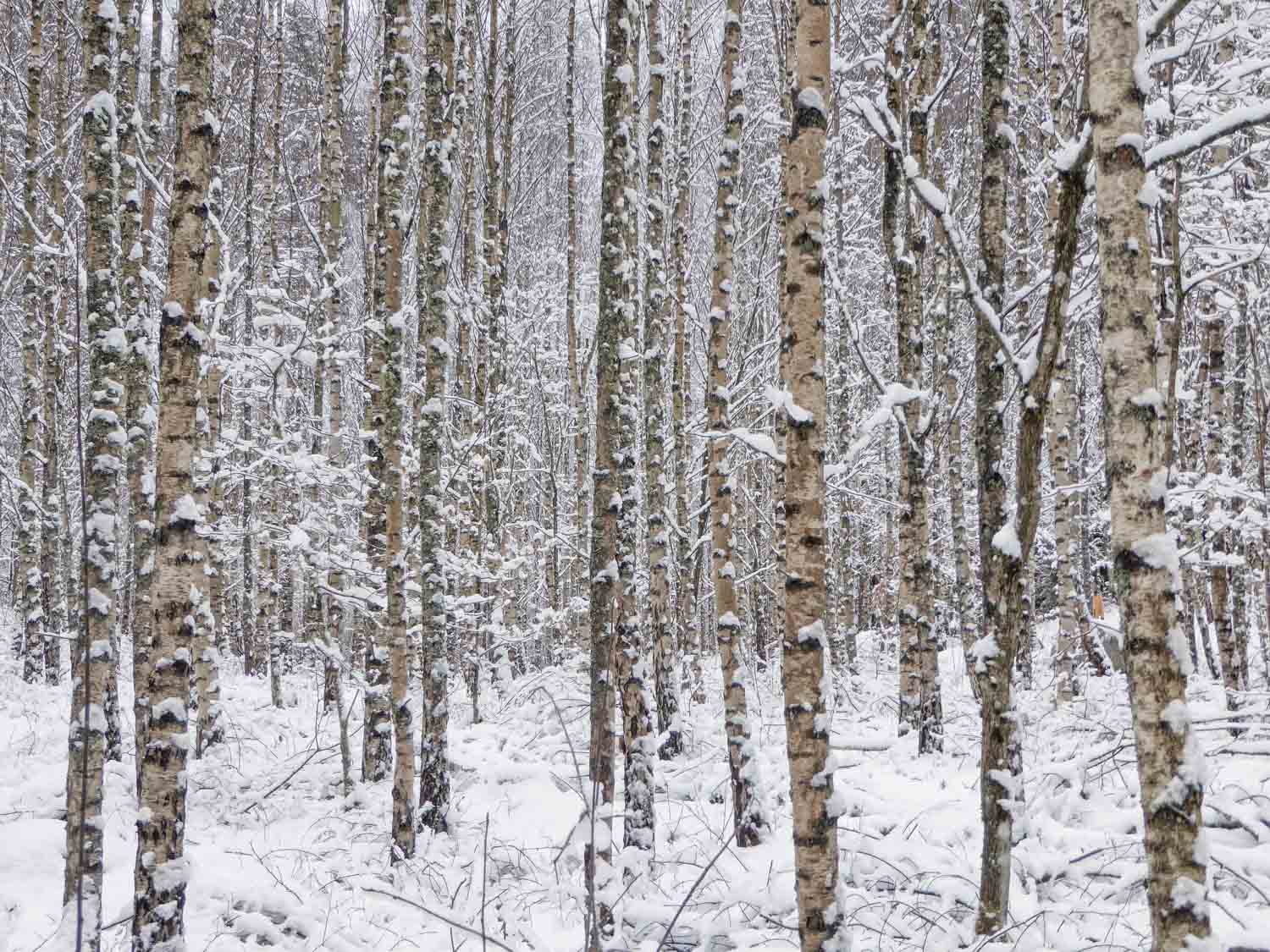
Some fluffy snow last night made for a lovely family walk today.

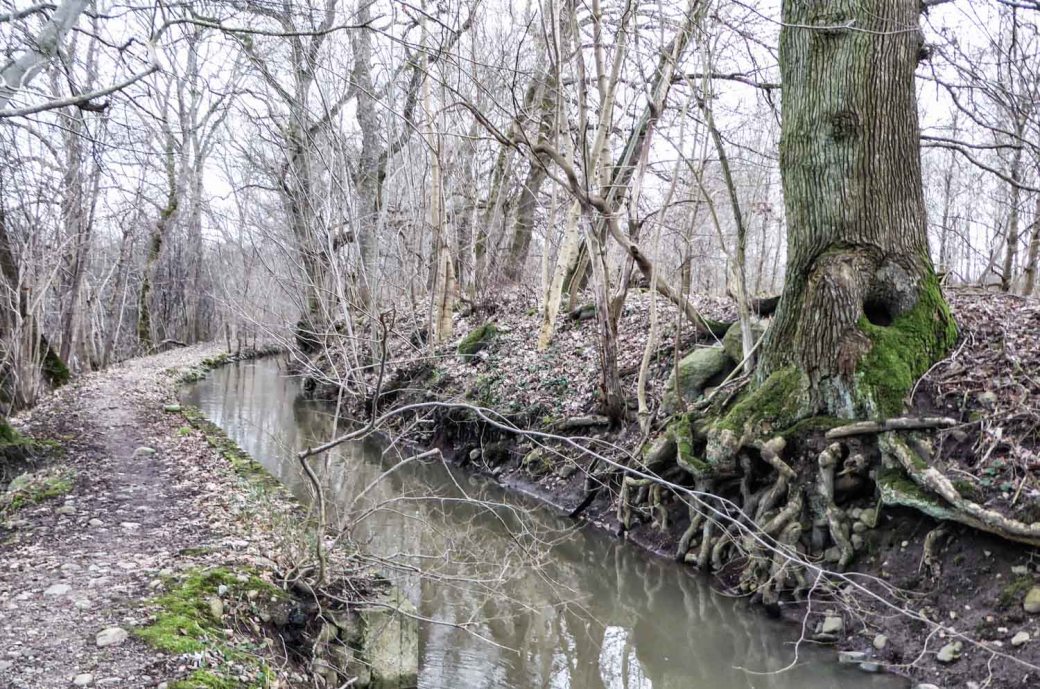
I love it when there are layers of forest colors and different tree species collaborating.

They live together in harmony and they create harmony in the minds of us walking by.

On our way back to the starting point, voices rang from the meadow where my children used to play in the snow as kids. We heard a young family with two children. These two had climbed the fallen giant (see the header), pretending it was a ship. I stood listening to them, smiling. My son too. Then he said: ”I wonder when we start losing that magic ability…it should stay with us forever. I am sure we all would feel better inside.”

My camera battery was gone – so this shot is with my Samsung phone. I can still hear their laughter. And marvel at the very size of that tree. And – their imagination.


Du måste vara inloggad för att kunna skicka en kommentar.