Lens-Artists Challenge #166 – Artificial Light

Some of us are living in the Northern Hemisphere, and we will soon be in need of more artificial light as we are moving away from the sun. Artificial light means man made light, but, I also learned something new – that candles do not count as artificial light.

So, how do we use artificial light? Simply because we need it to see, to do what we need to or want to do?
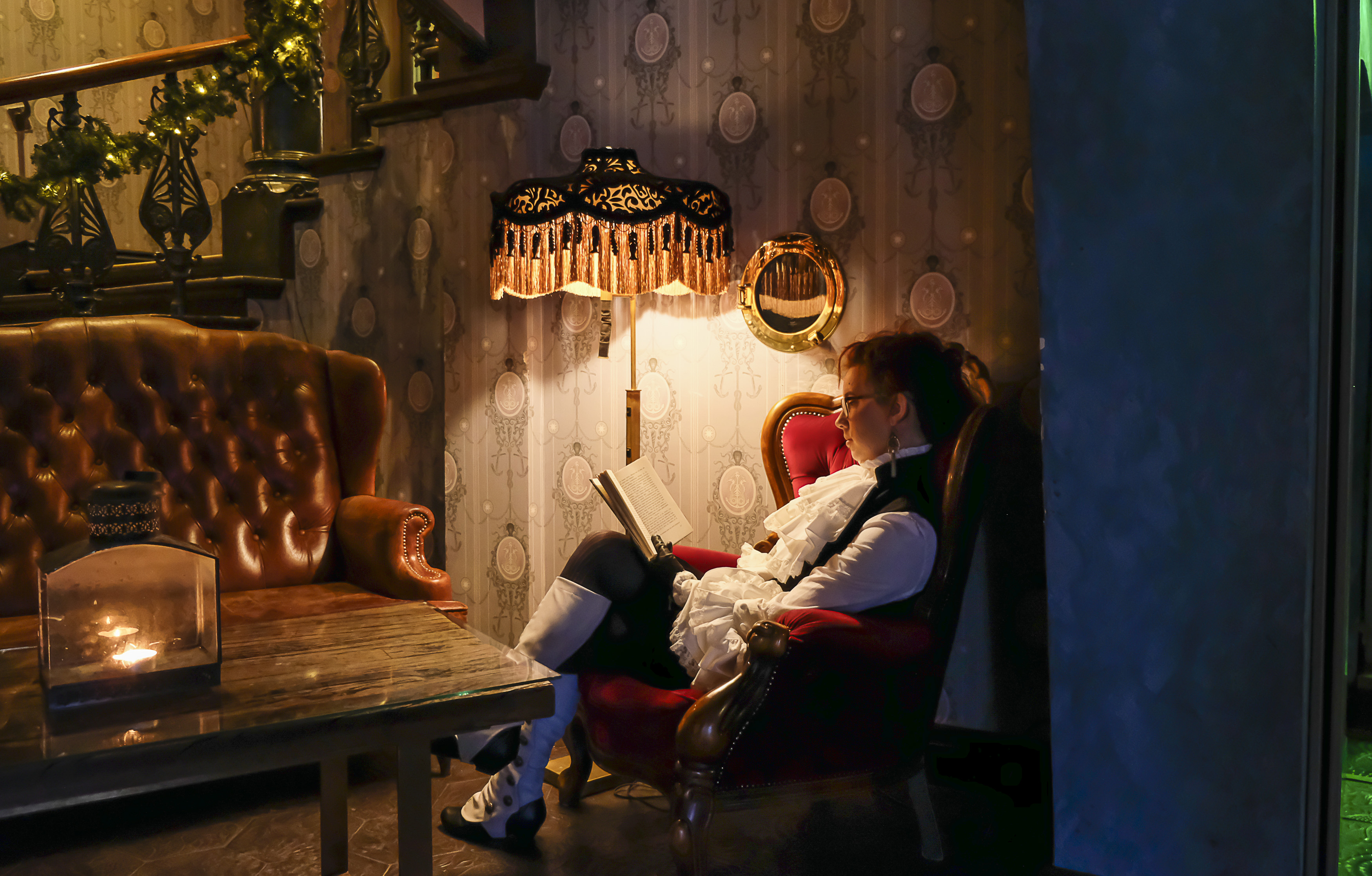
No, today we also use it for fun – for example in fireworks and for Halloween.

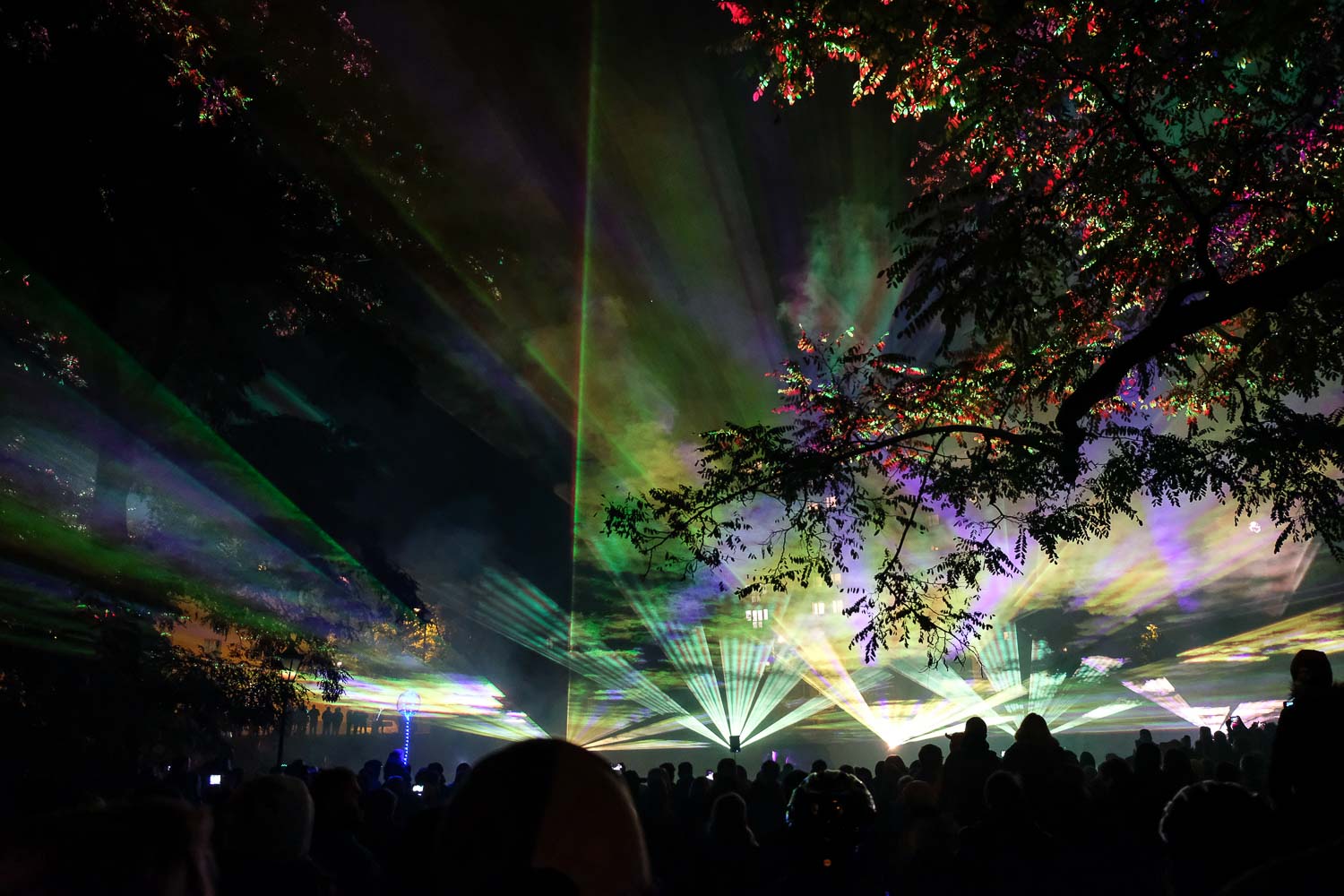
We use moving light too – here on the houses’ facades at the Lodz Light Move Festival.

And moving light – is always used in concerts. In fact I am so old, that I remember when the laser harp was made popular by Jean-Michel Jarre.

Artificial light can be used in so many art forms – this is an art walk at ARoS, Aarhus Kunstmuseum in Denmark.

Painting on Ipad instantly became a new art when the Ipad arrived some years ago – here a David Hockney at the Louisiana exhibition in Denmark.

We need light, artificial light – but, do we really need as much of it as we use? The costs can be high. The results are in many cases negative for nature and with that, also for ourselves. Newborn sea turtles die when they cannot find their way to the sea, and head towards the light of motorways and towns close to the beach. And that is only one example of many.

For some time I watch the coming of the night? Above is the glistening galaxy of childhood, now hidden in the Western world by air pollution and the glare of artificial light; for my children’s children, the power, peace and healing of the night will be obliterated. Peter Matthiessen

Thank you to Patti for last week’s fun, Going Wide, which set our eyes wide open to the world!

For this week’s LAPC #166, we invite you to throw some artificial light on things! Please use the Lens Artists tag to help us find you, and we look forward to ”seeing the light”.

Next week Amy will be your host – until then, be well and kind.
Life in Colours – Gold

Jude is digging for gold this month…

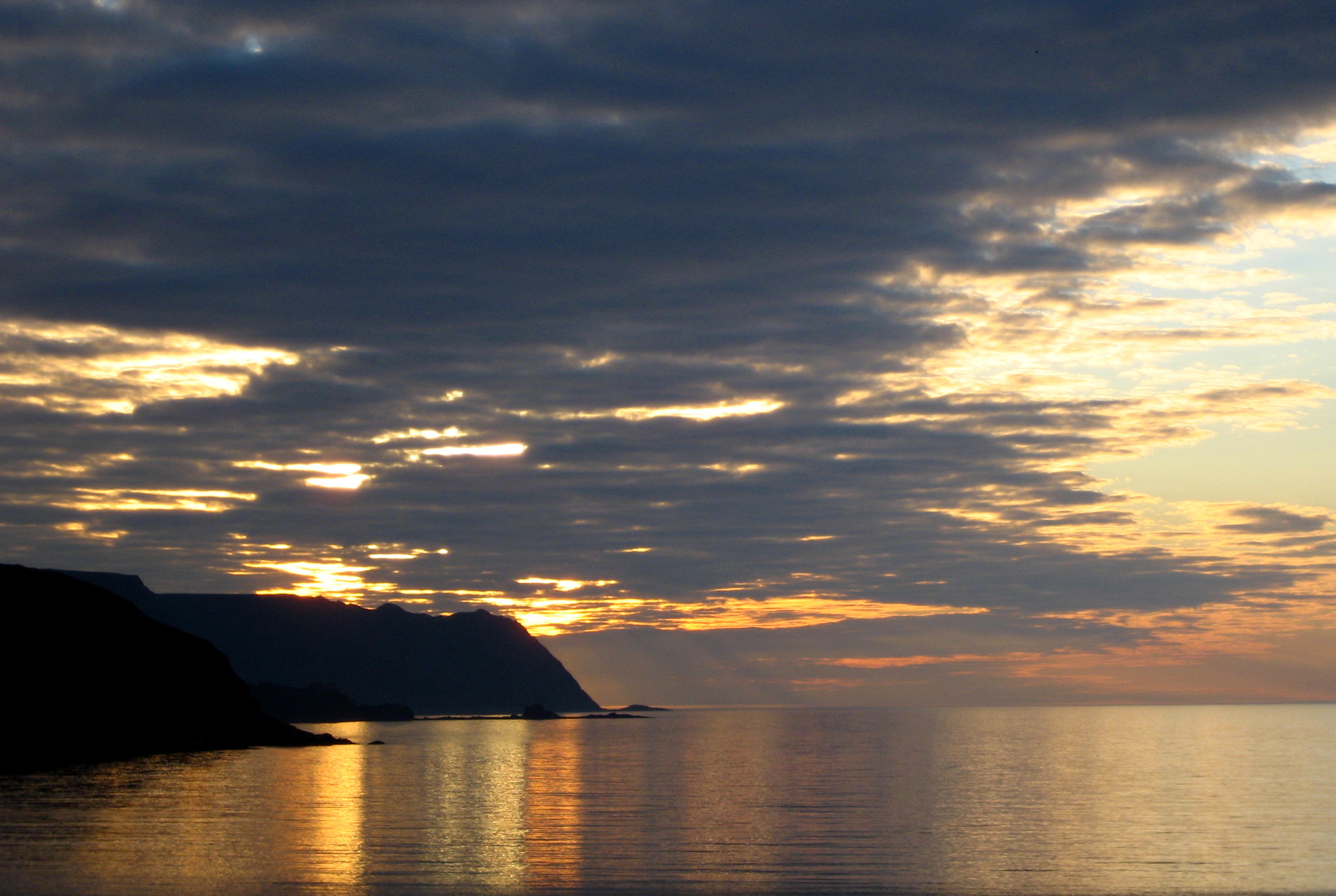
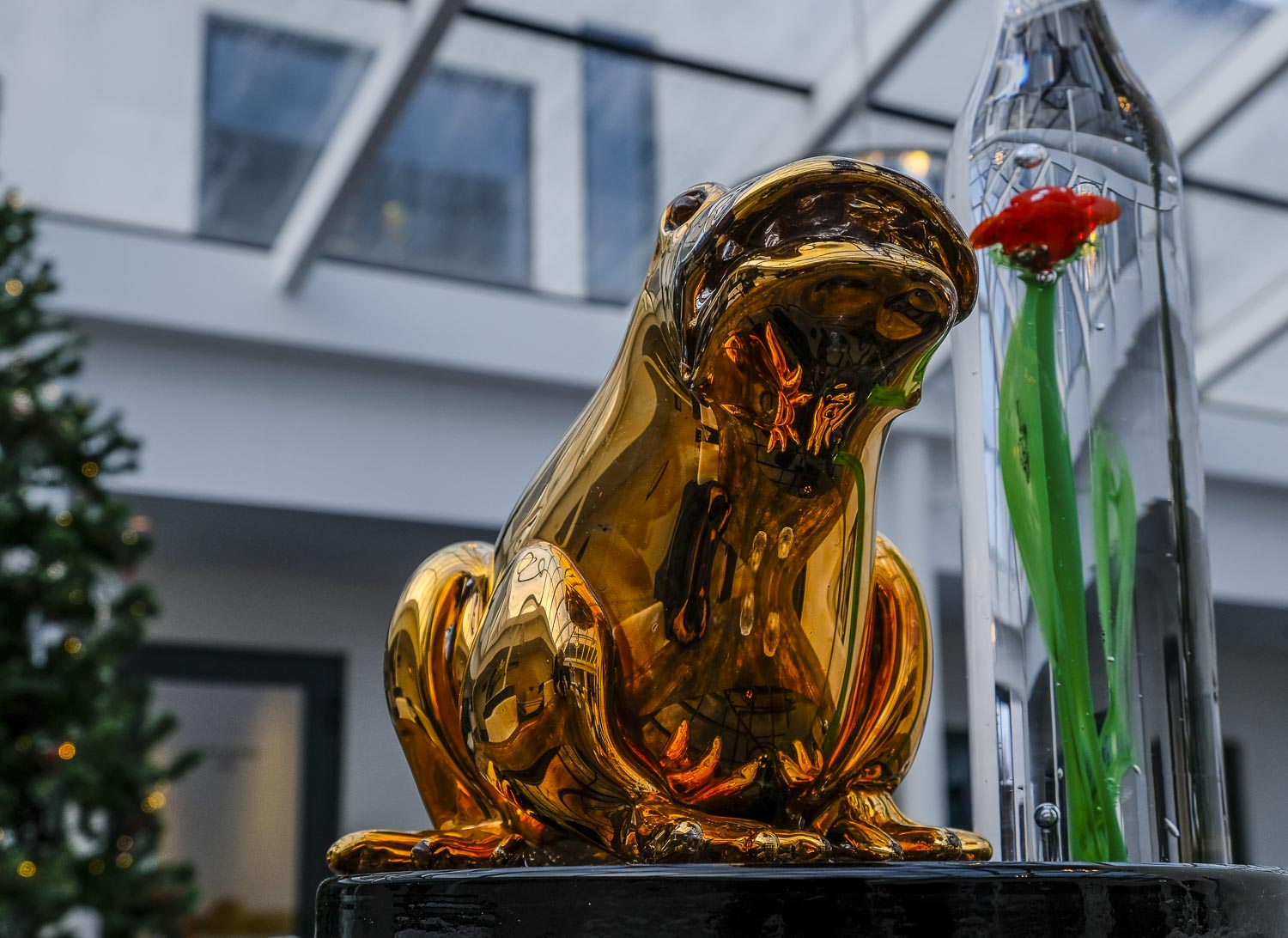
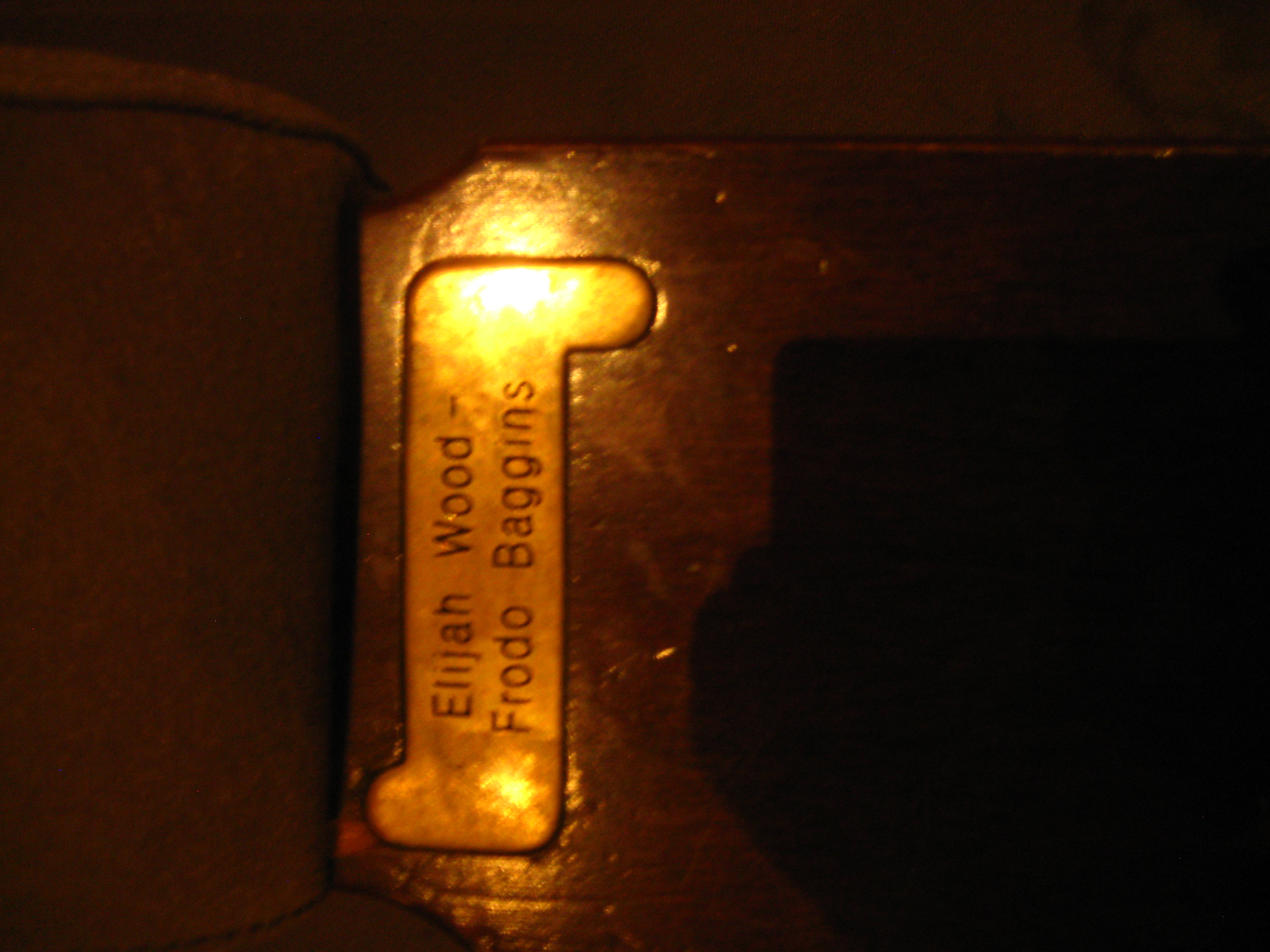
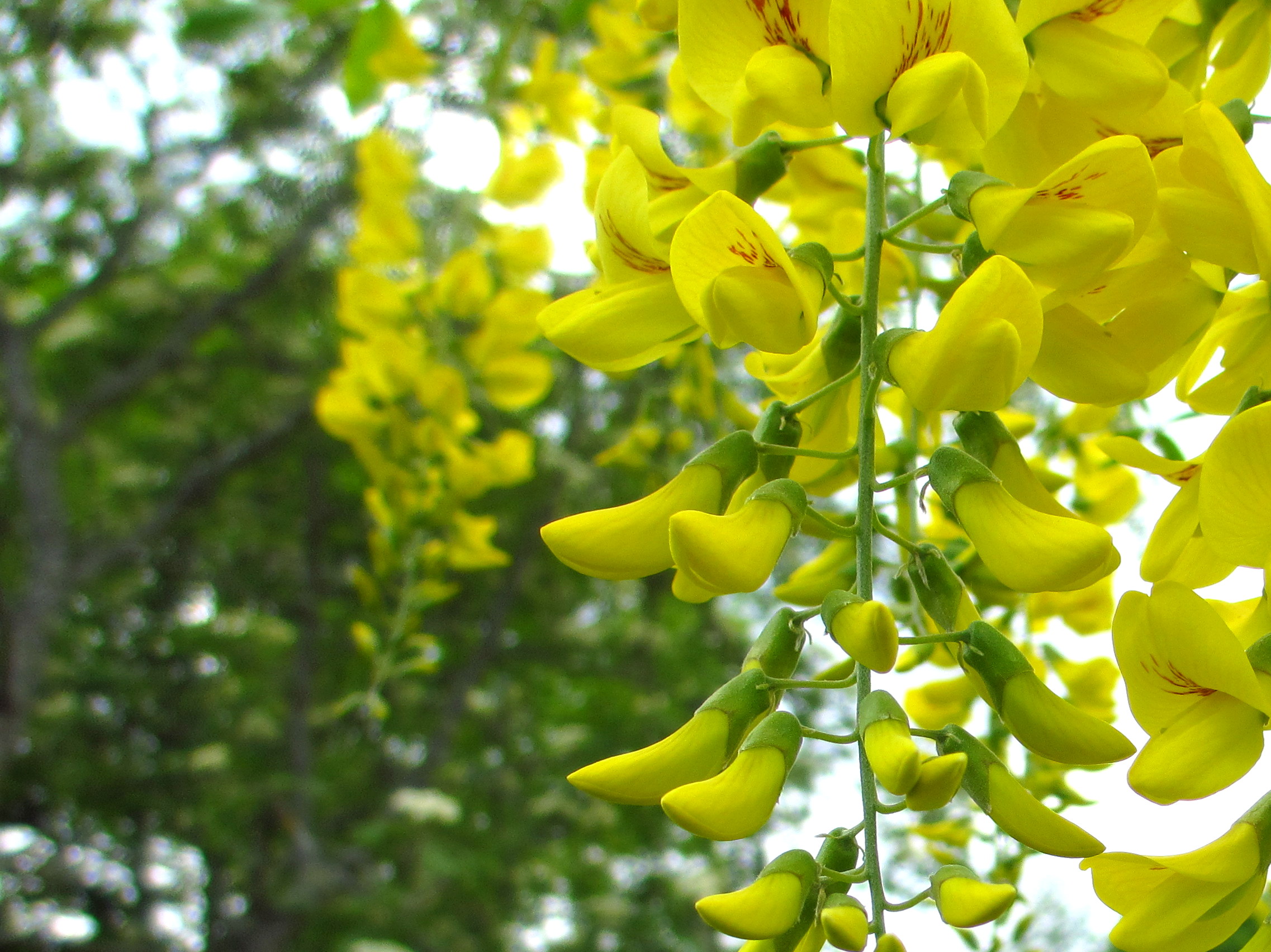
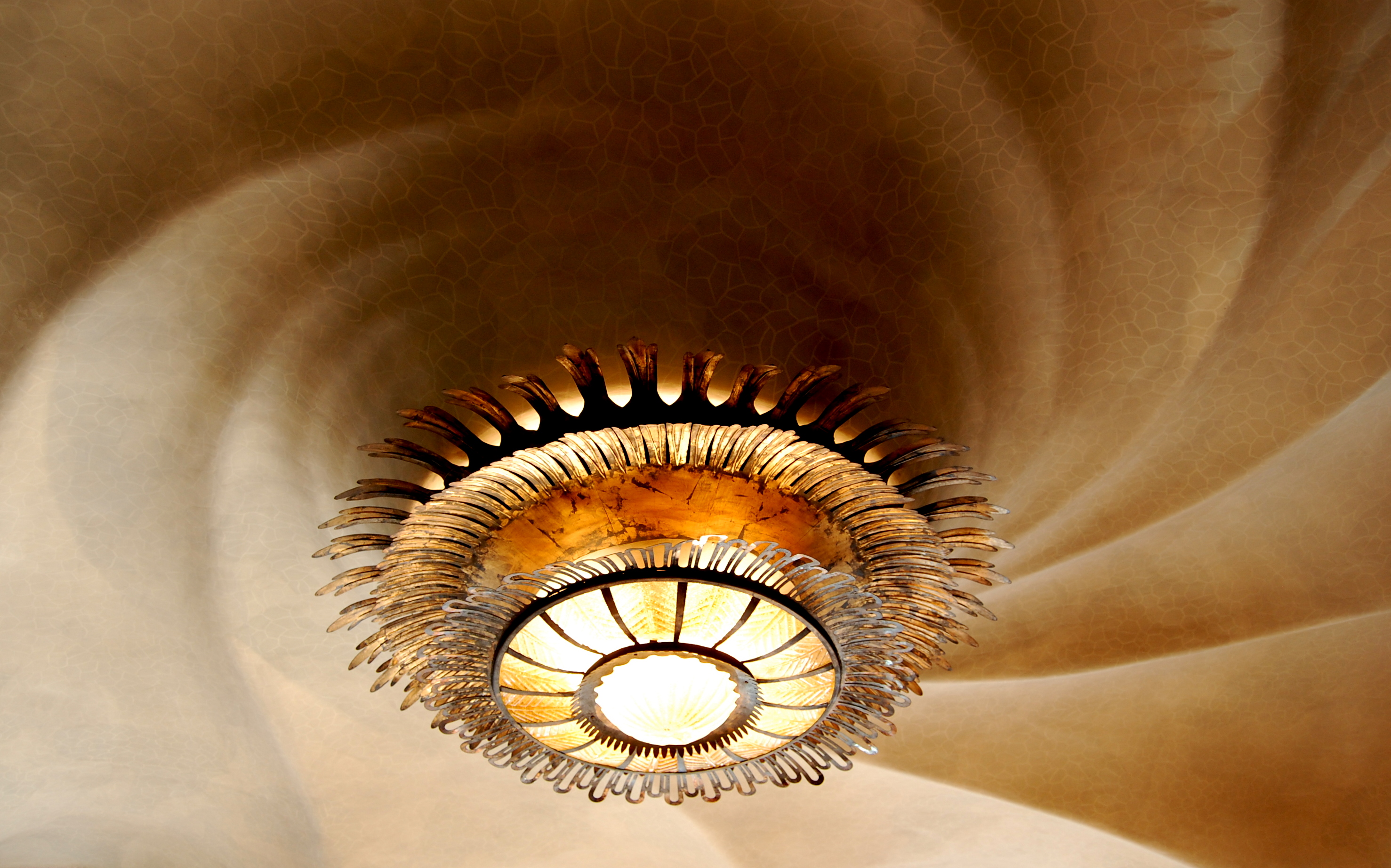
I give you a Gaudi lamp, a play with light, midnight sun, Autumn gold, the plate at the cinema chair in NZ where The Lord of the Ring first was played, a golden frog – and finally the tree we in Sweden call Golden Rain. The opener is a golden saxifrage.

Lens-Artists Photo Challenge #165: Going Wide

This week, Patti is going wide – and so are we! ”What’s a wide angle lens? It’s any lens that is below 35 mm on a crop-sensor camera or 50 mm on a full frame. The wide-angle view is perfect for capturing a broad vista like a landscape, seascape, or cityscape.”

In the opener, I had to use a wide angle in order to show as much as possible of the paper cutting – but I still did not manage to get the whole width, 5 meters, in the same picture.

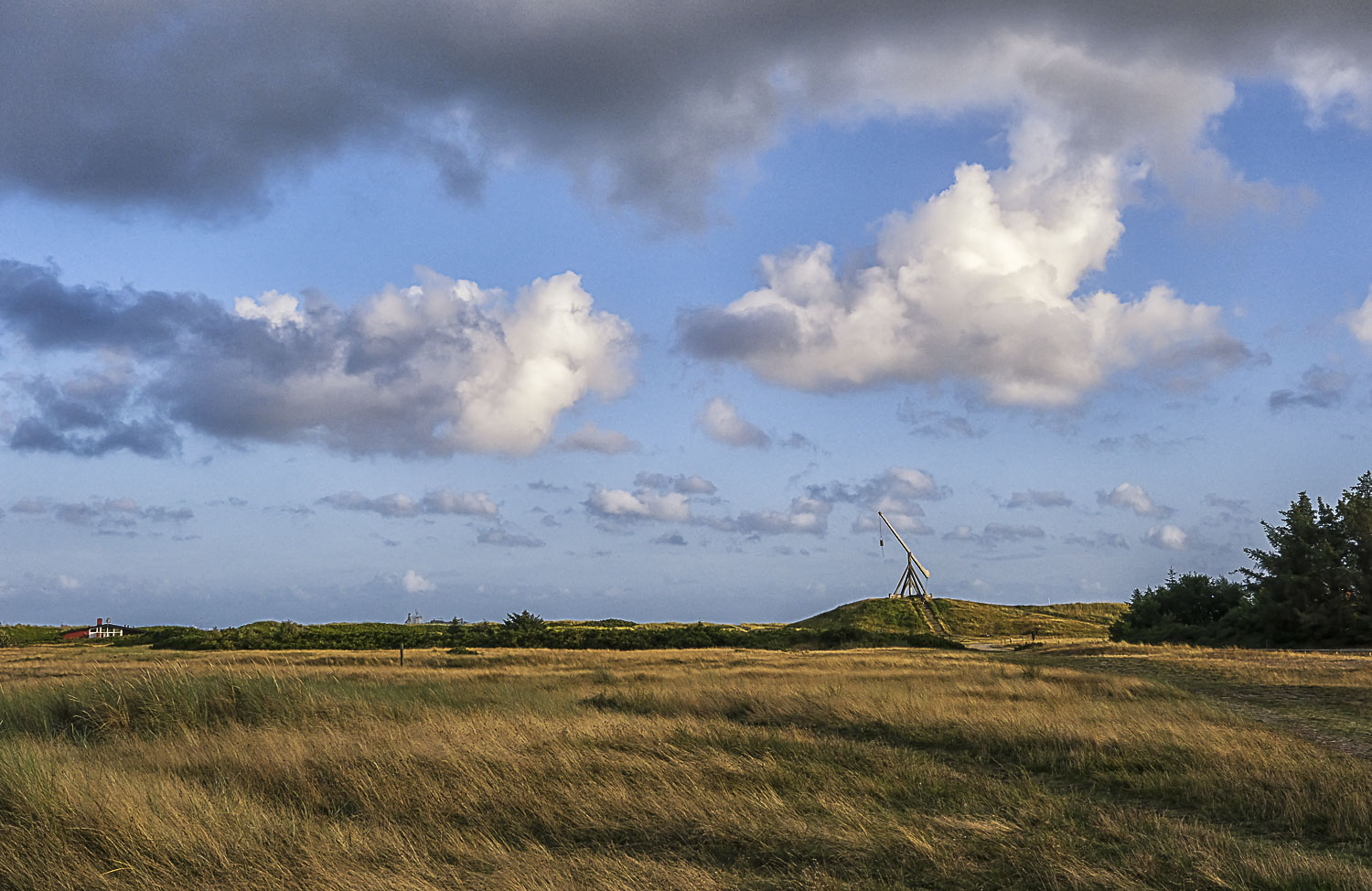
My first example is of an old ”light house” in Skagen, on the east coast of Denmark. Ca 1625 ”vippfyren” was invented by the Dane Jens Pedersen Grove of Elsinor. Vippfyr could be translated as ”tilt light house”, and worked via a lever lifting a metal basket with an open fire. The first of these innovations were set in Skagen, Anholt and Kolabacken, Falsterbo, Sweden.

I used a wide angle here to show the sense of a golden ”sea” in front, and the light house facing the open, blue sea.

Another wide angle – this time the necessity was…to catch the two giant platforms in the same picture.

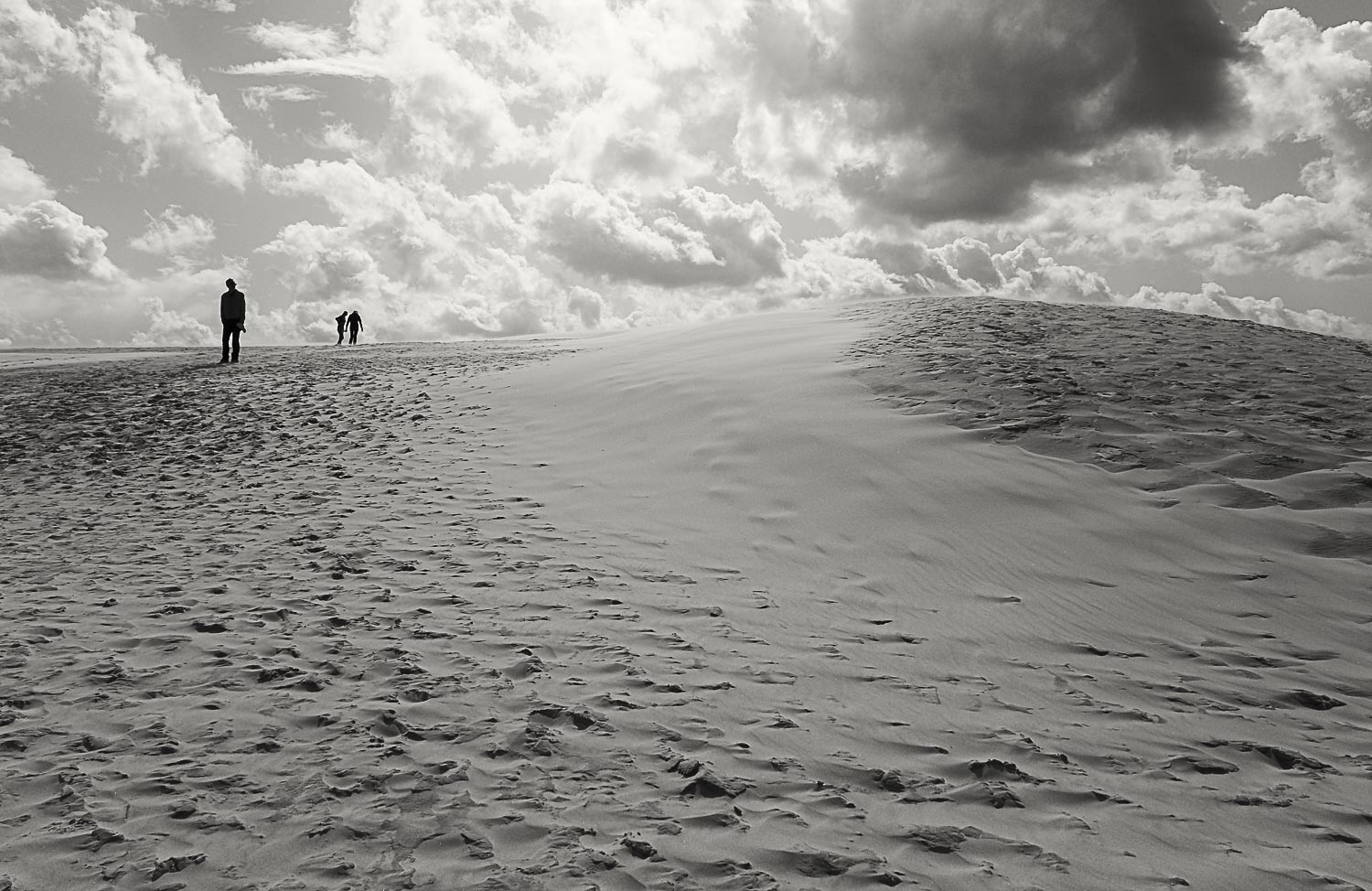
And I finally used a wide angle to show the vastness of Råbjerg Mile, a migrating coastal dune between Skagen and Fredrikshavn, Denmark. According to Wikipedia, this is the largest moving dune in Northern Europe with an area of around 2 km2 (0.4 mi2) and a height of 40 m (130 ft) above sea level. The dune contains a total of 4 million m3 of sand. The wind moves it in a north-easterly direction up to 18 metres (59 ft) a year, but it was originally formed at the Skagerrak coast, more than 300 years ago.

For this week’s LAPC #165, we invite you to go wide and we’re looking forward to seeing your wide-angle views of people, places, and objects taken with your camera or smartphone.

Last week, Sofia’s Up/Down challenge gave us a multitude of beautiful images captured while looking up and down. A special thanks to Sofia for her creative and inspiring theme and for hosting the challenge!

Next week, I, Leya, will be your host for the challenge. Until then, please stay calm, kind and well.

Macro Monday – Shaping up

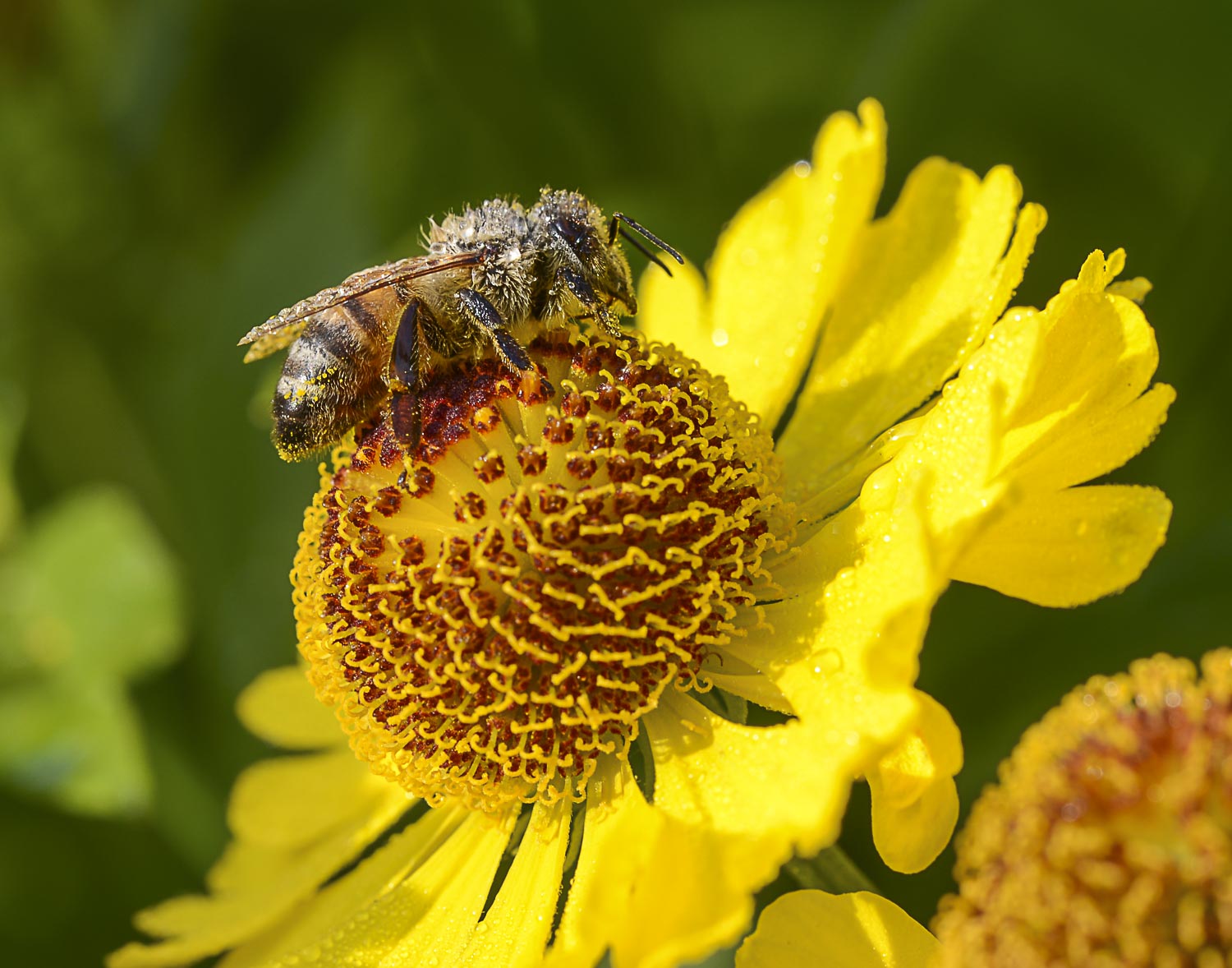
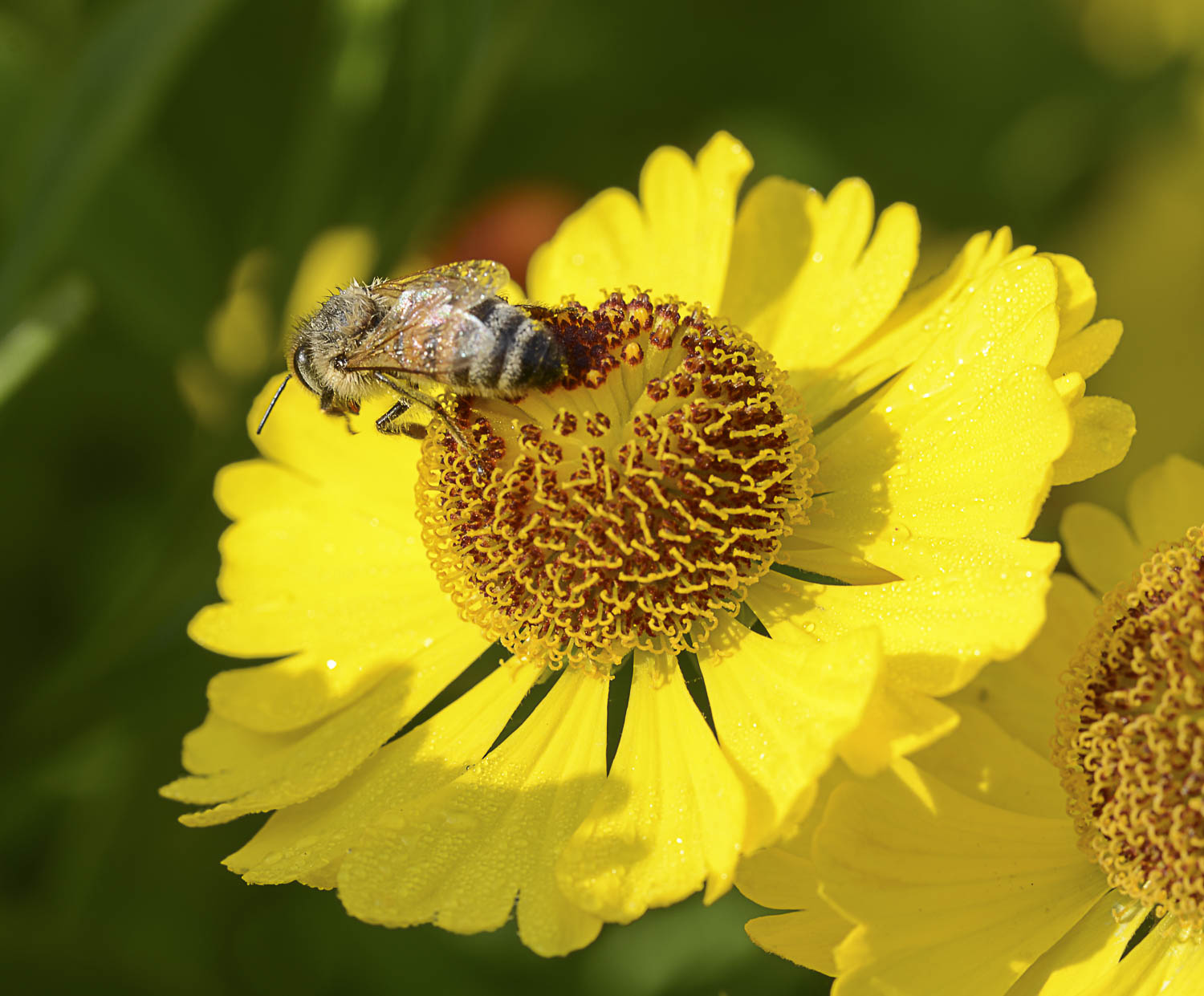
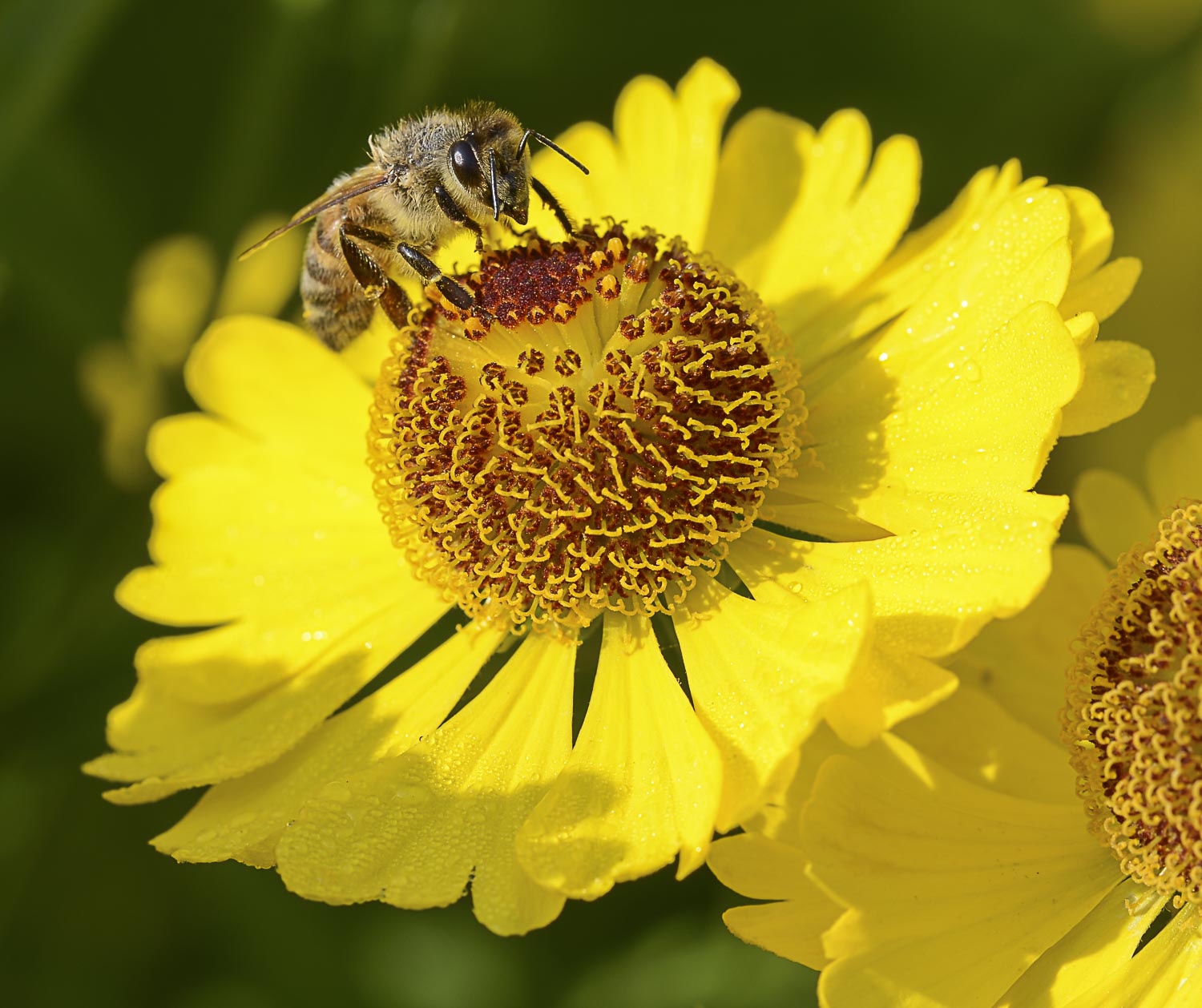
An early, chilly and dewy morning, I met this little bee.

He was frozen in his position and had to wait for the sun to dry him up.

I visited every second minute until he was back doing his business. – Hey, thanks for keeping an eye on me!

Thursday Thoughts – The walk to Grenen, Skagen

A two hours’ walk to reach the top end of Denmark, where the two seas meet – The North Sea and The Baltic.

The Skagen lighthouse – looking back when we started walking. We hoped to reach Grenen before sundown.
We could see the land’s end from our starting point, but as usual, the eyes do not tell the truth about the distance…

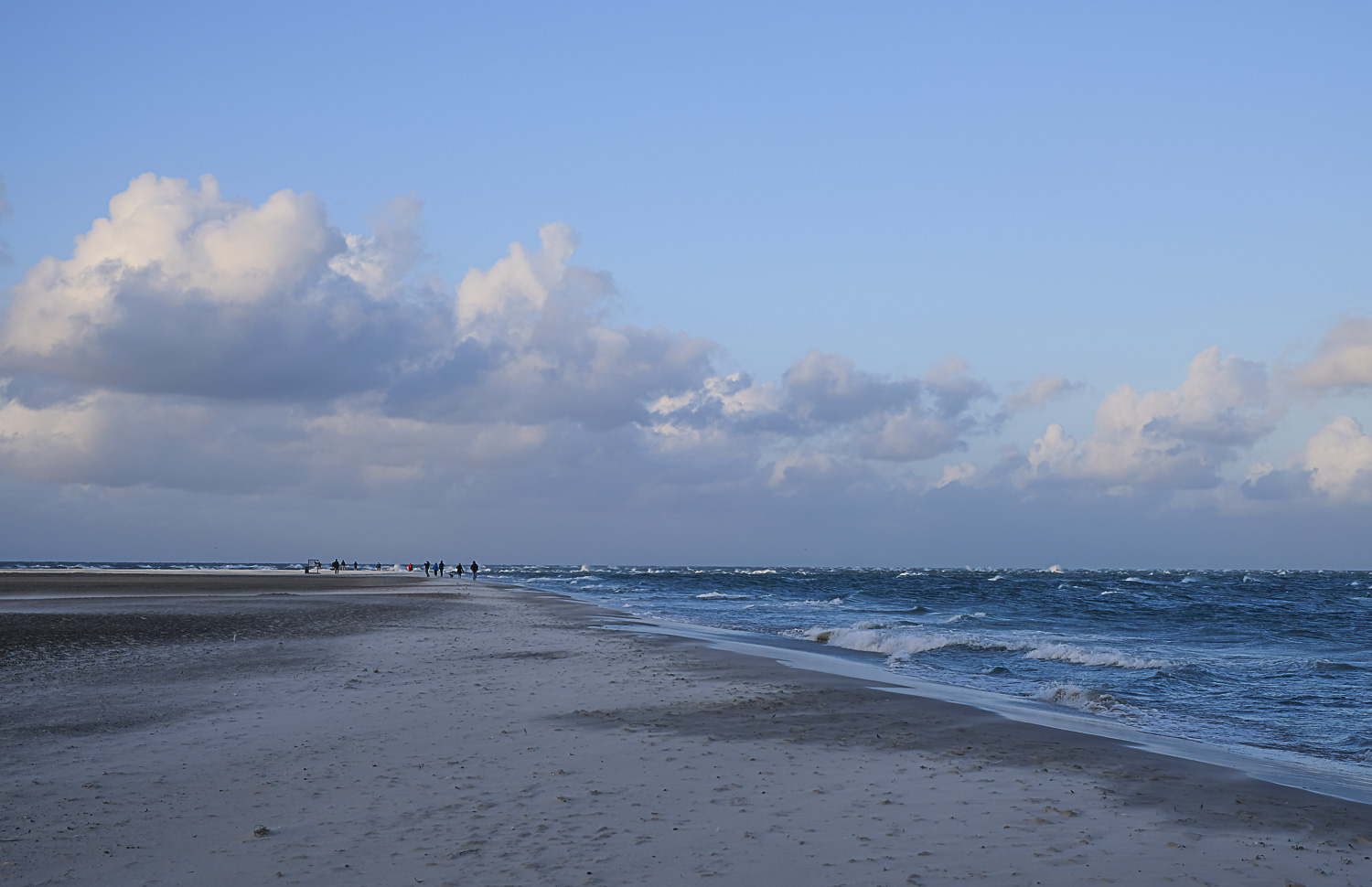
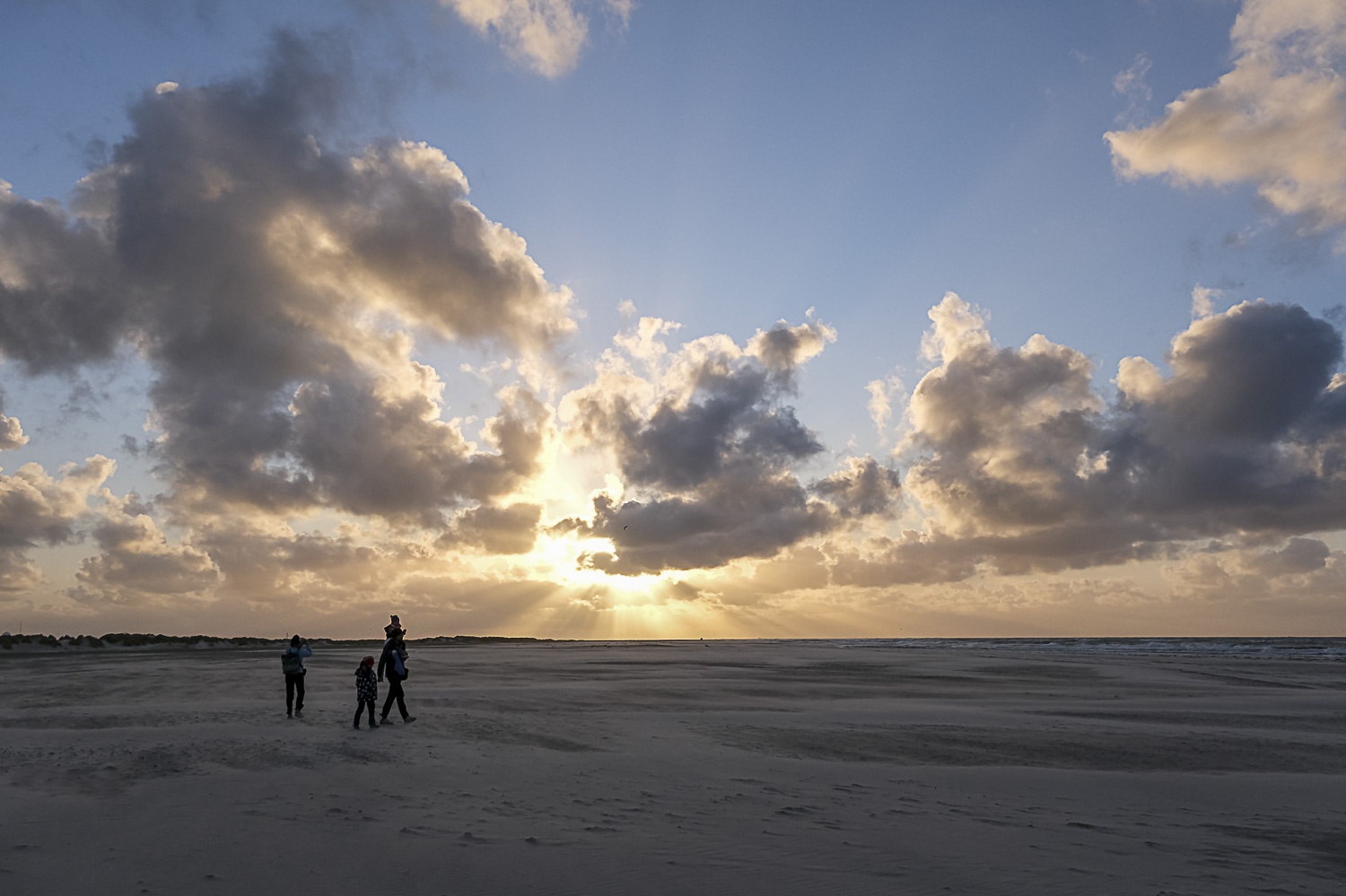
Tough winds and soft sand made the walk feel even longer. But the play of light and shadow over land and sea had me intensely occupied.

Sand finds its way in if you don’t wear the right clothes.

Finally there – some people running to get to the last tiny spot of land… and some even braved the waves for a photo.

A tough walk for small children – happy to have a strong dad at hand! And, we all made it just before sunset.

Lens-Artists Challenge #164 – Looking Up/Down

Sofia of Photographias is our host this week – welcome! In a way, she continues Amy’s lovely ”Keep Walking” by wanting us not just to look around ourselves, but also to look up and down:

”So, what have you discovered when you looked up or down? Were you surprised?”

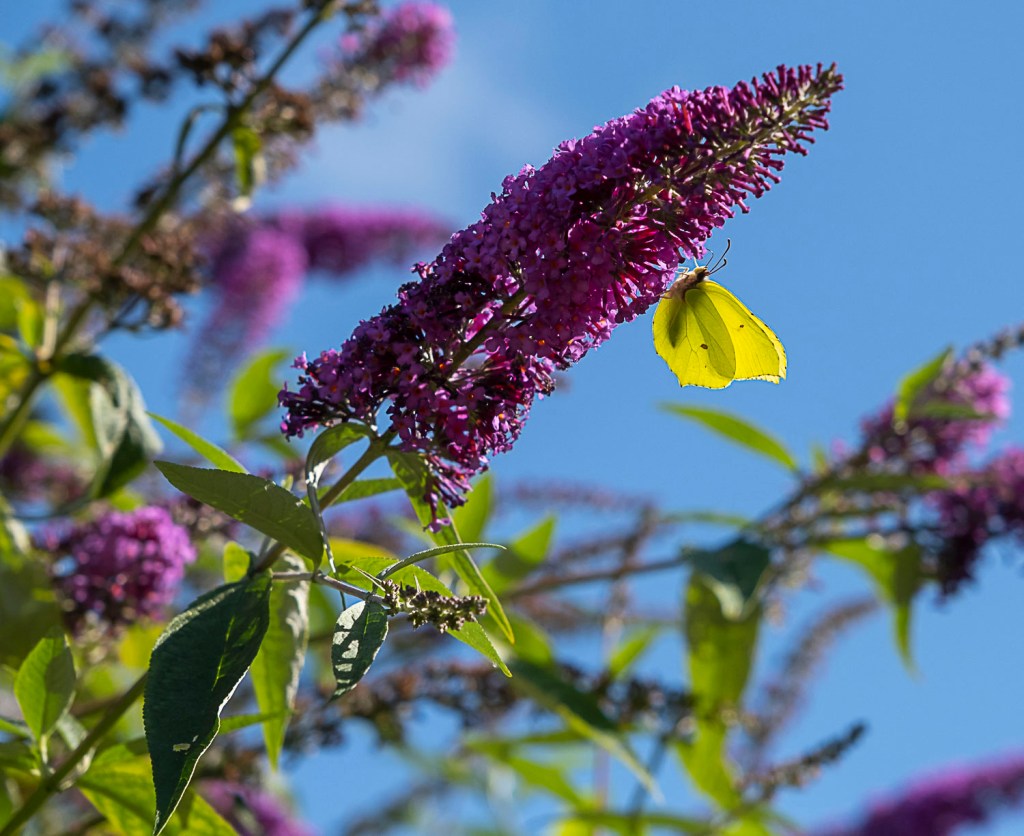
My garden is still filled with fluttering wings and buzzing bees this autumn. Sunny days with no wind – and I go out in the mornings to enjoy the last colourful flowers, butterflies and bees. My Buddleias have grown very high, about three meters, so I mostly look up to find the little beauties eating breakfast in the warming sun.

I was surprised to see a common brimstone – they haven’t been here since Spring. Hundreds of butterflies come to my garden every day, but now in September mainly red admirals, peacock butterflies and small tortoiseshells. The occational comma and cabbage butterfly.

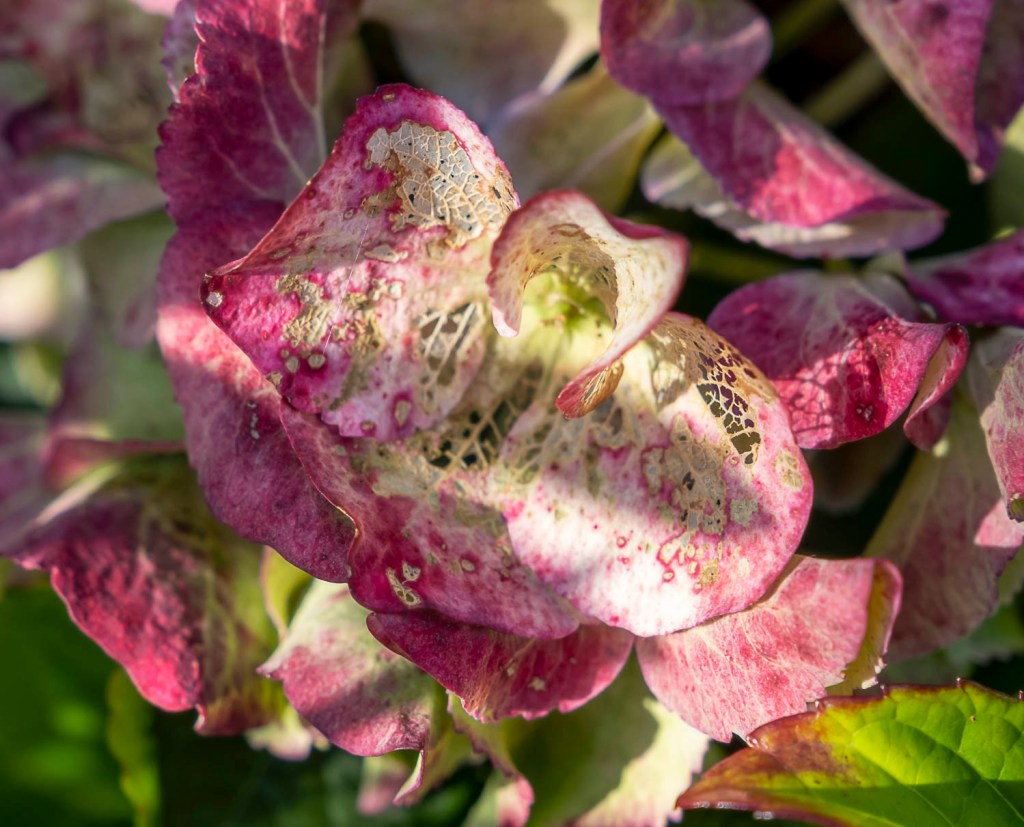
When I look down, I find the hydrangeas are already fading into their new beauty – laced and plumcoloured. I don’t really know which way I like them best…but these silent, warm Septemberdays, I so love them.

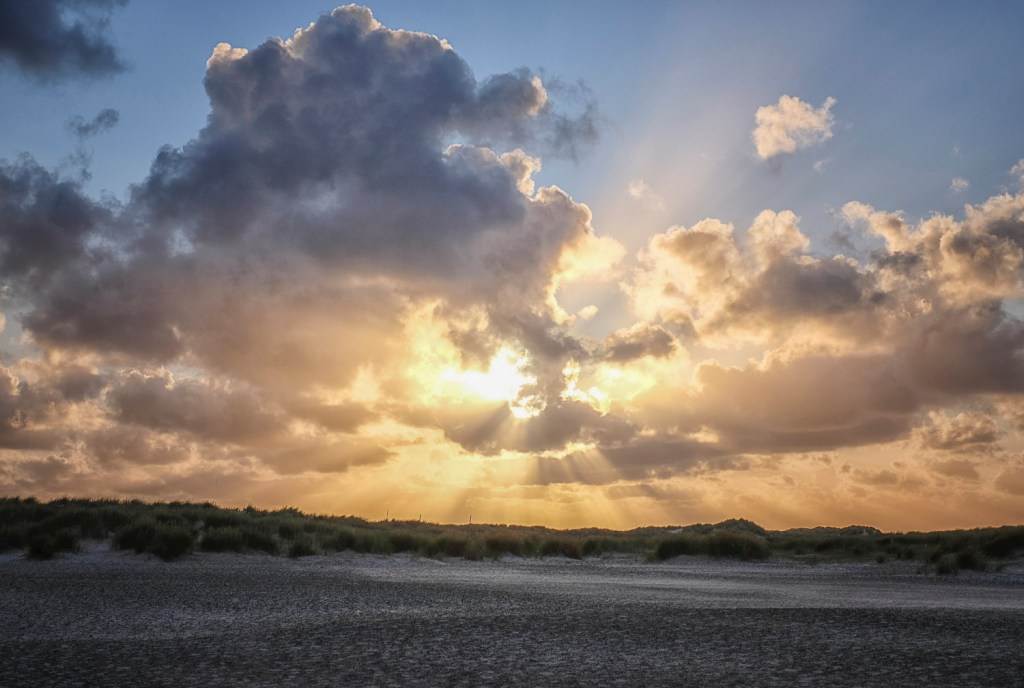
On our trip to Denmark some weeks ago, we walked to the northernmost tip of the country to see the North Sea and the Baltic Sea meet. The sky was spectacular, and we remembered the 19th century Skagen painters who used to come here because of the magical light.

Time to look down as we reached Grenen, where the two seas meet. A tough walk in the strong wind, but beautiful waters awaiting. Quite a special feeling to stand there in the flying sand to the sound of clashing waves. Michael Ancher’s famous A Stroll on the Beach seemed a bit far away though…

They say the two seas meet in different colours. It was rather dark when we finally got to the point where they do meet – but maybe you can see a faint difference in this photo if you look closely? Anyway, it is time to look both up and down when you come to a special place like this.

Please go to Sofia for more inspiration, and if you join us, please include a link to her post and use the Lens-Artists tag so we can all find you.

Patti at Pilotfish will be our host next week, 11th September. Until then, we are looking forward to seeing your ups and downs. Stay kind and cool.