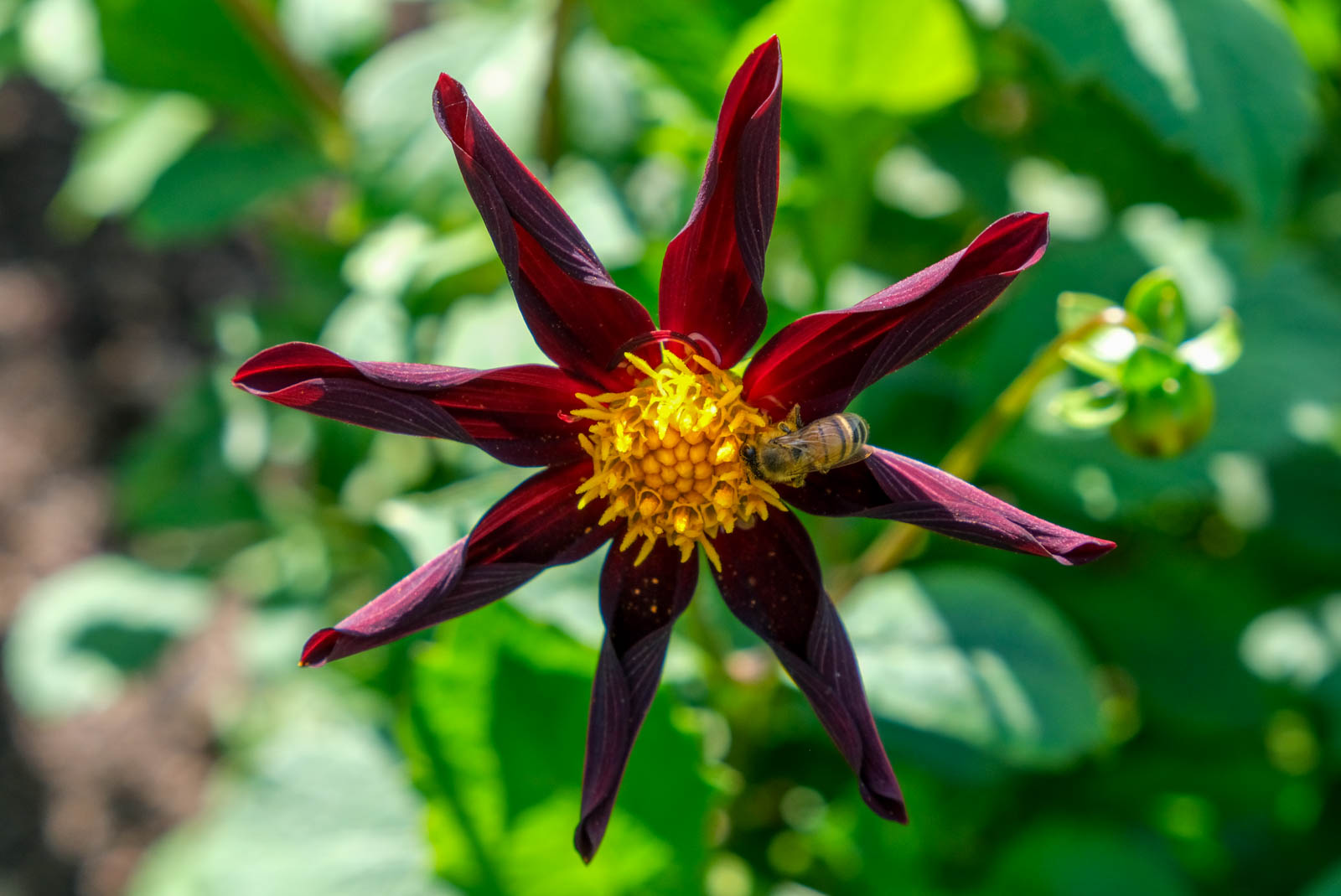
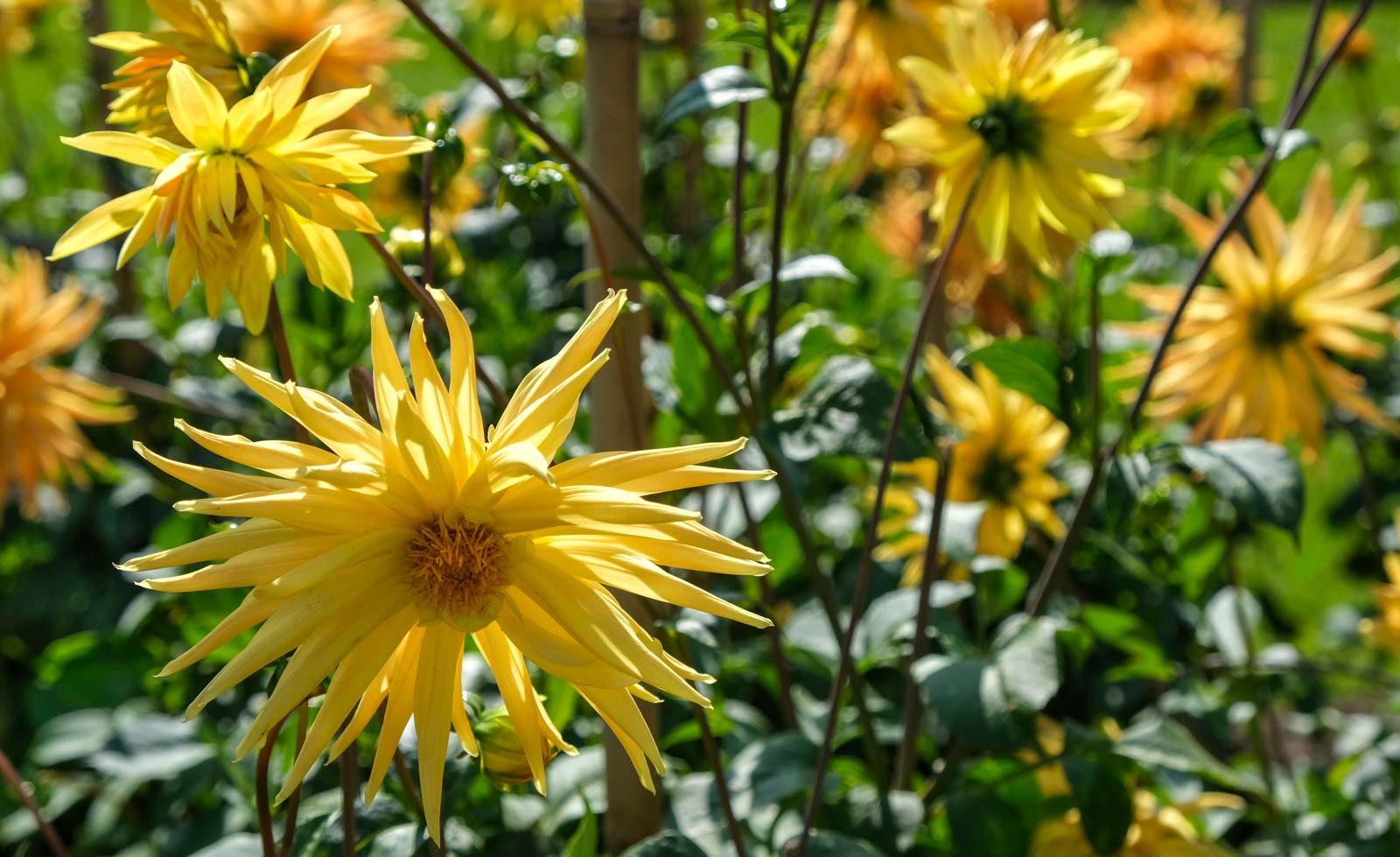
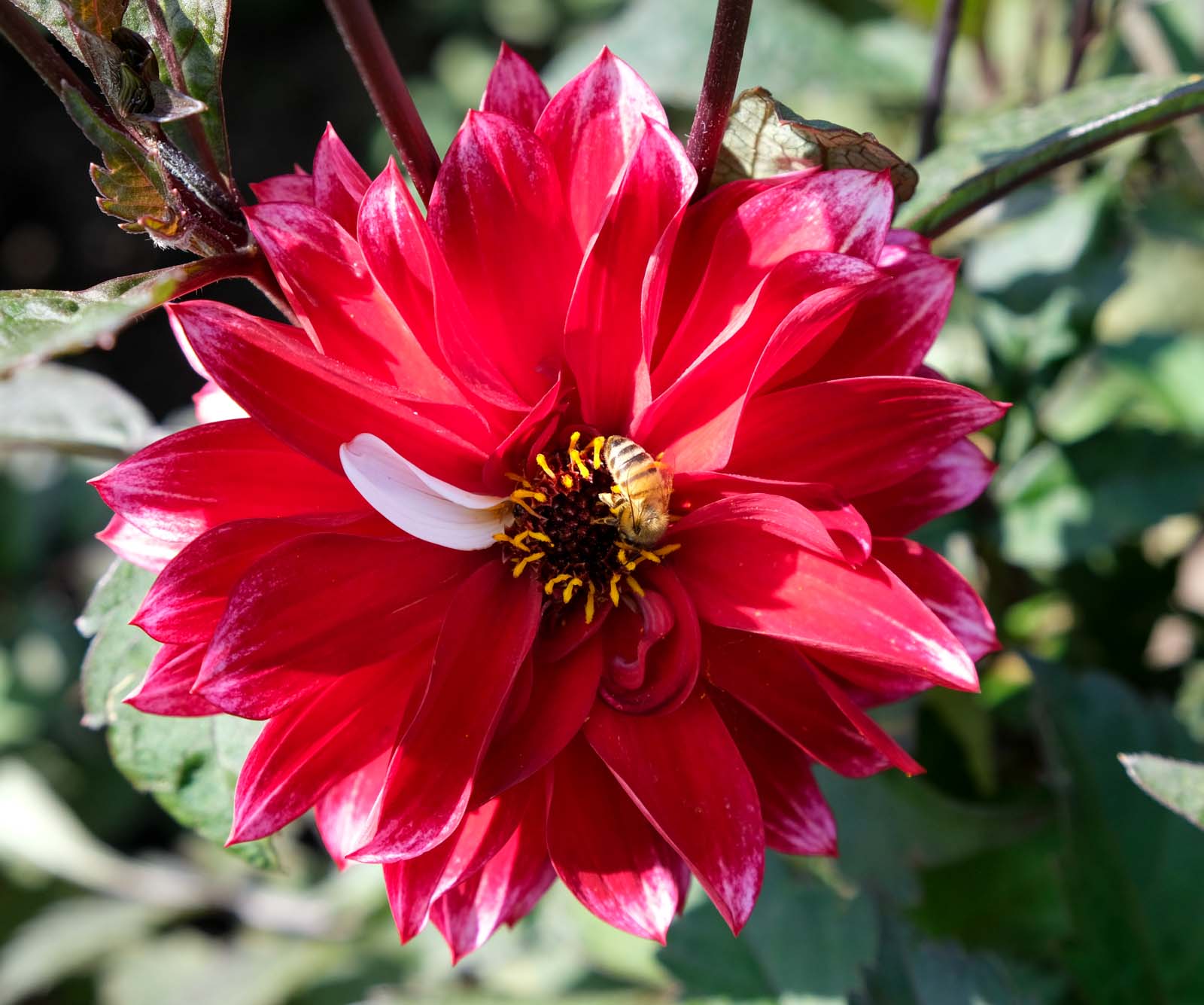
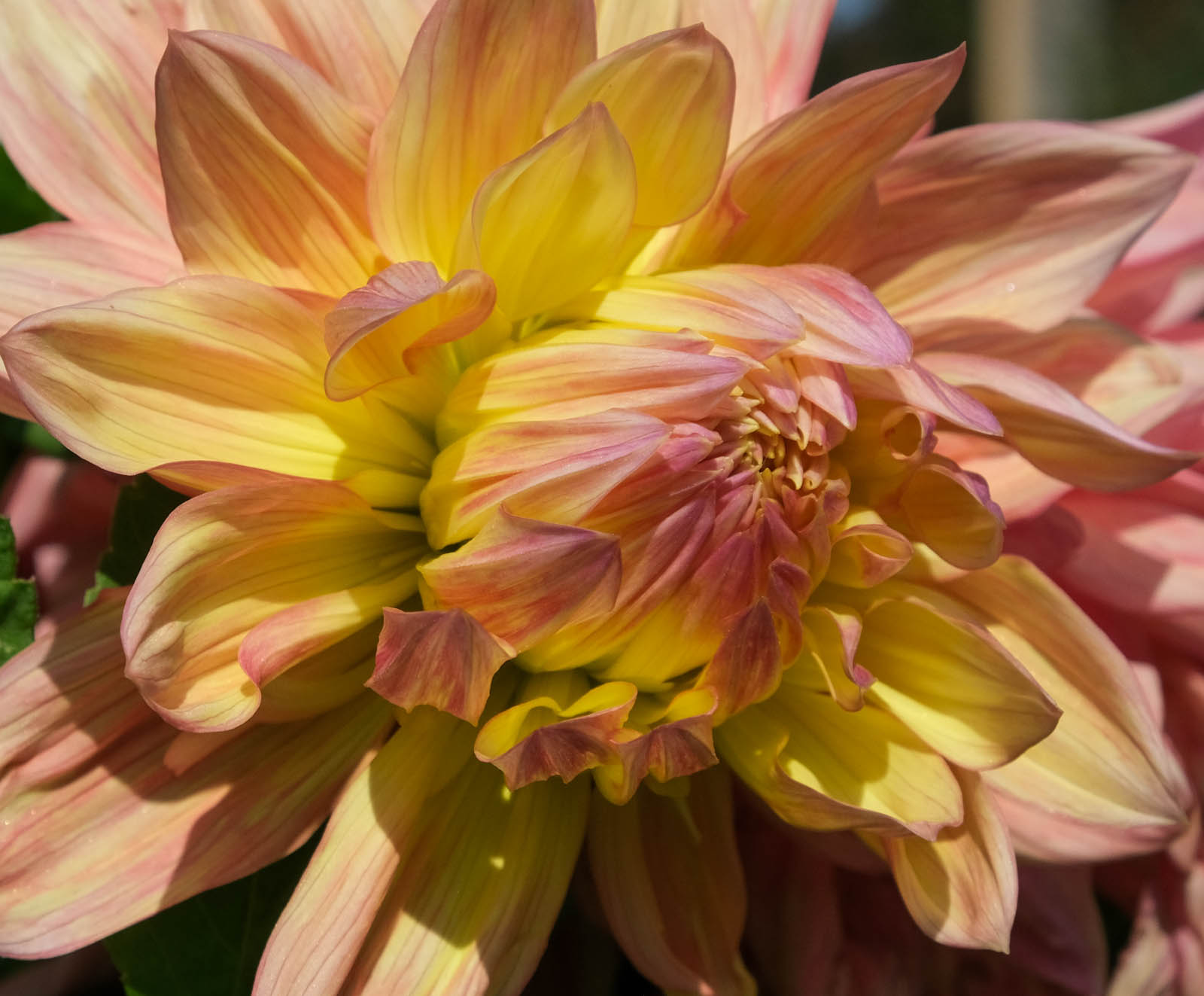
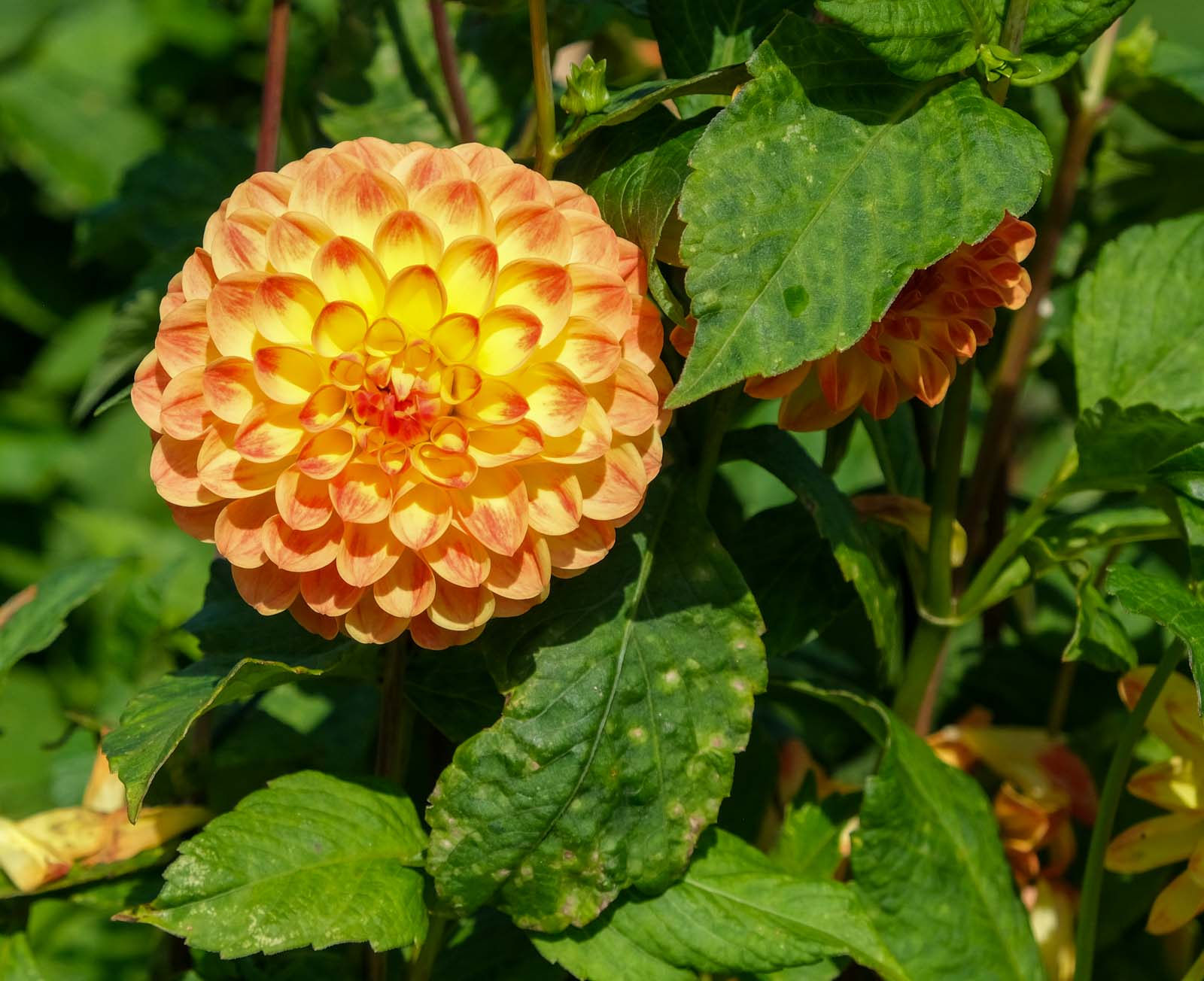
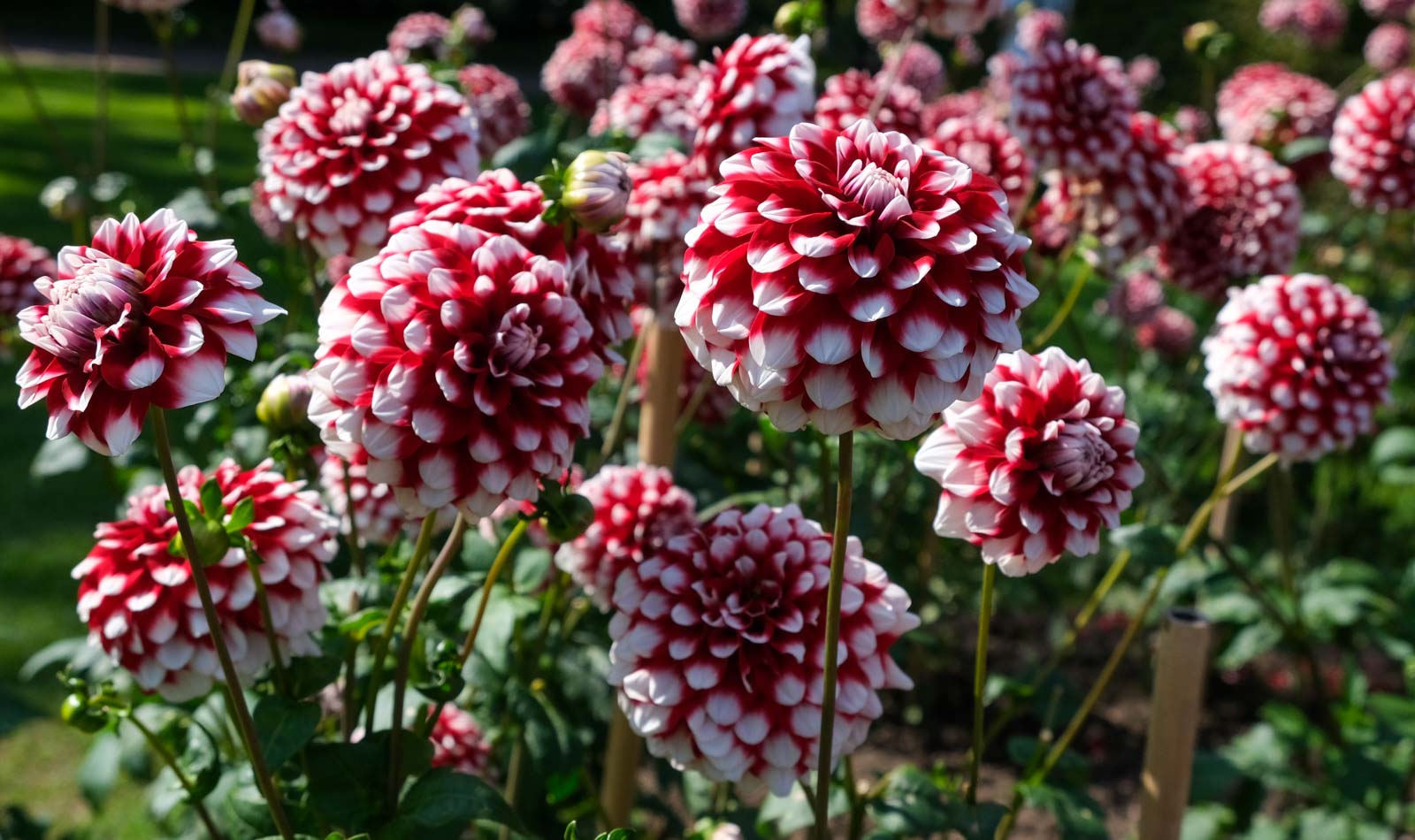
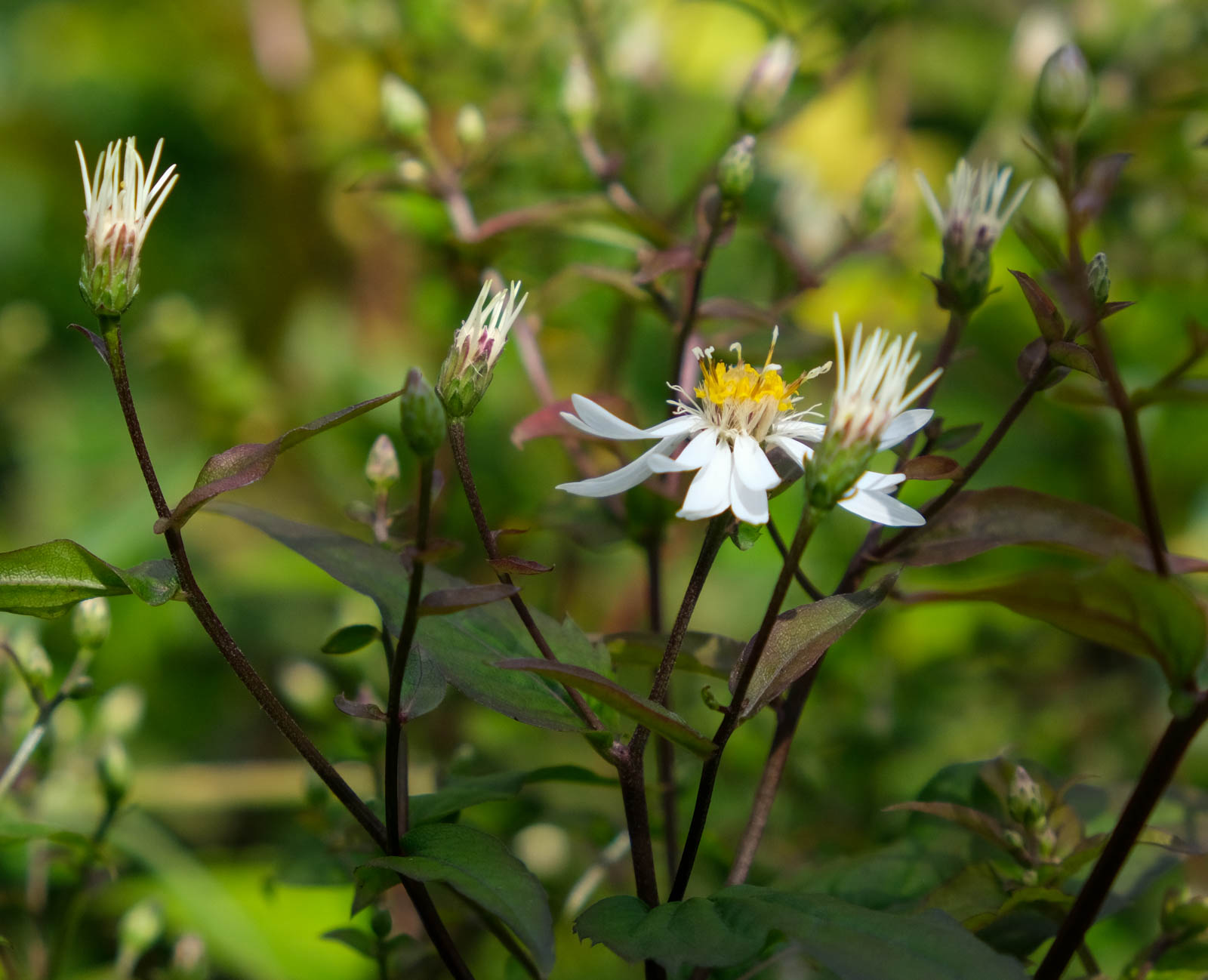
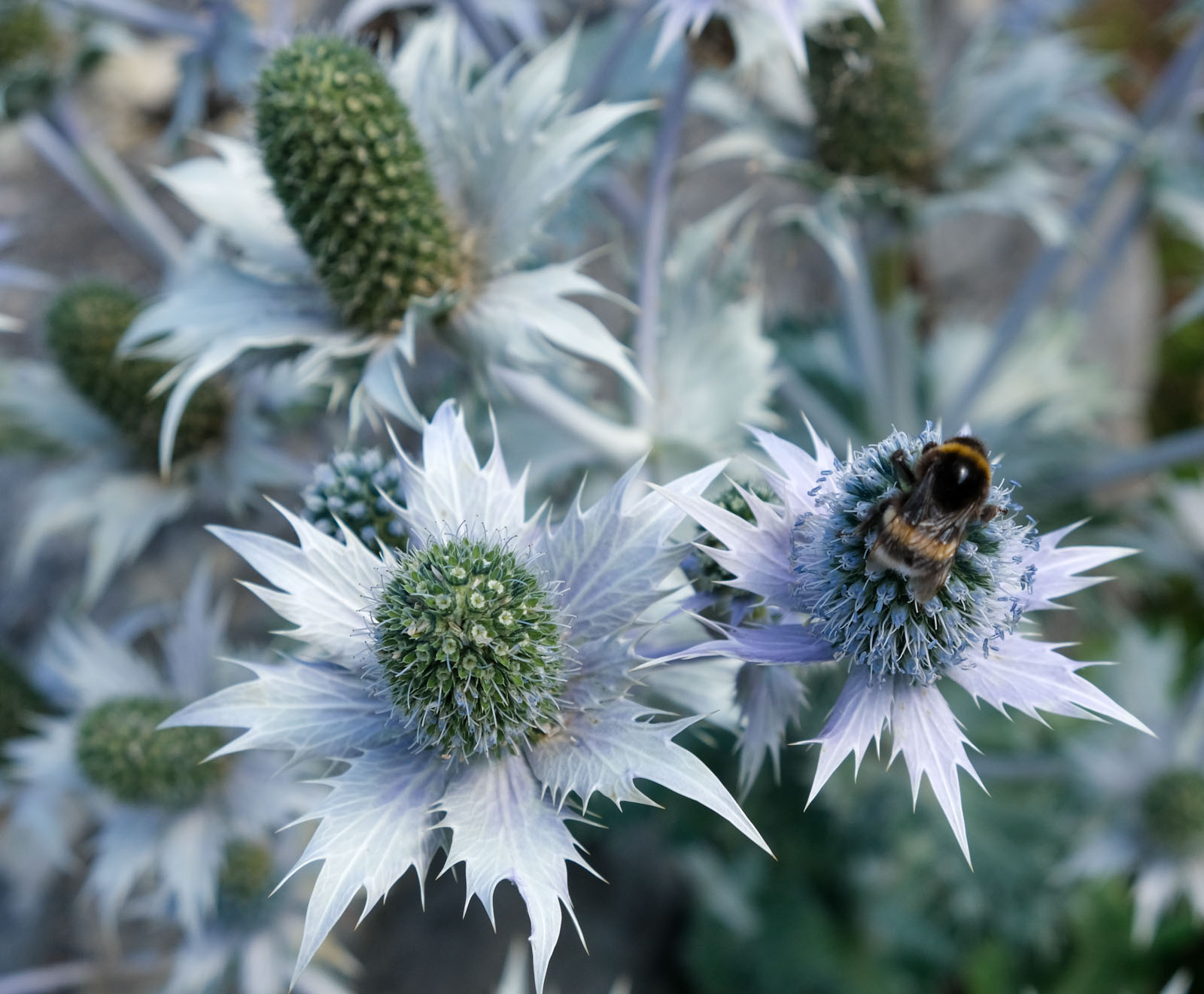
I was truly inspired after the visit to Sofiero – here is some more of this!


m

I was truly inspired after the visit to Sofiero – here is some more of this!


m


We have got three summer months: June, July and August. At least we should have three.

2023 has been a strange year and a strange summer. In my garden nothing has grown as it should, the birds have not succeeded very well in breeding and the butterflies have been few. Insects OK, but flies there used to be many more. I don’t think I have had ten of them in my windows. Less food for the birds…and that is just what scientists have found. A declining number of insects – and other animals. Because we are all depending on each other.
On the last day of summer – in Sweden and the Nordic countries, I am sending you pieces of what is left in my garden this year. After a cold Spring and a hot June and then… wind and rain. The farmers have not been lucky or happy either.

The weather continues to be unpredictable with rain, sunshine, hail, thunder and lightning – and everything at the same time. The weather forecast must be a nightmare to send. Almost every day they say ”it’s impossible, we just have to wait and see.”


So, I am happy we had Some flowers and Some sunny days. Not many days I have gone swimming though…but Milo has, every day. And if I cannot find him when we come back home, he might be in the glass house, waiting for me to join him. And if you find him in the glass house, you will understand it is not very warm outdoors…
I know many of you have had fires, floodings and storms in your countries. We have been lucky enough to have only severe floodings this year. Let’s hope for a sunny and soft Autumn/ Spring for us all.

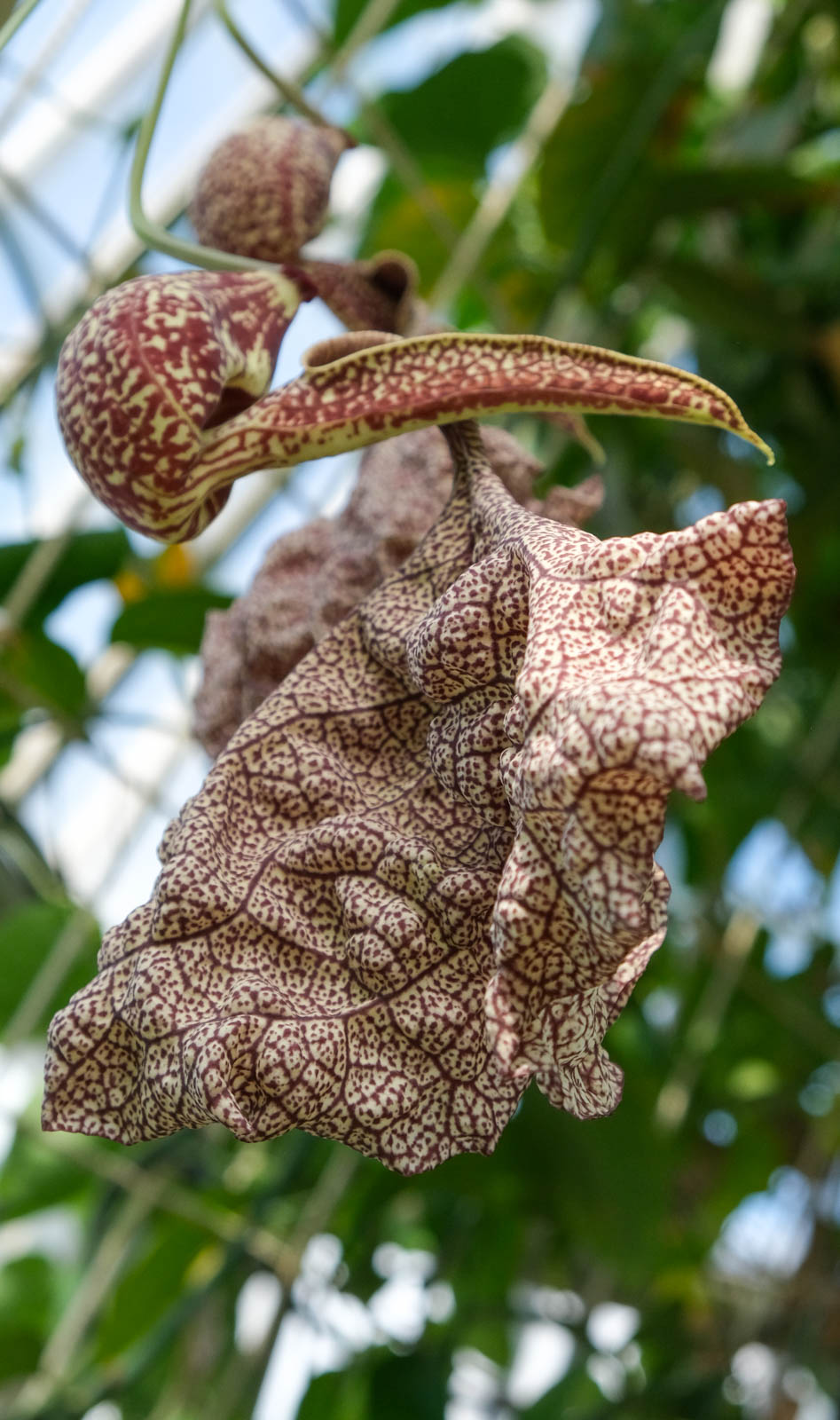
The Garden was founded through a donation in 1791 by the historian and antiquarian Bengt Bergius and his brother Peter Jonas Bergius, a physician and scientist, for the Royal Swedish Academy of Sciences.


Strolling along the well kept paths and exploring the glass house was a great pleasure.


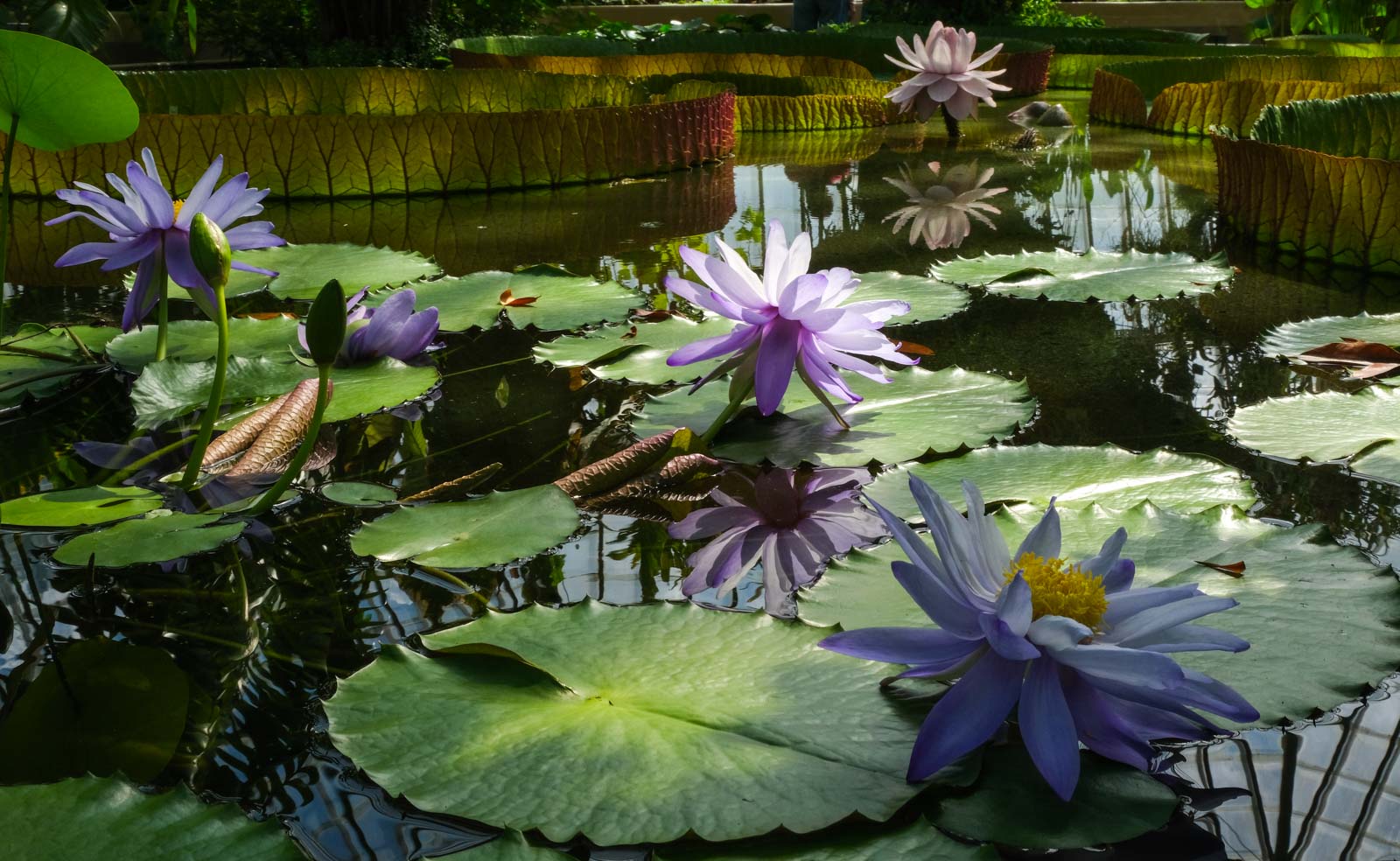
It was a perfect finish for our Stockholm visit this time. I wish I could have one of those gigantic lily pads in my garden…

Above are: Estelle Lefébure, Karen Alexander, Rachel Williams, Linda Evangelista, Tatjana Patitz & Christy Turlington, Santa Monica, California, 1988. © Peter Lindbergh. Courtesy Peter Lindbergh Foundation, Paris
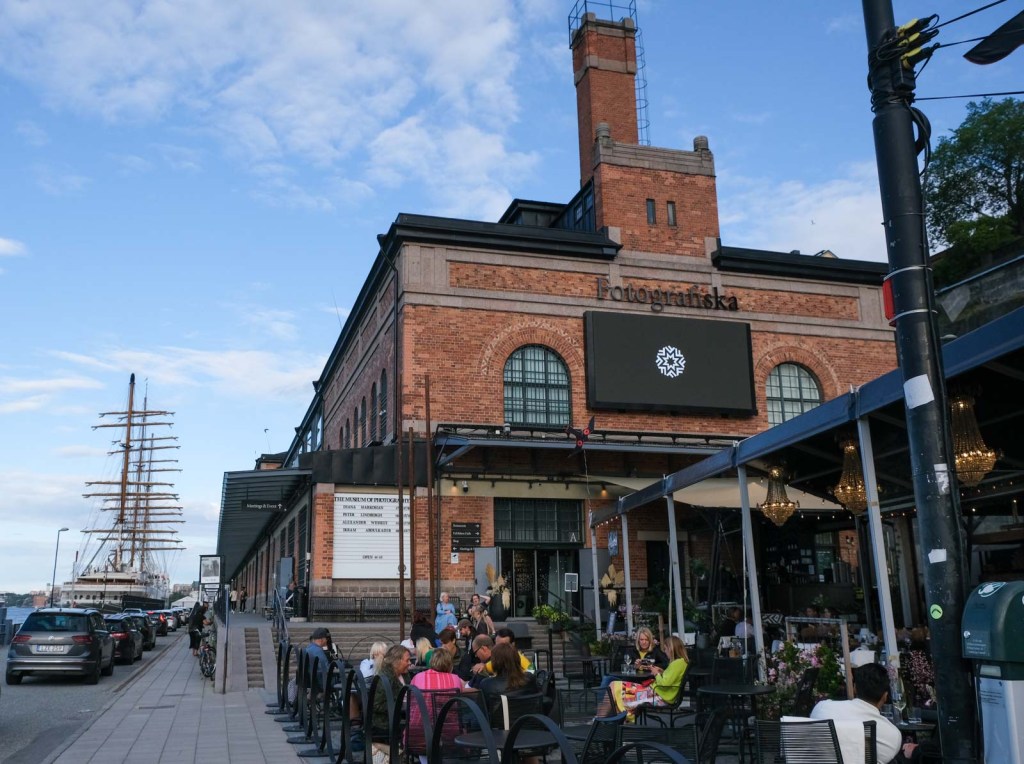
Peter Lindbergh’s iconic pictures now at Fotografiska, Stockholm. Lightness of Being consists of more than one hundred works by the man who is known to have redefined fashion photography.

Lindberg preferred B&W to bring out the best of his models.

Lindbergh wrote the following:
”If photographers are responsible for creating or reflecting an image of women in society…then, I must say, there is only one way for the future, and this is to define women as strong and independent. This should be the responsibility of photographers today: to free women, and finally everyone, from the terror of youth and perfection.”

He must have had a favourite model…I guess it could be

Kate Moss

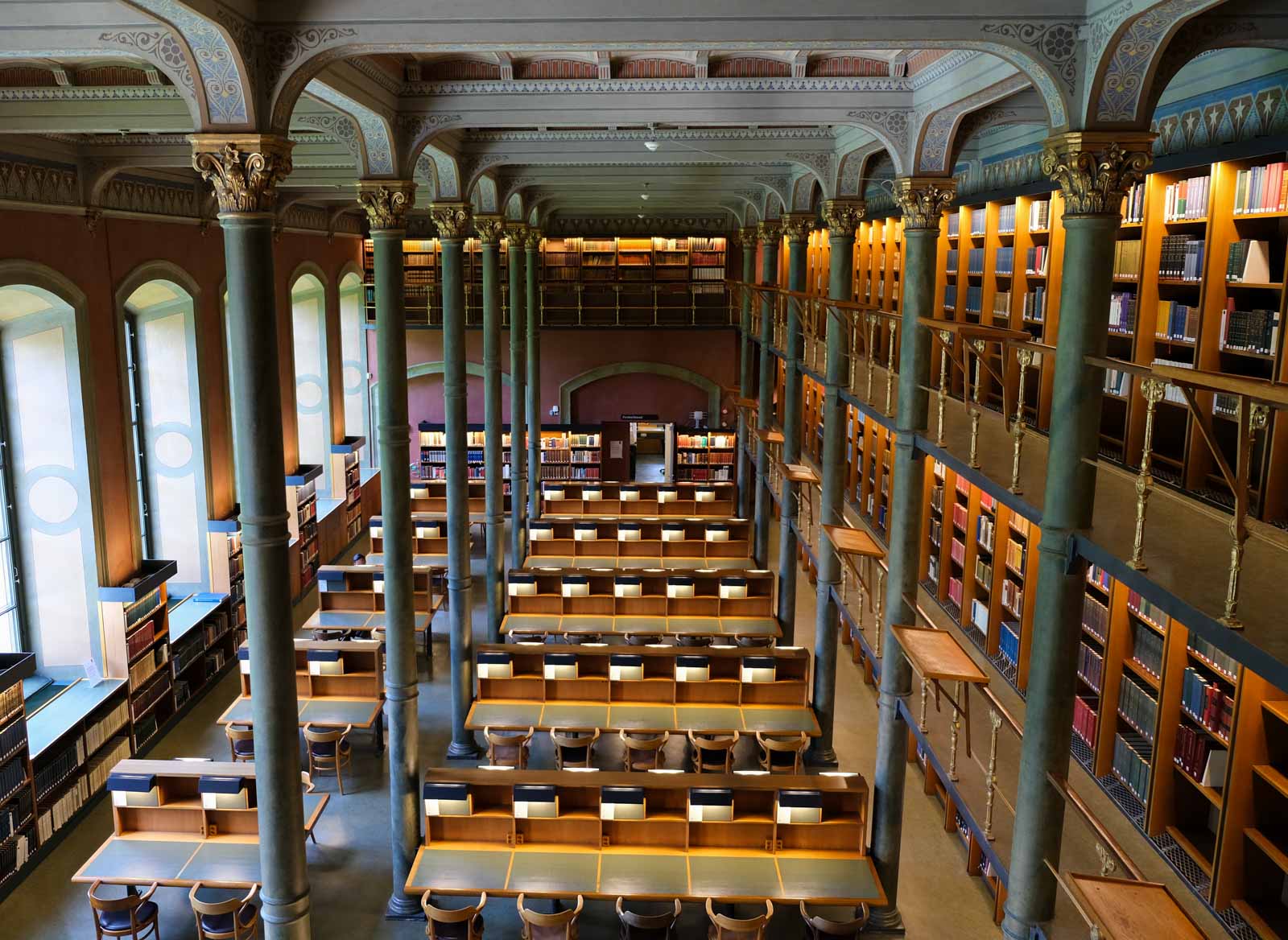
The Royal Library is Sweden’s national library and it opened in 1661. Besides being just that, a library, the RL is tasked with preserving and storing everything that is published in Sweden, whether it’s a school book, fashion magazine, a DVD movie, or a news bulletin broadcast on the radio. Its vast collection includes well over 18 million items, of which the oldest are over a thousand years old. The RL has been housed in its current location, in the middle of Humlegården park, since 1877.
We seldom visit Stockholm, but now so many years had passed, that we felt it necessary to go in order to keep up with the city’s changes. And, of course the National Library was on our list.

In fact I had never been to the National Library, so I was very excited to finally go. And even if I have been to more beautiful libraries, this one was serene looking and strict in its design.


The reading hall was spacious and bright, just the way I love reading halls to be, and the scientists’ reading hall had a lower ceiling and more comfortable chairs (of course). They were both inviting.

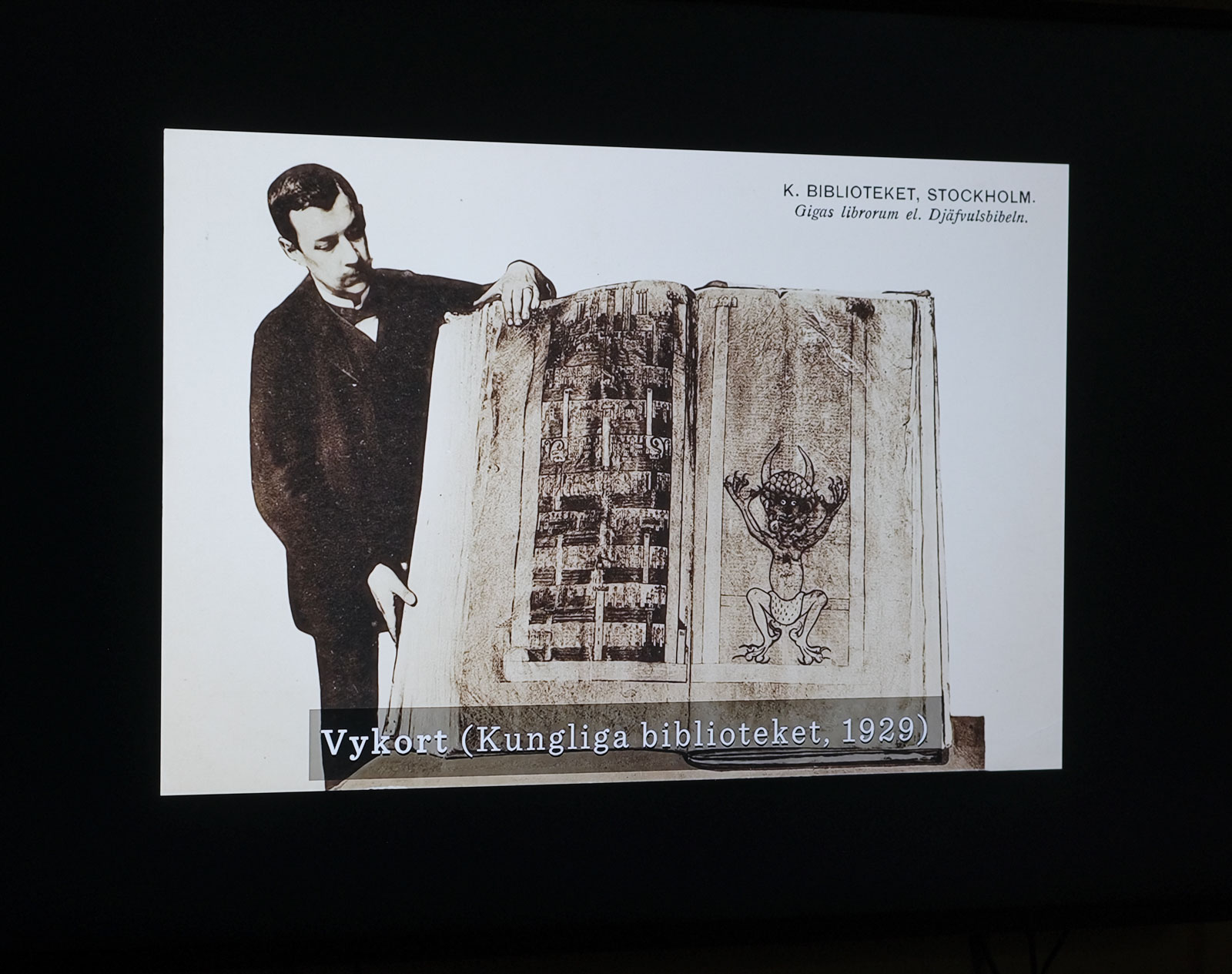
Walking down to the basement we were in for a surprise …none of us had ever heard of this…As we walked down the last stairs, we were even more excited. Codex Gigas, or the Devil’s Bible, was waiting for us.

Not great that it was taken in a war, but those were the days when such things happened in wars. (In fact, they still seem to do so…) If there are grades in Hell, maybe it was better to take it than to burn it. Anyway, we greatly enjoyed seeing this gigantic Bible and reading about it. It is an impressive book where each page measures 89cmx49cm, and the total amount of parchment leaves are 310. It weighs almost 75 kilos.


Interesting too is that this Bible contains not only the Holy Bible, but also other popular works, like medical works and an Encyclopedia. They were all written in Latin. Fascinating. Click the link on Codex Gigas above if you want to read more about it.

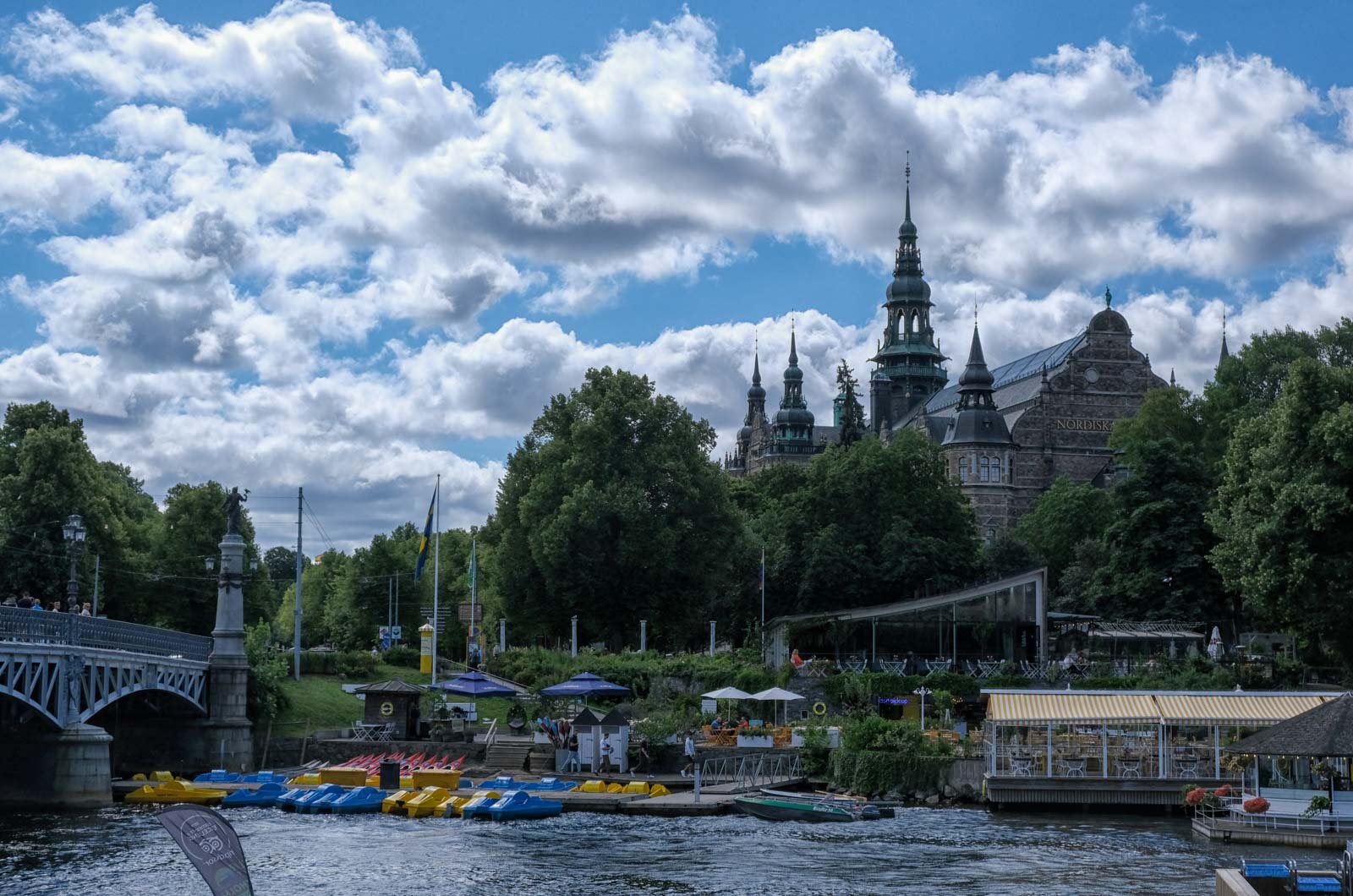
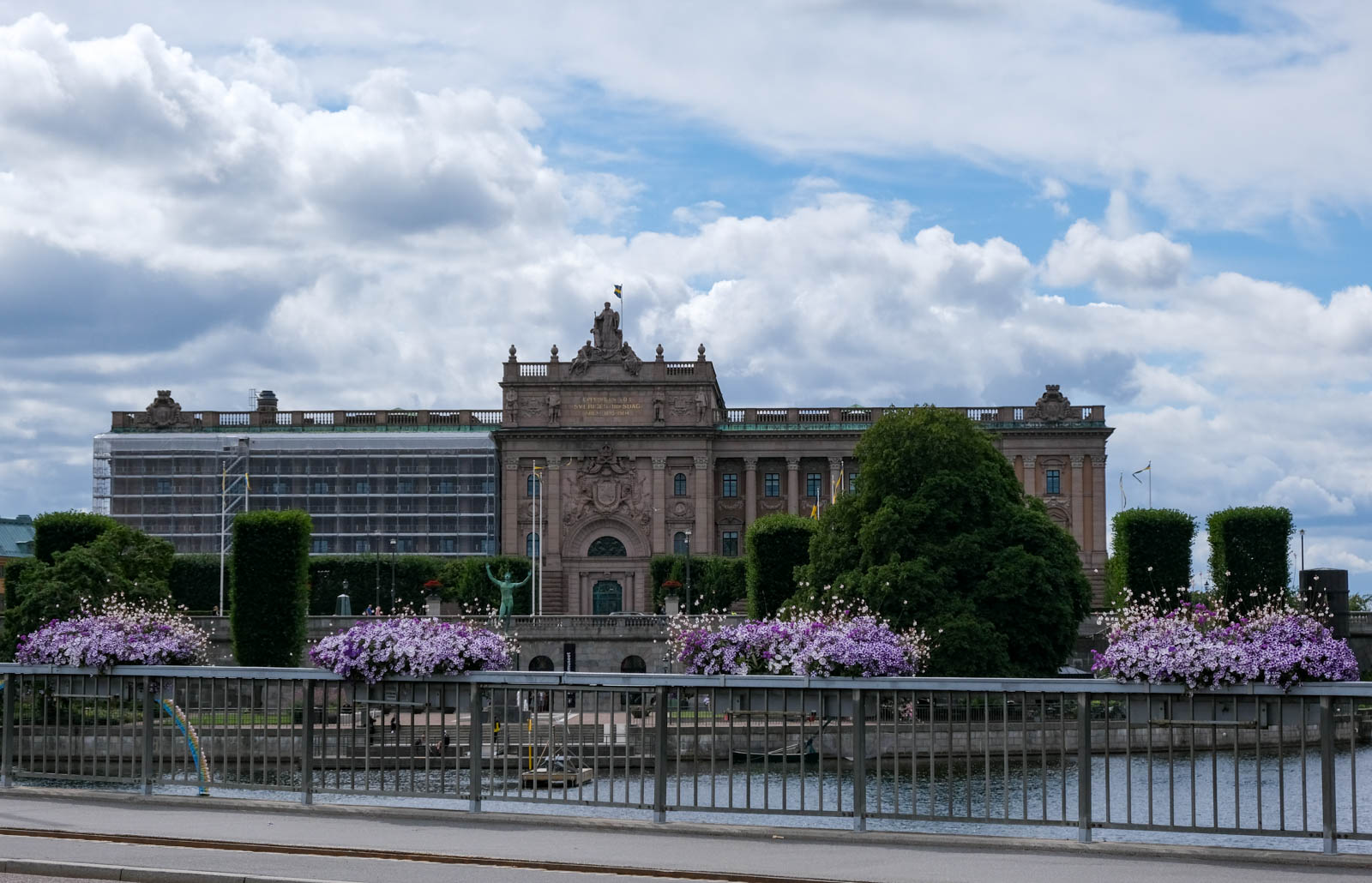
The city on the water – Stockholm – founded by Birger Jarl in the 13th century.

Busy, yet calm.


A gallery of what Stockholm is to me!

Who can resist waterlilies? I can’t. If I had a pond in my garden, I would try growing them. Their beauty is irresistible. Alnarp had a very tiny pond but it was well kept.

Gunnera is a fascinating species, and I can never resist taking photos of this gigantic plant. Natural umbrellas a rainy day?

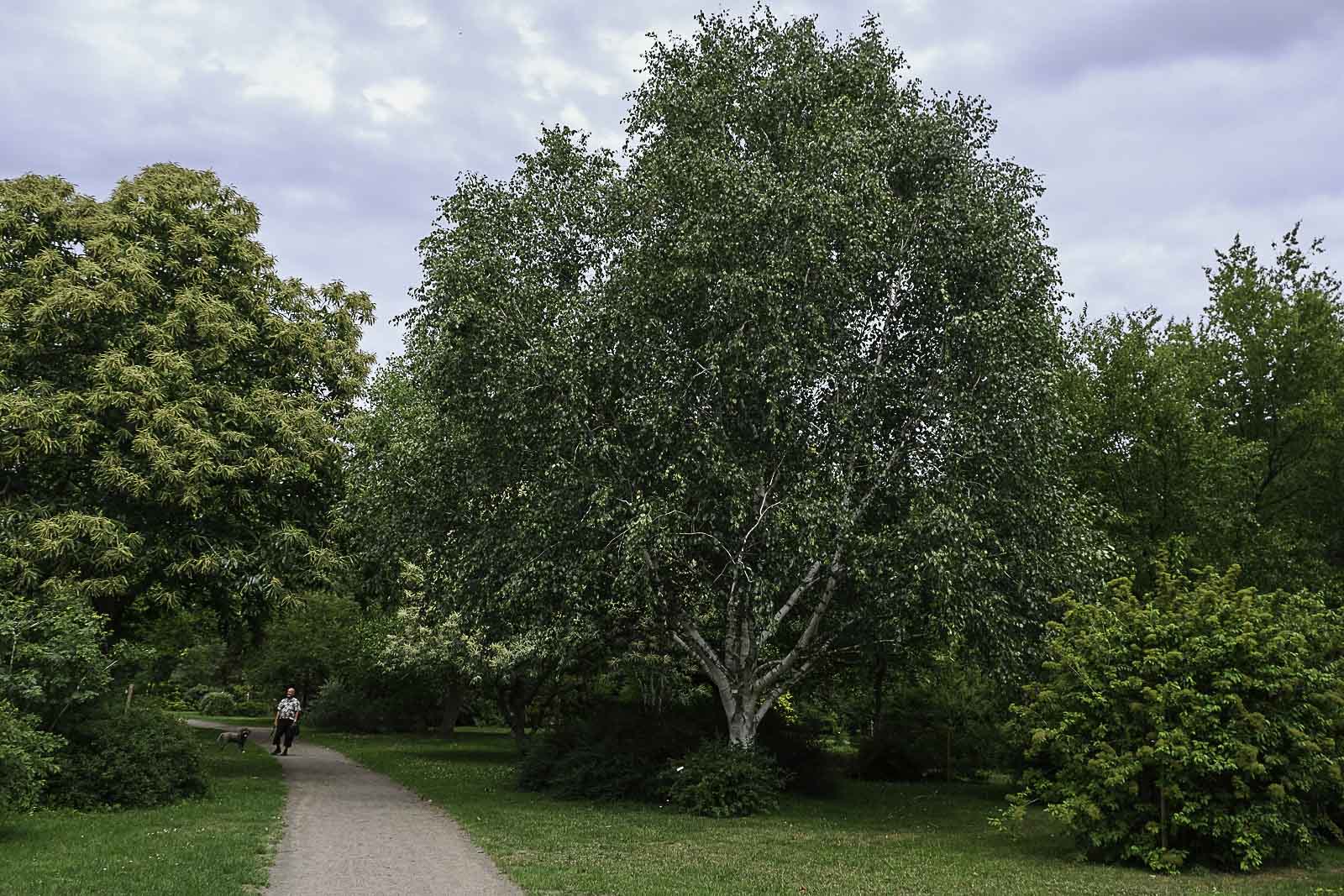
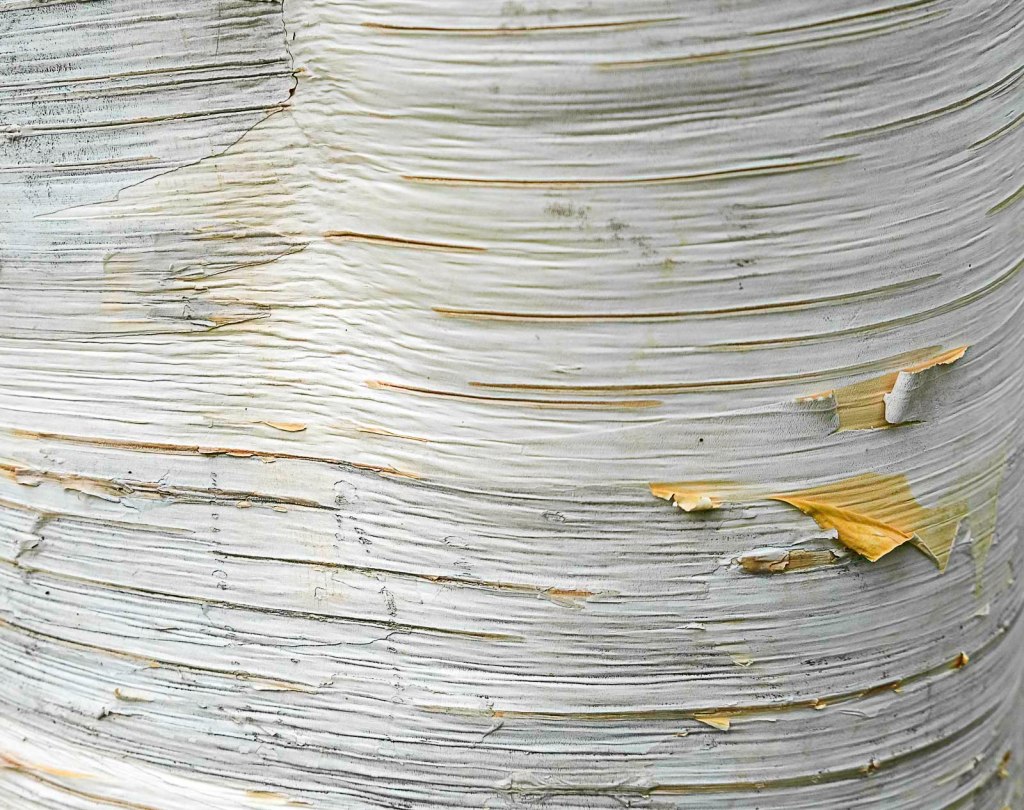
There were several Himalayan birchtrees, very white and stately. Betula utilis, the Himalayan birch is native to the Western Himalayas, growing at elevations up to 4,500 m (14,800 ft). Utilis means ”useful”, and refers to the many uses of the different parts of the tree.

The white, paper-like bark was used in ancient times for writing Sanskrit scriptures and texts. In fact it is still used as paper for the writing of sacred mantras, with the bark placed in an amulet and worn for protection. Some areas of its native habitat are being lost due to overuse of the tree for firewood.

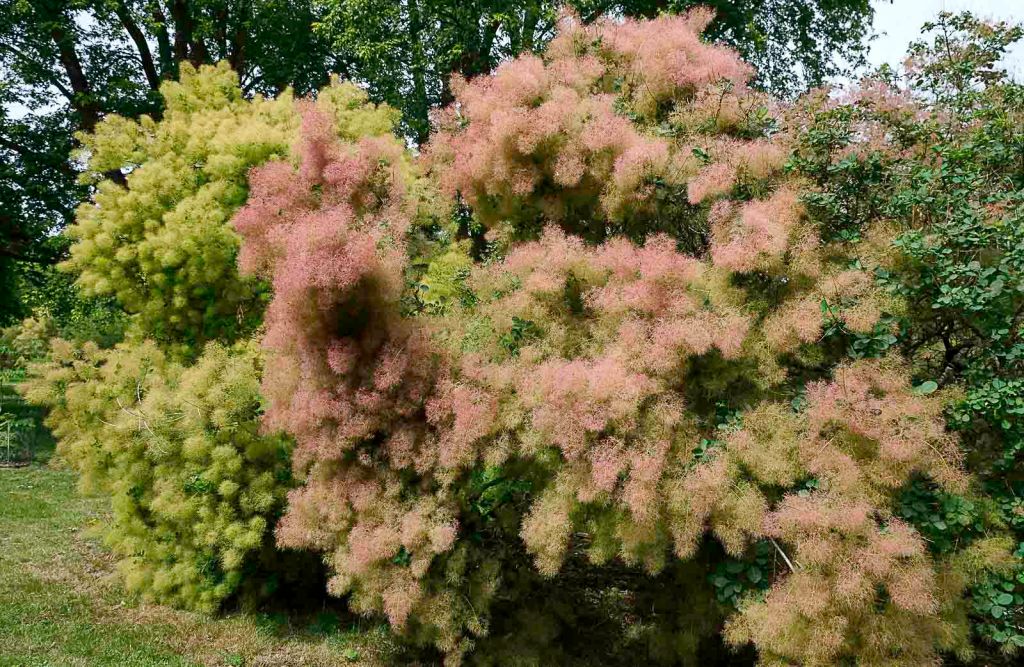
(European) Smoke trees are interesting things…I first saw one in New Zealand many years ago. It looked something out of this world, I thought – and I still think so!

I guess this stump once was an oak tree. Still impressive though, and left as a monument at the back of the castle.
After our stroll in the arboretum, we sat down to admire the castle and its grand wisteria on the front facade (in the opener). That will be something to return to next spring!
My dear friend Viveka (of Myguiltypleasures) and I went to Wanås Castle – we usually do once a year. And we enjoy the art and our delicious meal, chatting along together.
If you like outdoor exhibitions – and surpises – let’s go!

Carola Grahn is the new artist this year, and she deals with Sami art and beliefs.
The giant boxes with logs at the entrance were impressive, but then the glassed wall was our first stop – at the sight of the blue mountain.

This is a rather impressive size of art work for the little pond, but we liked it. You can read about the artist’s idea below in the gallery.

The natural theme as well as the Sami connections were ever present. The ”building” made of birches shows a free interpretation of a sign on a Sami sacred drum.


Thank you for being our lovely company here at Wanås, and hopefully you want a new tour next year!
A pause in the welcome rain…and I could take a stroll in my summer garden. You probably know that I strive to make it bee and insect friendly. And some things are coming along nicely, at least my old apple tree. Let’s go and see!

The old apple tree gave in some years ago, but I decided to make it come alive again – with the help of clematis and honeysuckle. I tried several clematis, and finally this one was the winner. In the pot, an orange Clarkia.

As you can see, the wild flowers are growing after the long draught. Everything withered and yellow – but wild flowers are hardy and made to live here. Species of Scabious are popular among bees, beetles and butterflies.

The old tree is filled with various insects, sometimes so small that I can hardly see them.

Honeysuckle is now an established climber – but it took some years. Summernights are filled with their lovely scent.

One of my insect hotels found its place here too.

Two bird baths by this tree, one on the ground for the big birds and one hanging for the smaller ones. Keeping them filled is essential to the birds. I have a third one on the ground for the hedgehogs.

Clarkia was a new acquaintance to me, but I like its soft colours accompanying the old trunk.

Agapanthus is a sweet friend of mine, and this year it has developed 17 stems. I got the plant from a dear friend who passed away some years ago. I am very grateful for this gift, and I think of him every time I admire it and water it.

The tour ends in my glasshouse, where there are only edible plants during summer – and some cacti. This big lady is flowering now, having 8 buds. A joy!
Thank you so much for visiting and walking with me in my favourite place!
Du måste vara inloggad för att kunna skicka en kommentar.