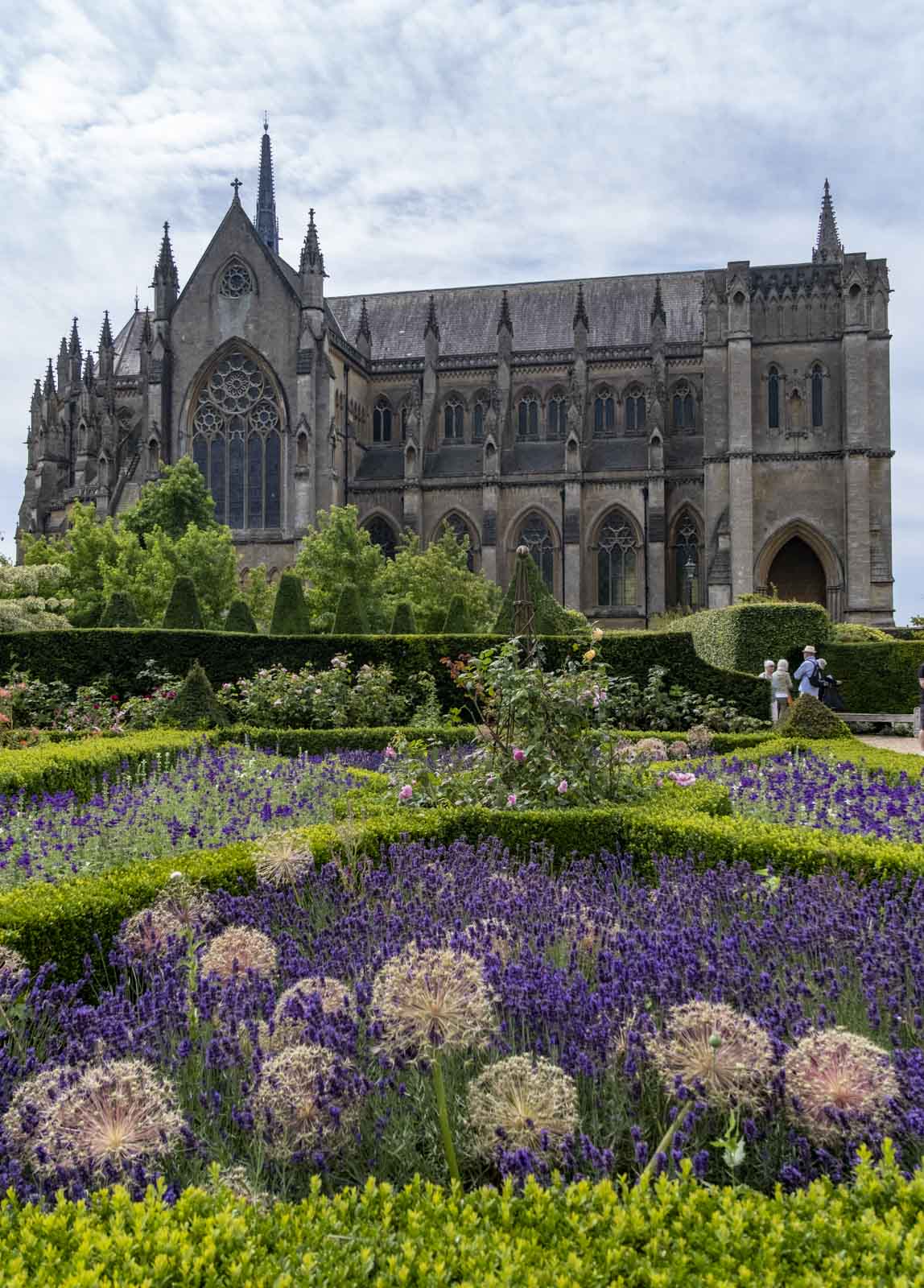
Arundel castle again – still in use by the Dukes of Norfolk – interesting! But after so many castles, maybe you too need a rest?
I really loved that dog…I should take out my sewing machine.
Time for a rest again, before entering the Castle itself.
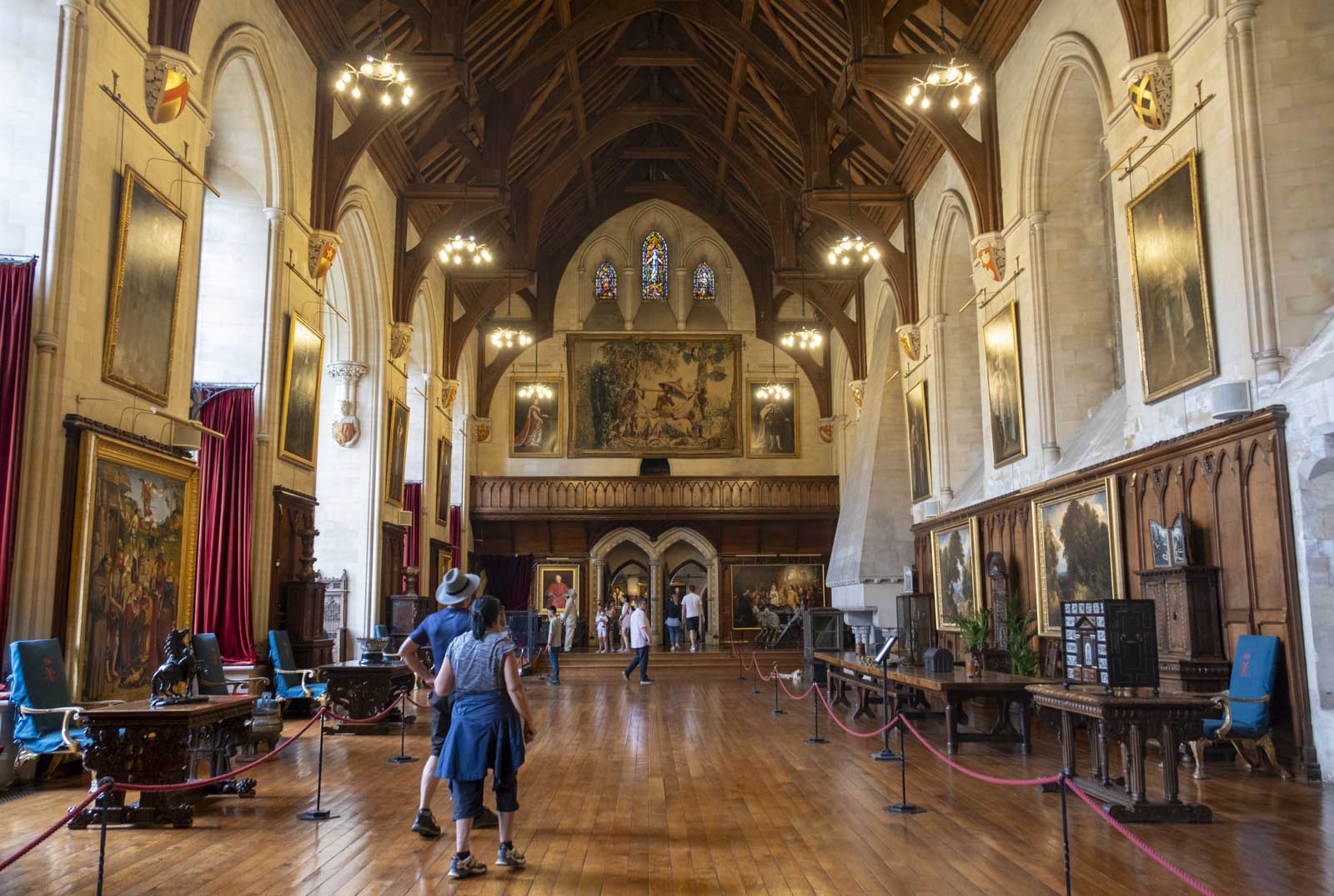
A truly impressive castle that didn’t disappoint inside either. I would have loved a sleigh ride with that beauty…I guess it’s on wheels as England doesn’t get much snow?
Thank you for good company. Now there is only one castle left…Leeds Castle. Maybe next Thursday. Have to rest again!
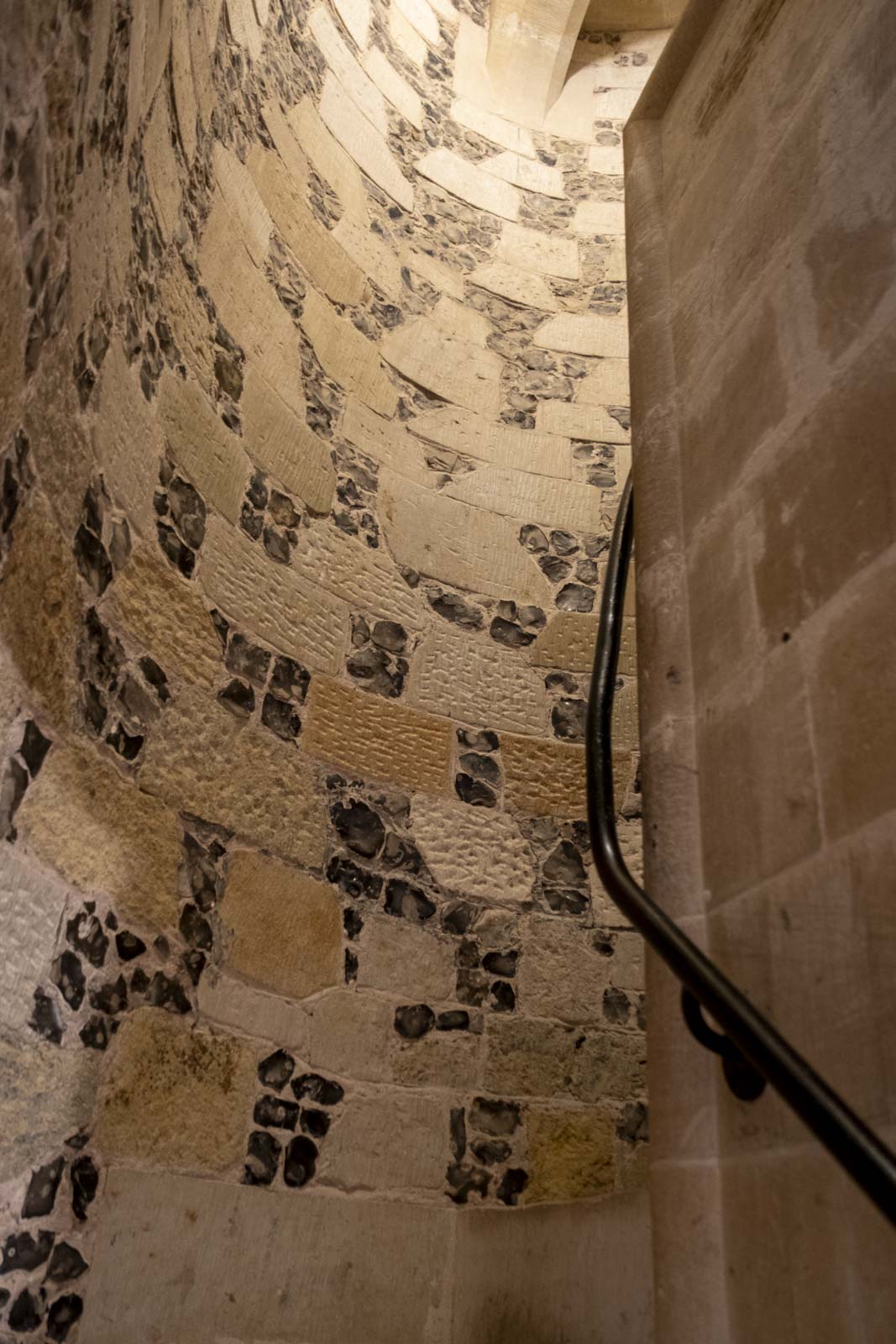
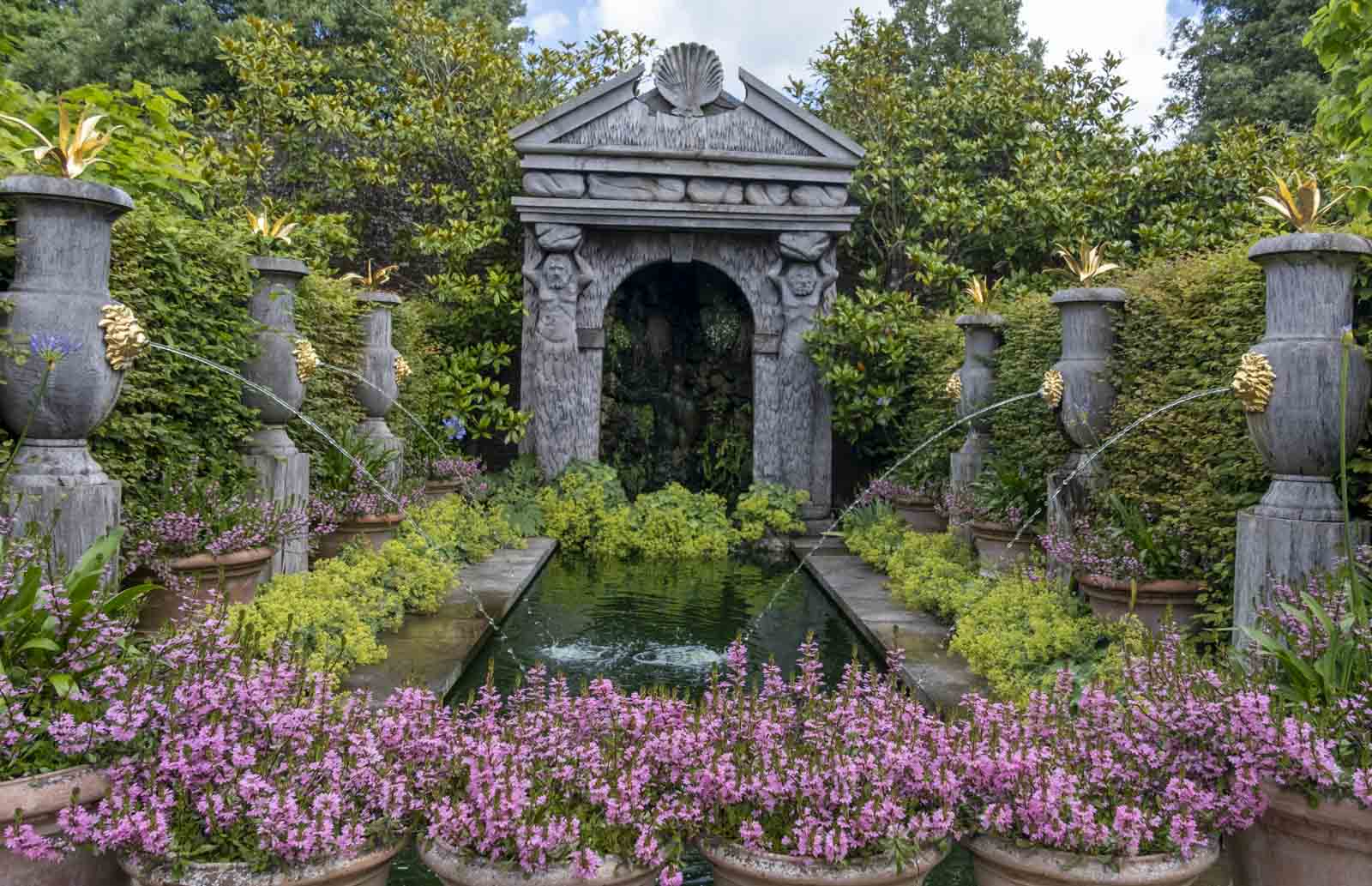
Arundel Castle was built in the 11th Century by Roger de Montgomery. With its pinnacles and towers, it looks more or less out of a fairy tale. In many ways it was a different castle than the first three we visited. I want to take you to some of its most interesting features.
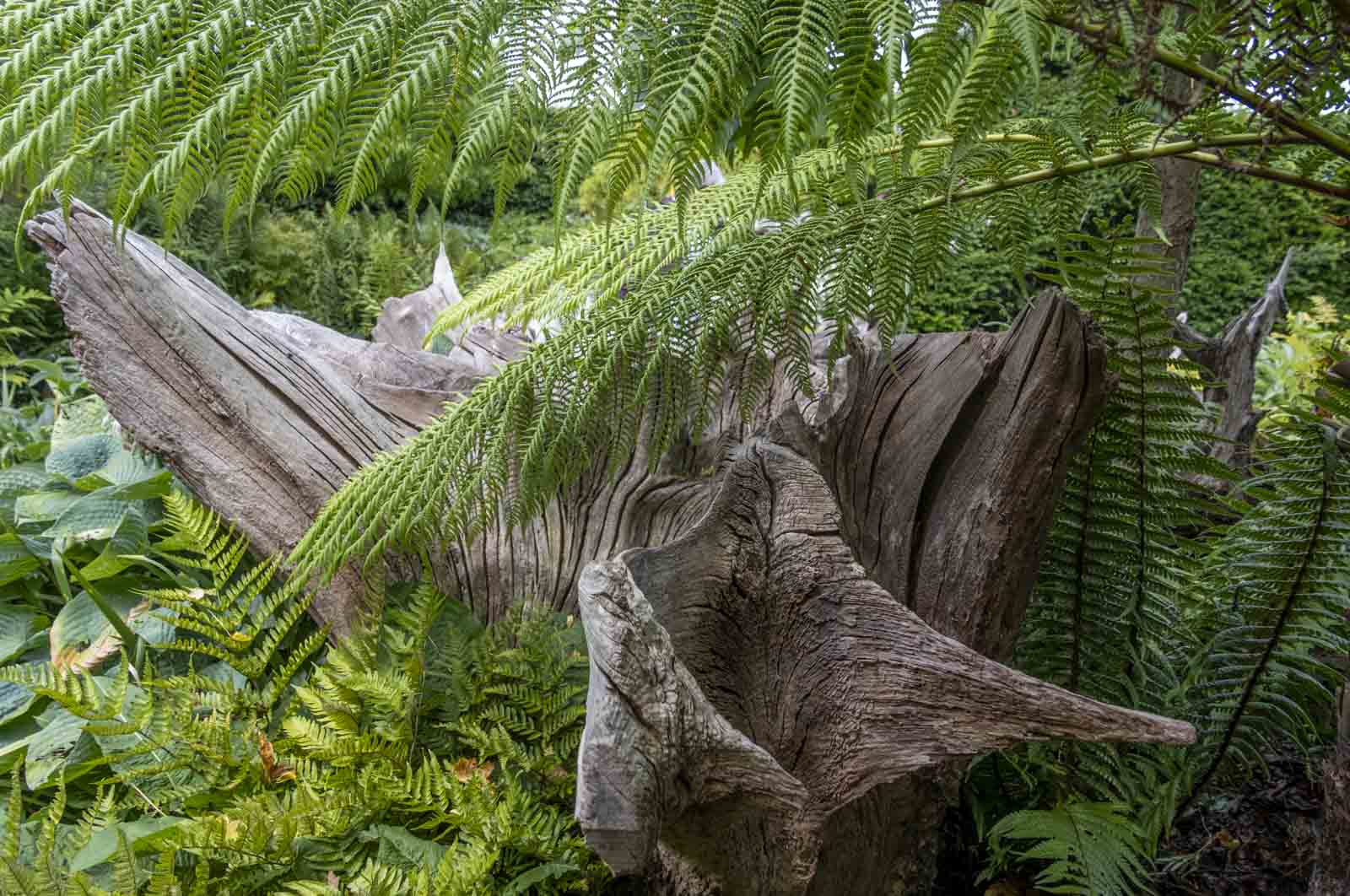
Arundel Castle is perhaps most famous for its Stumpery – a garden made out of old tree stumps and ferns. I immediately fell in love with it, and got some ideas for my own garden too. (Where I already have some fallen trees with planted climbers.)
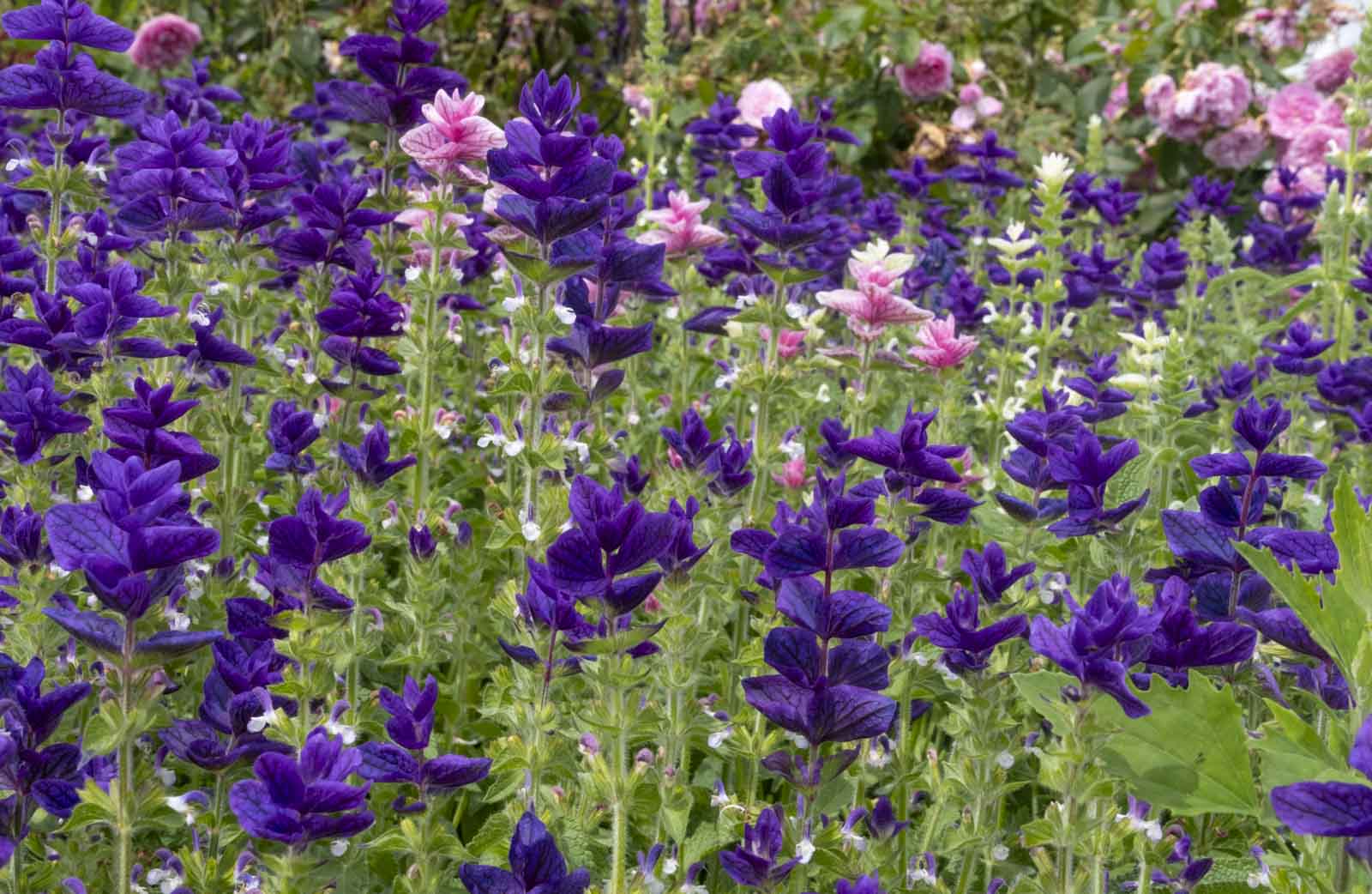
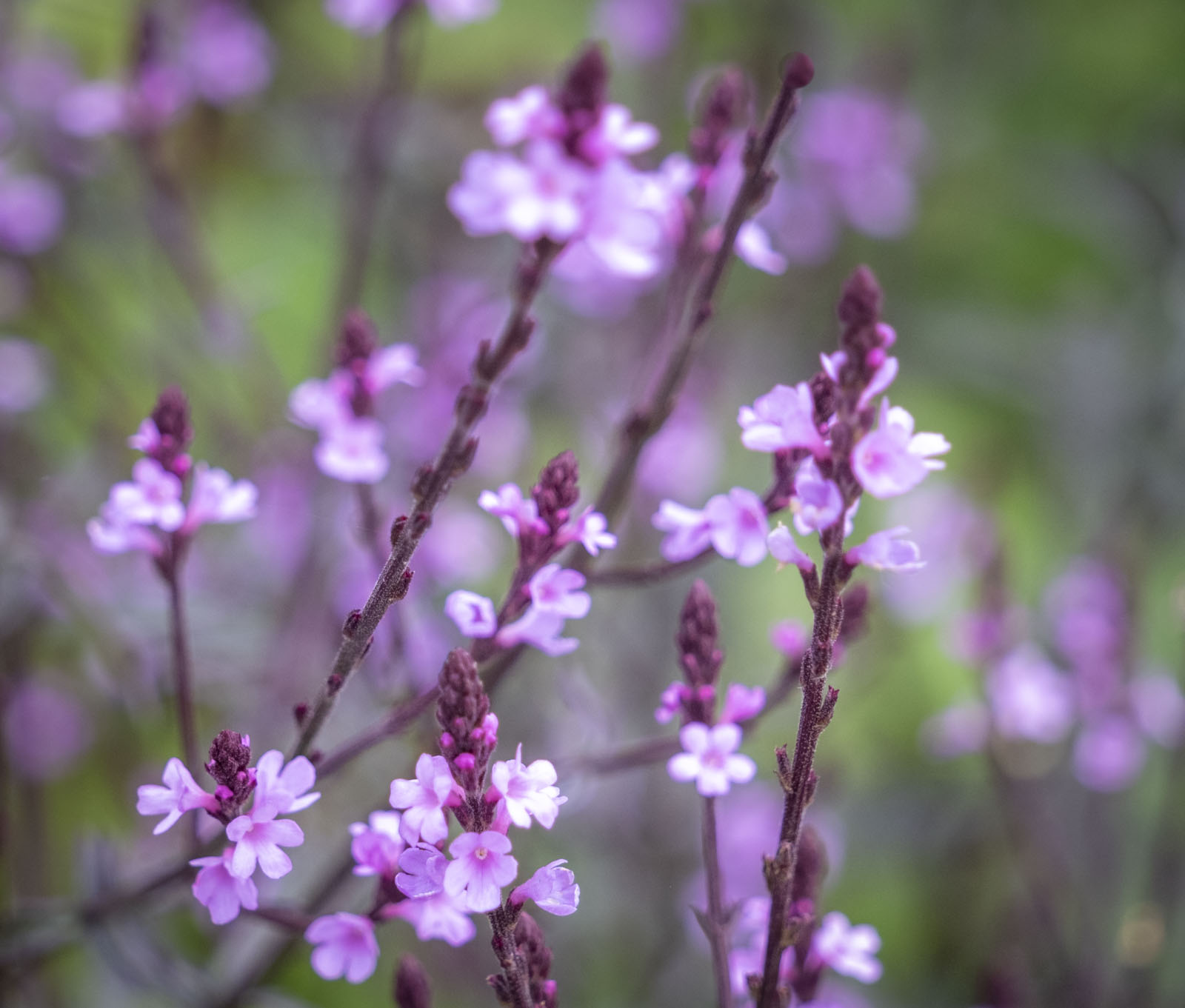
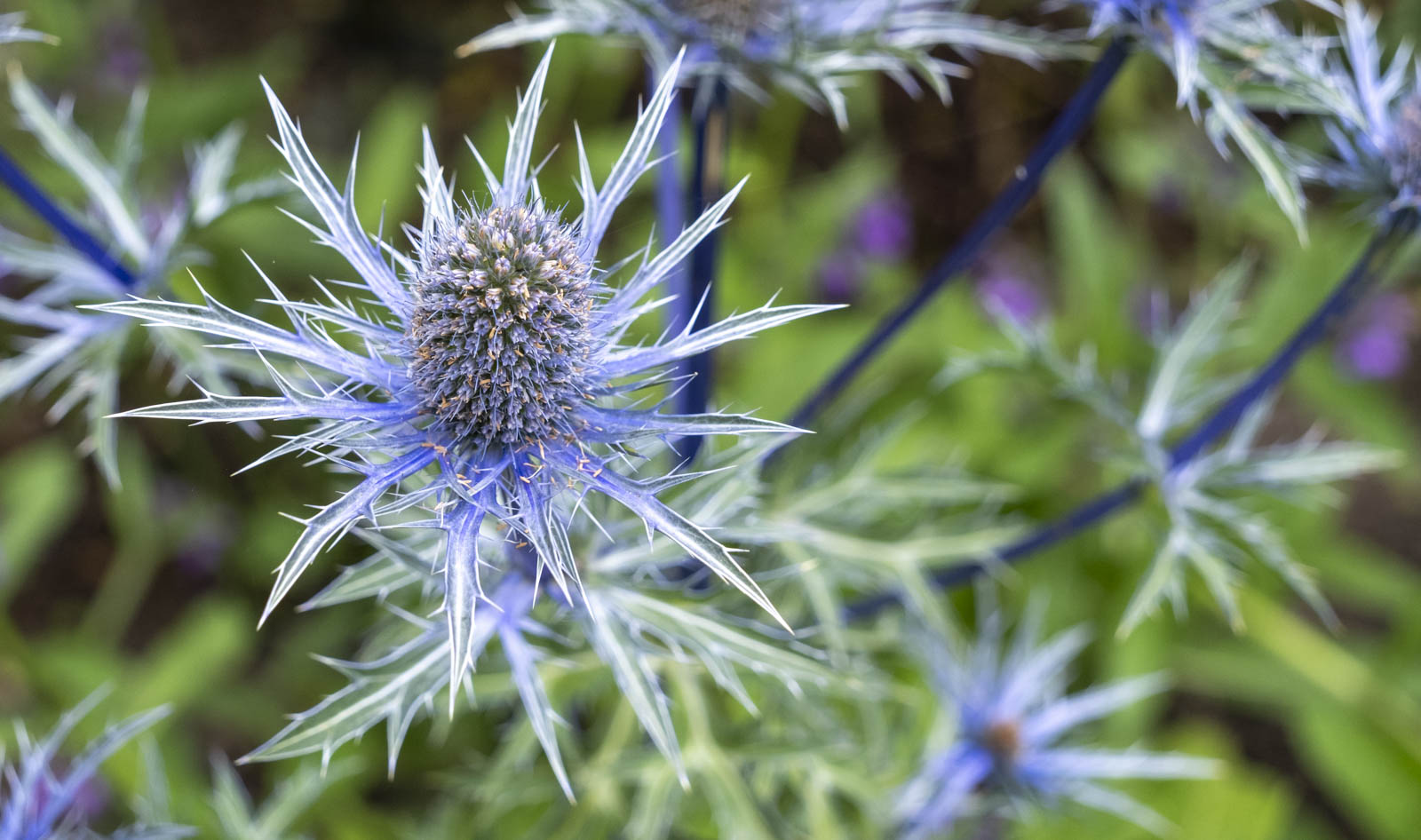
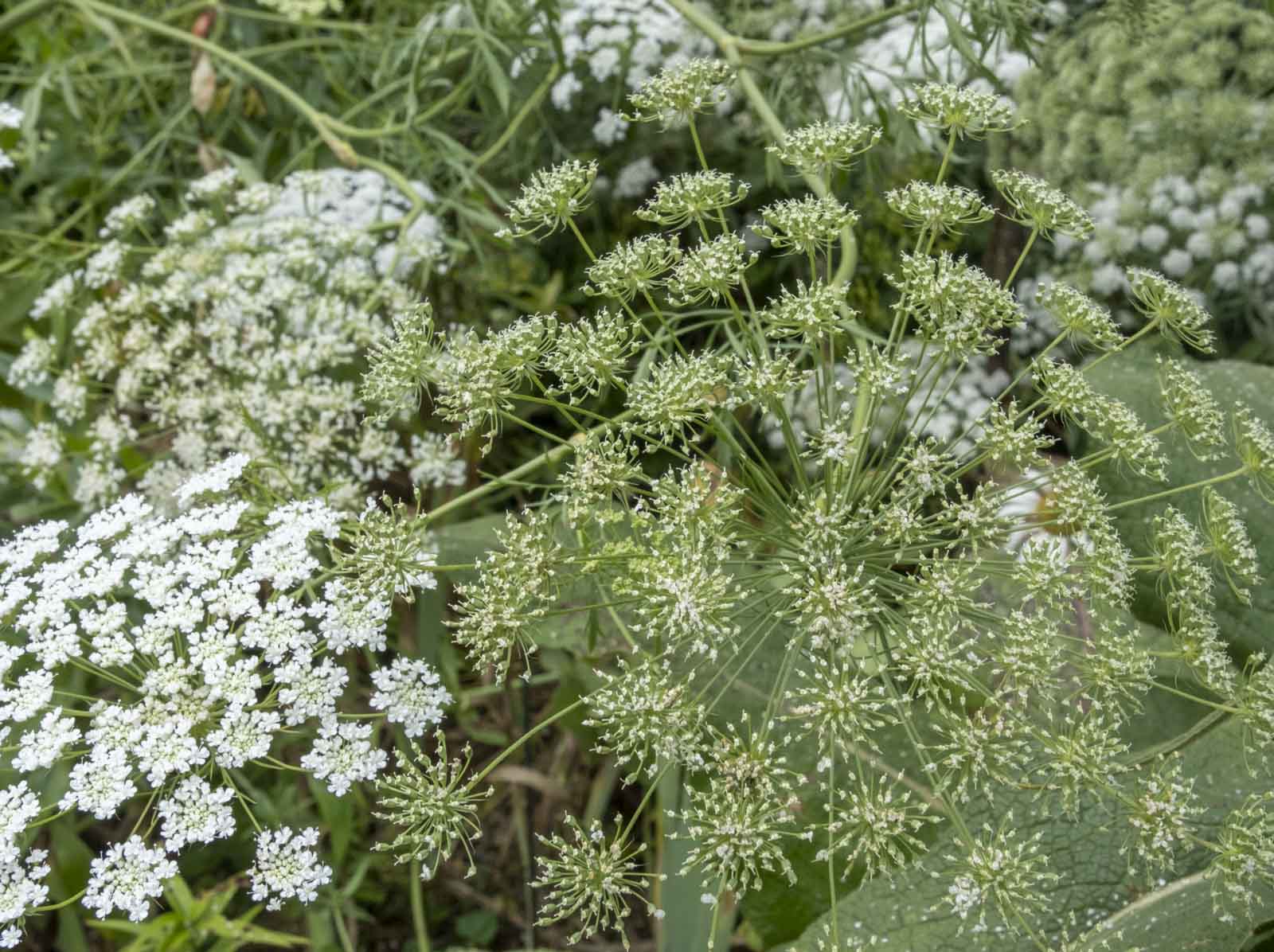
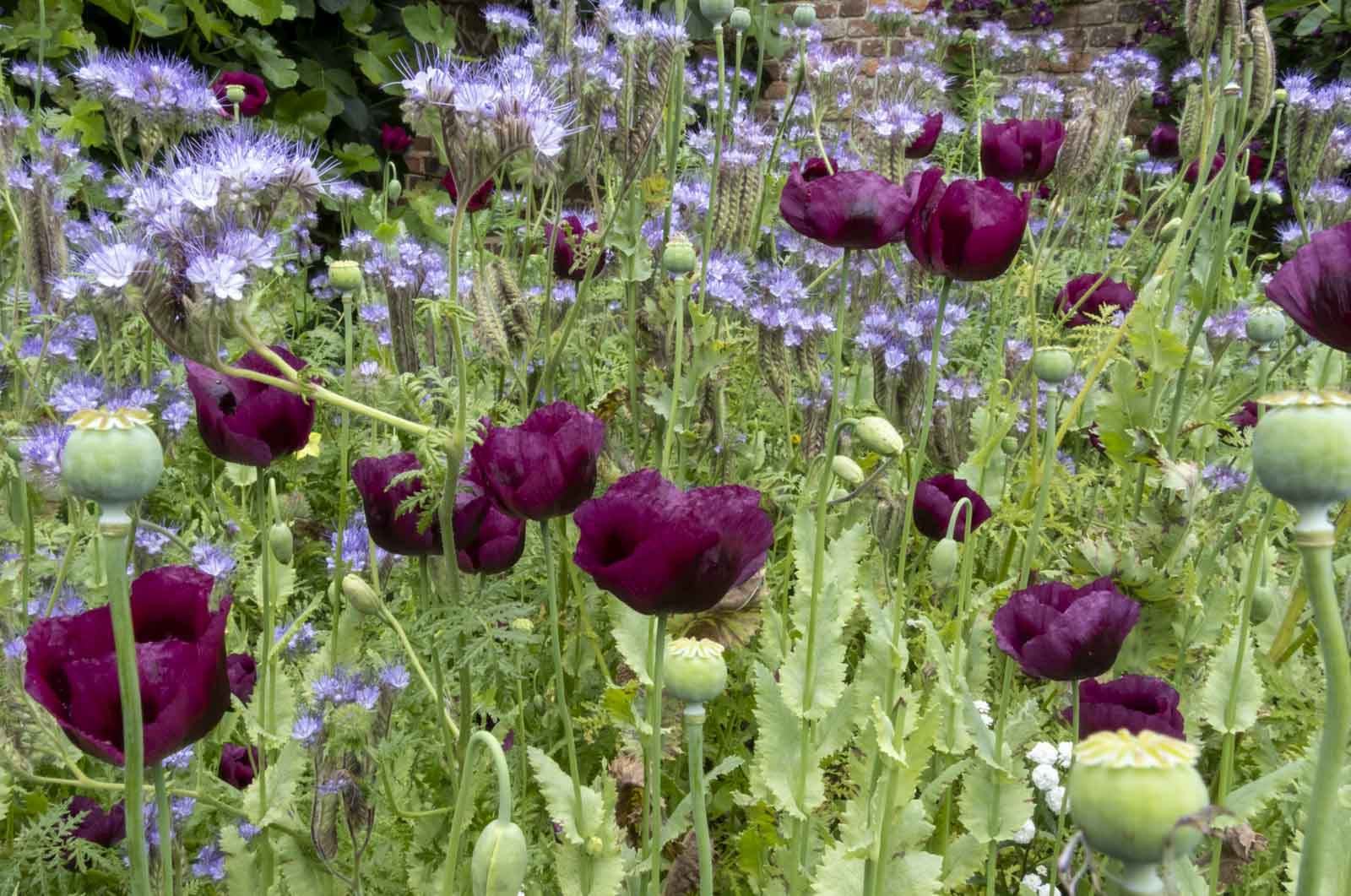
Another wonderful scenery was the wild flower garden, which reminded me of our wild flower fields up north, close to the mountains. I wish I could have a garden like that!
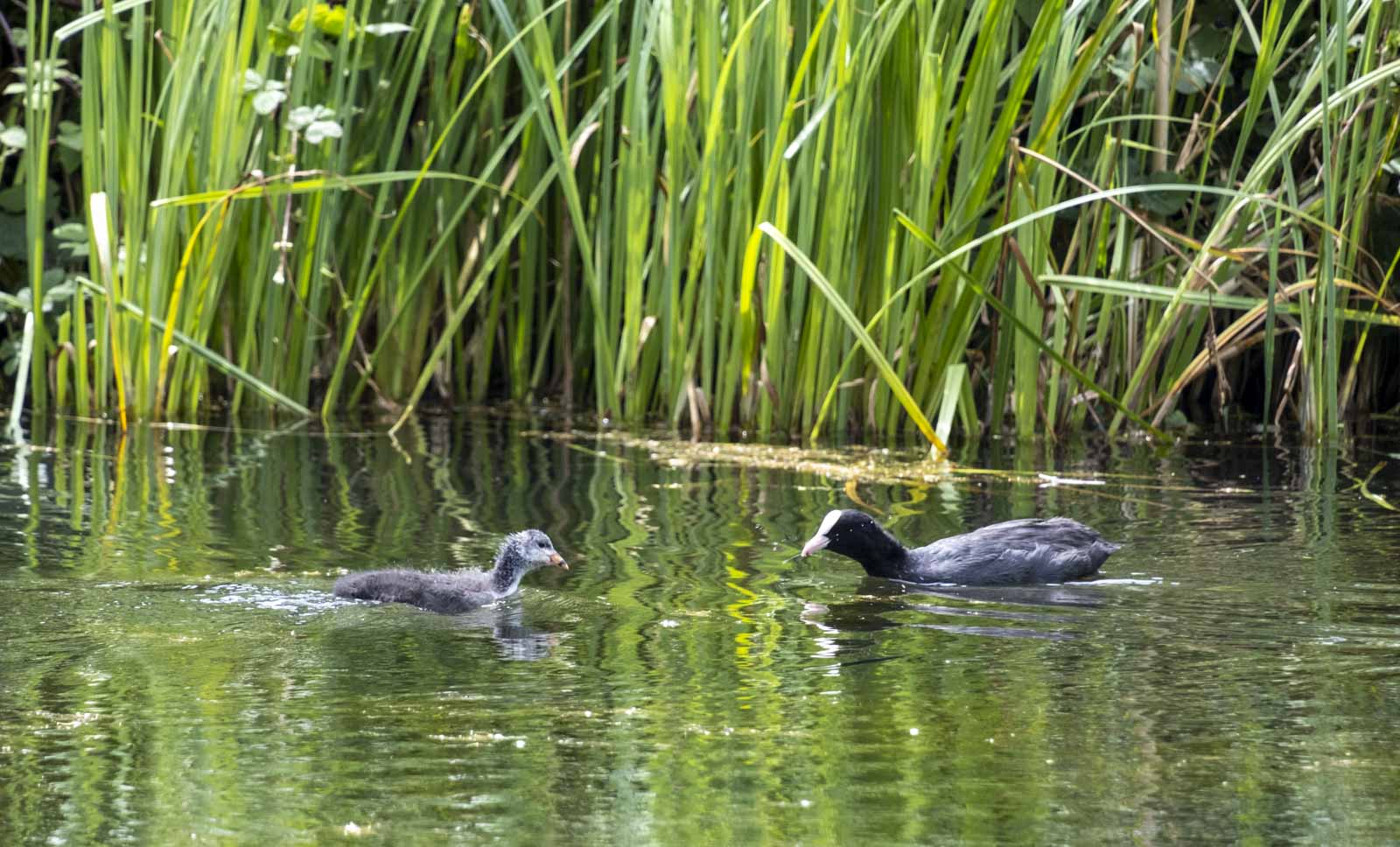
If you look closely, you can even find a young moor hen with its extremely big feet and toes. It was busy pruning itself and staring down into the water. They are such funny creatures, and this one seemed not at all afraid of people.
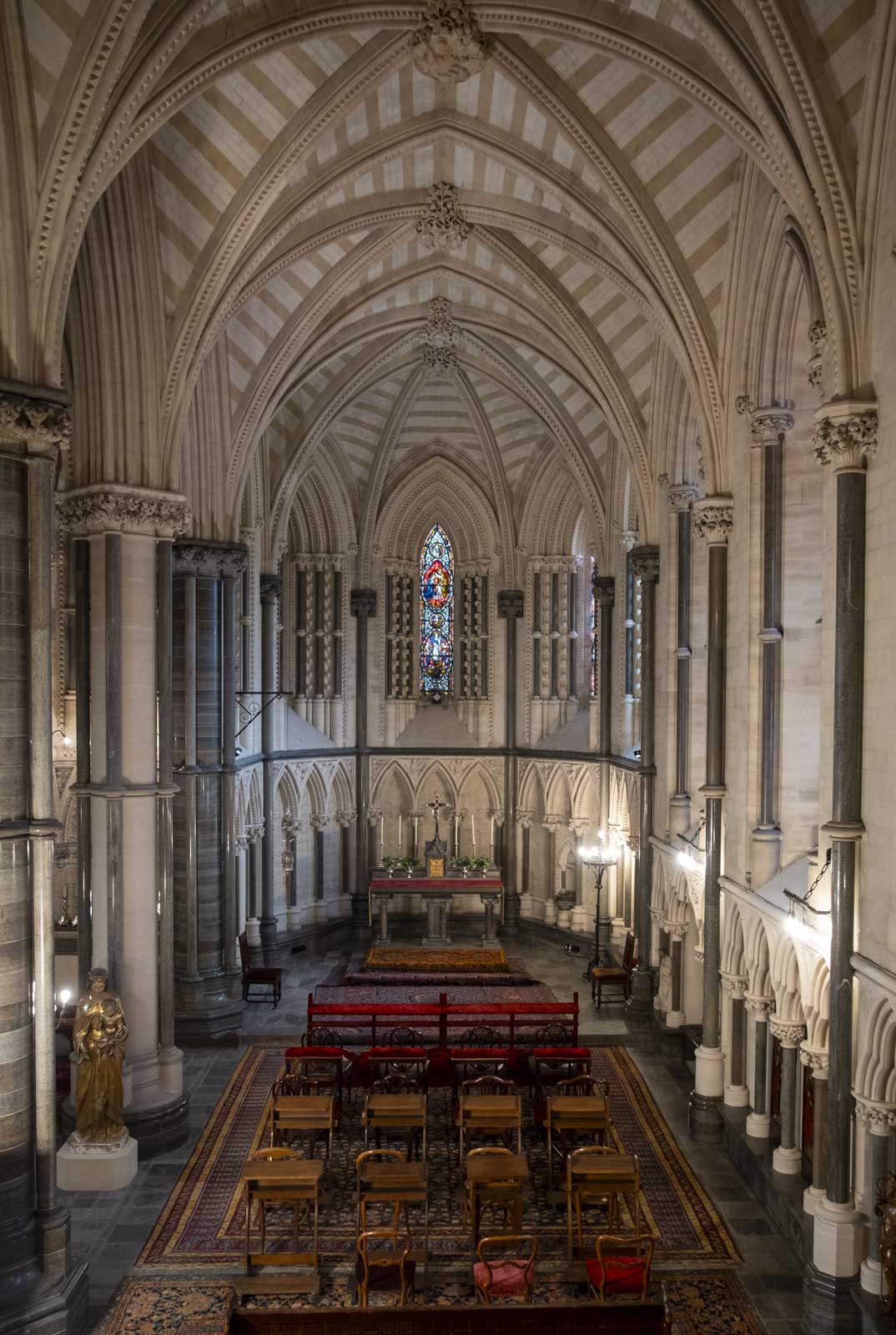
I think I will save some pictures from the gardens as well as inside the castle for another post. Hopefully you enjoyed the tour – thank you for walking with me!
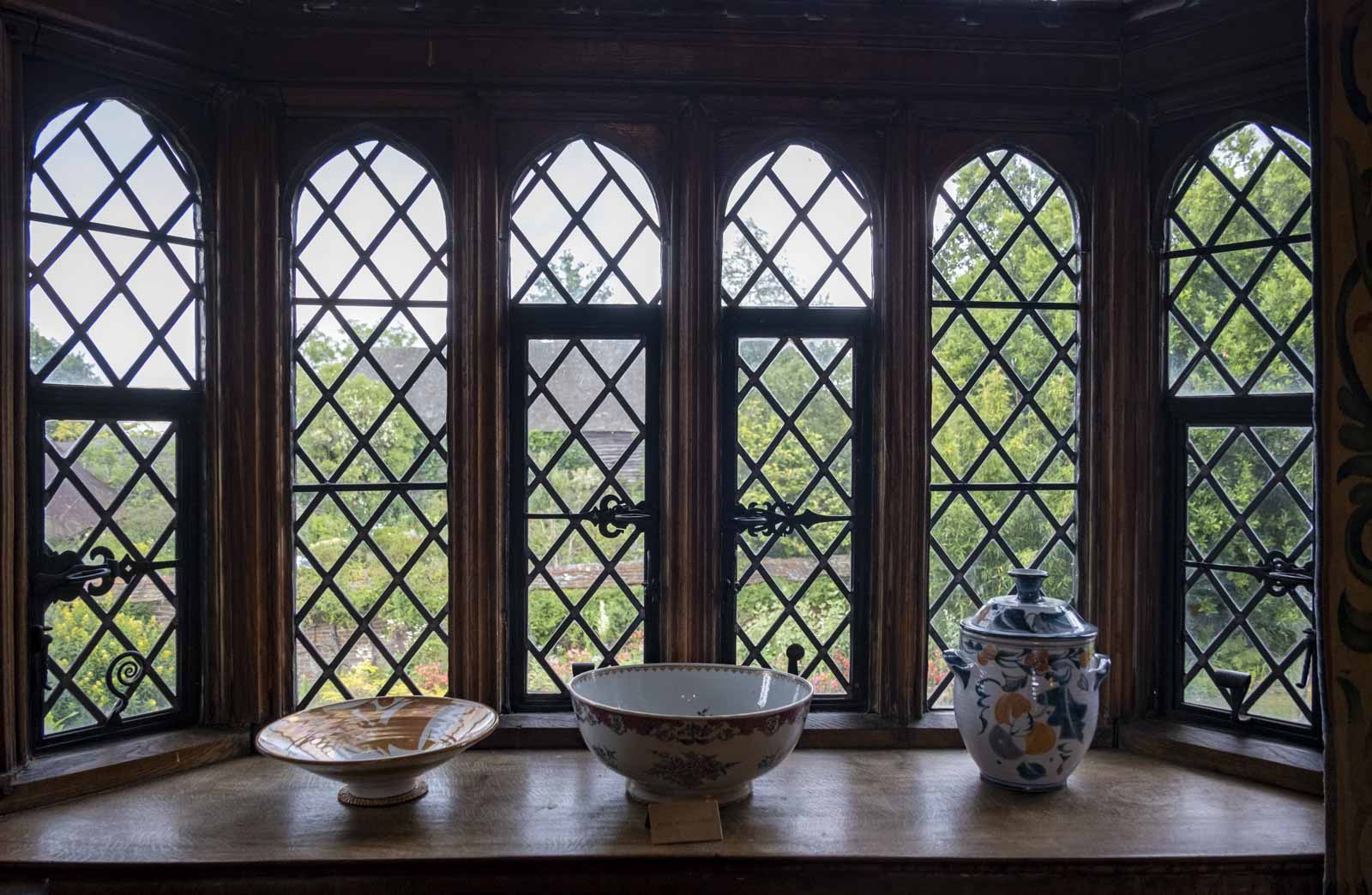
As this was my favourite house and garden on the tour, I will post some more from both the garden and indoors. The interior was very special, and the windows amazingly beautiful.
On entering the house, the light from the many windows and the open architectural solution made for an immediate love. In the header you can see the second floor and some more modern architecture.
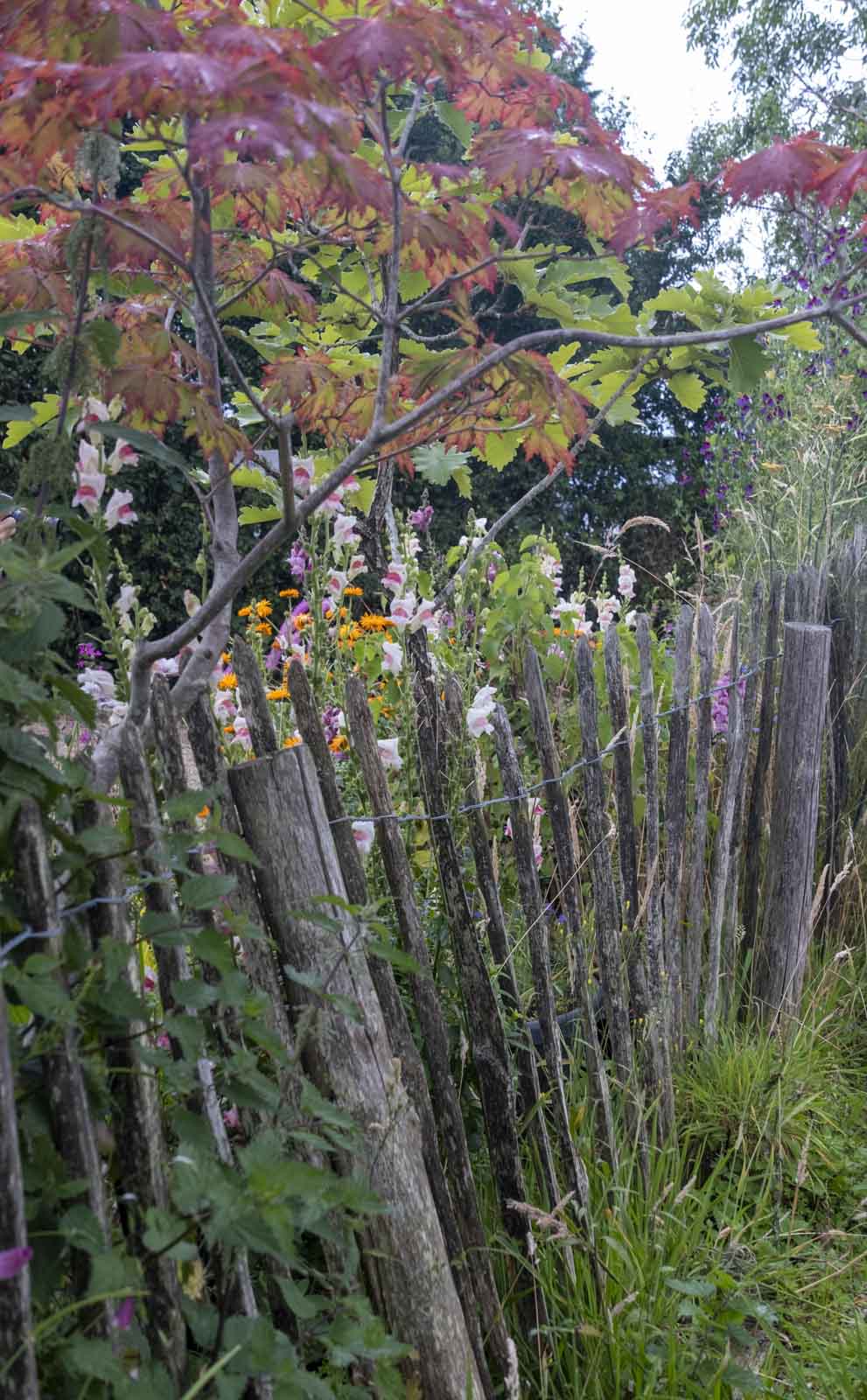
I loved the seemingly wild and random, unorganized looks of the garden – even if I knew there is a design behind it. For more facts, please visit Jude again!
The nursery is a must see in every garden – and maybe buy a little something…which I of course did! Thank you for walking with me – hope to see you in my next garden walk too.
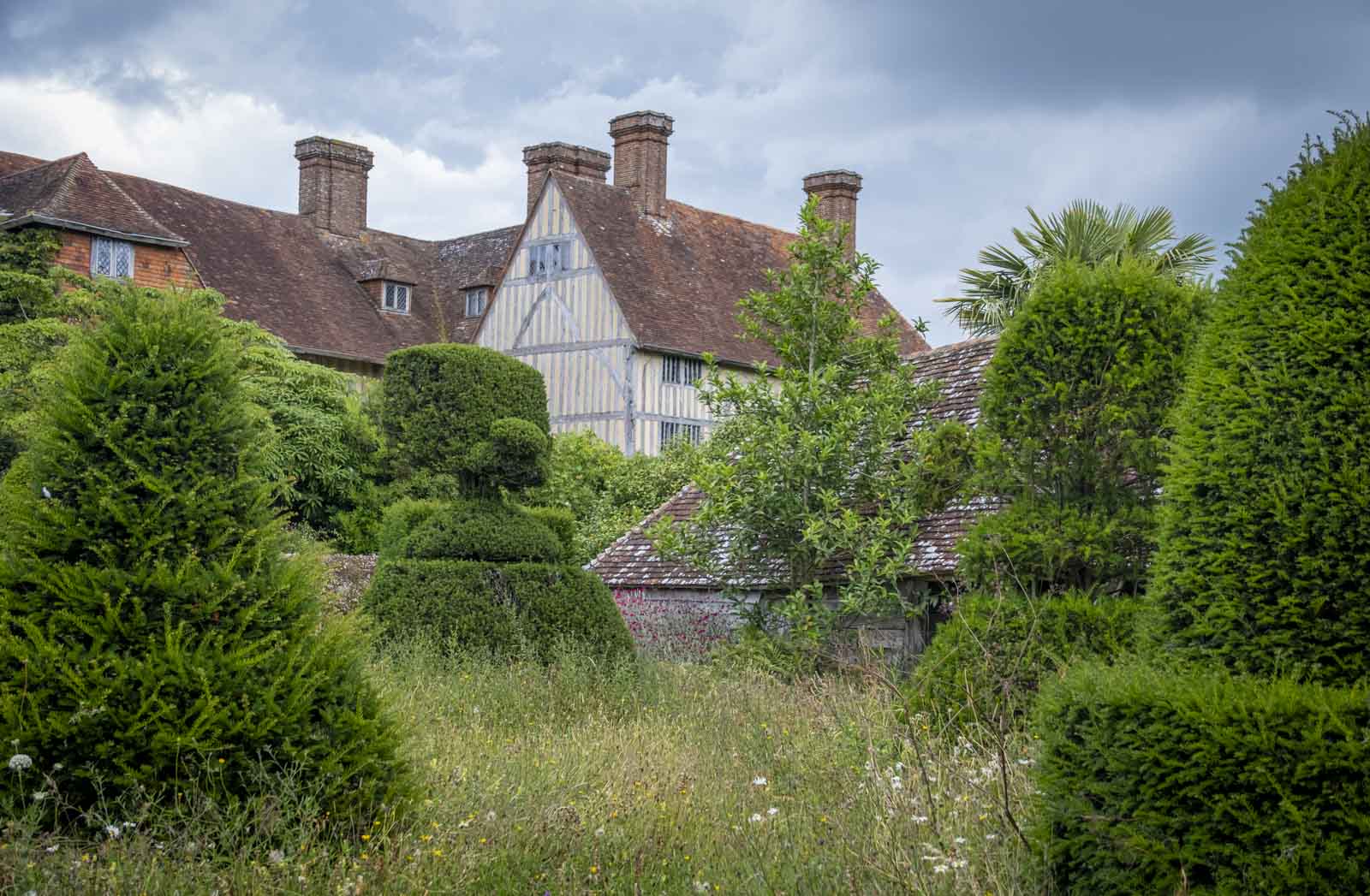
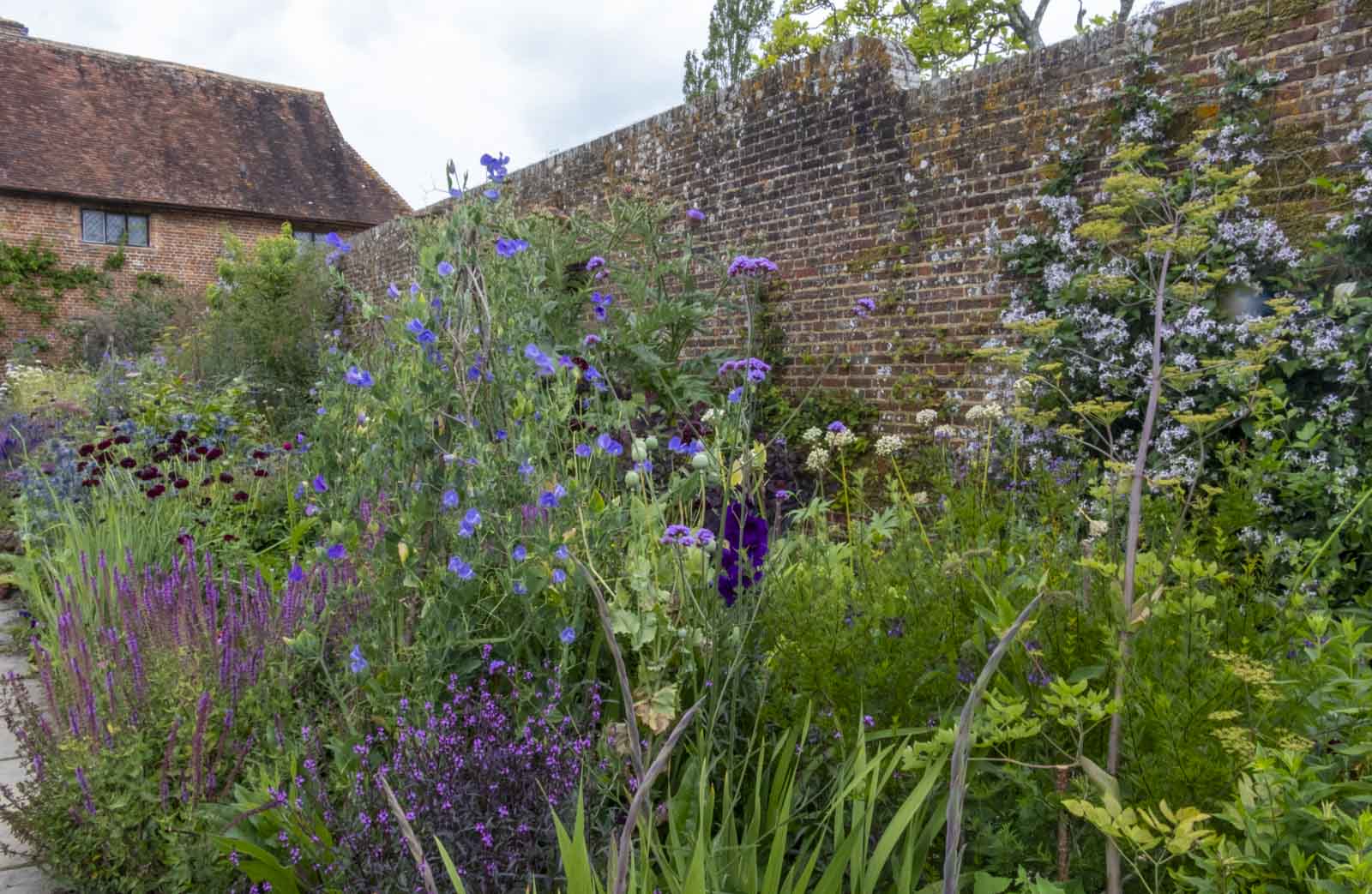
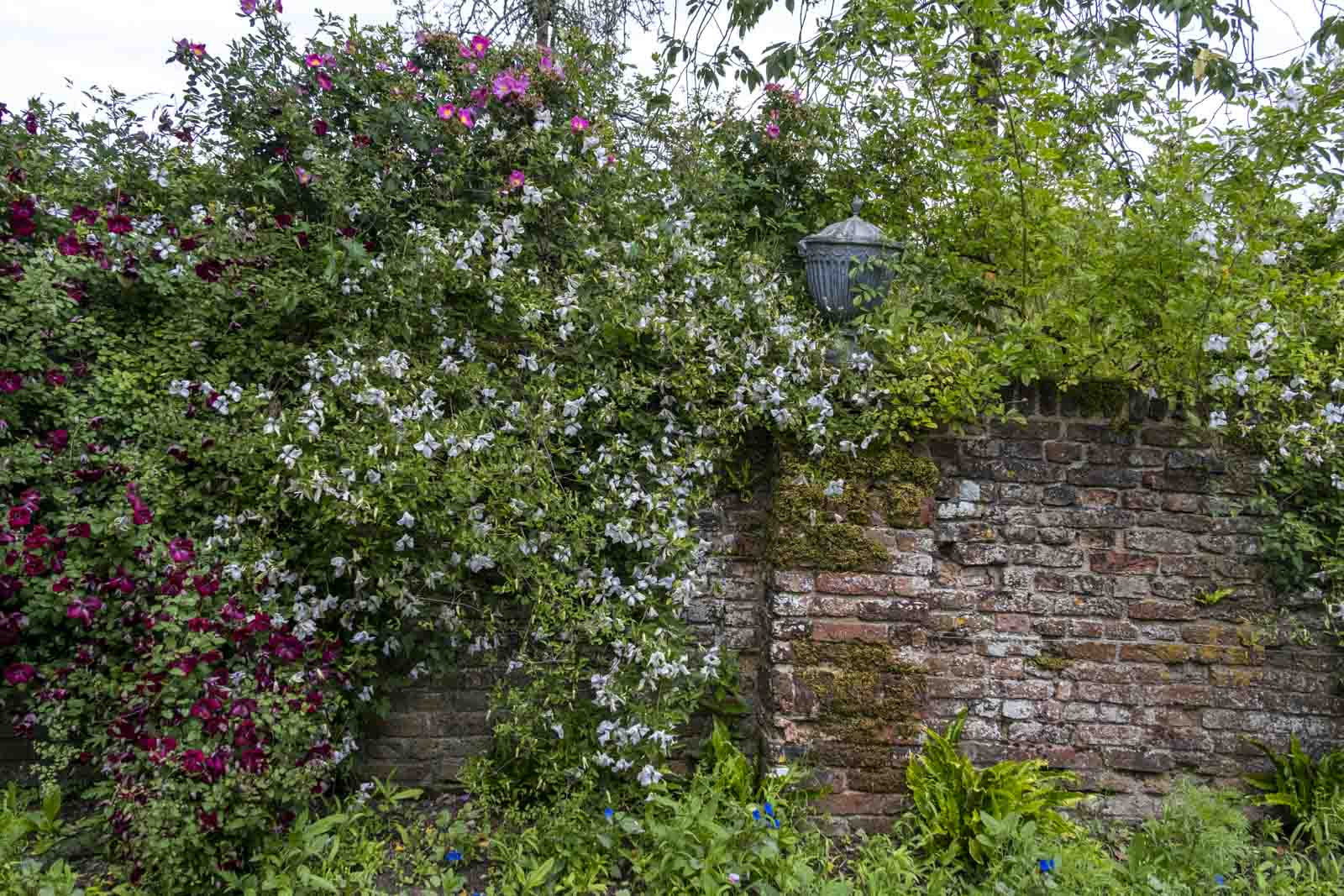
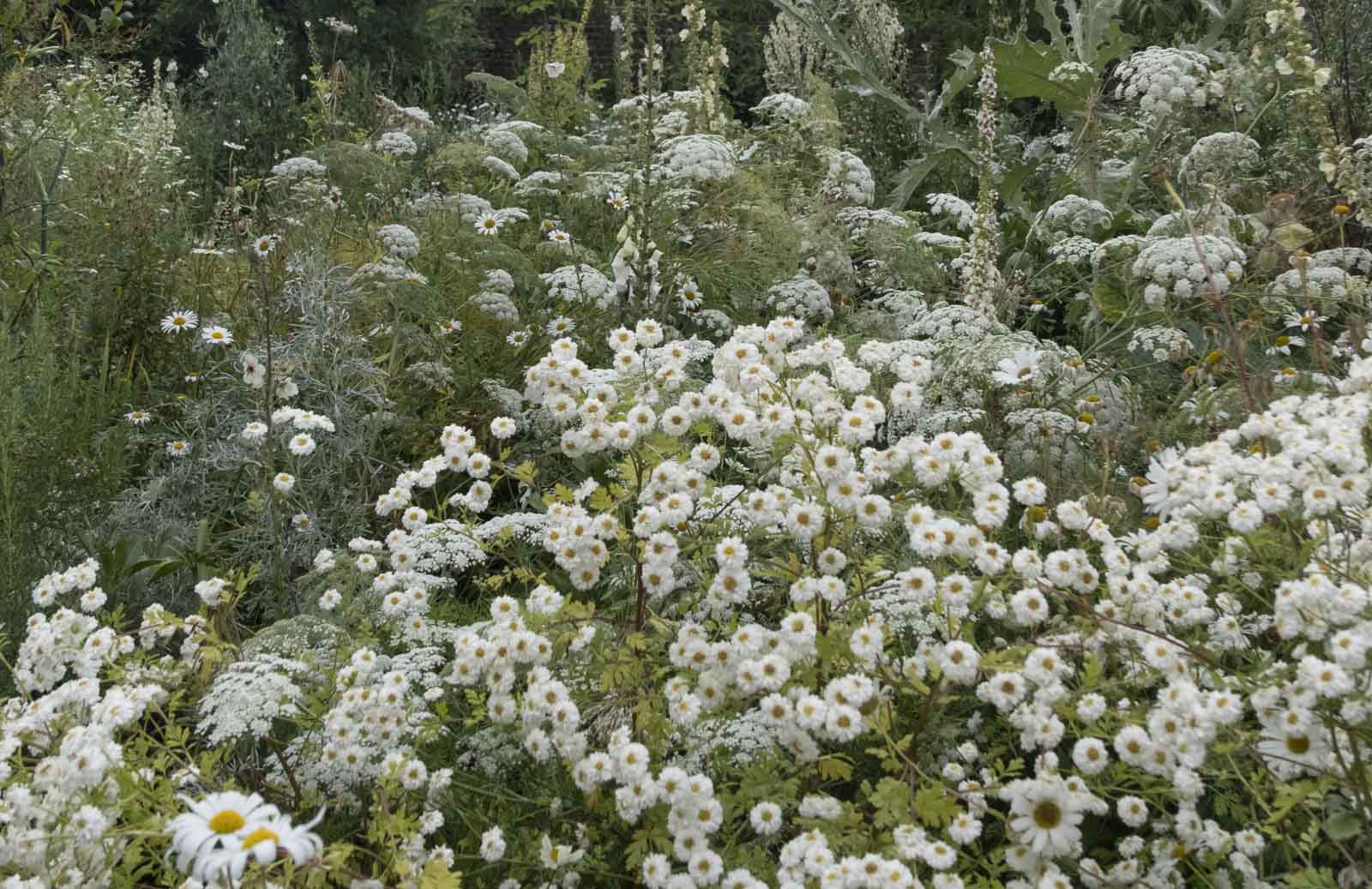
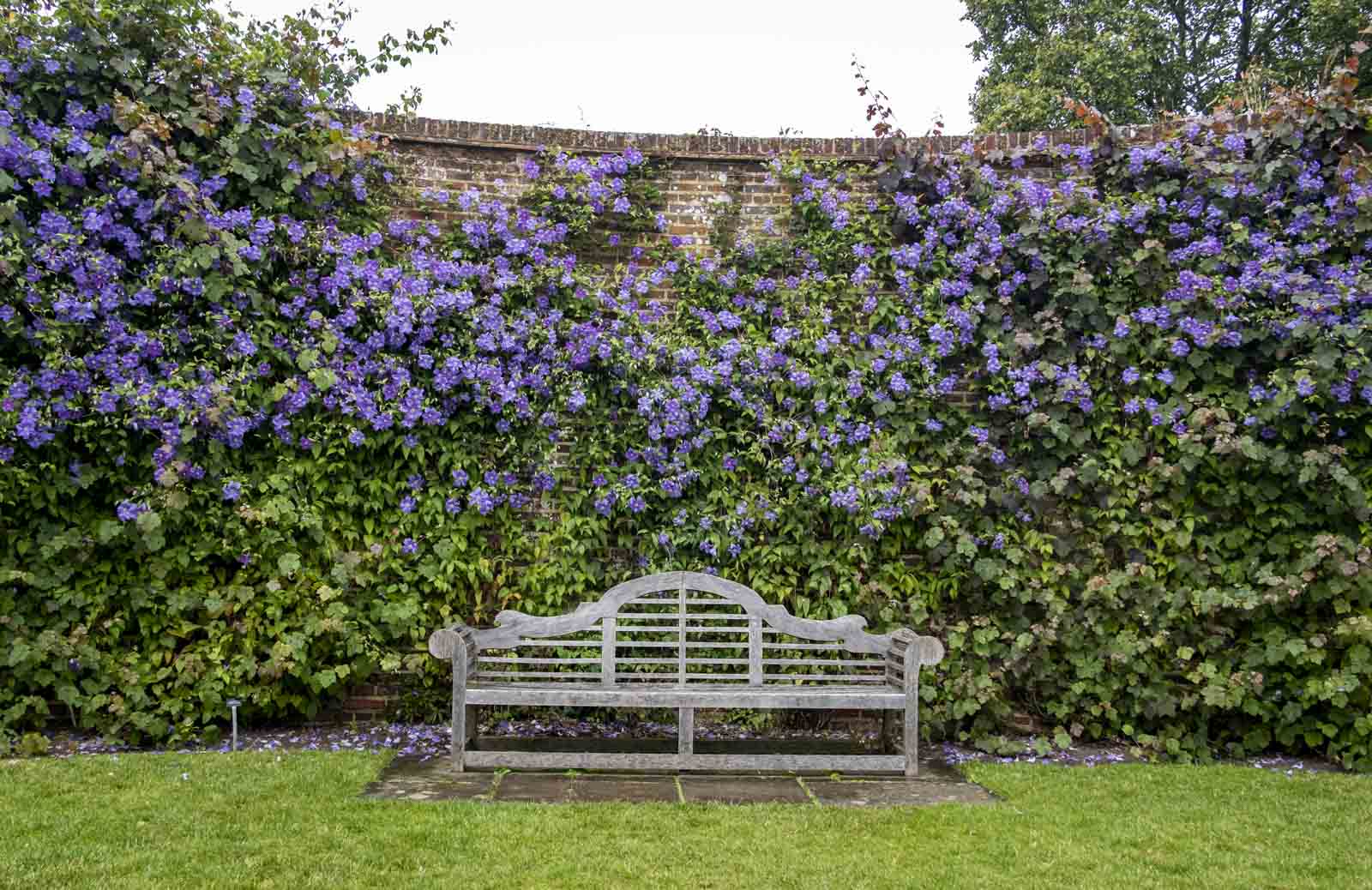
When we left Sissinghurst that day, I wondered how any garden would be able to match it. But, Great Dixter did. Great Dixter is a house in Northiam, East Sussex, England. It was built in 1910–12 by architect Edwin Lutyens. The original Northiam house, dating from the mid-15th century, was acquired by a businessman named Nathaniel Lloyd in 1909.
Lloyd and Lutyens began the garden at Great Dixter, but it was Lloyd’s son Christopher Lloyd, a well known garden writer and television personality, who made it famous. The garden is in the arts and crafts style, where the planting is profuse, yet structured, and has featured many bold experiments of form, colour and combination.
The garden is currently managed by Fergus Garrett, who worked closely with Lloyd up until his death in 2006 as Head Gardener and introduced a number of innovations into the planting scheme.
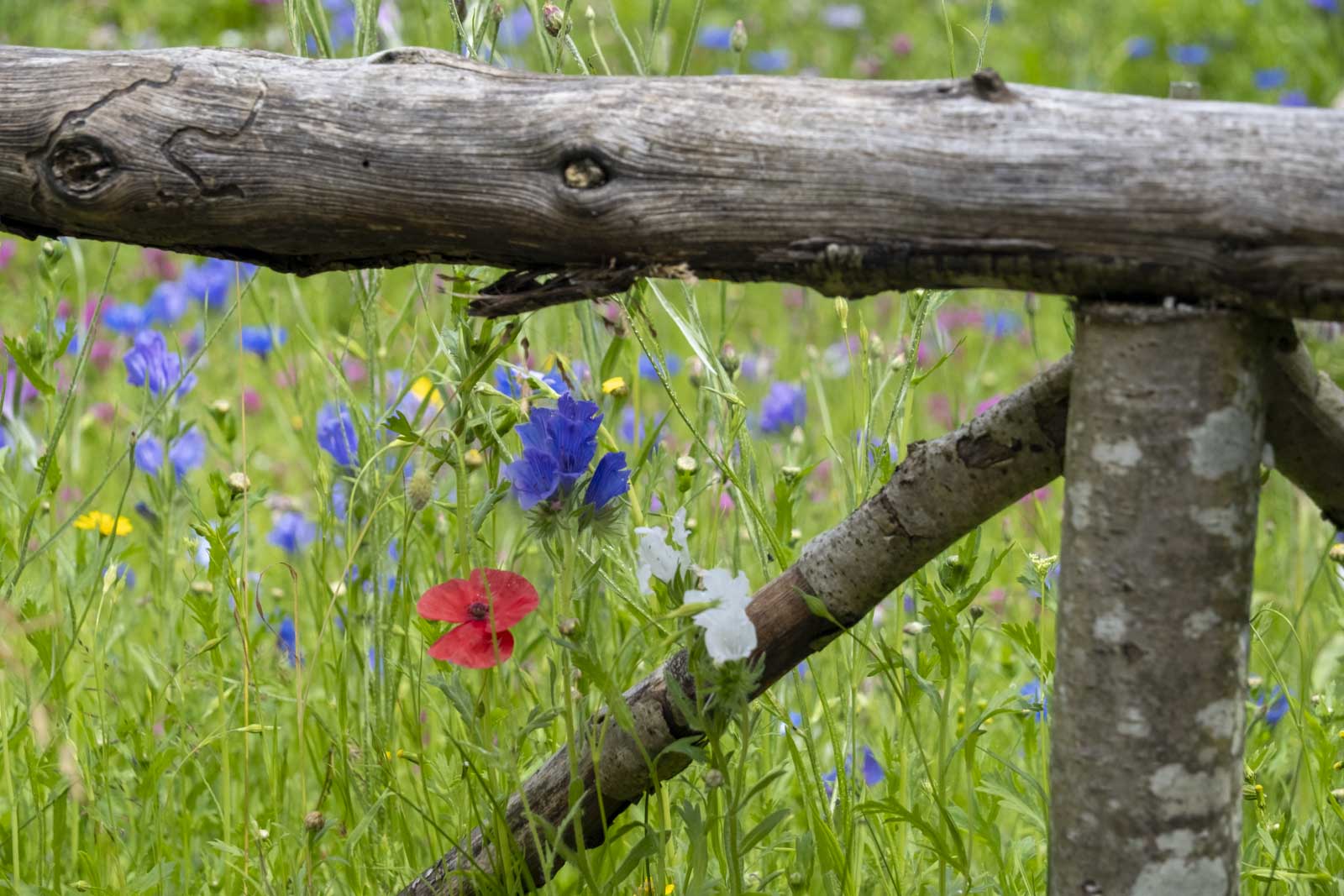
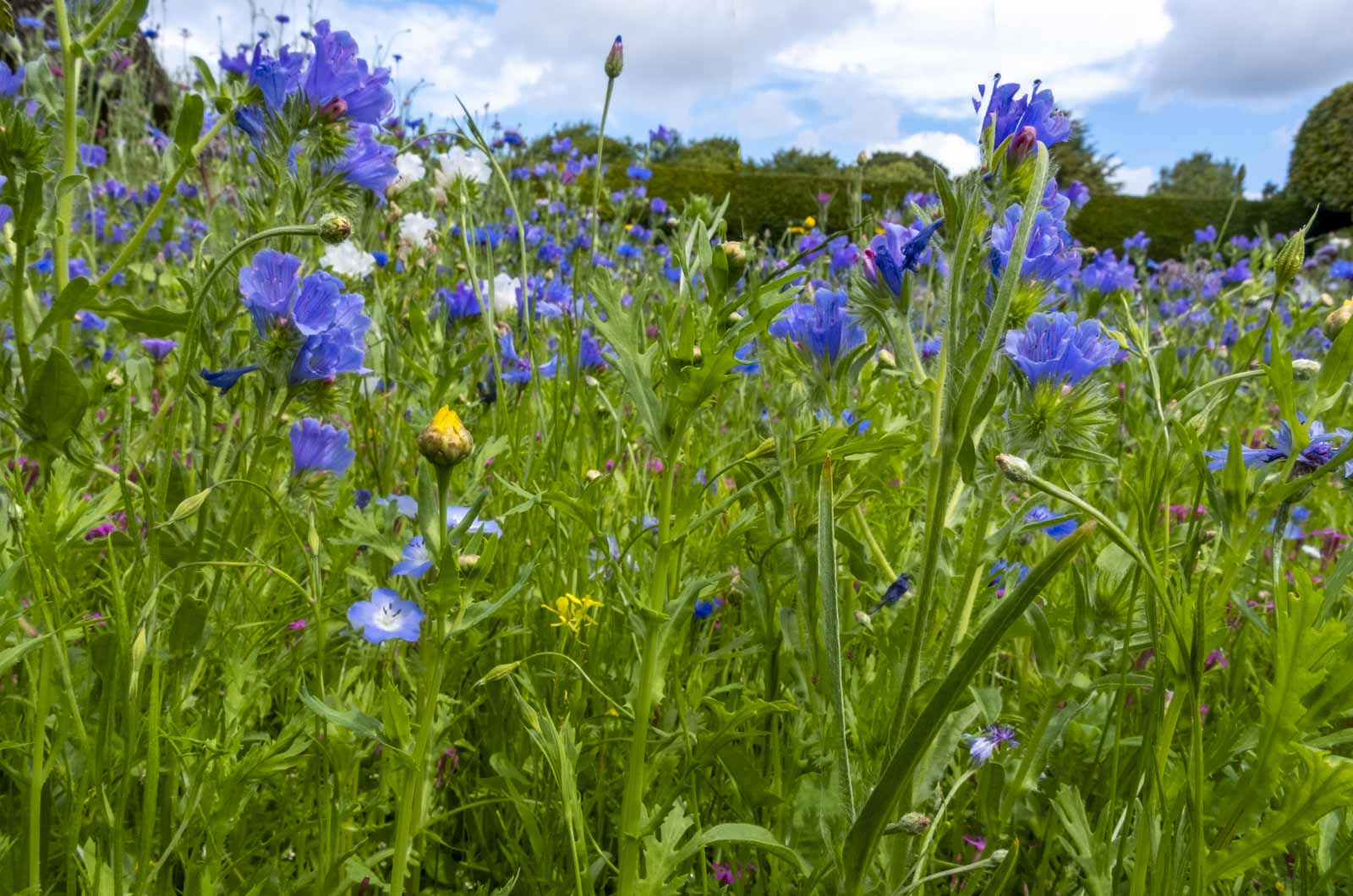
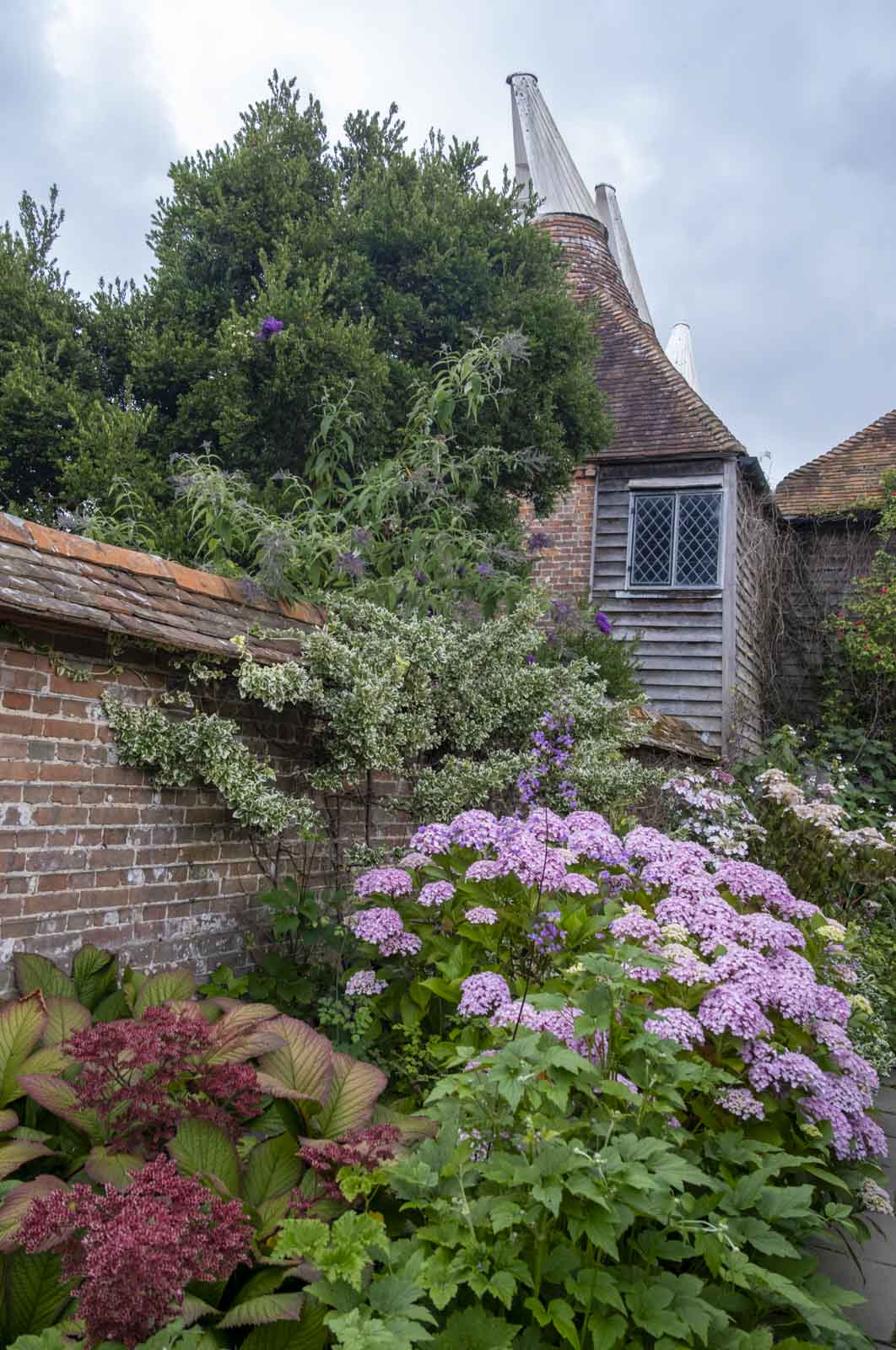
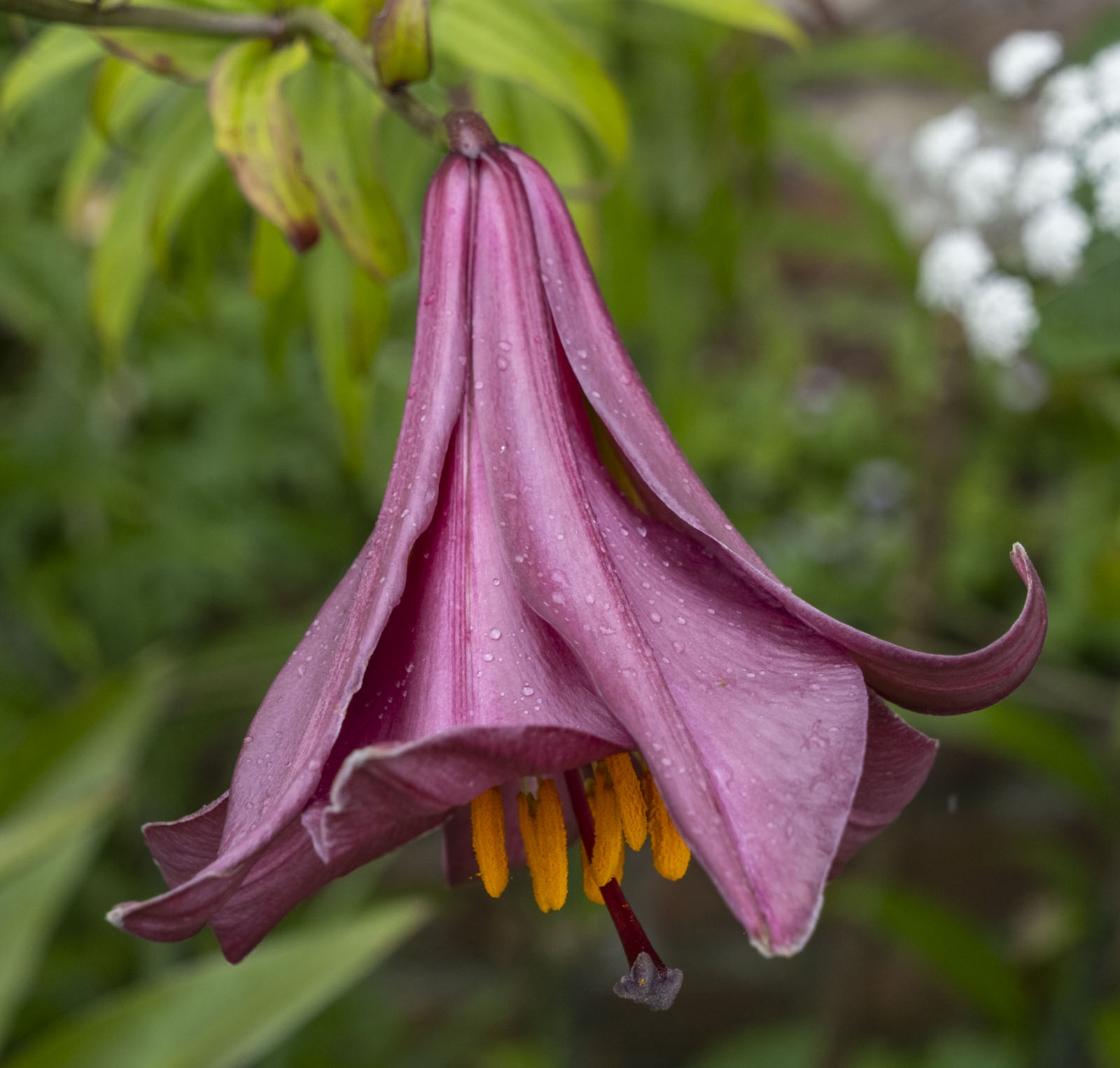
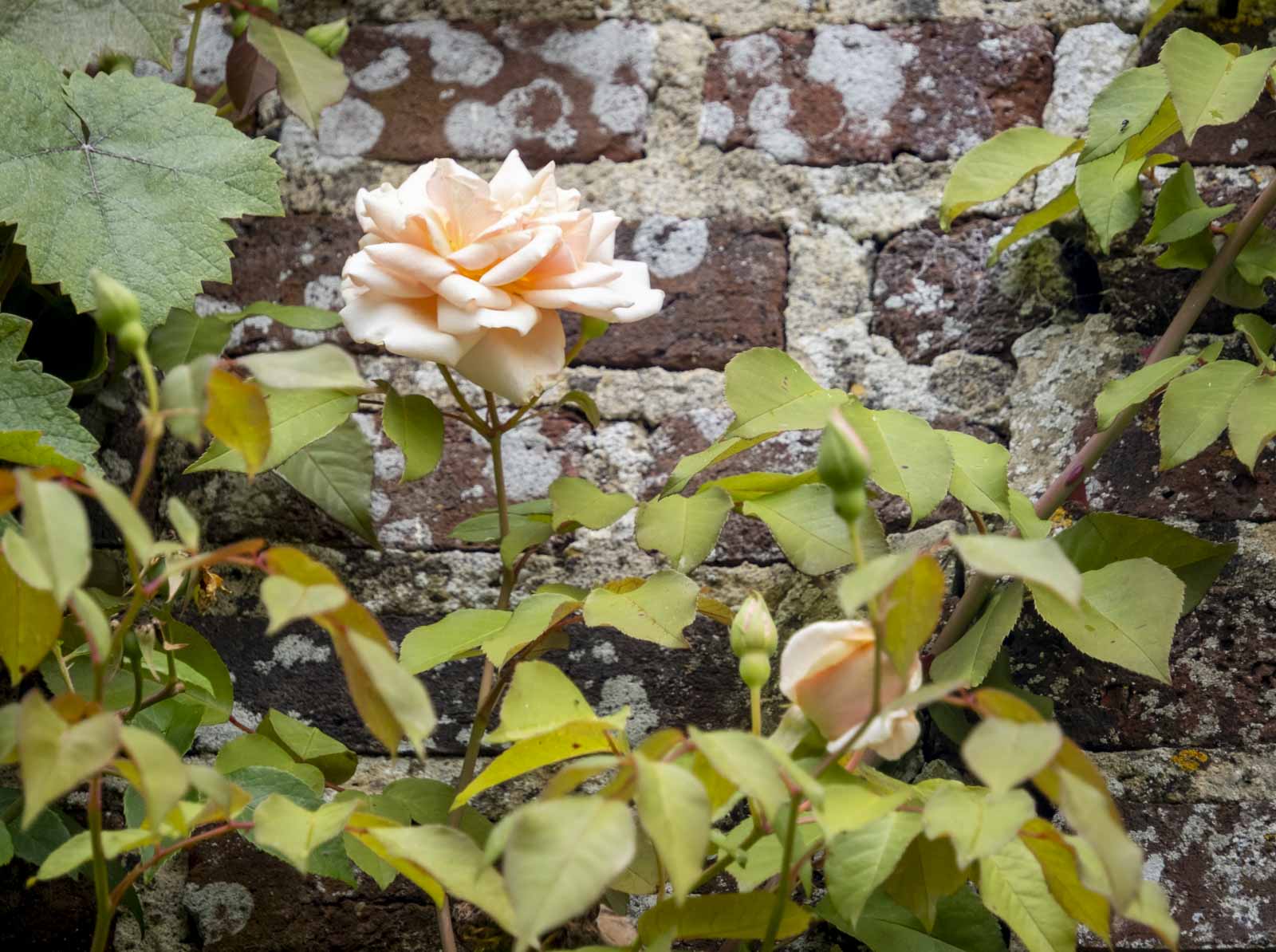
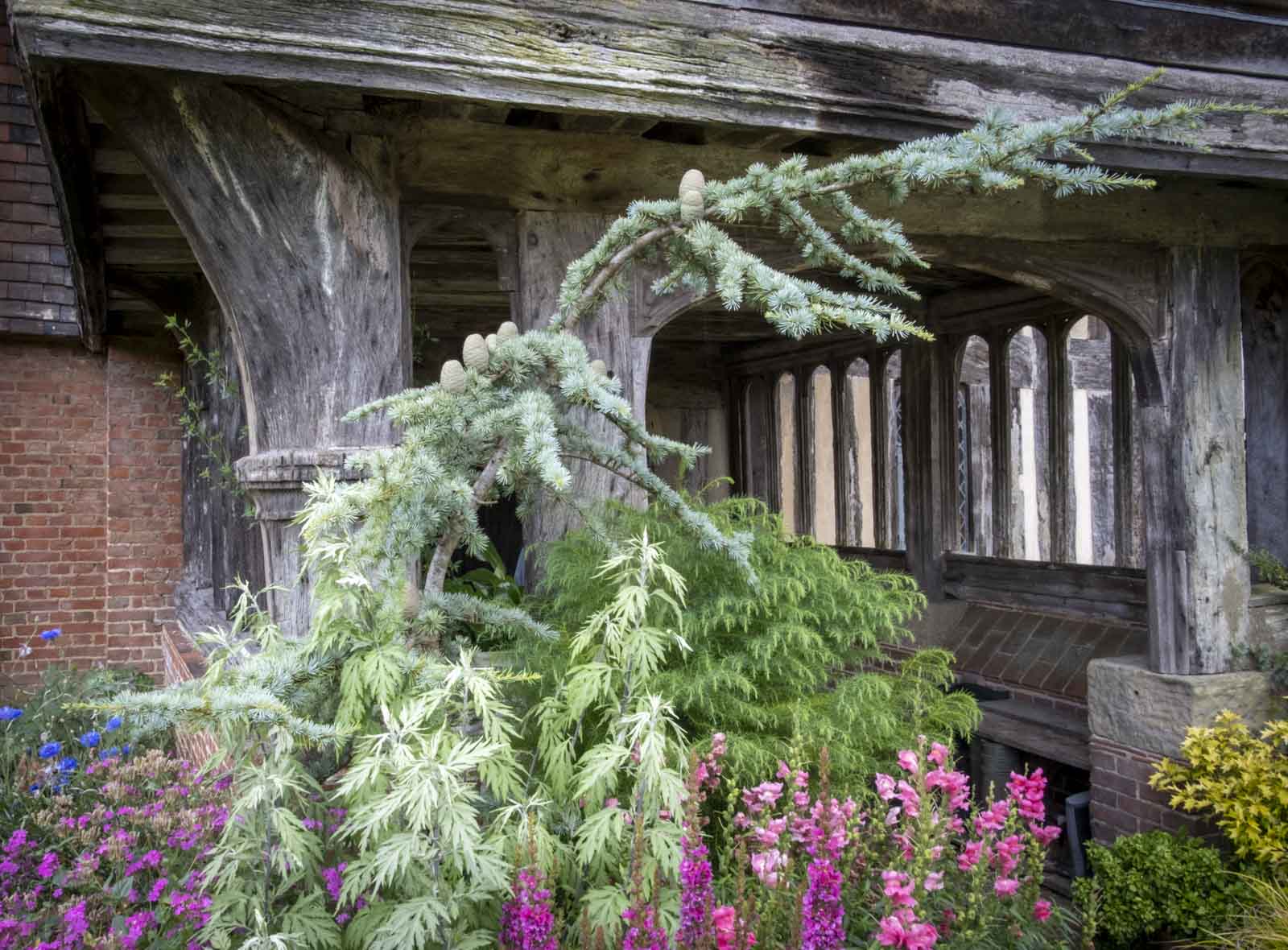
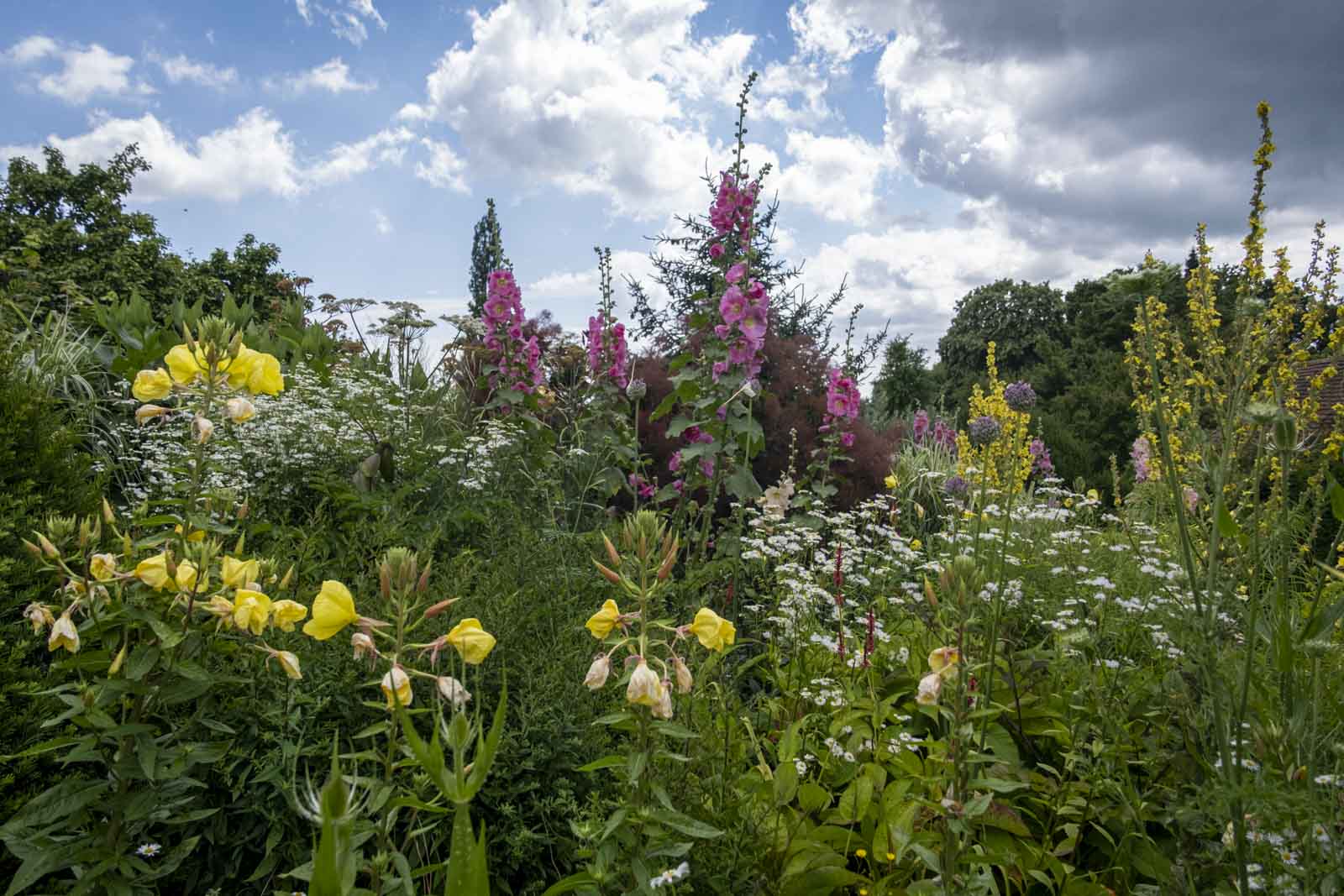
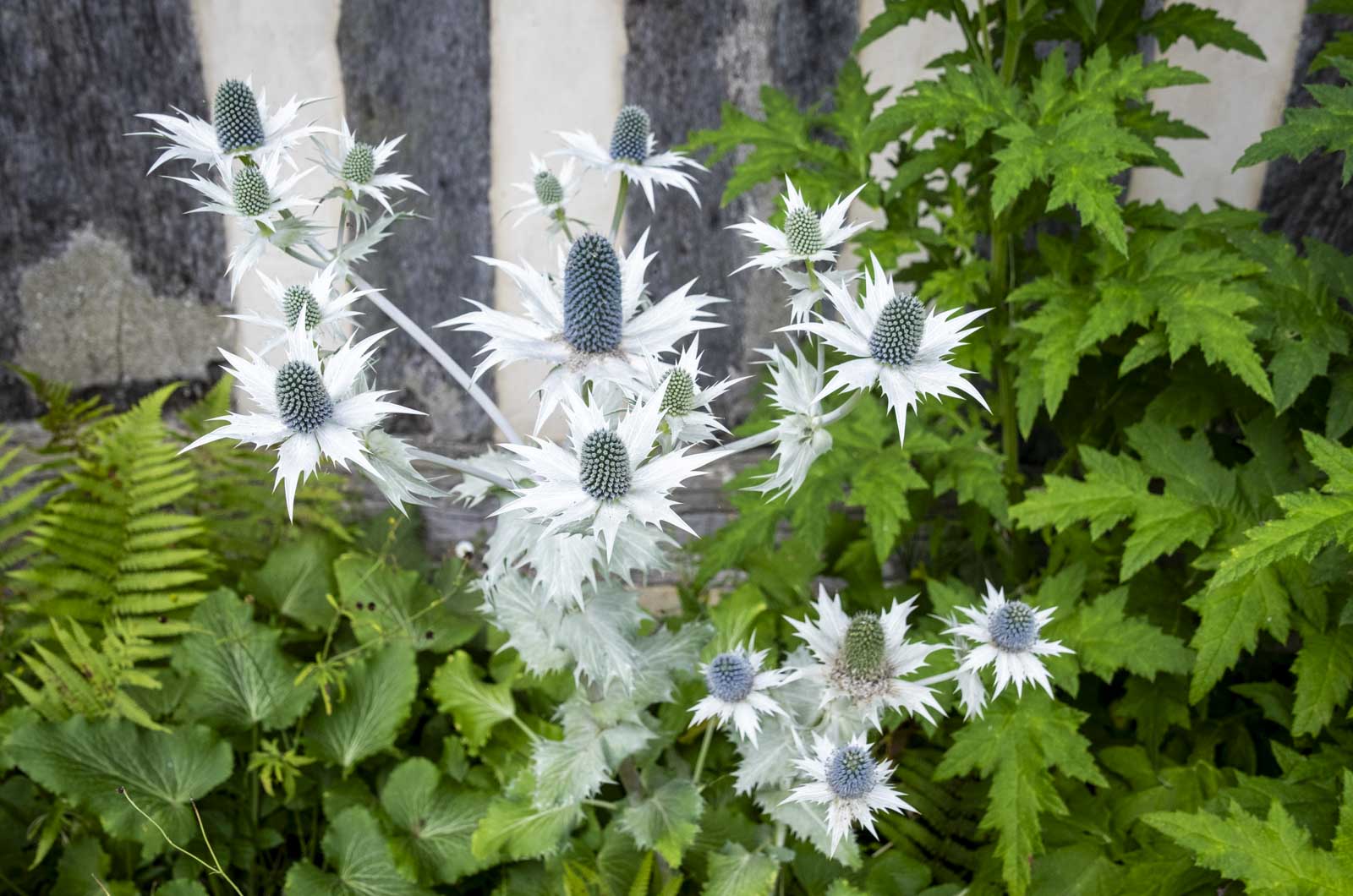
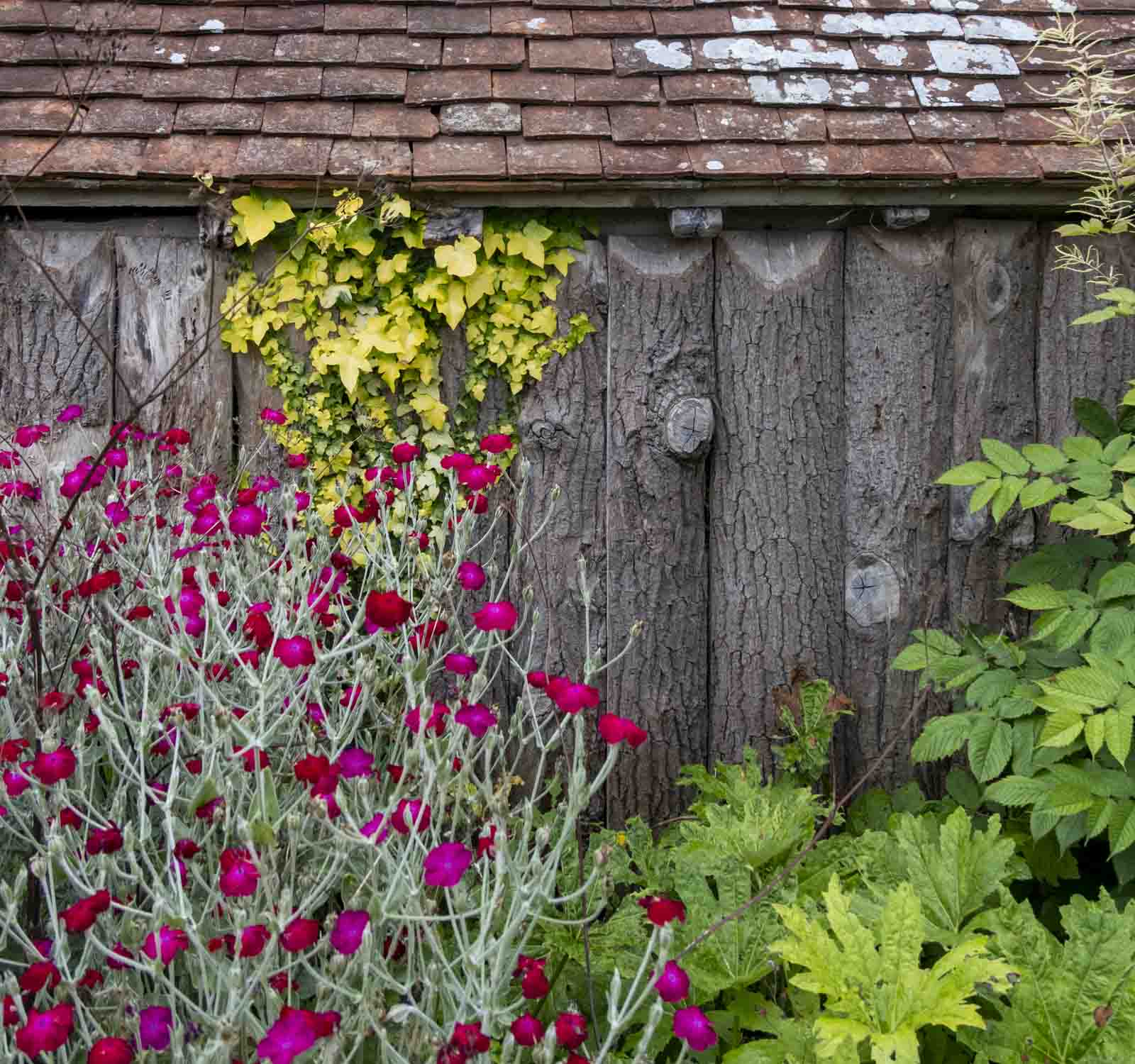
I hope you enjoy the variety of this garden in my short gallery! For species and other facts, please visit Jude again!
I am sorry to say I haven’t even tried to find the names of all the flowers, but, Jude will know.
They are all glorious. The house and gardens are my number one from this week.
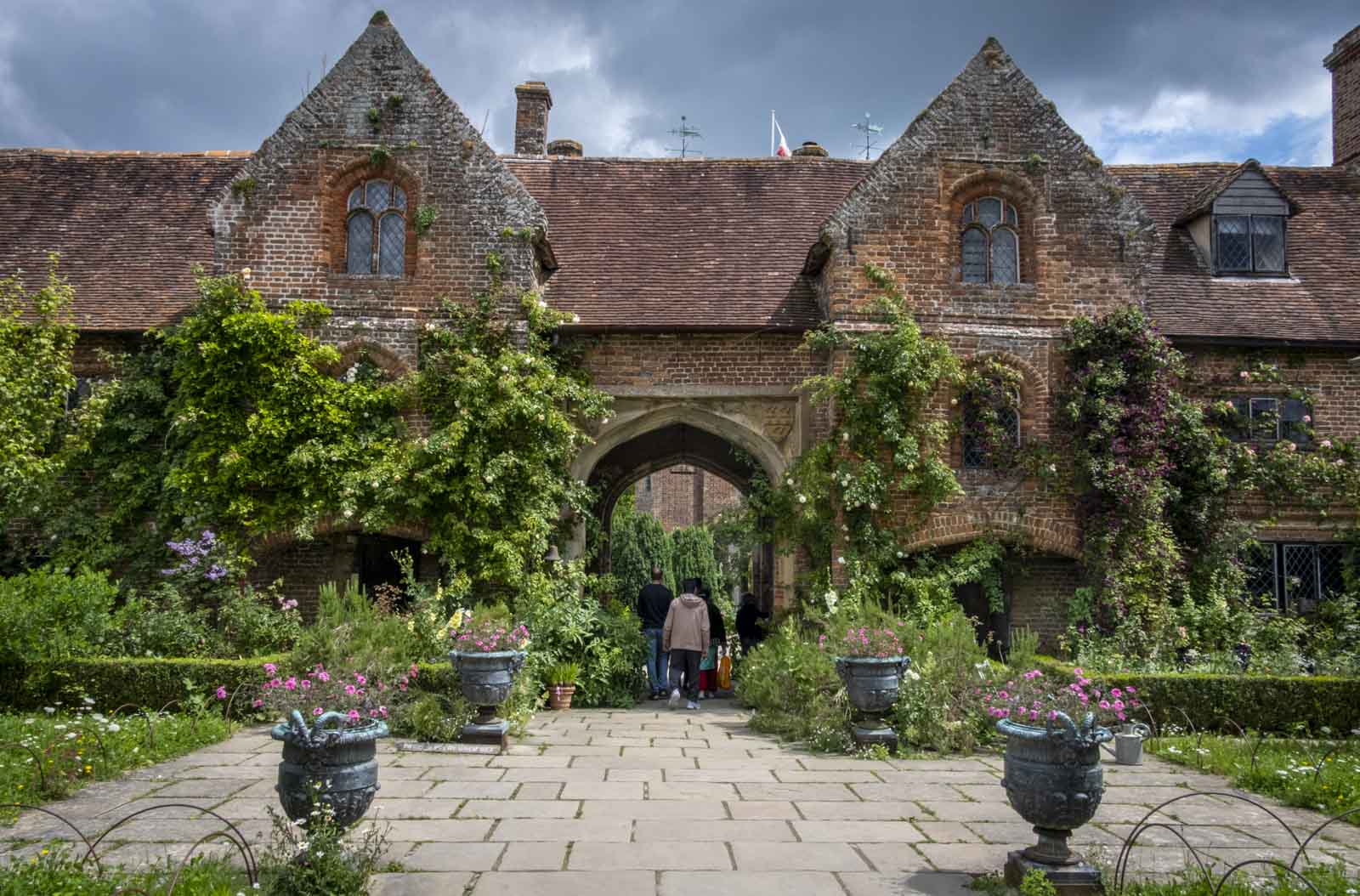
Sarah of Travel With Me posted on Sissinghurst for the LACP this week, and I recommend reading her post for its beauty and for the background history of the house and grounds. For species and extraordianry flower knowledge, I recommend you go to Jude’s beautiful site. As I visited some weeks ago, I had prepared a post for today – but this garden is well worth visiting more than once.
Sissinghurst in Kent is a famous English garden, with a series of ‘garden rooms’, each filled with different planting schemes and unique designs. This garden is a result of Harold Nicolson’s design and the plantings of his wife, author Vita Sackville-West.
It was such a treat to visit a place where creative cooperation showed such magnificent results. I have read several works of Virginia Woolf, and knew she had an intimate relation with Vita Sackville-West. I can imagine they must have enjoyed each others company as creative souls. I could almost see them walking together here, arm in arm through the gardens.
I loved the different ”garden rooms”. Maybe mostly the white garden and the yellow garden.
This is the view from the top of the tower, where the different ”rooms ” are clearly showing. And Vita Sackville-West’s writing room in the tower was extremely difficult to photograph, as it was in the middle of the narrow staircases and only a tiny platform to land on while other visitors were passing by.
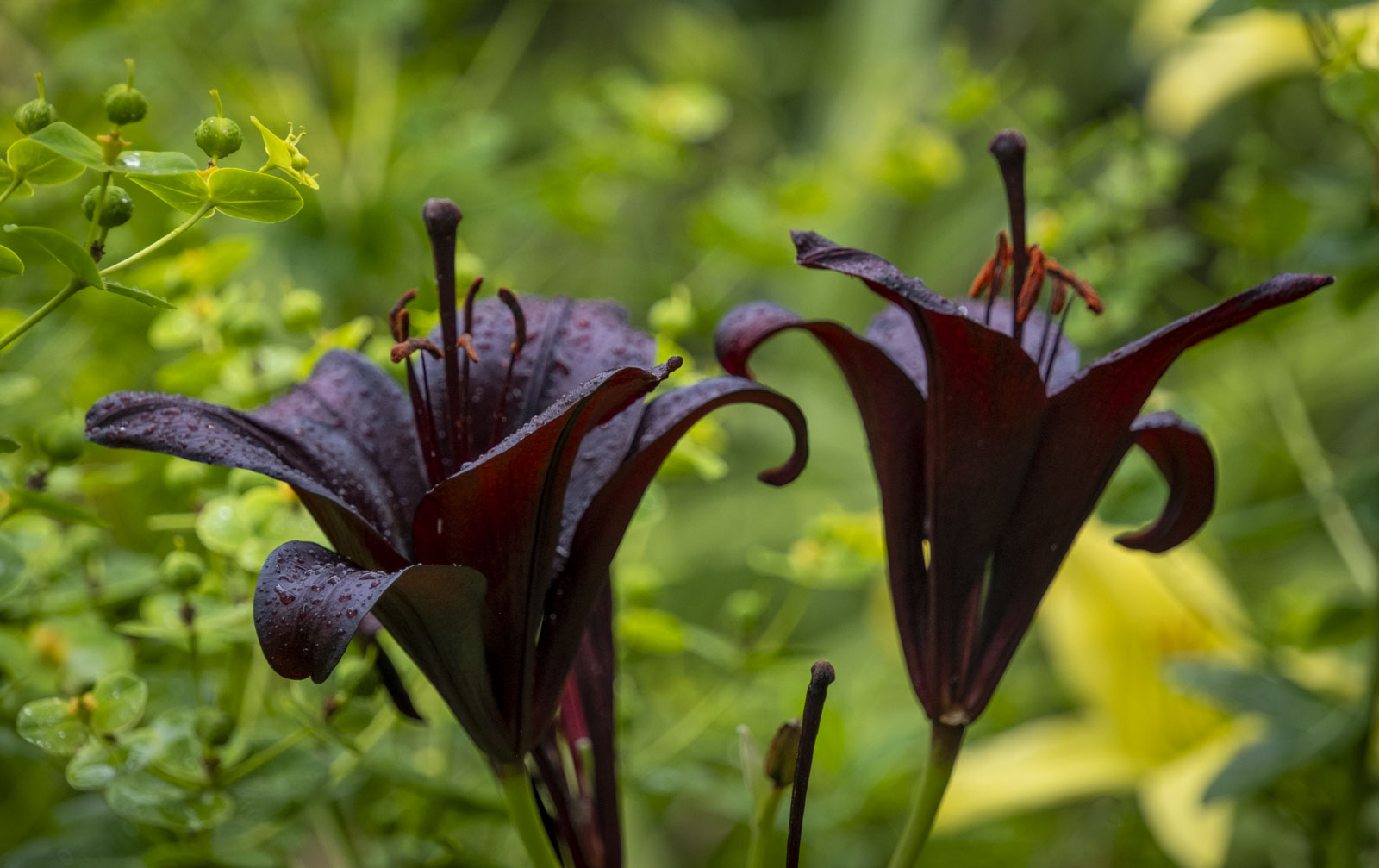
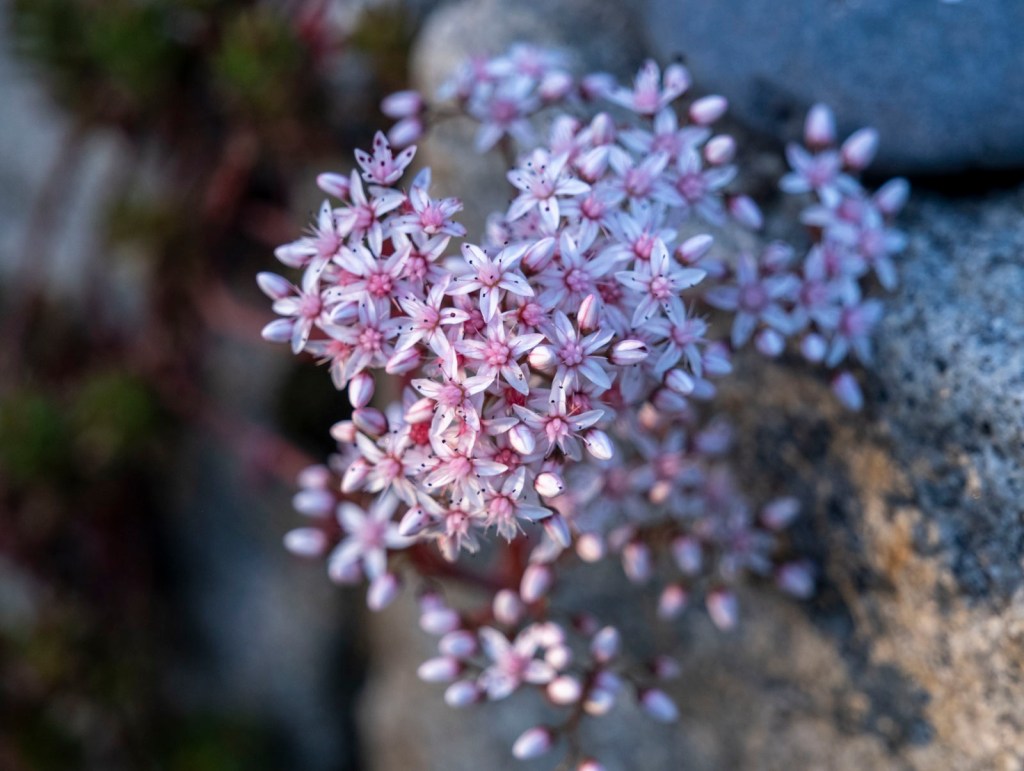
Summer is moving towards its end, and the evenings are soft with bloom in the fading light. Shorter days are coming, and I walk in my garden to meet my friend, the hedgehog. He walks around, poking the ground, making little grunting sounds. If I talk to him, he stops and listens, turning his little nose towards me. No camera – then he wouldn’t listen. To think that already 30 million years ago he was here. A sweet character. Hopefully he will survive and outlive mankind.
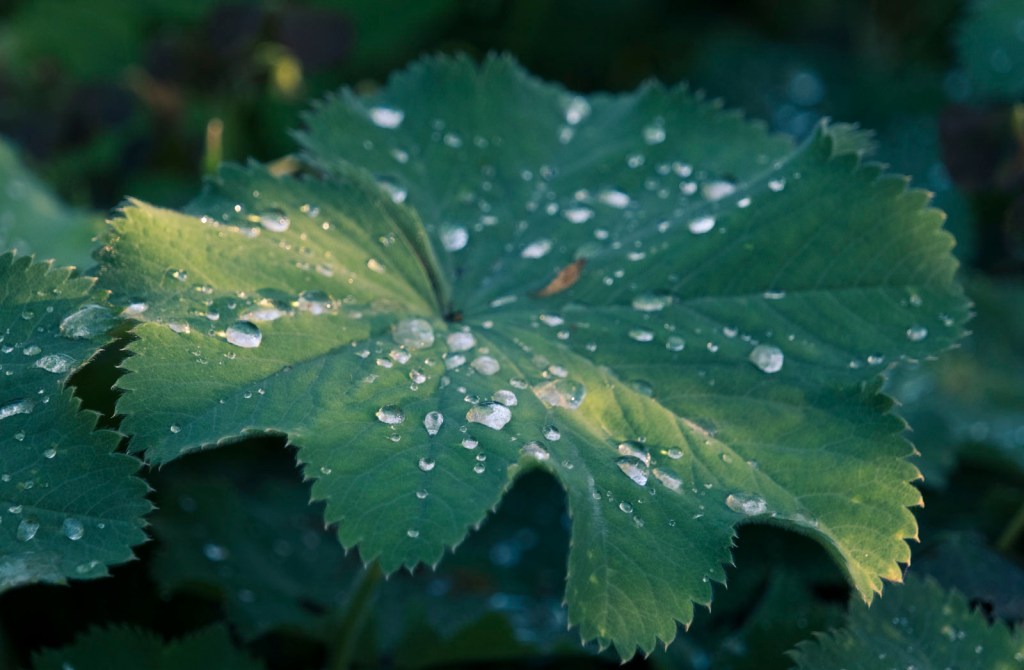
A short shower, and I know some delicate worms will be good food for my friend.
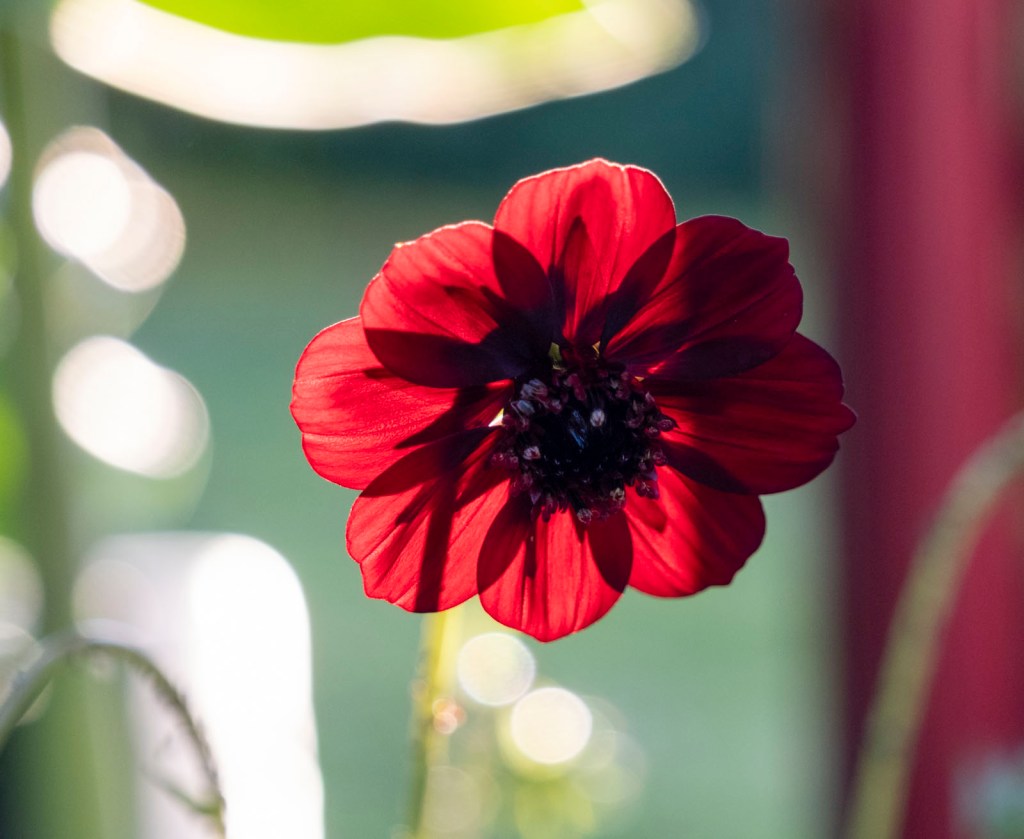
Rounding the glass house, I caught the last sunrays in a Cosmos chocamocha – which sent us a fiery…
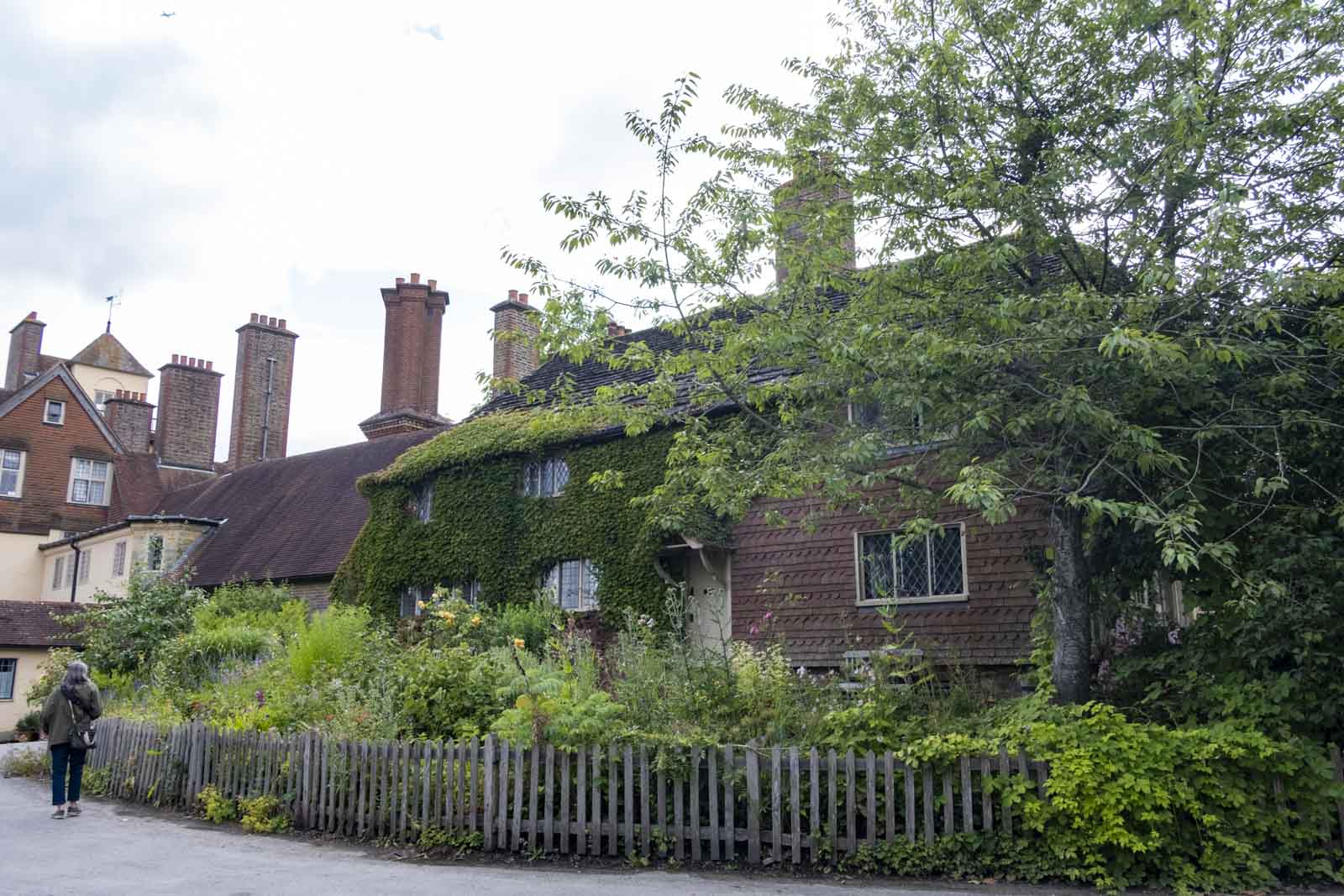
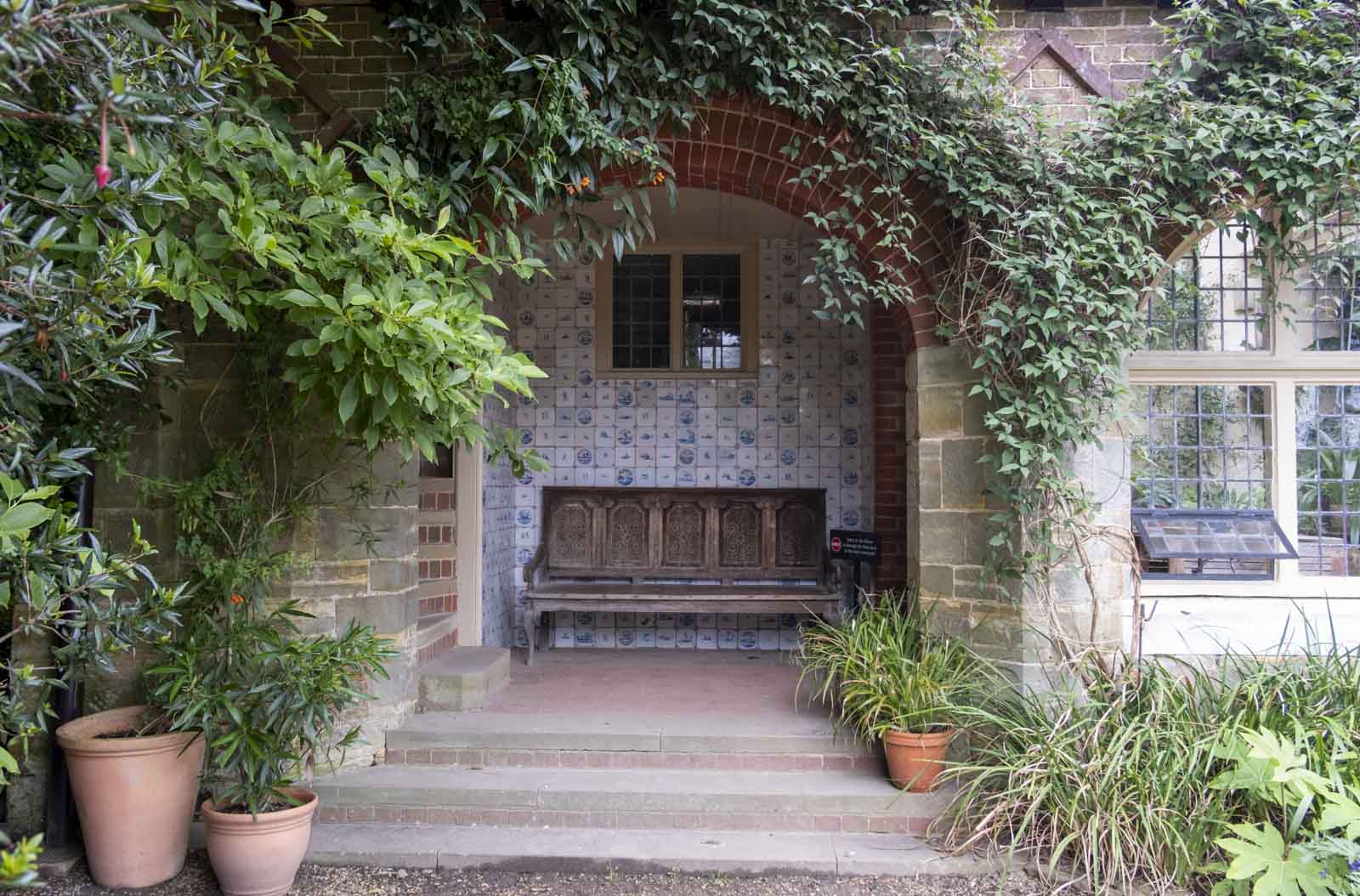
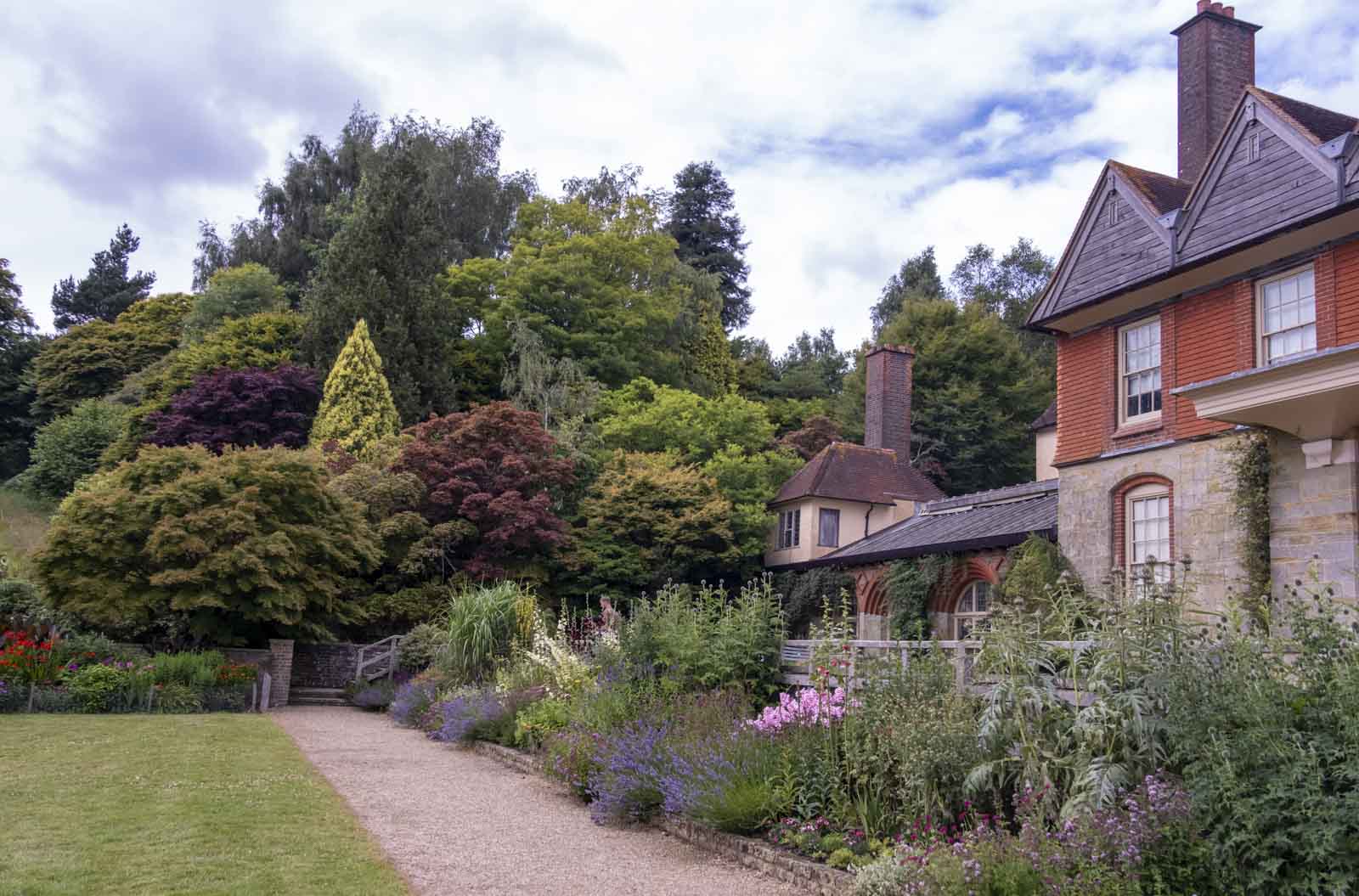
Standen is an Arts and Crafts house located in West Sussex, England. The Arts and Crafts movement was an international trend in the decorative and fine arts that developed earliest in the British Isles and the movement flourished in Europe and North America between about 1880 and 1920.
The movement was a reaction against the perceived impoverishment of the decorative arts and the conditions in which they were produced. Between 1891 and 1894 architect Philip Webb, who was a friend of William Morris, designed the house, which is constructed in the Wealden vernacular style with sandstone quarried from the estate and locally made bricks and tiles. From the start the house had electric power, and it still has its original electric light fittings.
In 1972 Standen House passed by bequest to the National Trust.
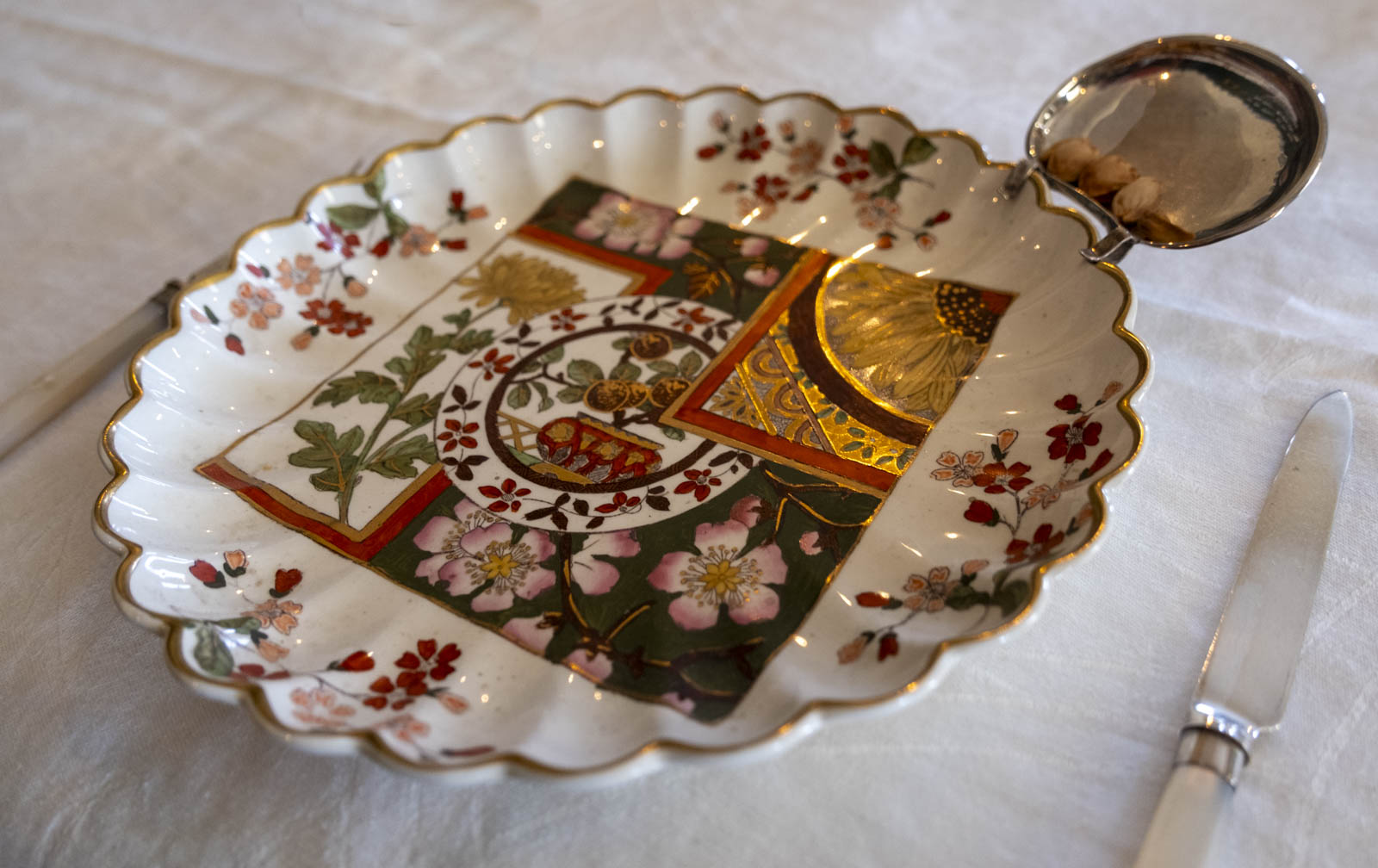
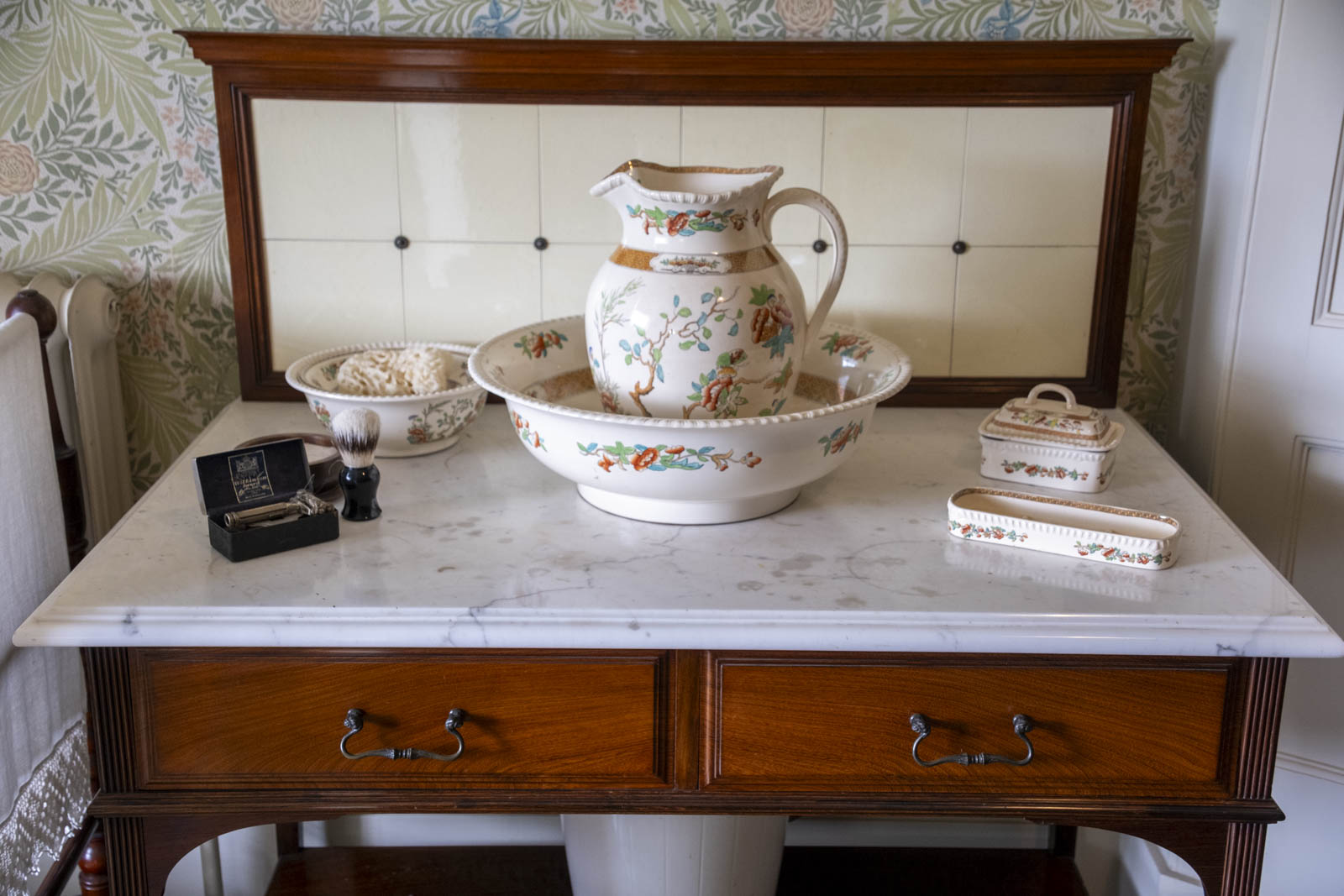
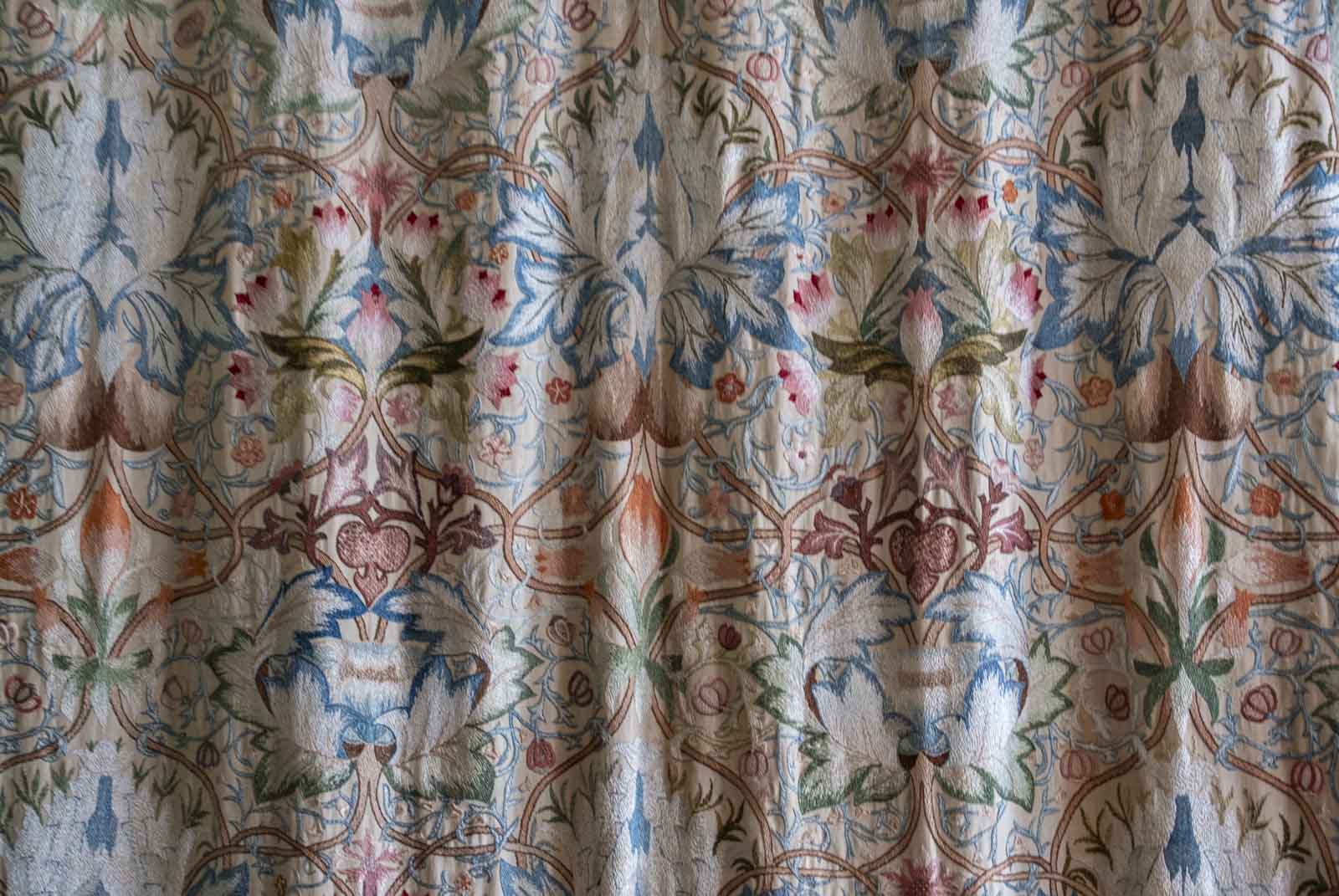
The interior is decorated with Morris carpets, fabrics and wallpapers, with furnishings also by Morris, and of course, the garden is in total harmony with the beauty of the house.
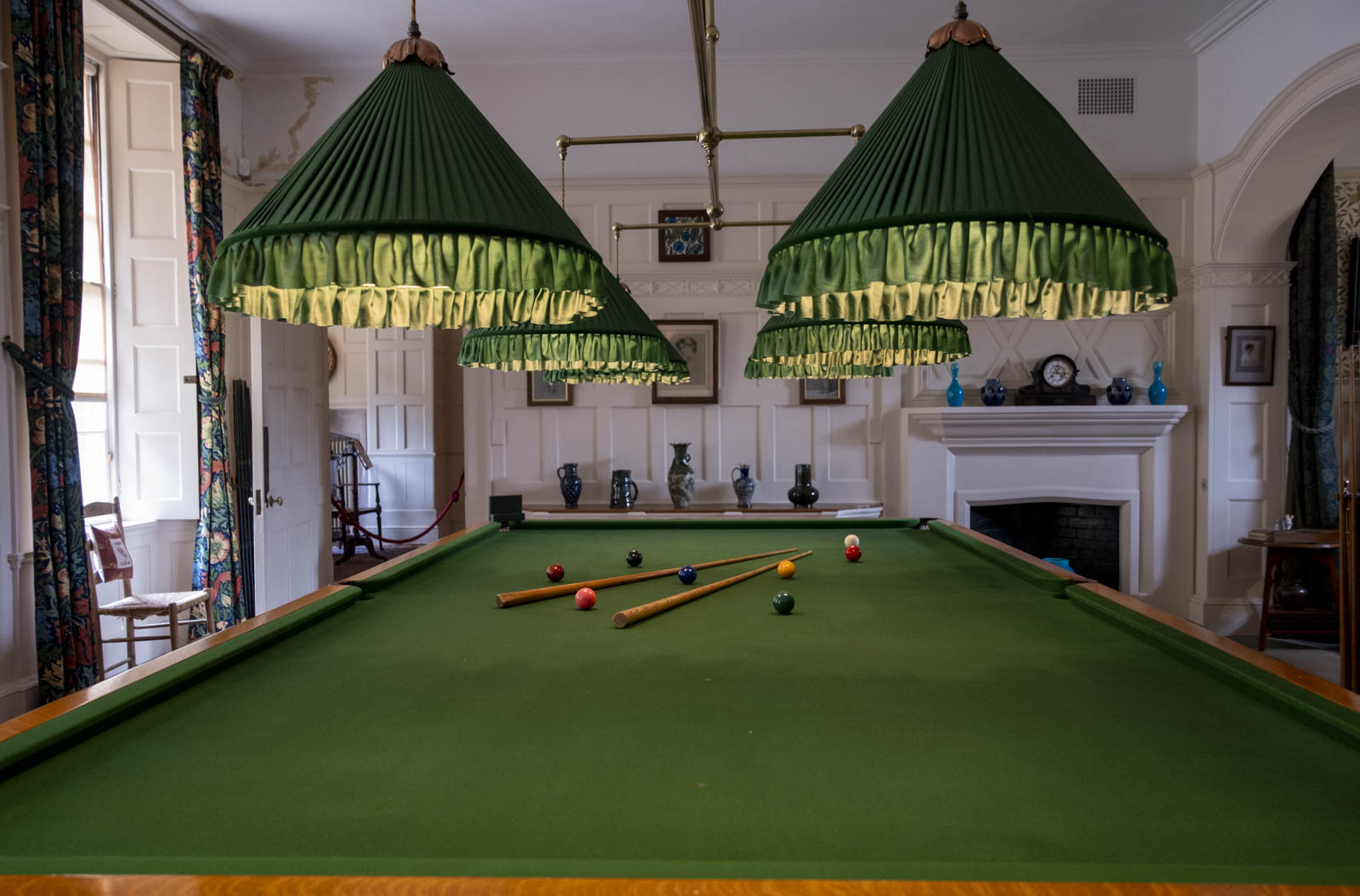
Time well spent going there – peaceful and quiet. Beauty. I think I could live at Standen…but I don’t play pool.
A week in England now and then, is a thing for everyone, according to me. The beauty of the English countryside, with its lush gardens and many castles make for a relaxing holiday and reloaded batteries.
Please come along and enjoy some of my memories!
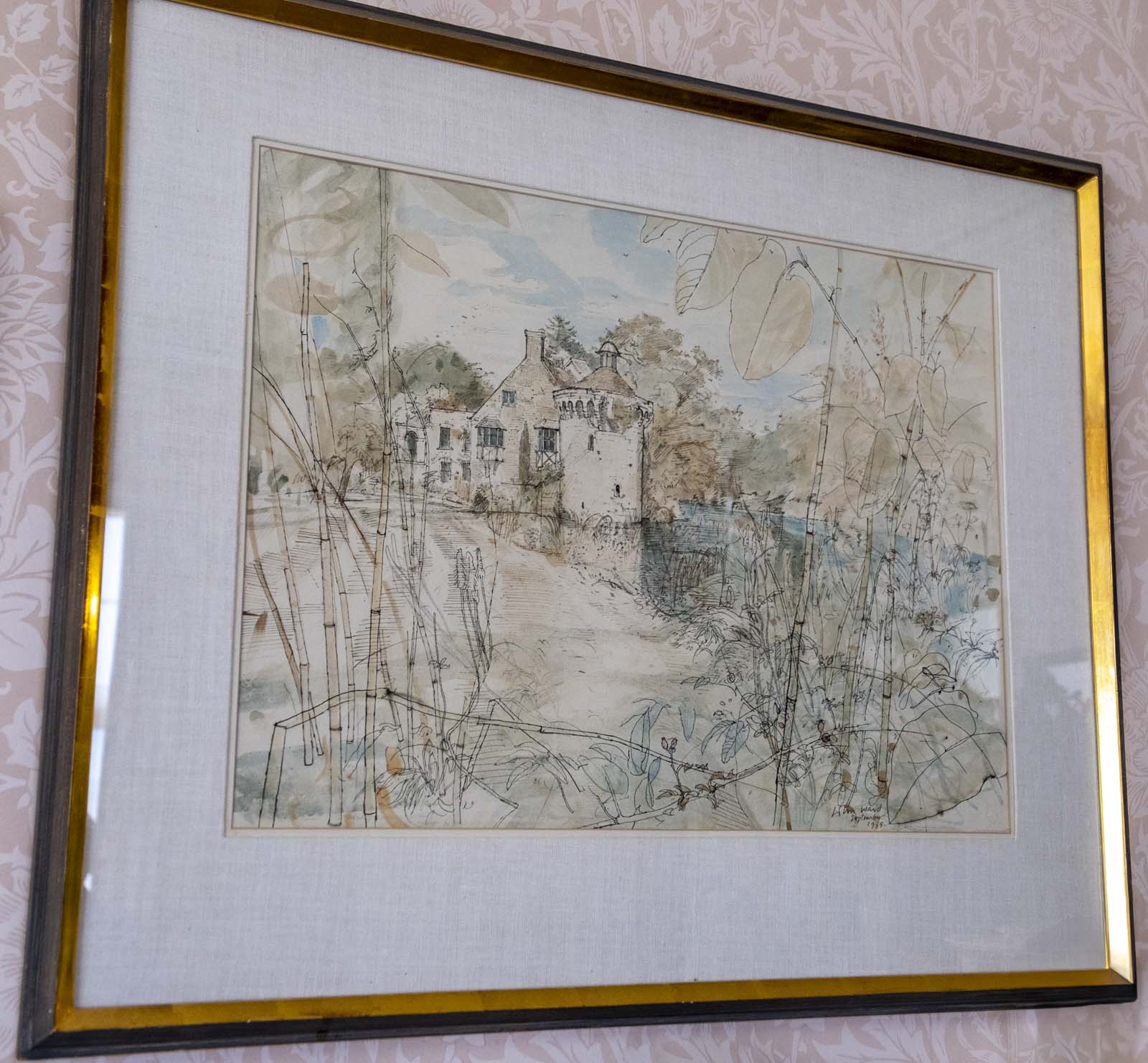
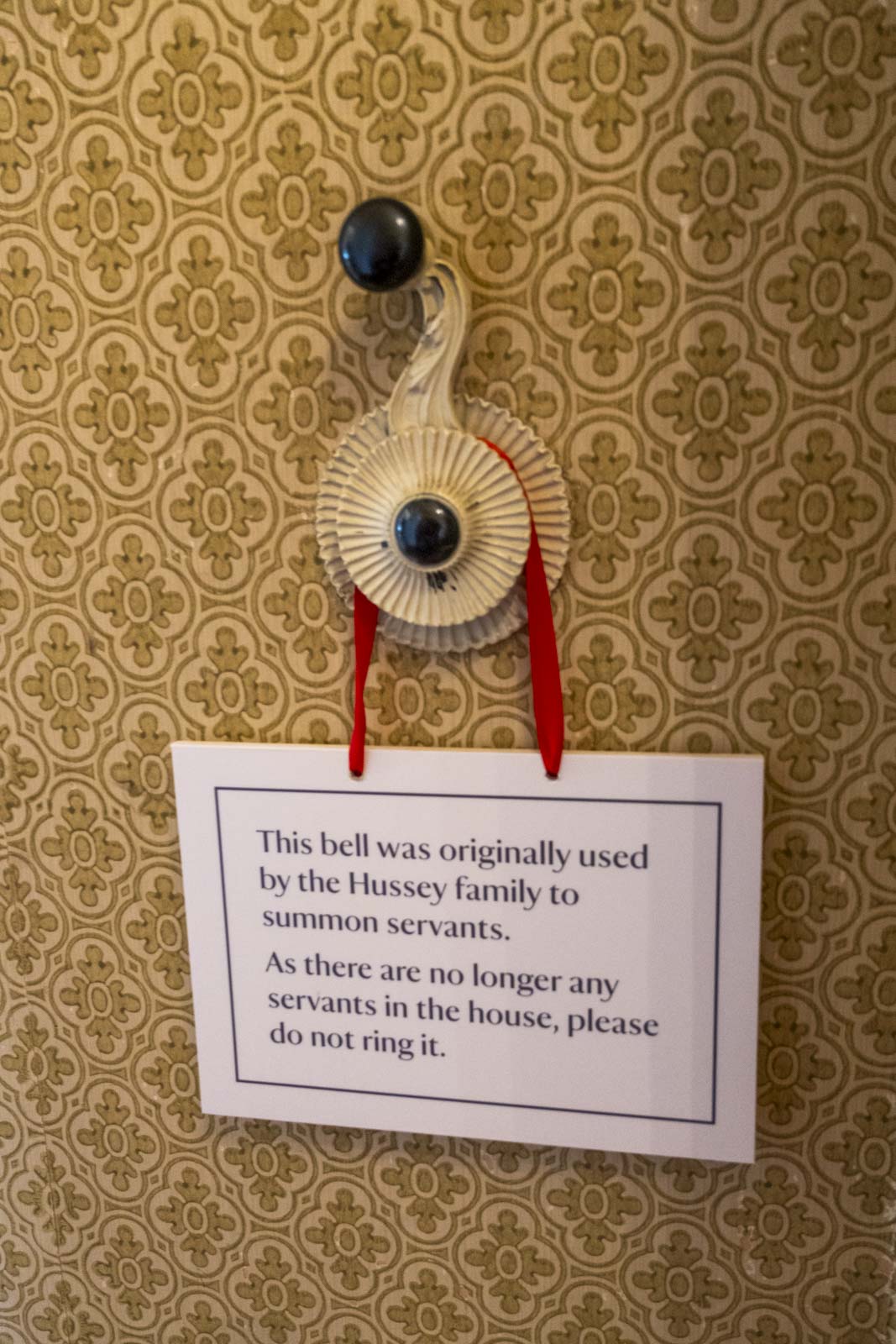
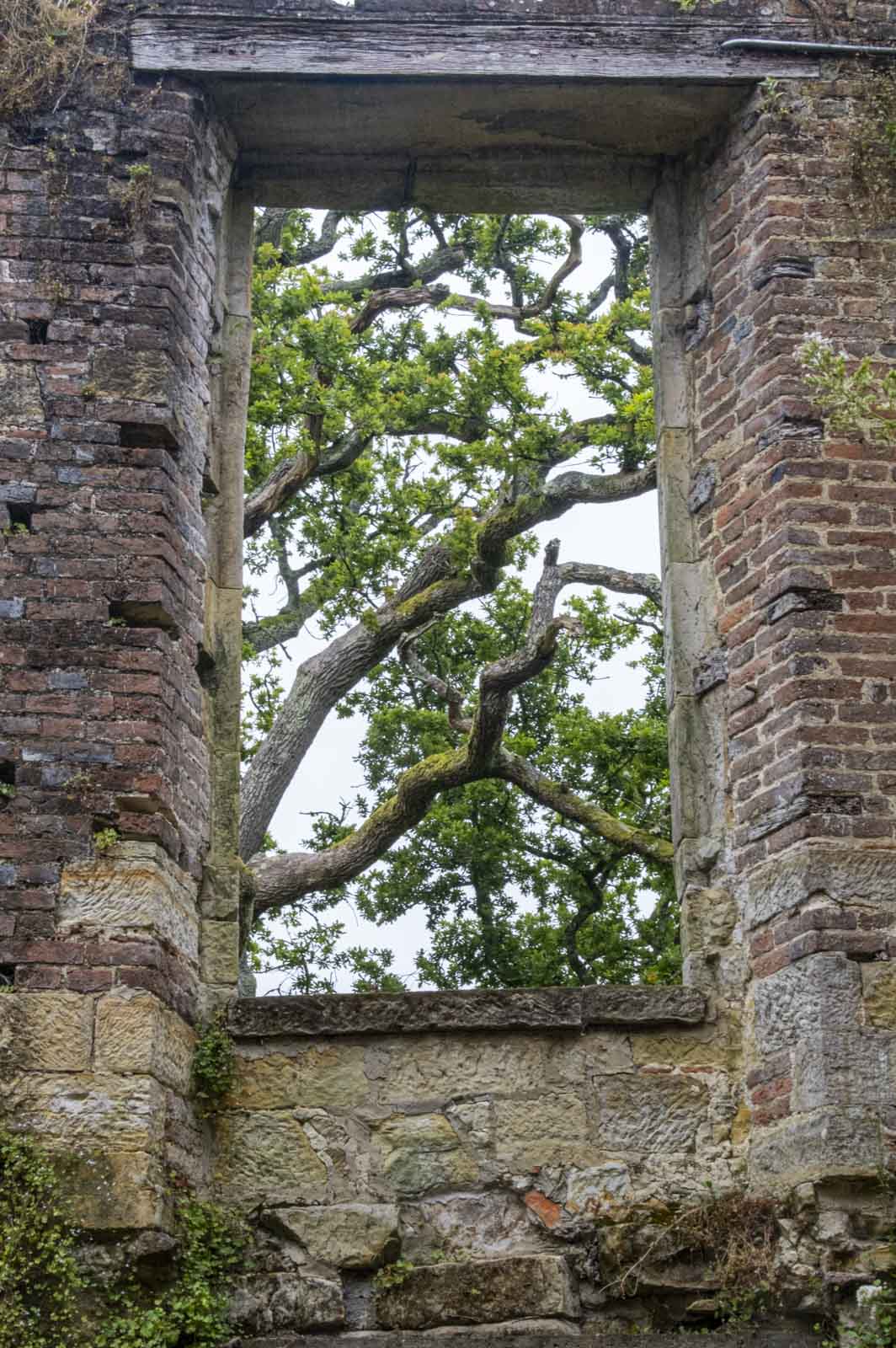
Scotney old castle was built in the 14th century, and from the opener you can see it seems taken right out of a fairy tale. The new house, in the above image, was built when the old castle became too run down. The last owners, the Hussey family, bequethed the property to the National Trust in 1970. Today there was exhibitions inside, and the surroundings lovely kept.
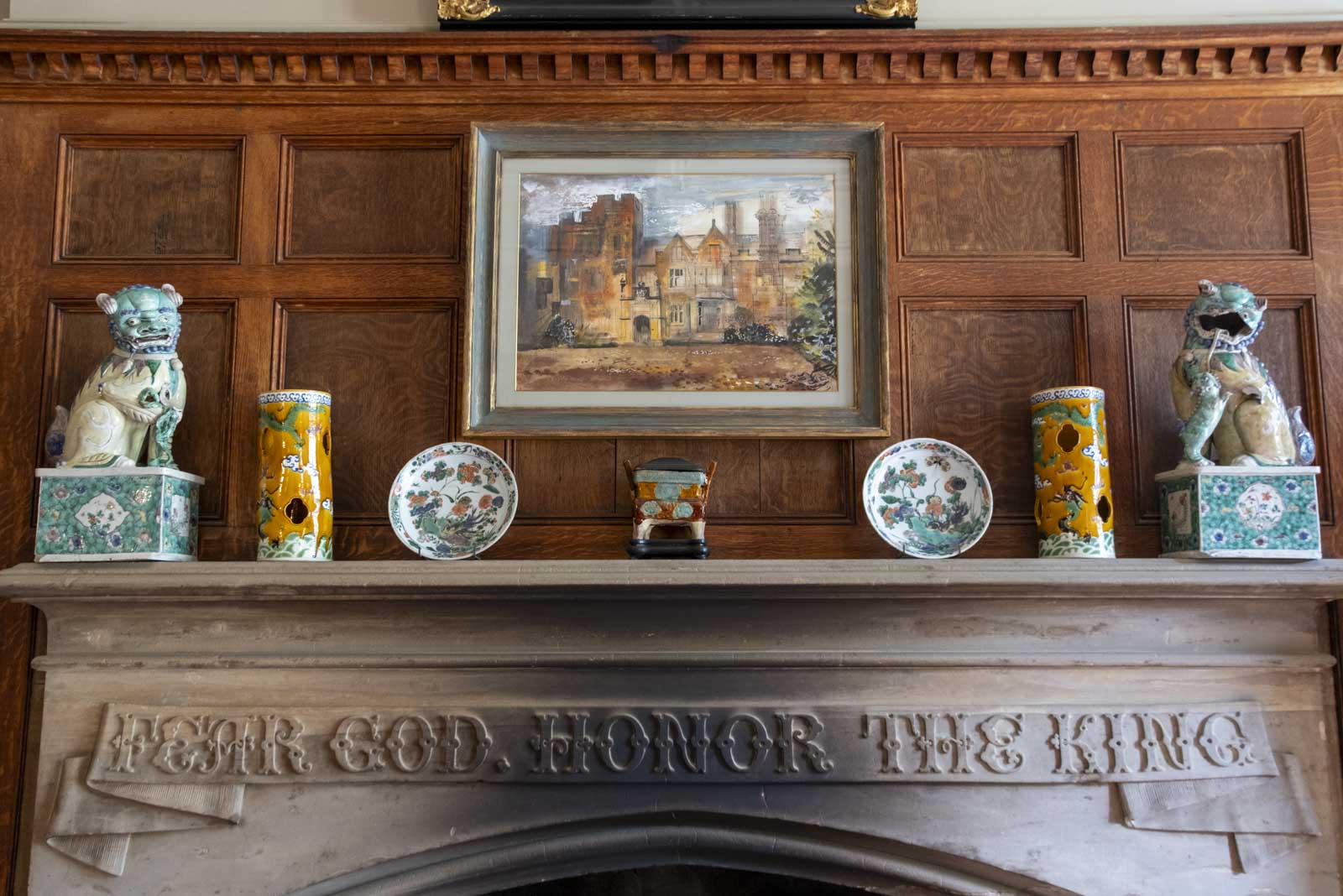
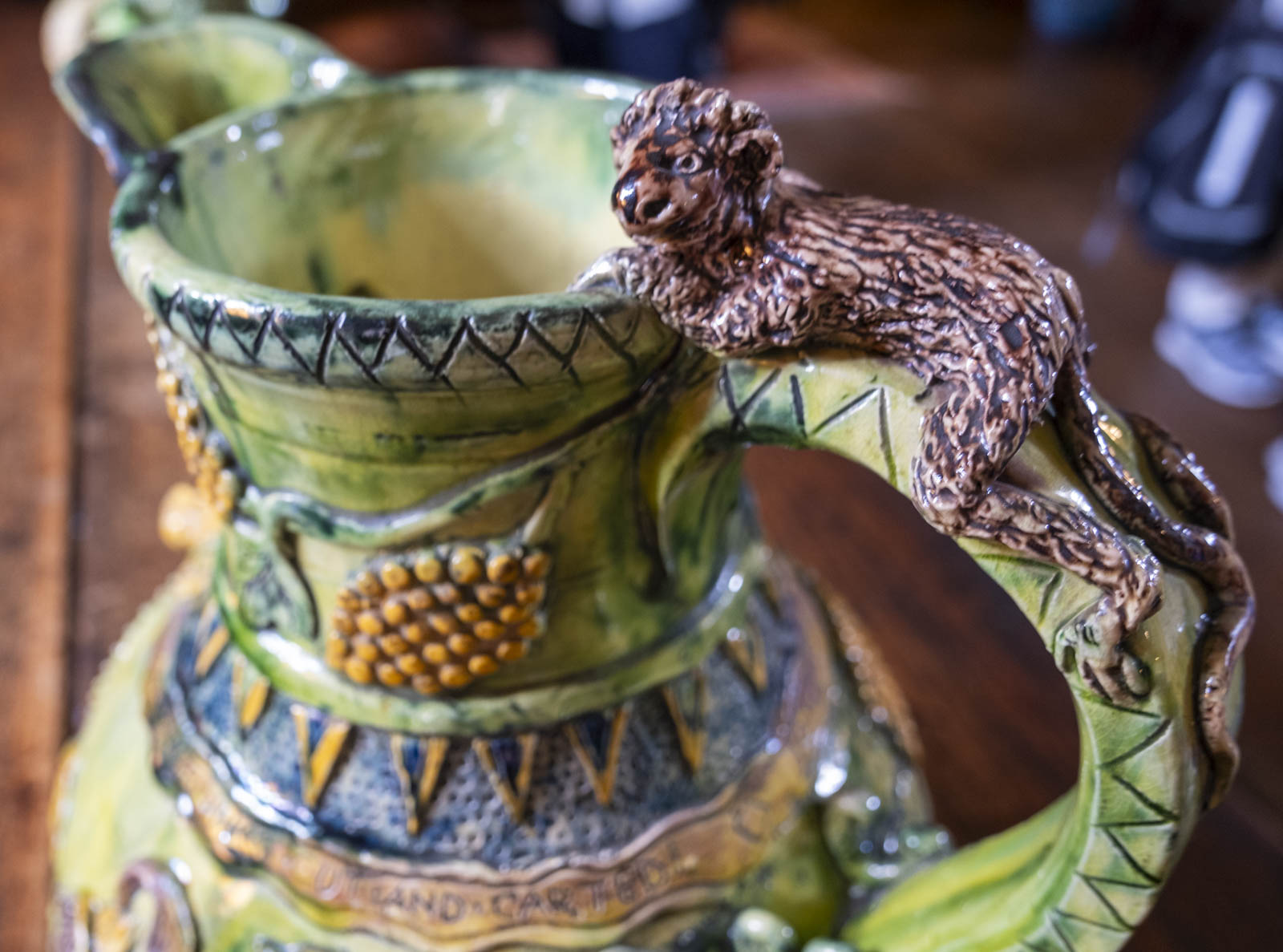
The collections in the new house are largely from the 19th and 20th century. Of course a bit of English humour is a must…
The old castle, the quarry and the walled garden made this visit a joy, despite the rain. In fact, this was our first day in England, and this was the only rain we got for a week! Incredible. On one of our travels to Good Ol’ England we had rain for three weeks, and I caught the worst cold ever from it. (Fortunately only when we came back home again!)
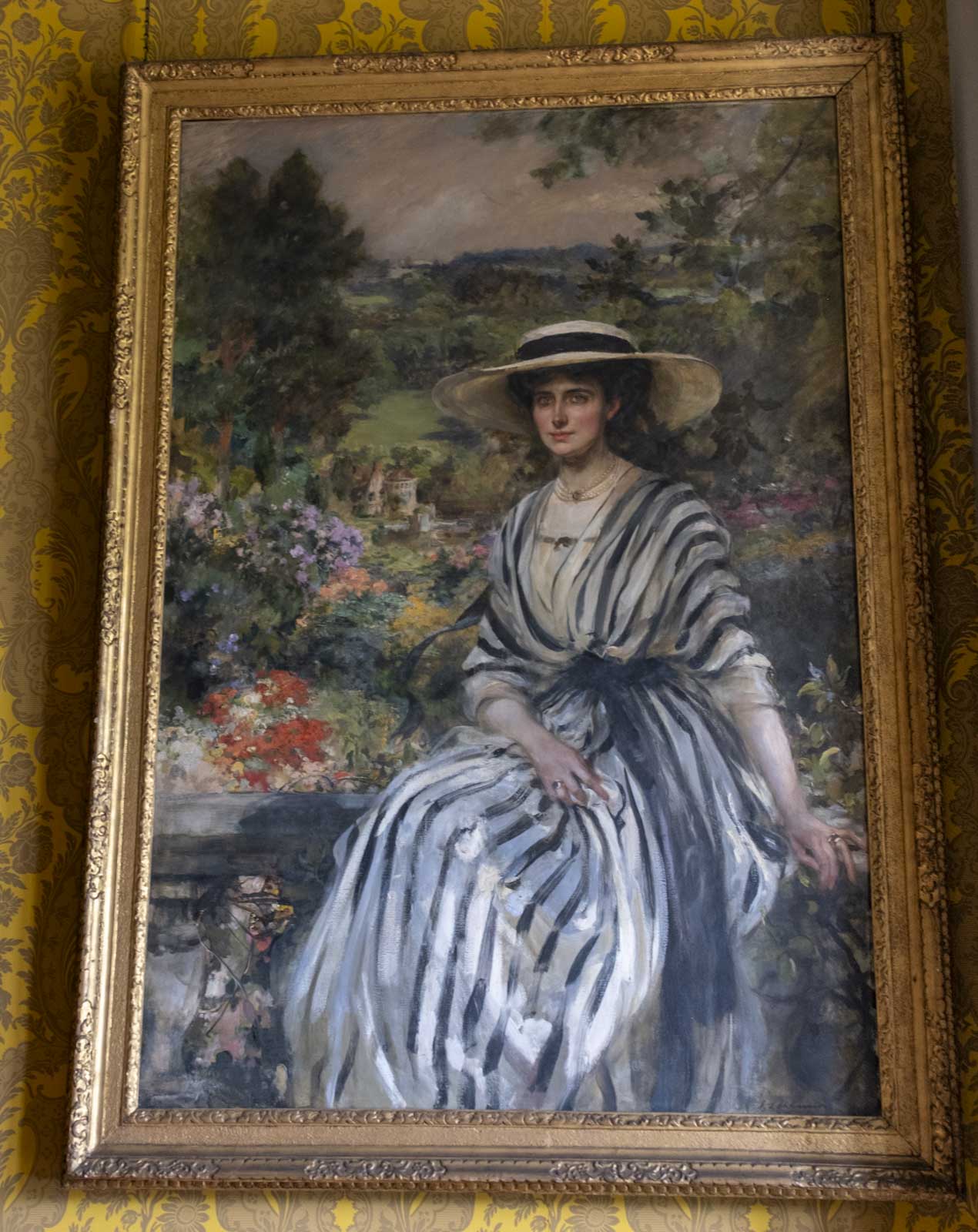
Lastly, if you scroll back to the beautiful lady in the painting, she is sitting on the balcony, overlooking this dreamy place – Scotney Castle.




















































 Leya
Leya 
Du måste vara inloggad för att kunna skicka en kommentar.