Tuesday Photo Challenge – Roll
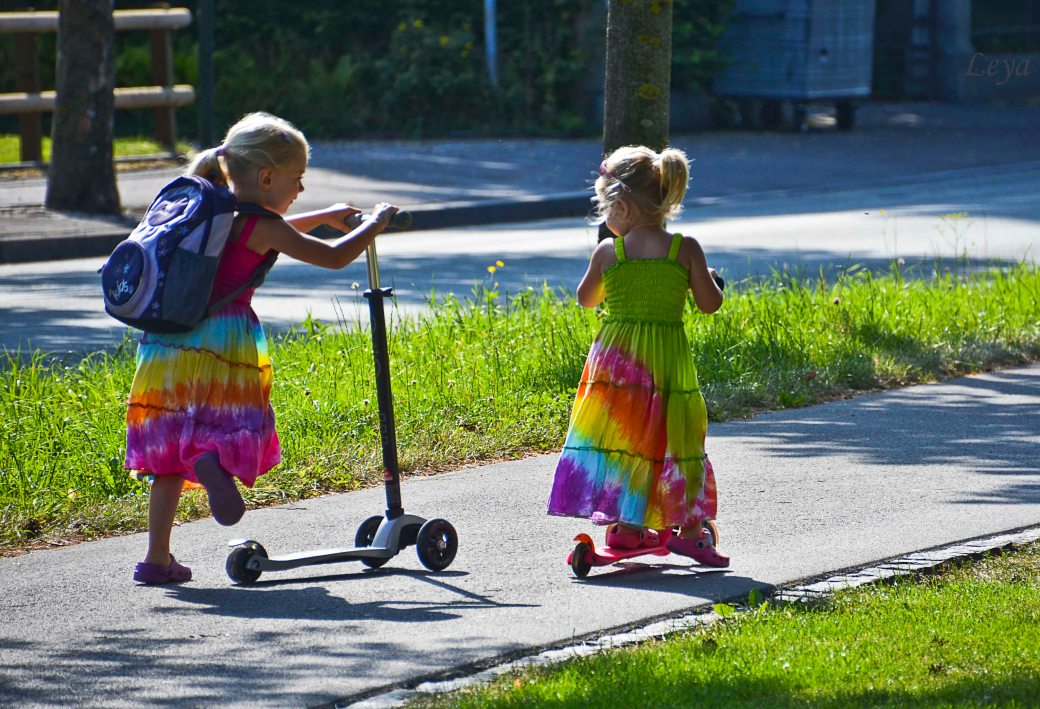
Five (!) very different rolls…and I know I have used the photo of the two rainbow girls several times before – but they are so sweet and summery!
Tuesday Photo Challenge – Roll
Five (!) very different rolls…and I know I have used the photo of the two rainbow girls several times before – but they are so sweet and summery!
A gush of bird-song, a patter of dew,
a cloud, and a rainbow’s warning,
Suddenly sunshine and perfect blue –
— An April day in the morning.
– Harriet Prescott Spofford


April hath put a spirit of youth in everything.

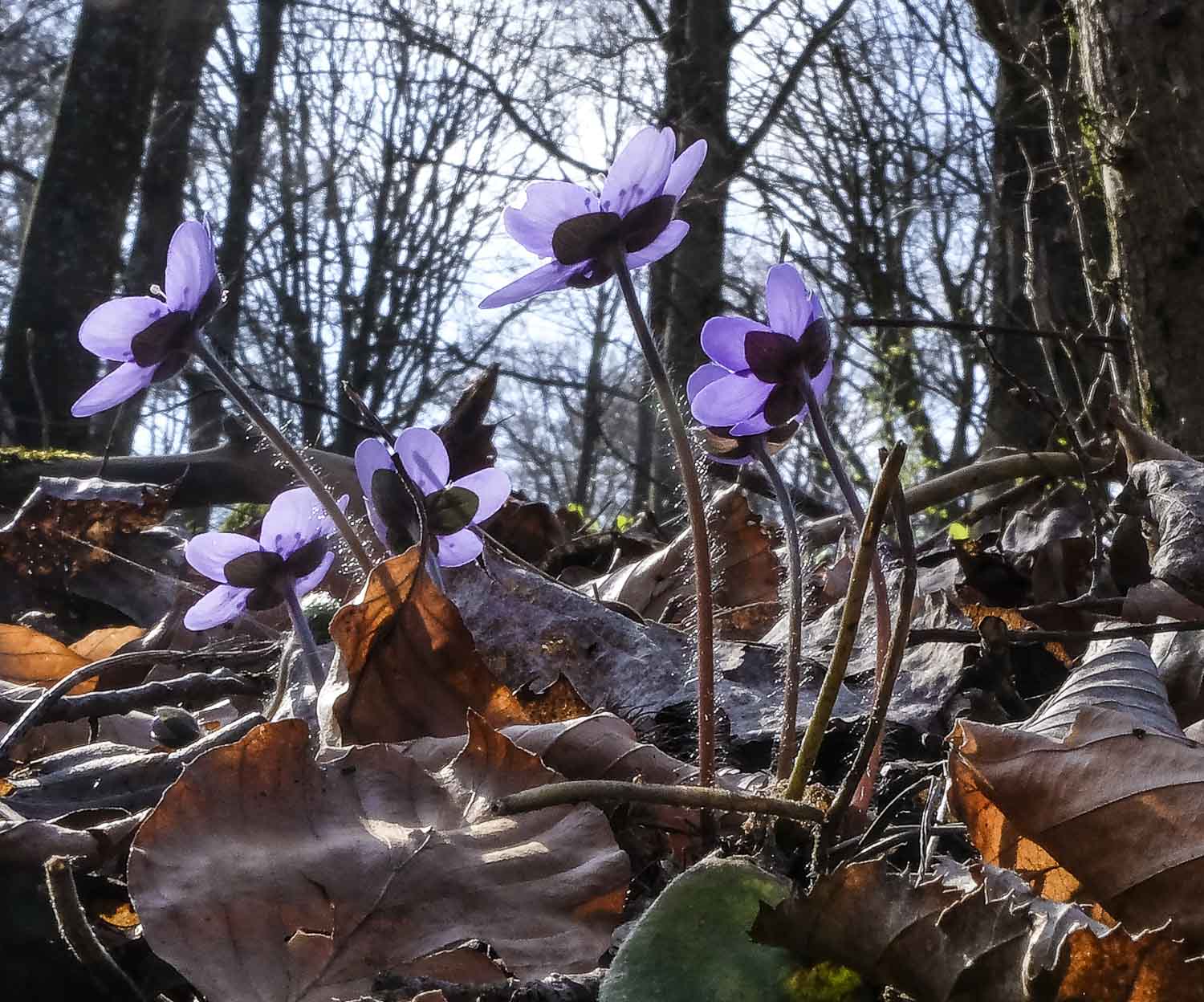
So, with a young spirit’s illustration of William Wordworth’s lovely daffodils’ poem, I say Hello April from Sweden!
Thank you, Amy, for a lovely April morning!
Amanda of Something to Ponder About invites Spring – even if it is not that time of the year down under. It is here now in Scandinavia – it really is. Today we had 15 degrees C, and I think it is far too early for that. But we all know what is happening to planet Earth.
Anyway – Spring is my favorite time of the year, so let’s enjoy!

Tuesday Photo Challenge – Rock
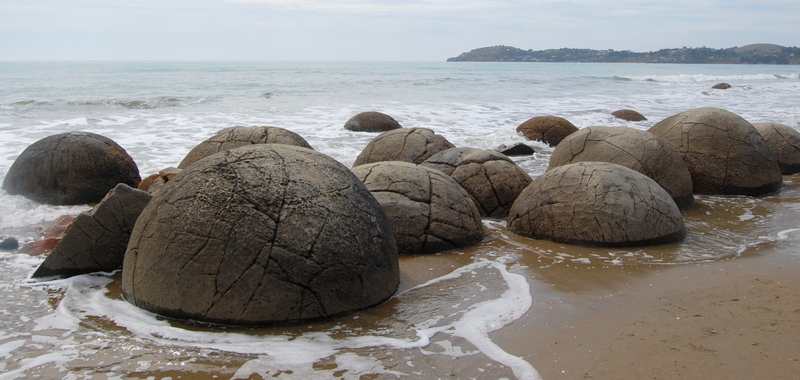
Who does not love the Moeraki boulders, NZ? For Dutch Goes the Photo this week.
Are you one of those who love things weathered or worn? I am. I love driftwood, old houses, old furniture, toys, the grey cottages up north – things with patina. Clothes with a story – leather jackets, jeans. And people? Only your fantasy sets the limit!
This week’s challenge is Weathered and/or Worn.
The other day I was driving along the familiar road between my home and Malmoe, and as usual passed the old Distillery. Every time I wonder why I do not take the time to stop the car and walk up to the old historic buildings…This time, I finally decided to return the next day – with my camera. And I was not disappointed. As usual, click to enlarge.

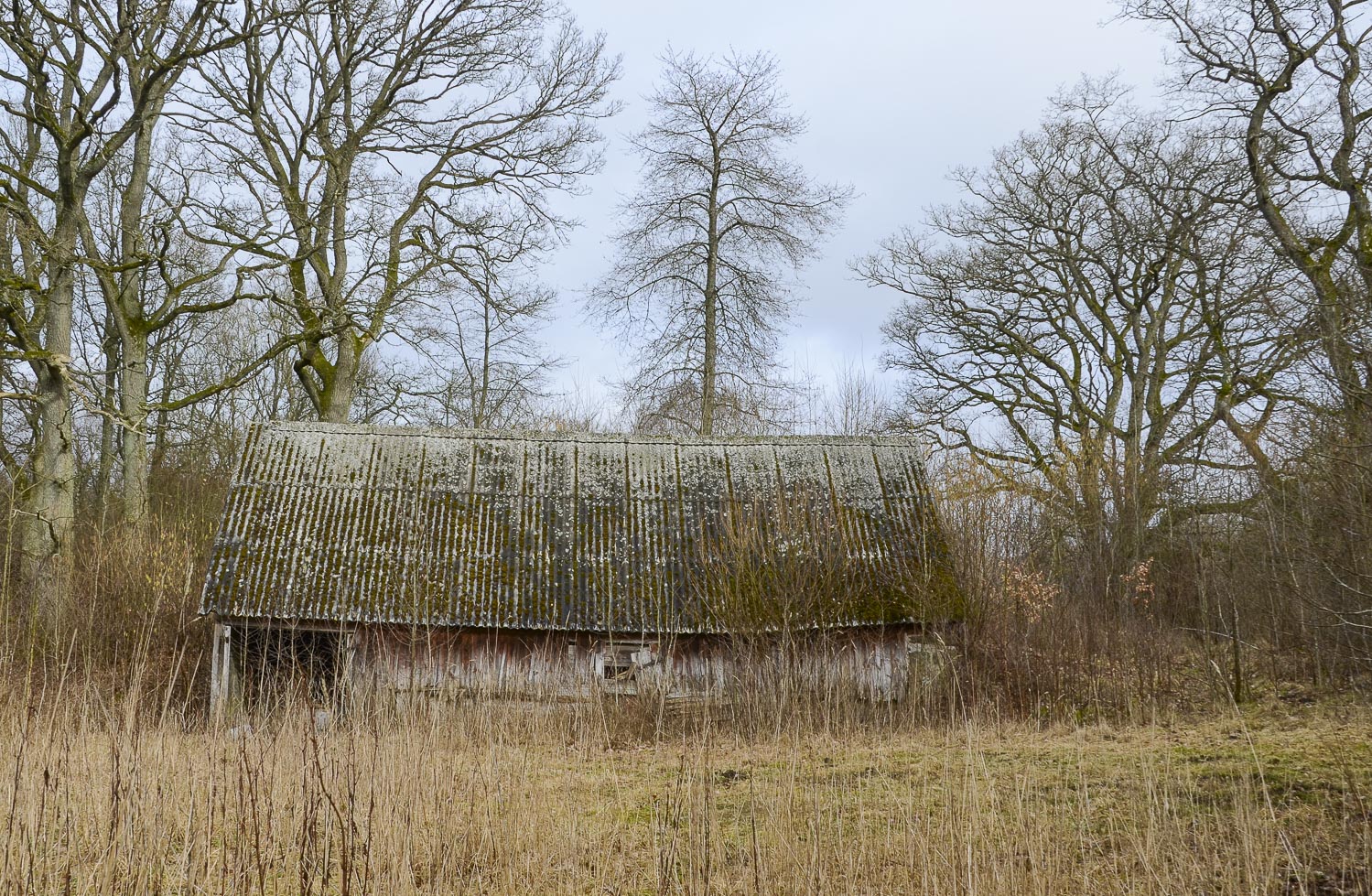
These are the weathered remains of one of the oldest Swedish distilleries – Sösdala Distillery, built 1860. The same year that Vladivostok was founded and Abraham Lincoln was elected president.
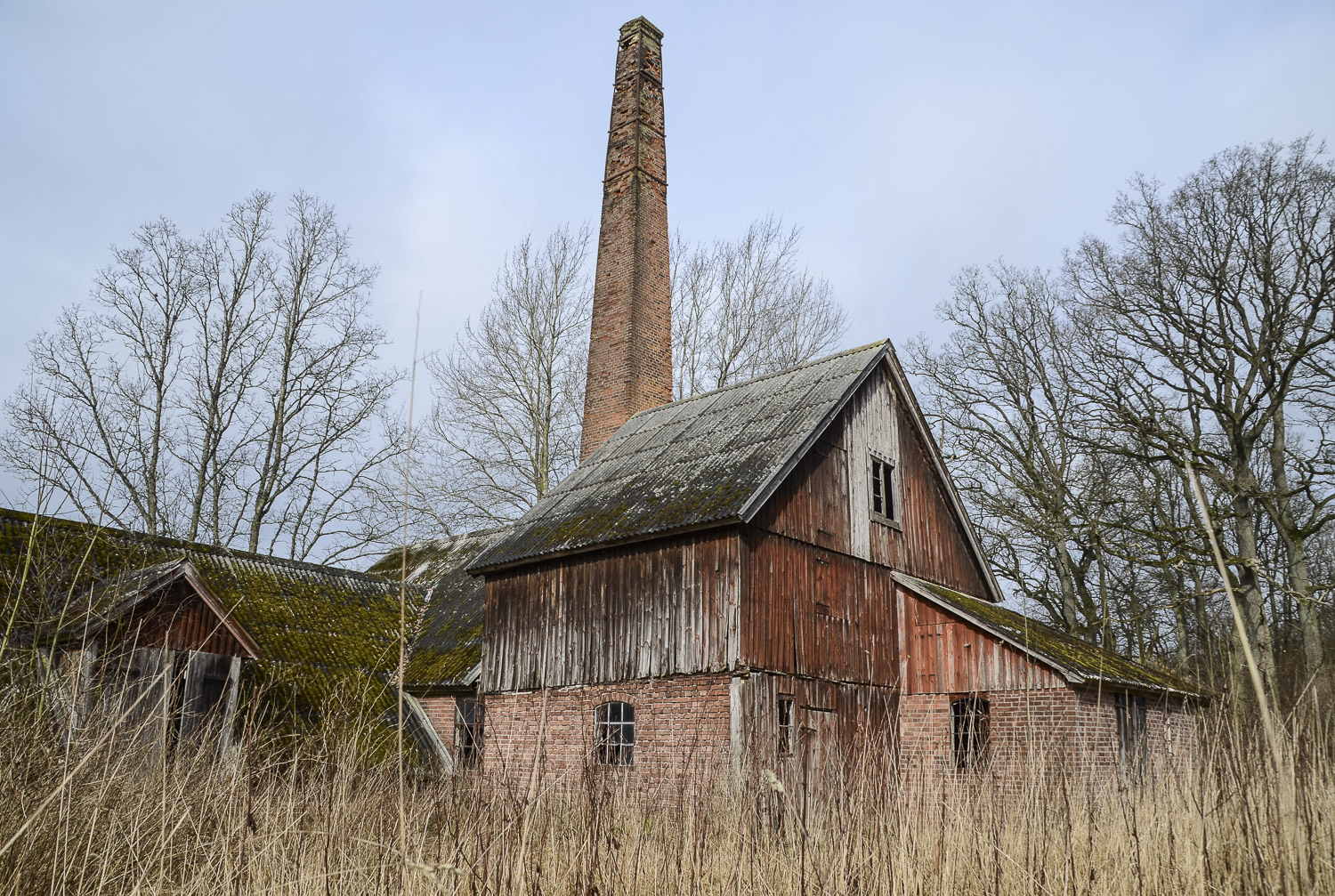
And most important for this distillery, home distillation of alcohol was forbidden in Sweden.
History in short says, that in 1766 the Swedish king, Adolf Frederick, decided to abolish all alcohol restrictions. This led to virtually every household making and selling alcohol. At the beginning of the 1800s, the Swedish people were drinking a lot of alcohol, from 175,000 distillers (most of them for household-production only), using tremendous amounts of grain and potatoes that otherwise would have been consumed as food, and it was later said that most men in Sweden abused alcohol. Women rarely drank alcohol, since it was considered inappropriate.
In 1830, the first moderate drinking society was started in Stockholm. A few decades later, the first fully-fledged temperence organisation was formed, and in 1850, alcohol began to be regulated by the state. Sösdala distillery was shut down in 1950.


It was forbidden to go inside, but I walked over the open space and up to the old buildings. Some of them weathered and some worn down to dilapidation. But all of them blending in with the surroundings, and being slowly and beautifully reclaimed by nature. The stillness in the air, the soft song of birds and the calls from cranes flying north this spring morning – made this a walk of harmony.
Welcome to the challenge! – We are so looking forward to seeing your inspirational photos and thoughts! Also, Be sure to tag your post with Lens-Artists so that others can find you in the Reader.
Before you go – We say thank you to all contributors of interesting ”history lessons”, and to Patti for hosting the History challenge.
Have an inspiring week!
Today we were out the whole day in the forest and on coming home, mum decided we had deserved a bone, both Milo and Me (Totti).
Well…we had a delicious one each, but after about 30 minutes, Milo made a major mistake…I watched him from my side of the garden:
The enemy flew in…two Magpies. Both first waited patiently while spying from a distance. Then they became more and more impertinent…and Milo, who is young and inexperienced, left his bone to take a pee. NEVER take a pee when you have been assigned a Bone!
He lost the last pieces of goodies inside…but soon gave up chasing the two birds –
But, I think Milo learned a lesson. I did not say anything, just kept gnarling my own bone… – ”Best learning is learning by doing. Or Not doing.” Quote, Totti.
For this week’s challenge, Patti has chosen History. At first I wanted to write about Riga, the capital of Latvia, whose history begins as early as the 2nd century. But inspired by a visit there, I have chosen a piece of puppetry history instead – an art form very much alive in Latvia.

According to Wikipedia, puppetry is a form of performance that involves the manipulation of puppets – inanimate objects, that are animated or manipulated by a human called a puppeteer. The puppeteer uses movements of his/her hands, arms, or control devices such as rods or strings to move the body, head, limbs, and in some cases the mouth and eyes of the puppet. The puppeteer often speaks in the voice of the character of the puppet, and then synchronizes the movements of the puppet’s mouth with this spoken part.
The earliest puppets probably originated in Egypt, where ivory and clay articulated puppets have been discovered in tombs. Puppets are mentioned in writing as early as 422 B.C.E. In ancient Greece, Aristotle and Plato both made reference to puppetry.
This art form occurs in almost all human societies where puppets are used for entertainment through performance, as sacred objects in rituals, as symbolic effigies in celebrations such as carnivals, or as a catalyst for social and psychological change in transformative arts.
There are many different varieties of puppets, and they are made of a wide range of materials, depending on their form and intended use. They can be extremely complex or very simple in their construction. The simplest puppets are finger puppets and sock puppets. Familiar examples of hand puppets are Punch and Judy. Marionettes are suspended and controlled by a number of strings, plus sometimes a central rod attached to a control bar held from above by the puppeteer.

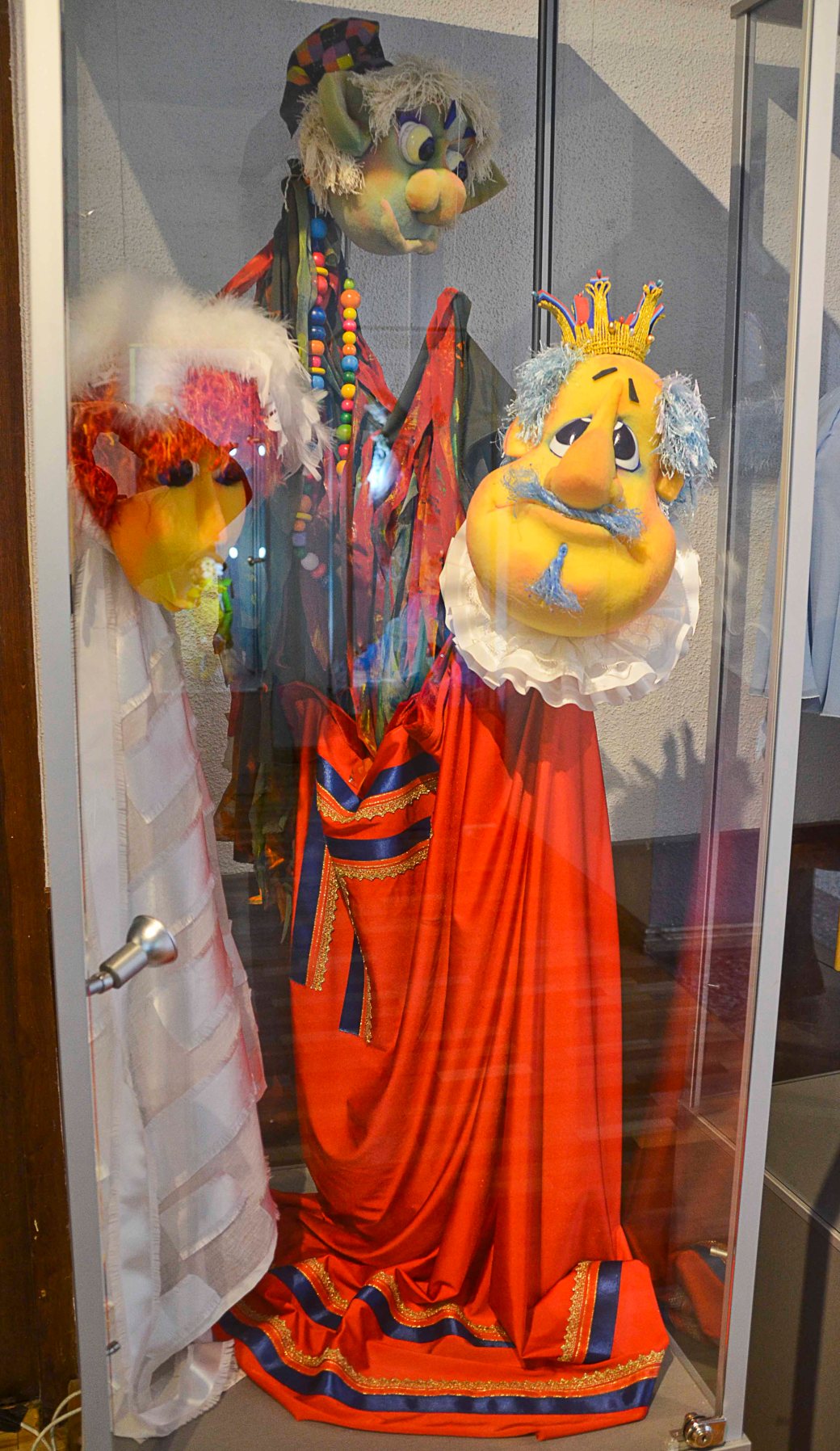
In Riga, we just happened to walk past the puppet theater, went inside and met – Alexander! A charming young man who showed us around and tried to explain, in broken English, about the theater and the puppets. These special ones behind the glass were handled by him alone. You can see him at work as a puppeteer in the poster shot above.
Some more history of puppetry
Many types of folk art puppetry developed in disparate regions of the world, and some are still practiced today. In Japan, the sophisticated bunraku tradition evolved out of rites practiced in Shinto temples. The Vietnamese created the unique practice of water puppetry, in which wooden puppets appear to walk in waist-high water; this was originally developed hundreds of years ago as a response to the flooding of rice fields. Indonesian shadow puppets are another example of a long-held folk tradition. Ceremonial puppets were also used in several pre-Columbian Native American cultures.
In medieval Italy, marionettes were used in the production of morality plays by the Christian church. The famous comedic puppet tradition of commedia dell’arte evolved in the face of censorship by the church. Later, the plays of William Shakespeare were sometimes performed with puppets in place of actors.
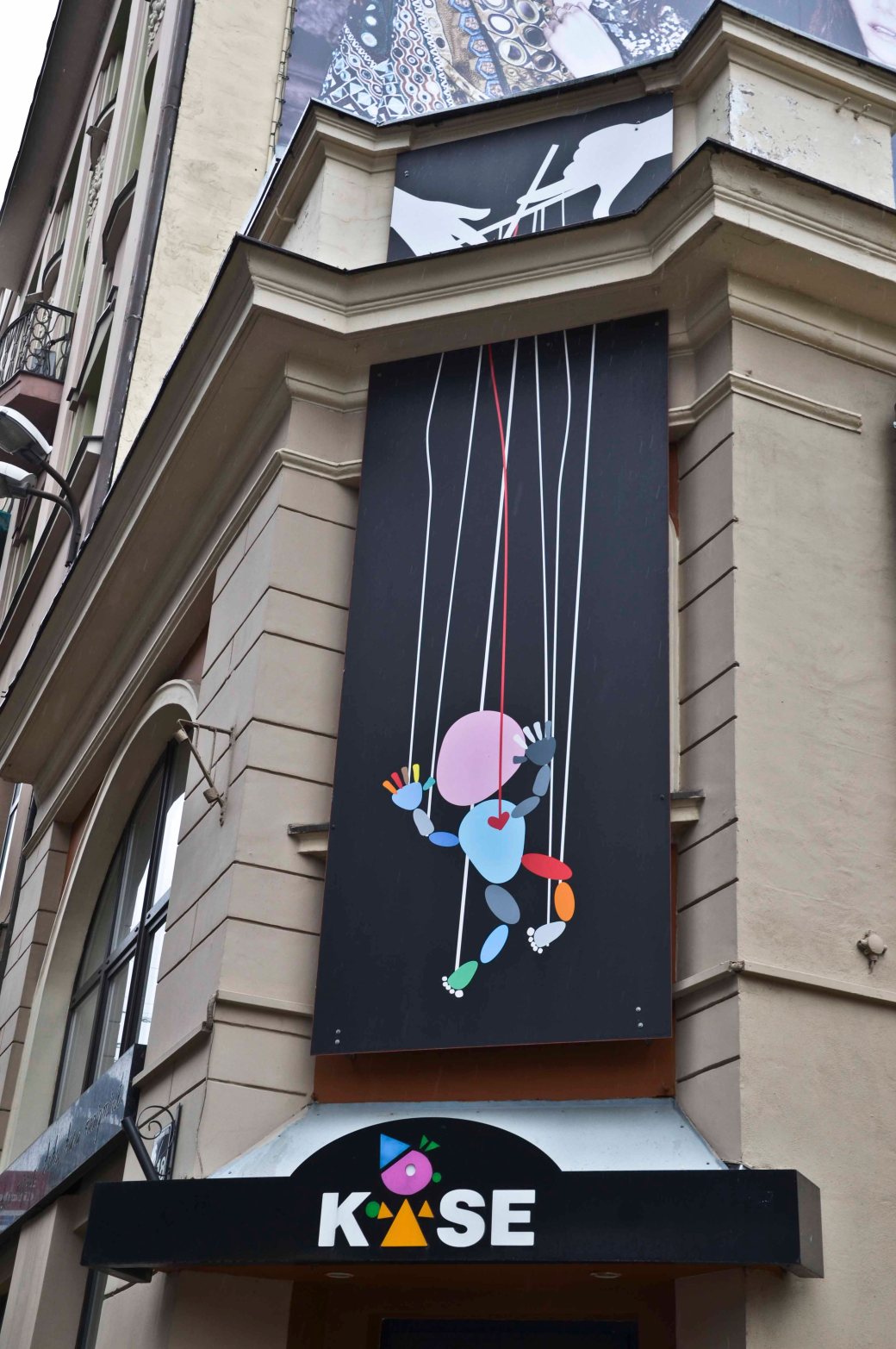
In Sweden there is no great tradition of Puppetry, but it still exists as an art form for small children. In Latvia they have several performances every day. For both young and older children – and for adults as well. Do you have this art form in your country?

Nowadays the Art of Puppetry is experiencing something of a real renaissance all over the world, touching hearts and minds and engaging new spectators of all ages. Puppetry is a unique cultural treasure, which invites you to experience such a magical way of art that cannot be created or substituted by any other form of art. The task of our puppet theatre is to introduce this special kind of theatre arts in such a way, that the wonders of puppetry world would find their home in the heart of every child.
Vilnis Beķeris
General Director of Latvia Puppet Theatre
Finally, some history of the theater in Riga
The early beginnings of the Puppet Theater date back to 1942, when during the war the National Art Ensemble of the Latvian SSR ( Latvian Soviet Socialist Republic) was formed in the city of Ivanov in Russia. From there originates a group of puppeteers, whose shows were watched by evacuated soldiers and Latvian people. On the 4th of October 1944 the National Puppet Theater of the Latvian SSR opened, run by poet Mirdza Ķempe and writer and translator Jānis Žīgurs.
Thank you to Patti for letting us share so many things, events and places of historic interest. Welcome to join in the historic tour! And please don’t forget the tag Lens-Artists so people can find you in the reader!
Friendly Friday – and Mistakes. In the header, a street in Copenhagen with a very famous Danish toy figure trying to amuse a little girl – but she started crying and ran away to hide behind her dad… And below, the mistake of leaving your tasty bit unattended…

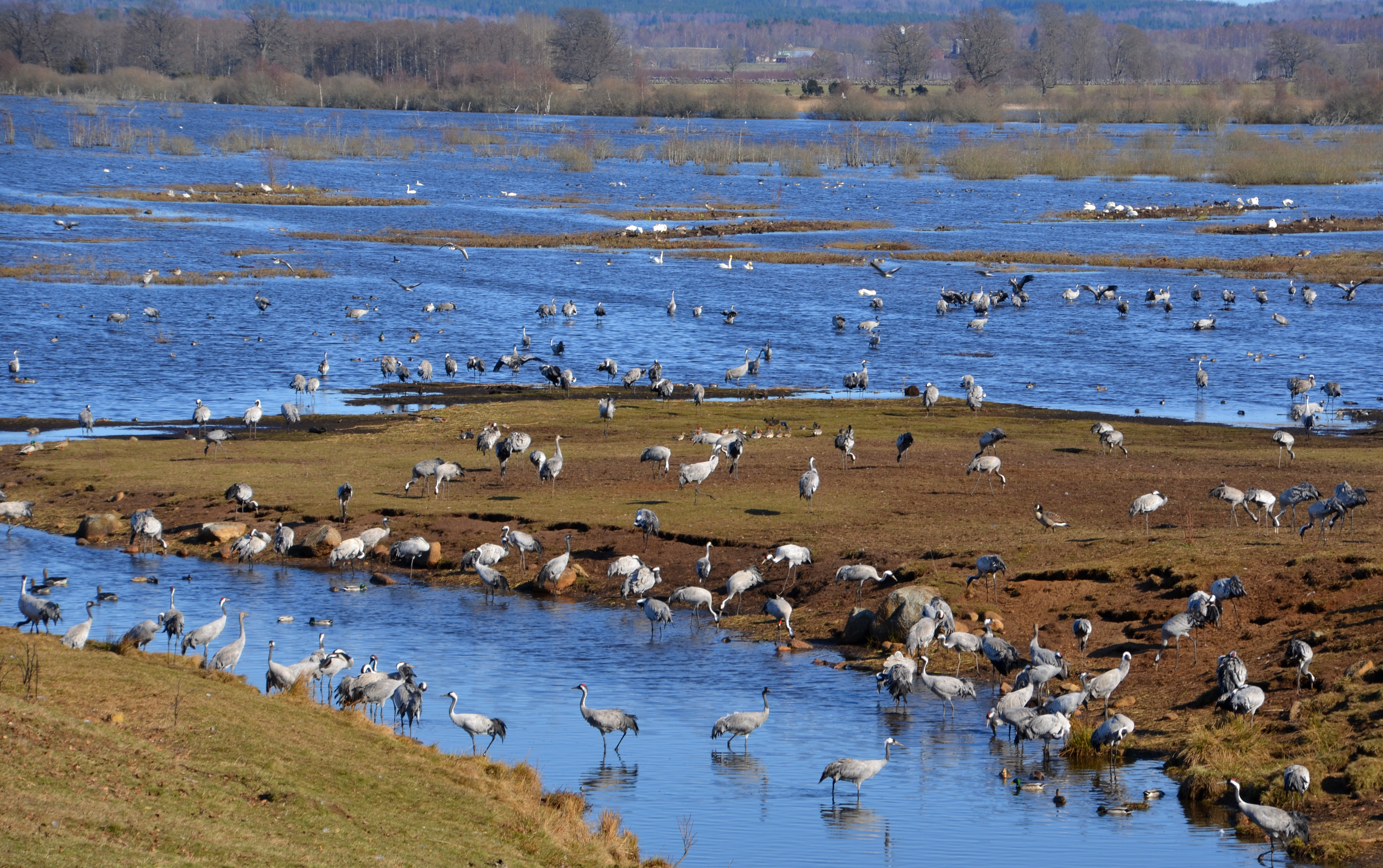
Sunrise is the challenge of the week – and indeed…it was a challenge! I do not have many sunrises on photo. But, some years ago we went to Lake Hornborgasjön where thousands ans thousands of cranes gather every spring on returning to Sweden form southern countries. That spring, that special day, more than 16 000 cranes flew in during the early morning hours – and we were there by 4 o-clock to see them (and hear them…) coming…
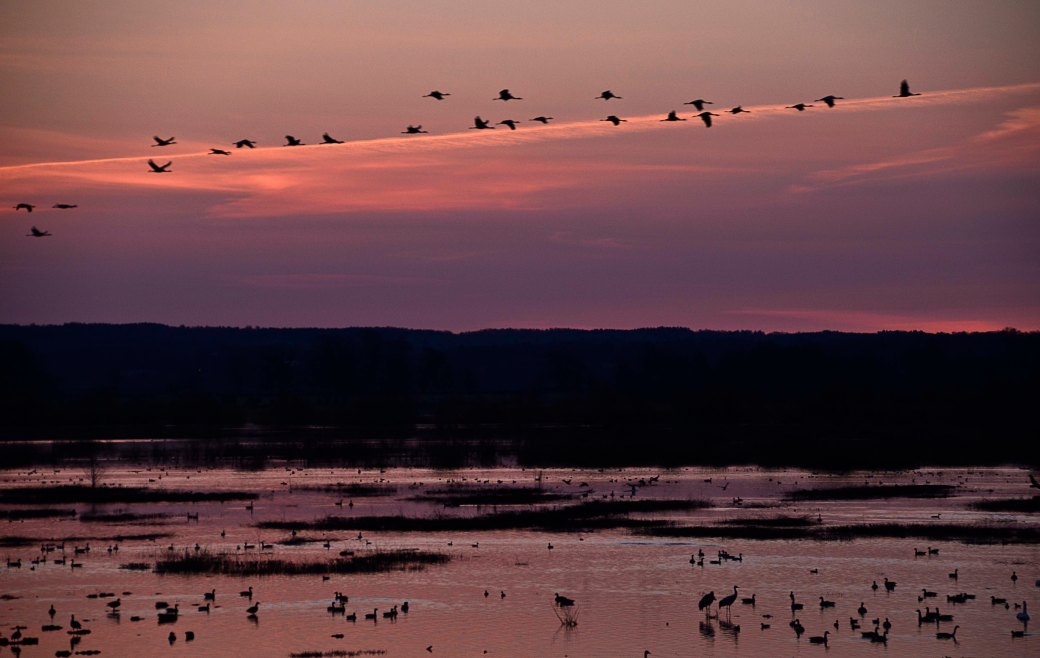
It was spectacular, and something dreamed of for many years.
The last photo is from the first time we visited our daughter in Umeå – the rising sun touching the church spire, overlooking this very cold morning city.

My favorite challenge is this one, for Paula at Lost in Translation – and this month I had to look up three of the five words – so, thank you for the new things I learned!
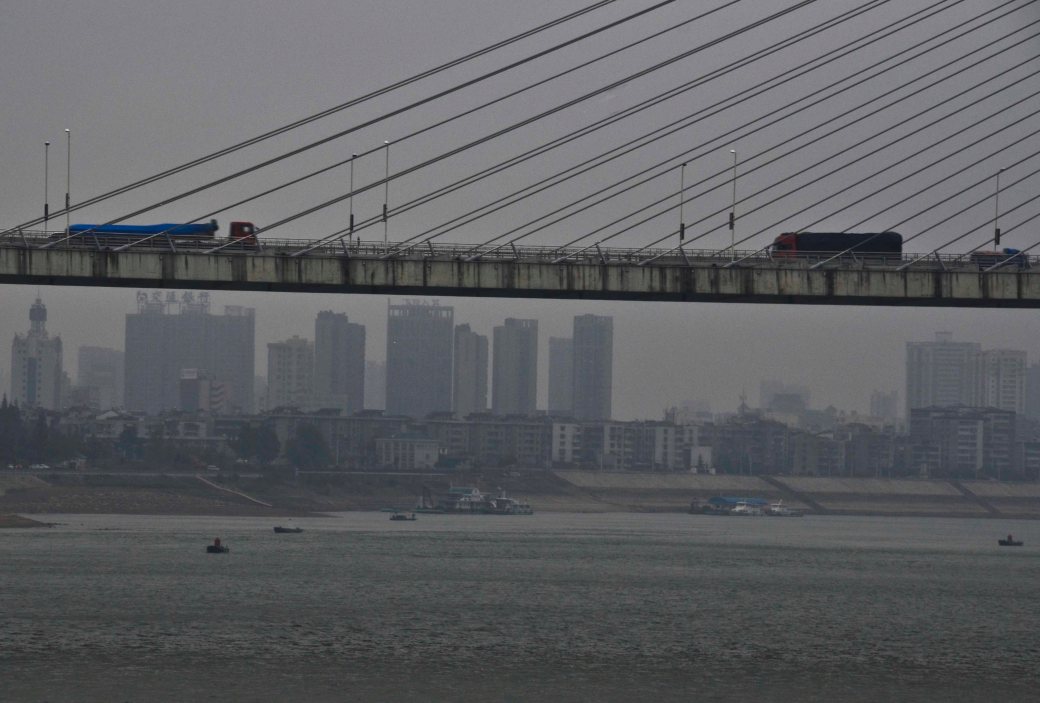
inversion – sorry, I know it, but have no photo to show it! Smog is a thing it brings on…
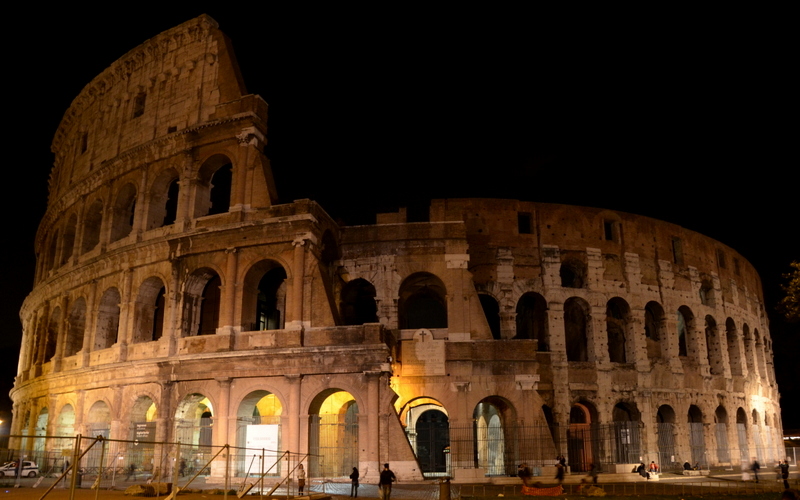
circuitous

corniculate – and the Bhutanese takin in the header, because he is so cool…

sabulous

interstice
 Leya
Leya 
Du måste vara inloggad för att kunna skicka en kommentar.