Cee’s Fun Foto Challenge: Purples
Purples for Cee – one of my favourite colours, especially on flowers.


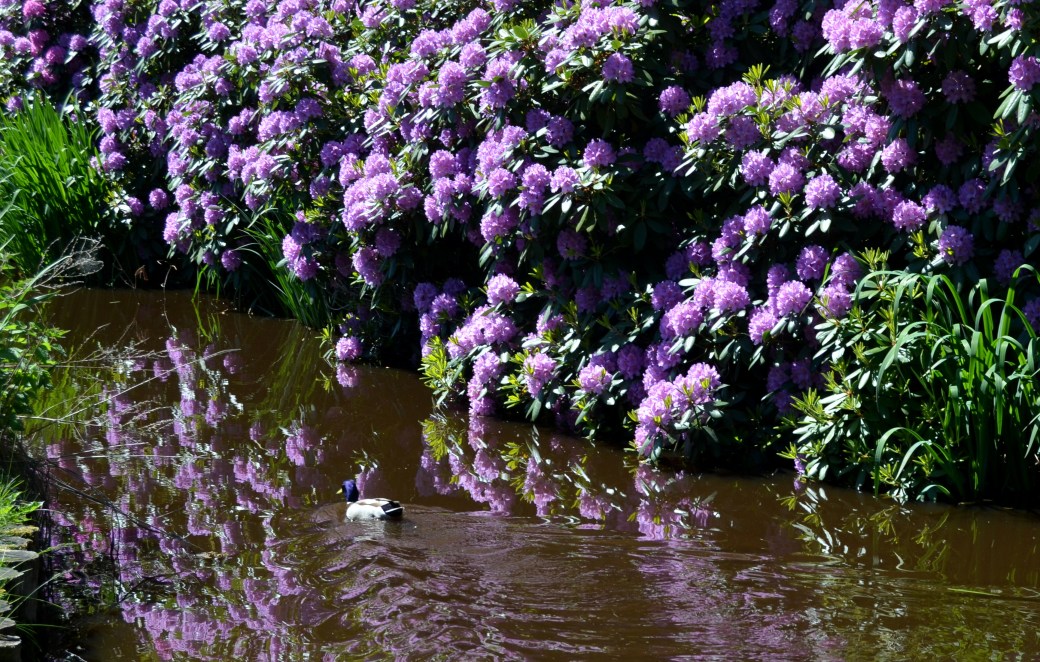
Cee’s Fun Foto Challenge: Purples
Purples for Cee – one of my favourite colours, especially on flowers.
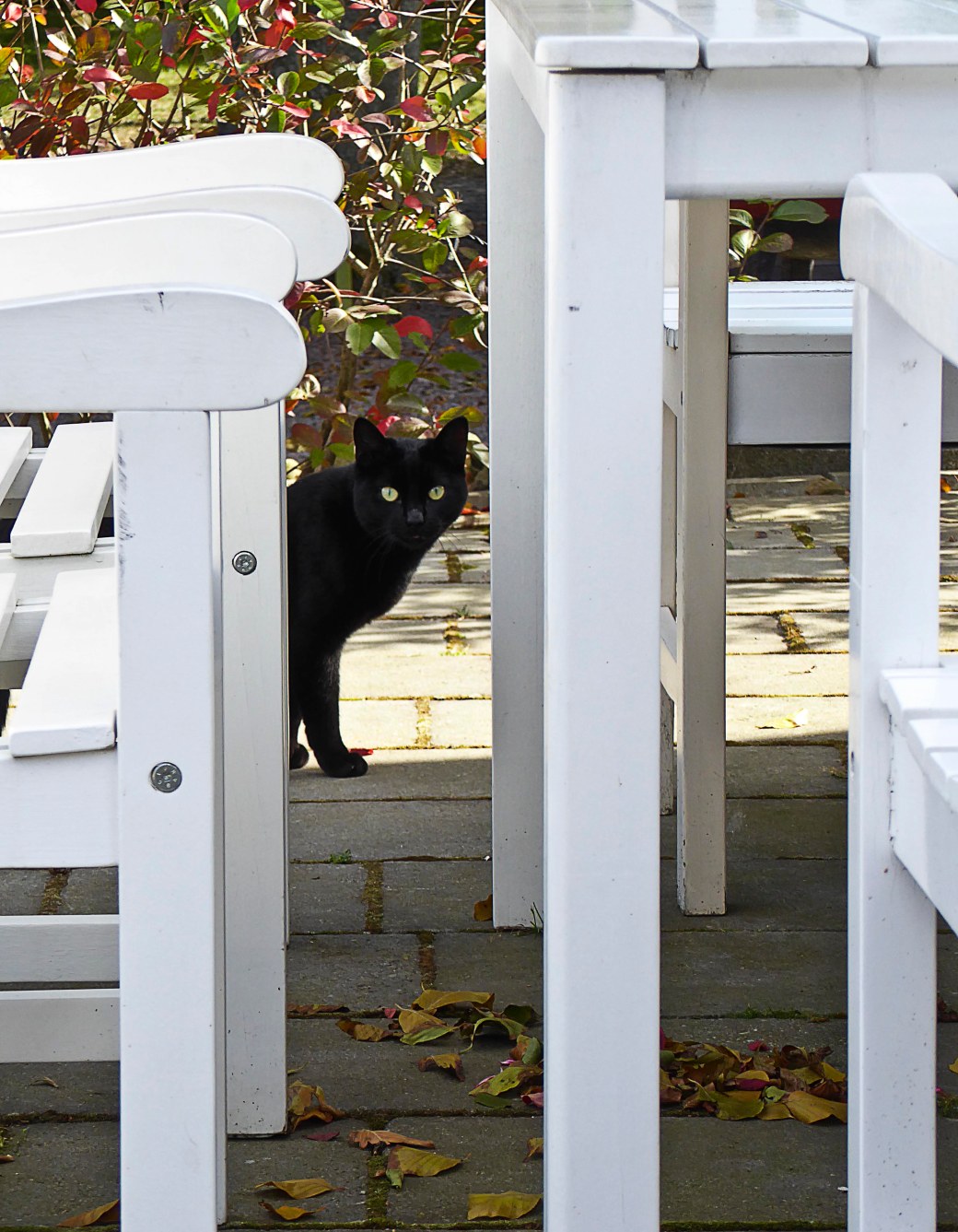
At least once a year we visit Wanås, the park and the new installations. A must!
Rafael Gómezbarro’s installation ”Casa tomada” wants to portray the stream of refugees in the world, where the climbing ants are symbols for the hard working migrant. The installation comes from Bogota´and the house of parliament there.

Nathalie Djurberg and Hans Berg are the artists behind the installation ”In dreams”. You can hear the sound coming through the forest before you find it. Want to party?


Want to know a bit more about Wanås and the exhibition? Click here.
I am convinced I could never live without the seasons. And I can never leave Sweden in Spring – cannot miss the first wood anemonies and the beech trees. So…my theme for this theme of Seasonal, is my home forest.

Autumn will soon be here – crisp air and colours, colours, colours

Winter dreams – when the snow comes . Euphoria!

Spring is the season I immerse myself in all the Green – My favourite season
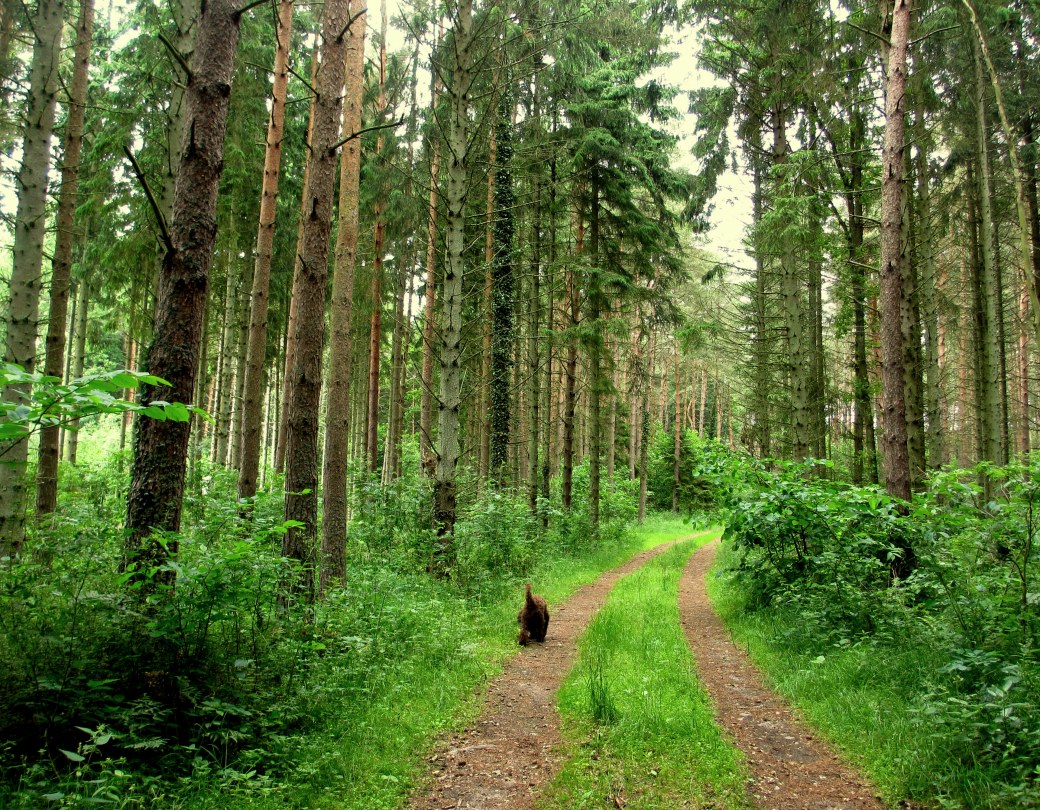
Summer – how difficult it was to find a forest picture…I guess I walk in my forest just as much as every other season, but no photographing!


Review of Looking For Infinity: El Camino (2014) Director: Aaron C. Leaman
This is a philosophical documentary, runtime 58 minutes. The text on the DVD says: ”Looking for Infinity: El Camino is an immersive voyage along the ancient pilgrimage route El Camino De Santiago.”
The film is said to be “an emotionally driven chronicle of a group of people all at turning points in their lives.” Some quotes from the walkers: “You walk and you become a humble being”; “I need to get away to recharge my batteries”; “Simplicity is the key”; “Religion and vanity takes your energy away[…] When I am in nature I recharge my energy”; ”El Camino is the best place to find people that really care about others”.
The message of this introspective movie is that we need to slow down and reflect upon our lives – and if you are at a crossroads or at a turning point, walking El Camino might give you some good answers to your questions. Those who have walked it and lived it often say it is a metaphor of Life itself. “I’m not here to get to the Goal but to do every single step”.


The film technique involves using the camera at walking pace to show the landscape passing by and the empty streets mixed with close-ups on people while someone is speaking – mostly not the person in focus. The sound is soft and natural for the most part: Walking on gravel, running water, birds singing, a piano and some slow drumming, a faint opera voice – or simply – silence.
The variety of people and reasons for walking are enough to show what this is all about. But, I believe the movie would have won some extra points by having a more equal combination of male and female thoughts and speakers. Both voices need to be heard.
The conclusion is simple – this is an important movie and a movie for everybody in our modern, stressed out society. Its slow pace might make it easier for you to get in contact with your inner self. In today’s society we need to question our living – planet Earth is running out of her resources and our young (in the western society at least) are increasingly troubled by mental illnesses. There is a connection and we know it.
Looking For Infinity: El Camino, is a very philosophic piece of art, and beautifully directed. I think it appeals both to those who have walked the Camino and to those who are considering doing it – as well as to those who never have thought of it before.
The movie gives you many thoughtful comments and reasons for walking, and they will stay in your mind for long. They might even inspire you to take a break from your busy life and enter on a great learning experience – El Camino.
Links to website for more about the movie, and for DVD: www.caminomovie.com
Facebook: www.facebook.com/lookingforinfinity
For my own articles on El Camino, at Leya, click here:

Burgos (founded in the year 884) in Castilla y Léon is strategically set on the main road Madrid – France and also on the road to Santiago. The city has always had a prominent position in Spain.
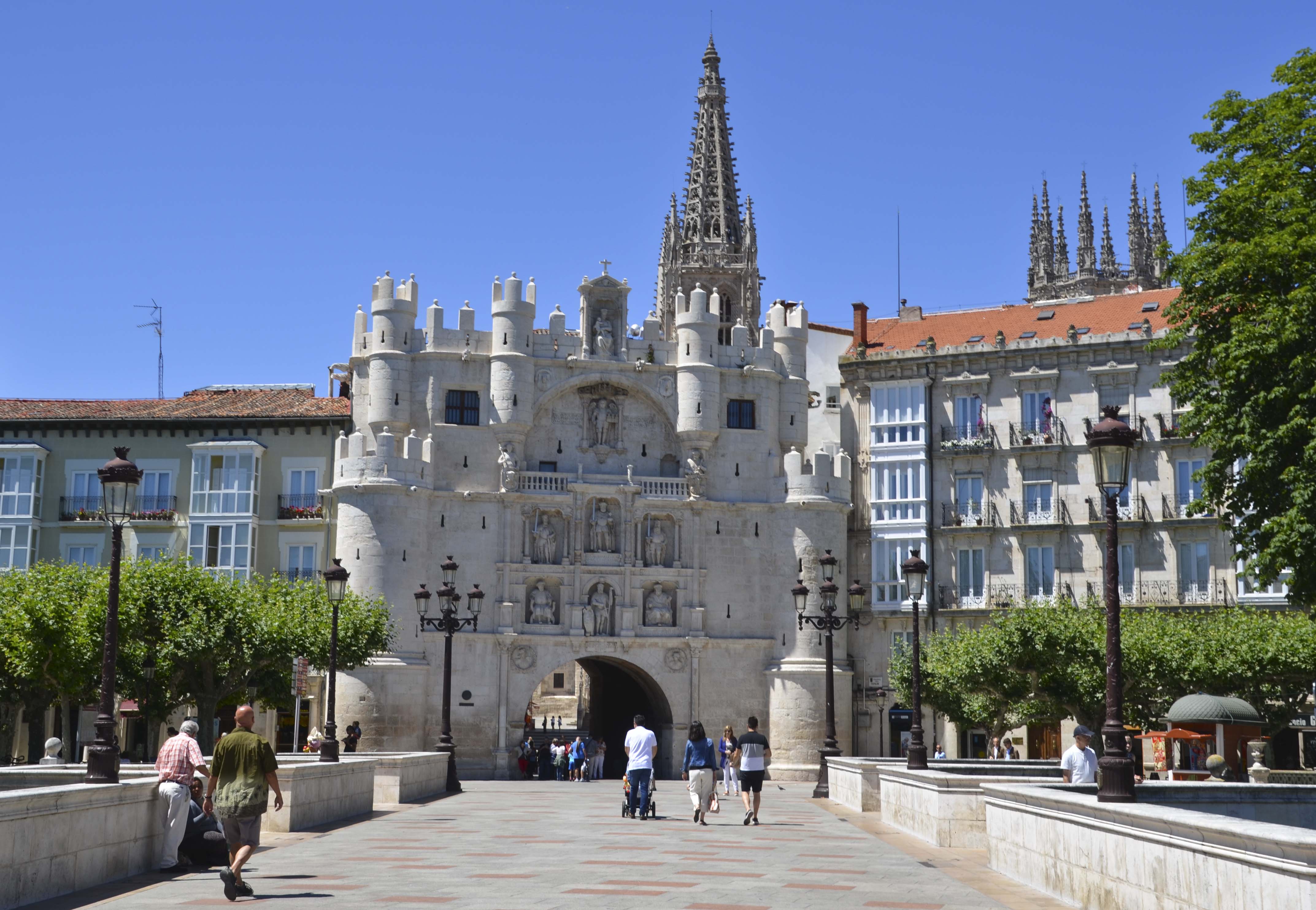
We entered the old city through Arco de Santa Maria.
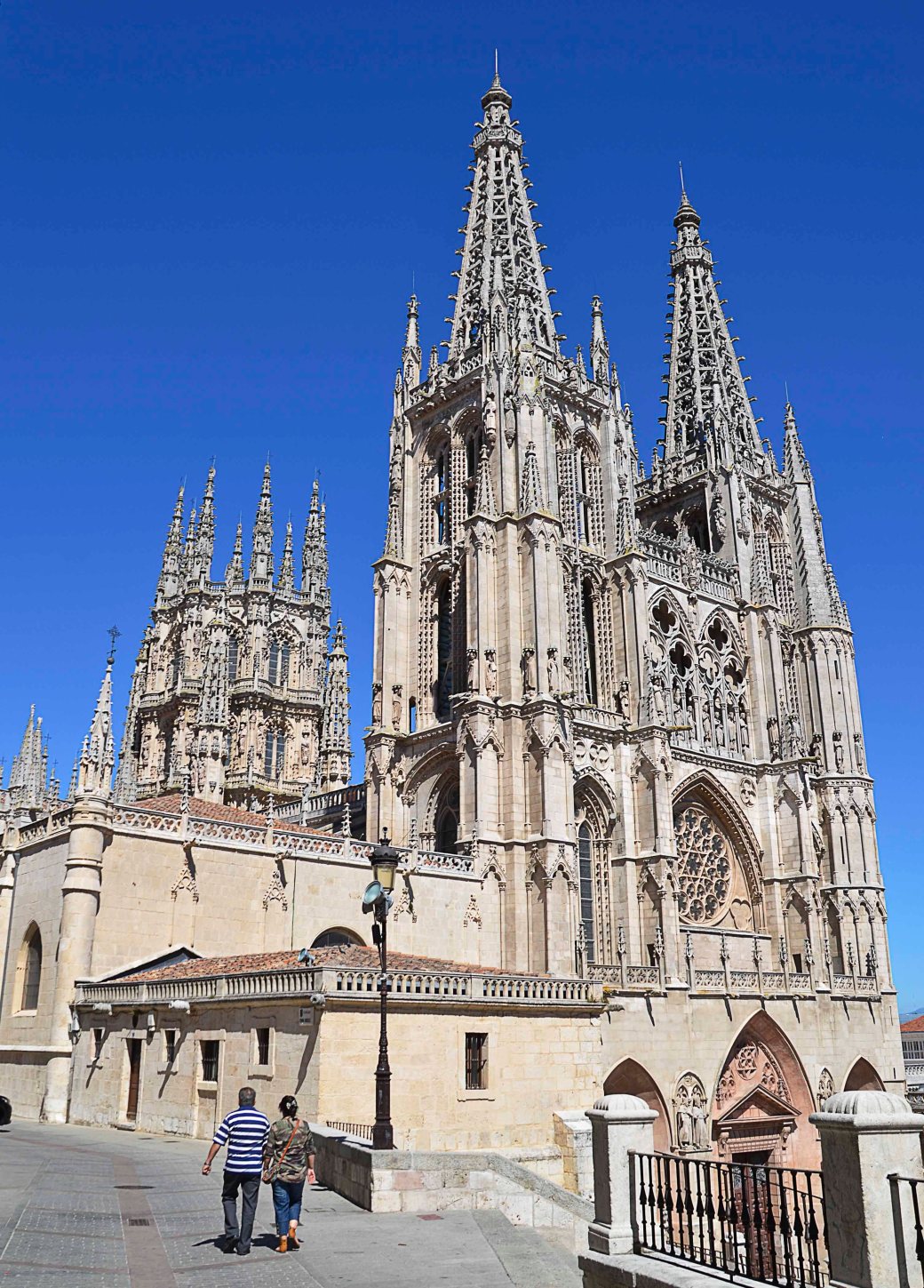
The Cathedral of Saint Mary of Burgos is dedicated to the Virgin Mary. Its construction began in 1221, and the style of the cathedral is the Gothic, although it has, in its interior, several decorative Renaissance and Baroque elements. The construction and renovations were made with limestone.
The design of the main facade is related to the purest French Gothic style of the great cathedrals of Paris and Reims, while the interior elevation as a reference to Bourges Cathedral.
The characteristic pinnacles with crab ornaments can be seen in the header.

El Cid (Rodrigo Díaz de Vivar, born 1043) was a charismatic, brave and courageous warrior who conquered the Mores and took Valencia for the Christians (and ruled the city until his death). He earned his name, El Cid, from Arabian Sidi (Lord) because of his great courage, but was made immortal by the poem El Cantar de Mío Cid (1180). His (and his wife´s) grave is just beneath the magnificent star dome. A dream place to be buried…
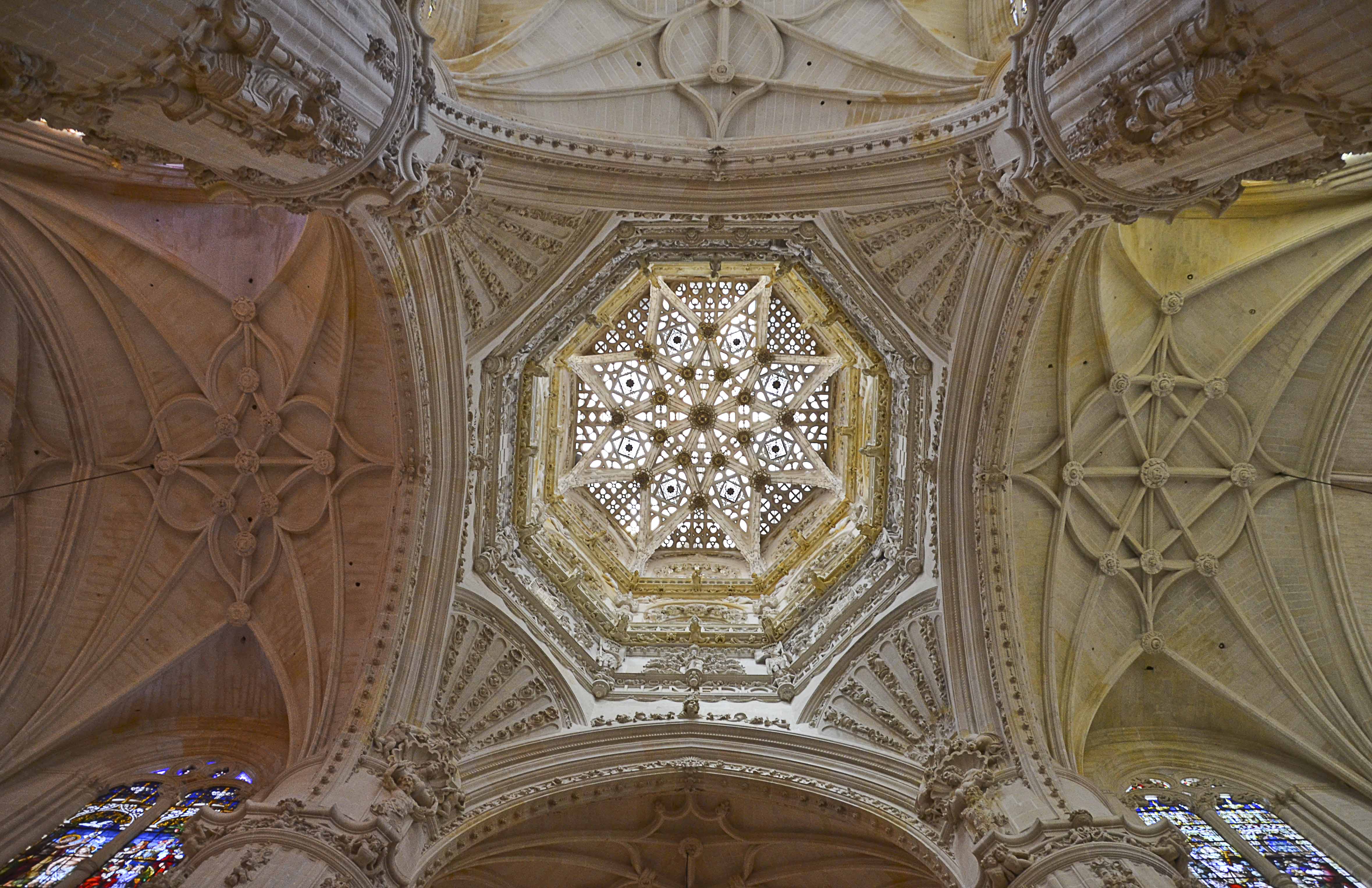
In the cathedral are preserved works of extraordinary artists, and the numerous architectural, sculptural and pictorial treasures inside include:


15th century art work – now being restored


The Cathedral could have been built yesterday…or restored the day before…that magnificent is its beauty. Every detail exquisite – I have never seen anything like it. And, I have seen many Cathedrals and churches… We enjoyed these treasures for more than two hours, and we could have stayed longer…
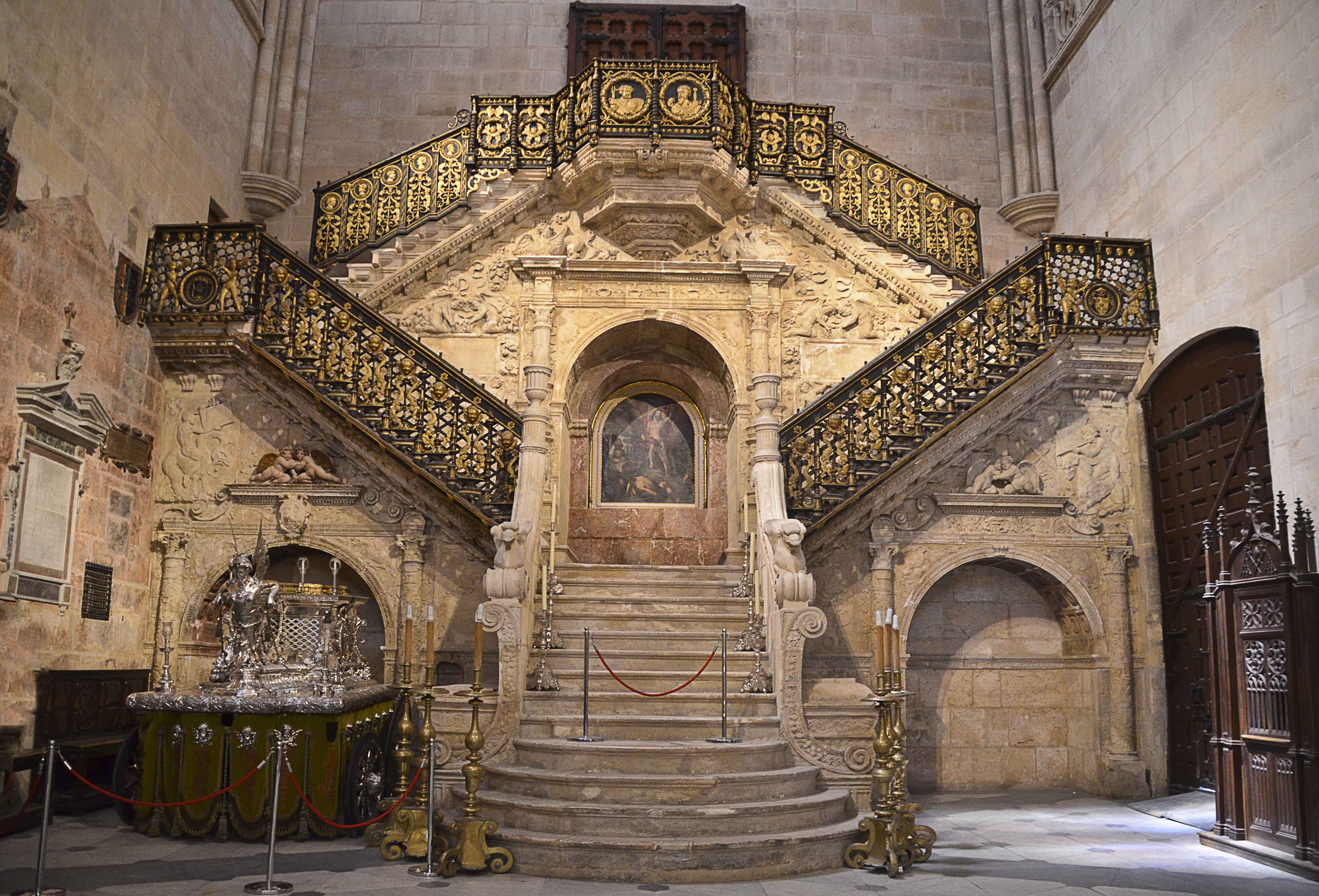
The Renaissance Golden staircase by Diego de Siloé, covers a whole wall – and in my opinion, this is the most outstanding gem in the cathedral. In fact, it became so famous, that it served as a model for many other famous staircases. Among others, the one of the Paris Opera.


The cathedral was declared a World Heritage Site by UNESCO on October 31, 1984. It is the only Spanish cathedral that has this distinction independently, without being joined to the historic center of a city or in union with other buildings.


Tonight I got a message on my phone. I had submitted these two photos to The Nordic Photo Club some weeks ago. It is The Princess of The Night (Selenicereus pteranthus) flowering for some short night hours, 27th of August – the magical scent filling the whole house. The flower itself is about 20 cm. This year I was better prepared and could set the light right.
Last year it developed one flower, and this year it gave two. My post from last year is here.
The message on my phone was, that one of these pictures had won Medal of Excellence and will be published in the book Photos of the Year for 2016. Am I happy? I Am!


Du måste vara inloggad för att kunna skicka en kommentar.