Birds,butterflies, bees and other insects, airplanes, balloons, bubbles, kites….well, this week, Tina invites us to be creative and choose whichever flying objects that catches our imagination and our lens. Go to her amazingly beautiful post to visit Kiawah!
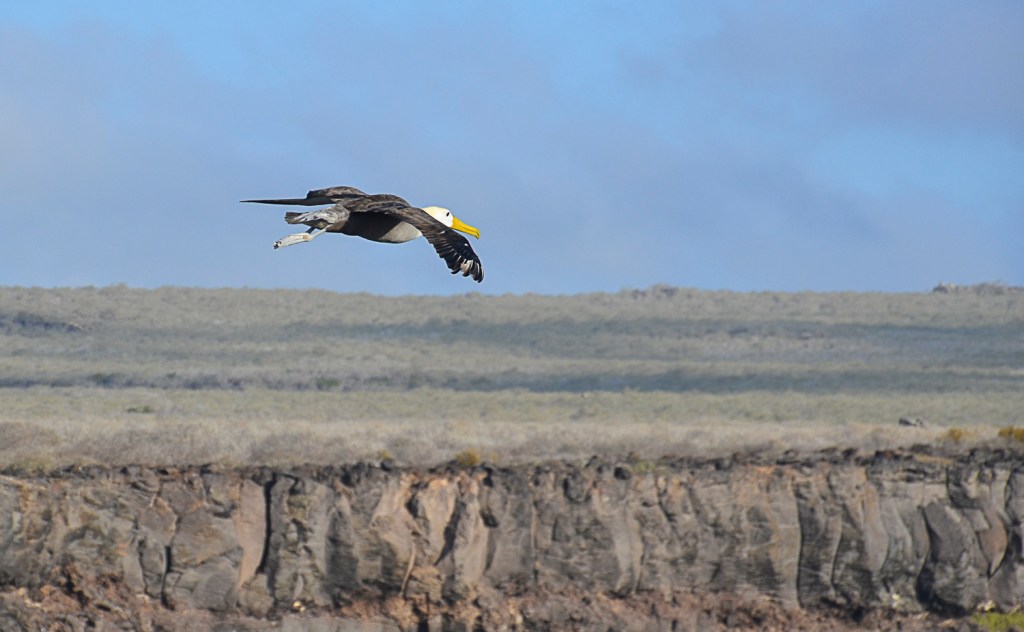
I don’t have a perfect long lens, so I will stick with the Galapagos Islands, where you have no need for a long lens, but get to see and love all wildlife close-up, just by your side. And, they do have one of the funniest birds for taking flight…
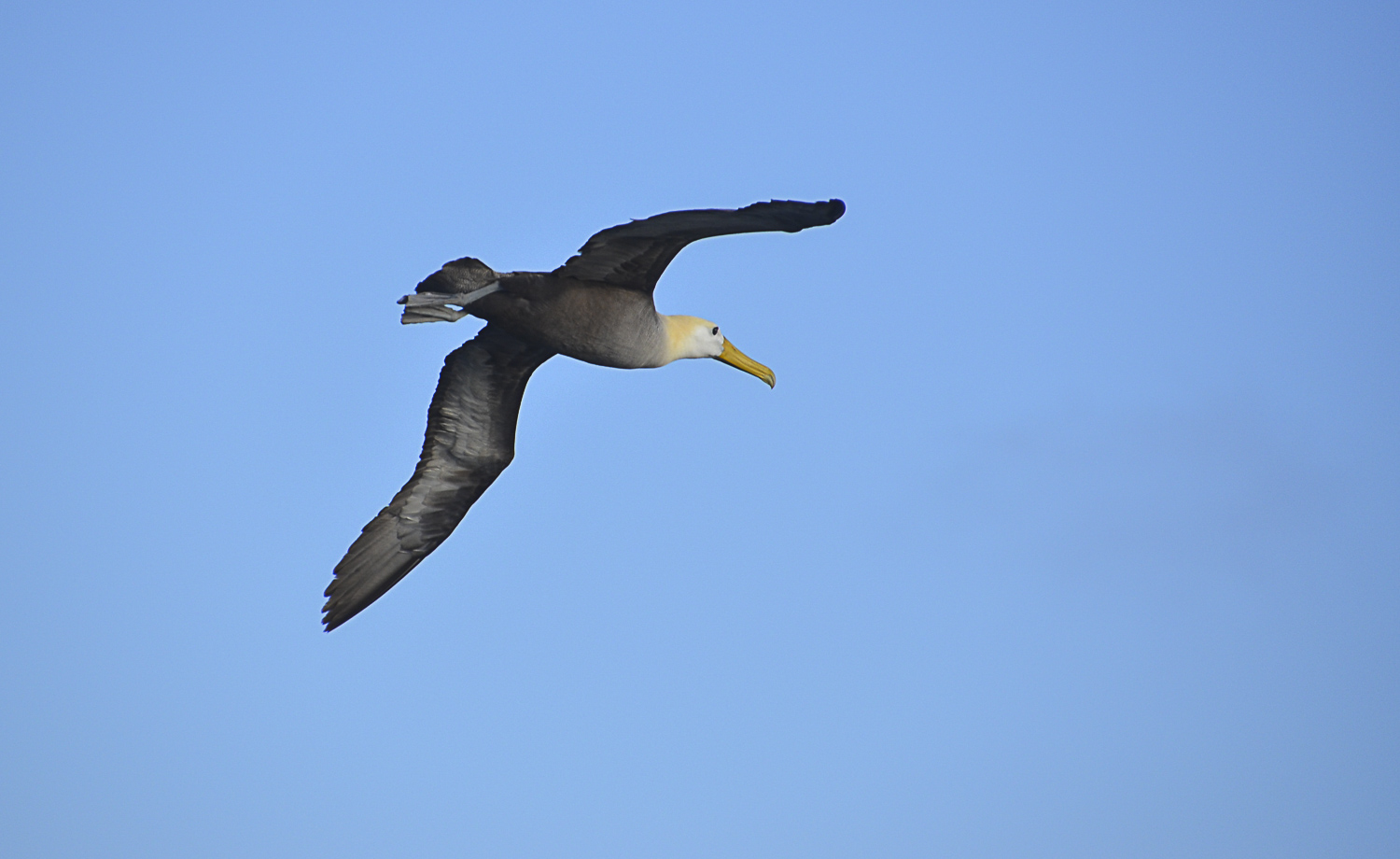
Also called the waved albatross, the Galapagos albatross (Phoebastria irrorata) is the largest bird in the Galapagos, with a wingspan of up to 250 centimetres (8.2 feet). They breed exclusively on Española Island.
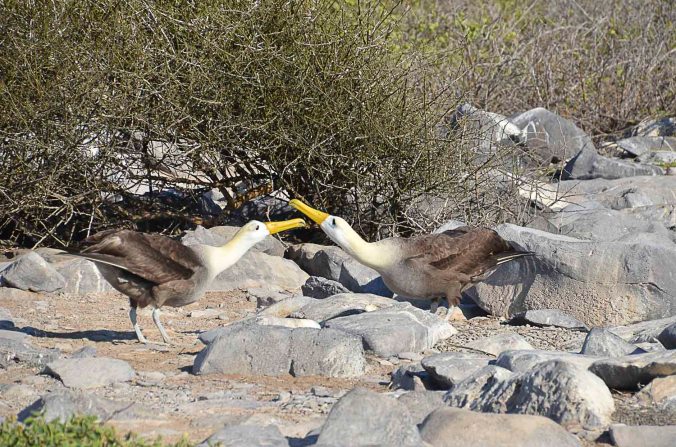
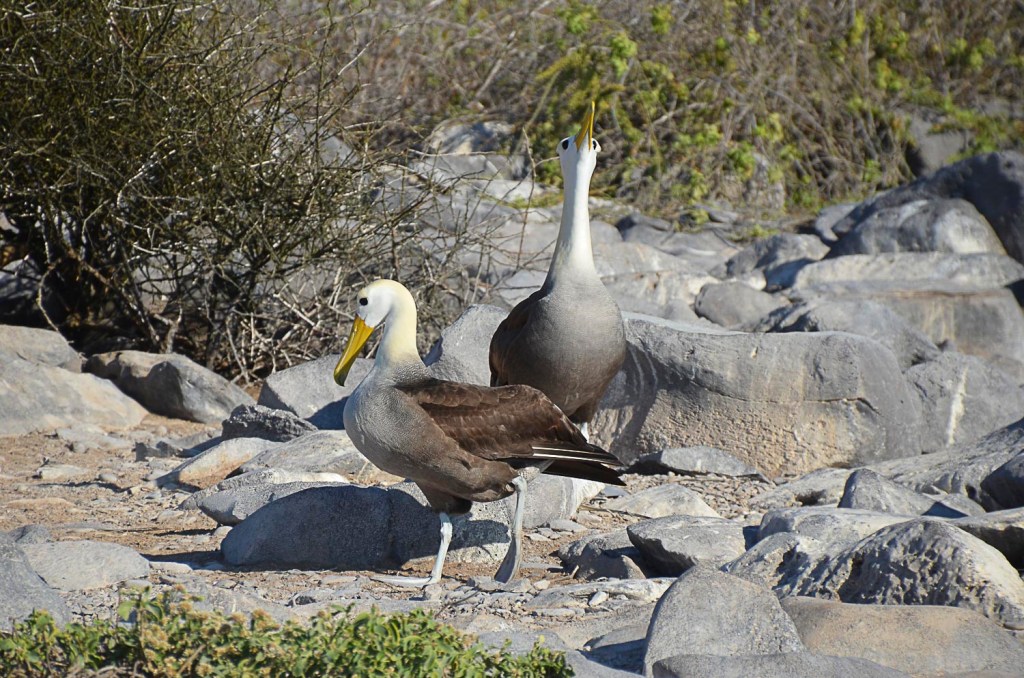
The Galapagos albatross engages in a rather elaborate courtship dance, and as our timing was right, we were lucky enough to see this on our trip to the Galapagos Islands in 2016.
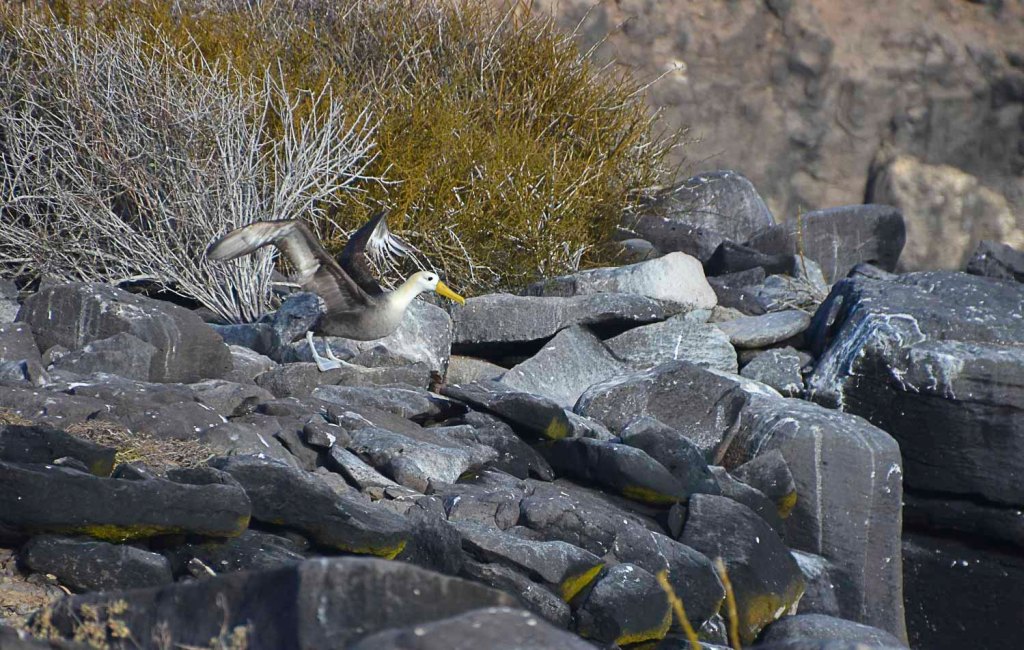
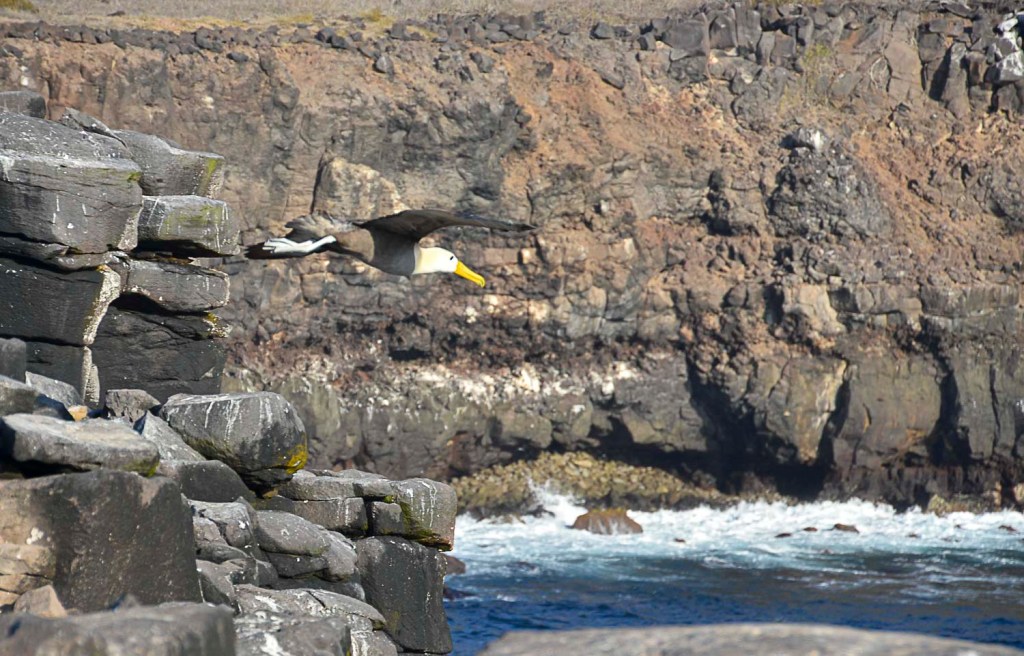
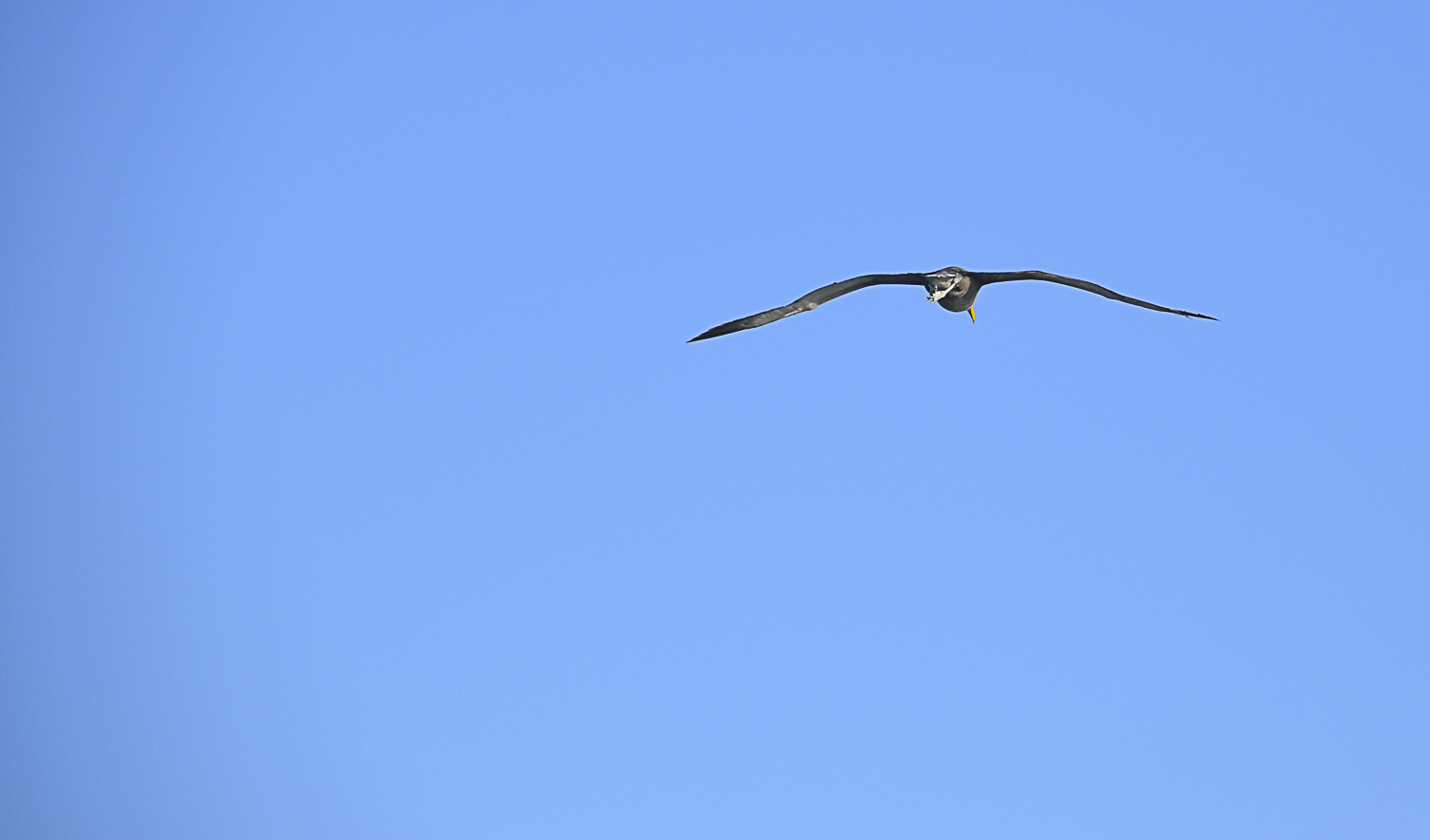
The dance involves a good deal of bill circling and bill clacking. There is also head nodding, and waddling. The waved albatross makes a strange sound during the dance, not dissimilar to the moo of a cow. Once an albatross has selected a partner, they mate for life.Albatrosses live much longer than other birds; they delay breeding for longer and invest more effort into fewer young. Most species survive upwards of 50 years, and the oldest recorded was ringed in 1956 as a mature adult and hatched another chick in February 2021, making her at least 70 years old. In fact she is the oldest confirmed wild bird and the oldest banded bird in the world.These birds weigh between 2.7 and 4 kilograms (6 – 8.8 pounds) and males are typically quite a lot heavier than females. When taking off, albatrosses need to take a run up to allow enough air to move under the wing to provide a lift. We saw them run up to the edge of the cliff and jump off to propel themselves into the air. I was sitting 5-10 meters from the action. However, landing is also quite tricky for this large bird. Because the albatross has a high stalling speed, the landing can seem rather clumsy. (Who doesn’t remember that Disney movie with Orville the Albatross…?) Seeing a waved albatross fly is quite the sight, they are amazing flyers, soaring dynamically. They stay in the air for many hours and they rarely stall. That’s why sailors used to believe these birds were supernatural. Due to their great wingspan the bird glides gracefully while up in the skies. In fact the wingspans of the largest great albatrosses (genus Diomedea) are the largest of any bird, exceeding 340 cm (11.2 ft),
In nautical lore, albatrosses are a sign of good fortune, and killing one is meant to bring bad luck. As in Coleridge’s The Rime of the Ancient Mariner.
Thank you for your responses to last week’s Colorful April challenge – you shared some amazing examples of April’s incredible beauty. We look forward to seeing your interpretation of this week’s Taking Flight challenge – please remember to link to Tina’s original post and to include the Lens-Artists Tag. We hope you’ll join us again next week when we welcome our Guest Host, Priscilla of Scillagrace . Be sure to check out her ever-thoughtful and interesting blog.



 Leya
Leya 
Du måste vara inloggad för att kunna skicka en kommentar.