https://ceenphotography.com/2018/10/18/cees-black-white-photo-challenge-steps-indoors-outdoors/
Outdoors and indoors – Punakha Dzong, Bhutan and the Long Room, Ireland. 
https://ceenphotography.com/2018/10/18/cees-black-white-photo-challenge-steps-indoors-outdoors/
Outdoors and indoors – Punakha Dzong, Bhutan and the Long Room, Ireland.
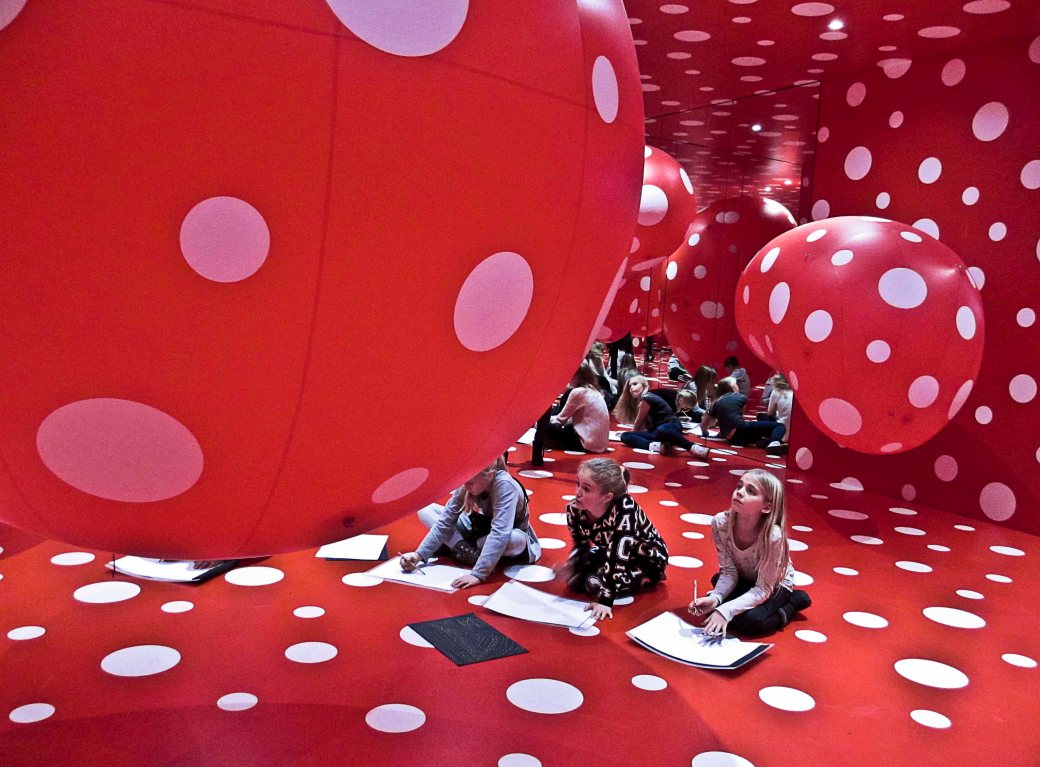
For Cee this week – Things People Play With
Notice the difference in toys here…grown-ups and children! Just some years ago…




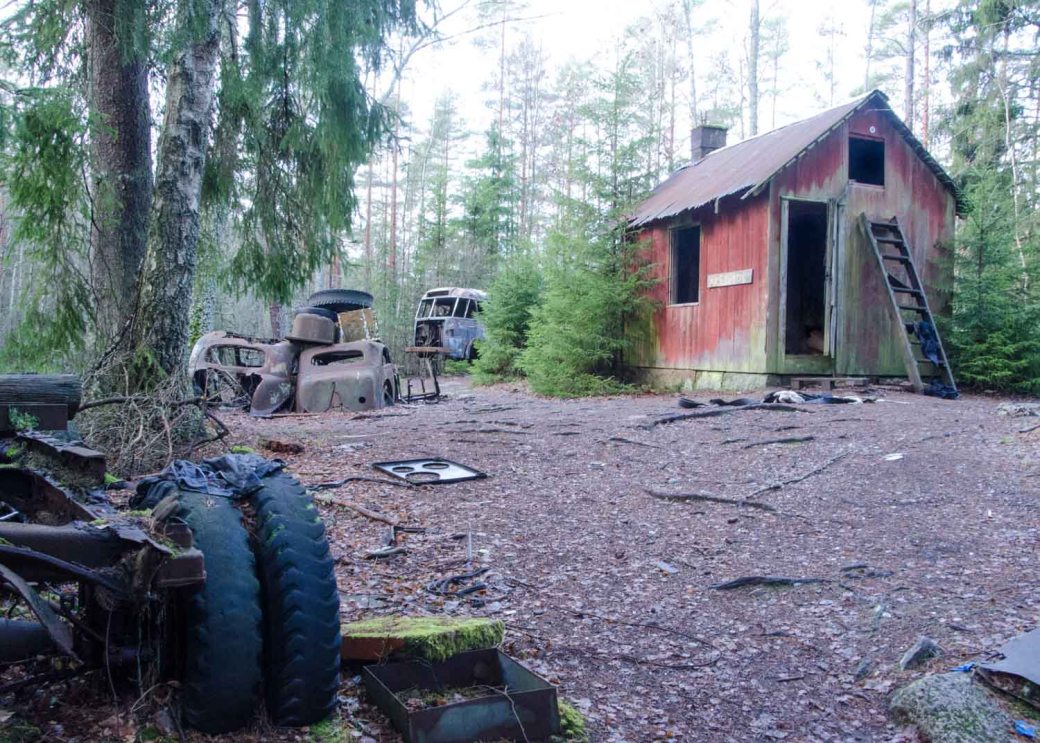


Paula, at Lost in Translation, asks us again to find traces of the past.
In Lofoten this summer, we experienced what is said to be the oldest and most authentic fishing village (fiskevær) there is – Nusfjord.
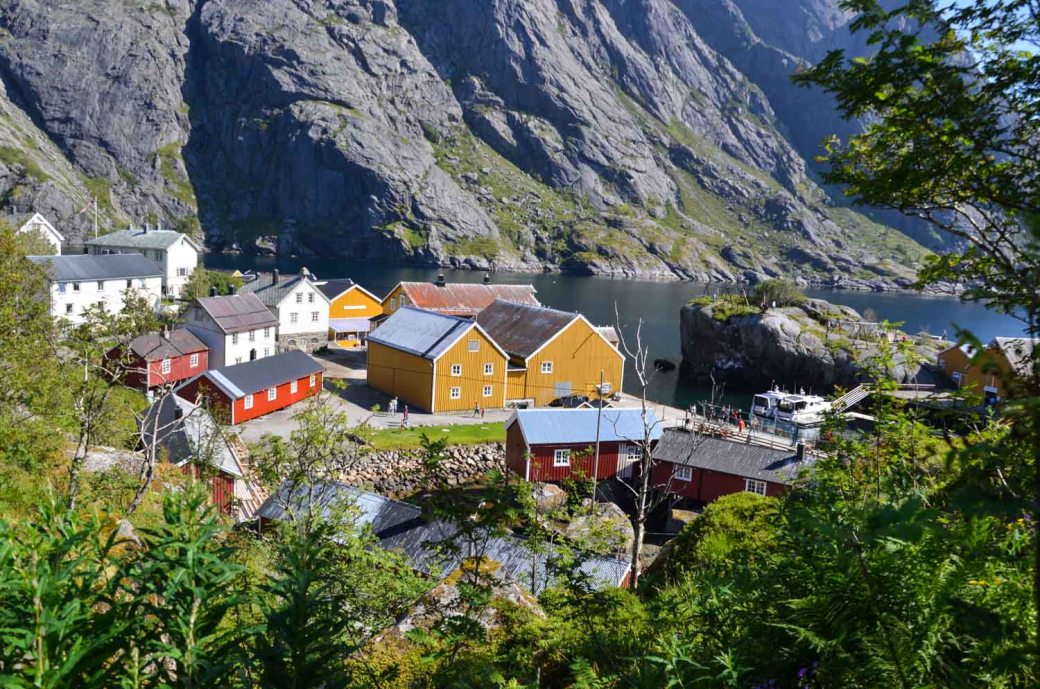
Dating back to the 19th century…

the village is still alive with rorbuer and everything.

We spent some hours there just walking – enjoying the past – and the present.
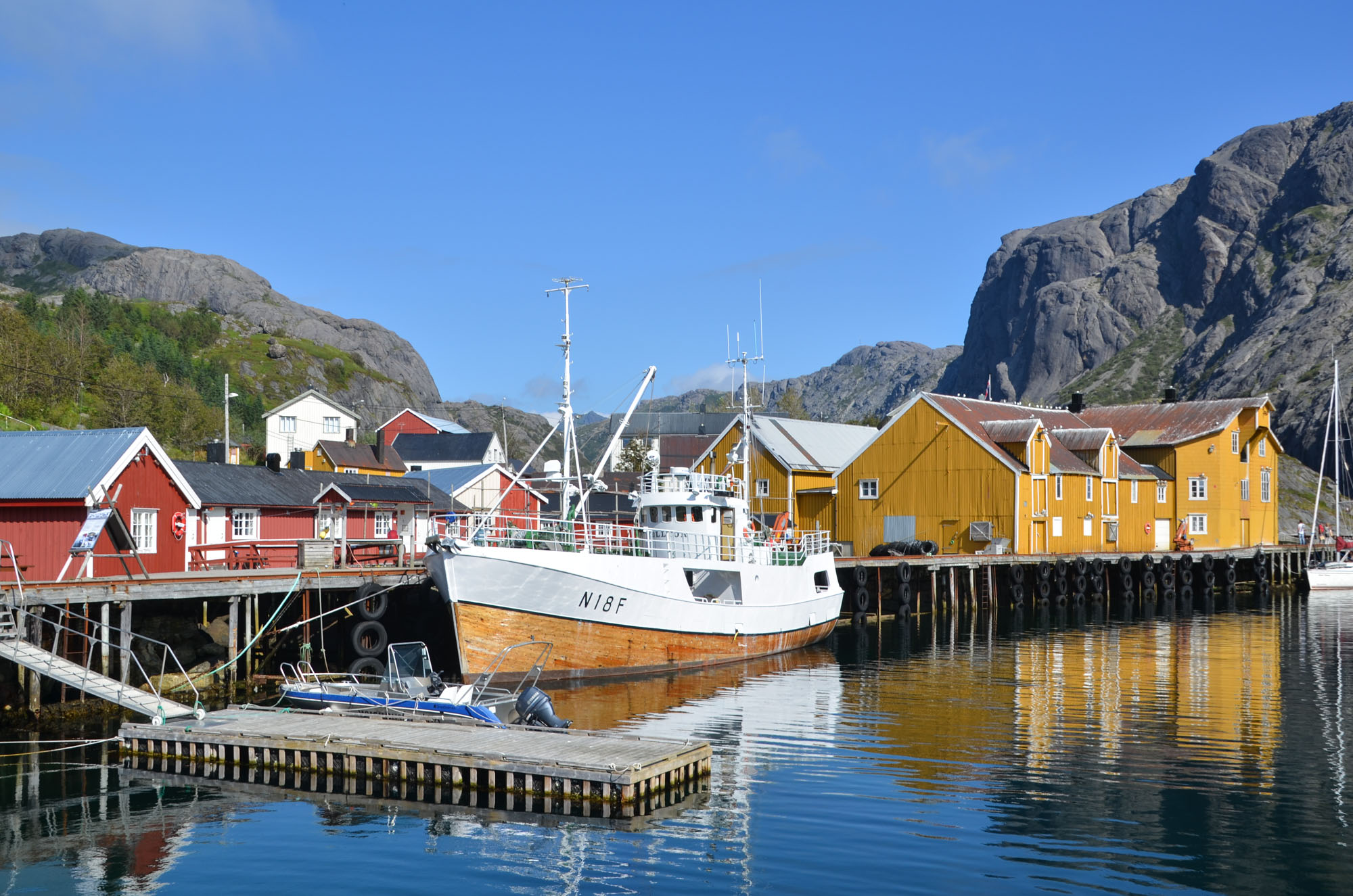
We had our lunch overlooking the charming harbour. Contemplating the difference between our own comparatively easy lives and the every day struggle where the family’s breadwinner might be lost to the sea any day.
For Cee today – these colours lead me to the sea…but also to a Bhutanese farmer’s kitchen!

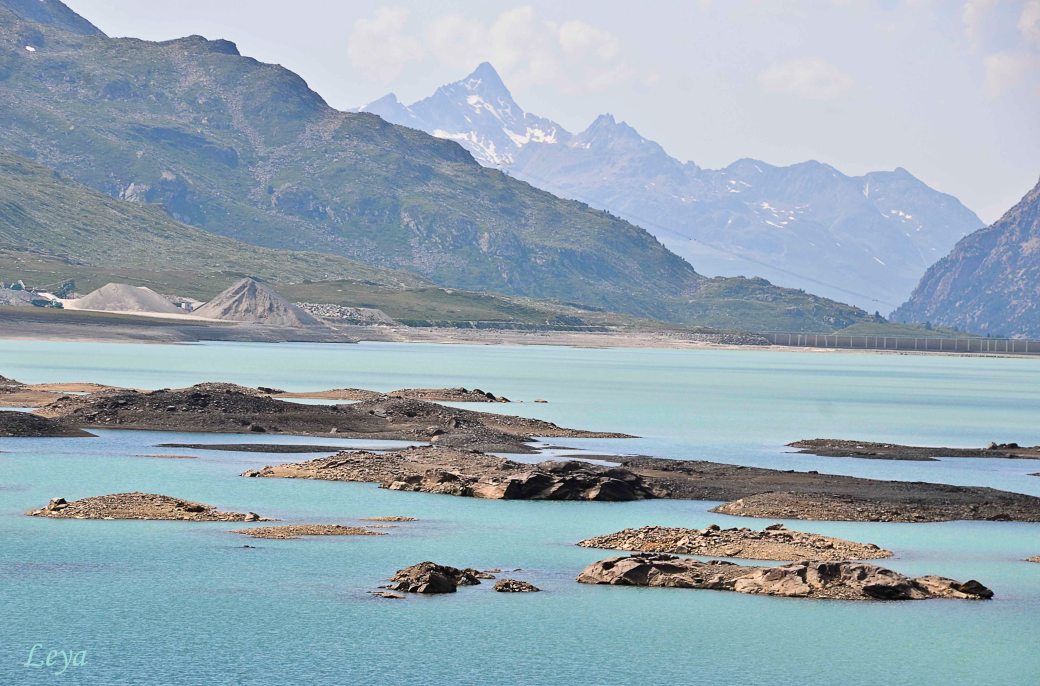
Mountain lakes almost always have these hues of blue green. There are many minerals co-operating to make it work. A fascinating colour.
Cee’s Fun Foto Challenge: Week 5 Photo – Music, guitar, instrument, men, coffee, etc.
All men…

…and good at what they are doing! Irish in the header, in Madrid I admired the glass player sitting in a street market, and…

…happy guys playing cards in the streets of Beijing.
All candid shots.
This spring, I visited Bhutan, and met so many fantastic people and a landscape so different from ours in Scandinavia. Harmony – this is the word describing it best.
I eagerly noticed all the patterns in people’s lives – in clothes, buildings, decorations, religious paintings and habits…as well as patterns in Nature herself. Like the pattern in the header – the mules and horses trotting in a row – while the lines of the landscape, the roads, paths and fences, create natural frames.
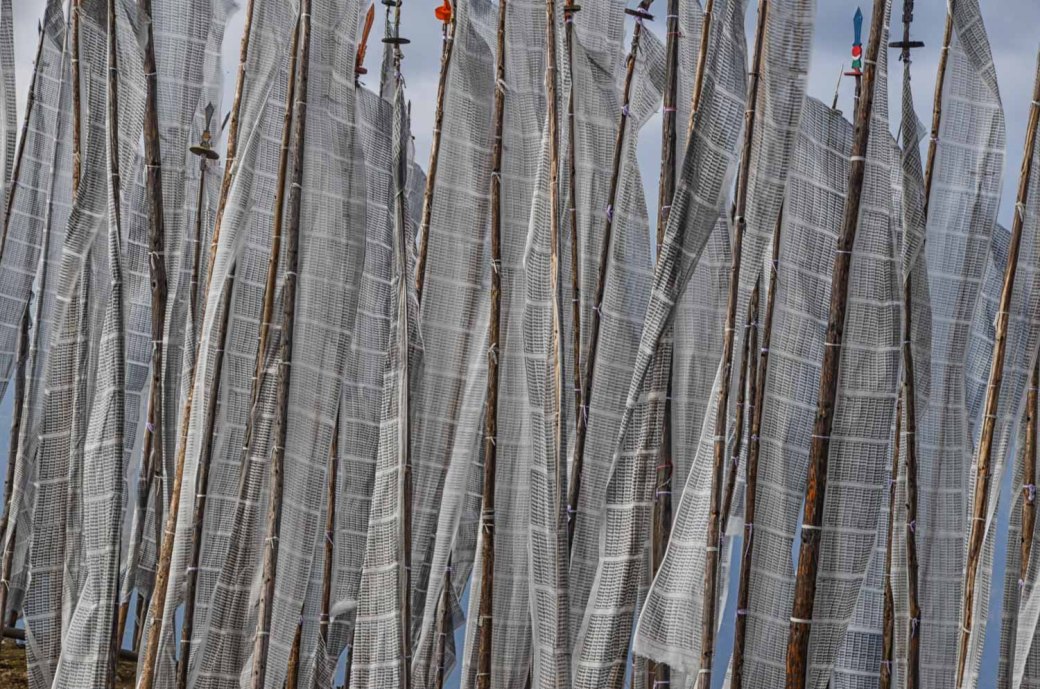
I often try to find and capture the less obvious patterns, noticing that colours are not that important to make you see the pattern or structure itself.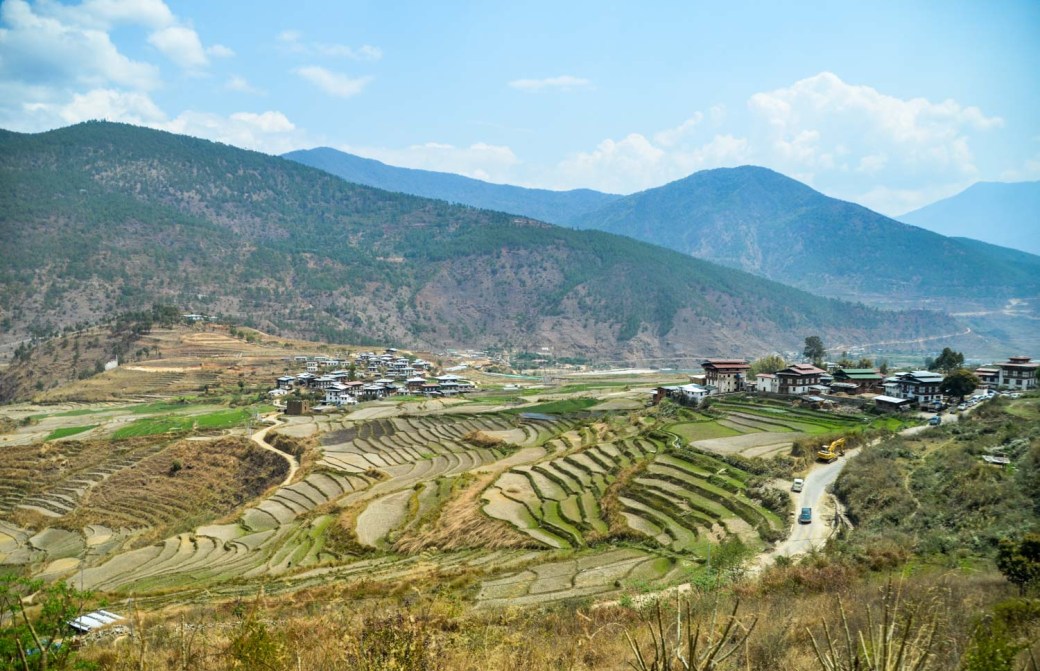
But in most cases colours make an obvious difference, natural colours as well as man made ones.

Either you can find patterns in a sweeping landscape or cityscape or you can look at the little details. Any way, you will find that almost everything consists of just – patterns. Moreover, in our human society, they often have a ritual or symbolic meaning.
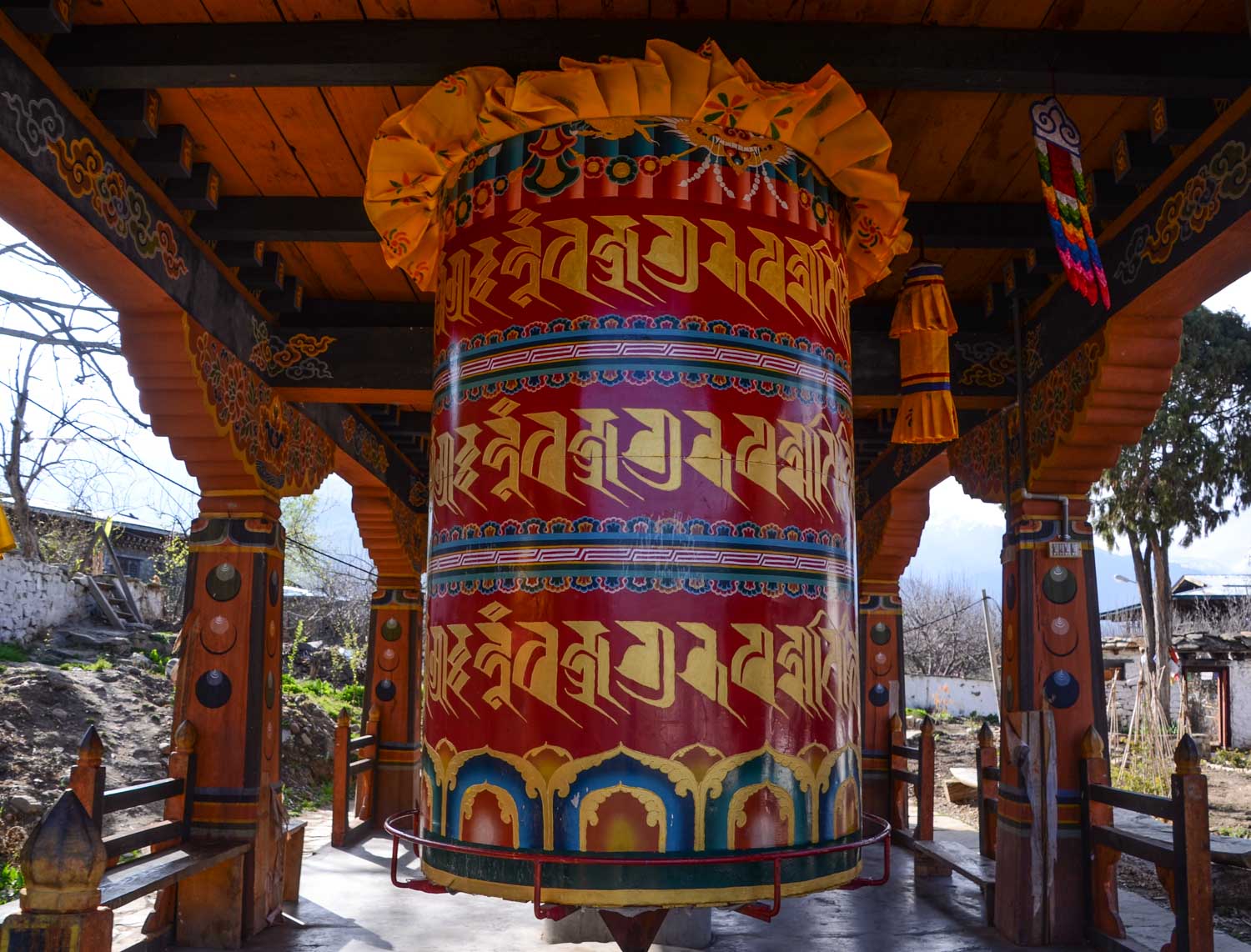
Among the most interesting patterns must be languages. When a language is written in beautiful pictures or letters – their special patterns will give them yet another meaning. Magical, isn’t it?
Life is beautiful in so many ways – and patterns are a big part of it. So, for this week’s challenge, share your interpretation of patterns— open your eyes and find new ones! In you own home, outdoors, man made or natural… Use your curiosity and creativity!
Have you seen these?
Great diversity, from Abrie Joubert of Abrie Dink Hardop
Henry Lee of Fotoeins Fotografie
Storm coming in from the sea, from Suzanne of Being in Nature
Thank you for joining the challenge and have an inspiring week!
Svolvær is the main town in Lofoten, and Northern Atlantic Cod fisheries, particularly during winter months, have remained one of the most important economical foundations for the town. Just west of Svolvær is Vågar – mentioned in the book Heimskringla, and might have been established as early as the year 800 AD.

We arrived rather late, and thunder was in the air the whole evening. This also made for an interesting walk in beautiful light and no winds.

The little town has about 5000 inhabitants, and many people were strolling the streets in the soft evening. The special light made all colours stand out – no need for enhancing anything. Natural beauty only.


The old – and new – little houses are called rorbuer. Rorbu is a traditional type of seasonal house used by fishermen. The buildings are built on land, but with the one end on poles in the water, allowing easy access to vessels. Today they are mostly used for tourist renting.


After sorting by quality, most of the stockfish is exported to Italy, Croatia and Nigeria. In Norway and Iceland, the stockfish is mostly used as a snack and for lutefisk production. In Italy, the fish (called stoccafisso) is soaked and used in various courses, and is viewed as a delicacy. The man working where we parked the car, told us that in Nigeria it has become the national dish!
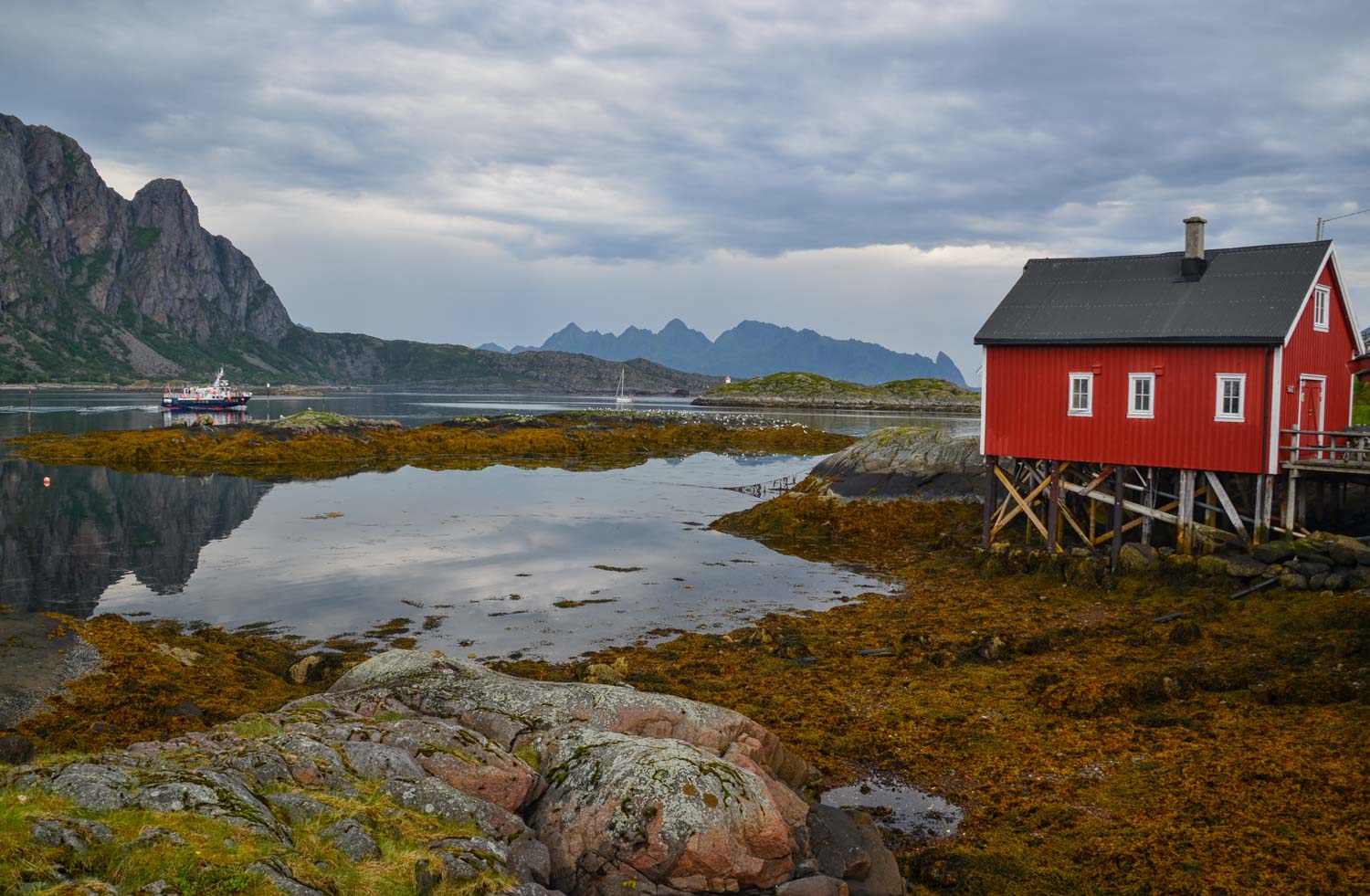
When the clouds occasionally lifted, or there opened a rift in the skies, we could capture some very picturesque views.
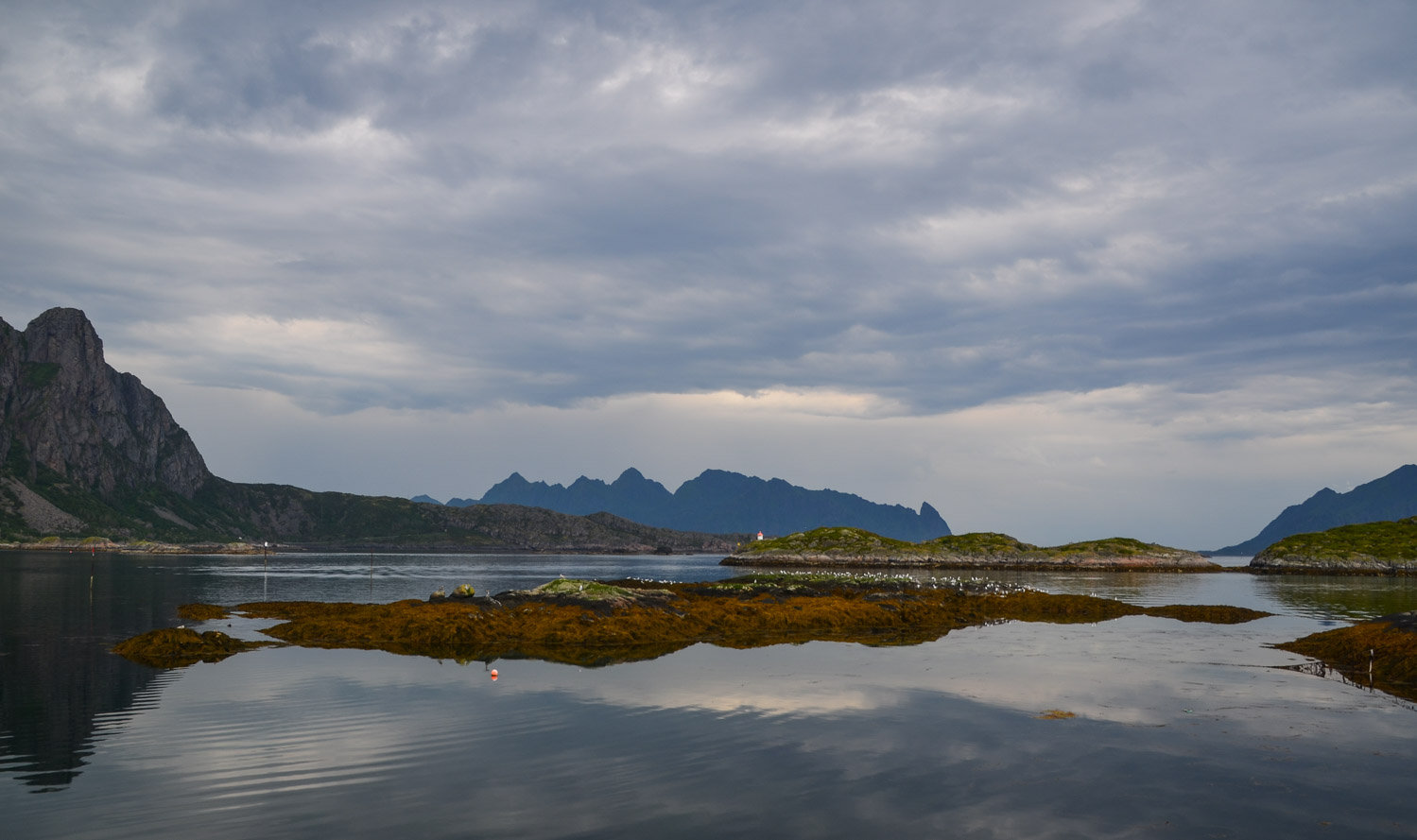
Unfortunately, after this lovely walk, we had to say goodbye to Svolvær – still bathing in that special light that attracts many artists and galleries – and us – to Lofoten.
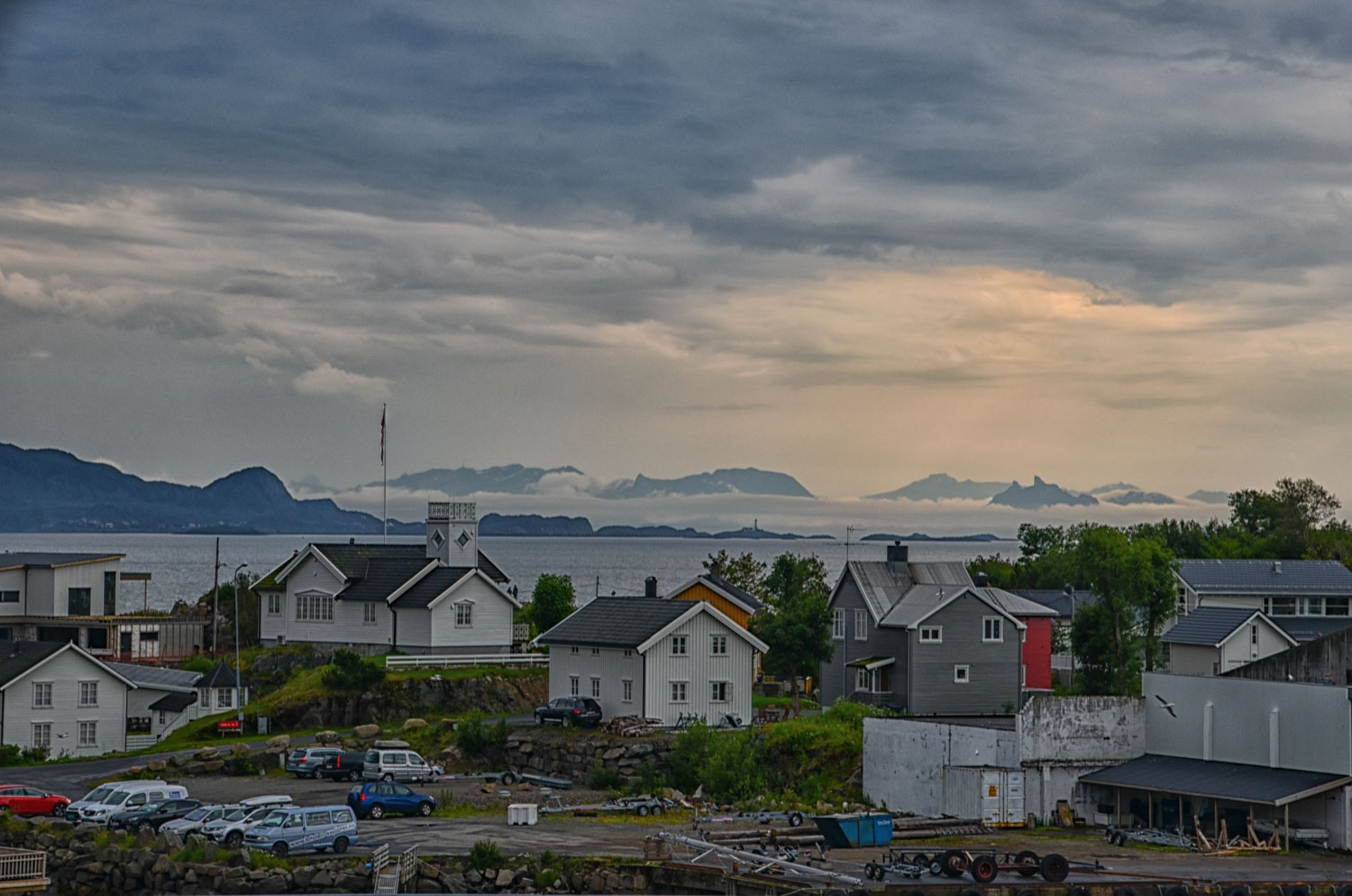
Narvik was developed as an all-year ice free port for the Swedish Kiruna and Gällivare iron mines. In my youth I was here once, but did not go further out to Lofoten. This time we also took the train to Riksgränsen and back again. We got an interesting view of the new bridge connecting islands – not finished yet.


Riksgränsen (the border to Sweden) – and as you can see there is no activity during summer – it seems. Abandoned cafées and all lifts still waiting for passengers.


Back in Narvik again I marvelled at the abundance of red clover overlooking the harbour. Flowers everywhere along the roads in Sweden and Norway – a wonder for me used to the brownish yellow burnt landscape at home.
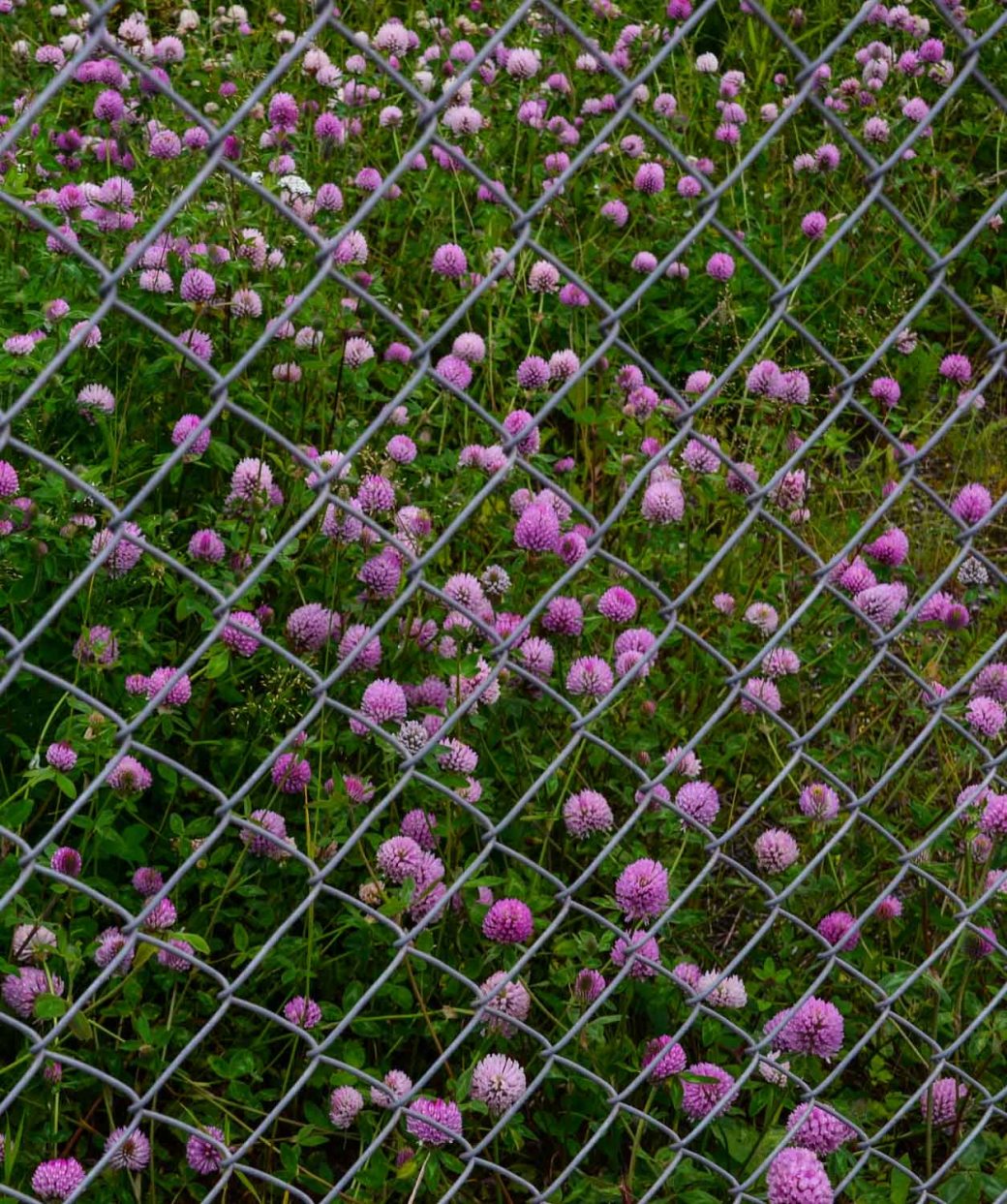
We spent only a day here – then left for Lofoten and its beautiful, varied landscapes.
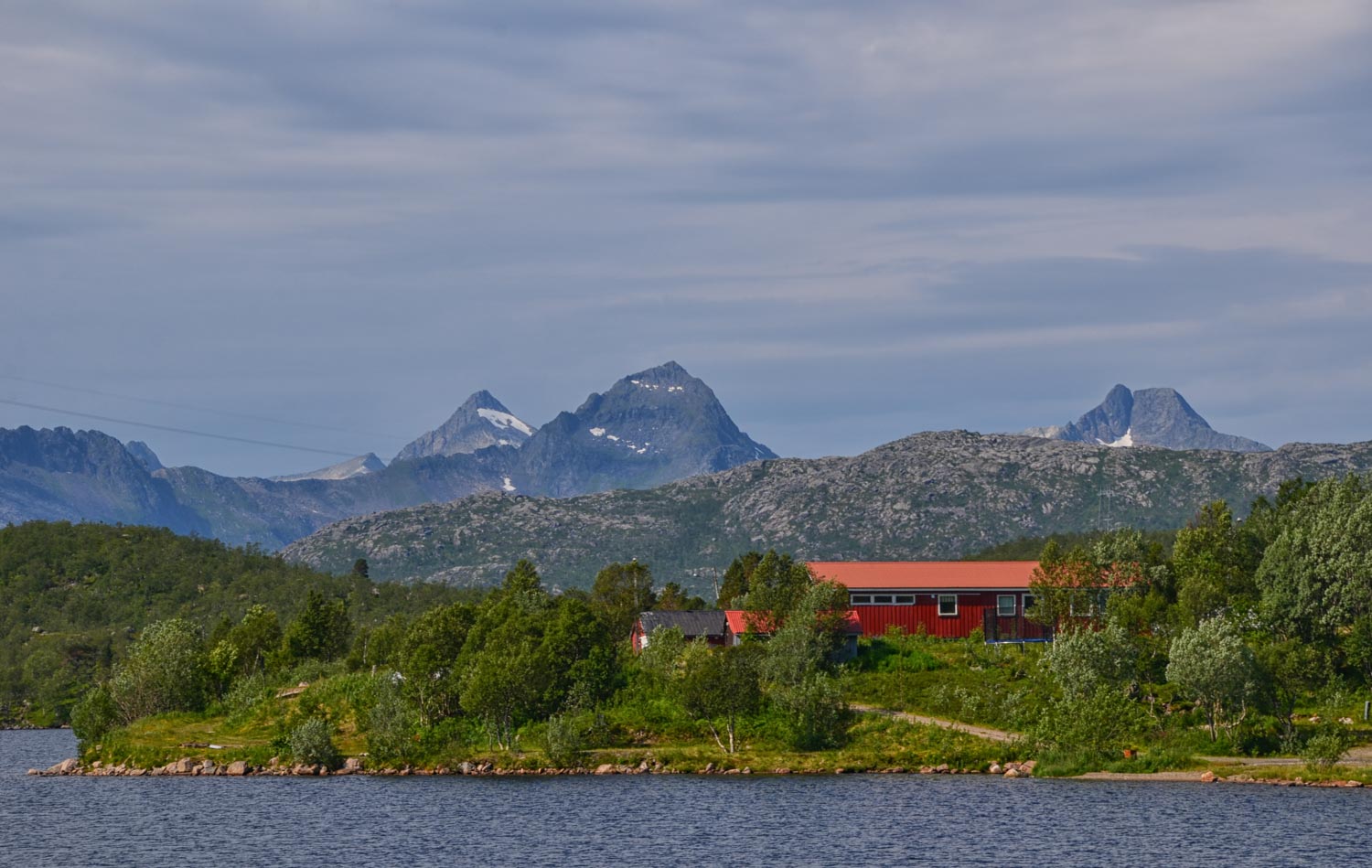
For the Swedish ”Fika” this first day, we found a lovely place with the sound of running water and a soothing mountain view.
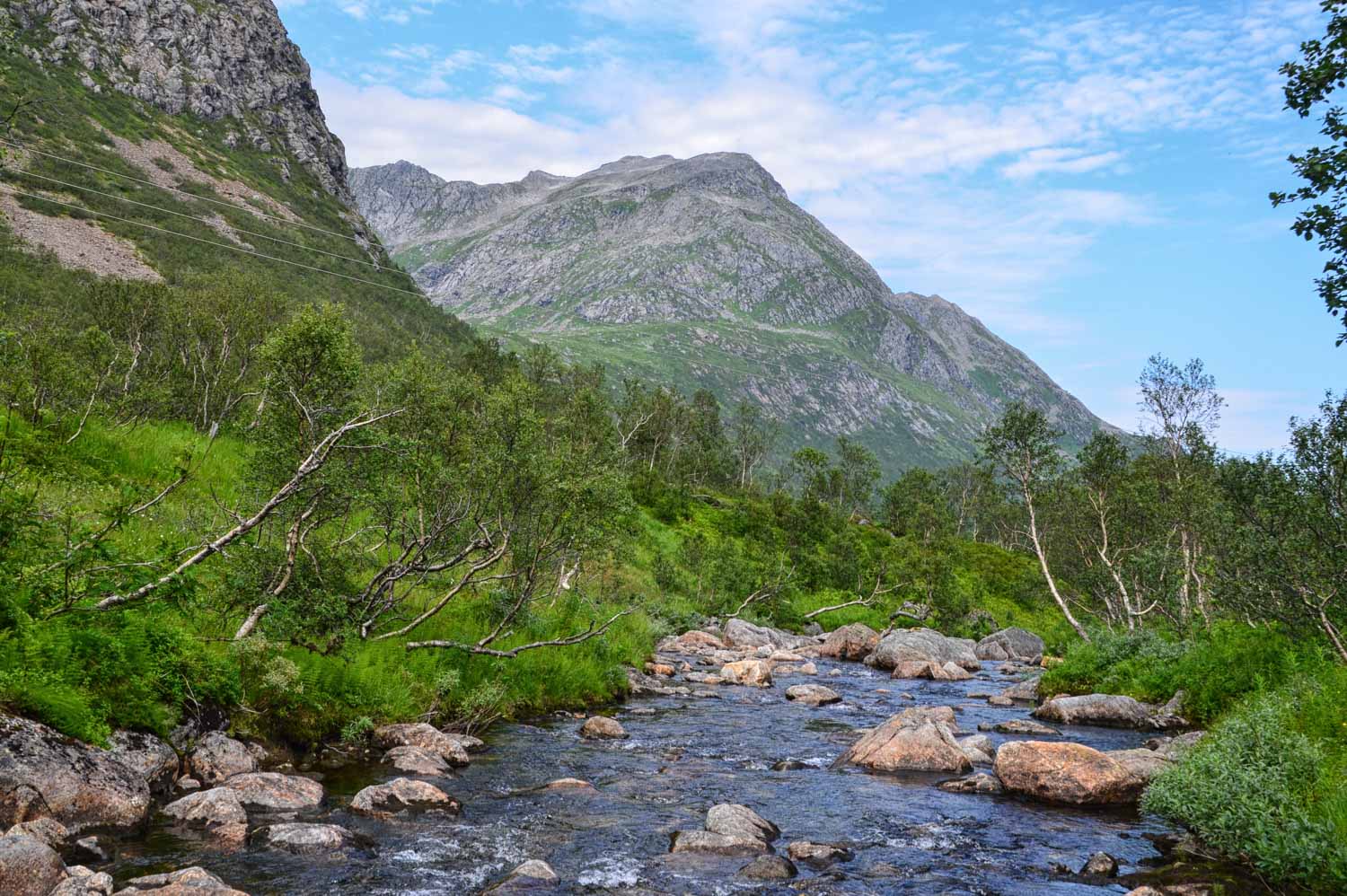
Milo would have loved this place. Low water and easy to splash around and play.
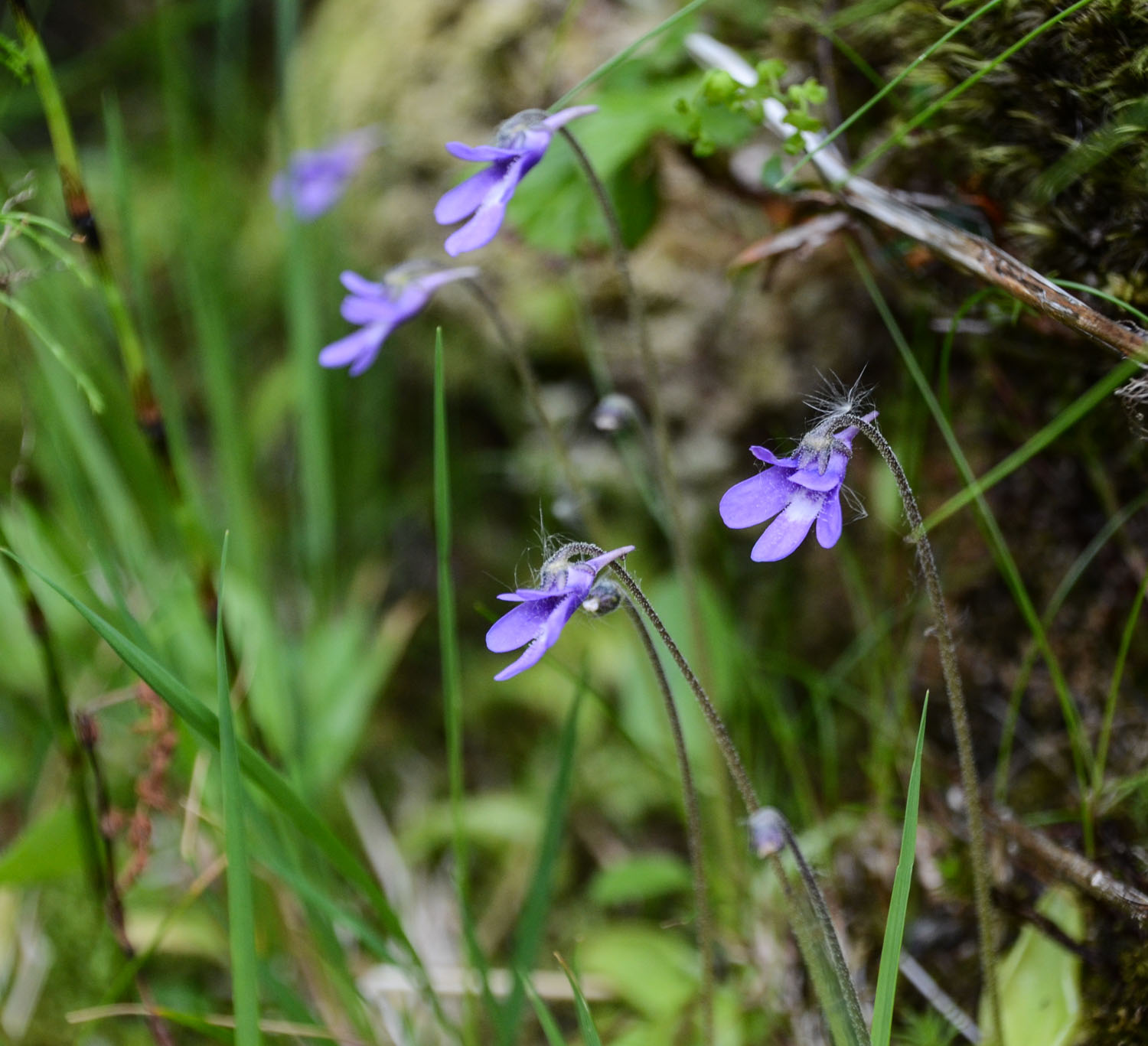 The common butterwort grew on the banks of this little river – did you know this is a carnivorous plant? I didn’t before I looked it up in the flora.

Just before darkness, we arrived in Svolvaer – the main town in Lofoten – which will be in the next post!

 Leya
Leya 
Du måste vara inloggad för att kunna skicka en kommentar.