The reality today is that we are all interdependent and have to co-exist on this small planet.
– The Dalai Lama
Tina is our host this week, and she has chosen the theme Habitat. A theme close to my heart. Without habitat, there is no wildlife, and in fact, no real life. What affects a habitat are mainly two factors: biotic and abiotic factors. Biotic factors are living things within an ecosystem, (and how different species interact and work together, which decides the number of each species) and abiotic are non-living components (mainly geology and climate).
We all know what is happening to our planet and to us and our fellow inhabitants. So, What can we do…what Do we do?
The one process now going on that will take millions of years to correct is the loss of genetic and species diversity by the destruction of natural habitats. This is the folly our descendants are least likely to forgive us.
– E. O. Wilson
As ordinary humans, we might think we cannot do much, but personally I support several nature organisations, and I try to keep my footprint as small as possible. (With a bad conscience everytime I fly…) Our pollinators are crucial to our planet, and the bee is considered our most valuable species. In my little world, I strive to plant only bee and pollinator – friendly plants in the garden. About half of it is never cut down and left wild. It thrives.


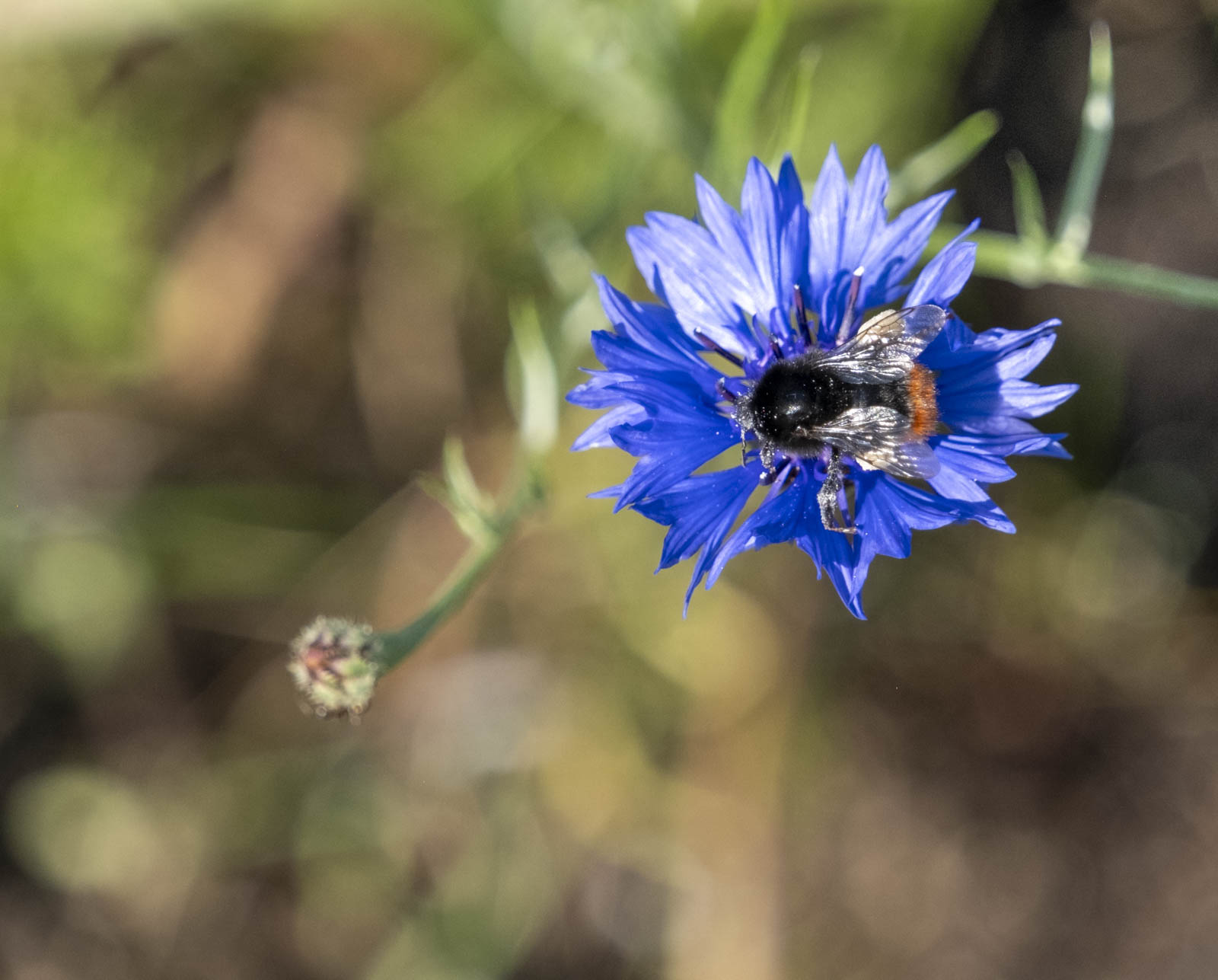
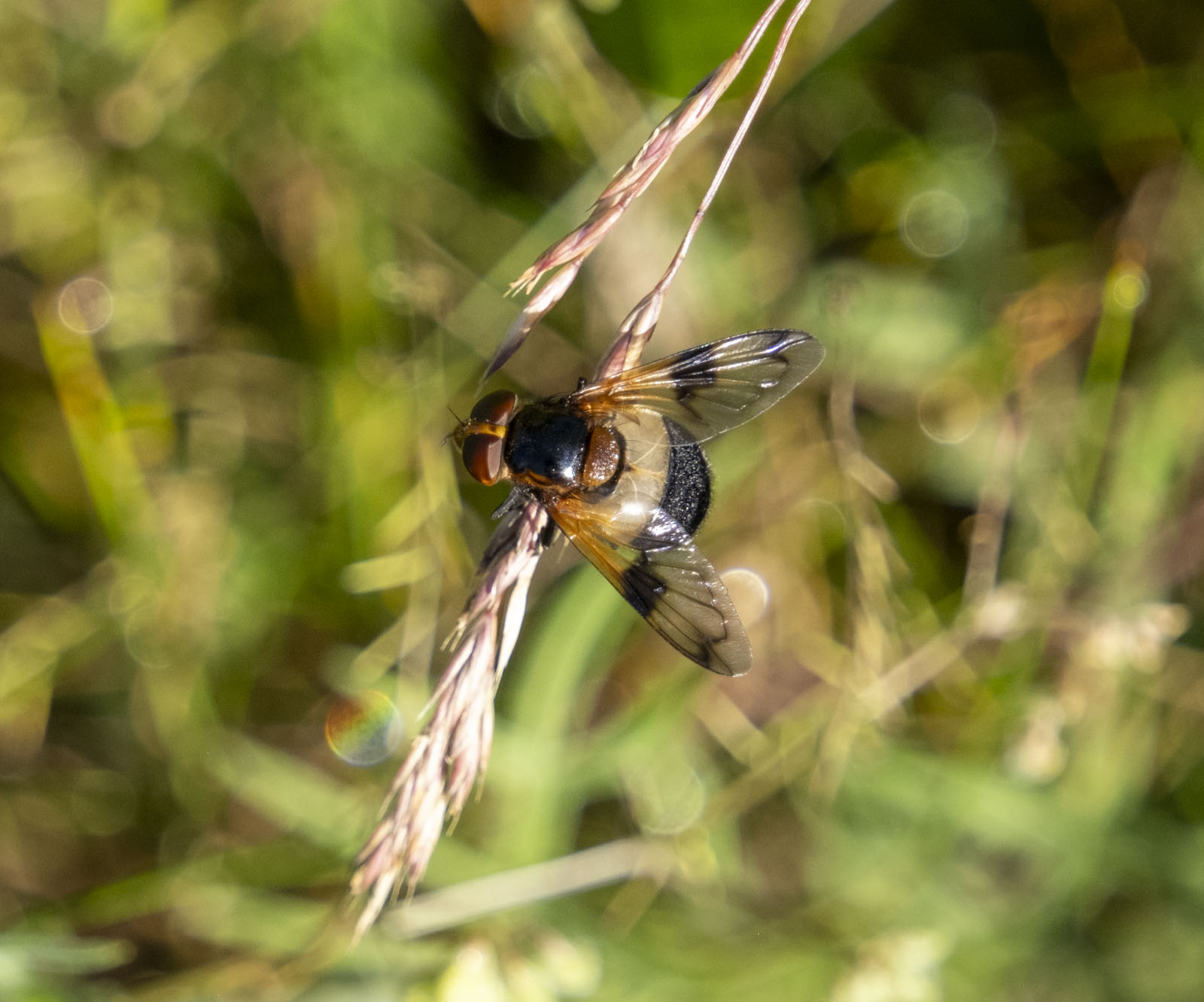

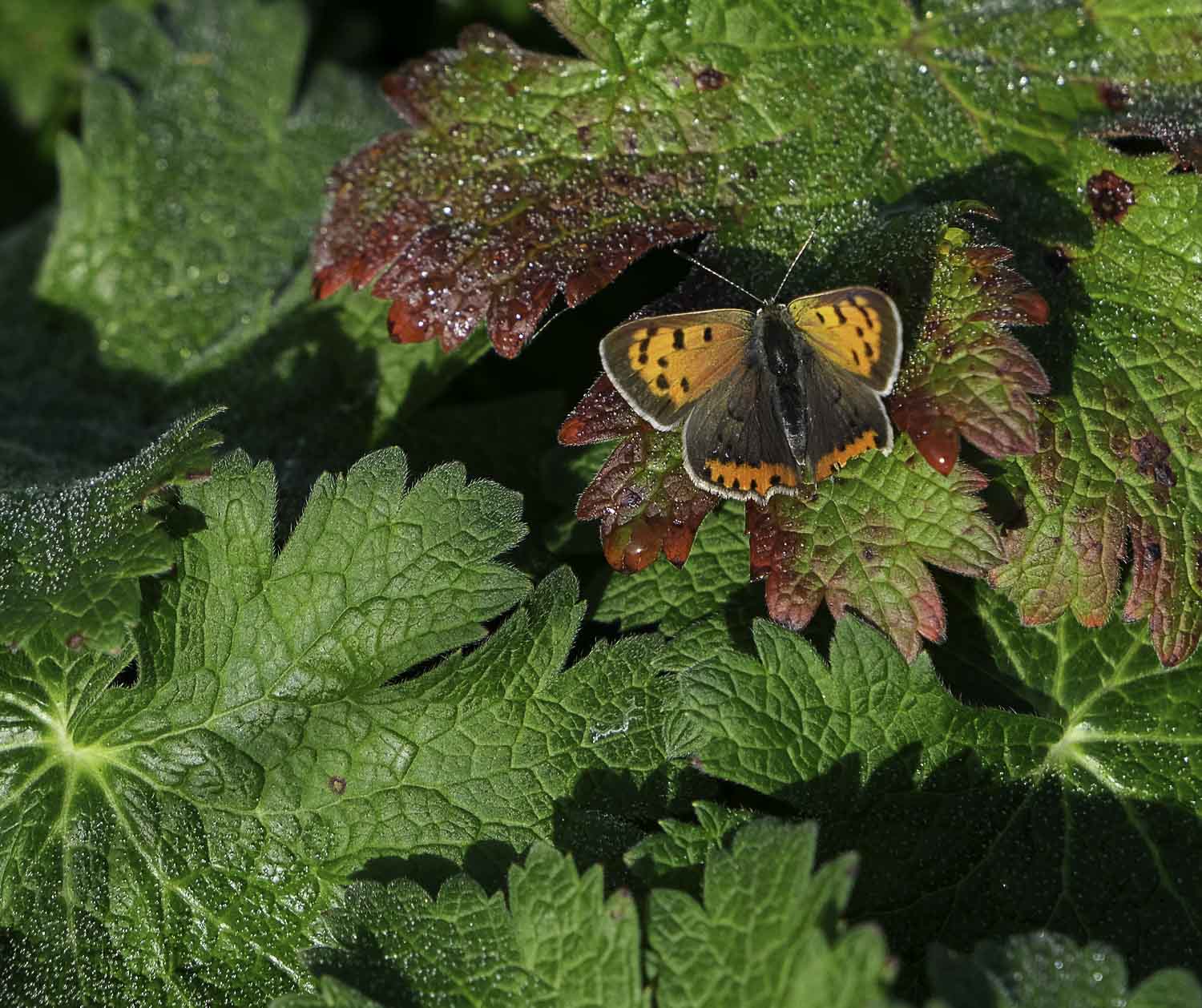

Dead trees are left were they fall – and I plant climbers for them.

This is my small contribution for increasing the habitats for insects and birds. A great outcome was my find of a leopard moth here. Dead, but a rare species with gardens and orchards as their habitats. Dead trees are home to many insects.

The only way we can reduce the number of these endangered species is to improve and provide additional habitat where they can live and reproduce.
– Lorne Greene
I hope my garden will steadily become an even better habitat for many plants, insects and birds. I believe we all can do something – following the old saying ”Small streams make great rivers”. To me, this thinking makes my habitat in this world much more alive and useful.
Outside my own garden, a country that comes to mind for having sustainable habitats, is Bhutan. Bhutan is the world’s first carbon negative country. Mainly because of its extensive forests, covering 70% of the land, the Kingdom is able to absorb more carbon dioxide than it produces. How did Bhutan get here and how can the country be an example for the rest of the world? Listen to Bhutan’s Prime Minister in a TED talk on youtube .
In Bhutan, the forest is protected by law, they use their rivers to get clean energy and they subsidise the more eco-friendly LED lamps. To me maybe the most impressive thing is their biological corridors connecting protected areas with each other. Thus, the vast diversity of animals is free to roam around the country. It helps them better adapt to climate change and increase their population naturally. When we were there, we were informed that some tigers were tagged and could be followed from the south part bordering to India, and through corridors up to the snowy Himalayas. In only a few days.
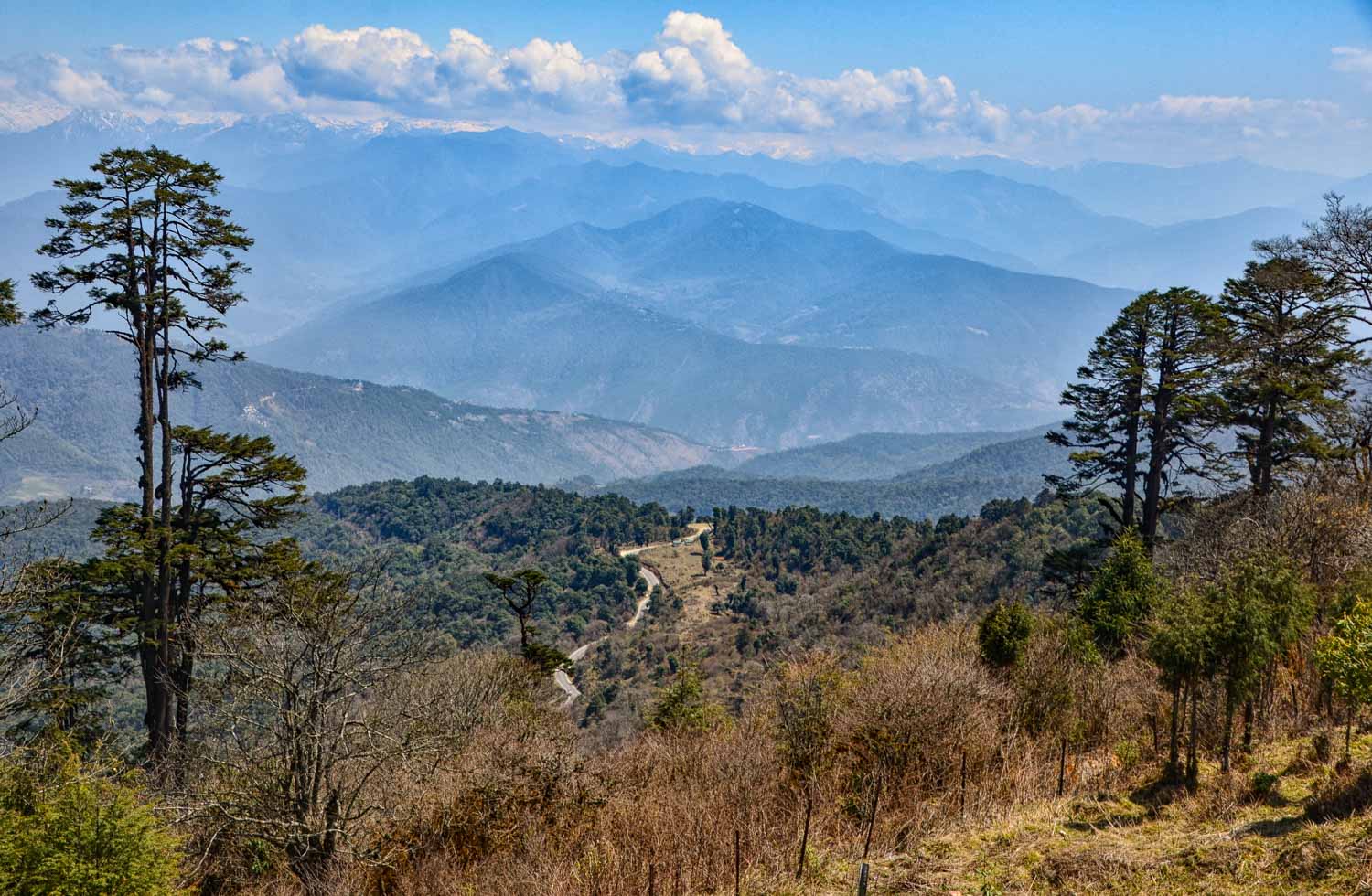


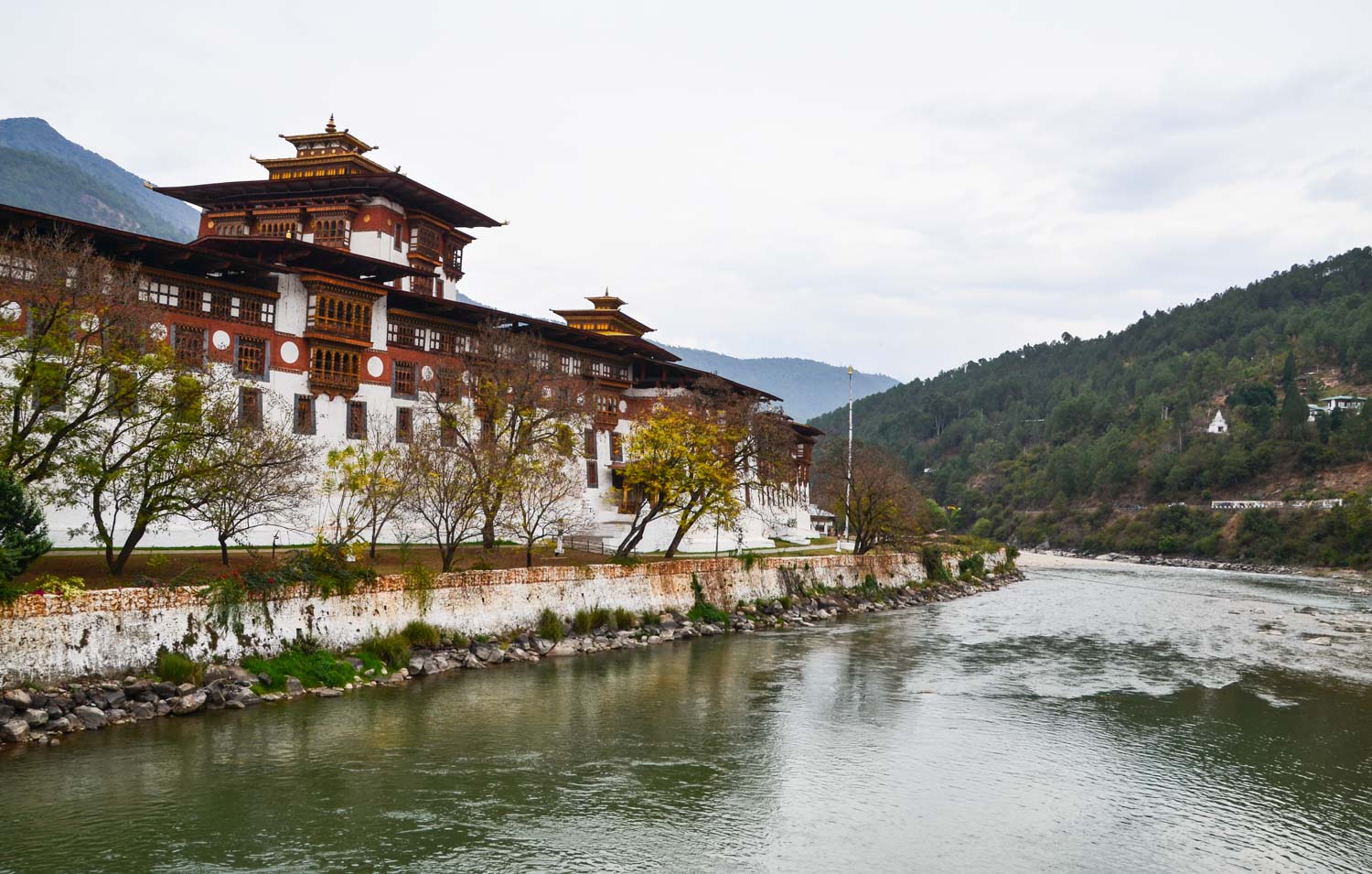

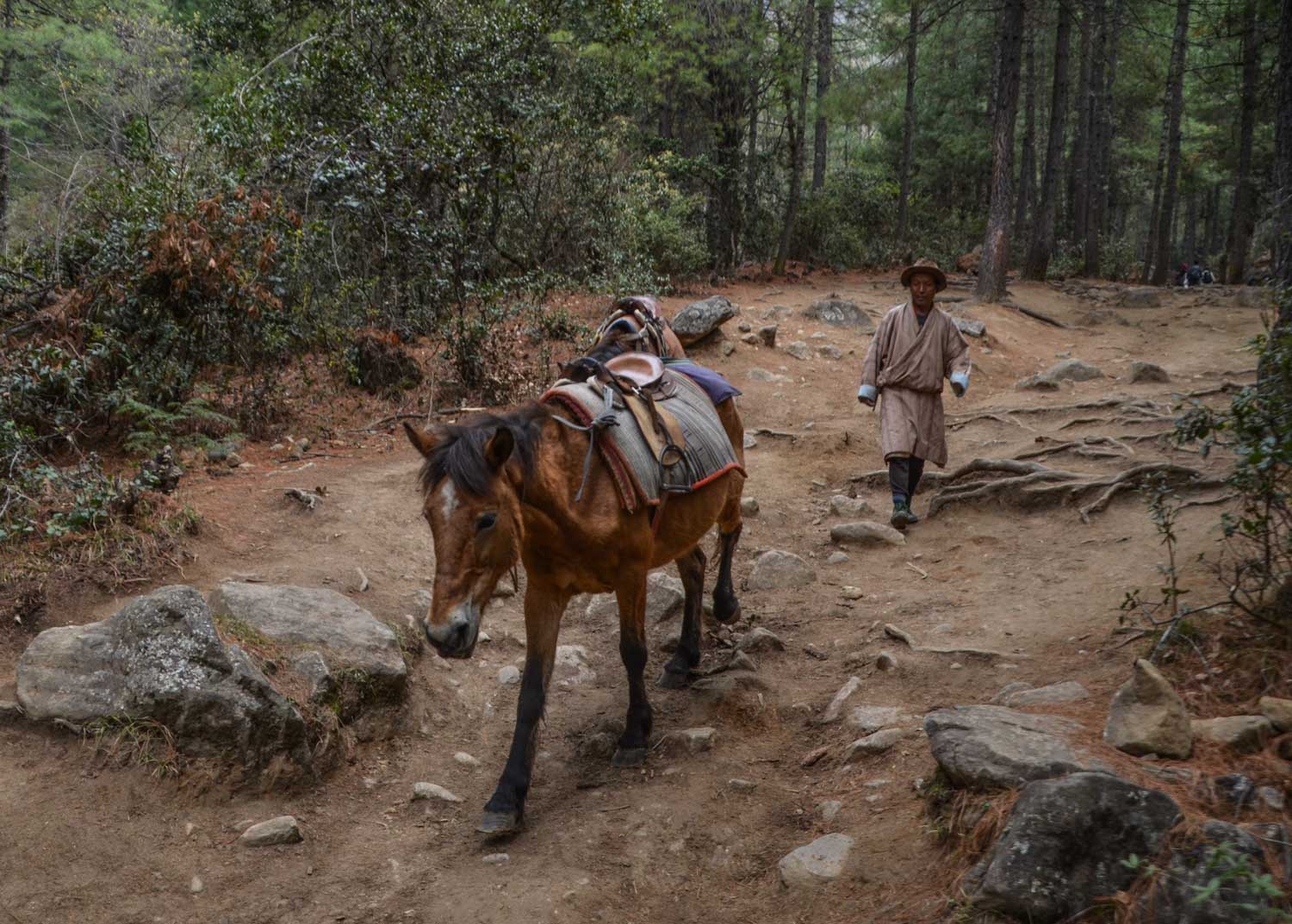


It seems in Bhutan everything living coexist in a smoother way – maybe because of their faith and because of their government’s decisions on the importance of biodiversity. In the cities too, we found space was gladly shared among different species. A comfortable, common habitat.
I hope you’ll join us this week to explore the habitats of both human and animal ”residents”. Be sure to link to Tina’s post, and to use the Lens-Artists Tag to help us find you. Also, our big thanks to Egidio whose 2 Rectangles challenge gave us a chance to learn something new, and proved that many of us did not know about this, but were often using it anyway.
As in previous years, the Lens-Artists team will be on hiatus for the month of July. There will be no challenge on the 6th, but the rest of the month will be led by several amazing Guest Hosts. They include:
July 13: Leanne of Leanne Cole explores TOURIST ATTRACTIONS
July 20: Elizabeth of Albatz Travel Adventures leads us with PAIRS
July 27: PR of Flights of the Soul presents BALCONIES
The Lens-Artist team will be back on August 3 when Patti once again leads us on her Pilotfish Blog. Until then as always please stay safe, be kind and enjoy the adventure.
Looking for more information on joining our challenge? Click here.
 Leya
Leya 
Your conclusion is much better. But, a great number of countries are going back from these initiatives and allowing to multiple companies and the entrepreneurs who suggesting ideas which kill green energy and building a good life
Thank you. Yes our new government is the same. Sad.
Your philosophy of gardening is just what the planet needs. I too support organizations that protect and support nature. Every little bit we all do helps. Unfortunately, many big corporations are way more interested in profit, regardless of the damage done to our earth.
Pingback: Lens-ArtistPC24-306-Habitats – WoollyMuses
I couldn’t agree more, Ann-Christine. Even small things can make a difference if we all do them. I’d love to visit your garden, it looks like the perfect place to get lost in. A perfect, thoughtful post.
Thank you, Sofia, you are welcome anyday! Just contact me.
❤️
Beautiful Anne Christine. I wish our politicians would see it that way too.
So do I, Leanne. At least our latest elections showed a big rise in the Green parties, and focus on what we need to do. Young people are more aware than older people here. Since the pandemic, Greta has held a lower profile, but is still working.
Wonderful approach to the challenge Ann-Christine. Your garden is marvelous, no wonder the critters love it! That tree with the pink flowers is so beautiful. I also loved the information and images about Bhutan. The big problem countries like the U.S. face is the vast amount of infrastructure and development already in place. There is work under way but there is so much yet to do. But at least we are finally trying. Sigh.
Yes, Sigh, Tina. Things are starting to move here too…but oh, so slowly. The need for speed is crucial, but still our politicians focus on economy and other areas. They don’t seem to understand how many jobs and a rise in economy that would be generated if we started working for a green change NOW.
Such lovely photos. You have a beautiful garden, and your story about Bhutan is inspirational. I read recently that no garden is too small for encouraging biodiversity, good news for us since we don’t have much land. I am slowly working at transforming our front yards into pollinator habitats, ripping up the grass and planting frog fruit, thistles, lantana, pentas, etc. It is a slow process but so rewarding when we see all the bees and butterflies and dragonflies about.
How great, Marie! And yes, even if you only have a balcony, you can help too. I agree it’s a long process – but so good you are working on it too. It took a couple of years to get the wild part going, but now it’s on its way here. Good luck with yours!
Your lovely garden is clearly a peaceful haven for so much wildlife! And it sounds as if other countries could learn a lot from Bhutan. It’s great that even the tigers have the freedom to roam, thanks to those corridors!
Thank you, Sarah – yes, Bhutan is an example to the world.
A stunning collection of habitats and their inhabitants, Anne-Christine! Wildflowers allowed to grow, that many consider weeds, or invasive, attract a lot of pollinators. We let them have their day in our yard.
Good! Nice to hear, Terri!
Your garden images reminded me that even an area as small as a garden has its own ecosystem and is a habitat for many local residents. Nice captures, Ann-Christine!
Ann-Christine, your garden is not only beautiful to look at but you are providing a wonderful habitat for the pollinators.
Thank you so much, Beth, I wish I could do more, but I am grateful to be able to do this much.
A beautiful post Ann-Christine and stunning photographs 💚 Letting part of the garden go wild and leaving dead trees offers a great habitat for new growth, insects and wildlife and what they are doing in Bhutan is an inspiration to us all 💜🙏 xxx
Thank you, Xenia! I hope people will meet the challenges of climate change better in the future than they do now. The will be forced to.
If I were a small creature, I’d try to move immediately to the haven that is your garden. So lovely and thought-through! And you’ve written about Butan before too. If I were a larger creature, I’d like to move there. They seem very enlightened.
Margaret – a lovely comment, thank you! Bhutan is my dream…but my small creation here is good enough for me!
Your garden will always be a source of inspiration and pleasure for you, Ann-Christine, and so for us too. I don’t really understand how the corridors work but it sounds like a great initiative. Happy summer to you!
Thank you, and Happy Summer to you as well! The corridors are , maybe some kilometers in breadth of forest and open areas where animals can travel without coming into cities or in human contact. If we leave such corridors, animals can safely go to new grazing areas for example. Very clever idea.
It sounds so simple and obvious, but I can imagine that it would make a big difference.
You are an inspiration to us on how to garden with the thought of giving back to nature. Beautiful photos and how lucky to have been to Bhutan, such an inspirational country. The rest of the world should take notice of them and their philosophies
Thank you for a lovely comment – and yes, the world would be more open for finding solutions if people only listened! It I were an inspiration…I would be happy!
A lovely post with wonderful images and information.
Thank you, Rupali!
Great photos, thoughtful commentary. Save the planet! NOW!!!
Yes, let’s!
Your garden is beautiful and I love all of your little visitors!
Thank you, Nora – it’s a joy each day!
Beautiful photos!! I especially love the flowers around the dead trees. They are amazing!
Thank you, Lisa!
Pingback: Lens-Artists Challenge #306 – Habitats - Fotofeed
Pingback: Lens-Artists Challenge #306 – Habitats - Bloggfeed
What a wonderful post Ann=Christine. Your pictures are a beautiful reminder of what we need to do to help our planet. They are also a reminder of what you are doing personally. You are an inspiration!
Thank you, Anne, for your beautiful words! I do believe we still can save our planet – but it takes more than government decisions, it takes you and me.
💕
Beautiful photos and written imagery I love it
Thank you very much!
Ann-Christine, what a lesson in conservation and biodiversity you gave us. The photos are stunning from the very first to the last. I could go on reading and seeing your beautiful images for hours. This post is epic. I hope your readers take your words to heart. The planet desperately needs that. Bravo!
♥ Thank you for a wonderful comment, Egidio! Hopefully people will rise to the big challenge we are facing. Or – they have to.
Wonderful photos and message Ann-Christine. I agree and appreciate your conscious effort to live simply. We can make a big impact if everyone strove to live simply, plant native trees, bushes, and flowers, and allow part of the yard to be wild.
So true. It is not difficult if we give it a try.